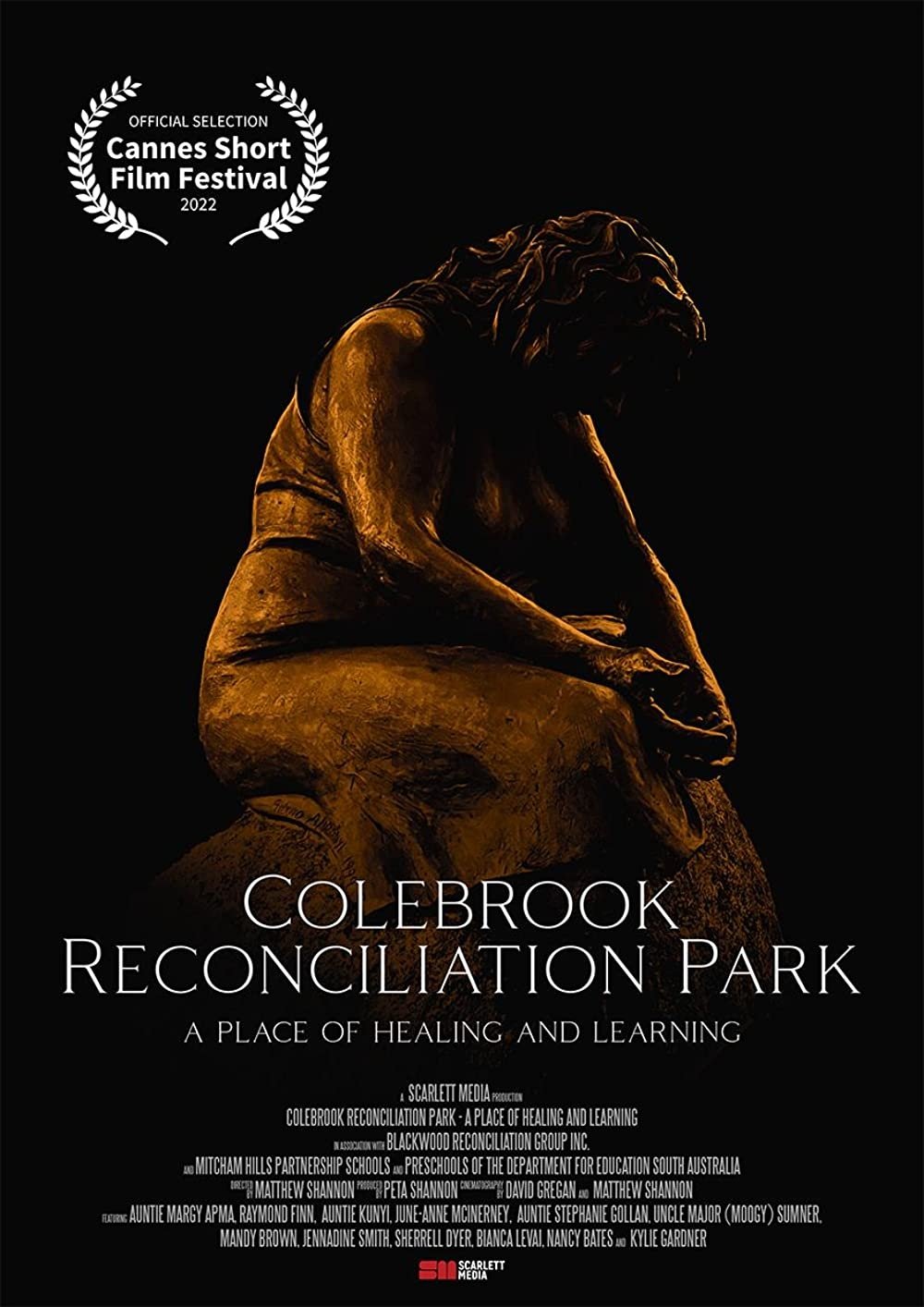
Colebrook Blackwood Reconciliation Park is where the Colebrook Training Home once stood. It is now a permanent memorial for the Aboriginal children of the “Stolen Generation” and their families.
Social & External
On the Kainai (Blood) First Nations Reserve, near Cardston, Alberta, a hopeful new development in Indigenous enterprise. Once rulers of the western plains, the Bloods live on a 1 300-square-kilometer reserve. Many have lacked gainful employment and now pin their hopes on a pre-fab factory they have built. Will the production line and work and wages fit into their cultural pattern of life? The film shows how it is working and what the owners themselves say about their venture.
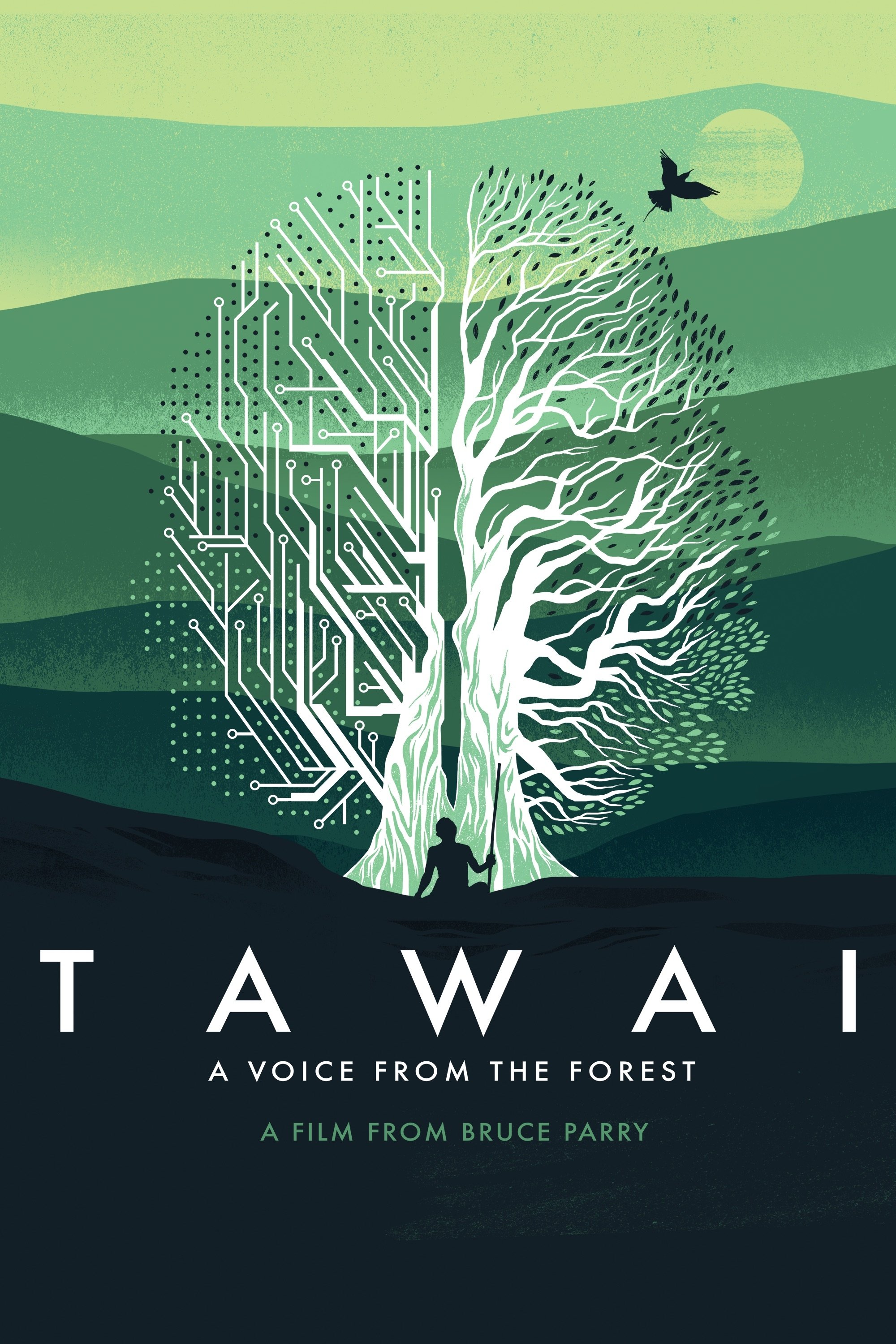
Explorer Bruce Parry visits nomadic tribes in Borneo and the Amazon in hope to better understand humanity's changing relationship with the world around us.
A documentary film about Comanche activist LaDonna Harris, who led an extensive life of Native political and social activism, and is now passing on her traditional cultural and leadership values to a new generation of emerging Indigenous leaders.
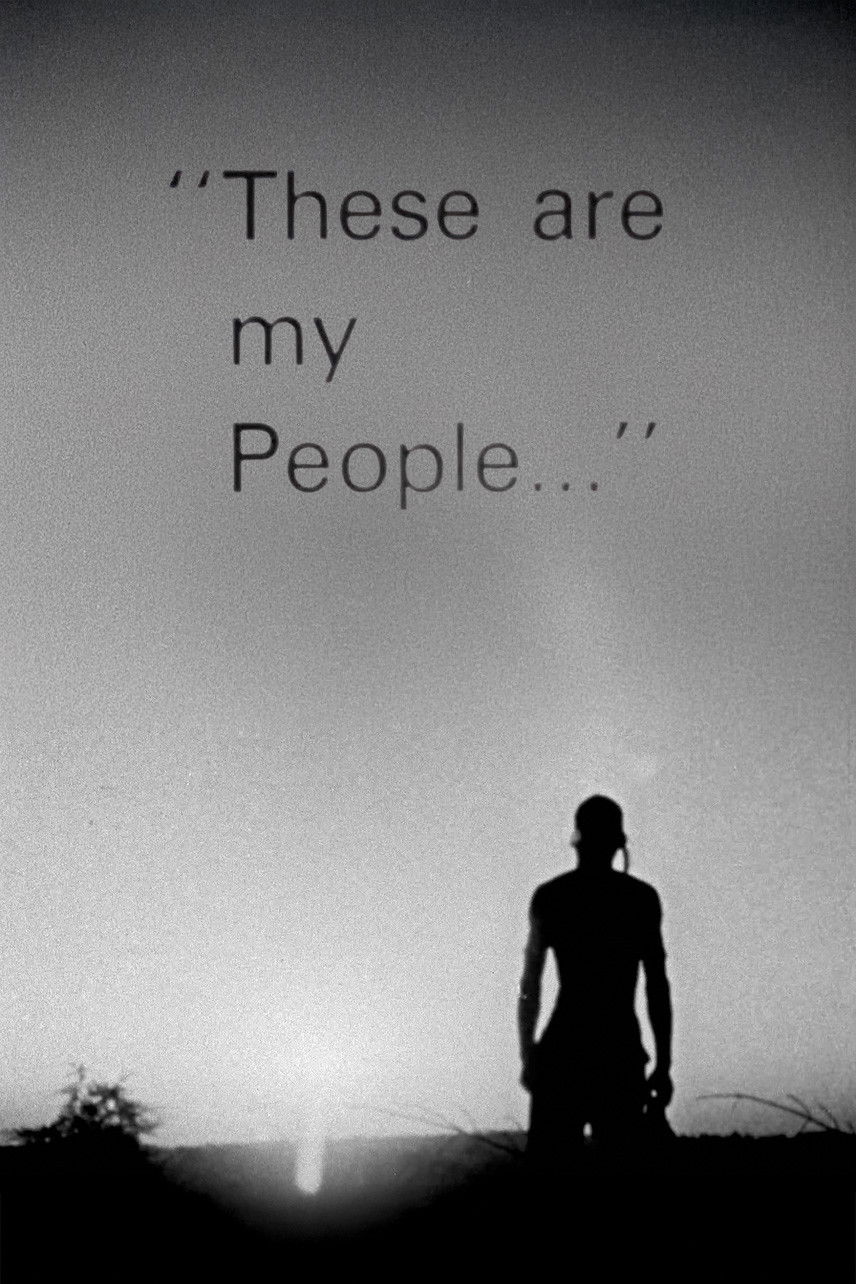
The people of Unamenshipu (La Romaine), an Innu community in the Côte-Nord region of Quebec, are seen but not heard in this richly detailed documentary about the rituals surrounding an Innu caribou hunt. Released in 1960, it’s one of 13 titles in Au Pays de Neufve-France, a series of poetic documentary shorts about life along the St. Lawrence River. Off-camera narration, written by Pierre Perrault, frames the Innu participants through an ethnographic lens. Co-directed by René Bonnière and Perrault, a founding figure of Quebec’s direct cinema movement.
TOKYO Ainu features the Ainu, an indigenous people of Japan, living in Greater Tokyo (Tokyo and its surrounding areas), who are and actively in promoting their traditional culture in a metropolitan environment away from their traditional homeland, Hokkaido. Shedding a common assumption that all Ainu live in Hokkaido, the film captures the feelings, thoughts and aspirations of Ainu people that who try to follow the Ainu way no matter where they live.
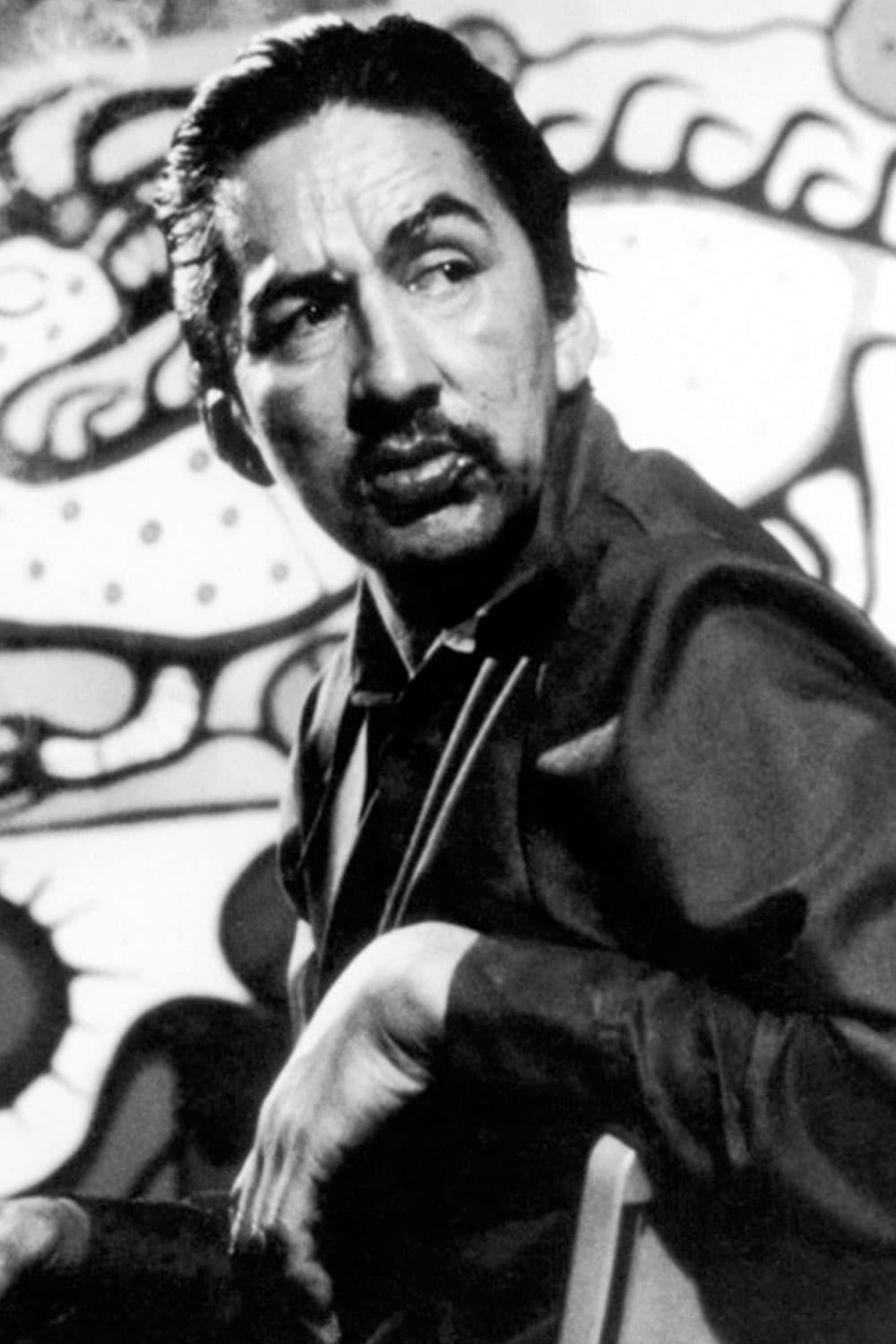
Legendary documentary filmmaker Alanis Obomsawin provides a glimpse of what action-driven decolonization looks like in Norway House, one of Manitoba's largest First Nation communities.
Lonnie Kauk’s personal journey to honor his indigenous Yosemite roots, and to connect with his legendary father by repeating his iconic climbs.
An American elementary school program from the 1970s, Man: A Course of Study (MACOS), looked to the Inuit of the Canadian Arctic to help students see their own society in a new way. At its core was The Netsilik Film Series, an acclaimed benchmark of visual anthropology from the National Film Board that captured a year in the life of an Inuit family, reconstructing an ancient culture on the cusp of contact with the outside world. But the graphic images of the Netsilik people created a clash of values that tore rifts in communities across the U.S. and revealed a fragile relationship between politics and education. A fiery national debate ensued between academic and conservative forces. hrough These Eyes looks back at the high stakes of this controversial curriculum. Decades later, as American influence continues to affect cultures worldwide, the story of MACOS resonates strongly.
Shigeki, one of the Ainu people of northern Japan, follows the traditions of his ancestors and teaches his son Motoki about their heritage. But how can old customs be revived after centuries of suppression?
The ocean contains the history of all humanity. The sea holds all the voices of the earth and those that come from outer space. Water receives impetus from the stars and transmits it to living creatures. Water, the longest border in Chile, also holds the secret of two mysterious buttons which were found on its ocean floor. Chile, with its 2,670 miles of coastline and the largest archipelago in the world, presents a supernatural landscape. In it are volcanoes, mountains and glaciers. In it are the voices of the Patagonian Indigenous people, the first English sailors and also those of its political prisoners. Some say that water has memory. This film shows that it also has a voice.
Through the figure of Lakota activist and community organizer Madonna Thunder Hawk, this inspiring film traces the untold story of countless Native American women struggling for their people's civil rights. Spanning several decades, Christina D. King and Elizabeth A. Castle's documentary charts Thunder Hawk's lifelong commitment, from her early involvement in the American Indian Movement (AIM), to her pivotal role in the founding of Women of All Red Nations, to her heartening presence at Standing Rock alongside thousands protesting the Dakota Access Pipeline. She passed her dedication and hunger for change to her daughter Marcy, even if that often meant feeling like comrades-in-arms more than mother and child. Through rare archival material—including amazing footage of AIM's occupation of Wounded Knee—and an Indigenous style of circular storytelling, Warrior Women rekindles the memories and legacy of the Red Power movement's matriarchs.
Dawn Mikkelson’s Risking Light is a meditation on forgiveness, layered with a theme that is rarely seen on the screen—forgiving the unforgivable. Five years prior to making the film, Mikkelson met Mary Johnson and O’Shea Israel, a meeting she describes as a life-changing event that would lead to the development of Risking Light. It was then she learned that Johnson had chosen to forgive Israel for the murder of her son, which motivates the tone of humanistic mission in the film.
In this follow-up to his 2003 film, Totem: the Return of the G'psgolox Pole, filmmaker Gil Cardinal documents the events of the final journey of the G'psgolox Pole as it returns home to Kitamaat and the Haisla people, from where it went missing in 1929.
The Tŝilhqot’in Nation is represented by six communities in the stunningly beautiful interior of British Columbia. Surrounded by mountains and rivers, the Tŝilhqot’in People have cared for this territory for millennia. With increasing external pressures from natural-resource extraction companies, the communities mobilized in the early 21st century to assert their rightful title to their lands. Following a decision by the Supreme Court of British Columbia in 2007 that only partially acknowledged their claim, the Tŝilhqot’in Nation’s plight was heard in the Supreme Court of Canada. In a historic decision in 2014, the country’s highest court ruled what the Tŝilhqot’in have long asserted: that they alone have full title to their homelands.
Written and hosted by Jack Marks, an American Jewish author who misrepresented himself as Native American; this PBS documentary examines the differences between Native American and Western cultures, including their views of nature, time, space, art, architecture, and dance.
Eami means ‘forest’ in Ayoreo. It also means ‘world’. The story happens in the Paraguayan Chaco, the territory with the highest deforestation rate in the world. 25,000 hectares of forest are being deforested a month in this territory which would mean an average of 841 hectares a day or 35 hectares per hour. The forest barely lives and this only due to a reserve that the Totobiegosode people achieved in a legal manner. They call Chaidi this place which means ancestral land or the place where we always lived and it is part of the "Ayoreo Totobiegosode Natural and Cultural Heritage". Before this, they had to live through the traumatic situation of leaving the territory behind and surviving a war. It is the story of the Ayoreo Totobiegosode people, told from the point of view of Asoja, a bird-god with the ability to bring an omniscient- temporal gaze, who becomes the narrator of this story developed in a crossing between documentary and fiction.
Inuit traditional face tattoos have been forbidden for a century, and almost forgotten. Director Alethea Arnaquq-Baril, together with long-time friend and activist Aaju Peter, is determined to uncover the mystery and meaning behind this beautiful ancient tradition. Together they embark on an adventure through Arctic communities, speaking with elders and recording the stories of a once popularized female artform. Central to the film is Arnaquq-Baril’s personal debate over whether or not to get tattood herself. With candour and humour, she welcomes us into her world, to experience firsthand the complex emotions that accompany her struggle. Past meets present in this intimate account of one woman’s journey towards self-empowerment and cultural understanding.
If you wanted to change an ancient culture in a generation, how would you do it? You would change the way it educates its children. The U.S. Government knew this in the 19th century when it forced Native American children into government boarding schools. Today, volunteers build schools in traditional societies around the world, convinced that school is the only way to a 'better' life for indigenous children. But is this true? What really happens when we replace a traditional culture's way of learning and understanding the world with our own? SCHOOLING THE WORLD takes a challenging, sometimes funny, ultimately deeply disturbing look at the effects of modern education on the world's last sustainable indigenous cultures.
After a plane crash, four indigenous children fight to survive in the Colombian Amazon using ancestral wisdom as an unprecedented rescue mission unfolds.
In 1587, more than 100 English colonists settle on Roanoke Island and soon vanish, baffling historians for centuries; now, experts use the latest forensic archaeology to investigate the true story behind America's oldest and most controversial mystery.
George Bailey has spent his entire life giving to the people of Bedford Falls. All that prevents rich skinflint Mr. Potter from taking over the entire town is George's modest building and loan company. But on Christmas Eve the business's $8,000 is lost and George's troubles begin.
Martin, an ex-Parisian well-heeled hipster passionate about Gustave Flaubert who settled into a Norman village as a baker, sees an English couple moving into a small farm nearby. Not only are the names of the new arrivals Gemma and Charles Bovery, but their behavior also seems to be inspired by Flaubert's heroes.
A woman narrates the thoughts of a world traveler, meditations on time and memory expressed in words and images from places as far-flung as Japan, Guinea-Bissau, Iceland, and San Francisco.
War journalist Paul Prior returns to his New Zealand hometown after his father’s death, rekindling strained relationships with his brother and memories of a troubled past. He befriends Celia, a curious and aspiring writer, who shares a fascination with his world. When Celia mysteriously disappears, Paul becomes the prime suspect, forcing him to confront buried secrets and uncover the dark truths of his family and community.
Samantha Crawford is living a storybook life: she’s happily married, she lives on a ranch where she keeps her beloved horse, and the stories she’s told and illustrated since childhood have become published books. When her husband Billy is killed in a senseless act of violence, Sam loses her faith and her will to live. But a death-defying encounter with two children leads to a reunion with Joe, her oldest friend. As Sam watches “Papa” Joe care for and love the kids in his under-resourced neighborhood, she begins to realize that no matter life’s circumstances, the love of God is always reaching out to us.
In the early-morning hours of July 23, 2007, in Cheshire, Conn., ex-convicts Steven Hayes and Joshua Komisarjevsky broke into the family home of William Petit, his wife, Jennifer, and their daughters, Michaela, 11, and Hayley, 17. Dr. Petit was beaten and tied to a pole in the basement. The three women were bound in their bedrooms while the men ransacked the house. The brutal ordeal continued throughout the morning, ending with rape, arson and a horrific triple homicide.
Martin Scorsese, Robert De Niro, Joe Pesci, and Al Pacino in conversation about The Irishman.
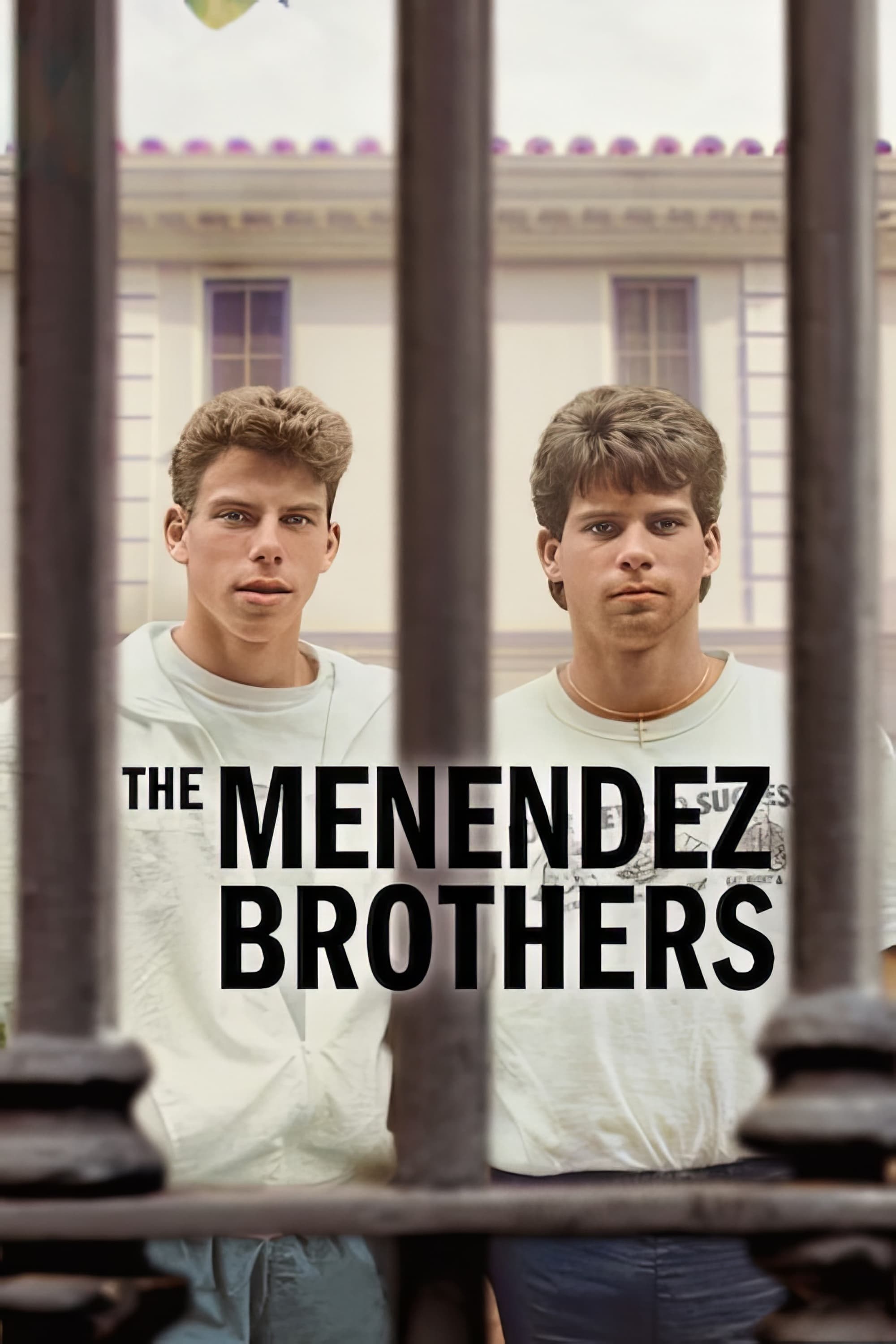
Serving life in prison for murdering their parents, Lyle and Erik Menendez speak out in this documentary explaining the shocking crime and ensuing trials.
A tale of four generations of men, all of whom have had their offspring at a young age: a great-grandfather, a grandfather, a father in his twenties and a son who is about 7 years old. When the oldest member passes away, the trio heads out on the road together in the Southwest to search out an old family secret that connects to their past.
A family gathers together for a commemorative ritual whose nature only gradually becomes clear.
Sam Burton's second wife is a Kiowa, and their son is therefore born mixed-race. When a struggle starts between the whites and the native Kiowas, the Burton family is split between loyalties.
Time-lapse photography showing the one month-long demolition of the Star Theatre in New York.
A new documentary by filmmaker-photographer Raymond Depardon – where justice and psychiatry meet.
Oprah Winfrey talks with the exonerated men once known as the Central Park Five, plus the cast and producers who tell their story in "When They See Us."
Rollins' gang wants to grab land by inciting the settlers in a war against the Indians but Winnetou and Old Shatterhand try to keep the peace, until Rollins frames Winnetou up for the murder of Jicarilla Chief's son.
Documentary about legendary Paramount producer Robert Evans, based on his famous 1994 autobiography.
A paralysingly beautiful documentary with a global vision—an odyssey through landscape and time—that attempts to capture the essence of life.
In a patriarchal society, an ordinary Georgian family lives with three generations under one roof. All are shocked when 52-year-old Manana decides to move out from her parents’ home and live alone. Without her family and her husband, a journey into the unknown begins.
Amber Heard and Nicole Kidman discuss their characters Mera and Atlanna.
In a sleepy Louisiana parish, a group of lifelong friends stage a rather unorthodox intervention to help a young playwright unravel the truth about her complicated mother and let go of her painful past.