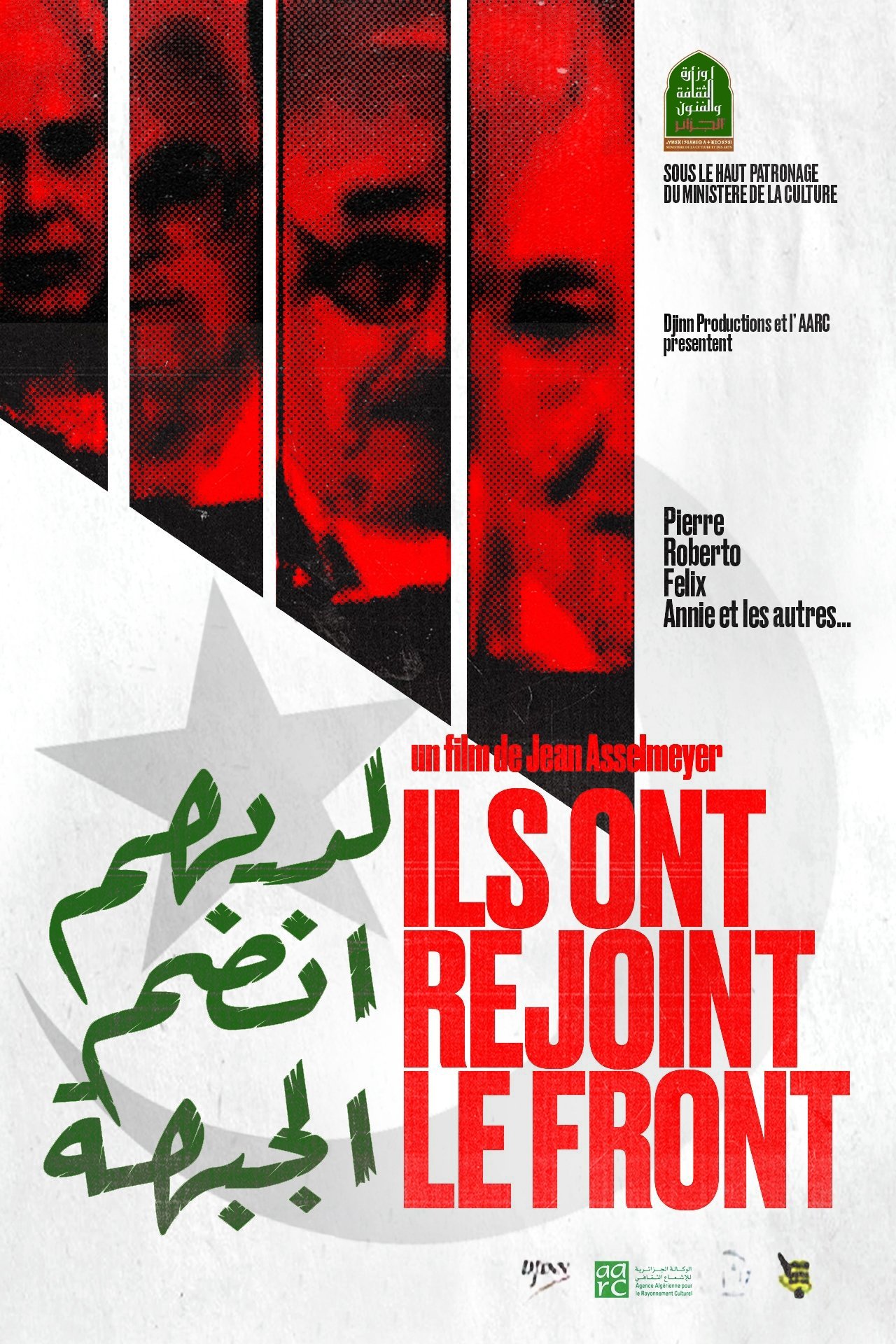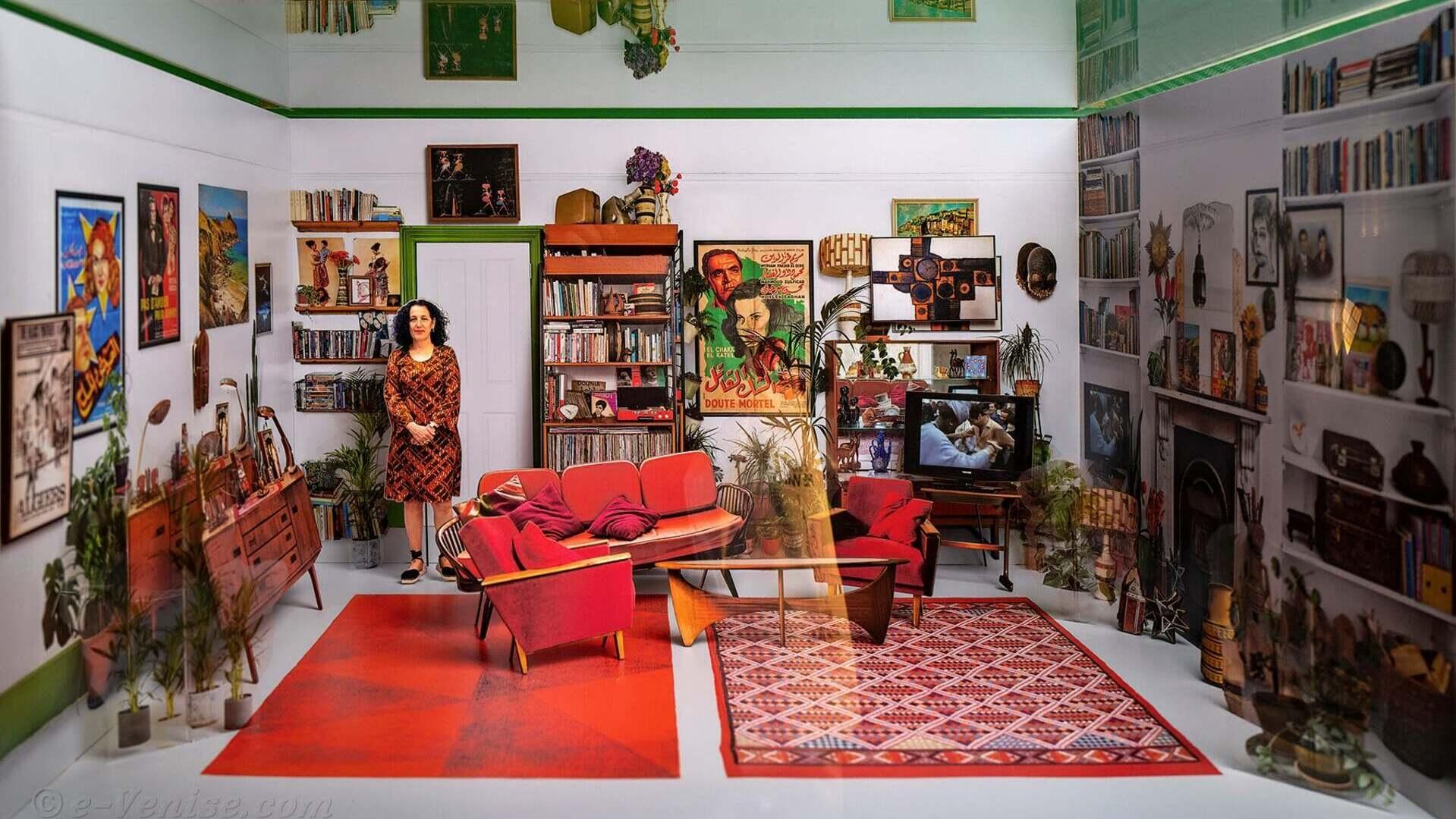
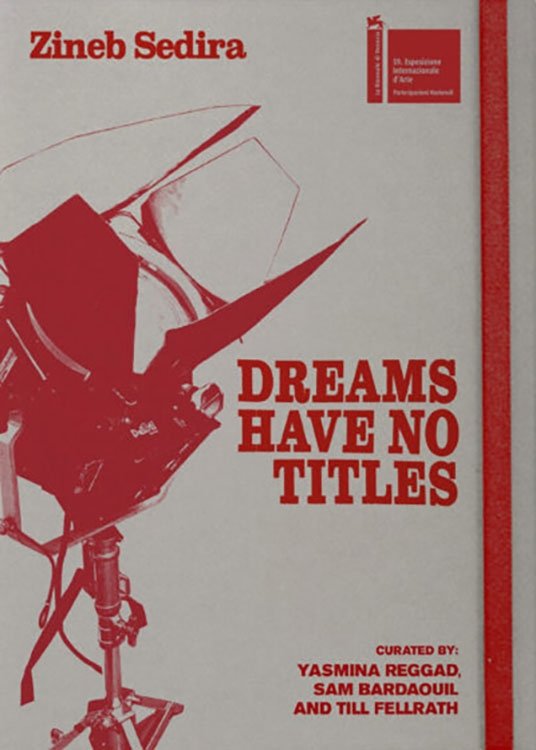
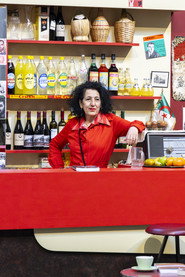
Part of Zineb Sedira's art installation for the French Pavilion at the 59th Venice Biennale. A piece where Sedira explores her passion for the militant cinema of the 60s and 70s.
Social & External
Unknown Role
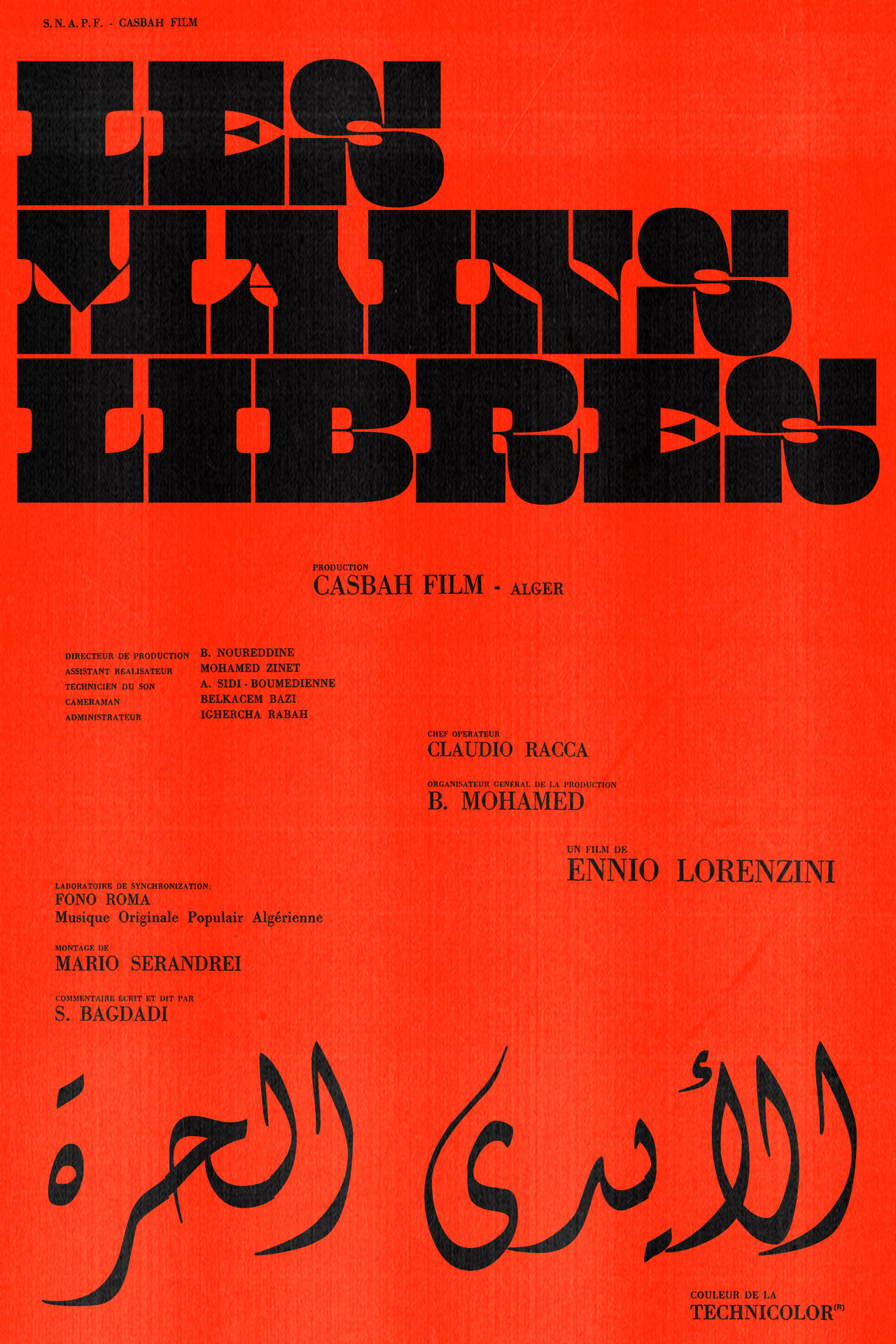
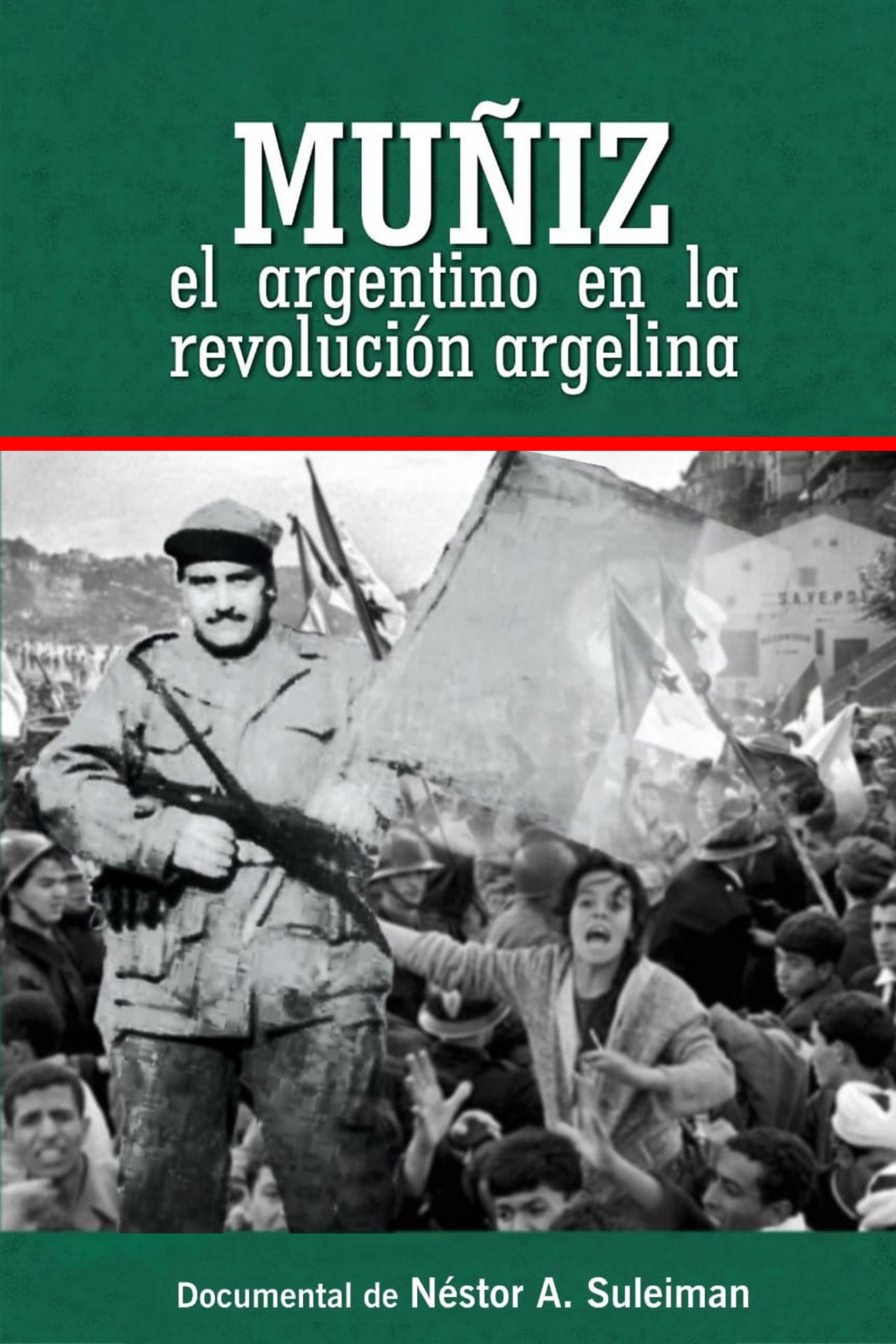
Documentary on the beginnings of Algerian independence filmed during the summer of 1962 in Algiers. The film was banned in France and Algeria but won the Grand Prize at the Leipzig International Film Festival in 1965. Out of friendship, the production company Images de France sent an operator, Bruno Muel, who later declared: "For those who were called to Algeria (for me, 1956-58), participating in a film on independence was a victory over horror, lies and absurdity. It was also the beginning of my commitment to the cinema."
This film looks back at Algeria's past, covering its fight for independence and its subsequent fight against itself, being one of the few films to capture civil war Algeria and its inhabitants on camera. The filmmakers talk to politicians from both sides, past revolutionaries, and most importantly civilians, whose lives were torn apart by the conflict.
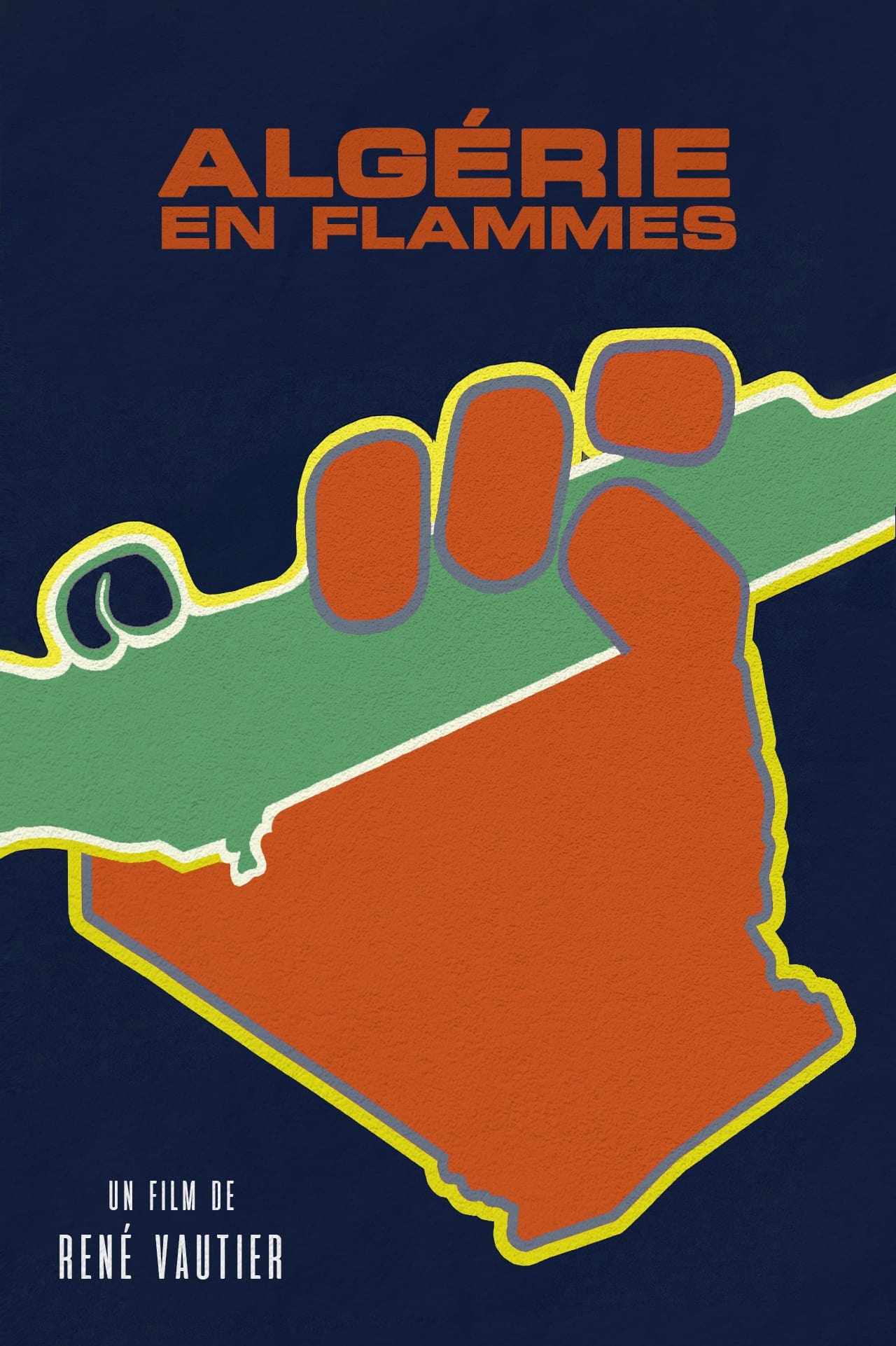
These are the first images shot in the ALN maquis, camera in hand, at the end of 1956 and in 1957. These war images taken in the Aurès-Nementchas are intended to be the basis of a dialogue between French and Algerians for peace in Algeria, by demonstrating the existence of an armed organization close to the people. Three versions of Algeria in Flames are produced: French, German and Arabic. From the end of the editing, the film circulates without any cuts throughout the world, except in France where the first screening takes place in the occupied Sorbonne in 1968. Certain images of the film have circulated and are found in films, in particular Algerian films. Because of the excitement caused by this film, he was forced to go into hiding for 25 months. After the declaration of independence, he founded the first Algerian Audiovisual Center.
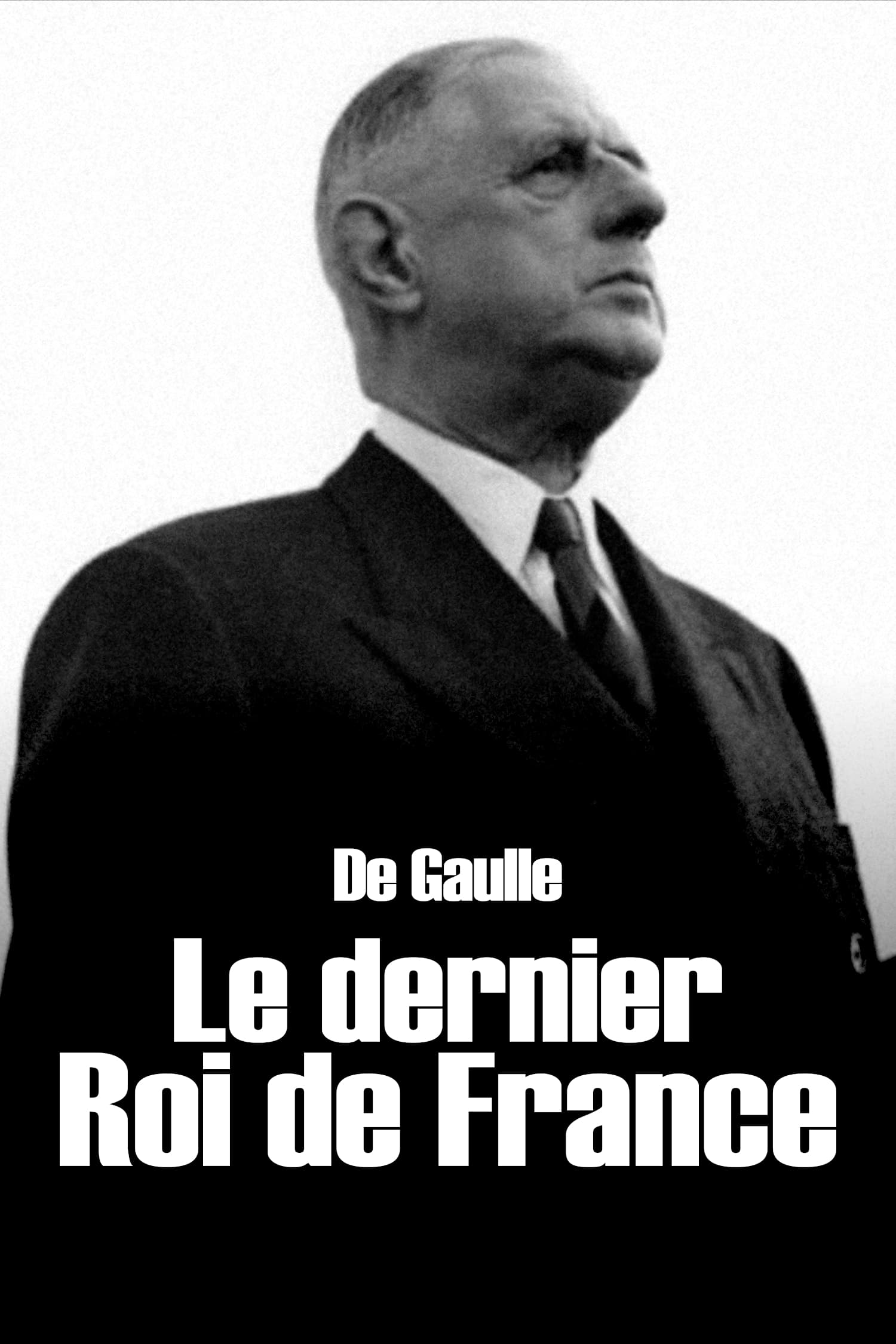
Charles de Gaulle, the first president (1958-1969) of the Vth Republic, France’s current system of government, left his mark on the country . He was statesman of action and has been compared to a monarch. This film depicts the general’s personality through the great events of his presidential term, at a time when the world was undergoing considerable changes.
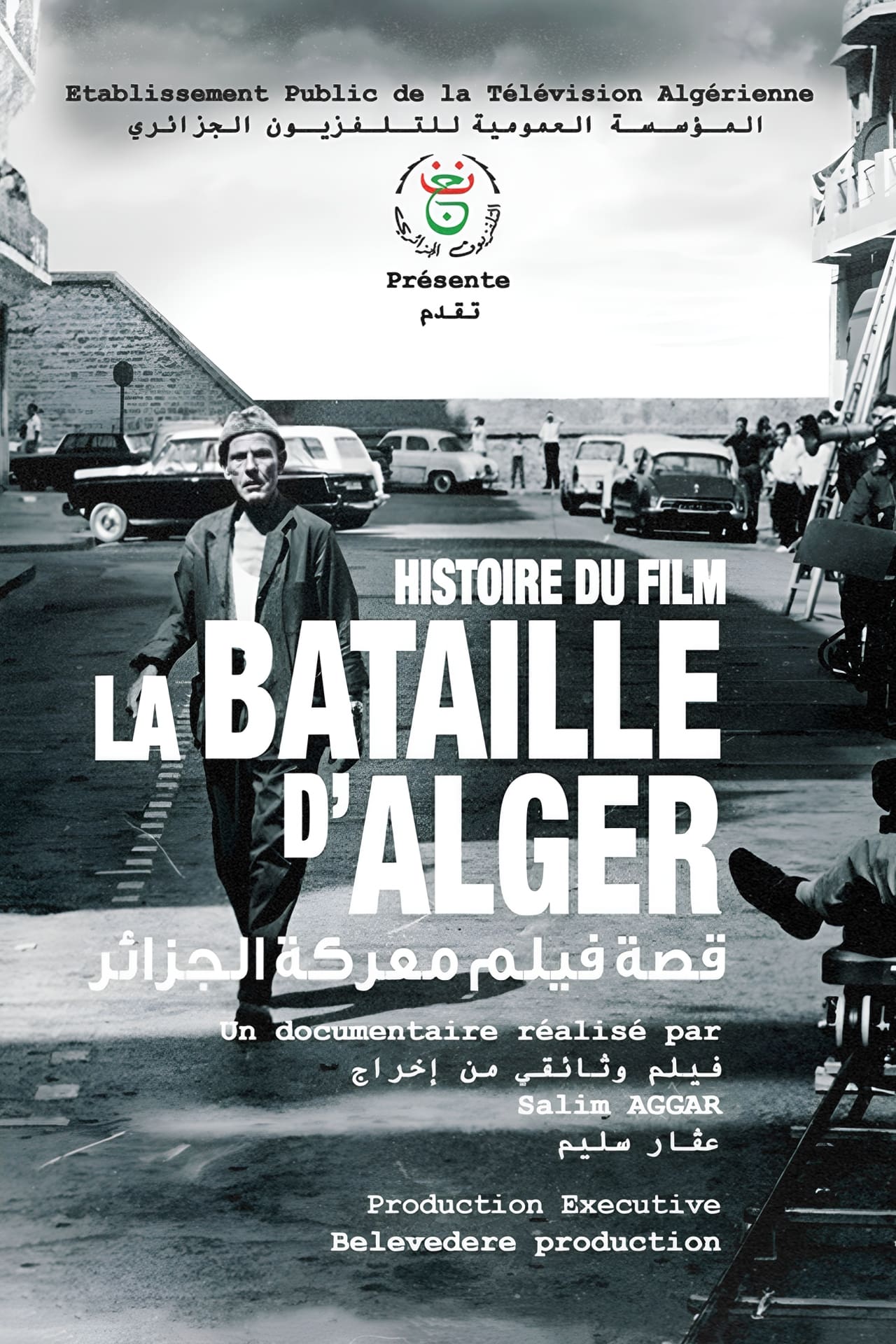
This 17-minute documentary is featured on the 3-Disc Criterion Collection DVD of The Battle of Algiers (1966), released in 2004. An in-depth look at the Battle of Algiers through the eyes of five established and accomplished filmmakers; Spike Lee, Steven Soderbergh, Oliver Stone, Julian Schnabel and Mira Nair. They discuss how the shots, cinematography, set design, sound and editing directly influenced their own work and how the film's sequences look incredibly realistic, despite the claim that everything in the film was staged .
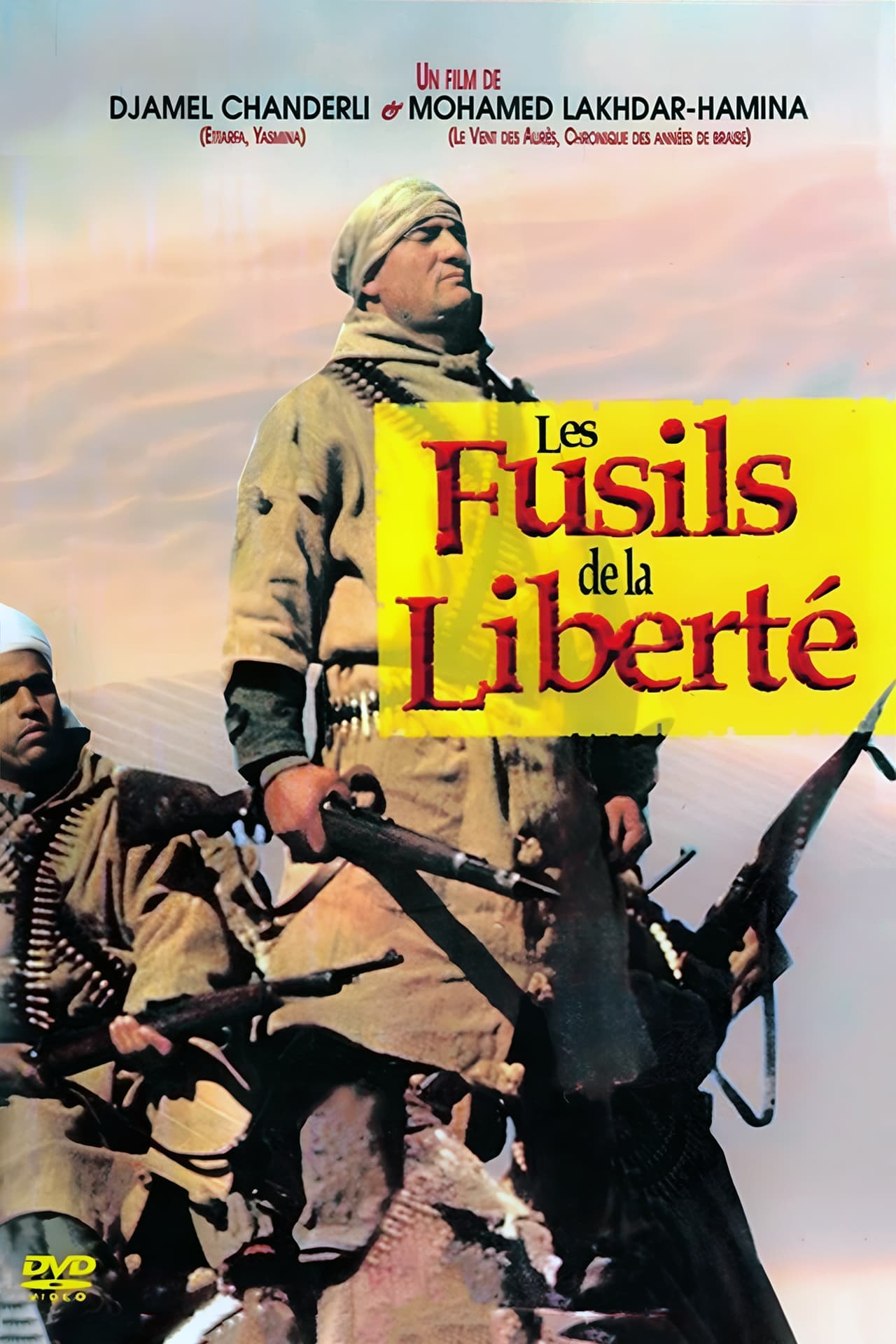
This docu-fiction recounts the difficulties overcome by an ALN detachment whose perilous mission is to transport weapons and ammunition from Tunisia across the Algerian Sahara during the Algerian liberation war (1954-1962) against the French army of occupation.
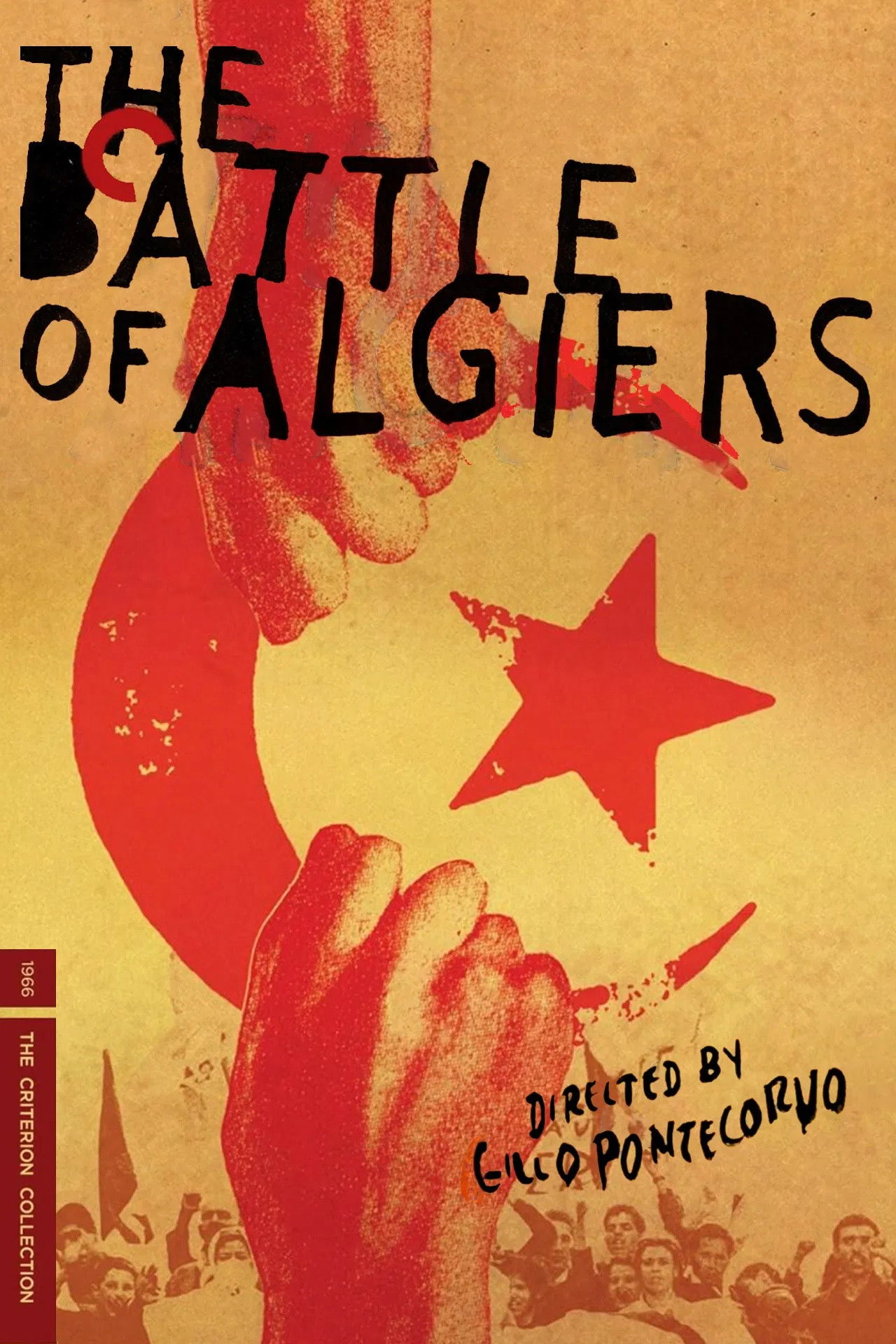
Made just three years after the end of the French-Algerian War (1954-1962), Gillo Pontecorvo's The Battle Of Algiers instantly ignited discussions of this complex historical period. Using the film as a point of reference, this 2004 documentary attempts to reconstruct the Algerian experience of the battle for independence.
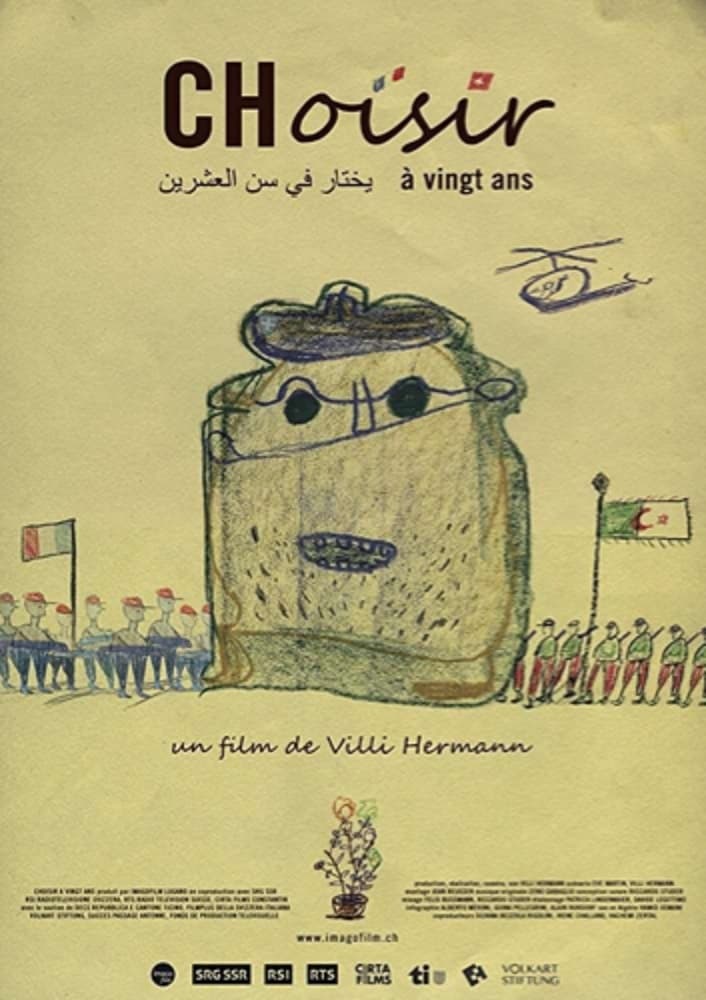
Between 1954-1962, one hundred to three hundred young French people refused to participate in the Algerian war. These rebels, soldiers or conscripts were non-violent or anti-colonialists. Some took refuge in Switzerland where Swiss citizens came to their aid, while in France they were condemned as traitors to the country. In 1962, a few months after Independence, Villi Hermann went to a region devastated by war near the Algerian-Moroccan border, to help rebuild a school. In 2016 he returned to Algeria and reunited with his former students. He also met French refractories, now living in France or Switzerland.
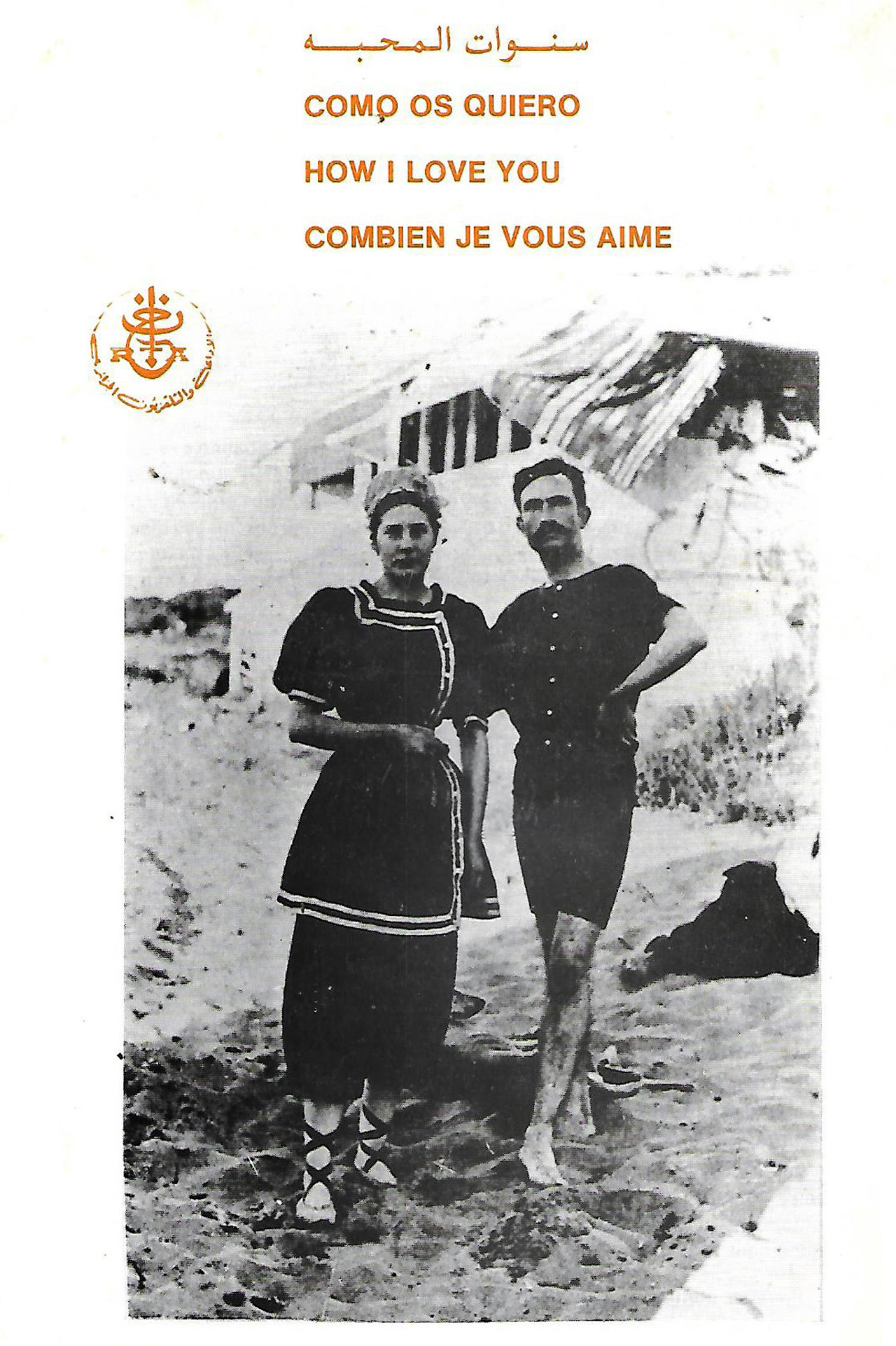
Beginning with a promotional reel encouraging farming investments in Algeria and ending with the secret 1950s nuclear tests that France conducted using Algerian prisoners, How Much I Love You appropriates archival footage produced by the French colonial powers in Algeria. Meddour’s approach is disarmingly simple and yet awe-inspiring—his caustic undoing of colonial discourse is underscored by a liberating release of humor.
By meeting his former comrades in combat, the film follows the journey of Yves Mathieu, anti-colonialist in Black Africa then lawyer for the FLN. When Algeria became independent, he drafted the Decrees of March on vacant property and self-management, promulgated in 1963 by Ahmed Ben Bella. Yves Mathieu's life is punctuated by his commitments in an Algeria that was then called "The Lighthouse of the Third World". The director, who is his daughter, returns to the conditions of his death in 1966.
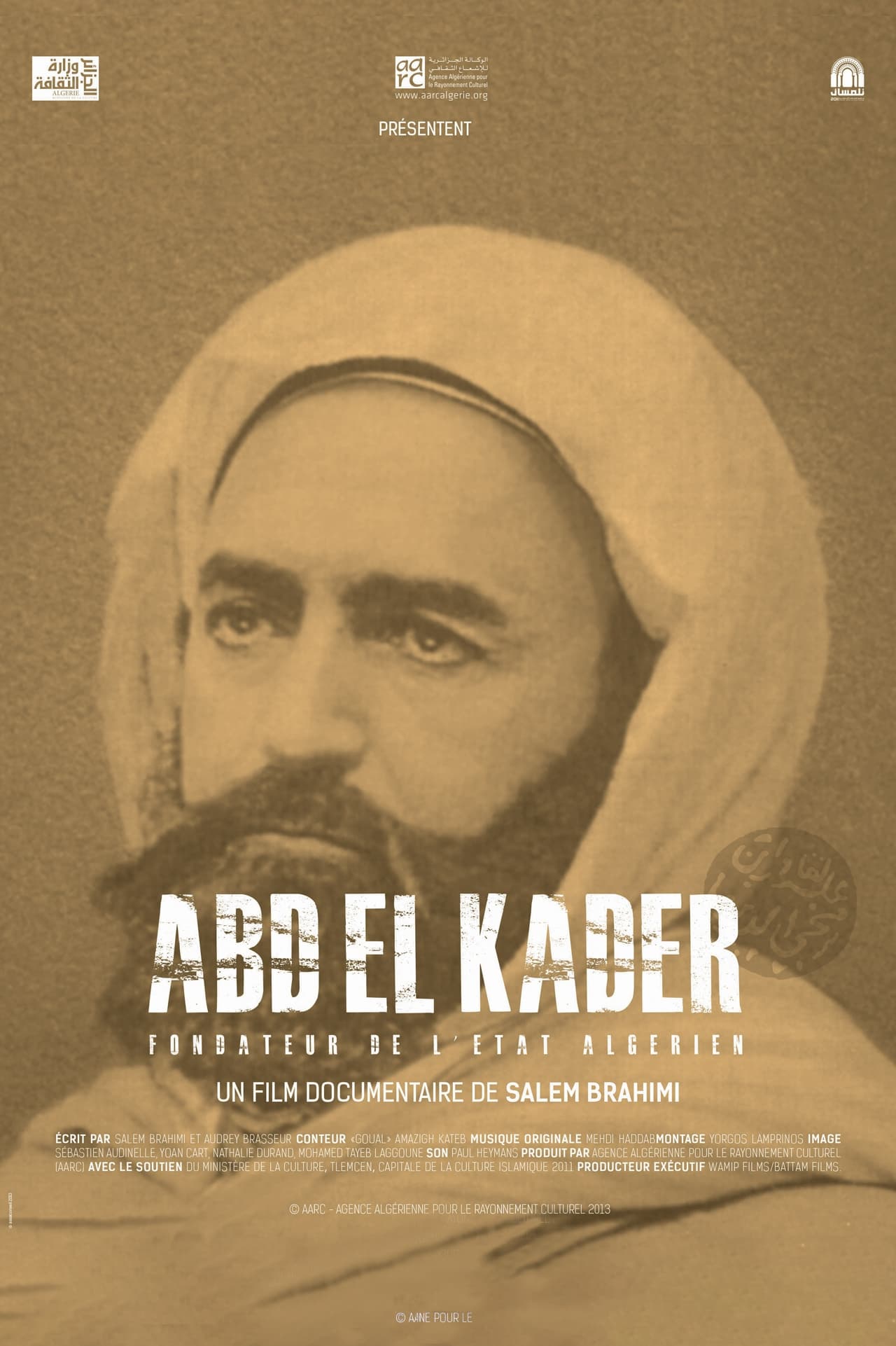
Illustrated with archival photographs, animations and live action, this film explores the history and historical and spiritual heritage of Emir Abd El-Kader. Algerian leader of the 19th century, was admired by Abraham Lincoln and celebrated to this day by the Red Cross as a great humanitarian. Emir Abd el-Kader, the man who challenged the French armies from 1832 to 1847 before creating the bases of a real Algerian state, is today considered by independent Algeria as one of the most outstanding figures. of its history. The nobility of his attitude after his capture and the very effective protection he brought to the Christians of Damascus at the end of his life also earned him great prestige among his former adversaries. A documentary told in dialectal Arabic by the voice of Amazigh Kateb.
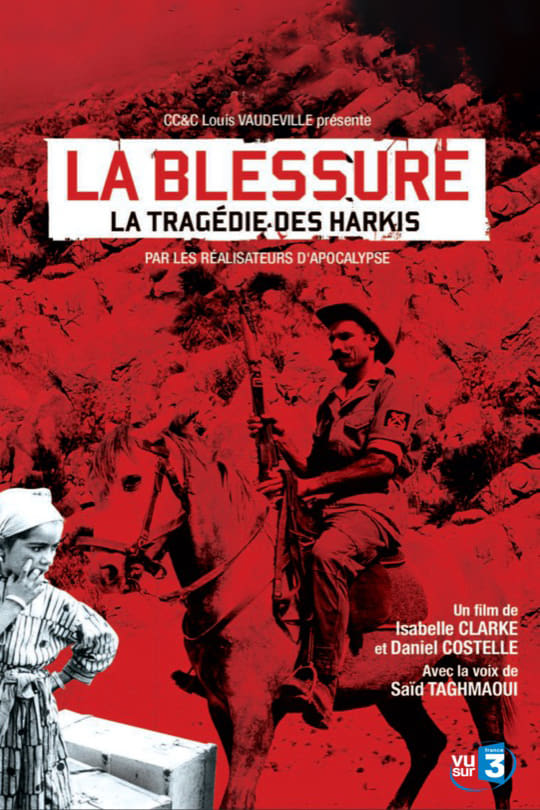
It's the unforgivable story of the two hundred thousands harkis, the Arabs who fought alongside the French in the bitter Algerian war, from 1954 to 1962. Why did they make that choice? Why were they slaughtered after Algeria's independence? Why were they abandonned by the French government? Some fifty to sixty thousands were saved and transferred in France, often at pitiful conditions. This is for the first time, the story of this tragedy, told in the brilliant style of the authors of "Apocalypse".
“La Voix du Peuple,” composed of archival photographs by René Vauthier and others, exposes the root causes of the armed conflict of the Algerian resistance. Participating in a war of real images against French colonial propaganda, these images aimed to show the images that the occupier had censored or distorted, by showing the extortions of the French occupation army: torture, arrests and arbitrary executions, napalm bombings, roundabout fires, erasing entire villages from the map, etc. This is what the French media described as a “pacification campaign”.
In 1963, Rosans, a village in the Hautes-Alpes region depopulated by the rural exodus, welcomed Harkis (military soldiers) forced to leave Algeria for supporting France during the Algerian War. Around thirty families settled in a camp below Rosans. Nearly half a century after their arrival, first- and second-generation Harkis and native Rosanais recount their experiences of this culture clash, often painful, sometimes happy. Language barriers, religious differences, living in barracks for 14 years, and unemployment were all obstacles to overcome in order to be accepted and then achieve mutual enrichment. Enriched with archive footage to explain the historical context of the time, the film seeks above all to express feelings and unspoken words.
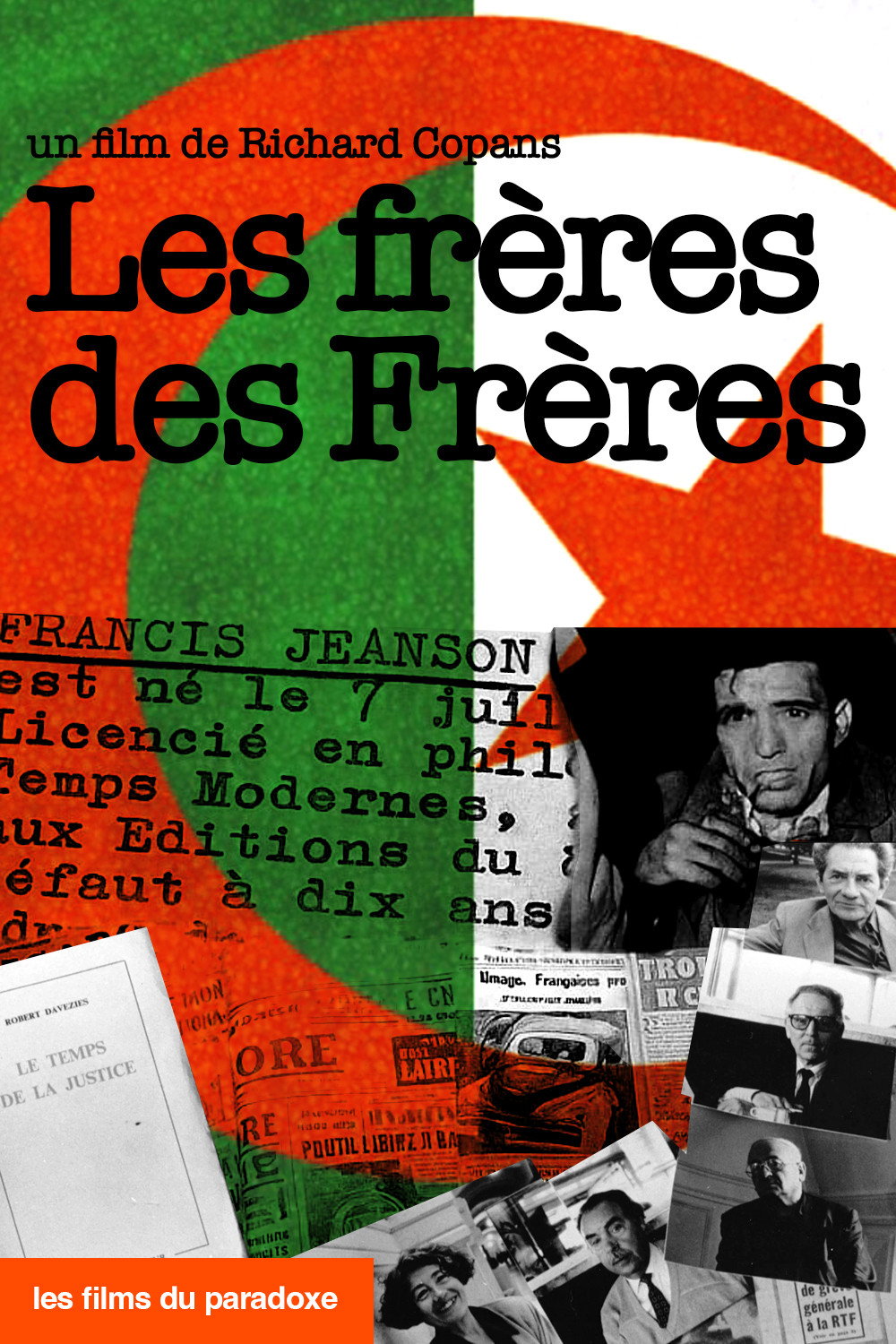
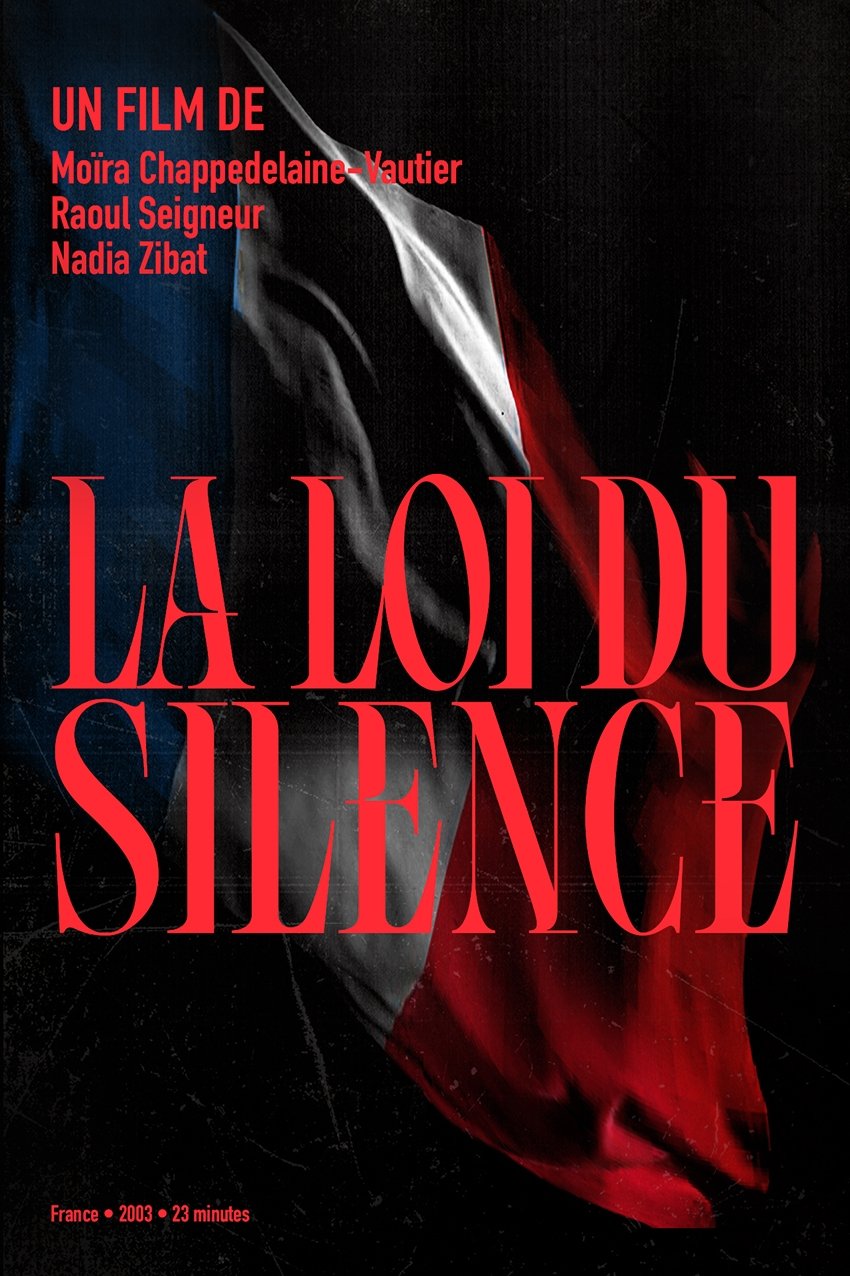
From 1954 to 1962, during the Algerian War, French citizens provided concrete assistance to the FLN in France: sheltering refugees, forging documents, facilitating border crossings, and transporting funds. Whether committed to the ideals of the Republic or driven by Third Worldist revolutionaries, they sought to build a bridge of friendship between nations. They paid for their commitment with imprisonment and exile. Four veterans of the Jeanson network recall this period. Today, they are no longer seen as traitors or heroes, but as witnesses recounting "their" war... Silent for 30 years, the "Jeanson network" now bears witness to this history.
This documentary bears witness to the events that took place more than thirty years before the filming of this movie, on October 17, 1961, in Paris, during the Algerian War. It is a work not only about historical truth but also about memory. Constructed primarily from interviews conducted with those involved in the events, along with archival footage, photographs, and radio broadcasts from the time, our investigation proves that nearly 200 Algerians were killed (drowned, tortured) that night and in the days that followed by the French police. "A Missing Day" seeks to ask two key questions: how could such events have unfolded in the capital of a Western democracy barely thirty years ago? And why have they been silenced ever since?
On October 17 and 18, 1961, during a non-violent demonstration against the imposed curfew, dozens of Algerians were murdered in Paris by police officers acting on orders from their superiors. For forty years, this crime has been concealed; yet these events, the deadliest on French soil since the Second World War, resemble, in some respects, the darkest hours of the collaboration. Why has this history been hidden? Under what conditions, and in the name of what reasons, did officials of a democratic state conceal the scale and gravity of such events?
Three demonstrators from October 17, 1961, and a journalist recount the peaceful success of the demonstration and its brutal repression in the streets of Paris. Five months before the end of the Algerian War, the Gaullist government violently suppressed (40 to 300 deaths in a single evening, according to various sources) a peaceful demonstration by the entire Algerian civilian population of the Paris region, protesting the curfew imposed solely on this population (all participants held French citizenship). The government long denied this state crime; the official version: 3 deaths! In 1962, these events were granted amnesty by a simple decree (later enacted into law) issued by the same Gaullist government.
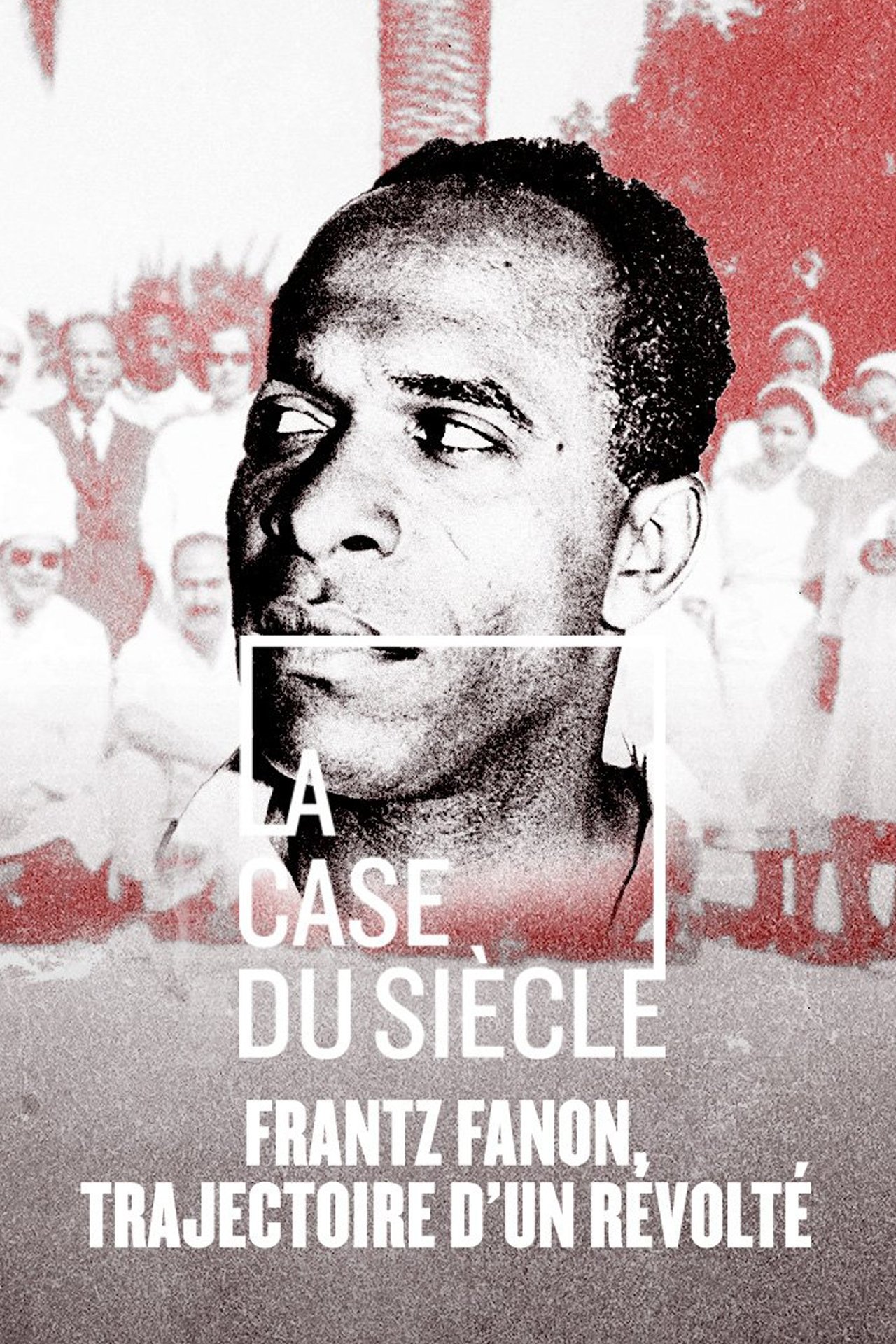
Frantz Fanon alone embodies all the issues of French colonial history. Martinican resistance fighter, he enlisted, like millions of colonial soldiers, in the Free Army out of loyalty to France and the idea of freedom that it embodies for him. A writer, he participated in the bubbling life of Saint-Germain with Césaire, Senghor and Sartre, debating tirelessly on the destiny of colonized peoples. As a doctor, he revolutionized the practice of psychiatry, seeking in the relations of domination of colonial societies the foundations of the pathologies of his patients in Blida. Activist, he brings together through his action and his history of him, the anger of peoples crushed by centuries of colonial oppression. But beyond this exceptional journey which makes sensitive the permanence of French colonialism in the Lesser Antilles at the gates of the Algerian desert, he leaves an incomparable body of work which has made him today one of the most studied French authors across the Atlantic.
In the Realms of the Unreal is a documentary about the reclusive Chicago-based artist Henry Darger. Henry Darger was so reclusive that when he died his neighbors were surprised to find a 15,145-page manuscript along with hundreds of paintings depicting The Story of the Vivian Girls, in What is Known as the Realms of the Unreal, of the Glodeco-Angelinnian War Storm, Cased by the Child Slave Rebellion.
When Allied forces liberated the Nazi concentration camps in 1944-45, their terrible discoveries were recorded by army and newsreel cameramen, revealing for the first time the full horror of what had happened. Making use of British, Soviet and American footage, the Ministry of Information’s Sidney Bernstein (later founder of Granada Television) aimed to create a documentary that would provide lasting, undeniable evidence of the Nazis’ unspeakable crimes. He commissioned a wealth of British talent, including editor Stewart McAllister, writer and future cabinet minister Richard Crossman – and, as treatment advisor, his friend Alfred Hitchcock. Yet, despite initial support from the British and US Governments, the film was shelved, and only now, 70 years on, has it been restored and completed by Imperial War Museums under its original title "German Concentration Camps Factual Survey".
Alexander McQueen's rags-to-riches story is a modern-day fairy tale, laced with the gothic. Mirroring the savage beauty, boldness and vivacity of his design, this documentary is an intimate revelation of McQueen's own world, both tortured and inspired, which celebrates a radical and mesmerizing genius of profound influence.
Al Pacino's deeply-felt rumination on Shakespeare's significance and relevance to the modern world through interviews and an in-depth analysis of "Richard III."
A detailing of the rise to prominence and global sporting superstardom of six supremely talented young Manchester United football players (David Beckham, Nicky Butt, Ryan Giggs, Paul Scholes, Phil and Gary Neville). The film covers the period 1992-1999, culminating in Manchester United's European Cup triumph.
Behind-the-scenes documentary about how Lionel Messi succeeded in lifting the World Cup – the only trophy to have eluded him in an incredible career.
This revealing documentary honors the legendary Sidney Poitier—iconic actor, filmmaker, and civil rights activist. Featuring interviews with Denzel Washington, Spike Lee, Halle Berry, and more.
A documentary about the life and films of director John Ford.
With unprecedented access to the official archives and intimate recollections from the band, both current and past, Iron Maiden: Burning Ambition invites fans to experience one of the most iconic journeys in music history. Spanning five decades, this electrifying documentary charts the band’s rise from the pubs of East London to the world’s biggest stadiums. Featuring exclusive interviews with band members and contributors such as Javier Bardem, Lars Ulrich and Chuck D, as well as all-new animated sequences of the band's legendary mascot, Eddie, the film offers a rare and intimate look at Iron Maiden’s uncompromising vision and unwavering connection with their truly global army of fans.
Ross McElwee sets out to make a documentary about the lingering effects of General Sherman's march of destruction through the South during the Civil War, but is continually sidetracked by women who come and go in his life, his recurring dreams of nuclear holocaust, and Burt Reynolds.
A new documentary by filmmaker-photographer Raymond Depardon – where justice and psychiatry meet.
A look at the origins, history and conspiracies behind the "Majestic 12", a clandestine group of military and corporate figureheads charged with reverse-engineering extraterrestrial technology.
“The Soviet Story” is a story of an Allied power, which helped the Nazis to fight Jews and which slaughtered its own people on an industrial scale. Assisted by the West, this power triumphed on May 9th, 1945. Its crimes were made taboo, and the complete story of Europe’s most murderous regime has never been told. Until now...
An unpredictable documentary from a fascinating storyteller, Agnès Varda’s last film sheds light on her experience as a director, bringing a personal insight to what she calls "cine-writing," traveling from Rue Daguerre in Paris to Los Angeles and Beijing.
A documentary on the expletive's origin, why it offends some people so deeply, and what can be gained from its use.
A documentary focused on plastic pollution in the world's oceans.
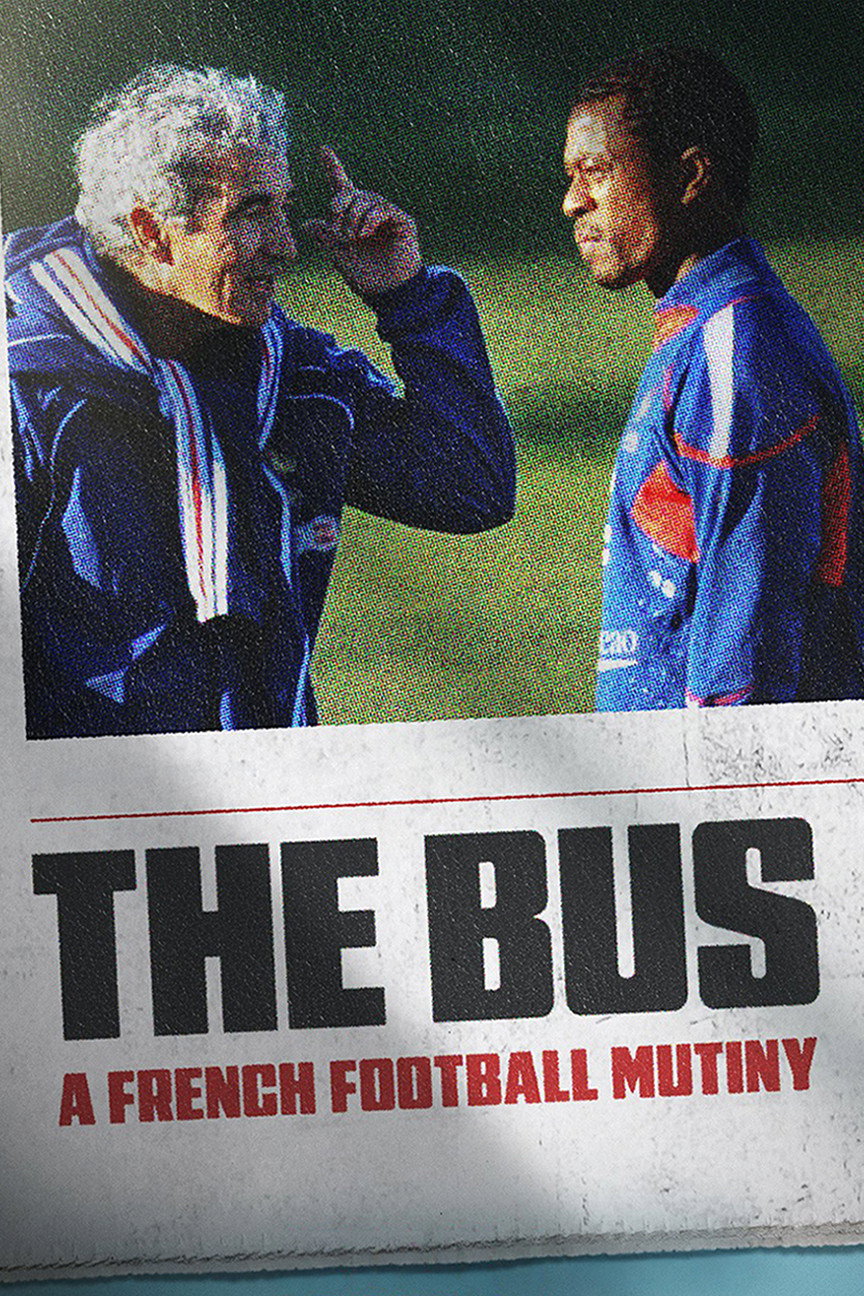
This documentary revisits the French football team's controversial 2010 World Cup and the bus strike that sparked global headlines and national outrage.
A documentary about ten very different lives connected by having appeared onscreen wearing masks or helmets in Star Wars.
What does being a woman really mean? How do women live the status society reserves for them? A group of women, beautiful or not, young or not, gifted with motherly instinct or not, answer before Agnès Varda's camera.
Martin Scorsese’s portrait of writer and social commentator Fran Lebowitz, celebrated for her sharp wit and observations on modern life. Filmed at New York’s Waverly Inn and intercut with archival footage and interviews, the documentary captures Lebowitz’s distinctive worldview through her spontaneous monologues and public appearances.