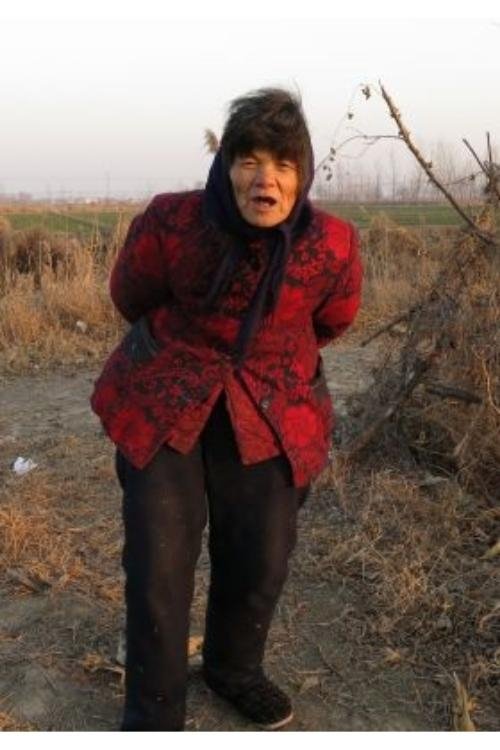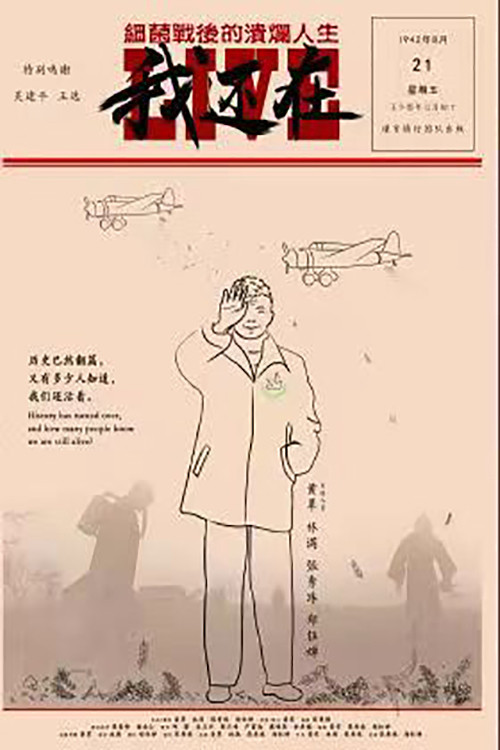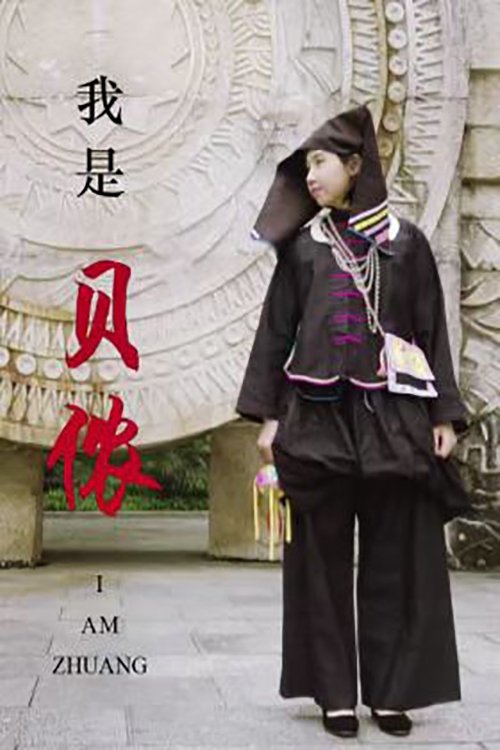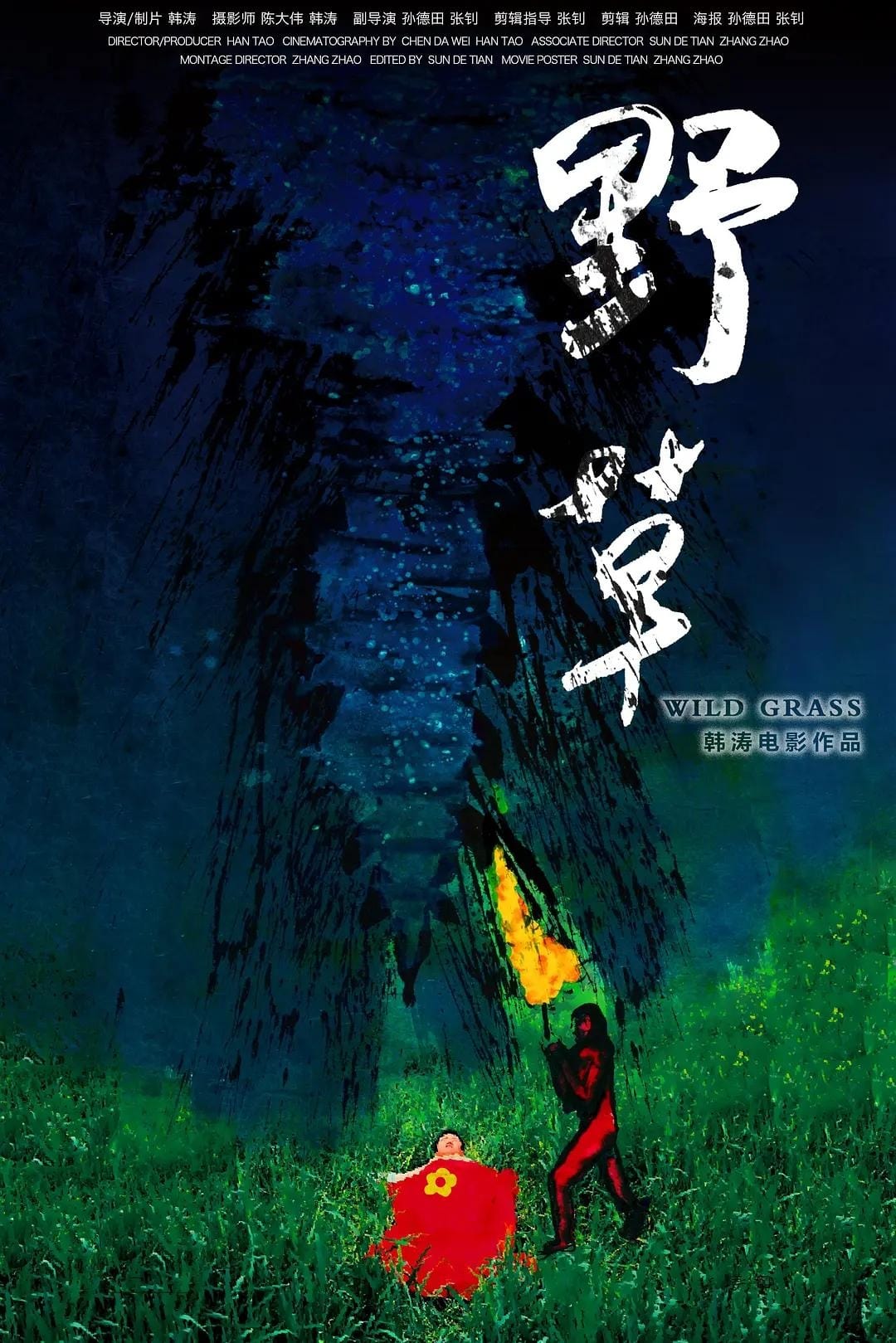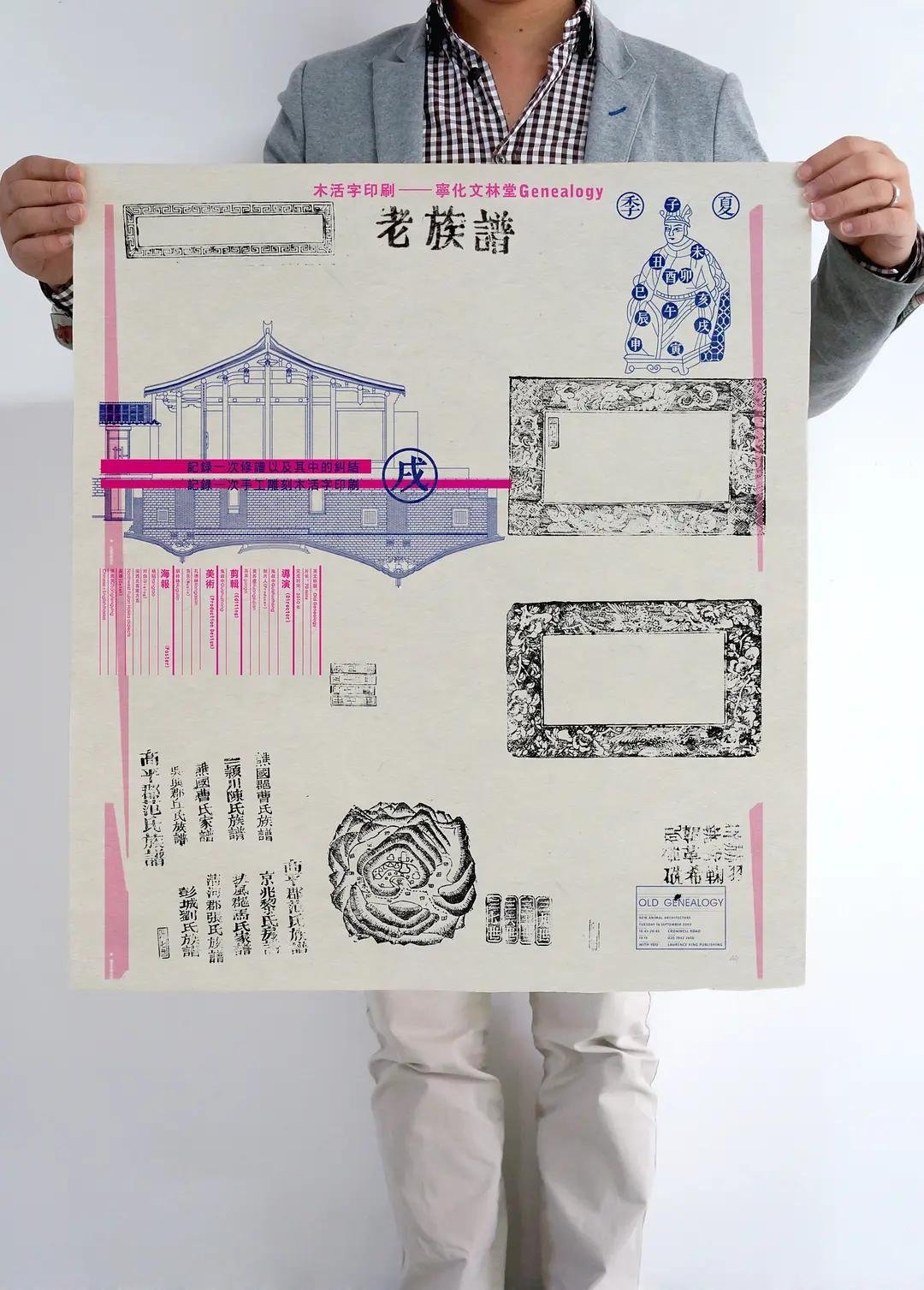
Record the entangled experience for changing the genealogy. Record the experience for engraving movable type, hand-printed.
Social & External
Before the Flood is a study of the final weeks of a dying city, as thousand-year-old Fengjie on the Yangtze River is reduced to rubble and its inhabitants uprooted to make way for the new Three Gorges Dam that will flood the entire valley.
July 27th, 1976 - a day the people of Tangshan will never forget. When that fateful day ended, tens of thousands had been killed, and the lives of the survivors would be changed forever. No public official, no expert, nor anyone among the seismological personnel - regardless of what they were doing that day - should ever forget. History will always remember the twilight of that day.
A microcosm of China past and present flows through Xu Tong’s intimate docu “Shattered,” in which the maverick indie filmmaker continues to refine his techniques and concerns shown in his previous “Wheat Harvest” and “Fortune Teller.”
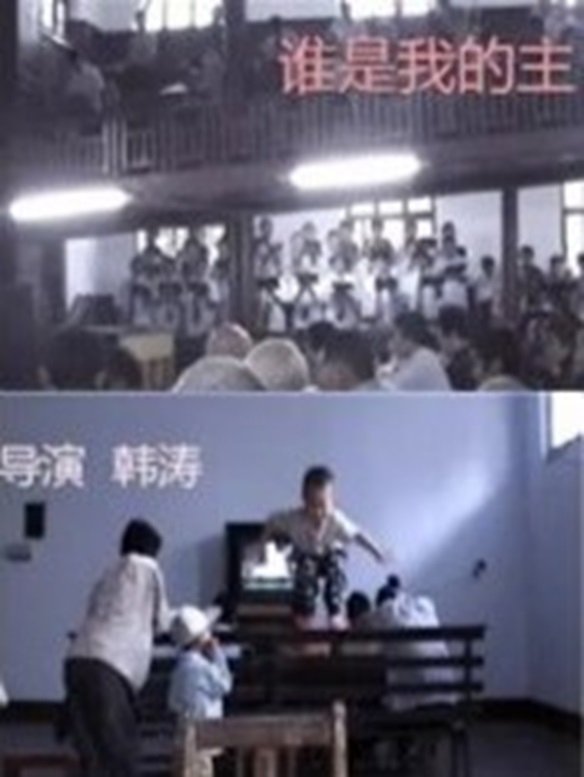
In the summer of 2007, Gan Xiaoer led an independent film projection team, using projectors and self-made screens, to tour villages in Henan province to show his feature film "Raised from dust" for 8 times, and recorded the process. The 81-minute version of Church Cinema records only one stop, the Qiliying Church, where "Raised from dust" was shot.
Video essay ‘Rock and Cliff' investigates the creation of Horn Town, a new model village and centre of large scale tourist development, and the experiences of rural residents moved there through government-led displacement. Horn Town is located in Wulong, a rural district near the Three Gorges Dam administered by the Chongqing municipality (a city of 30 million people). Narrated in the style of a science documentary but using local Chongqing dialect, the video brings a geological and topographical perspective to types of 'rocks' found in the area,from mythological stones from a mountain cliff, to ruins of the original settlement, to a stone sculpture from a dubious 'Land Art Biennial', in order to address issues of land acquisition, top-down development and spatial politic.
Follow the lives of the elderly survivors who were forced into sex slavery as “Comfort Women” by the Japanese during World War II. At the time of filming, only 22 of these women were still alive to tell their story. Through their own personal histories and perspectives, they tell a tale that should never be forgotten to generations unaware of the brutalization that occurred.
Workers, peasants, soldiers, students and merchants were five groups of Chinese society in the 1950s, after the so-called elimination of the exploited class. Borrowing this concept, the umbrella is taken as the clue to rediscover changes in various social classes after the economic reform, and to analyze the social problems in China. Workers making umbrellas, merchants selling umbrellas, students looking for jobs in the rain. Umbrella is used as a metaphor that can be seen everywhere. As the raindrop, what we see is sometimes clear, sometimes untraceable.
"Huangyangchuan, Gansu province, China. It's an arid mountain area with poor roads. Ma Bingcheng is well-respected local doctor, so many patients (most of them farmers) come to see him every day. In his small clinic, people chat with each other about their lives, local conditions, or the people they know. The clinic seems to open up like a microcosm, the information and experiences of different people intertwine, revealing the conditions of typical Chinese farmers, and the typical fates of both young and old--"
Filmed over three years on China’s railways, The Iron Ministry traces the vast interiors of a country on the move: flesh and metal, clangs and squeals, light and dark, and language and gesture. Scores of rail journeys come together into one, capturing the thrills and anxieties of social and technological transformation. The Iron Ministry immerses audiences in fleeting relationships and uneasy encounters between humans and machines on what will soon be the world’s largest railway network.
In a city that worships money, there is a group of people who still insist on living the philosophy of "people are not living on food alone." Instead of choosing to live in seclusion, they choose to actively enter the world, improve their hearts, and influence others through artistic creation. Their innovation has not only driven the art world in Hong Kong but more importantly, through their enthusiasm for creation, they have made us understand that as long as we have a "heart", no matter how difficult the environment is, we can persist in a "love".
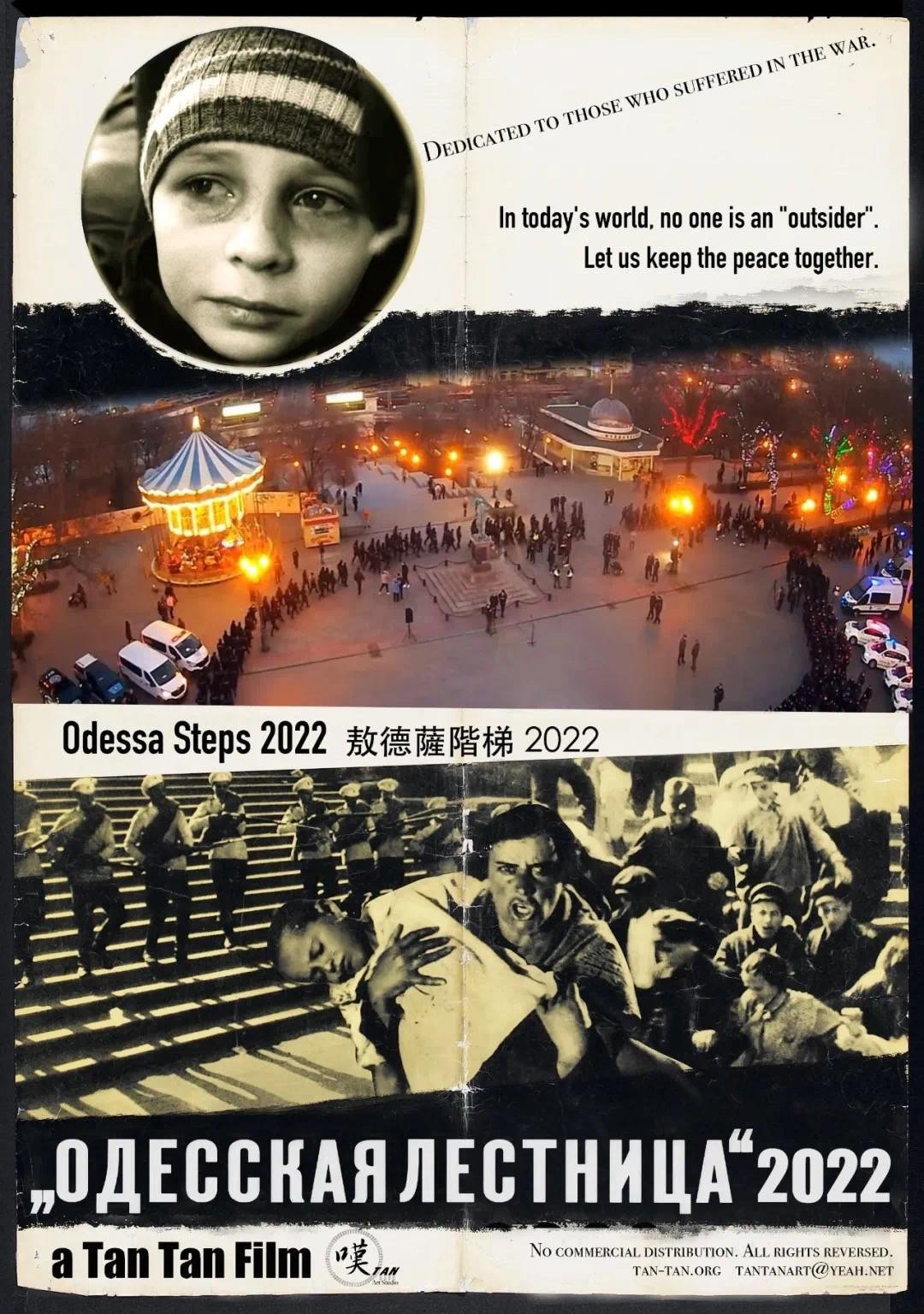
I just watch the news of war in a distant country on my mobile. My fingers go back day by day to the day the war broke out and pose to see comments posted on the Facebook News Feed that I follow. Outside, I have friends who participated in anti-war rallies.
Unusually popular religions and extreme secular beliefs, unconstrained power and no authoritarian society, people work hard on the land and live thrifty but do not believe in the meaning of life at all. This is Longwang Village, an empty old farming society, the most essential reality of an ordinary western village. The film does not have a perpetual plot. The images are presented with the changing of the four seasons. There is no great joy or great sadness. Everything is recorded, and no results are produced. Strictly speaking, this is actually just a rural video file, a running account of ordinary western villages without all rhetoric.
Only a few days before the Spring Festival of 2008, several truck drivers set off from Nantong, Jiangsu Province, to Guizhou province to deliver goods. But what they didn't expect was that they ran into a big snowstorm not long after their departure. What would these drivers do after they got caught up in a snowstorm and coudn't do nothing about it but wait? How would they react to this unexpected halt? And what would happen to this convoy?
Twenty plus classmates look back into the past, tracing back through a 30 year history. One after another adapts to the random events that come to shape their lives, to the four seasons of life and nature. The years they were about experience coincided with the reforms and opening up of China. Floating in the changes of the new era, some experience compromises and the loss of ideals, whilst some keep struggling ahead with great determination. Thirty years later, Lin Xin encounters his old classmates, and records their individual lives and history; the ease of monotony, the loneliness of success, the weariness of a life of plentiful, the helplessness of poverty... all come forth in the lives of these group of people, becoming an epitome of the lives of ordinary people in small to middle-sized cities in this era, and at the same time reflecting on a generation that advances forward undefeated.

Painter Lin Xin tells the story of a thousand-year-old ceramic town in the hinterland of the Loess Plateau in this first experimental documentary "Chen Furnace". The film consists of a 360-degree panoramic prologue and three parts: "Self-Talk", "Bone Style" and "Style". "Fengqing" focuses on the unique scenery of the ancient town's folk customs, houses and famous-tank wall.The film consists of a 360-degree panoramic prologue and three parts: "Self-Talk", "Bone Style" and "Style".The charm and product production process of traditional ceramic crafts such as hand-drawn blanks and engravings are displayed; "Fengqing" focuses on the unique scenery of the ancient town's folk customs, houses and famous-tank wall. The whole film, with its gazing gaze and poetic language, tries to leave in the video the final scene of the "Furnace Never Ending" and the traditional Chen Fa gradually fading away.
In this talk, Li Hongqi reviewed his transition from fine art to cinema, and his aesthetic and philosophical exploration from his early 'So Much Rice' to recent 'The The'. Dir. Li Hongqi also shared his strong anxiety of his existence(born with melancholia), his thought on cinema art (actually, I don't think there's any movie worth making), his epistemology, his religious view, his consideration on contemporary cinema, and what he learned about living in seclusion.
This is an image of a family. Through the memories of many people, it traces the growth, migration and different life experiences of several generations of the author's family. It shows the destiny of ordinary people and their inner scenery in social transformation. Each generation has its own joy and pain, and life still continues in hope, hardship and helplessness. The various imprints of survival that remain in the film are the hard riverbed of individual life and a period of micro-history washed out by time
New Castle is a remote rural village where houses and mountains have been distorted due to excessive mining. Under the "New Village" campaign, all the villagers will be moved into the nearly completed Luxury Buildings. The documentary depicts the life of two groups of people, miners and villagers. The miners who are from all over the country, lost their jobs because of the Olympic Games in Beijing - the mine was shut down to make the air less polluted. The villagers had no better luck. Granny Fan lost two sons and two grandsons in a mining accident. Old Han and Old Wang are still farming. Some youngsters are gambling in the house of Han Bin, who was crippled in another mining accident. In the film, you can also see the village election, the service of local Christians, and people worshipping for a better year to come.

A Yangtze Landscape utilizes a non-narrative style, setting off from the Yangtze's marine port Shanghai, filming all the way to the Yangtze River's source, Qinghai/Tibet - filming a total distance of thousands of kilometers. Experimental music and noise recorded live on scene are used in post-production, painstakingly paired with relatively independent visuals, creating a magically realistic atmosphere contrasted with people seeming to be 'decorative figures' right out of traditional Chinese landscape scrolls.
Seedlings protection rite (also called the parade of big rice dumplings) is a spring agricultural festival of Hakka people in Western Fujian, China. People worship the God of Grains (Shennong) in the rite. People collect thousands of fresh bamboo leaves, sew them together and make a pair of big dumplings filled with 120 kilograms of rice each. They also make tens of thousands of finger-sized rice dumplings for believers to take home. On the 15th day of the 2nd lunar month, villagers carry out the statues of the God of grains and big dumplings. Followed by flowers cars, eight sheds carry children chosen from every clan name in the village who are dressed up as ancient heroes, as people parade around the village. After the rite, villagers believe that farmland is awakened and that disasters are averted. A new agricultural cycle begins.
A documentary focused on plastic pollution in the world's oceans.
Documentarian Ross McElwee originally set out to make a travelogue of sorts tracing General William T. Sherman's infamous scorched-earth march through the Confederacy in the latter stages of the Civil War. Instead, haunted by a recent breakup with a girlfriend, McElwee ends up documenting his progress -- or lack thereof -- in starting a new relationship. His journey then becomes one of self-reflection and self-discovery rather than a historical/sociological exploration.
Through deeply personal interviews with her siblings and an examination of the photographs, letters, and belongings left behind, Mariska assembles a new portrait of her mother Jayne Mansfield, an extraordinary and complex woman.
In the early-morning hours of July 23, 2007, in Cheshire, Conn., ex-convicts Steven Hayes and Joshua Komisarjevsky broke into the family home of William Petit, his wife, Jennifer, and their daughters, Michaela, 11, and Hayley, 17. Dr. Petit was beaten and tied to a pole in the basement. The three women were bound in their bedrooms while the men ransacked the house. The brutal ordeal continued throughout the morning, ending with rape, arson and a horrific triple homicide.
The life and career of an actor, artist, and icon. His own journey through his own camera.
Those who knew iconic funnyman John Candy best share his story, in their own words, through never-before-seen archival footage, imagery, and interviews.
A look at the origins, history and conspiracies behind the "Majestic 12", a clandestine group of military and corporate figureheads charged with reverse-engineering extraterrestrial technology.
In a crime-plagued neighborhood near Miami, brutal, bare-knuckled backyard fights give young men a chance to earn money -- and self-respect.
Serving life in prison for murdering their parents, Lyle and Erik Menendez speak out in this documentary explaining the shocking crime and ensuing trials.
This revealing documentary honors the legendary Sidney Poitier—iconic actor, filmmaker, and civil rights activist. Featuring interviews with Denzel Washington, Spike Lee, Halle Berry, and more.
The film follows adventurer Jeff Johnson as he retraces the epic 1968 journey of his heroes Yvon Chouinard and Doug Tompkins to Patagonia.
A detailing of the rise to prominence and global sporting superstardom of six supremely talented young Manchester United football players (David Beckham, Nicky Butt, Ryan Giggs, Paul Scholes, Phil and Gary Neville). The film covers the period 1992-1999, culminating in Manchester United's European Cup triumph.
A documentary about the life and films of director John Ford.
Told through performances, TV interviews, home movies, family photographs, private letters and unpublished memoirs, the film reveals the essence of an extraordinary woman who rose from humble beginnings in New York City to become a glamorous international superstar and one of the greatest artists of all time.
A compilation of over 30 years of private home movie footage shot by Lithuanian-American avant-garde director Jonas Mekas, assembled by Mekas "purely by chance", without concern for chronological order.
This documentary focuses on the actors and their journey over two summers to create the remake to the original IT, by Stephen King. The documentary originally released as bonus material, bundled with IT: Chapter Two.
A documentary about how a dominant cultural and demographic institution both sustains their traditional activities and adapts to the digital revolution.
A night of drunken chaos rocks a quiet Dutch town in this shocking documentary about a teen's birthday invite that accidentally went viral on Facebook.
A comedic, brutally honest documentary following self-destructive TV writer Dan Harmon as he takes his live podcast on a national tour.
Alexander McQueen's rags-to-riches story is a modern-day fairy tale, laced with the gothic. Mirroring the savage beauty, boldness and vivacity of his design, this documentary is an intimate revelation of McQueen's own world, both tortured and inspired, which celebrates a radical and mesmerizing genius of profound influence.