Social & External
The people behind it
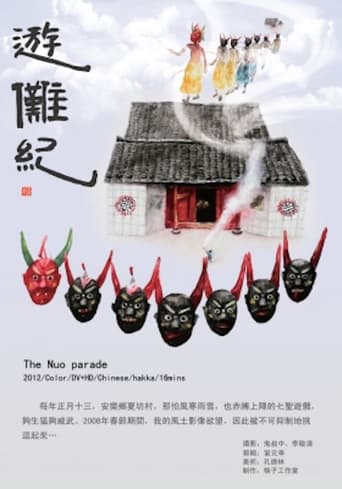
Hakka, a special and little-known ethnic group in Hainan, is a branch of the Chinese Hakka system that has been neglected. They are far from the mainland, and they are rarely mentioned. The relatively closed environment has allowed the Central Plains culture to be completely preserved. After that, it has formed a special change with the ethnic minorities such as Li Miao. However, this unique traditional culture is now fading away in the erosion of modern civilization.
The story took place in 2008. Henan Guo Hui, who was a harvester, went to the provinces to harvest wheat for him. He and his father then invited a driver and set off. I went to Shanxi, Shaanxi, and also included Henan. They met other mairs to talk about the earthquake in Sichuan and talk about the difficulties of collecting wheat. Bargaining with the farmers, thinking of the law less to give the leader a little commission, sometimes to think of the way to get money, sometimes to think of ways to escape the control of the leader. The driver complained that the car owner was too bad, and the owner complained that the driver had eaten too much. In the middle of the road, I also encountered the need to collect the toll, and finally met the young and confused.
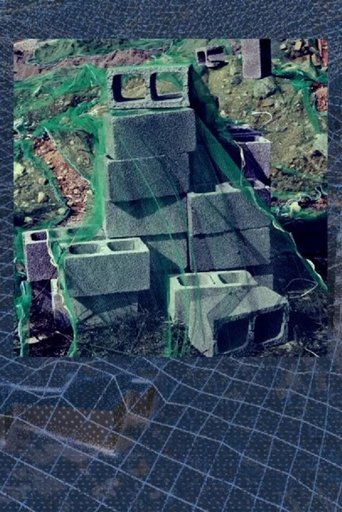
Hyacinthine Scar condenses the undigested emotions in me while traveling from Hong Kong to my brother’s wedding in Guam. Presences and gazes of all sorts, to look and to be looked at, repetitive camera work of the hired videographers, the vow that is rehearsed over and over again by the priest, all the uncontrollable clickings of the shutter from all us (including myself), and the endless sightings of different sides of the fragmented Western Pacific. The many spots I visited appear as though they belong to passersby. They are as real as they are dreamy.
Xilin Gol grassland in Inner-Mongolia is one of few natural grasslands with high-quality pasture in China. When a rich coalfield is discovered under the ground of this beautifully natural scene, the nomadic herdsmen reluctantly migrate into the cities and wave farewell to their grassland. The water levels lower, plants die, and only sandstorms remain on the prairie.
Aoluguya, Aoluguya is the first film in Gu Tao’s Ewenki Trilogy. A tale that unfolds in the Aoluguya forest, featuring such unique characters as a mother who dulls her sadness over the absence of her son, Yuguo, with alcohol; her brother; and Maria, the tribal chieftain who watches over them.
Yu Tian (played by Hu Tian) is a senior this year. He hasn't returned home for a few years while studying in a big city. The estrangement between him and his mother (Lin Jiehua) is somehow getting bigger and bigger. He is immersed in his artistic dreams and is not practical, but his mother, who has always been conservative, does not understand. His friends remained the same, still the same young people in the small town. Friends booed that he would be the most promising one among them, but he himself was convinced. He told his sister (played by Sun Nan) that he would go to the big city to make a fortune.
A Yangtze Landscape utilizes a non-narrative style, setting off from the Yangtze's marine port Shanghai, filming all the way to the Yangtze River's source, Qinghai/Tibet - filming a total distance of thousands of kilometers. Experimental music and noise recorded live on scene are used in post-production, painstakingly paired with relatively independent visuals, creating a magically realistic atmosphere contrasted with people seeming to be 'decorative figures' right out of traditional Chinese landscape scrolls.
The year 2003 is a rather turbulent period for Hong Kong – the economy was in recession, the government constantly implemented futile policies, the SARS outbreak, and, on July 1st, 500,000 people went on strike opposing the adoption of Article 23 of the Basic Law. It was against this political atmosphere that YIN Zhao-Jian gave up his social worker job, a 10 year long and steady career, and joined the political circle and participated in the district councilor election, which he had no idea about.
New Castle is a remote rural village where houses and mountains have been distorted due to excessive mining. Under the "New Village" campaign, all the villagers will be moved into the nearly completed Luxury Buildings. The documentary depicts the life of two groups of people, miners and villagers. The miners who are from all over the country, lost their jobs because of the Olympic Games in Beijing - the mine was shut down to make the air less polluted. The villagers had no better luck. Granny Fan lost two sons and two grandsons in a mining accident. Old Han and Old Wang are still farming. Some youngsters are gambling in the house of Han Bin, who was crippled in another mining accident. In the film, you can also see the village election, the service of local Christians, and people worshipping for a better year to come.
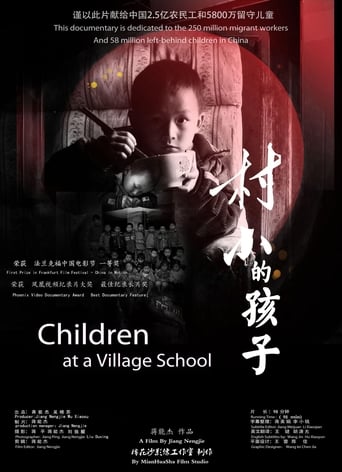
Early in the morning, the priest read in the church at the disabled orphanage. At dawn, the villagers entered the funeral ceremony during the prayer ceremony. In disabled orphanages, there are babies in the youngest children. Two children attending school together did not attend the class normally. More children with reduced mobility can only be dazed and crawl on the ground. But they are also God's people and attend worship services in the church. The autumn mist was hazy, and a new cathedral was being built in the village. Insects, kittens, puppies, orphans, villagers who worship, all life is safe. At night, the tired priest went to sleep after finishing writing. In his dream, he reached a graveyard and remained silent with his dying mother. Seasons are changing, rainy days, winter snow, orphans wear thick winter clothes, making movement more difficult. The cathedral was built, and people celebrated the biggest Christmas day of the year.
Yuguo, from Mongolia, lost his father when he was very young. His mother Liuxia was not able to raise him as a heavy drinker. With social support, she sent Yuguo to Wuxi for free education. Liuxia is depressed all day long, and she finds sustenance of missing Yuguo in reindeer and wine. One winter holiday after many years, Yuguo returns to his hometown, the Evenki settlement deep in the Greater Khingan mountains. At that time, he is no longer the boy who just left home, but a thirteen-year-old teenager. Facing alcoholic mother, poetic uncle, pure people from the tribe, familiar yet strange forest, Yuguo, who grew up in the city, doesn’t know what to do. In the snow-laden mountains of Aoluguya, northeast of Inner Mongolia, the film chronicles their brief time together. Yuguo and His Mother is the second documentary of Gu Tao’s Evenki trilogy.
It is the director's second documentary of "my village" series since she got involved with the "Folk Memory Project". She returned to her hometown to shoot footage, recording the realities she encountered in her search for memories. Her biggest question is: after experiencing the disaster of the tragic famine fifty years ago, the villagers now are not short of food, and are living a better life than before, but is the spirit of this village still starving?
This is my second documentary film, and it is fully composed of old people. One woman, nearing 80, is living out the last two years of her life. From when she is still using a cane to walk, to when she becomes paralyzed. This is my grandmother. We also see other elderly people from the village, their daily activities, the tales of their starvation from 50 years ago.
Zou Xueping continues to interview old people in her village, this time with the help of local children. They start collecting names and money to erect a memorial for the victims of the famine.
Part mournful meditation through documentary footage, part experimental narrative. This film looks at the life of the Chinese who have been displaced within their own society.
The story of a girl attempted suicide for love and finally returned to religion.
This story is about the group's marvellous life without money.The film tell this story from six points of view: the screenwriter, the recording, the photography, the art, the performer and the director.
Scars, which are unfortunate or unexpected results, are also signs of healing. This new connective tissue replaces the process of injured tissues, and at the same time it becomes a metaphor for the pain and frustration of life: the sadness of the body, the union of pain... In short, scars have become a proof, a proof of existence, a proof of alive, a proof of pain, and a proof of a certain age. Beginning in 1949, in this vast land, these various scars, these healing marks, patterns, sad shapes, bring personal memories, collective pains, the marks of history, and come together Gaze, the meaning of the record. This film is the first part of the "Scar" project, the story of 110 Chinese scars.
The baby is a temporary floating population. He works diligently, from a small restaurant owner to a tea shop manager to a bar manager. This film records the survival state of children centered and gay comrades: trivial, messy, boring, and entertaining themselves. The camera calmly captures every bit of their daily life for more than two years, and as time goes by, the changes the baby presents are more ordinary. The film calmly explains the relationship between "comrades" and "society", and the various small details interpenetrated in the film also metaphorically reflect the changes of today's society
A string of threatening emails escalates into a revenge plot involving a newly married US marshal and his ex-girlfriend.
In an intimate and joyful story of love in the face of loss, celebrated poets Andrea Gibson and Megan Falley find strength—and unexpected hilarity—in what might be their final year together.
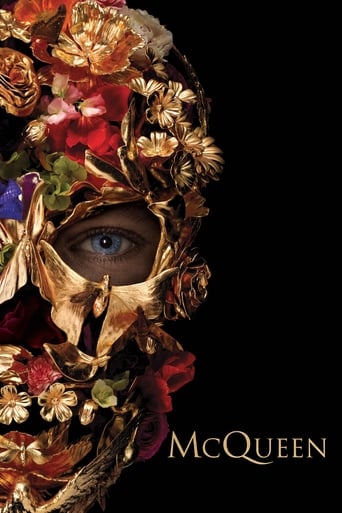
Alexander McQueen's rags-to-riches story is a modern-day fairy tale, laced with the gothic. Mirroring the savage beauty, boldness and vivacity of his design, this documentary is an intimate revelation of McQueen's own world, both tortured and inspired, which celebrates a radical and mesmerizing genius of profound influence.
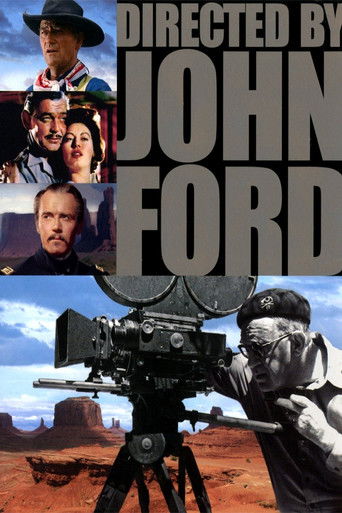
A documentary about the life and films of director John Ford.
Through deeply personal interviews with her siblings and an examination of the photographs, letters, and belongings left behind, Mariska assembles a new portrait of her mother Jayne Mansfield, an extraordinary and complex woman.
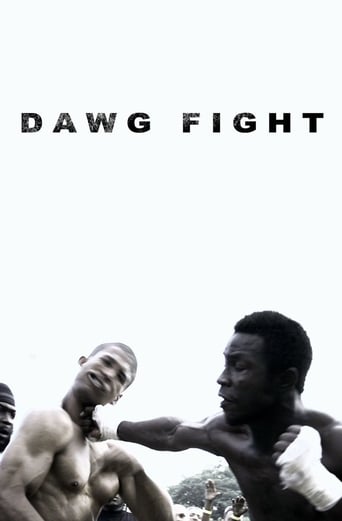
In a crime-plagued neighborhood near Miami, brutal, bare-knuckled backyard fights give young men a chance to earn money -- and self-respect.
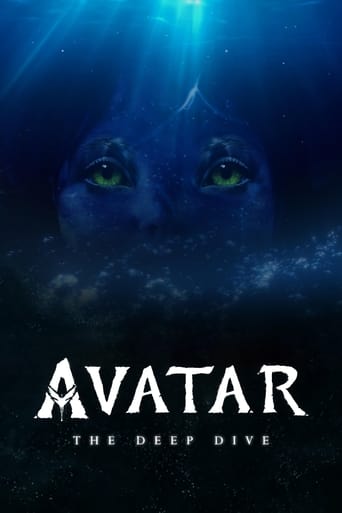
An inside look at one of the most anticipated movie sequels ever with James Cameron and cast.
A documentary on the expletive's origin, why it offends some people so deeply, and what can be gained from its use.
RETURN tells the story of a retired Green Beret who embarks on a healing journey from Montana to Vietnam. There he retraces his steps, shares his wartime experiences with his son, treats his Post-Traumatic Stress Disorder, and seeks out the mountain tribespeople he once lived with and fought alongside as a Special Forces officer.
Alex Gibney explores the charged issue of pedophilia in the Catholic Church, following a trail from the first known protest against clerical sexual abuse in the United States and all way to the Vatican.
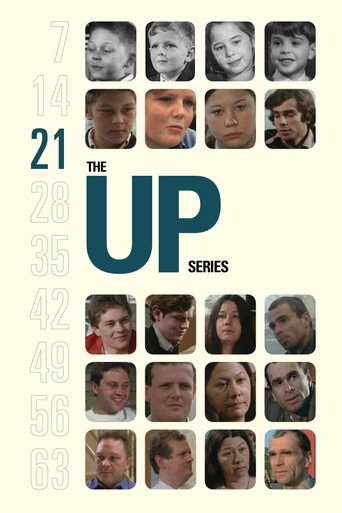
Director Michael Apted revisits the same group of British-born adults after a 7 year wait. The subjects are interviewed as to the changes that have occurred in their lives during the last seven years.
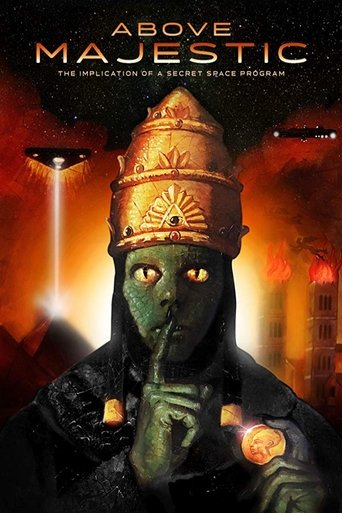
A look at the origins, history and conspiracies behind the "Majestic 12", a clandestine group of military and corporate figureheads charged with reverse-engineering extraterrestrial technology.
Over 35 years after Bob Lazar's revelations, this documentary exposes secrets of a facility the government still denies. Featuring Lazar's testimony, recreations, and new evidence, it reopens a case that continues to spark global curiosity
Serial killer Dennis Nilsen narrates his life and horrific crimes via a series of chilling audiotapes recorded from his jail cell.
Just two years away from turning 30, participants in Michael Apted's documentary series are facing serious questions of identity and purpose, wondering whether they've found their place in the world.
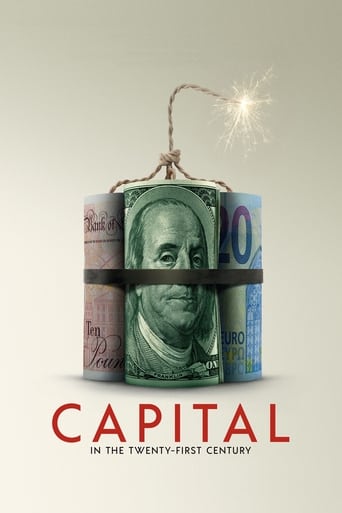
Film adaptation of French economist Thomas Piketty's ground-breaking global bestseller of the same name: an eye-opening journey through wealth and power.
After the high-profile killing of Damilola Taylor, Cornelius' family move out of London. But when they discover their new town is run by racists, Cornelius takes a drastic step to survive.
The film follows adventurer Jeff Johnson as he retraces the epic 1968 journey of his heroes Yvon Chouinard and Doug Tompkins to Patagonia.
Rising musician Jeff Buckley had only released one album when he died suddenly in 1997. Now, never-before-seen footage, exclusive voice messages, and accounts from those closest to him offer a portrait of the captivating singer.
This revealing documentary honors the legendary Sidney Poitier—iconic actor, filmmaker, and civil rights activist. Featuring interviews with Denzel Washington, Spike Lee, Halle Berry, and more.