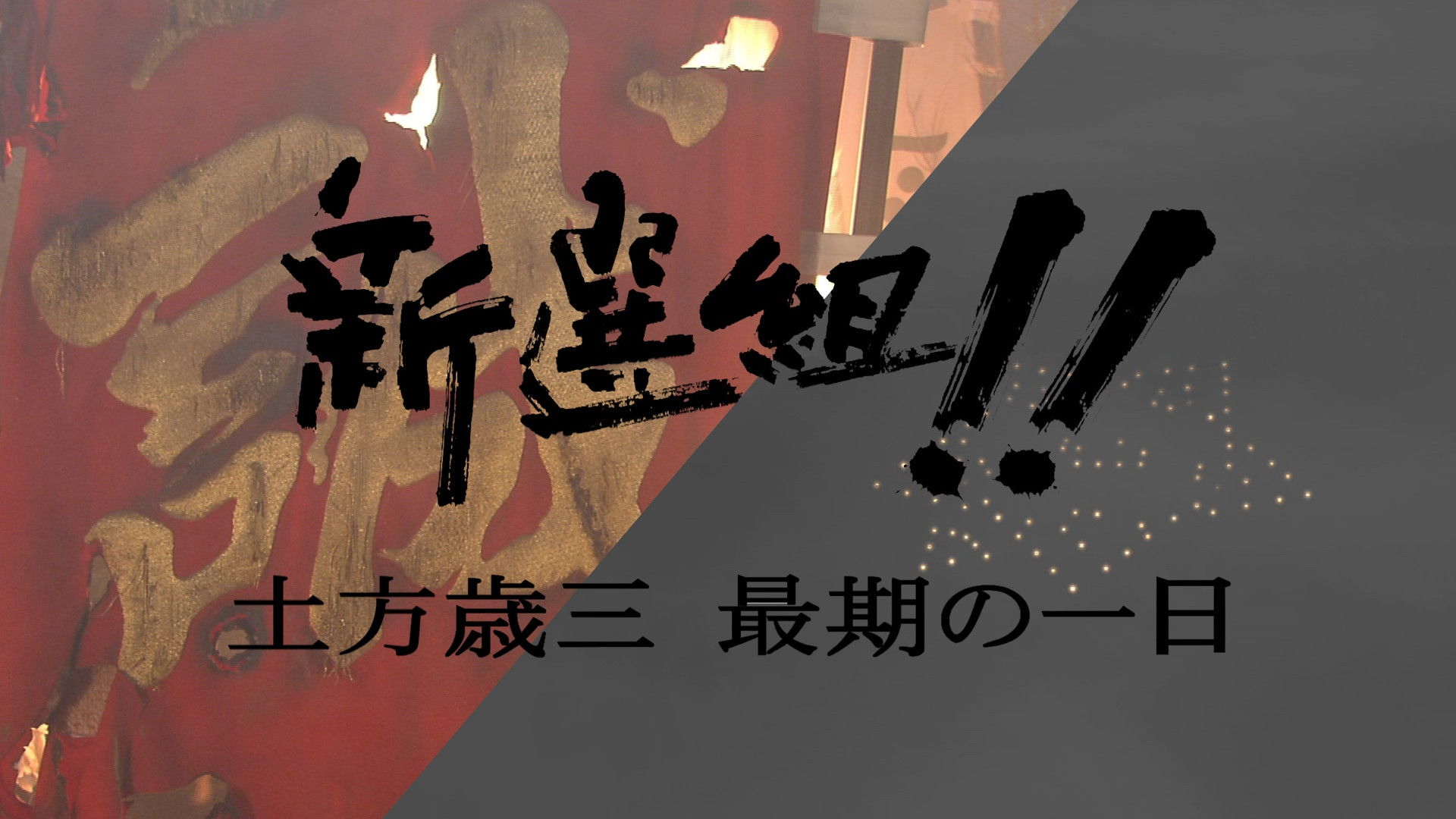
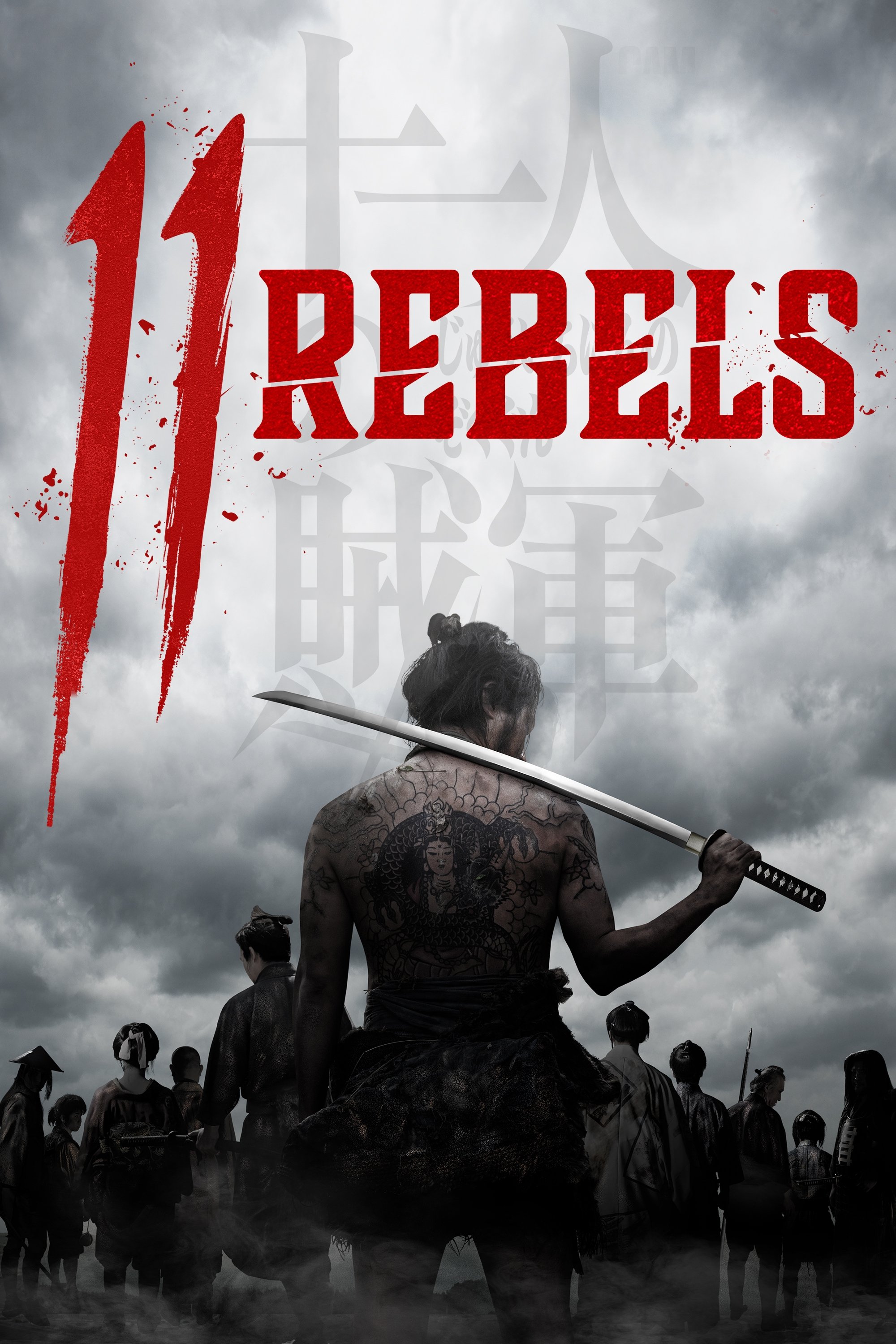
Follows the final days of the shogunate and Shinsengumi's Vice-Comander Hijikata Toshizo along with his fellow anti-imperialist group.
Social & External
The people behind it
Koji Yamamoto
Hijikata Toshizō
Sosuke Ikematsu
Ichimura Tetsunosuke
Masato Sakai
Yamanami Keisuke
Ainosuke Kataoka
Enomoto Takeaki
Kenji Kohashi
Shôei
Kai Shimada
Jun Toba
Yamano Yasohachi
Shigenori Yamazaki
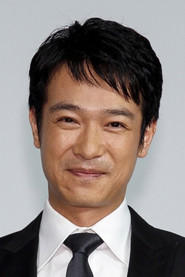
Yoko Minamino
Mitsuru Fukikoshi
Ōtori Keisuke
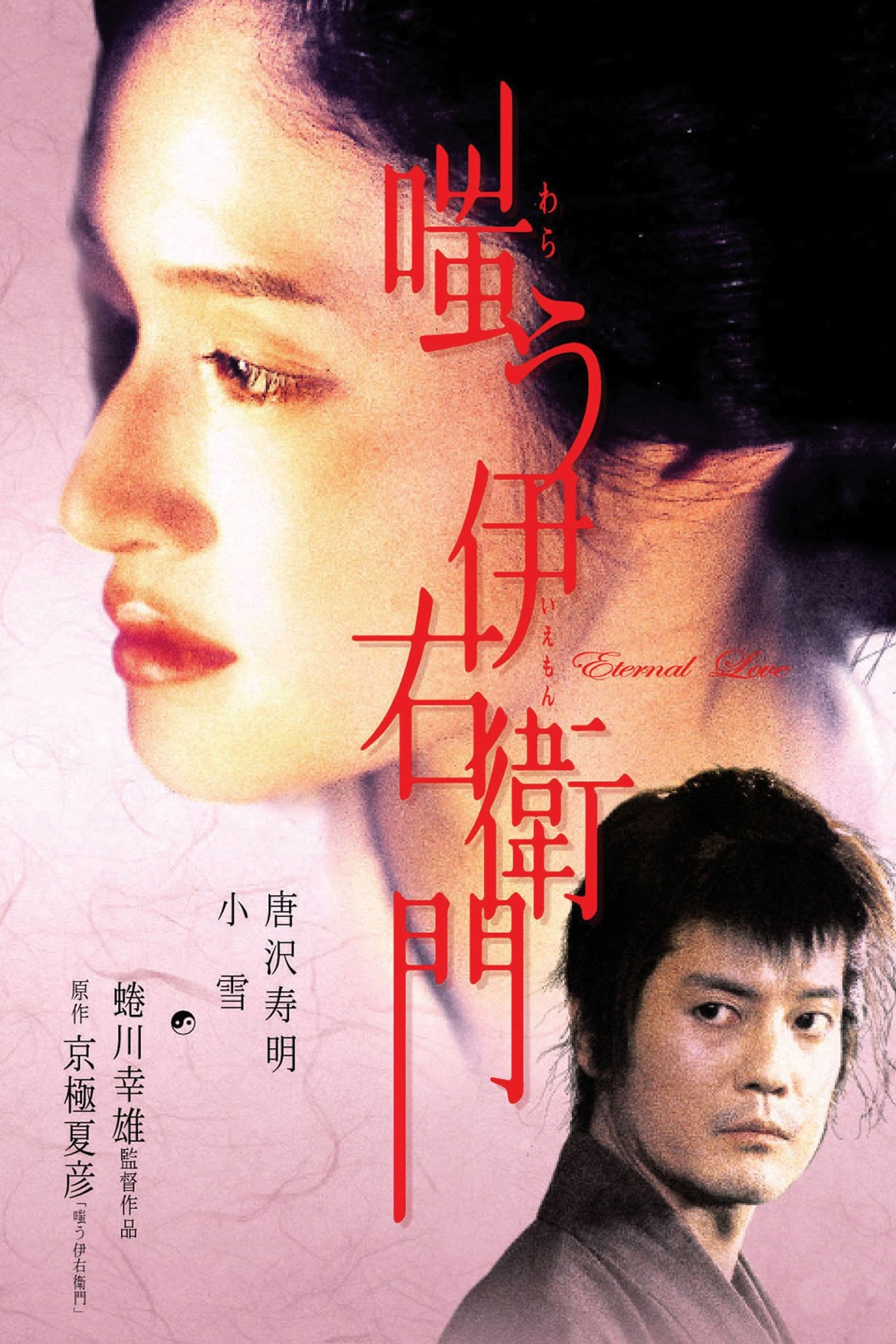
Having put down his sword and given up the will to fight, the masterless samurai Iemon lives in solitude while being haunted by his violent enigmatic past...
In the turbulent last days of the Edo period, Kawai Tsugunosuke, a Japanese samurai serving the Makino clan of Nagaoka, dreamt of independence from the restraints of vassalship. Despite his progressive views and his desire for his estate to remain neutral during the Boshin Civil War, he was bound by loyalty and duty to the clan and was compelled to choose sides.
In the late 16th century, after the death of Nobunaga Oda, Hideyoshi Toyotomi takes power. The age of war is about to end, but Hideyoshi Toyotomi's rule makes life difficult for the people. Monk Senko Ikenobo is a master of flower arrangement. He prays for peace in the world and tries to give hope to the people with flower arrangement. He becomes good friends with Rikyu. Rikyu is a monk and a politician. He has the most profound influence on chanoyu. Rikyu is forced to commit hara-kiri by Hideyoshi Toyotomi’s order. Monk Senko Ikenobo challenges Hideyoshi Toyotomi.
In feudal Japan, during a bloody war between clans, two cowardly and greedy peasants, soldiers of a defeated army, stumble upon a mysterious man who guides them to a fortress hidden in the mountains.
The eighth shogun, Tokugawa Yoshimune, fights against evil rampant in Edo while blending in with the common people as Tokuda Shinnosuke, the third son of a poor samurai retainer, commonly known as "Shin-san". The story depicts Yoshimune, who is shaken by the issue of succession, the drama within Edo Castle, and a difficult case involving a conspiracy that occurs in the castle town, with the addition of new characters and a sense of the era.
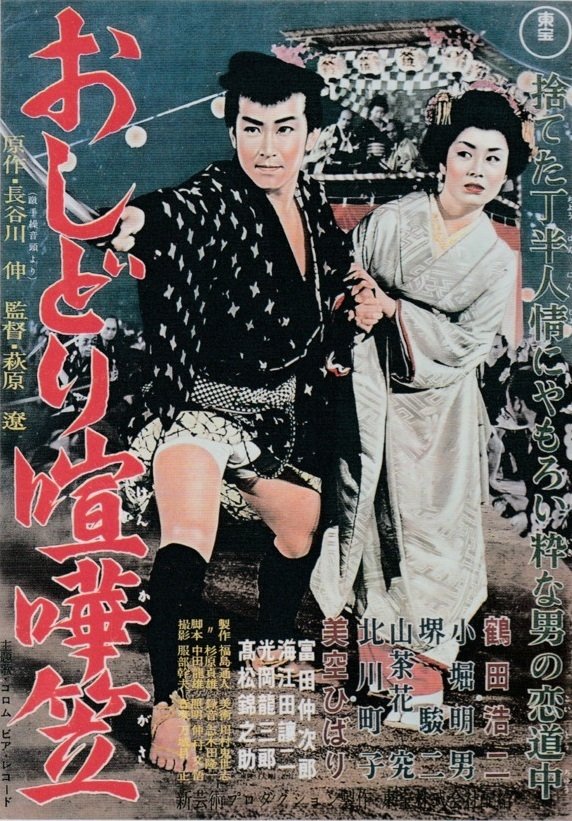
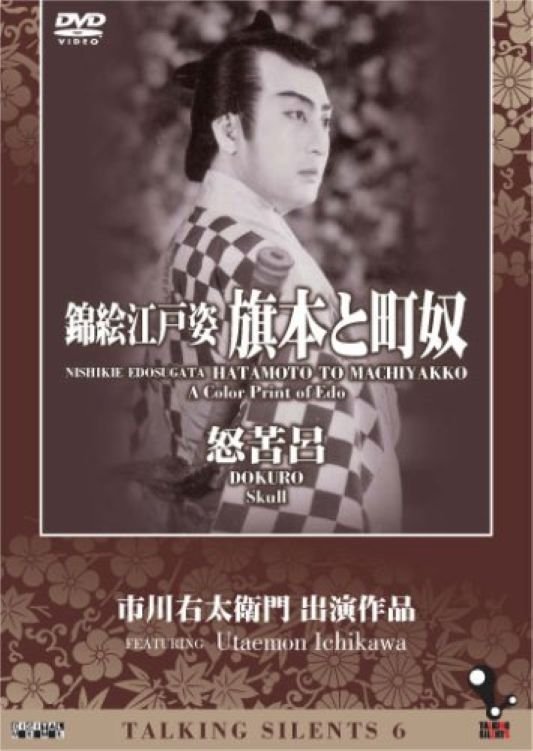
The Color Print of Edo is a 1939 black and white Japanese silent film with benshi accompaniment directed by Kazuo Mori. It is a cheerful period drama, sprinkled with comical scenes and tells the story of a loyal and handsome Edo period servant who fights to help his older brother marry the woman he loves. The star of this film, Utaemon Ichikawa, gained enormous popularity for his portrayal of a cheerful and chivalrous man.
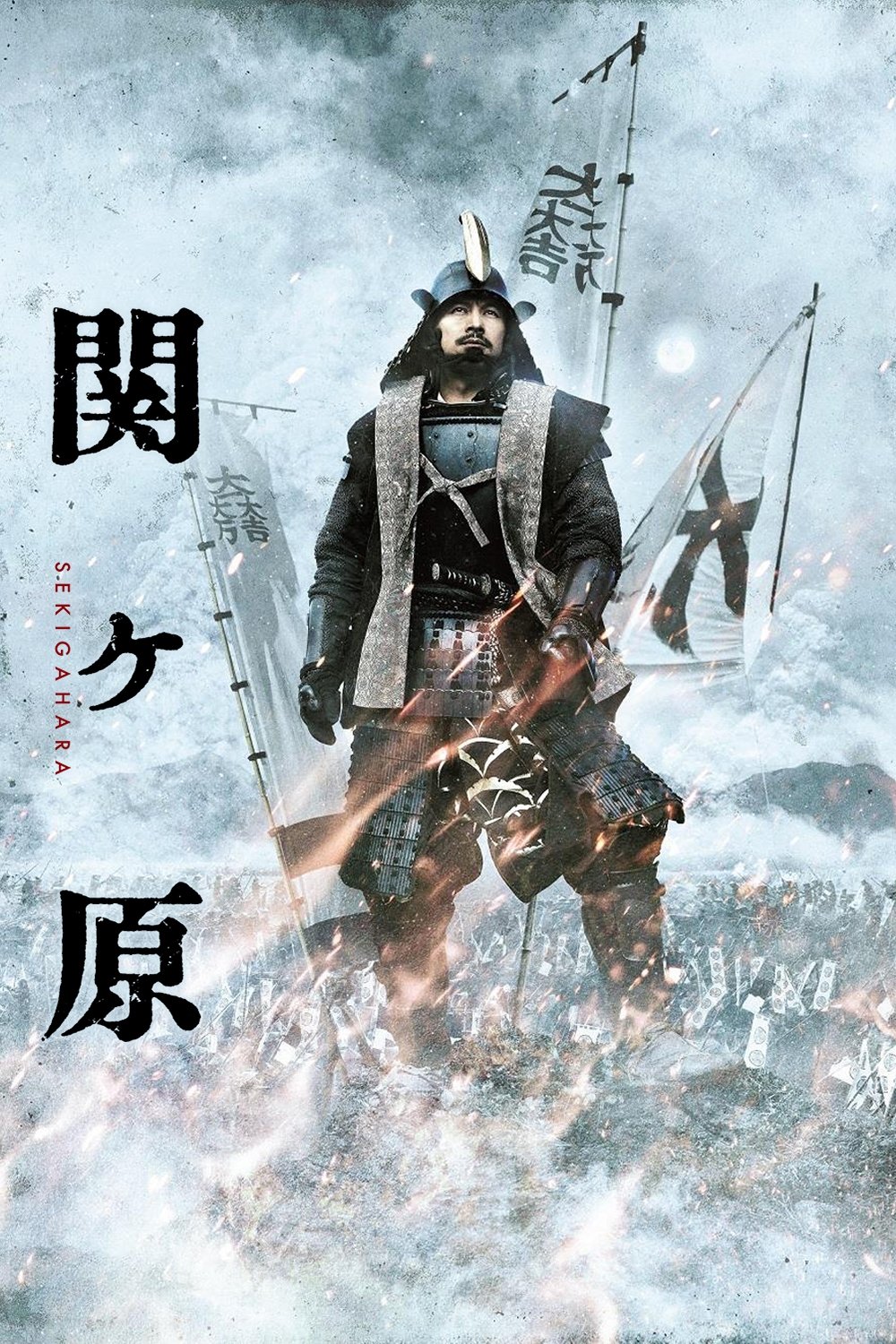
The background to and depiction of a watershed battle in Japanese history, at Sekigahara in 1600, when Tokugawa Ieyasu's Army of the East defeated the Army of the West of Ishida Mitsunari. The story includes the intrigues and shifting loyalties of the various retainers, family members, and samurai.
Late 18th century, Tohoku. An outcast girl, Rin lives in a village suffering from famine. She draws strength from Mt. Hayachine, where the spirits of humans ascend after passing.
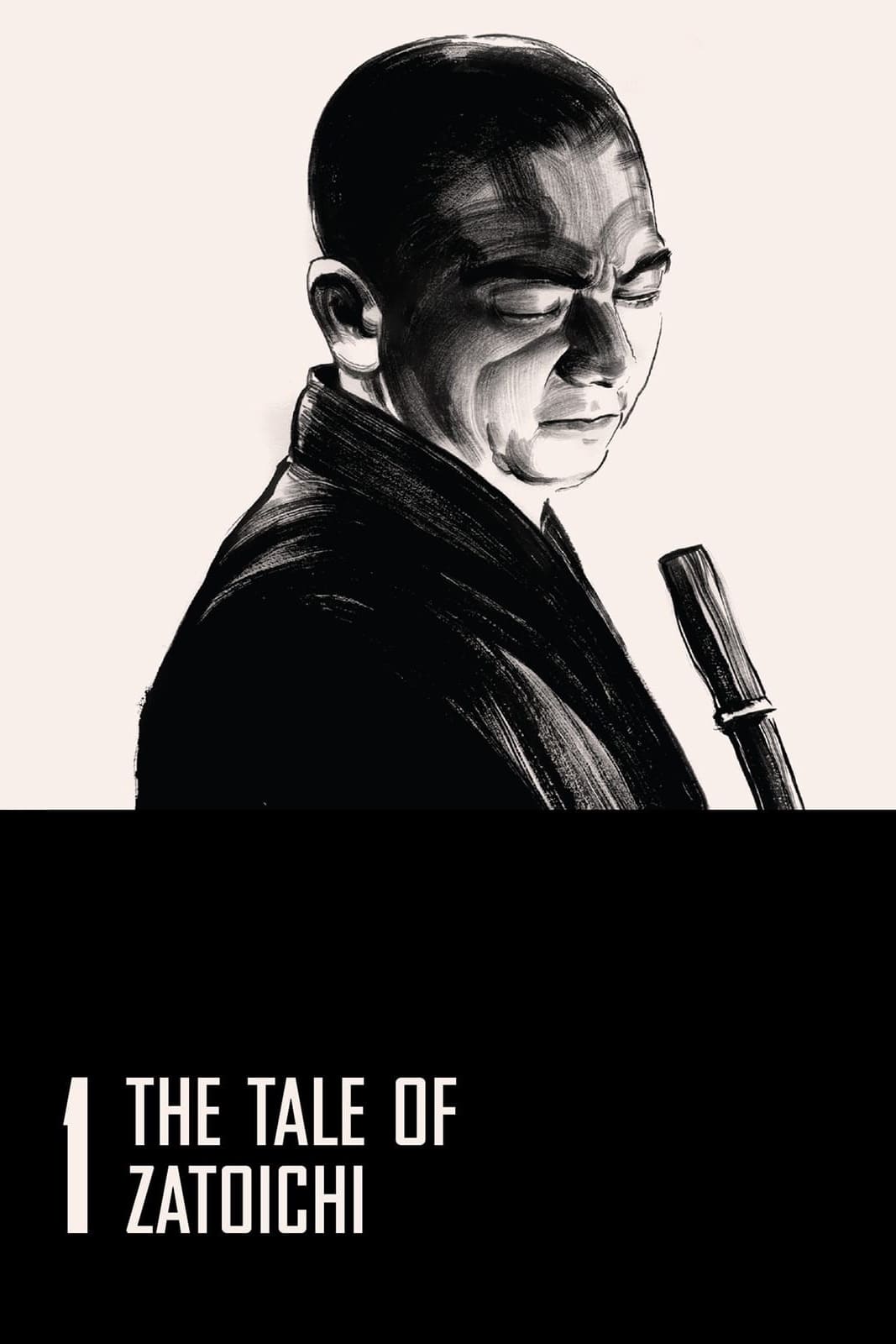
The adventures of a blind, gambling masseur and master swordsman. Zatoichi targets a yakuza-controlled village, because war with a neighbouring town's smaller gang is brewing.
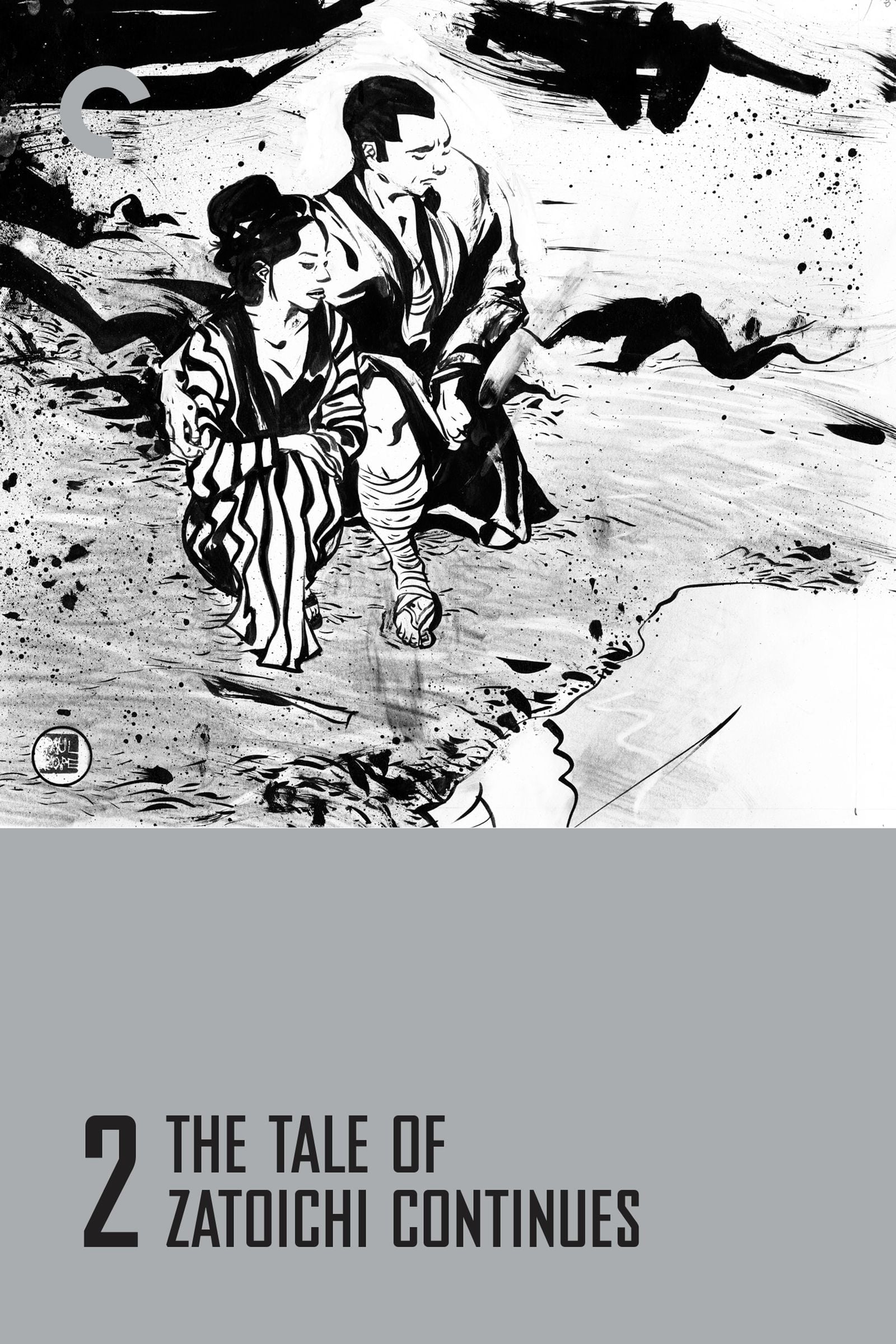
Returning to the village where a year before he had killed Hirate, a much-admired opponent, Zatoichi encounters another swordsman and former rival in love.
Master thief Kinosuke arrives in Edo to pull off one final heist for a tea-server who resembles his long-lost love, while Hasegawa Heizo’s spy Kumehachi tries to stop him, only to be exposed and trapped alongside the thief by Kinosuke's own crew.
A tale of friendship, betrayal, and forbidden love—set against the backdrop of Edo’s criminal underworld. While patrolling the Honjo district, the legendary samurai detective Heizo Hasegawa crosses paths with his old dojo friend, Samanosuke Kishii, and a local ruffian, Hikoju of Sagami. When they discover that Ofusa, the woman they both once loved, has been forced into marriage with a corrupt lord, their reunion takes a dark turn. As secrets from their past resurface, a deeper conspiracy tied to their former mentor begins to unravel—one that will test Heizo’s loyalty, honor, and sense of justice.
Fearless Edo-period police inspector Hanzo Itami, nicknamed The Razor, has developed his own unique way of extracting information for his inquiries. His first adventure sees him investigating his superior officer's mistress, whom he suspects of having ties with a reputed criminal on the loose.
Against the backdrop of the Edo treasury devaluing currency and driving many into poverty, Hanzo Itami enforces the law without regard to status. He shows inadequate respect to the treasurer, who wants him dead.
Hanzo extracts a confession from a ghost using his assaulting methods, foils thieves, connects with Heisuke Takei a friend from his youth, offers protection to a forward-thinking physician Genan Sugino who has defamed his ruler, discovers a pleasure ring of young wives and a blind music teacher, and cuckolds a corrupt official under his very nose.
Having lost her parents at a young age, Osumi was taken in by her uncle, who ran a shoe shop, and grew up without ever experiencing happiness or a sense of joy. Against her will, she was betrothed to a rough-mannered clog maker named Katsuzo, and she lived a gloomy life. Then one night, a stranger named Shinshichi suddenly bursts into her home, where she lives alone, and begs her to hide him. As she reluctantly takes in this man with a mysterious past, Osumi gradually begins to feel a flutter in her heart.
Ogami Itto battles a group of female ninja in the employ of the Yagyu clan and must eliminate a traitor who plans to sell his clan's secrets to the Shogunate.
Set during Japan's Shogun era, this film looks at life in a samurai compound where young warriors are trained in swordfighting. A number of interpersonal conflicts are brewing in the training room, all centering on a handsome young samurai named Sozaburo Kano. The school's stern master can choose to intervene, or to let Kano decide his own path.
When the brutal Boshin War breaks out in Japan, a group of inmates on death row unite to defend a fortress against the Imperial army.
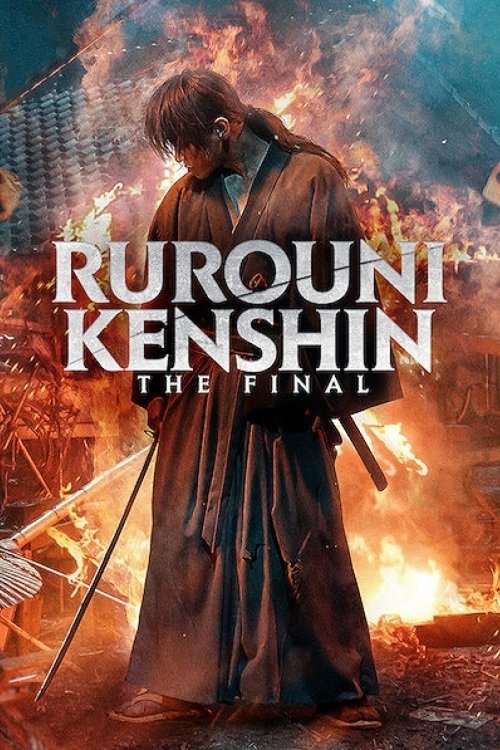
In 1879, Kenshin and his allies face their strongest enemy yet: his former brother-in-law Enishi Yukishiro and his minions, who've vowed their revenge.
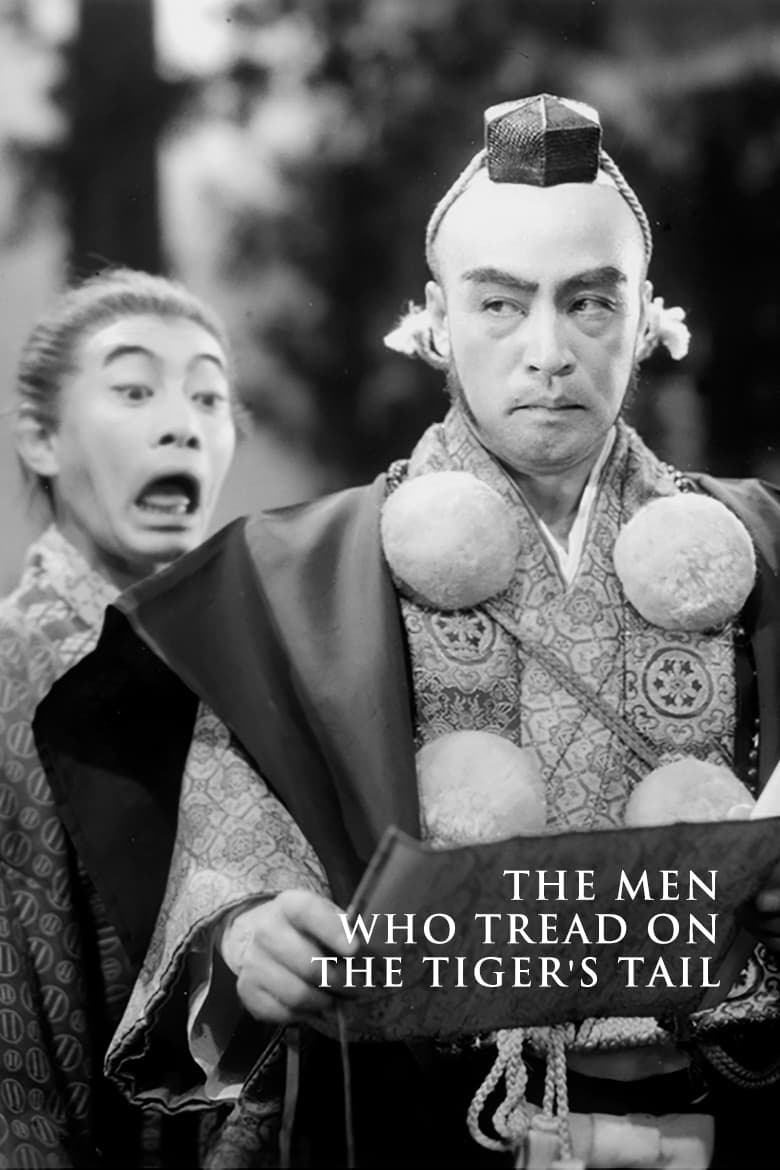
A fugitive lord and his six retainers disguise themselves as monks to bluff their way through a hostile checkpoint.
The true story of 20-year-old Colleen Stan, a hitchhiking woman abducted by a young couple and held captive for seven years, during which time she's tortured and forced to live as a slave to her captors.
After their lord is tricked into committing ritual suicide, forty-seven samurai warriors await the chance to avenge their master and reclaim their honor.
A ronin desperately seeks a way out of financial straits; he allies with the Tosa clan under the ruthless leader Takechi, who quickly takes advantage.
At the turn of the 19th century, Pugilism was the sport of kings and a gifted young boxer fought his way to becoming champion of England.
A seamstress recalls events leading to her act of peaceful defiance that prompted the 1955 bus boycott in Montgomery, Alabama.
Eccentric British painter J.M.W. Turner lives his last 25 years with gusto and secretly becomes involved with a seaside landlady, while his faithful housekeeper bears an unrequited love for him.
Kanichiro Yoshimura is a samurai and family man who can no longer support his wife and children on the low pay he receives from his small-town clan. He is forced by his love for his family to leave for the city in search of higher pay to support them.
The story of Elizabeth Smart's kidnapping and captivity, as told from her perspective.
Kakunoshin, renowned for his skills with a sword and in the game of go, embodies the samurai code. Falsely accused of a theft, he is forced to become a lowly ronin. Years later, when a case of missing gold pulls him into a new web of intrigue, Kakunoshin uncovers the truth behind his downfall. With the real culprit exposed, the go board flips, and a hellstorm of righteous vengeance follows.
Judge Clarence Thomas' nomination to the United States' Supreme Court is called into question when former colleague, Anita Hill, testifies that he had sexually harassed her.
A woman moves to live with her new husband in 17th century Amsterdam, but soon discovers that not everything is what it seems.
An African-American woman becomes an unwitting pioneer for medical breakthroughs when her cells are used to create the first immortal human cell line in the early 1950s.
In 1971, a warden at Attica Penitentiary is caught up in a hostage crisis when inmates take over the prison to demand better living conditions.
A WWII veteran escapes his care home in Northern Ireland and embarks on an arduous but inspirational journey to France to attend the 75th anniversary of the D-Day landings, finding the courage to face the ghosts of his past.
Defiant young activists take the women's suffrage movement by storm, putting their lives at risk to help American women win the right to vote.