Social & External
Der Affe
Bauer
Bauer II
Bäuerin
Wächter
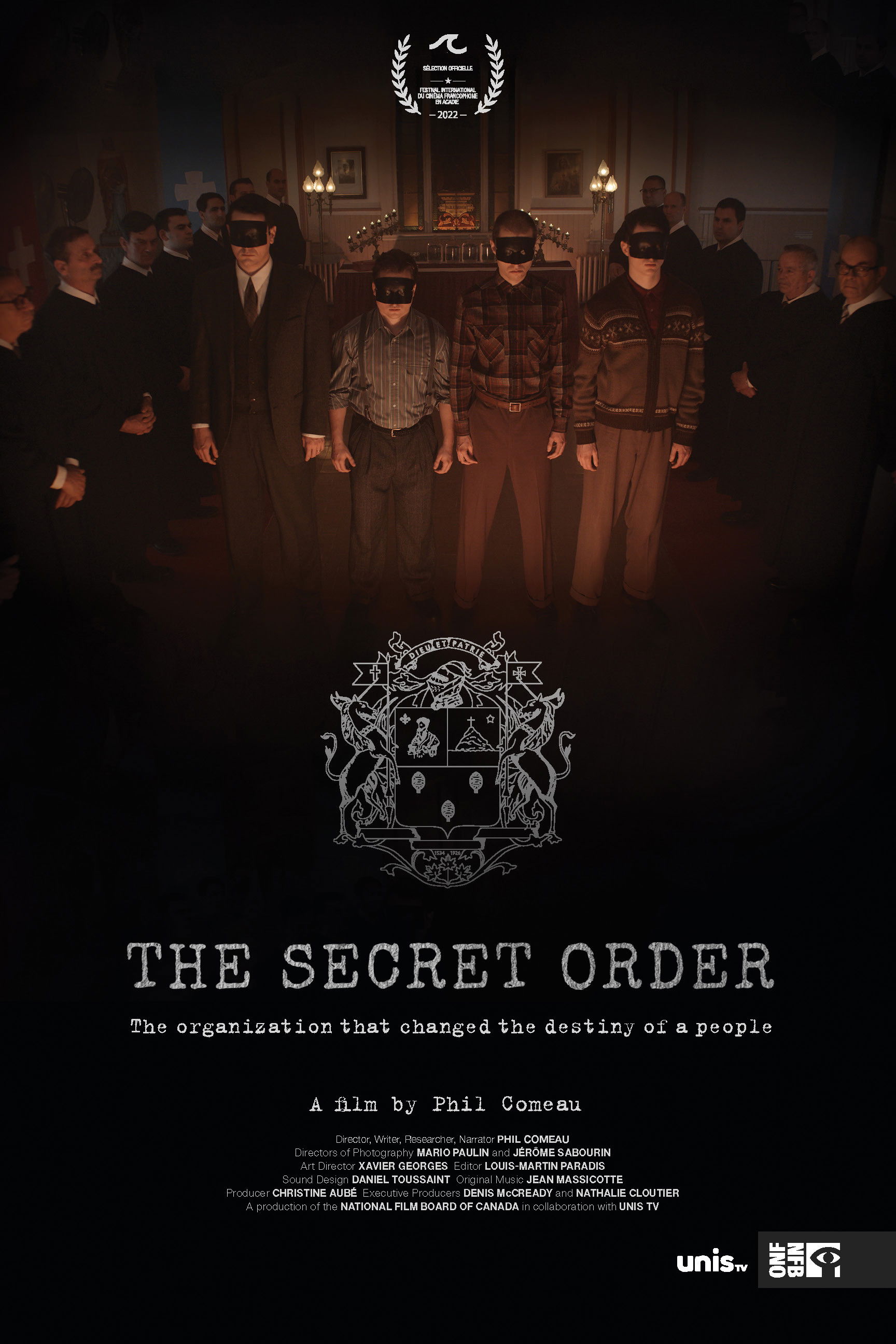
Phil Comeau shines a spotlight on the Ordre de Jacques-Cartier, a powerful secret society that operated from 1926 to 1965, infiltrating every sector of Canadian society and forging the fate of French-language communities. Through never-before-heard testimony from former members of the Order, along with historically accurate dramatic reconstructions, this film paints a gripping portrait of the social and political struggles of Canadian francophone-minority communities.
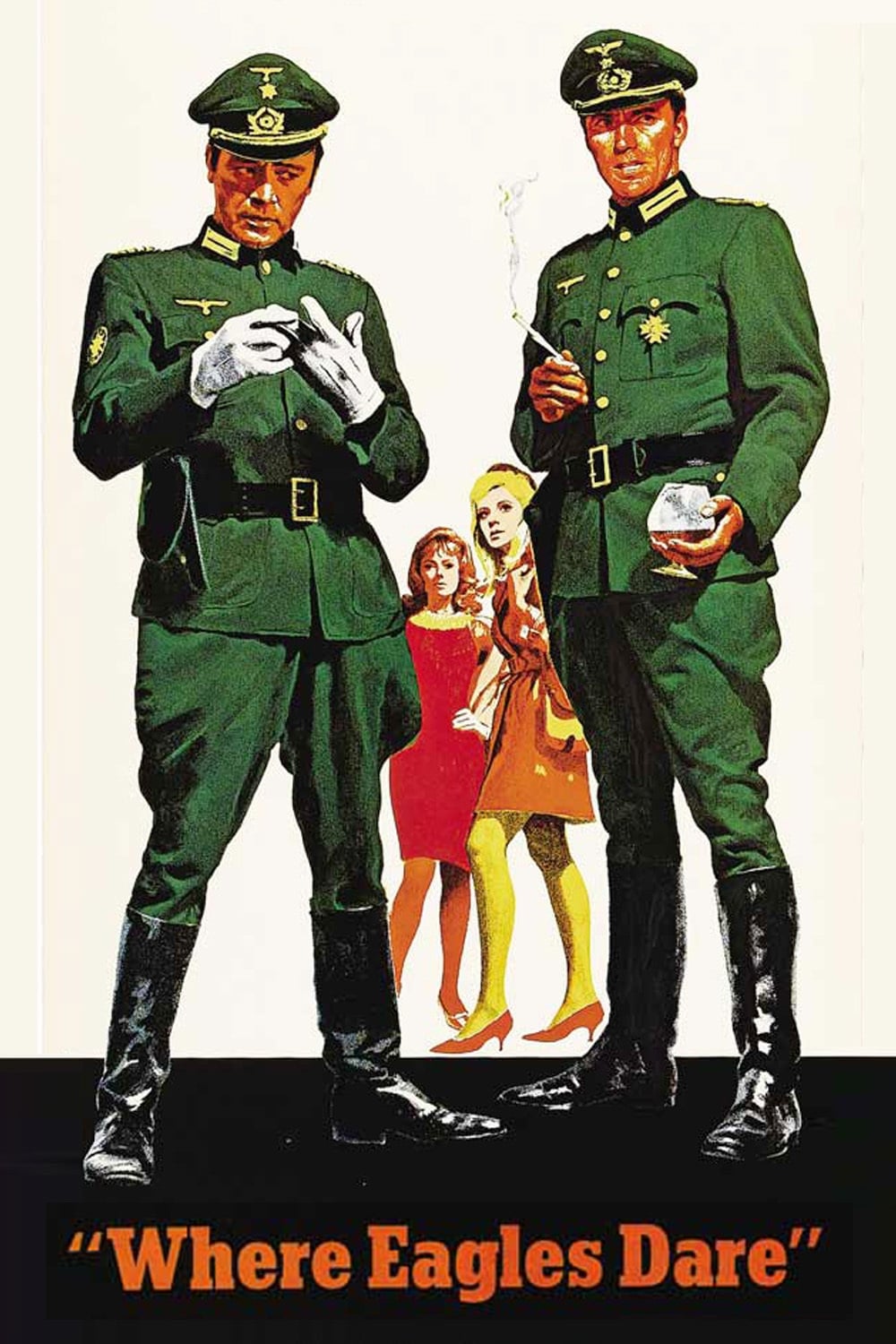
World War II is raging, and an American general has been captured and is being held hostage in the Schloss Adler, a Bavarian castle that's nearly impossible to breach. It's up to a group of skilled Allied soldiers to liberate the general before it's too late.
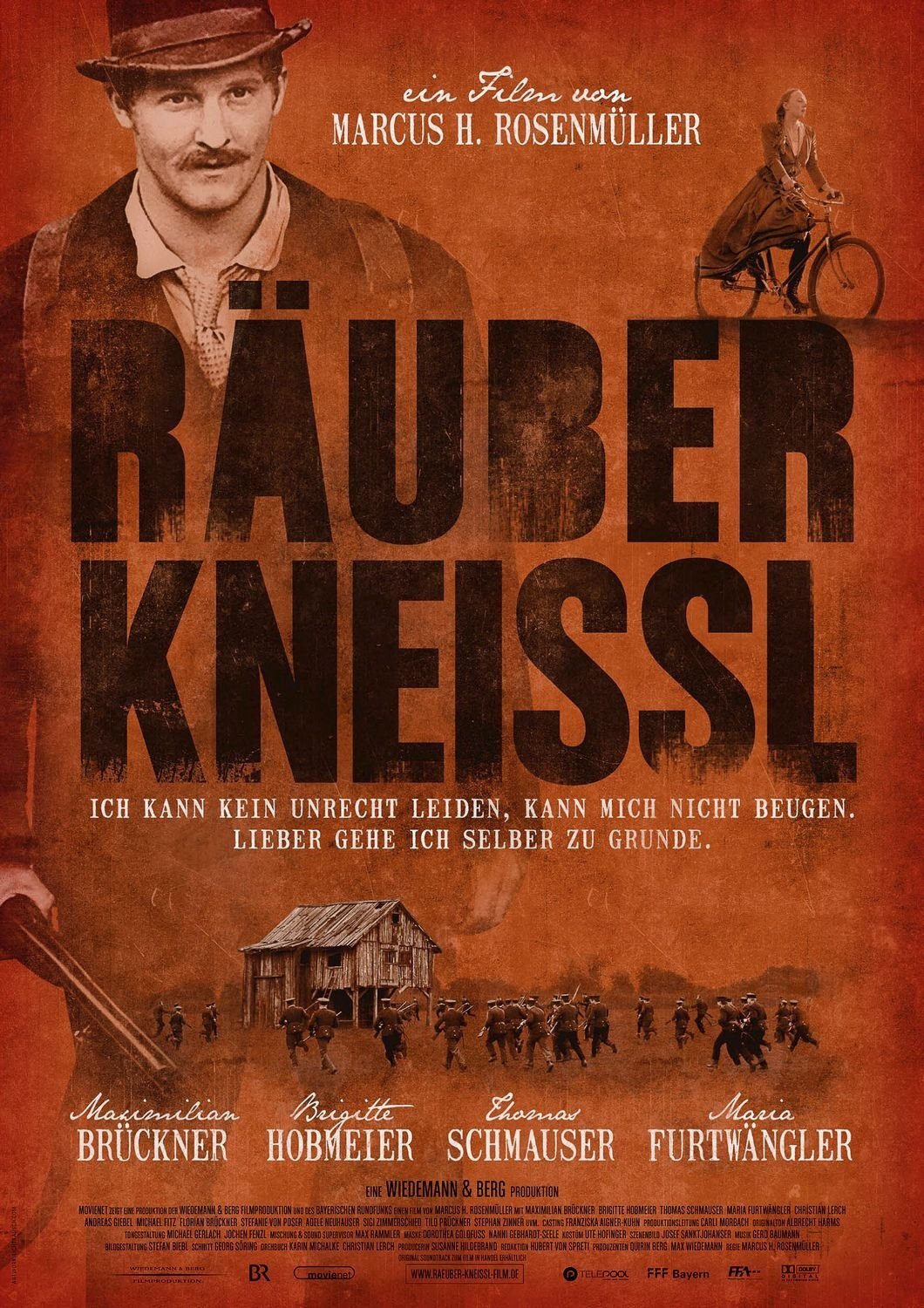
Even today, Mathias Kneißl (1875-1902) is considered a national hero in the collective memory of Bavaria. During his lifetime, he was the most wanted criminal in Bavaria and even Prince Regent Luitpold was reported daily on the hunt for the lawbreaker report. Again and again Kneißl's story has occupied the Bavarian artists: his life was retold in folk songs and murders, sung in ballads, filmed and treated in various plays. In his feature film version, the Bavarian filmmaker Marcus H. Rosenmüller relies on a rapid staging, opulent images and a moving love story.
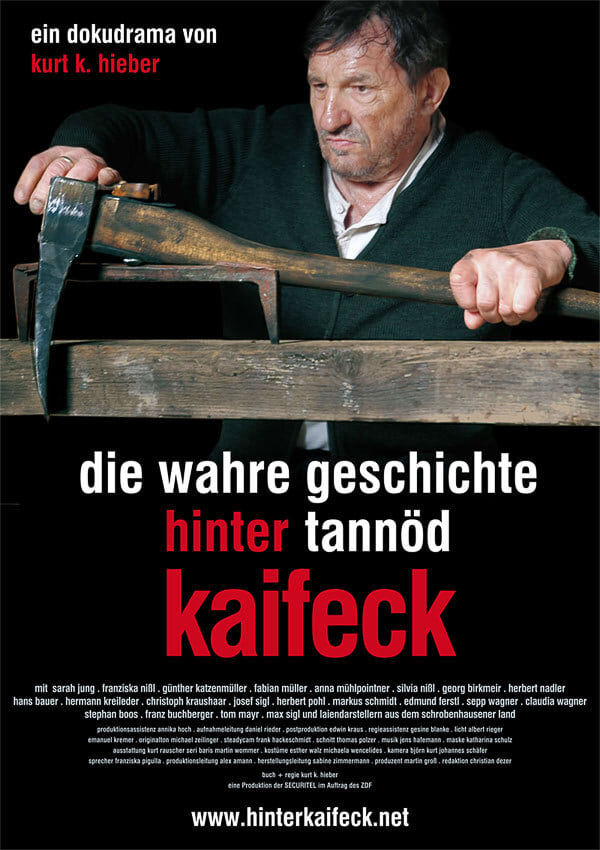
Still today, people say that during the stormy night from March 31st to April 1st, 1922, the devil had come to Hinterkaifeck. On the farmstead near Schrobenhausen, all 6 inhabitants – 4 Adults and two children – are struck down bestially. The police did not manage to seek out the murderer(s). As the case is still unsolved as of today, the story still lives on in the minds of the people. Motion pictures, theatre plays, and the bestselling novel “Tannöd”, behind all of them stands Hinterkaifeck. Aspiring police investigators and a self-declared “Internet – special commission ‘Hinterkaifeck’” have now once again taken up the trail of the case. This exciting search for traces is followed by the film, and its findings are recreated in elaborate play scenes. Thereby, a picture of an era thought to be bygone and an idea of what really happened back then comes into existence. More precise than any fiction, the docudrama manages to get closer to the truth.
The United States of America has been at war for almost all of its 250 years of existence. From the wars of independence to current armed conflicts, its armed forces have not only shaped American identity, but also influenced the political decisions of its leaders. The documentary delves deep into this complex history and analyzes the hot and cold wars that shaped the development of the USA, along with lessons for the future. How have generations of Americans experienced these wars and how have their lives been changed by them? How has military engagement been used to shape the image and role of the USA on the world stage? Do military decisions today shape the world of tomorrow and what are the effects on democracy and society? And as the US president begins his new term in office, the question also arises: what role does the army play in Donald Trump's understanding of the world?
In May 1828, a feral boy aged around 16 was found in Nuremberg. Kaspar Hauser, as he is called, can only speak a few indistinct words and knows nothing about his origins or family. The film depicts the - presumed - circumstances under which Hauser was held captive in complete isolation in a hiding place from infancy onwards. From this emerges the picture of an intrigue involving high circles of aristocratic society. Five years after his liberation, in December 1833, Kaspar Hauser died as a result of a stab wound inflicted by an unknown perpetrator.
Lene Thurner is standing on a train platform in Munich. She has to decide: back to Berlin where she lives, or toward the south, where at the foot of the Alps her family lives on the lonely farm “Hierankl”.
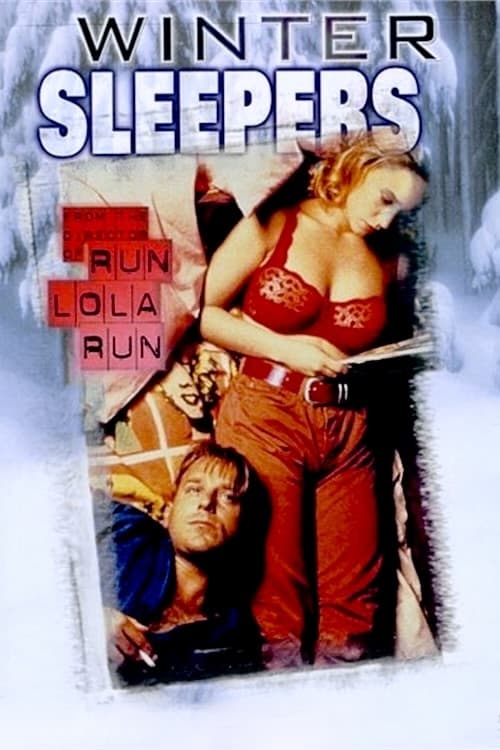
Young blonde translator Rebecca lives with her boyfriend ski instructor Marco in a mountain villa owned by her friend, nurse Laura. Rene, local cinema projectionist, steals Marco's car and gets into a car crash with local Theo, whose daughter, after being in coma for a time, dies. Rene suffers from partial short term memory loss and starts a relationship with Laura. Meanwhile Marco is looking for the man who stole his car and Theo - for the man who killed his daughter...
This rockumentary-style presidential portrait shows how Jimmy Carter reinvigorated a post-Watergate America—with the music of the counterculture, including the Allman Brothers, Bob Dylan, Willie Nelson, and Jimmy Buffett.
At a press conference, Bavarian Minister President Reitmayer makes an unclear and ill-considered statement about Bavaria's possible withdrawal from the Federal Republic of Germany, sparking a discussion of unimagined proportions in the press and media. The excitement surrounding his words quickly becomes too much for Reitmayer and so he withdraws from the public eye and flees to a remote area in the Bavarian countryside. In doing so, however, he offends his family, to whom he has not revealed his whereabouts: Without further ado, his children Kathi and Martl set off in search of him. In the process, they not only learn a lot about their family, but also about their native Bavaria and its various regions. Meanwhile, the Minister President who has gone into hiding has found happiness, but for better or worse he must return to the public eye in order to calm the still raging debate...
Documentary about the famous German robber Michael Heigl.
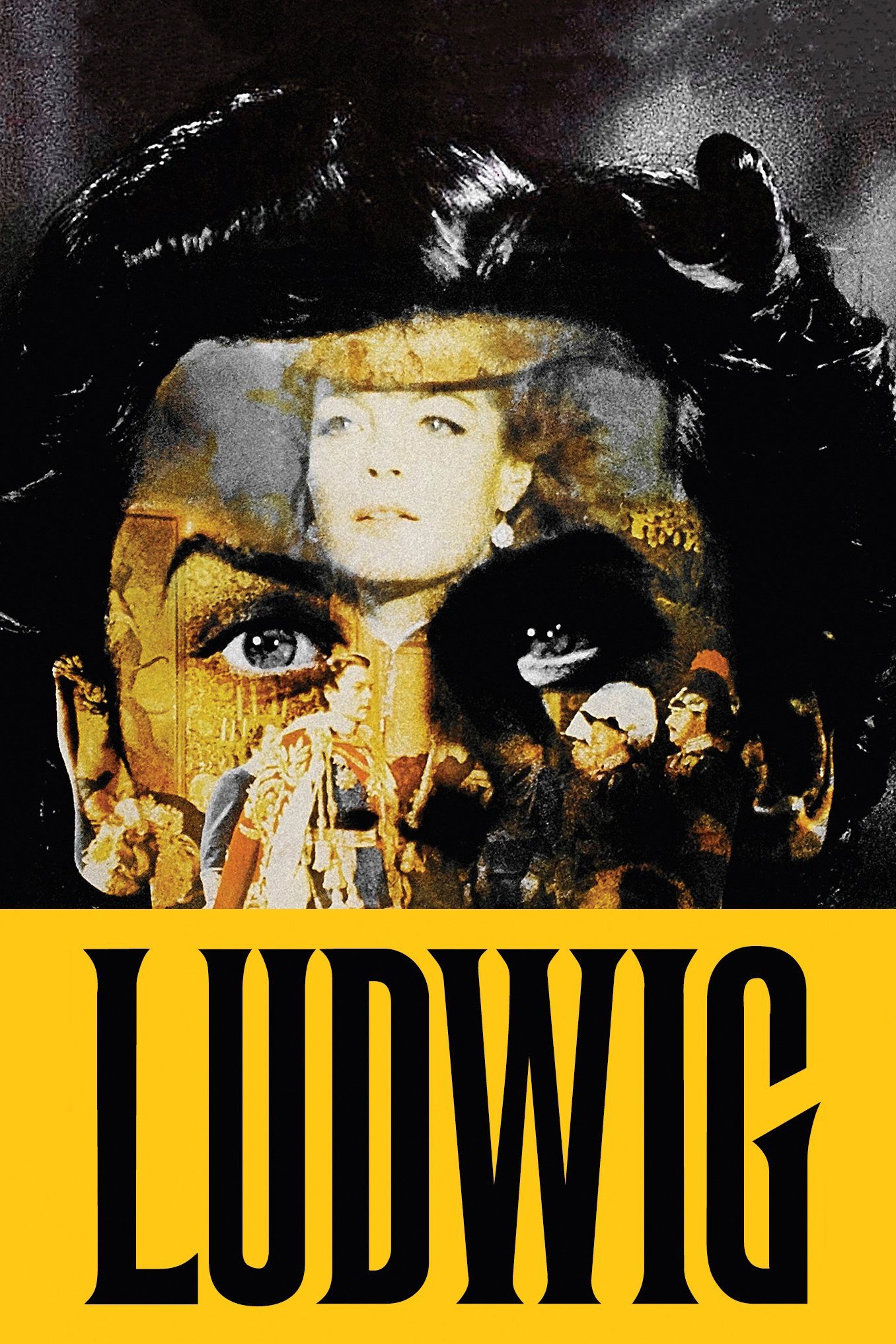
Historical evocation of Ludwig, king of Bavaria, from his crowning in 1864 until his death in 1886, as a romantic hero. Fan of Richard Wagner, betrayed by him, in love with his cousin Elisabeth of Austria, abandoned by her, tormented by his homosexuality, he will little by little slip towards madness.
When a young woman investigates her town's Nazi past, the community turns against her.
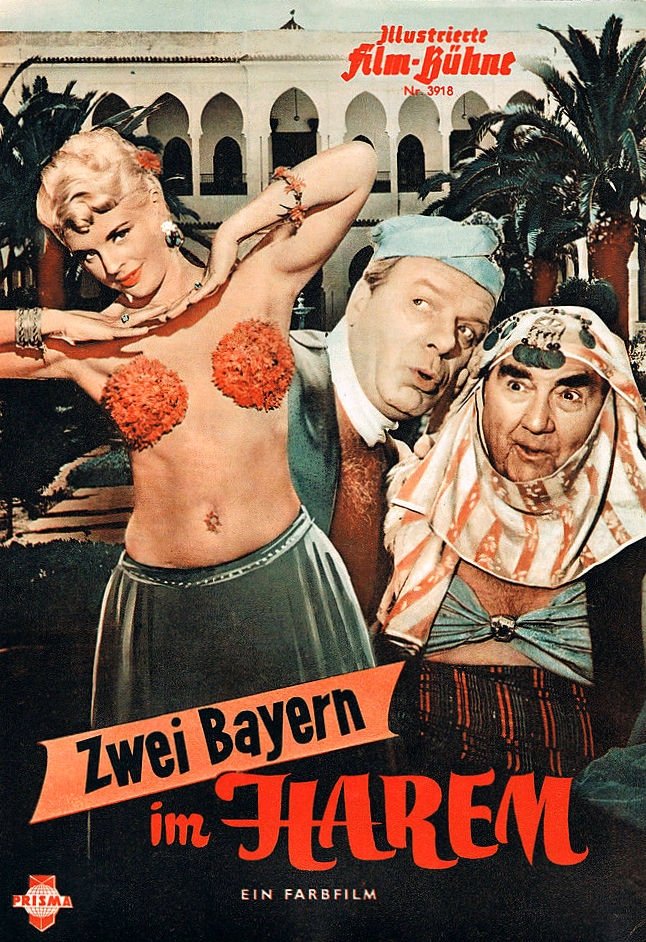
Jonathan, a well-fed ship's cook, and his friend Michael go ashore in an oriental port city after a long sea voyage. They cannot resist the lure of an enticing drug den, where they are mercilessly plied with drink and robbed. They find refuge with the wealthy passenger Hieronymus Walden, who is staying at a luxury hotel. However, the two Bavarians must agree to rescue his granddaughter Kathi, who has disappeared into an oriental harem.
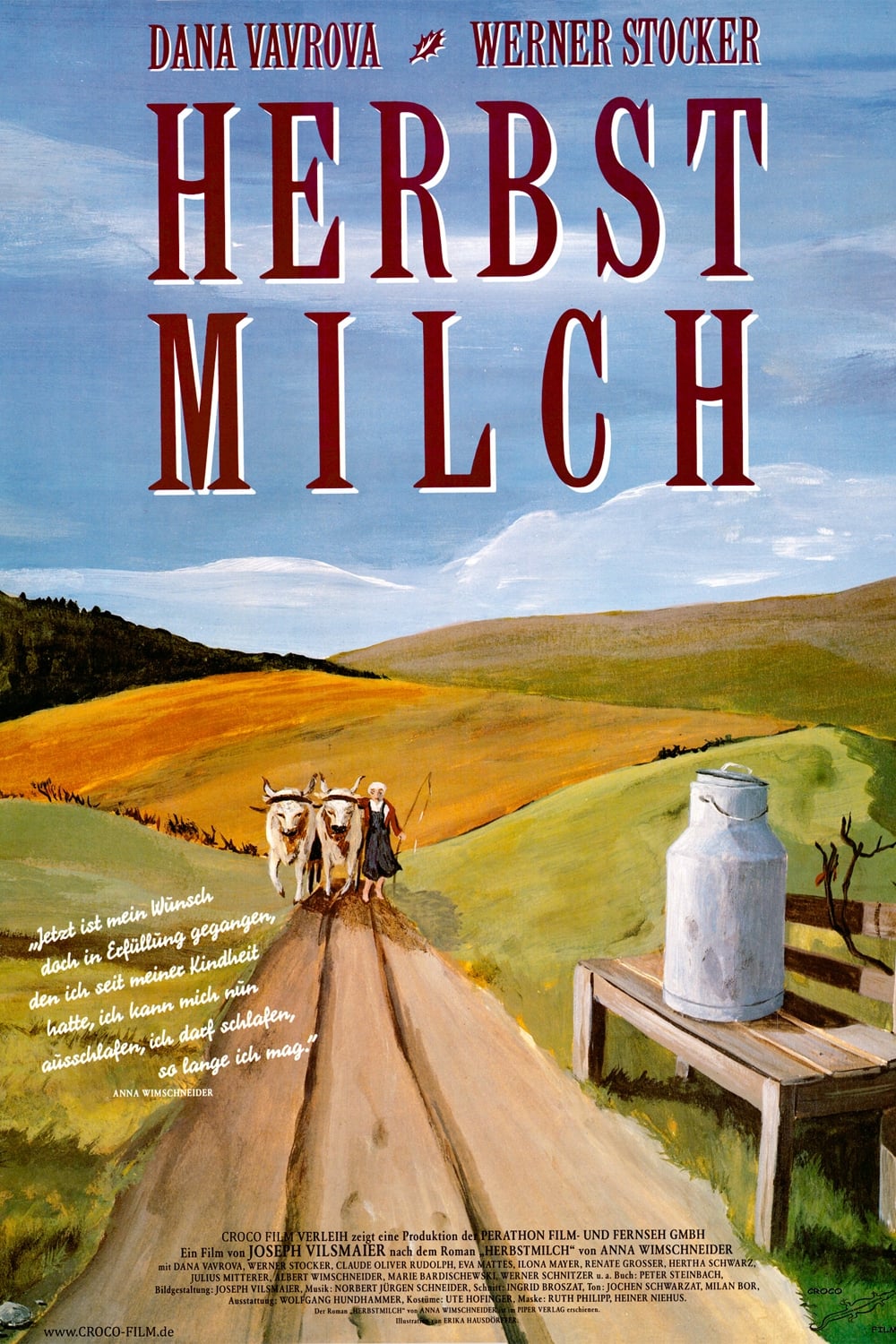
With the death of her mother, eight-year-old Anna ends her childhood: From now on, she has to look after the nine-member family. Deprivation-rich years, which also find no end when Anna marries: Her husband Albert must be a soldier in the Second World War, and the pregnant Anna has to work hard in the farm and care sick relatives. Lonely and exposed to the harassment of the tyrannical mother-in-law, she waits for Albert, with no certainty that he will ever return.
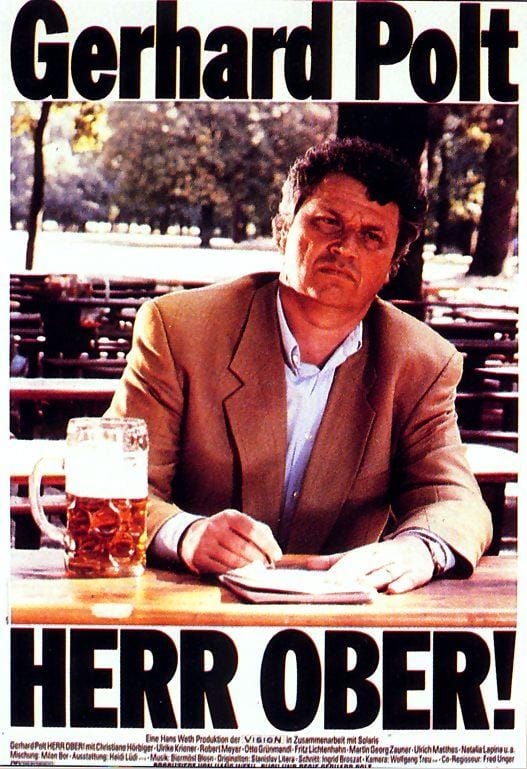
The former waiter Ernst Held believes himself to be called higher and seeks self-realization as a poet. When he recites poems to his wife's beautician in an ambiguous situation, his wife puts him out the door. Completely destitute, the thwarted poet must therefore return to the lowlands of life and become the head in the Munich pub "Goldener Löffel".