Social & External
The people behind it
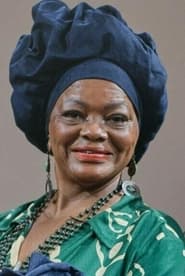
Vera de Jesus
Sambista (Neta de Clementina de Jesus)
Mais Alto, Rodrigo
Oficineiro
Drica Madeira
Oficineira
Leila Medeiros
Victor Meirelles
Kadosh
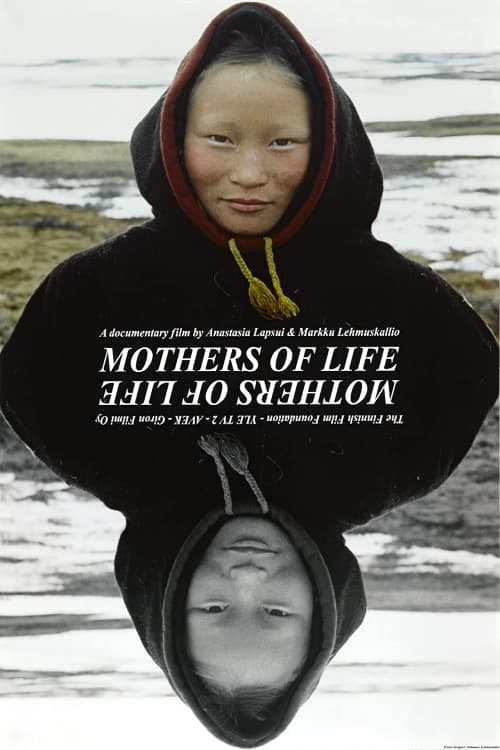
A documentary on the experiences of the Nubetya Yaptiks nomadic family in the Yamal Peninsula, Eastern Siberia, from 1992 to 2001.
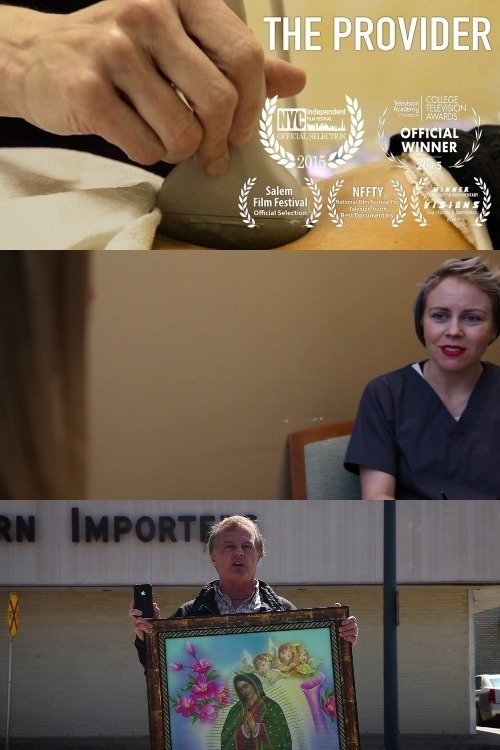
Abortion clinics in Texas are disappearing exponentially and healthcare providers are feeling the brunt. The Provider follows the story of abortion provider Dr. Shannon Carr who travels every week from New Mexico to Dallas in order to perform abortions despite restrictive laws and threats to her safety. Continue to share her story and follow our latest documentary series as we try to capture these stories and influence change before all abortion clinics in the US cease to exist
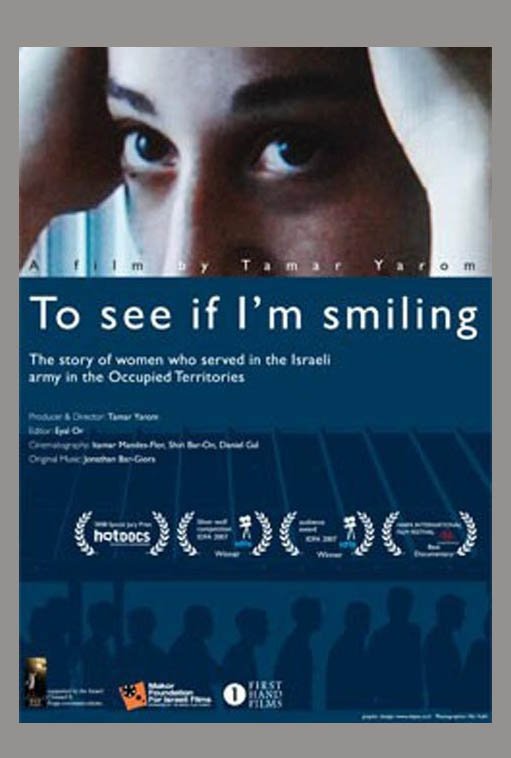
Israel is the only country in the world where 18-year-old girls are drafted for compulsory military service. The frank testimonials of six female Israeli soldiers stationed in Gaza and the West Bank sees the young women revisit their tours of duty in the occupied territories, and share shocking moments of negligence, flippancy, immaturity and power-tripping.
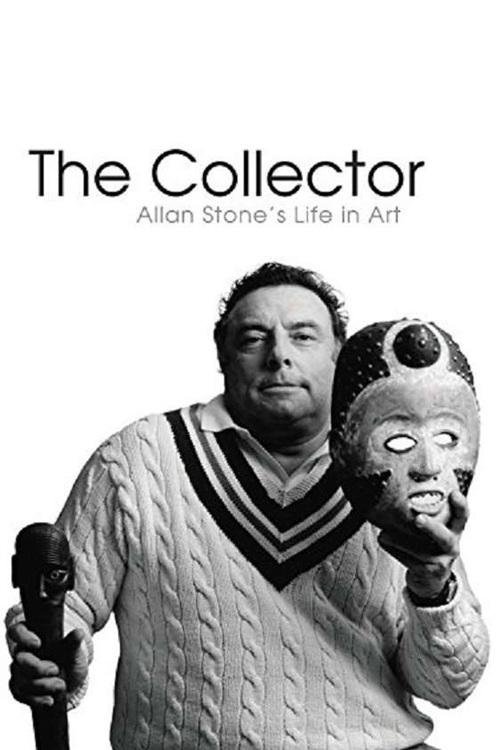
Olympia Stone presents a cinematic portrait of her father, famed New York City gallery owner and art collector Allan Stone, in this fascinating documentary tracing his rise in the international art world from the 1950s to 2006. Regarded as a pioneering collector, Allan Stone was considered an expert on the work of Abstract Expressionists, particularly Willem de Kooning, Arshile Gorky, Barnett Newman and Franz Kline.
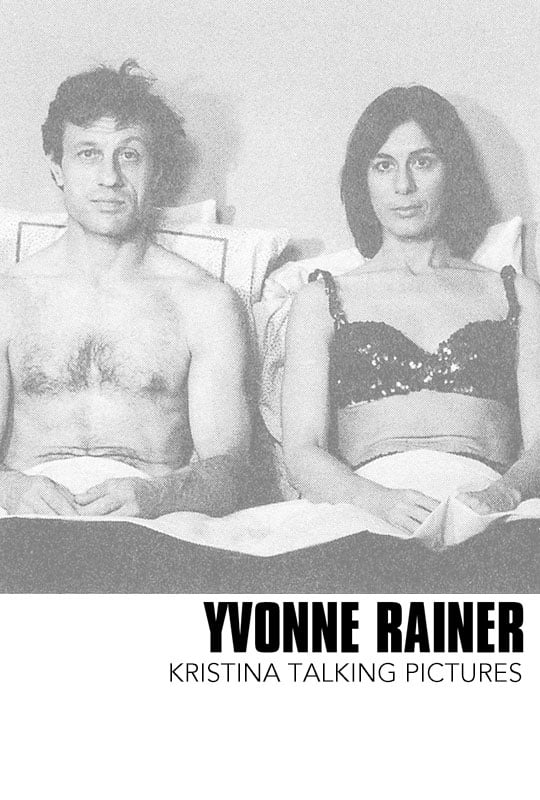
Kristina, a self-named Hungarian female lion tamer, arrives in New York to become a dance choreographer. Kristina, now a middle-class NYC artist concerned about the environment, has a sailor lover named Raoul. The film, a collage work, an essay film, a fictional narrative and a documentary all rolled into one, is one of the most important independent American feminists films made during the 1970's.
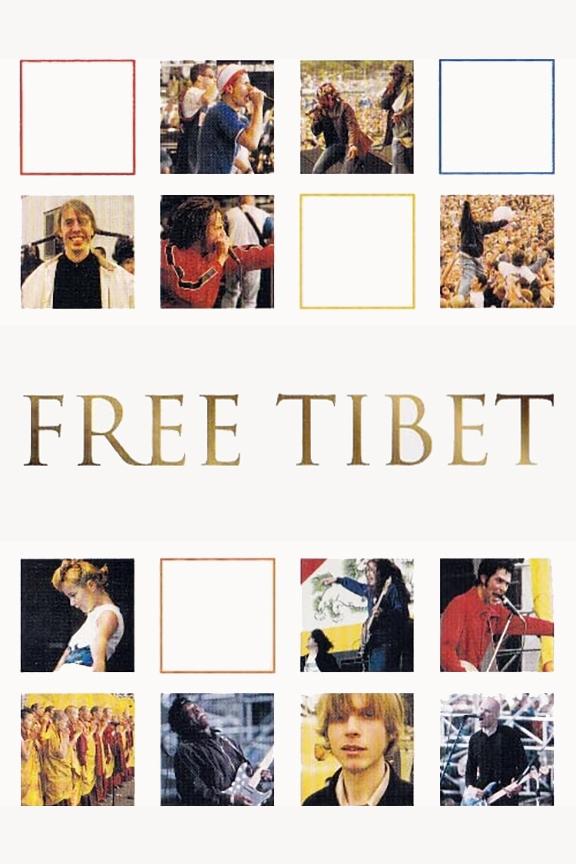
A film about the Tibetan Freedom Concert in San Francisco in 1996.
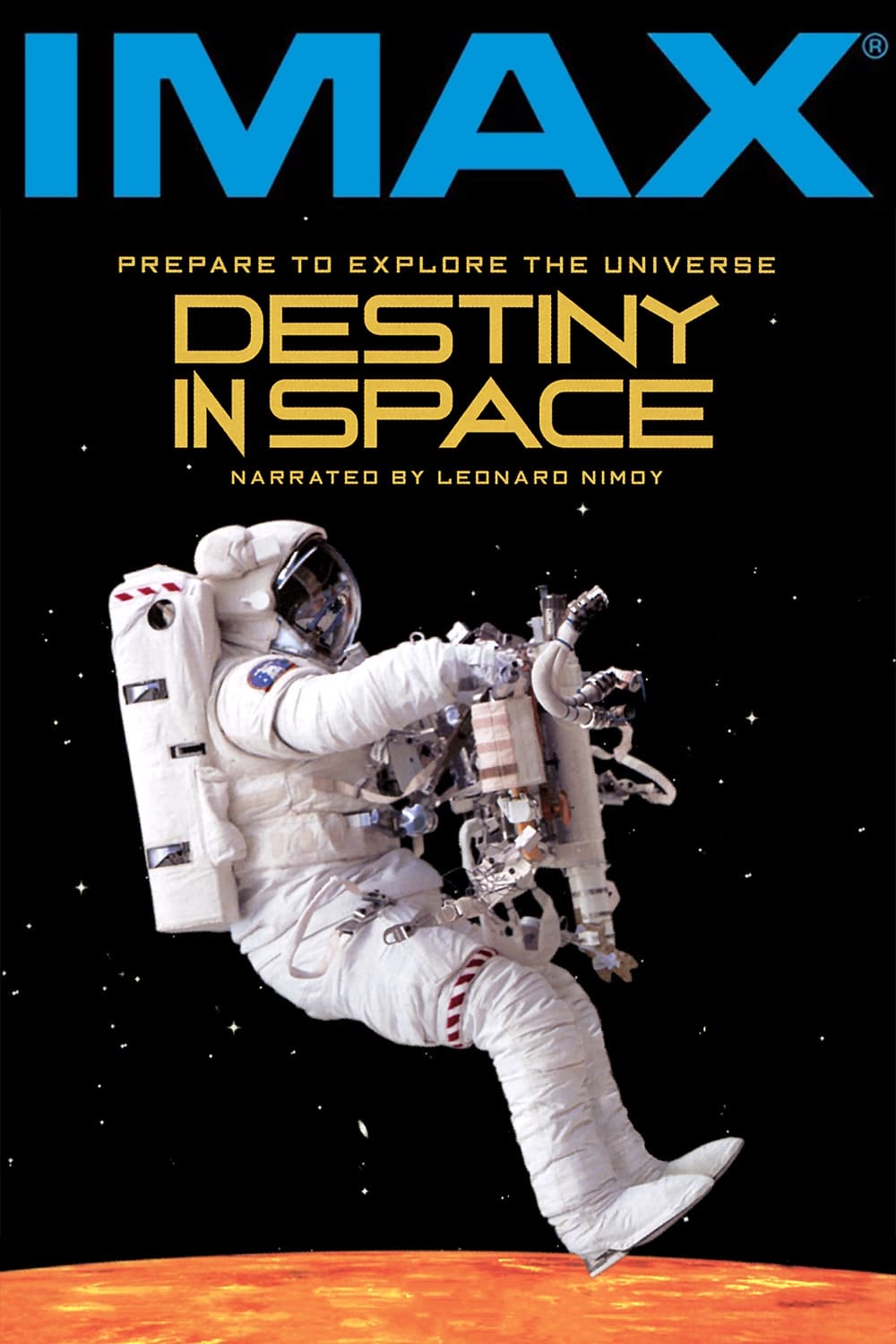
Travel alongside the astronauts as they deploy and repair the Hubble Space Telescope, soar above Venus and Mars, and find proof of new planets and the possibility of other life forming around distant stars.
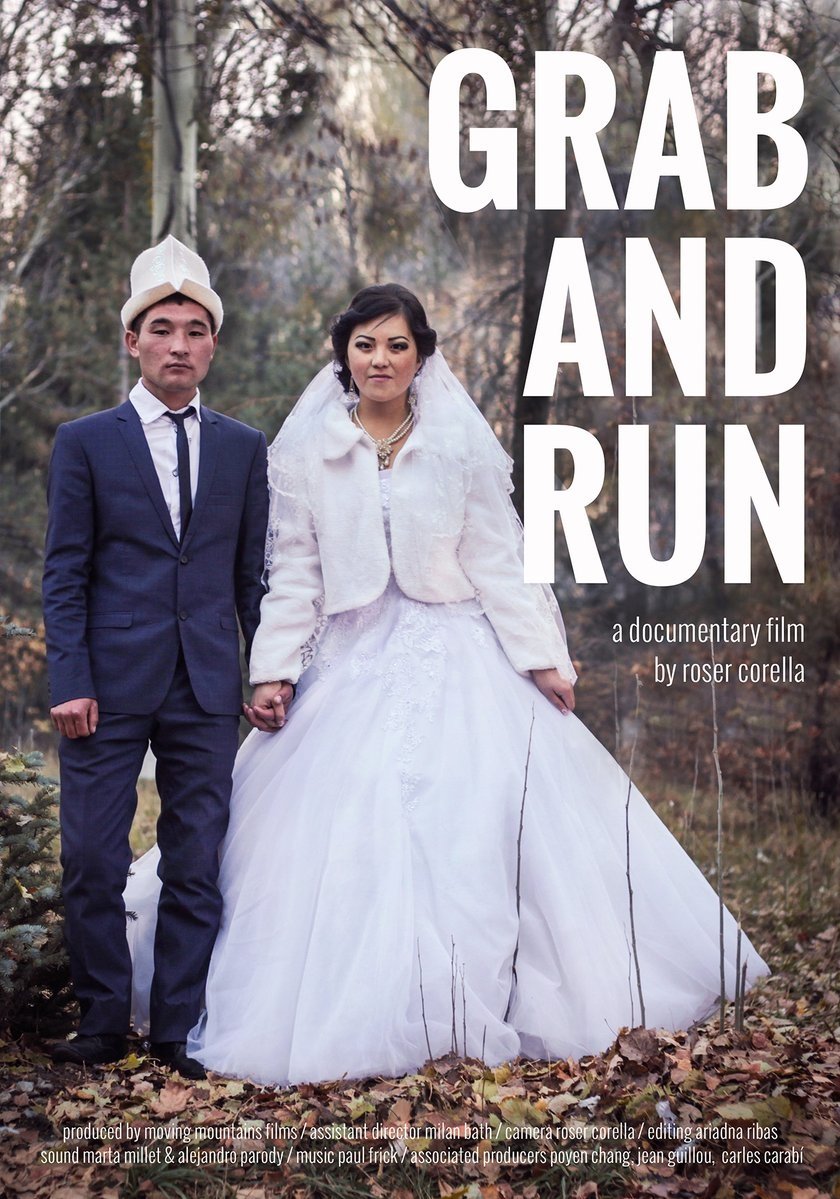
After the Kyrgyzstan Independence in 1991, the ancient practice of Ala-Kachuu ("grab and run") returned. Some women escape the men that kidnap them, but many remain married because of tradition and the fear of scandal.
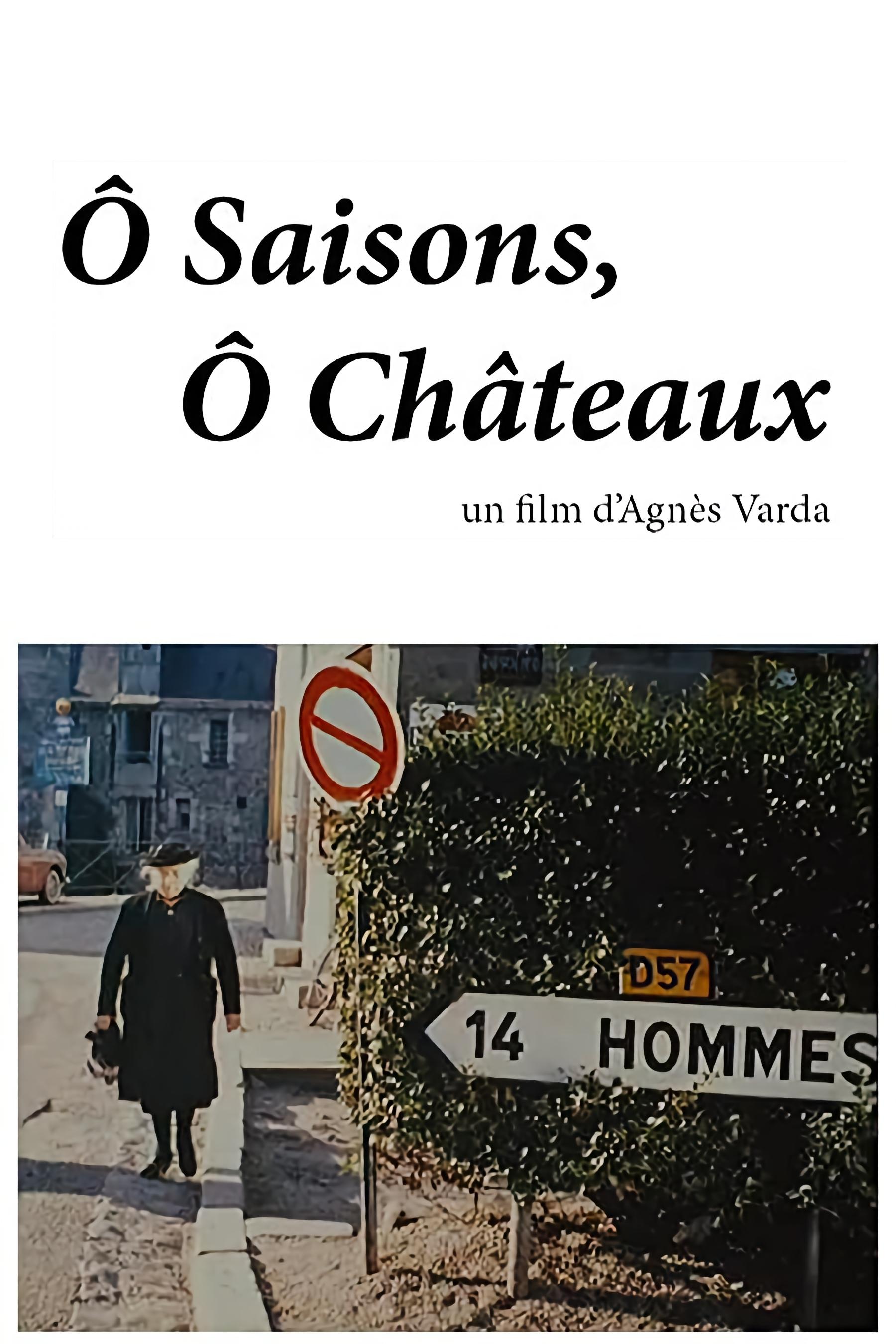
A short documentary on the chateaux of the Loire in France was commissioned by the French Tourist Bureau.
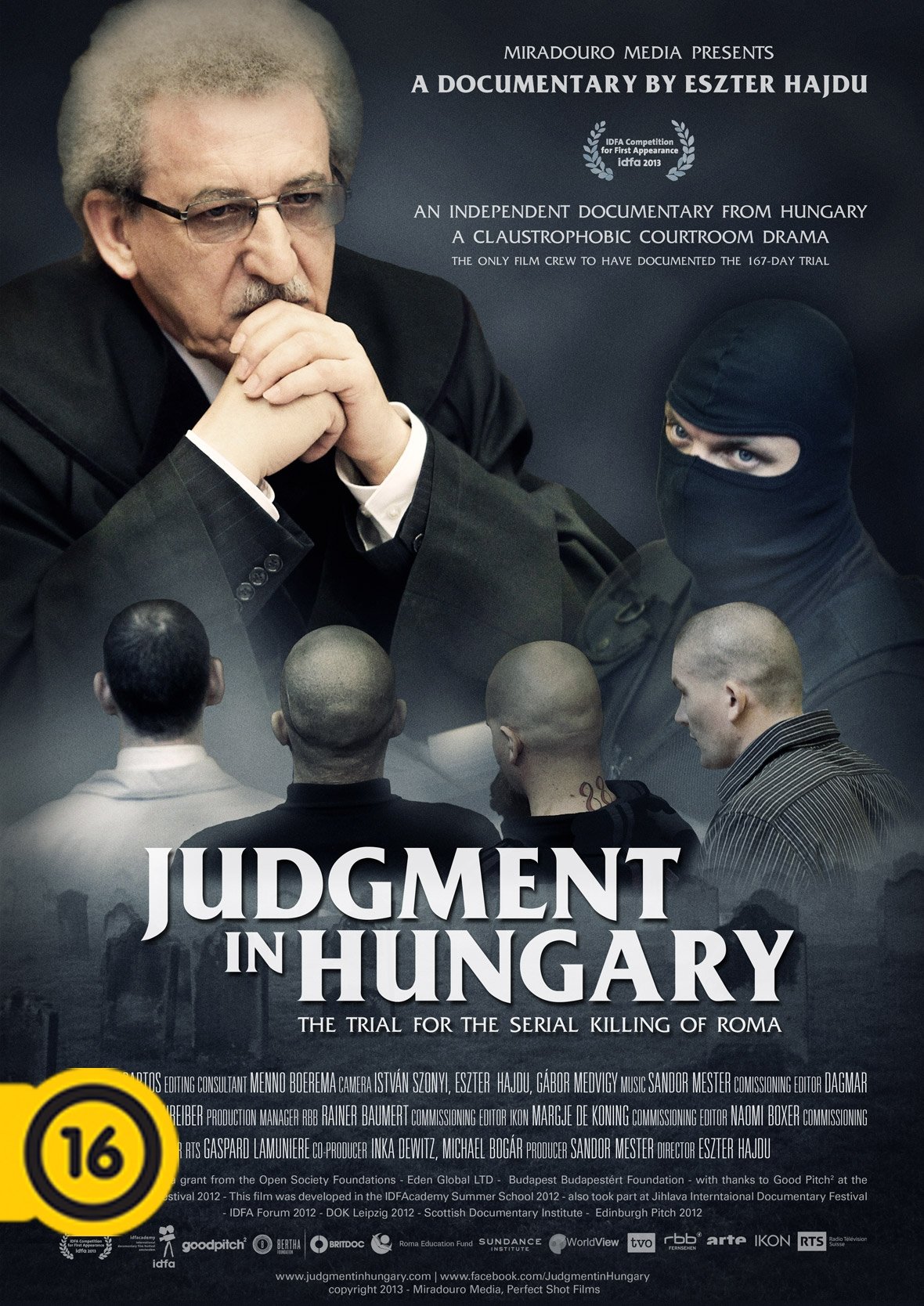
Hungary was the site of serial murders on ethnic basis. Over the course of one year, the murderers killed and seriously injured Roma children and adults. The state charged 4 men with committing the crime with racial motivation. This historical trial started March, 2011, and ended August, 2013 in Budapest. The 167 days of hearings was only documented continuously by our crew. We had exclusive permission to use multiple cameras in the court-room. The film is a classical chamber-drama, taking place in a small, claustrophobic court room, in the middle of Europe. What will be the outcome of the marathon, 3 year-long trial?
Re-framing the U.S. gun violence debate from Second Amendment rights to public health prevention.
A rich and extravagant Scottish Baron spends his time on outrageous cruise ships amongst romantic couples, wealthy families, hardworking staff and retired elderly. A floating micro-society appealing to some, revolting to others.
This poignant documentary from directors Judith Leonard, Catherine Ryan and Gary Weimberg explores the rich complexity of mother-daughter relationships as told by women themselves in scores of candid interviews. Honoring the sometimes close, sometimes fractious, but always vital link moms share with their girls, this film celebrates how these relationships evolve in stages from birth through adulthood to the end of life.
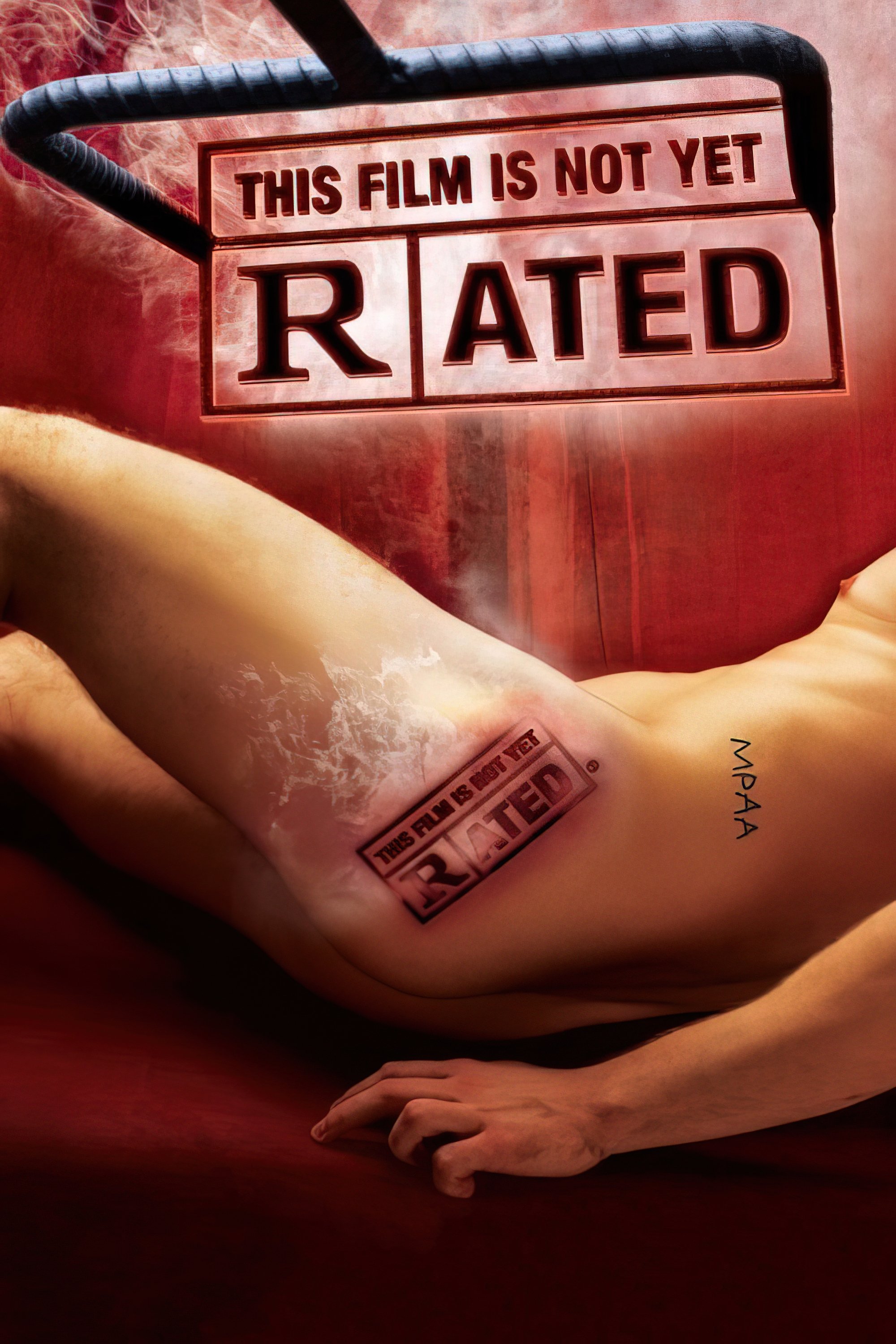
Kirby Dick's provocative documentary investigates the secretive and inconsistent process by which the Motion Picture Association of America (MPAA) rates films, revealing the organization's underhanded efforts to control culture. Dick questions whether certain studios get preferential treatment and exposes the discrepancies in how the MPAA views sex and violence.
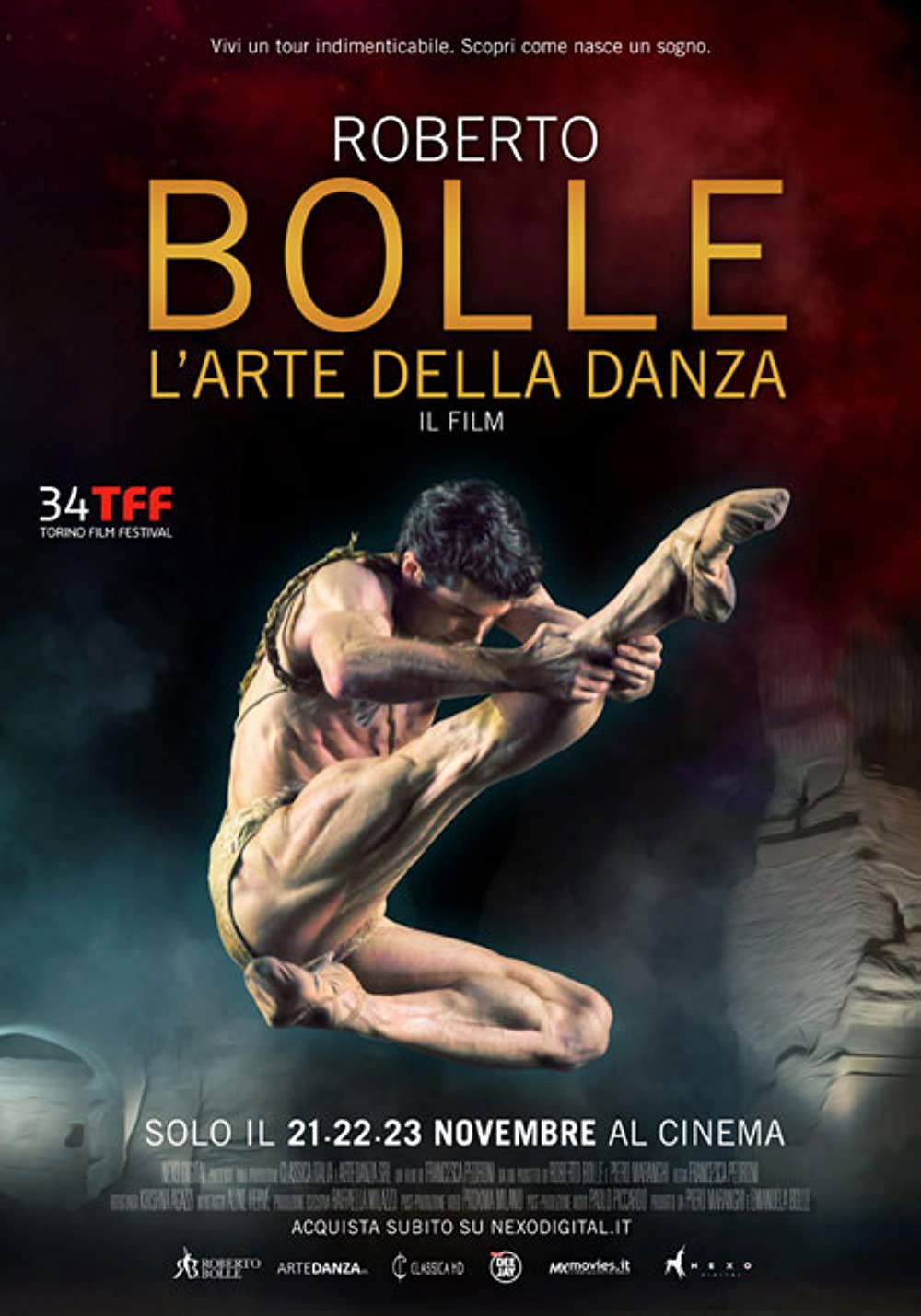
Documentary following ballet dancer Roberto Bolle and his troupe performing in Italian monuments.
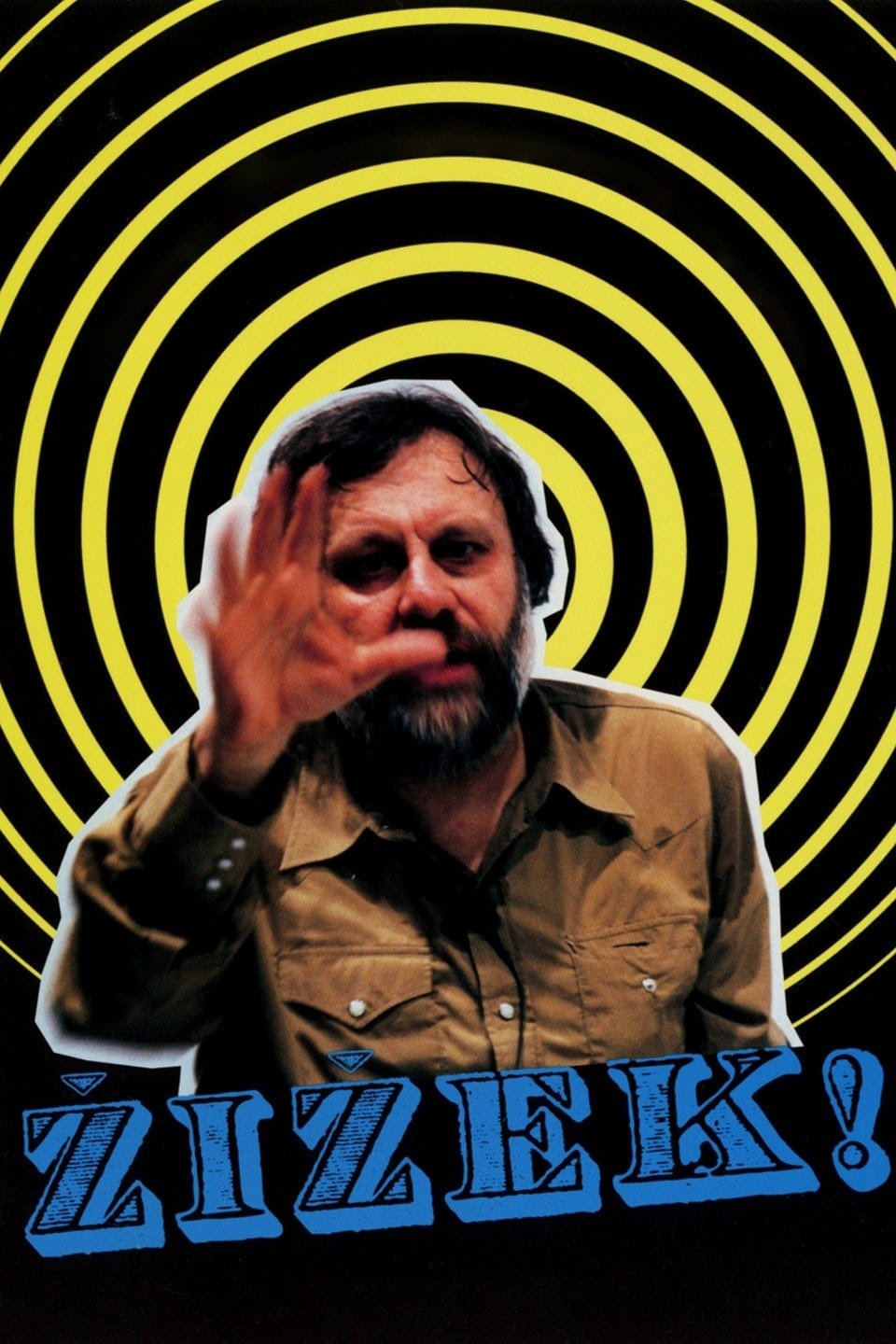
ŽIŽEK! trails the thinker as he crisscrosses the globe, racing from New York City lecture halls, through the streets of Buenos Aires, and even stopping at home in Ljubljana, Slovenia. All the while Žižek obsessively reveals the invisible workings of ideology through his unique blend of Lacanian psychoanalysis, Marxism, and critique of pop culture.
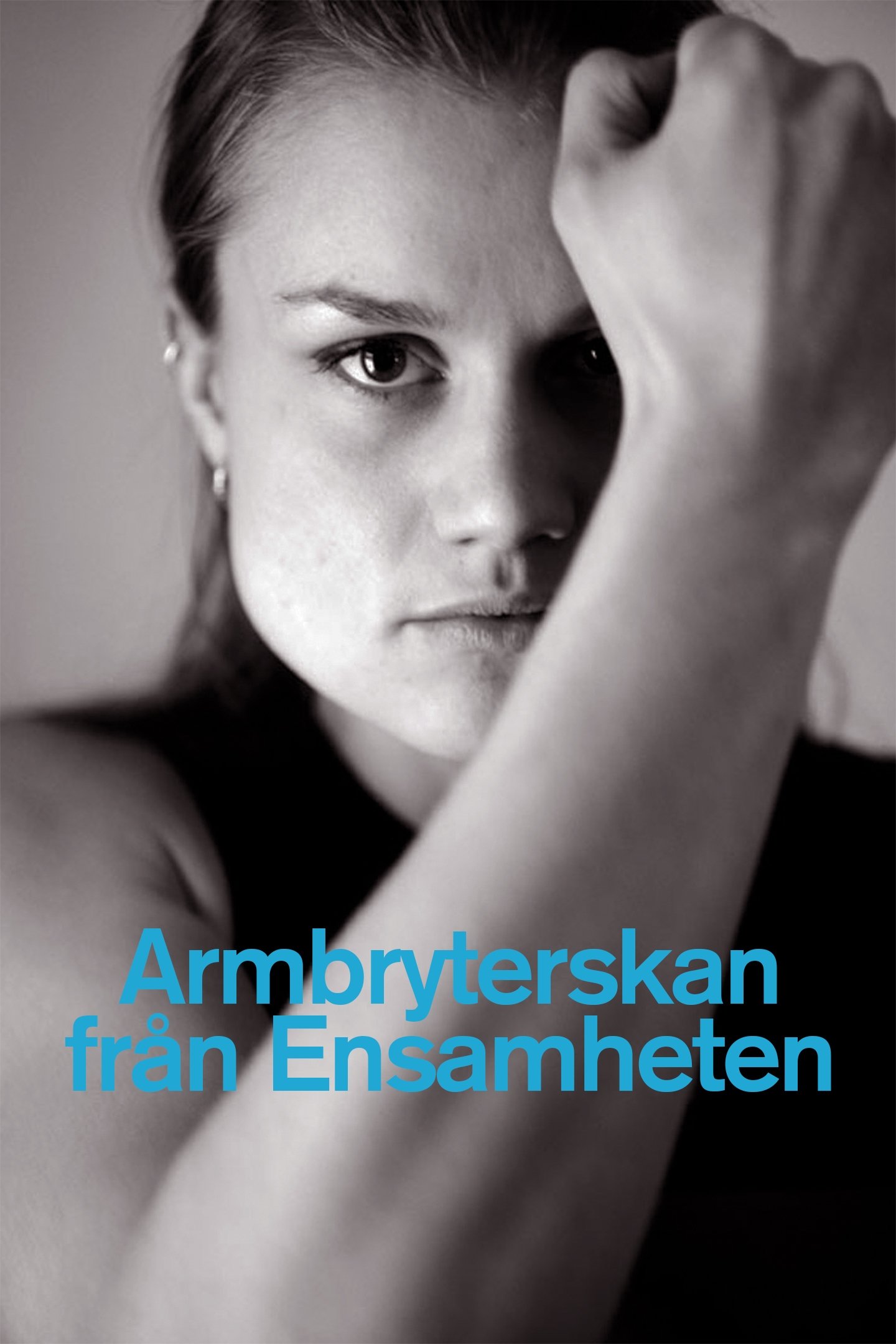
The tiny village in the far north of Sweden called Ensamheten (Solitude) has sixteen inhabitants. They all share an unusual passion - armwrestling.
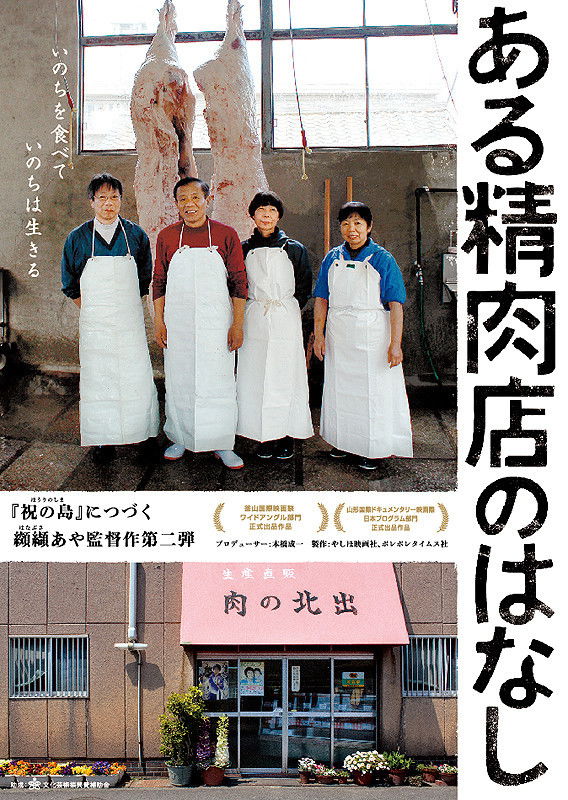
The Kitades run a butcher shop in Kaizuka City outside Osaka, raising and slaughtering cattle to sell the meat in their store. The seventh generation of their family's business, they are descendants of the buraku people, a social minority held over from the caste system abolished in the 19th century that is still subject to discrimination. As the Kitades are forced to make the difficult decision to shut down their slaughterhouse, the question posed by the film is whether doing this will also result in the deconstruction of the prejudices imposed on them. Though primarily documenting the process of their work with meticulous detail, Aya Hanabusa also touches on the Kitades' participation in the buraku liberation movement. Hanabusa's heartfelt portrait expands from the story of an old-fashioned family business competing with corporate supermarkets, toward a subtle and sophisticated critique of social exclusion and the persistence of ancient prejudices.
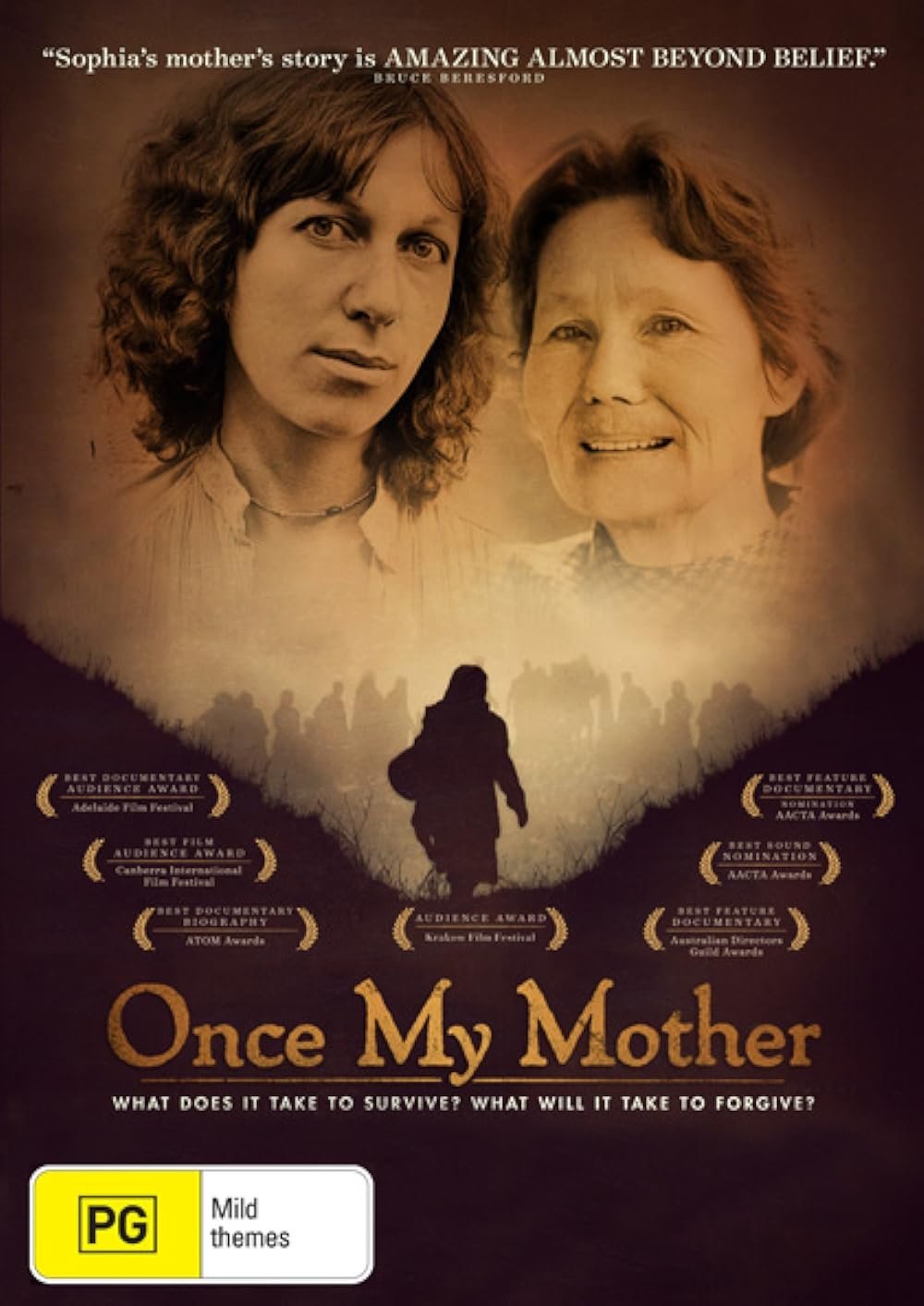
Australian filmmaker Sophia Turkiewicz investigates why her Polish mother abandoned her and uncovers the truth behind her mother's wartime escape from a Siberian gulag, leaving Sophia to confront her own capacity for forgiveness.
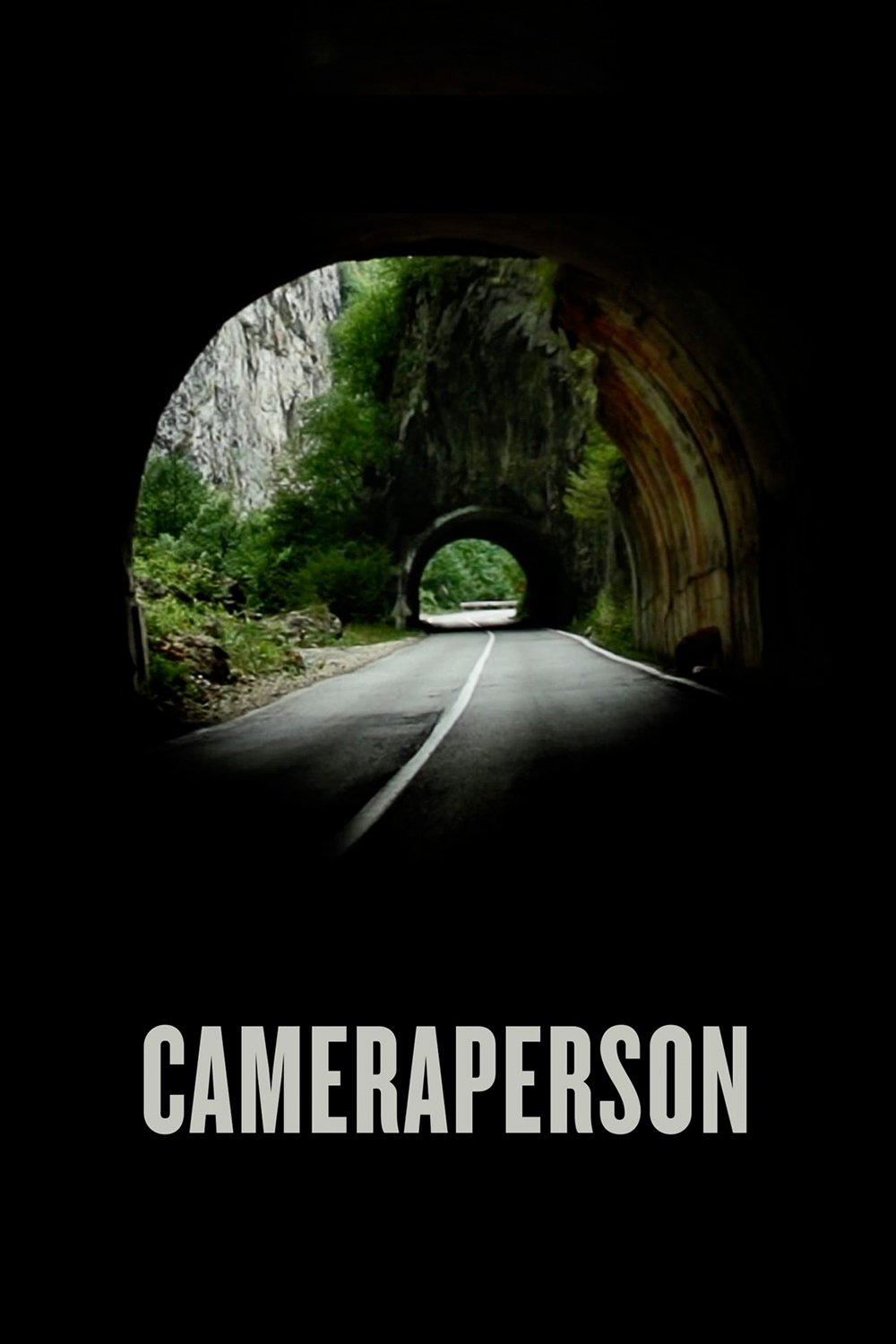
As a visually radical memoir, CAMERAPERSON draws on the remarkable footage that filmmaker Kirsten Johnson has shot and reframes it in ways that illuminate moments and situations that have personally affected her. What emerges is an elegant meditation on the relationship between truth and the camera frame, as Johnson transforms scenes that have been presented on Festival screens as one kind of truth into another kind of story—one about personal journey, craft, and direct human connection.
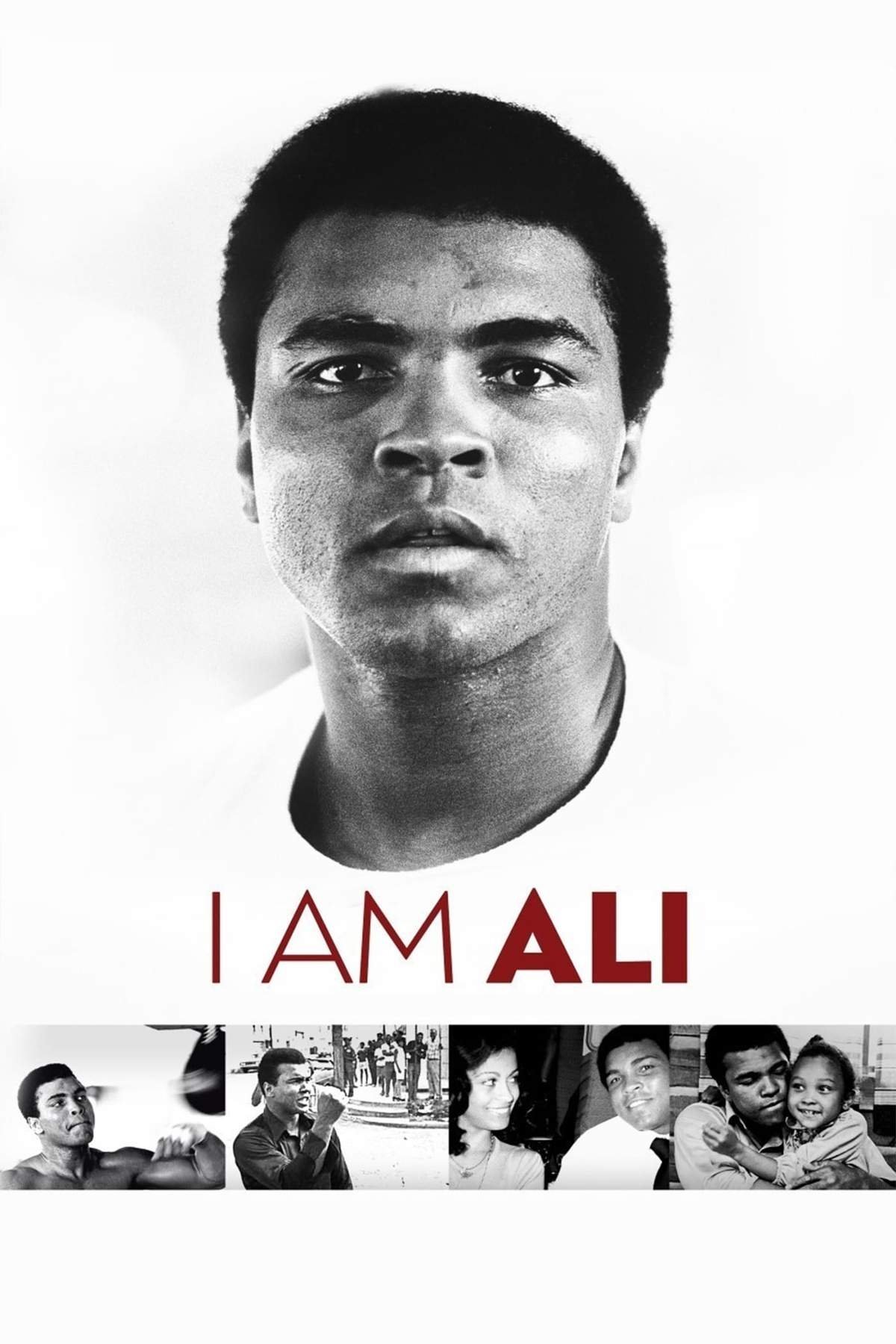
Unprecedented access to Muhammad Ali's personal archive of "audio journals" as well as interviews and testimonials from his inner circle of family and friends are used to tell the legend's life story.
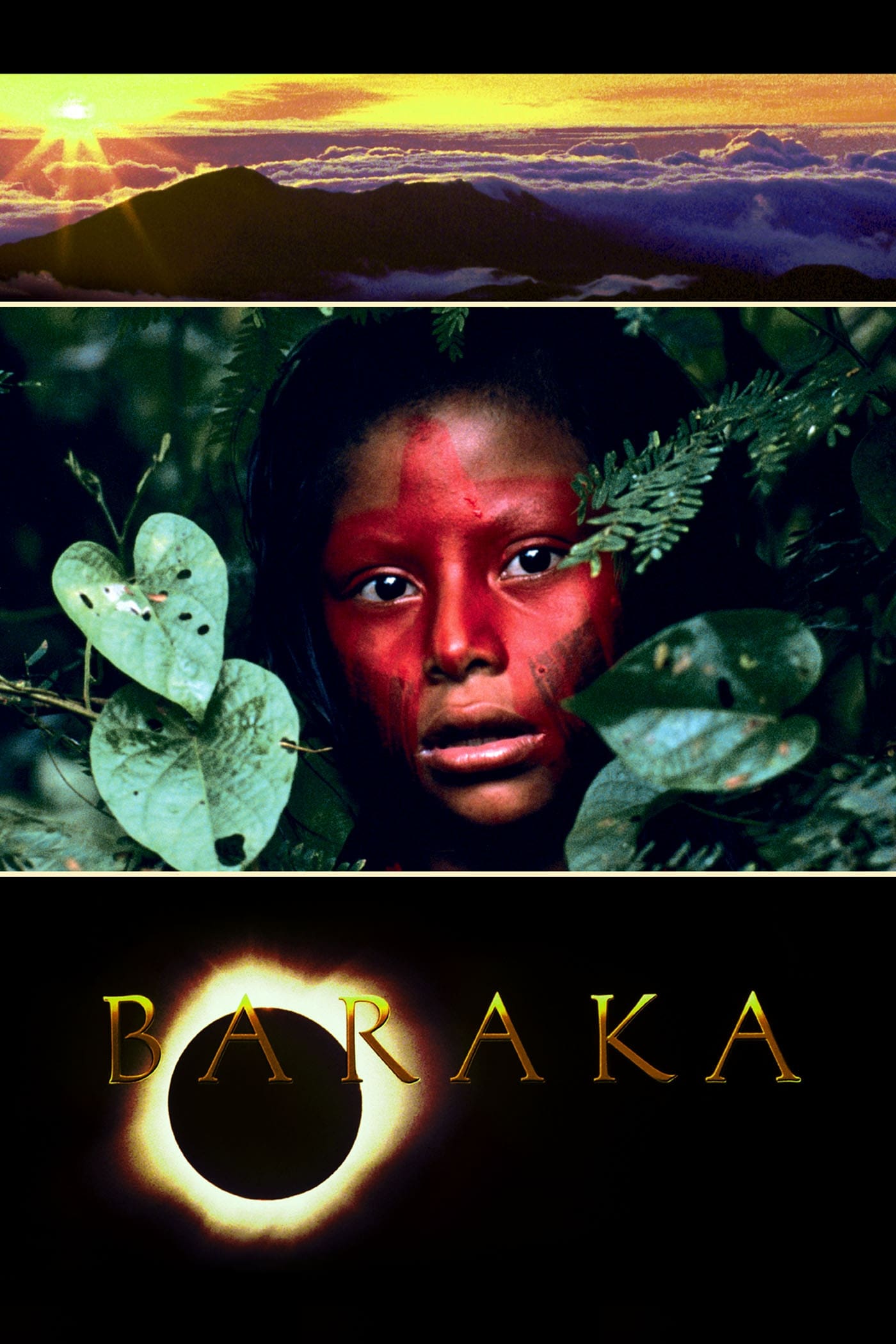
A paralysingly beautiful documentary with a global vision—an odyssey through landscape and time—that attempts to capture the essence of life.
An unprecedented and intimate look at the life, work and enduring legacy of British actress Audrey Hepburn (1929-1993).
Lupita Nyong'o narrates a documentary about Peanuts and its creator, Charles M. Schulz. Famous fans—including Drew Barrymore, Kevin Smith, and Al Roker—share its influence on them, and a new animated story finds Charlie Brown on a quest.
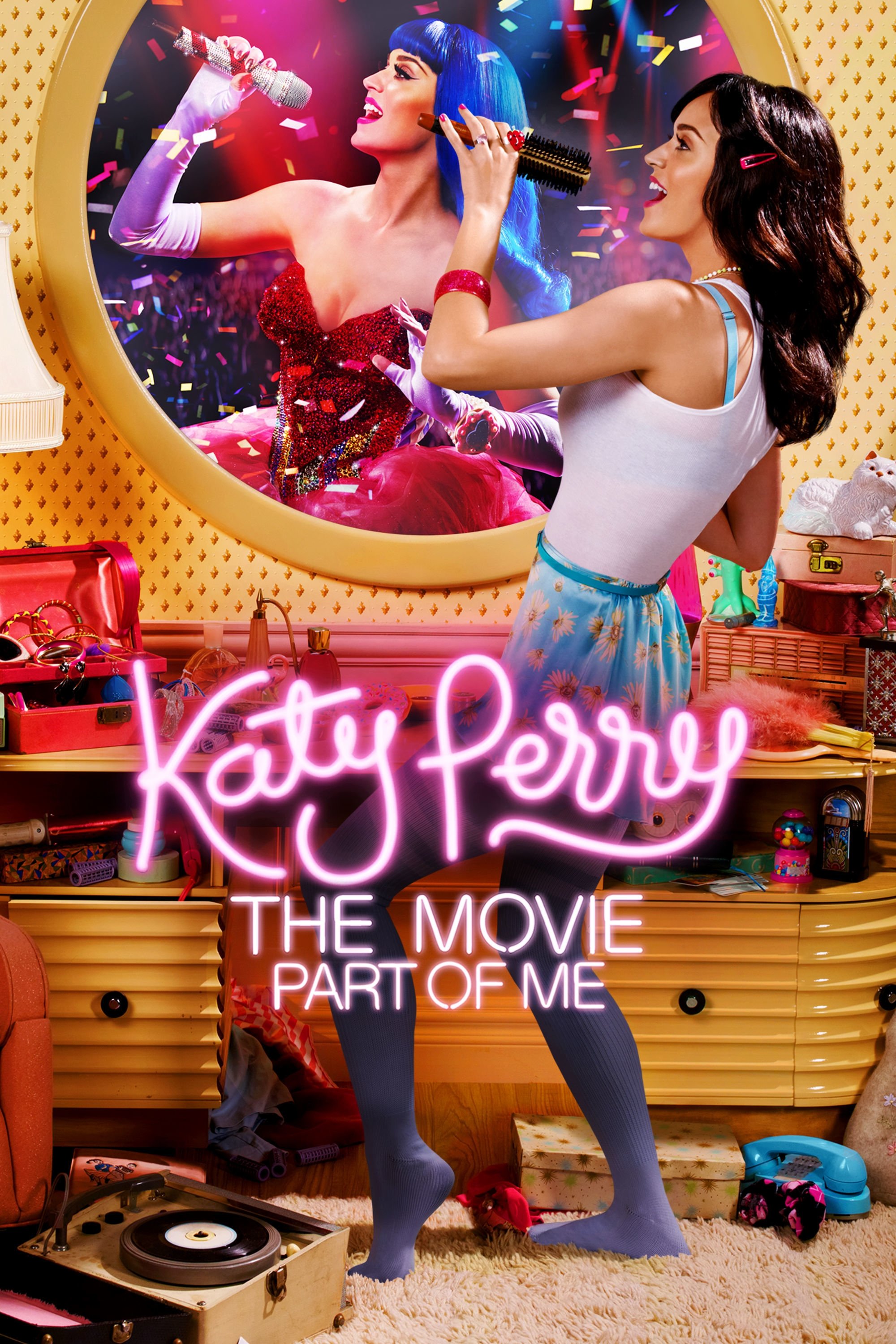
Giving fans unprecedented access to the real life of the music sensation, Katy Perry: Part of Me exposes the hard work, dedication and phenomenal talent of a girl who remained true to herself and her vision in order to achieve her dreams. Featuring rare behind-the-scenes interviews, personal moments between Katy and her friends, and all-access footage of rehearsals, choreography, Katy’s signature style and more, Katy Perry: Part of Me reveals the singer’s unwavering belief that if you can be yourself, then you can be anything.
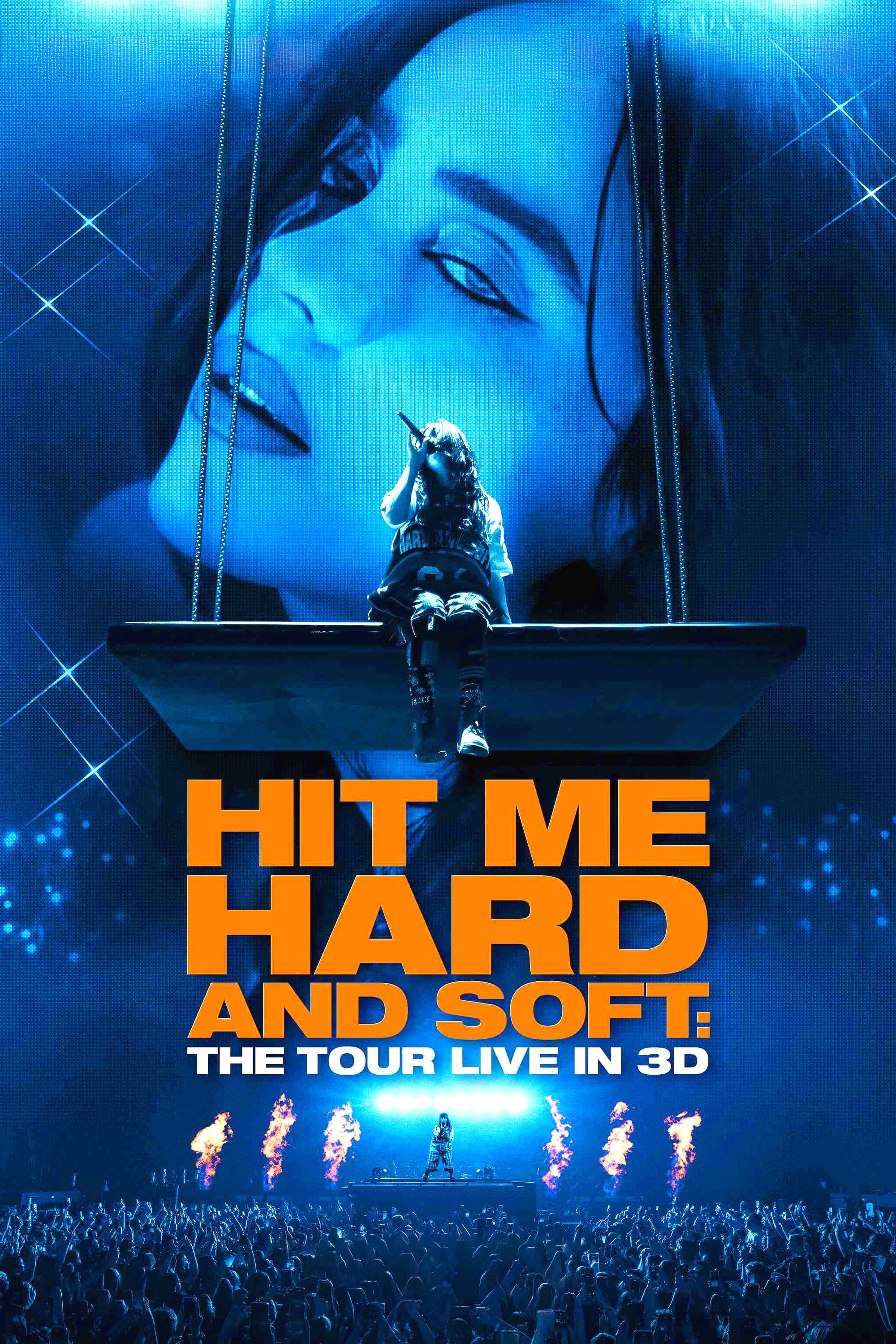
Captured during Billie Eilish's sold-out world tour, a concert experience from one of the most celebrated and successful artists of her generation, presented in immersive 3D.
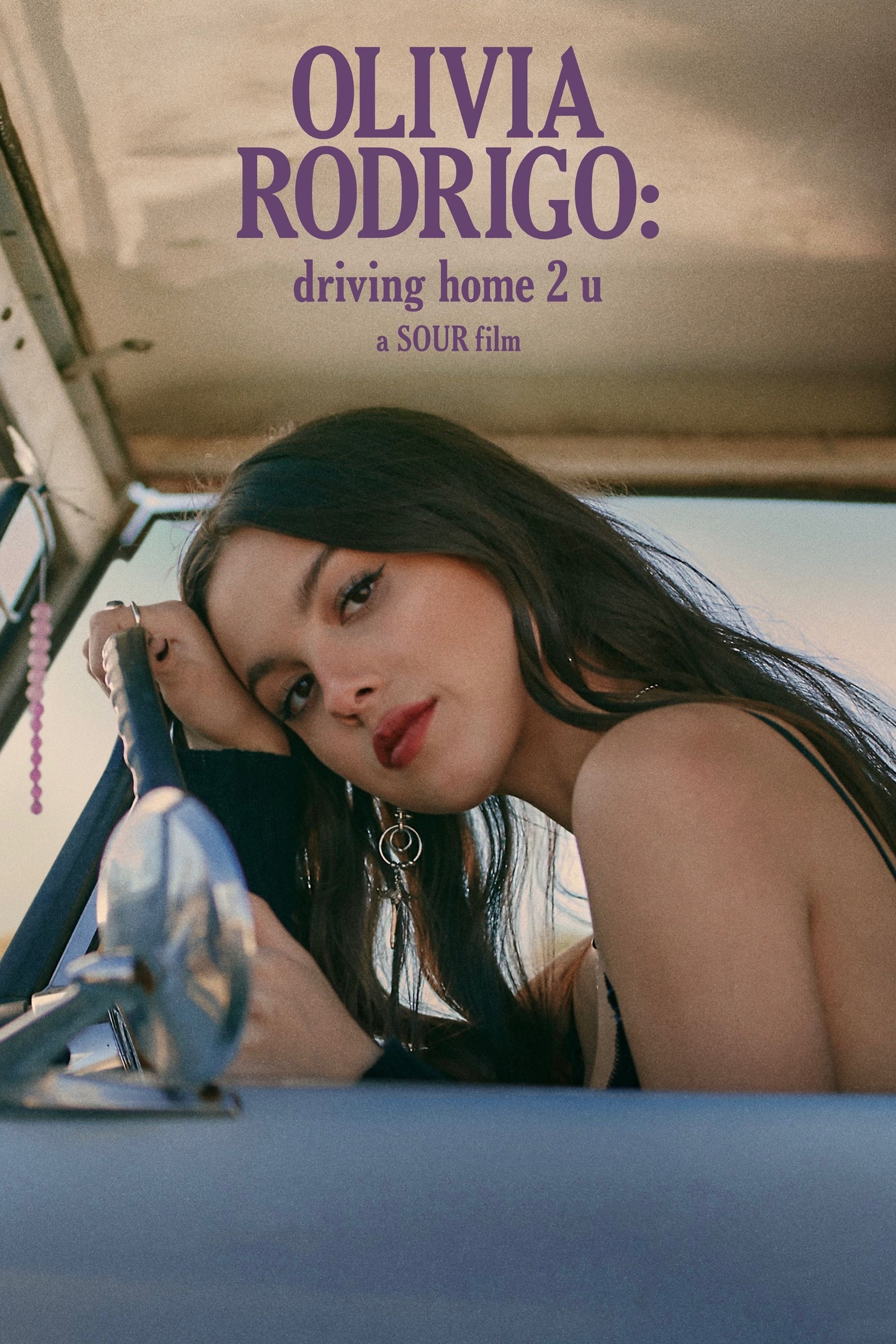
Grammy® winner singer-songwriter Olivia Rodrigo takes a familiar road trip from Salt Lake City, where she began writing her debut album “SOUR,” to Los Angeles. Along the way, Rodrigo recounts the memories of writing and creating her record-breaking debut album and shares her feelings as a young woman navigating a specific time in her life. Through new live arrangements of her songs, intimate interviews and never-before-seen footage from the making of the album, audiences will follow Olivia along on a cinematic journey exploring the story of “SOUR.”
A feature length documentary about the all-women team at the helm of Pixar's original feature, Turning Red. With unprecedented behind-the-scenes access to Director Domee Shi and her core leadership crew, this story shines a light on the powerful professional and personal journeys that brought this incredibly comical, utterly relatable, and deeply heartfelt story to the screen.
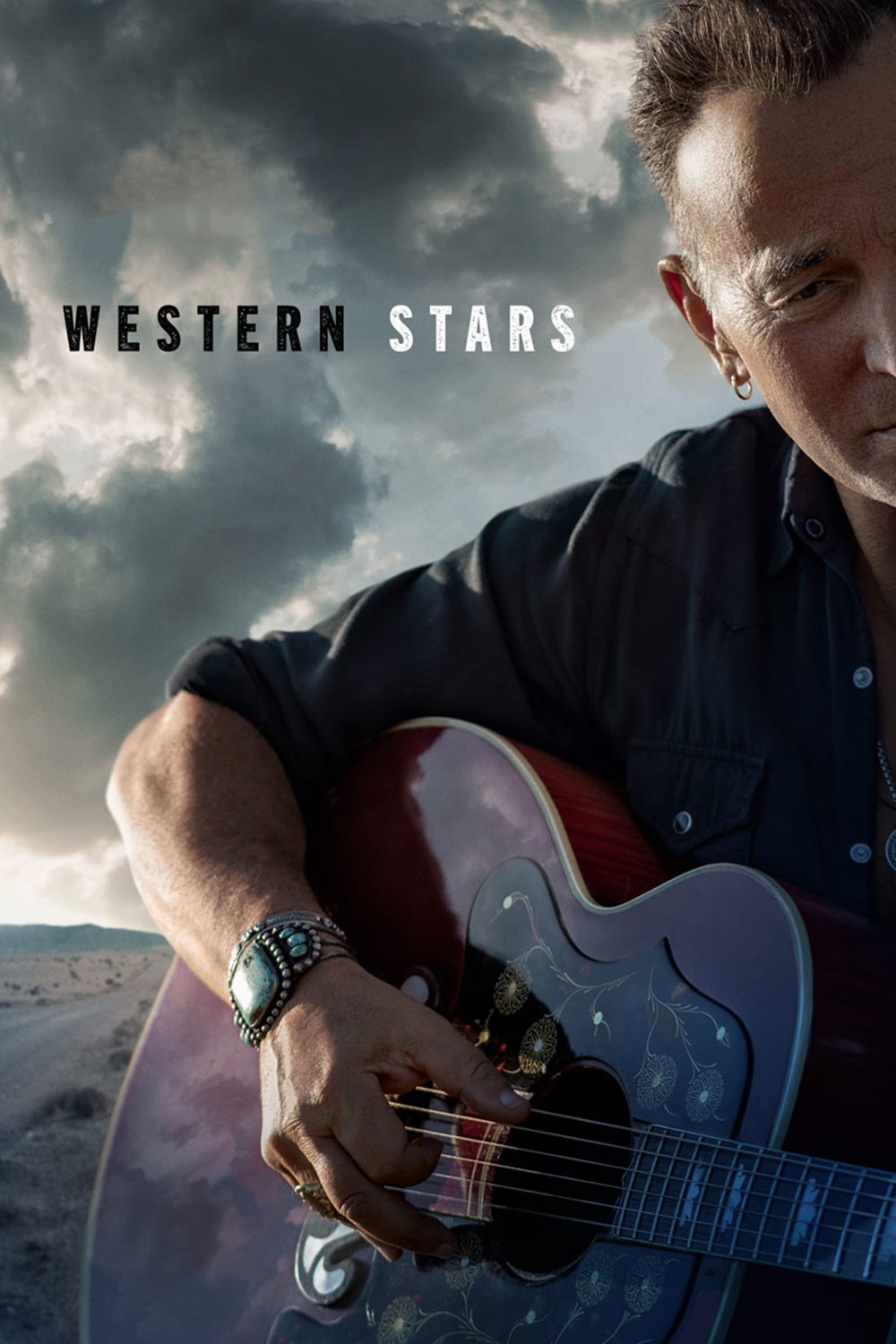
The incomparable Bruce Springsteen performs his critically acclaimed latest album and muses on life, rock, and the American dream, in this intimate and personal concert film co-directed by Thom Zimny and Springsteen himself.
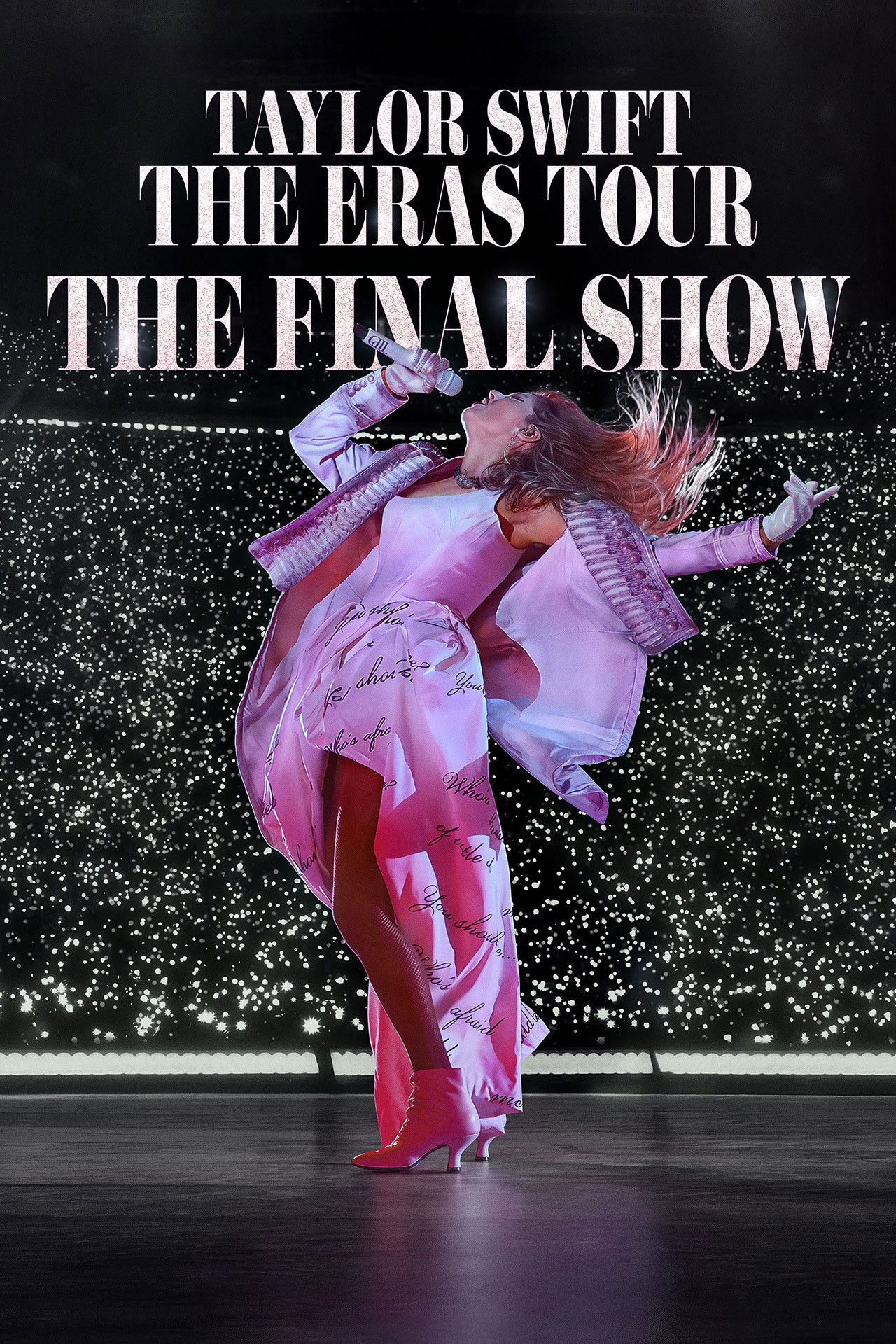
Filmed at the end of Taylor Swift's record-breaking Eras Tour in Vancouver, B.C., this complete, in-depth 45-song concert includes the complete 'The Tortured Poets Department' set and special mashups.
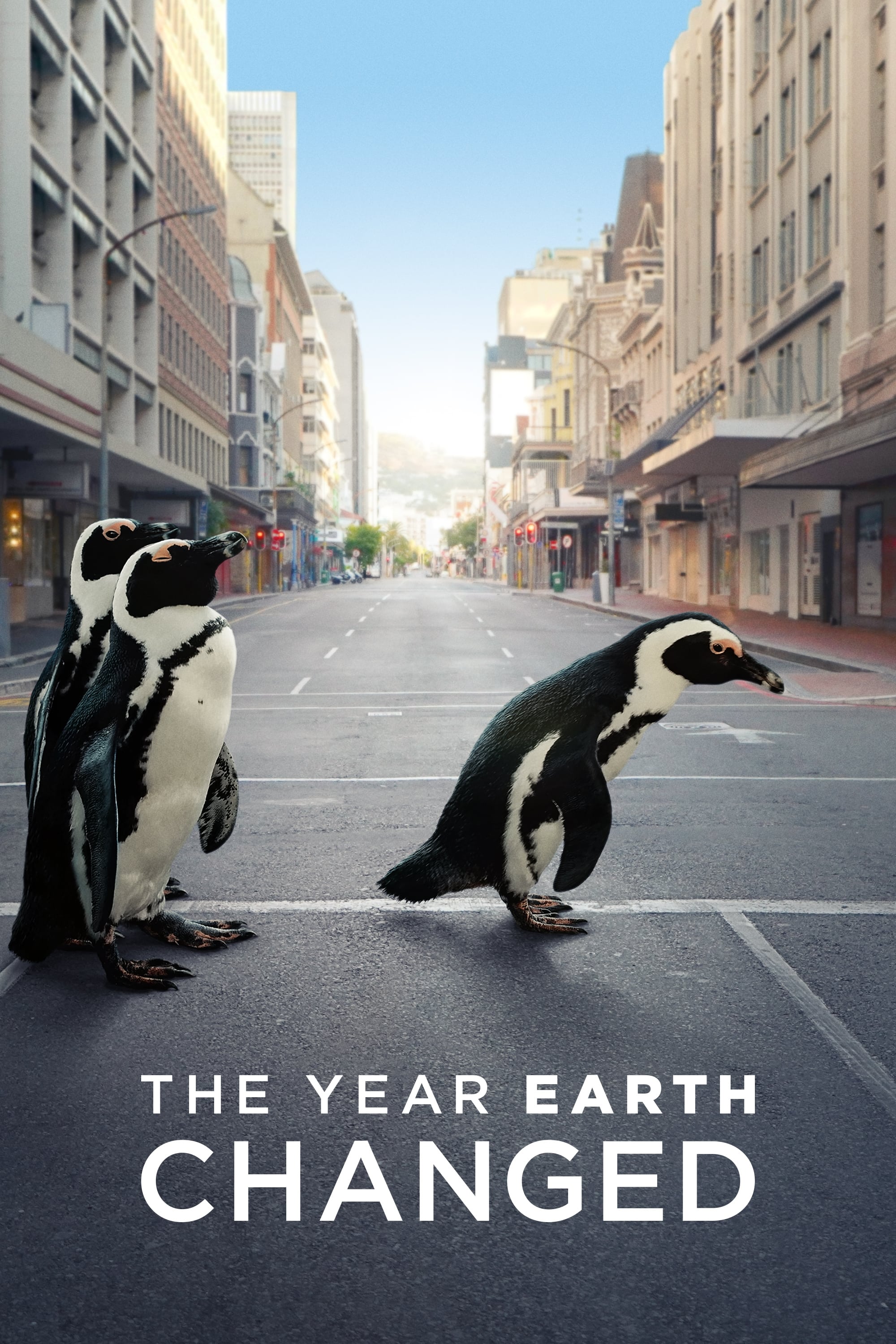
Never-before-seen footage shows how our living in lockdown opened the door for nature to bounce back and thrive. Across the seas, skies, and lands, Earth found its rhythm when we came to a stop.
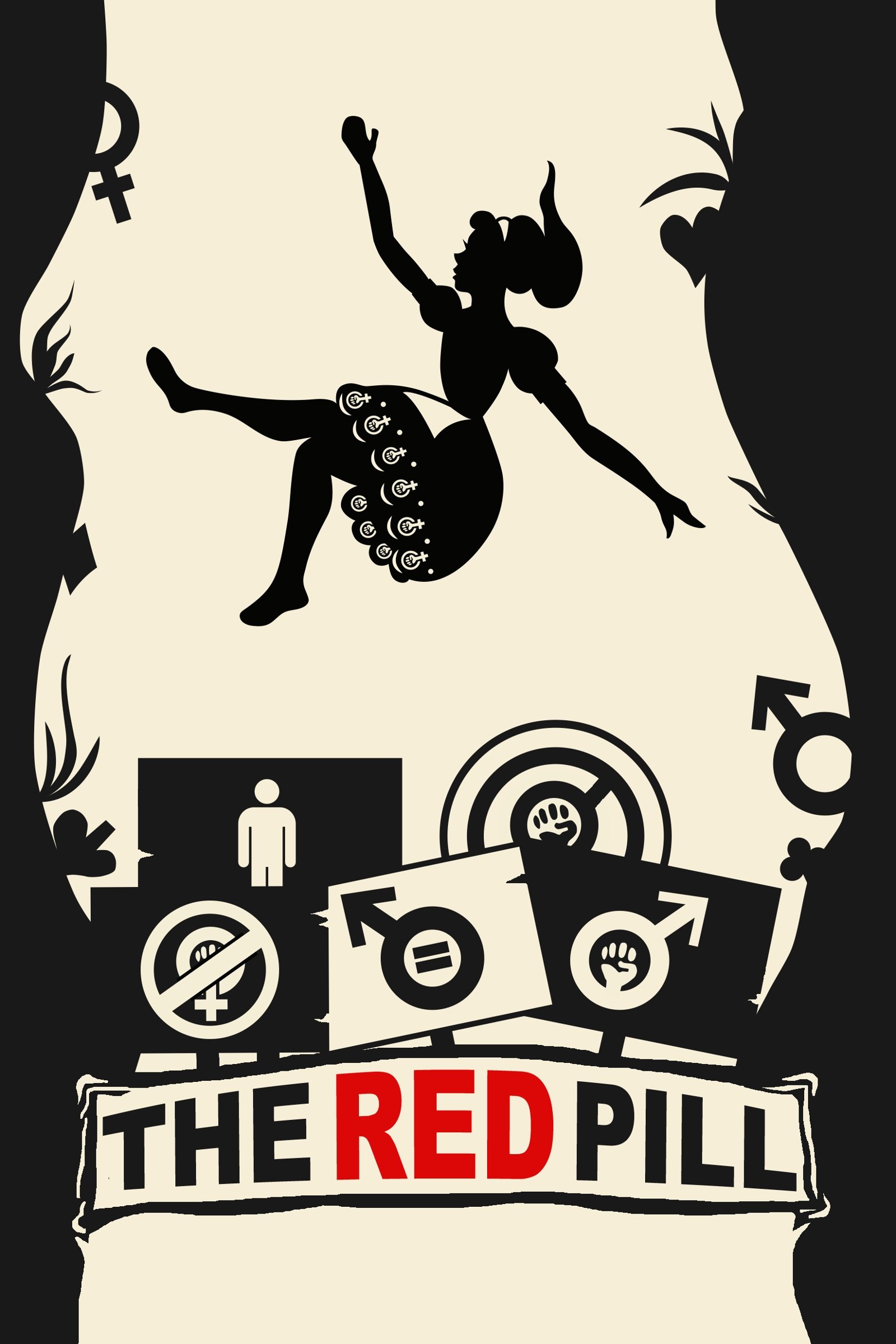
When a feminist filmmaker sets out to document the mysterious and polarizing world of the Men’s Rights Movement, she begins to question her own beliefs. Chronicling Cassie Jaye’s journey exploring an alternate perspective on gender equality, power and privilege.
Using the book 'Fragments', which collects Marilyn Monroe's poems, notes and letters, and with participation from the Arthur Miller and Truman Capote estates who have contributed more material, each of the actresses will embody the legend at various stages in her life.
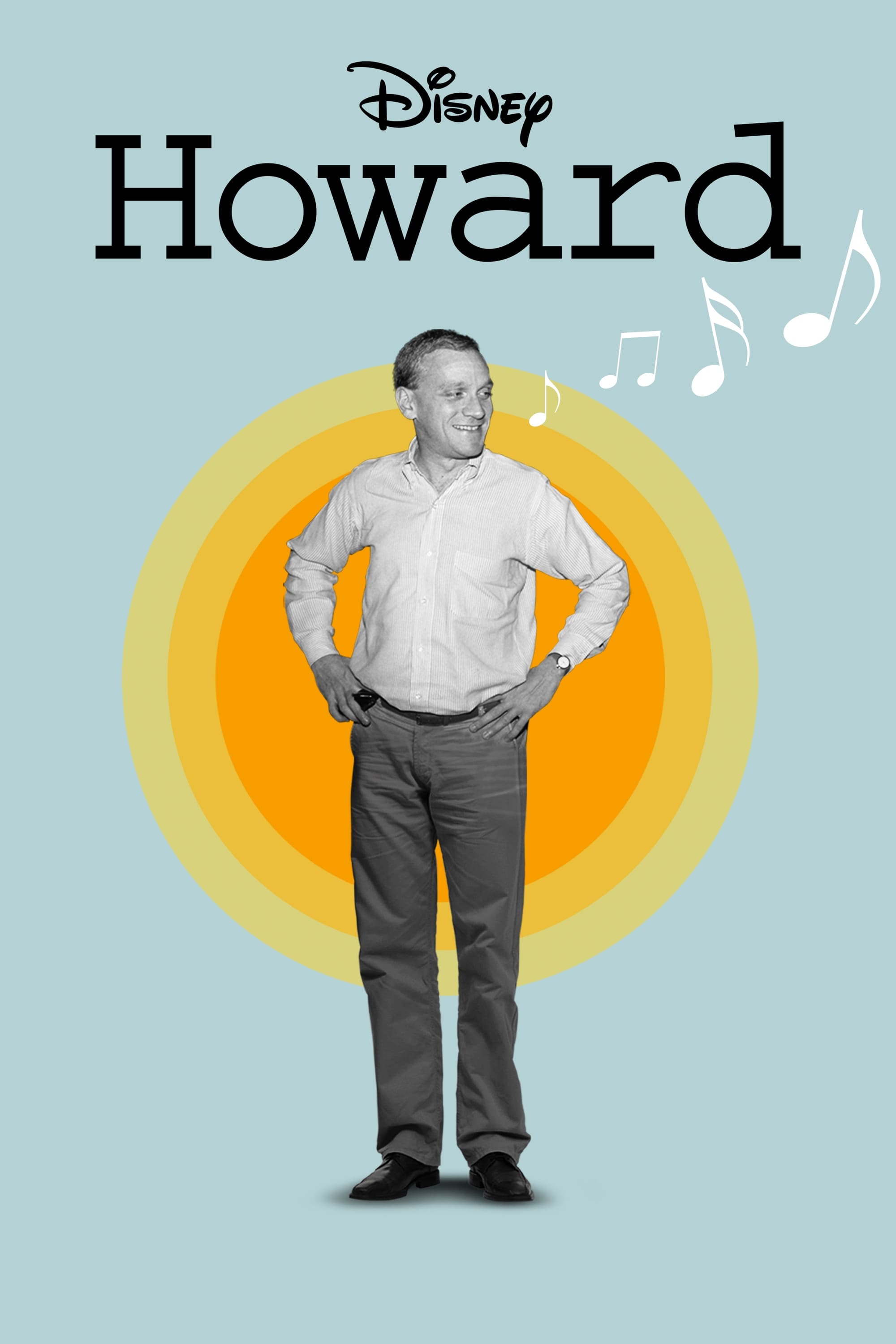
Though legendary lyricist Howard Ashman died far too young, his impact on Broadway, movies, and the culture at large were incalculable. Told entirely through rare archival footage and interviews with Ashman’s family, friends, associates, and longtime partner Bill Lauch, Howard is an intimate tribute to a once-in-a-generation talent and a rousing celebration of musical storytelling itself.
Through deeply personal interviews with her siblings and an examination of the photographs, letters, and belongings left behind, Mariska assembles a new portrait of her mother Jayne Mansfield, an extraordinary and complex woman.
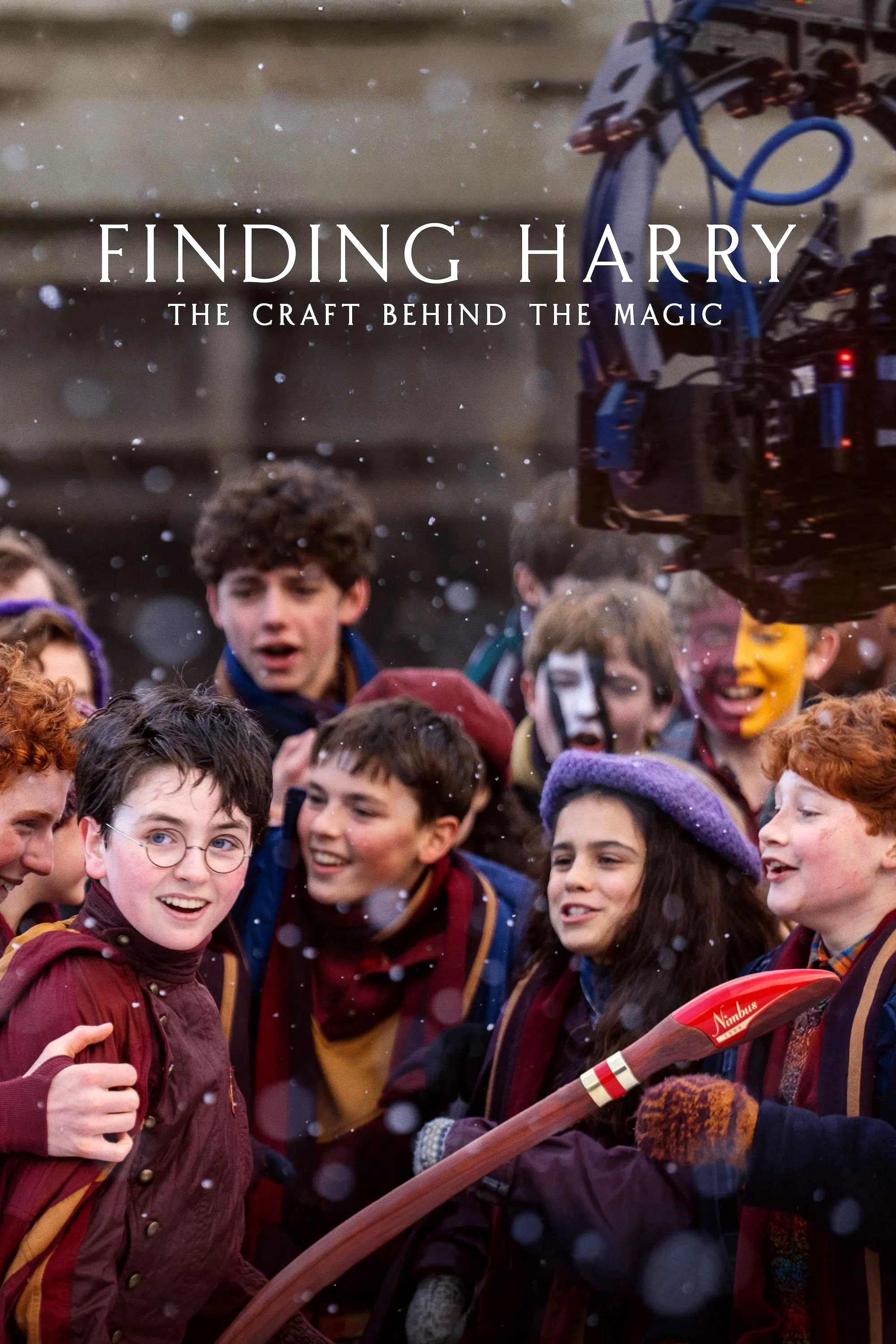
Featuring interviews from members of the casting, production design, costume design, and creature effects teams, follow the behind-the-scenes journey of bringing the Harry Potter books to the small screen. Find out how the new Golden Trio were found, and celebrate the commitment to detail of the artists, craftspeople, and technicians who have come together to bring the wizarding world to life.
Nine filmmakers each profile a young girl from a different part of the world to weave a global tapestry of youth in the 21st century.
An IMAX 3D camera chronicles the effort of 7 astronauts aboard the Space Shuttle Atlantis to repair the Hubble Space Telescope.
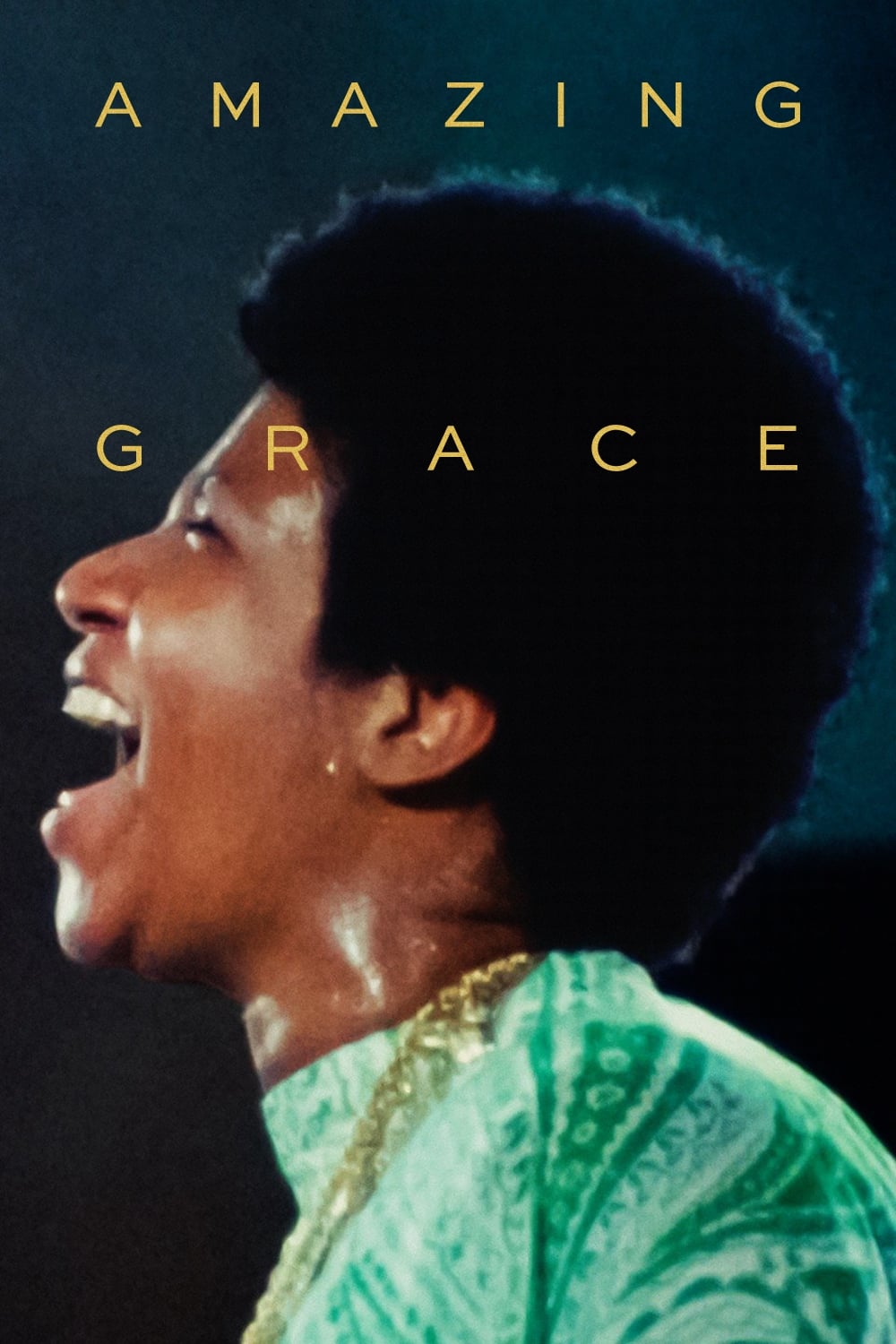
A behind-the-scenes documentary about the recording of Aretha Franklin's best-selling album finally sees the light of day more than four decades after the original footage was shot.