Social & External
The people behind it
Anthony Aguirre
self
Max Tegmark
Seth Lloyd
Before the internet. Before social media. Before breaking news. The victims of Thalidomide had to rely on something even more extraordinary to fight their corner: Investigative journalism. This is the story of how Harold Evans fought and won the battle of his and many other lives.
Explores the latest longevity research and whether dramatically extended human lifespan is achievable. Features top scientists, startup leaders, celebrities, and critics offering balanced perspectives on this fascinating field.
In this two-part Channel 4 series, Professor Richard Dawkins challenges what he describes as 'a process of non-thinking called faith'. He describes his astonishment that, at the start of the 21st century, religious faith is gaining ground in the face of rational, scientific truth. Science, based on scepticism, investigation and evidence, must continuously test its own concepts and claims. Faith, by definition, defies evidence: it is untested and unshakeable, and is therefore in direct contradiction with science. In addition, though religions preach morality, peace and hope, in fact, says Dawkins, they bring intolerance, violence and destruction. The growth of extreme fundamentalism in so many religions across the world not only endangers humanity but, he argues, is in conflict with the trend over thousands of years of history for humanity to progress to become more enlightened and more tolerant.
"Universe Designed" is a documentary that explores some of the evidences for God's existence with interviews from some of the world's top Christian apologists.
In this educational film, laboratory demonstrations show the effects of moisture and temperature on the growth of molds. Photomicrography reveals the structure of molds: hyphae, mycelium, spore balls, spores. Beginning with spores on a rice culture, time-lapse photography shows the formation of a new colony.
Through interspersed conversation and prose, this experimental documentary follows a poet and a neuroscientist as they explore the definition of love, what it means, and why it matters.
A variety of scientific subjects, including the laboratory of a plastic surgeon in London, and his method for applying permanent makeup; a new school for kiddies employing finger paint so they can express their urge to put things on paper; Army aviation, showing the latest development in blind landing. Produced in Cinecolor.
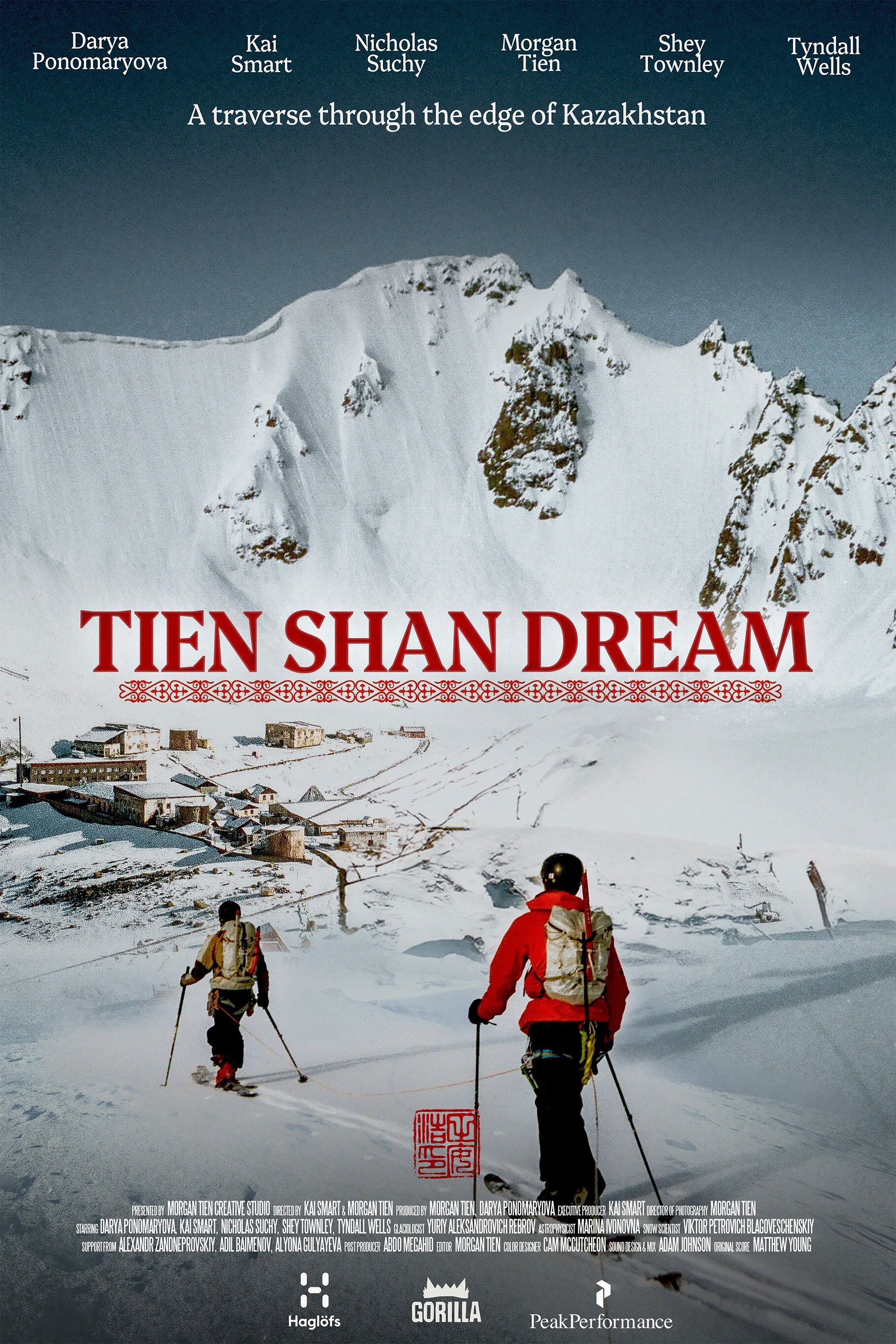
A team of international skiers embark on a two-week glacier traverse connecting two remote research stations in Kazakhstan. The Tien Shan's 4000+ meter peaks host an active scientific community, leveraging the rare environmental conditions for groundbreaking research. Established during the Soviet Union's occupation, the high-altitude research stations here are home to some of the longest-standing glacier and cosmic radiation experiments in the world - and are surrounded by deadly alpine terrain.
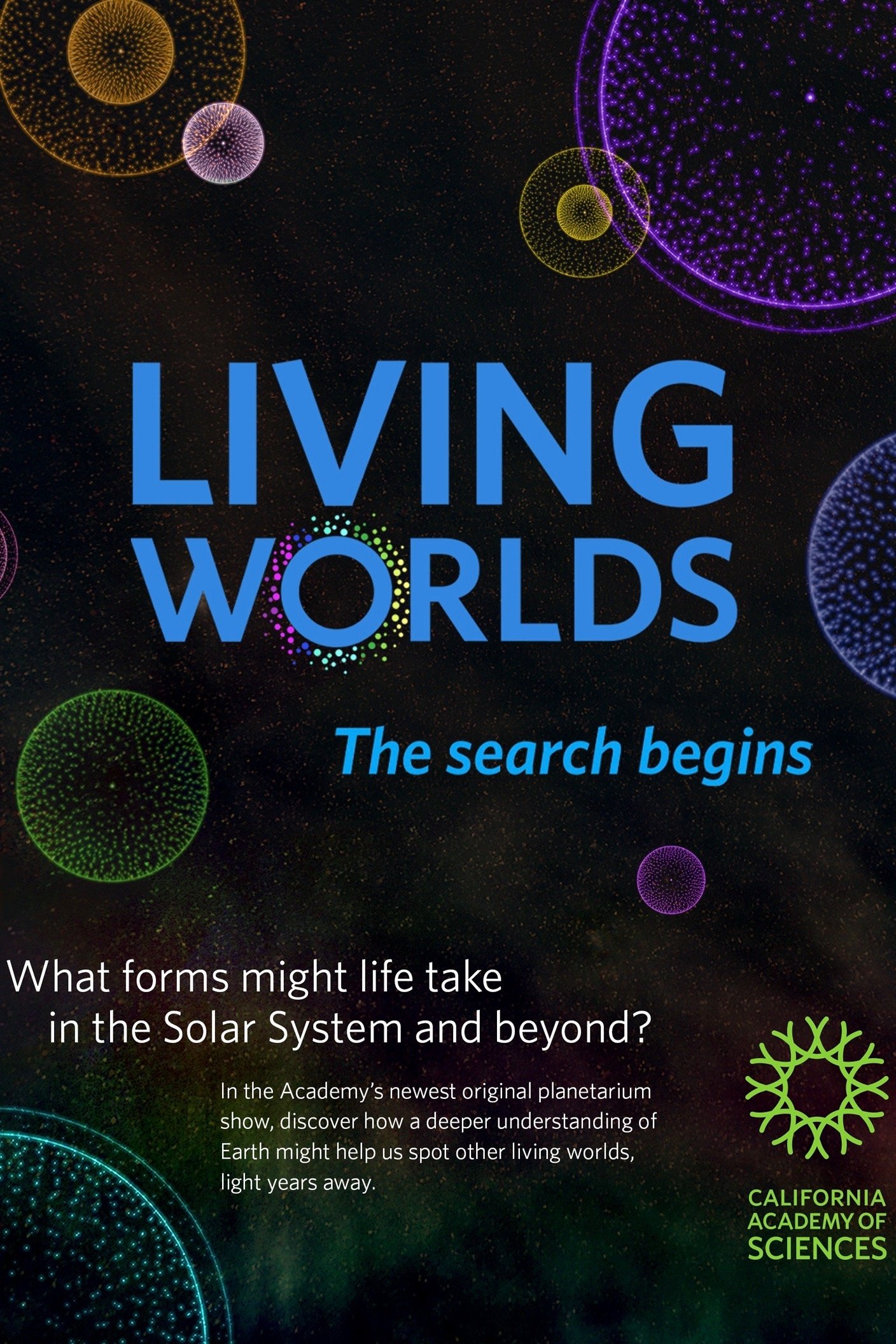
What forms might life take in the Solar System and beyond? In the Academy's newest original planetarium show, see how a deeper understanding of Earth might help us locate other living worlds, light years away.
The film discusses the evolution and potential of using light waves, particularly coherent light, for communication. It highlights the development of lasers at Bell Telephone Laboratories, explaining how they produce a highly controlled and intense beam of light that could revolutionize communication. The film emphasizes the vast possibilities of lasers, including applications in telecommunications, surgery, and exploring the universe, suggesting that this technology represents a significant step in humanity's understanding and use of light.
Portrait of Hermann Heinzel.
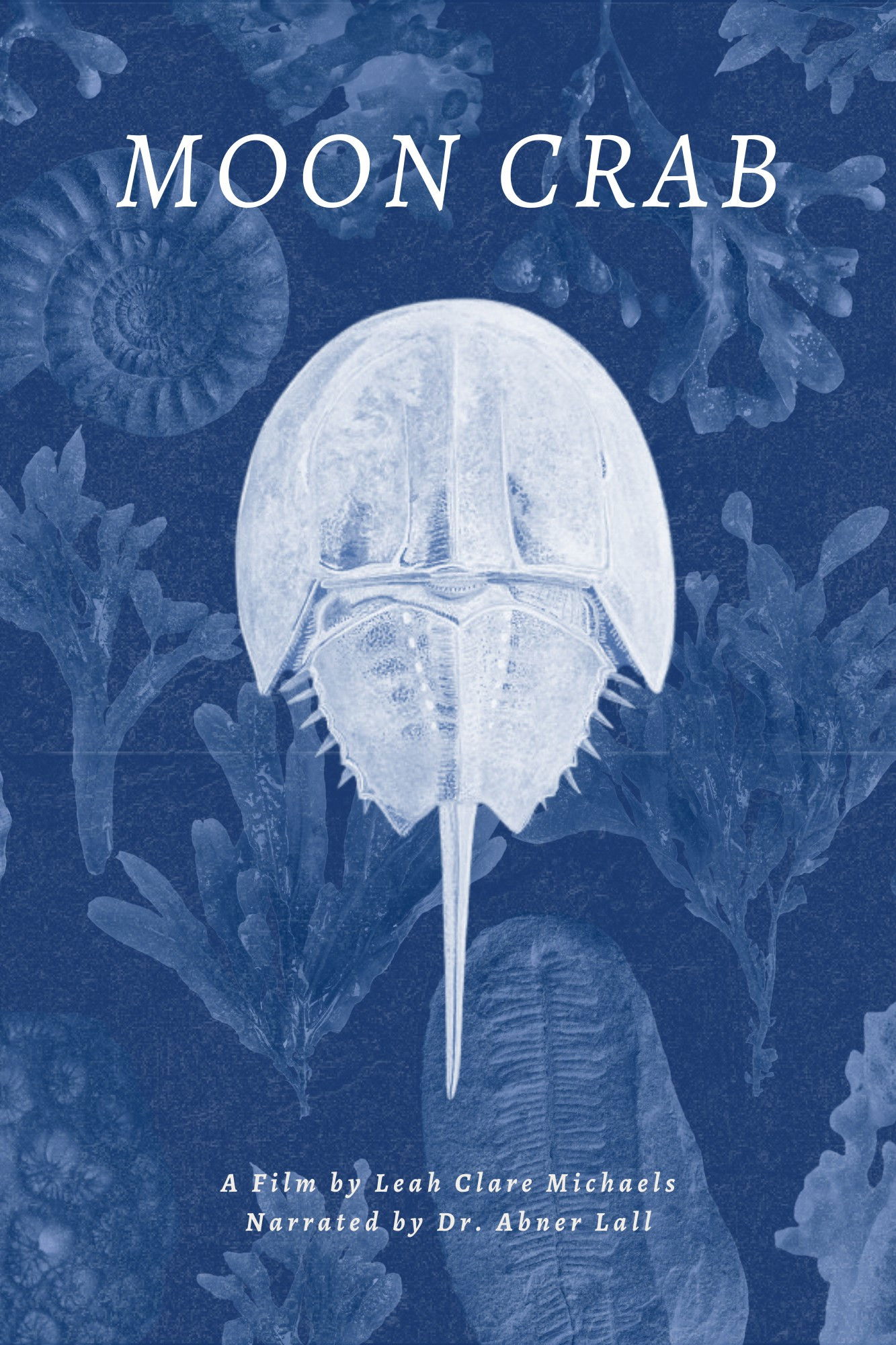
Moon Crab is a meditation on the horseshoe crab, one of Earth's oldest living species now struggling with extreme population decline. Blending reflections on nature's cycles with experimental visuals, the film employs an array of techniques, including eco-processed film developed with seaweed, to immerse the viewer in the crab's subaquatic world. Narrated with intimate depth by physiologist Dr. Abner Lall, the filmmaker’s neighbor, this documentary captures a timeless story of resilience and fragility, urging us to reconsider our connection to the natural world.
The Faraway Nearby follows the tragic life of pioneer physicist Joseph Weber, whose pursuit of gravitational waves takes him on a dizzying journey from the height of acclaim to the depths of despair and disdain when he breaks the cardinal rule of science and clings to his ideas though his results can't be duplicated. Physicists, artists, and other creatives explore the emotional side of discovery and question whether the risk is worth the journey.
There’s something very odd going on in space – something that shouldn’t be possible. It is as though vast swathes of the universe are being hoovered up by a vast and unseen celestial vacuum cleaner. Sasha Kaslinsky, the scientist who discovered the phenomenon, is understandably nervous: ‘It left us quite unsettled and jittery’ he says, ‘because this is not something we planned to find’. The accidental discovery of what is ominously being called ‘dark flow’ not only has implications for the destinies of large numbers of galaxies – it also means that large numbers of scientists might have to find a new way of understanding the universe. Dark flow is the latest in a long line of phenomena that have threatened to re-write the textbooks. Does it herald a new era of understanding, or does it simply mean that everything we know about the universe is wrong? .
At Arcata, California, testing technology for landing planes in fog. Also: a high-tech barber shop in Westwood Village, California; manufacture of precision steel gauge blocks in Eskilstuna, Sweden.
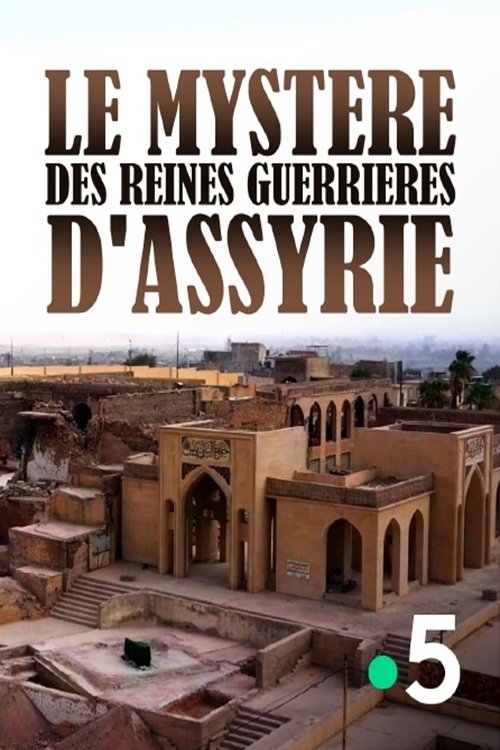
In northern Iraq lie the ruins of a 3,000-year-old city, Nimrud, once the capital of the powerful Assyrian Empire. In 1988, archaeologists conducted excavations beneath one of the palaces and uncovered a vaulted room filled with bronze cups, lamps, and ceramic jars, which led to an untouched chamber laden with precious objects. A stone sarcophagus, still intact, contained an impressive amount of jewelry: the treasures of this burial site surpassed those found in Tutankhamun’s tomb. The bodies of two women, placed one on top of the other, were also exhumed. Presumably of high rank, who were they?
In one single, epic camera move we journey from Earth's surface to the outermost reaches of the universe on a grand tour of the cosmos, to explore newborn stars, distant planets, black holes and beyond.
An astonishing journey revealing the awesome power of the natural world. Over the course of one single day, we track the sun from the highest mountains to the remotest islands to exotic jungles.
Al Pacino's deeply-felt rumination on Shakespeare's significance and relevance to the modern world through interviews and an in-depth analysis of "Richard III."
The Captains is a feature-length documentary film written and directed by William Shatner. The film follows Shatner as he interviews the other actors who have portrayed starship captains in the Star Trek franchise.
Interviews with leading authors, philosophers and scientists, with an in-depth discussion of the Law of Attraction. The audience is shown how they can learn and use 'The Secret' in their everyday lives.
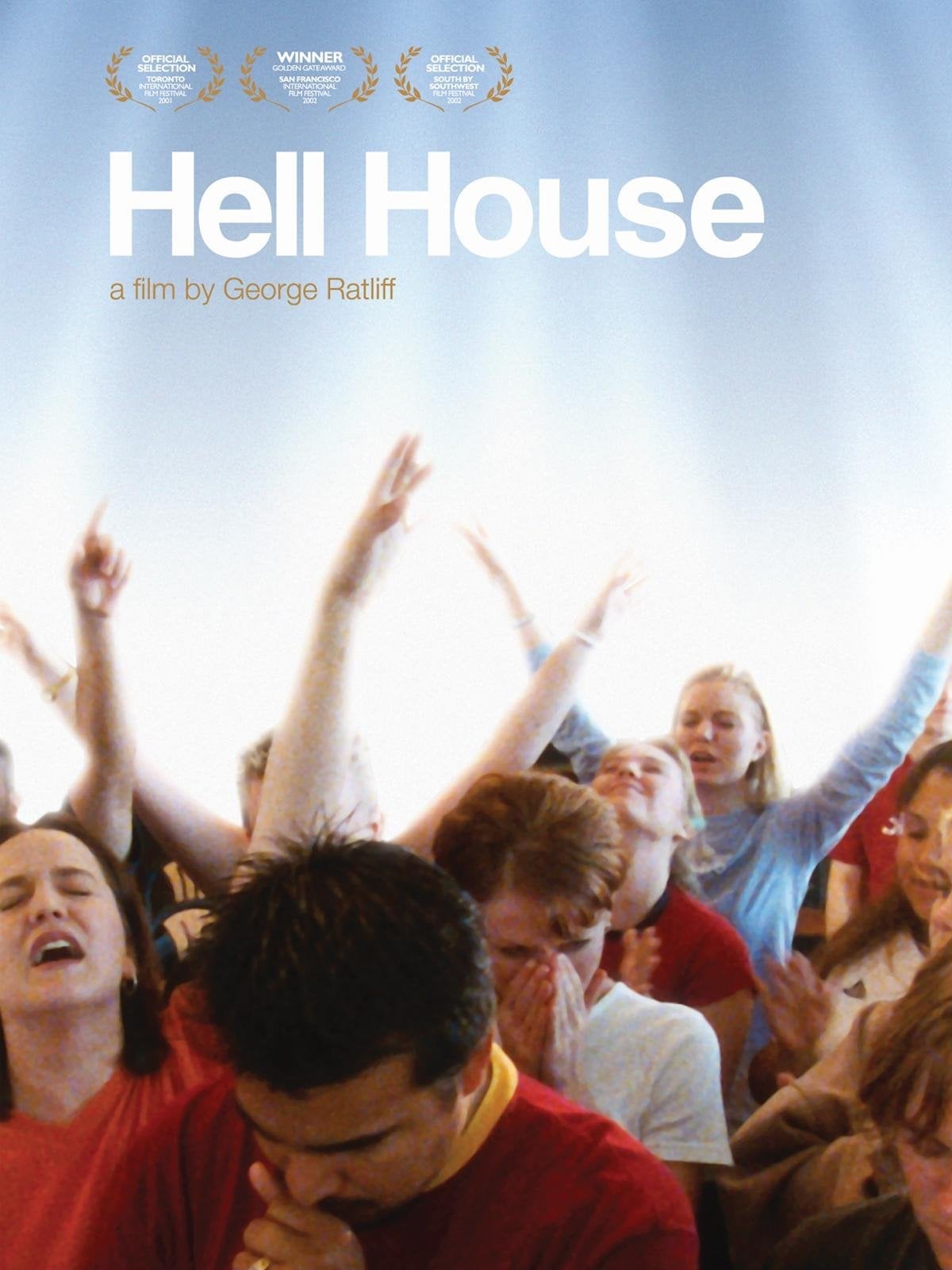
A look at the "Hell House" performed annually in October by the youth members of Trinity Church (Assemblies of God) in Cedar Hill, Texas (a Dallas suburb) — seen by over 10,000 visitors each year.
Musician and performance artist Laurie Anderson reflects on the deaths of her husband Lou Reed, her mother and her beloved dog.
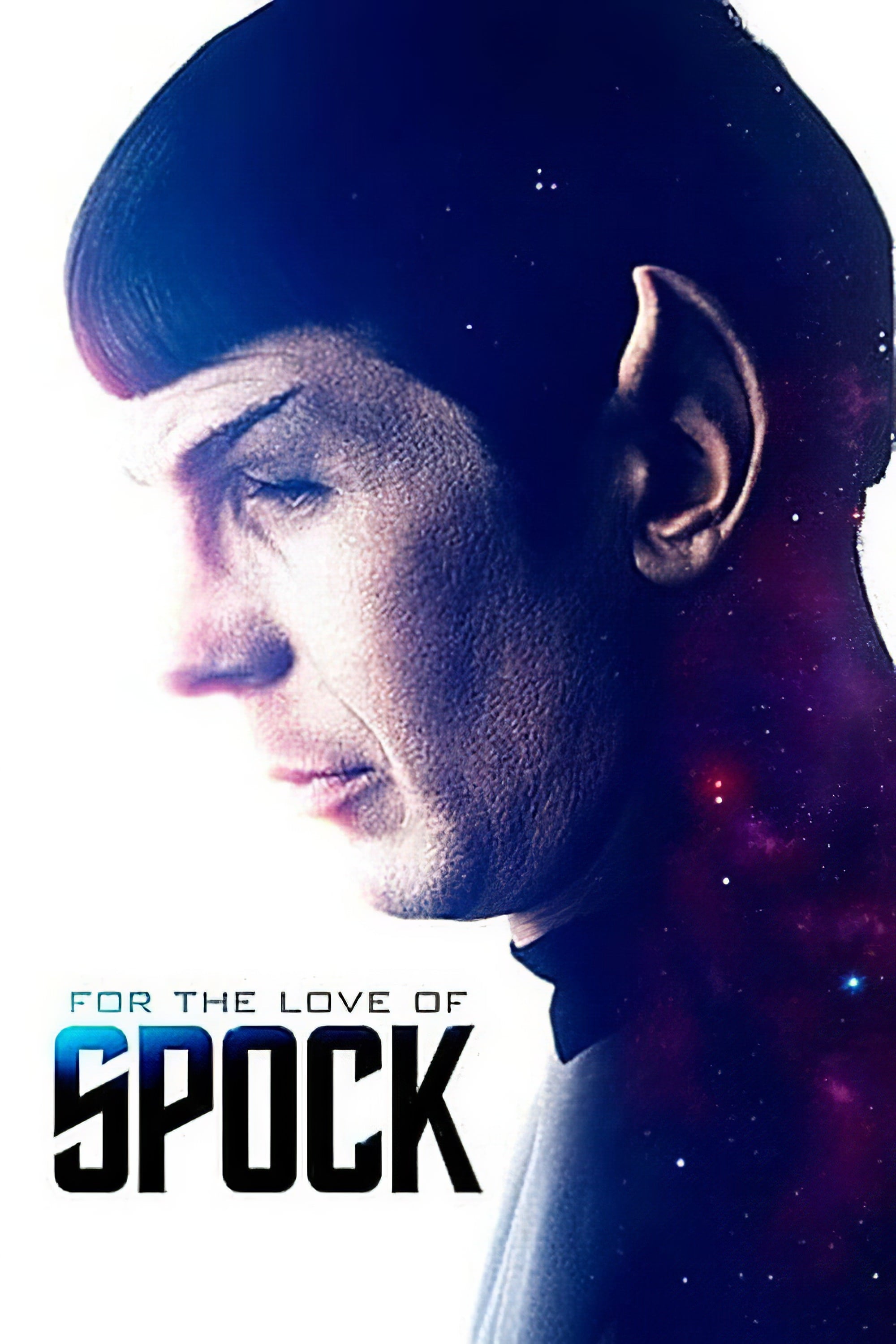
The life of Mr. Spock, as well as that of Leonard Nimoy, the actor who played him for almost fifty years, written and directed by his son: Adam.
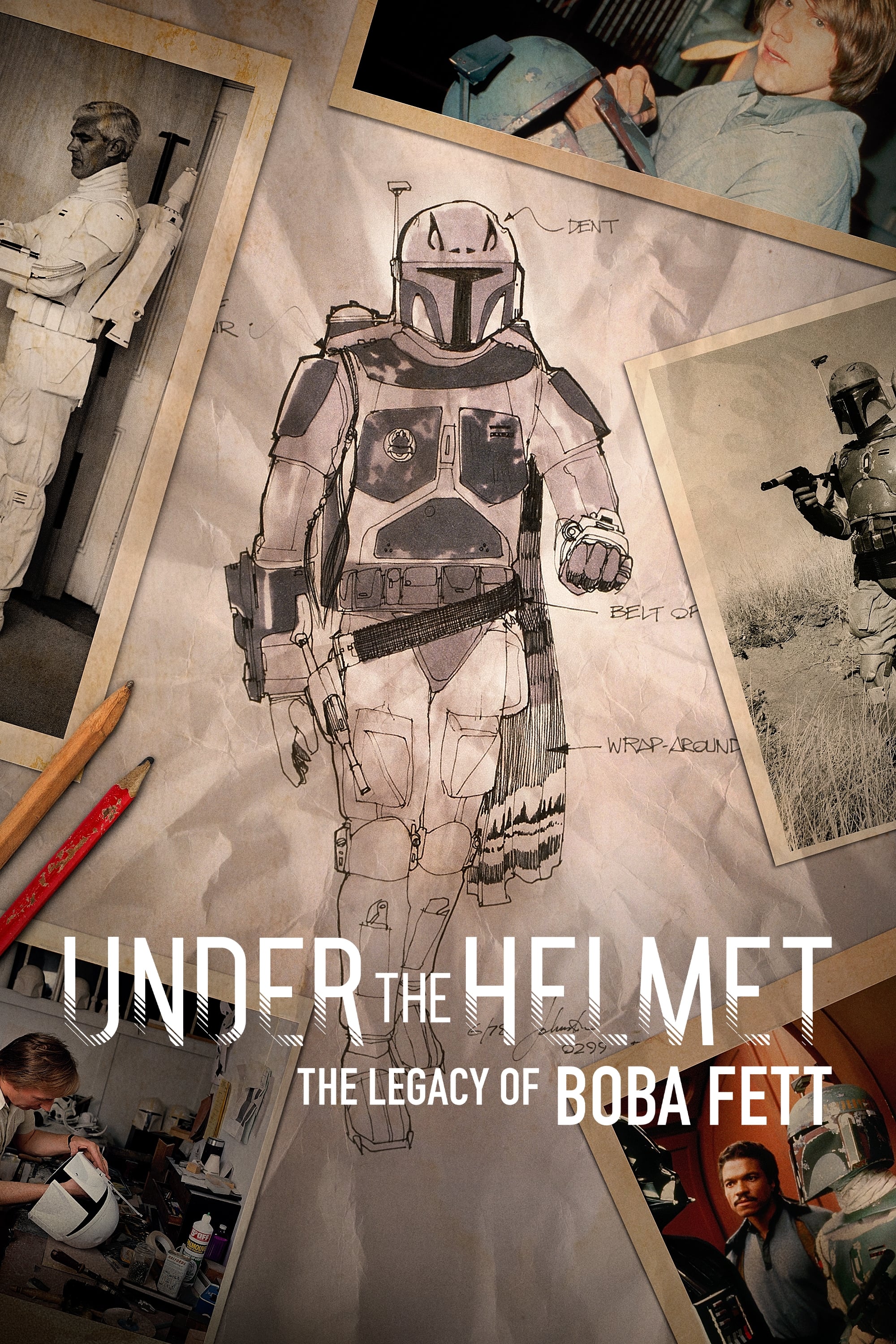
A special celebrating the origins and legacy of Star Wars' legendary bounty hunter, Boba Fett.
THE SPIRIT MOLECULE weaves an account of Dr. Rick Strassman's groundbreaking DMT research through a multifaceted approach to this intriguing hallucinogen found in the human brain and hundreds of plants, including the sacred Amazonian brew, ayahuasca. Utilizing interviews with a variety of experts to explain their thoughts and experiences with DMT, and ayahuasca, within their respective fields, and discussions with Strassman’s research volunteers, brings to life the awesome effects of this compound, and introduces us to far-reaching theories regarding its role in human consciousness.
Go behind the scenes with stars, puppeteers and creators as they bring Jim Henson's magical world of Thra back to life in a sweeping fantasy series.
The life and career of an actor, artist, and icon. His own journey through his own camera.
A documentary chronicling Vogue editor-in-chief Anna Wintour's preparations for the 2007 fall-fashion issue.
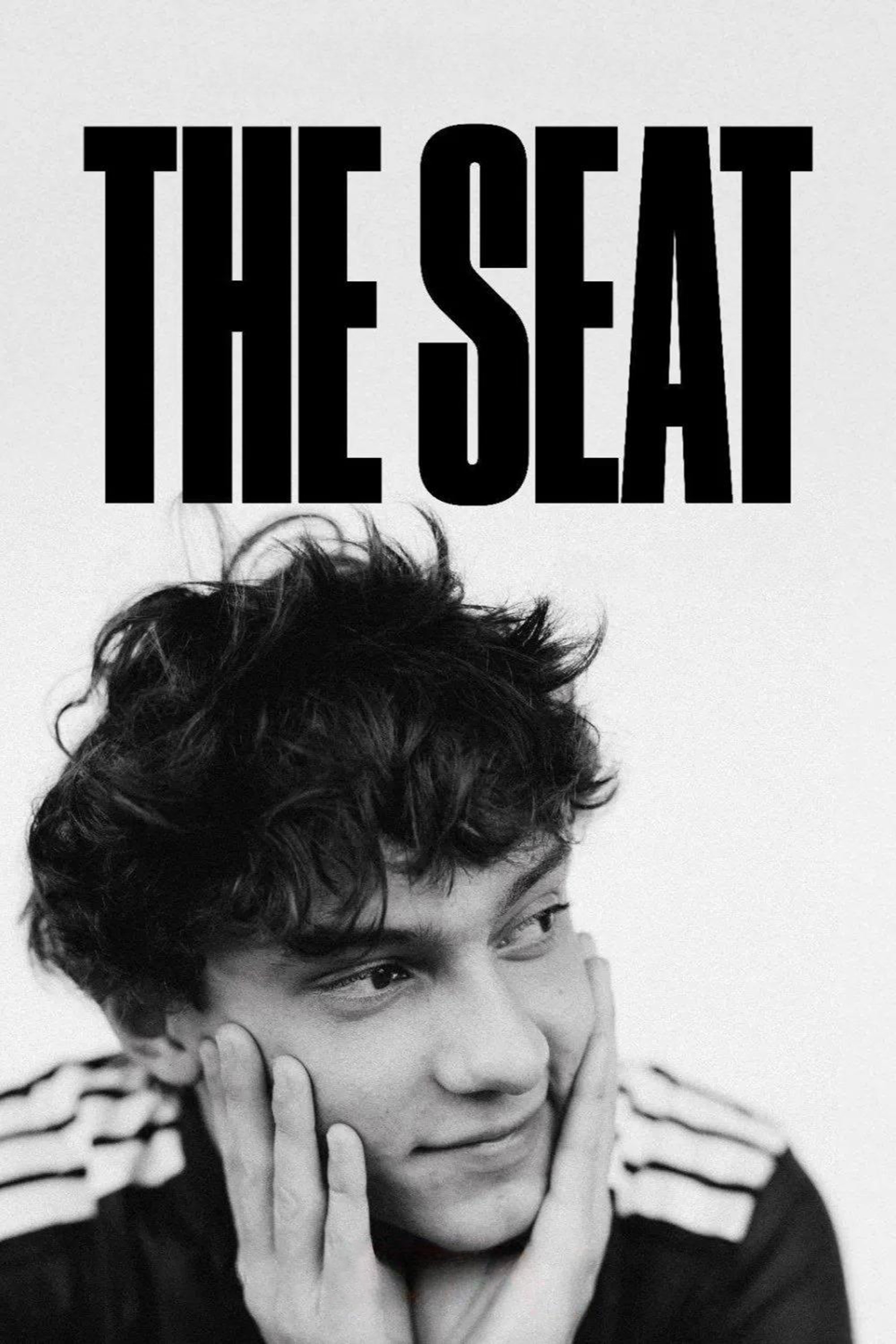
'The Seat' is an unprecedented inside look that led to a once-in-a-generation driver change in Mercedes and F1 history. It reveals the private conversations that led the Mercedes team and Toto Wolff, its Team Principal and CEO, to its decision to promote 18-year-old Italian-born Kimi Antonelli to a Formula 1 Driver, making him the third-youngest rookie in the sport's history. The film follows Kimi, in the lead up to his first Formula 1 season as he takes on his destiny.
Through deeply personal interviews with her siblings and an examination of the photographs, letters, and belongings left behind, Mariska assembles a new portrait of her mother Jayne Mansfield, an extraordinary and complex woman.
A celebration of the musical work of a group of session musicians known as "The Wrecking Crew." a band that provided back-up instrumentals to such legendary recording artists as Frank Sinatra, The Beach Boys, and Bing Crosby.
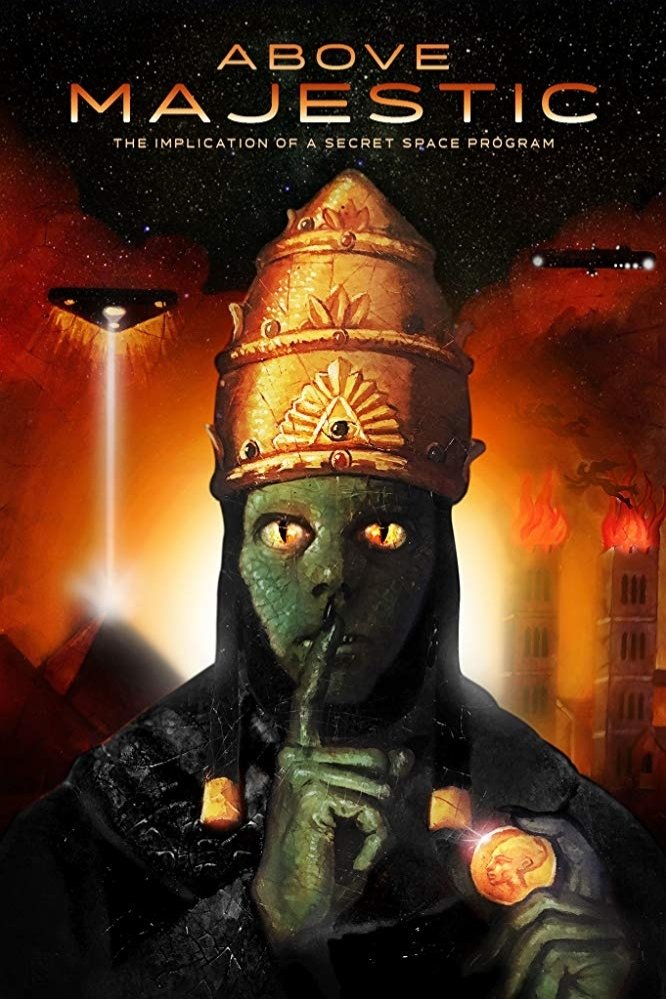
A look at the origins, history and conspiracies behind the "Majestic 12", a clandestine group of military and corporate figureheads charged with reverse-engineering extraterrestrial technology.
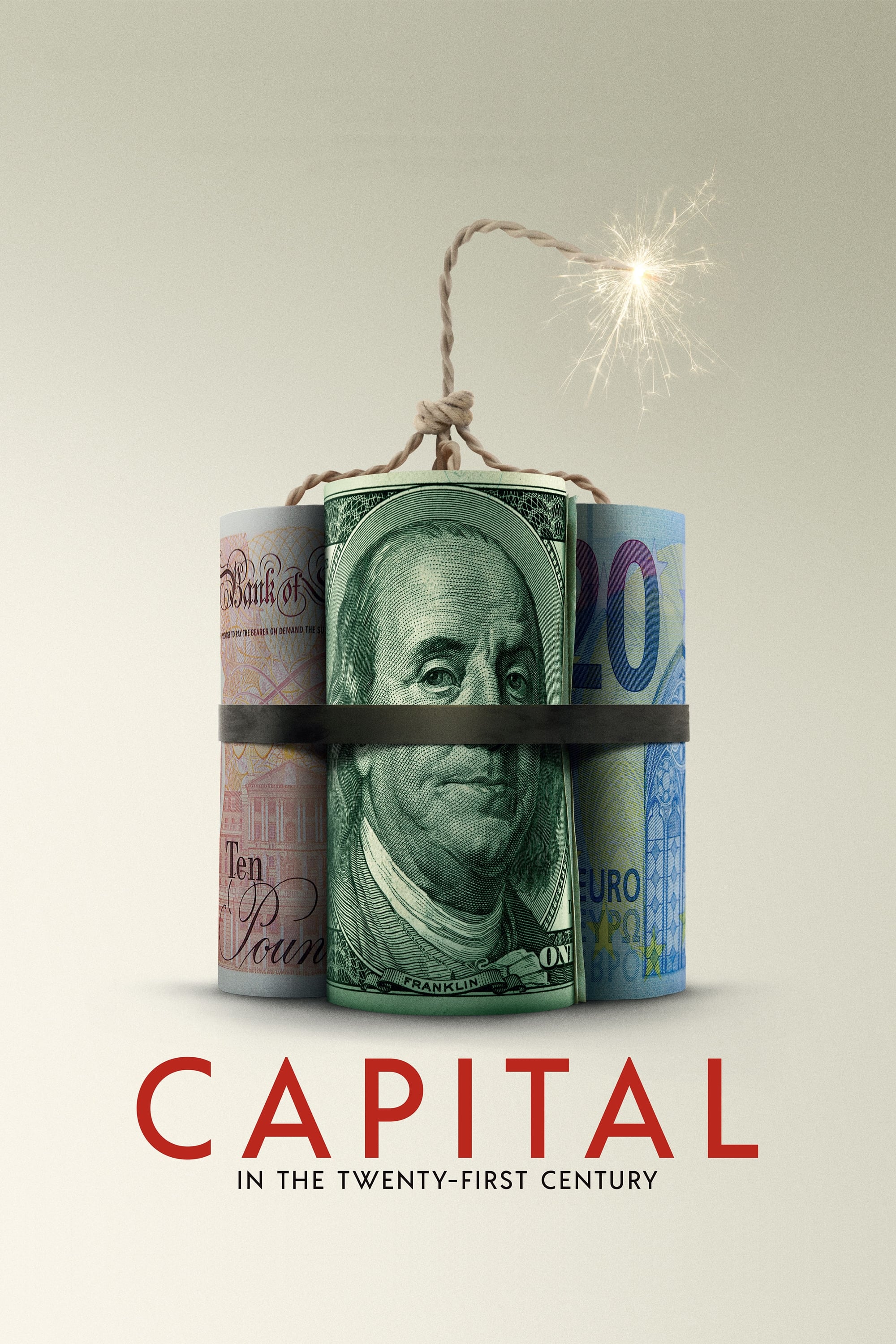
Film adaptation of French economist Thomas Piketty's ground-breaking global bestseller of the same name: an eye-opening journey through wealth and power.
Daniel Craig candidly reflects on his 15 year adventure as James Bond. Including never-before-seen archival footage from Casino Royale to the upcoming 25th film No Time To Die, Craig shares his personal memories in conversation with 007 producers, Michael G Wilson and Barbara Broccoli.
The film follows adventurer Jeff Johnson as he retraces the epic 1968 journey of his heroes Yvon Chouinard and Doug Tompkins to Patagonia.