A portrait of Larry Loomer, the owner of an antiquarian bookstore located in a small town. Larry is a colourful and amusing character who shares his wry take on the world.
Social & External
Himself
After the death of his grandmother Emma, Robin Hunzinger and his mother Claudie find a carefully preserved collection of letters which Emma received from a girl called Marcelle. In the 1920s, Emma and Marcelle met at school in Dijon. Secretly, love blossomed between the two teenage girls, but after two years they parted ways. Marcelle developed tuberculosis and was admitted to a sanatorium. Complementing the sparse photographs of the women, Hunzinger combines archive footage, avant-garde films, and music to create a sensuous, poetic atmosphere.
The Weight of Sight is a playful and very personal essay where director Truls Krane Meby, through a massive archive of his own material - anything from DV-tapes to 35mm - explores the last 20 years of digital development - how it’s influenced the images we make, and our bodies. What kind of images do we get of the world now that everyone is a photographer, and what does it do with how we unfold our identities? How has the internet both captured and freed us? And will Truls even dare to show this film?
An unnamed passer-by is forced to trace a circular route inside an abandoned tram station, facing loss and time. The broken walls act as a channel, transmitting fragmentary, blurred and analogical memories.
"There are things in this world that are yet to be named" centers around Solanum plastisexum - an Australian tomato whose sexual expression is unpredictable and unstable, challenging even the fluid norms of the plant kingdom. Footage of the team of botanists who recently used their Solanum research to explode notions of sexual normativity in any plant or animal is combined with a voiceover of letters sent between science writer Rachel Carson and her lover Dorothy Freeman. "There are things in this world that are yet to be named" is a meditation on erasure, indefinability, and the intersection of queer and environmental histories.
When Melody was a young child, 20+ years away from coming out as transgender, she developed an obsession with movies. One of her biggest hobbies was acting out her favorite VHS tapes, FBI warnings and trailers included, in front of her parents' camcorder. Mom and dad realized this was an easy way to keep their child busy. Thus, the camera became a sort of babysitter, resulting in dozens of tapes featuring Melody performing in front of the (usually stationary) camera.
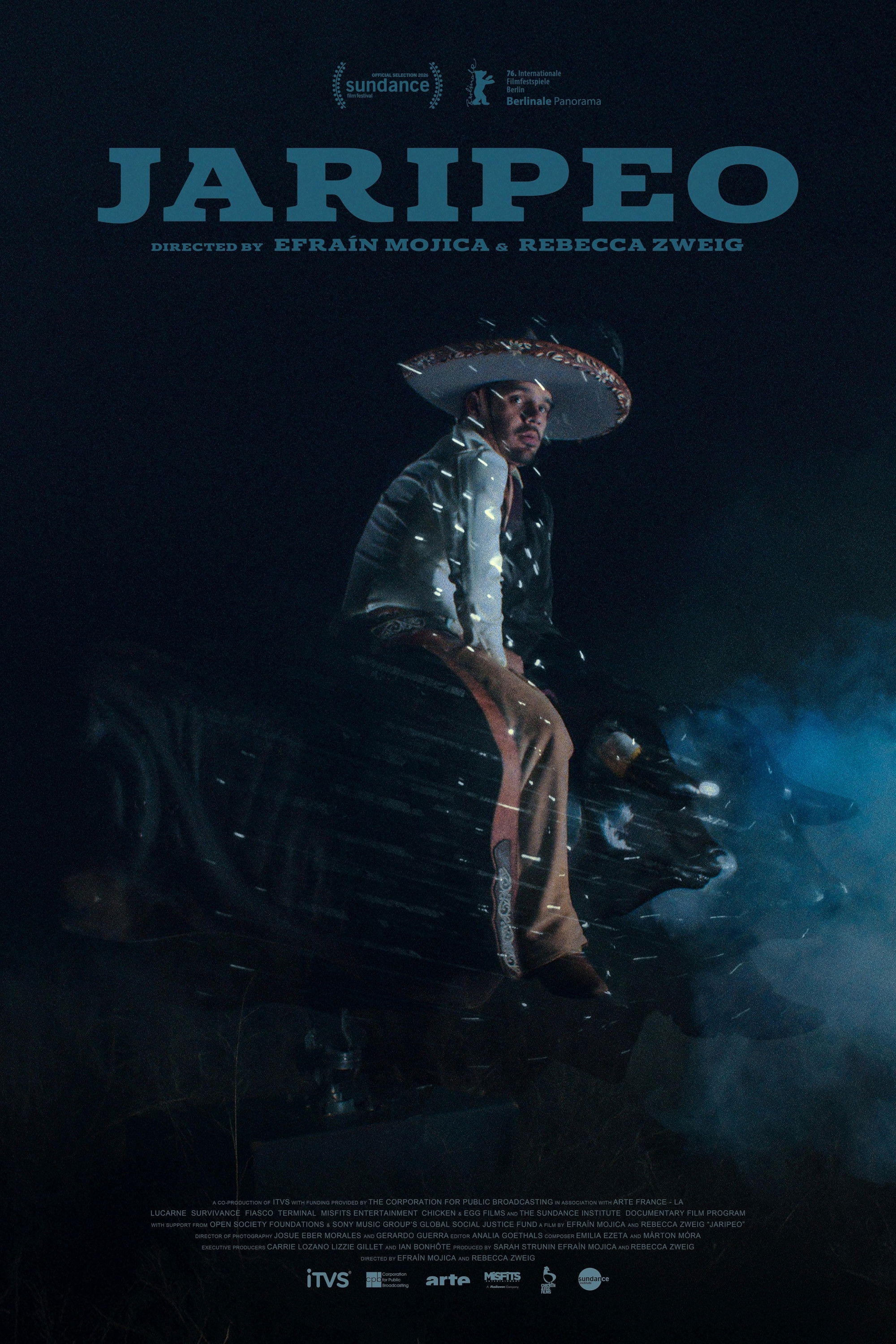
Set against the vibrant spectacle of the jaripeo, a symbol of Mexican cowboy tradition and machismo, this story unveils a hidden world of queer desire and quiet rebellion. As glances and gestures disrupt the rigid norms of masculinity, the rodeo becomes a stage for our protagonists to navigate identity, community, and the search for belonging in an oppressively traditional space.
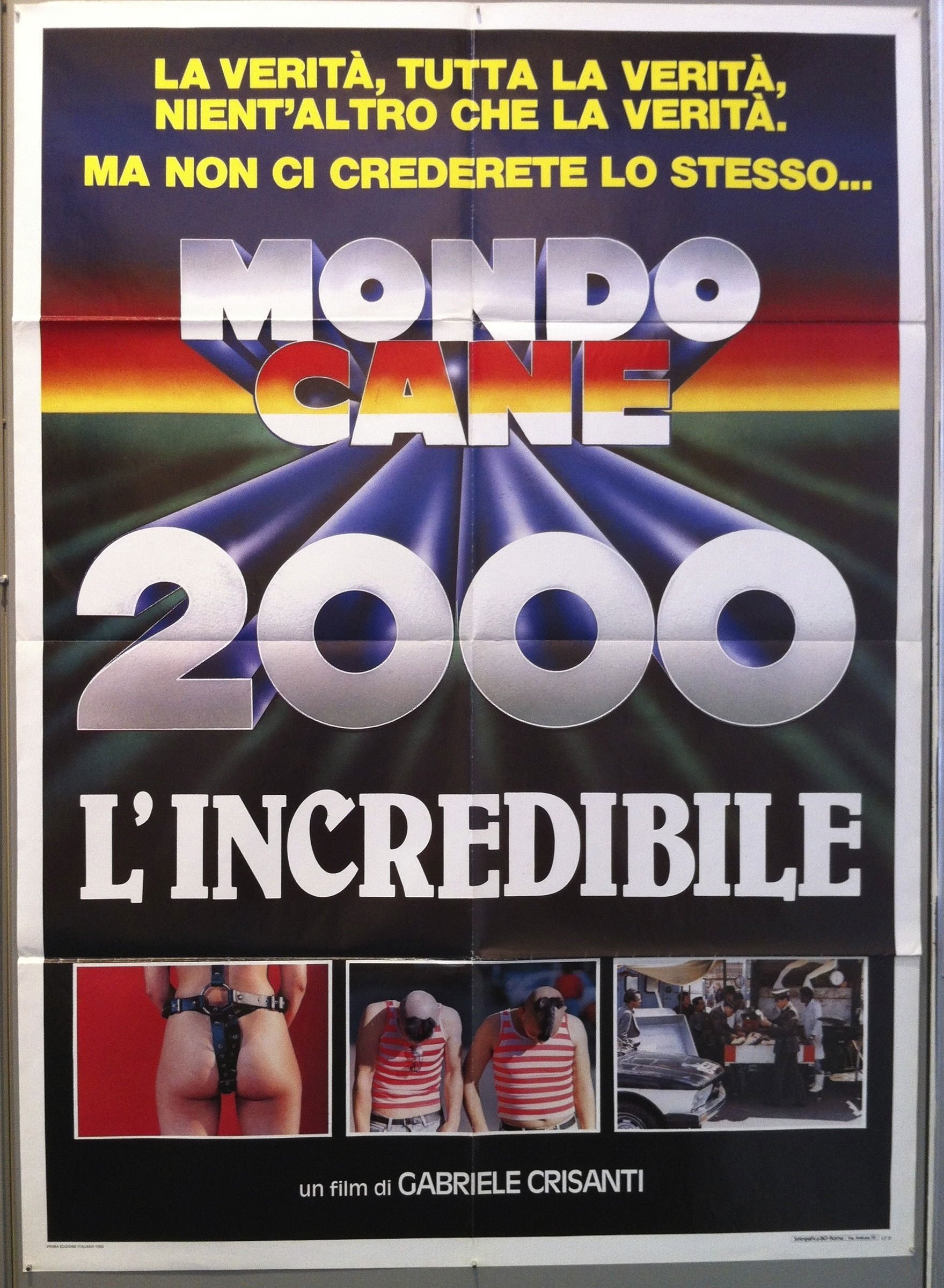
The final official installment in the "Mondo Cane" series dares to go where no other Mondo film has gone before.
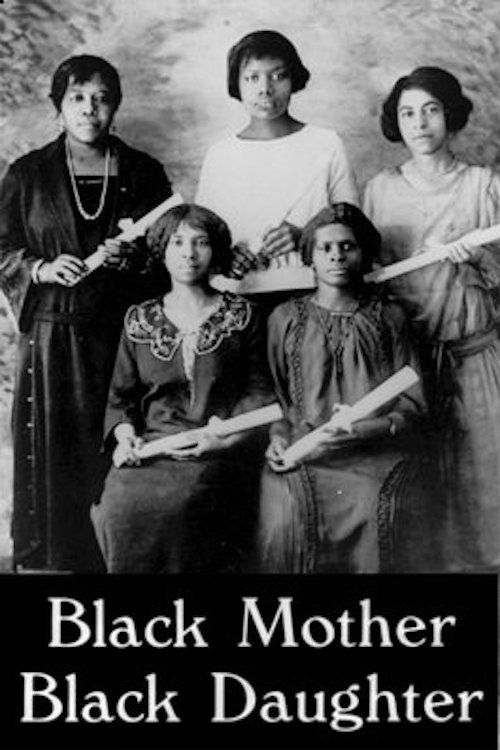
Black Mother Black Daughter explores the lives and experiences of black women in Nova Scotia, their contributions to the home, the church and the community and the strengths they pass on to their daughters.
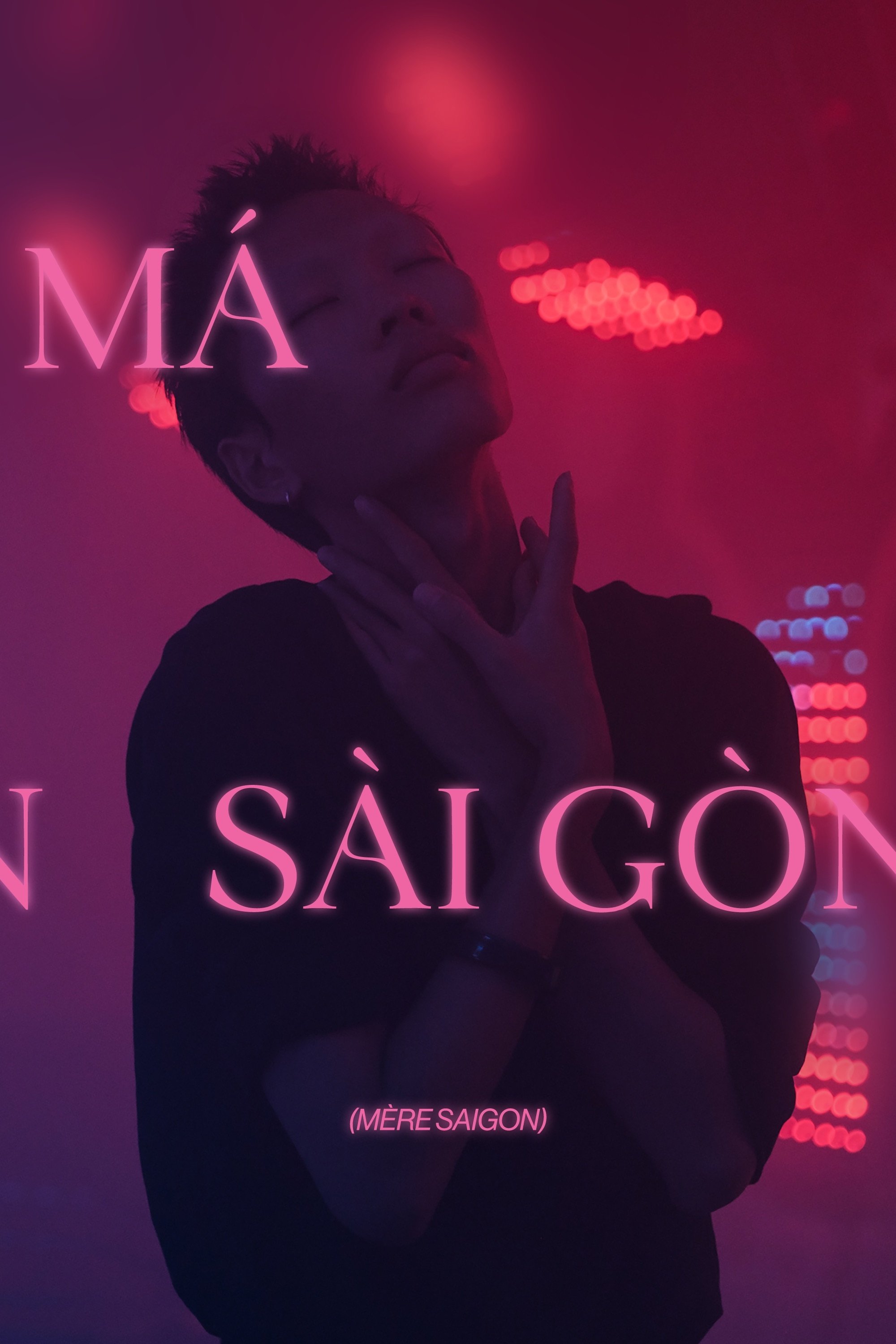
In Saigon, family culture carries on as it has for centuries, even when blood ties are broken. Through a mosaic of intimate portraits, Má Sài Gòn explores humanity’s universal desire for love, acceptance, connection and belonging through an LGBTQ+ lens. The film is a love letter – a bittersweet ode to a comforting yet disturbing mother, to a city that is as liberating as it is oppressive.
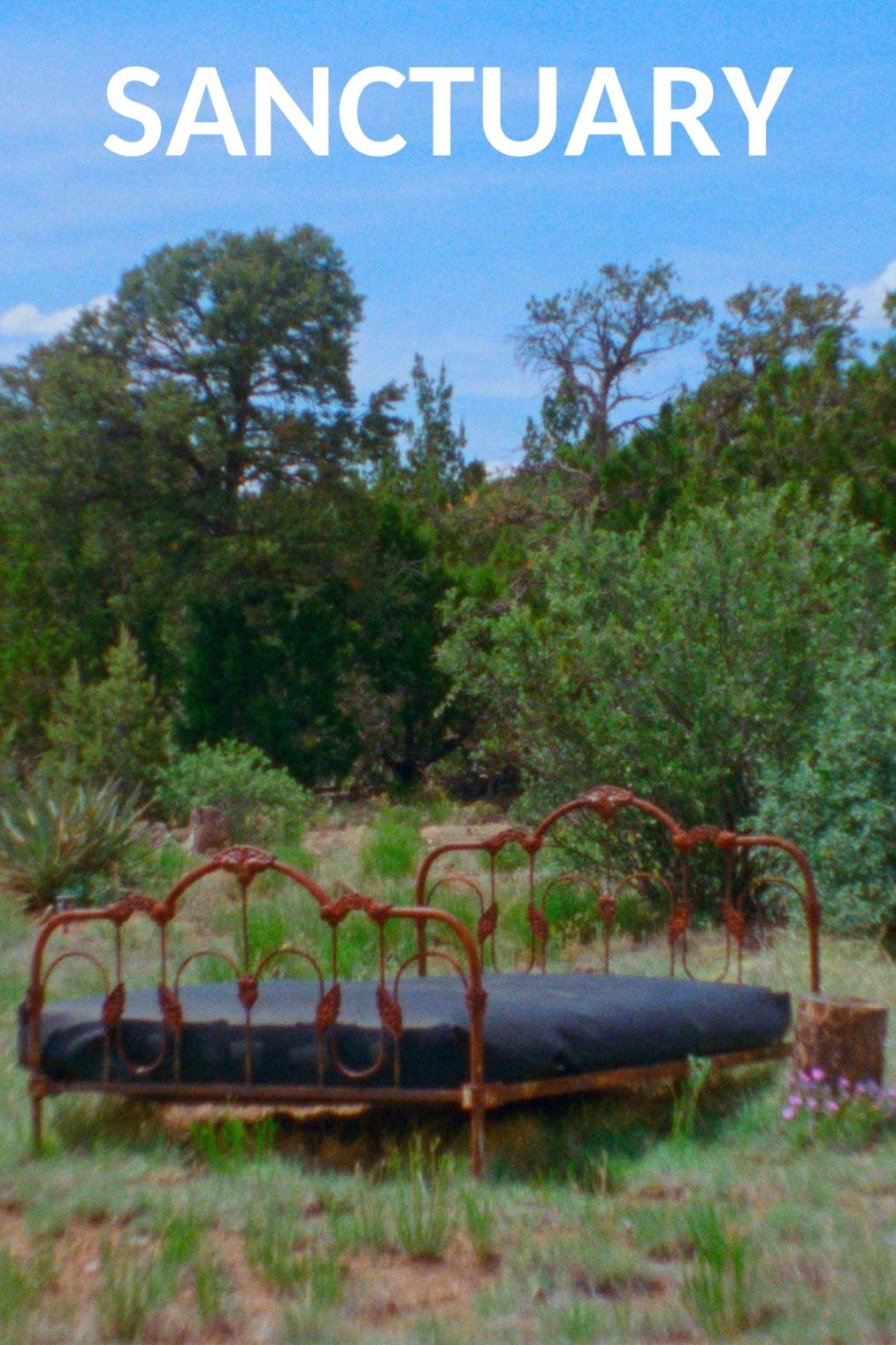
Sanctuary explores queer spirituality and utopian sexualities through the figure of Purusha Androgyne Larkin (1934–1988), a monk, pioneering gay filmmaker, and self-proclaimed cosmic-erotic mystic. Larkin’s 1981 book, 'The Divine Androgyne According to Purusha', challenged repression with a spiritual vision rooted in eroticism and presented a radical path to cosmic-erotic consciousness through ‘extreme’ forms of sexual pleasure. Sanctuary explores Larkin's attempt to form a utopian, pleasure-based spiritual community, and considers the complex legacies of his ideas in queer culture. Shot on 16mm, the film weaves together the voices of Larkin’s friends and followers, creating a portrait in absentia of a figure ahead of his time.
after mourning the passing of his late wife, Bill finds the courage to travel to New York City and reconnect with his favorite mistress.
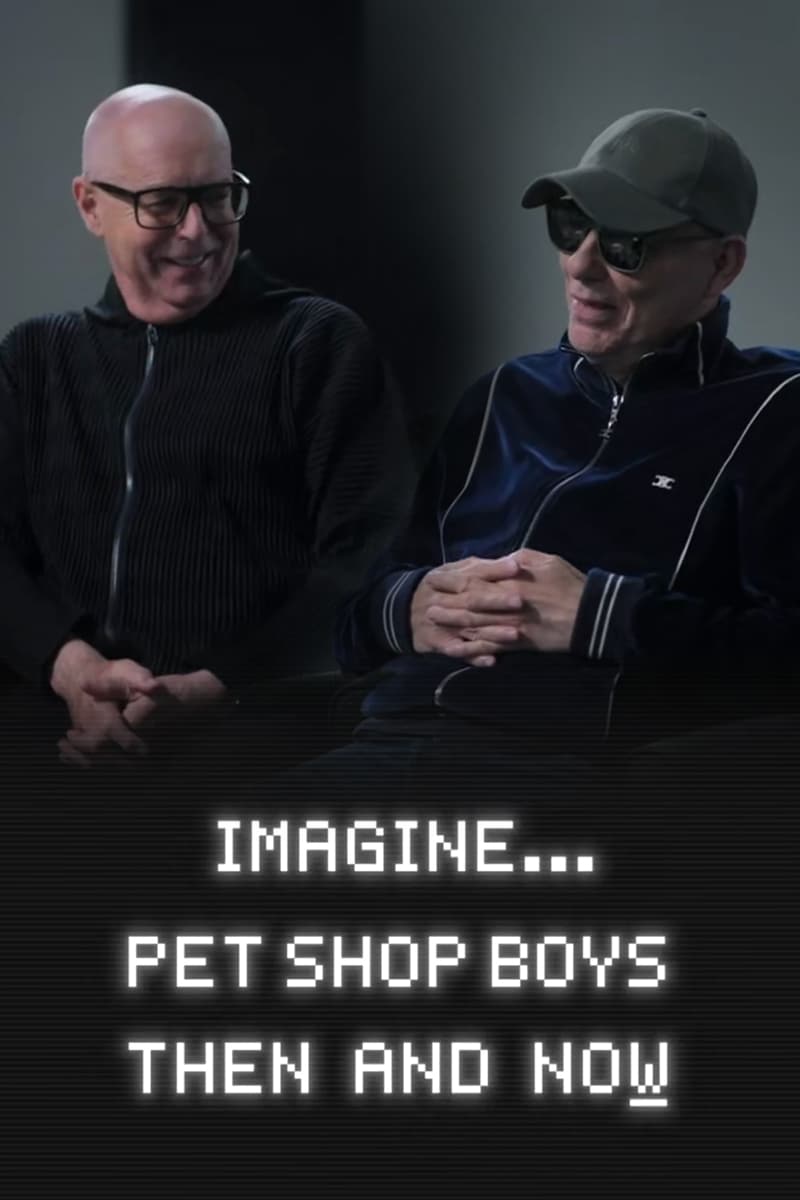
Featuring exclusive access to their recent tour and their new album, this documentary reveals the fascinating world of Pet Shop Boys, Neil Tennant and Chris Lowe.
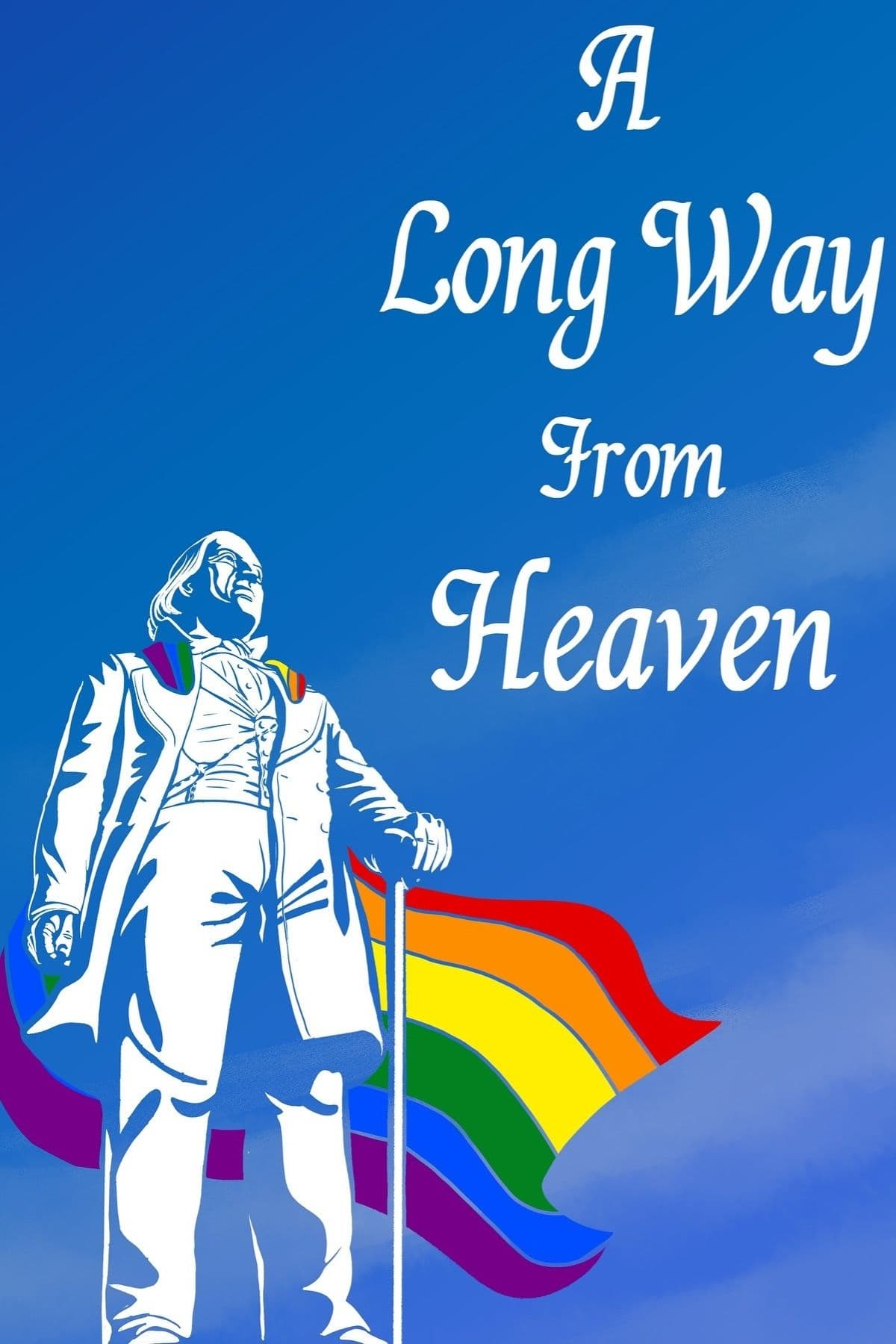
The true story of the students of Brigham Young University's queer underground, as they lit the school's iconic "Y" in rainbow colors. But, A Long Way From Heaven does a lot more than tell the story of the Rainbow Y. It outlines the history of queer treatment at BYU - the good (where it exists), the bad, and the very, very ugly. The film combines new, original footage with a huge variety of historical images, videos, newspaper articles, and other mixed media from every conceivable source to tell the story of BYU's queer students, and the bravery and risks they constantly take to make their voices heard.
An edgy and unapologetic look at the growing impact that open LGBTQ music artists, and their straight allies, are having on the portrayal of sexuality and gender politics in music, and its affect on the normalizing of gay culture. Using artists personal experiences as a lens, we'll look at sexuality's influence on music and the role of social media in helping artists complicate mainstream expectations of identity. How far are artists willing to push their music, messages and imagery to challenge the way pop culture defines notions of sexuality, masculinity, femininity, gender and what it means to be queer?
A video essay about the personal and political context of a landmark lesbian feminist documentary film from 1977 called "In the Best Interests of the Children" about lesbian mothers fighting to regain custody of their children in the 1970s. As a nearly forgotten period of LGBTQ+ history, this documentary short introduces us to now retired filmmaker Frances Reid (award winning cinematographer and director) and her “step-daughter” Julie Stevens while they look through the film’s archives, discuss the making of the film and their personal relationship.
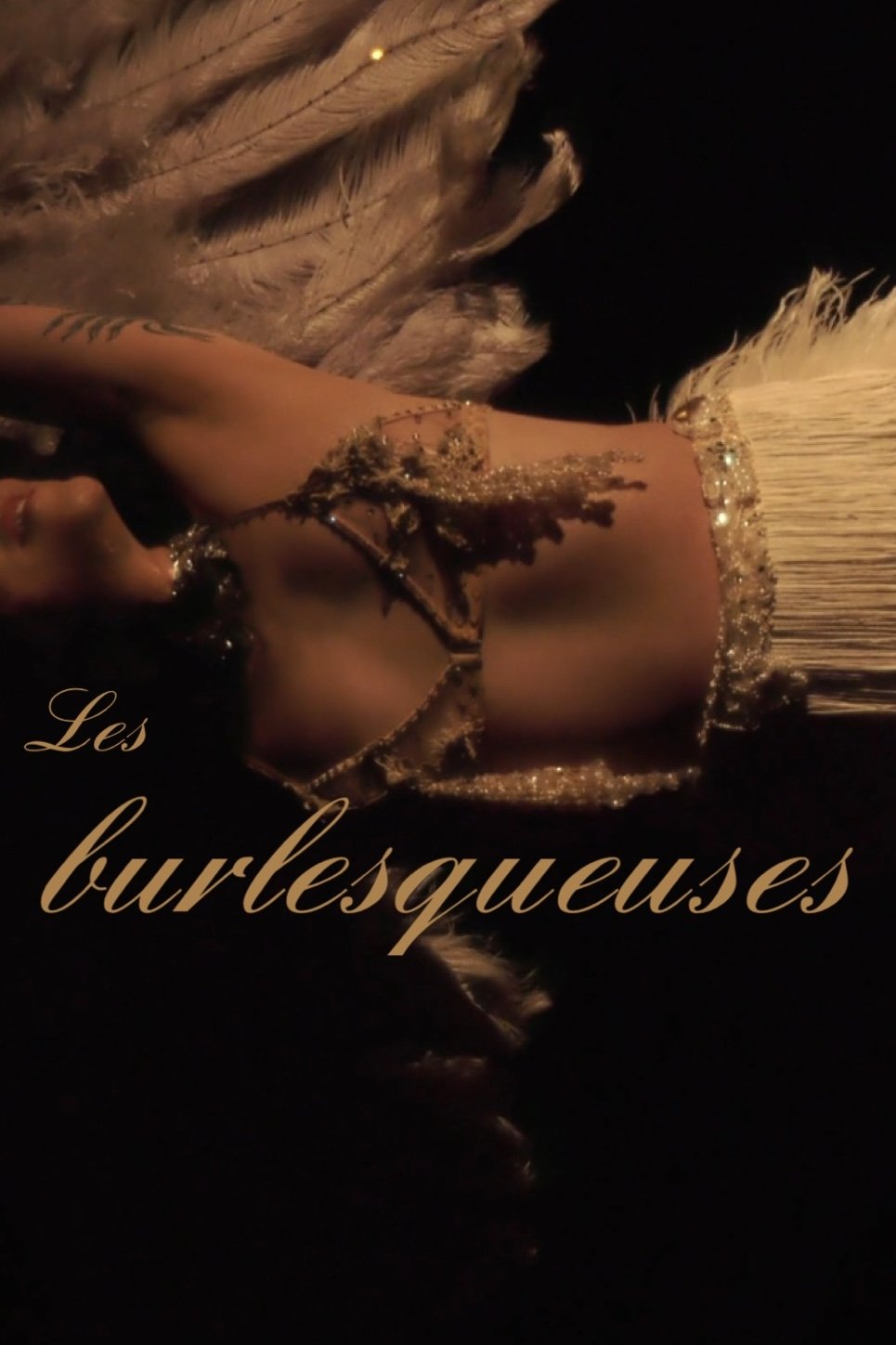
Student documentary exploring the world of burlesque as a space for artistic expression and personal liberation, where performers channel their creativity and sensuality. Through their voices, they speak about the power of the stage to reconnect with their bodies and establish a deep connection with the audience. Burlesque is presented as a feminist, inclusive, and supportive environment, celebrating gender and body diversity. The action takes place at the Wiggle Room, located in Montreal. It is the only burlesque cabaret in Canada, known for its warm atmosphere and strong sense of community.
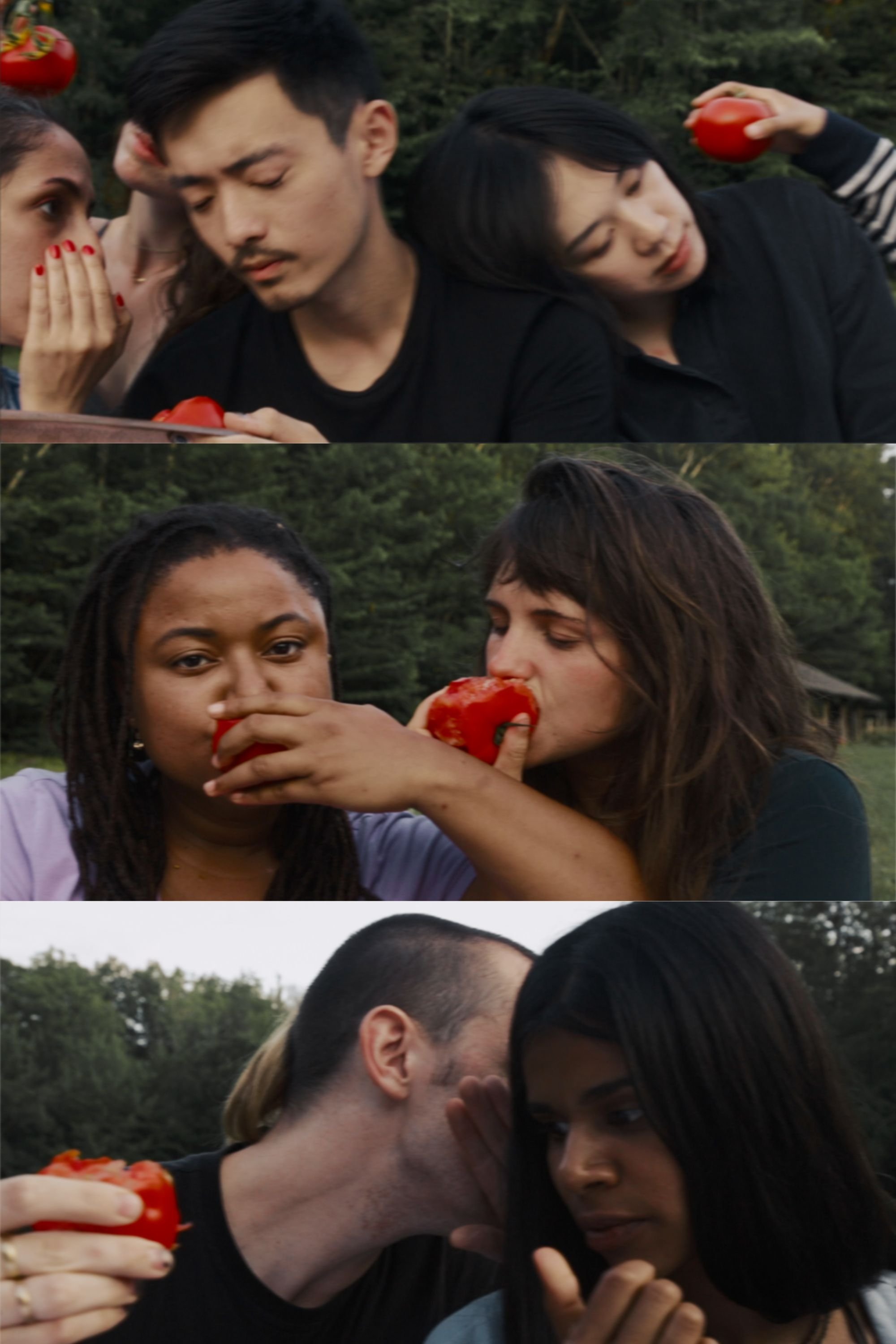
Across the installation's multiple channels, the camera circles a group of artists as they sit together in a field eating, licking, and squeezing ripe tomatoes. Throughout the ever-changing scene, kisses, whispers, and caresses are shared with a casual, gentle intimacy that reflects interconnectivity and abundance. These queer and desirous exchanges constitute a portrait of collectivity wherein individuals come together as distinct parts of a whole.
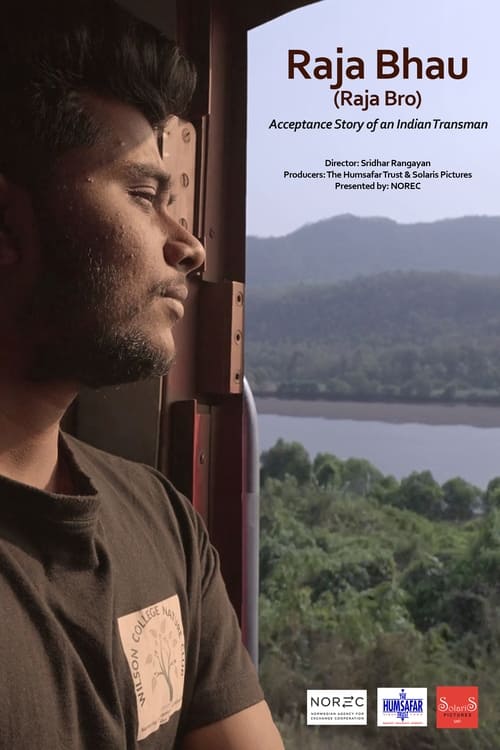
A sensitive heart-warming story of an Indian transman's acceptance, by himself and his family. Merlin, born as a girl, felt right from his childhood that he was trapped in the wrong gender.
The artist walks through a garden, with additional footage featuring Black trans activist Marsha P. Johnson.
In this documentary, a group of trans and nonbinary actors share common experiences while pursuing a life-changing role for the film "Fanfic".