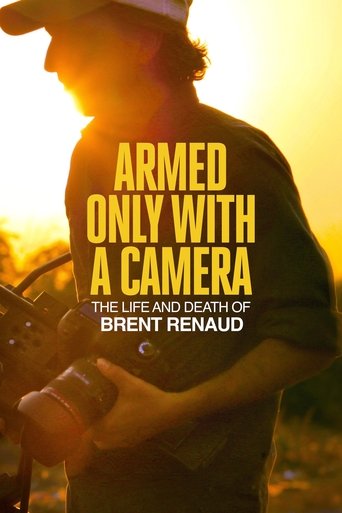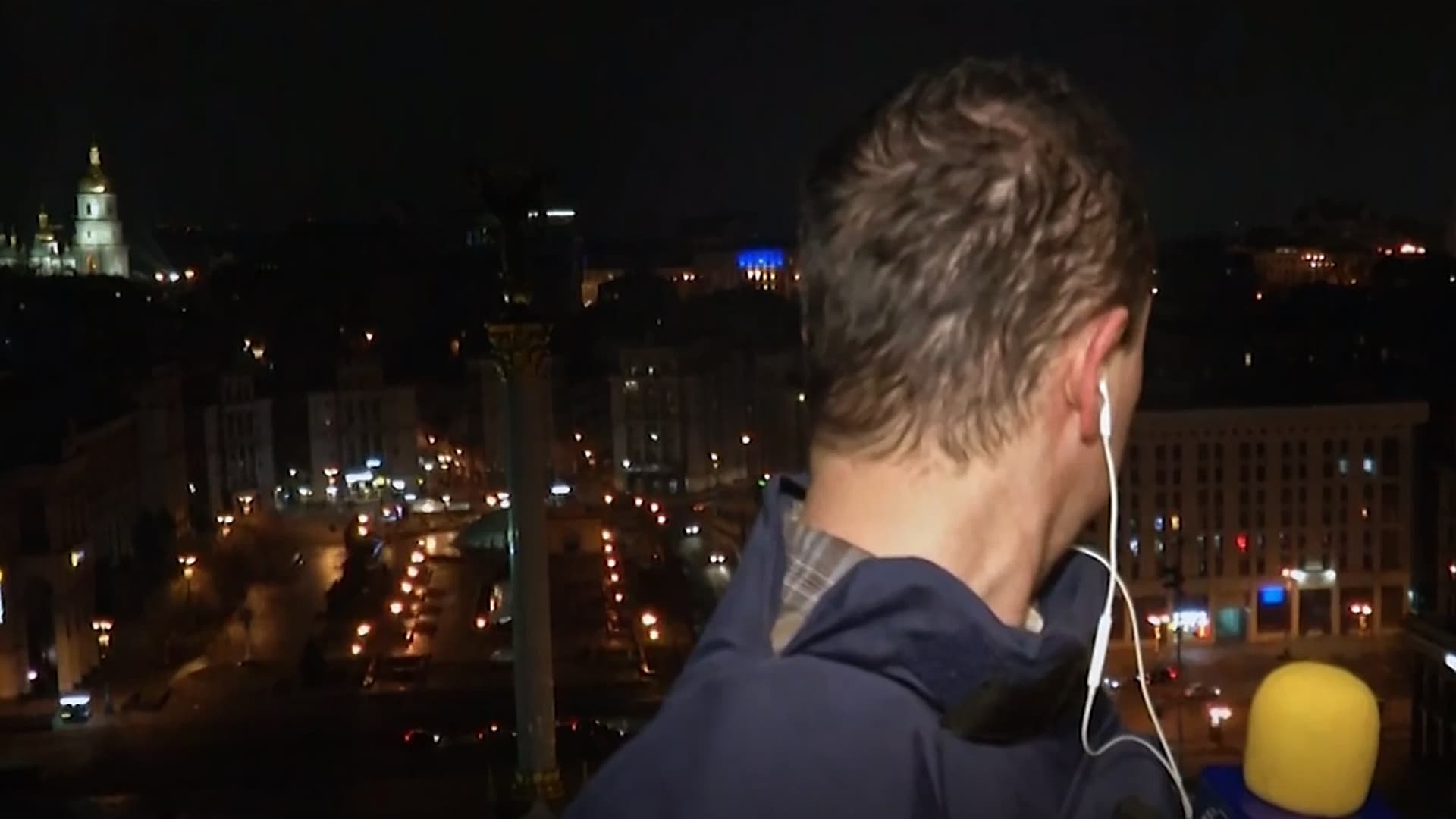
Four journalists talk about their experiences and share their testimonies of the Russian invasion of Ukraine.
Social & External
Self
When a US Naval captain shows signs of mental instability that jeopardize his ship, the first officer relieves him of command and faces court martial for mutiny.
Dmytro Komarov's documentary project The Year. Kharkiv Region. Dmytro Komarov will show Kharkiv in the first months of the full-scale invasion of Ukraine by Russian troops. Viewers will hear the stories of people who found themselves in the epicentre of the brutal attacks: at the air defence base destroyed by a Russian missile, in the residential area of the city - Northern Saltivka - which was ravaged by shelling. The journalist will talk to those who played a key role in the liberation of the Kharkiv region. One of these people is Roman Hryshchuk, the commander of the 127th separate territorial defence brigade of Ukraine. He told us how the military practice of the past - using decoys in the form of dummies - helped to identify and destroy the occupiers. How did the full-scale war begin for Kharkiv? What plans did the enemy have for Kharkiv? What united people and gave them hope in the most difficult times? Find out in the documentary project "Year. Kharkiv Region".
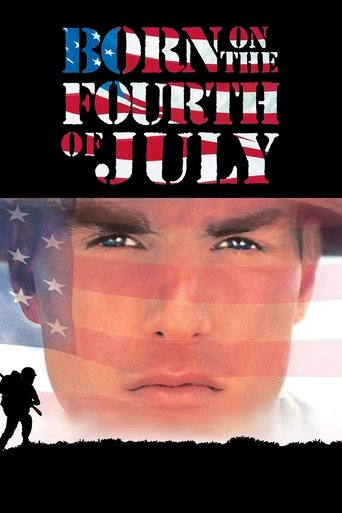
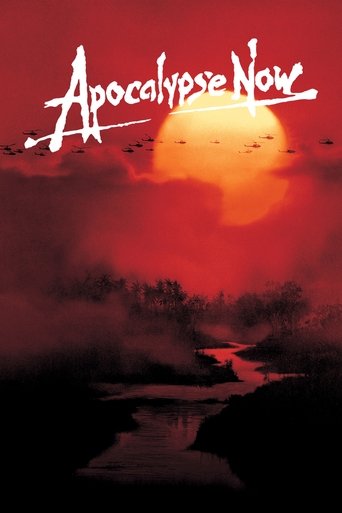
Three steelworkers enlist in the army and are sent to Vietnam, one leaving behind a rushed marriage, the others a shared love. What they encounter during the war changes their lives forever.
The real story about the camel ride around Mallorca, that journalist Miguel Vidal and painter Gustavo Peñalver did in 1964. Sometimes truth is stranger than fiction. This is one of them.
A fictional documentary discusses the effects the Iraq war has had on soldiers and local people through interviews with members of an American military unit, the media, and local Iraqis.
Vietnam veteran Jonathan Teller suffers from guilt and paranoid delusions. He decides to take his own life, but as he struggles to come to terms with his choice and reality, a chance encounter changes everything.
Follow a group of international journalists into the heart of the once cosmopolitan city of Sarajevo—now a danger zone of sniper and mortar attacks where residents still live. While reporting on an American aid worker who’s trying to get children out of the country, a British correspondent decides to take an orphaned girl home to London.
A dangerously disturbed Vietnam veteran struggles with life 15 years after his return home, and slowly falls into insanity from his gritty urban lifestyle.
A docudrama depicting a hypothetical nuclear attack on Britain. After backing the film's development, the BBC refused to air it, publicly stating "the effect of the film has been judged by the BBC to be too horrifying for the medium of broadcasting." It debuted in theaters in 1966 and went on to great acclaim, but remained unseen on British television until 1985.
After the suppression of "Let There Be Light" (a documentary about combat-induced post-traumatic stress disorders which presented many inconvenient and demoralizing truths), the U.S. Army Signal Corp created this dramatized up-beat remake of the film. Only this time, the production excluded the involvement of John Houston, the producer of the original documentary.
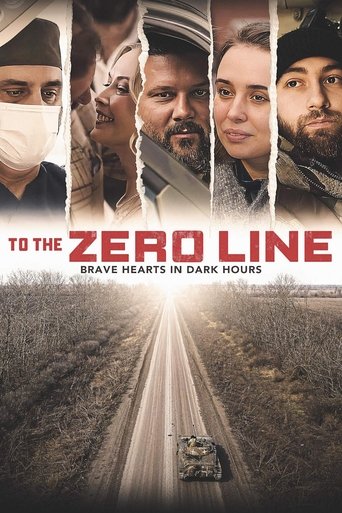
Since the uprising of a pro Russian insurgency in eastern Ukraine in 2014, hundreds of women joined the army. Only a few made it to the front line. Filmmaker Masha embeds herself in the war zone to follow the daily life of three of them. By sharing the intimacy of these fighters, Masha soon becomes a victim of this brotherhood conflict jeopardizing this film and her life.
Through dramatic reconstruction and documentary asides, the spirit of Italian poet, playwright, journalist, aristocrat and army officer Gabriele D’Annunzio is captured, presenting the nascent fascism in his attempts to forge a new state in the aftermath of the First World War.
One of the most celebrated war correspondents of our time, Marie Colvin is an utterly fearless and rebellious spirit, driven to the frontlines of conflicts across the globe to give voice to the voiceless.
19-year-old Billy Lynn is brought home for a victory tour after a harrowing Iraq battle. Through flashbacks the film shows what really happened to his squad – contrasting the realities of war with America's perceptions.
The first World War is in its third year and aerial combat above the Western Front is consuming the nation's favored children at an appalling rate. By early 1917, the average life-span of a British pilot is less than a fortnight. Such losses place a fearsome strain on Gresham, commanding officer of the squadron. Aces High recreates the early days of the Royal Flying Corps with some magnificently staged aerial battles, and sensitive direction presents a moving portrayal of the futilities of war.
An investigative reporter seeks to expose the whereabouts of a slush fund belonging to the former president of South Korea, Lee Myung-bak.
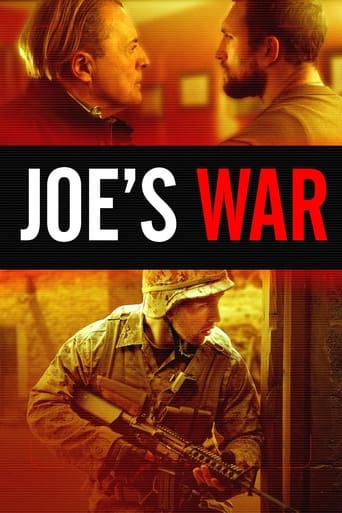
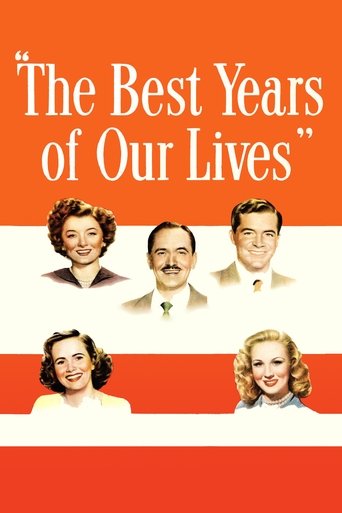
The day after they get the word they'll go home in two weeks, a group of soldiers from Spokane are ambushed in an Iraqi city. Back stateside we follow four of them - a surgeon who saw too much, a teacher who's a single mom and who lost a hand in the ambush, an infantry man whose best friend died that day, and a soldier who keeps reliving the moment he killed a civilian woman.
OBAIDA, a short film by Matthew Cassel, explores a Palestinian child’s experience of Israeli military arrest. Each year, some 700 Palestinian children undergo military detention in a system where ill-treatment is widespread and institutionalized. For these young detainees, few rights are guaranteed, even on paper. After release, the experience of detention continues to shape and mark former child prisoners’ path forward.
In this new documentary, award-winning soccer journalist and CBS Sports analyst Guillem Balagué brings audiences into the action and biggest stories of the unforgettable 2021-22 UEFA Champions League. On the pitch this season, Barcelona began life without Lionel Messi. Balagué also delves into the responses within football to Russia's full-scale military invasion of neighboring Ukraine and sanctions at Chelsea, carefully bringing the audience into these turbulent stories with exclusive interviews.
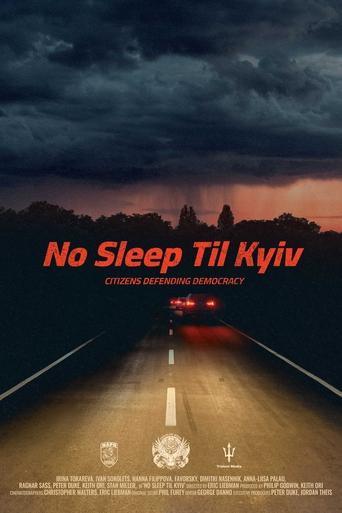
As the Russian invasion begins, a team of Ukrainian journalists trapped in the besieged city of Mariupol struggle to continue their work documenting the war's atrocities.
Amid the failing counteroffensive, a journalist follows a Ukrainian platoon on their mission to traverse one mile of heavily fortified forest and liberate a strategic village from Russian occupation. But the farther they advance through their destroyed homeland, the more they realize that this war may never end.
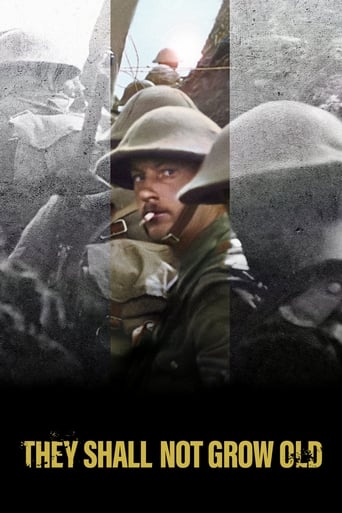
A documentary about World War I with never-before-seen footage to commemorate the centennial of Armistice Day, and the end of the war.
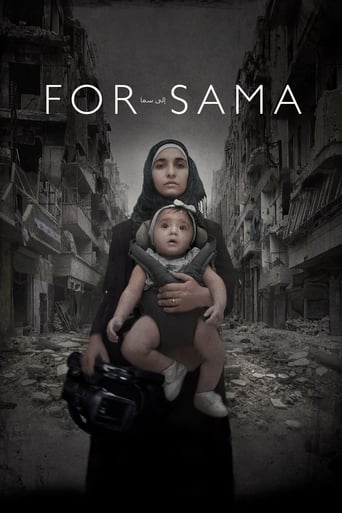
A love letter from a young mother to her daughter, the film tells the story of Waad al-Kateab’s life through five years of the uprising in Aleppo, Syria as she falls in love, gets married and gives birth to Sama, all while cataclysmic conflict rises around her. Her camera captures incredible stories of loss, laughter and survival as Waad wrestles with an impossible choice– whether or not to flee the city to protect her daughter’s life, when leaving means abandoning the struggle for freedom for which she has already sacrificed so much.
Korengal picks up where Restrepo left off; the same men, the same valley, the same commanders, but a very different look at the experience of war.
Meet the real-life airmen who inspired Masters of the Air as they share the harrowing and transformative events of the 100th Bomb Group.
Prelude to War was the first film of Frank Capra's Why We Fight propaganda film series, commissioned by the Pentagon and George C. Marshall. It was made to convince American troops of the necessity of combating the Axis Powers during World War II. This film examines the differences between democratic and fascist states.
“The Soviet Story” is a story of an Allied power, which helped the Nazis to fight Jews and which slaughtered its own people on an industrial scale. Assisted by the West, this power triumphed on May 9th, 1945. Its crimes were made taboo, and the complete story of Europe’s most murderous regime has never been told. Until now...
The final entry in a trilogy of films produced for the U.S. government by John Huston. Some returning combat veterans suffer scars that are more psychological than physical. This film follows patients and staff during their treatment. It deals with what would now be called PTSD, but at the time was categorised as psychoneurosis or shell-shock. Government officials deemed this 1946 film counterproductive to postwar efforts; it was not shown publicly until 1981.
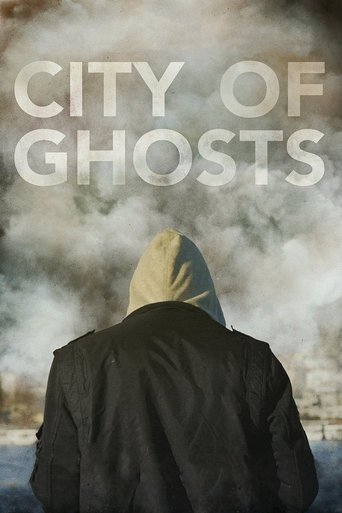
With unprecedented access, this documentary follows the extraordinary journey of “Raqqa is Being Slaughtered Silently”—a group of anonymous citizen journalists who banded together after their homeland was overtaken by ISIS—as they risk their lives to stand up against one of the greatest evils in the world today.
An experimental documentary that explores Saudi Arabia's relationship with the U.S. and the role this has played in the war in Afghanistan.
The extraordinary story of how Hollywood changed World War II – and how World War II changed Hollywood, through the interwoven experiences of five legendary filmmakers who went to war to serve their country and bring the truth to the American people: John Ford, William Wyler, John Huston, Frank Capra, and George Stevens. Based on Mark Harris’ best-selling book, “Five Came Back: A Story of Hollywood and the Second World War.”
Virunga in the Democratic Republic of the Congo is Africa’s oldest national park, a UNESCO world heritage site, and a contested ground among insurgencies seeking to topple the government that see untold profits in the land. Among this ongoing power struggle, Virunga also happens to be the last natural habitat for the critically endangered mountain gorilla. The only thing standing in the way of the forces closing in around the gorillas: a handful of passionate park rangers and journalists fighting to secure the park’s borders and expose the corruption of its enemies. Filled with shocking footage, and anchored by the surprisingly deep and gentle characters of the gorillas themselves, Virunga is a galvanizing call to action around an ongoing political and environmental crisis in the Congo.
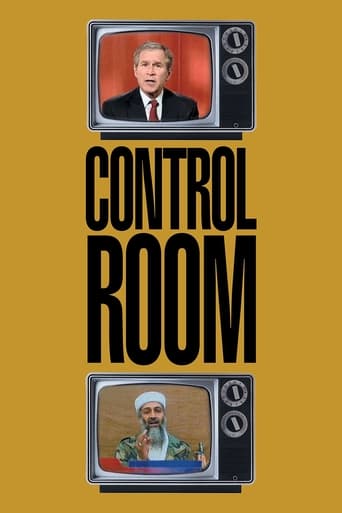
A chronicle which provides a rare window into the international perception of the Iraq War, courtesy of Al Jazeera, the Arab world's most popular news outlet. Roundly criticized by Cabinet members and Pentagon officials for reporting with a pro-Iraqi bias, and strongly condemned for frequently airing civilian causalities as well as footage of American POWs, the station has revealed (and continues to show the world) everything about the Iraq War that the Bush administration did not want it to see.
This documentary movie is about the battle of San Pietro, a small village in Italy. Over 1,100 US soldiers were killed while trying to take this location, that blocked the way for the Allied forces from the Germans. Preserved by the Academy Film Archive in 2005.
The making of Matrix Revolutions, The (2003) is briefly touched on here in this documentary. Interviews with various cast and crew members inform us how they were affected by the deaths of Gloria Foster and Aaliyah, and also delve into the making of the visual effects that takes up a lot of screen time. Written by Rhyl Donnelly
A journalist and a photographer set out to memorialize the bedrooms left behind by children killed in school shootings.
Pete Postlethwaite stars as a man living alone in the devastated future world of 2055, looking at old footage from 2008 and asking: why didn’t we stop climate change when we had the chance?
"Trinity and Beyond" is an unsettling yet visually fascinating documentary presenting the history of nuclear weapons development and testing between 1945-1963. Narrated by William Shatner and featuring an original score performed by the Moscow Symphony Orchestra, this award-winning documentary reveals previously unreleased and classified government footage from several countries.
An in-depth investigation into the private world of the American writer J. D. Salinger (1919-2010), who lived most of his life behind the impenetrable wall of a self-imposed seclusion: how his dramatic experiences during World War II influenced his life and work, his relationships with very young women, his obsessive writing methods, his many literary secrets.