Follows the Congress of Racial Equality (CORE) from July to August 1963, as they undertake an African American voter registration drive in the town of Plaquemine, Louisiana.
Social & External
In 1913/14, the most radical women's rights activists in England formed a secret society to protect their sister suffragettes from assault and arrest. They trained in martial arts, carried concealed weapons and used ingenious evasion and deception tactics. These women were known as The Bodyguard, and this is their story.
The film explores and celebrates the lesser-known life of a Mississippi sharecropper-turned-human-rights-activist and one of the Civil Rights Movement’s greatest leaders. Throughout the 1960s, Fannie Lou Hamer established a legacy of civil rights and human rights activism that remains relevant to this day – especially among Black youth.
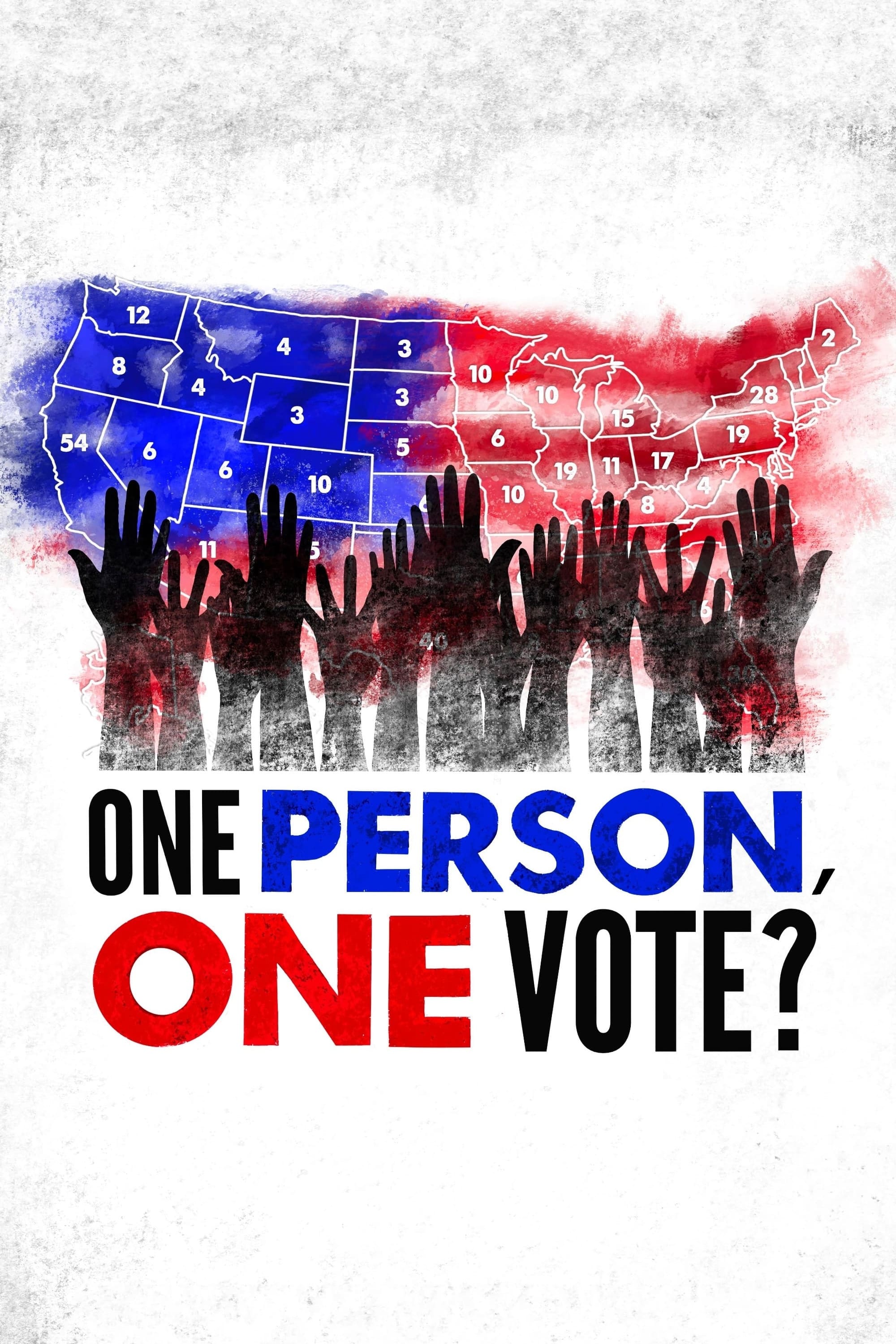
An in-depth look at the Electoral College, its slavery origins, and its impact on society today. The film features four dynamic electors from different parties offering insight into the inner workings of this often-misunderstood institution. A timely, nonpartisan film that will fill a stark information gap in American presidential elections.
Through first person accounts and searing archival footage, this documentary tells the story of the local movement and young Student Nonviolent Coordinating Committee (SNCC) organizers who fought not just for voting rights, but for Black Power in Lowndes County, Alabama.
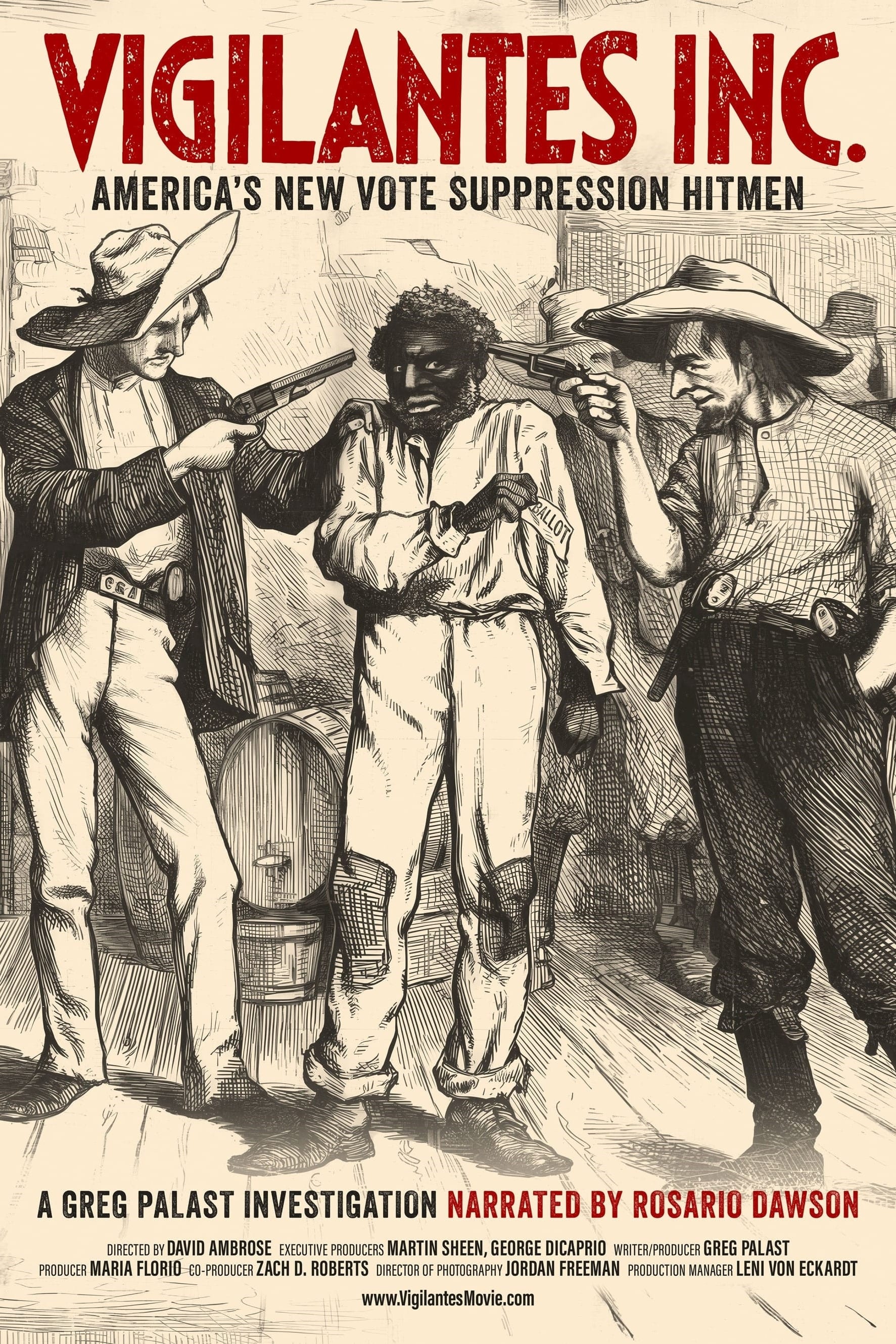
Vigilantes Inc.: America’s New Vote Suppression Hitmen The 2024 election is in danger: 8,500 self-proclaimed vigilante vote-fraud hunters have already challenged the rights of 851,000 voters of color. Investigative reporter Greg Palast (Guardian/Rolling Stone) hunts down the MAGA vigilantes including one dressed like Doc Holliday—with his loaded 6-guns—who blocked the vote of 4,000 Black soldiers including MAJ Gamaliel Turner. Palast and Major Turner confront the vote rustlers in scenes humorous, weird and dangerous.
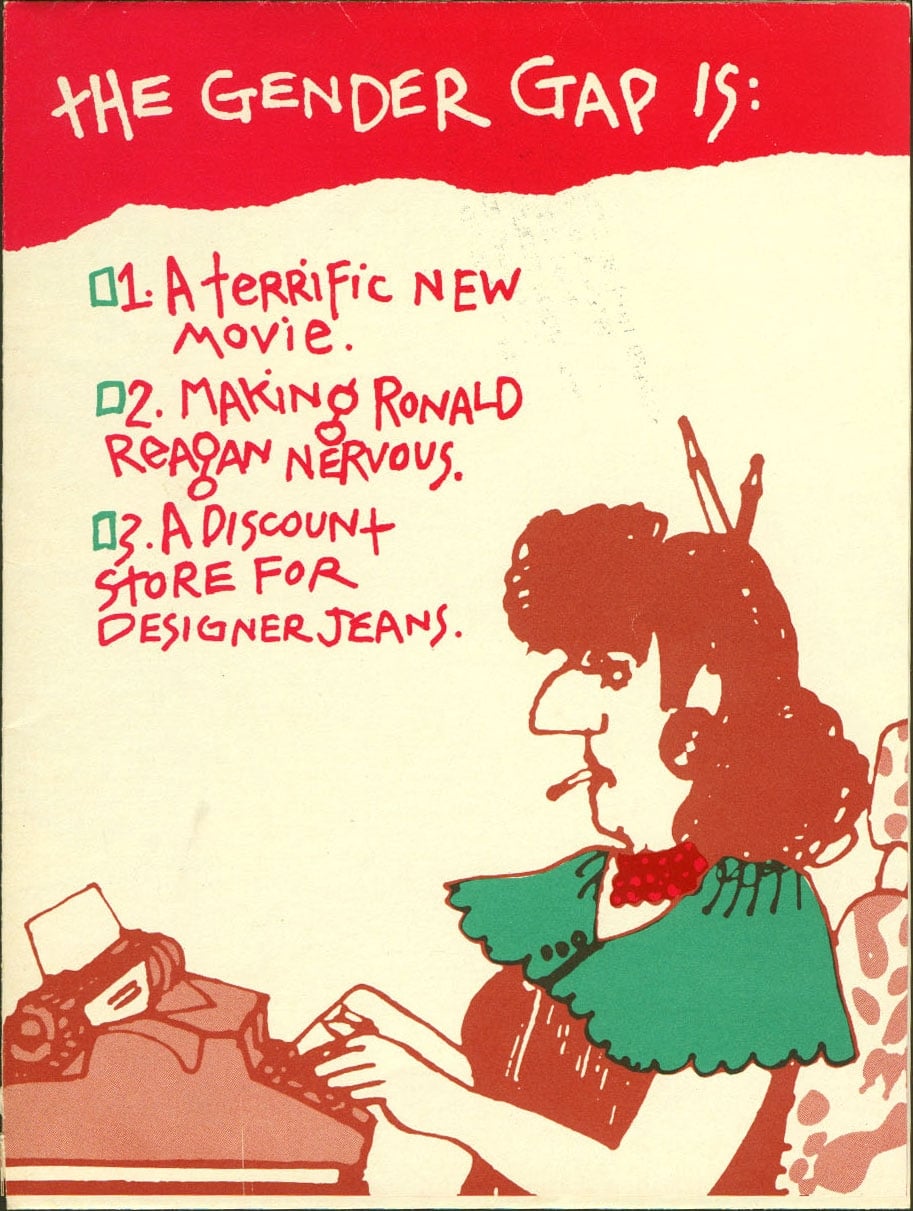
Filmmaker Jenny Rohrer explores the growing difference in voting patterns between men and women.
In 1954 Colombia, Esmeralda Arboleda leads women fighting for suffrage. During a crucial assembly debate, she faces fierce opposition and a personal crisis when her son has an accident, testing her resolve between family and cause.
Setlist: 01 – People = Shit 02 – (sic) 03 – Get This 04 – Unsainted 05 – Disasterpiece 06 – Before I Forget 07 – The Heretic Anthem 08 – Psychosocial 09 – The Devil in I 10 – Prosthetics 11 – Vermilion 12 – Custer 13 – Sulfur 14 – All Out Life 15 – Duality 16 – Spit It Out 17 – Surfacing
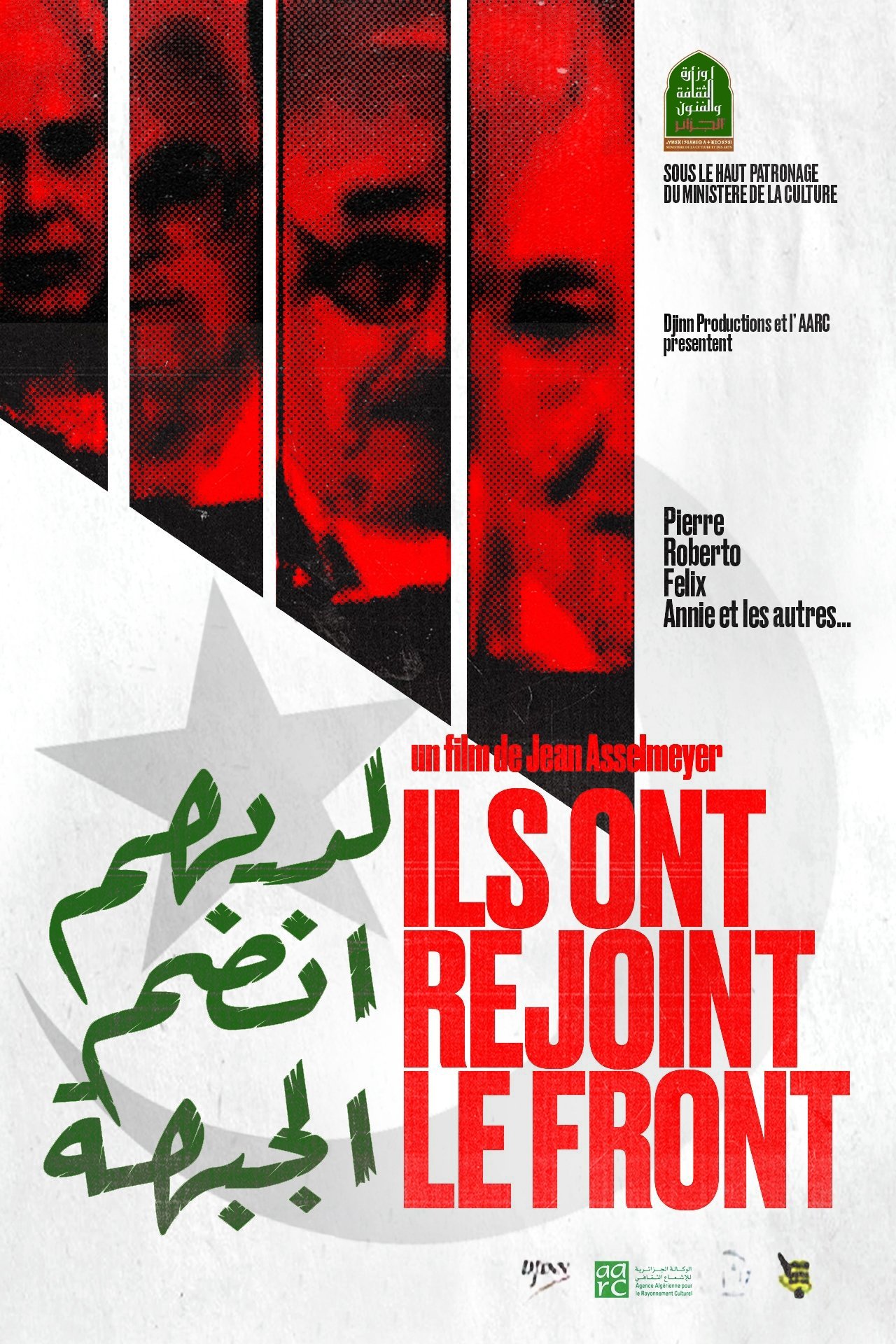
In this film, four key witnesses, who live in Algeria today, as full-fledged Agerians, show us what this colonization was really like, so "beneficial" that they themselves perceived it as the oppression of one people by another. Three of them, who today would be called "pieds noirs," in other words, those Europeans to whom France, the occupying power, gave the best land, taken from the indigenous populations, work, and exclusive rights, not shared by the entire population, lived rather well compared to the majority of the "natives." The fourth was far from all that and lived in Argentina. Annie Steiner, Felix Colozzi, Pierre Chaulet, and Roberto Muniz explain to us what led them to show solidarity with the struggle of the weak, the humiliated, and to risk their freedom and their lives by committing to liberate Algeria.
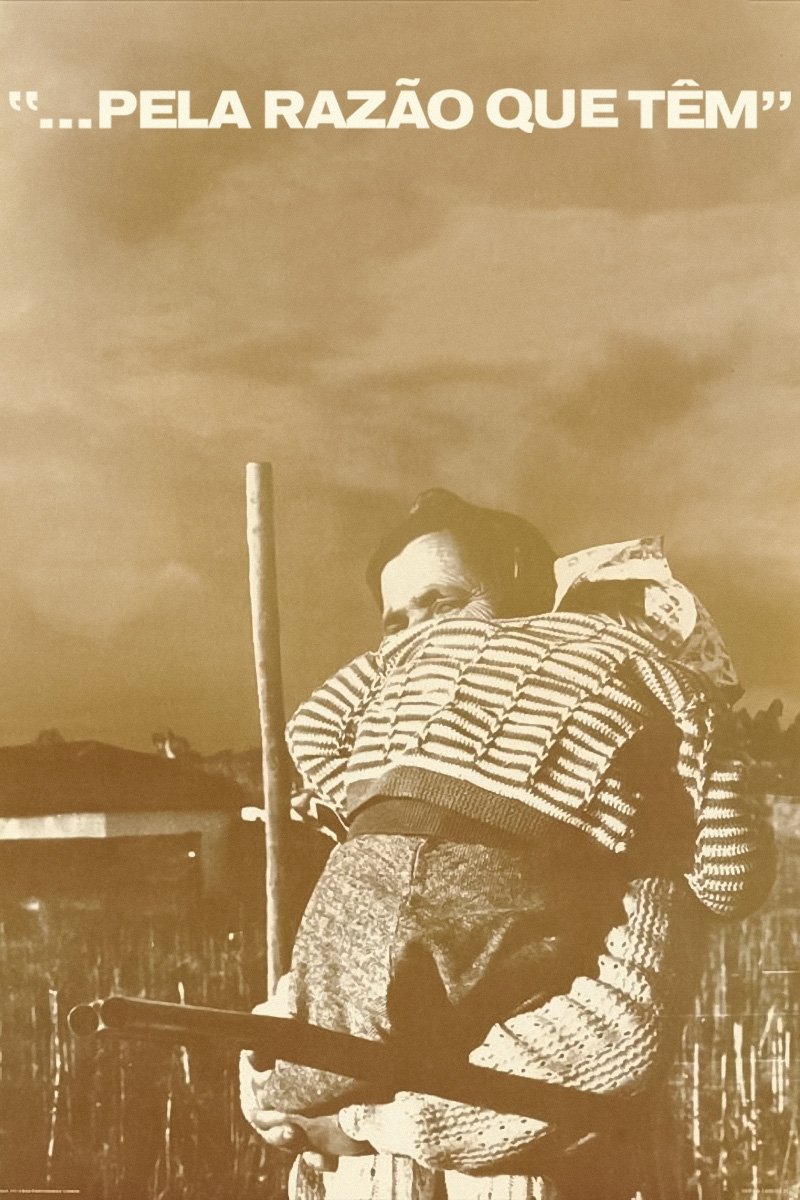
Shortly after the fall of the Salazar dictatorship, in the early days of PREC, one of the first land occupations in the liberated country took place in the village of Quebradas (near Rio Maior). It was the first Basista occupation of that period. Soon after recovering the "land that was ours and was stolen from us", the workers elected a committee and formed a co-operative. There's a sense that the class struggle has reached its peak. …PELA RAZÃO QUE TÊM! is a rare case of a re-enactment documentary, in which the peasants themselves reenact the remarkable events of this claim, just after 25 November, when many of these operations were being reversed.
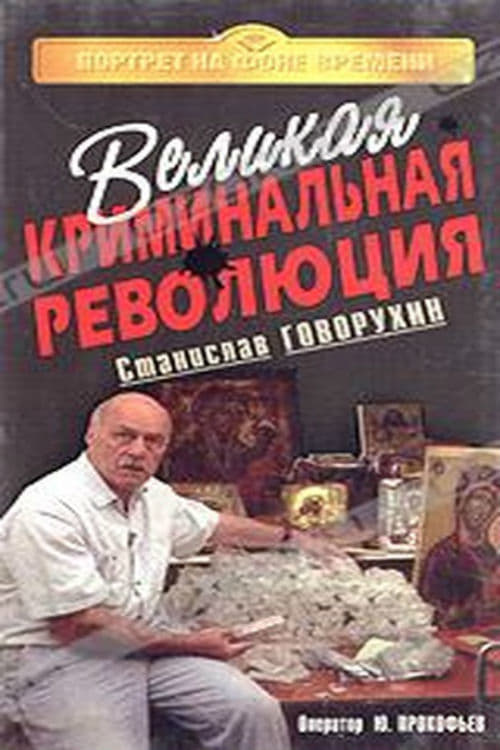
The author's view of the events of the history and modernity of Russia is a continuation of the journalistic cycle, which began with the film "You can't live like that".
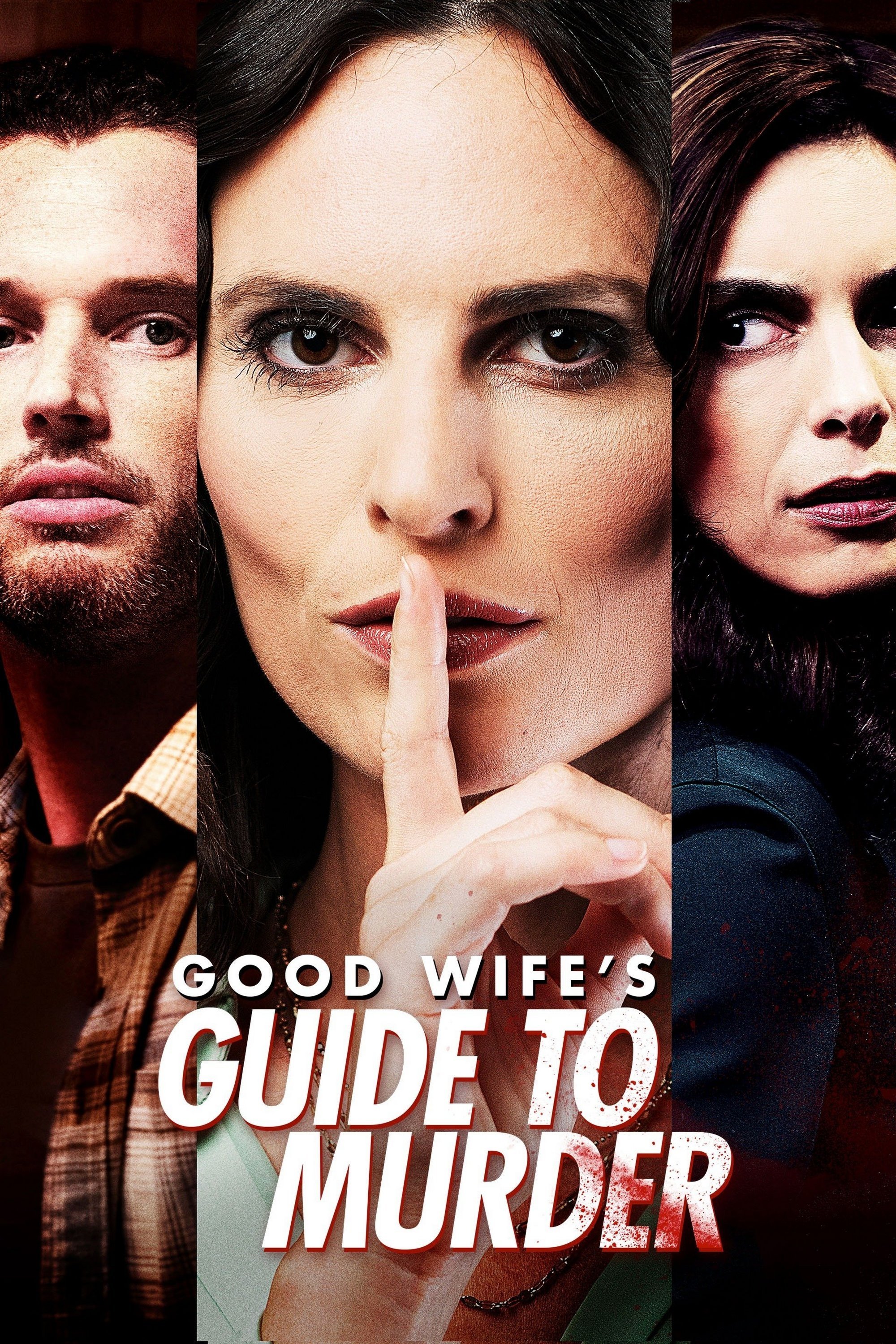
When an expert in spousal murder is accused of killing her husband, she must use her investigation skills to prove her innocence.
A fairy tale for hearing-impaired children and their parents, performed by deaf actors in sign language. The deaf community has enjoyed significant support from Czech Television for many years thanks to interpreted programs and closed captioning. This year, the magazine Televizní klub neslyšících (Deaf Television Club) is celebrating its 35th anniversary. The creators of this club program have therefore decided to dedicate this year's final episode to deaf children and their parents. The result is the fairy tale Vánoční království (The Christmas Kingdom), performed by deaf actors in sign language, a fairy tale that is understandable not only to the hearing impaired, but thanks to dubbing, will appeal to all children. Above all, it shows that even hearing-impaired people have a sense of humor, are great actors, and can delight anyone who loves cheerful stories and a fairy-tale atmosphere. It shows that the worlds of the deaf and the hearing are closer than many of us think.
Horizon visits state-of-the-art laboratories and uses CGI to recreate the science-fiction-worthy weather experienced on other planets.
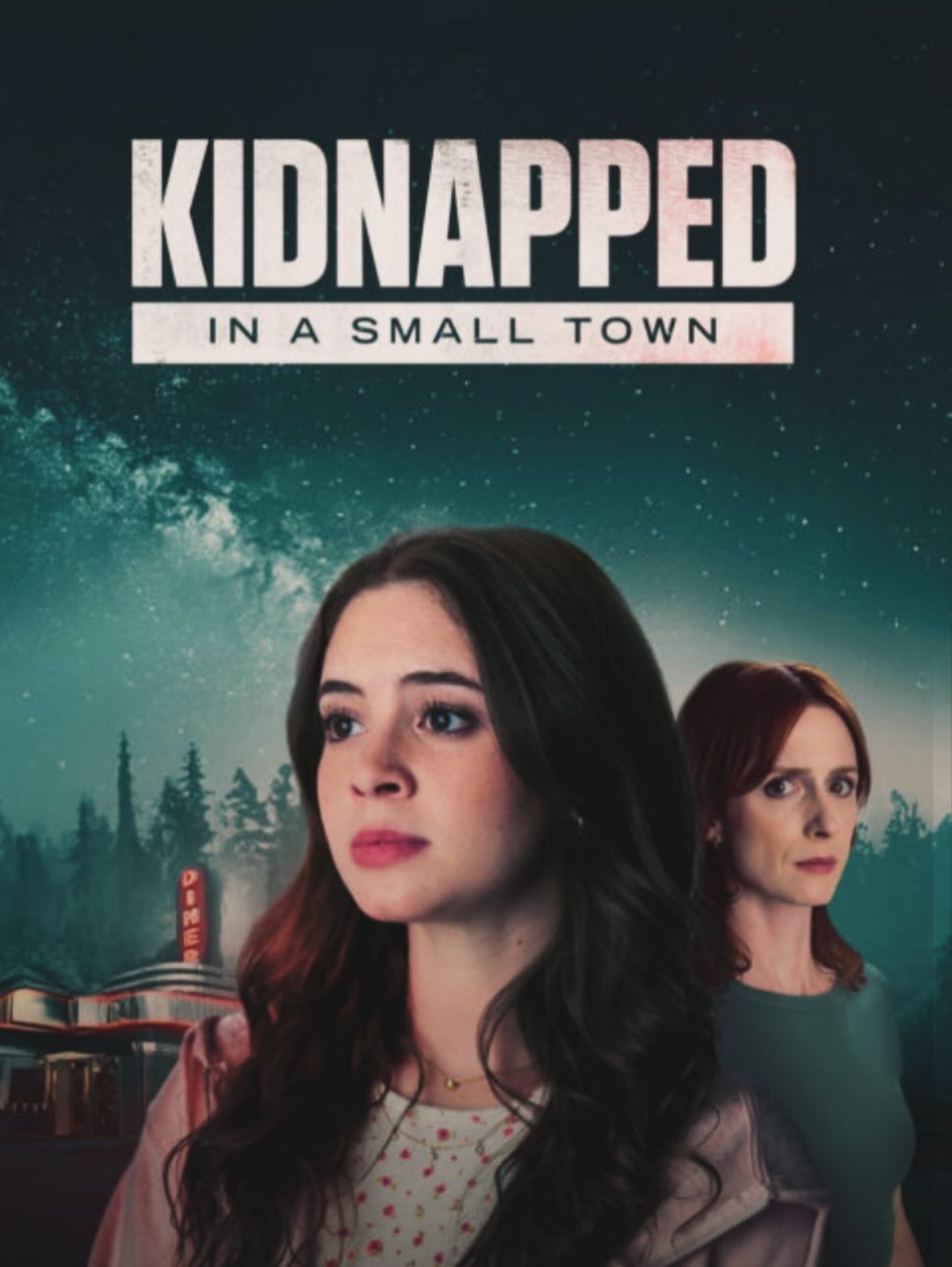
On a road trip to drop her daughter Ruby off at college, Sarah's car breaks down in the middle of nowhere. A passing driver, Allie, offers a ride into town for help, and though hesitant, Sarah lets Ruby go while she waits for a tow truck. But when Sarah arrives at a nearby diner to meet them, Ruby is missing, and Allie claims they've never met.
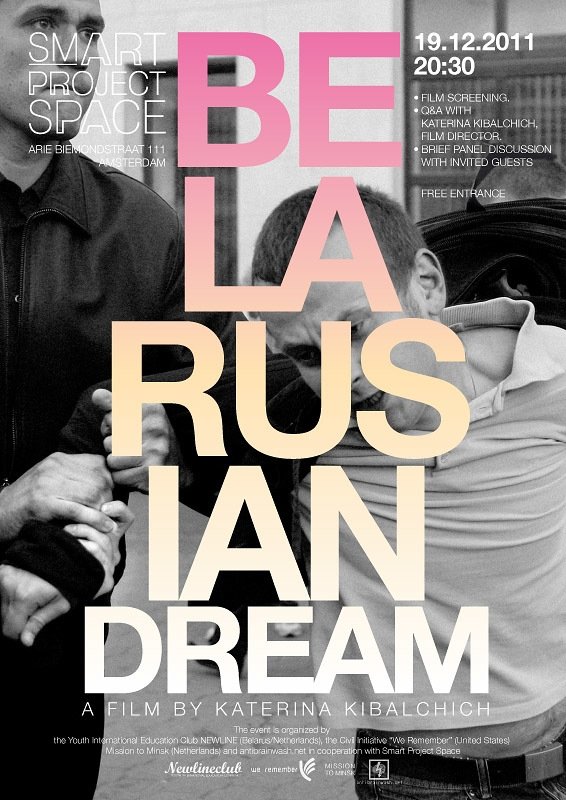
A film about dreams and ambitions in the Belarus through the eyes of the younger generation. An insight into the recent history of Belarus and the growing movement for change in 'Europe's last dictatorship'.
An actress is persuaded by a charming man to join him in a scheme of revenge against his cousin.
Documentary produced by Falange and edited in Berlin, in response to the international success of the Republican production "Spain 1936" (Le Chanois, 1937).