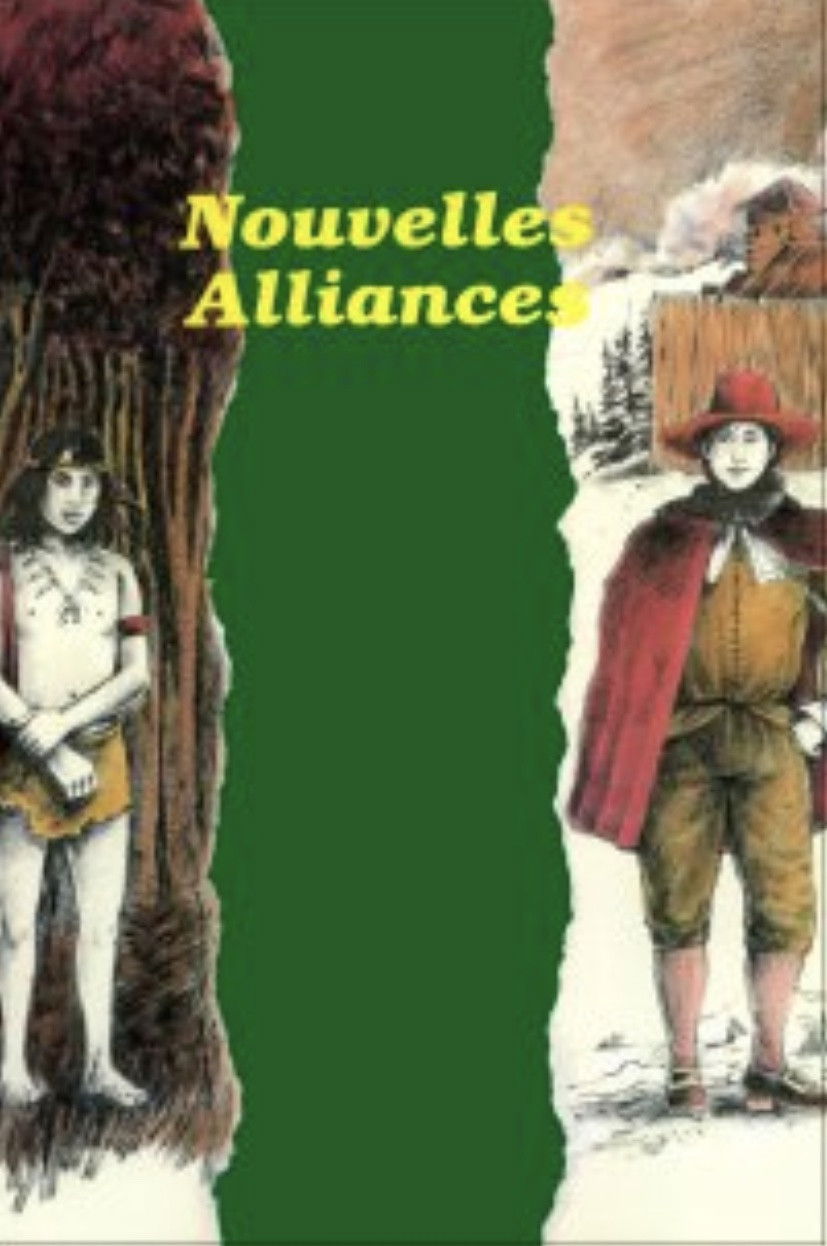
The dramatic story of two youths--one French and one Indigenous--who share a pivotal time in Canada's history: the first contact between European and First Nations peoples.
Social & External
The people behind it
Jason Nicholas
Andashee
James Antone
Ochasteguin
Robert Spence
Iroquet
Emily Nicholas
Grandmother
Gérald Cormier
Charles de Biencourt de Saint-Just
Jean Douglas Comeau
Jean de Biencourt de Poutrincourt et de Saint-Just
Wayne Melaçon
Samuel de Champlain
Richard McEwen
Membertou
Kennetch Charlette
Andashee (voice)
Phil Comeau
Biencourt (voice)
A film about fireworks, the people who make them and the cultures behind them across the globe.
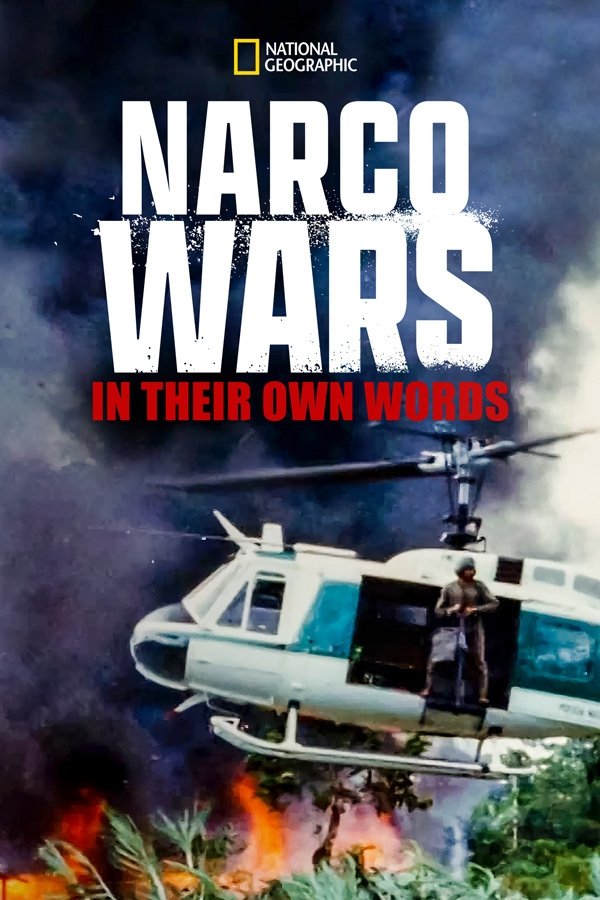
Narco Wars: In Their Own Words presents the inside story of how DEA agents and the Colombian National Police brought down the most vicious drug cartel in the world. This program combines never-before-broadcast recordings with rare archival footage, photos and interpretive re-enactments to tell the story of how Pablo Escobar’s massive billion-dollar drug empire was taken out.
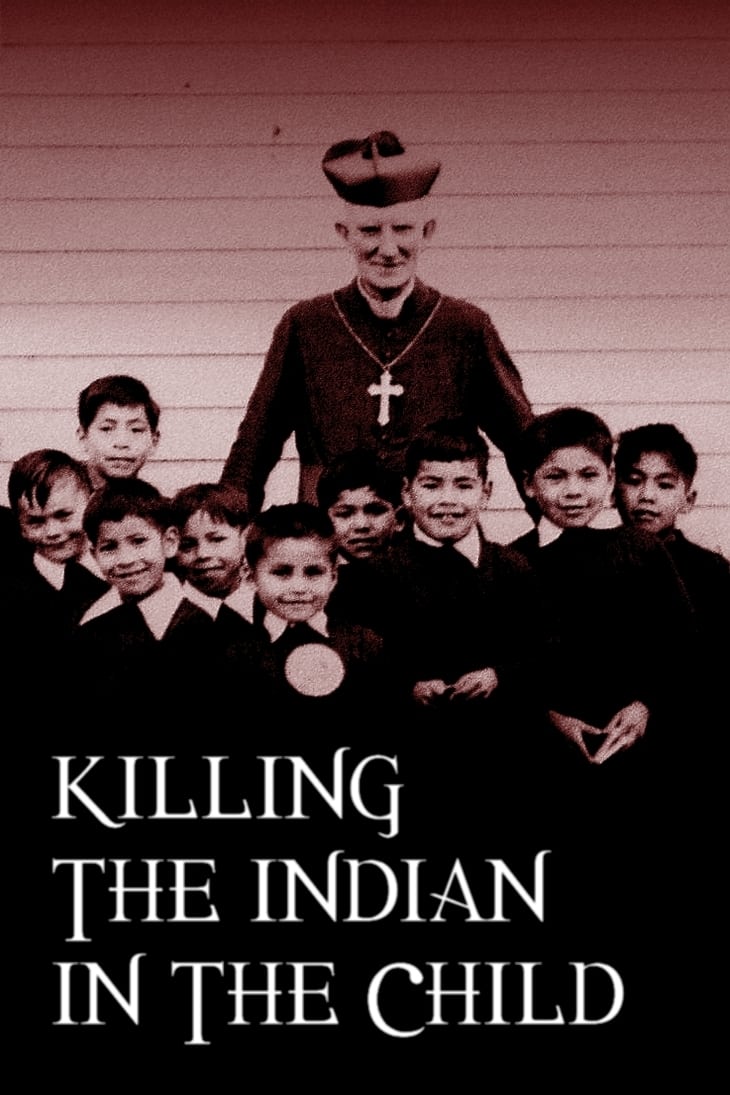
The Indian Act, passed in Canada in 1876, made members of Aboriginal peoples second-class citizens, separated from the white population: nomadic for centuries, they were moved to reservations to control their behavior and resources; and thousands of their youngest members were separated from their families to be Christianized: a cultural genocide that still resonates in Canadian society today.
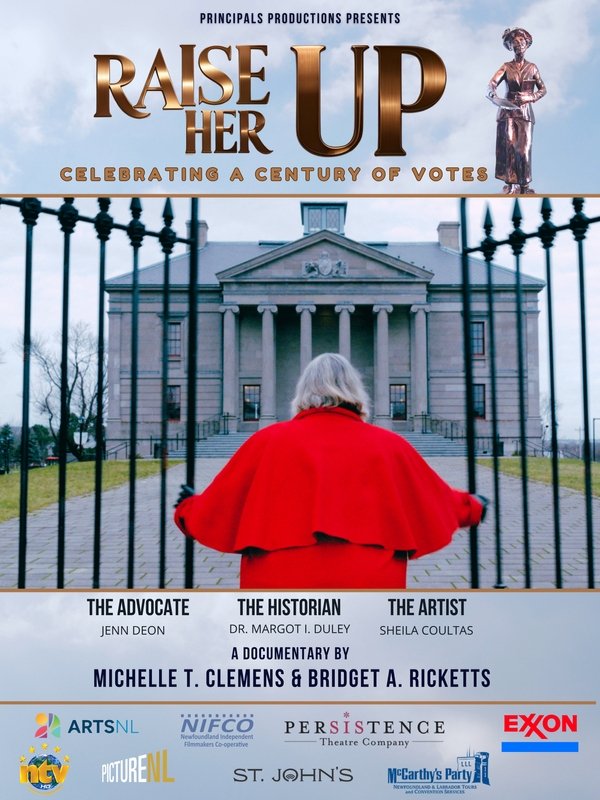
Raise Her Up follows the historian, advocate, and artist creating a statue of Armine Gosling, marking 100 years of womens suffrage in Newfoundland.
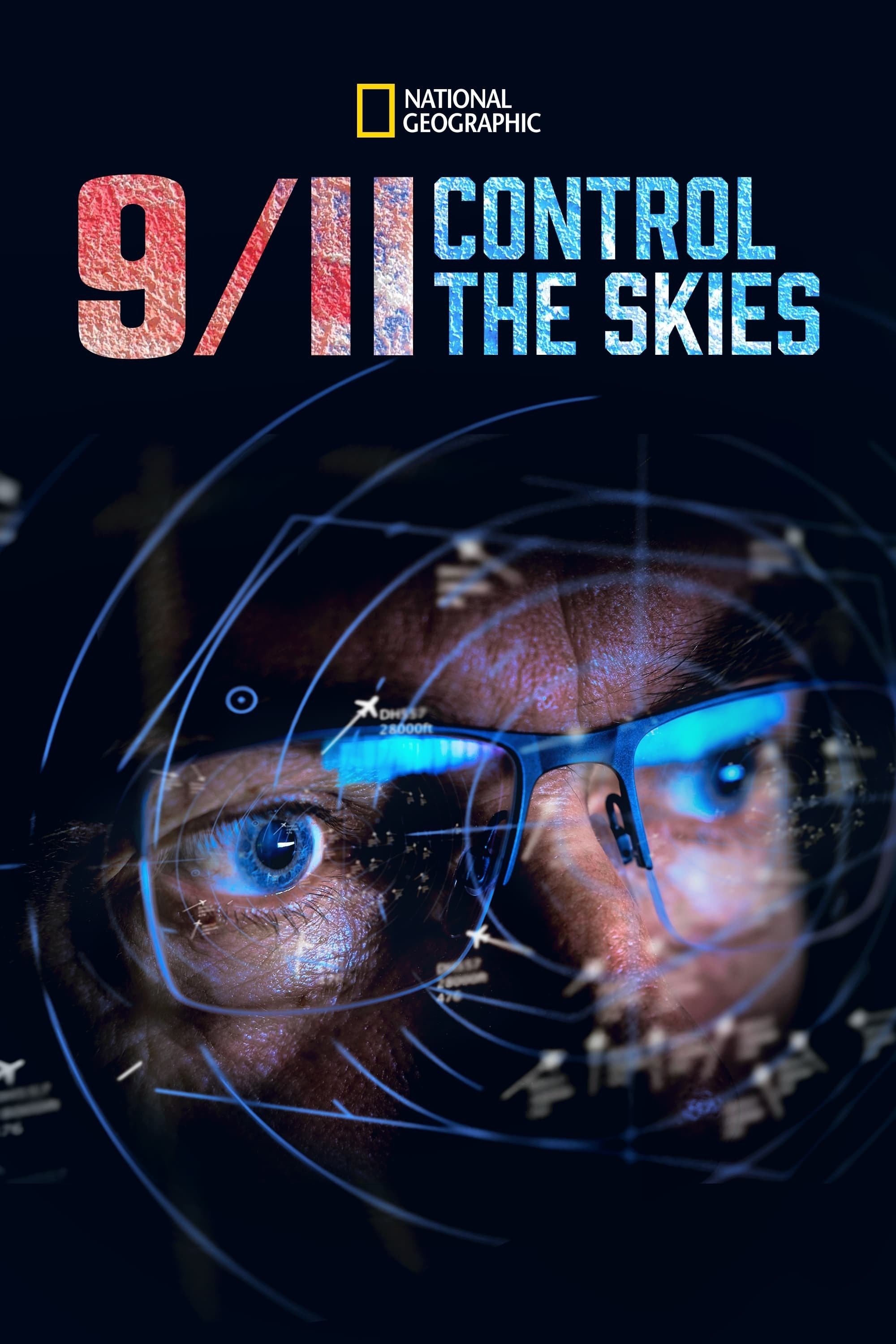
On September 11, 2001, the unimaginable transpired when devastating attacks on the World Trade Center forced the shutdown of the entire U.S. airspace. Thousands of kilometres away in Gander, Newfoundland, a group of Nav Canada air traffic controllers suddenly had the lives of 33,000 people in their hands and had to think fast to find a place for them to go. Discovery uncovers how these unsung heroes managed to safely land 224 planes in four hours, without incident.
In 1695, a family of slaves organize a rebellion to flee in search of the utopian Quilombo dos Palmares following a call from the spiritual helm. The group travels a risky path to find the quilombo at the height of a great war. But the war is not the end.
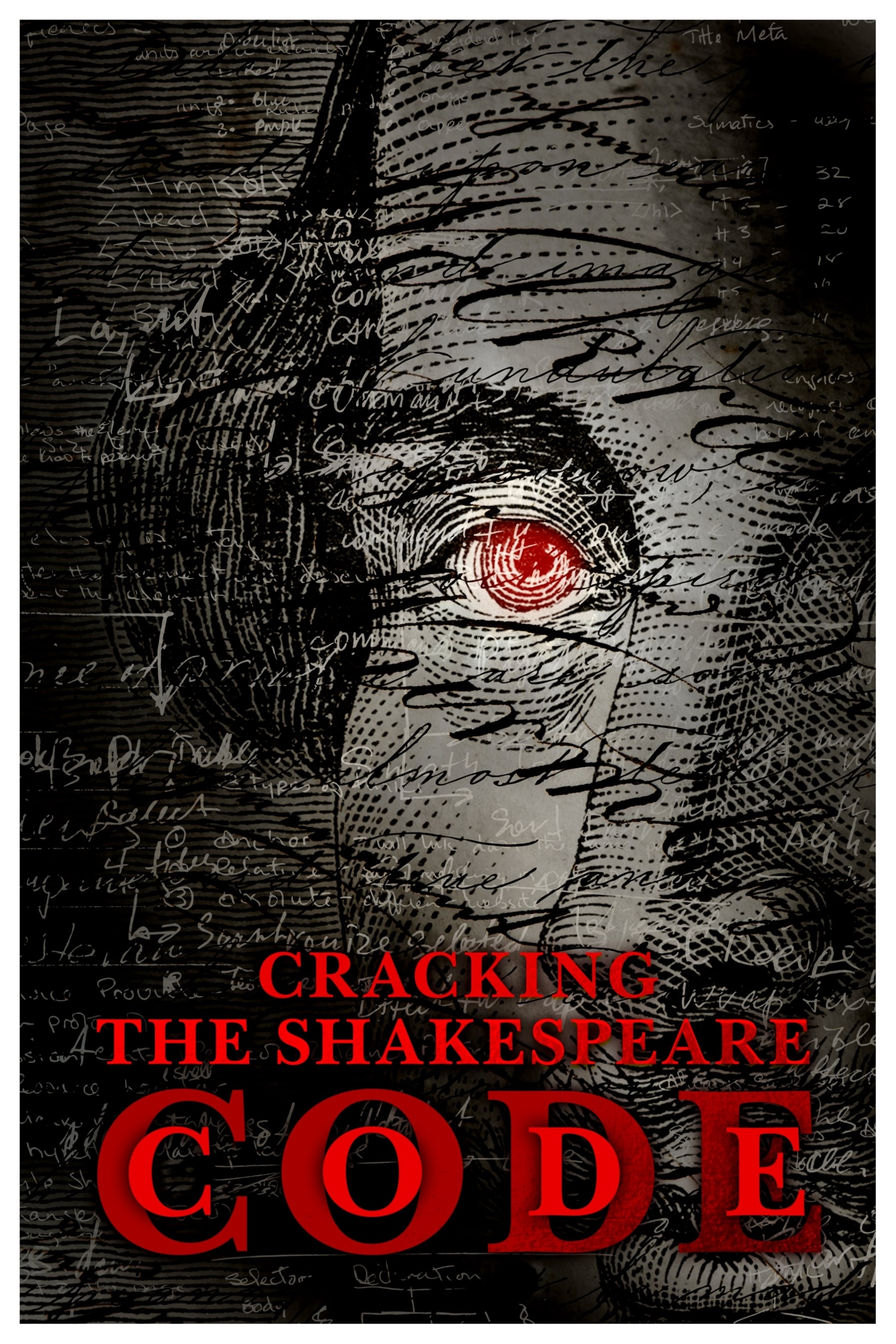
Norwegian researcher Petter Amundsen claims to have deciphered a secret code hidden in legendary playwright William Shakespeare's works that reveals a map leading to the location of certain treasures. British Shakespearean scholar Robert Crumpton embarks on a mission to prove he is spectacularly wrong. (A remake of “Shakespeare: The Hidden Truth,” including new discoveries.)
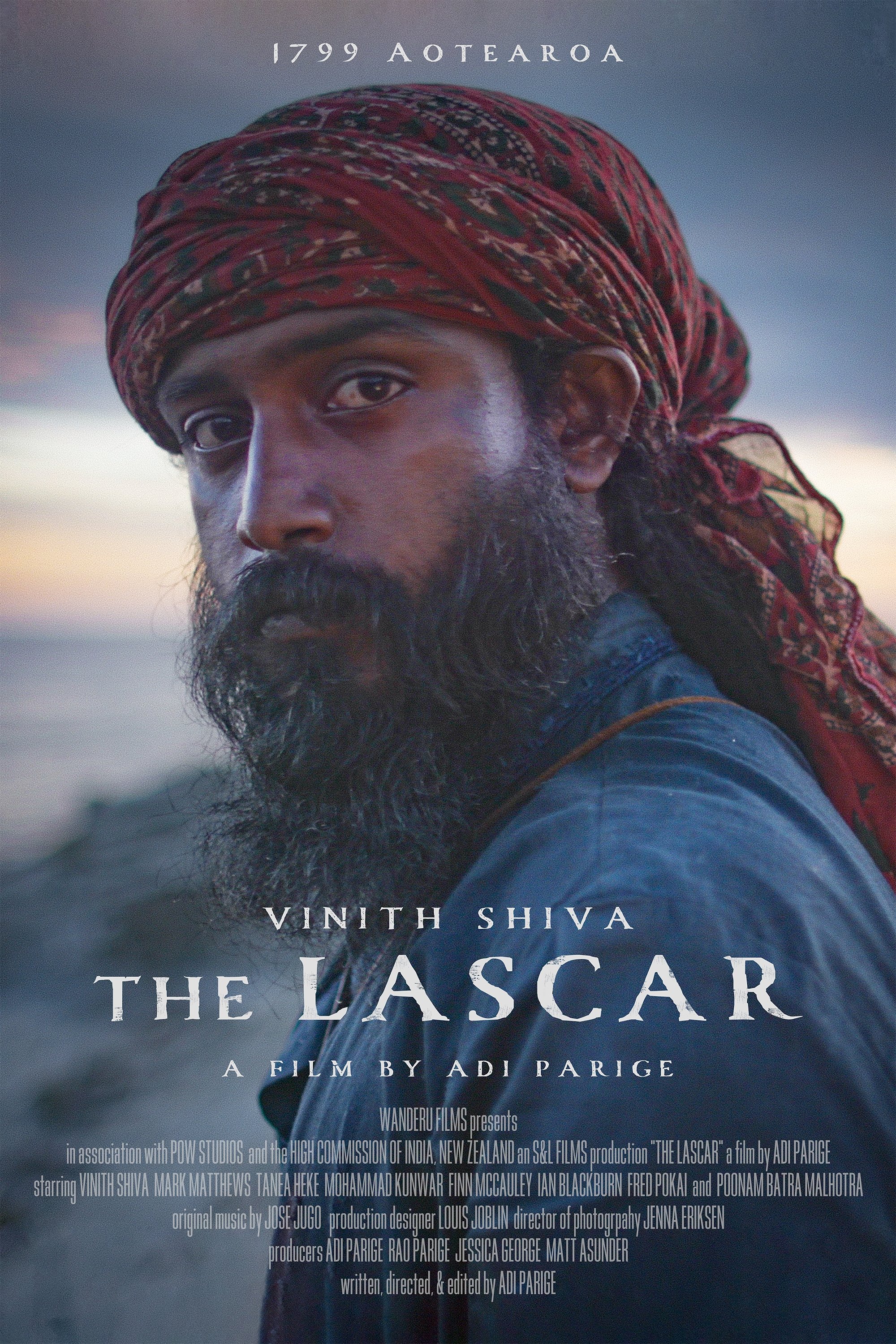
At the end of the 18th century, hundreds of Indian sailors, known as lascars, worked amongst European settlers in Aotearoa New Zealand - often under the gruesome working conditions of seal hunting gangs. The story follows a lascar, Dasa, who has been abandoned on the coast of Aotearoa NZ by the East India Company, alongside his sealing gang. When Dasa finds himself in the middle of a conflict between his abusive British superior and two Māori traders, he is faced with a choice: bend the knee or take a stand.
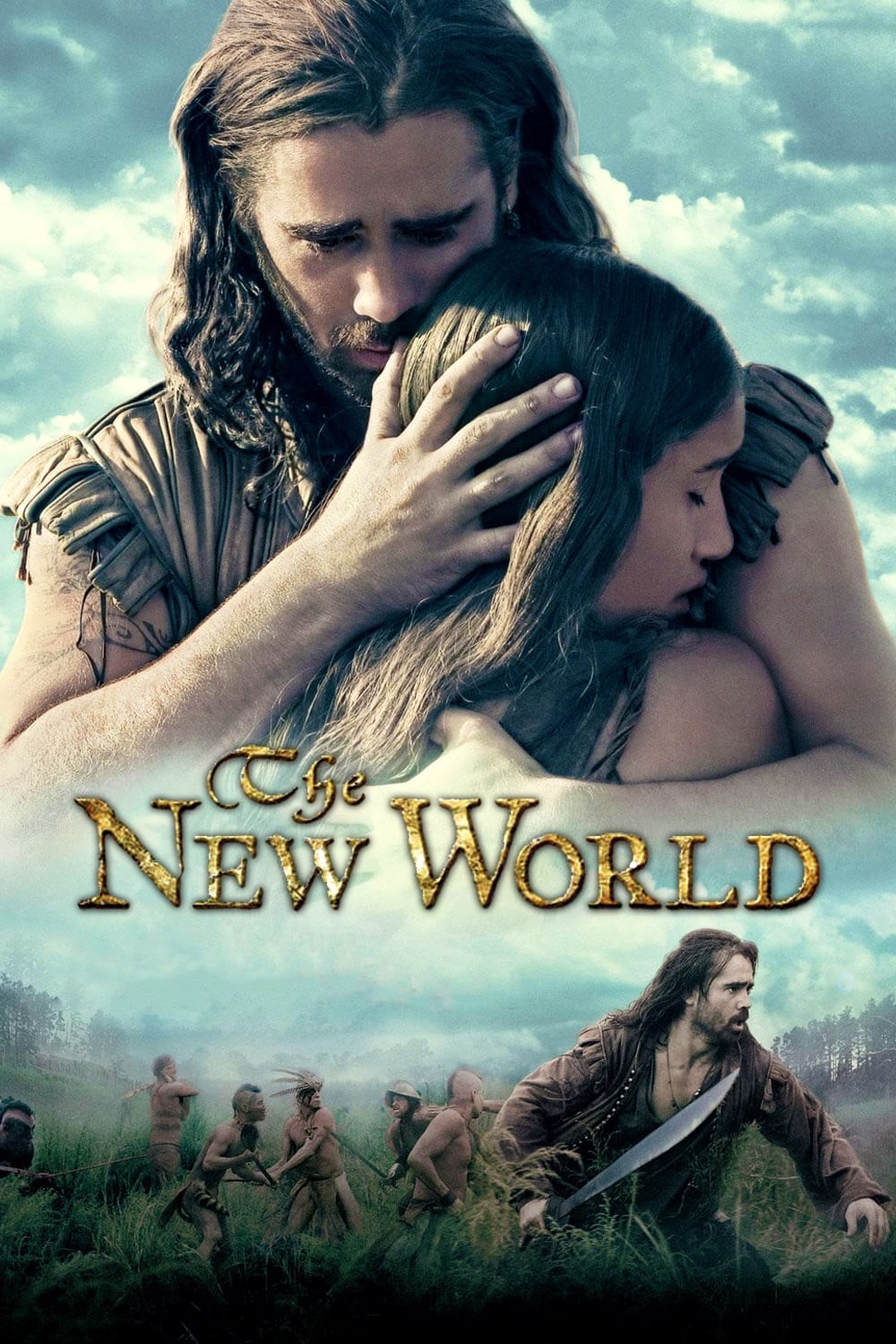
A drama about explorer John Smith and the clash between Native Americans and English settlers in the 17th century.
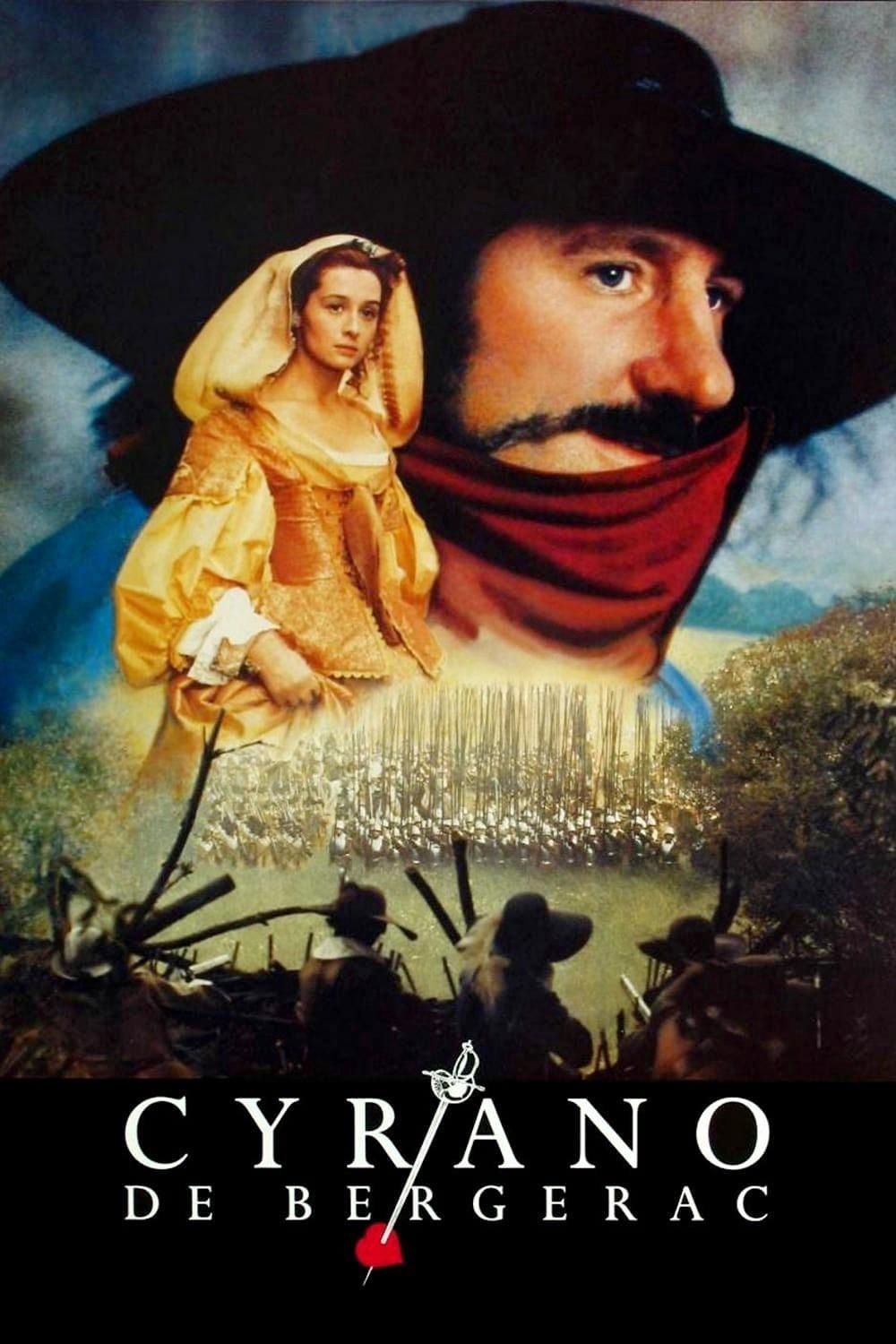
Famed swordsman and poet Cyrano de Bergerac is in love with his cousin Roxane. He has never expressed his love for her as he his large nose undermines his self-confidence. Then he finds a way to express his love to her, indirectly.
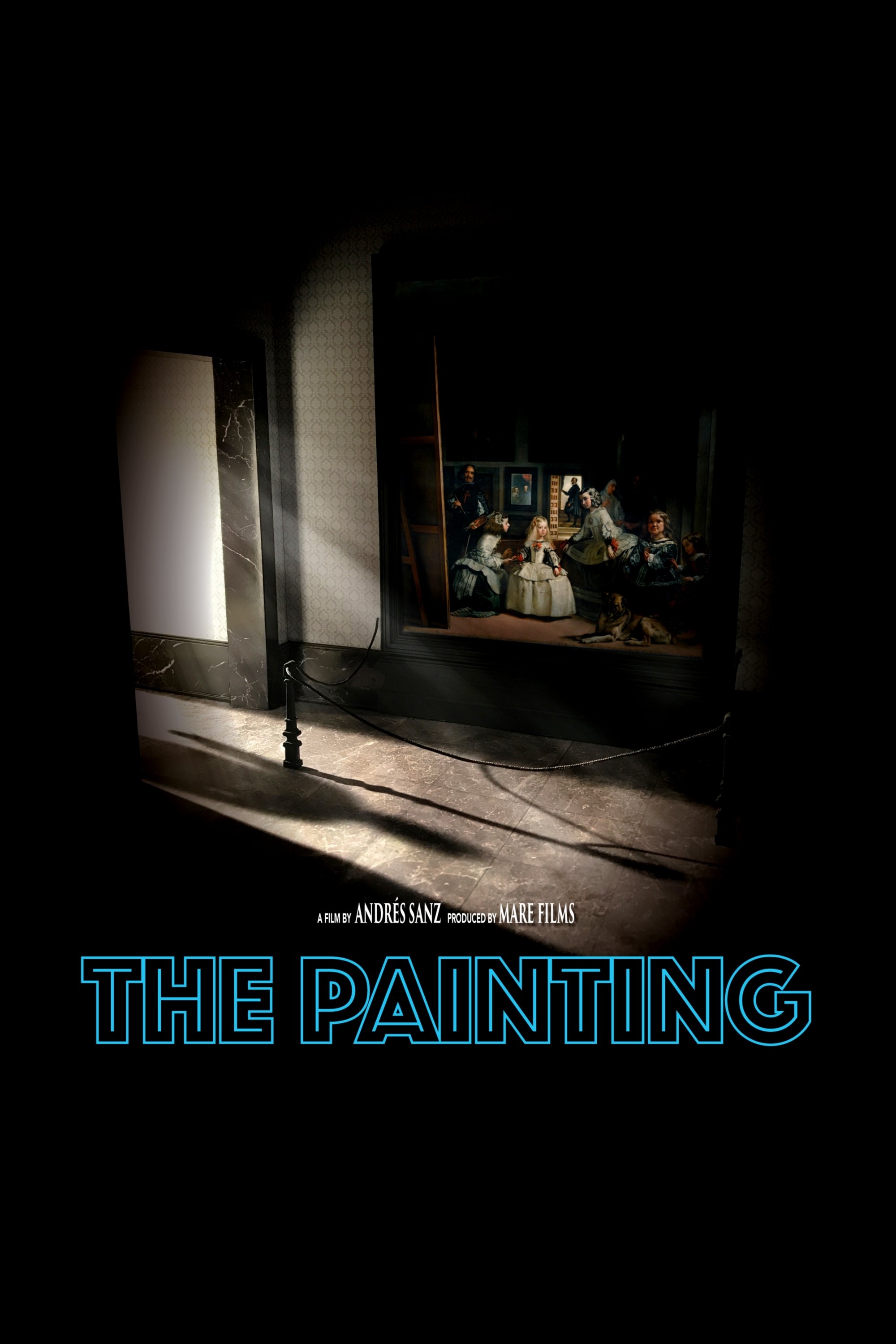
For three and a half centuries, from the same day that Diego Velázquez (1599-1660) applied his last brushstroke to the canvas, the enigma of “Las meninas, o La familia de Felipe IV” (1656) has not been deciphered. The secret story of a painting unveiled as if it was the resolution of a perfect crime.
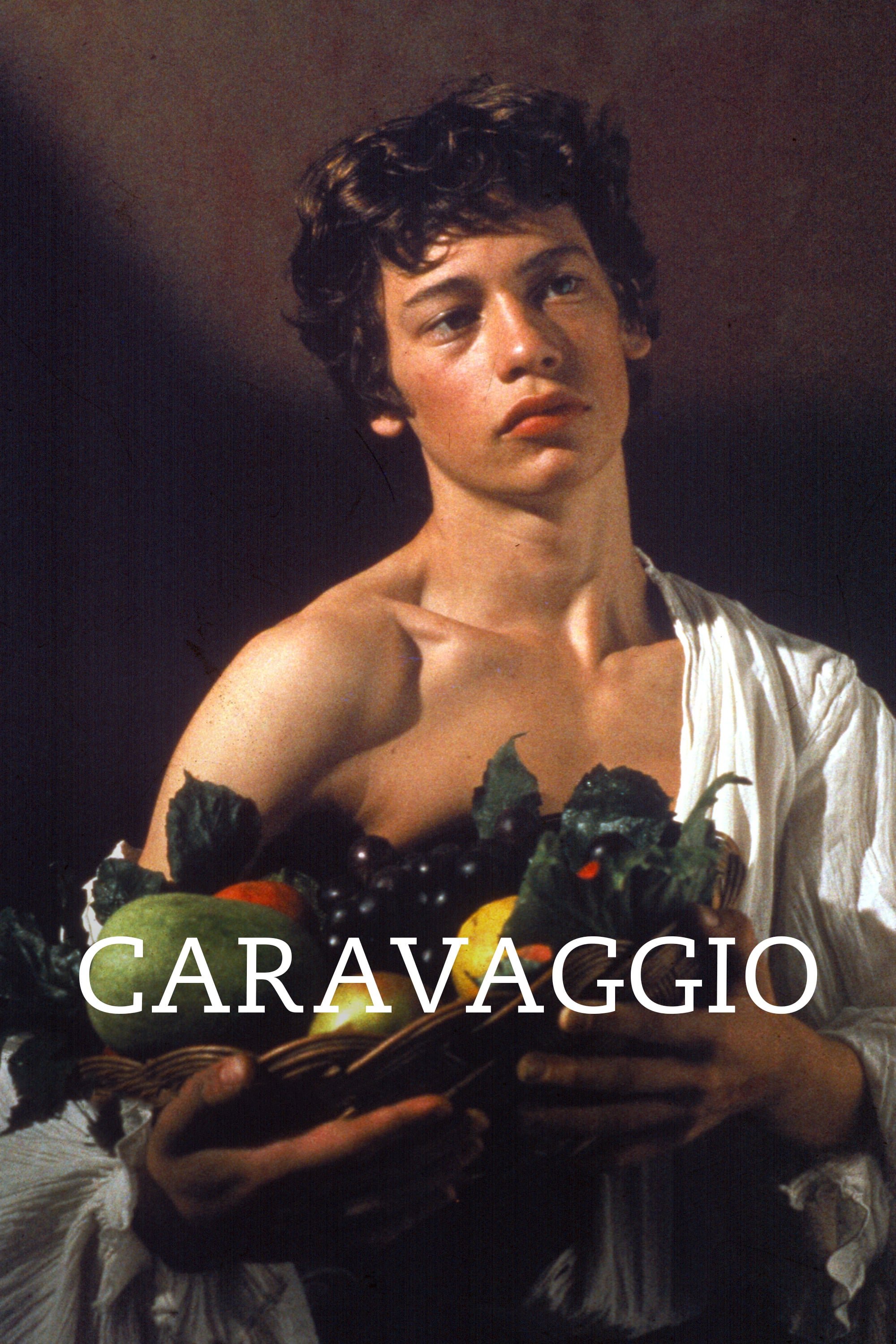
A retelling of the life of the celebrated 17th-century Baroque painter Michelangelo Merisi da Caravaggio through his brilliant, nearly blasphemous paintings and his flirtations with the underworld.
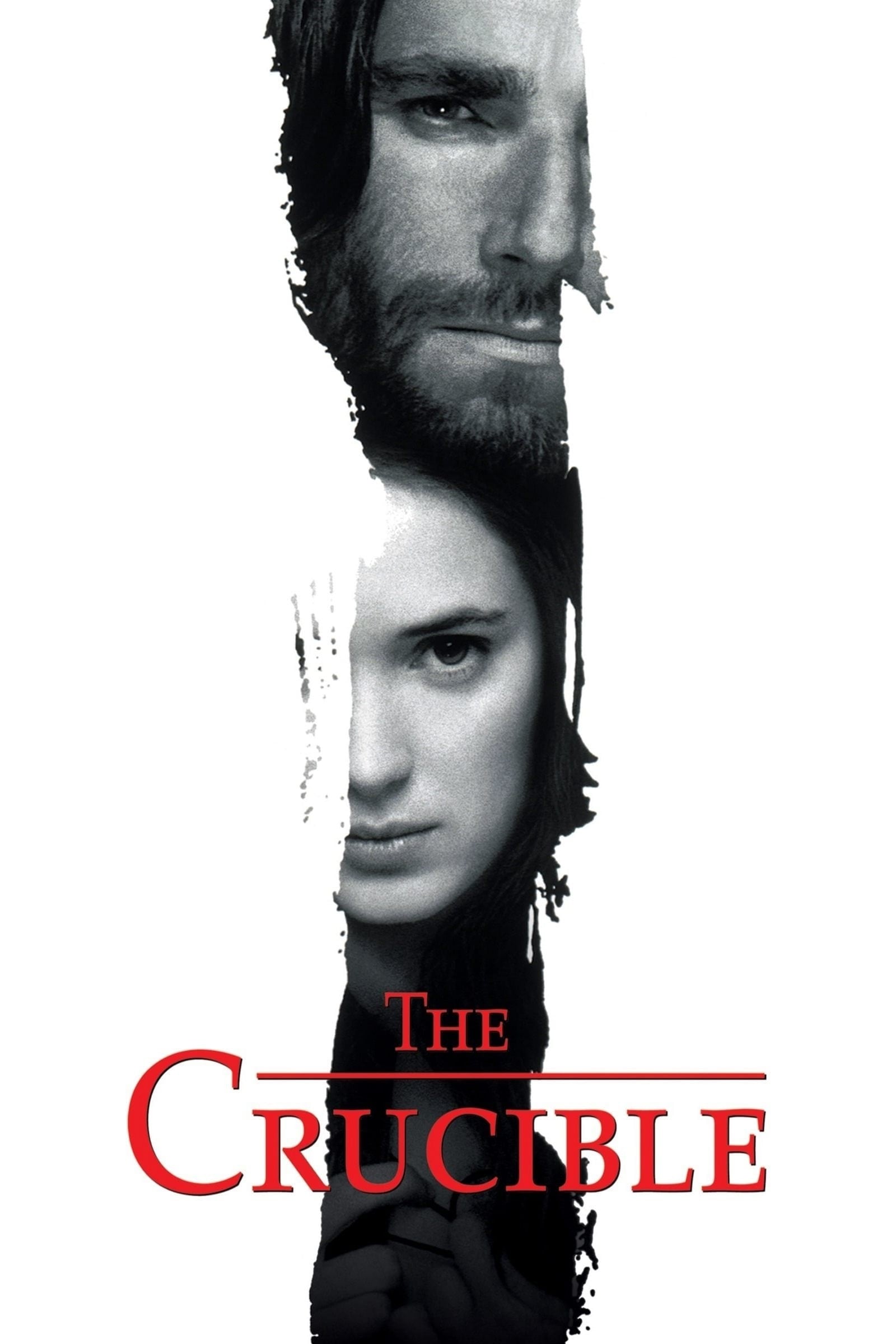
A Salem resident attempts to frame her ex-lover's wife for being a witch in the middle of the 1692 witchcraft trials.
The injustice of the Japanese internment is explored through the story of Kyuichi Nomoto, one of the first Japanese Canadians to graduate from UBC, who suffered a breakdown deep in the BC Interior.
Two thousand Canadians suffered the longest incarceration anywhere in the Second World War, a bitter four-year period inside Japanese POW camps in Hong Kong and Japan.
Ajit Singh, Jujhar Singh, Zorawar Singh, and Fateh Singh, the four sons of Sikh Guru Gobind Singh Ji, sacrifice their lives in an important battle against the Mughals.
The czar of Russia has died and a power vacuum has developed. This period in the late 16th and early 17th century has been called "The Time of Troubles." There are many impostors who claim to the right to rule, but there's only one heir, the Czarina Kseniya Godunova. She has married a Polish military leader who wants to claim the Russian throne in her name so he can rule all of Russia. As the Poles move in on Moscow in an attempt to install the czarina on the throne, Andrei, a serf with a life-long infatuation of the czarina attempts to save her from her brutal Polish husband.
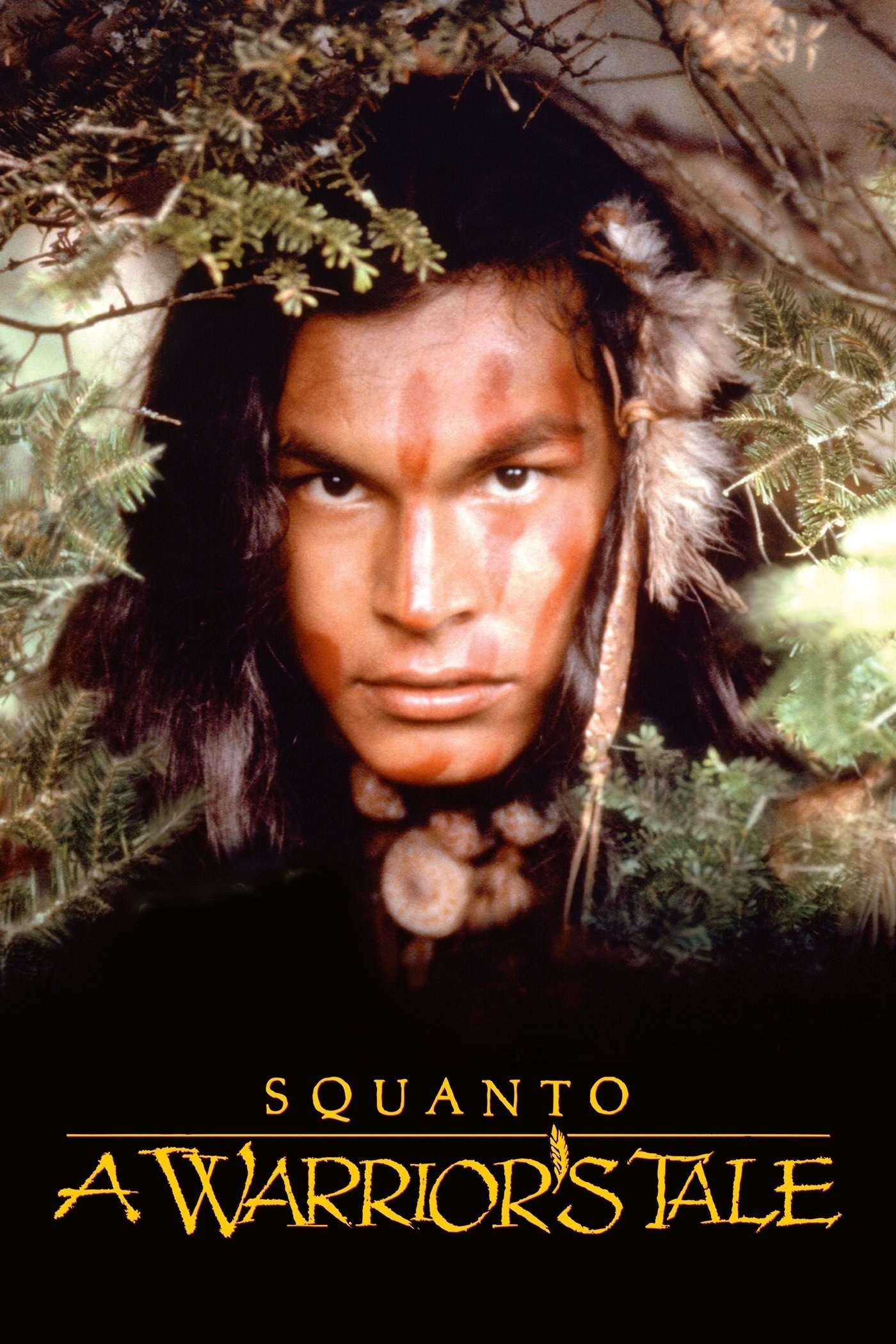
It's the 17th century, and Native American Squanto roams free in the New World until he's captured by visiting sailors who take him back to England. Monk Brother Daniel teaches him social customs, but other Englishmen aren't as kind. Squanto becomes the unwilling star of performances that highlight his fighting skills, but he eventually engineers a return trip to America. He finds that his home has changed forever, and he must chart a new path for his people.
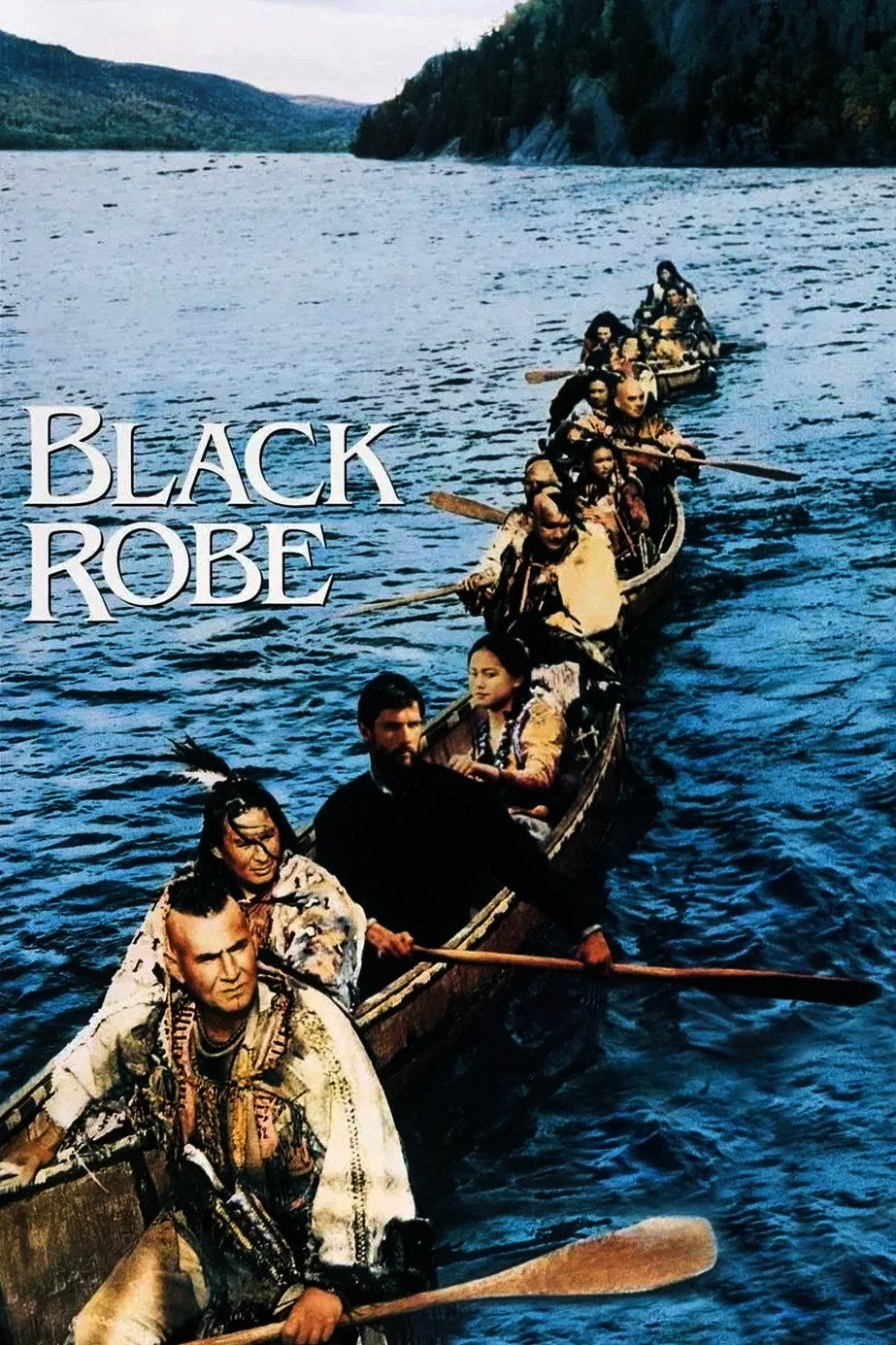
Missionary Father LaForgue travels to the New World in hopes of converting Algonquin Indians to Catholicism. Accepted, though warily, by the Indians, LaForgue travels with the Indians using his strict Catholic rules and ideals to try and impose his religion.
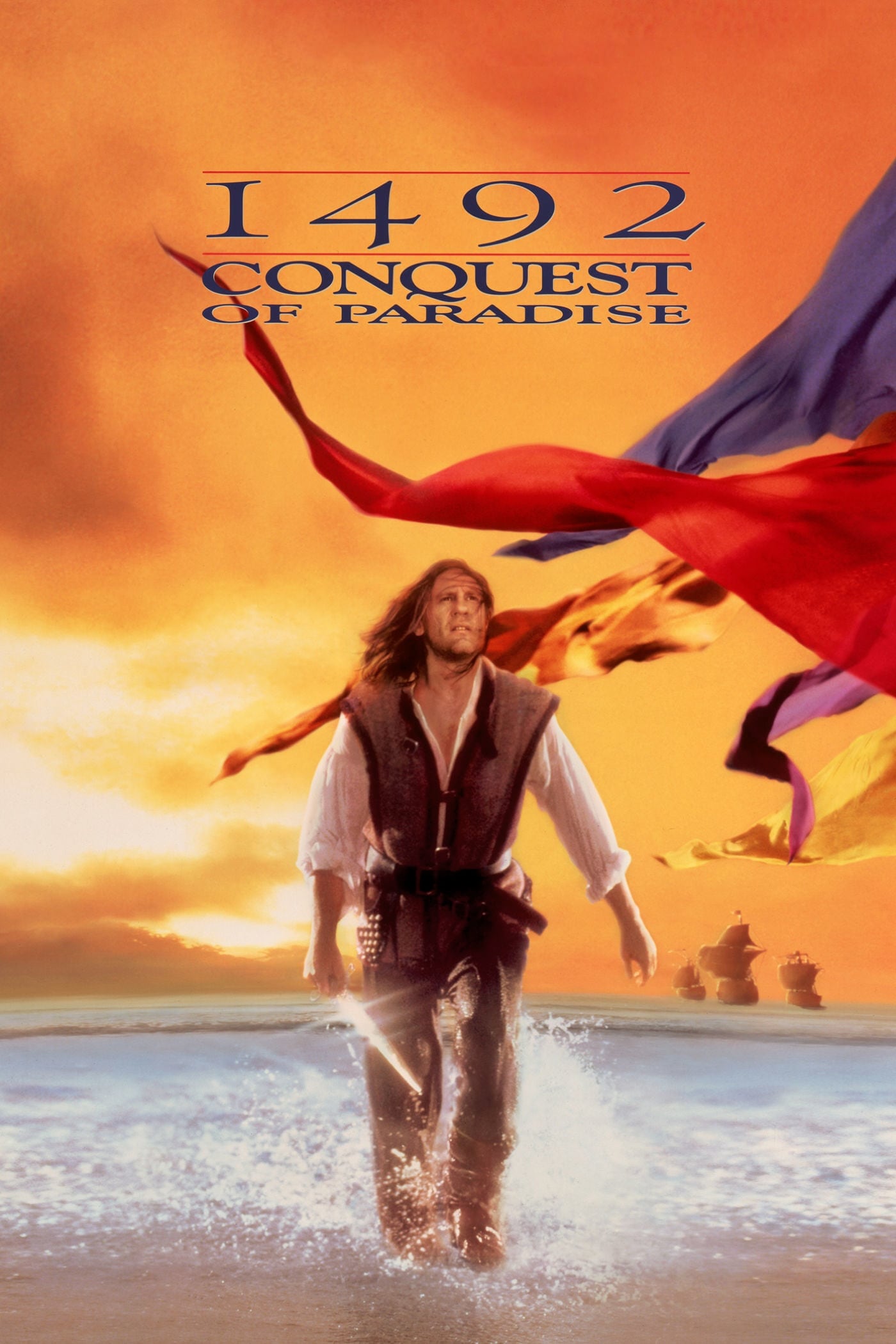
1492: Conquest of Paradise depicts Christopher Columbus’ discovery of The New World and his effect on the indigenous people.
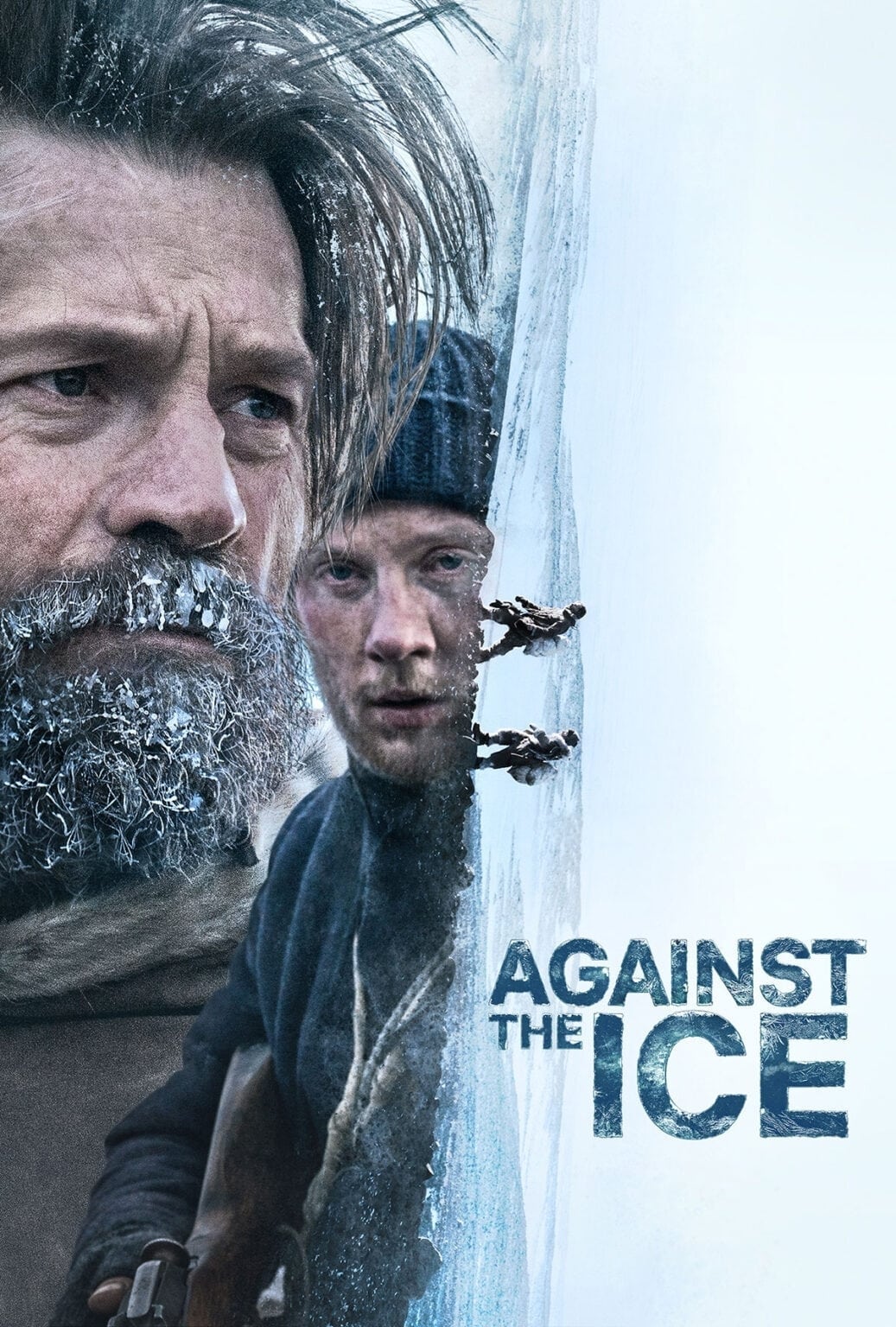
In 1909, two explorers fight to survive after they're left behind while on a Danish expedition in ice-covered Greenland.
England, 1763. After being convicted of a crime, the young and beautiful Abigail Hale agrees, to escape the gallows, to serve fourteen years as a slave in the colony of Virginia, whose inhabitants begin to hear and fear the sinister song of the threatening drums of war that resound in the wild Ohio valley.
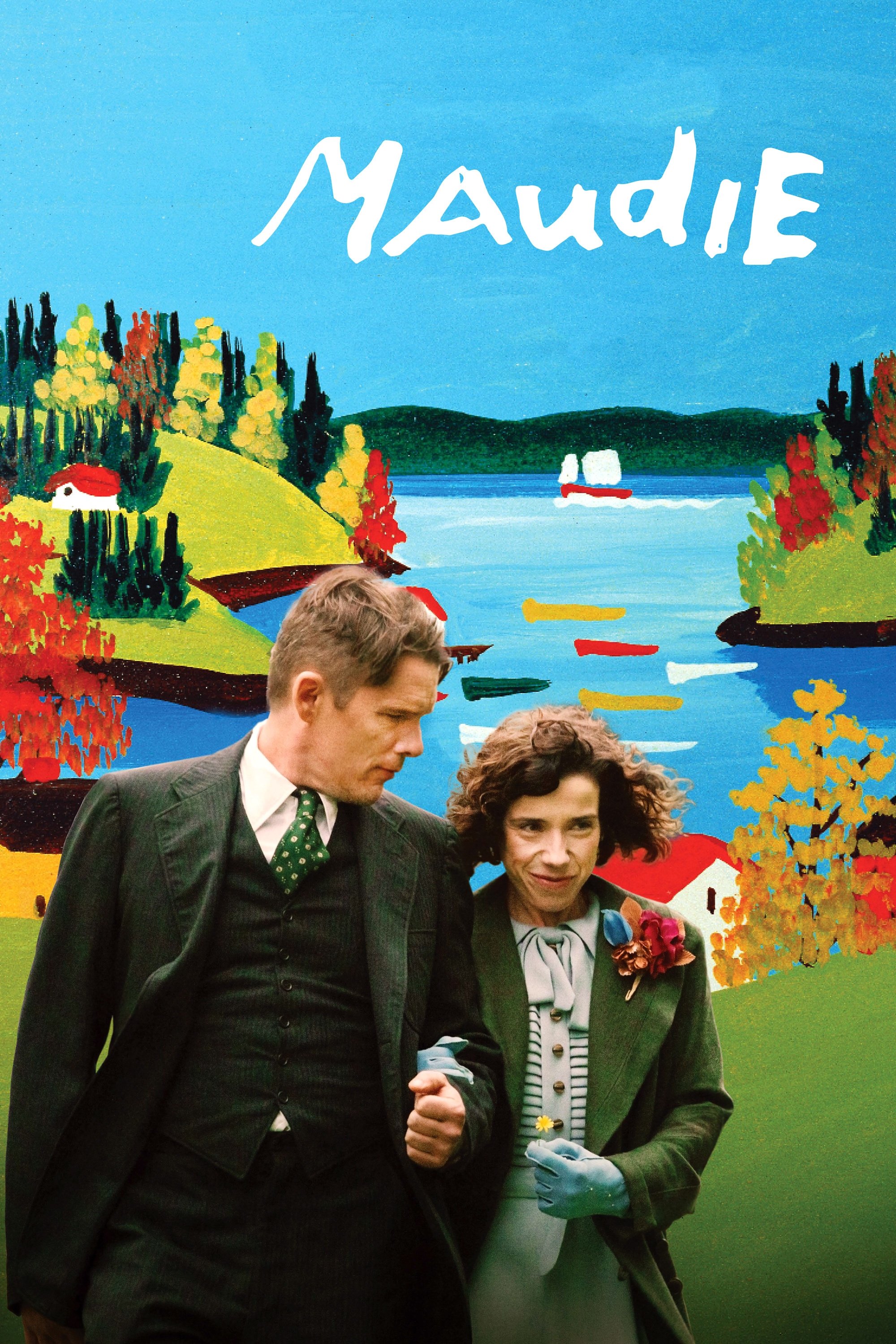
Canadian folk artist Maud Lewis falls in love with a fishmonger while working for him as a live-in housekeeper.
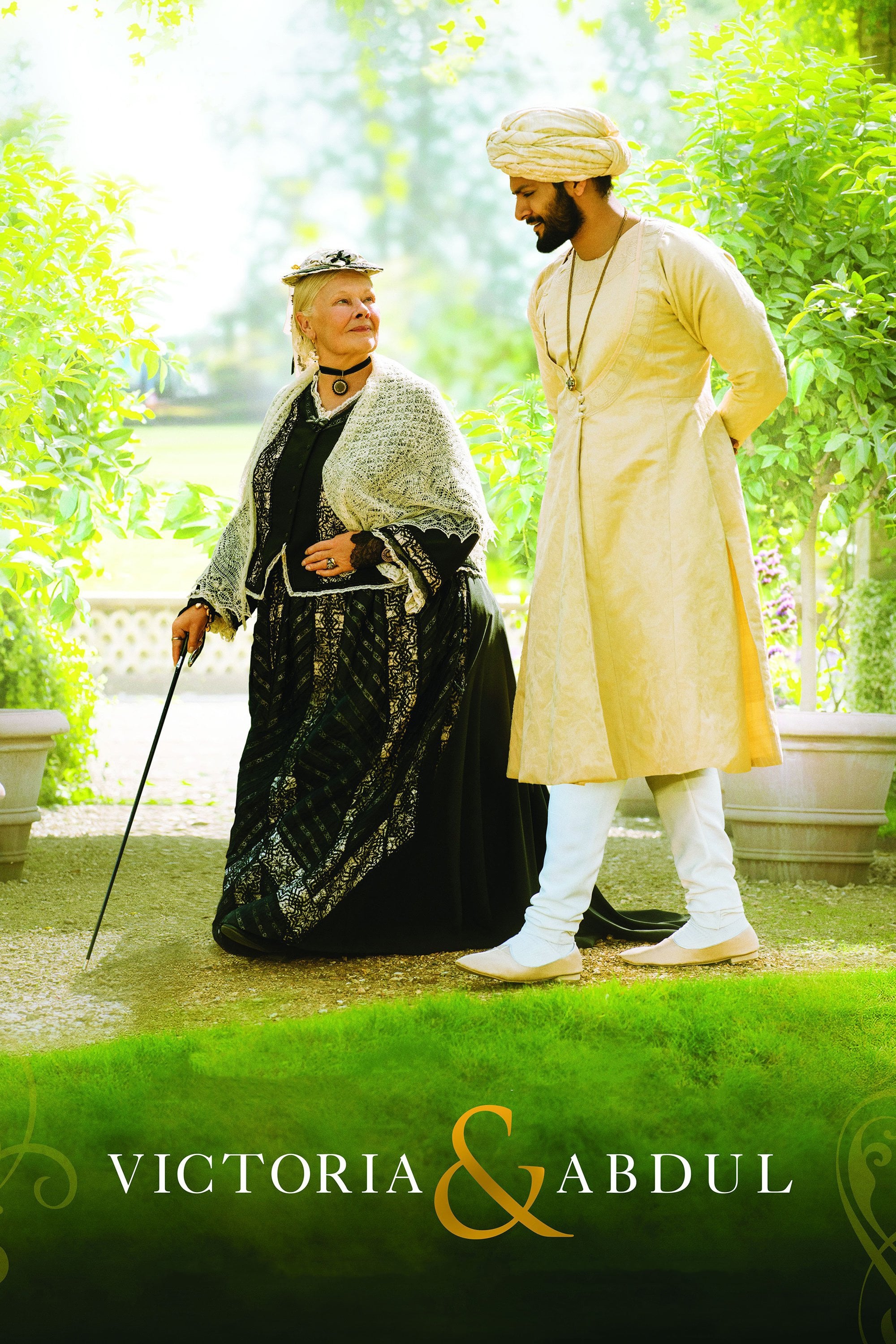
Queen Victoria strikes up an unlikely friendship with a young Indian clerk named Abdul Karim.
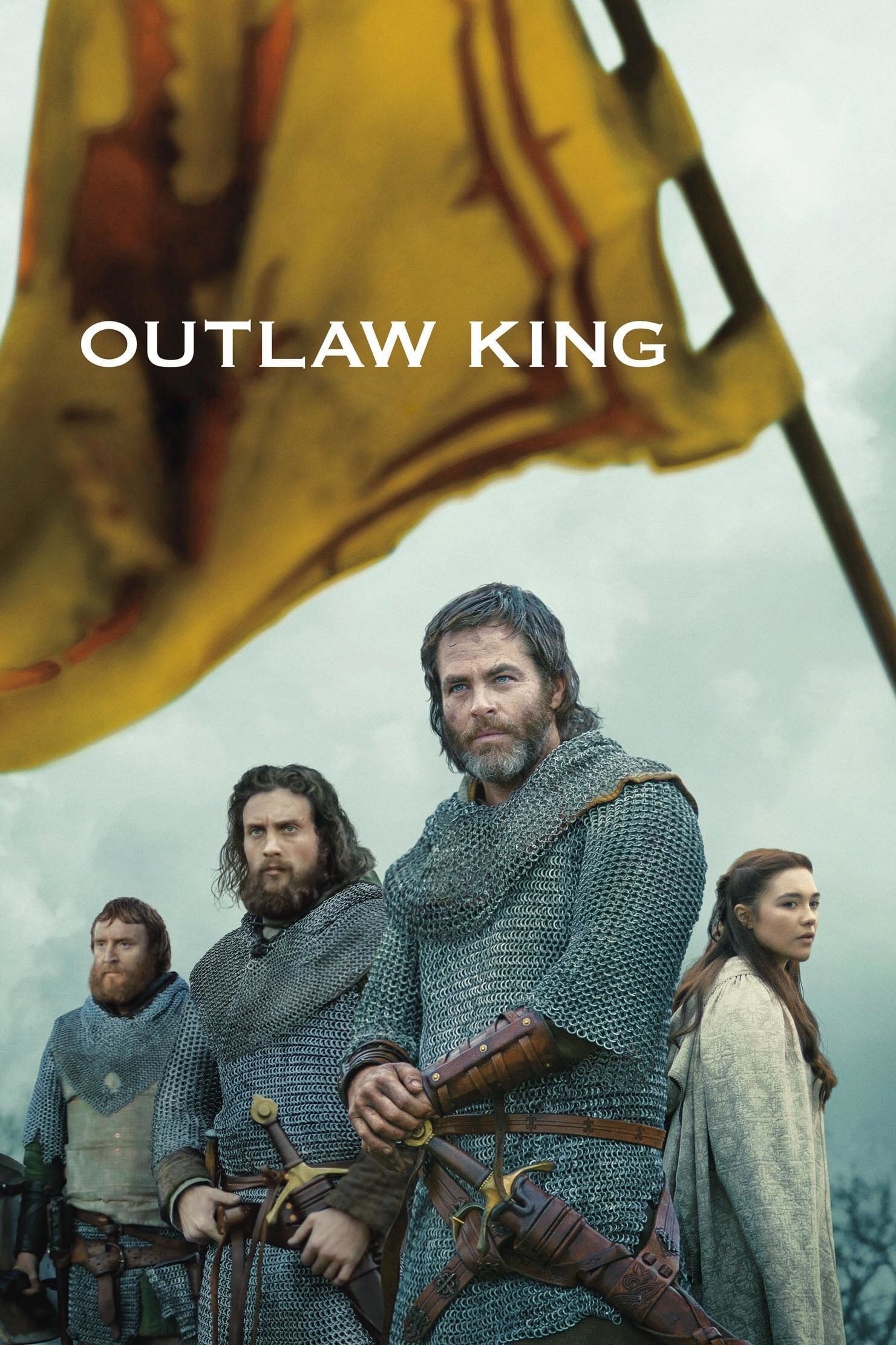
Forced into exile by the English after being crowned King of Scotland, legendary warrior Robert the Bruce fights to reclaim the throne.
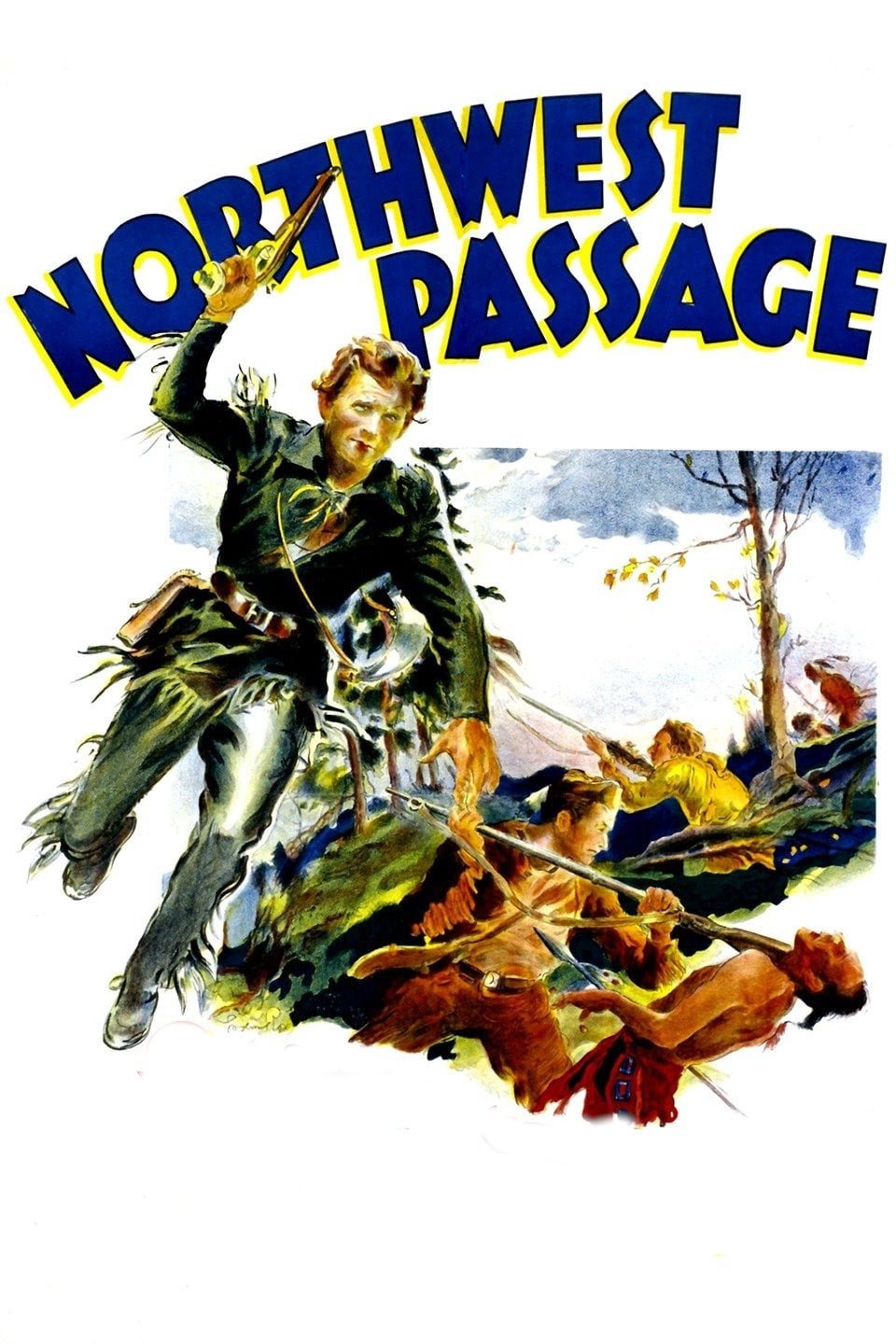
Based on the Kenneth Roberts novel of the same name, this film tells the story of two friends who join Rogers' Rangers, as the legendary elite force engages the enemy during the French and Indian War. The film focuses on their famous raid at Fort St. Francis and their marches before and after the battle.
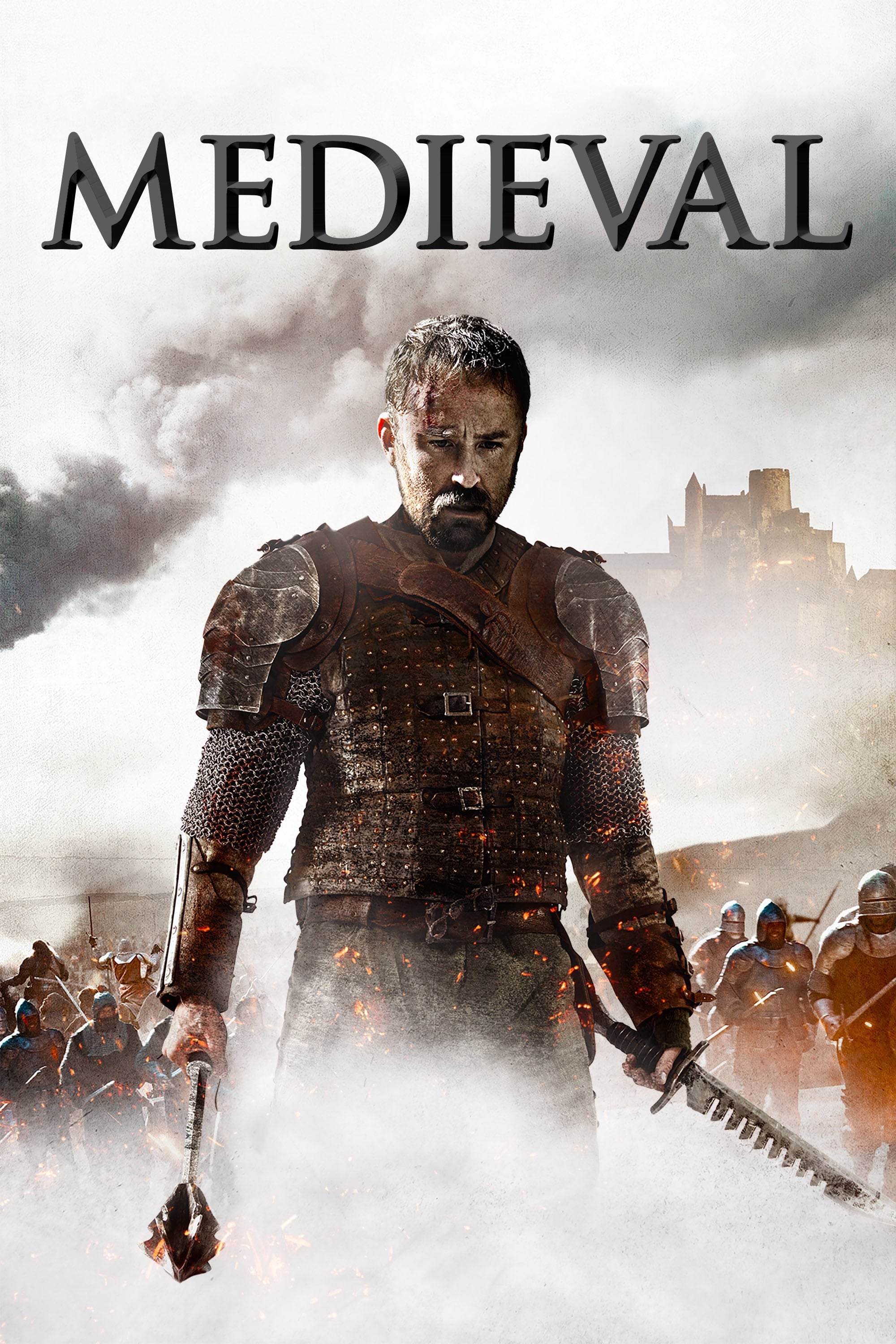
The story of fifteenth century Czech icon and warlord, Jan Zizka, who defeated armies of the Teutonic Order and the Holy Roman Empire.
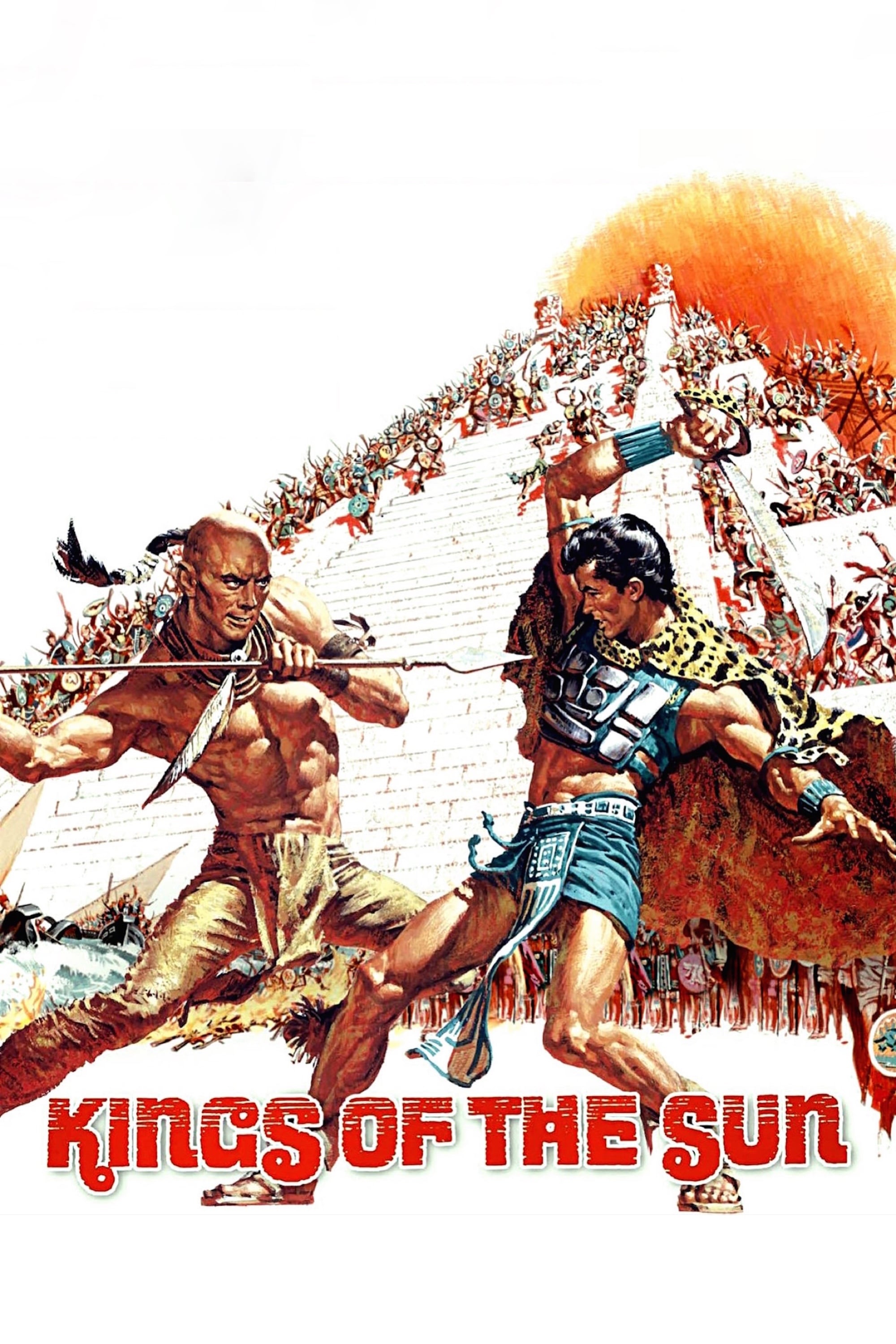
In order to flee from powerful enemies, young Mayan king Balam leads his people north across the Gulf of Mexico to the coast of what will become the United States. They build a home in the new land but come into conflict with a tribe of Native Americans led by their chief, Black Eagle, while both Balam and Black Eagle fall in love the beautiful Mayan princess Ixchel.
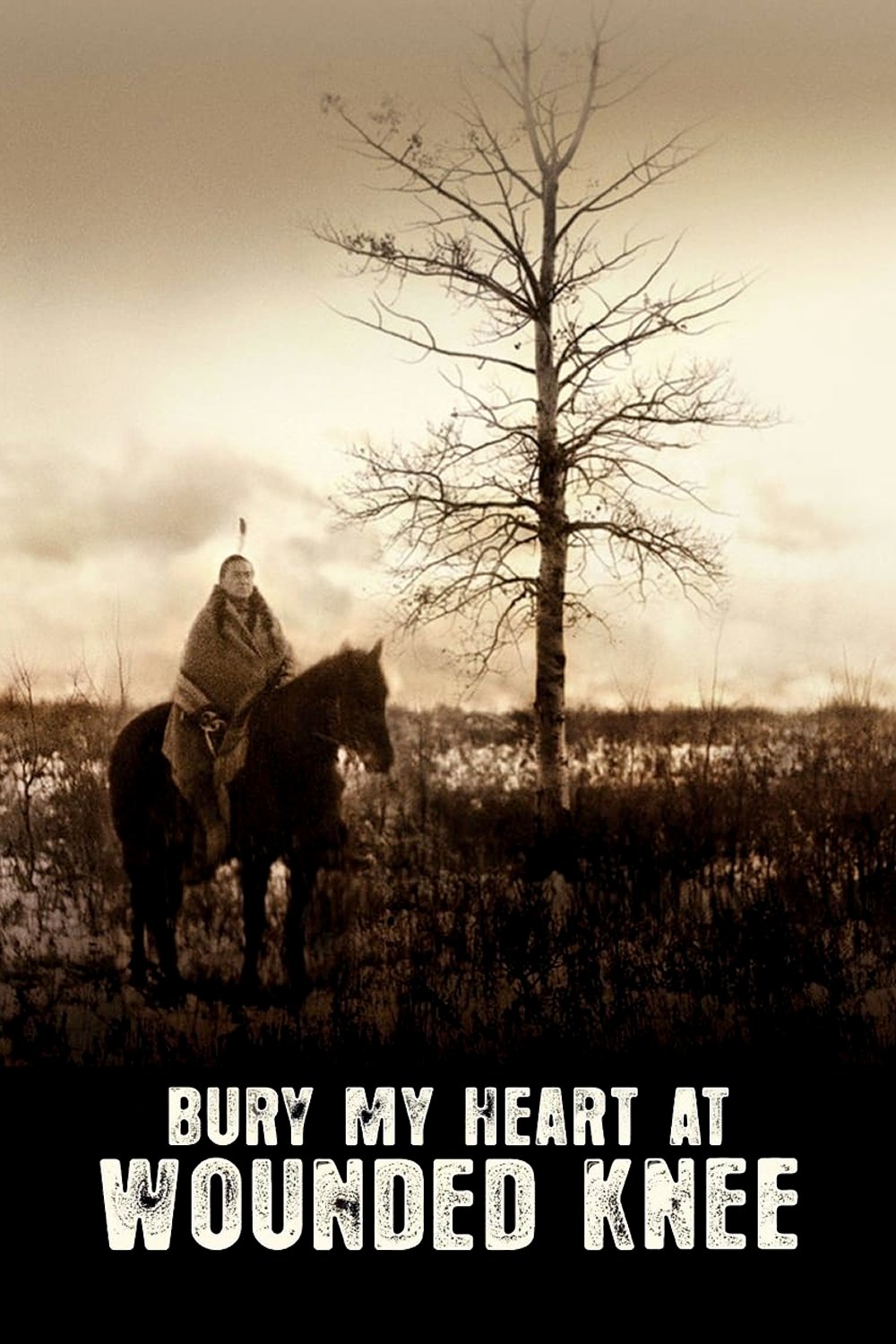
Beginning just after the bloody Sioux victory over General Custer at Little Big Horn, the story is told through two unique perspectives: Charles Eastman, a young, white-educated Sioux doctor held up as living proof of the alleged success of assimilation, and Sitting Bull the proud Lakota chief whose tribe won the American Indians’ last major victory at Little Big Horn.
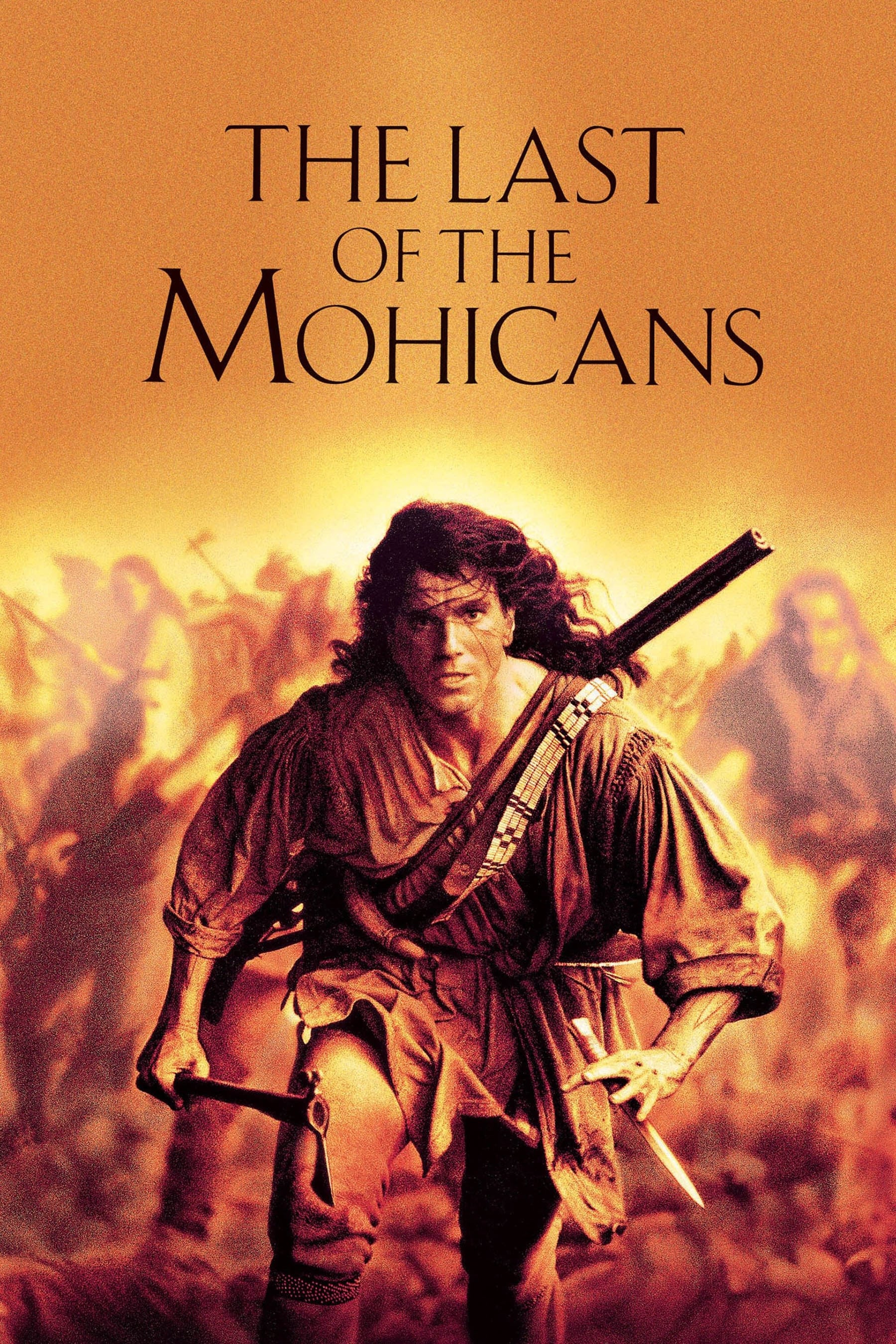
In war-torn colonial America, in the midst of a bloody battle between British, the French and Native American allies, the aristocratic daughter of a British Colonel and her party are captured by a group of Huron warriors. Fortunately, a group of three Mohican trappers comes to their rescue.
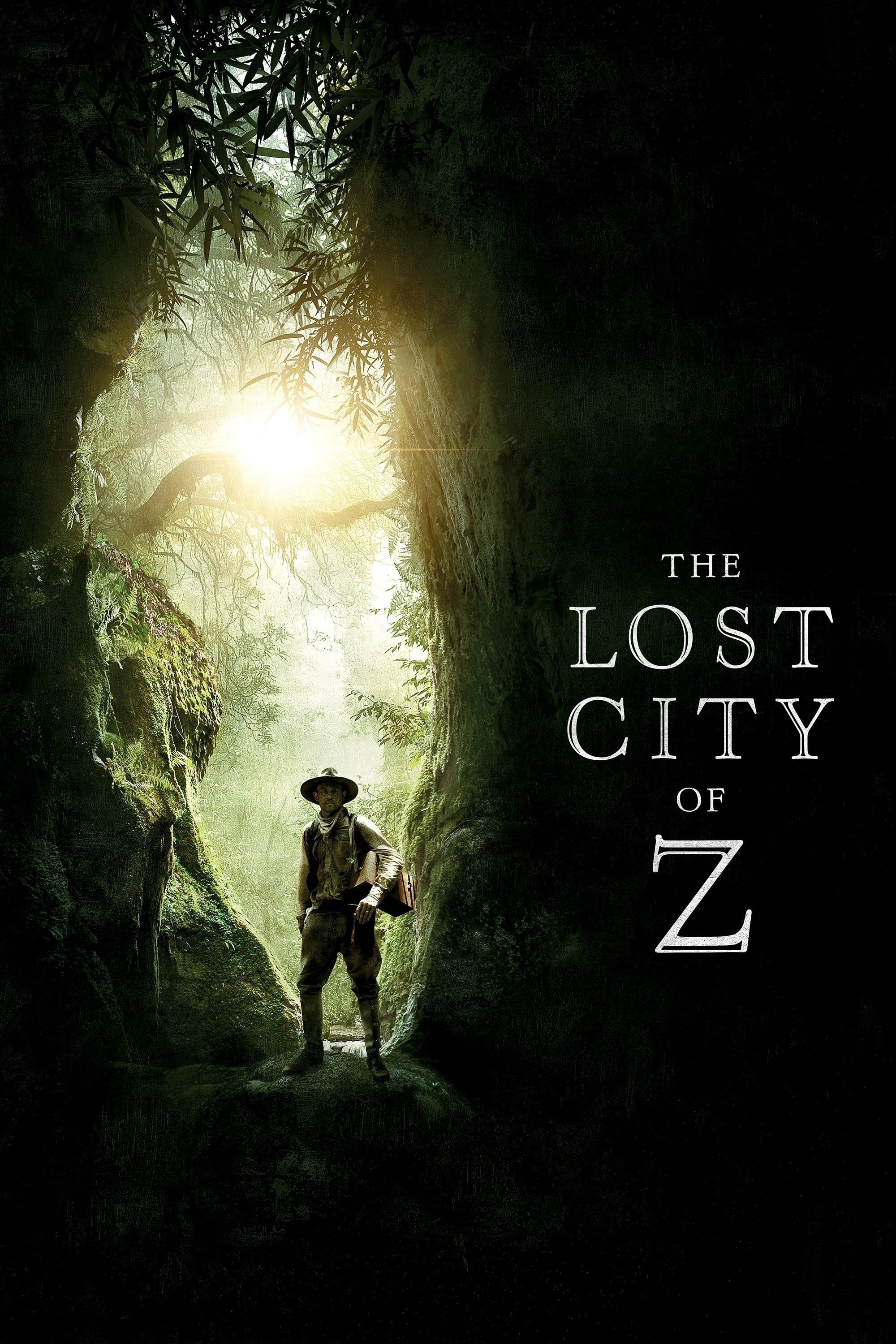
A true-life drama in the 1920s, centering on British explorer Col. Percy Fawcett, who discovered evidence of a previously unknown, advanced civilization in the Amazon and disappeared whilst searching for it.
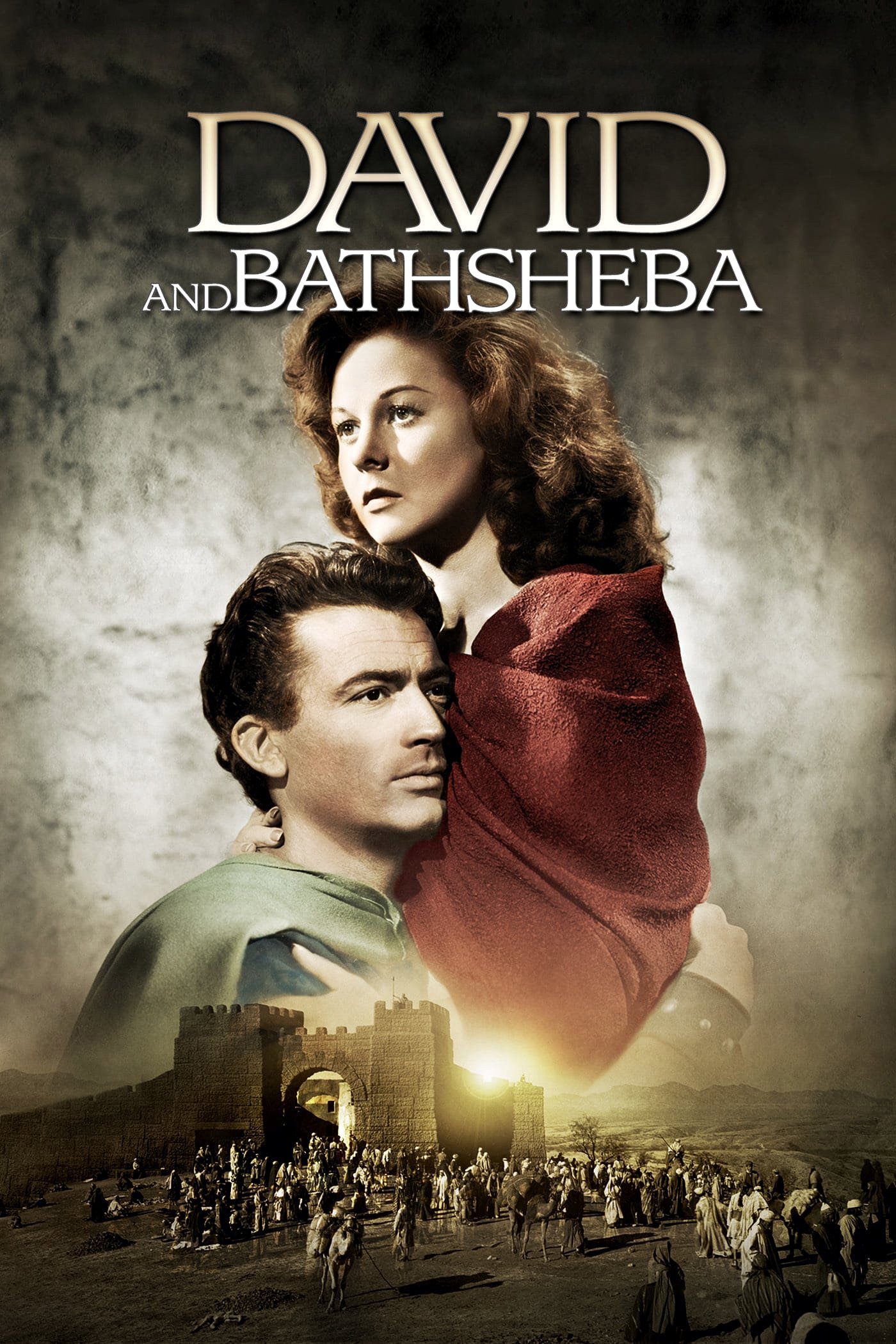
King David enters into an adulterous affair with the beautiful Bathsheba, which has tragic consequences for his family and Israel.
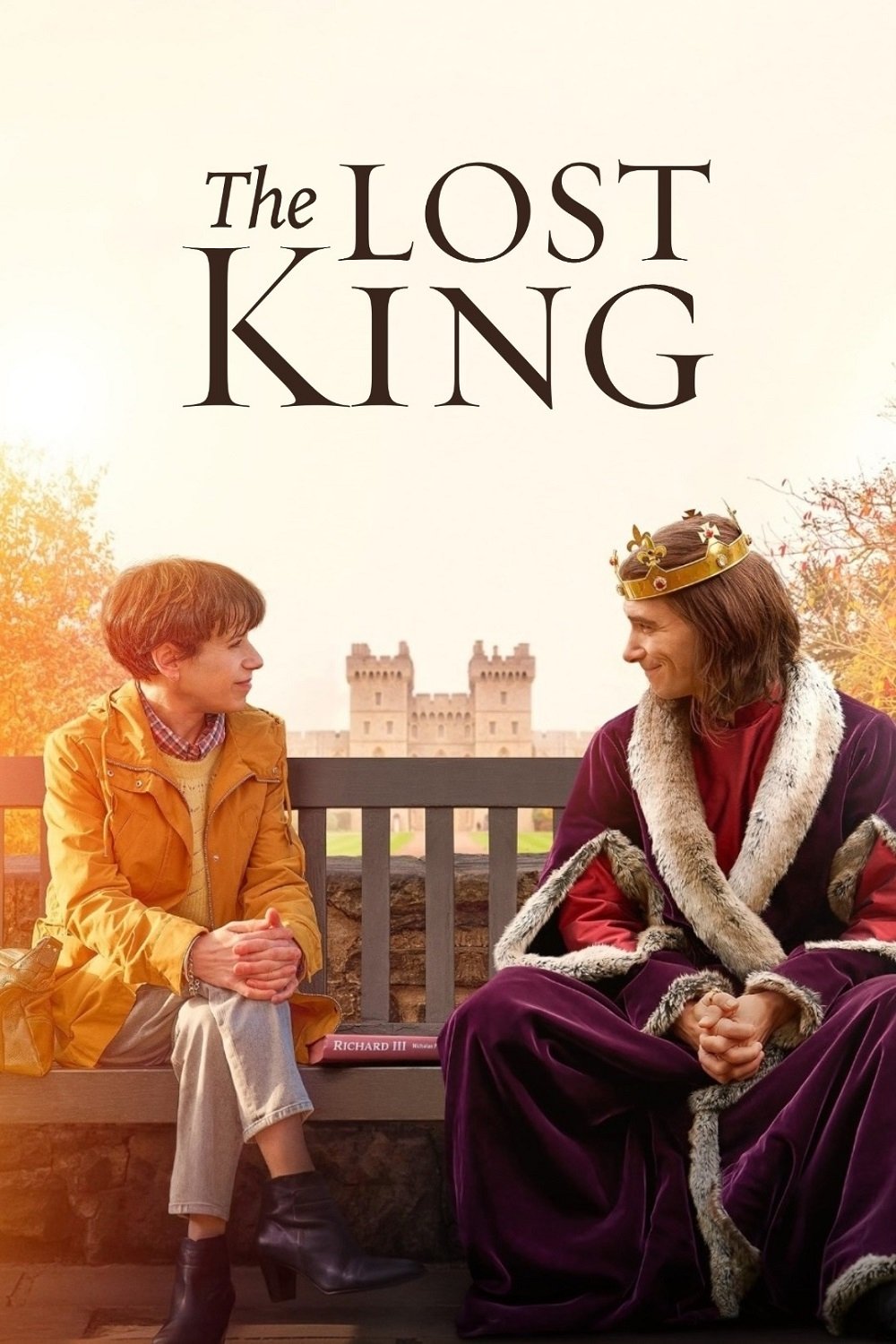
An amateur historian defies the academic establishment in her efforts to find King Richard III's remains, which were lost for over 500 years.
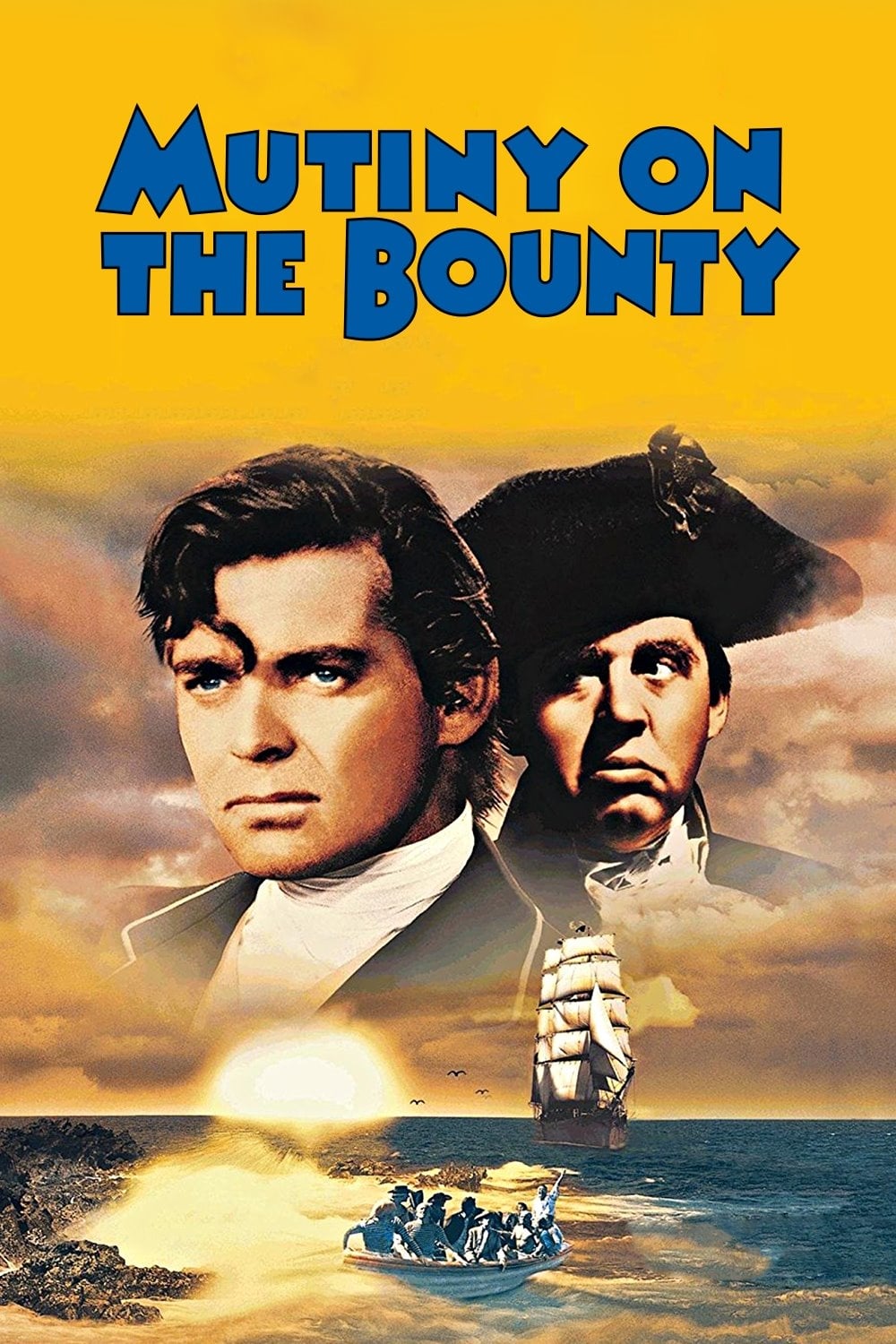
Fletcher Christian successfully leads a revolt against the ruthless Captain Bligh on the HMS Bounty. However, Bligh returns one year later, hell bent on revenge.
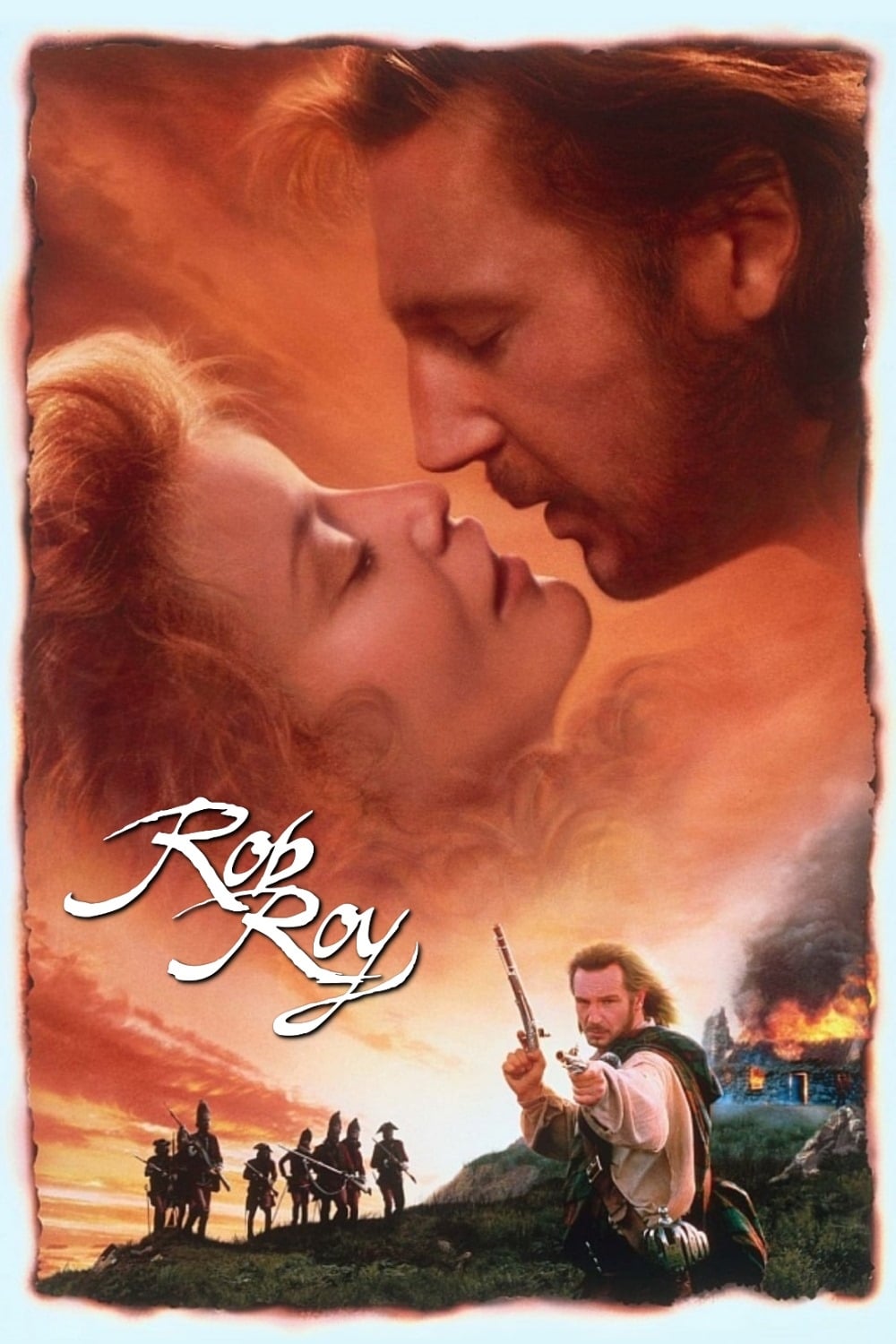
In the highlands of Scotland in the 1700s, Rob Roy tries to lead his small town to a better future, by borrowing money from the local nobility to buy cattle to herd to market. When the money is stolen, Rob is forced into a Robin Hood lifestyle to defend his family and honour.
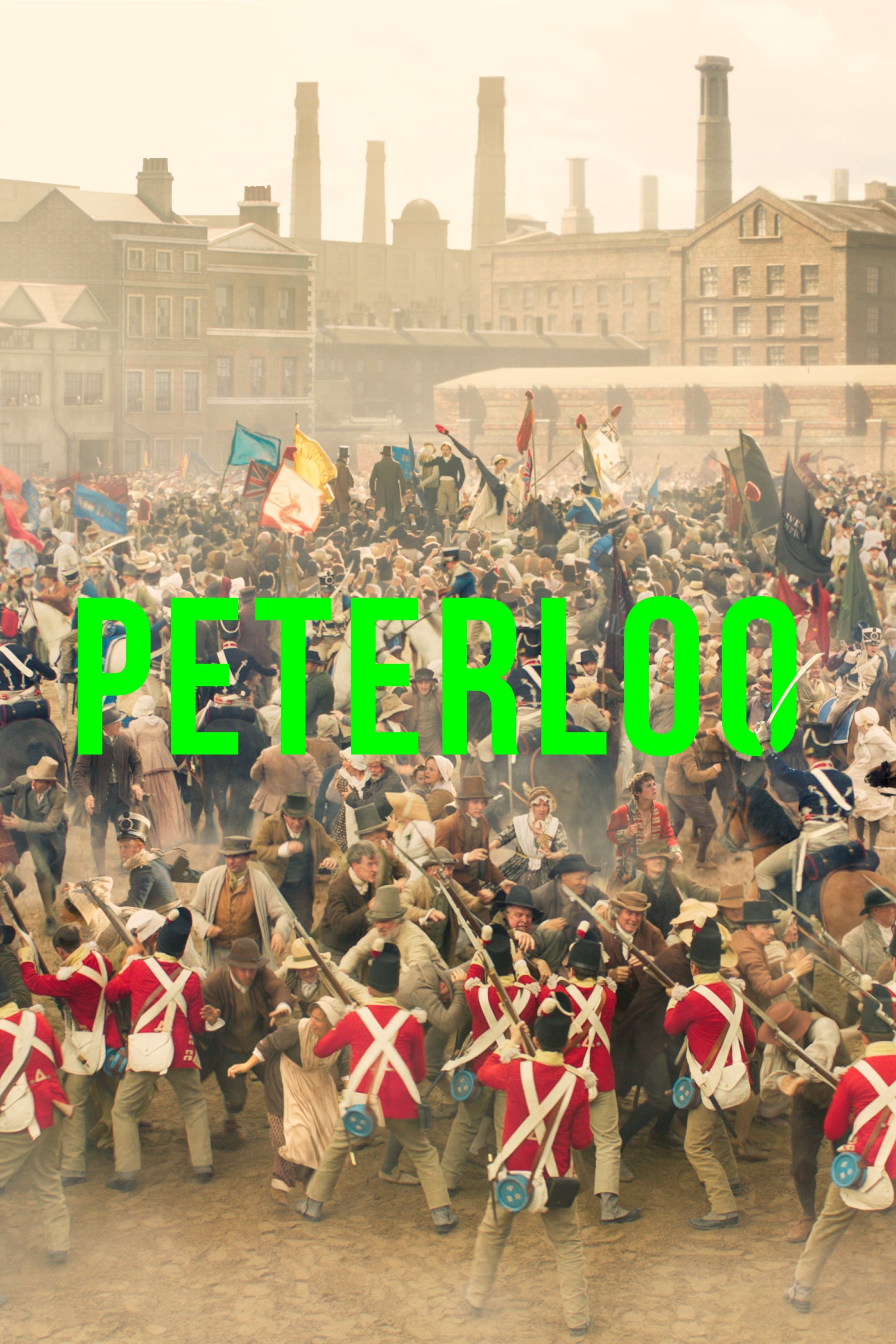
An epic portrayal of the events surrounding the infamous 1819 Peterloo Massacre, where a peaceful pro-democracy rally at St Peter’s Field in Manchester turned into one of the bloodiest and most notorious episodes in British history. The massacre saw British government forces charge into a crowd of over 60,000 that had gathered to demand political reforms and protest against rising levels of poverty.