Stefan Walther talks about Marian Dora.
Social & External
Self
Self - Interviewer
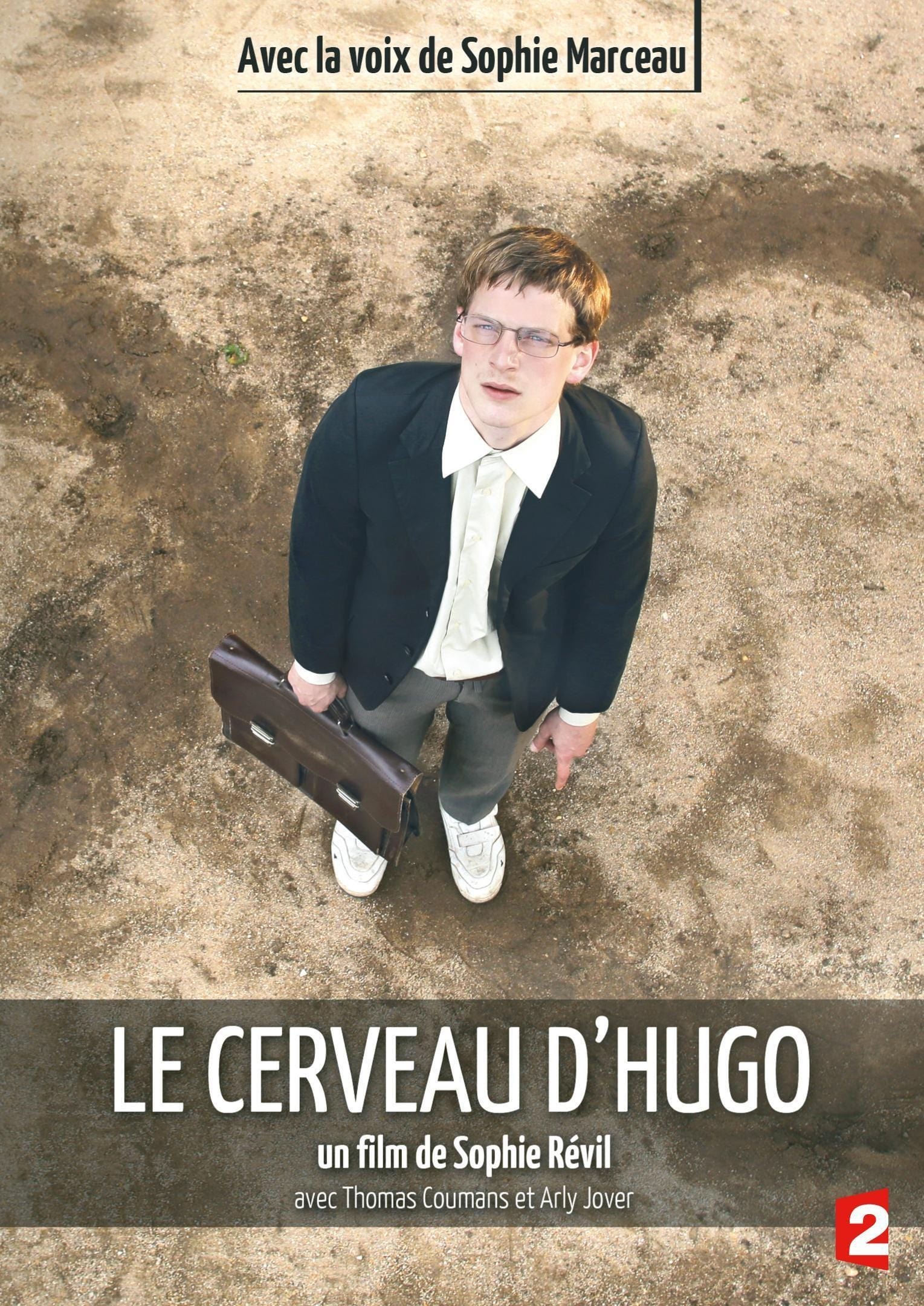
The Hugo's Brain is a French documentary-drama about autism. The documentary crosses authentic autistic stories with a fiction story about the life of an autistic (Hugo), from childhood to adulthood, portraying his difficulties and his handicap.
Documentary about the early Mirai Mizue animation films between 2003-2010
Mento was the first national music of Jamaica and it begat Ska, Rocksteady, Reggae and the Dancehall music of today. No film has been made wholly about the subject and it is a little known genre around the world.
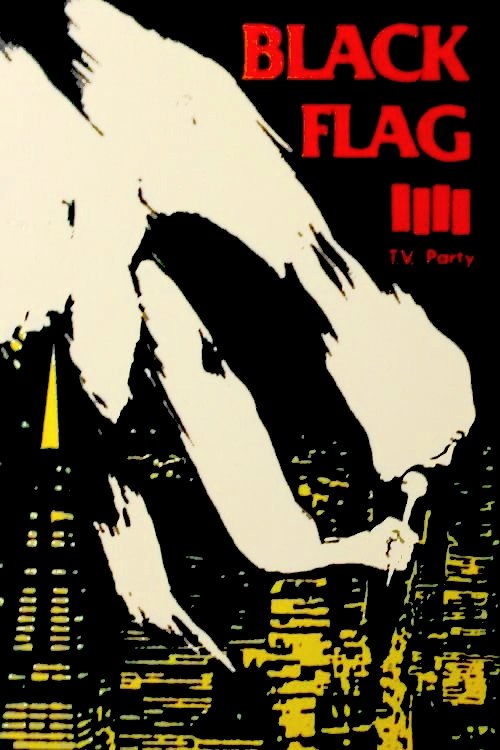
TV Party Music Video - (Live @ Target SF 1981) Rise Above - Thirsty & Miserable -Depression - American Waste - Fan greeting in Bologna, Italy 1979 - Revenge (San Francisco 8-20-80) - Jealous Again - Chuck (mock) interviews Dez & Henry - Rise Above (repeat)
A short documentary exploring the ways LGBT couples show affection, and how small interactions like holding hands in public can carry, not only huge personal significance, but also the power to create social change.
The film discusses the traits and originators of some of metal's many subgenres, including the New Wave of British Heavy Metal, power metal, Nu metal, glam metal, thrash metal, black metal, and death metal. Dunn uses a family-tree-type flowchart to document some of the most popular metal subgenres. The film also explores various aspects of heavy metal culture.
Britney Spears has said that her conservatorship had become “an oppressive and controlling tool against her”. This New York Times investigation reveals much of how it worked, including an intense surveillance apparatus that monitored every move she made.
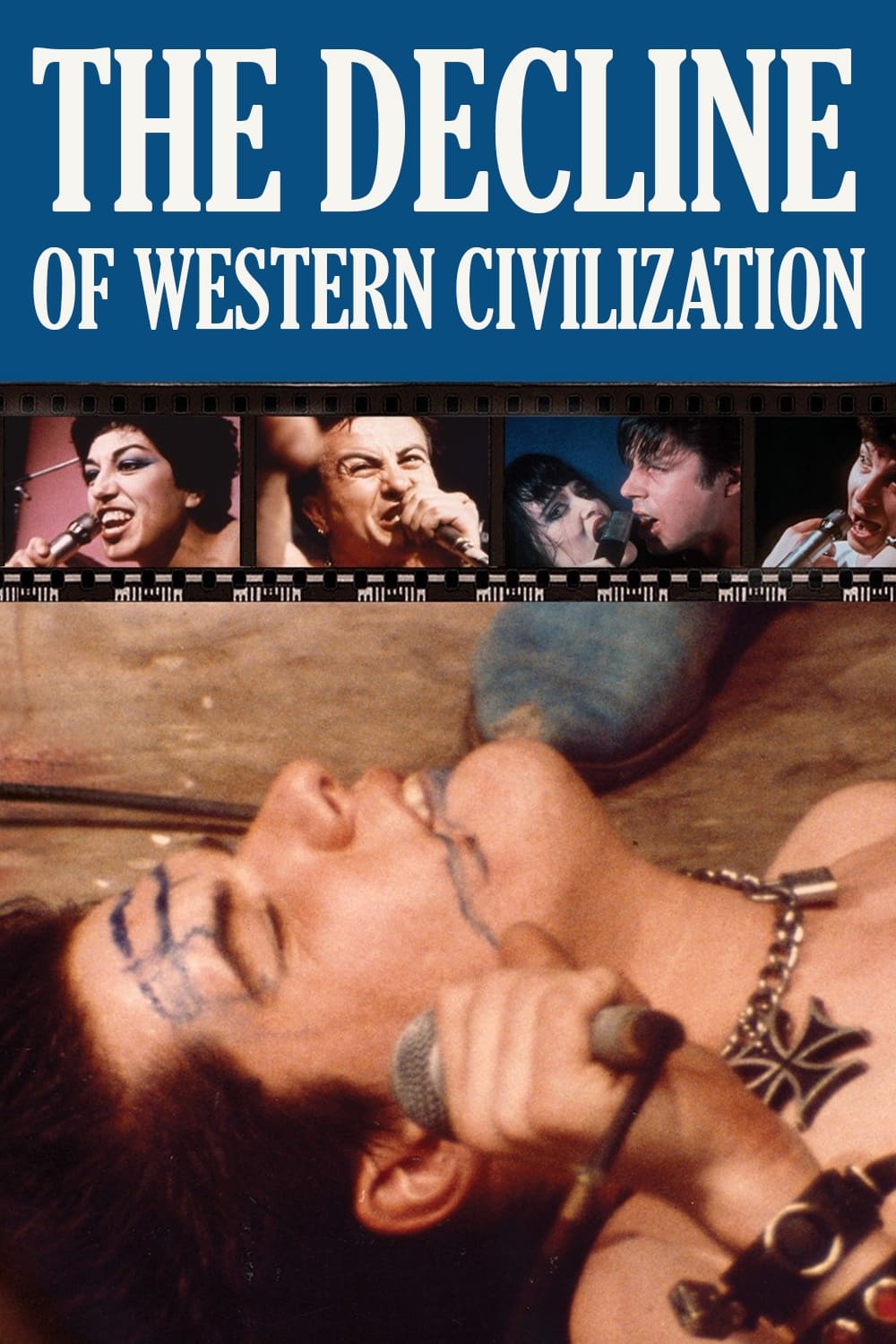
The Los Angeles punk music scene circa 1980 is the focus of this film. With Alice Bag Band, Black Flag, Catholic Discipline, Circle Jerks, Fear, Germs, and X.
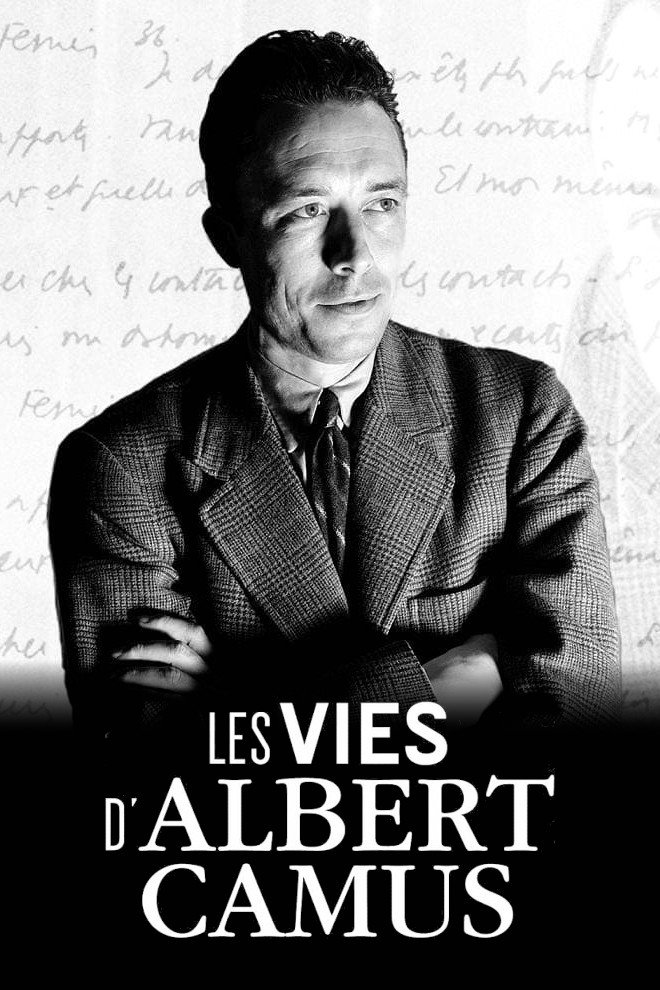
Albert Camus died at 46 years old on January 4, 1960, two years after his Nobel Prize in literature. Author of “L'Etranger”, one of the most widely read novels in the world, philosopher of the absurd and of revolt, resistant, journalist, playwright, Albert Camus had an extraordinary destiny. Child of the poor districts of Algiers, tuberculosis patient, orphan of father, son of an illiterate and deaf mother, he tore himself away from his condition thanks to his teacher. French from Algeria, he never ceased to fight for equality with the Arabs and the Kabyle, while fearing the Independence of the FLN. Founded on restored and colorized archives, and first-hand accounts, this documentary attempts to paint the portrait of Camus as he was.
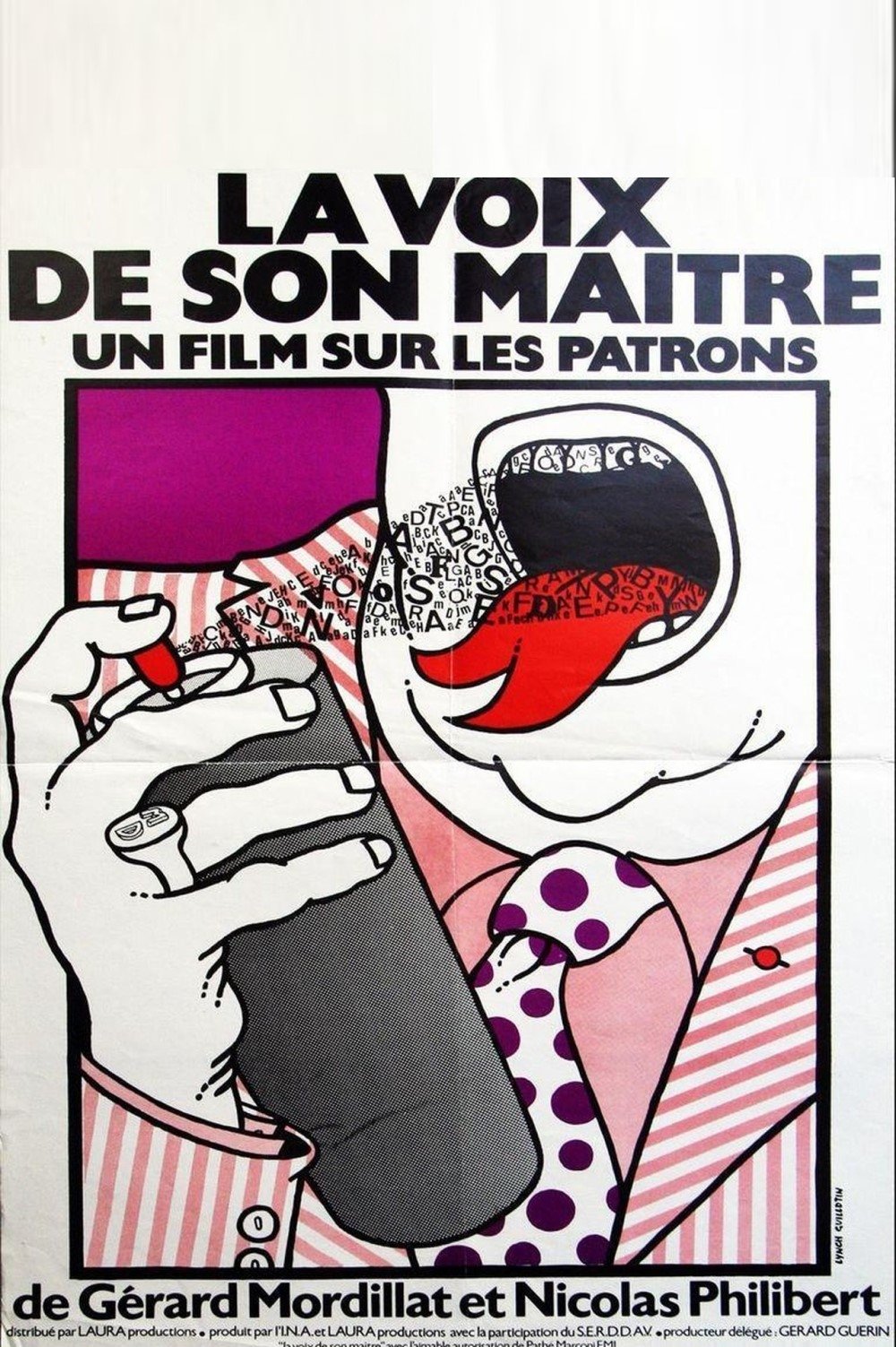
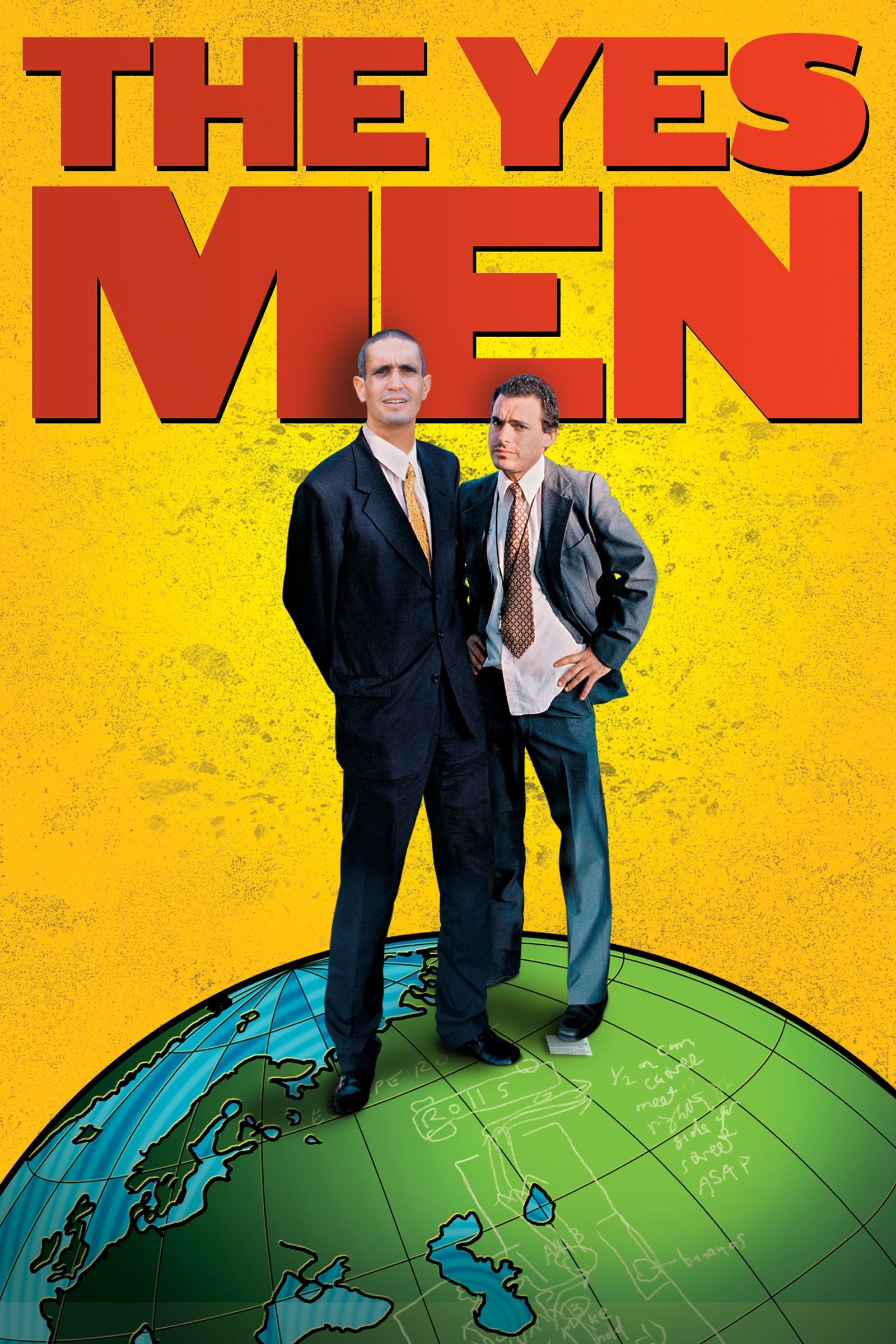
Jacques Lemonnier of IBM France, Francois Dalle of L'Oreal and other ultrapowerful French moguls are surprisingly candid -- and cold-blooded -- as they discuss their attitudes about business in this startling 1978 documentary. After sounding off about unions, strikes, hierarchy and management, the subjects realized how callous they sounded and managed to convince the French government to suppress the film.
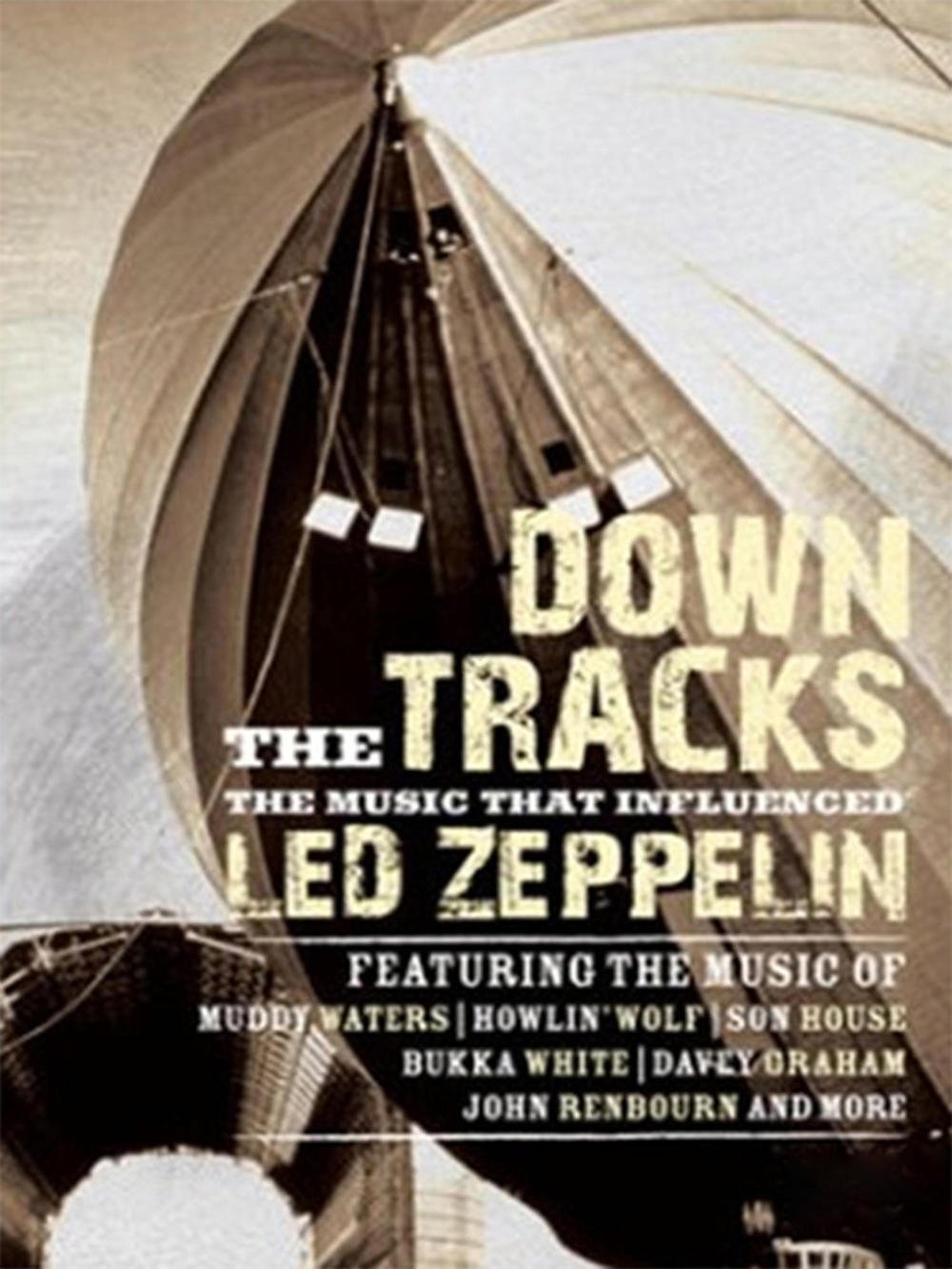
Delve into the musical influences of iconic rockers Led Zeppelin, whose epic brand of arena rock grew out of a deep love of the blues, the skiffle and folk rock. Music historians and authors join producers Joe Boyd and Larry Cohn, as well as performers John Renbourn, Chas McDevitt and Davey Graham, in their analysis of the band's musical roots. An enthralling section also explores Zeppelin's fascination with the occult.
Sergio Citti talks about a video he shot in 1975 after Pier Paolo Pasolini's death.
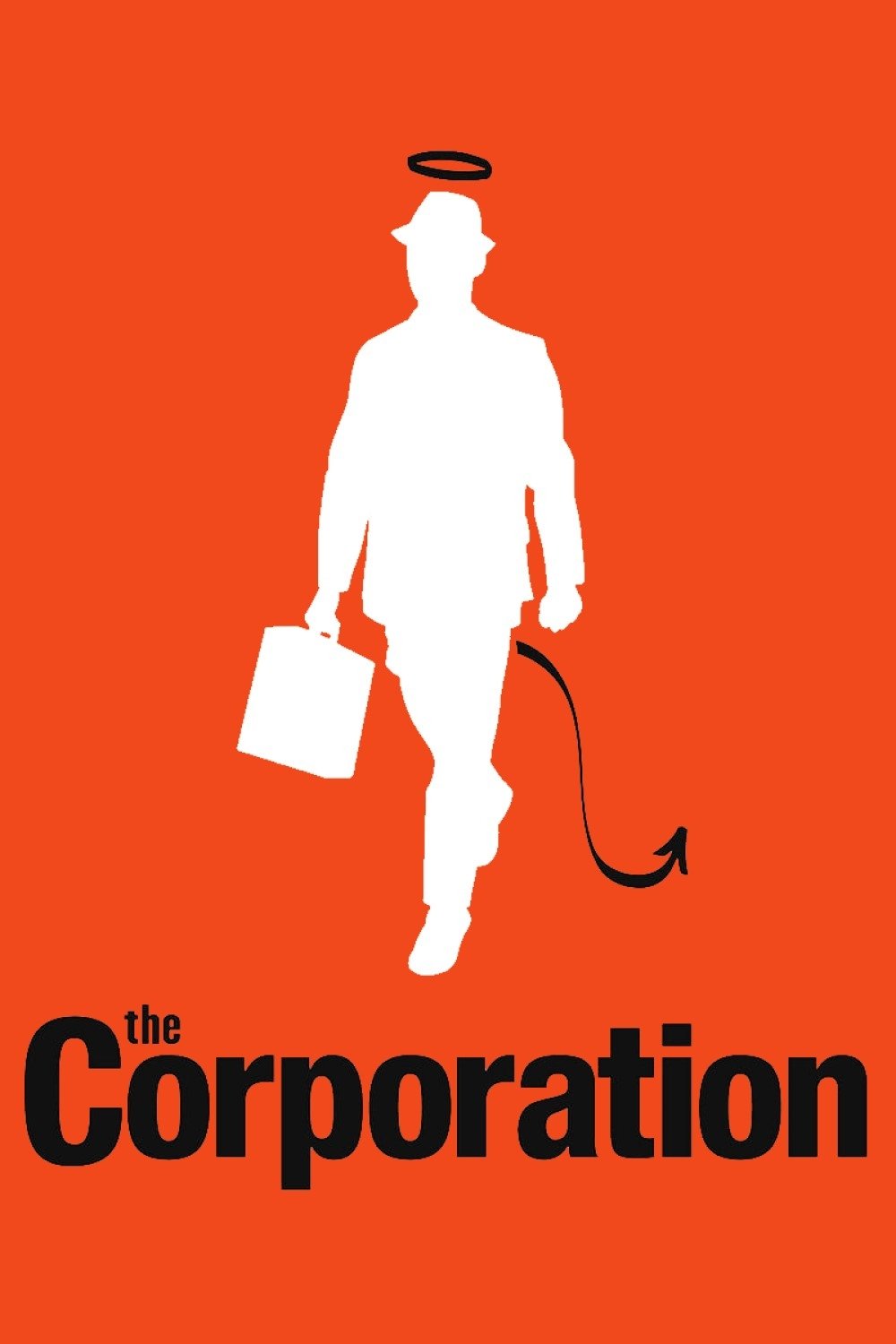
Since the late 18th century American legal decision that the business corporation organizational model is legally a person, it has become a dominant economic, political and social force around the globe. This film takes an in-depth psychological examination of the organization model through various case studies. What the study illustrates is that in the its behaviour, this type of "person" typically acts like a dangerously destructive psychopath without conscience. Furthermore, we see the profound threat this psychopath has for our world and our future, but also how the people with courage, intelligence and determination can do to stop it.
An acid-soaked journey to the edge of madness with the wise and wild Wooks of America’s hippie underbelly.
Germán Cipriano Gómez Valdés Castillo, a young radio announcer from Cuidad Juárez, succeeds in drawing attention to the pachuco movement through his character Tin Tan, laying the groundwork for a new form of binational and mass linguistic expression: Spanglish. He soon became a leading figure in theater and film on the American Continent. Singled out by critics as a destroyer of the language, he quickly won the approval of the public. His ability to improvise revolutionized the film industry. His talent as an actor, singer, dancer and comedian contributed to the Golden Age of Mexican Cinema. From El Hijo Desobediente to Capitán Mantarraya, from Cuidad Juárez to Havana, from mambo to rock, the legacy of Tin Tan makes him one of the great icons of Mexico today. This film tells his story as it has never been told before.
On May 8, 1989, Sports Illustrated ran an article about Ultimate frisbee… about a team with no name hailing from New York City that was about to change the sport forever. From its 1968 New Jersey birth to its unanimous 2015 recognition by the International Olympic Committee, FLATBALL circles the globe to showcase four decades of world-class Ultimate and goes even further: to a set of fields in the Middle East to understand and demystify the unique spirit of the game.
A feature-length documentary that explores the lives of four remarkably different people who share a common thread - they're all vegan. The movie traces the personal journeys of an ultramarathon runner who has overcome addiction to compete in one hundred mile races, a cattle rancher's wife who creates the first cattle ranch turned farmed animal sanctuary in Texas, a food truck owner cooking up knee-buckling plant-based foods, and an 8-year-old girl who convinces her family of six to go vegan.
A comic, biting and revelatory documentary following a small group of prankster activists as they gain worldwide notoriety for impersonating the World Trade Organization (WTO) on television and at business conferences around the world.
This interview with Bruce Dern is on the DVD for 'Silent Running' (1972), released in 2002.
When seventeen-year-old Hannah stumbles upon a website about Thinspiration--an online community devoted to anorexia as a life choice--she becomes an obsessive follower of the site founder, ButterflyAna. By the time Hannah's family realizes what is happening and get Hannah the help she needs, the disease has fully taken hold and Hannah is refusing to eat. Will this family be able to exorcise the demon of anorexia from their lives?
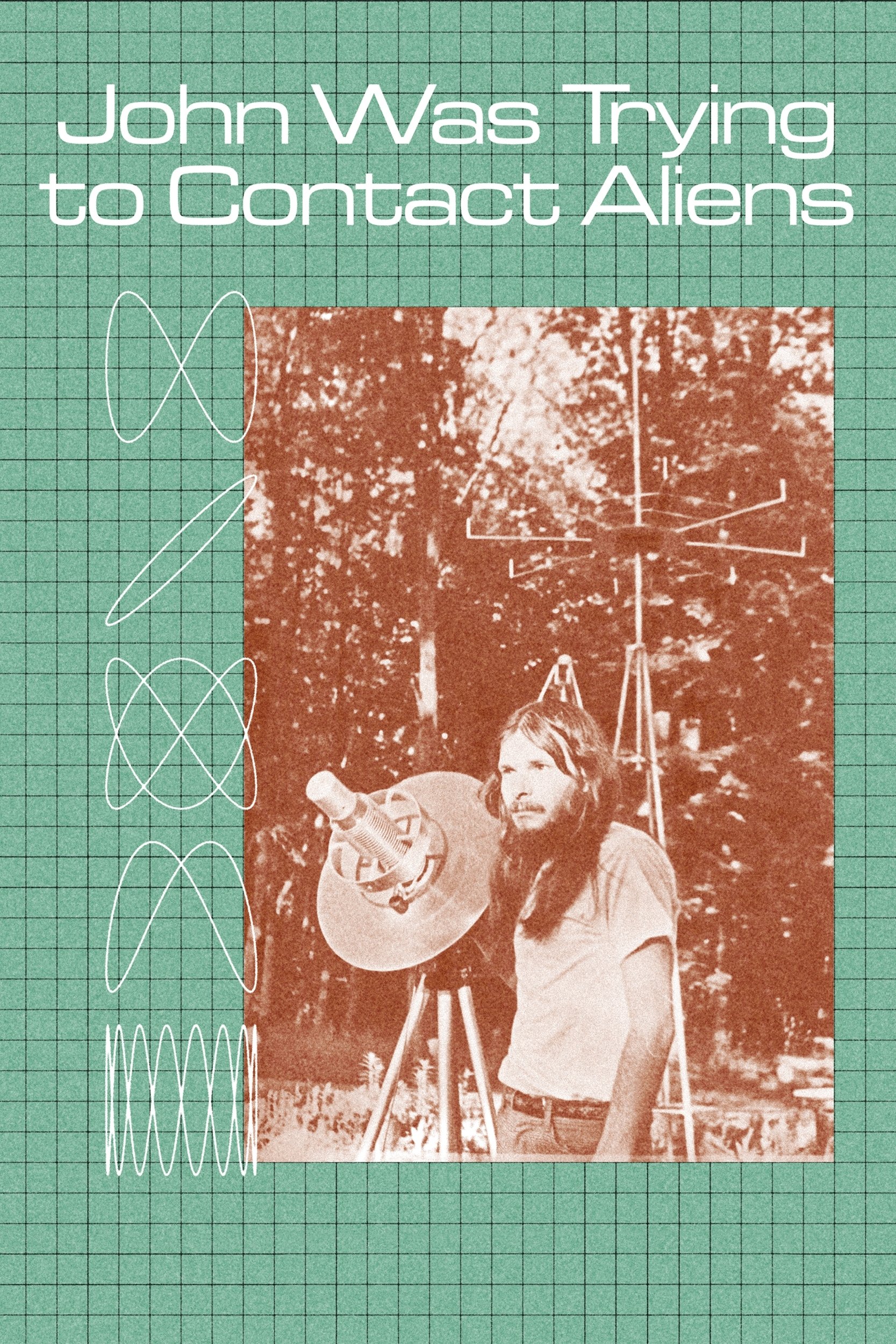
John Shepherd spent 30 years trying to contact extraterrestrials by broadcasting music millions of miles into space. After giving up the search, he makes a different connection here on earth.
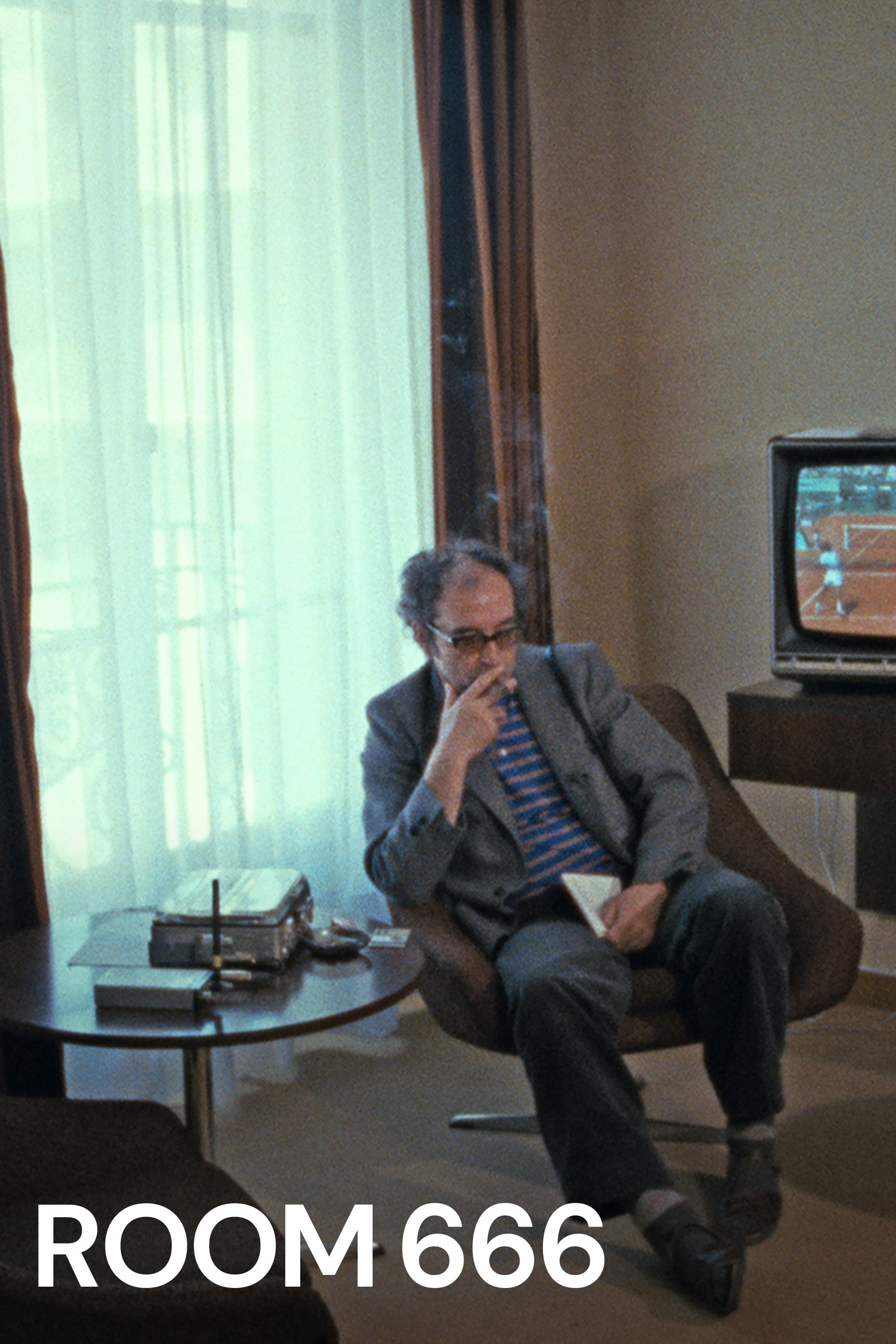
During the 1982 Cannes Film Festival, Wim Wenders asked a number of global film directors to, one at a time, go into a hotel room, turn on the camera, and answer a simple question: "What is the future of cinema?"
Kevin Smith interacts in Q&A sessions throughout various college stops in the USA.
Amber Heard and Nicole Kidman discuss their characters Mera and Atlanna.
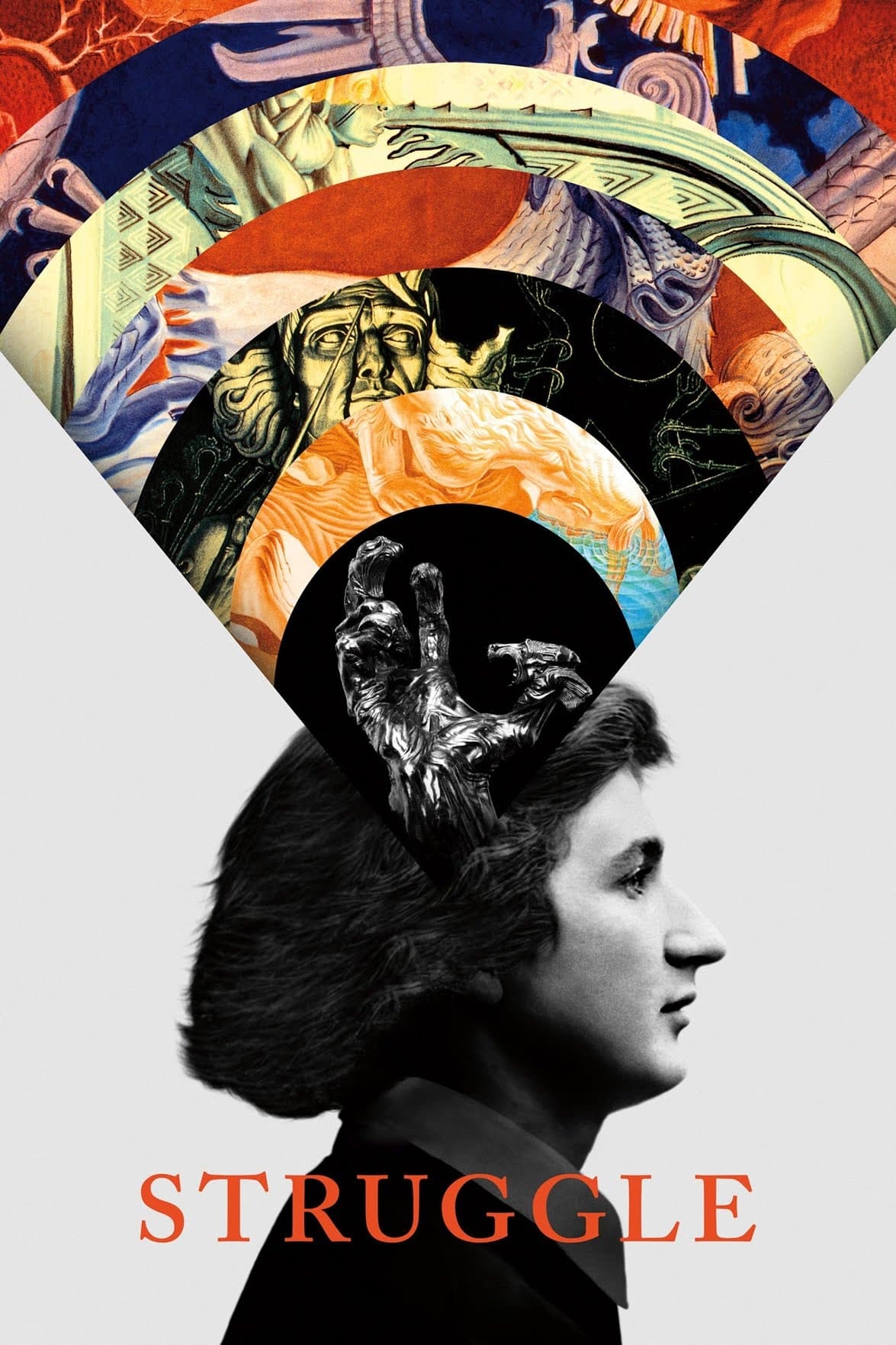
Artists in LA discover the work of forgotten Polish sculptor Stanislav Szukalski, a mad genius whose true story unfolds chapter by astounding chapter.
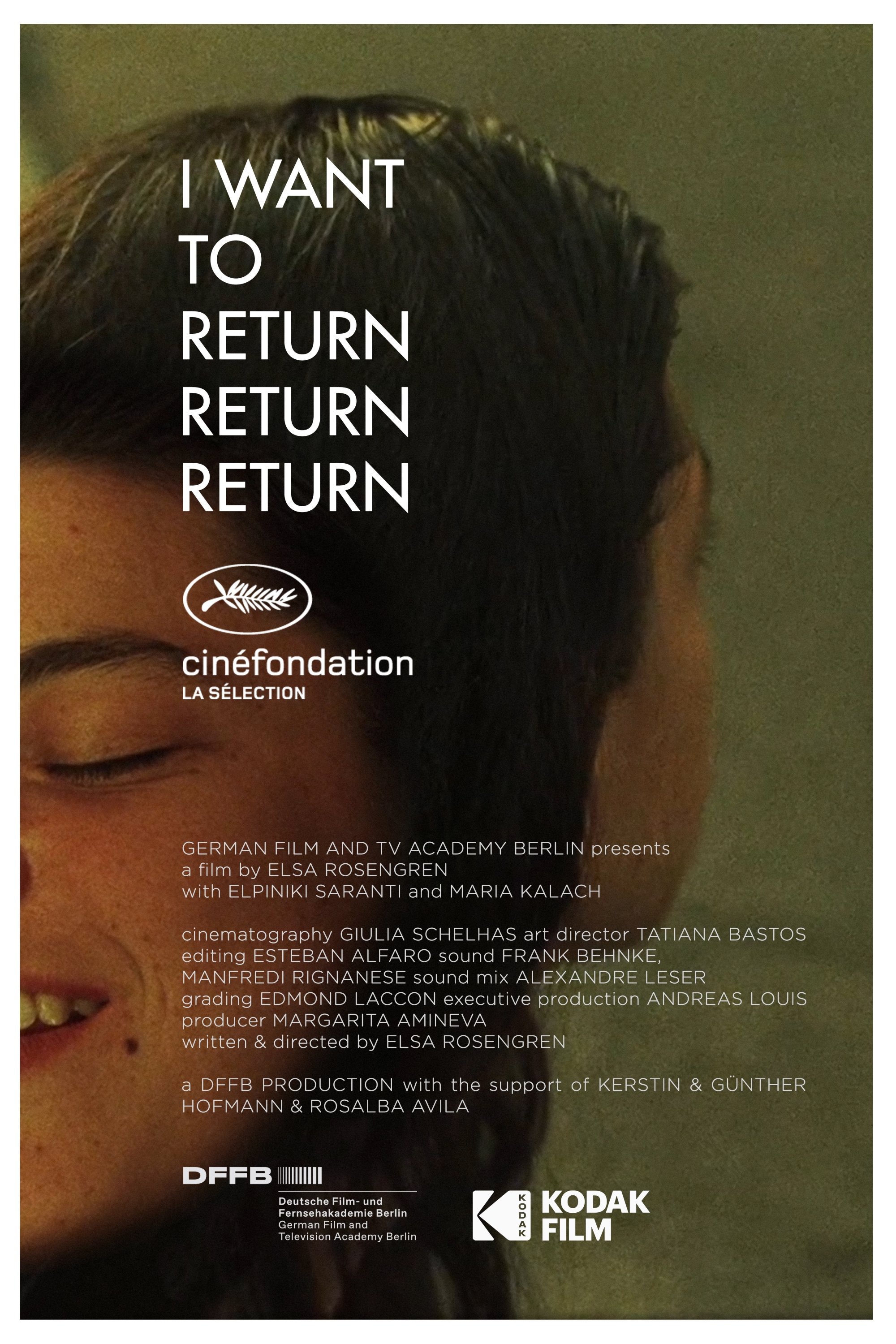
A depiction of the Wrangelkiez neighbourhood in Berlin. The people portrayed tell their life stories. One woman came to the neighbourhood a decade ago to work in Berlin’s still unfinished Brandenburger Airport, one man reminisces his childhood on a Tobacco farm in Kentucky, another speaks of an exceptional day in an otherwise monotonous workplace. These portraits are interwoven with the story of Elpi, a Greek woman who is waiting for the long overdue visit of an old important friend. The outcome of this mixture is a film which captures the lives and perspectives of some of Wrangelkiez’s most commanding citizens, while at the same time evoking the loss that change and time passing means for places and for people.
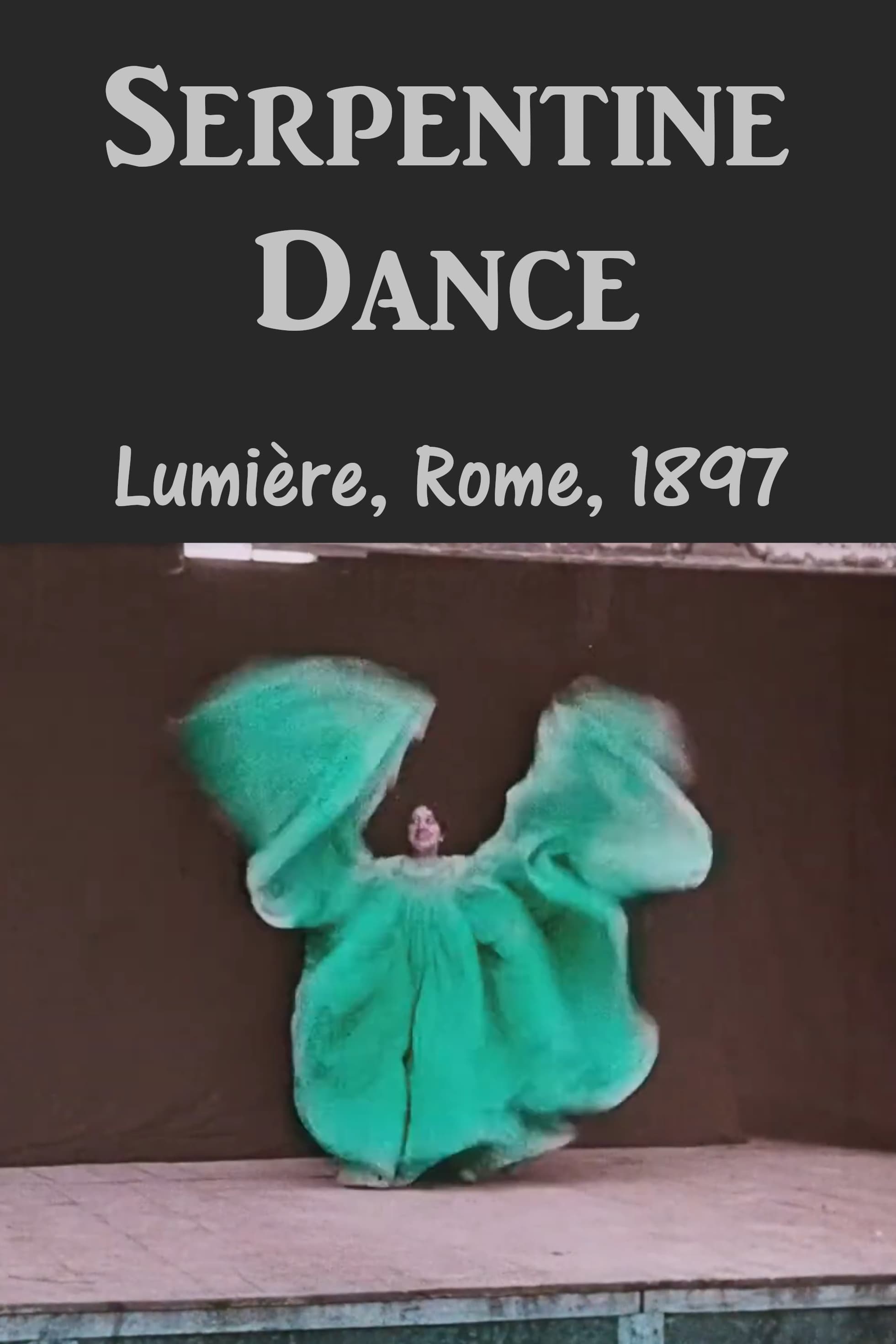
Angelic and demonic serpentine dance from dawn of cinema. Hand-colored frame by frame. Lumière no. 765 or 765.1 (colorized, different dancer?).
From set designs to character arcs, get exclusive cast and director interviews on how Season 2 of the globally most-watched series was brought to life.
An aspiring young filmmaker gets involved with an eccentric gangster for the financing of his first film.
With exclusive access to his extraordinary unseen and unheard personal archive including hundreds of hours of audio recorded over the course of his life, this is the definitive Marlon Brando cinema documentary. Charting his exceptional career as an actor and his extraordinary life away from the stage and screen with Brando himself as your guide, the film will fully explore the complexities of the man by telling the story uniquely from Marlon's perspective, entirely in his own voice. No talking heads, no interviewees, just Brando on Brando and life.
Upon his release from prison, an ex-convict returns to his beloved city of Genoa, and to his lover.
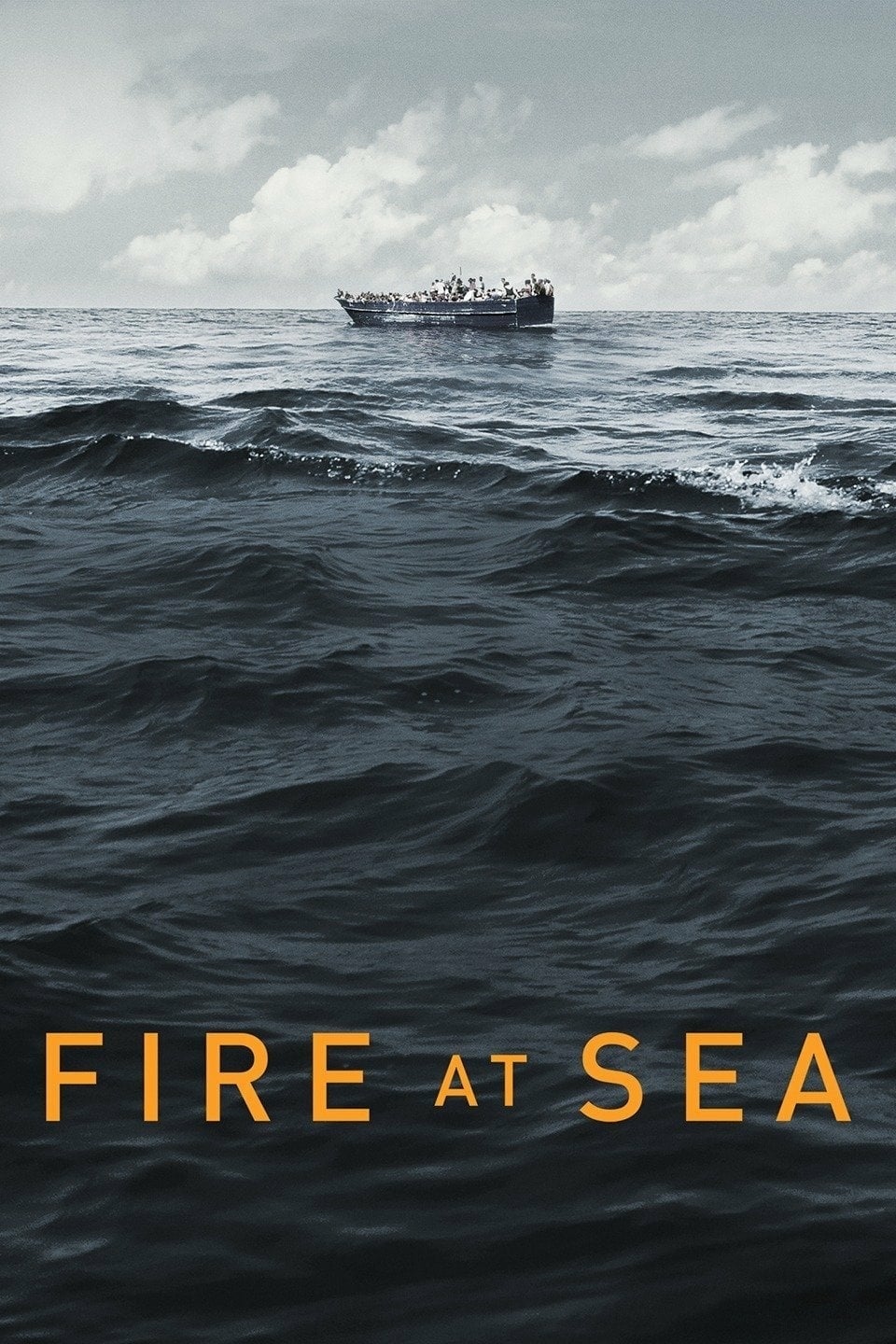
Capturing life on the Italian island of Lampedusa, a frontline in the European migrant crisis.
A purely observational non-fiction film that takes viewers into the ethically murky world of end-of-life decision making in a public hospital.
From a prolific career in film and television, Anton Yelchin left an indelible legacy as an actor. Through his journals and other writings, his photography, the original music he wrote, and interviews with his family, friends, and colleagues, this film looks not just at Anton's impressive career, but at a broader portrait of the man.
A 36-year-old meek woman realizes that there’s younger people trying to outpace her doing much less, so she makes a risky change by removing her filter.
The life and career of one of comedy's most inimitable modern voices, Mr. Gilbert Gottfried.
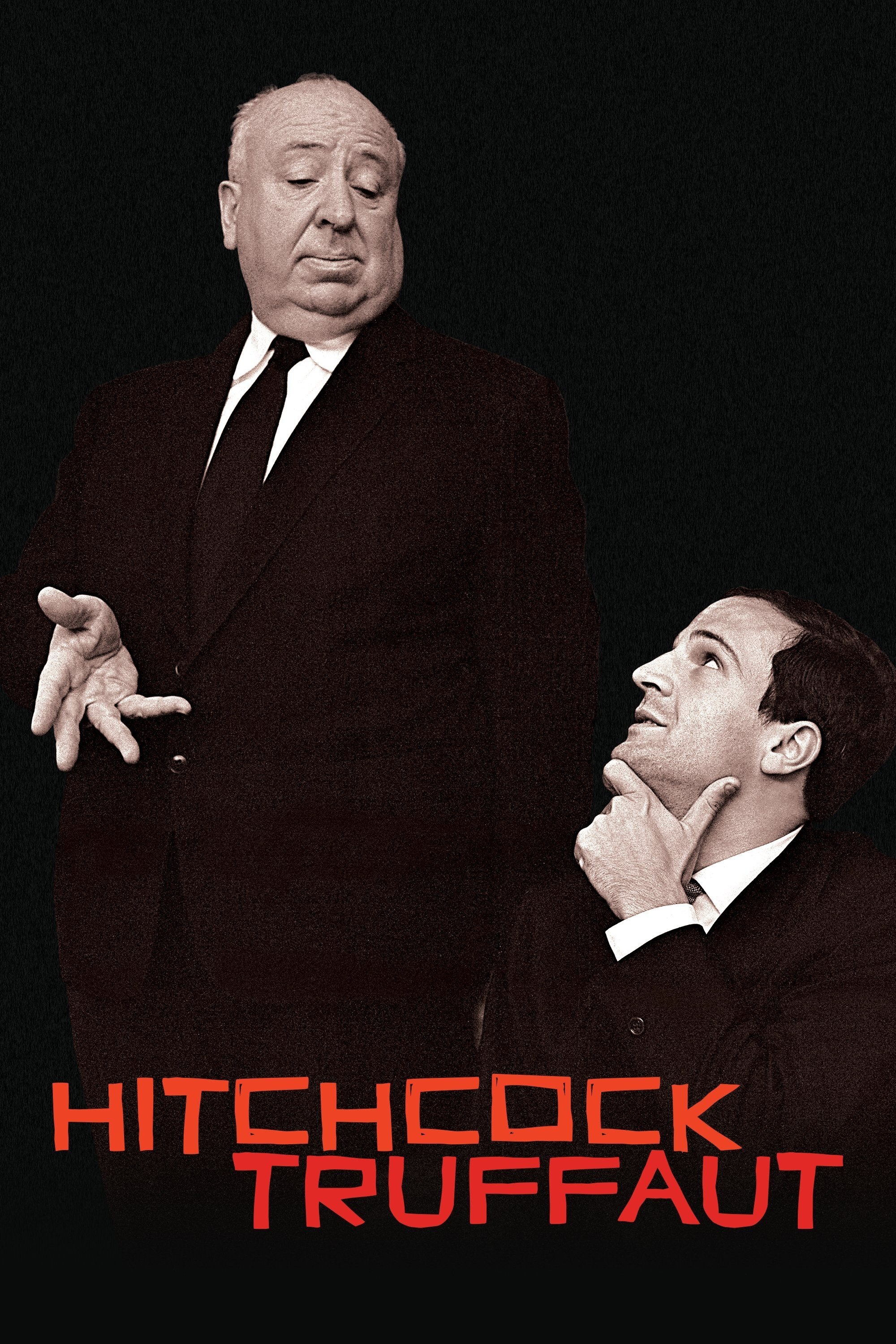
Filmmakers discuss the legacy of Alfred Hitchcock and the book “Hitchcock/Truffaut” (“Le cinéma selon Hitchcock”), written by François Truffaut and published in 1966.
The life and career of an actor, artist, and icon. His own journey through his own camera.
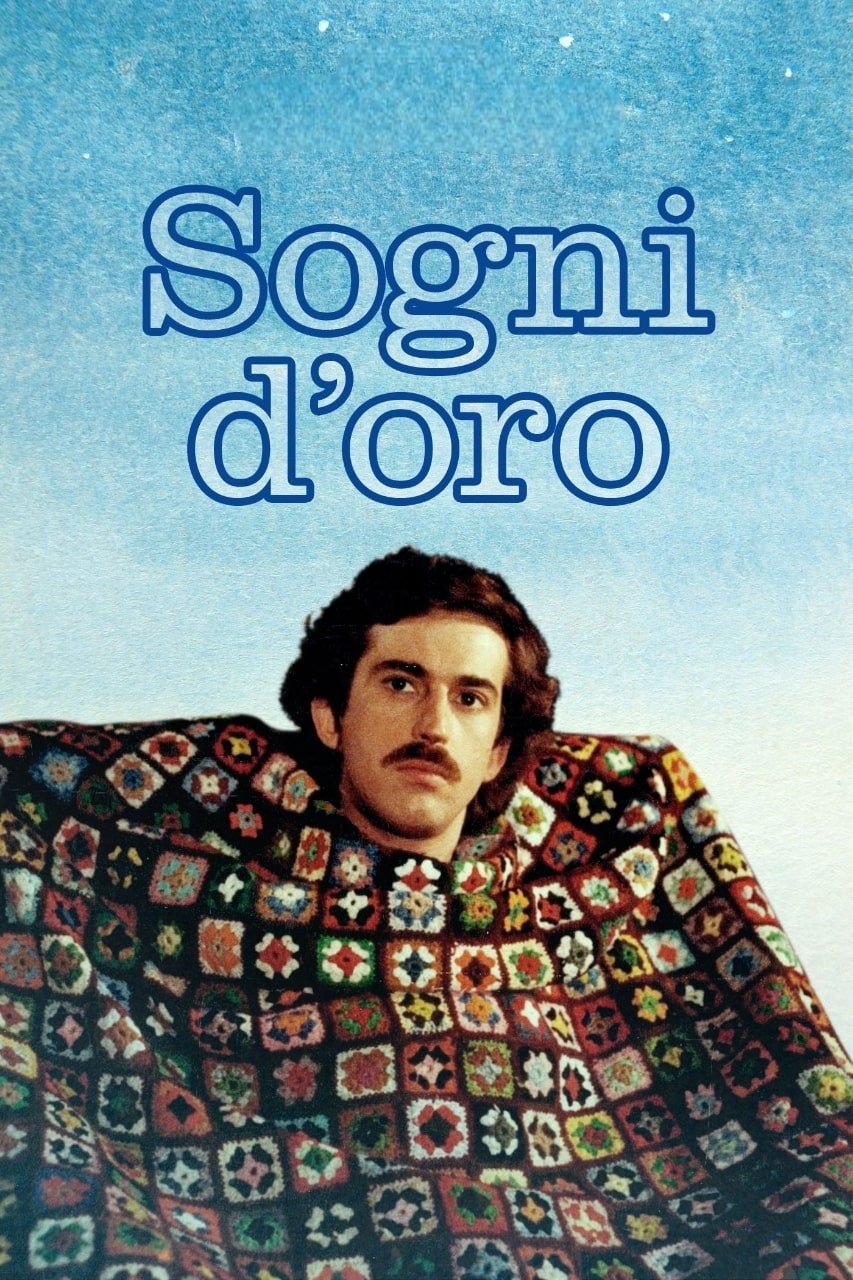
Michele criticizes the film industry and its inhabitants, and is particularly embattled with a Neapolitan director making a musical about the 1968 student demonstrations. At the same time, Michele has a creative block and struggles to finish his film titled "Freud’s Mother." Nanni Moretti’s self-inquiry into filmmaking, political ennui, and men’s relations with their mothers.