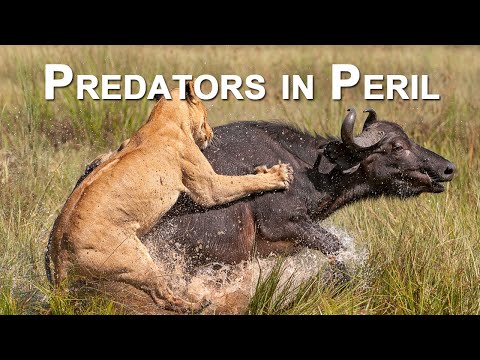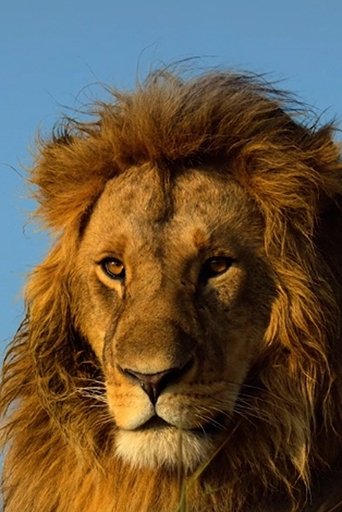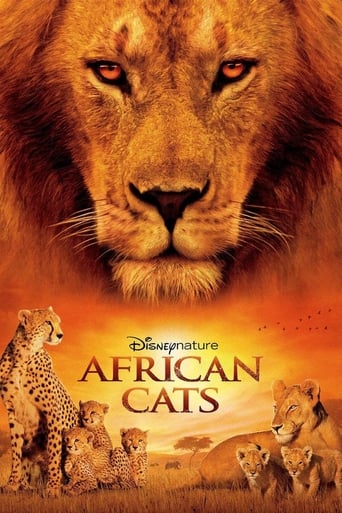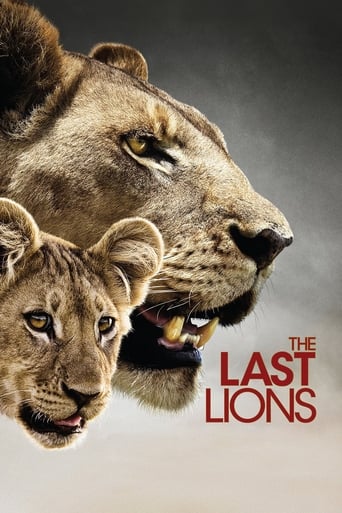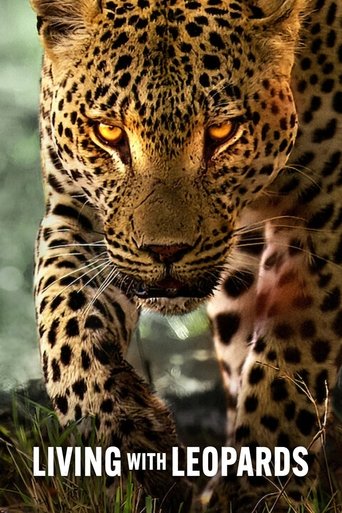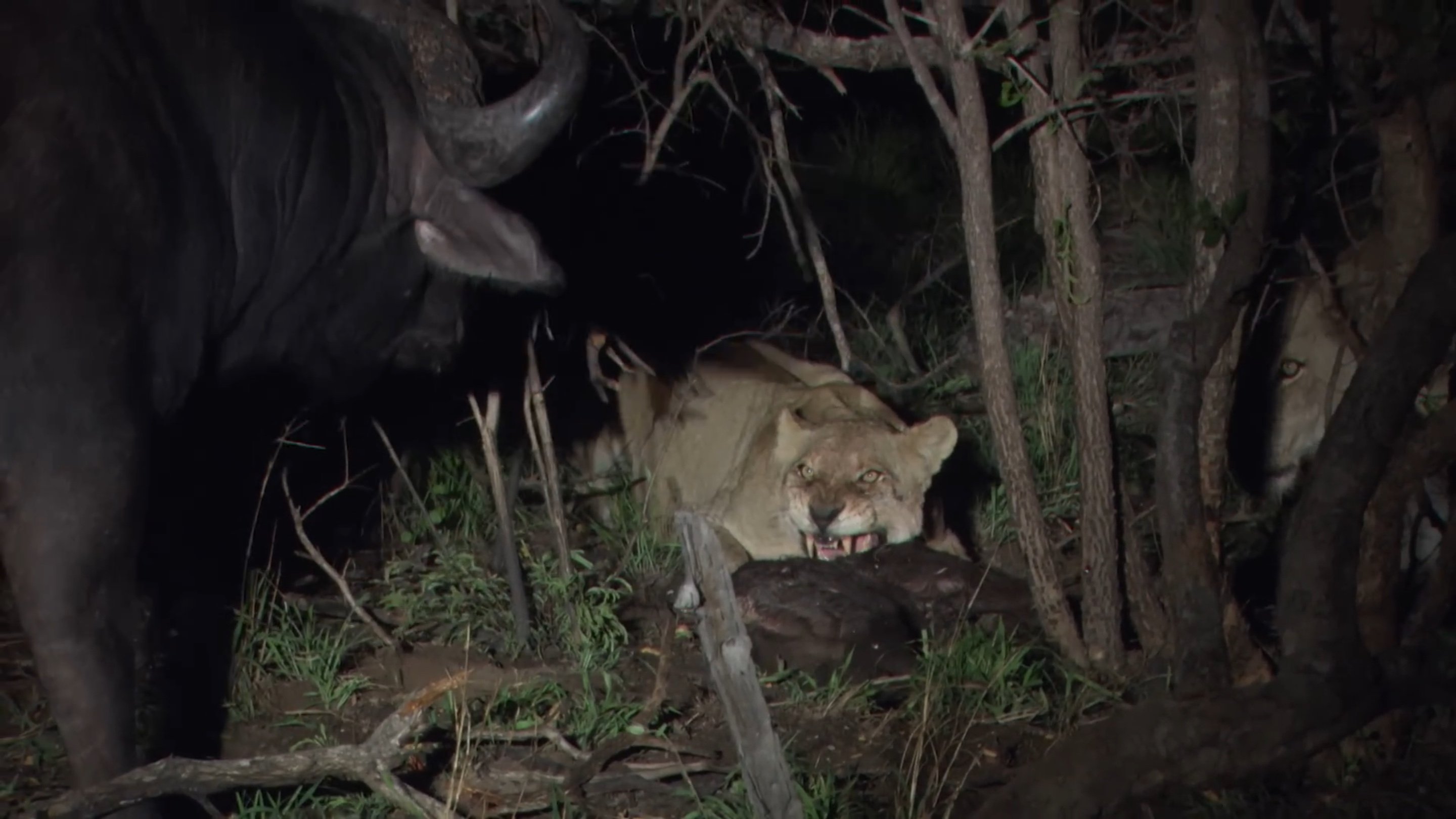
Set in the vast expanse of South Africa's Mala Mala game reserve, a host of Africa's biggest and fiercest wildlife species compete for food, mates and territory against the backdrop of a harsh dry season.
Social & External
Unknown Role
The dry season is always a struggle for the animals in the in the Luangwa Valley in Zambia - forced to share the last remaining water in the river. This is most strongly felt by the hippo population as they continually need to submerge their overheating bodies. This year the low river will be the least of their worries: An unseen killer is waiting to attack. The congested river and extreme circumstances provide the perfect conditions for an Anthrax epidemic to strike. Before the return of the rains the dominant hippo bull will witness the devastation of a fifth of his pod. This season a young mother and her calf and two brothers must negotiate these terrible odds and try to survive this...Hippo Hell.
Follow the Manhattan-based Beavan family as they abandon their high consumption 5th Avenue lifestyle and try to live a year while making no net environmental impact.
The Wild Defending Itself is a feature-length documentary (90 min) by Vincent Verzat, produced by Partager c'est Sympa. The film traces his path between militancy and naturalism, his search for a balance between combat and contemplation. Based on a personal and sensitive story, the film makes the link between wild animals and the struggles being waged throughout France against the destruction of their habitats. The Wild Defending Itself sets out a path for living with dignity and preparing for what lies ahead.
For her entire professional life, renowned ecologist Nalini Nadkarni pioneered climbing techniques to study "what grows back” after an ecological disturbance in the rainforest canopy. Now, after surviving a life-threatening fall from a tree, she must turn her research question onto herself in order to understand the effects of disturbance and recovery throughout her life.
Mike Fay and Enric Sala are on a quest to protect the rich coastal waters of Gabon, home to surfing hippos, sharks and humpback whales.
Wildlife biologist Karsten Heuer and his wife, environmentalist Leanne Allison follow a herd of 120,000 caribou on foot across 1500 km of Arctic tundra, hoping to raise awareness of the threats to the caribou's survival. Along this journey, they brave torrid conditions, dangerous wildlife and treacherous terrain all in the hopes of learning the truth about this epic migration.
Mollusks deserve a second chance to better their first impression since the world is truly one of a kind. Enter the secret world of mollusks!
"There are things in this world that are yet to be named" centers around Solanum plastisexum - an Australian tomato whose sexual expression is unpredictable and unstable, challenging even the fluid norms of the plant kingdom. Footage of the team of botanists who recently used their Solanum research to explode notions of sexual normativity in any plant or animal is combined with a voiceover of letters sent between science writer Rachel Carson and her lover Dorothy Freeman. "There are things in this world that are yet to be named" is a meditation on erasure, indefinability, and the intersection of queer and environmental histories.
Chambord’s castle the largest and the most ancient enclosed forest park in Europe. In the majestic gardens of the castle live an incredibly rich flora and fauna. With its 5440 acres of forest, animals now rule the Chambord Kingdom. Many rare species such as ospreys, salamanders, black storks, wildcats abound and live in a natural state. With its variety of trees and its many different types of mammals, amphibians and birds, the park is pionner in wildlife conservation and houses a unique biodiversity. In a blue-chip wildlife documentary, renowned director Laurent Charbonnier takes us into a microcosm of the European forest, for a whole year, and captures the beauty of an untamed environment as the seasons come and go.
In the meeting place of two oceans in Indonesia's Lembeh Strait, photographers capture the majestic, otherworldly creatures living below the surface.
Standing almost alone in the great Southern Ocean, South Georgia island plays host to some of the largest concentrations of animals anywhere on Earth during the spring and summer months. This is the story of these vast animal cities, and of the order that lies beneath their seeming chaos.
In the deep waters of Mexico's Gulf of California, large and ravenous predators are congregating and local fishermen fear them more than sharks.
Documents an eight-year project begun in 1979 under the direction of Larry M. Rymon to reintroduce the osprey into Pennsylvania. Due to loss of habitat and wide use of agricultural chemicals, the bird has disappeared from the state for nearly forty years
A young Belgian woman returns to Japan to gain insight and find peace in her past relationship with her Japanese ex-lover. She travels around Japan, observing nature as the seasons change. She is guided by the richness of the Japanese vocabulary, which has many words to describe the transience of nature and emotions that have no equivalent in Dutch or English. If she can accept this transience, she will be able to understand what happened to their love.
A documentary examining what the Tyrannosaurus Rex was really like - both appearance and behaviour - using the recent palaeontological and zoological research.
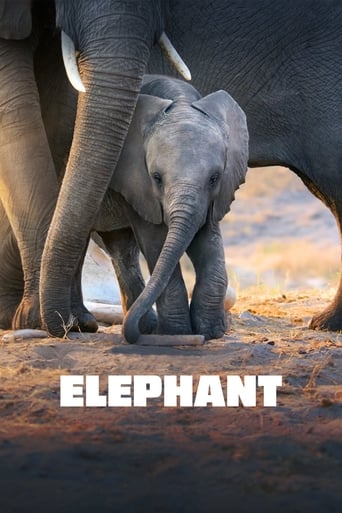
In the Namunyak Wildlife Conservancy in Kenya drought is a menace to both humans and animals. This documentary follows two Elephant Guardians in their tireless work to protect this endangered species.
In the mountains of Sichuan, China, a researcher forms a bond with Qian Qian, a panda who is about to experience nature for the first time.
Documentary following Olly Williams and Suzi Winstanley, two unique wildlife artists who simultaneously work on the same painting of exotic and endangered animals while on location in the wildest corners of the world. The film shows how they work and why what they do is so important.
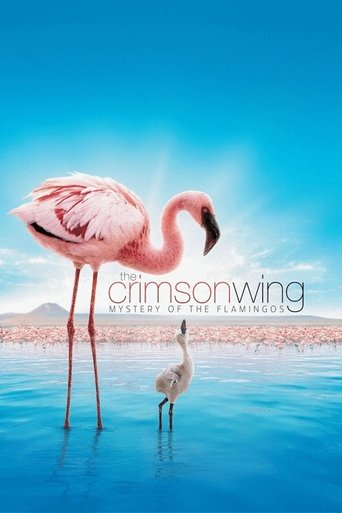
In the remote and forgotten wilderness of Lake Natron, in northern Tanzania, one of nature's last great mysteries unfolds: the birth, life and death of a million crimson-winged flamingos.
Produced by the United States Geological Survey and the National Park Service during the 1959-1960 eruption of Kilauea. Narrated footage includes lava fountains and the creation of the Kilauea Iki lava lake.