Social & External
Self
Filmmaker Jamie Redford embarks on a surprising journey across the U.S. to meet entrepreneurs, community activists and ordinary citizens who are pioneering the use of clean energy technology, often in the most unlikely places, in the process creating jobs, turning profits and making Americans’ lives healthier.
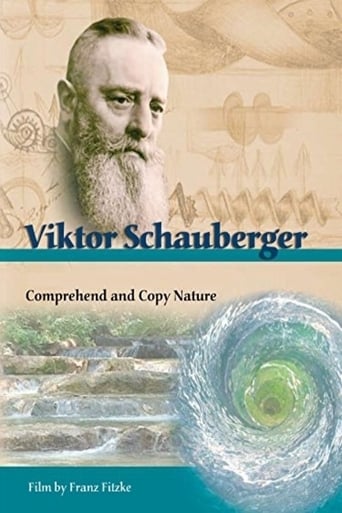
The first film about Viktor Schauberger's life's work. A comprehensive survey of historical facts, current research and various practical applications into both technology and the natural world.
How LFTR, the Liquid Fluoride Thorium Reactor, will unlock abundant clean energy stored in Earth's plentiful thorium.
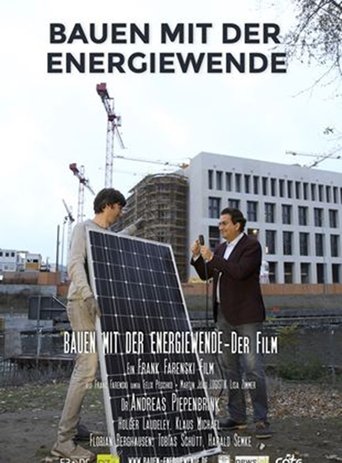
20 years ago the small town of Wunsiedel was at the edge: businesses had to close, jobs were lost, locals left for good. When a bunch of idealists decided to stop this race to the bottom. They developed a plan not only to put the region's energy supply on a completely new foundation, but also to create new prospects.
An unemployed American worker, a Tea Party activist, and a Chinese solar entrepreneur. But who wins and who loses the battle for power in the 21st century? Through interwoven character dramas spanning the U.S. and China, Catching the Sun explores the global economic race to lead the clean energy future.
The sun sends us light and energy, enabling life and growth. But it also causes scientists great concern: gigantic, unpredictable solar storms are increasingly threatening our power supply and networks. The US space agency NASA has built a space probe to investigate the causes of these mysterious storm phenomena.
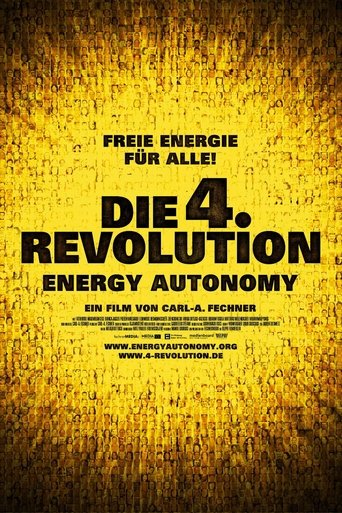
The documentary presents a compelling vision: a global community whose energy supply is 100 percent renewable, accessible, affordable, and clean for all. A global restructuring that reorganizes the balance of power and distributes capital more fairly could begin now. We just have to do it!
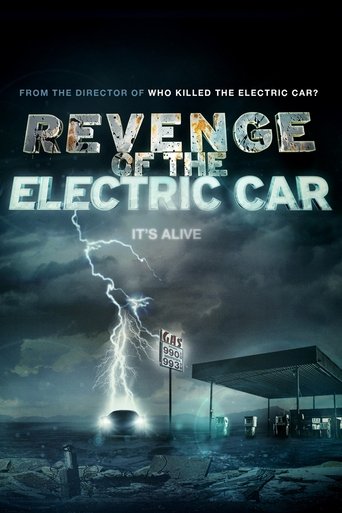
A sequel to 2006's Who Killed the Electric Car?, director Chris Paine once again looks at electric vehicles. Where in the last film electric cars were dismissed as uneconomical and unreliable, and were under multiple attacks from government, the auto industry, and from energy companies who didn't want them to succeed, this film chronicles, in the light of new changes in technology, the world economy, and the auto industry itself, the race - from both major car companies like Ford and Nissan, and from new rising upstarts like Tesla - to bring a practical consumer EV to market.
What happens to the food we digest after it leaves our body? Is it waste that is thrown away or a resource that can be reused? In search of answers, director Rubén Abruña embarks on an investigative and entertaining search through 16 cities on four continents. He follows the trail of feces from the long sewers of Paris to a huge sewage treatment plant in Chicago.
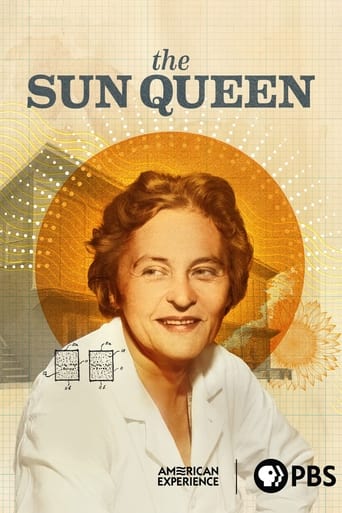
Chemical engineer and inventor Maria Telkes worked for nearly 50 years to harness the power of the sun, designing and building the world's first successful solar-heated modern residence and identifying a new chemical that could store solar heat like a battery. Telkes was undercut and thwarted by her (male) boss and colleagues at MIT, but she persevered. Upon her death in 1995 Telkes held more than 20 patents, and now she is recognized as a visionary pioneer in the field of sustainable energy whose work continues to shape how we power our lives today.
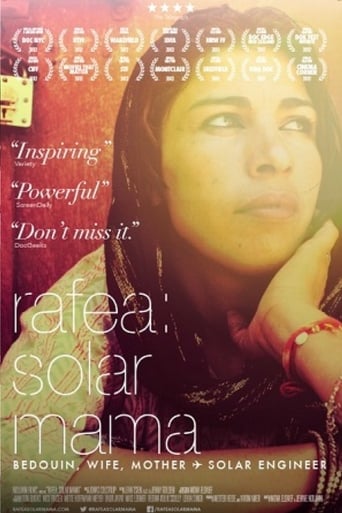
Rafea: Solar Mama follows the groundbreaking journey of one Bedouin mother living on the Jordan-Iraq border who, along with thirty illiterate grandmothers from around the world, will travel to The Barefoot College in India to become Solar Engineers. (TIFF)
Theory of Light is a documentary centred on the climate emergency through a climate justice lens. It's committed to uplifting the perspectives of communities already being impacted by climate change and representing those who feel excluded from the climate movement.
13-year-old inventor Aidan has discovered that trees use a mathematical formula to gather sunlight in crowded forests. Now he wonders why we don't collect solar energy the same way.
Short film about regenerative energy sources
A three year self-described labour of love, 2040 takes the form of a visual letter from the filmmaker to his four-year-old daughter Velvet, showing her what the year 2040 could look like “if we simply embraced the best solutions that exist today.”