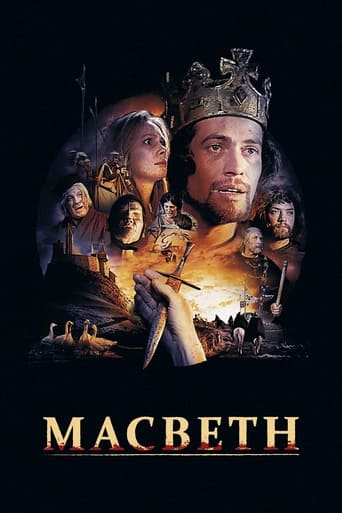
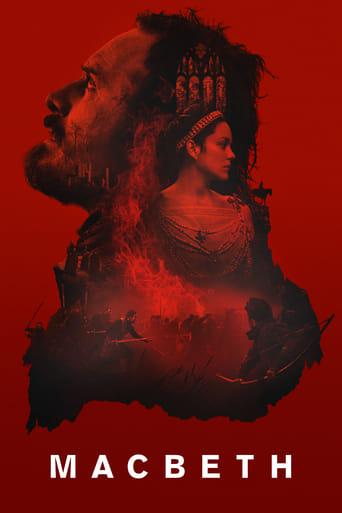
David McVicar's production of Verdi's 1847 opera Macbeth.
Social & External
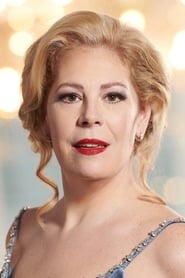
Lady Macbeth
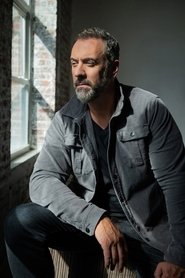
Macduff
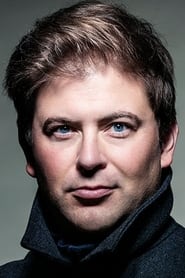
Banquo
Macbeth
"La Bohème" is one of Giacomo Puccini's most popular and timeless works and the second-most performed opera at New York's Metropolitan Opera. This production, directed by the legendary Franco Zeffirelli, features José Carreras, Teresa Stratas, Renata Scotto and Richard Stilwell. The opera is replete with extraordinary visual beauty as it presents the tragic story of young bohemians struggling to make it in the world.
Sergey Prokofiev's operatic tragedy The Fiery Angel was never performed in the composers lifetime the musics brittle energy, drama and eloquent lyrical tenderness would re-emerge in his Third Symphony. The narrative focuses relentlessly on Renata, who is haunted by an angel who turns out to be the devil. Director Emma Dante describes the opera as an explosive mix of fantastical realism and endless confusion of nightmares, madness, sexual impulses and cultural clashes, and this Teatro dellOpera di Roma production was acclaimed as a presentation of Prokofievs masterpiece which sparkles in all its grotesque glory (operawire.com)
John, an ambitious but undisciplined New York City office worker, meets and marries Mary. They start a family, struggle to cope with marital stress, financial setbacks, and tragedy, all while lost amid the anonymous, pitiless throngs of the big city.
Johann Strauss, Jr., a would-be composer of waltzes in mid-19th Century Vienna, attempts to thwart his father's efforts to prevent his success when the older man becomes jealous of his melodic skill.
"Die tote Stadt" is a psychologically layered drama with Hitchcock-like features, about Paul who, after the loss of his beloved Marie, slowly but surely becomes entangled in a dream world of obsessions and delusions. This impressive opera is a passionate as well as a surrealistic plea for mourning. "He who cannot live with death has no life."
Witness the Zurich Opera's stunning production of Richard Wagner's masterpiece "Tannhauser," conducted by Franz Welser-Most and featuring Peter Sieffert (Tannhauser), Solveig Kringelborn (Elisabeth) and Roman Trekel (von Eschenbach). Initially produced in Dresden in 1845, "Tannhauser" instilled a sense of wonder in a few of Strauss's ardent friends and admirers, among them Robert Schumann and Franz Liszt. Opera buffs will love it.
The Nazis, exasperated at the number of escapes from their prison camps by a relatively small number of Allied prisoners, relocate them to a high-security 'escape-proof' camp to sit out the remainder of the war. Undaunted, the prisoners plan one of the most ambitious escape attempts of World War II. Based on a true story.
The Threepenny Opera proclaims itself "an opera for beggars," and it was in fact an attempt both to satirize traditional opera and operetta and to create a new kind of musical theater based on the theories of two young German artists, composer Kurt Weill and poet-playwright Bert Brecht. The show opens with a mock-Baroque overture, a nod to Threepenny's source, The Beggar's Opera, a brilliantly successful parody of Handel's operas written by John Gay in 1728. In a brief prologue following the overture, a shabby figure comes onstage with a barrel organ and launches into a song chronicling the crimes of the notorious bandit and womanizer Macheath, "Mack the Knife." The setting is a fair in Soho (London), just before Queen Victoria's coronation. In this production, Weill champion HK Gruber led the Ensemble Modern in a performance of Weill's complete original score, the first time it had been heard in Germany in many years. This production was broadcast on German television (3sat).
A Night in Tuscany is the first DVD released by Italian singer Andrea Bocelli of a concert held in his native Tuscany, in 1997, highlighting the unique blend of Classical, Pop, and traditional Italian songs that made him a crossover success as an internationally acclaimed tenor. The concert takes place at the Piazza dei Cavalieri in Pisa. Bocelli performs two opera duets with soprano Nuccia Focile during the concert, before singing Miserere with Italian rock star Zucchero, who discovered him, and Time To Say Goodbye with English soprano Sarah Brightman
Live Metropolitan Opera performance March, 1985.
Australian Opera Chorus and Elizabethan Sydney Orchestra production of Donizetti's opera
17-year old Sarah, filled with adolescent angst, is an extreme person who in her rehearsals with a theatre group is transformed until she is almost in a trance, and her performances at home or elsewhere verge on excess. A cold, intellectual father, a timid mother, a younger sister and an older brother who has left home complete the picture: a silent time bomb.
In summer 2025, the Van Drayens gathers at their secluded estate, The Château, for their annual family dinner. But as the patriarch reveals the contents of his will, simmering tensions erupt, threatening to tear the family apart.
A small mountain community in Canada is devastated when a school bus accident leaves more than a dozen of its children dead. A big-city lawyer arrives to help the survivors' and victims' families prepare a class-action suit, but his efforts only seem to push the townspeople further apart. At the same time, one teenage survivor of the accident has to reckon with the loss of innocence brought about by a different kind of damage.
The historic, original, live airing of what would become an annual Christmas tradition throughout the 1950s, this opera tells the story of Amahl, a crippled shepherd boy, and his destitute mother, who provide temporary shelter to three men who are following a star to the newly-born Christ child.
Inspired by one of the twentieth century's greatest novels, composer Lorin Maazel evokes Orwell's totalitarian nightmare, where "Big Brother" is always watching, and those guilty of "thoughtcrime" are condemned to face their worst fears in the infamous "Room 101". Filmed during world premiere performances of Robert Lepage's spectacular and psychologically gripping Royal Opera production and conducted by the composer, an international cast brings George Orwell's dark vision to shattering operatic life.
What happened to Figaro and his friends after the events told in Rossini’s and Mozart’s operas? One possible sequel is told in John Corigliano’s “grand opera buffa” The Ghosts of Versailles—an uproariously funny and deeply moving work inspired by Beaumarchais’s third Figaro play, La Mère Coupable, and commissioned by the Met to celebrate its 100th anniversary. This telecast captures its world premiere run, conducted by James Levine. Håkan Hagegård is Beaumarchais, Figaro’s creator, who is deeply in love with Marie Antoinette (Teresa Stratas in a heart-searing performance) and determined to rewrite history and save her from the guillotine. A young Renée Fleming, at the beginning of her international career, sings the unfaithful Rosina. Gino Quilico is the wily Figaro who tries to take matters in his own hands, and Marilyn Horne stops the show as the exotic entertainer Samira.
Disenchanted opera star Carlotta Manson falls for ruffian cat burglar Barney McGann and gives up her career to marry him. But Barney grows disenchanted himself at being known as the husband of a diva and itches to get back to his life of crime and manliness.
In 16th century Japan, peasants Genjuro and Tobei sell their earthenware pots to a group of soldiers in a nearby village, in defiance of a local sage's warning against seeking to profit from warfare. Genjuro's pursuit of both riches and the mysterious Lady Wakasa, as well as Tobei's desire to become a samurai, run the risk of destroying both themselves and their wives, Miyagi and Ohama.