Social & External
The people behind it
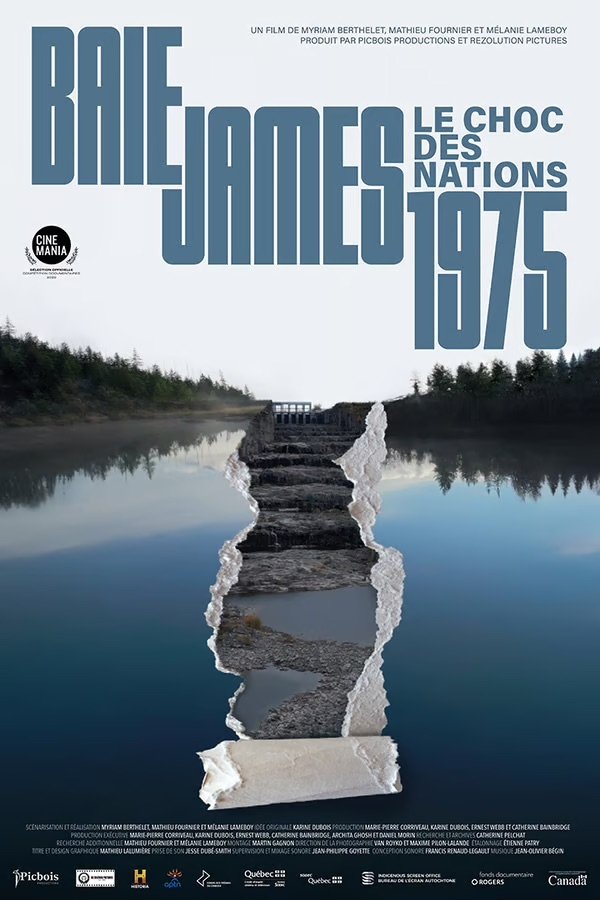
A dive into the origins of two revolutions: the rapid expansion of Hydro-Québec with the construction of the La Grande hydroelectric power plant, a project championed by Premier Robert Bourassa, and the awakening of Indigenous nations. A clash of civilizations where two worldviews collide. Quebec, buoyed by the momentum of the Quiet Revolution, takes control of its destiny. Meanwhile, in the North, young Inuit and Cree rise up for the first time to protect what is most precious to them: their land and their culture. At the heart of the conflict is the James Bay construction site, the largest of its kind in North America.
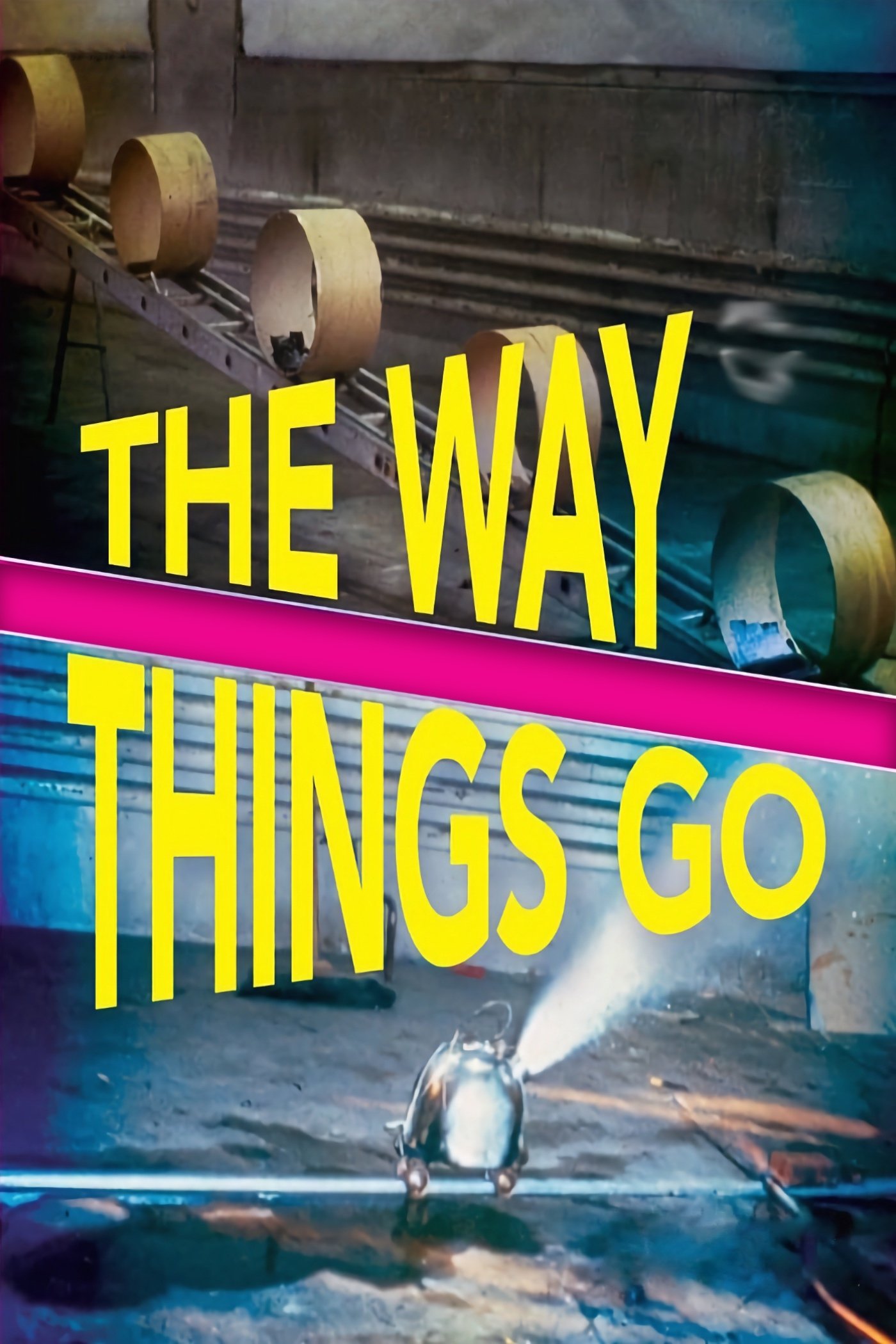
Artists Peter Fischli and David Weiss create the ultimate Rube Goldberg machine. The pair used found objects to construct a complex, interdependent contraption in an empty warehouse. When set in motion, a domino-like chain reaction ripples through the complex of imaginative devices. Fire, water, the laws of gravity, and chemistry determine the life-cycle of the objects. The process reveals a story concerning cause and effect, mechanism and art, and improbability and precision, in an extended science project that will mesmerize the mind.
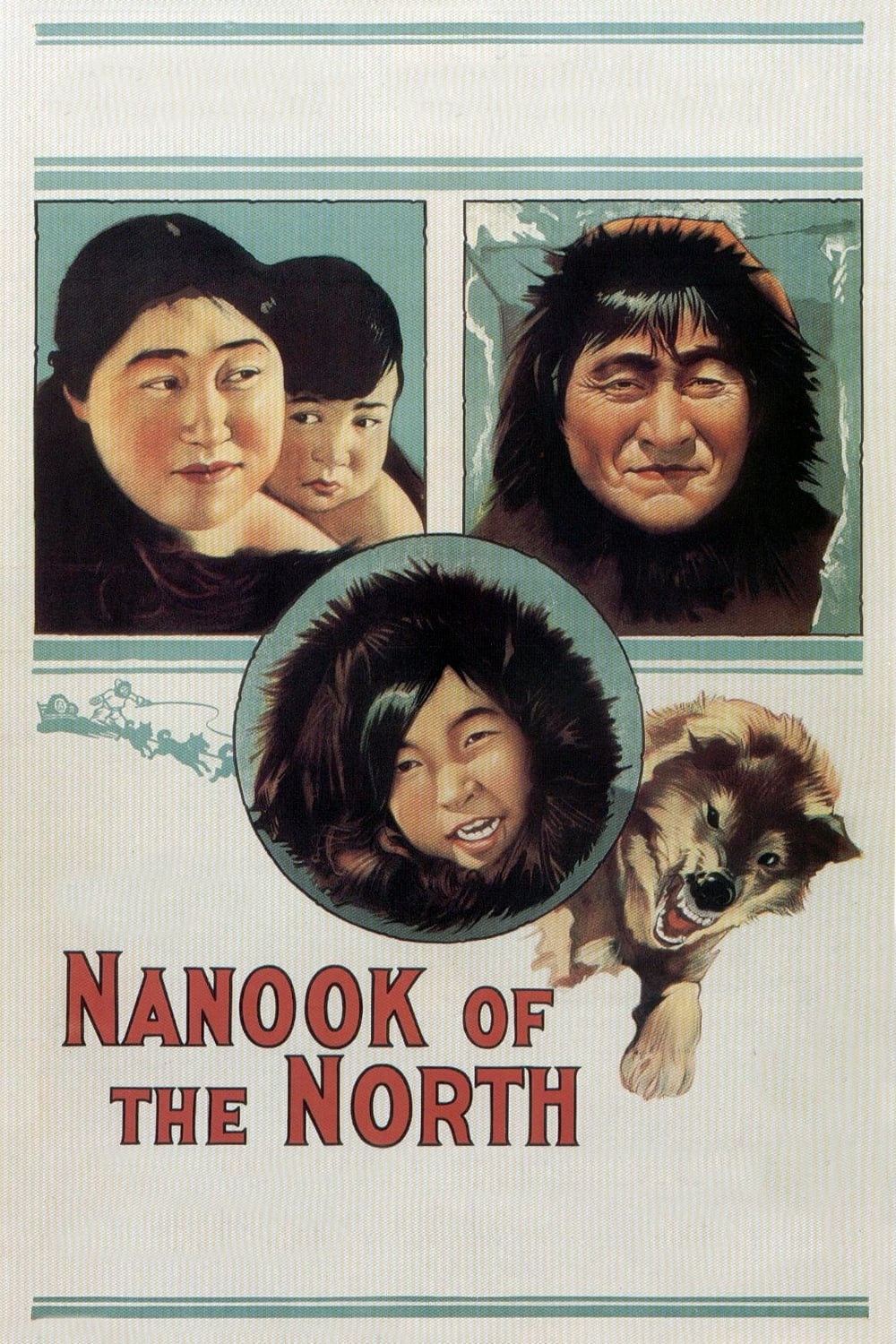
This pioneering documentary film depicts the lives of the indigenous Inuit people of Canada's northern Quebec region. Although the production contains some fictional elements, it vividly shows how its resourceful subjects survive in such a harsh climate, revealing how they construct their igloo homes and find food by hunting and fishing. The film also captures the beautiful, if unforgiving, frozen landscape of the Great White North, far removed from conventional civilization.
Filmed in Victoriaville, the film uses images from various sources to paint a cynical portrait of the violent boredom that reigns in rural areas. Quiet sequences of people sharing joints by the river are followed by a lone car speeding along wooded roads, as if seeking speed on the brink of accident. Thuya abandons technical mastery in favor of intimate and spontaneous filming, composing a raw self-documentation of daily stagnation. Filmed mainly in a single day of improvisation, based on chance encounters and found footage.
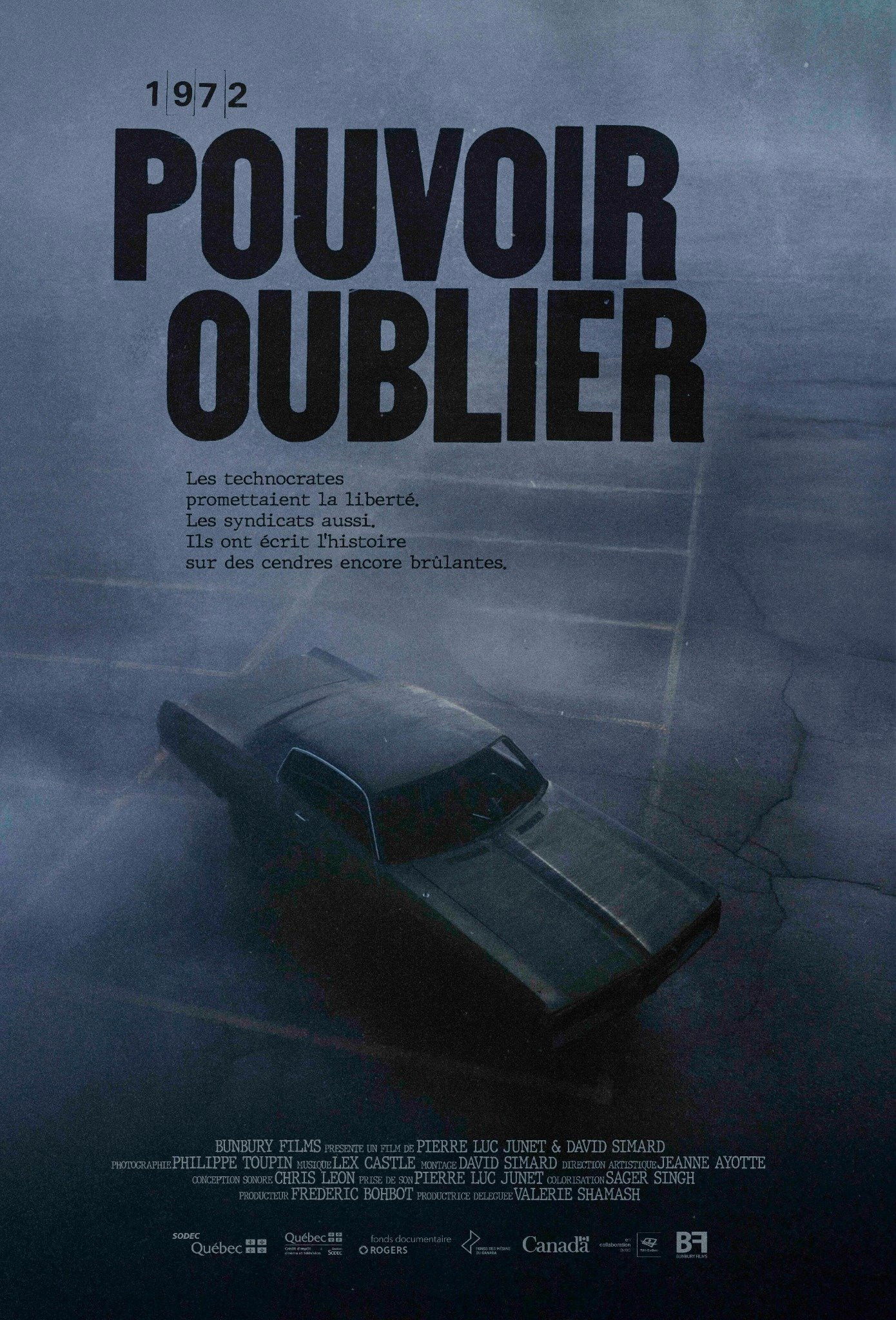
Pouvoir Oublier is a political documentary first constructed from the words of the speakers whose lives changed on the tragic day of May 10, 1972 in Sept-Îles. Their word will be juxtaposed with archival material from the events, some of which are unpublished, which will reflect the collective euphoria in which Sept-Îles and all of Quebec were then bathed.
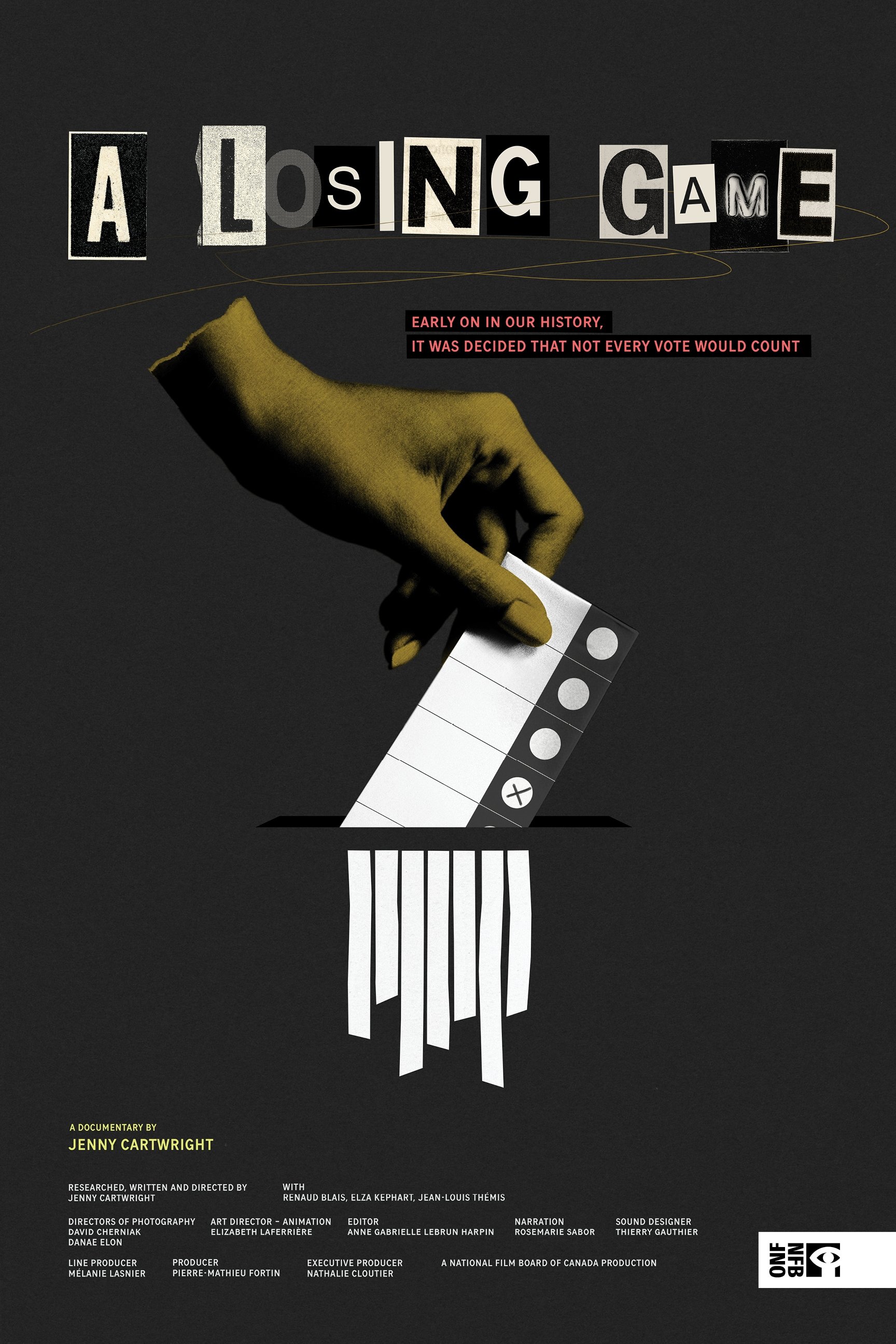
A Losing Game follows three people who ran for office in the 2022 Quebec provincial election, casting a critical eye on its electoral system and the many ways in which it is dysfunctional.
This film is about the francization of Québec that has taken place since the Parti Québécois won power from the Liberals in 1976. It shows how the once powerful anglophone community is now questioning its very survival. It discusses some of the motivating forces behind Québécois nationalism. The film concludes by asking if the Canadian nation can survive if neither of its major language groups is welcome in the territory of the other.
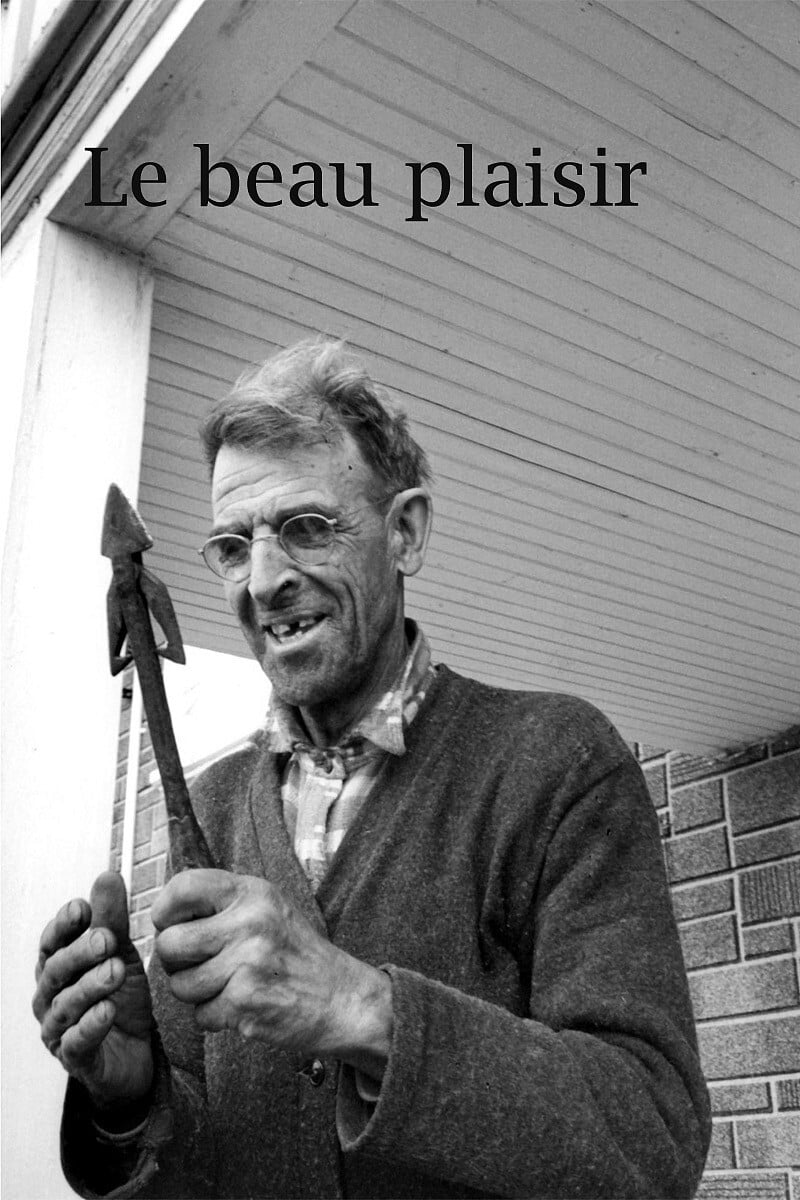
From the lower St. Lawrence, a picture of whale hunting that looks more like a round-up, with a corral, whale-boys and all. In 1534, when he stopped at the island he named l'Île-aux-Coudres, Jacques Cartier saw how the Indians captured the little white beluga whales by setting a fence of saplings into off-shore mud. In the film, the islanders show that the old method still works, thanks to the trusting 'sea-pigs,' the same old tide, and a little magic.
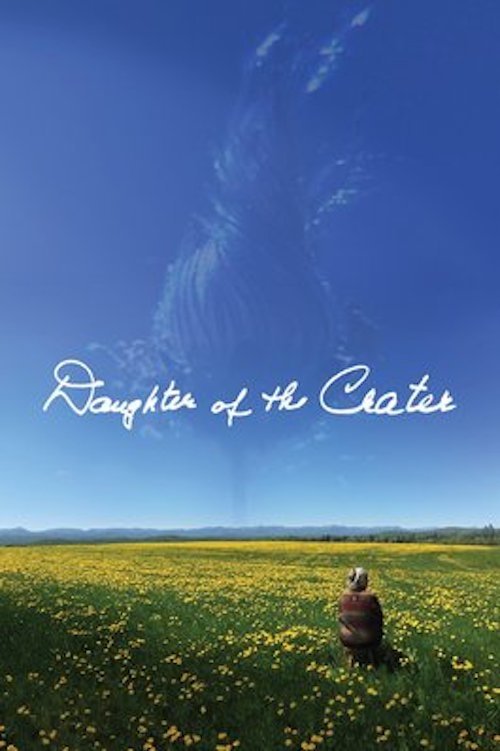
A woman with a deep love of the land, Yolande Simard Perrault sees her life as having been shaped by a planetary upheaval in Charlevoix, Quebec, millions of years ago. As enduring as the Canadian Shield, she’s a woman of strength and spirit, a child of the crater left by the meteor’s impact. This documentary portrays a determined woman who’s the reflection of a land created on an immense scale. She was the creative and life partner of filmmaker Pierre Perrault, who gave up everything to be by her side. The film charts the influence of her unquenchable dreams and her contribution to the building of a people’s collective memory. In a stream of images and words, Simard Perrault recounts the splendours of the landscape and the people who shaped it. Generous and boundless, she embarks on a quest for identity that nurtures and perpetuates the oeuvre of the man who breathed new life into Quebec cinema.
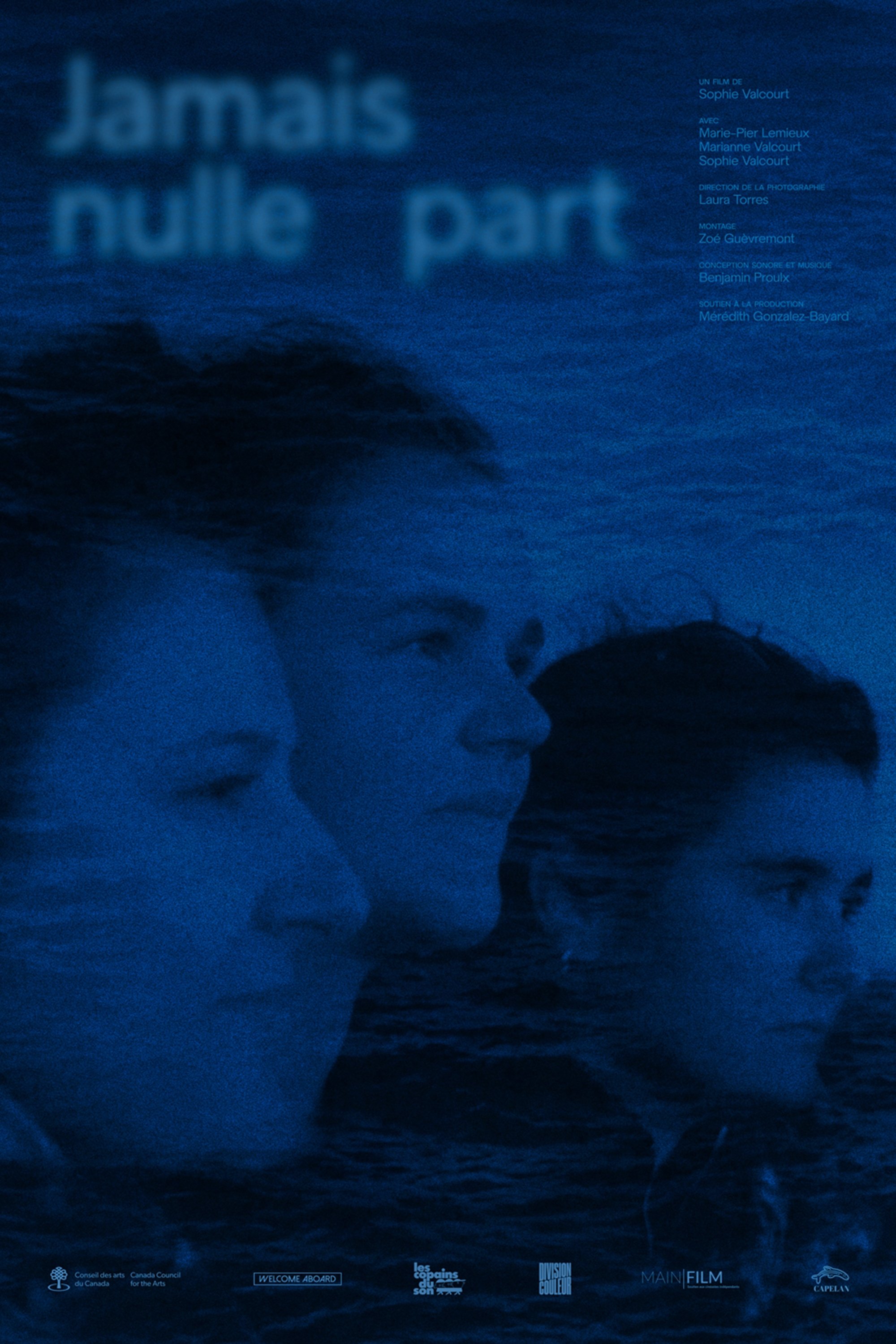
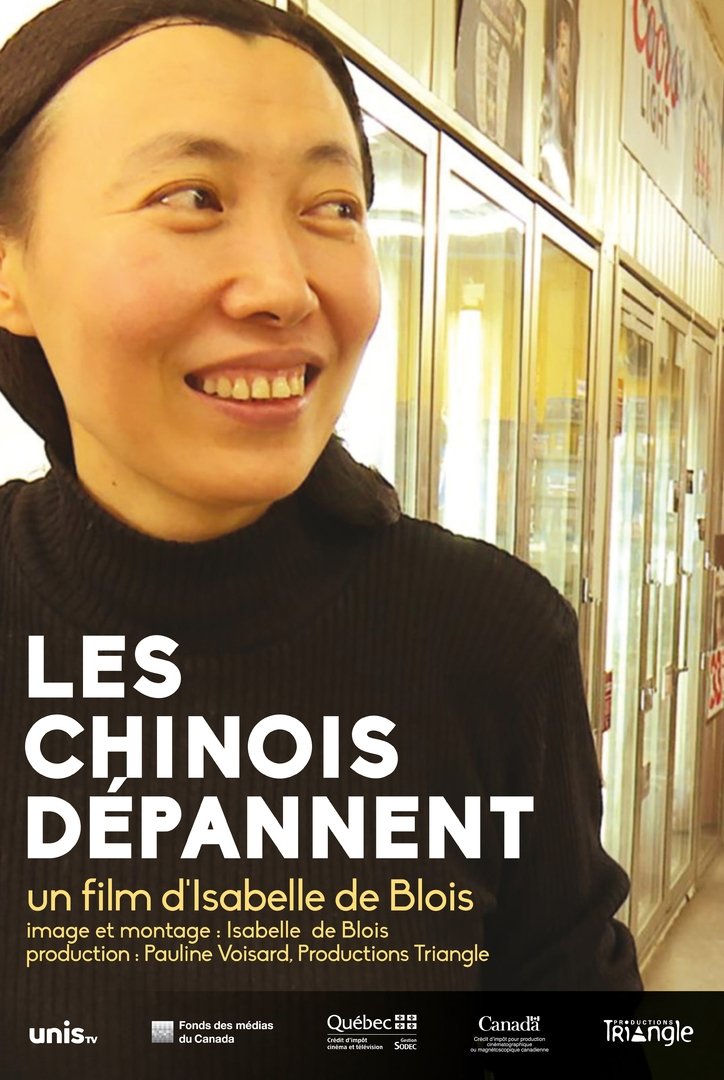
Behind closed doors in a car, three friends from the small town of Sept-Îles discuss their desire to reconnect with the North Shore, the region where they grew up. As the hours lenghten on the road 138, the young women reflect on the quest for identity that accompanies the regional exodus and reveals a social landscape decentralized from the metropolises.
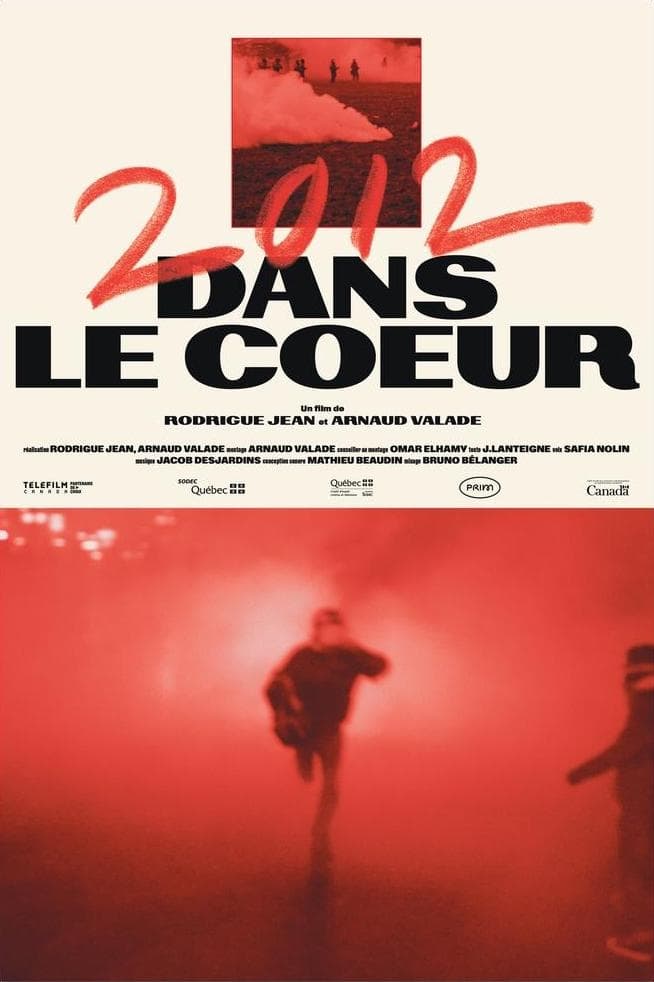
What remains of the 2012 Quebec student protests? Little has changed in the decade that ensued. Rodrigue Jean and Arnaud Valade exhume images of the battles, recorded live and relayed through the mass media, that flared up as anger and indignation went head-to-head with the rhetoric of power. Against these divisive images, the filmmakers overlay a historical perspective of the state and its police in Montreal, Quebec and Canada, delving into the roots of sanctioned violence. Their compelling glance at the past is, of course, a cry that continues to echo in the present day. While the voices have been silenced, revolt still brews. All it takes is a spark...
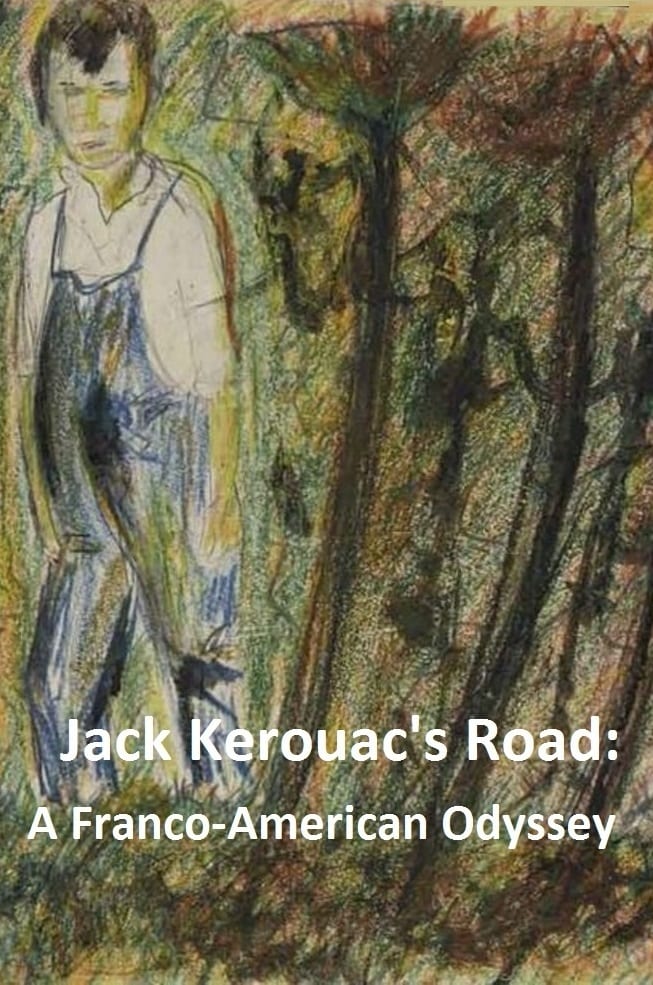
Part documentary, part drama, this film presents the life and work of Jack Kerouac, an American writer with Québec roots who became one of the most important spokesmen for his generation. Intercut with archival footage, photographs and interviews, this film takes apart the heroic myth and even returns to the childhood of the author whose life and work contributed greatly to the cultural, sexual and social revolution of the 1960s.
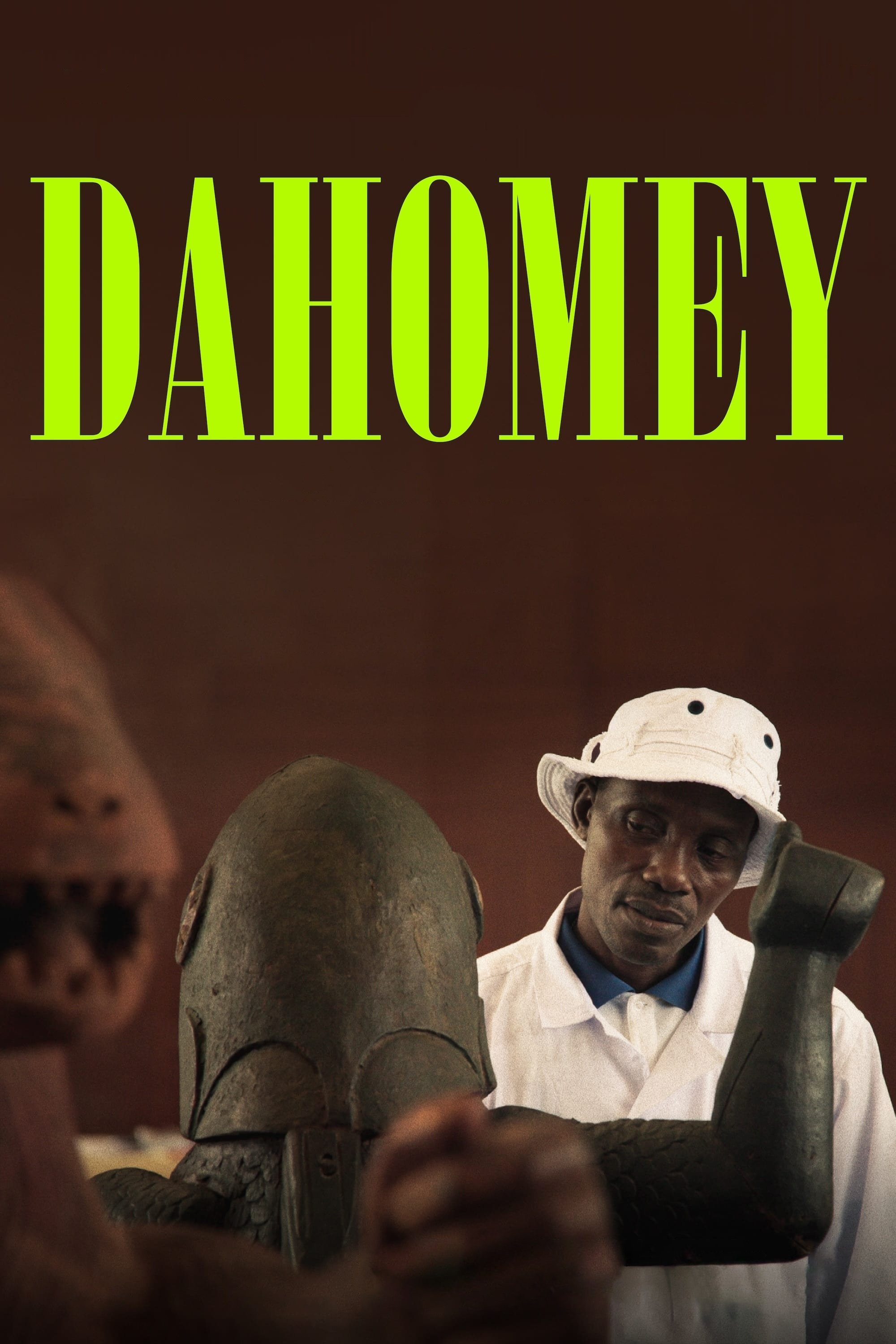
Thousands of royal artifacts of Dahomey, a West African kingdom, were taken by French colonists in the 19th century for collection and display in Paris. Centuries later, a fraction returned to their home in modern-day Benin. This dramatized documentary follows the journey of 26 of the treasures as told by cultural art historians, embattled university students, and one of the repatriated statues himself.
In an intimate and joyful story of love in the face of loss, celebrated poets Andrea Gibson and Megan Falley find strength—and unexpected hilarity—in what might be their final year together.
Al Pacino's deeply-felt rumination on Shakespeare's significance and relevance to the modern world through interviews and an in-depth analysis of "Richard III."
A visual montage portrait of our contemporary world dominated by globalized technology and violence.
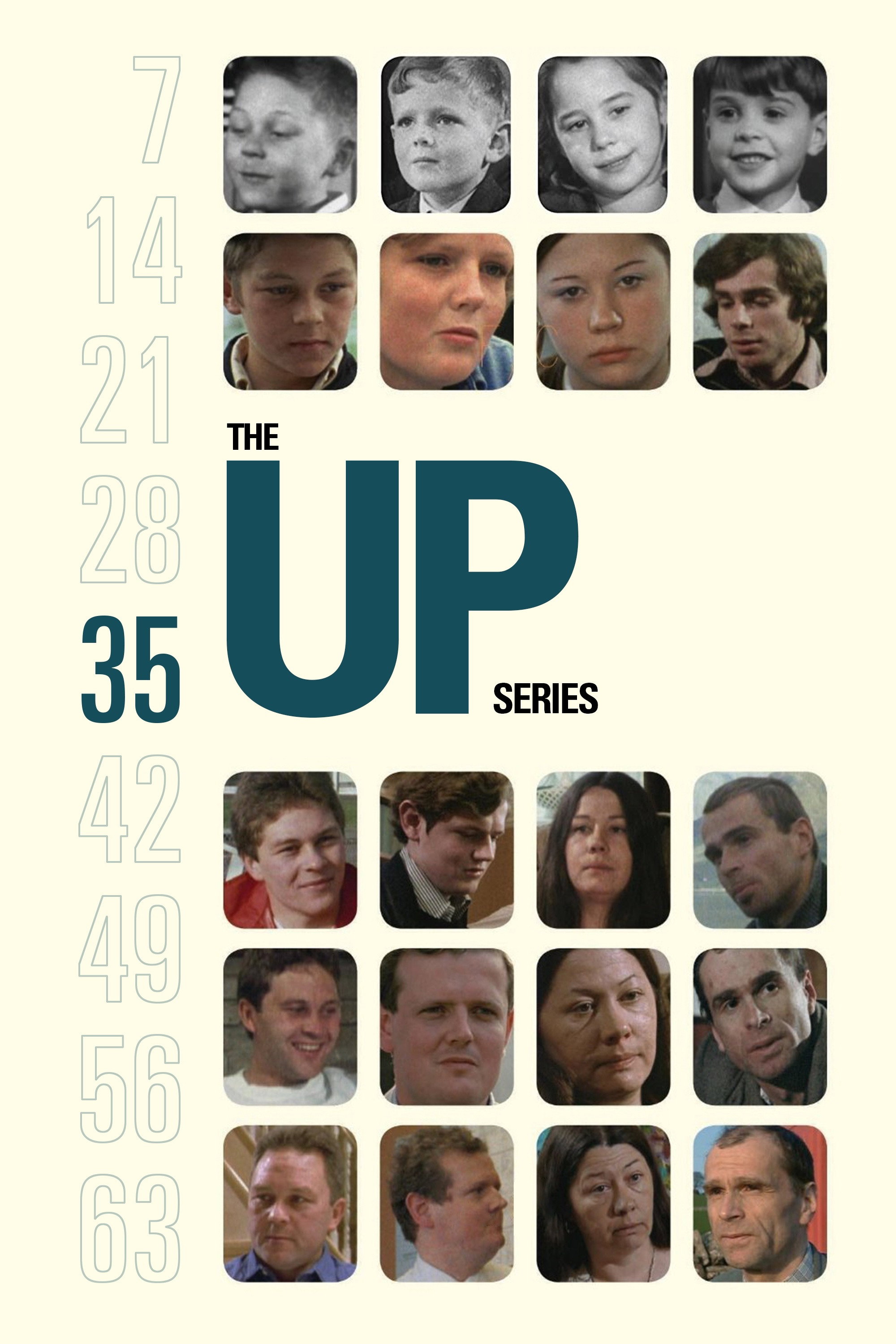
Director Michael Apted revisits the same group of British-born adults after a 7 year wait. The subjects are interviewed as to the changes that have occurred in their lives during the last seven years.
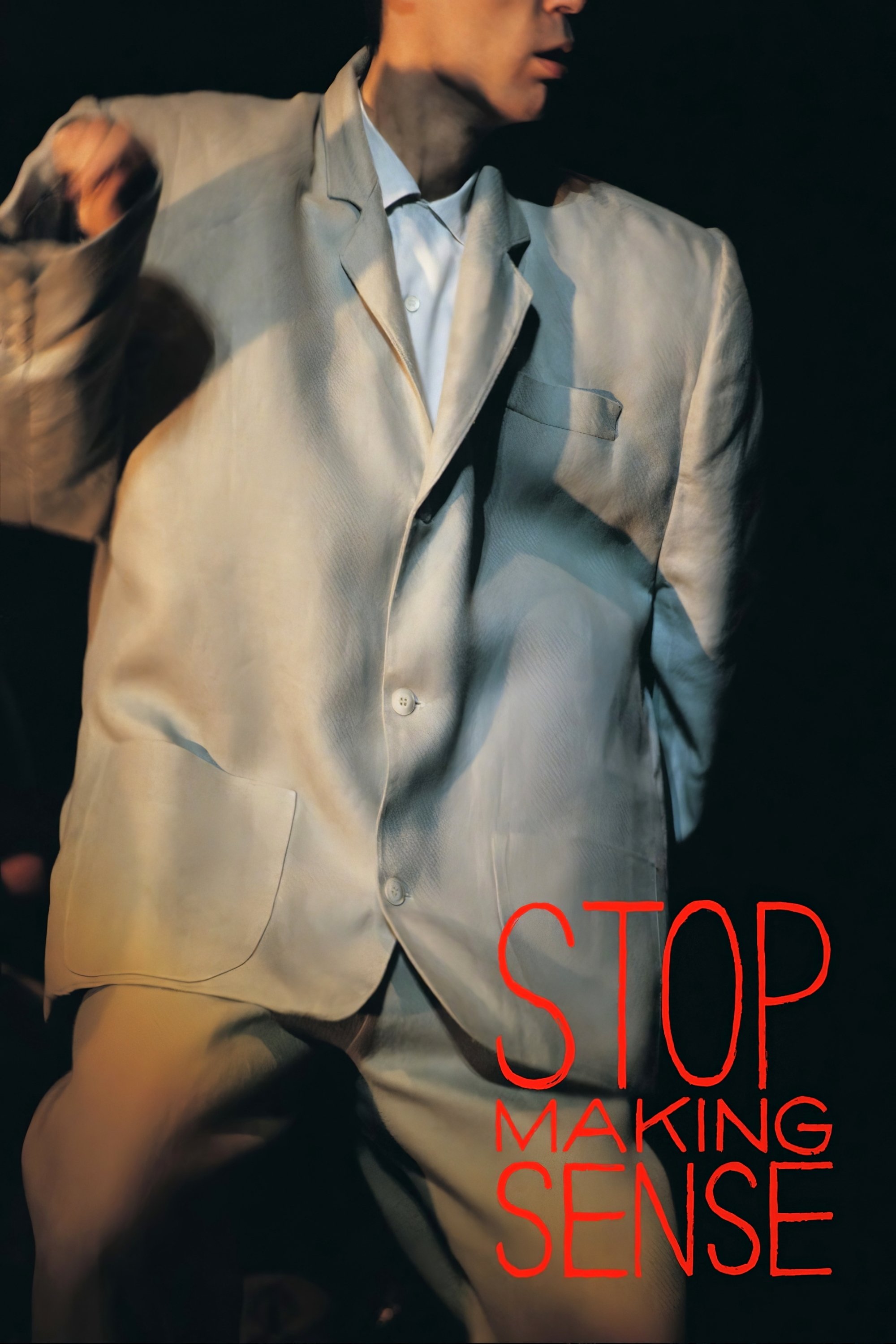
A concert film documenting Talking Heads at the height of their popularity, on tour for their 1983 album "Speaking in Tongues." The band takes the stage one by one and is joined by a cadre of guest musicians for a career-spanning and cinematic performance that features creative choreography and visuals.
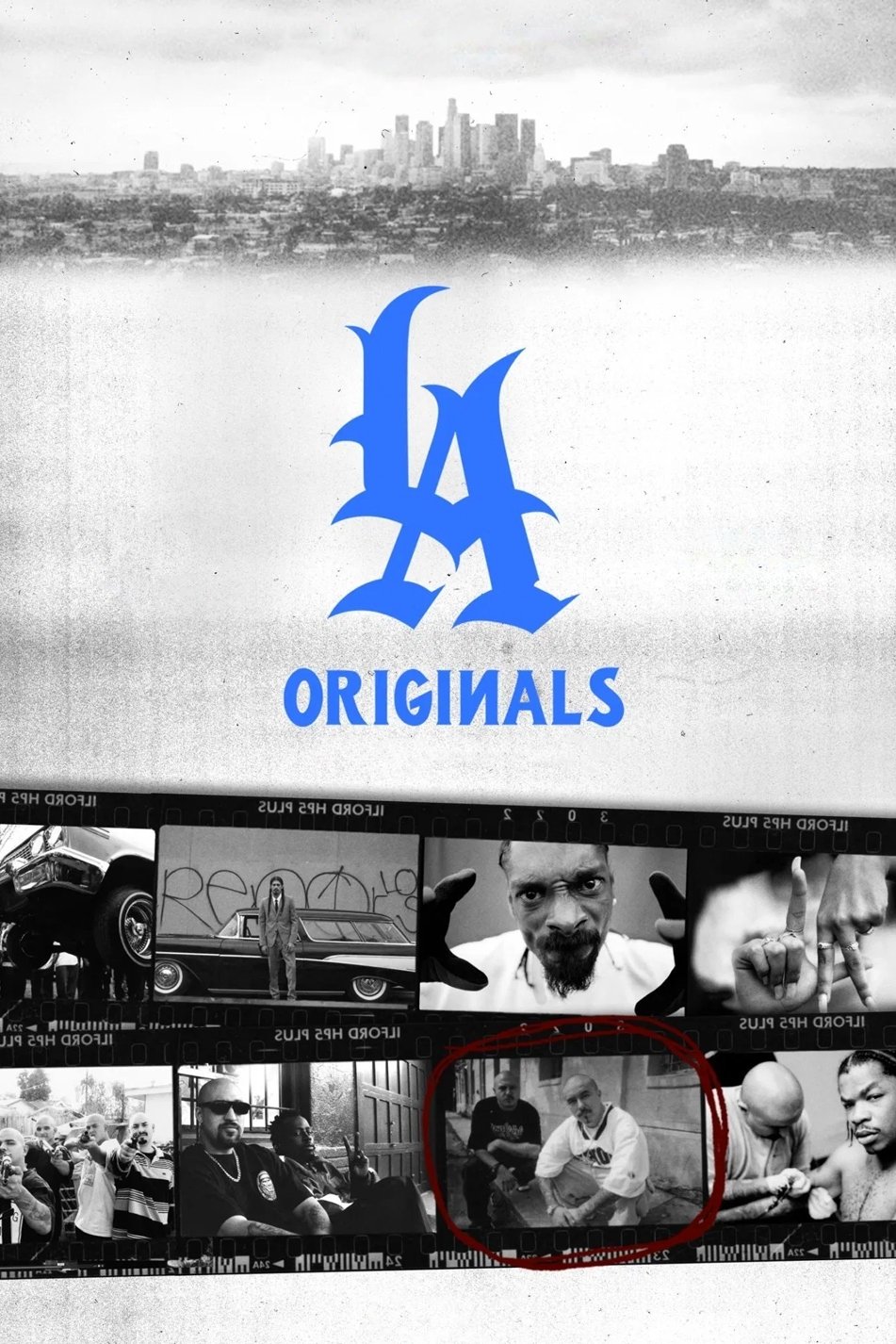
Photographer Estevan Oriol and artist Mister Cartoon turned their Chicano roots into gritty art, impacting street culture, hip hop and beyond.
Artists in LA discover the work of forgotten Polish sculptor Stanislav Szukalski, a mad genius whose true story unfolds chapter by astounding chapter.
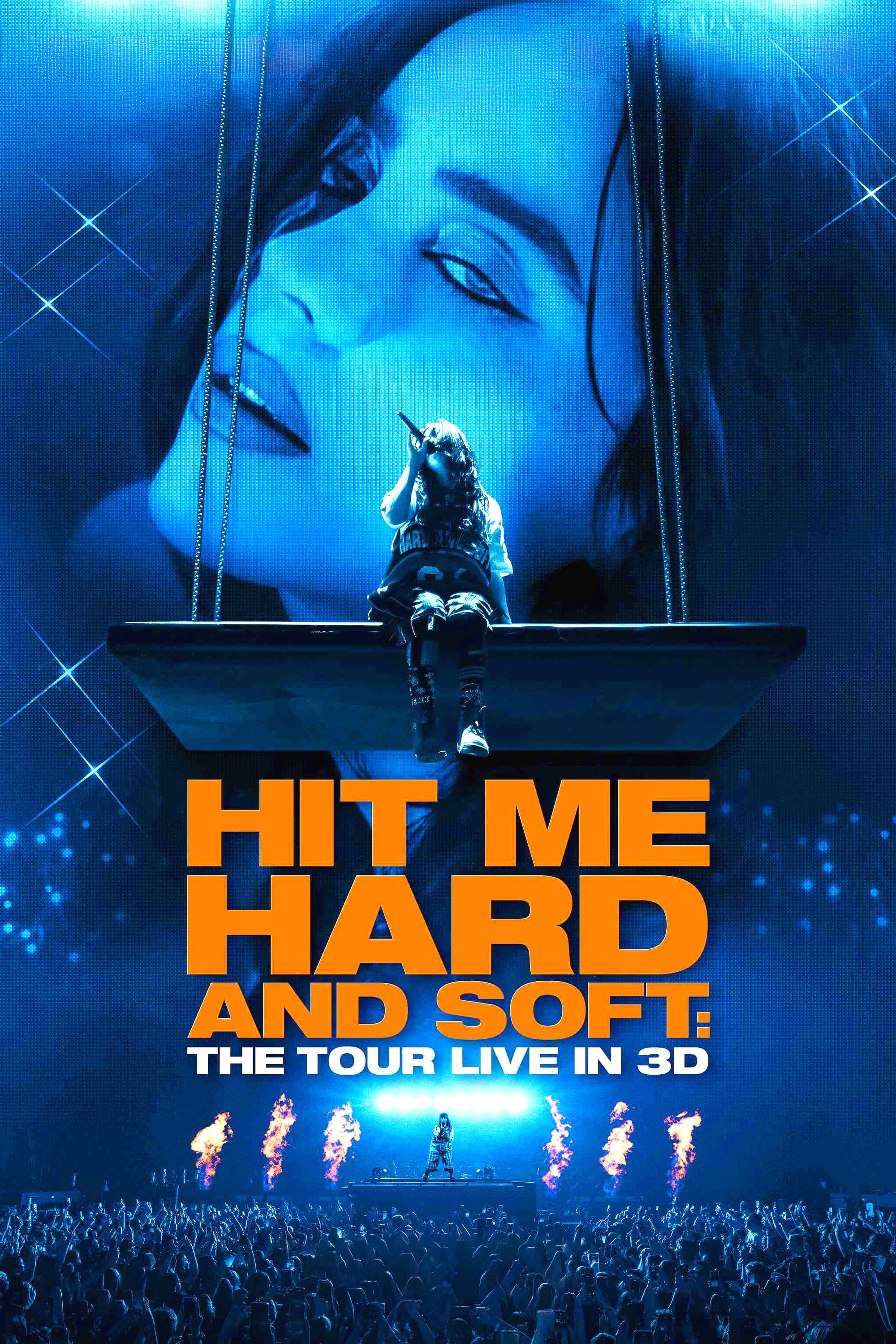
Captured during Billie Eilish's sold-out world tour, a concert experience from one of the most celebrated and successful artists of her generation, presented in immersive 3D.
Alexander McQueen's rags-to-riches story is a modern-day fairy tale, laced with the gothic. Mirroring the savage beauty, boldness and vivacity of his design, this documentary is an intimate revelation of McQueen's own world, both tortured and inspired, which celebrates a radical and mesmerizing genius of profound influence.
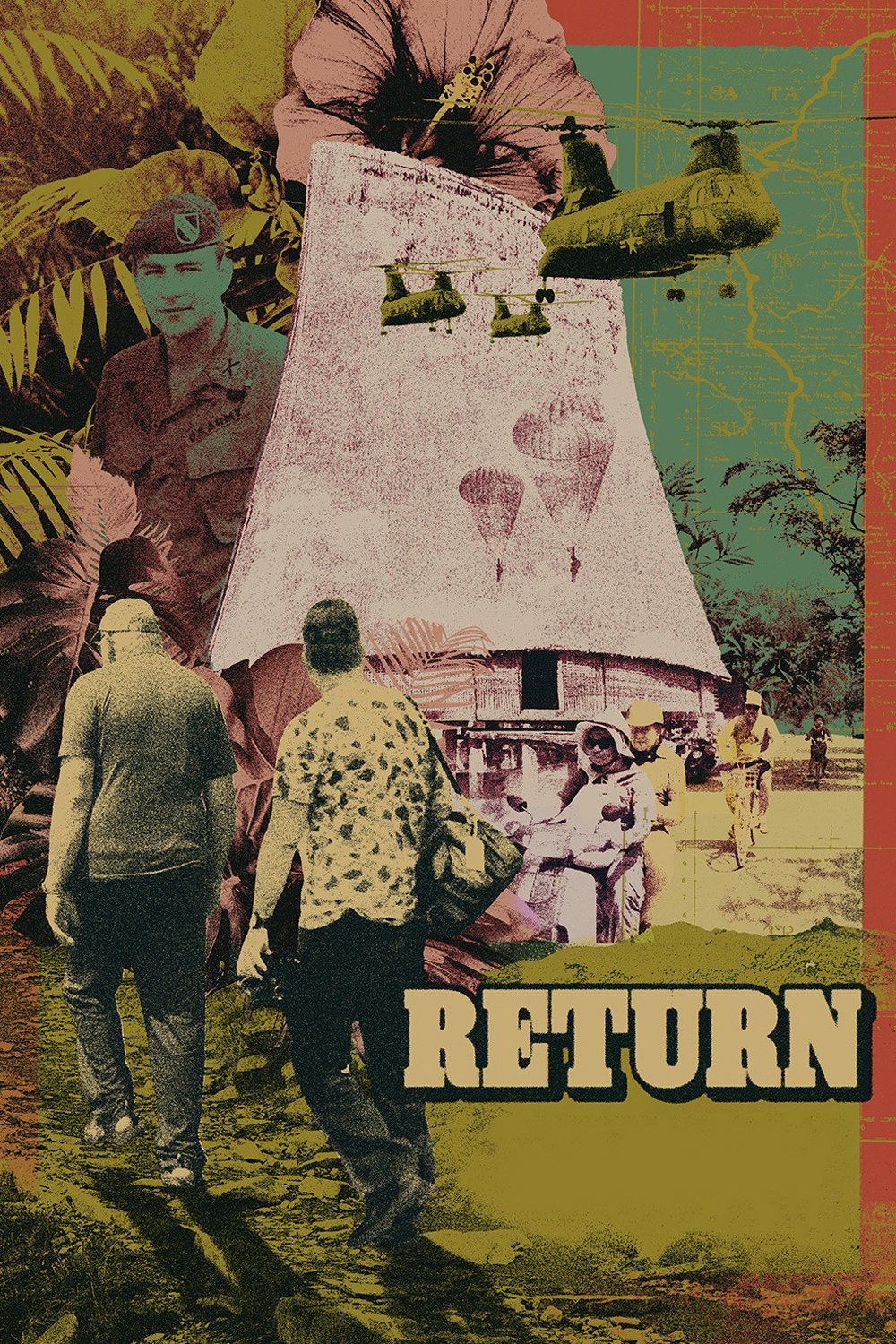
RETURN tells the story of a retired Green Beret who embarks on a healing journey from Montana to Vietnam. There he retraces his steps, shares his wartime experiences with his son, treats his Post-Traumatic Stress Disorder, and seeks out the mountain tribespeople he once lived with and fought alongside as a Special Forces officer.
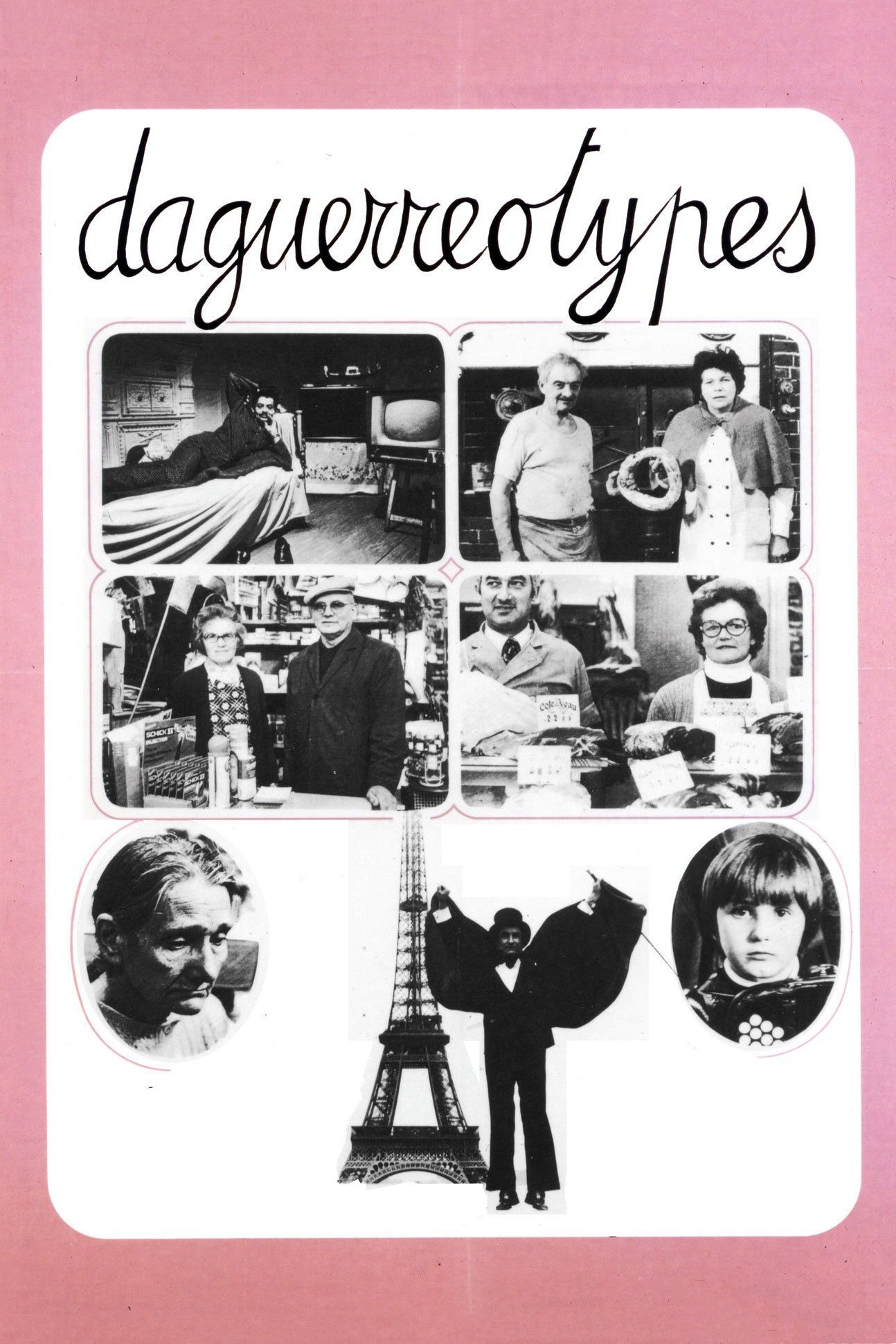
An intimate portrait of the small shops and shopkeepers of the Rue Daguerre in Paris, a picturesque street that has been the filmmaker’s home for more than 50 years.
In a crime-plagued neighborhood near Miami, brutal, bare-knuckled backyard fights give young men a chance to earn money -- and self-respect.
Nine filmmakers each profile a young girl from a different part of the world to weave a global tapestry of youth in the 21st century.
A documentary on the expletive's origin, why it offends some people so deeply, and what can be gained from its use.
The Making-of James Cameron's Avatar. It shows interesting parts of the work on the set.
An inside look at one of the most anticipated movie sequels ever with James Cameron and cast.
Werner Herzog gains exclusive access to film inside the Chauvet caves of Southern France, capturing the oldest known pictorial creations of humankind in their astonishing natural setting.
During the 1982 Cannes Film Festival, Wim Wenders asked a number of global film directors to, one at a time, go into a hotel room, turn on the camera, and answer a simple question: "What is the future of cinema?"
In the Realms of the Unreal is a documentary about the reclusive Chicago-based artist Henry Darger. Henry Darger was so reclusive that when he died his neighbors were surprised to find a 15,145-page manuscript along with hundreds of paintings depicting The Story of the Vivian Girls, in What is Known as the Realms of the Unreal, of the Glodeco-Angelinnian War Storm, Cased by the Child Slave Rebellion.