Shot in and around Yakutsk, in a remote region of Siberia, this film wrestles with the complex realities of a people and place facing continual, rapid transformation under Russia’s drive for resource extraction.
Social & External

Imagine one of the most remote wildernesses in the world. Granddaughter Masha and Vladimir, the protagonists of this story from Central Siberia try the impossible to keep their nomadic traditions alive.
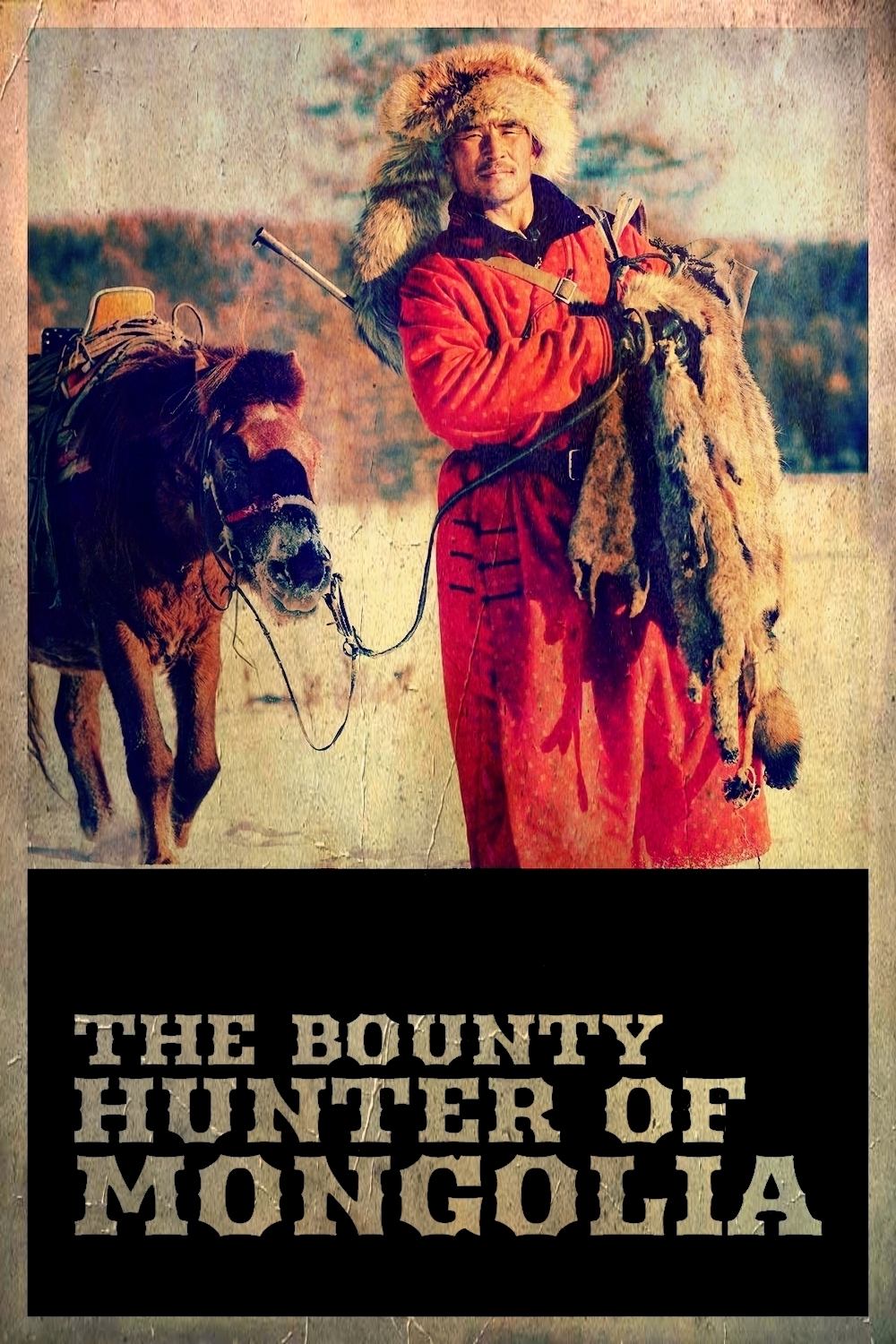
In the Darhat valley in northern Mongolia, the horses of nomadic tribes are stolen by bandits who then sell them to Russian slaughterhouses. Shukhert, a brave horseman, relentlessly pursues them through the Mongolian taiga, bordering Siberia.
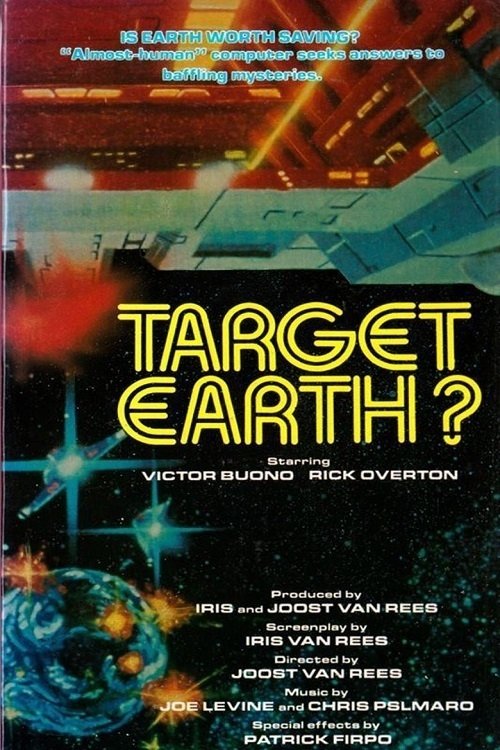
Really strange documentary of Wheeler Dixon production quality on the Tunguska Event and the possibility of it happening again causing an apocalypse (basically a meteor scare film) sprinkled with UFO conspiracy kooks, and other 'professionals', riddled with stock footage of all kinds, freaky moog music and sound fx, a Dr. Who rip-off end theme, Victor Buono as Homer the Archivist, a philosophical history recorder in a space ship with a HAL 9000 type talking computer named Ino, there's also another space ship with Egyptian looking aliens girls with pasties and see-thru blouses.
In 1829 the naturalist Alexander von Humboldt attempted a russian-siberian expedition. Humboldt travelled to obtain a clear view of nature, people and life in this immense country. 2019 naturalists and humanists attempted a transdisciplinary expedition on the trails of Humboldt. To capture the events various cameras were taken along. A non-chronological narration.
Filmed immediately after the end of the civil war in Angola, Há Sempre Alguém Que Te Ama records the return of Pocas Pascoal to the country where she was born, in an attempt to reconstruct the episode that, in 1975, led to the capture of the director along with her mother and sisters. An intimate documentary about memory and self-(re)construction.
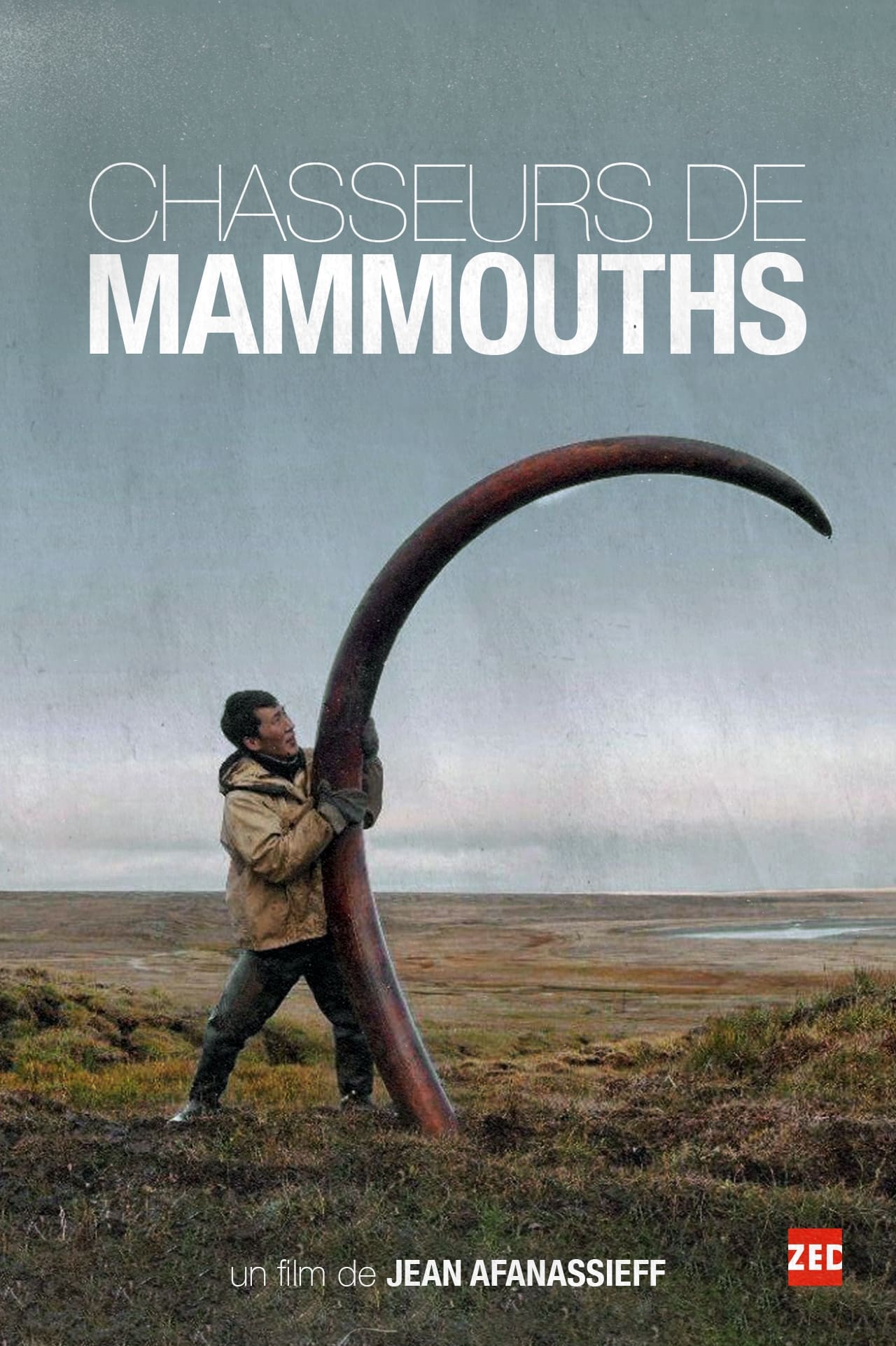
Since the ban on elephant hunting, Russia has had a monopoly on the ivory trade. But this ivory comes from mammoths, whose tusks, skeletons and sometimes frozen bodies are regularly found in the frozen ground of Siberia. According to estimates by some scientists, it could contain the remains of several million mammoths! eternal ice. Their goal: to discover the frozen remains of mammoths trapped in the permafrost. Using derisory means, they dig the frozen ground from which they extract bones, teeth, skulls... and above all, precious mammoth tusks. Ivory - the white gold of the tundra - will sell for over $50 a kilo. A total market appears at $2.5 million, with hubs in Moscow and Hong Kong.

In Northern Russia, a few dozen people still live in their traditional houses surrounded by water, stone, and sand. Cut off from vital infrastructure, almost forgotten by regional governance, these people have to cope with their everyday struggles.


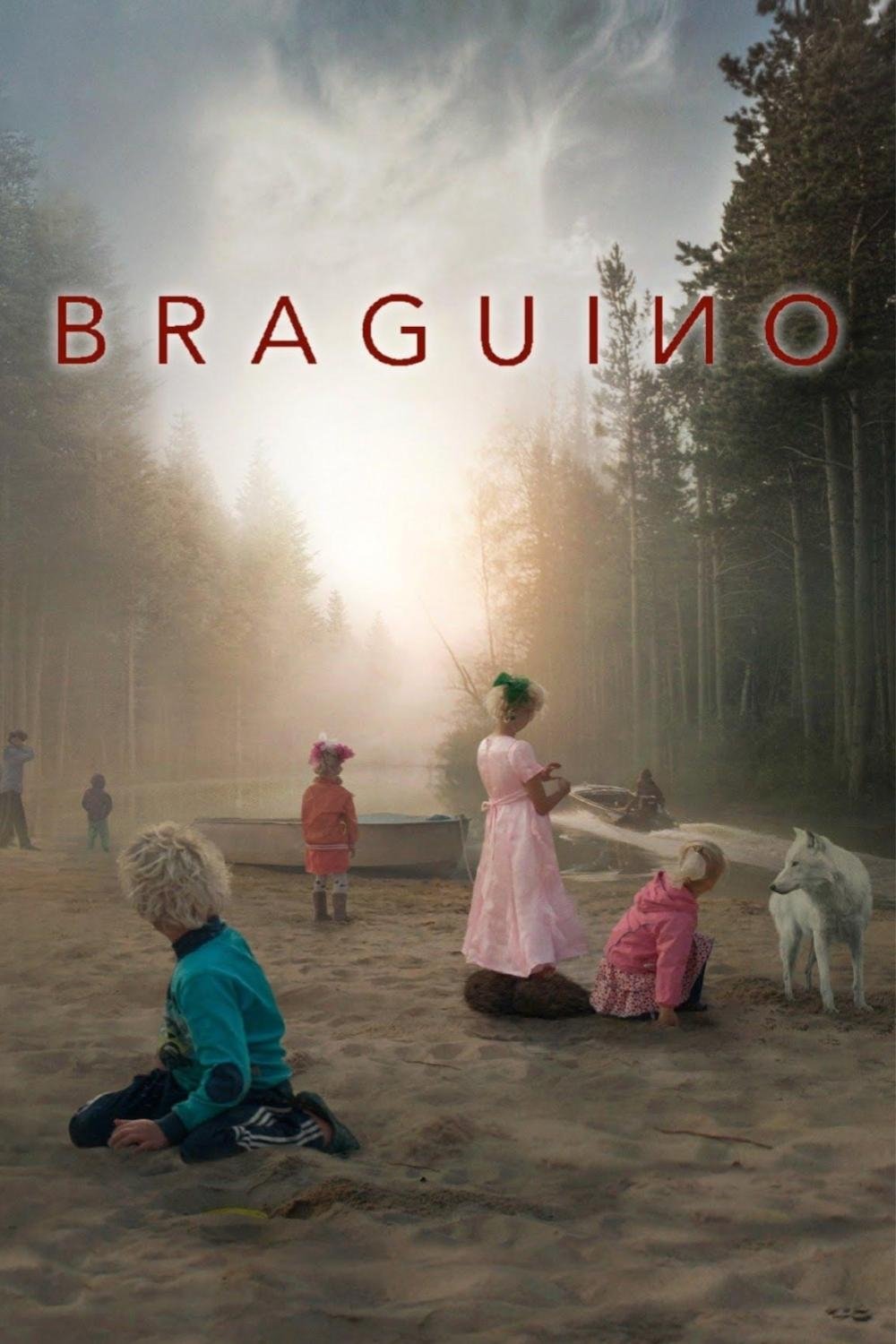
In the middle of the Siberian taiga, 450 miles from the nearest village, live two families : the Braguines and the Kilines. Not a single road leads there. A long trip on the Ienissei River, first by boat, then by helicopter, is the only way to reach Braguino. Self-sufficient, both families live there according to their own rules and principles. In the middle of the village: a barrier. The two families refuse to speak. In the river sits an island, where another community is being built : that of the children. Free, unpredictable, wild. Stemming from the fear of the other, that of wild beasts, and the joy procured by the immensity of the forest, unravels a cruel tale in which tensions and fear give shape to the geography of an ancestral conflict.
This film pictures Siberia, land of the exiles, and its rapid growth in becoming a highly industrialized land. Focuses on the major manufacturing plants of the city of Irkutsk, which anticipates a population of one million by 1980.
In the center of the story is the life of the indigenous people of the village Bakhtia at the river Yenisei in the Siberian Taiga. The camera follows the protagonists in the village over a period of a year. The natives, whose daily routines have barely changed over the last centuries, keep living their lives according to their own cultural traditions.
In the Yamal peninsula, in the northwest of Siberia, the Nenets live to the rhythm of seasons that are now out of order. Faced with increasingly mild winters and an unstable ice cap, these nomadic reindeer herders are forced to delay their transhumance, caught between a food that is drying up and the risk of drowning in the Ob River. Elsewhere in the Arctic, signs of global warming are mounting.
A unique story on the discovery of a 40-thousand-year-old, perfectly preserved baby woolly mammoth. Cutting edge science and Arctic adventure come alive in this story of a unique discovery: a perfectly preserved baby woolly mammoth that suddenly appears on a Siberian riverbank, triggering an extraordinary investigation into her life and death at the end of the Ice Age. Solving the mystery of her origins unites men whose lives are worlds apart except for their link to the woolly mammoth.
A scientist wants to recover some mammoth DNA to clone a live mammoth. So he finds a buried mammoth in the vast, rock hard permafrost of Siberia, digs it out in the middle of a blizzard and flies it home. Of course he needed a little help. So he befriended an arctic nomad who knows ever rill, rock, pond and stream in the entire region. As background to the quest, National Geographic relates the migratory history of the mammoth family.
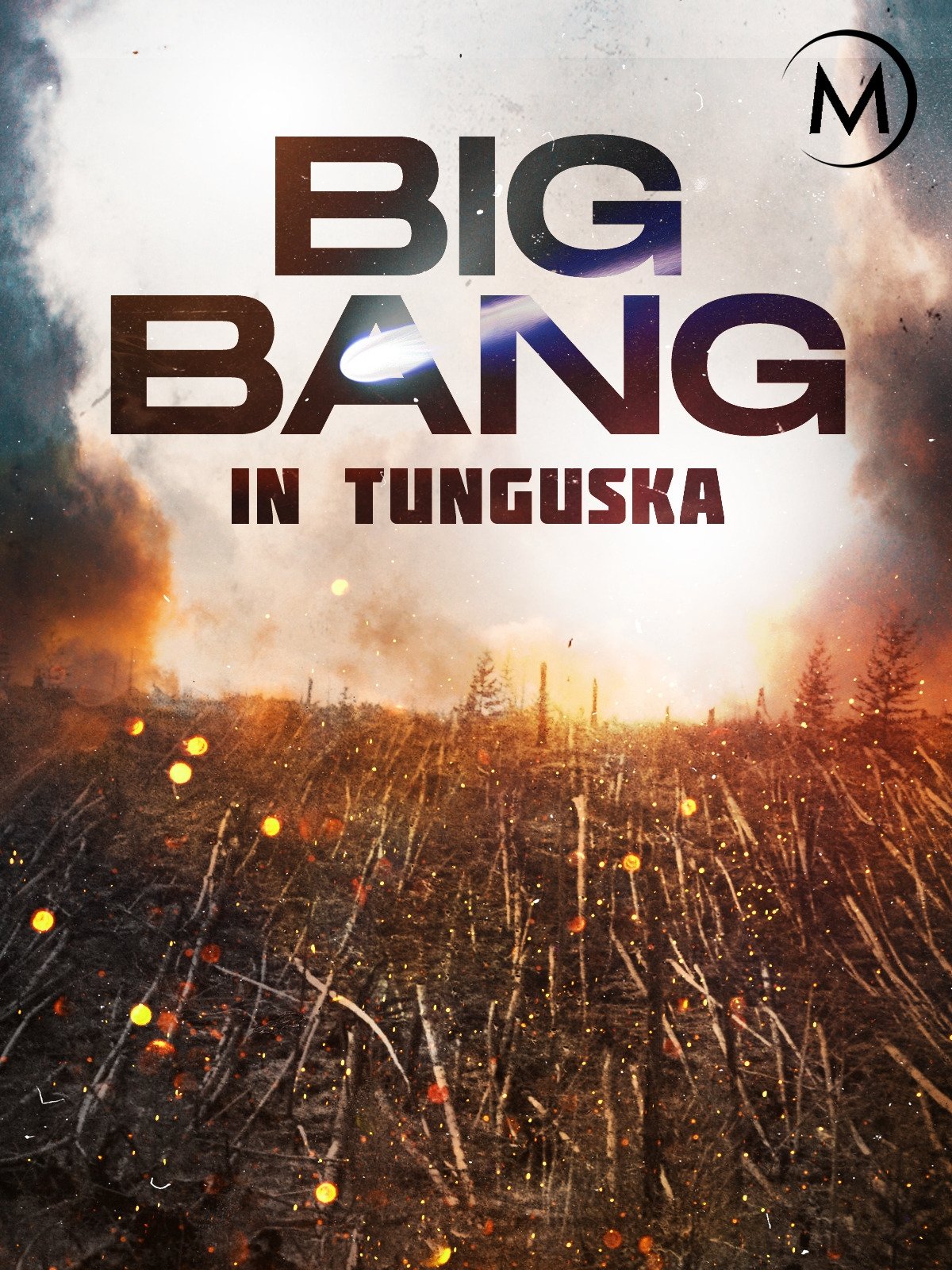
At 7:14 am on 30 June 1908, the largest explosion recorded in human history to date reverberated throughout our planet. The force of the explosion was two thousand times that of the Hiroshima bomb. A woodland area the size of Luxembourg was eradicated in the Siberian taiga. This incident is recorded in history books as the Tunguska catastrophe. To this day, internationally renowned scientists of various disciplines argue about the causes of this disastrous explosion. The documentary discusses the latest and most controversial insights of these leading scientists. It identifies the reasons why Tunguska has evolved into a phenomenon and points out the curious results produced by this mythical event in culture and economy.
Records the battle for the survival of the big cats and reveals intimate details of their lives. The animals they prey on are also in the film: tigers couldn’t survive without sika deer, Altai wapiti, wild boars and Asian black bears. Guiding the viewer through the film, an elder tiger tells the story of his cub, born in a conservation area, the year after he leaves his mother.
A window into Russia, unknown to Western man, and even to many Russians. "Russia - the largest country in the world. In many of its parts, it remains unknown world full of wonders. Let the world and will continue for the generations that come after us".
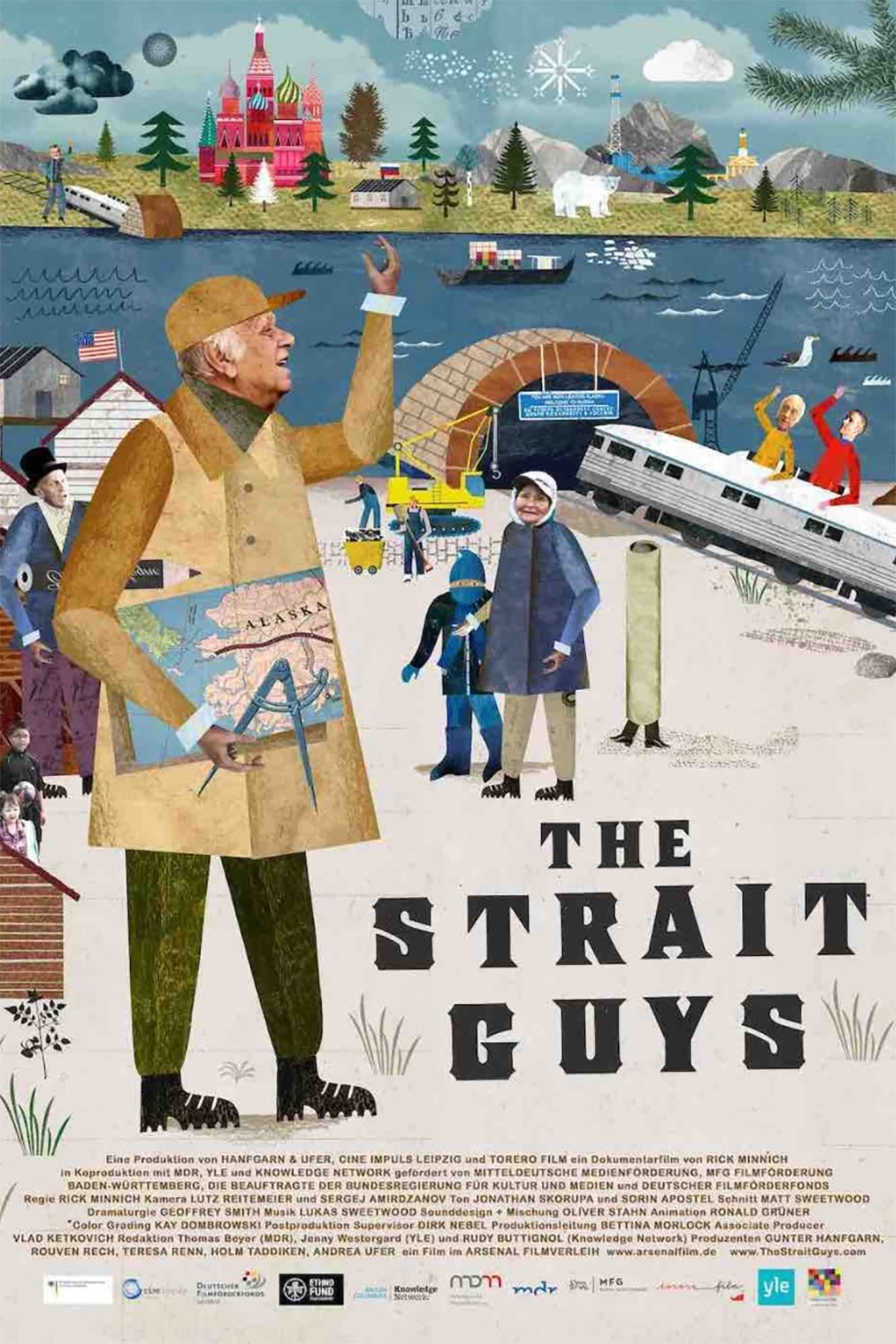
THE STRAIT GUYS follows Czech-born mining engineer, George, and his fast-talking protégé, Scott, along the proposed route of the InterContinental Railway through Alaska, to the Bering Strait and onward to Russia. The “Strait Guys” endeavor to convince international governments, corporations, and indigenous tribes to green-light their $100 billion railway project, which would provide ground-based infrastructure across the continents, relieve overcrowded Pacific ports, improve global supply chains, and ease tensions between the superpowers. The US and Russia have been successfully collaborating in space for decades. Now the Strait Guys are out to prove it is also possible down here on earth.
Climate change has reached the indigenous Nenets people in the north of Siberia. The nomads' herds of reindeer move on thin ice. The warming in the Russian Arctic is becoming dramatically visible. Huge craters open in the thawing permafrost and expose dangerous viruses and bacteria. Forest floors dry out and the taiga catches on fire. The pack ice off the coast is melting and depriving polar bears of their habitat so that they approach human settlements in their desperation. The changes in the nature of the Arctic Circle combine with the measurements of researchers and observations of the indigenous people to form a disturbing overall picture: In the Russian Arctic, Pandora's box has been opened! The film team had the chance to shoot in regions that were been restricted areas for decades. The documentary shows in impressive and depressing images already existing effects, phenomena and ominous interlinkages of global warming.
The year 2011 marked the 70th anniversary of the deportations of June 14 1941, when 15 425 residents of Latvia (Latvians, Jews, Russians, Poles) were deported to Siberia. Among them there were 3 751 children aged up to 16. During the process men were separated from their families and sent to gulags, where many were sentenced to death, while others were imprisoned in labour camps. The facts of history and dry and few, but many of the victims and their children and grandchildren are still among us. During the summer of 2010, people who were deported to Siberia in 1941 as children joined their own children and a video production crew to travel back to the far North of Russia.
Founder of VICE Shane Smith spends an eternity on a train and hops out at the end of the line in Siberia to investigate logging camps that use North Korean slave labor.