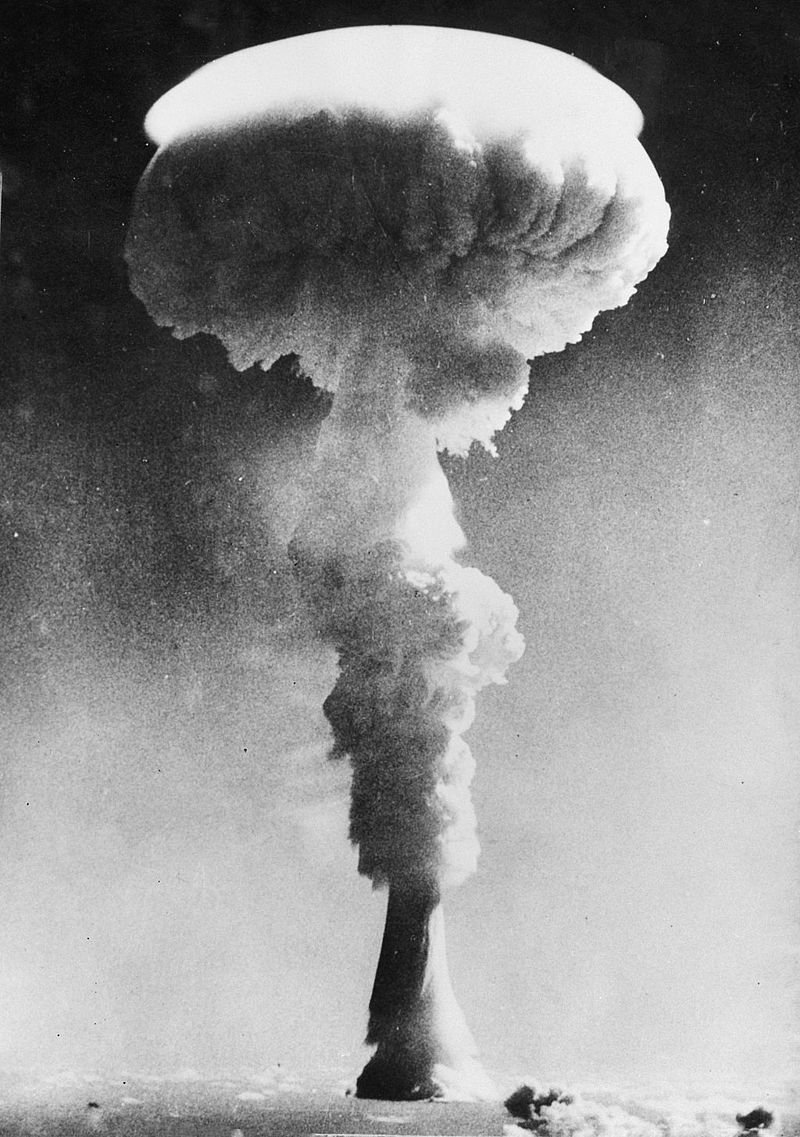
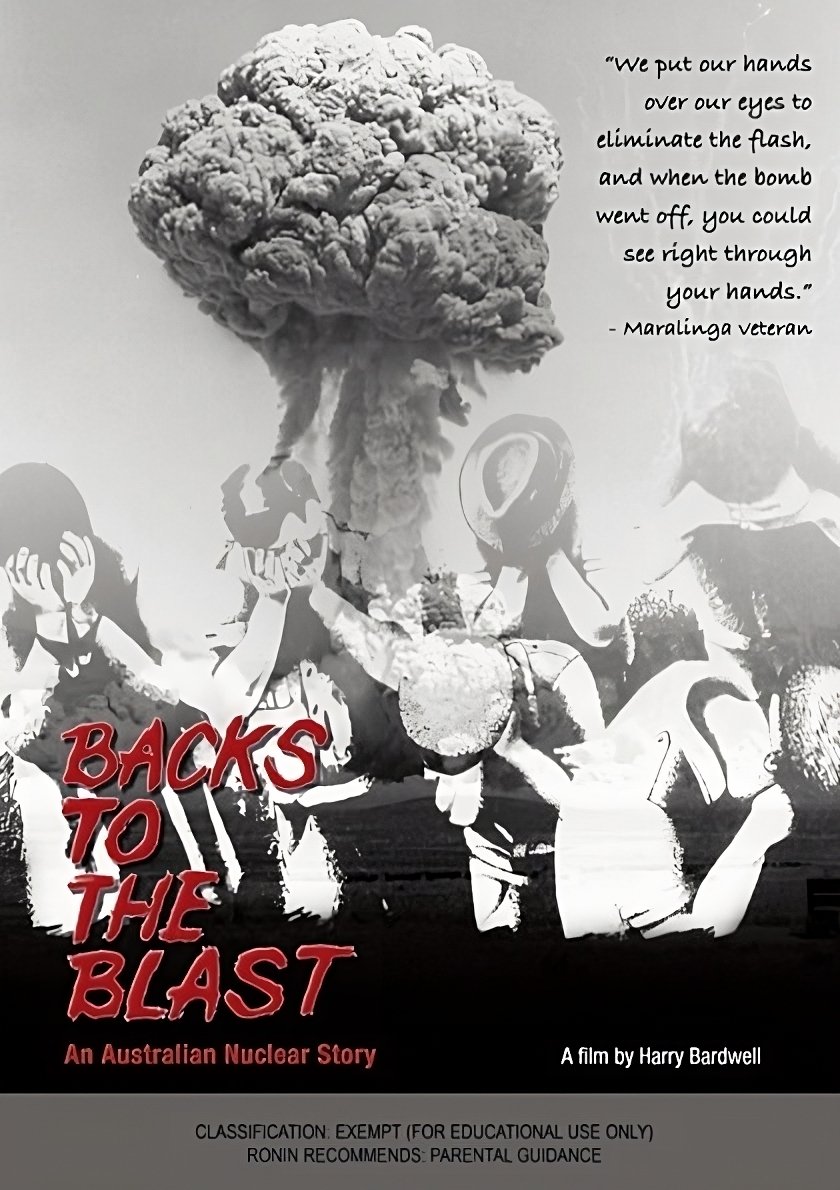
A document of Australia's nuclear industrial history, from uranium mining and its toxic legacy to the nuclear weapons tests conducted at Maralinga in South Australia.
Social & External
Narrator
Farmers and parents of young children, who live in the Harrisburg, Pa., area, discuss their fears of radioactive contamination from the Three Mile Island nuclear reactor accident in 1979. Scientists and physicians also expound on the lethal dangers of nuclear power and the risks in containment processes.
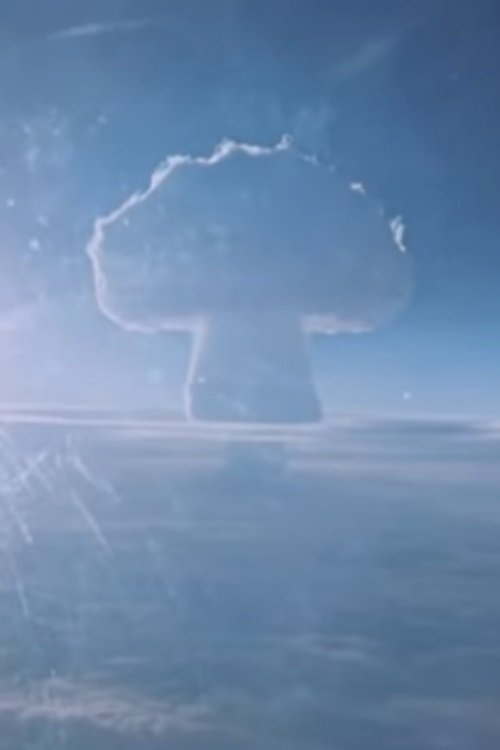
Documentary movie about testing of the largest nuclear weapon in history, the Tsar Bomba. Declassified and made available to the public in 2020.
Nuclear weapons are instruments of mass destruction that exact a devastating toll on human life. In the heart of rural Utah, the Lovell family recounts the harrowing tale of nuclear testing’s shadowy legacy and impact on innocent civilians
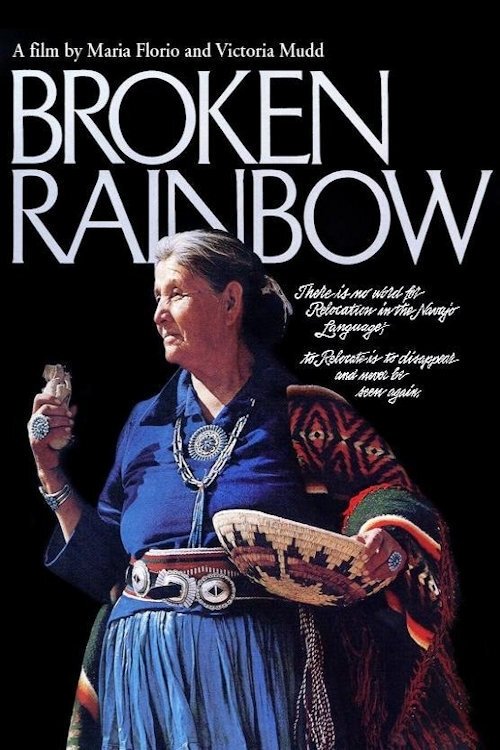
Documentary chronicling the government relocation of 10,000 Navajo Indians in Arizona.
60 years ago, in the Algerian desert, an atomic bomb, equivalent to three or even four times Hiroshima, exploded. Named the “Blue Gerboise”, it was the first atomic bomb tested by France, and of hitherto unrivaled power. This 70 kiloton plutonium bomb was launched in the early morning, in the Reggane region, in southern Algeria, during the French colonial era. If this test allowed France to become the 4th nuclear power in the world, it had catastrophic repercussions. France had, at the time, certified that the radiation was well below the standard safety threshold. However, in 2013, declassified files revealed that the level of radioactivity had been much higher than announced, and had been recorded from West Africa to the south of Spain.
A stunning documentary capturing a once in a generation event – the flooding of Lake Eyre and the dramatic transformation of the dead heart of Australia. ABC News mounted two filming expeditions by helicopter to follow the floodwaters from north Queensland down the great outback rivers to Lake Eyre and record the amazing cycle of life, as the deserts bloomed and birds descended from far and wide to capitalise on the short lived boom.
Two journalists traverse the Grand Canyon by foot, hoping this 750-mile walk will help them better understand one of America's most revered landscapes and the threats poised to alter it forever.
The exciting story of the splitting of the atom, a scientific breakthrough of incalculable importance that ushered in the nuclear age, has a dark side: the many events in which people were exposed to radiation, both intentionally and by accident.
WORLD PREMIERE: It is the 70th anniversary of the first nuclear test in indigenous Australian territory and the aboriginal communities call on activists from all over the world to carry out a 200 km anti-nuclear walk through the desert. Among them, the directors of this documentary join to record this walk, which seeks to end the extraction of uranium, the mineral with which atomic bombs are produced. What attitude will we take as humanity in the face of the possibility of creation and destruction
In 1973 Alister Barry joined the crew of a protest boat (The Fri) to Mururoa Atoll, where the French Government were testing nuclear weapons. Barry records the assembly of the crew, the long journey from Northland, and their reception in the test zone; when The Fri was boarded and impounded by French military he had to hide his camera in a barrel of oranges.
The documentary recounts the world's first nuclear attack and examines the alarming repercussions. Covering a three-week period from the Trinity test to the atomic bombing of Hiroshima, the program chronicles America's political gamble and the planning for the momentous event. Archival film, dramatizations, and special effects feature what occurred aboard the Enola Gay (the aircraft that dropped the bomb) and inside the exploding bomb.
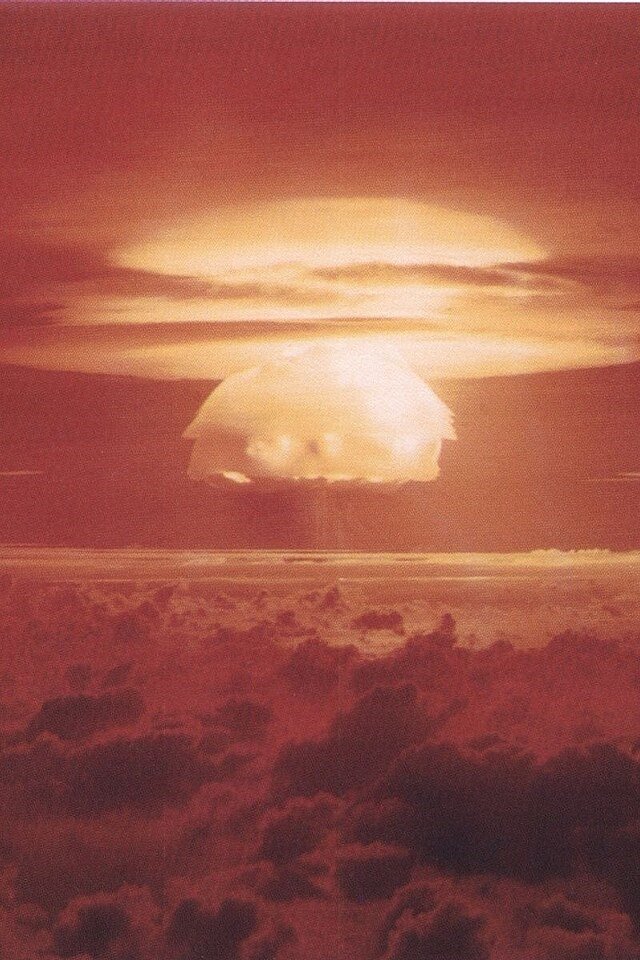
The US detonated 67 nuclear weapons over the Bikini Atoll in the Marshall Islands during the Cold War, the consequences of which still reverberate down four generations to today. "NUKED," is a timely new feature documentary focussing on the human victims of the nuclear arms race, tracing the displaced Bikinian's ongoing struggle for justice and survival even as climate change poses a new existential threat. Using carefully restored archival footage to resurrect contemporaneous islanders’ voices and juxtaposing these with the full, awesome fury of the nuclear detonations, NUKED starkly contrasts the official record with the lived experience of the Bikinians themselves, serving as an important counterpoint to this summer’s Oppenheimer.
An investigation into the unfolding history of nuclear testing, uranium mining, and nuclear waste disposal on indigenous lands in the US. It raises the voices of those who witnessed and experienced the consequences of nuclear colonialism and those who still resist.
Republic of Finland is promoting clean technology by organizing Green Mining seminars where foreign experts tell us how the development of the world is becoming increasingly expensive by 2050. The Earth is running out of resources and mining companies have to use increasingly low-grade metal deposits. Finland aims to be a model country for environmentally friendly mining. Its pioneer project is Talvivaara, which uses new biotechnology to extract nickel, zinc and uranium. Through several charismatic characters, the documentary film The Land Of Mine follows the rise of the biggest nickel mine in Western Europe and the ensuing disasters whose effects continue to reverberate in the nation.
The story of one of the great environmental disasters to befall the United States, and the terrible movie that helped bring the catastrophe to light.
With unprecedented access to the nuclear industry in France, Russia, and the United States, Nuclear Now explores the possibility for the global community to overcome the challenges of climate change and energy poverty to reach a brighter future through the power of nuclear energy. Beneath our feet, Uranium atoms in the Earth’s crust hold incredibly concentrated energy. Science unlocked this energy in the mid-20th century, first for bombs and then to power submarines. The United States led the effort to generate electricity from this new source. Yet in the mid-20th century as societies began the transition to nuclear power and away from fossil fuels, a long-term PR campaign to scare the public began, funded in part by coal and oil interests.
In 1949, a solitary picture in an American sports periodical inspired a cluster of Loxton residents to decode the mechanics of basketball. Originating from these modest roots, the Loxton Basketball Association was established.
From 1957 to 1978, scientists secretly removed bone samples from over 21,000 dead Australians as they searched for evidence of the deadly poison, Strontium 90 - a by-product of nuclear testing. Silent Storm reveals the story behind this astonishing case of officially sanctioned "body-snatching". Set against a backdrop of the Cold War, the saga follows celebrated scientist, Hedley Marston, as he attempts to blow the whistle on radioactive contamination and challenge official claims that British atomic tests posed no threat to the Australian people. Marston's findings are not only disputed, he is targeted as "a scientist of counter-espionage interest". Now, questions are being raised about the health repercussions for generations of Australians.
Documentary about the Radium Dial Company and the aftereffects experienced by its workers from repeated exposure to radioactive paint.
The Rainbow Warrior was a Greenpeace ship that was bombed by operatives of the French government, in New Zealand in 1985, while heading to a protest against nuclear testing, tragically taking the life of photographer Fernando Pereira. Edward McGurn’s enlightening and exciting documentary uncovers a tangled tale of nuclear weapons, geopolitical coverups, and attempts to take action against impending environmental collapse. Was Pereira’s death an accident or part of a larger political plot?