This docucumentary by John Brett conveys the impressions of cultural loss felt by an elderly Acadian man living on the south shore of Nova Scotia after his homestead has been deserted.
Social & External
Ten years ago, Volodymyr Zelensky was just one of the many faces on Ukrainian television screens. He became a star thanks to the 2015 satirical series Servant of the People, in which he played a history teacher who becomes president. Four years later, what began as fiction became a reality. This French documentary follows the transformation of a popular TV comedian into a statesman on the front lines of the Russian invasion. Archival footage, family photos, television appearances, and interviews with Zelensky and those closest to him create a multi-layered portrait of a man who always longed for a large audience. At the same time, the film places his personal development in the broader context of post-Soviet Ukraine, which is also searching for its own identity.
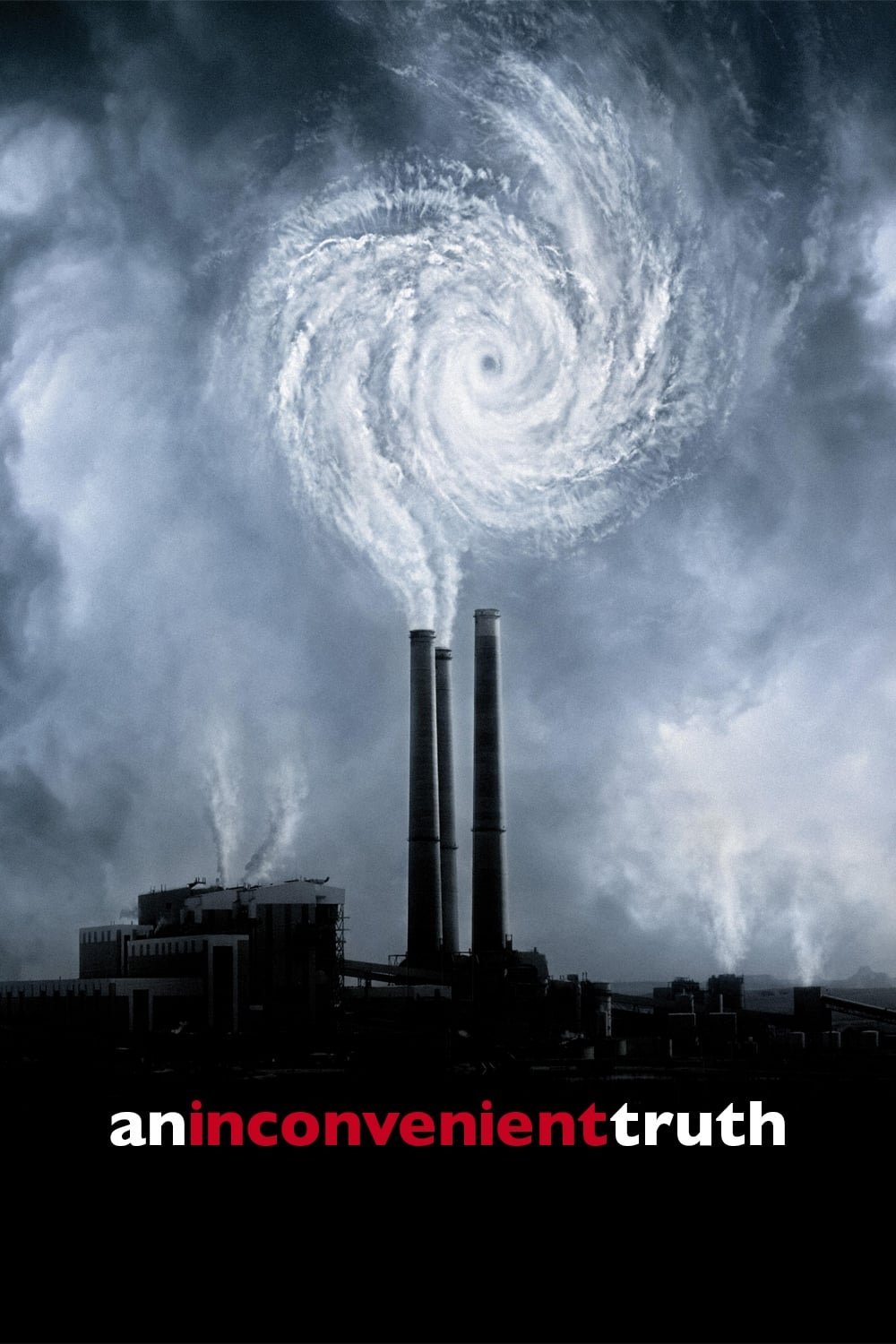
A documentary on Al Gore's campaign to make the issue of global warming a recognized problem worldwide.
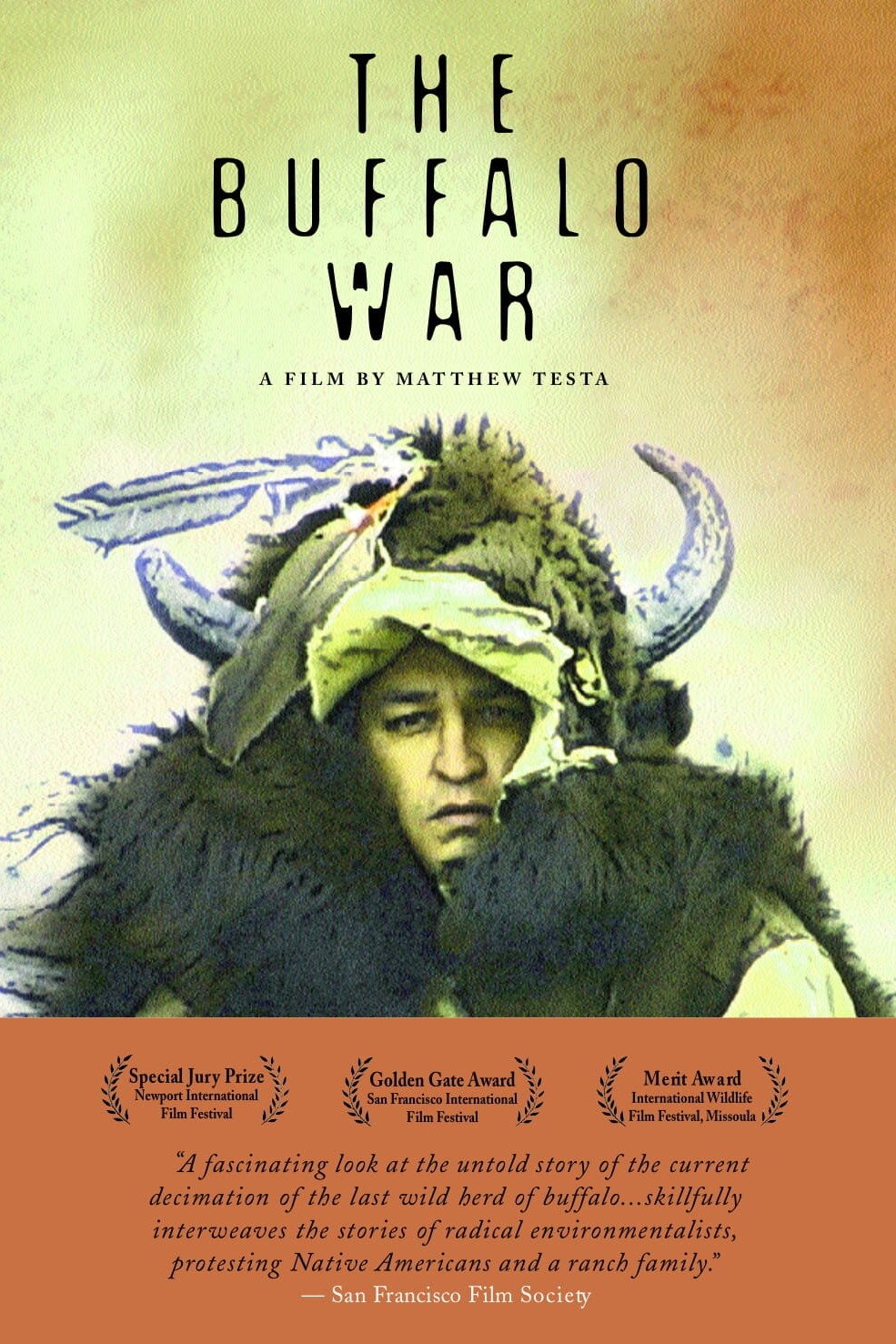
Native Americans, ranchers, government officials, and environmental activists battle over the yearly slaughter of America's last wild bison, based on fear that migrating animals will transmit the disease brucellosis to cattle. Join a 500-mile spiritual march across Montana led by Lakota elder Rosalie Little Thunder expressing her people's cultural connection to bison, an environmental group engaging in civil disobedience and video activism, and a ranching family caught in the crossfire.
Live and Let Live is a feature documentary examining our relationship with animals, the history of veganism and the ethical, environmental and health reasons that move people to go vegan.
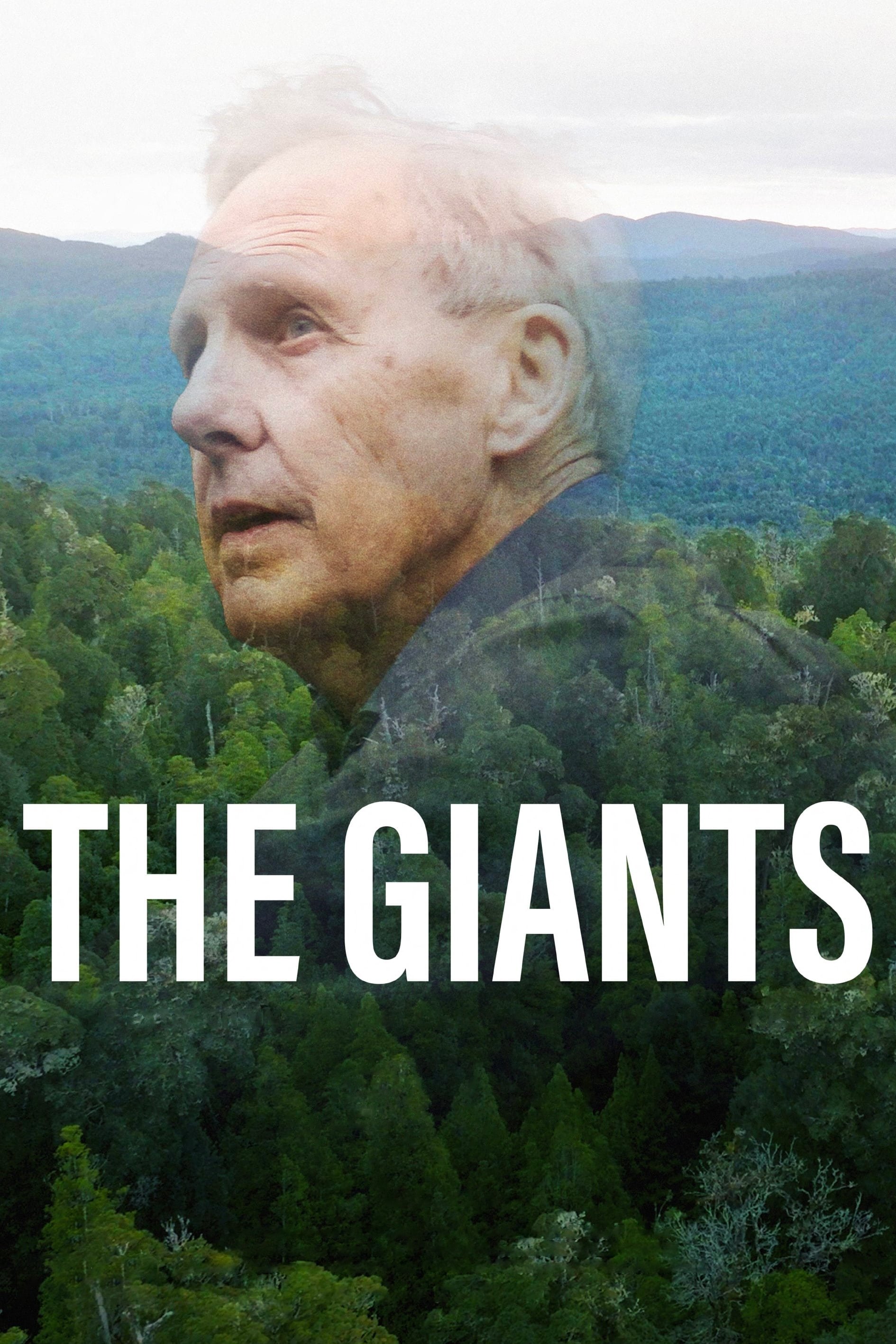
A portrait of environmental folk hero & gay icon Bob Brown, who took green politics to the center of power. His story is interwoven with the life cycle of the ancient trees he's fighting for.
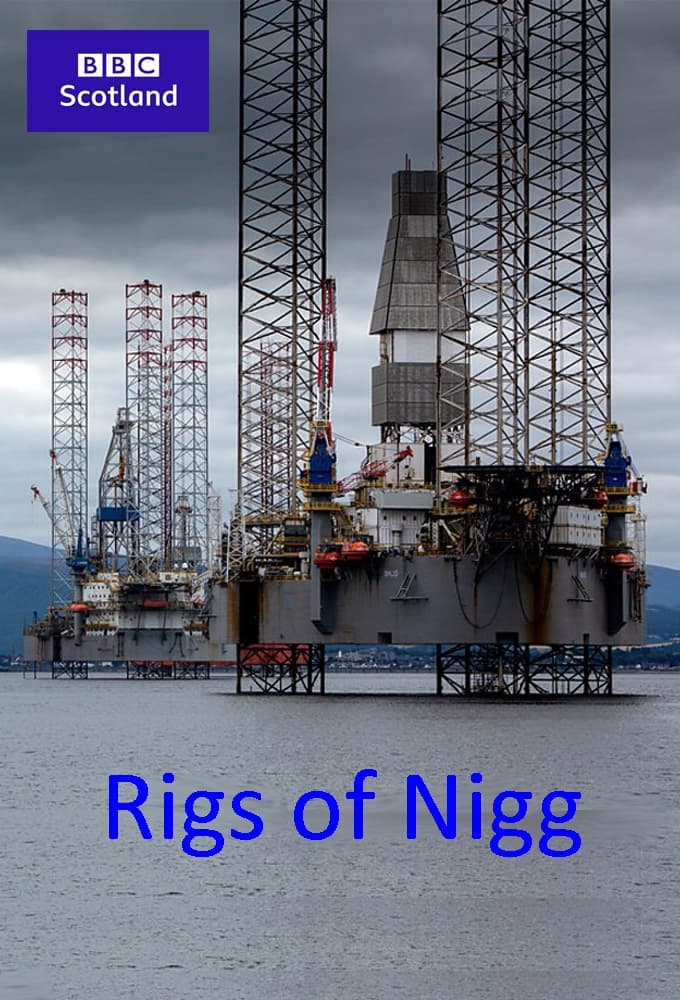
It is the early 70s, and oil has been discovered in the North Sea. The UK needs rigs and needs them fast. Their search for a location to build the platforms settles on the sleepy Highland bay of Nigg on the Cromarty Firth, and a way of life is changed for ever.
A cinematic and introspective look at the residents of a Quebec town—once the site of the world's largest asbestos mine—as they grapple with their community's industrial past. Striving to honour their heritage while reconciling with their history and forging a new path forward, the miners delve into the intricacies of progress and healing.
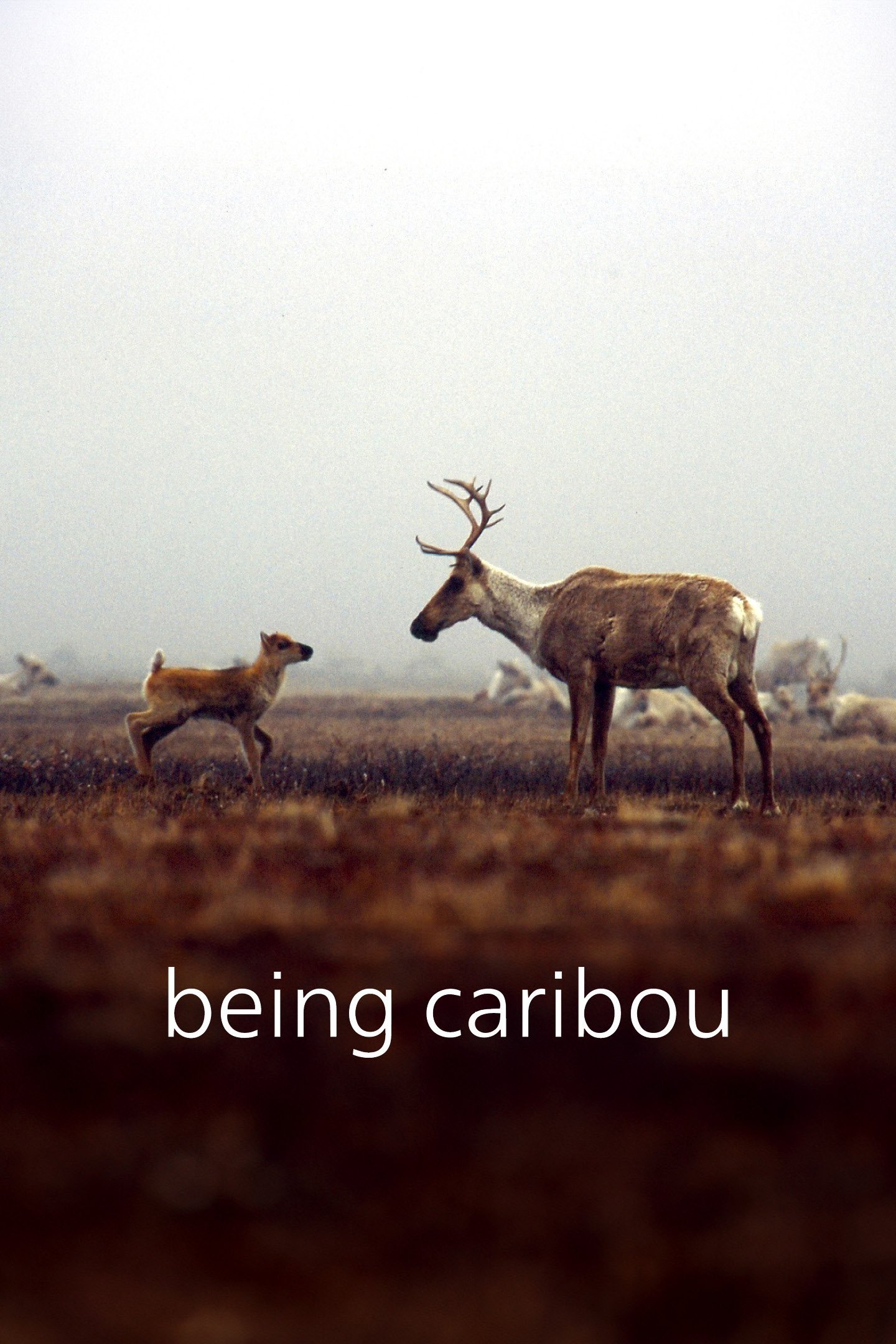
Wildlife biologist Karsten Heuer and his wife, environmentalist Leanne Allison follow a herd of 120,000 caribou on foot across 1500 km of Arctic tundra, hoping to raise awareness of the threats to the caribou's survival. Along this journey, they brave torrid conditions, dangerous wildlife and treacherous terrain all in the hopes of learning the truth about this epic migration.
In the 1950s, a devastating fog descended on London and enveloped the capital for several days, leaving Londoners lost in their own streets in one of the UK's biggest peacetime catastrophes.
First Nations fight to end grizzly bear trophy hunting in the Great Bear Rainforest in British Columbia. The Heiltsuk, Kitasoo Xai'xais and Gitga'at First Nations enforce a ban by using Coastal Guardian Watchmen, while the Raincoast Conservation Foundation purchases trophy hunting licenses in the area to prevent a hunt from taking place. The film offers unique access to Canada's First Nations and a breathtaking view of the majestic animals inhabiting the Great Bear Rainforest, including the elusive Spirit Bear.
Chemical engineer and inventor Maria Telkes worked for nearly 50 years to harness the power of the sun, designing and building the world's first successful solar-heated modern residence and identifying a new chemical that could store solar heat like a battery. Telkes was undercut and thwarted by her (male) boss and colleagues at MIT, but she persevered. Upon her death in 1995 Telkes held more than 20 patents, and now she is recognized as a visionary pioneer in the field of sustainable energy whose work continues to shape how we power our lives today.
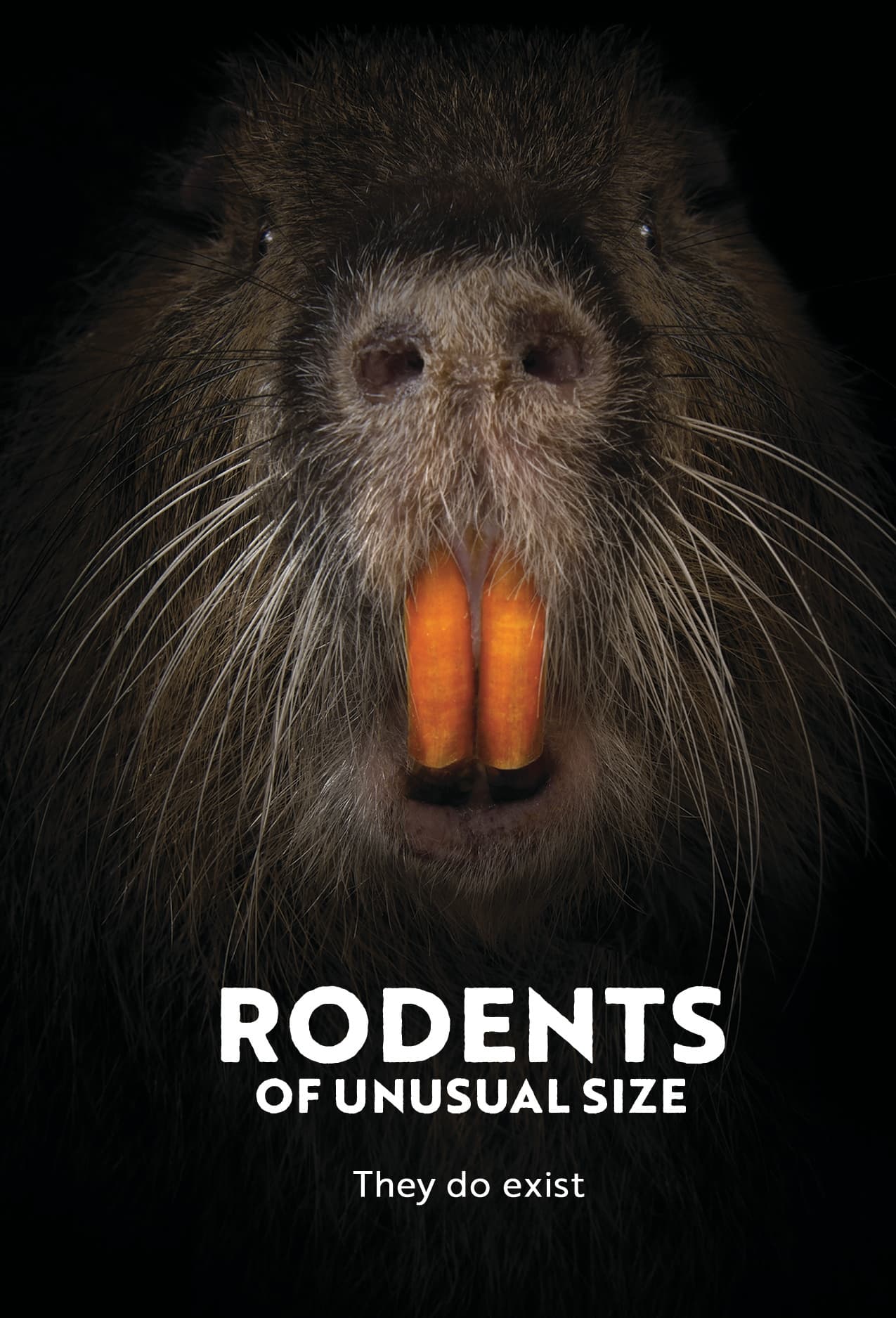
After decades of hurricanes and oil spills, Louisiana faces a new threat - hordes of monstrous 20 pound swamp rats. Known as "nutria", these invasive South American rodents breed faster than bounty hunters can "control" them. With their orange teeth and voracious appetite they are eating up the coastal wetlands that protects Thomas and his town of Delacroix Island from hurricanes, but the people who have lived here for generations will not give up without a fight.
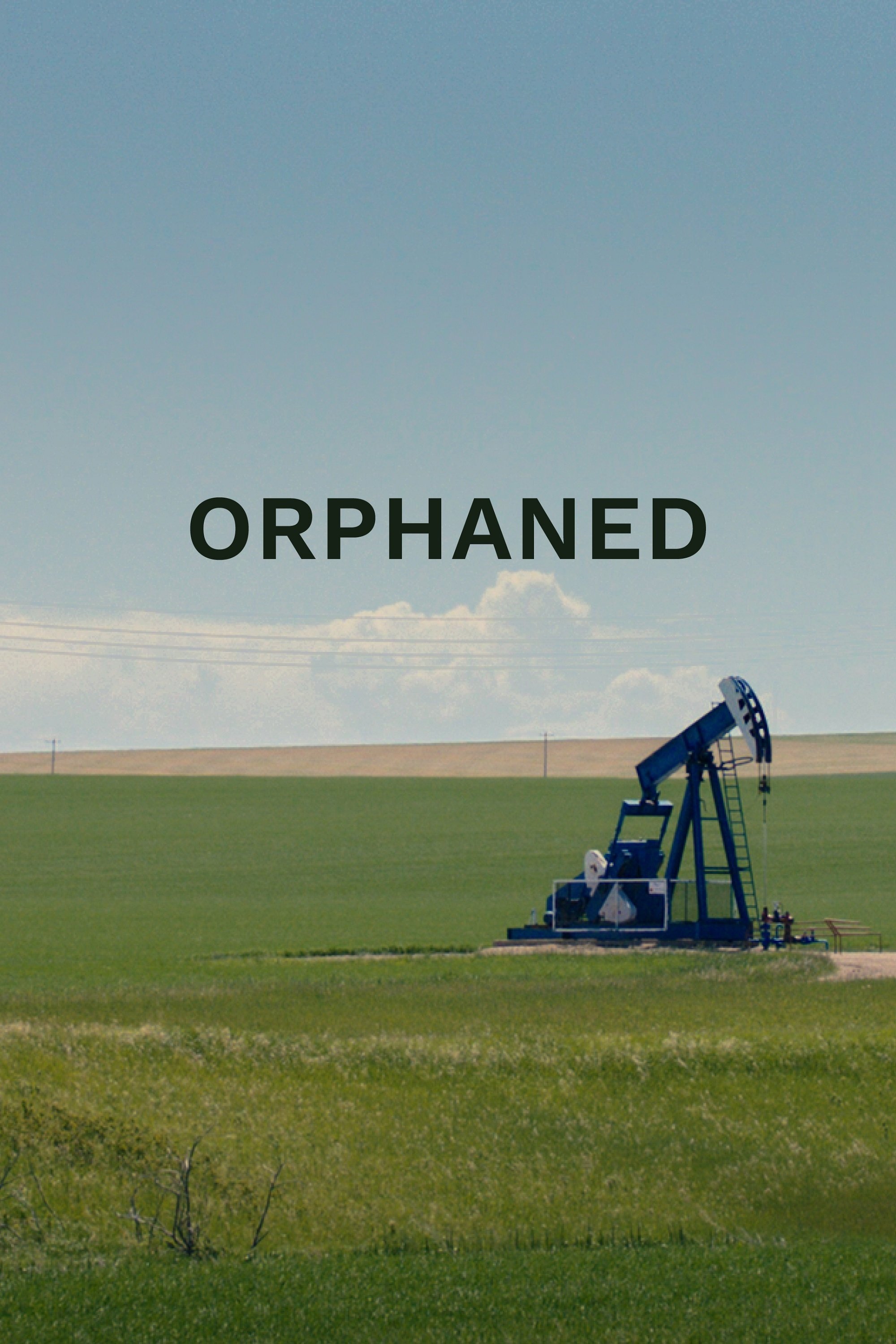
Through the eyes of ex-engineer, now filmmaker Gillian McKercher, Orphaned explores the huge task of cleaning up thousands of idle oil and gas wells in the prairies before it's too late.
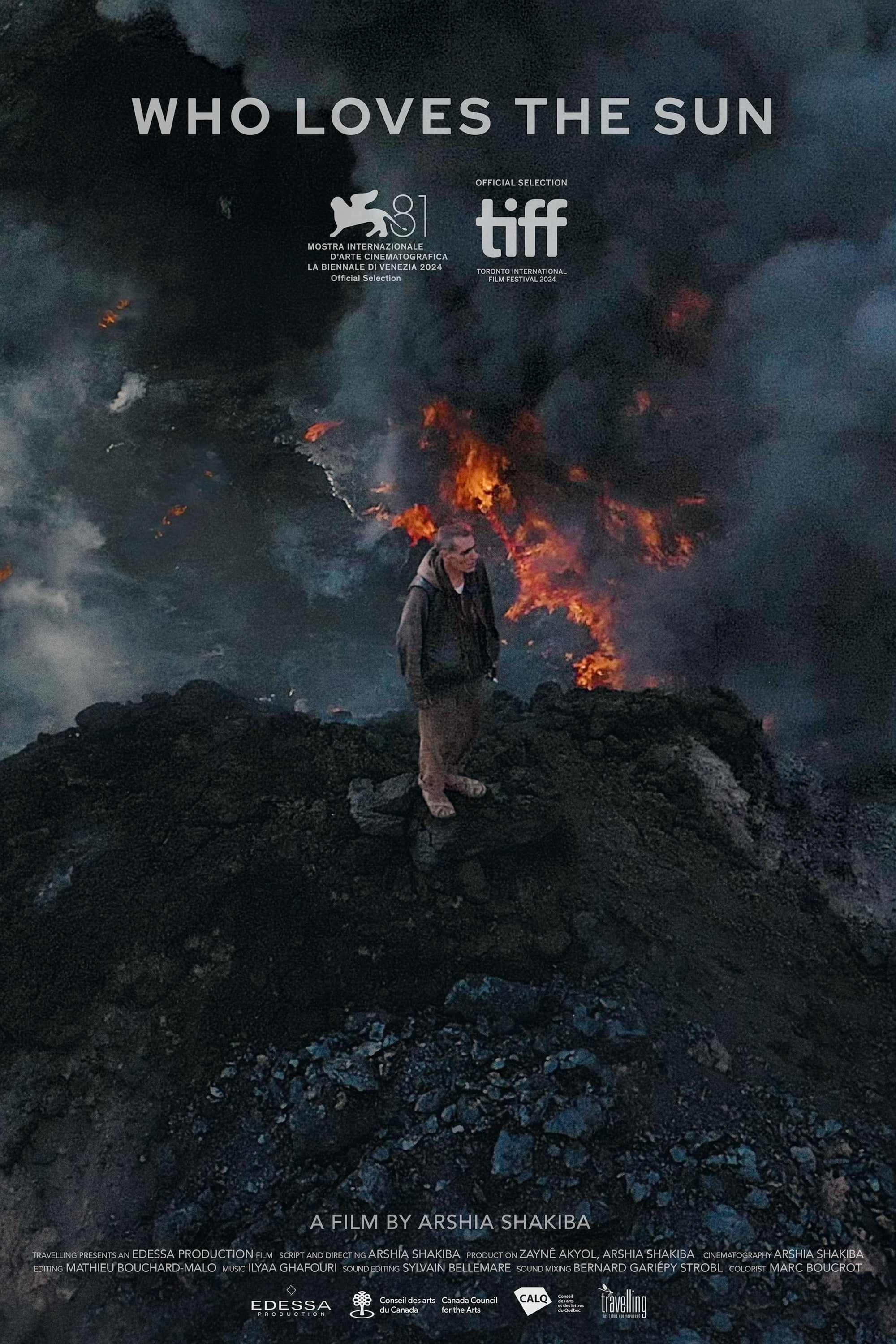
Delves into the world of makeshift oil refineries and the stark realities of life in war-torn northern Syria,. Mahmood is a prominent figure in these operations, navigating complex working conditions and local dynamics.
In this compelling film, David Suzuki investigates the frightening phenomenon of forest dieback caused by acid rain and proposes some solutions.
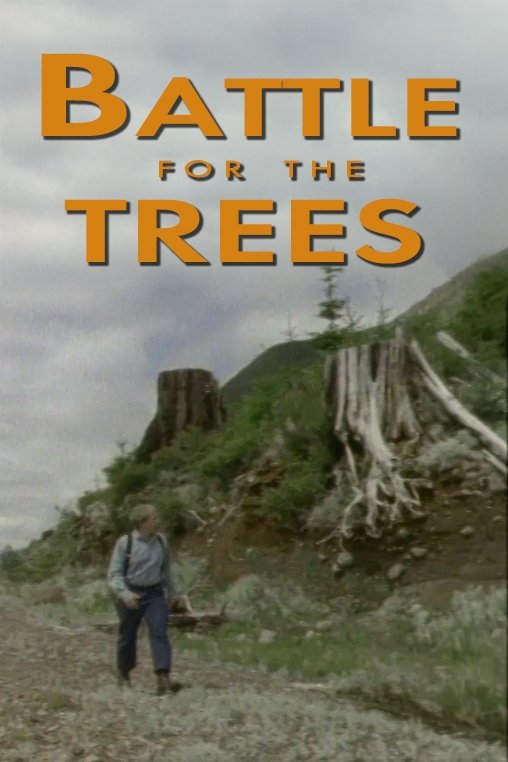
This documentary examines the battle strategies of citizens, scientists, loggers, environmentalists and First Nations people who are fighting over the liquidation of public forests and, with it, a way of life.
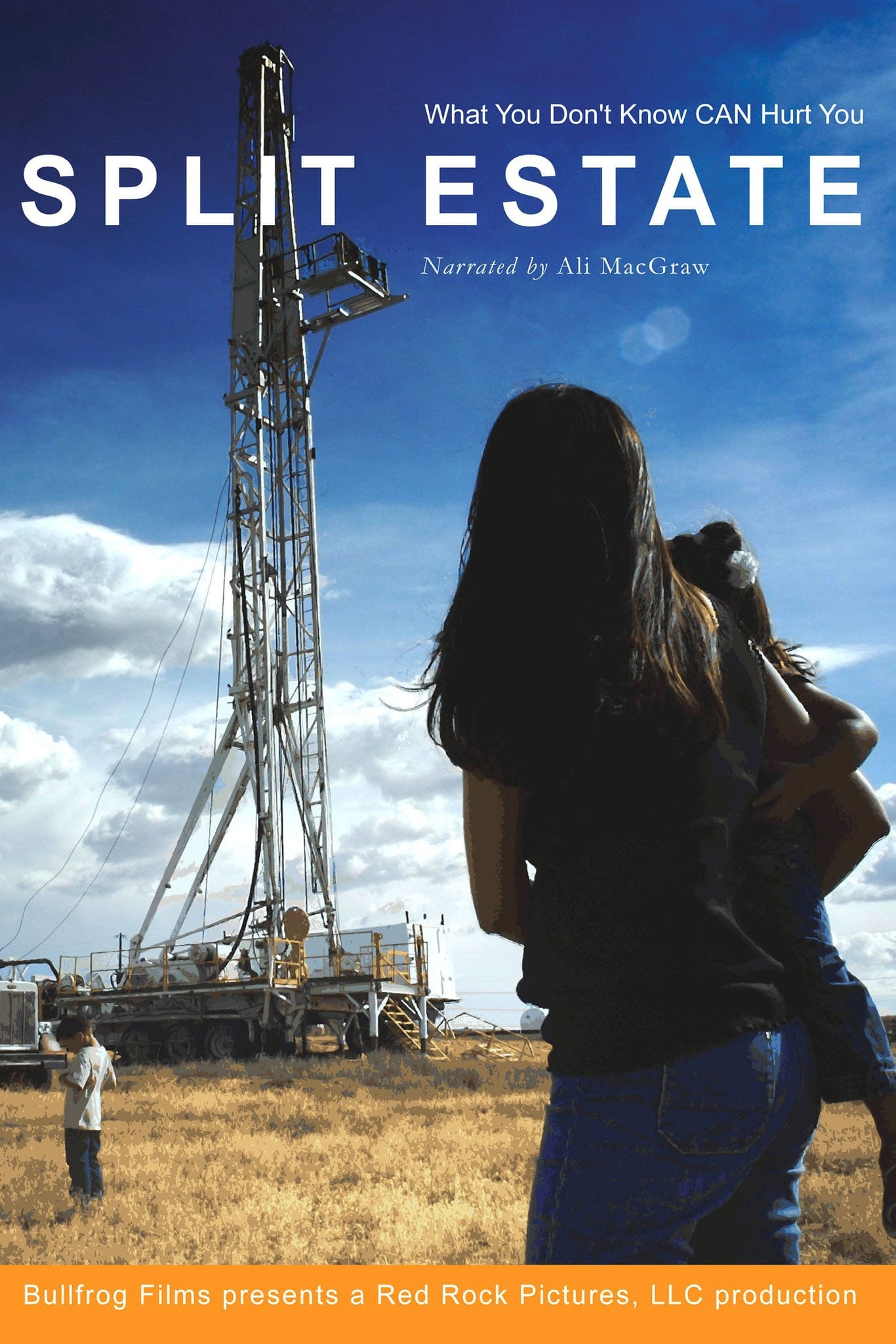
This compelling Emmy Award winning documentary shows the dirty side of hydraulic fracturing and natural gas, an energy source the industry touts as a clean alternative to fossil fuels.
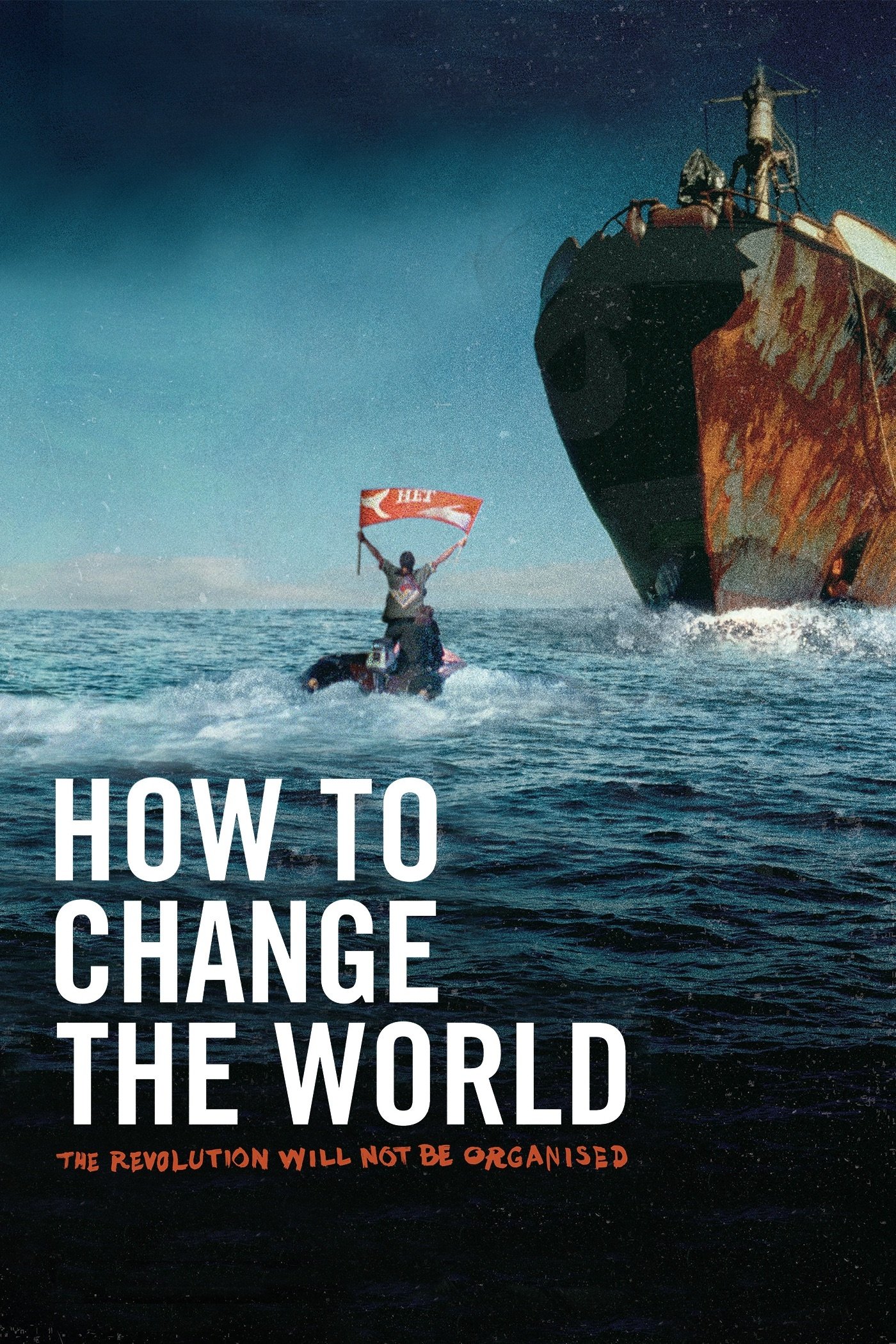
In 1971, a group of friends sail into a nuclear test zone, and their protest captures the world's imagination. Using never before seen archive that brings their extraordinary world to life, How To Change The World is the story of the pioneers who founded Greenpeace and defined the modern green movement.
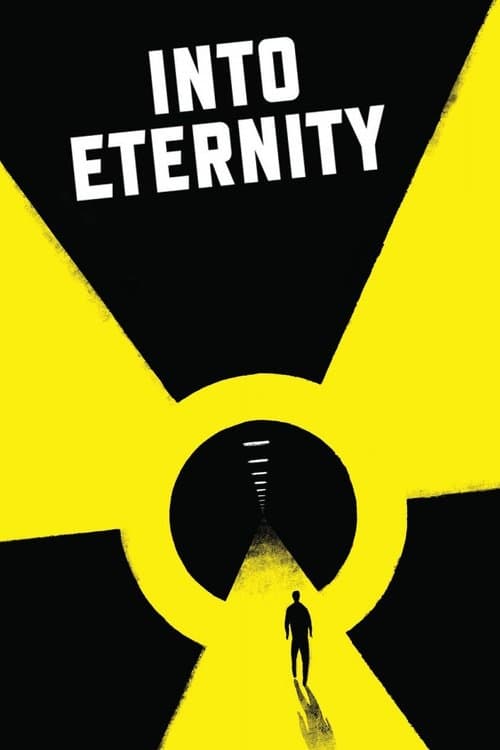
Every day, the world over, large amounts of high-level radioactive waste created by nuclear power plants is placed in interim storage, which is vulnerable to natural disasters, man-made disasters, and to societal changes. In Finland the world’s first permanent repository is being hewn out of solid rock – a huge system of underground tunnels - that must last 100,000 years as this is how long the waste remains hazardous.