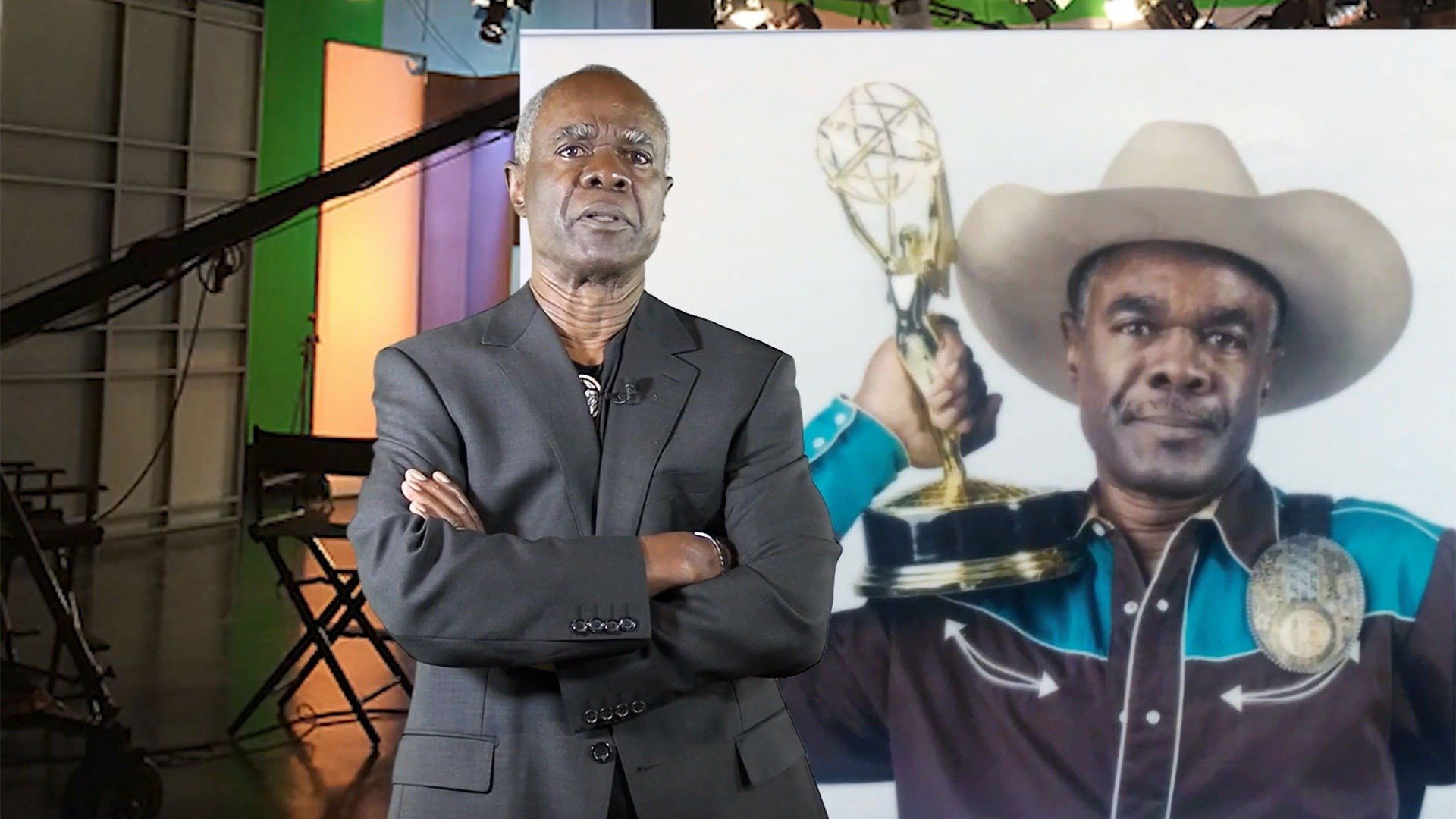
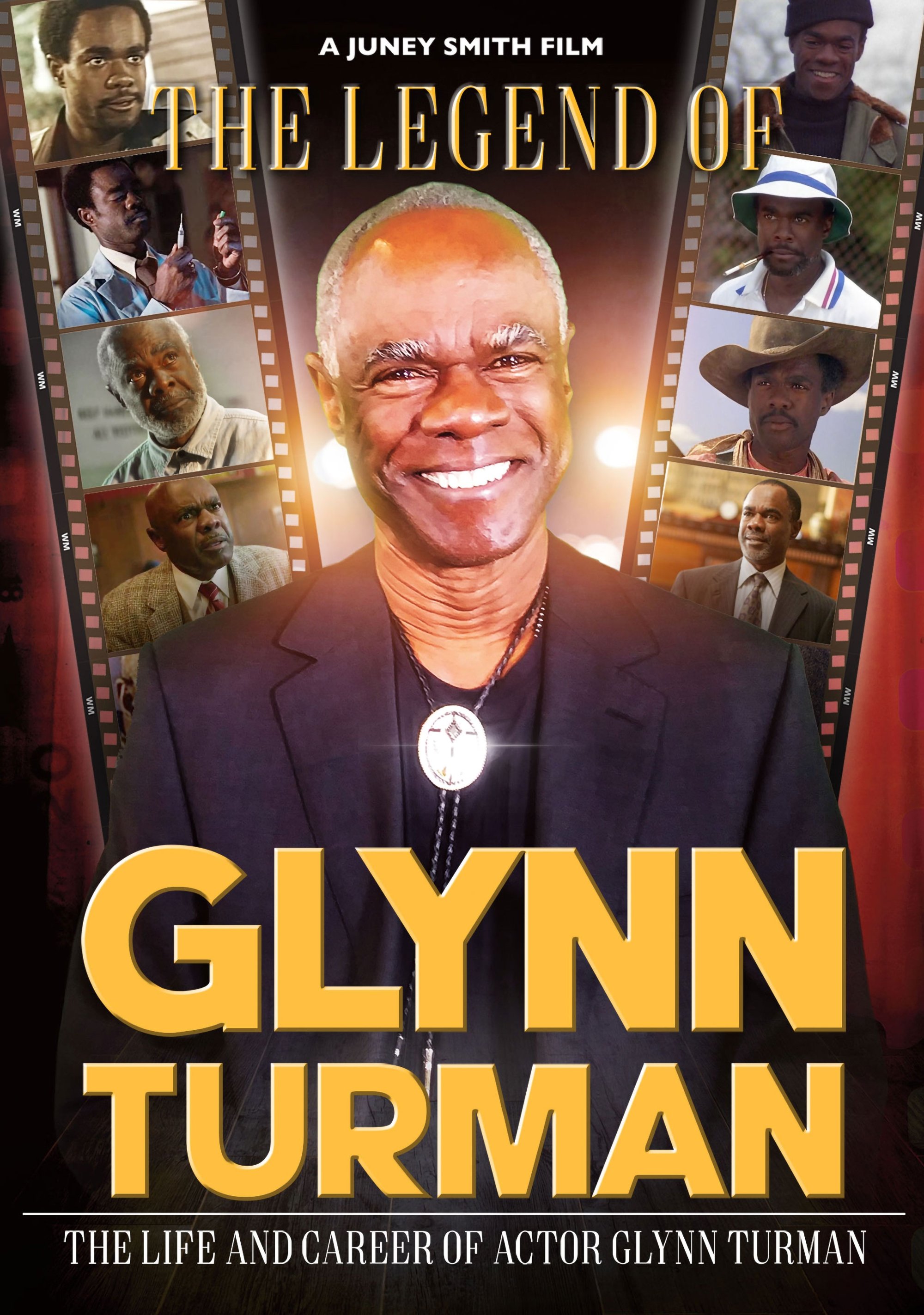
"The life and career of actor Glynn Turman"
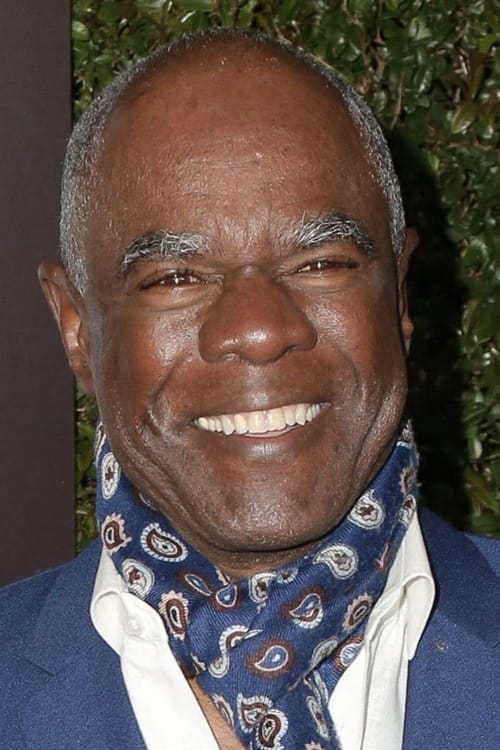
Actor Glynn Turman makes his Broadway debut at 12 years old in the original production of “A Raisin in the Sun” opposite Sidney Poitier and becomes a silver screen legend for six decades.
Social & External
G.T.
The story of Tasmanian-born actor Errol Flynn whose short & flamboyant life, full of scandals, adventures, loves and excess was largely played out in front of the camera - either making movies or filling the newsreels and gossip magazines. Tragically he was dead from the effects of drugs and alcohol by the time he was only 50 & the myths live on. But there is another side of Flynn that is less well known - his ambitions to be a serious writer and newspaper correspondent, his documentary films and his interest in the Spanish Civil War and Castro's Cuba
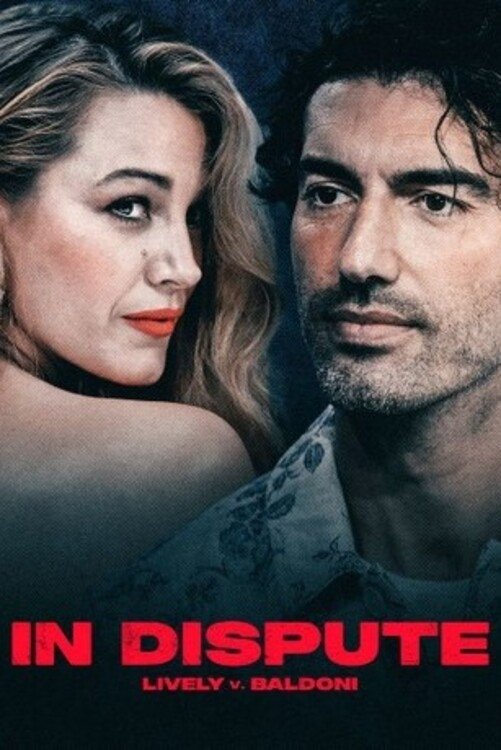
The special examines the legal complaint brought against Justin Baldoni by Blake Lively, alleging he engaged in sexual misconduct on the set of his film, It Ends With Us, and hired a PR firm to engage in an online smear campaign against her to keep her quiet. Baldoni denies the allegations and has responded with a $400m counter-suit, accusing her of defamation. With the trial set for March 2026, the special examines the evidence on both sides and the response to the dispute on social media.
This short travelogue depicts snippets of locations in Hollywood, California, most of them as seen from the streets. Considerable time is taken showing the kinds of architecture of private homes. There are images of various important buildings, and a depiction of the Hollywood Bowl. Finally, there is a sequence revolving around the premiere of the film “Dirigible” (1931) at the famed Chinese Theatre.
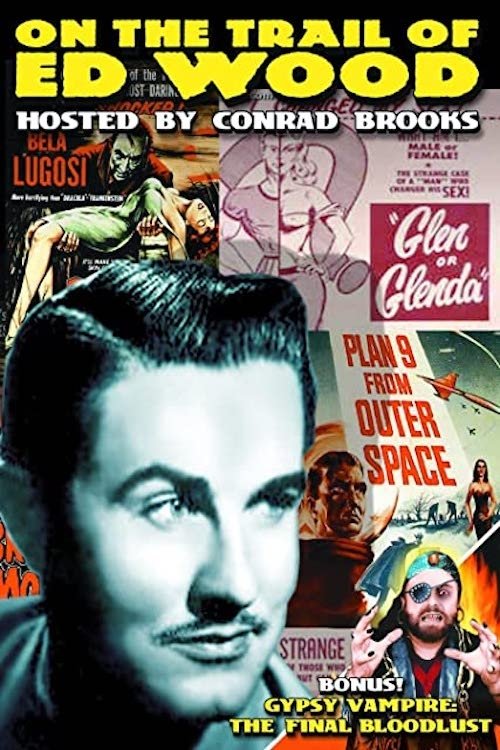
A documentary on the life and career of filmmaker Edward D. Wood Jr., with clips from his films and interviews with the cast and crews of some of his films.
Robert Llewellyn examines the enduring appeal of submarine movies, finding a beached Cold War Russian nuclear sub on the Medway and WWII German U-boat pens on the French coast.
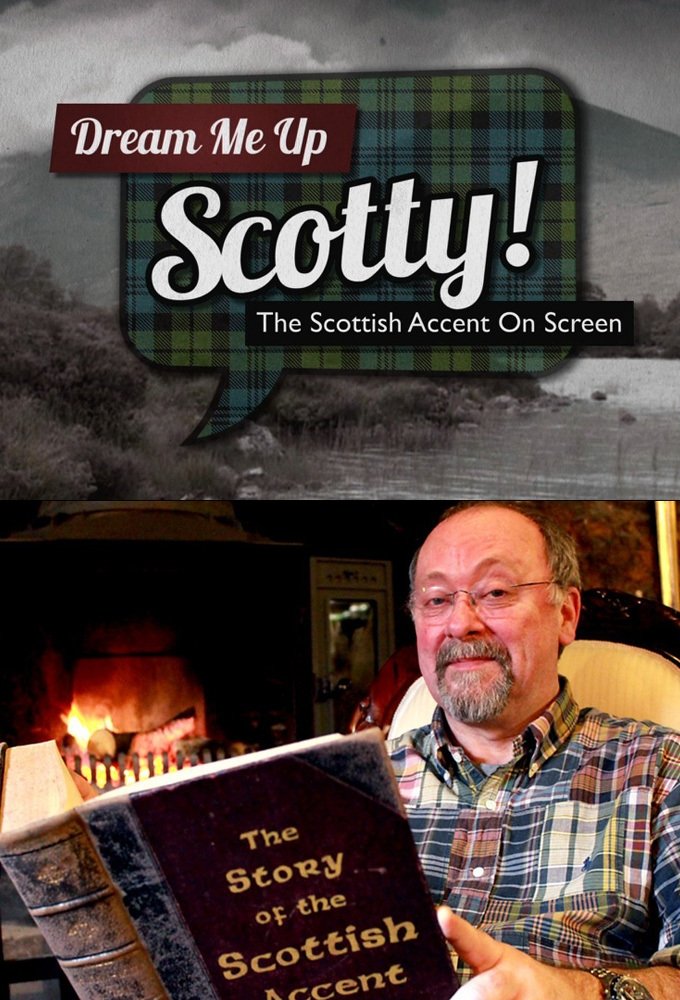
Alex Norton discovers how showbusiness has handled the portrayal of the Scottish accent. For over 100 years audiences have struggled to understand our braw brogue: silent Harry Lauder films attempted an accent in the captions, and in Hollywood's golden era , everyone wanted to paint their tonsils tartan- but as examples from Katharine Hepburn, Orson Welles and Richard Chamberlain show, they couldnae. Then Disney made Brave and proved that it disnae have to be all bad!
A look into the mind of one of the Hillside Strangler murderers, Kenneth Bianchi.
A look at the trial and the use of psychiatric evidence in the criminal proceedings of mass murderer 'The Hillside Strangler' Kenneth Bianchi.
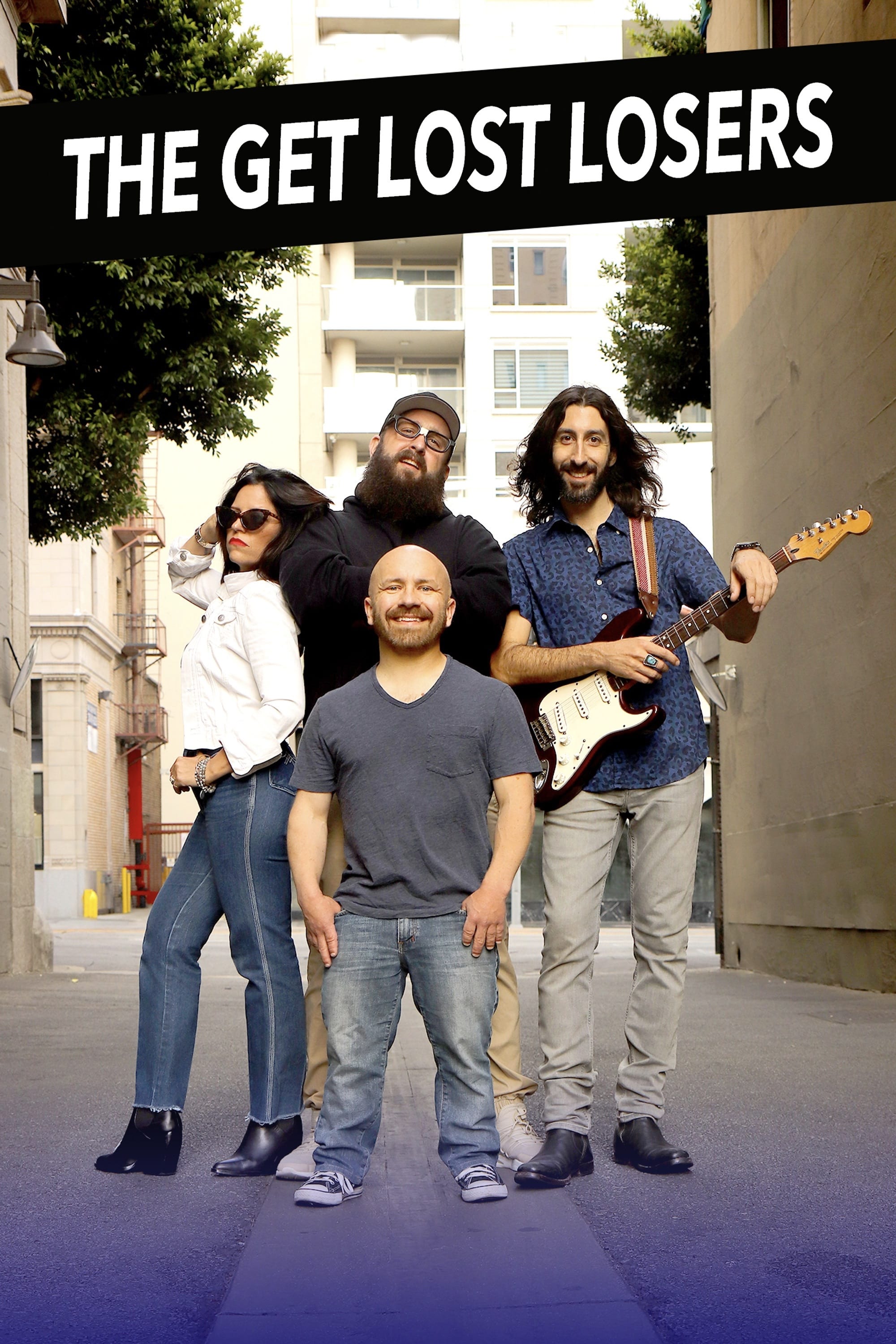
THE GET LOST LOSERS follows the most cantankerous rock band in Hollywood as it prepares for a super-clutch industry showcase and one last shot at fame. Official Selection: Montauk Film Festival & Culver City Film Festival. Winner at FOTA, The Canadian Cinematography Awards and The Studio City Film Festival.
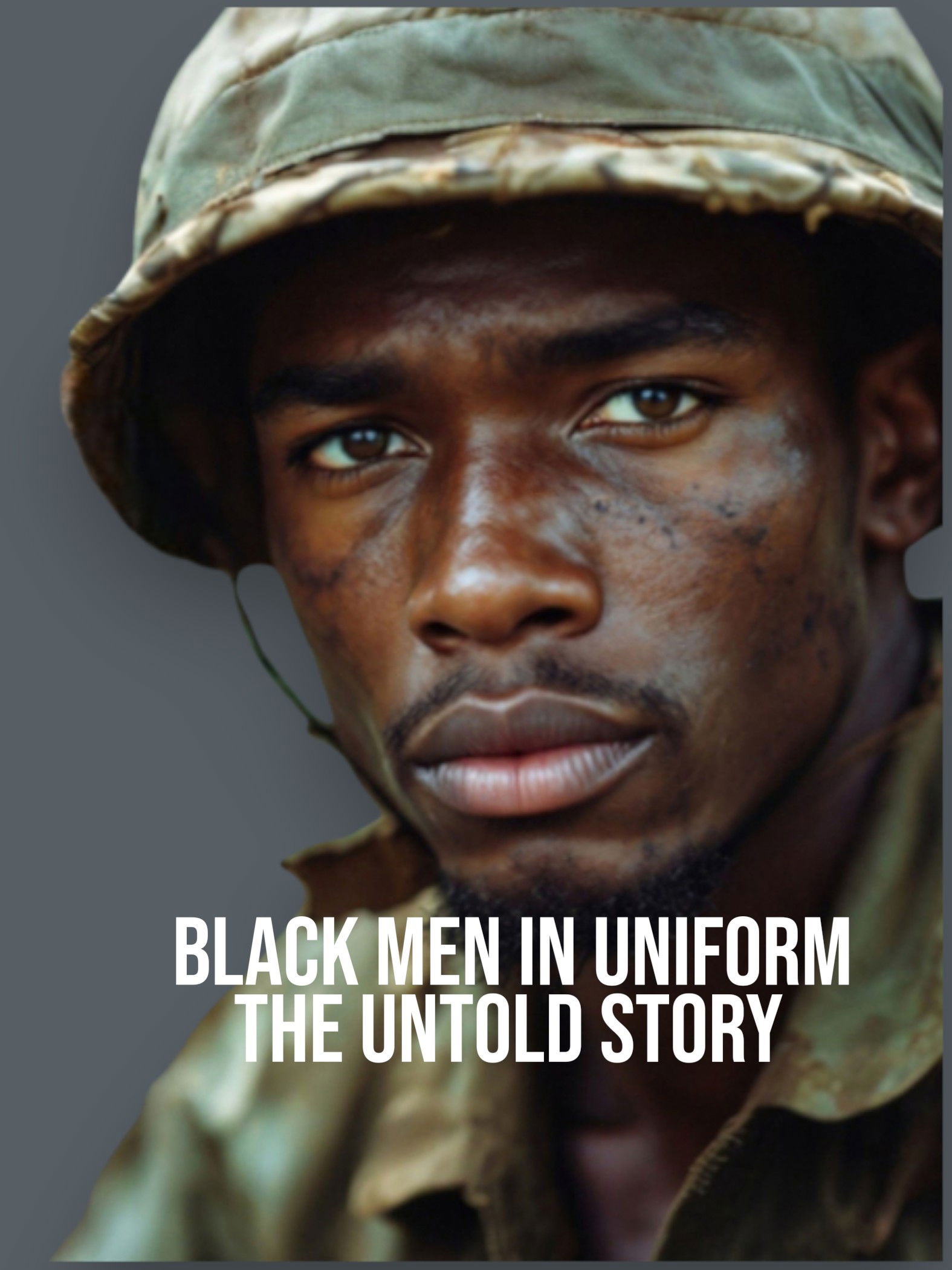
Pata Seca (1828), a man whose back bore the whip marks of his enslavers , whose eyes held the haunted memory of being forced to breed over 200 slave children in order to sustain his master’s plantation. Men broken but unbowed, transformed from field hands into soldiers from the civil war to Vietnam. This documentary weaves together authentic narratives from the 1800s, accompanied by original images and footage, highlighting the significant influence that Black men in uniform had in Hollywood and addressing ongoing relevant issues to date.
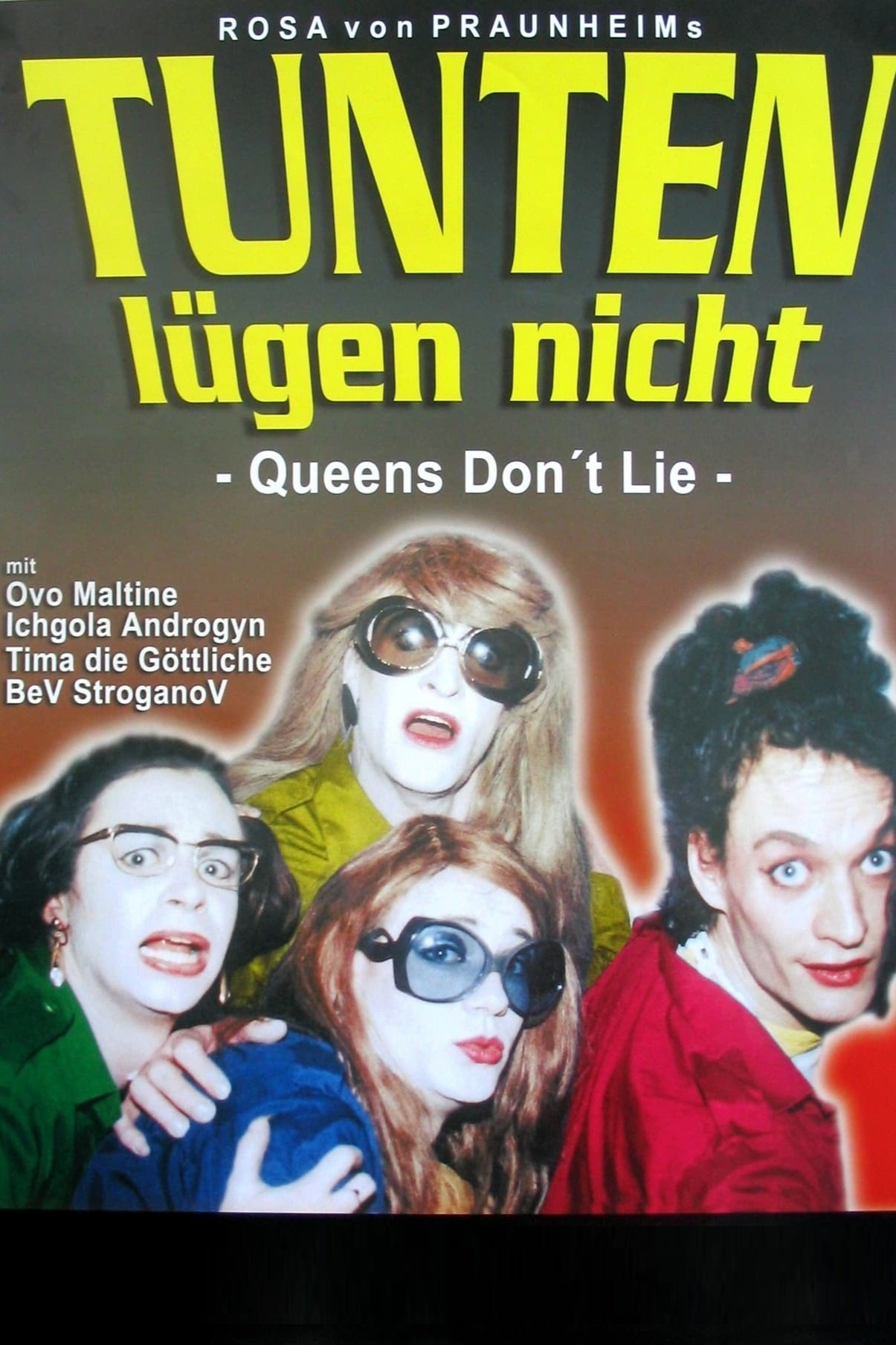
Bosom buddies BeV StroganoV, Ovo Maltine, Ichgola Androgyn and Tima die Göttliche are four Berlin drag queens who met in the mid 1980s. These four queens became Germany’s most popular drag performers and have been busy fertilizing the German cultural scene. Besides being performers, they are also political activists – in AIDS awareness, anti-gay violence, the sex workers movement and the struggle against the extreme right and racism. The film tells their story.
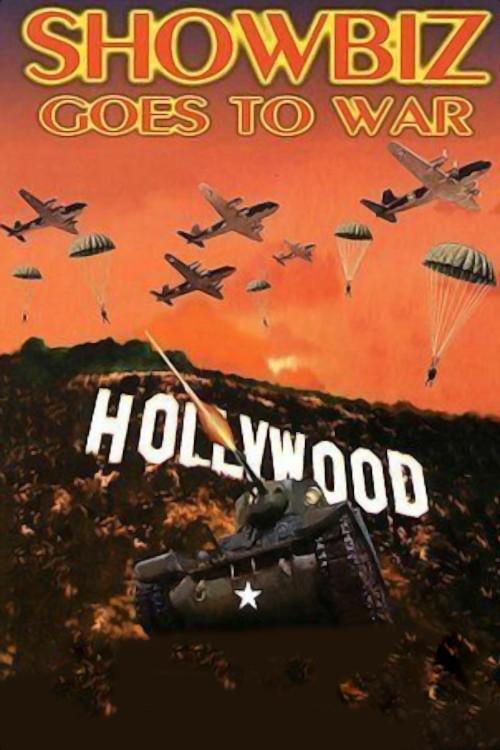
While a few Hollywood celebrities such as James Stewart and Clark Gable saw combat during World War II, the majority used their talents to rally the American public through bond sales, morale-boosting USO tours, patriotic war dramas and escapist film fare. Comedian David Steinberg plays host for this star-studded, 90-minute documentary, which looks at the way Tinseltown helped the United States' war effort.
Black Is the Color highlights key moments in the history of Black visual art, from Edmonds Lewis’s 1867 sculpture Forever Free, to the work of contemporary artists such as Whitfield Lovell, Kerry James Marshall, Ellen Gallagher, and Jean-Michel Basquiat. Art historians and gallery owners place the works in context, setting them against the larger social contexts of Jim Crow, WWI, the civil rights movement and the racism of the Reagan era, while contemporary artists discuss individual works by their forerunners and their ongoing influence.
During World War II, the propaganda engine of the U.S. government made a pivotal decision with unforeseeable results: they tapped John Huston to shoot war documentaries with an expressly patriotic spin. Few could guess the degree to which Huston's documentaries would depict the sheer brutality and horror of modern warfare - particularly his Let There Be Light and The Battle of San Pietro. The films served (by default) as cinematic protests, even as they graced new and brilliant heights within the scope of American documentary. (Indeed, Light was banned by the government for 35 years). Midge Mackenzie's 1998 documentary John Huston: War Stories explores this little known facet of Huston's career, intercutting clips from the various documentaries with a Huston interview shot just prior to his death.
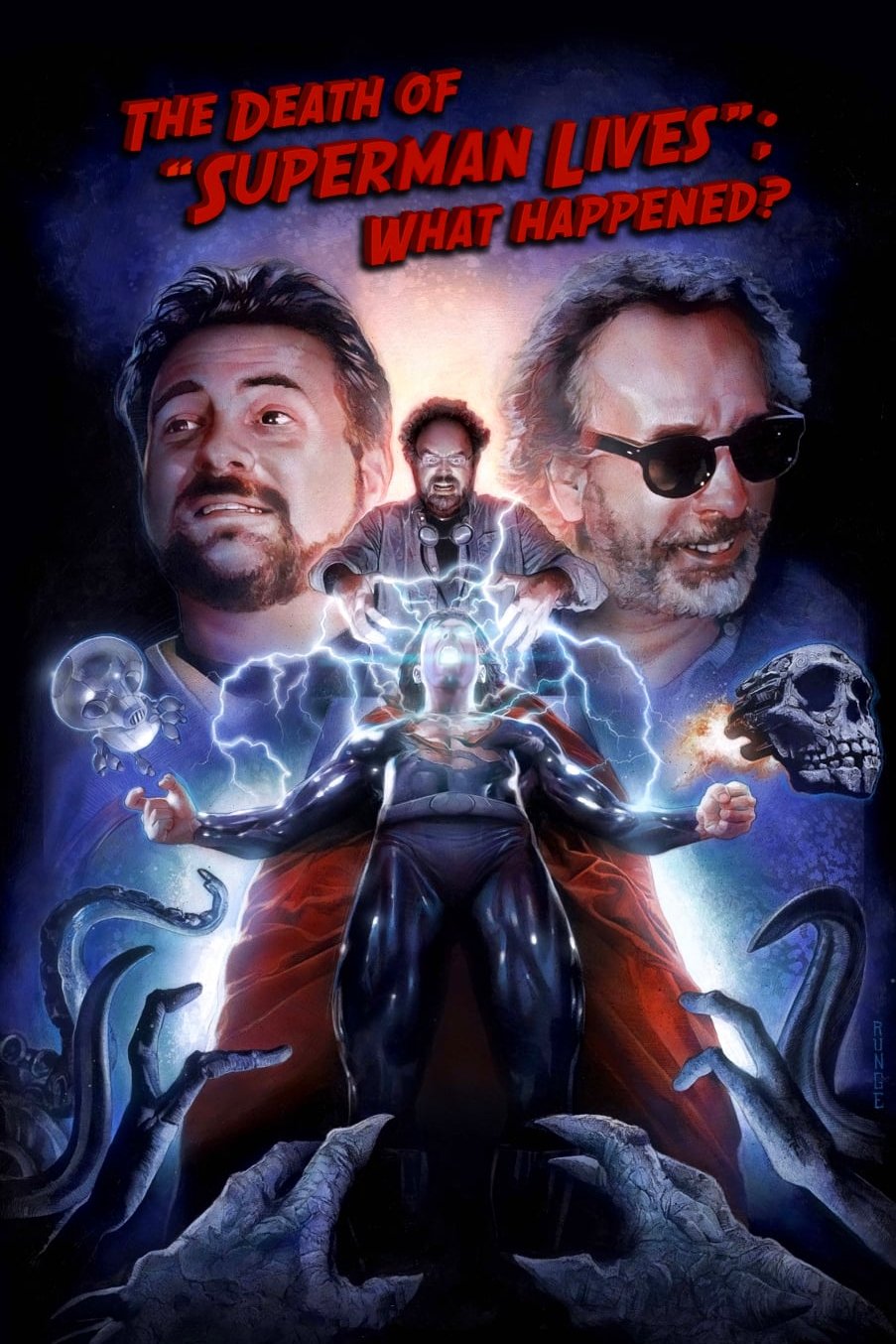
The Death of 'Superman Lives': What Happened? feature film documents the process of development of the ill fated "Superman Lives" movie, that was to be directed by Tim Burton and star Nicolas Cage as the man of steel himself, Superman. The project went through years of development before the plug was pulled, and this documentary interviews the major filmmakers: Kevin Smith, Tim Burton, Jon Peters, Dan Gilroy, Colleen Atwood, Lorenzo di Bonaventura and many many more.
A documentary exploring the importance of revival cinema and 35mm exhibition - seen through the lens of the patrons of the New Beverly Cinema - a unique and independent revival cinema in Los Angeles.
Exuberant, eye-opening movie that serves up a dazzling hundred-year history of the role of gay men and lesbians have had on the silver screen. Film contains fabulous footage from 120 films showing the changing face of cinema sexuality, from cruel stereotypes to covert love to the activist triumphs of the 1990s.
The chronicle of the mind-blowing journey that was Hollywood during the seventies; the true and gripping story of the last golden age of American cinema, an exalted celebration of creativity and experimentation; but also of sex, drugs and rock 'n' roll: a turbulent and dark tale of ambition, envy, betrayal, hatred and self-destruction.
Ekchart Schmidt examines the machinery behind the dream factory; the Hollywood myth is unmasked. How does the studio industry work? What role does marketing and the hype surrounding the stars play?
Documentary about Hollywood Boulevard and Hollywood itself.