Social & External
The people behind it
Veronika Lálová
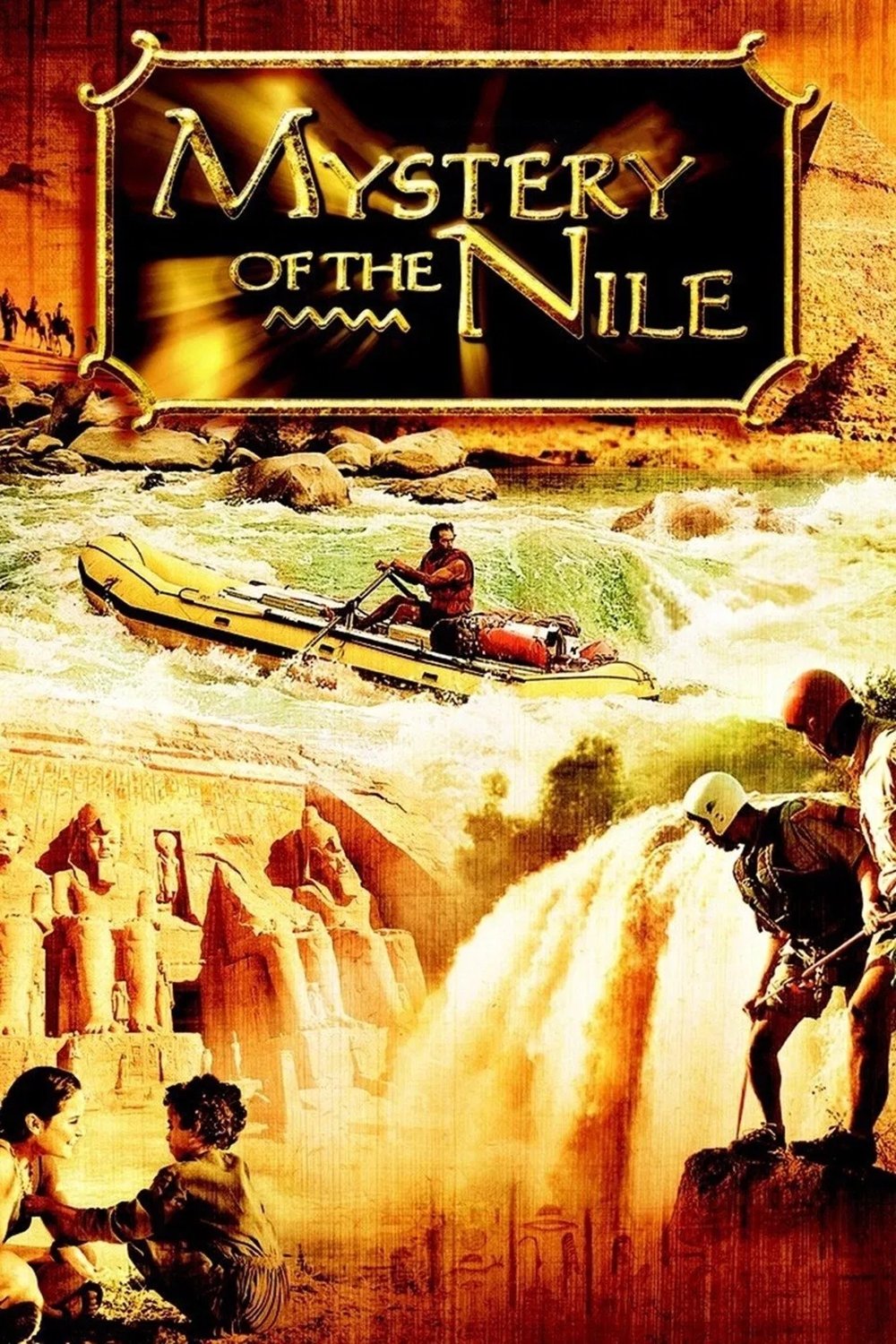
Filmed in IMAX, a team of explorers led by Pasquale Scaturro and Gordon Brown face seemingly insurmountable challenges as they make their way along all 3,260 miles of the world's longest and deadliest river to become the first in history to complete a full descent of the Blue Nile from source to sea.
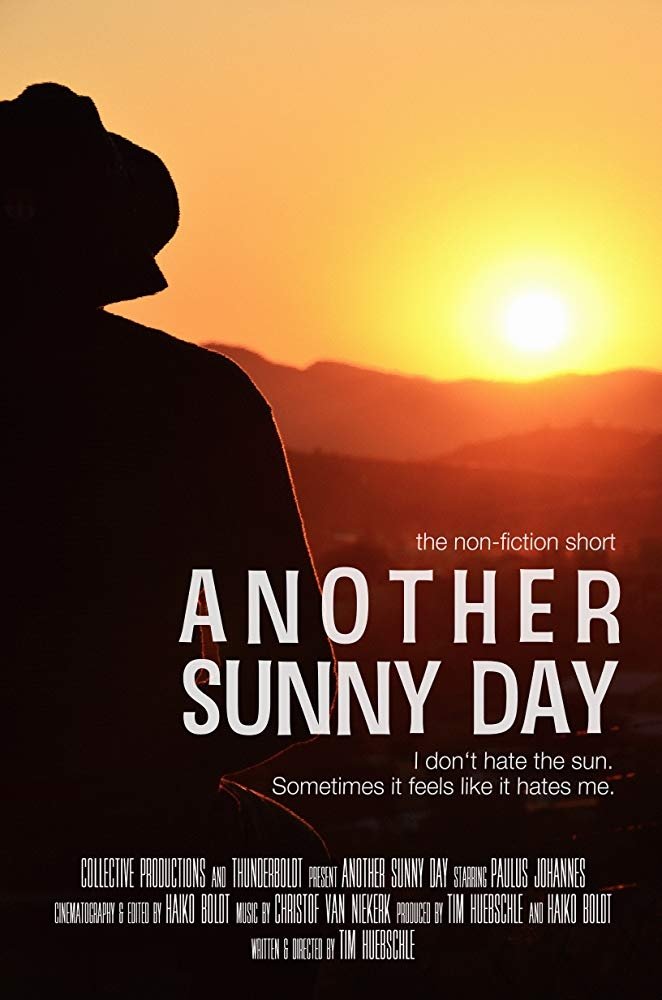
Imagine how life must be for someone whose skin has no protection whatsoever from the sun. And now imagine living in a country that averages over 80% sunshine during any given year. Welcome to Paulus's life in Namibia.
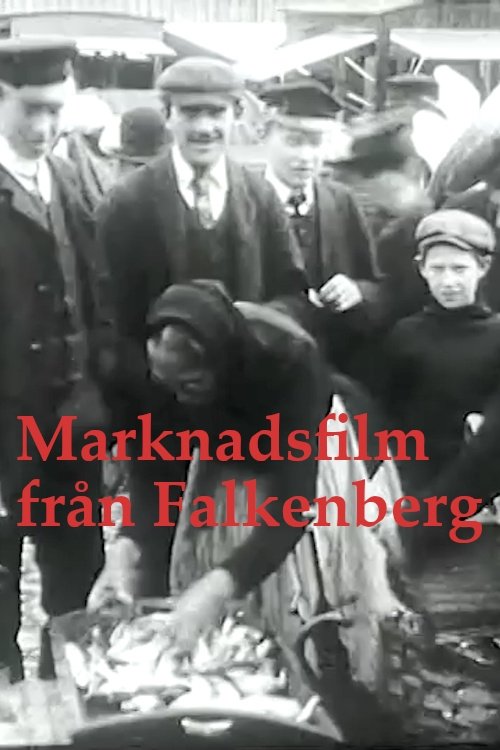
Documentary images from a market in Falkenberg.
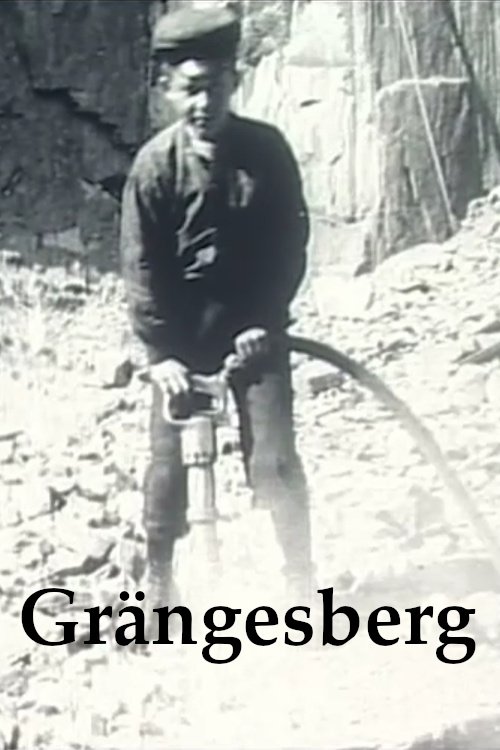
Images from Grängesberg's mines. The ore is loaded onto trains and transported to the port of Oxelösund.
Sometimes it takes a loyal and dedicated man to manage an elevator.
Documentary on the making of Hammer's adaptation of "The Hound of the Baskervilles".
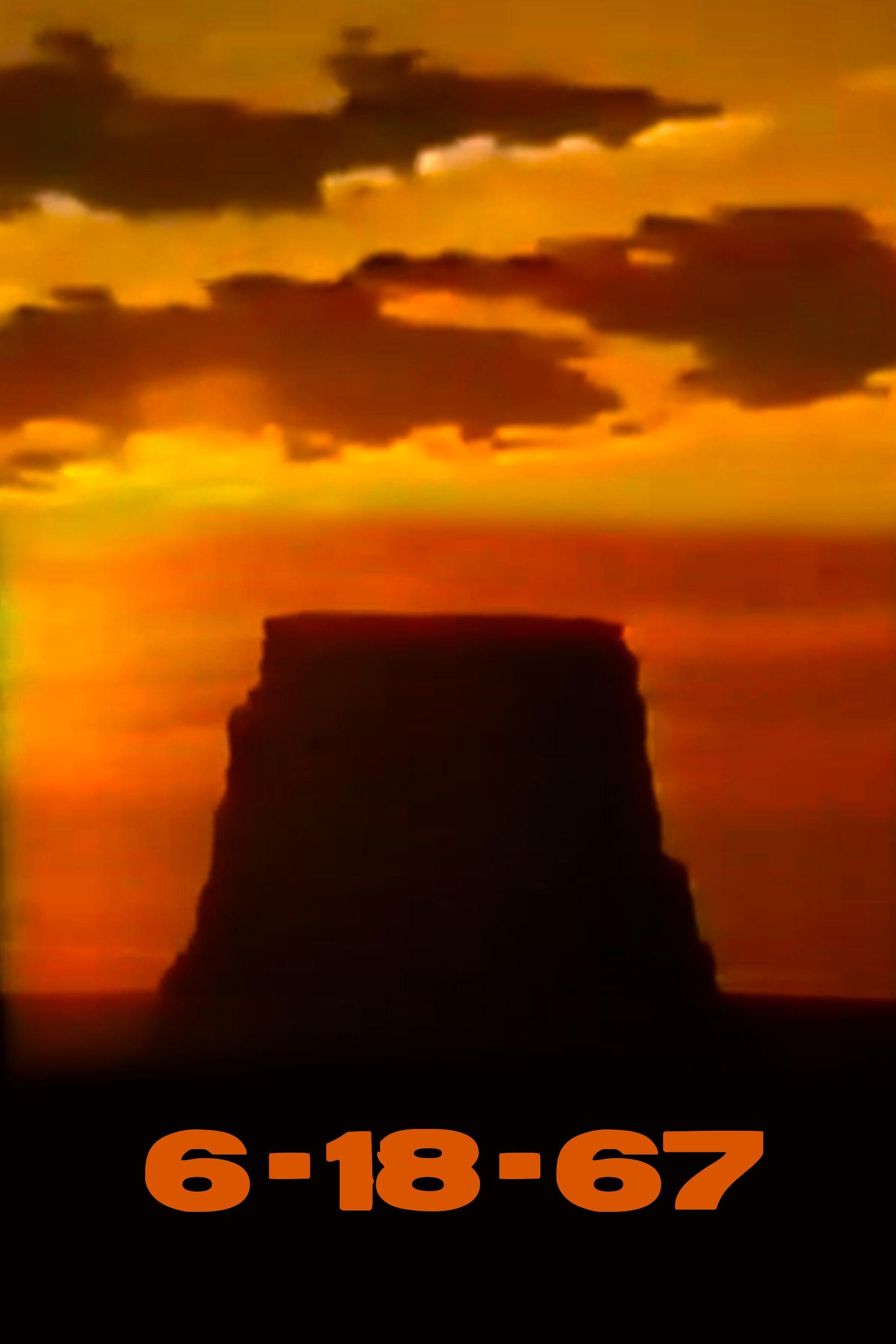
Filmed during the production of the Columbia Pictures western "Mackenna’s Gold," this short work presents a non-narrative visual study of the Arizona desert. Rather than documenting the film set itself, "6-18-67" assembles landscape images, time-lapse photography, and ambient sound into an abstract record of place and duration.
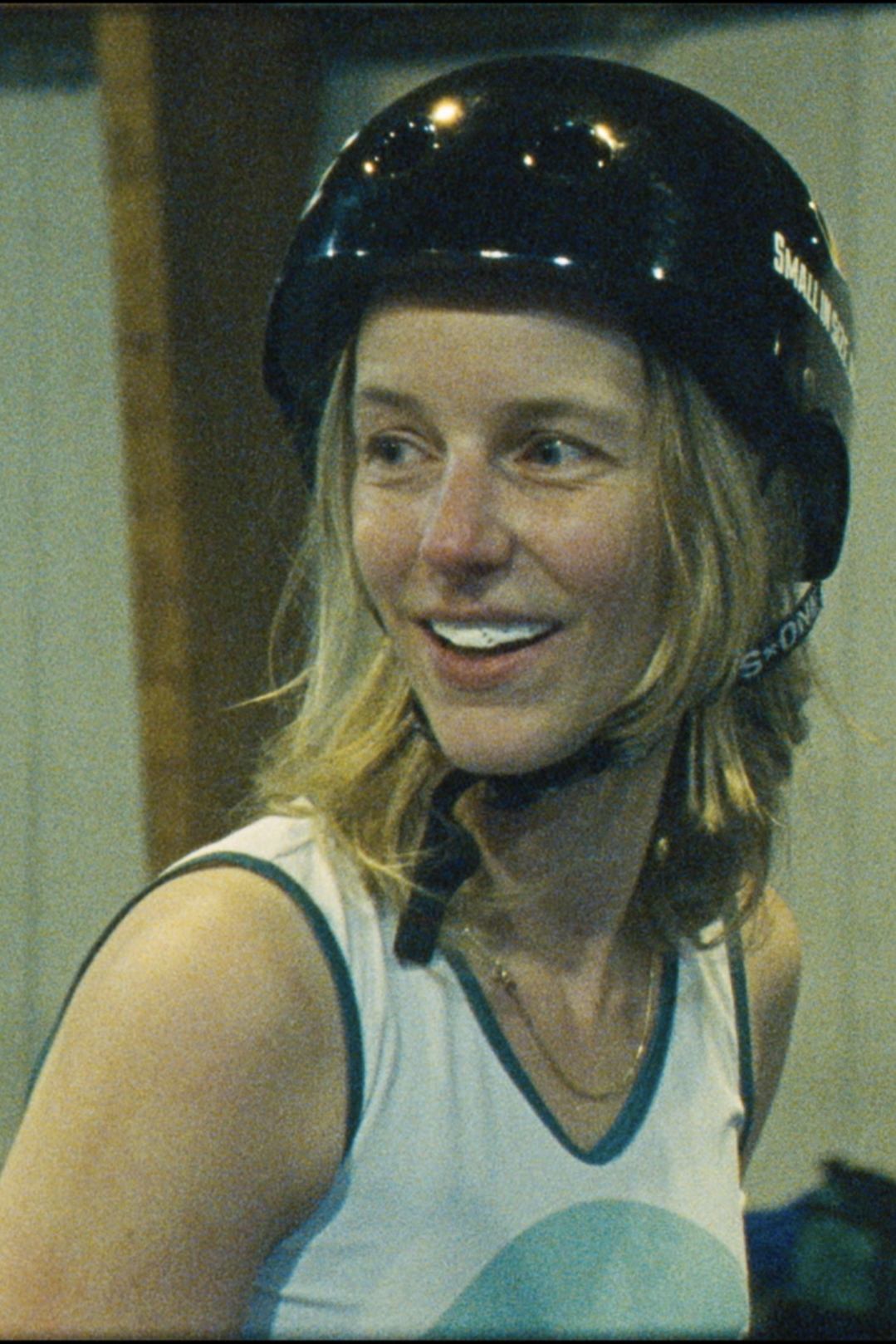
A short documentary about Brussels' roller derby team, Les Brussels Derby Pixies.
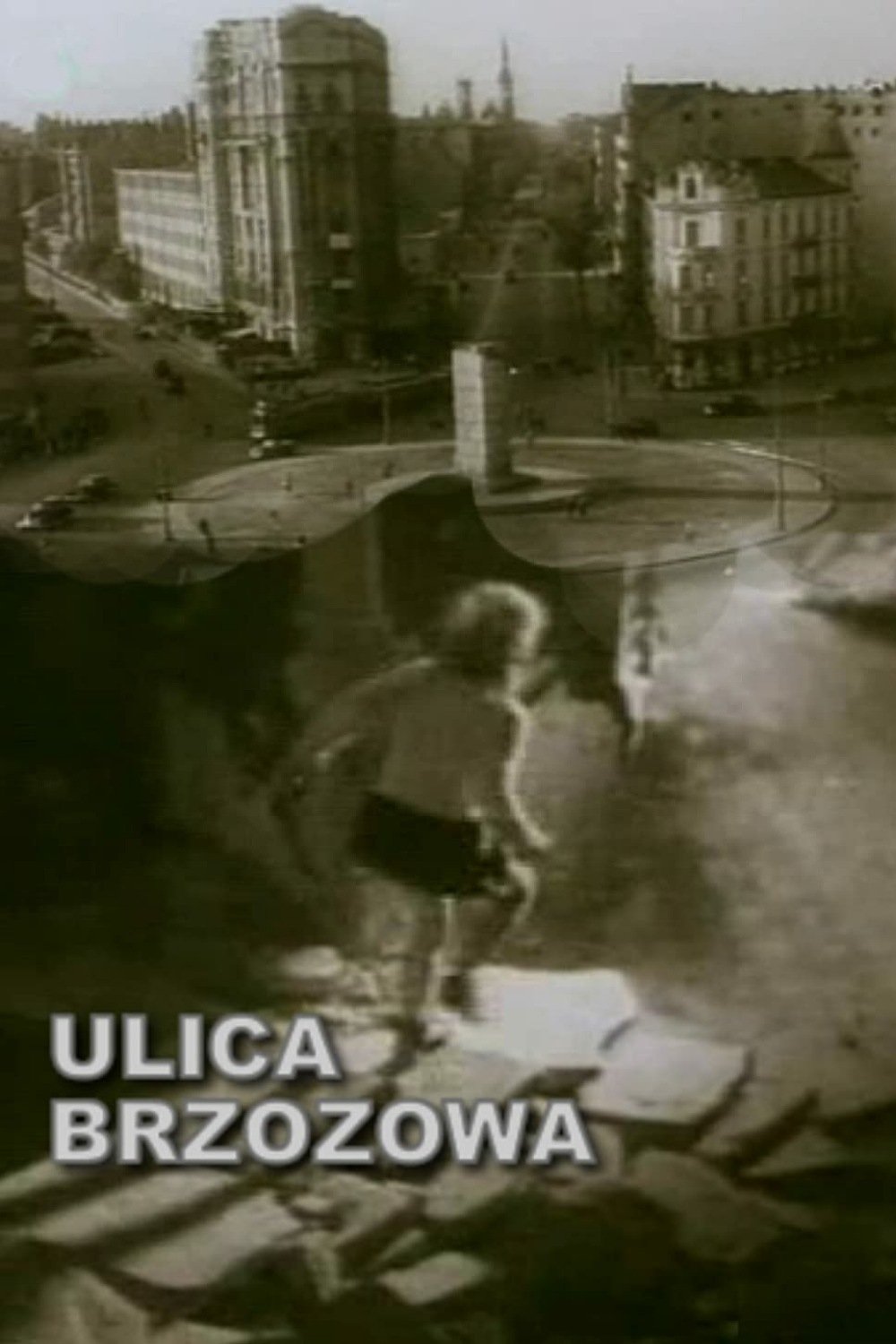
Battered Warsaw is getting back to life after the WW2 destruction. The ruins of the Old Town become homes once again.
Short documentary on Poland's first steam locomotive.
A miniature parable about a young boy who misunderstands the function of a bird feeder.
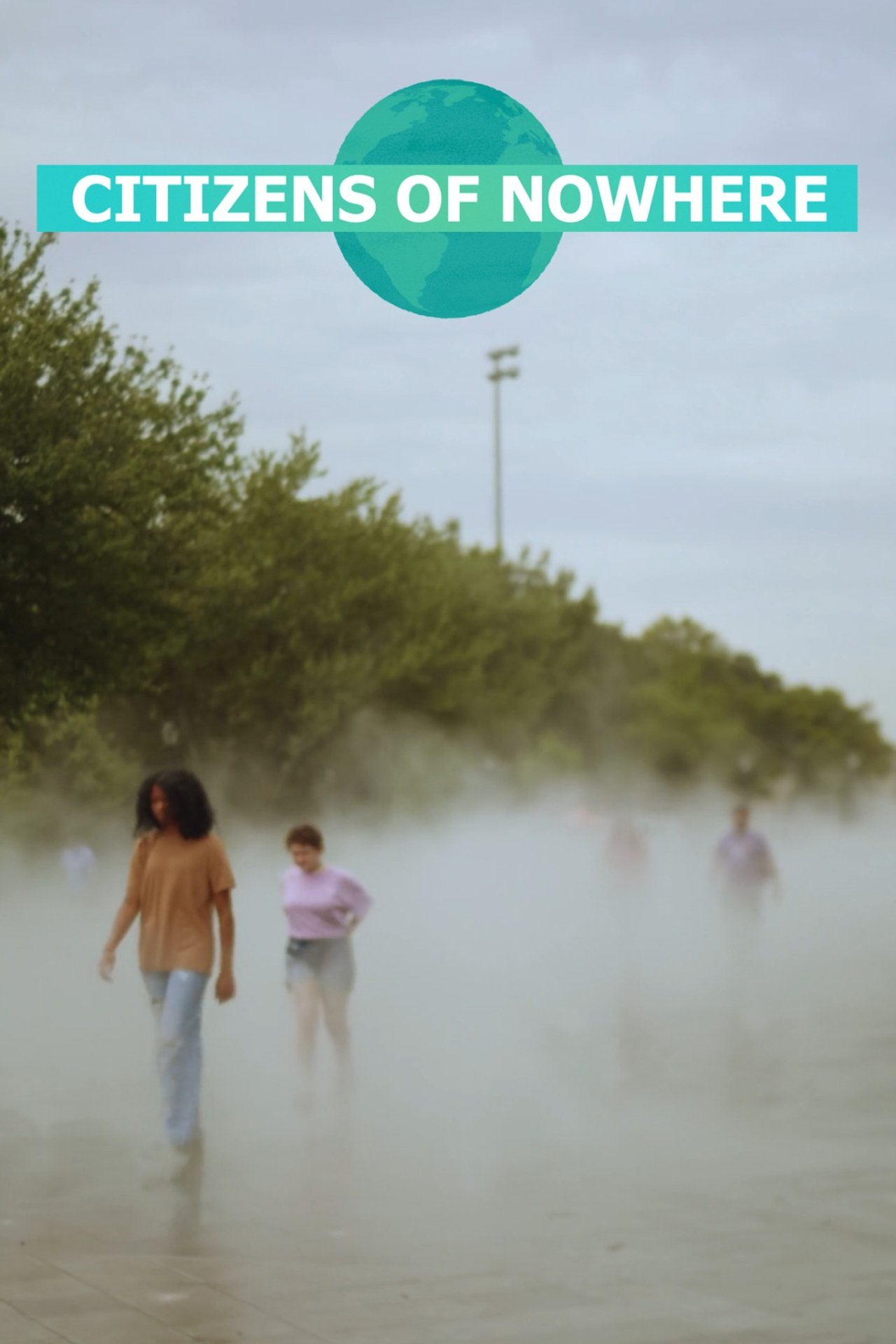
Millennials in the US discover their lack of legal nationality, sparking a search for recognition and belonging that unites them and offers hope for the future.
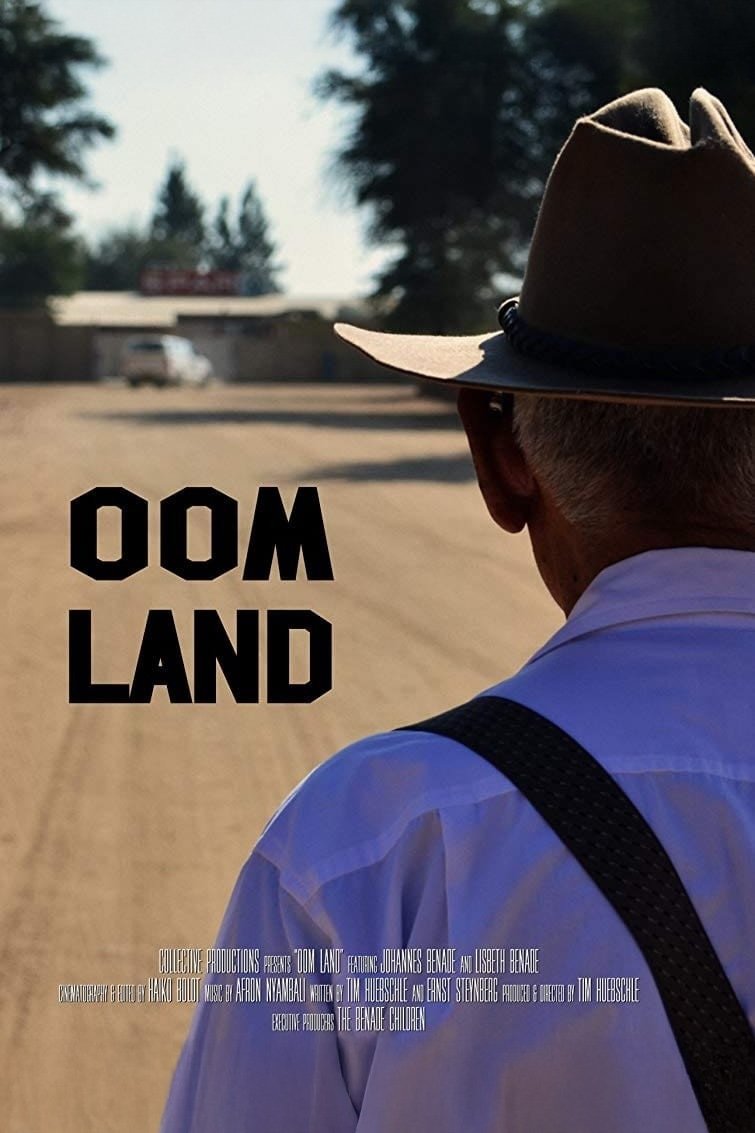
50 years ago the Volkswinkel - the People's Shop - opened for business in Rehoboth. The man behind the success story is Oom Land. Here you get to meet him.
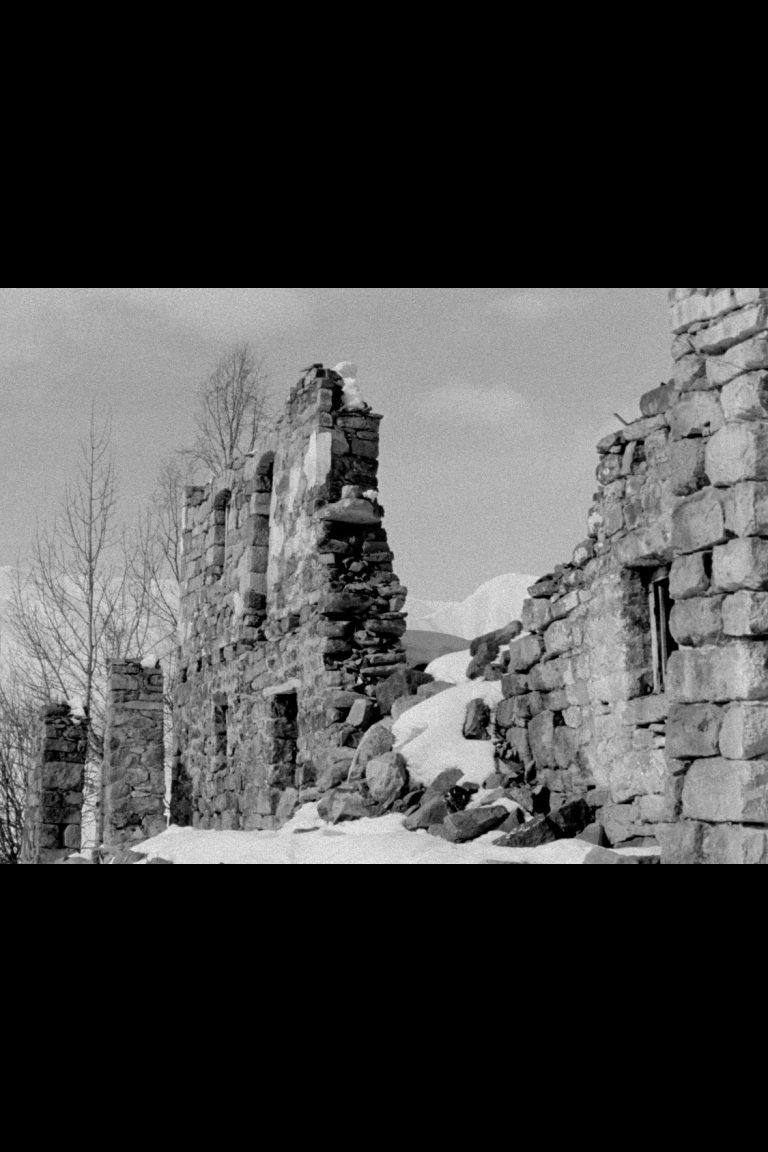
Voices from the past echo through the deserted, snow-covered stone houses in a village in the Caucasus Mountains.
A strange and mischievous documentary on an archeological site in the Qaytarieh hills in Tehran. This short narrates the story of the dead people who wished never to be found.
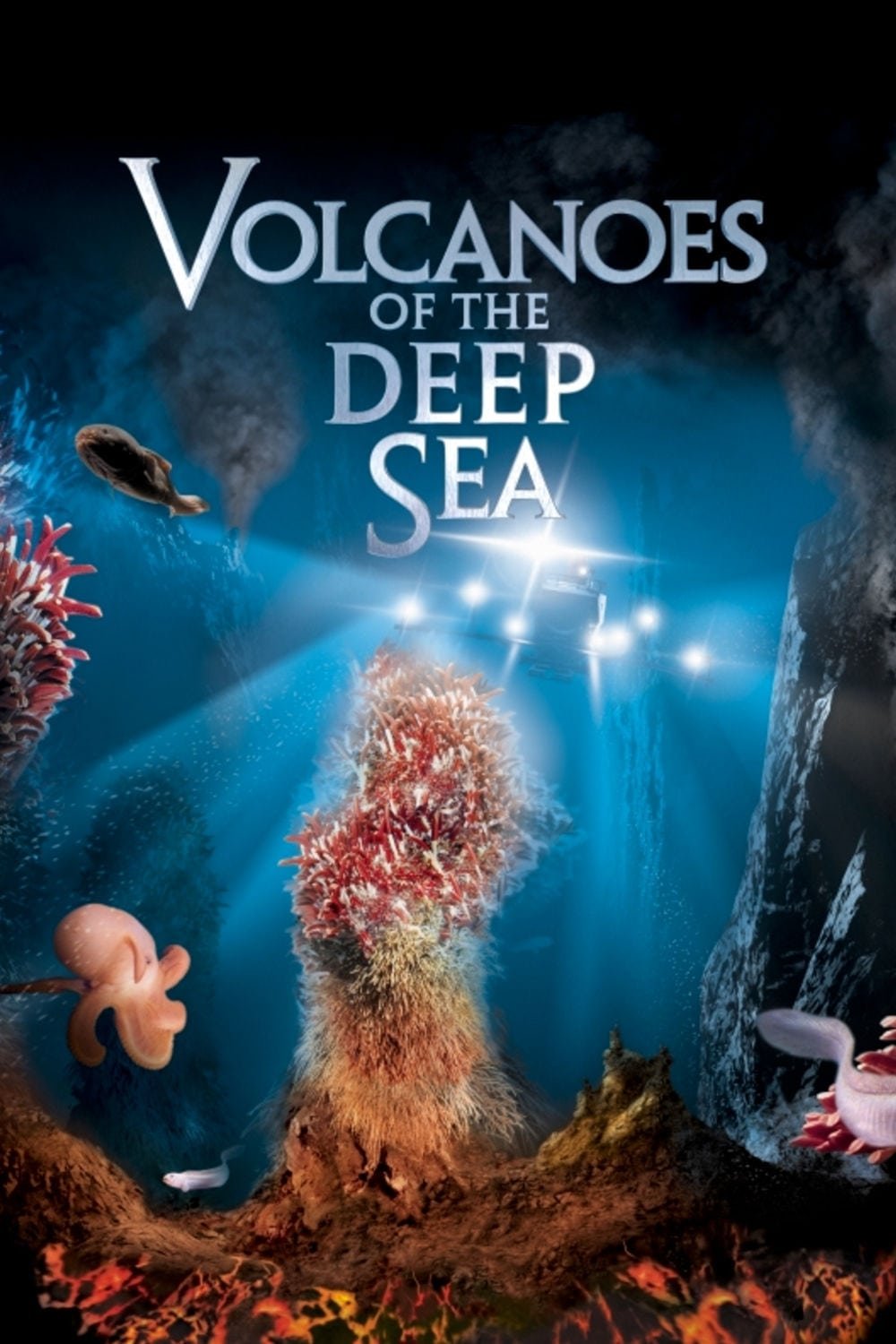
12,000 feet down, life is erupting. Alvin, a deep-sea mechanized probe, makes a voyage some 12,000 feet underwater to explore the Azores, a constantly-erupting volcanic rift between Europe and North America.
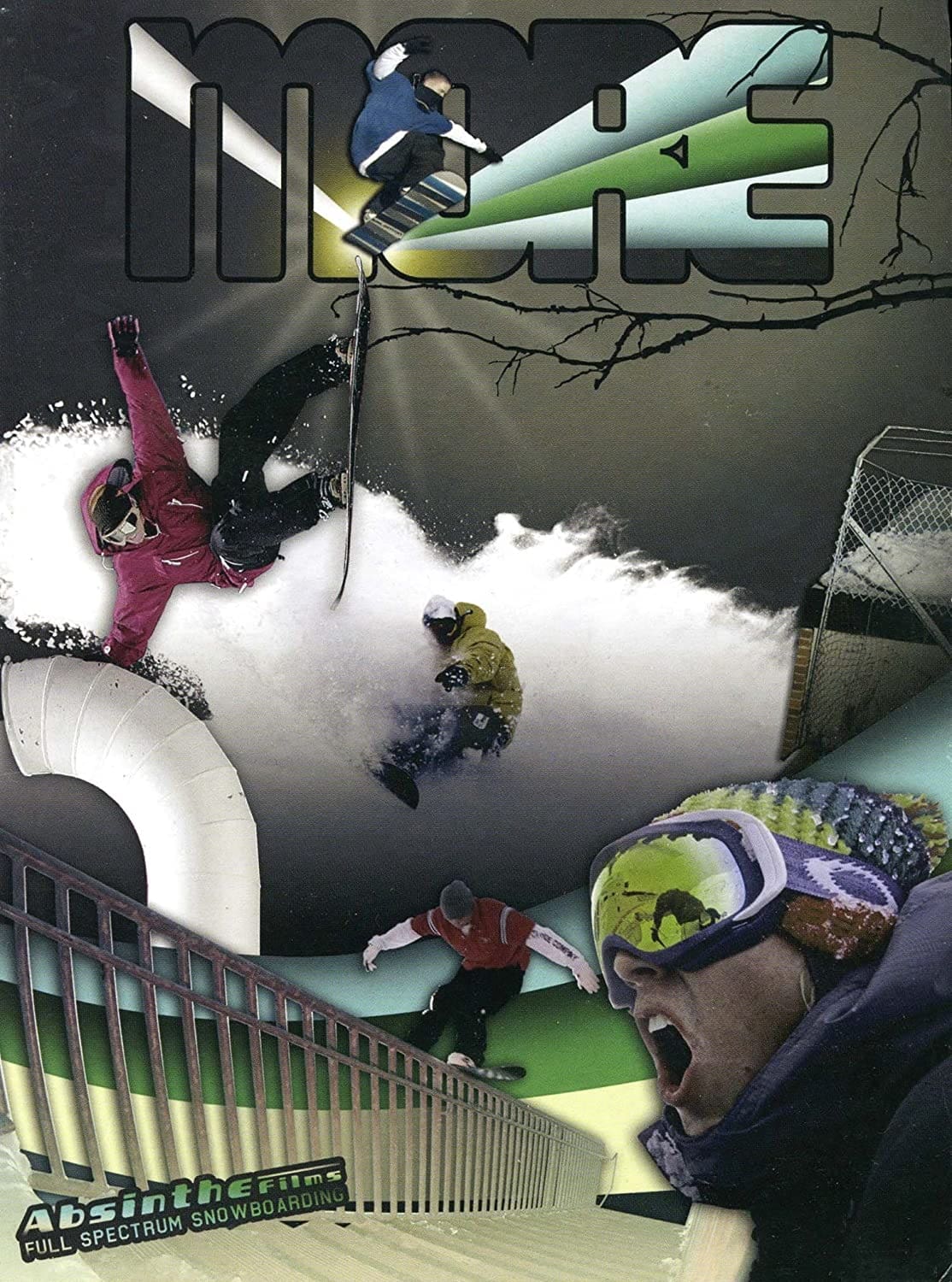
In an era marked by an oversaturated video market, a leader must emerge to challenge the boundaries of what is considered normal, and show the way for generations to come. There is one single team in snowboarding that has led the charge in progressing the level of riding, defining the formula that all others have since tried to duplicate. That team is the Forum team, and the time for THAT team video is now.
Once again Absinthe Films raises the bar to bring you 'More'. This title marks the beginning of a new era for Absinthe Films as they have broadened their scope to include and properly represent urban riding while still keeping the overall blend fresh and un-repetitive.
Big jumps are sick... and once again we have that category well covered. But there will always be a bigger jump or that extra one eighty added to the rotation that will dethrone last year's golden moment. So... what aspects of snowboarding can withstand the test of time? We spent the winter examining this question and came up with some answers that will have you waxing your board and watching the Weather Channel in September. You will see.
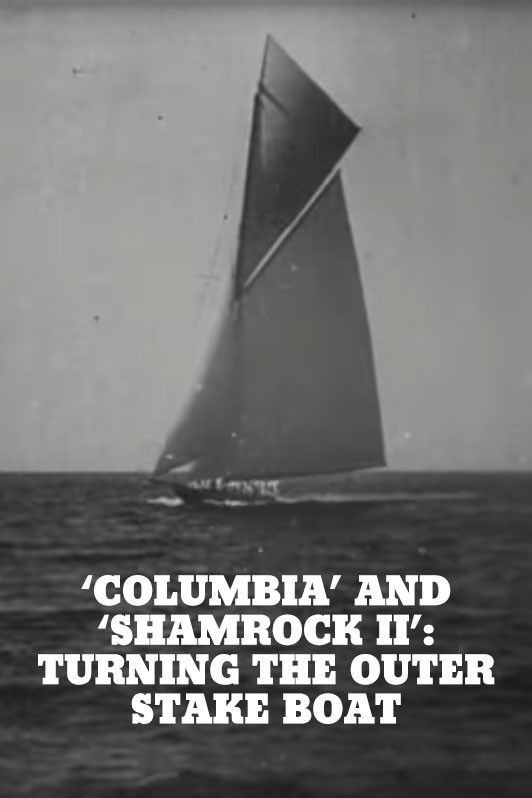
Here the yachts are both sailing under a twenty-knot breeze, and the effect is most beautiful as they turn the stake, the Shamrock leading by one-eight of a mile. The sailors working at the ropes make a most beautiful effect as the yachts pull about for home and begin the great struggle which ended in the awarding of the cup to Columbia.
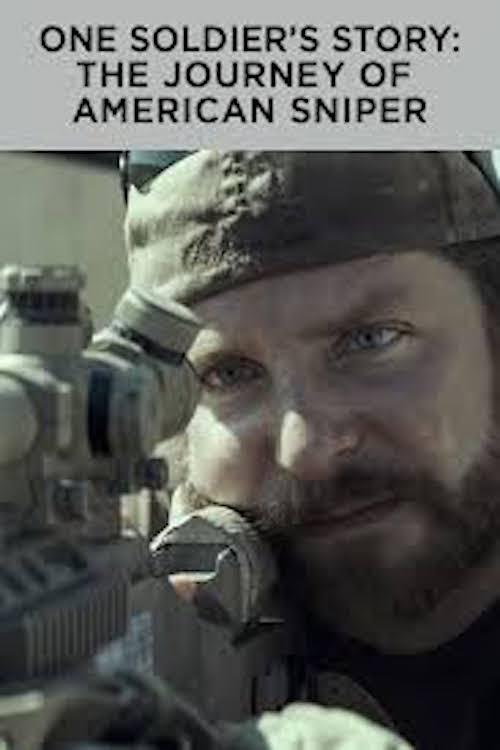
Join director Clint Eastwood and his creative team, along with Bradley Cooper and Sienna Miller, as they overcome enormous creative and logistic obstacles to make a film that brings the truth of Navy SEAL Chris Kyle's story to the screen.
A feature length documentary about the all-women team at the helm of Pixar's original feature, Turning Red. With unprecedented behind-the-scenes access to Director Domee Shi and her core leadership crew, this story shines a light on the powerful professional and personal journeys that brought this incredibly comical, utterly relatable, and deeply heartfelt story to the screen.
JB Smoove and Martin Starr host a celebration of 20 years of "Spider-Man" movies, from the Sam Raimi trilogy to Marc Webb's movies and the trio from Jon Watts.
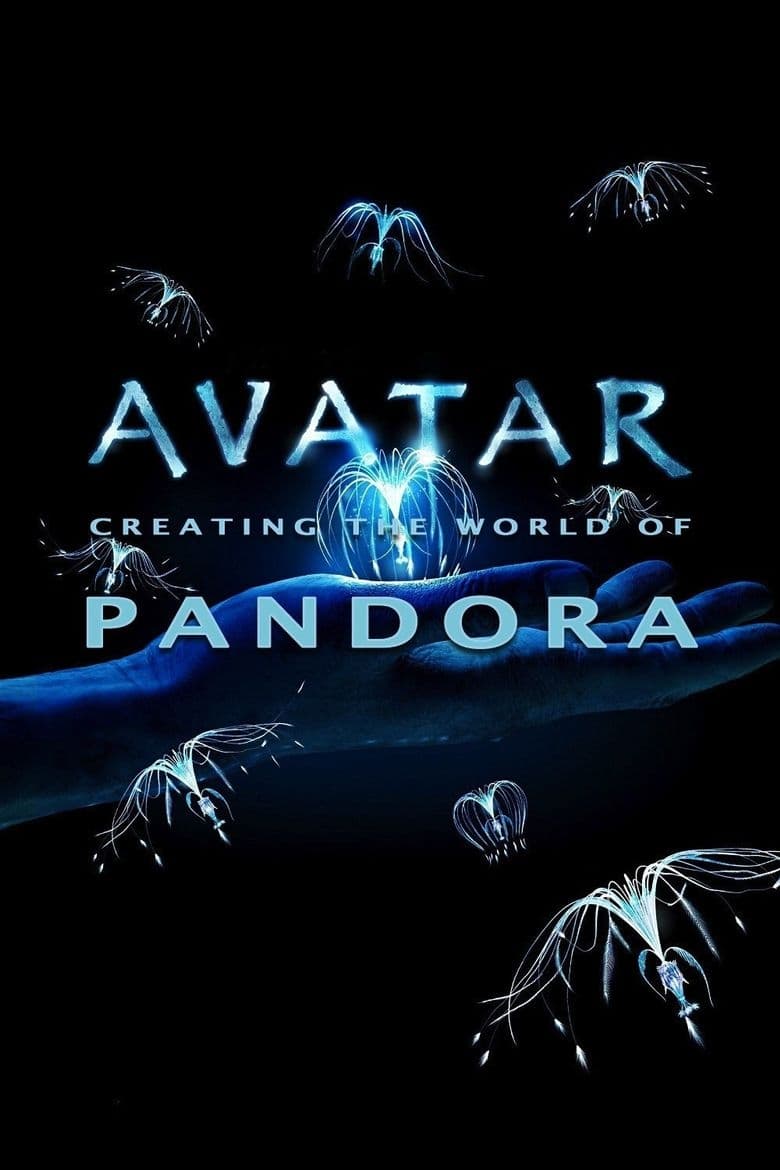
The Making-of James Cameron's Avatar. It shows interesting parts of the work on the set.
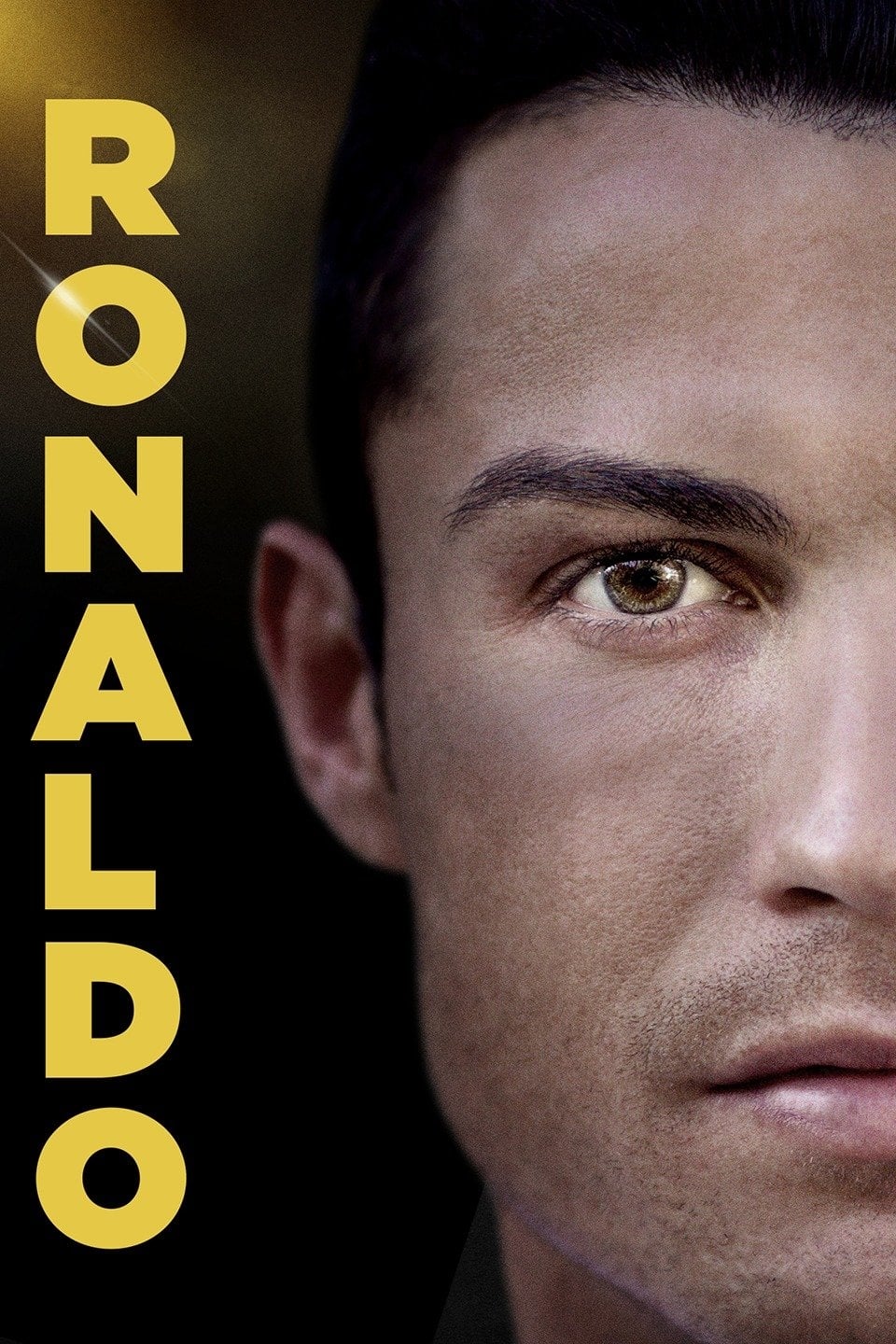
Filmed over 14 months with unprecedented access into the inner circle of the man and the sport, this is the first official and fully authorised film of one of the most celebrated figures in football. For the first time ever, the world gets vividly candid and un-paralleled, behind-closed-doors access to the footballer, father, family-man and friend in this moving & fascinating documentary. Through in-depth conversations, state of the art football footage and never before seen archival footage, the film gives an astonishing insight into the sporting and personal life of triple Ballon D'Or winner Cristiano Ronaldo at the peak of his career. From the makers of ‘Senna’ and ‘Amy’, Ronaldo takes audiences on an intimate and revealing journey of what it’s like to live as an iconic athlete in the eye of the storm.
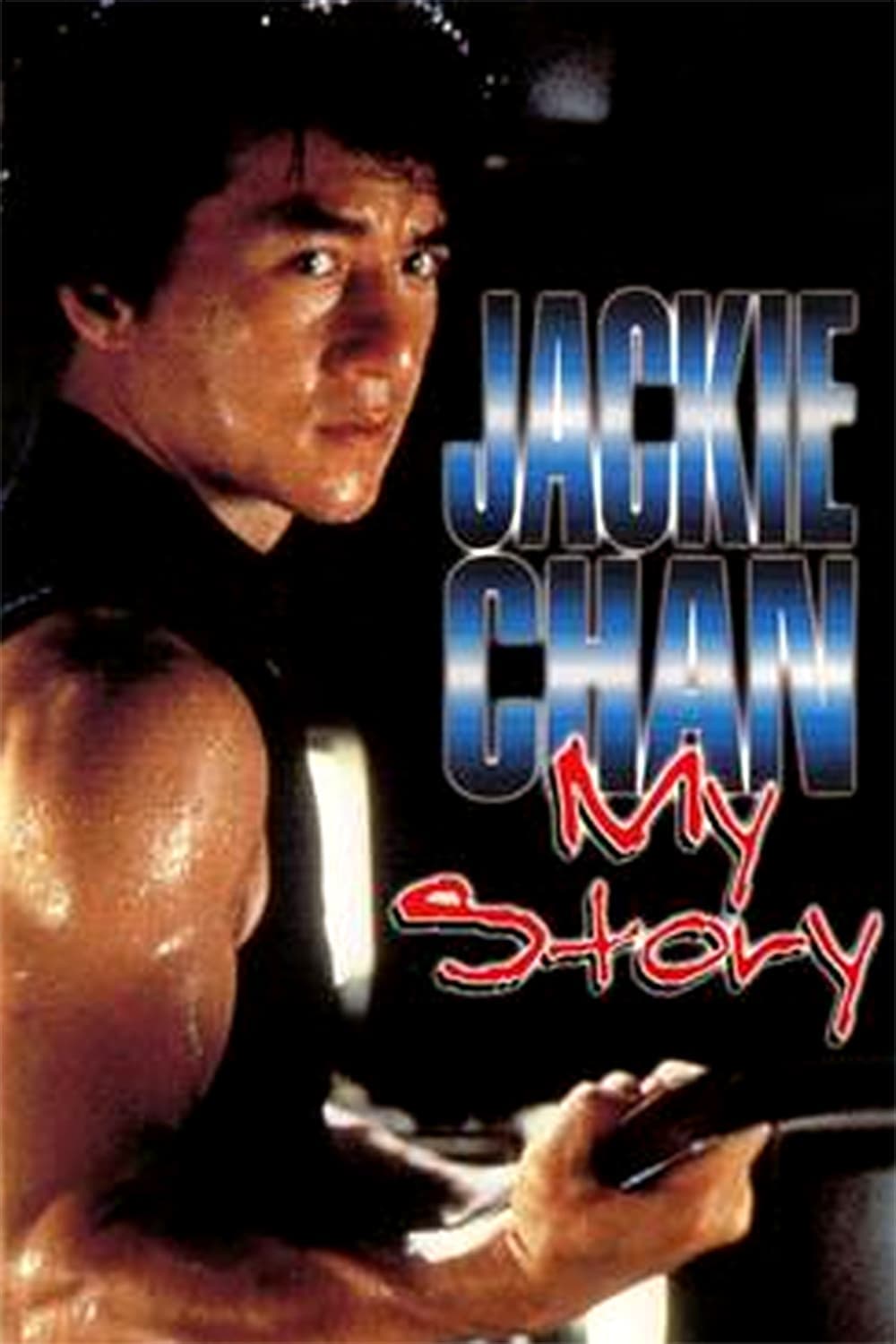
Jackie Chan is one of the world's biggest action stars, famed for his wacky sense of humor, remarkable martial arts techniques, and willingness to perform incredible stunts without the use of doubles -- or a net. This video takes a personal look at Chan as he works on screen projects in Hollywood and Beijing and candidly discusses his life and work.
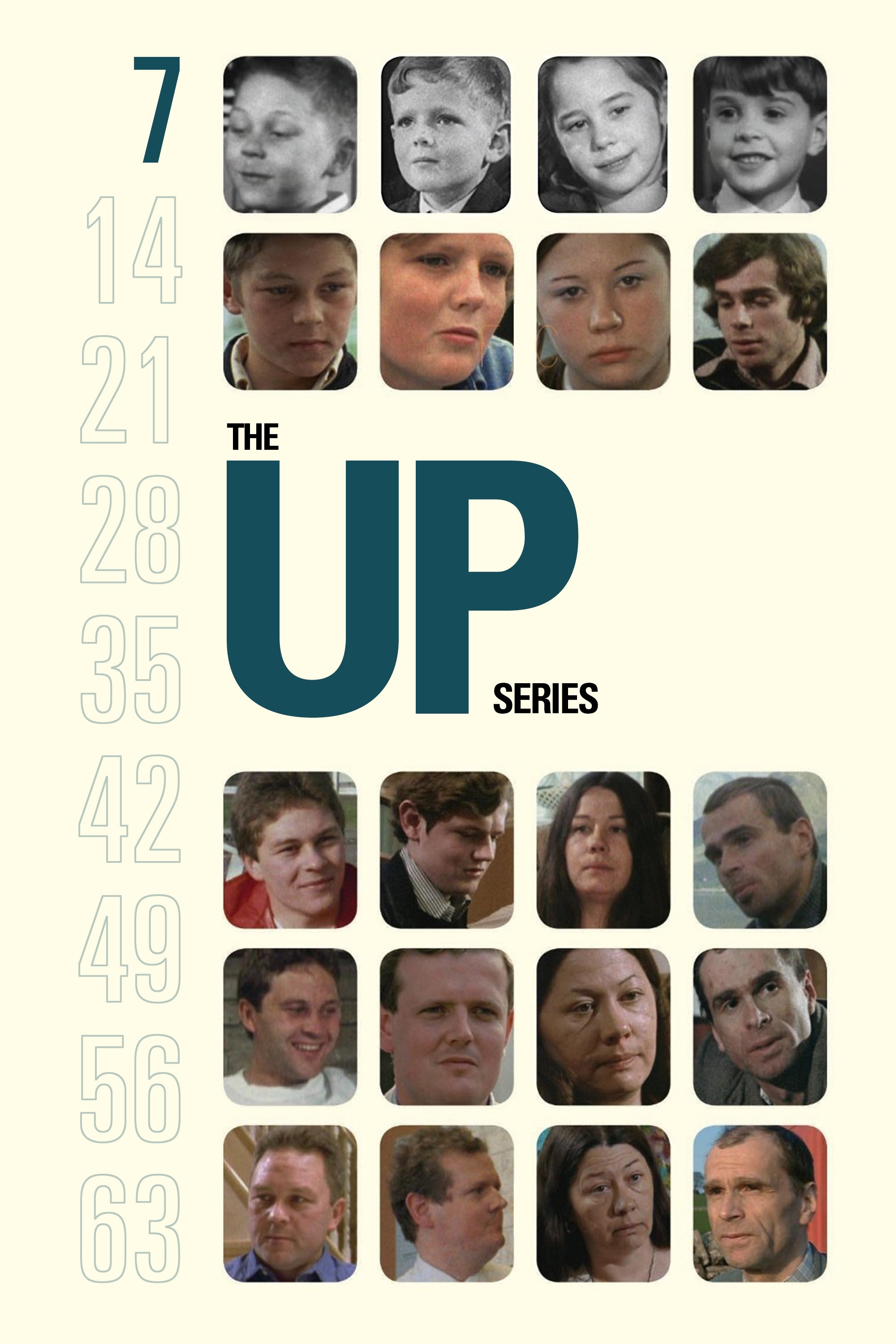
A group of British children aged 7 from widely ranging backgrounds are interviewed about a range of subjects. The filmmakers plan to re-interview them at 7 year intervals to track how their lives and attitudes change as they age.
SEDUCED AND ABANDONED combines acting legend Alec Baldwin with director James Toback as they lead us on a troublesome and often hilarious journey of raising financing for their next feature film. Moving from director to financier to star actor, the two players provide us with a unique look behind the curtain at the world's biggest and most glamourous film festival, shining a light on the bitter-sweet relationship filmmakers have with Cannes and the film business. Featuring insights from directors Martin Scorsese, 'Bernando Bertolucci' and Roman Polanski; actors Ryan Gosling and Jessica Chastain and a host of film distribution luminaries.
Featuring interviews with filmmakers and industry legends, discover the origins and evolution of The Joker, and learn why The Clown Prince of Crime is universally hailed as the greatest comic-book supervillain of all time.
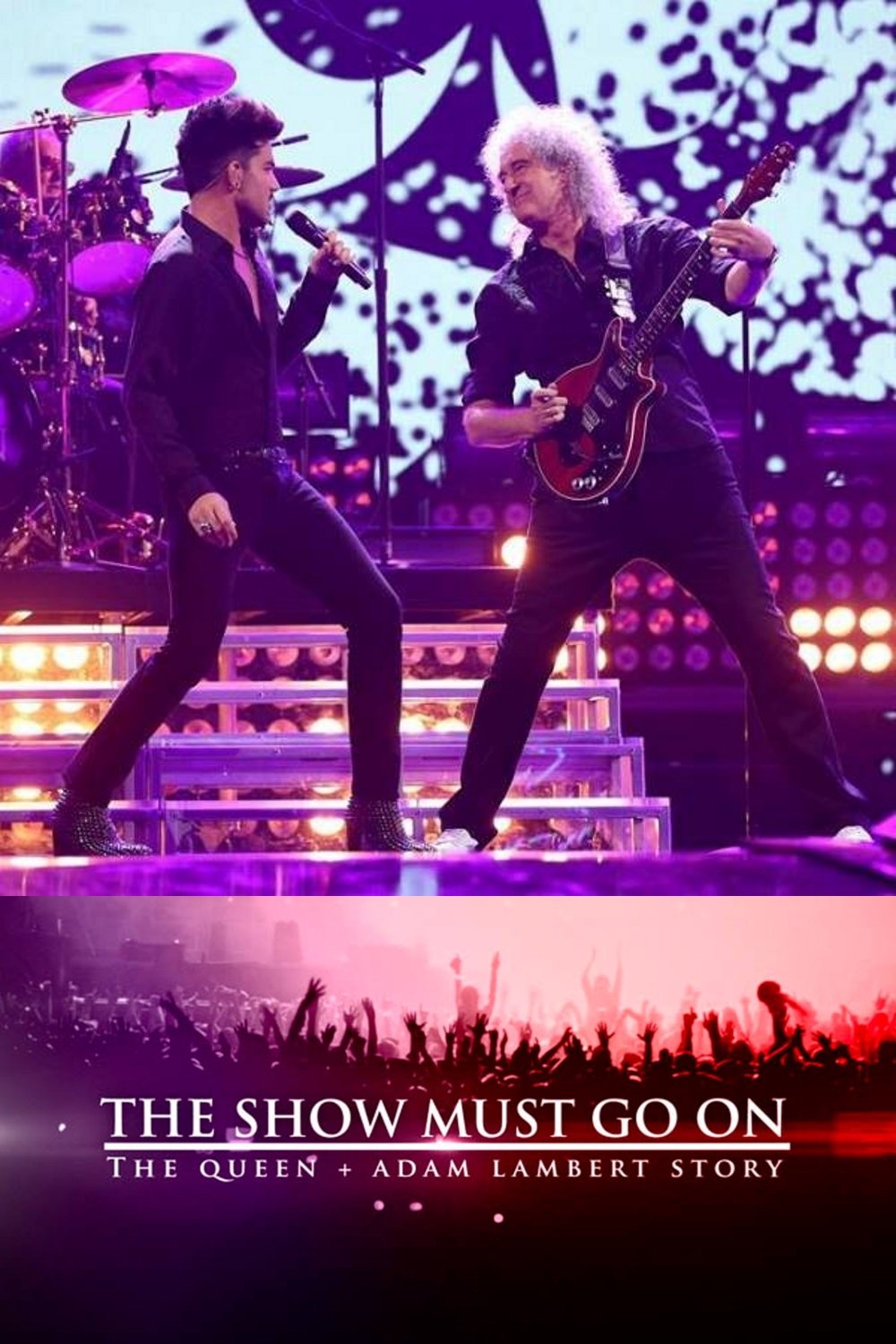
A documentary chronicling Queen and Lambert's incredible journey since they first shared the stage together on "American Idol" in 2009.
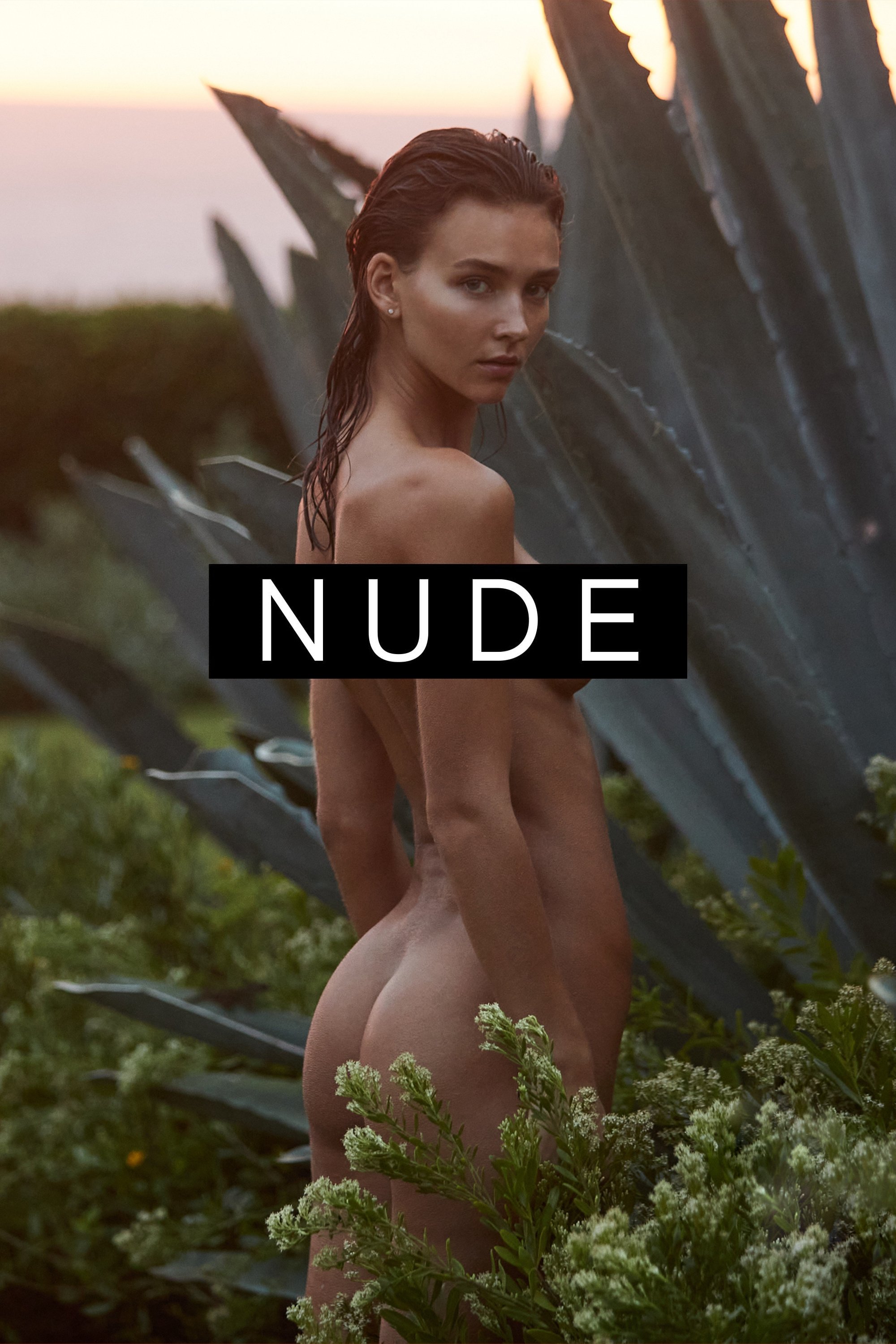
NUDE explores perceptions of nudity in art by chronicling the creative process of photographer David Bellemere as he's commissioned by NU Muses founder Steve Shaw to shoot a fine art calendar of nude photographs.
A visual montage portrait of our contemporary world dominated by globalized technology and violence.
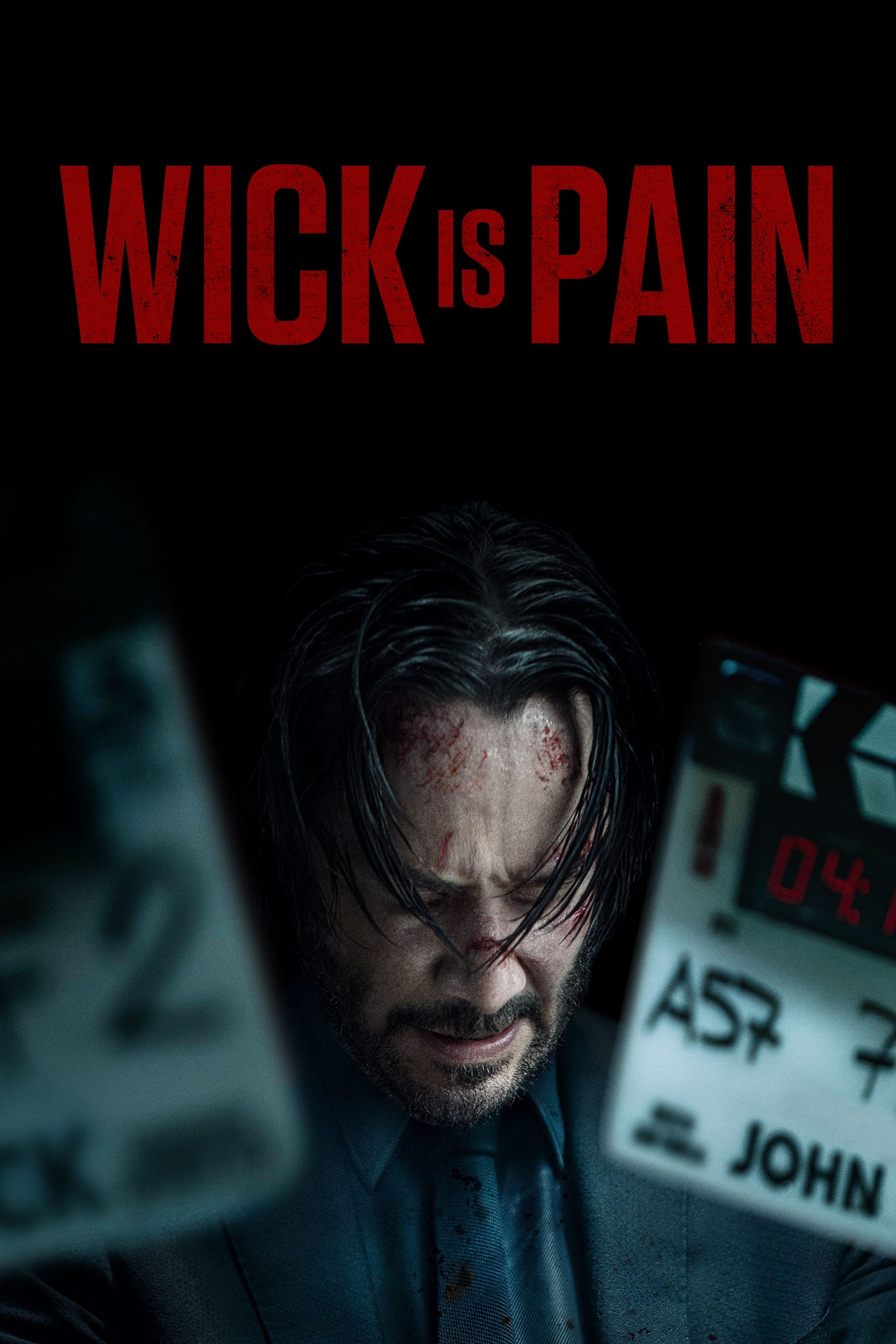
Witness the never-before-seen footage and true story behind the John Wick phenomenon – from independent film to billion-dollar franchise.
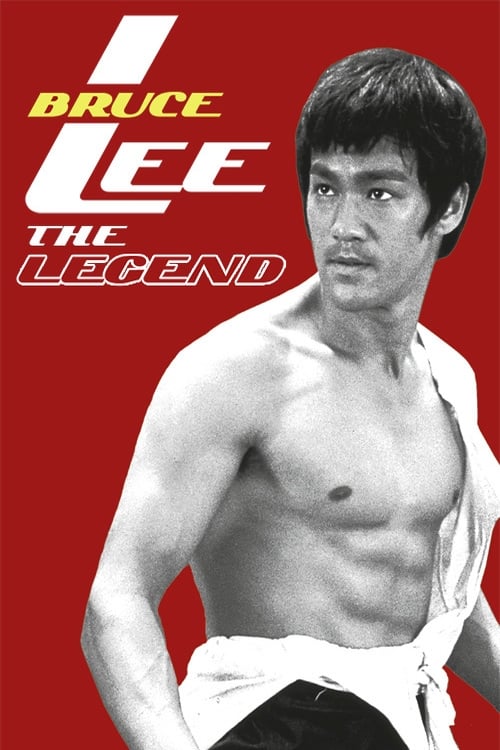
The Official Golden Harvest tribute to the Master of the Martial Arts Film, Bruce Lee.
Daniel Craig candidly reflects on his 15 year adventure as James Bond. Including never-before-seen archival footage from Casino Royale to the upcoming 25th film No Time To Die, Craig shares his personal memories in conversation with 007 producers, Michael G Wilson and Barbara Broccoli.
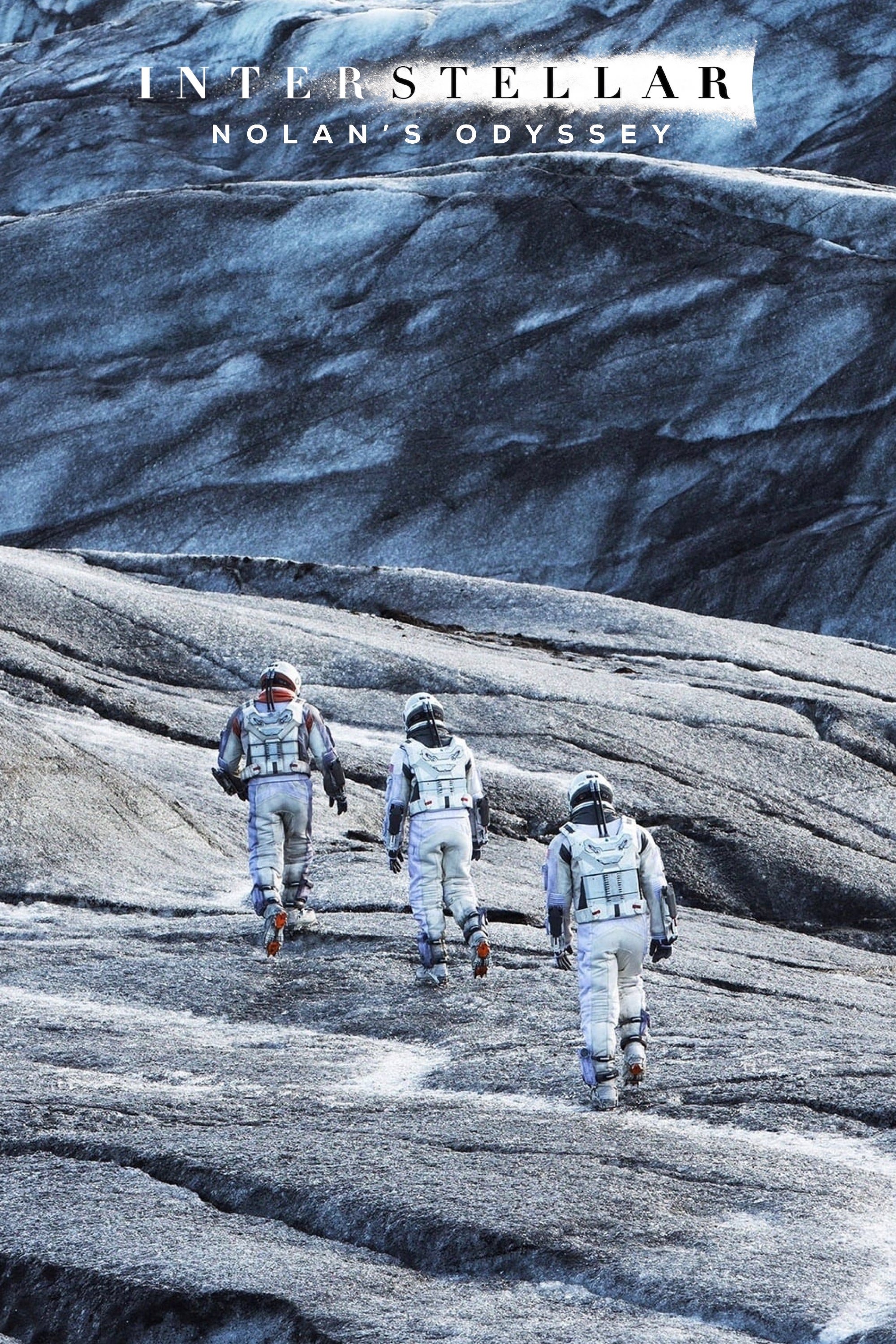
A look behind the lens of Christopher Nolan's space epic.
A string of threatening emails escalates into a revenge plot involving a newly married US marshal and his ex-girlfriend.
Behind the scenes look at fight choreography and action training.
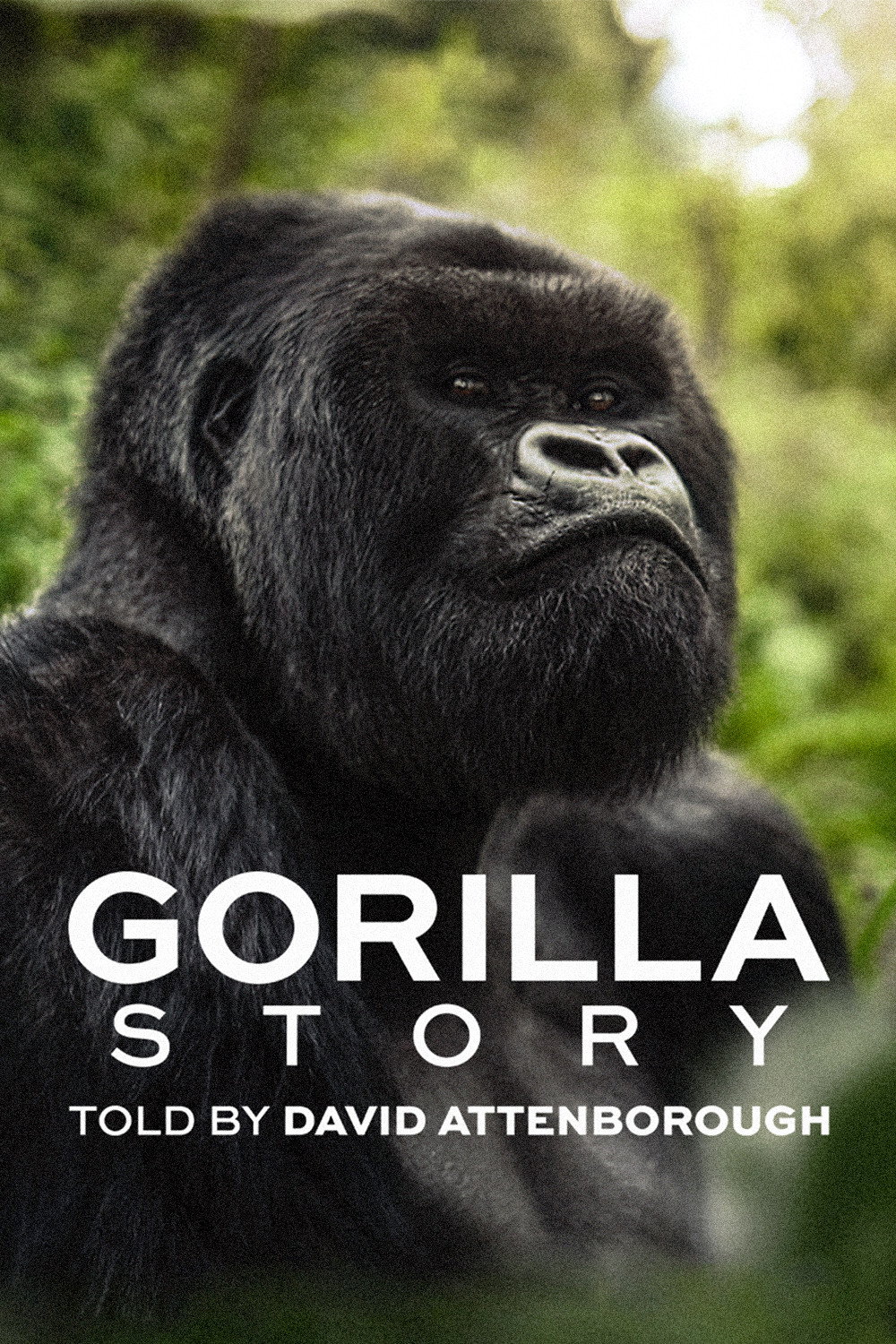
Veteran naturalist Sir David Attenborough tells the story of a remarkable group of gorillas, from his first encounter in the '70s to the present day.
A documentary chronicling Vogue editor-in-chief Anna Wintour's preparations for the 2007 fall-fashion issue.