Social & External
In 1947, four German judges who served on the bench during the Nazi regime face a military tribunal to answer charges of crimes against humanity. Chief Justice Haywood hears evidence and testimony not only from lead defendant Ernst Janning and his defense attorney Hans Rolfe, but also from the widow of a Nazi general, an idealistic U.S. Army captain and reluctant witness Irene Wallner.
A Russian and a German sniper play a game of cat-and-mouse during the Battle of Stalingrad in WWII.
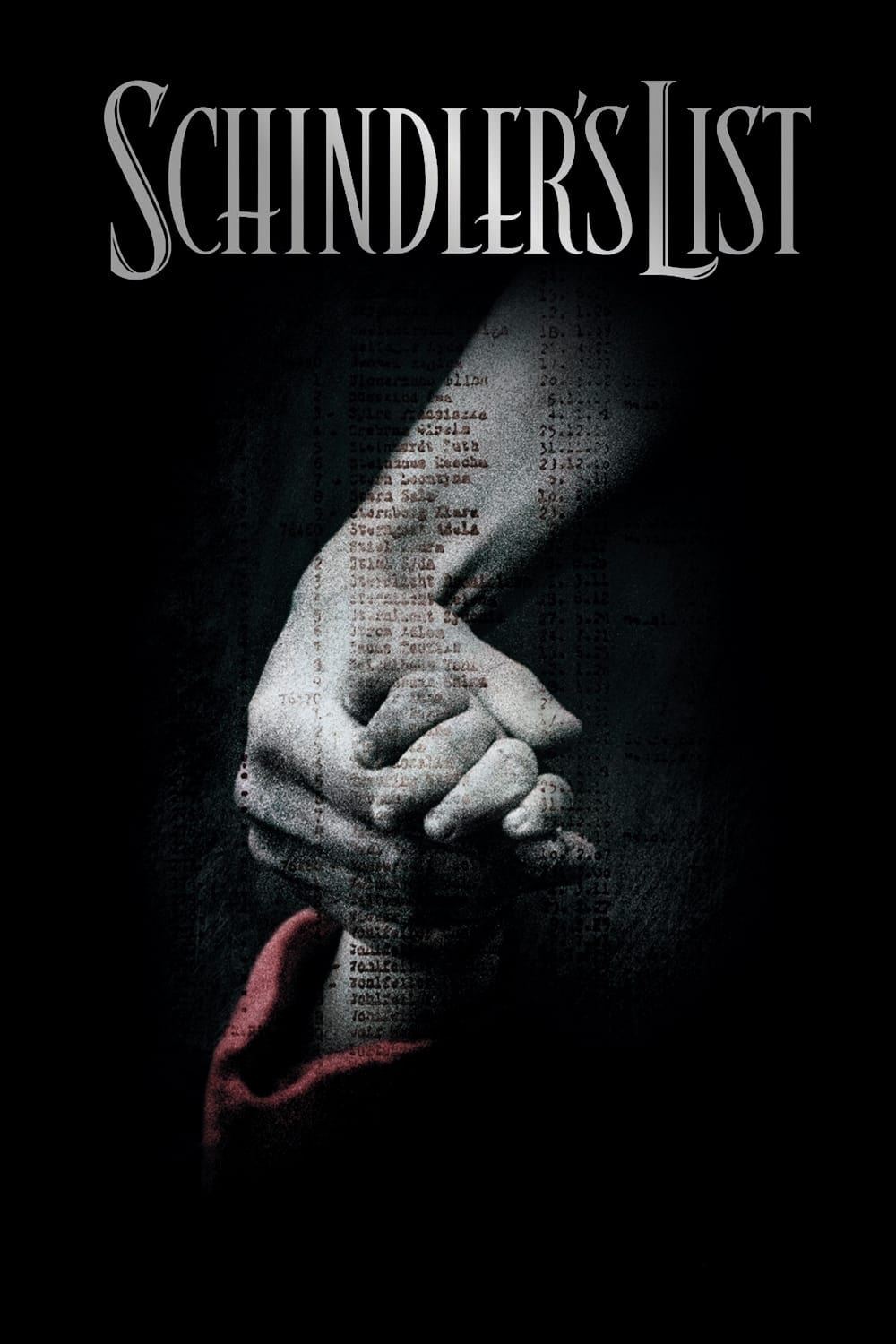
The true story of how businessman Oskar Schindler saved over a thousand Jewish lives from the Nazis while they worked as slaves in his factory during World War II.
In 1924, Oskar Matzerath is born in the Free City of Danzig. At age three, he falls down a flight of stairs and stops growing. In 1939, World War II breaks out.
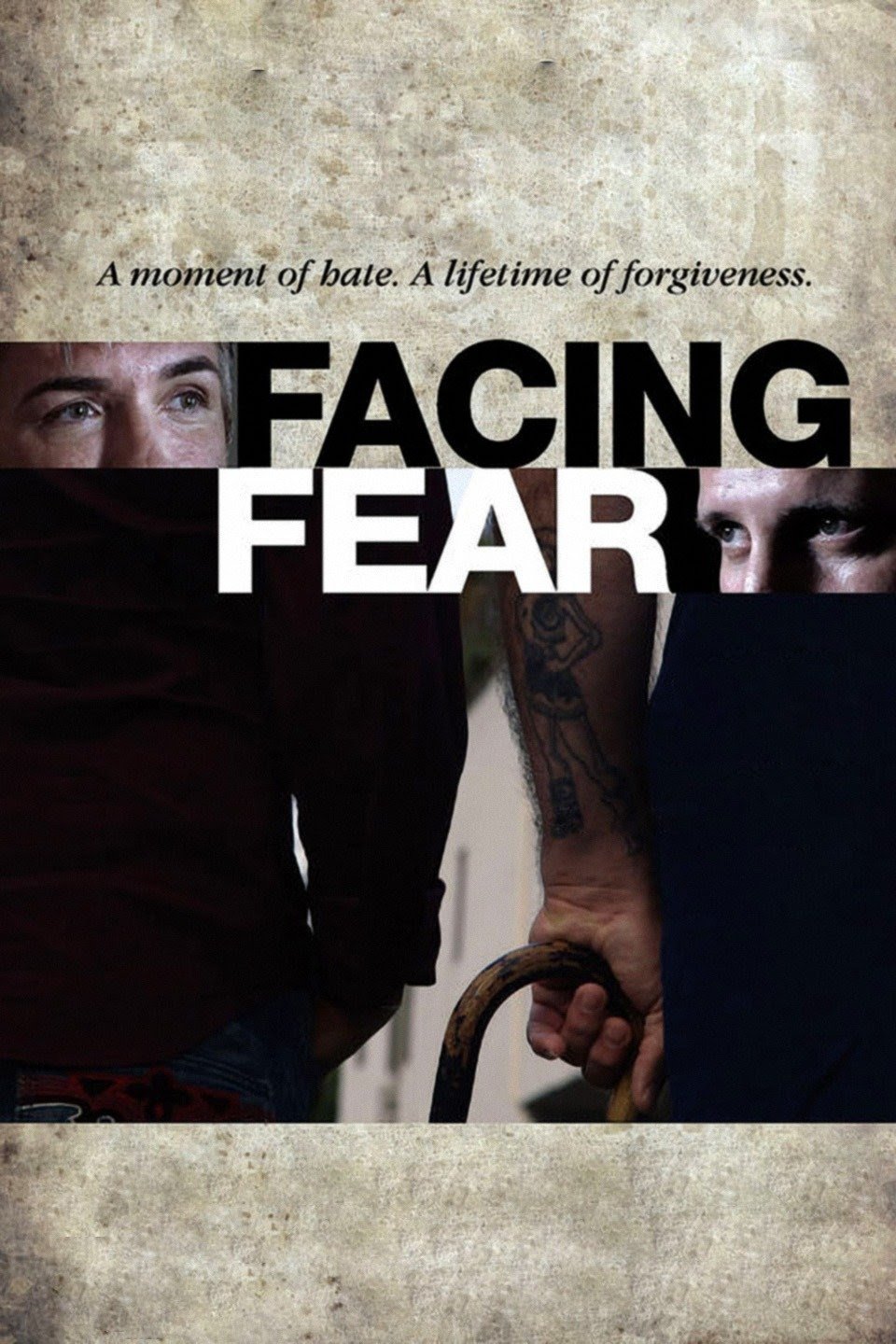
The worlds of a former neo-Nazi and the gay victim of his senseless hate crime attack collide by chance 25 years after the incident that dramatically shaped both of their lives. They proceed to embark on a journey of forgiveness that challenges both to grapple with their beliefs and fears, eventually leading to an improbable collaboration...and friendship.
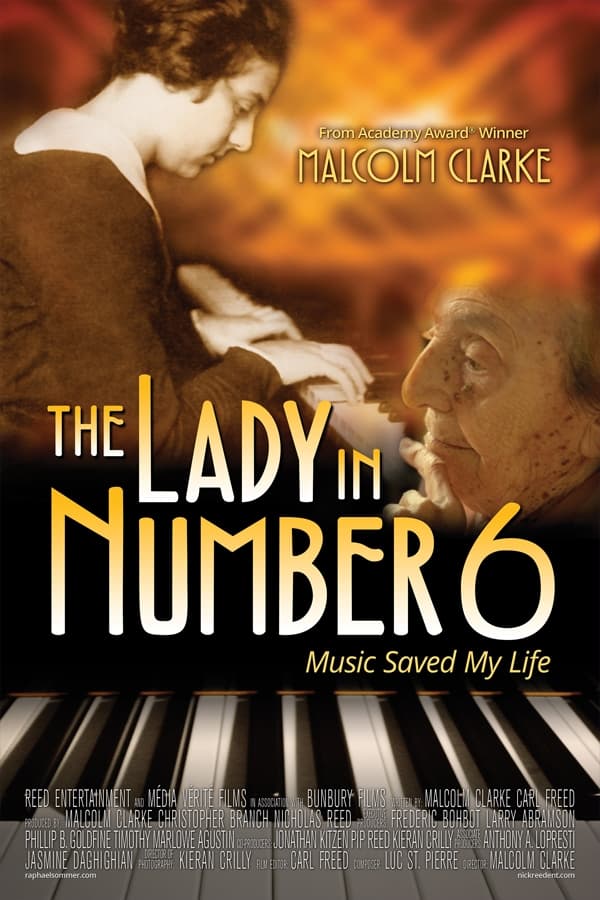
The story of Alice Herz-Sommer, a German-speaking Jewish pianist from Prague who was, at her death, the world's oldest Holocaust survivor. She discusses the importance of music, laughter, and how to have an optimistic outlook on life.
The Russian invasion of Ukraine created an avalanche of abandoned dogs and cats that are now multiplying causing unforeseen consequences.
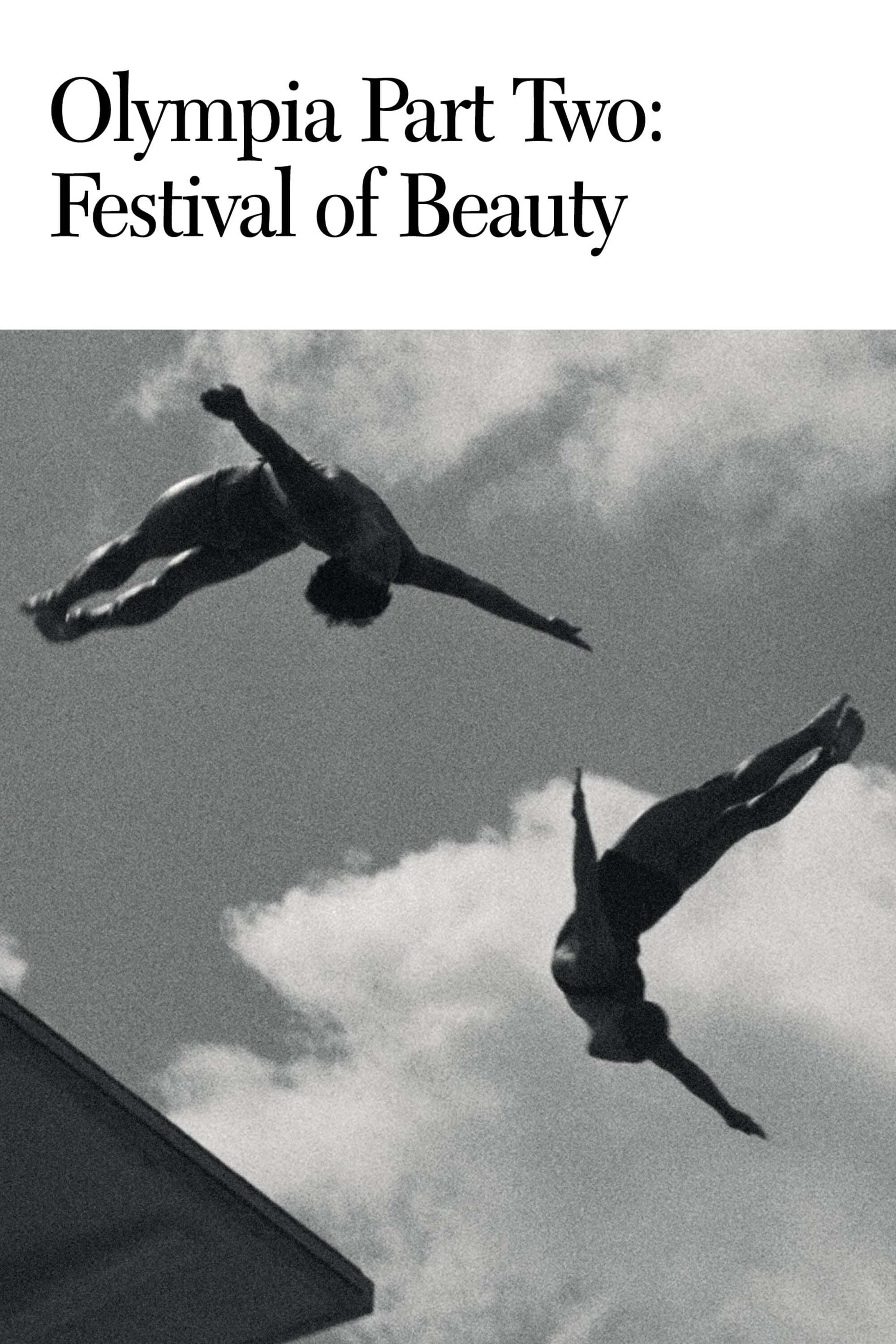
Part two of Leni Riefenstahl's monumental examination of the 1938 Olympic Games, the cameras leave the main stadium and venture into the many halls and fields deployed for such sports as fencing, polo, cycling, and the modern pentathlon, which was won by American Glenn Morris.
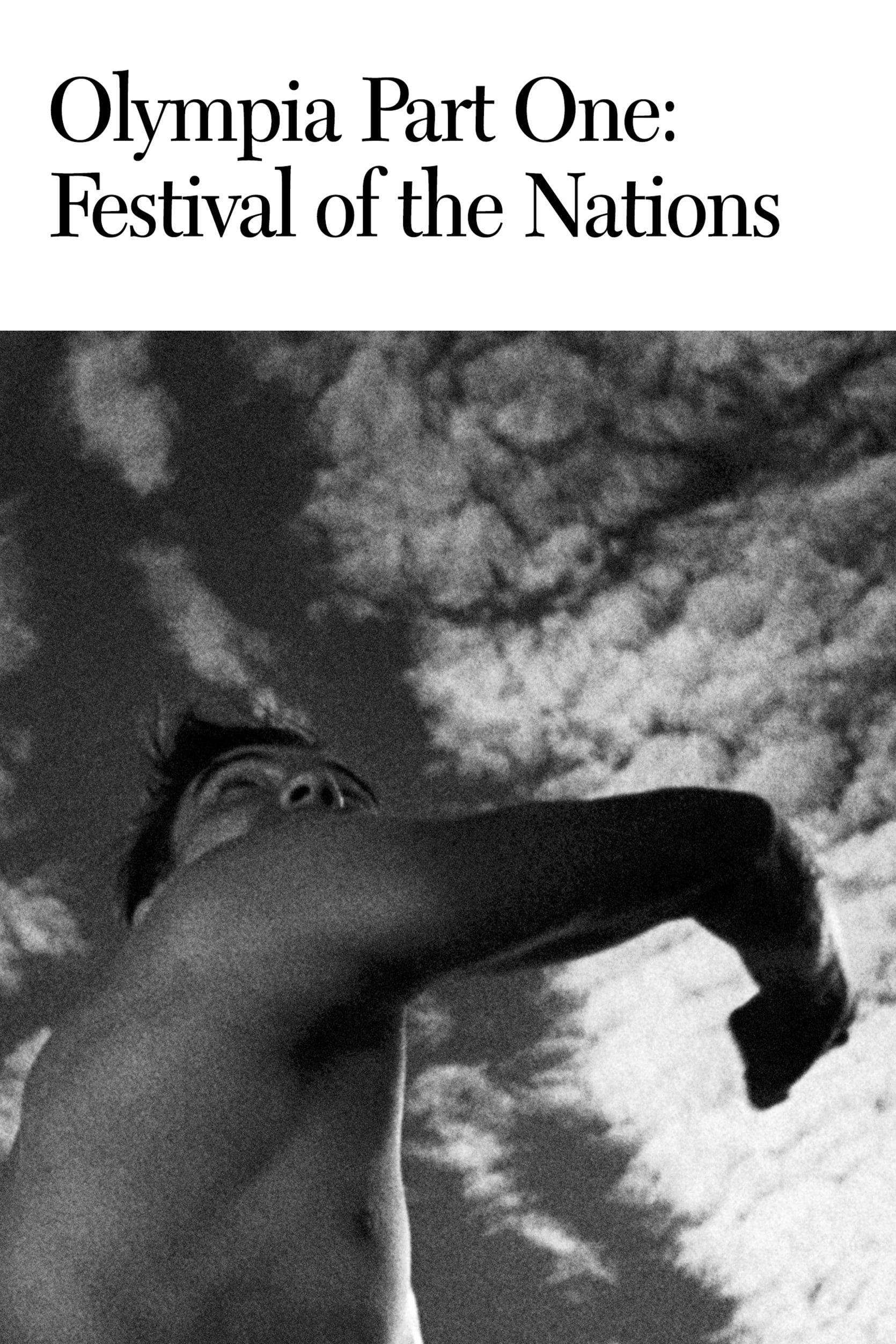
Starting with a long and lyrical overture, evoking the origins of the Olympic Games in ancient Greece, Riefenstahl covers twenty-one athletic events in the first half of this two-part love letter to the human body and spirit, culminating with the marathon, where Jesse Owens became the first track and field athlete to win four gold medals in a single Olympics.
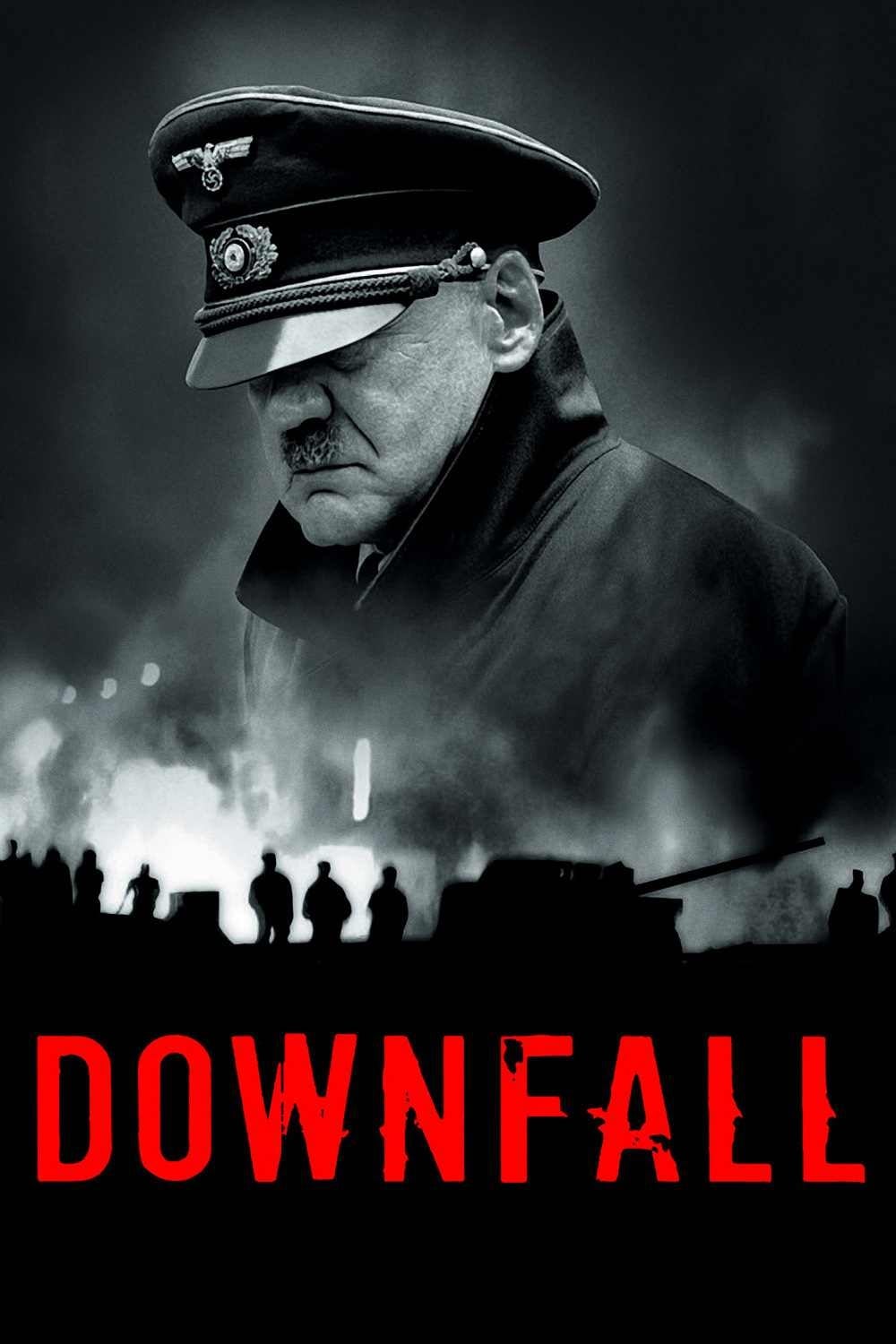
In April of 1945, Germany stands at the brink of defeat with the Russian Army closing in from the east and the Allied Expeditionary Force attacking from the west. In Berlin, capital of the Third Reich, Adolf Hitler proclaims that Germany will still achieve victory and orders his generals and advisers to fight to the last man. When the end finally does come, and Hitler lies dead by his own hand, what is left of his military must find a way to end the killing that is the Battle of Berlin, and lay down their arms in surrender.
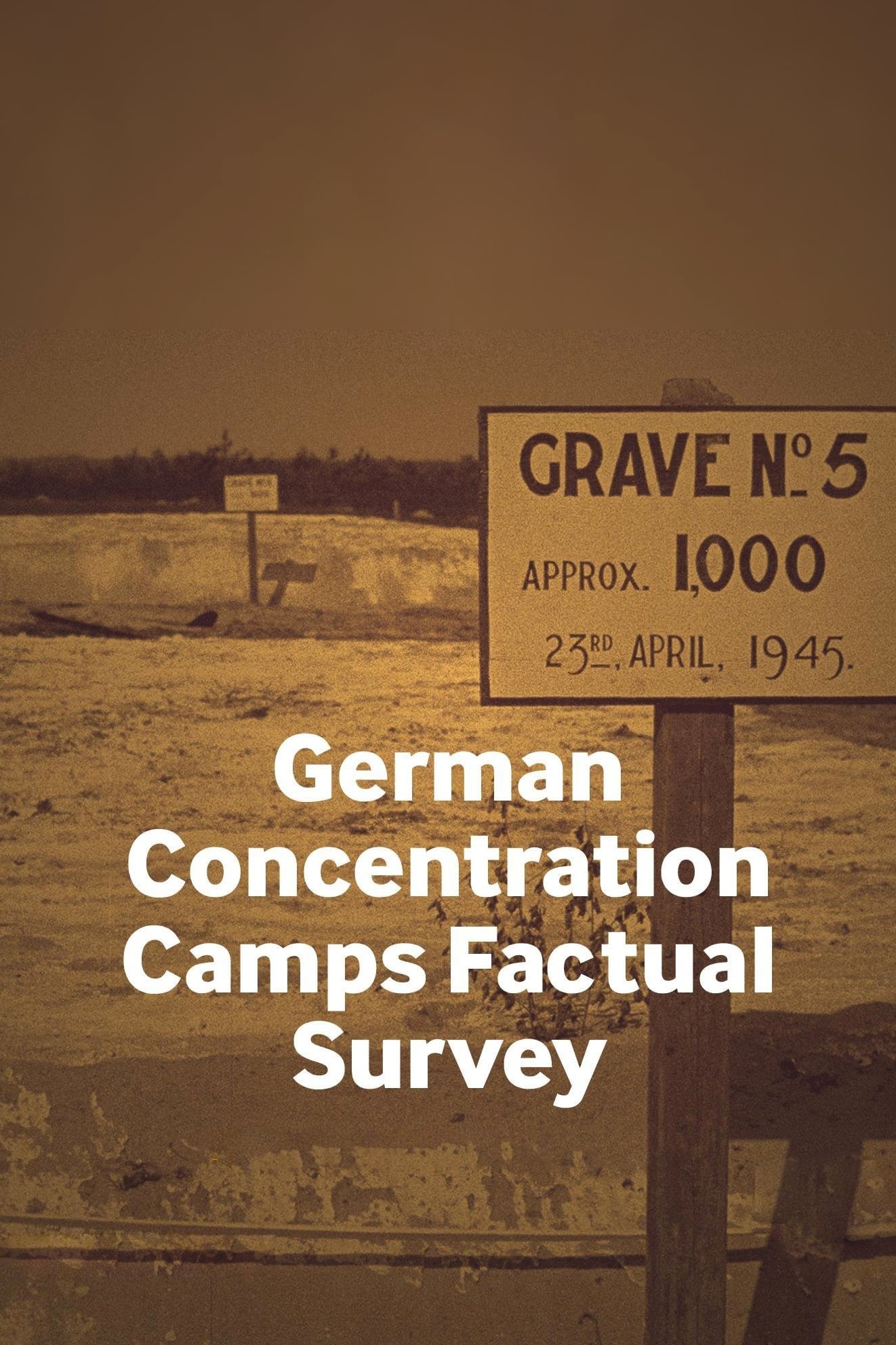
On the 29th September 1945, the incomplete rough cut of a brilliant documentary about concentration camps was viewed at the MOI in London. For five months, Sidney Bernstein had led a small team – which included Stewart McAllister, Richard Crossman and Alfred Hitchcock – to complete the film from hours of shocking footage. Unfortunately, this ambitious Allied project to create a feature-length visual report that would damn the Nazi regime and shame the German people into acceptance of Allied occupation had missed its moment. Even in its incomplete form (available since 1984) the film was immensely powerful, generating an awed hush among audiences. But now, complete to six reels, this faithfully restored and definitive version produced by IWM, is being compared with Alain Resnais’ Night and Fog (1955).
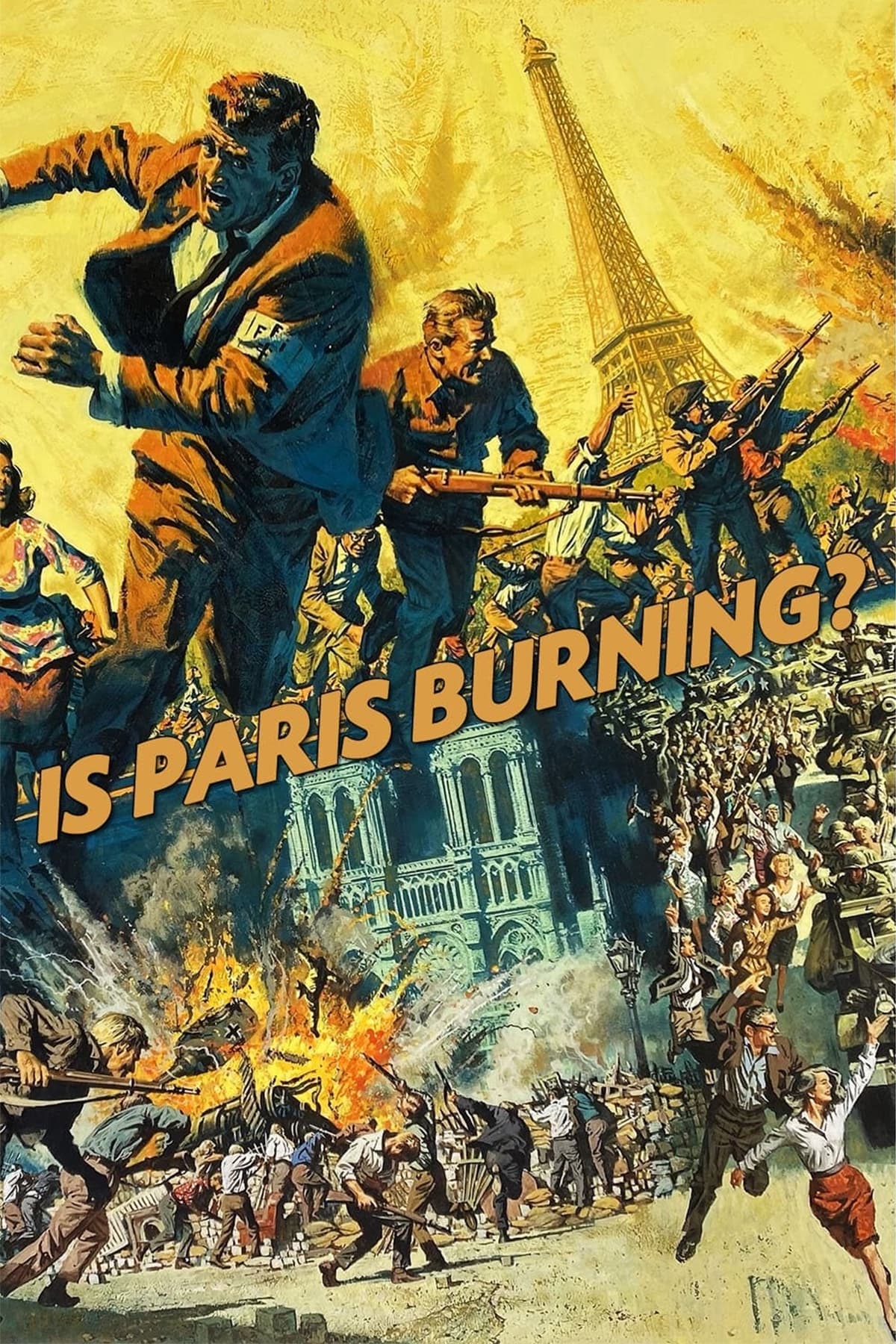
Near the end of World War II, Gen. Dietrich von Choltitz receives orders to burn down Paris if it becomes clear the Allies are going to invade, or if he cannot maintain control of the city. After much contemplation Choltitz decides to ignore his orders, enraging the Germans and giving hope to various resistance factions that the city will be liberated. Choltitz, along with Swedish diplomat Raoul Nordling, helps a resistance leader organize his forces.
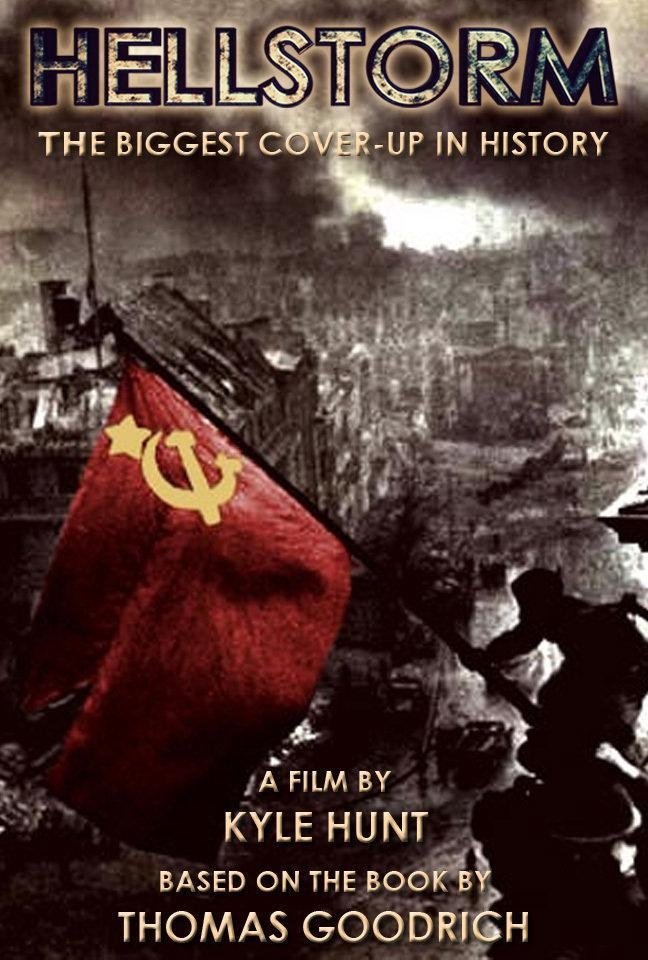
A documentary that tells the tale that the victors still do not want you to know. Learn the terrible truth about the rape, torture, slavery, and mass murder inflicted upon the German people by the Allied victors of World Word II.
In March 1943, twenty-year-old Ovadia Baruch was deported together with his family from Greece to Auschwitz-Birkenau. Upon arrival, his extended family was sent to the gas chambers. Ovadia struggled to survive until his liberation from the Mauthausen concentration camp in May 1945. While in Auschwitz, Ovadia met Aliza Tzarfati, a young Jewish woman from his hometown, and the two developed a loving relationship despite inhuman conditions. This film depicts their remarkable, touching story of love and survival in Auschwitz, a miraculous meeting after the Holocaust and the home they built together in Israel. This film is part of the "Witnesses and Education" project, a joint production of the International School for Holocaust Studies and the Multimedia Center of the Hebrew University of Jerusalem. In this series, survivors recount their life stores - before, during and after the Holocaust. Each title is filmed on location, where the events originally transpired.
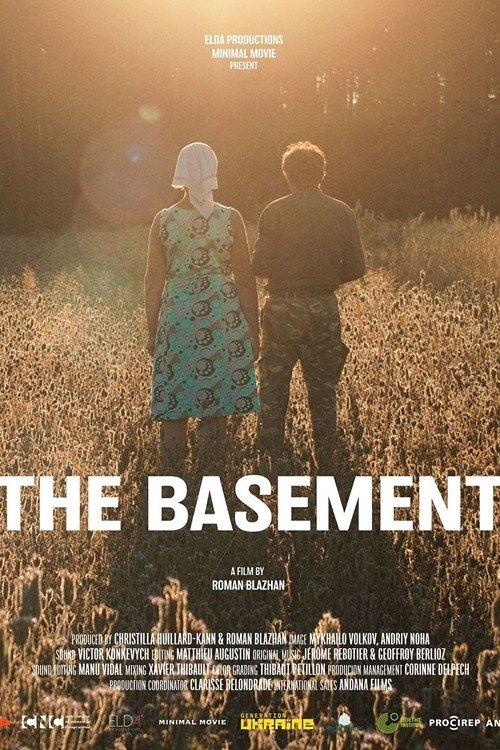
The village of Yahidne in northern Ukraine is coming back to life. Dogs are running around. Gardens and crops are green again. People support one another and families have reunited. In a movement of solidarity, local youth help rebuild what was devastated a year ago when Russian troops occupied the village imprisoning the villagers in the school's basement for a month. The villagers' attitudes alternate between their desire to move forward an remembering the horrors of the past. A heartwarming tribute to resilience and unity.
"Life has passed and we have achieved nothing" Thats's what Ester the youngest says. The eldest, Karola, keeps quite. Fruma, who is my mother, tries to write what she remembers. Three sisters in thier 70's, Holocaust survivors. More then 50 years have passed and still they can't talk of thier memories. This is a film about the trauma...
One of the key works in creating the American social documentary film, this 1934 newsreel compilation crams a lot of information into just 11 minutes. Skillfully edited, the picture captures a panorama of international events centered on the labor movement. Scenes include Mussolini, Hitler and FDR preparing for war, Nazi soldiers persecuting German Jews, a political strike in Paris, the Scottsboro demonstration in Washington, DC, police violence against striking steelworkers in Pennsylvania and union members stopping scab workers from delivering milk during a dairy farmers strike in Wisconsin. Under the direction of pioneering documentarian Leo Hurwitz, the images are edited together to create a powerful image of a world that, in his view, desperately needed radical change.
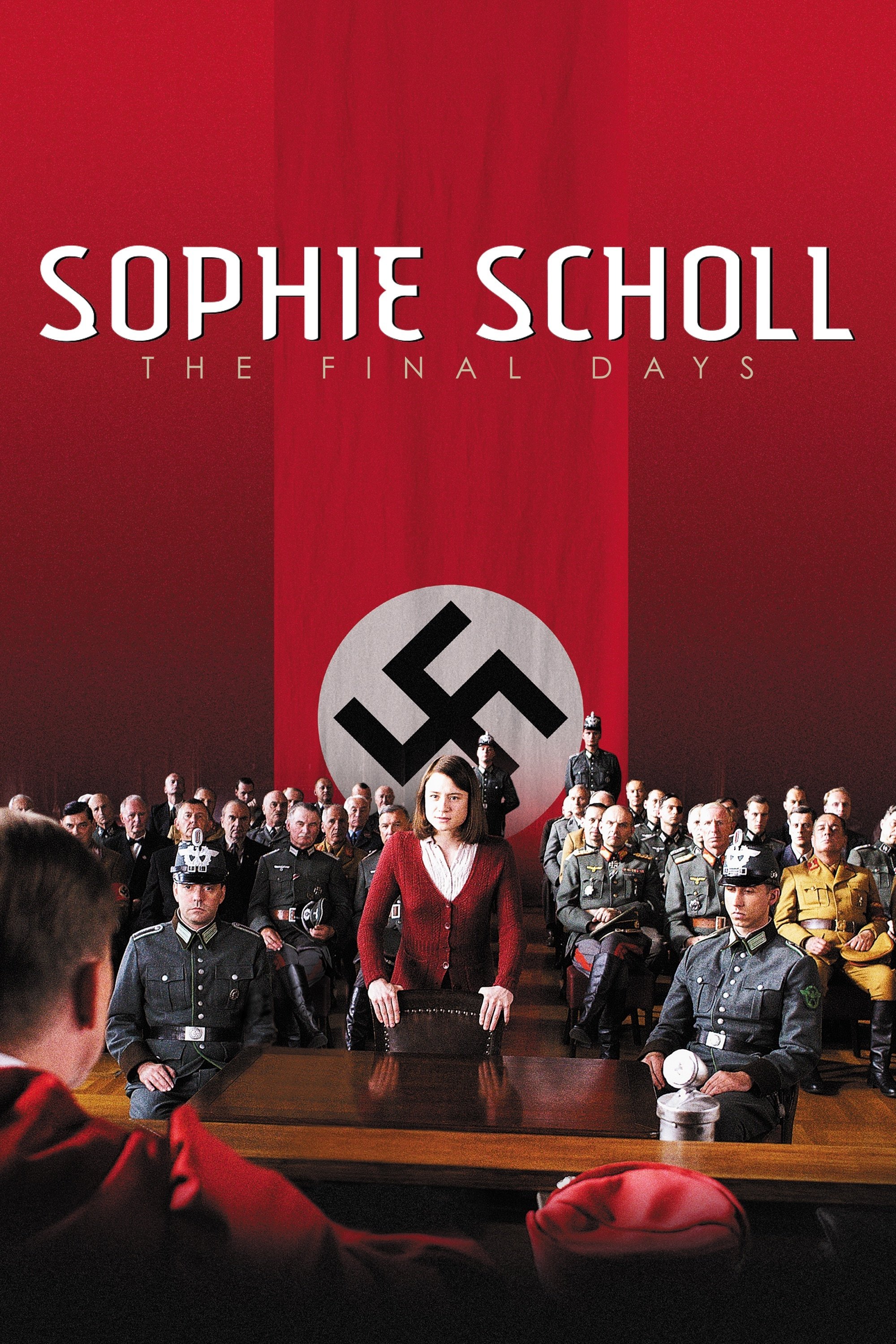
In 1943, as Hitler continues to wage war across Europe, a group of college students mount an underground resistance movement in Munich. Dedicated expressly to the downfall of the monolithic Third Reich war machine, they call themselves the White Rose. One of its few female members, Sophie Scholl is captured during a dangerous mission to distribute pamphlets on campus with her brother Hans. Unwavering in her convictions and loyalty to the White Rose, her cross-examination by the Gestapo quickly escalates into a searing test of wills as Scholl delivers a passionate call to freedom and personal responsibility.
The true, harrowing story of a young Jewish girl who, with her family and their friends, is forced into hiding in an attic in Nazi-occupied Amsterdam.
The fate of a Hungarian Jewish family throughout the 20th century.
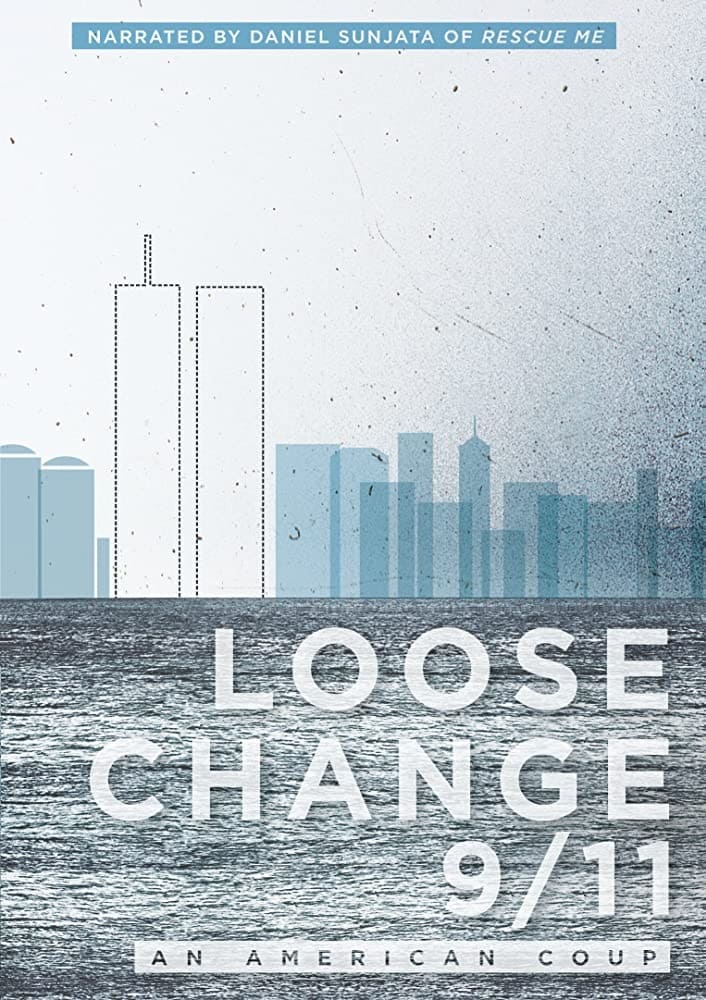
With the departure of the Bush Administration and the arrival of an “era of transparency,” opportunities are arising for the disclosure of new information that may shed more light on the events that took place before and after 9/11/2001. Loaded with powerful, new footage and in-depth interviews this documentary presents a wide array of evidence both known and unknown…until now.
The history of cinematic sound, told by legendary sound designers and visionary filmmakers.
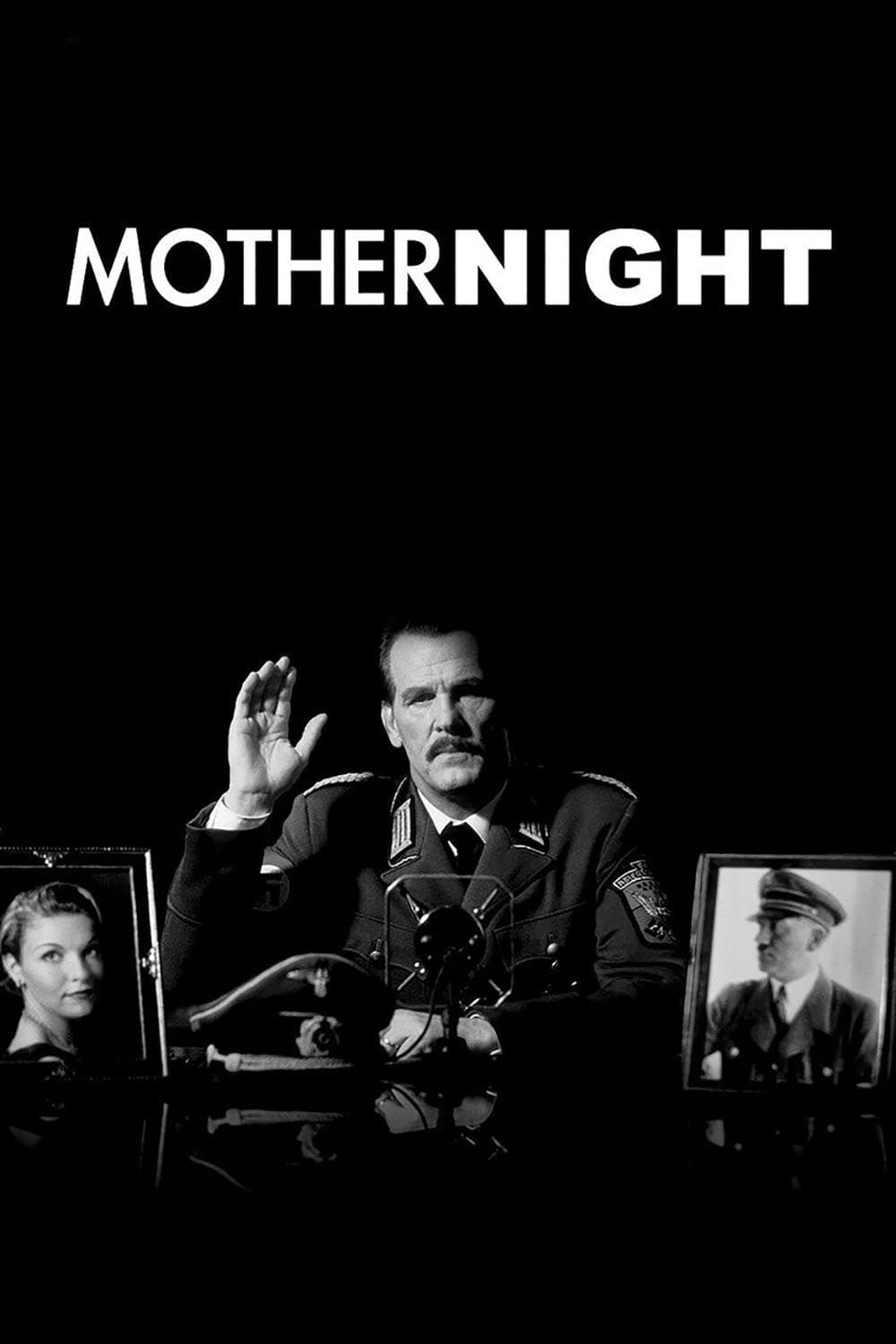
An American spy behind the lines during WWII serves as a Nazi propagandist, a role he cannot escape in his future life as he can never reveal his real role in the war.
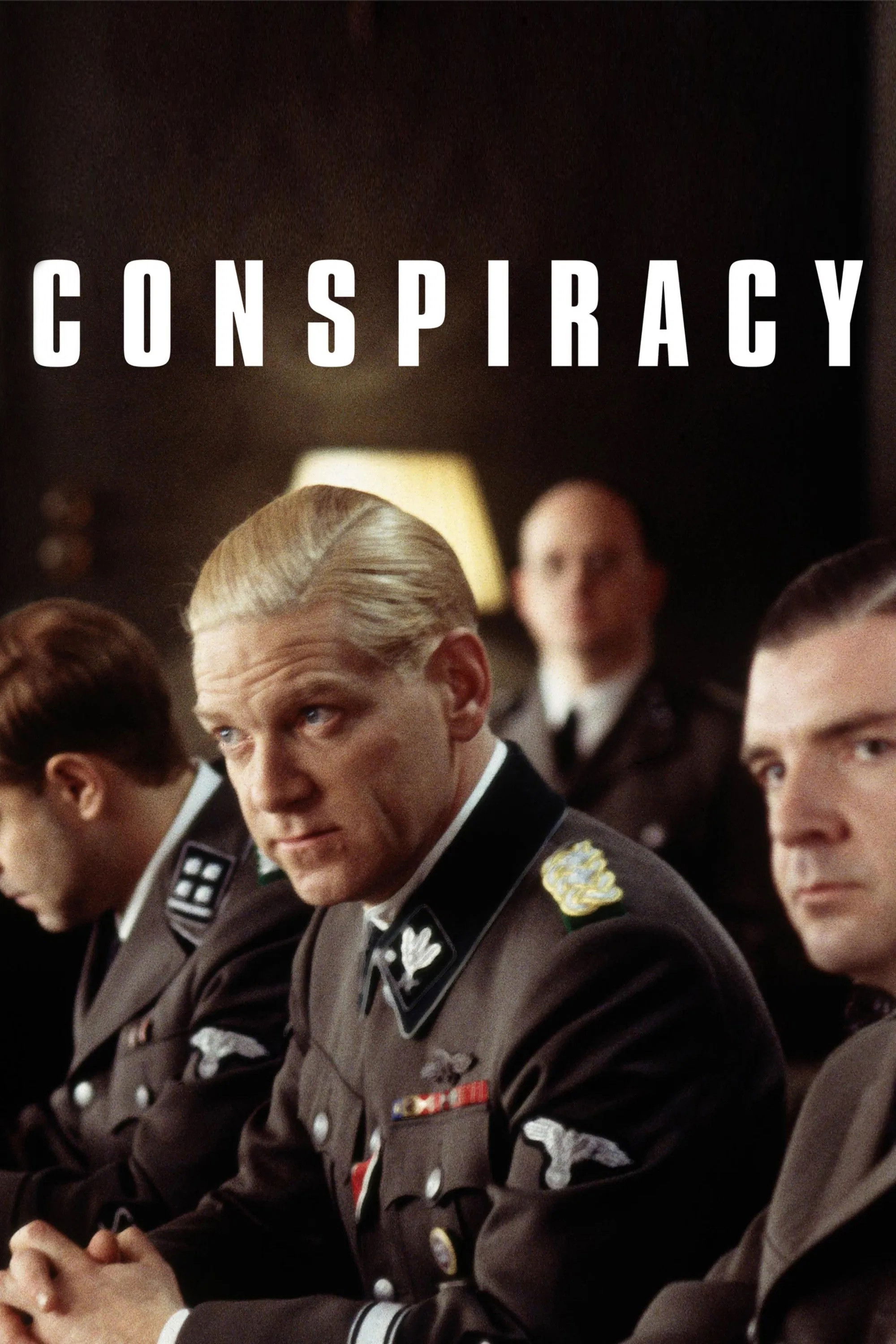
At the Wannsee Conference on January 20, 1942, senior Nazi officials meet to determine the manner in which the so-called "Final Solution to the Jewish Question" can be best implemented.
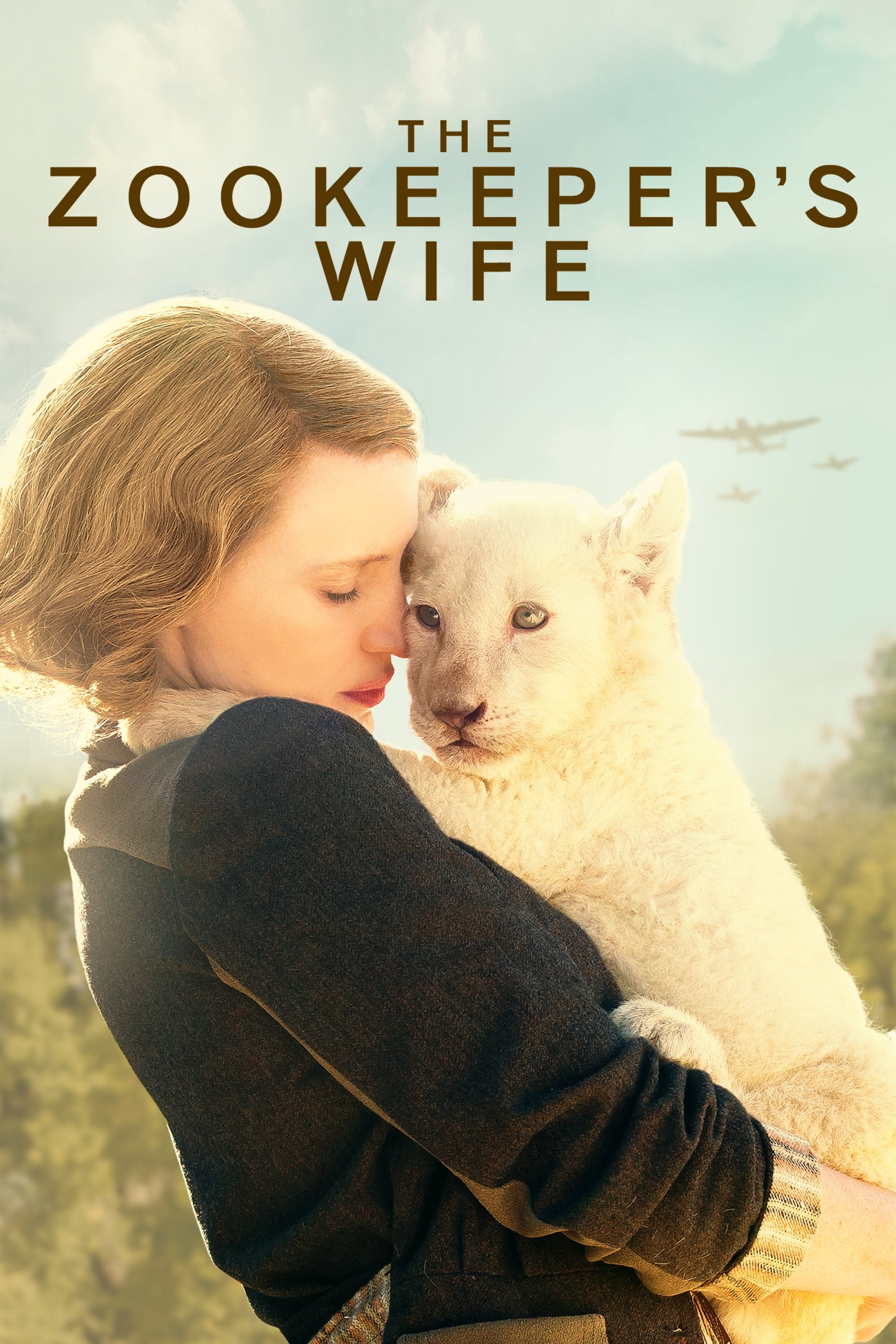
The account of keepers of the Warsaw Zoo, Jan and Antonina Zabinski, who helped save hundreds of people and animals during the Nazi invasion.
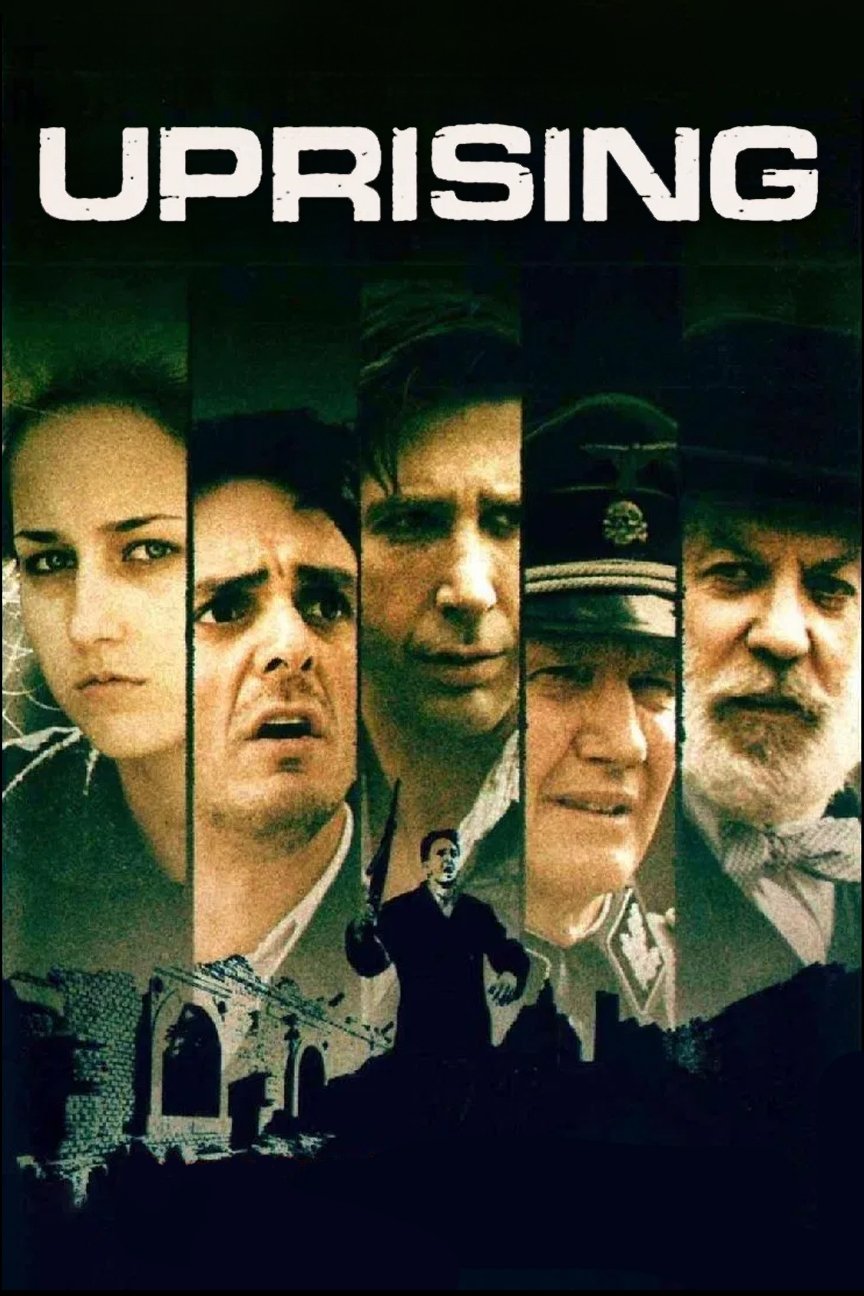
In the Warsaw ghetto in 1943, Jews rise against the Nazis.
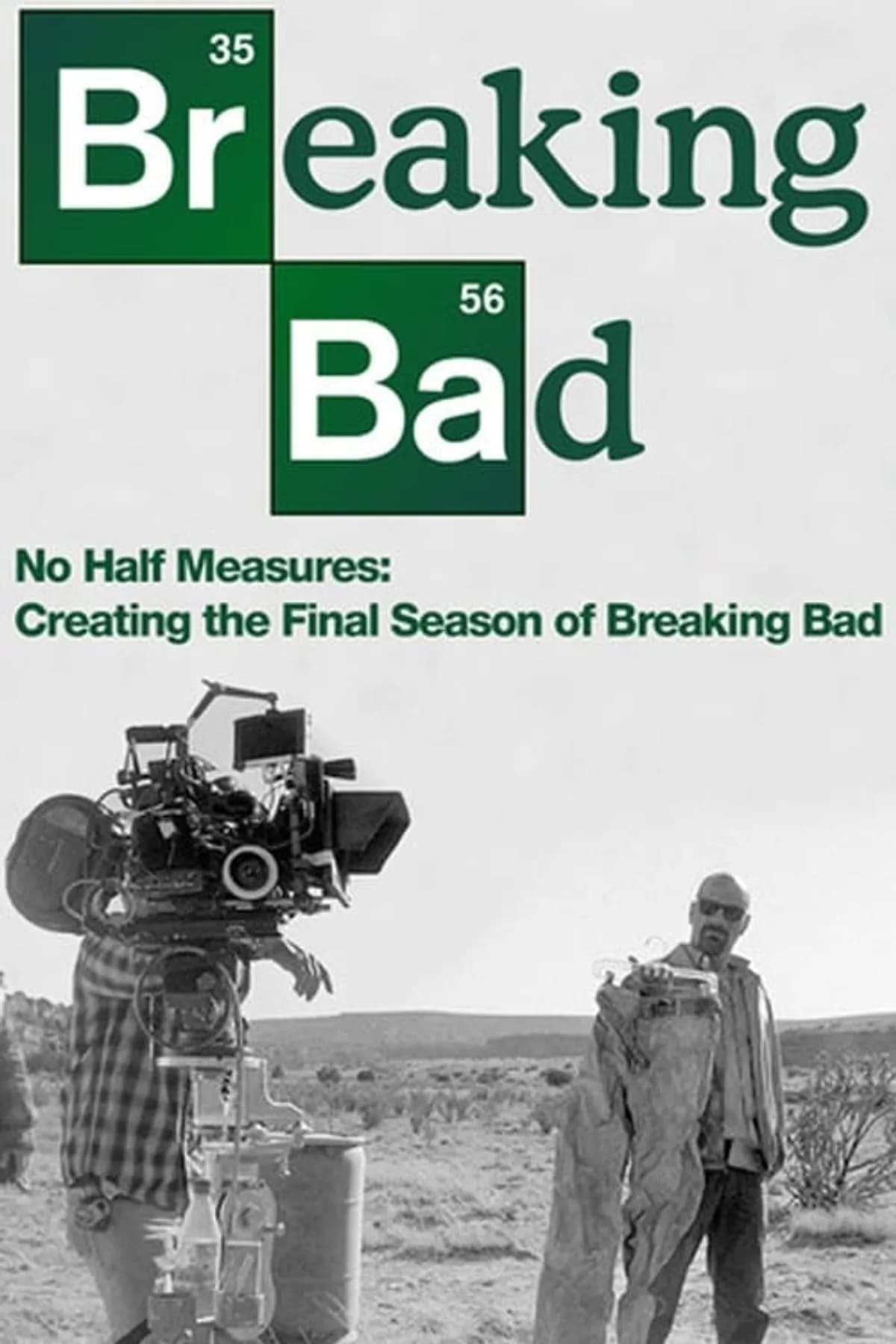
A documentary about the making of season five of the acclaimed AMC series Breaking Bad.
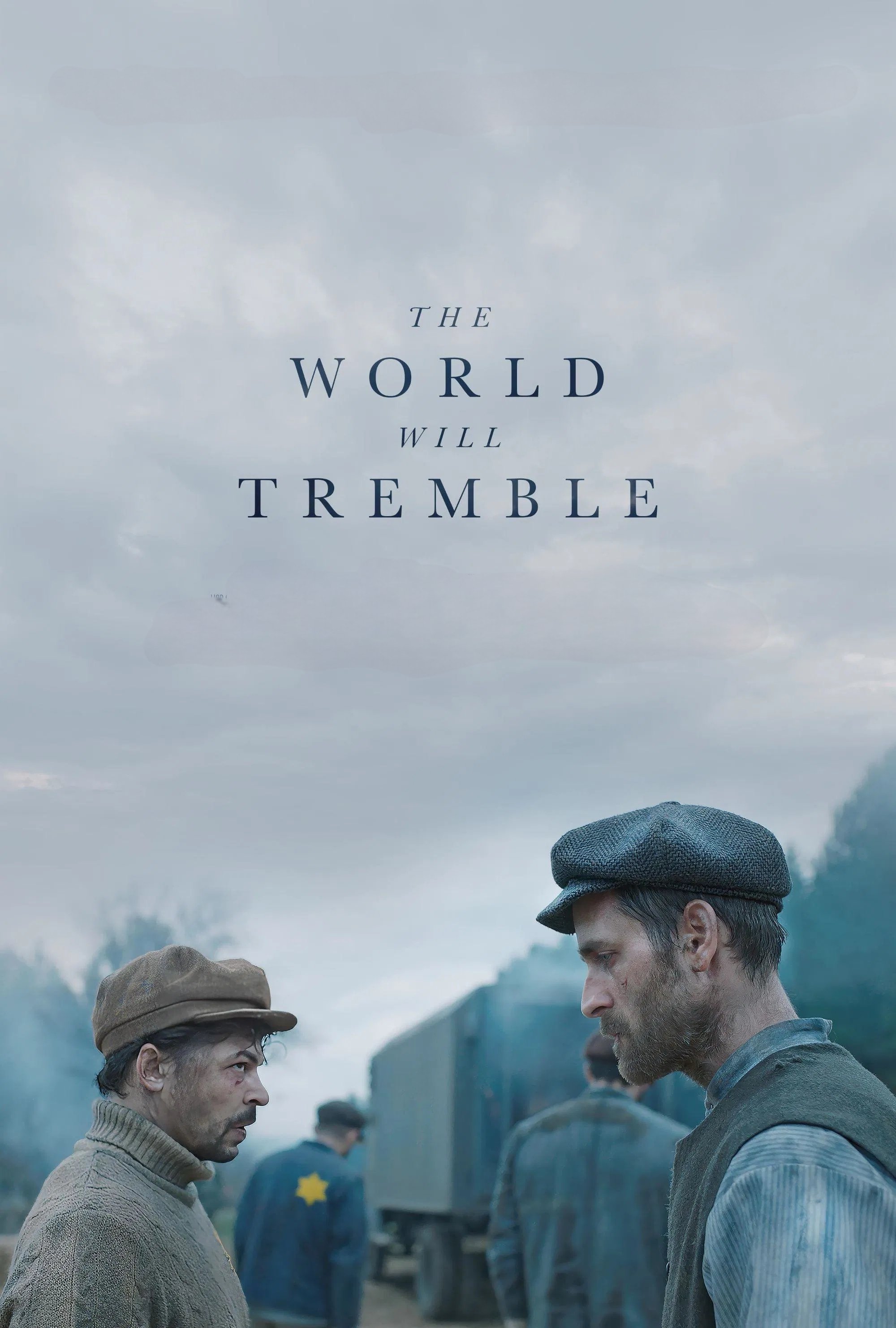
The incredible, untold true story of how a group of prisoners attempt a seemingly impossible escape from the first Nazi death camp in order to provide the first eyewitness account of the Holocaust.
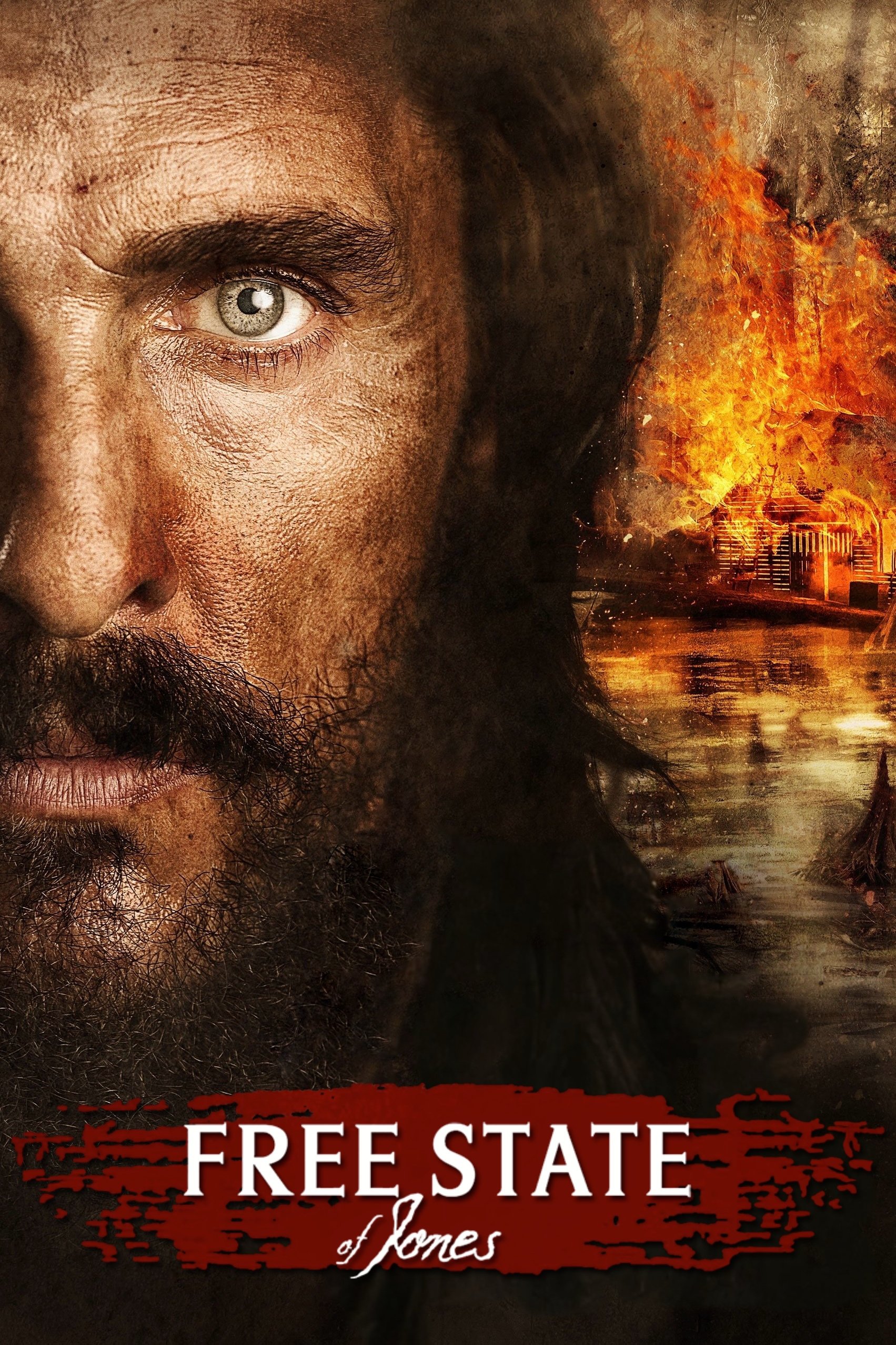
In 1863, Mississippi farmer Newt Knight serves as a medic for the Confederate Army. Opposed to slavery, Knight would rather help the wounded than fight the Union. After his nephew dies in battle, Newt returns home to Jones County to safeguard his family but is soon branded an outlaw deserter. Forced to flee, he finds refuge with a group of runaway slaves hiding out in the swamps. Forging an alliance with the slaves and other farmers, Knight leads a rebellion that would forever change history.
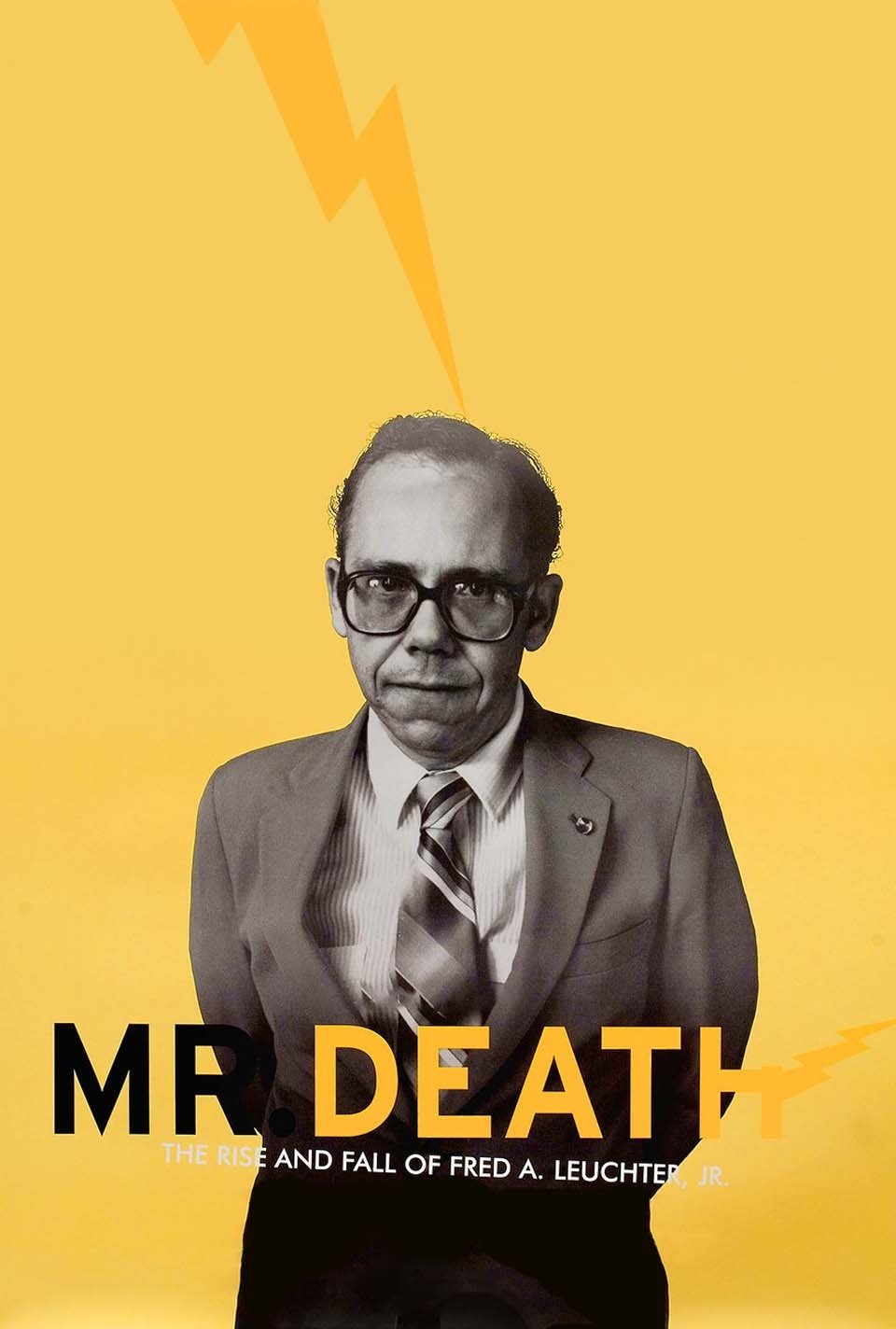
A portrait of the life and career of the infamous American execution device designer Fred A. Leuchter, Jr. Mr. Leuchter was an engineer who became an expert on execution devices and was later hired by holocaust revisionist historian Ernst Zundel to "prove" that there were no gas chambers at Auschwitz. Leuchter published a controversial report confirming Zundel's position, which ultimately ruined his own career. Most of the footage is of Leuchter, working in and around execution facilities or chipping away at the walls of Auschwitz, but Morris also interviews various historians, associates, and neighbors.
Prelude to War was the first film of Frank Capra's Why We Fight propaganda film series, commissioned by the Pentagon and George C. Marshall. It was made to convince American troops of the necessity of combating the Axis Powers during World War II. This film examines the differences between democratic and fascist states.
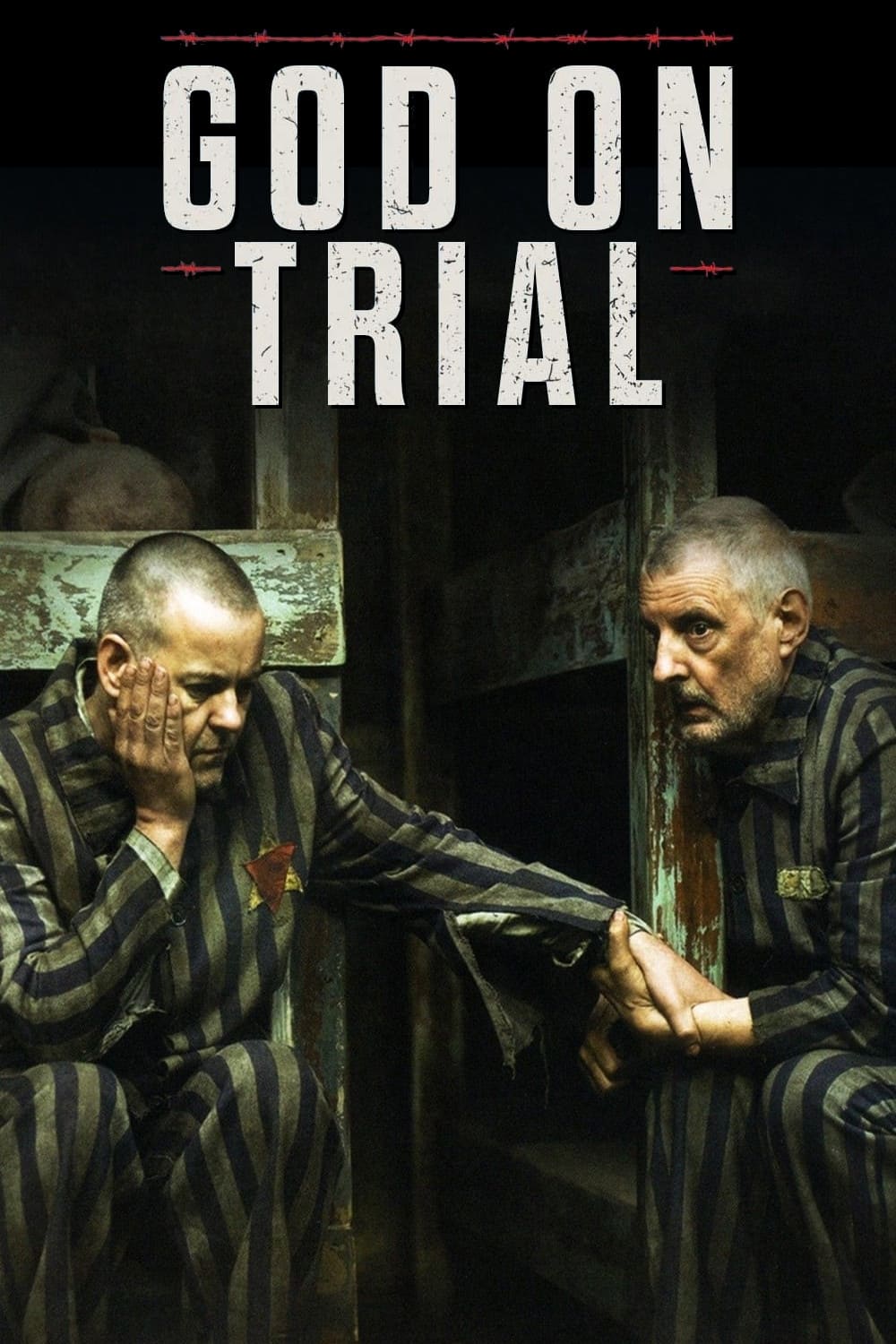
In the Jewish tradition of arguing with God, Jewish prisoners in Auschwitz decide to put God on Trial.
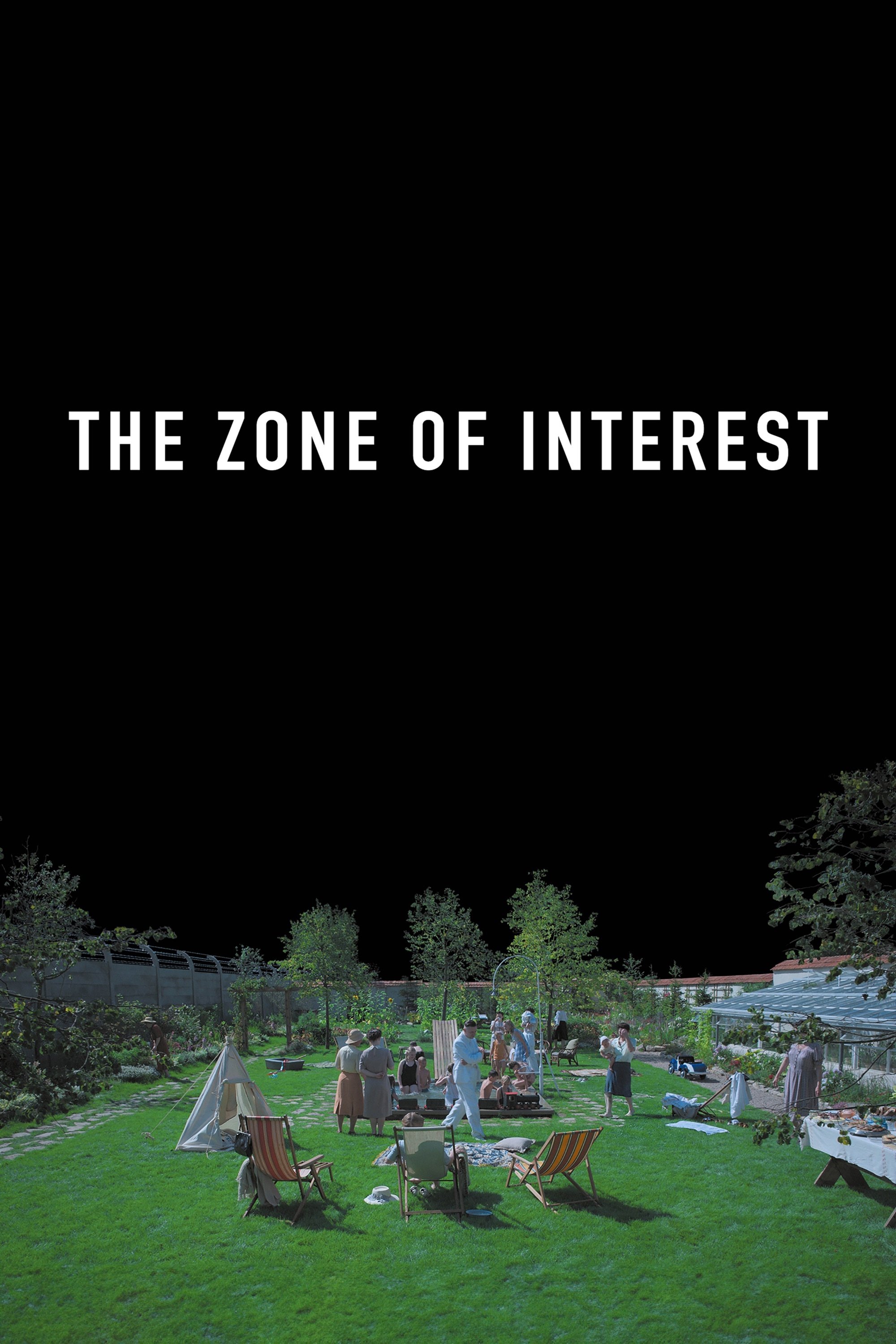
The commandant of Auschwitz, Rudolf Höss, and his wife Hedwig, strive to build a dream life for their family in a house and garden next to the camp.
An unprecedented and intimate look at the life, work and enduring legacy of British actress Audrey Hepburn (1929-1993).
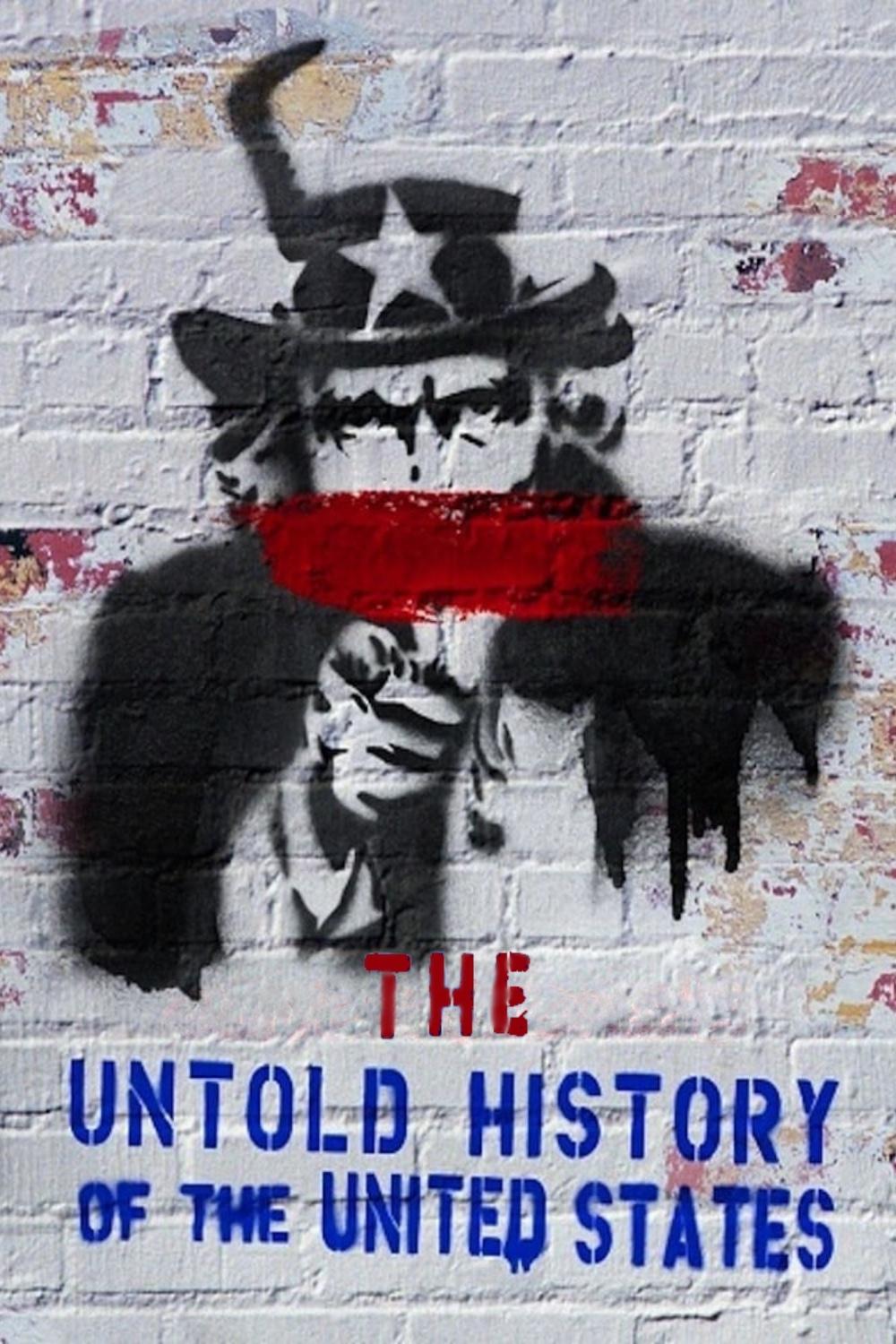
Oliver Stone charts the history of the United States from the Second World War to the present.
A documentary on the expletive's origin, why it offends some people so deeply, and what can be gained from its use.
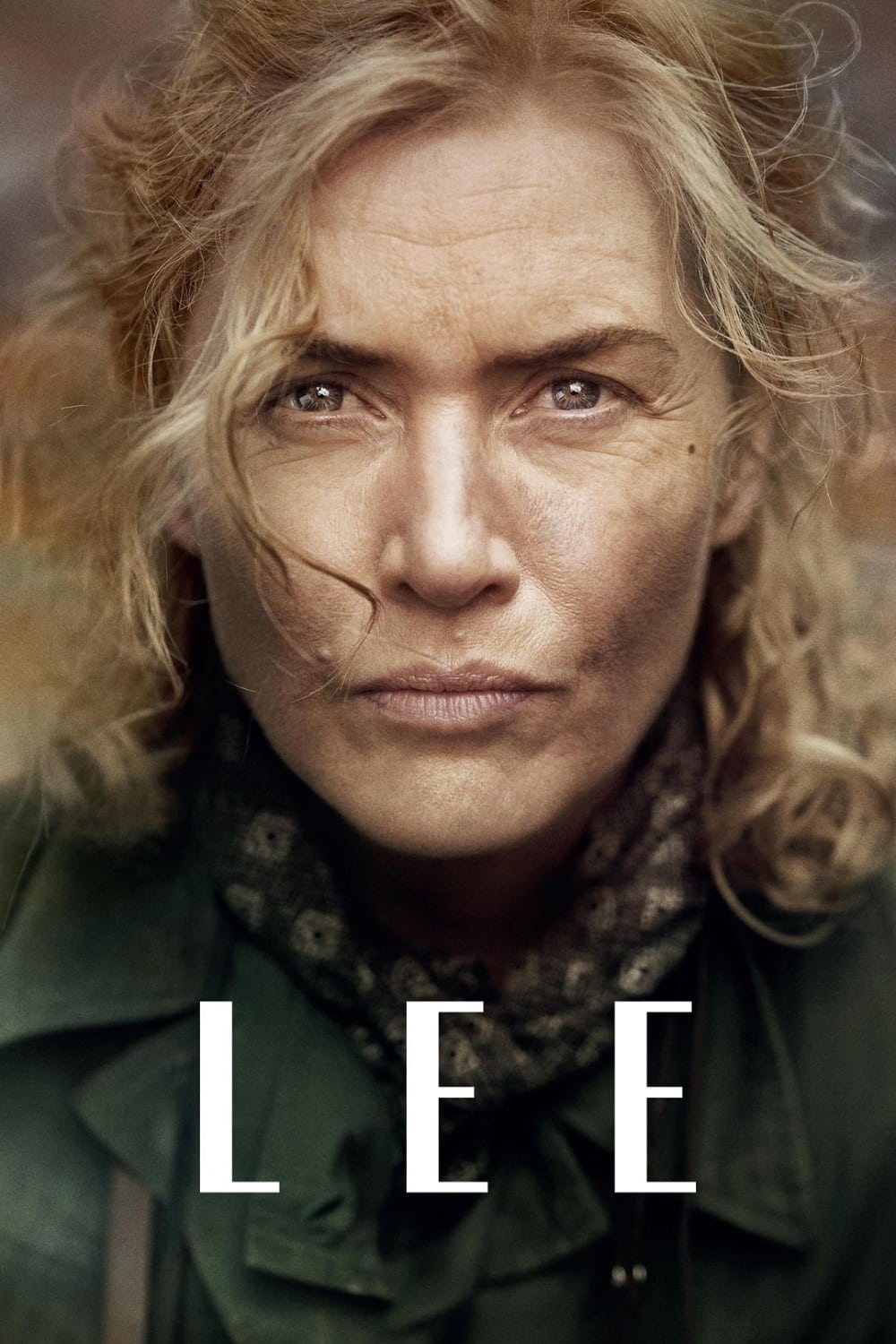
The true story of photographer Elizabeth "Lee" Miller, a fashion model who became an acclaimed war correspondent for Vogue magazine during World War II.
Those who knew iconic funnyman John Candy best share his story, in their own words, through never-before-seen archival footage, imagery, and interviews.