Allied propaganda in the form of cartoons and newsreels shows the rise of Adolf Hitler and the Nazis.
Social & External
The people behind it
Robert Beatty
Derek Blomfield
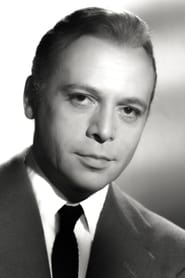
Herbert Lom
Olaf Olsen
Henry Oscar
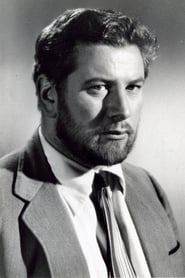
Peter Ustinov
Marinus van der Lubbe
When the Nazi high command learns in late 1943 that Winston Churchill will be spending time at a country estate in Norfolk, it hatches an audacious scheme to kidnap the prime minister and spirit him to Germany for enforced negotiations with Hitler.
A sadistic serial rapist and murderer of young women terrorizes a small province in 1980s South Korea. To prevent further crimes, three increasingly desperate detectives with conflicting methods race against time to unravel the violent mind of the killer in a futile effort to solve the case.
A biography of Hildegard Knef, one of Germany's biggest post-war stars.
Loosely based on the criminal career of Frank Lucas, a gangster from La Grange, North Carolina, who smuggled heroin into the United States on American service planes returning from the Vietnam War, before being detained by a task force led by Newark Detective Richie Roberts.
Four corrupted fascist libertines round up 9 teenage boys and girls and subject them to 120 days of sadistic physical, mental and sexual torture.
Filmmaker Alain Resnais documents the atrocities behind the walls of Hitler's concentration camps.
In 1947, four German judges who served on the bench during the Nazi regime face a military tribunal to answer charges of crimes against humanity. Chief Justice Haywood hears evidence and testimony not only from lead defendant Ernst Janning and his defense attorney Hans Rolfe, but also from the widow of a Nazi general, an idealistic U.S. Army captain and reluctant witness Irene Wallner.
After returning from a concentration camp, Susanne finds a traumatized ex-soldier living in her apartment in bombed out Berlin. Together the two try to move past their experiences during WWII.
The Roth family leads a quiet life in a small village in the German Alps during the early 1930s. After the Nazis come to power, the family is divided and Martin Breitner, a family friend, is caught up in the turmoil.
Dictator Adenoid Hynkel tries to expand his empire while a poor Jewish barber tries to avoid persecution from Hynkel's regime.
Agent Melvin Purvis is placed in charge of running down notorious killer Machine Gun Kelly, and sets out to do just that.
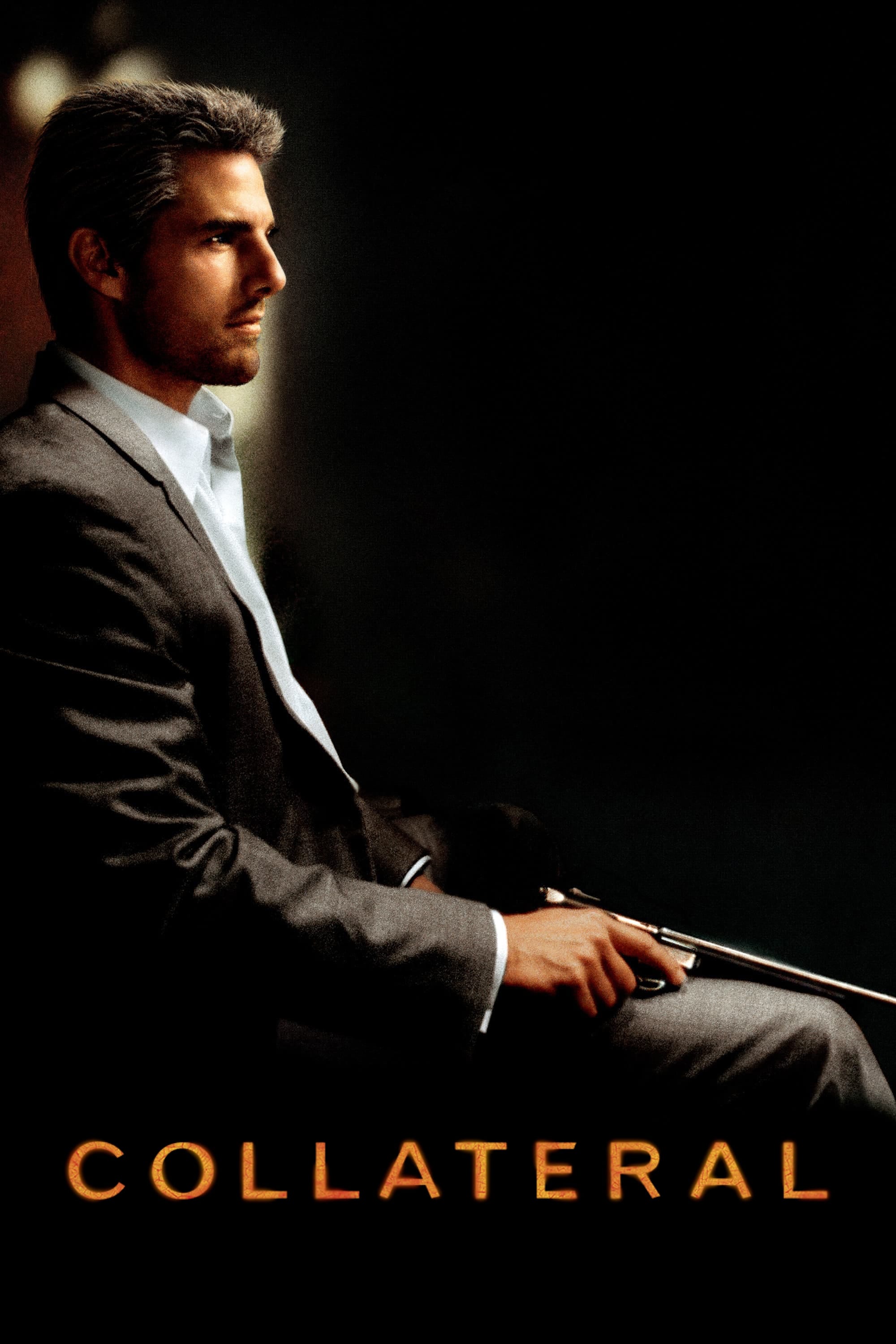
Cab driver Max picks up a man who offers him $600 to drive him around. But the promise of easy money sours when Max realizes his fare is an assassin.
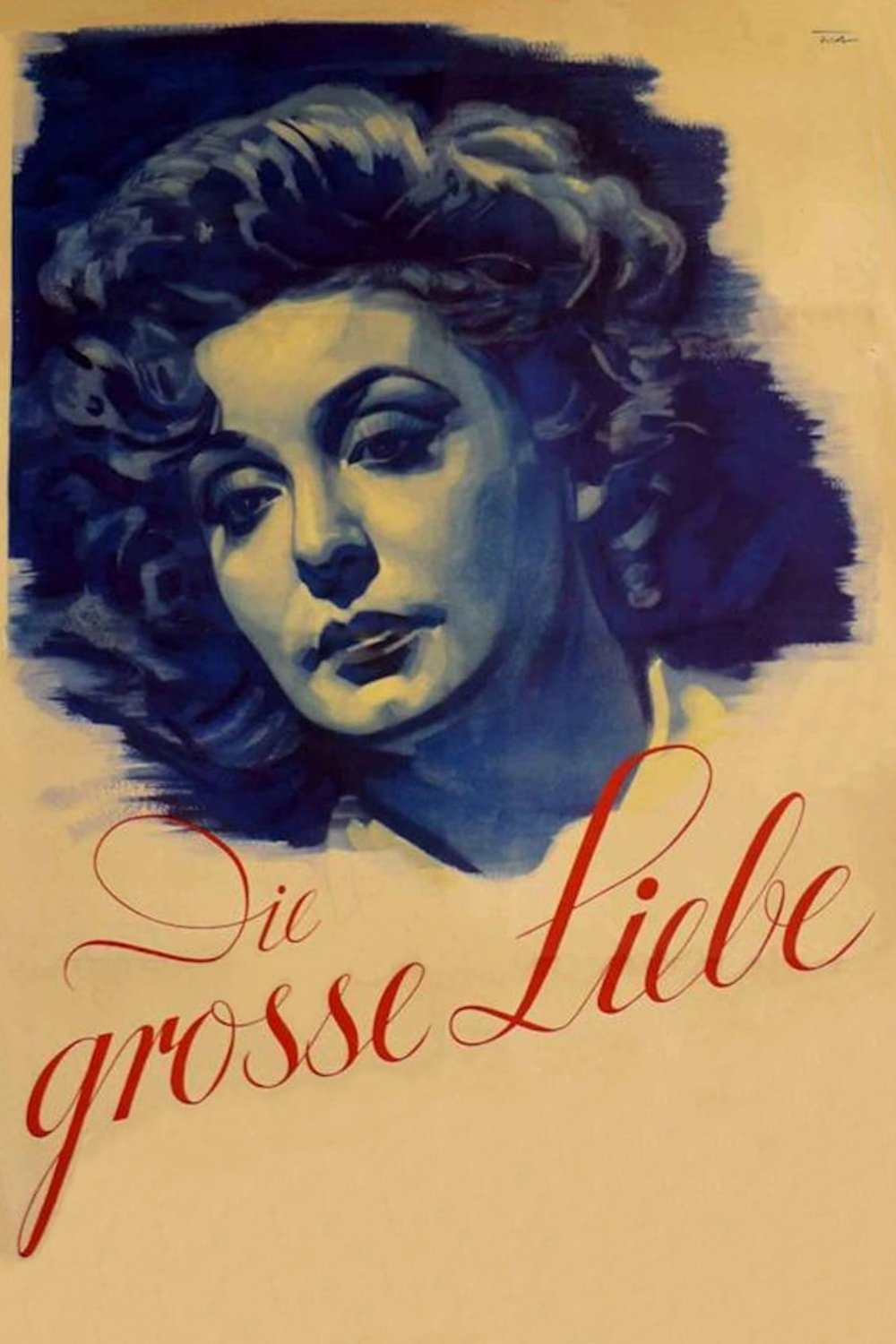
The attractive Oberleutnant Paul Wendlandt is stationed in North Africa as a fighter pilot. While in Berlin to deliver a report he is given a day's leave, and on the stage of the cabaret theatre "Skala" sees the popular Danish singer Hanna Holberg. For Paul it is love at first sight. When Hanna visits friends after the end of the performance, he follows her, and speaks to her in the U-Bahn. After the party in her friends' flat, he accompanies her home and chance throws them further together when an air raid warning forces them to take cover in the air raid shelter. Hanna reciprocates Paul's feelings, but after a night spent together Paul has to return immediately to the front. There now follows a whole series of misunderstandings, and one missed opportunity after another. While Hanna waits in vain for some sign of life from Paul, he is flying on missions in North Africa. When he tries to visit her in her Berlin flat, she is giving a Christmas concert in Paris.
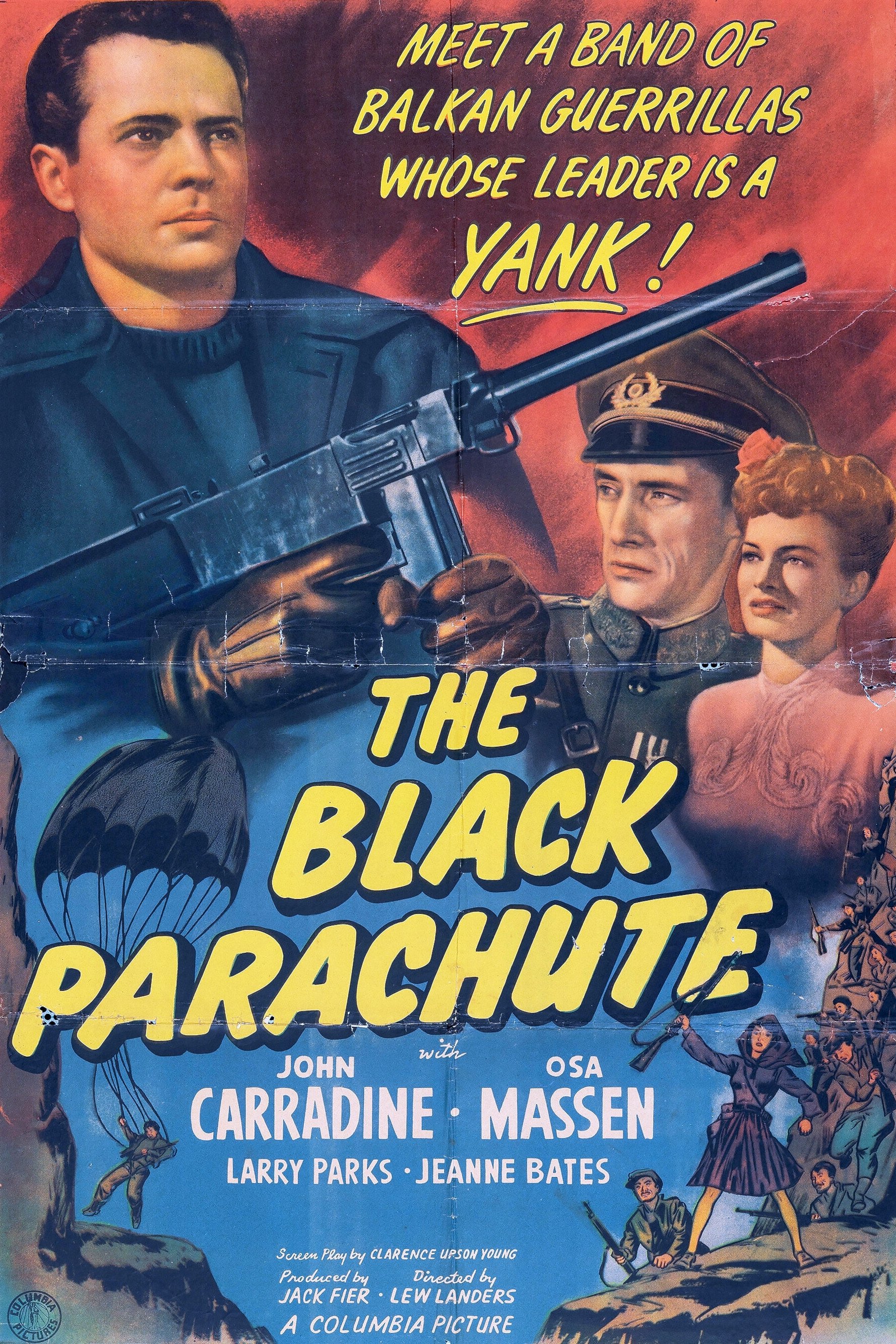
A paratrooper drops behind enemy lines to rescue the deposed king of a mythical Balkan nation.
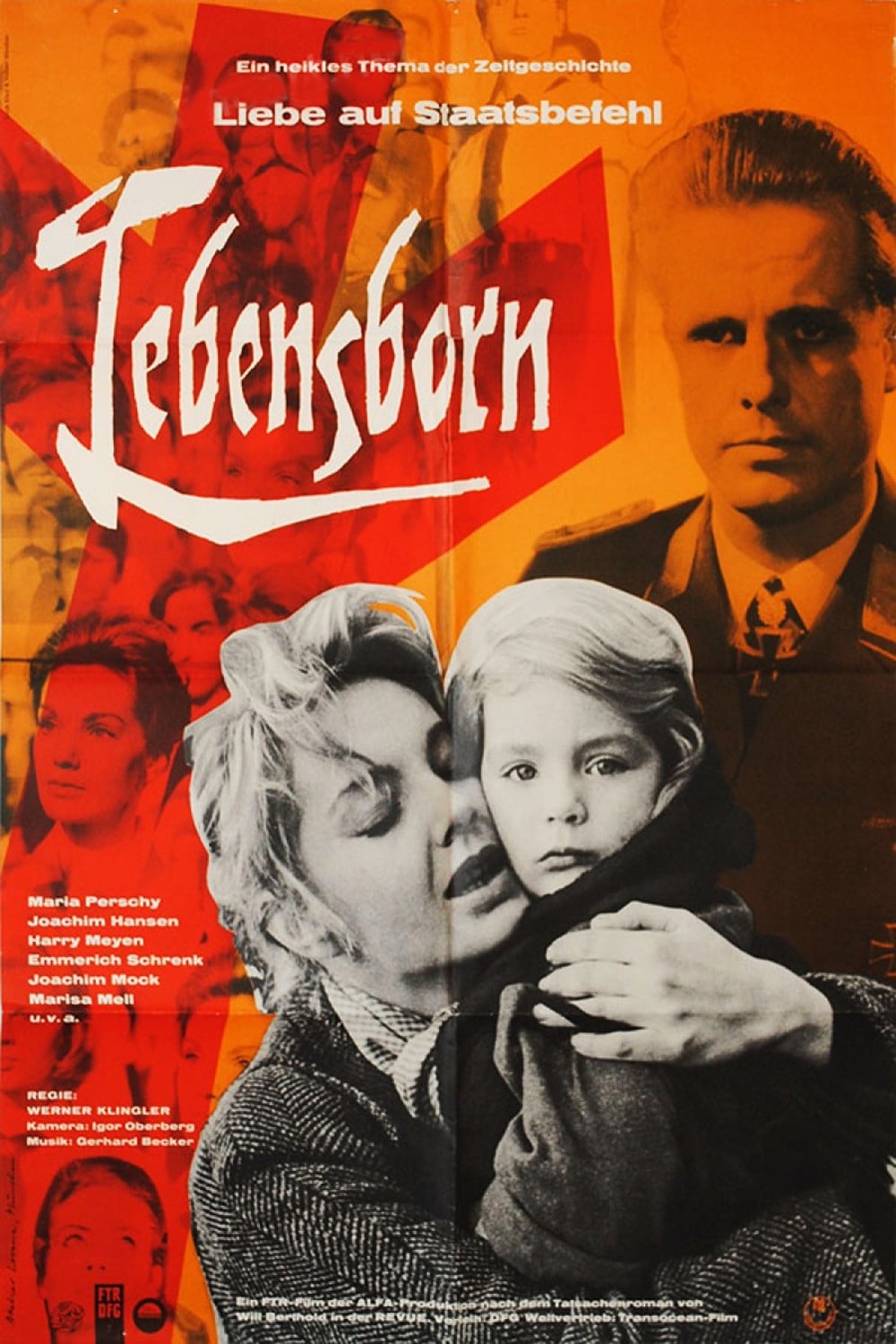
Revealing story about the mysterious Nazi organization "Lebensborn," which was intended to serve the SS in pursuing population policy and racial hygiene goals by systematically producing "hereditarily valuable" children. The film depicts an anti-Hitler Knight's Cross recipient with false papers who becomes a witness and victim of relevant events in a Lebensborn home, where 30 enthusiastic BDM girls and a number of SS hooligans and frontline soldiers have just moved in to "give the Führer a child."
"The Children of the Third Reich" - College freshman Kari Berman and her twin brother Kyle are young, healthy, brilliant, and attractive. To genetic researcher Dr. Martin Speer they're breeding stock, part of his scheme to make create superior humans through modern genetics.
As the title "The Queen's Heart" suggests, this early German black and white version of Mary Queen of Scott's eventful reign and death focuses on her emotional perception rather lyrically, with some songs, mainly by her.
When a young woman investigates her town's Nazi past, the community turns against her.
London police and reporters from a local newspaper go after a gang of foreign criminals.
Braden, a high-level thief and ex con-man, meets an arms dealer named Skye and takes her under his wing, teaching her the petty crimes that brought him to where he is now. They embark on a crime spree together across their city, until they are forced into a corner. Skye immediately wants to flee the city, but Braden wants her to first help him with a larger-than-normal heist that may help repair his past.
Prelude to War was the first film of Frank Capra's Why We Fight propaganda film series, commissioned by the Pentagon and George C. Marshall. It was made to convince American troops of the necessity of combating the Axis Powers during World War II. This film examines the differences between democratic and fascist states.
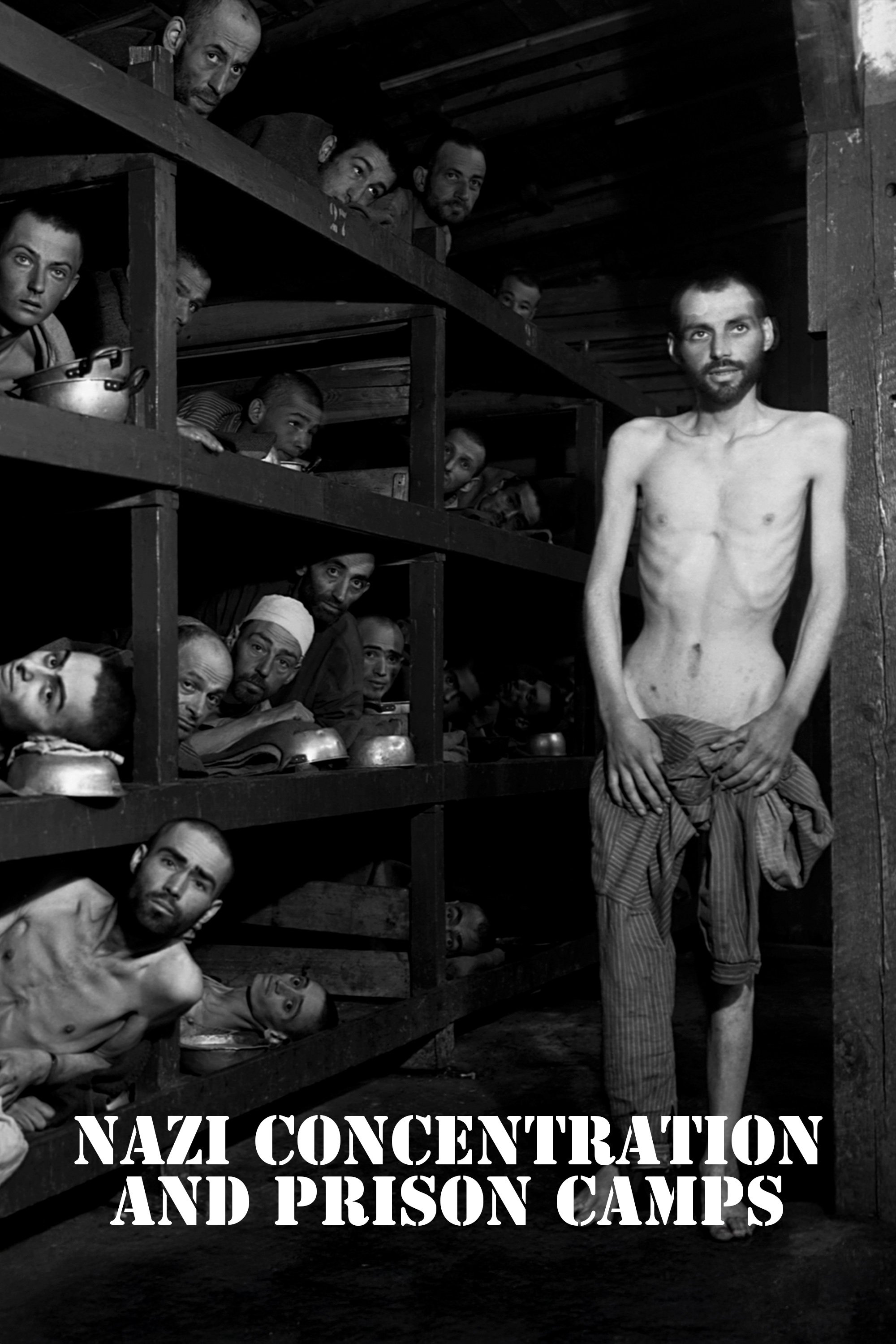
Produced and presented as evidence at the Nuremberg war crimes trial of Hermann Göring and twenty other Nazi leaders, this film consists primarily of dead and surviving prisoners and of facilities used to kill and torture during the World War II.
“The Soviet Story” is a story of an Allied power, which helped the Nazis to fight Jews and which slaughtered its own people on an industrial scale. Assisted by the West, this power triumphed on May 9th, 1945. Its crimes were made taboo, and the complete story of Europe’s most murderous regime has never been told. Until now...
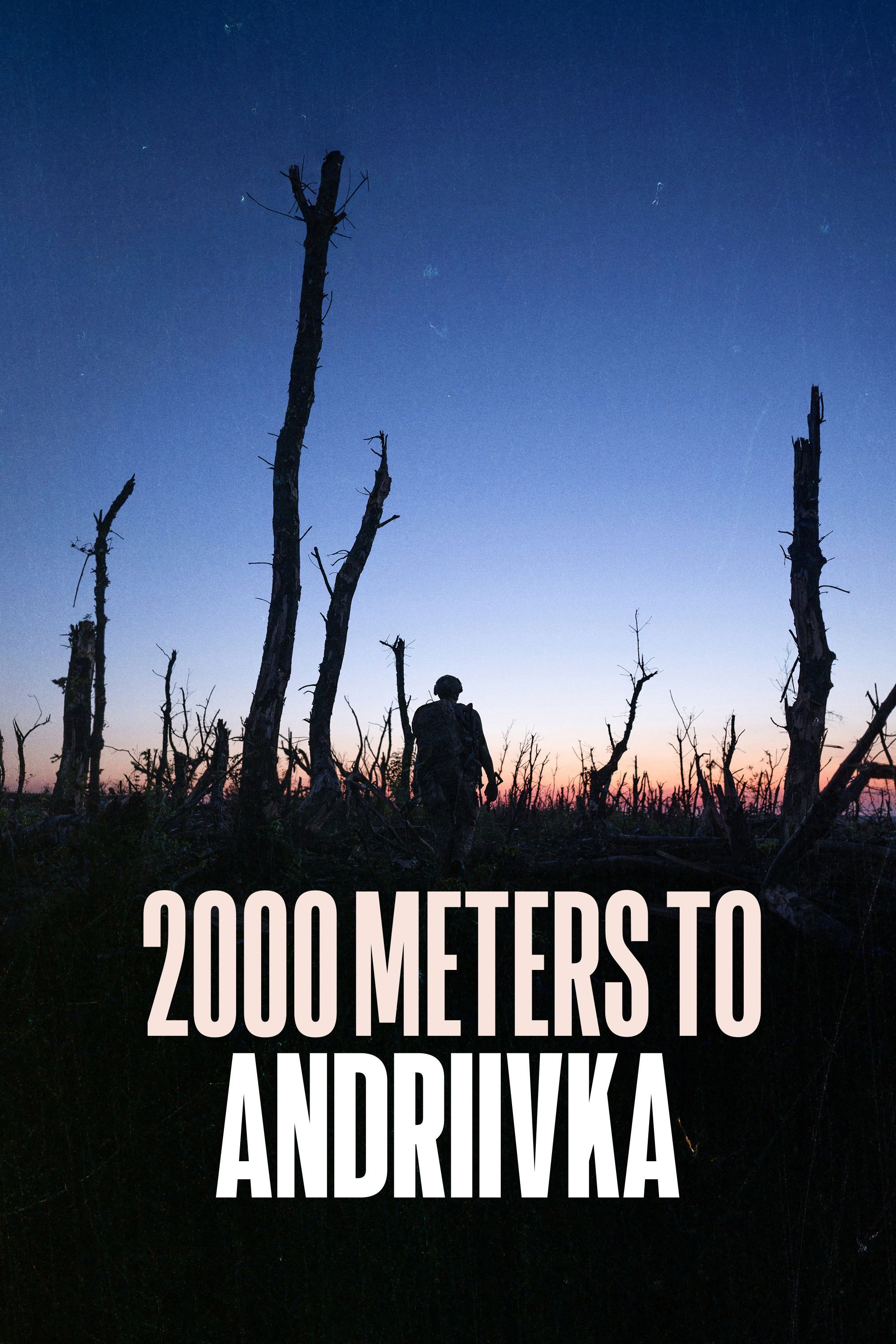
Amid the failing counteroffensive, a journalist follows a Ukrainian platoon on their mission to traverse one mile of heavily fortified forest and liberate a strategic village from Russian occupation. But the farther they advance through their destroyed homeland, the more they realize that this war may never end.
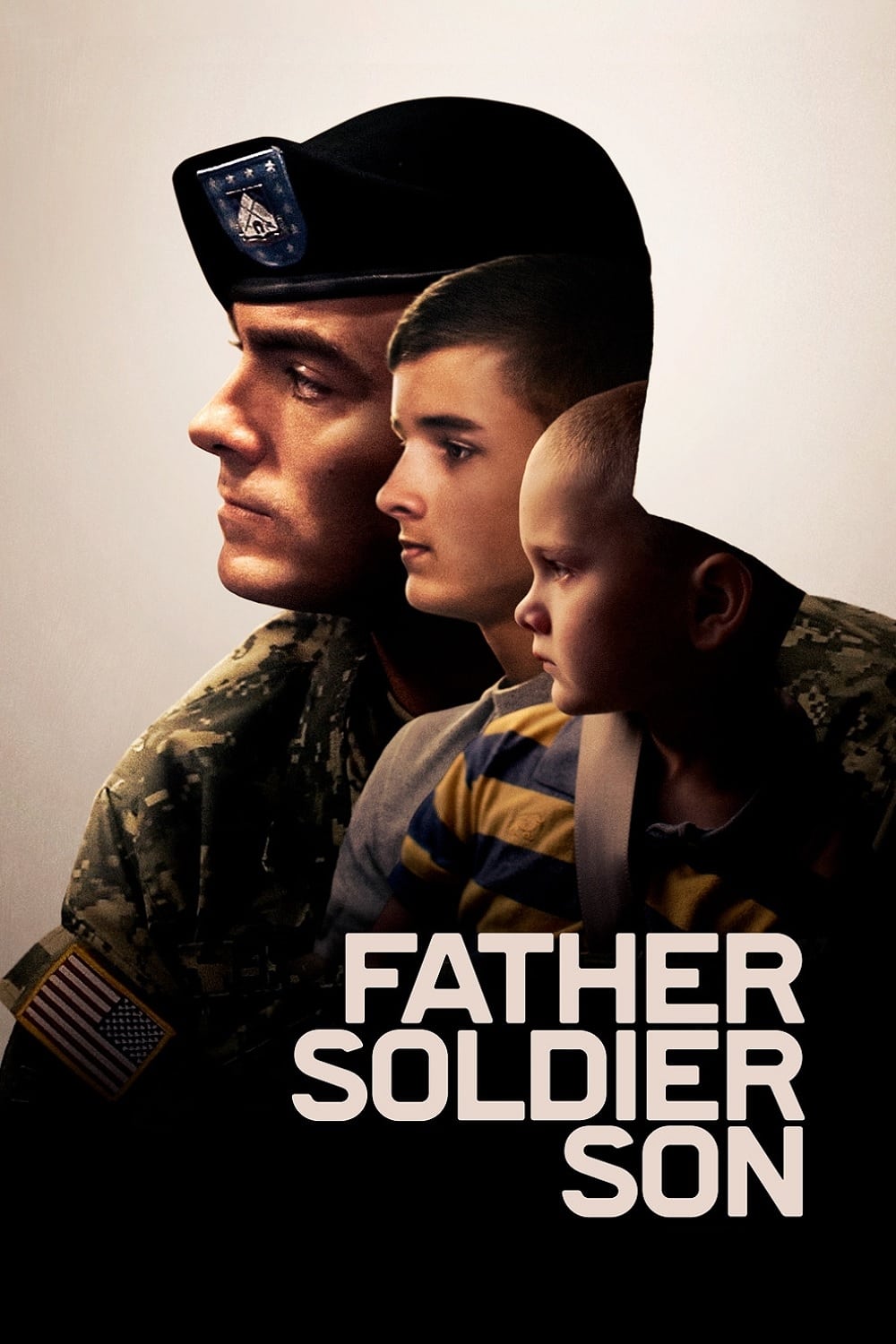
When Sgt. First Class Brian Eisch is critically wounded in Afghanistan, it sets him and his sons on a journey of love, loss, redemption and legacy.
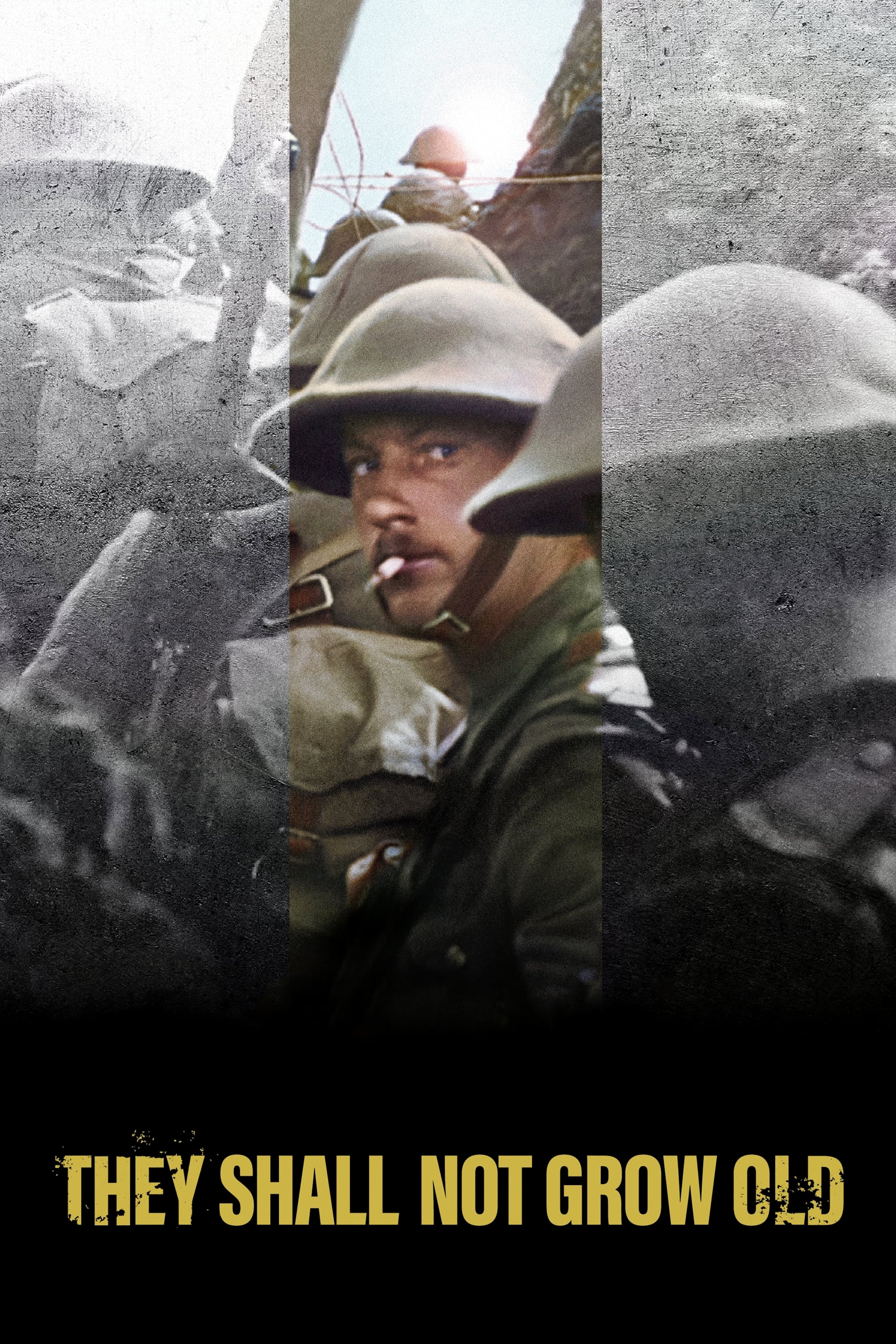
A documentary about World War I with never-before-seen footage to commemorate the centennial of Armistice Day, and the end of the war.
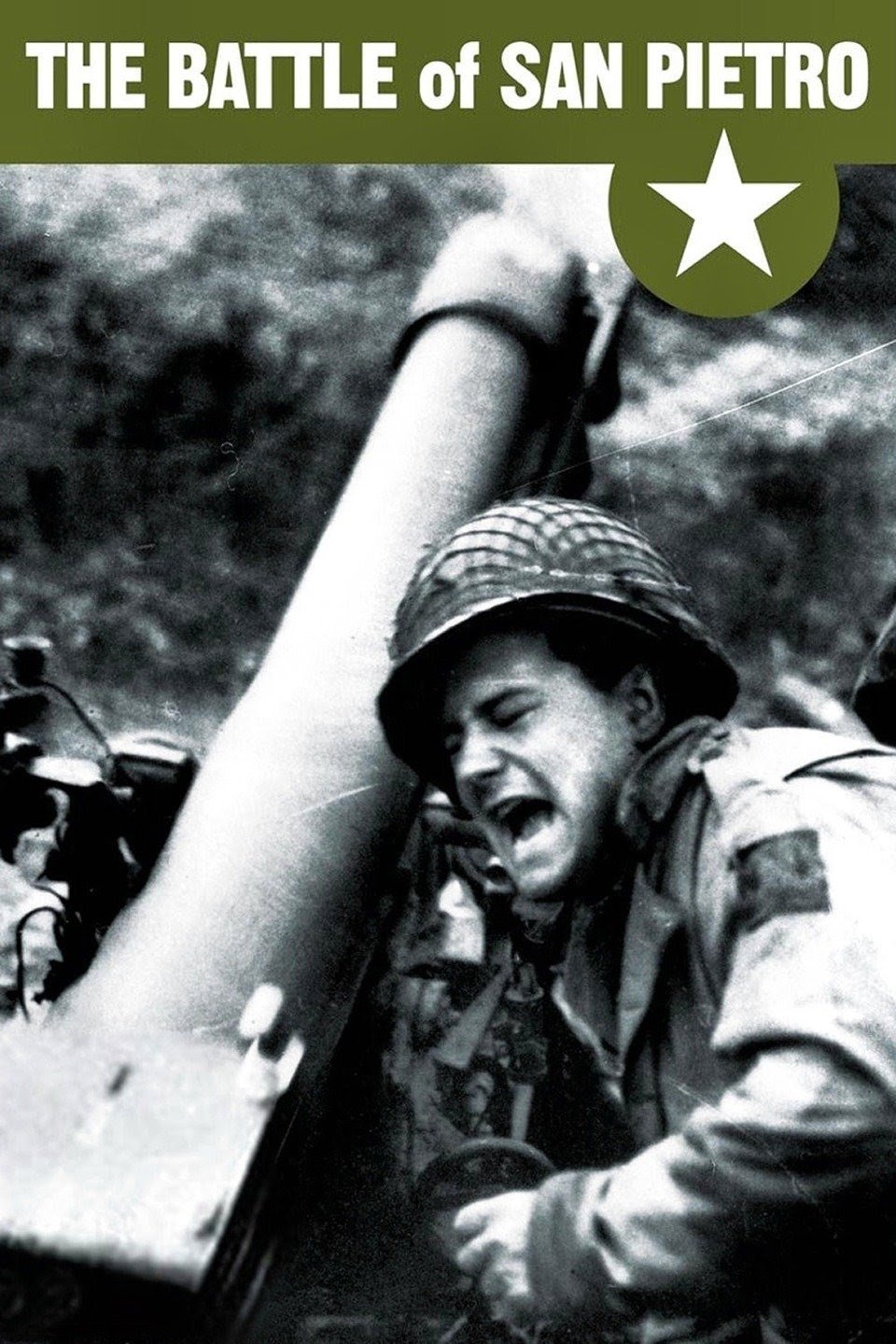
This documentary movie is about the battle of San Pietro, a small village in Italy. Over 1,100 US soldiers were killed while trying to take this location, that blocked the way for the Allied forces from the Germans. Preserved by the Academy Film Archive in 2005.
A love letter from a young mother to her daughter, the film tells the story of Waad al-Kateab’s life through five years of the uprising in Aleppo, Syria as she falls in love, gets married and gives birth to Sama, all while cataclysmic conflict rises around her. Her camera captures incredible stories of loss, laughter and survival as Waad wrestles with an impossible choice– whether or not to flee the city to protect her daughter’s life, when leaving means abandoning the struggle for freedom for which she has already sacrificed so much.
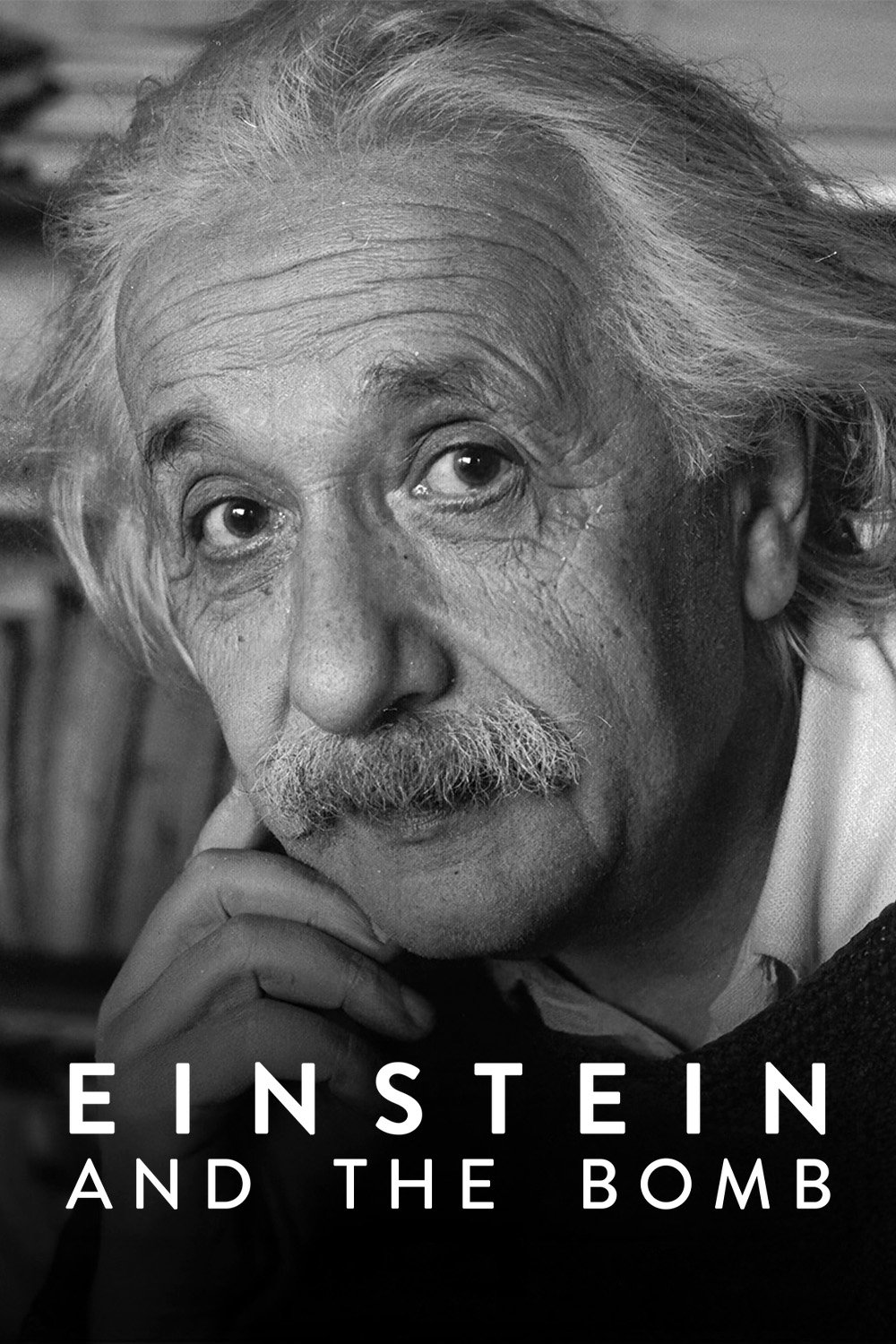
What happened after Einstein fled Nazi Germany? Using archival footage and his own words, this docudrama dives into the mind of a tortured genius.
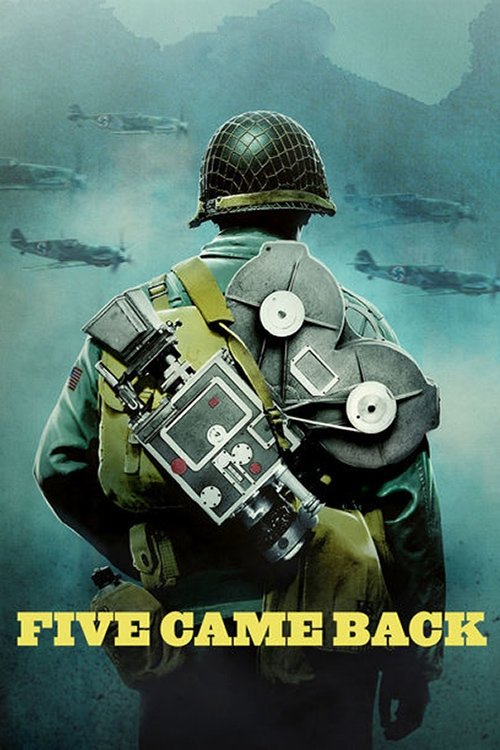
The extraordinary story of how Hollywood changed World War II – and how World War II changed Hollywood, through the interwoven experiences of five legendary filmmakers who went to war to serve their country and bring the truth to the American people: John Ford, William Wyler, John Huston, Frank Capra, and George Stevens. Based on Mark Harris’ best-selling book, “Five Came Back: A Story of Hollywood and the Second World War.”
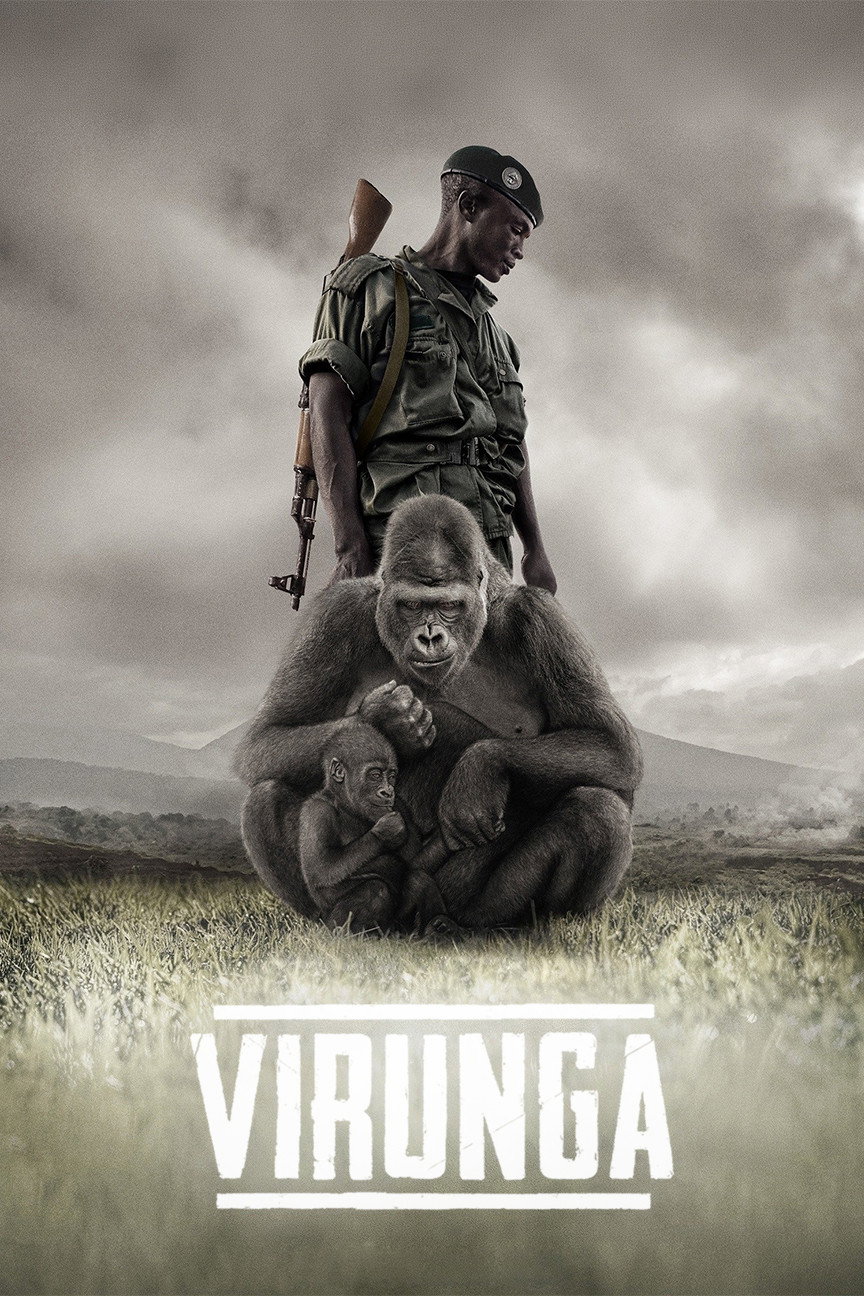
Virunga in the Democratic Republic of the Congo is Africa’s oldest national park, a UNESCO world heritage site, and a contested ground among insurgencies seeking to topple the government that see untold profits in the land. Among this ongoing power struggle, Virunga also happens to be the last natural habitat for the critically endangered mountain gorilla. The only thing standing in the way of the forces closing in around the gorillas: a handful of passionate park rangers and journalists fighting to secure the park’s borders and expose the corruption of its enemies. Filled with shocking footage, and anchored by the surprisingly deep and gentle characters of the gorillas themselves, Virunga is a galvanizing call to action around an ongoing political and environmental crisis in the Congo.
Korengal picks up where Restrepo left off; the same men, the same valley, the same commanders, but a very different look at the experience of war.
"Trinity and Beyond" is an unsettling yet visually fascinating documentary presenting the history of nuclear weapons development and testing between 1945-1963. Narrated by William Shatner and featuring an original score performed by the Moscow Symphony Orchestra, this award-winning documentary reveals previously unreleased and classified government footage from several countries.
As the Russian invasion begins, a team of Ukrainian journalists trapped in the besieged city of Mariupol struggle to continue their work documenting the war's atrocities.
WWII from Space delivers World War II in a way you've never experienced it before. This HISTORY special uses an all-seeing CGI eye that offers a satellite view of the conflict, allowing you to experience it in a way that puts key events and tipping points in a global perspective. By re-creating groundbreaking moments that could never have been captured on camera, and by illustrating the importance of simultaneity and the hidden effects of crucial incidents, HISTORY presents the war's monumental moments in a never-before-seen context. And with new information brought to the forefront, you'll better understand how a nation ranked 19th in the world's militaries in 1939 emerged six years later as the planet's only atomic superpower.
One single Anne Frank moves us more than the countless others who suffered just as she did but whose faces have remained in the shadows-Primo Levi. The Oscar®-winning Helen Mirren will introduce audiences to Anne Frank's story through the words in her diary. The set will be her room in the secret refuge in Amsterdam, reconstructed in every detail by set designers from the Piccolo Theatre in Milan. Anne Frank this year would have been 90 years old. Anne's story is intertwined with that of five Holocaust survivors, teenage girls just like her, with the same ideals, the same desire to live: Arianna Szörenyi, Sarah Lichtsztejn-Montard, Helga Weiss and sisters Andra and Tatiana Bucci. Their testimonies alternate with those of their children and grandchildren.
Against the darkening backdrop of New Delhi's apocalyptic air and escalating violence, two brothers devote their lives to protecting one casualty of the turbulent times: the bird known as the black kite.
A documentary shot by filmmakers all over the world that serves as a time capsule to show future generations what it was like to be alive on the 24th of July, 2010.
Pete Postlethwaite stars as a man living alone in the devastated future world of 2055, looking at old footage from 2008 and asking: why didn’t we stop climate change when we had the chance?
Meet the real-life airmen who inspired Masters of the Air as they share the harrowing and transformative events of the 100th Bomb Group.