Take a tour with the staff of the Milwaukee County Zoo.
Social & External
The people behind it
Laura Pedriani
Self
Kelly Chase
Ed Diebold
Bruce Beehler
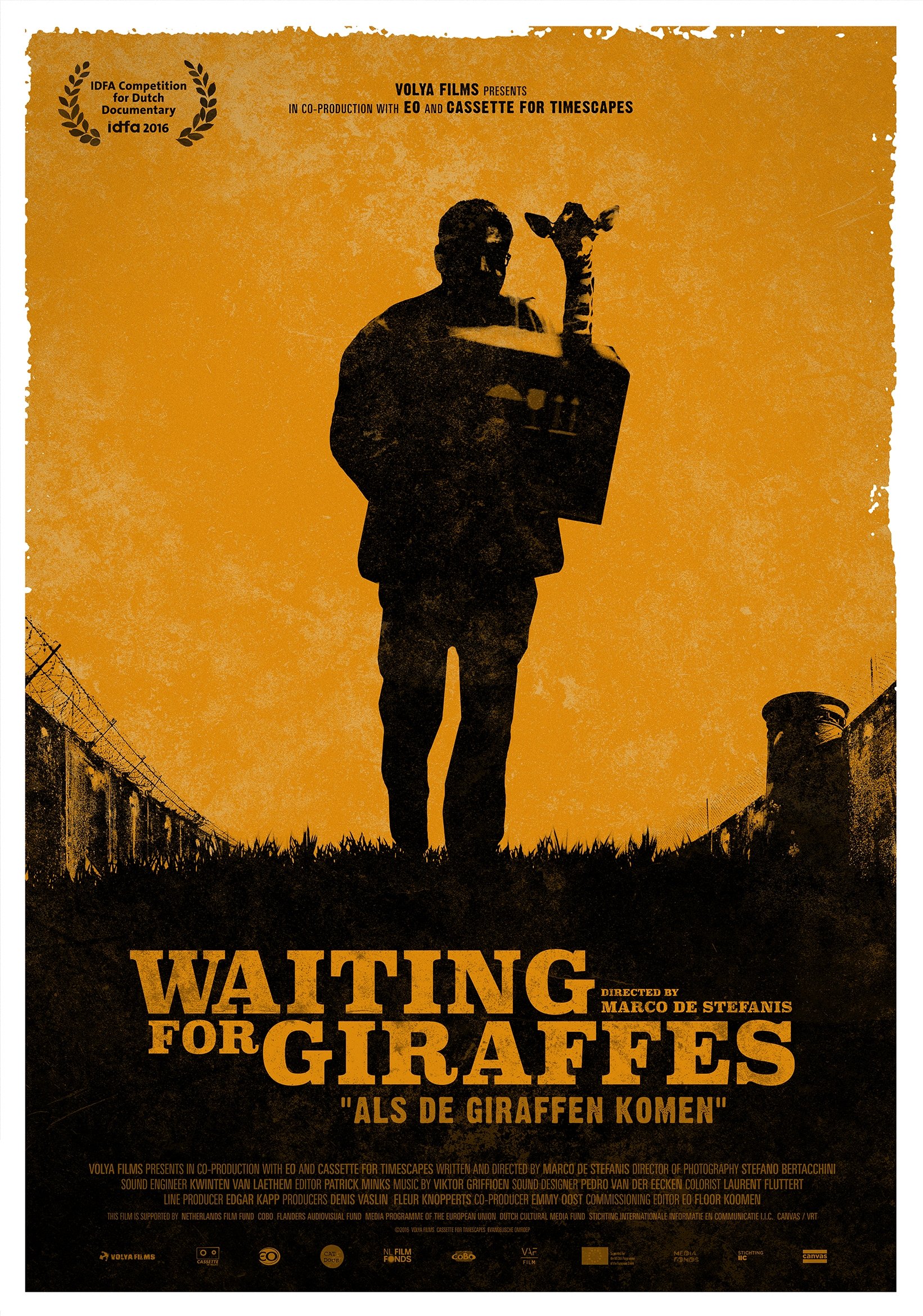
After two intifadas and the construction of the Israeli wall, the only Palestinian zoo is still there and is now seeking for international recognition and to replace their lost giraffes.
The Antwerp Zoo covers a fair extent of ground, and was already in 1910 generally considered as an important one. A large number of views of birds and animals were taken and hand coloured. In those days, the monkey house was in for much attention. People found that the various comic incidents added a touch of whimsicality.
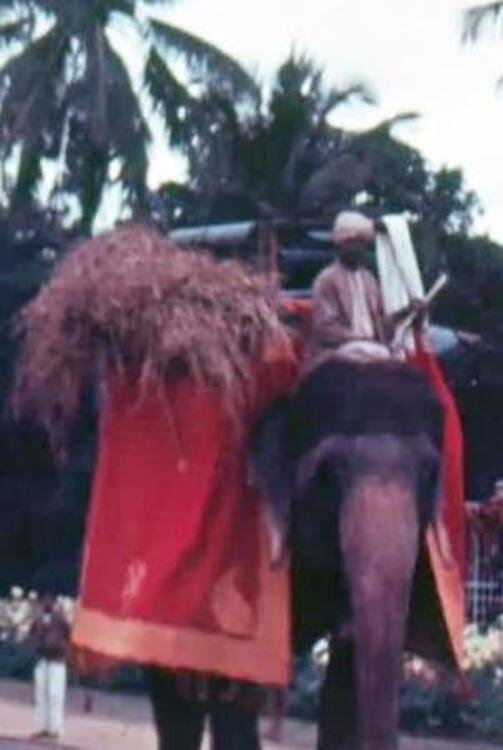
Two sides of Mysore: down to earth with the field workers and an Indian spectacle for the Maharaja.
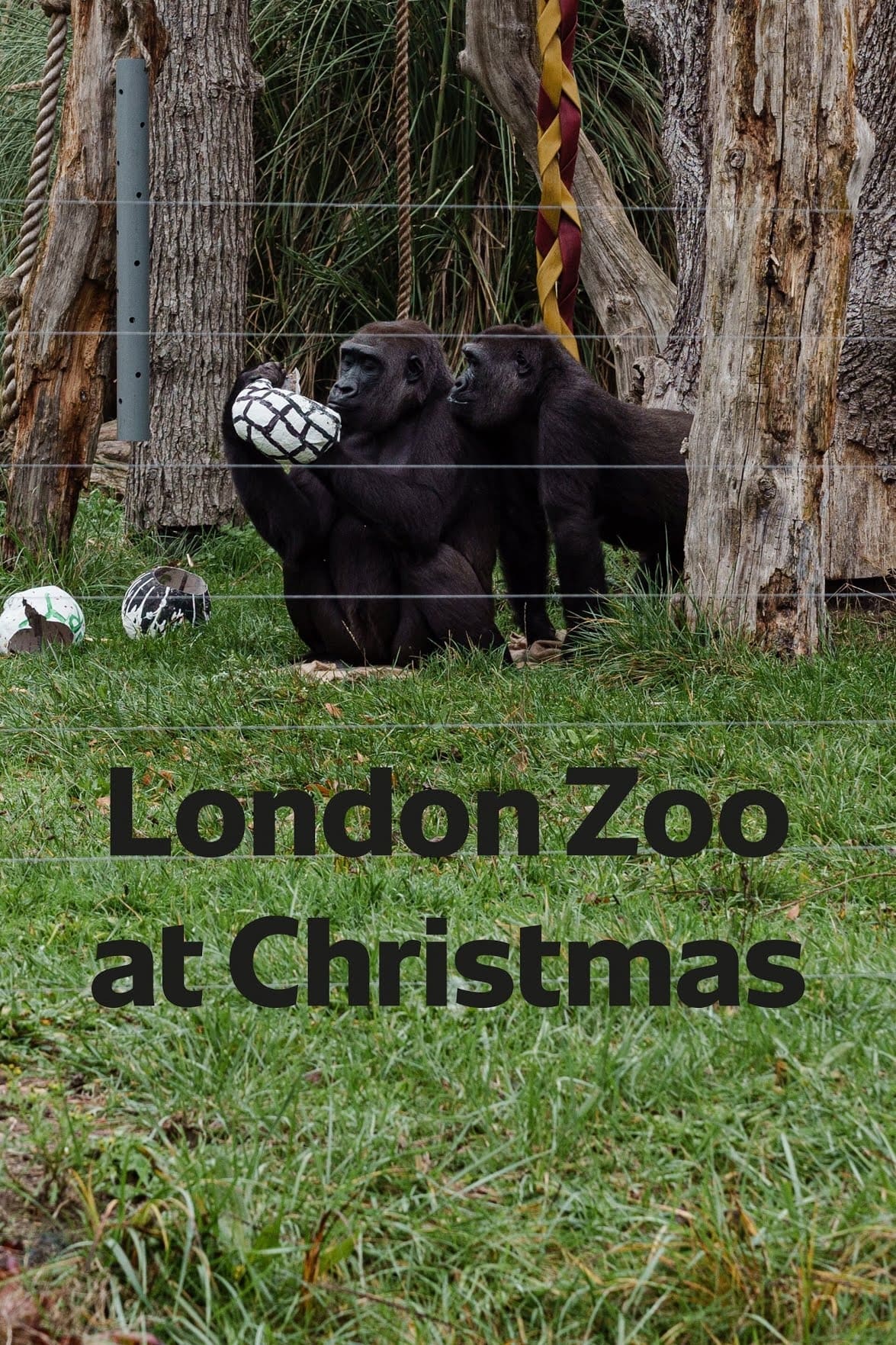
An exclusive, festive behind-the-scenes look at the iconic London Zoo, as they prepare for the most wonderful time of the year and make the holiday magic happen.
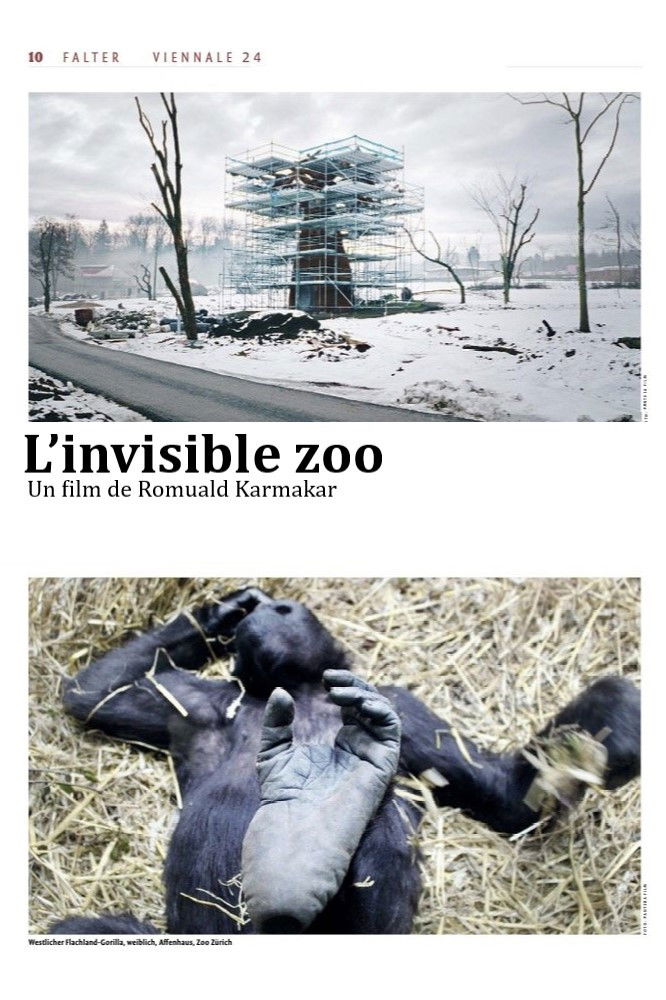
Across the seasons, the film gives an account of life and work and the animals and visitors at Zurich Zoo, an institution that is one of the leading zoological gardens in Europe. Animals in their cages, humans in the cinema. What lies between them?
The animal inhabitants of the Manhattan Zoo are presented.
This moving, family documentary goes behind the scenes at The Big Bear Alpine Zoo, which is only one of two high elevation, Alpine Zoos in the United States.
Hosted by Keeley Hawes, star of the popular television series The Durrells, this documentary reveals the adventures of the eccentric Durrell family once they left Corfu, Greece.
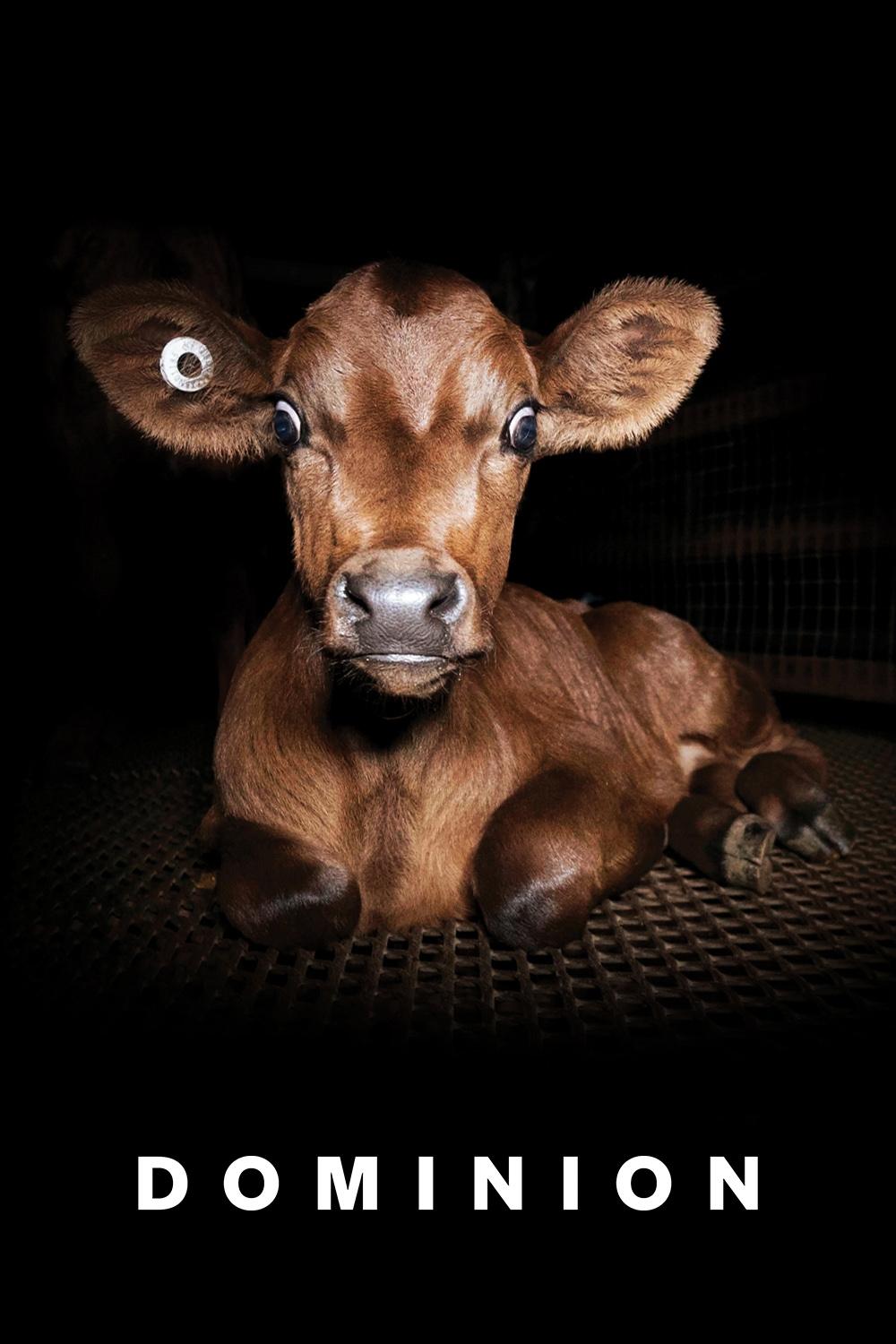
Exposing the dark underbelly of modern animal agriculture through drones, hidden & handheld cameras, the feature-length film explores the morality and validity of our dominion over the animal kingdom.
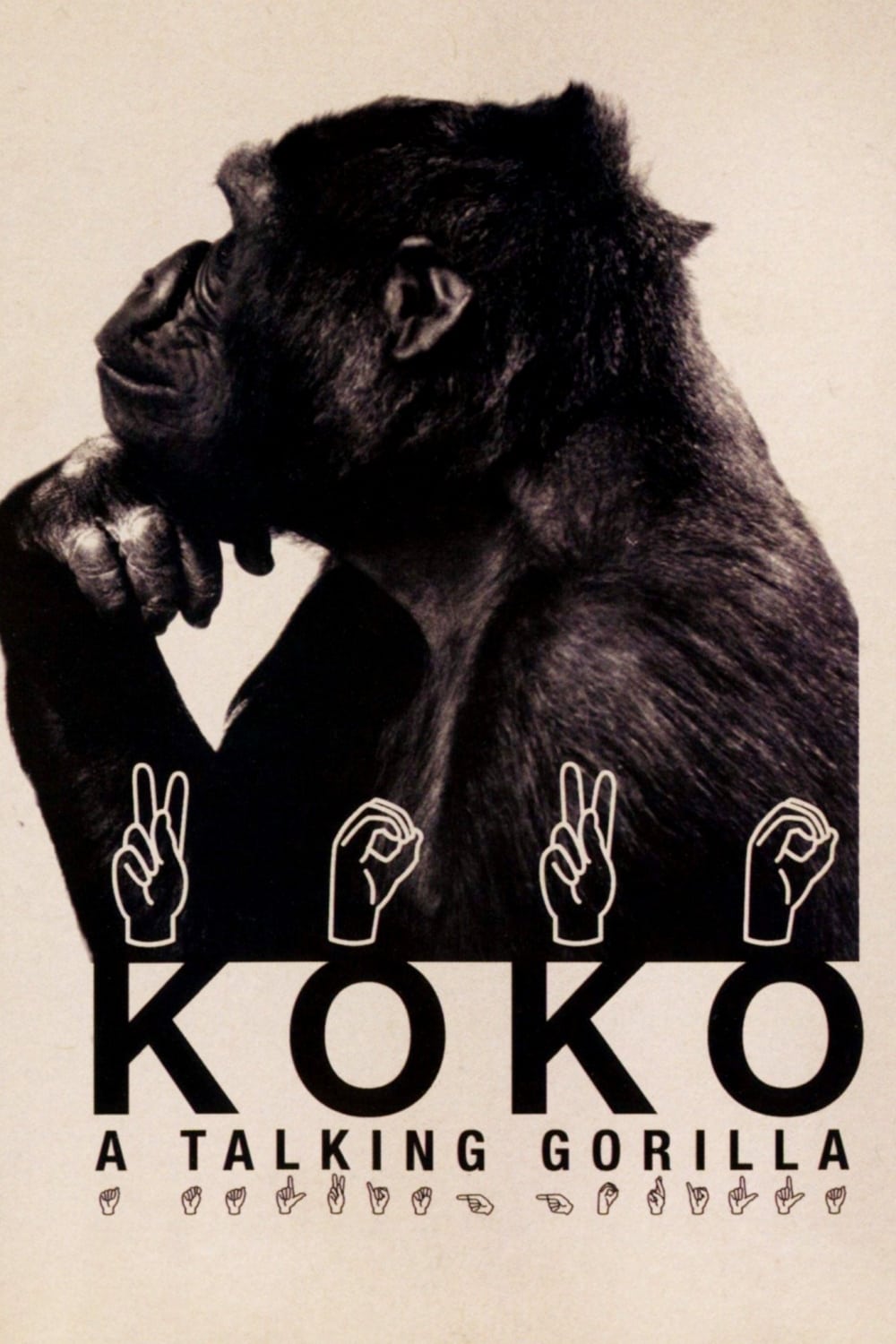
A documentary that follows Dr. Penny Patterson's current scientific study of Koko, a gorilla who communicates through American Sign Language.
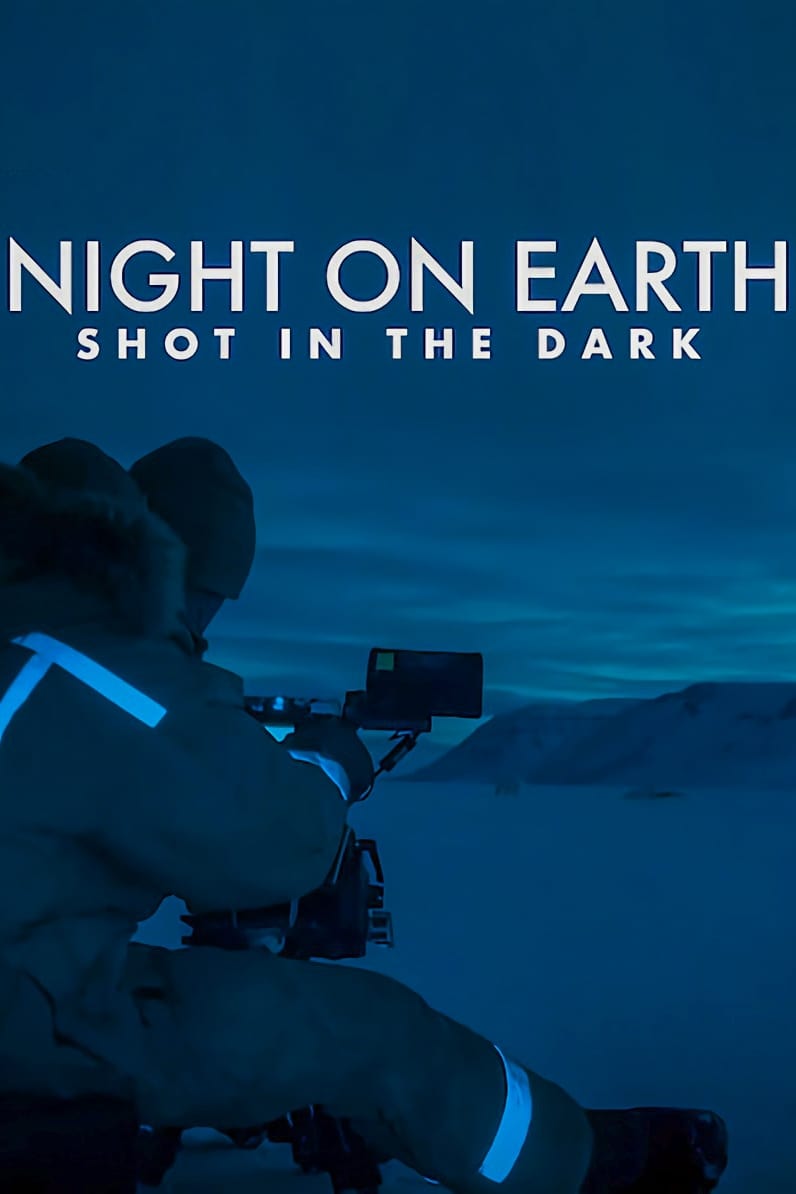
This look behind the scenes shows how worldwide camera crews climbed, dived and froze to capture the documentary's groundbreaking night footage.
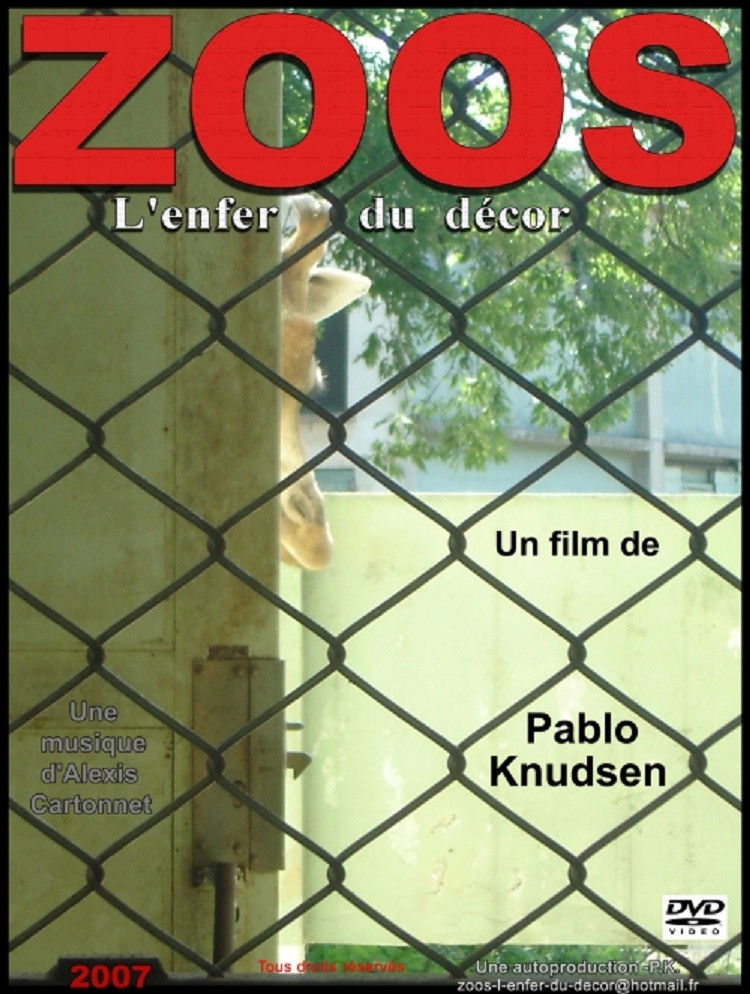
A documentary that explores the issue of animal confinement in zoos. The film examines the stance we should take toward this form of animal exploitation, which is increasingly being challenged. By giving prominence to dialogue and featuring numerous contributors—including historians, philosophers, ethologists, zookeepers, activists, and others—the film sparks meaningful reflection and explores several issues directly related to the question of animal confinement.
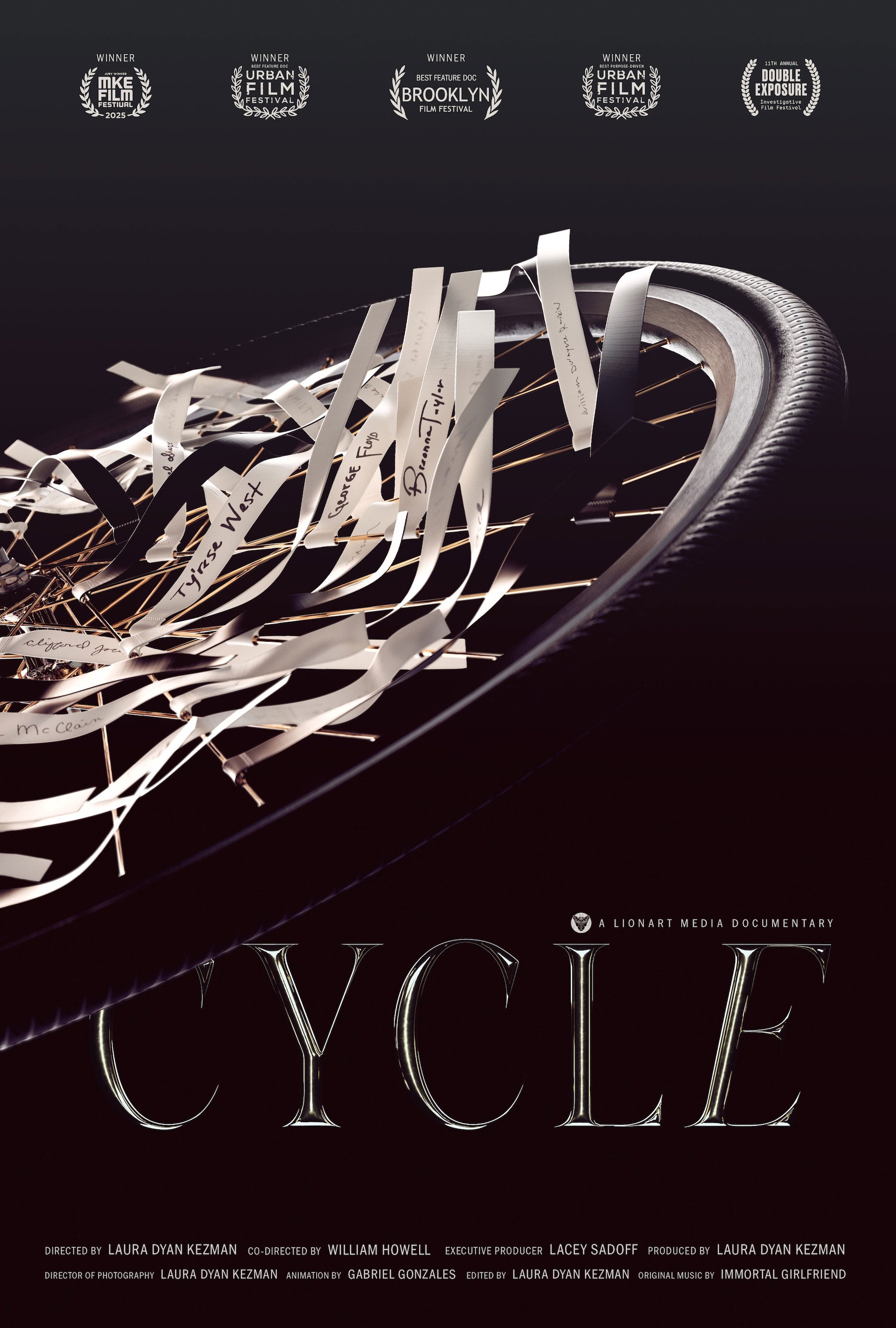
CYCLE pierces the silence surrounding police violence in America through the killing of Ty’rese West, an 18-year-old Black teenager whose death at the hands of police occurred without cameras, witnesses, or public scrutiny. In the absence of visual evidence, his case slipped quietly out of view—mirroring a broader pattern in which accountability depends on what can be seen. The film follows the aftermath of an unseen death: closed courtrooms, shifting official narratives, and the toll of pursuing answers within opaque systems of power. Rather than relying on the virality of a moment, CYCLE examines how silence functions within institutions, and how families are left to carry truth forward when justice fails.
Pride Prom is a short documentary that follows the story of E Tejada III, the organizer of the first LGBTQ+ Pride Prom at Marquette University. The film weaves together exclusive interviews and footage from event planning and the dance itself, and news coverage of public controversy surrounding the event-- all while exploring the burnout E experiences along the way. In the end, Pride Prom is about the emotional toll of fighting for inclusion at an institution torn between progressive optics and traditional values... and the moments of joy and community that make it all worthwhile.
Over more than 50 years and 12,000 performances in Milwaukee and beyond, Pat McCurdy has cultivated a fiercely loyal fan base and a reputation for spreading infectious joy. He may not be a household name, but to those who know him, Pat is unforgettable. BRIGHT BEAUTIFUL WORLD is an uplifting portrait of an artist who found success on his own terms—and of the deep, decades-long love affair between a musician and the fans who keep showing up.
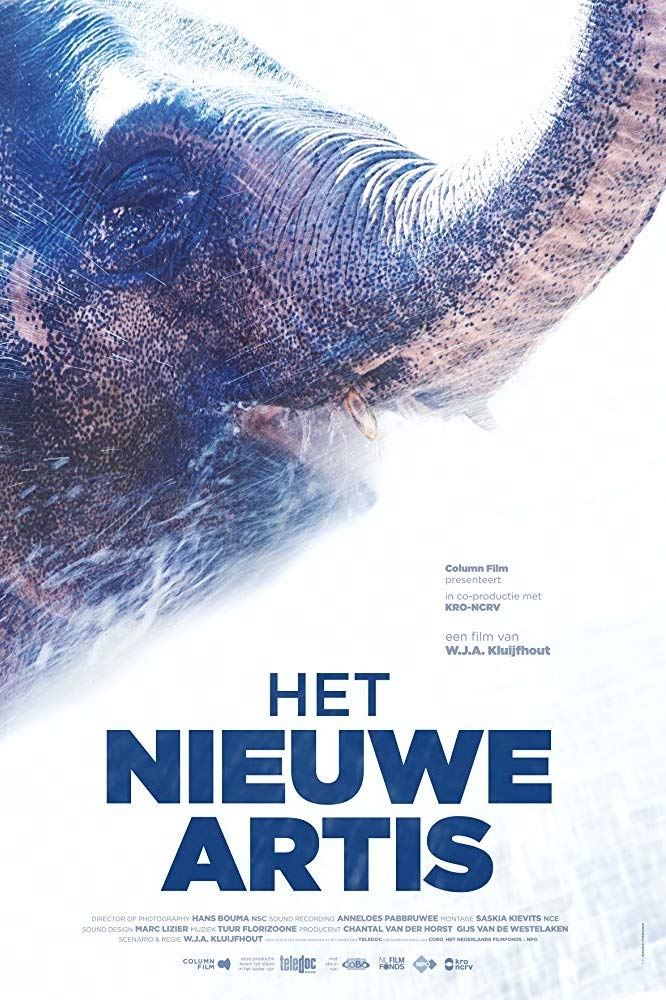
Artis, the Netherlands’ oldest zoo, is about to undergo its most radical renovation in its 178 years of existence. The inspired managing director has a very clear mission – but, is this mission at the same time not a threat to himself, his employees and his animals? And also: how can we look after our environment whilst at the same time we wish to reduce our influence on it?
Answers questions about zoo animals and their offspring. Shows physical characteristics and habits of baby monkeys, gnus, kudus, lions, peacocks, alligators and bears.
Through deeply personal interviews with her siblings and an examination of the photographs, letters, and belongings left behind, Mariska assembles a new portrait of her mother Jayne Mansfield, an extraordinary and complex woman.
Martin Scorsese spends an evening with larger-than-life raconteur Steven Prince—a former drug addict, road manager for Neil Diamond, and actor—as he recounts stories from his colorful life.
Go behind the scenes with stars, puppeteers and creators as they bring Jim Henson's magical world of Thra back to life in a sweeping fantasy series.
A visual montage portrait of our contemporary world dominated by globalized technology and violence.
Prelude to War was the first film of Frank Capra's Why We Fight propaganda film series, commissioned by the Pentagon and George C. Marshall. It was made to convince American troops of the necessity of combating the Axis Powers during World War II. This film examines the differences between democratic and fascist states.
An impressionistic portrait of the iconic actor Harry Dean Stanton comprised of intimate moments, film clips from some of his 250 films and his renditions of American folk songs.
Using the book 'Fragments', which collects Marilyn Monroe's poems, notes and letters, and with participation from the Arthur Miller and Truman Capote estates who have contributed more material, each of the actresses will embody the legend at various stages in her life.
The life and career of an actor, artist, and icon. His own journey through his own camera.
Film adaptation of French economist Thomas Piketty's ground-breaking global bestseller of the same name: an eye-opening journey through wealth and power.
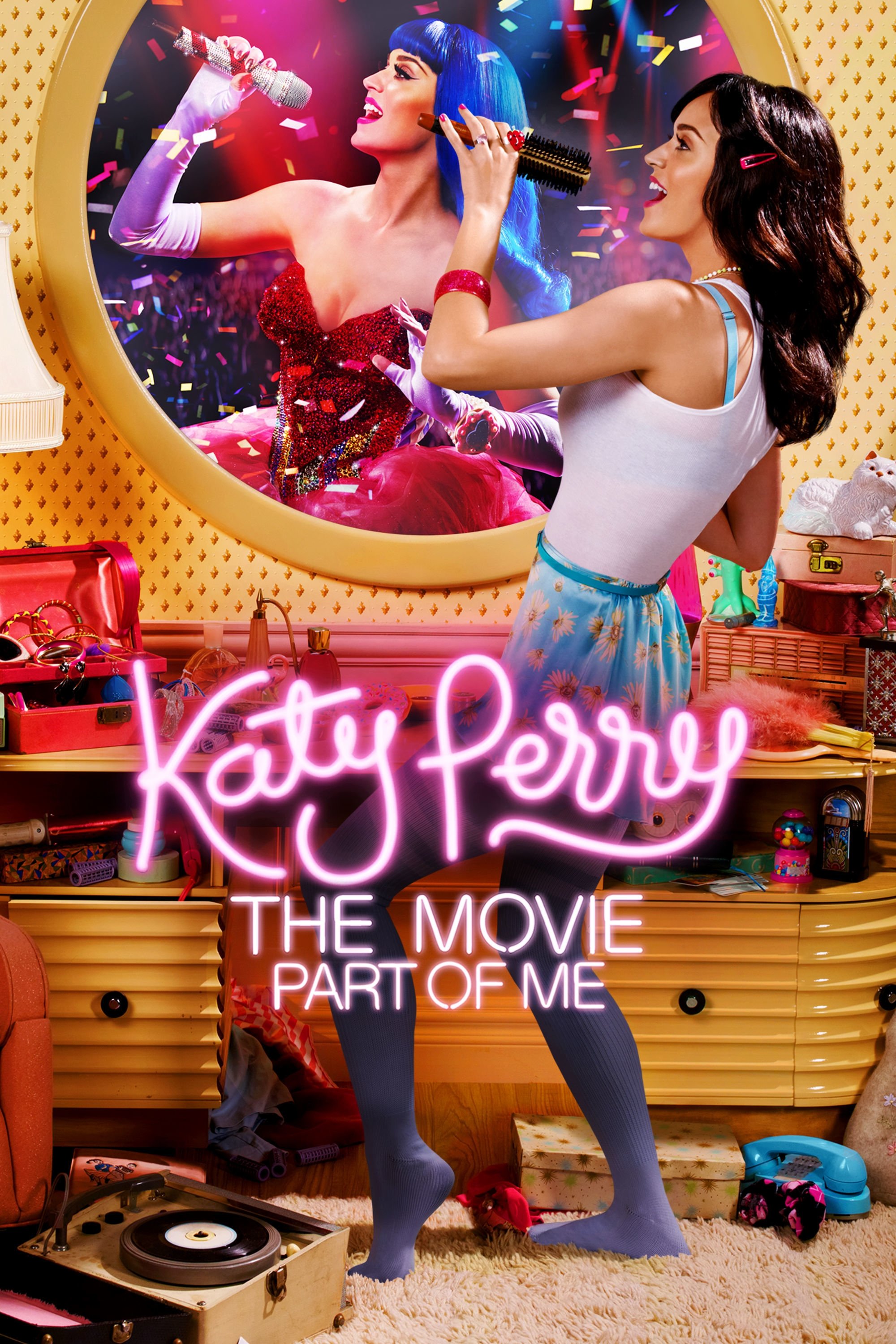
Giving fans unprecedented access to the real life of the music sensation, Katy Perry: Part of Me exposes the hard work, dedication and phenomenal talent of a girl who remained true to herself and her vision in order to achieve her dreams. Featuring rare behind-the-scenes interviews, personal moments between Katy and her friends, and all-access footage of rehearsals, choreography, Katy’s signature style and more, Katy Perry: Part of Me reveals the singer’s unwavering belief that if you can be yourself, then you can be anything.
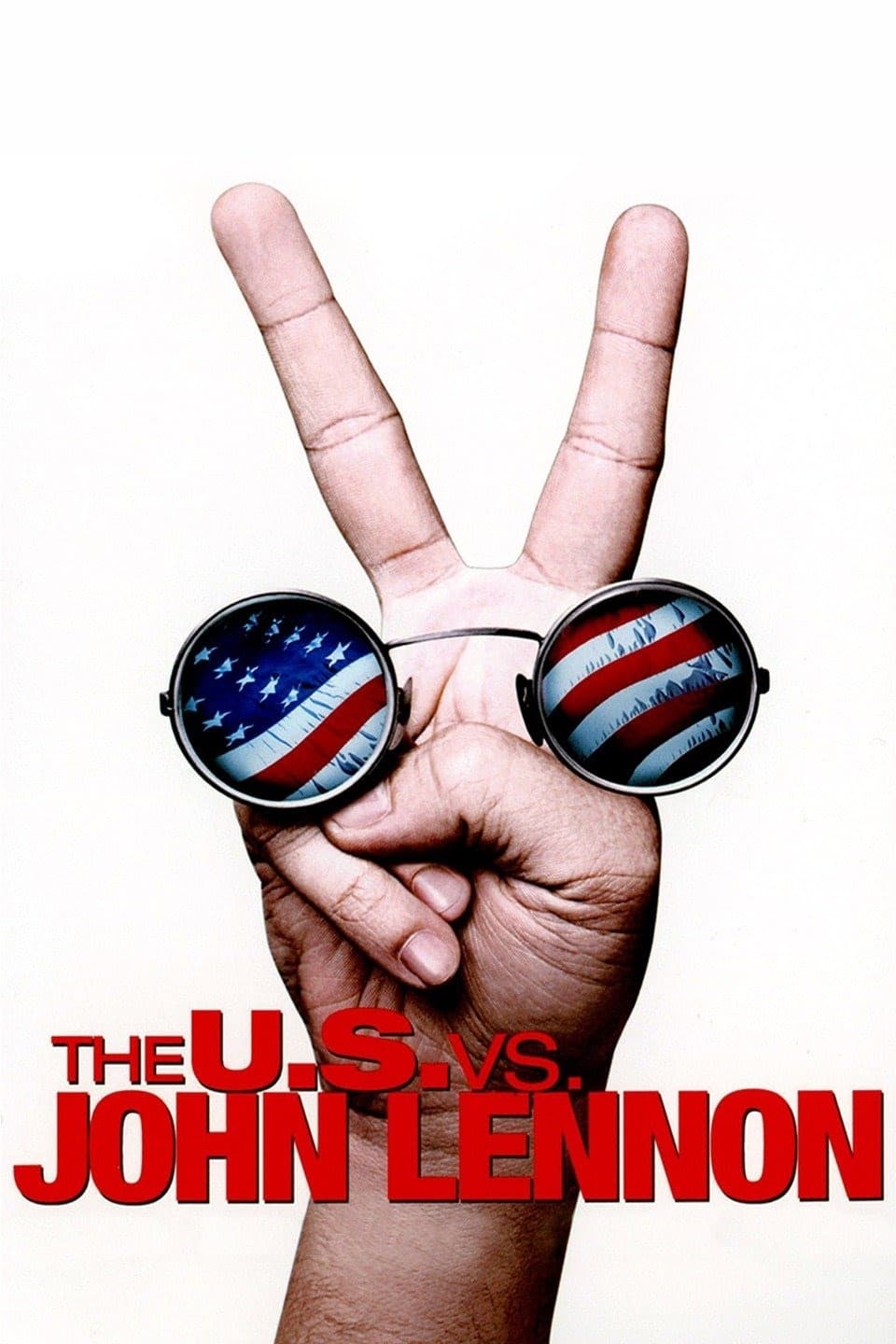
A documentary on the life of John Lennon, with a focus on the time in his life when he transformed from a musician into an antiwar activist.
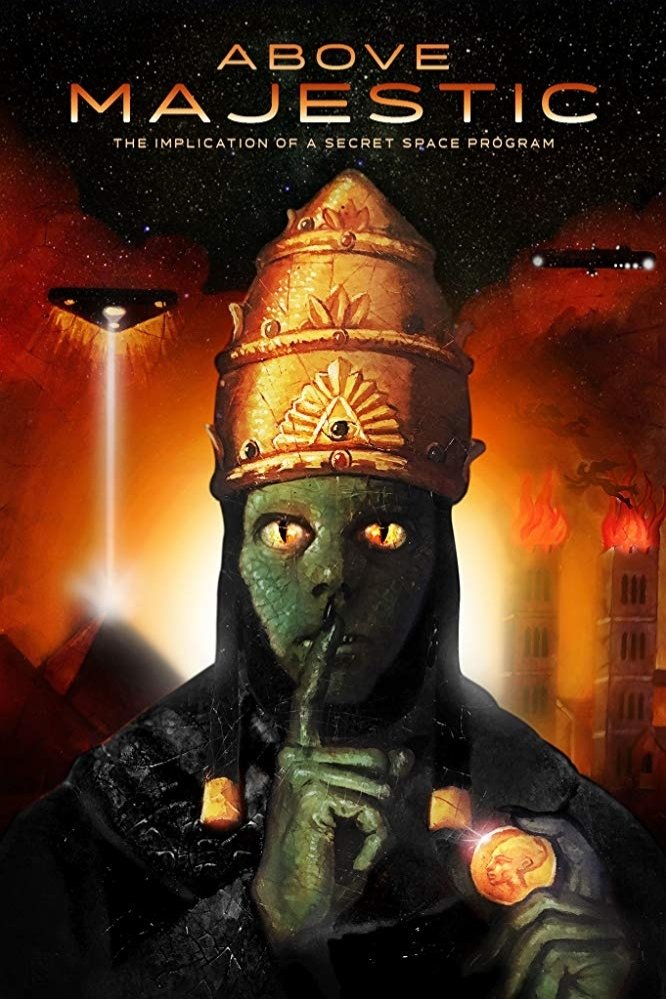
A look at the origins, history and conspiracies behind the "Majestic 12", a clandestine group of military and corporate figureheads charged with reverse-engineering extraterrestrial technology.
Musician and performance artist Laurie Anderson reflects on the deaths of her husband Lou Reed, her mother and her beloved dog.
The film follows adventurer Jeff Johnson as he retraces the epic 1968 journey of his heroes Yvon Chouinard and Doug Tompkins to Patagonia.
Have you ever read the Terms and Conditions and Privacy Policies connected to every website you visit, phone call you make, or app you use? Of course you haven’t. But those agreements allow corporations to do things with your personal information you could never even imagine. This film explores the intent hidden within these ridiculous agreements, and reveals what corporations and governments are legally taking from you and the outrageous consequences that result from clicking “I accept.”
Interviews with leading authors, philosophers and scientists, with an in-depth discussion of the Law of Attraction. The audience is shown how they can learn and use 'The Secret' in their everyday lives.
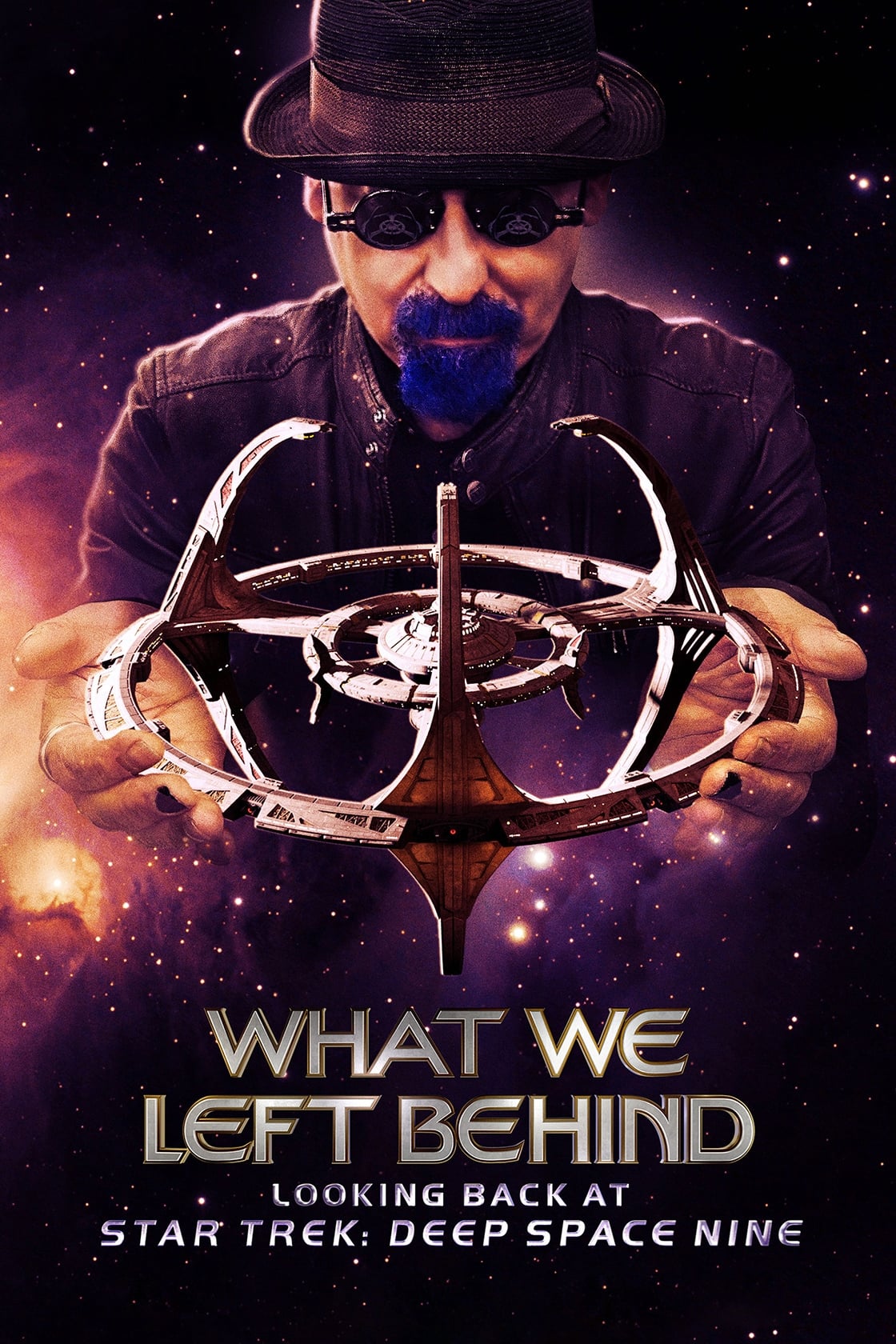
A documentary exploring the legacy of Star Trek: Deep Space Nine, the reasons it went from the black sheep of Star Trek to a beloved mainstay of the franchise, and a brainstorm with the original writers on what a theoretical eighth season of the show could look like.
A documentary detailing the epic Rogues' Gallery of DC Comics from The Joker and Lex Luthor, Sinestro, Darkseid and more, this documentary will explore the Super Villains of DC Comics.
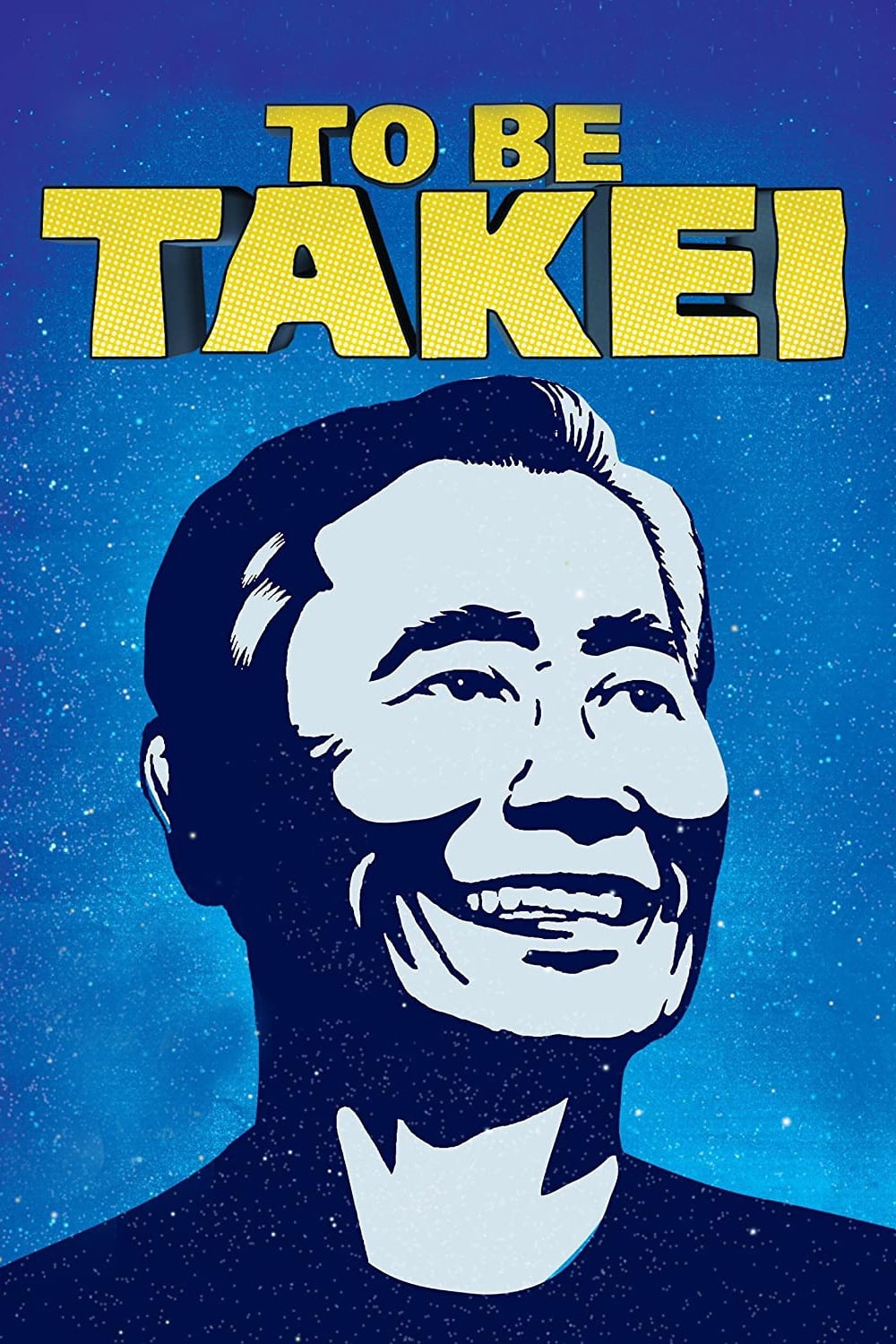
Over seven decades, actor and activist George Takei journeyed from a World War II internment camp to the helm of the Starship Enterprise, and then to the daily news feeds of five million Facebook fans. Join George and his husband, Brad, on a wacky and profound trek for life, liberty, and love.
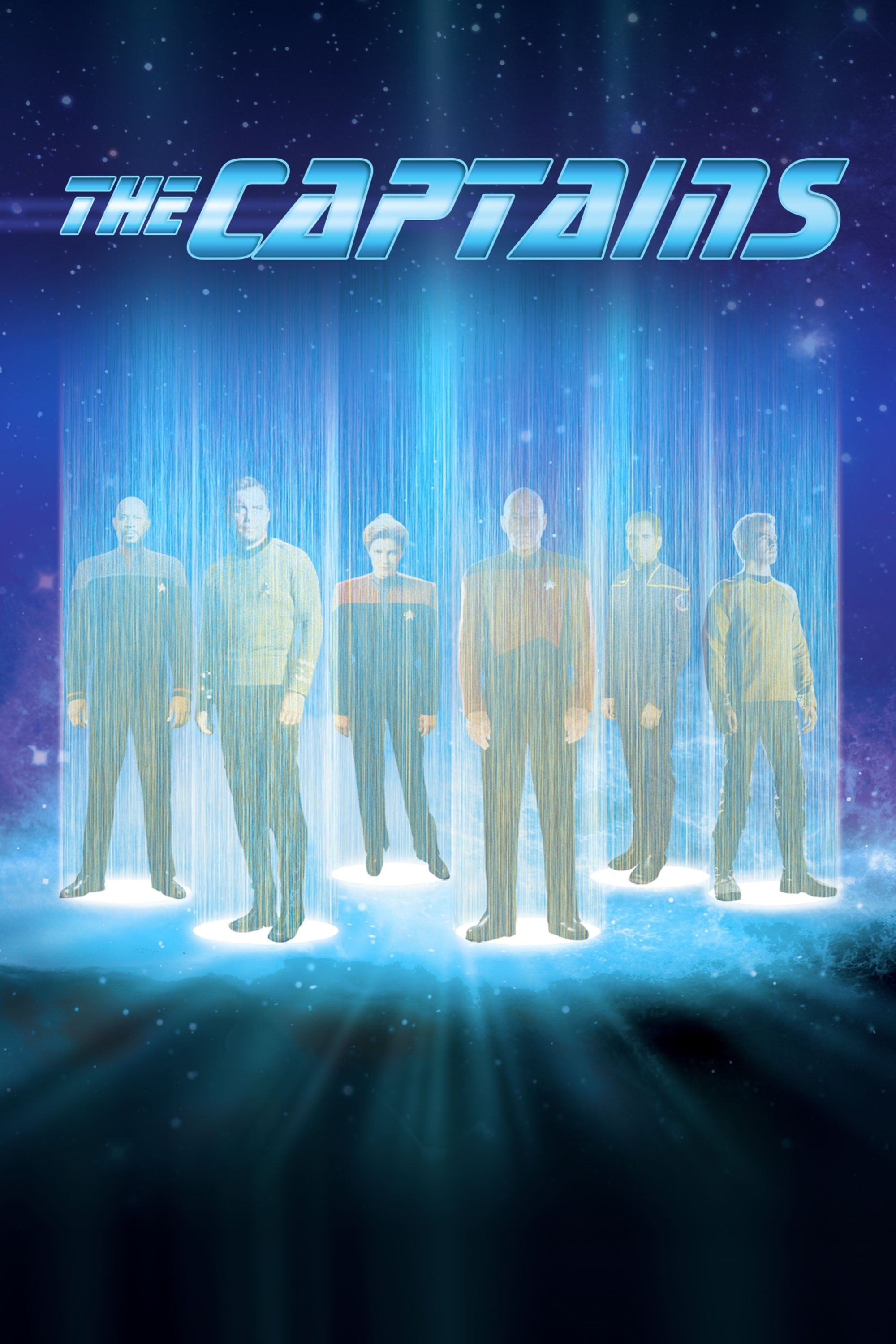
The Captains is a feature-length documentary film written and directed by William Shatner. The film follows Shatner as he interviews the other actors who have portrayed starship captains in the Star Trek franchise.