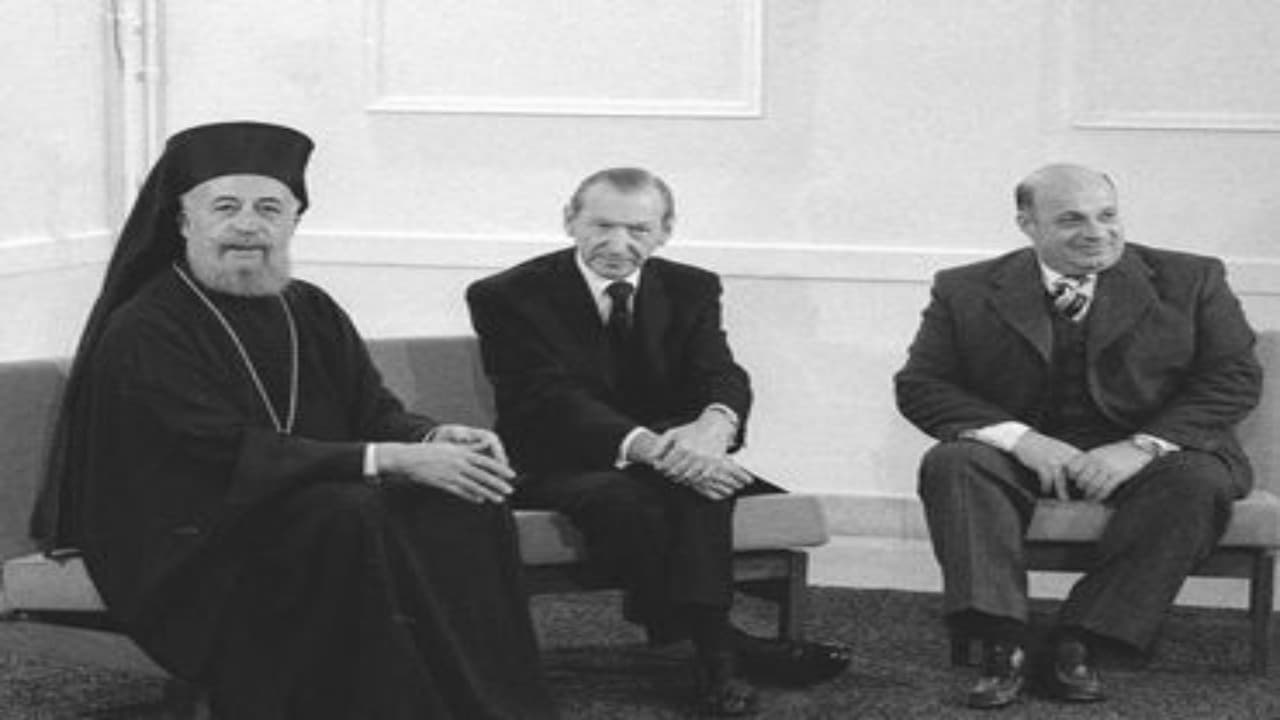
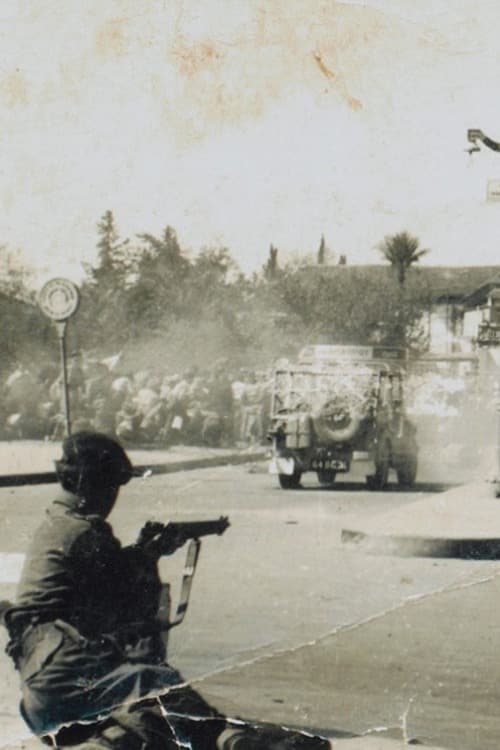
"Kıbrıs'ın 50 Yılı: Siyah beyaz umutlar"
32.Day, a news classic by Mehmet Ali Birand, is with you this time with the documentary 50 Years of Cyprus!
Social & External
Self-Narrator
Self
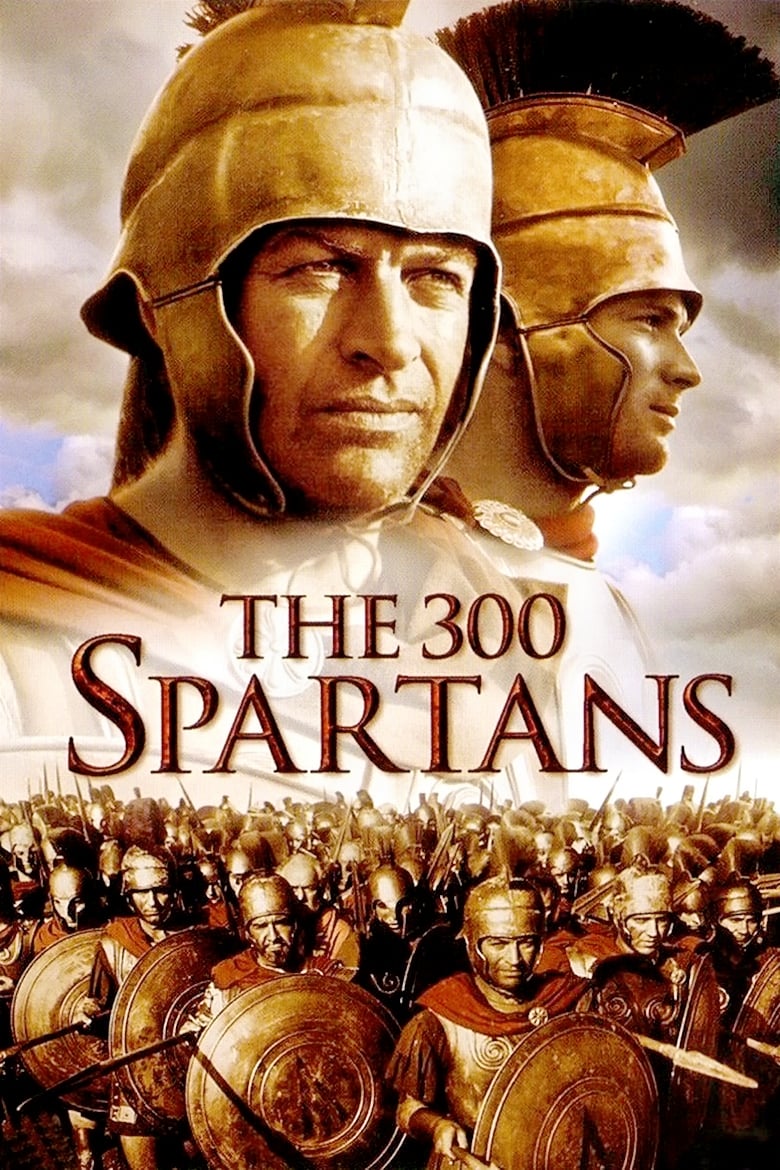
This is the true and astounding saga of the Spartans at Thermopylae. It is among the greatest tales of war ever recounted. All the glory and grit of these warriors' last stand is captured in this exceptional documentary. It is almost impossible to understand how 300 Spartans managed to hold off the million-man Persian army for even a moment, much less seven days. To a man they paid with their lives but their stunning Last Stand assured that their sacrifice would resonate throughout history. Transporting dramatizations and incisive graphics put you in the heat of the battle and show the lay of the land. The complications and strategies of the conflict are revealed through careful analysis, and critical moments are reconstructed to show exactly what happened. Discover what the Spartans were fighting for, what made them capable of such heroics and what drove them to such sacrifice.
The 300 Spartans is an account of the 480 B.C. Battle of Thermopylae, in which the Greek Spartan King Leonidis, played by Richard Egan, led a remarkably small number of Greek Sparta to victory over an invading Persian army led by evil King Xerxes that was thought to number over 25,000. This spectacular conflict gave the Grecians enough time to organize a force to ultimately repel the Persians, and thus change the course of Western civilization.

An intimate look into the life of composer Mikis Theodorakis from 1987 until 2017: comprising three decades, four continents, 100 locations and 600 hours of film material. The film interweaves personal moments with archive footage, documentary recordings and fictional pieces, all accompanied by Theodorakis’ music in jazz, classic, electro and rap versions.
Turkish and Greek islanders talk about their losses and their experience of shifting residences across to the north and to the south post-1974. In this Turkish and Greek Cypriot joint production, Zaim and Chrysanthou deal with extremely sensitive socio-historical material successfully.
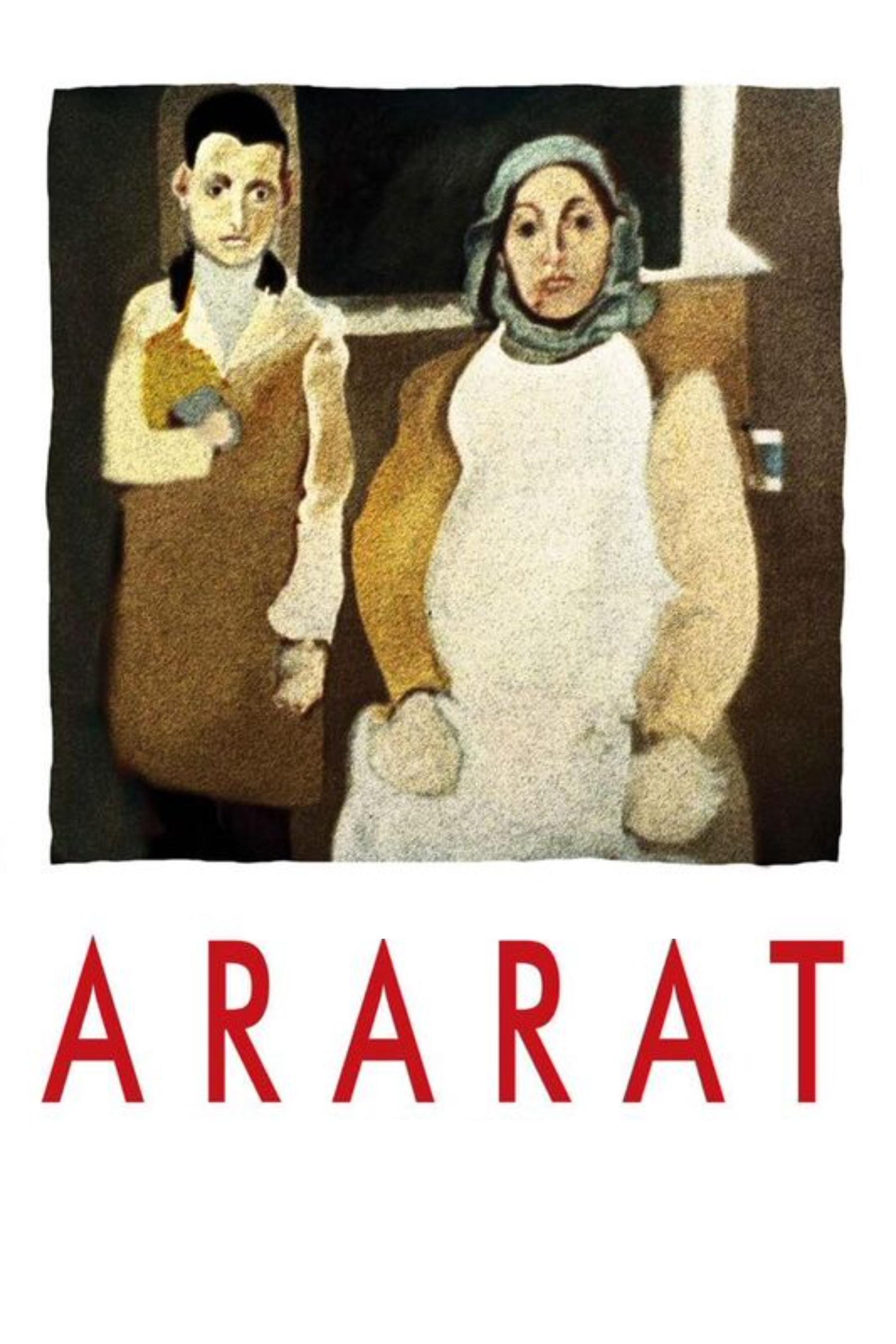
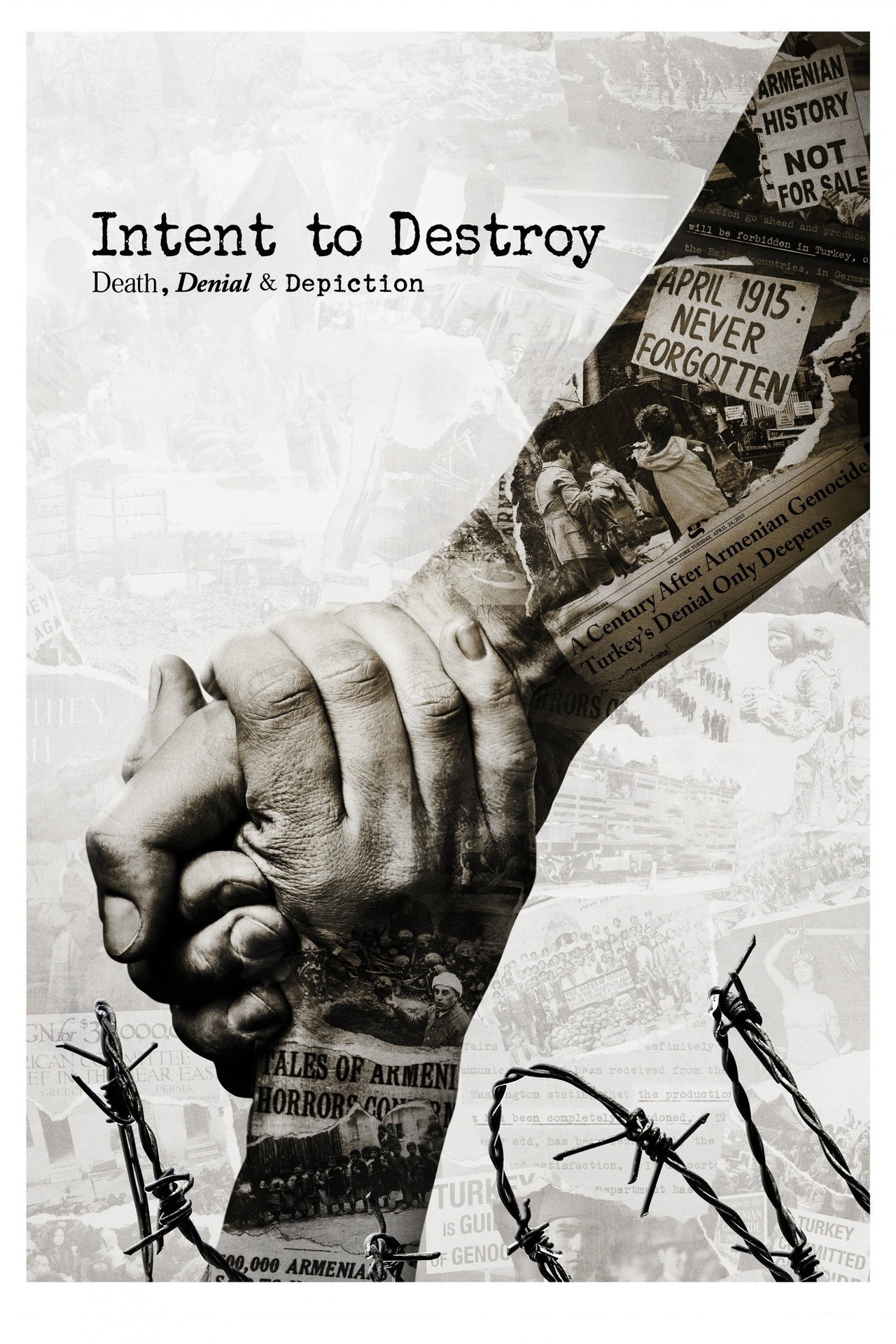
Interrogated by a customs officer, a young man recounts how his life was changed during the making of a film about the Armenian genocide.
A journey through Greece and Europe’s past and recent history: from the Second World War to the current crisis. It is a historical documentary, a look into many stories. «If Democracy can be destroyed in Greece, it can be destroyed throughout Europe» Paul Craig Roberts
A small task force of the Turkish army have to defend a relay station in the middle of nowhere against a possible terrorist raid.
In the early 70s Greek cinema entered in a period of crisis. One of its aspects was said "crisis of issues" and one of the exits heard in the name "erotic cinema". The genre was already acquaintance from the abundance of foreigner films, that was distributed in the grindhouses under the "adults only" motto and its Greek version had a lot of variants.
Alexander, the King of Macedonia, leads his legions against the giant Persian Empire. After defeating the Persians, he leads his army across the then known world, venturing farther than any westerner had ever gone, all the way to India.
The Lark Farm is set in a small Turkish town in 1915. It deals with the genocide of Armenians, looking closely at the fortunes, or rather, misfortunes of one wealthy Armenian family.
During the World War II, the prisoners of a German camp in a Greek island are trying to escape. They not only want their freedom, but also seek an ineffable treasure hidden in a monastery at the summit of the island's mountain.
Produced by the Fox Movietone News arm of Fox Film Corporation and based on the book by Lawrence Stallings, this expanded newsreel, using stock-and-archive footage, tells the story of World War I from inception to conclusion. Alternating with scenes of trench warfare and intimate glimpses of European royalty at home, and scenes of conflict at sea combined with sequences of films from the secret archives of many of the involved nations.
The popular resistance to the current Greek economic crisis explored and expressed through the ethical and political writings of Ancient Greece.
During the Sarikamis Battle, the Ottoman army runs out of ammunition and appeals to the people of Van for help, who happen to have supplies. However, the First World War is on and all men are fighting at four corners of the empire and therefore can not respond to to the appeal. The young children of Van want to do something...
Though both the historical and modern-day persecution of Armenians and other Christians is relatively uncovered in the mainstream media and not on the radar of many average Americans, it is a subject that has gotten far more attention in recent years.
Two Australian sprinters face the brutal realities of war when they are sent to fight in the Gallipoli campaign in the Ottoman Empire during World War I.
The story of three Turkish men. They all grew up in Switzerland and all got deported after various criminal offenses.
A traveling theatre troupe tours the Greek countryside from 1939 to the early 1950s, staging “Golfo the Shepherdess”. As the years pass, its members endure persecution, betrayal, executions, and exile. Their personal stories become entangled with the country’s major historical events, in a seemingly endless cycle of violence and loss.
In Warsaw in 1980, the Communist Party sends disgruntled radio reporter Winkel to Gdańsk to dig up dirt on the shipyard strikers - particularly on Maciek Tomczyk, an independent labour union leader whose father was killed in the December 1970 protests. Posing as sympathetic, Winkel interviews the people surrounding Tomczyk, including his detained wife, Agnieszka.
Romm pulls out all the stops in its selection of documentary material to draw the viewer not only into absolute horror about fascism and nazism in the 1920s–1940s Europe, but also to a firm conviction that nothing of the sort should be allowed to happen again anywhere in the world.
Prelude to War was the first film of Frank Capra's Why We Fight propaganda film series, commissioned by the Pentagon and George C. Marshall. It was made to convince American troops of the necessity of combating the Axis Powers during World War II. This film examines the differences between democratic and fascist states.
This documentary movie is about the battle of San Pietro, a small village in Italy. Over 1,100 US soldiers were killed while trying to take this location, that blocked the way for the Allied forces from the Germans. Preserved by the Academy Film Archive in 2005.
With unprecedented access, this documentary follows the extraordinary journey of “Raqqa is Being Slaughtered Silently”—a group of anonymous citizen journalists who banded together after their homeland was overtaken by ISIS—as they risk their lives to stand up against one of the greatest evils in the world today.
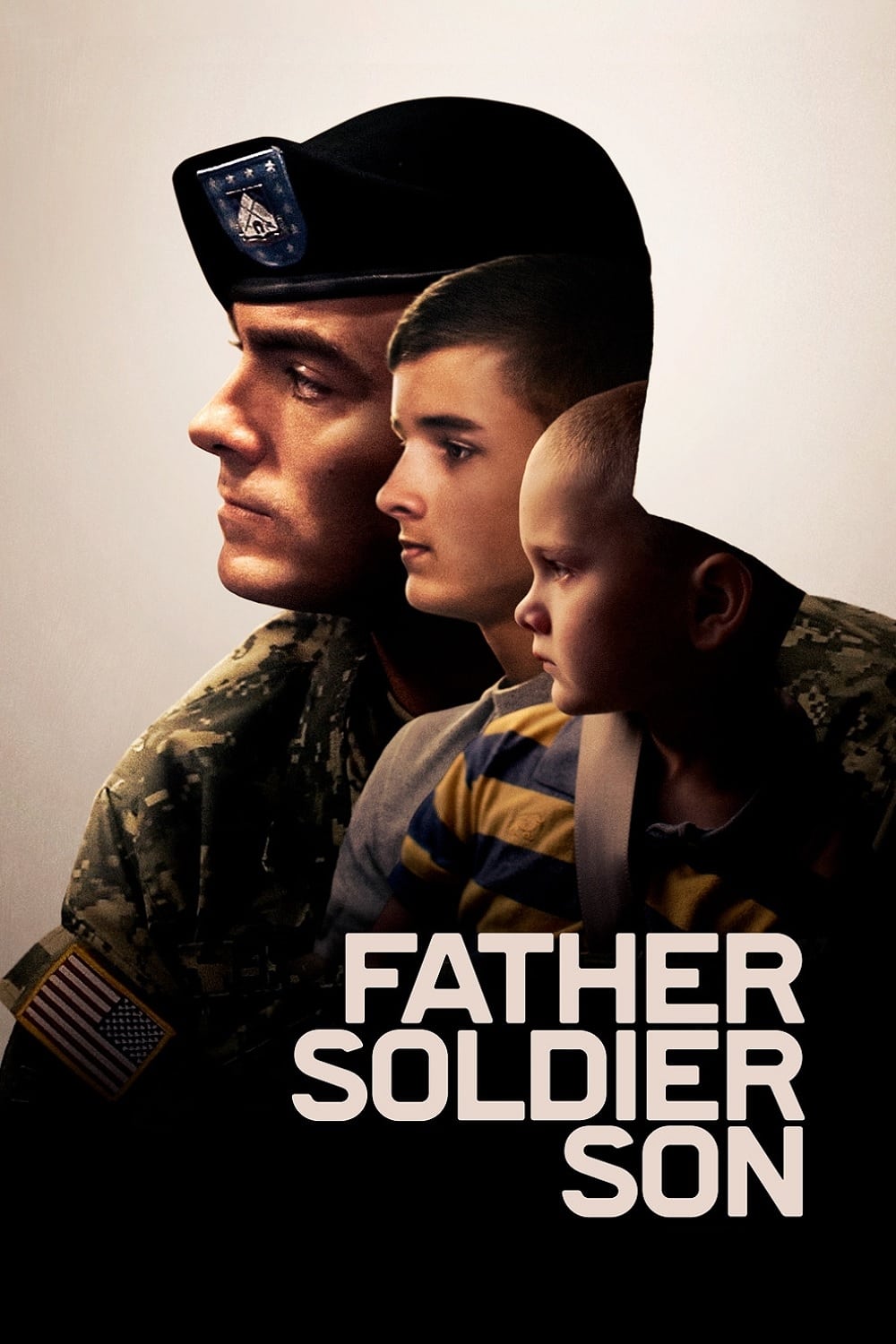
When Sgt. First Class Brian Eisch is critically wounded in Afghanistan, it sets him and his sons on a journey of love, loss, redemption and legacy.
Pete Postlethwaite stars as a man living alone in the devastated future world of 2055, looking at old footage from 2008 and asking: why didn’t we stop climate change when we had the chance?
Produced and presented as evidence at the Nuremberg war crimes trial of Hermann Göring and twenty other Nazi leaders, this film consists primarily of dead and surviving prisoners and of facilities used to kill and torture during the World War II.
A WWII veteran escapes his care home in Northern Ireland and embarks on an arduous but inspirational journey to France to attend the 75th anniversary of the D-Day landings, finding the courage to face the ghosts of his past.
A love letter from a young mother to her daughter, the film tells the story of Waad al-Kateab’s life through five years of the uprising in Aleppo, Syria as she falls in love, gets married and gives birth to Sama, all while cataclysmic conflict rises around her. Her camera captures incredible stories of loss, laughter and survival as Waad wrestles with an impossible choice– whether or not to flee the city to protect her daughter’s life, when leaving means abandoning the struggle for freedom for which she has already sacrificed so much.
A short two-minute rumination on the once volatile situation during the period of the Bosnian War presented in the form of a photo-montage with accompanying text.
A Russian military propaganda film about the tank commander Kalashnikov, severely injured in battle in 1941. The accident leaves him incapacitated and unable to return to the front line. While recovering in the hospital, he begins creating the initial sketches of what will become one of the world’s most legendary weapons. A self-taught inventor is only 29 when he develops the now iconic assault riffle — the AK-47. Shot in occupied Crimea.
The film is based on the true story about a Soviet KV-1 crew of a Soviet KV-1 tank, under the command of Semyon Konovalov , whom despite being heavily outnumbered by German forces, destroyed 16 tanks, 2 armored vehicles and 8 other enemy vehicles at the village of Nizhnemytyakin, Tarasovsky district, Rostov region on July 13th, 1942.
As daily airstrikes pound civilian targets in Syria, a group of indomitable first responders risk their lives to rescue victims from the rubble.
Korengal picks up where Restrepo left off; the same men, the same valley, the same commanders, but a very different look at the experience of war.
The strange story of John McAfee, who went from millionaire software mogul to yogi, Kurtz-like jungle recluse to potential murderer, and most recently a prospective presidential candidate for the American Libertarian Party.
Based on Érico Verissimo's literary trilogy, Time and the Wind follows 150 years of the Terra Cambará family and their opponents, the Amaral family. The struggles between the two families begin in the missions and lasts until the end of the 19th century. The film also features the period of formation of the state of Rio Grande do Sul and the dispute of territory between the Portuguese and Spanish crowns.
Former United States Secretary of Defense, Donald Rumsfeld, discusses his career in Washington D.C. from his days as a congressman in the early 1960s to planning the invasion of Iraq in 2003.
Director Michael Apted revisits the same group of British-born adults after a 7 year wait. The subjects are interviewed as to the changes that have occurred in their lives during the last seven years.