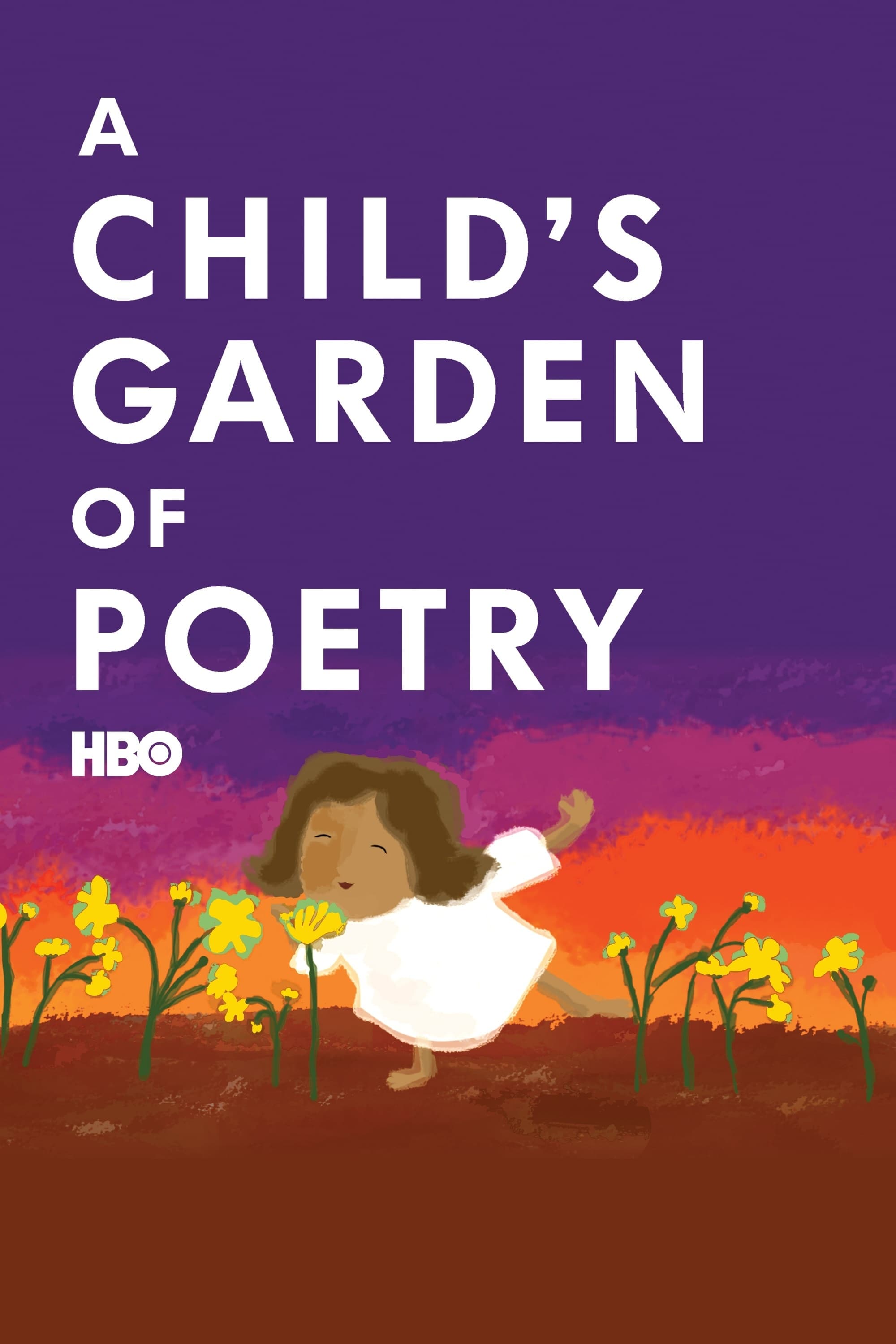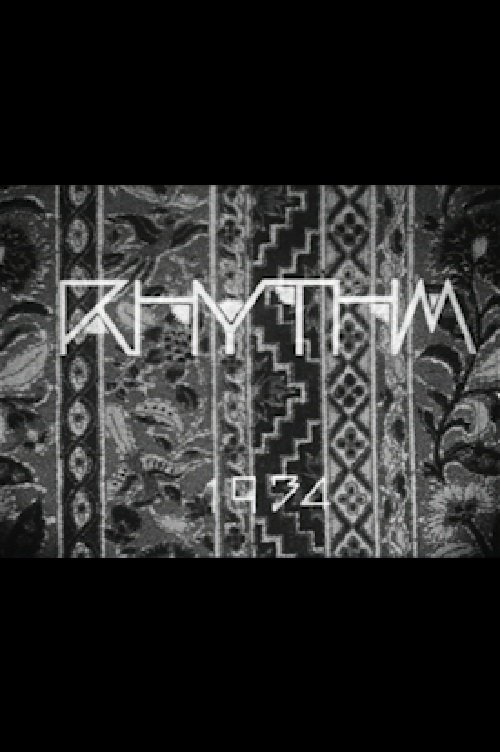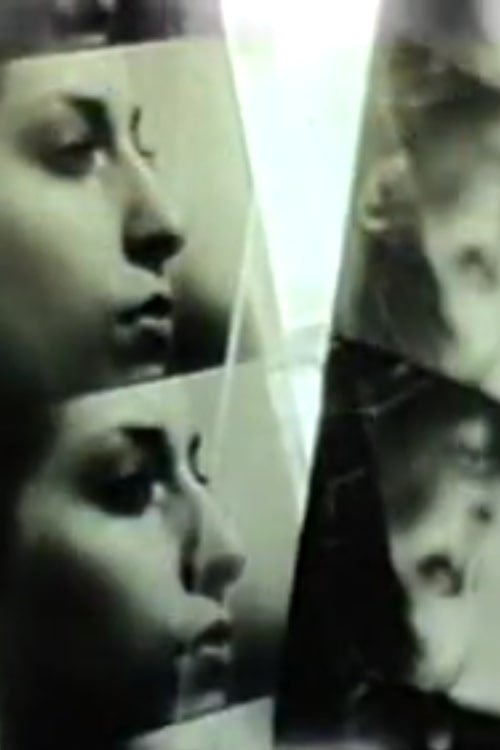
A collage of images and voices of women poets that succeeds brilliantly, both as a tribute to the women whose words are borrowed and as an original videopoem.
Social & External
In a lush and lively forest lives a hedgehog. He is at once admired, respected and envied by the other animals. However, Hedgehog’s unwavering devotion to his home annoys and mystifies a quartet of insatiable beasts: a cunning fox, an angry wolf, a gluttonous bear and a muddy boar. Together, the haughty brutes march off towards Hedgehog’s home to see just what is so precious about this “castle, shiny and huge.” What they find amazes them and sparks a tense and prickly standoff.
Poems by some of the greatest writers of all time are brought to life through lyrical animation and readings by some of today’s most respected performers.
Impressions about fighting the passing of time, living in a constant hurry and the uphill battle of finding the natural tempo to life itself.
A spring night is a poetic film which is based on the motives of the poem by V. Lugovsky. The film is devoted to the theme of fidelity to the battle traditions of revolutionary past, to the theme of human happiness the sense of it in the battle for high ideals.
In a certain fishing village, a memorial service is held to burn abandoned boats, and old fishing boats that have finished their duty have a dream on the verge of death. Deep-sea fish galloping through the alleys, fishermen pulling long ropes, ghosts of screaming girls...
Six poems written by six young prisoners animated to tell their stories, thoughts, fears and hopes.
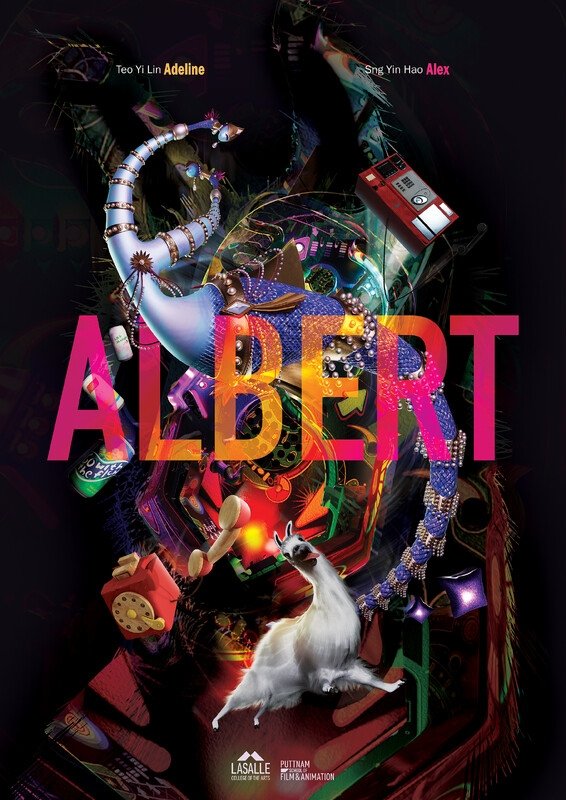
In a gargantuan city lurking in the sky, powerful immortals who have become jaded with eternal life. Most of their time is spent monotonously constructing bizarre and unusual objects while waiting for the ultimate gift to arrive.
Loose impressionistic brushstrokes sketch a series of portraits of two faces, one male and one female, while the verse on the soundtrack tells the tale of both one and a thousand relationships.
The Hypergaussian Wars is an AI-generated feature-length audiovisual work exploring algorithmic warfare, obsolete media and the transformation of images through repetition, saturation and collapse. Built from thousands of generated images, synthetic landscapes and references to 14th–16th century painting, the film stages a continuous conflict between historical visual culture and contemporary computational systems. Fragments of obsolete video games, ruined architectures, military simulations and post-human figures circulate through increasingly unstable environments. Rather than telling a linear story, the film operates as an image system in which visual excess progressively erodes meaning. The Hypergaussian Wars reflects on memory, obsolescence, artificial intelligence and the persistence of images after their original function has disappeared.
In this mesmerizing experimental film, a Stephen King television movie is compressed and transformed through hypnotic black and white collage animation that meticulously reconstructs and reshapes its supernatural drama to an eerie and profound effect.
X-ray images were invented in 1895, the same year in which the Lumière brothers presented their respective invention in what today is considered to be the first cinema screening. Thus, both cinema and radiography fall within the scopic regime inaugurated by modernity. The use of X-rays on two sculptures from the Bilbao Fine Arts Museum generates images that reveal certain elements of them that would otherwise be invisible to our eyes. These images, despite being generally created for technical or scientific purposes, seem to produce a certain form of 'photogénie': they lend the radiographed objects a new appearance that lies somewhere between the material and the ethereal, endowing them with a vaporous and spectral quality. It is not by chance that physics and phantasmagoria share the term 'spectrum' in their vocabulary.
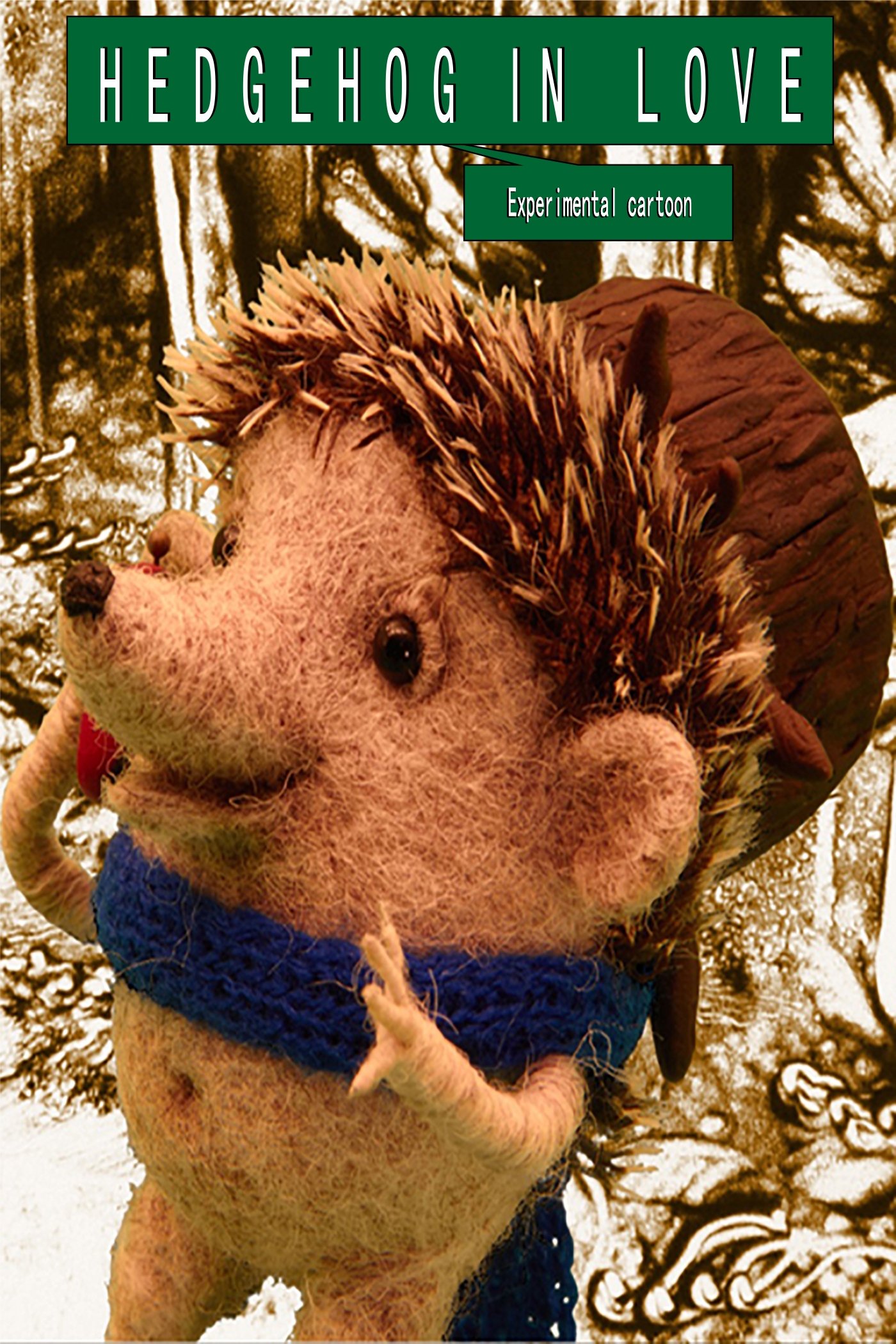
Experimental cartoon which unites various techniques: puppets, sand & water (ebru) animations. About friendship, love and necessity to pay attention not only to the visual appeal.
A cellist attempts to rescue a woman swept out to sea, only to find he must battle a series of overly possesive sea creatures.
A corridor of an apartment is transformed into a claustrophobic and vertiginous vortex that swallows and imprisons you in an infinite fall through a mise en abyme: it’s a pure enclosure inside the image world, it’s the Descent into the Maelstrom.
The second essay about still dominant dark aspects of our modern society. It is conceived as a surreal anti-patriarchal thought experiment and raises important questions about gender, power, and social change, prompting us to reflect on how historical patterns of discrimination and oppression might be either repeated or overcome in a reversed gendered world. It challenges the viewer to confront their own assumptions and biases, and to consider the possibilities of a more equitable society.
The third film of the biographical cycle based on Pushkin's drawings and texts.
The sarcastic account of the assassination of five Spanish politicians between 1870 and 1973 is mixed with the narration of five short stories by Edgar Allan Poe illustrated by five skillful pencil artists. A documentary, a video essay, a collage, a provocative experiment where various pop culture figures and icons perform unexpected cameos. The macabre joke of a jester. Never more.
A diary of a boy grappling with identity, love and belonging while exploring our fragile journey through a chaotic world.
The experimental animated film Song of the Flies (El Canto de las Moscas), translates the desolation caused by the violence of the Colombian armed conflict through the poetic voice of Maria Mercedes Carranza (1945–2003) and the audiovisual dialogue between 9 Colombian women. In 24 places, as a transit over the course of a day (Morning, Day, Night) a map of terror is drawn where massacres took place in Colombia in the 1990s. Archival images, the artists’ personal memories and the use of loops and analogue materials bring to life the landscapes ravaged by violence and build a polyphony of memory and mourning, a universal song of pain.
Against a plain, unchanging blue screen, a densely interwoven soundtrack of voices, sound effects and music attempt to convey a portrait of Derek Jarman's experiences with AIDS, both literally and allegorically, together with an exploration of the meanings associated with the colour blue.
Short film to a song of love lost and rediscovered, a woman sees and undergoes surreal transformations. Her lover's face melts off, she dons a dress from the shadow of a bell and becomes a dandelion, ants crawl out of a hand and become Frenchmen riding bicycles. Not to mention the turtles with faces on their backs that collide to form a ballerina, or the bizarre baseball game.
A visual montage portrait of our contemporary world dominated by globalized technology and violence.
Four tales unfold in Wes Anderson's anthology of short films adapted from Roald Dahl's beloved stories, "The Wonderful Story of Henry Sugar", "The Swan", "The Rat Catcher", and "Poison."
Using the book 'Fragments', which collects Marilyn Monroe's poems, notes and letters, and with participation from the Arthur Miller and Truman Capote estates who have contributed more material, each of the actresses will embody the legend at various stages in her life.
A compilation of over 30 years of private home movie footage shot by Lithuanian-American avant-garde director Jonas Mekas, assembled by Mekas "purely by chance", without concern for chronological order.
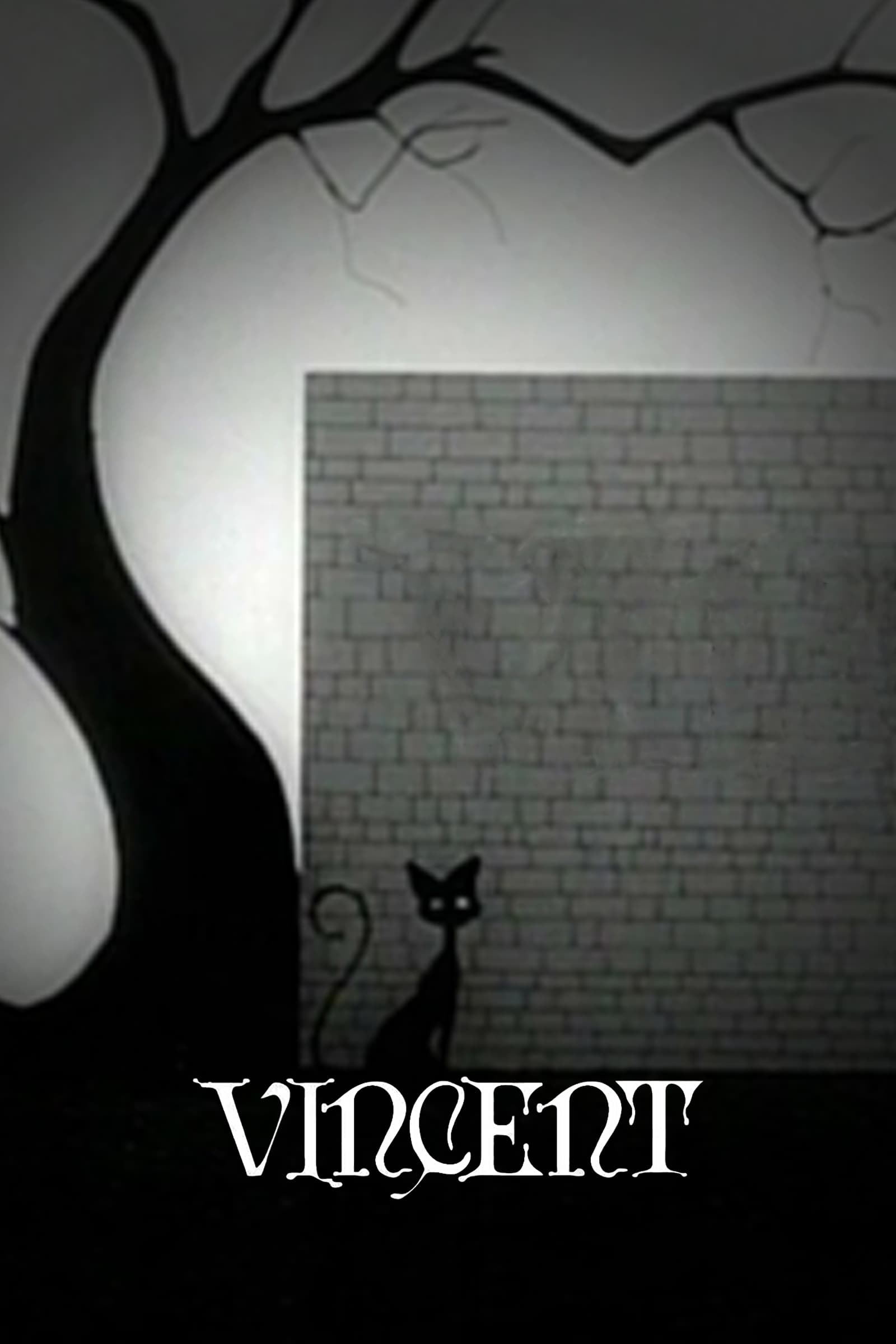
Young Vincent Malloy dreams of being just like Vincent Price and loses himself in macabre daydreams that annoy his mother.
Three sleepy babies in a clog-boat sailing through the night sky attempt to fish with candy canes for very smart fish.
Home movies, photographs, and recited poetry illustrate the life of Tupac Shakur, one of the most beloved, revolutionary, and volatile hip-hop MCs of all time.
Across different eras, a poor family, an anxious developer and a fed-up landlady become tied to the same mysterious house in this animated dark comedy.
The Making-of James Cameron's Avatar. It shows interesting parts of the work on the set.
In stop-motion animation, a wardrobe moves through the countryside. It arrives in a house, a child's voice recites Lewis Carroll's "Jabberwocky," and various objects, such as toys and dolls, move about, disintegrate, and play out archetypal scenes. Like Carroll's verse, the images are at once familiar and unfamiliar. A child's play suit, hanging in the wardrobe, becomes the adventure's protagonist.
Nine filmmakers each profile a young girl from a different part of the world to weave a global tapestry of youth in the 21st century.
A documentary filmmaker interviews the now-famous Trevor Slattery from behind bars.
A nameless drifter navigates a barren landscape punctuated by satellite dishes, radio towers and droning airplanes. Stopping periodically in anonymous hotel rooms, she makes attempts to connect to an unidentified second party.
A white dropout struggles to become a cartoonist and filmmaker, drawing inspiration from the harsh, gritty world around him. Still sharing his rundown apartment with his middle-aged parents, an oafish slob of an Italian father and a ditzy nutcase of a Jewish mother, he's ridiculed and looked down upon by his friends, hypocrites who run with violent gangs and the Italian Mafia, and a shallow Black girl who makes her living downtown with the pimps and pushers. The cartoonist gets a chance to pitch a film idea to a movie mogul, but the story proves too outrageous: a far-future Earth, depleted by war and pollution, where a mutant antihero challenges and kills God.
Daniel Craig candidly reflects on his 15 year adventure as James Bond. Including never-before-seen archival footage from Casino Royale to the upcoming 25th film No Time To Die, Craig shares his personal memories in conversation with 007 producers, Michael G Wilson and Barbara Broccoli.
An intimately raw and magical journey through the life, mind, and heart of iconic artist Frida Kahlo. Told through her own words for the very first time — drawn from her diary, revealing letters, essays, and print interviews — and brought vividly to life by lyrical animation inspired by her unforgettable artwork.
Offbeat documentarian Chris Smith provides a behind-the-scenes look at how Jim Carrey adopted the persona of idiosyncratic comedian Andy Kaufman on the set of Man on the Moon.
In Manhattan's Central Park, a film crew directed by William Greaves is shooting a screen test with various pairs of actors. It's a confrontation between a couple: he demands to know what's wrong, she challenges his sexual orientation. Cameras shoot the exchange, and another camera records Greaves and his crew. Sometimes we watch the crew discussing this scene, its language, and the process of making a movie. Is there such a thing as natural language? Are all things related to sex? The camera records distractions - a woman rides horseback past them; a garrulous homeless vet who sleeps in the park chats them up. What's the nature of making a movie?