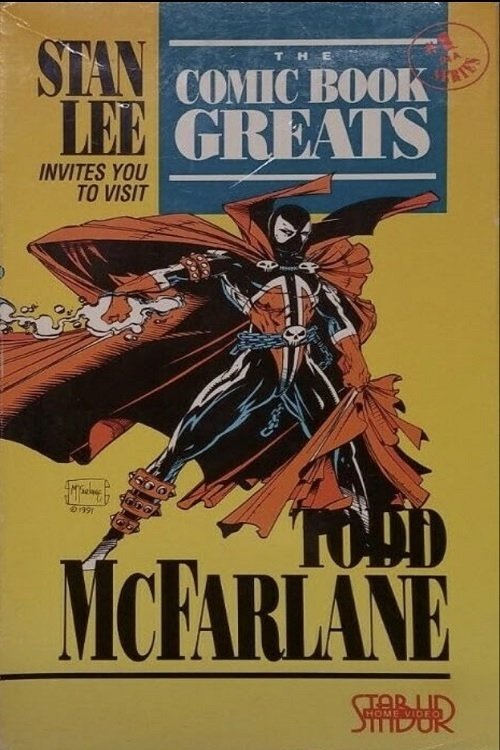
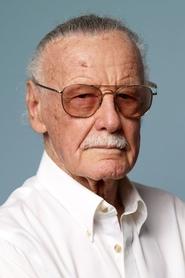
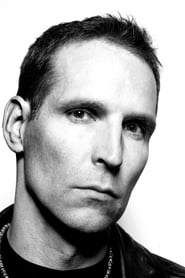
Stan Lee interviews Todd McFarlane
Social & External
The people behind it
Stan Lee
Self
Todd McFarlane
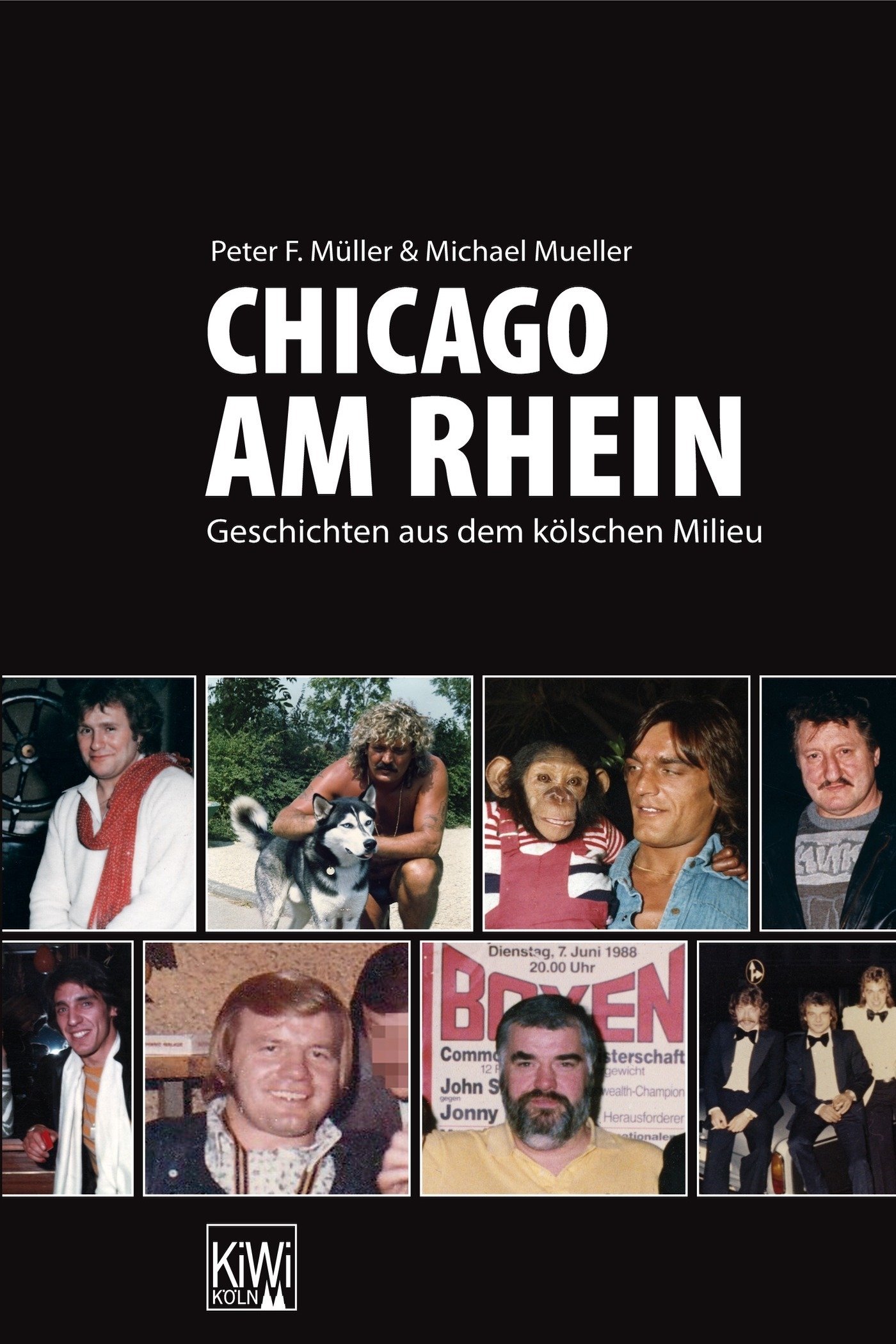
We were the milieu! Dummse Tünn, Schäfers Nas and Beckers Schmal, Abels Män, Frischse Pitter and the Lange Tünn ... Names that still have a ring to them in Cologne. Men who came to fame and fortune through their activities in Cologne's underworld and whose stories are brutal and evil, ice-cold and hard-boiled, but also naive, quirky and above all authentic. In the 1960s and 1970s, Cologne was dubbed "Chicago on the Rhine" by the tabloid press.
A look back at the 60s icon, girl-group pioneer and frontwoman of The Ronettes, Ronnie Spector, who was known for hits like Be My Baby and Walking in the Rain. This journey through the archives features Ronnie in her own words discussing her life and career through the years, as well as great performances in shows such as Later… with Jools Holland, David Essex, and The Old Grey Whistle Test - and not forgetting her most recent appearance on the Park Stage at Glastonbury Festival in 2016.
Working largely uncredited in the Hollywood system, storyboard artist Harold and film researcher Lillian left an indelible mark on classics by Alfred Hitchcock, Steven Spielberg, Mel Brooks, Stanley Kubrick, Roman Polanski and many more.
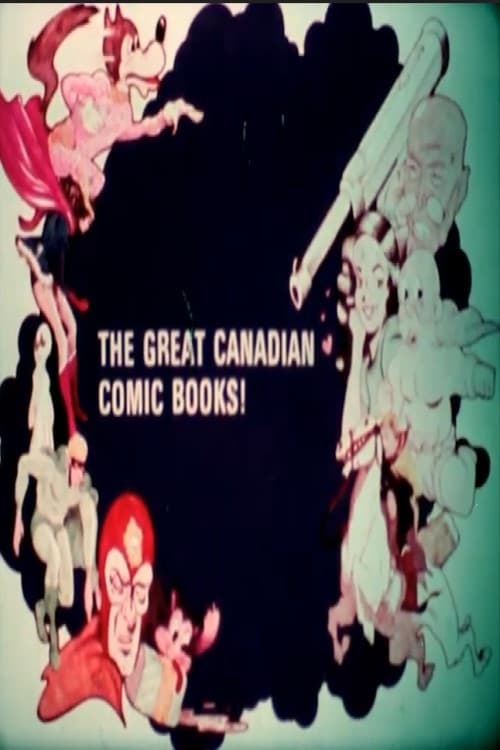
Film accompanying the book of the same name by Nelvana Enterprises founders Michael Hirsh and Patrick Loubert, with partner Clive Smith as designer and illustrator. It looks at the "Canadian Whites" series of comic books made during World War II, with some focus on Nelvana of the Northern Lights, the genre's first superheroine, and Johnny Canuck. It was accompanied by a two-year travelling tour of the art, the National Gallery of Canada's "Comic Art Traditions in Canada, 1941–45". This is Nelvana Enterprises' first film.
Take a deep dive into the fascinating creative journey of the beloved To Your Eternity series through exclusive statements from its manga and anime creators, including Oima Yoshitoki, Kiyoko Sayama, and more. With narration by Kenjiro Tsuda, this documentary features footage to illustrate the past arc to prepare the new adventure in the contemporary arc and beyond.
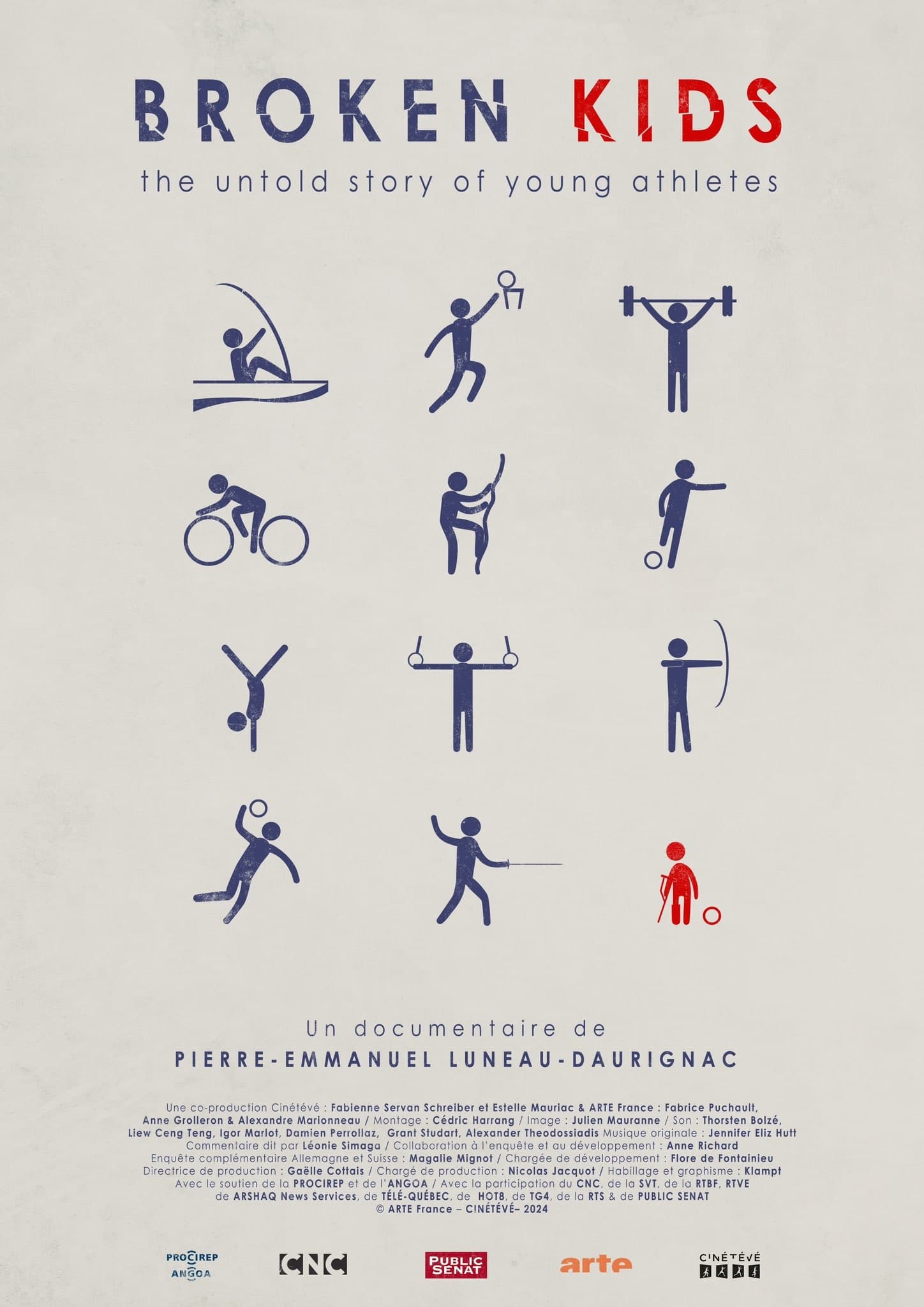
Recent scandals have revealed the brutal methods often imposed on young top athletes. Fueled by numerous testimonies, this damning investigation reveals the workings of a system which sacrifices children in the name of economic interests and glory.
Stan Lee interviews Rob Liefeld
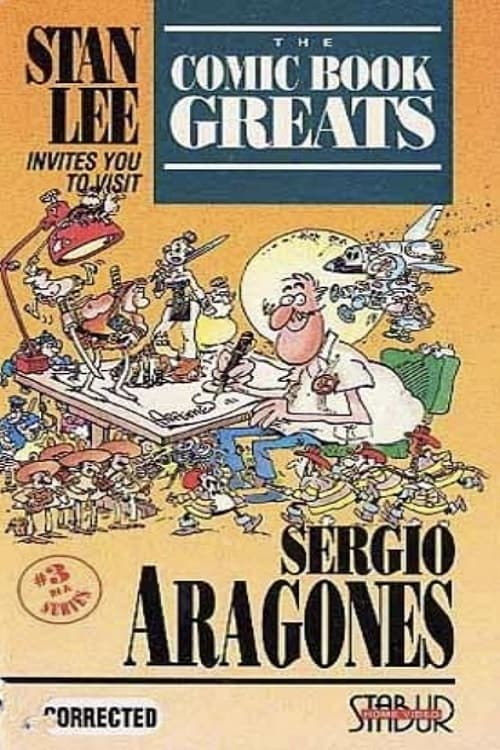
Stan Lee interviews Sergio Aragonés
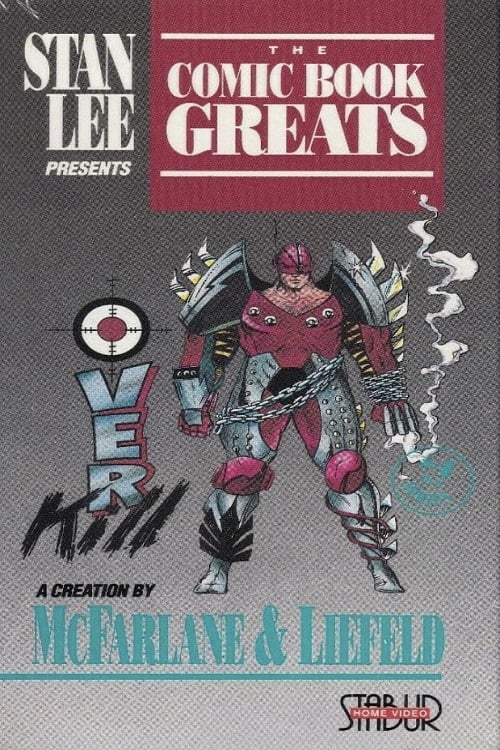
Rob Liefeld and Todd McFarlane create a new character.
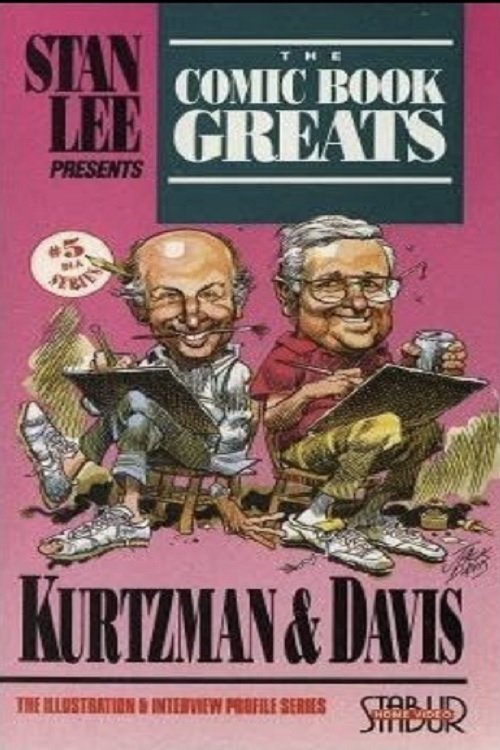
Stan Lee interviews Harvey Kurtzman and Jack Davis
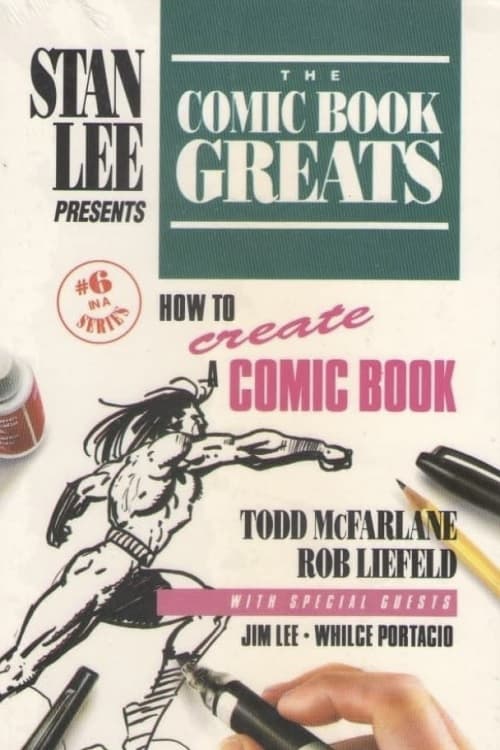
Todd McFarlane, Rob Liefeld, Jim Lee and Whilce Portacio show Stan Lee how to create a comic book.
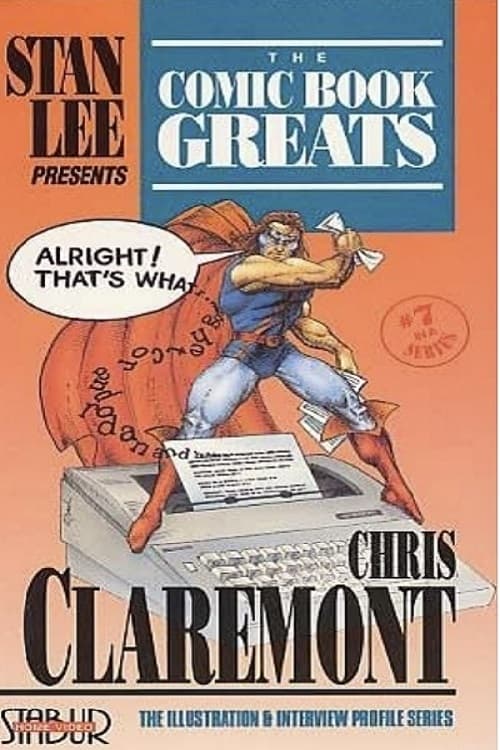
Stan Lee interviews Chris Claremont
Documentary produced for the 2013 Gaumont release of Michelangelo Antonioni's Identification of a Woman (1982), consisting of interviews with cast/crew members Enrica Antonioni, Andrea Crisanti, Renata Franceschi, and Tonino Guerra, as well as author Aldo Tassone.
A feature-length documentary focusing on the acclaimed work and eclectic career of maverick filmmaker Larry Cohen, writer-director of "Black Caesar," "It's Alive," "God Told Me To," "Q," "The Stuff," and many more.
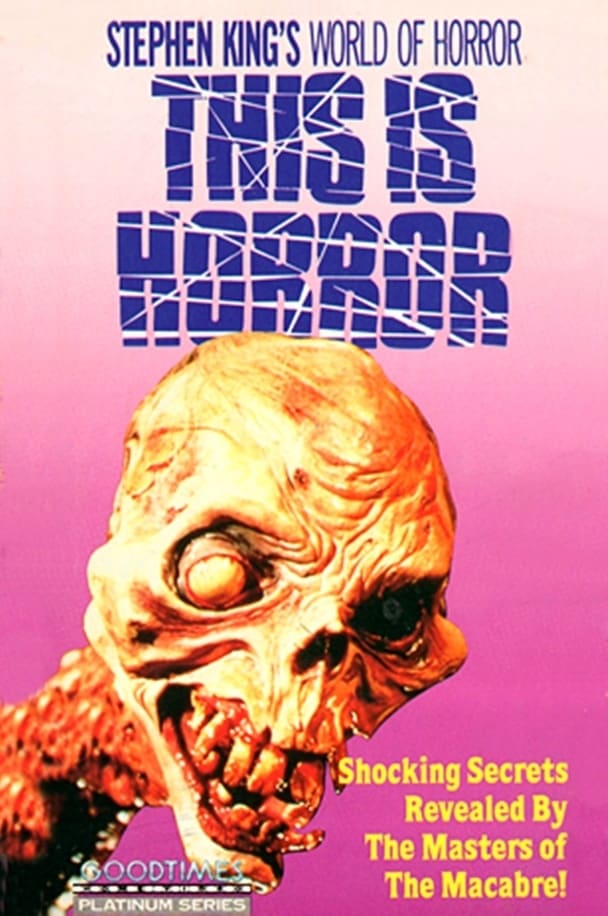
This horror documentary is not the same as the 1986 TV special Stephen King's World of Horror nor the 1988 VHS release of the same name, which runs 45 minutes, was distributed by Front Row Entertainment and is about King himself. Instead, This Is Horror (copyright 1989) was a TV special which ran in four 60 minute increments. This new special used some framing footage from the original 'World of Horror' but is primarily newer interviews and behind-the-scenes footage about what was hot in horror in the late 80s. Here in the U.S., a condensed 90-minute version made its way onto video courtesy of Goodtimes in 1990. Elsewhere, the entire special was released as 2 different tapes running 90 minutes apiece. In the UK these were titled This is Horror: A Video Encyclopedia of Horror (Volumes 1 and 2) and in Germany they were called Best of Stephen King's World of Horror (Parts 1 & 2).
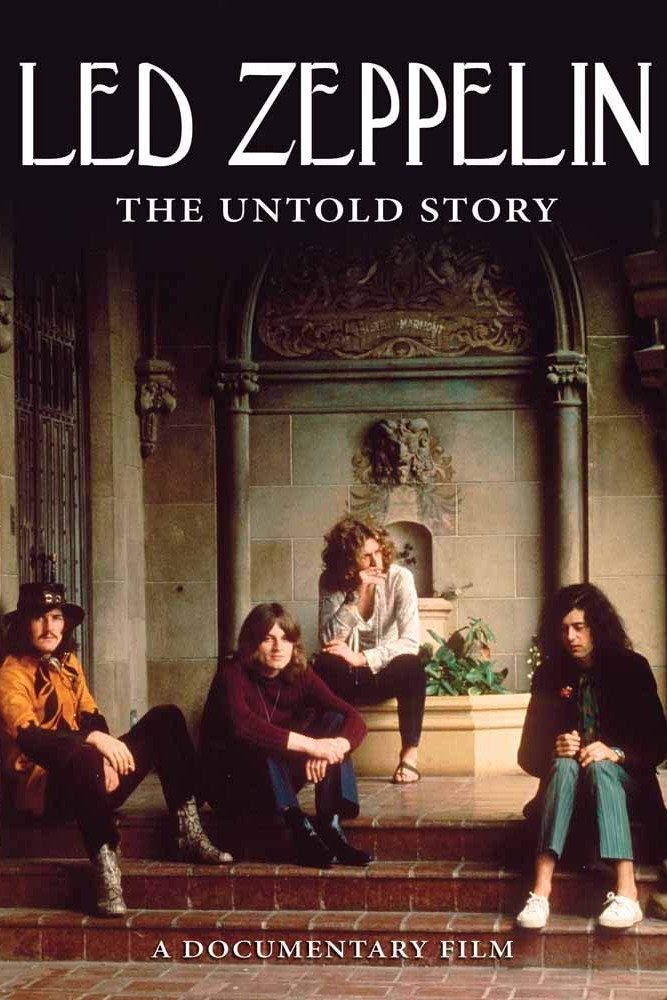
Led Zeppelin: The Untold Story reveals an often overlooked side of the saga. Using early performance footage, seldom seen interviews and previously unpublished photographs, as well as contributions from colleagues, friends, and associates who worked alongside the future members of Led Zeppelin, The Untold Story is finally made public.
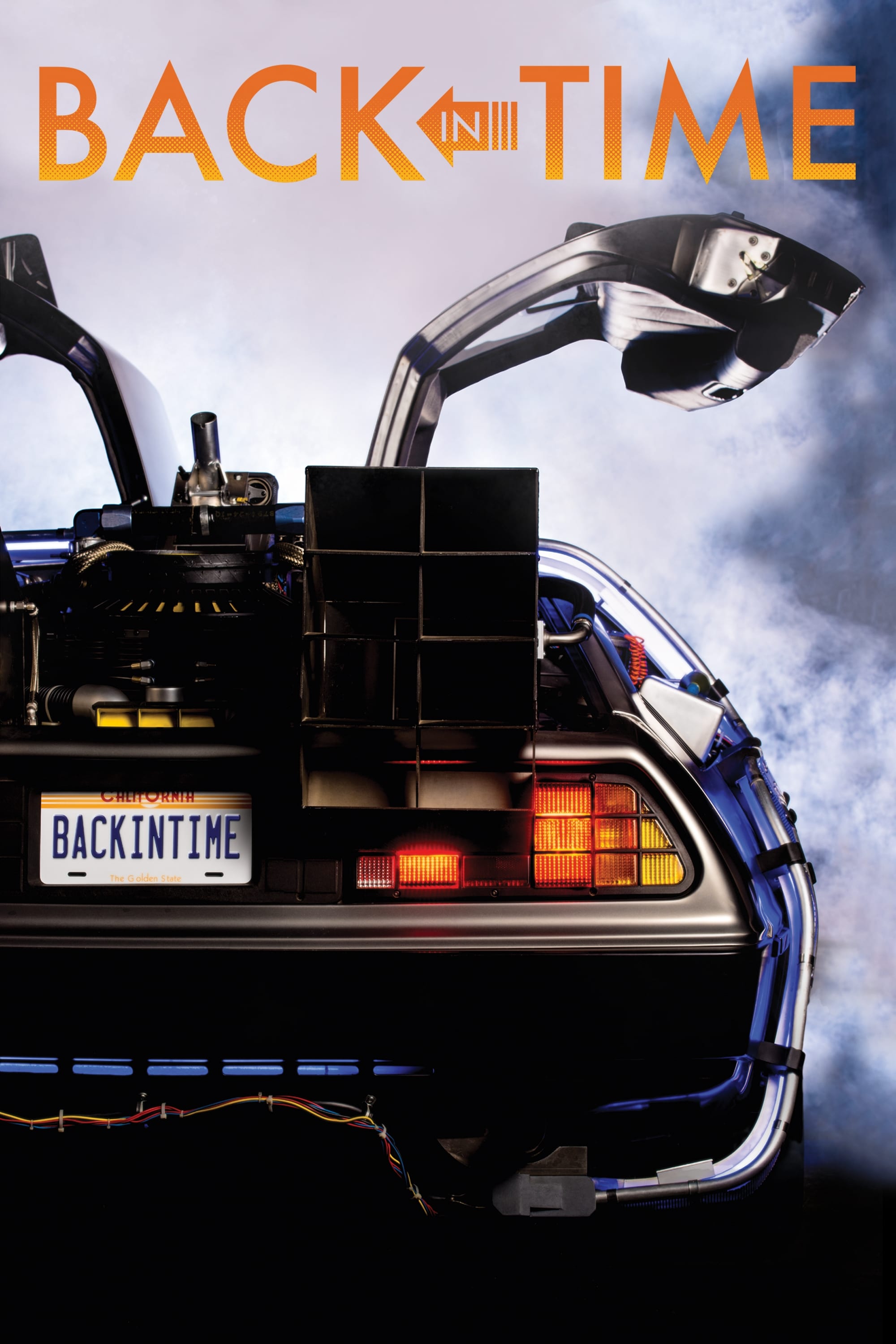
Cast, crew and fans explore the "Back to the Future" time-travel trilogy's resonance throughout our culture, thirty years after Marty McFly went back in time.
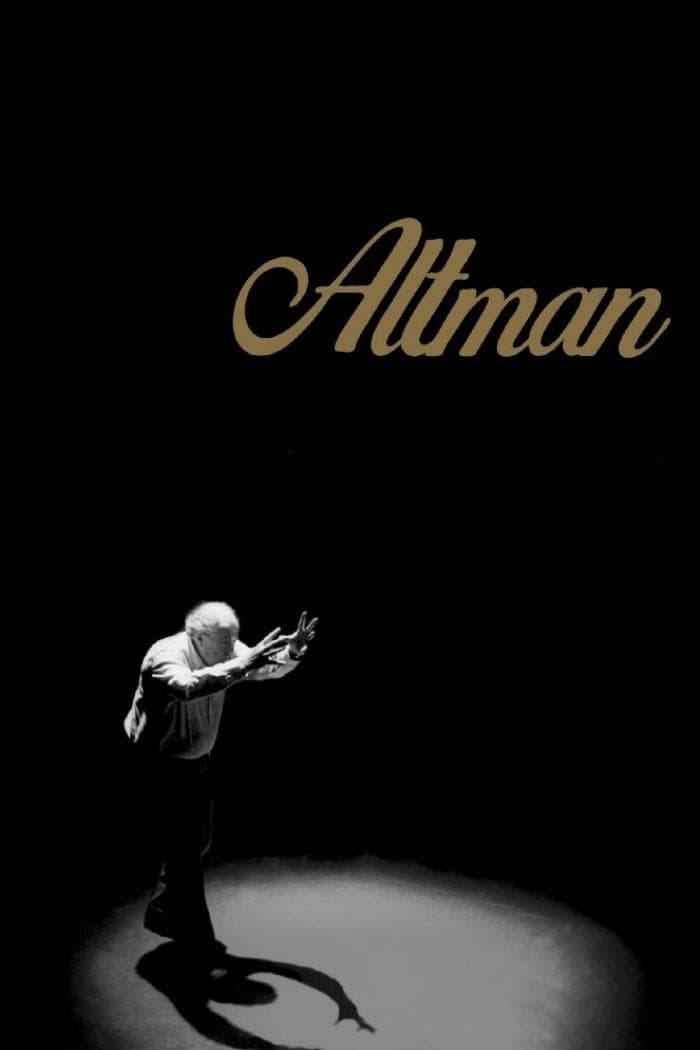
Robert Altman's life and career contained multitudes. This father of American independent cinema left an indelible mark, not merely on the evolution of his art form, but also on the western zeitgeist. With its use of rare interviews, representative film clips, archival images, and musings from his family and most recognizable collaborators, Altman is a dynamic and heartfelt mediation on an artist whose expression, passion and appetite knew few bounds.
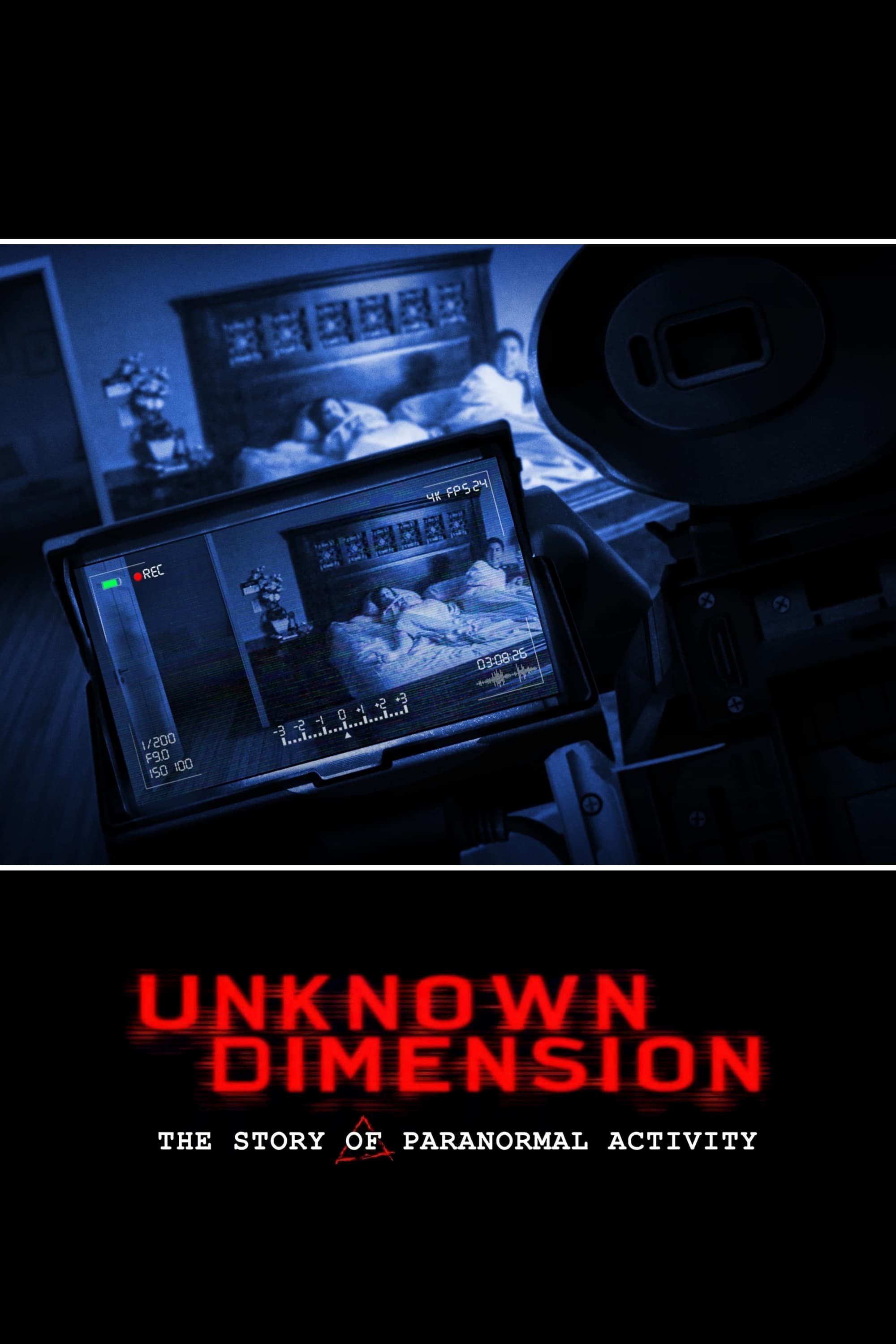
A deep dive into the making of the Paranormal Activity films with first time ever interviews with cast and crew, never-before-seen footage from the movies, and a preview of the seventh installment in the franchise.
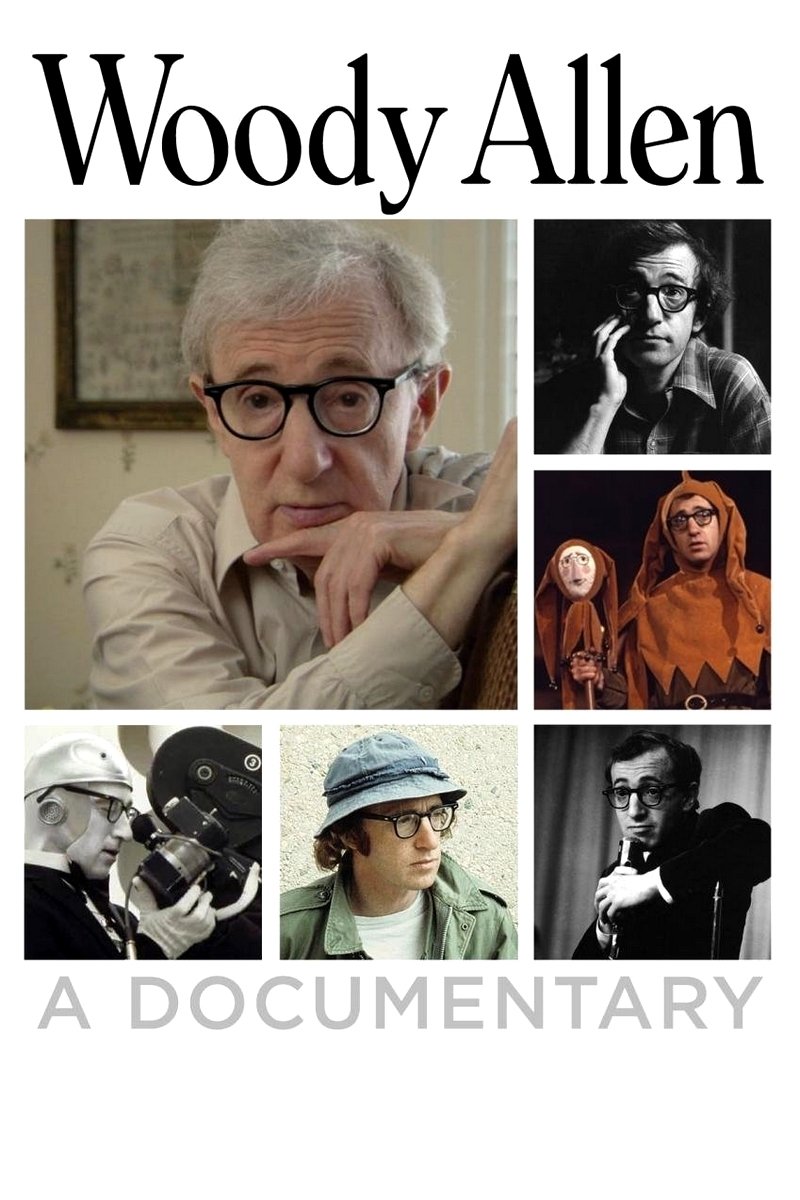
An intense portrait of the iconic filmmaker, writer, actor, comedian and musician Woody Allen: his life, family and friends; his writing and directing habits, and his relationship with performers.
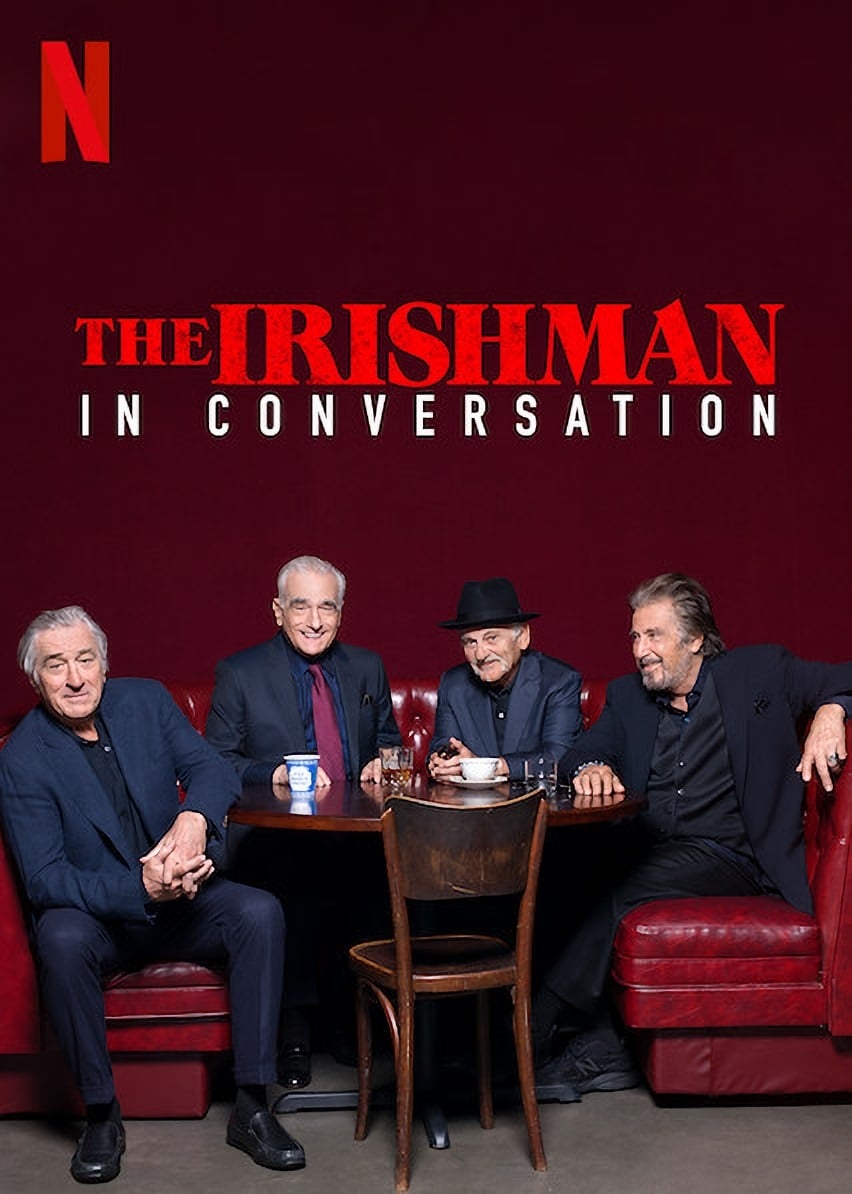
Martin Scorsese, Robert De Niro, Joe Pesci, and Al Pacino in conversation about The Irishman.
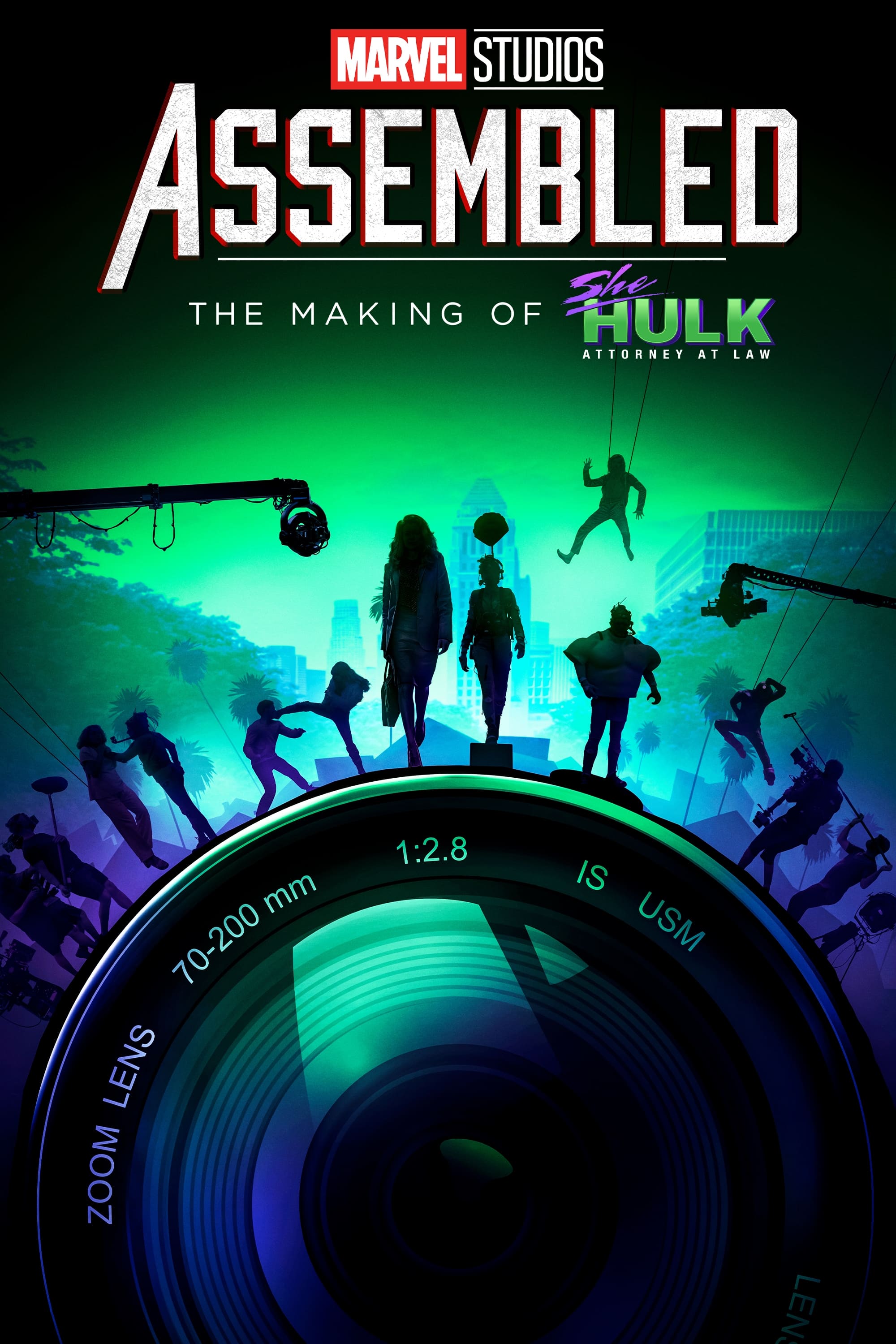
Join the likes of Tatiana Maslany, Mark Ruffalo, Tim Roth, and Benedict Wong as they reveal how Marvel Studios’ She-Hulk: Attorney at Law was conceived and shaped. Discover what it took for She-Hulk’s creators to pull off the show’s tricky tone and deliver Marvel Studios’ first truly comedic series – one that boldly breaks the fourth wall to acknowledge its own audience, no less!
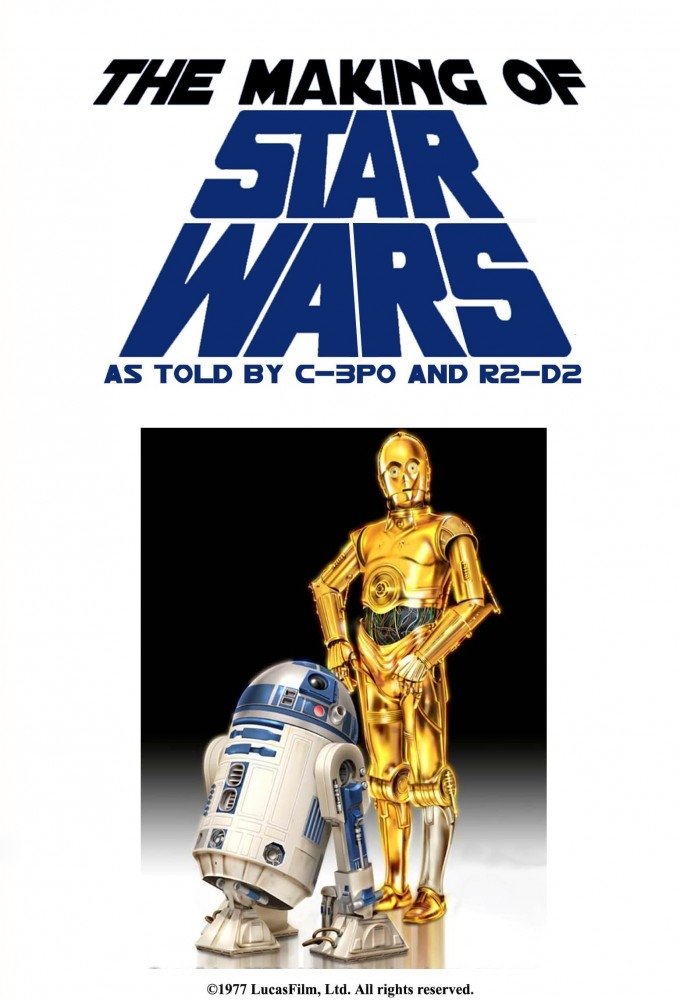
Learn the incredible behind-the-scenes story of how the original Star Wars movie was brought to the big screen in this fascinating documentary hosted by C-3PO and R2-D2 which includes interviews with George Lucas and appearances by Mark Hamill, Harrison Ford and Carrie Fisher.
Since the invention of cinema, the standard format for recording moving images has been film. Over the past two decades, a new form of digital filmmaking has emerged, creating a groundbreaking evolution in the medium. Keanu Reeves explores the development of cinema and the impact of digital filmmaking via in-depth interviews with Hollywood masters, such as James Cameron, David Fincher, David Lynch, Christopher Nolan, Martin Scorsese, George Lucas, Steven Soderbergh, and many more.
Filmmaker Lawrence Shapiro discusses voice-over acting with the talented people behind the characters.
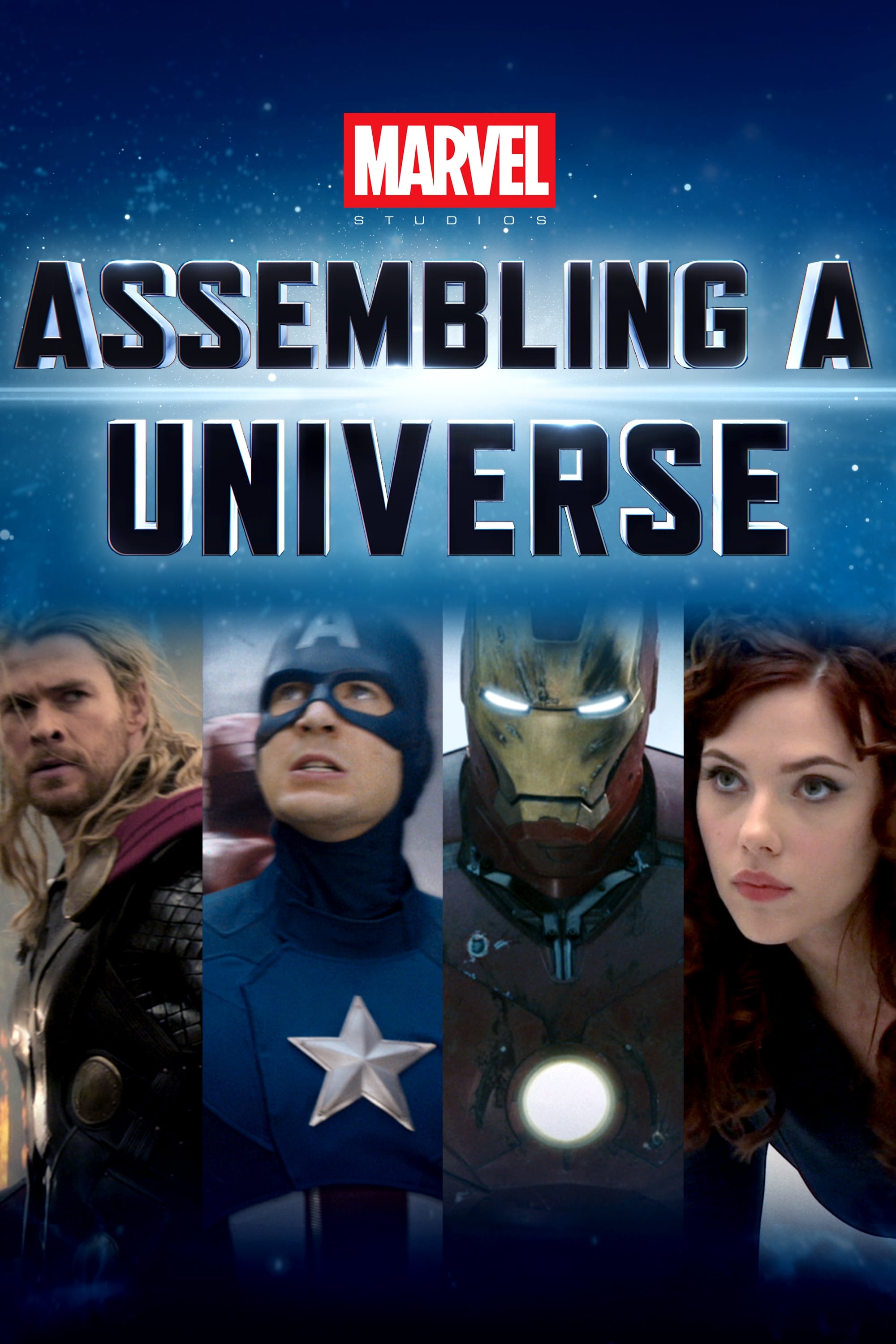
A look at the story behind Marvel Studios and the Marvel Cinematic Universe, featuring interviews and behind-the-scenes footage from all of the Marvel films, the Marvel One-Shots and "Marvel's Agents of S.H.I.E.L.D."!
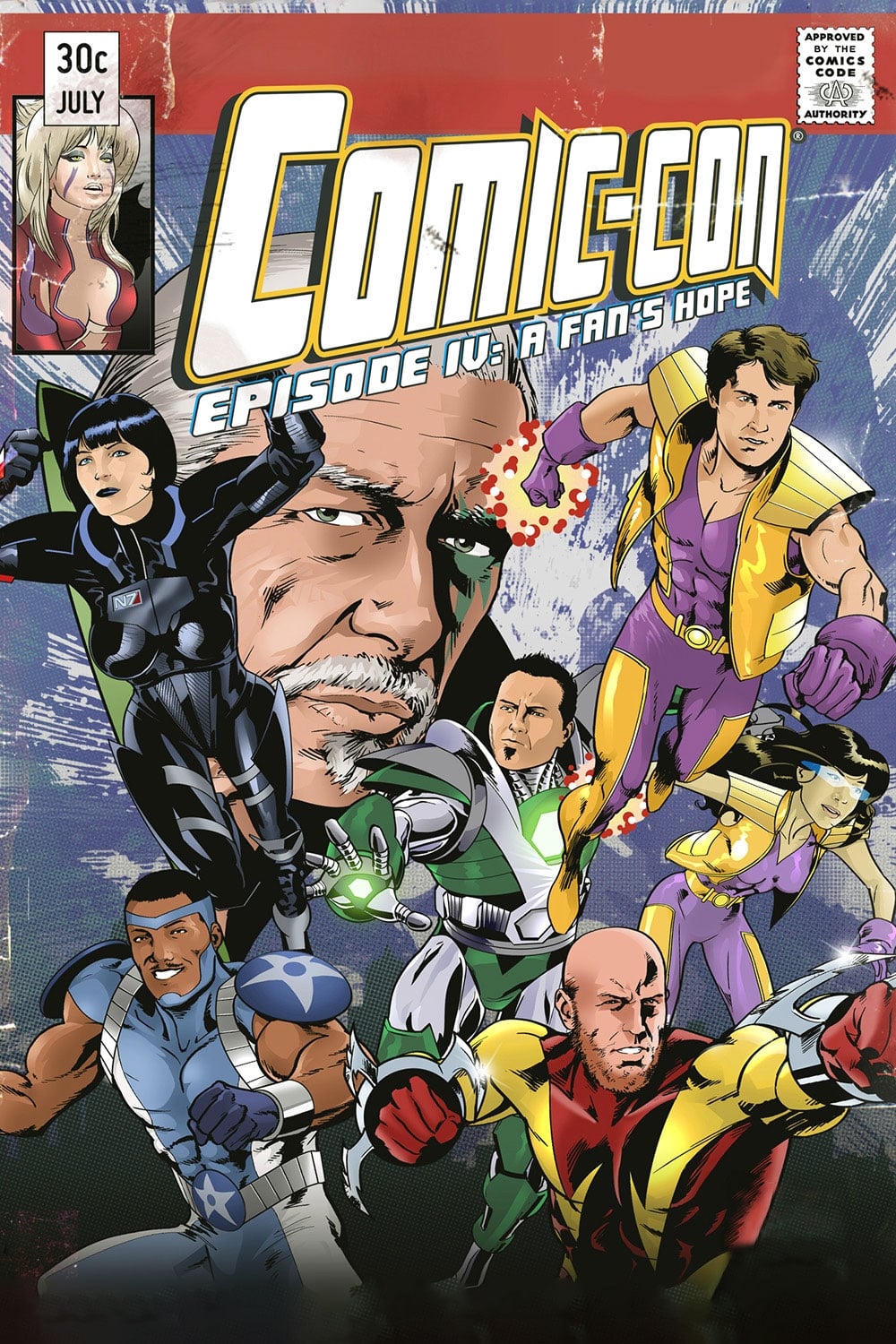
A behind-the-scenes look at San Diego Comic-Con, the world's largest comic book convention, and the fans who attend every year.
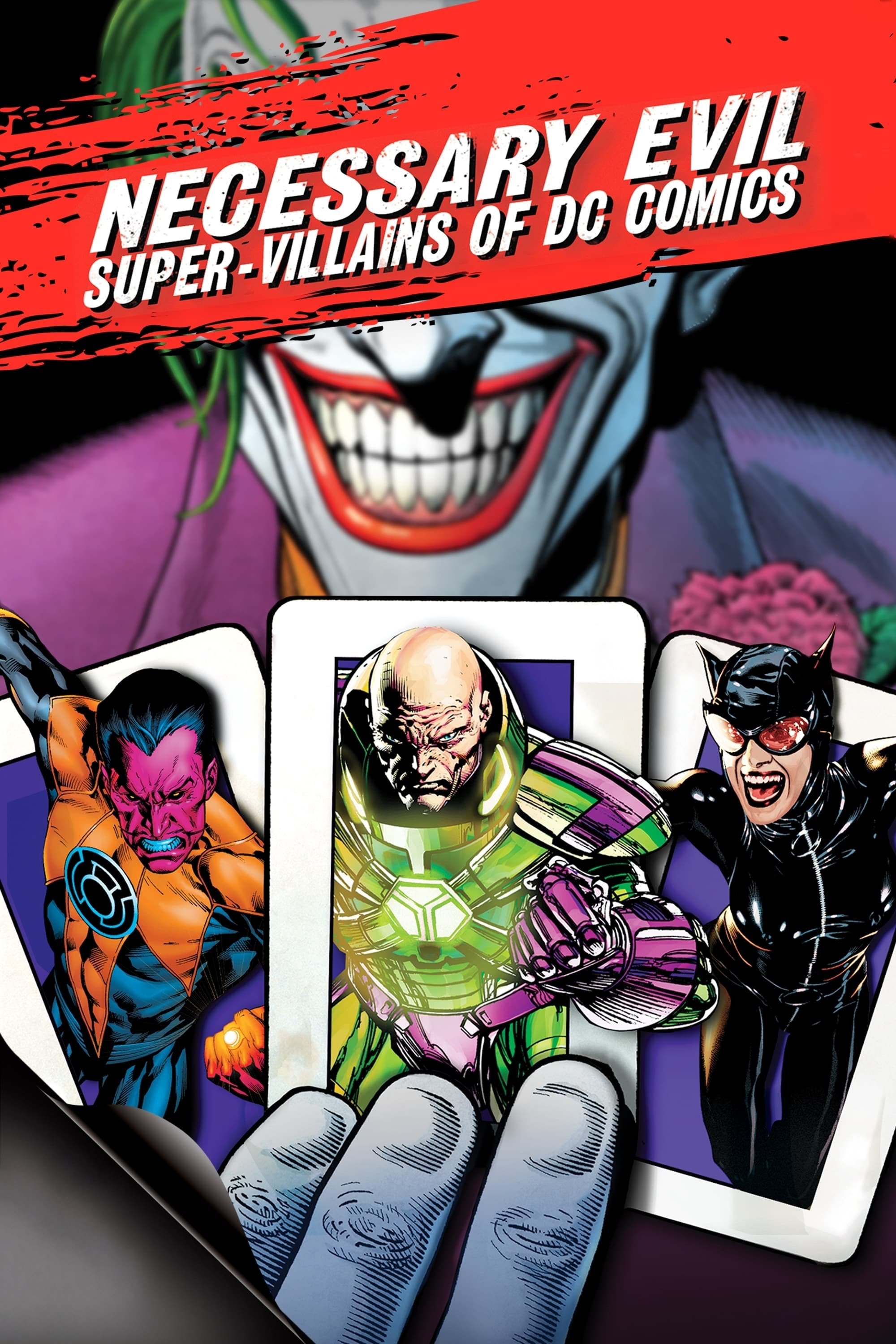
A documentary detailing the epic Rogues' Gallery of DC Comics from The Joker and Lex Luthor, Sinestro, Darkseid and more, this documentary will explore the Super Villains of DC Comics.
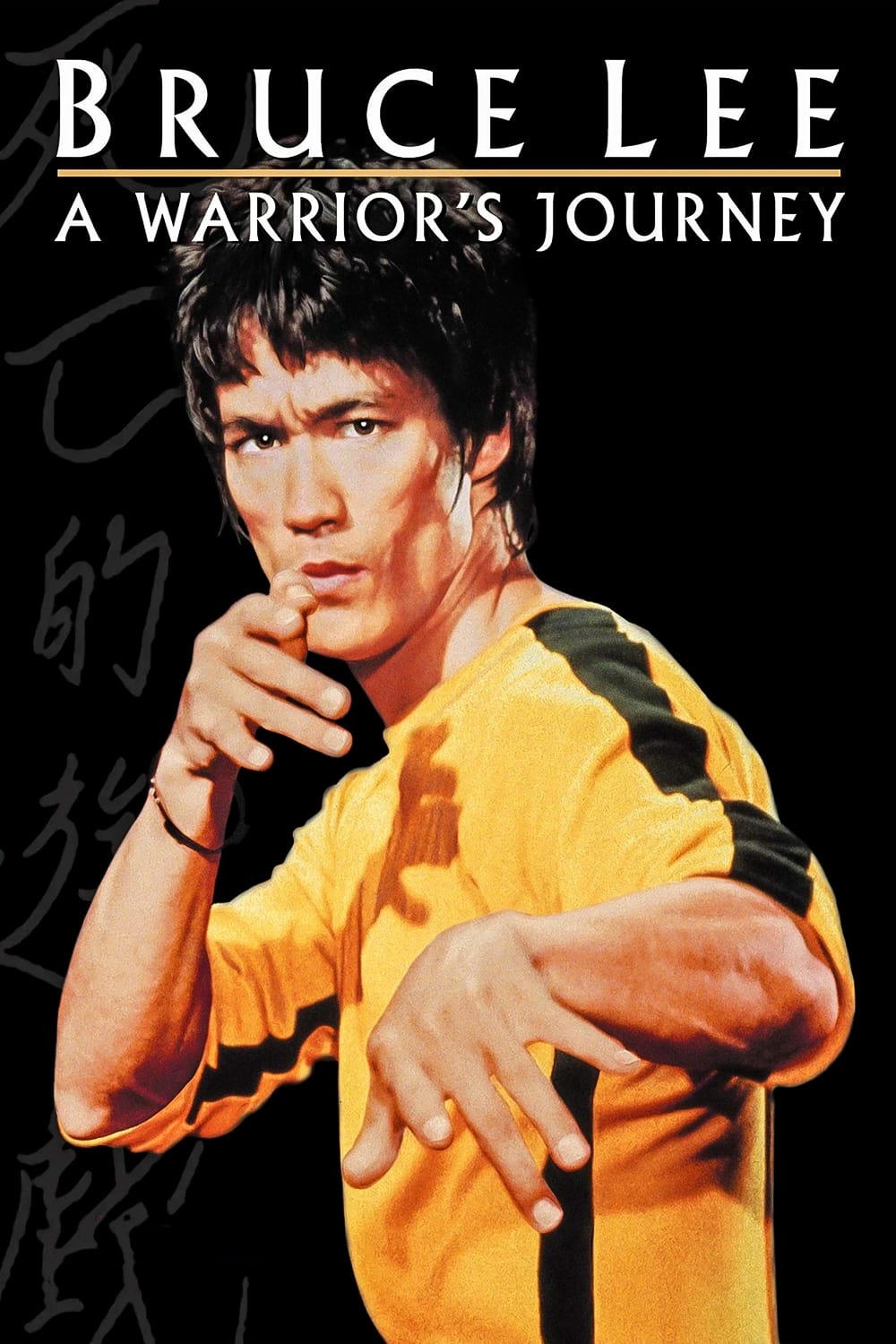
Documentary on the legendary martial artist Bruce Lee, with a focus on the production of his unfinished film Game of Death. Using interviews and behind-the-scenes footage, Lee aficionado John Little paints a portrait of the world's most famous action hero, concluding with a new cut of Game of Death's action finale, reconstructed from Lee's notes and recently-recovered footage.
Al Pacino's deeply-felt rumination on Shakespeare's significance and relevance to the modern world through interviews and an in-depth analysis of "Richard III."
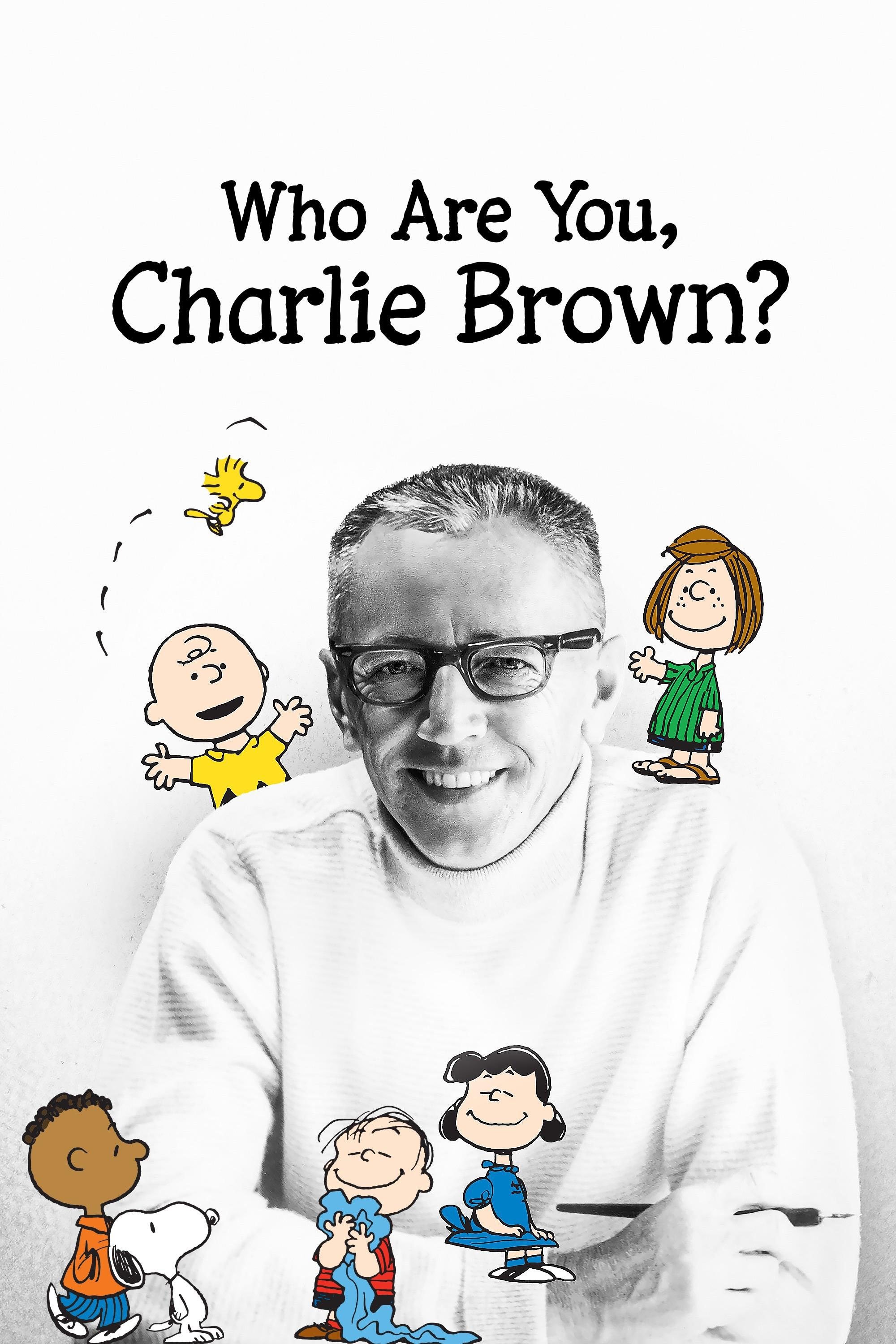
Lupita Nyong'o narrates a documentary about Peanuts and its creator, Charles M. Schulz. Famous fans—including Drew Barrymore, Kevin Smith, and Al Roker—share its influence on them, and a new animated story finds Charlie Brown on a quest.
Daniel Craig candidly reflects on his 15 year adventure as James Bond. Including never-before-seen archival footage from Casino Royale to the upcoming 25th film No Time To Die, Craig shares his personal memories in conversation with 007 producers, Michael G Wilson and Barbara Broccoli.
Through deeply personal interviews with her siblings and an examination of the photographs, letters, and belongings left behind, Mariska assembles a new portrait of her mother Jayne Mansfield, an extraordinary and complex woman.
Musician and performance artist Laurie Anderson reflects on the deaths of her husband Lou Reed, her mother and her beloved dog.
A primetime special with performances from the superstar including Adele’s first new material in six years plus her chart-topping hits. The special will also feature an exclusive interview with Adele by Oprah Winfrey from her rose garden, in Adele’s first televised wide-ranging conversation.
The life and career of an actor, artist, and icon. His own journey through his own camera.