Social & External
The people behind it
René Lebrun
Voix-off
Short subject on how fashion is created-- not by the great couturiers, but on the street.
A poetic tribute to writer, poet and environmental activist, Ken Saro-Wiwa, who was executed alongside eight other activists for opposing the environmental damage done in their oil-rich homeland, Ogoni.
For generations, fishermen have made their home on Tangier Island, in the heart of the Chesapeake Bay on the east coast of the US. Two-thirds of the island has disappeared over the last 150 years, and local people are concerned about rising sea levels—and the lack of progress on reinforcing the sea wall—but the church remains the bedrock of this small, close-knit community.
On November 13, 2015, the attacks in Paris and Saint-Denis, carried out by three Islamist commandos and claimed by ISIS, were the deadliest in France since the end of World War II. In the months that followed, the November 13 Program was launched by the CNRS and Inserm to study the construction of individual and collective memory around an event that profoundly marked French society. Today, the testimonies of 27 volunteers—among some 1,000 people—who participated in the study form a mosaic of experiences that shows how trauma extends beyond the immediate circle to permeate the national collective memory.
Baby Emperor Penguin Pengi and Sommi's Ultimate Challenge Begins! At 60 degrees below zero, winter has come to the South Pole, the coldest glacial region in the world. Abandoned due to its bitter coldness, the South Pole is greeted by the real natives of this place, the Emperor Penguins, who have come to welcome new lives. Through the indescribable love and care given by mom and dad, baby Emperor Penguins Pengi and Sommi awake from their egg shells. Gluttonous Pengi, the number one trouble maker in the South Pole, and cutie Sommi, who loves daddy's embrace the best, become great friends. Then one day, Sommi’s dad goes out to the sea to seek her out. Sommi left all alone, cold and starving to the brink of death, and Pengi desperately tires to help Sommi through her troubles. Could Pengi and Sommi possibly overcome numerous hardships and become beautiful full-grown Emperor Penguins?
In this filmic comment on Fascist ideology - which uses footage from the recently discovered archives of Luca Comerio - invisible hands push captive animals to fight among themselves.
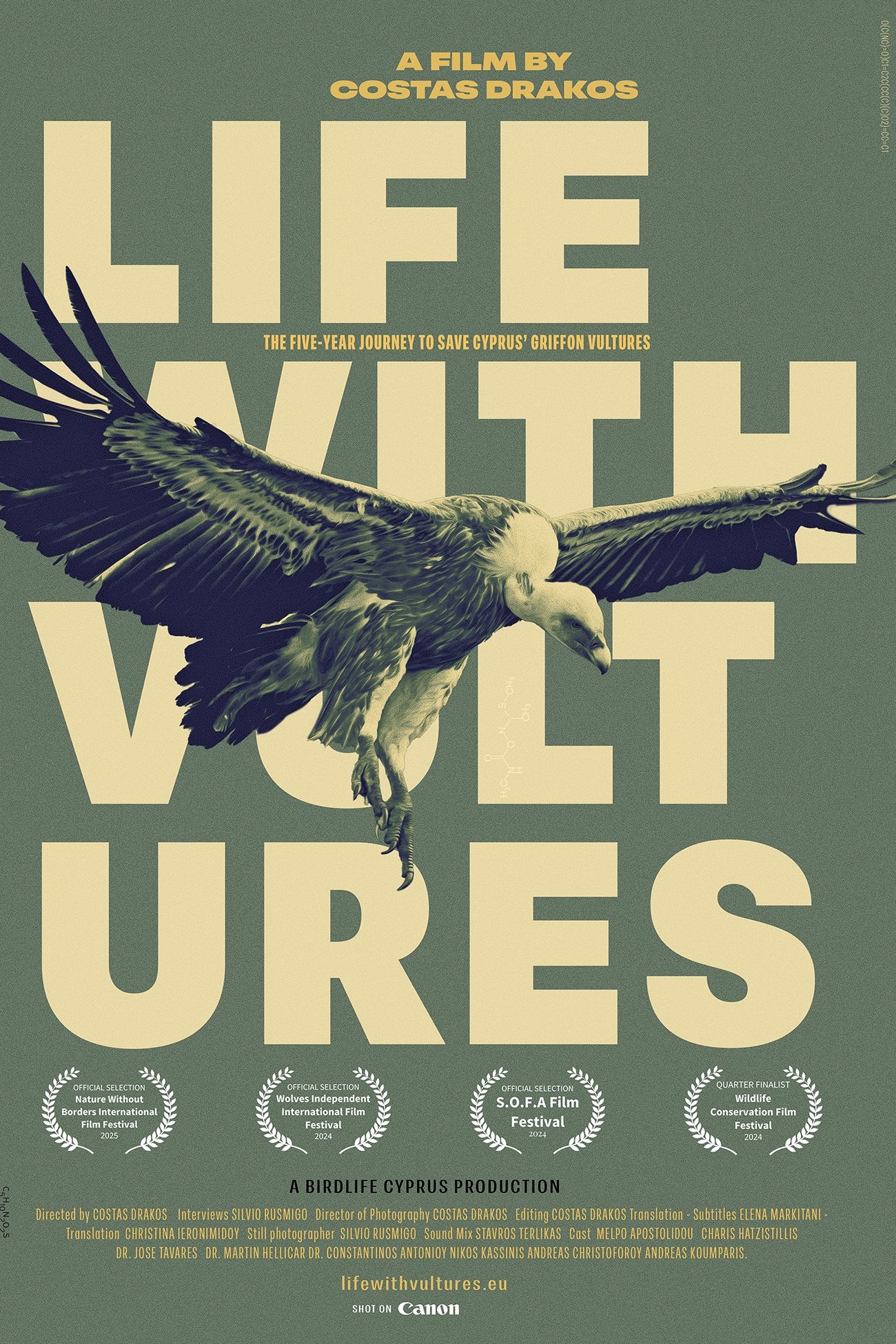
The Film “Life with Vultures” is about the efforts of a handful of NGOs and Government Agencies to save the only remaining Vulture species on the island of Cyprus, and by extension several other species of Birds and other wild animals
In the first half of the 19th century, the French ornithologist Jean-Jacques Audubon travelled to America to depict birdlife along the Mississippi River. Audubon was also a gifted painter. His life’s work in the form of the classic book ‘Birds of America’ is an invaluable documentation of both extinct species and an entire world of imagination. During the same period, early industrialisation and the expulsion of indigenous peoples was in full swing. The gorgeous film traces Audubon’s path around the South today. The displaced people’s descendants welcome us and retell history, while the deserted vistas of heavy industry stretch across the horizon. The magnificent, broad images in Jacques Loeuille’s atmospheric, modern adventure reminds us at the same time how little - and yet how much - is left of the nature that Audubon travelled around in. His paintings of the colourful birdlife of the South still belong to the most beautiful things you can imagine.
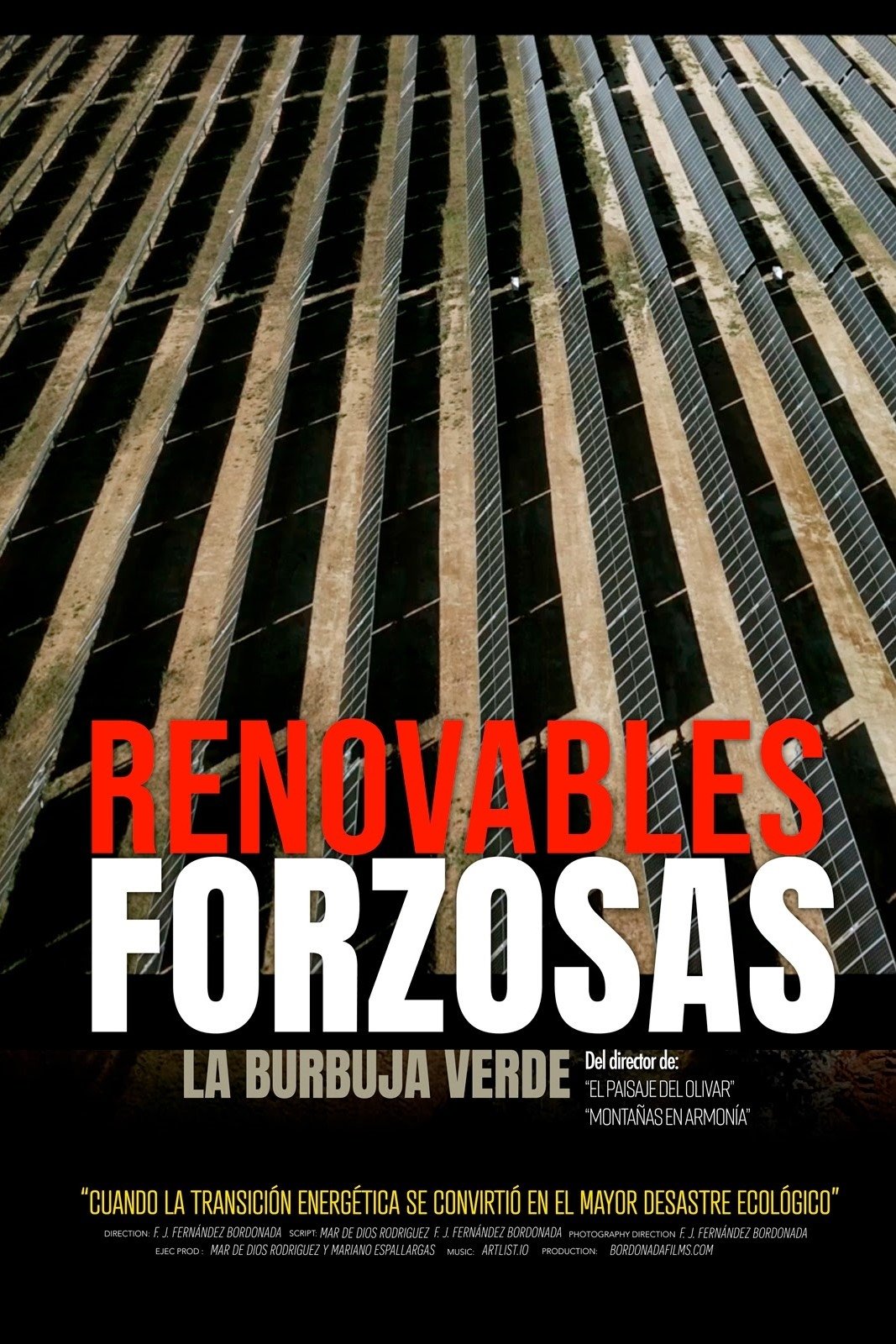
In Lopera (Jaén), the ecological transition has turned into a nightmare: centuries-old olive groves are being uprooted to make way for massive photovoltaic plants, in an unfair battle between powerful corporations and the local community. Through firsthand testimonies, striking visuals, and an analysis of the current energy model, Forced Renewables reveals how progress, when poorly planned and disconnected from rural life, can lead to an unprecedented ecological, social, and economic disaster.
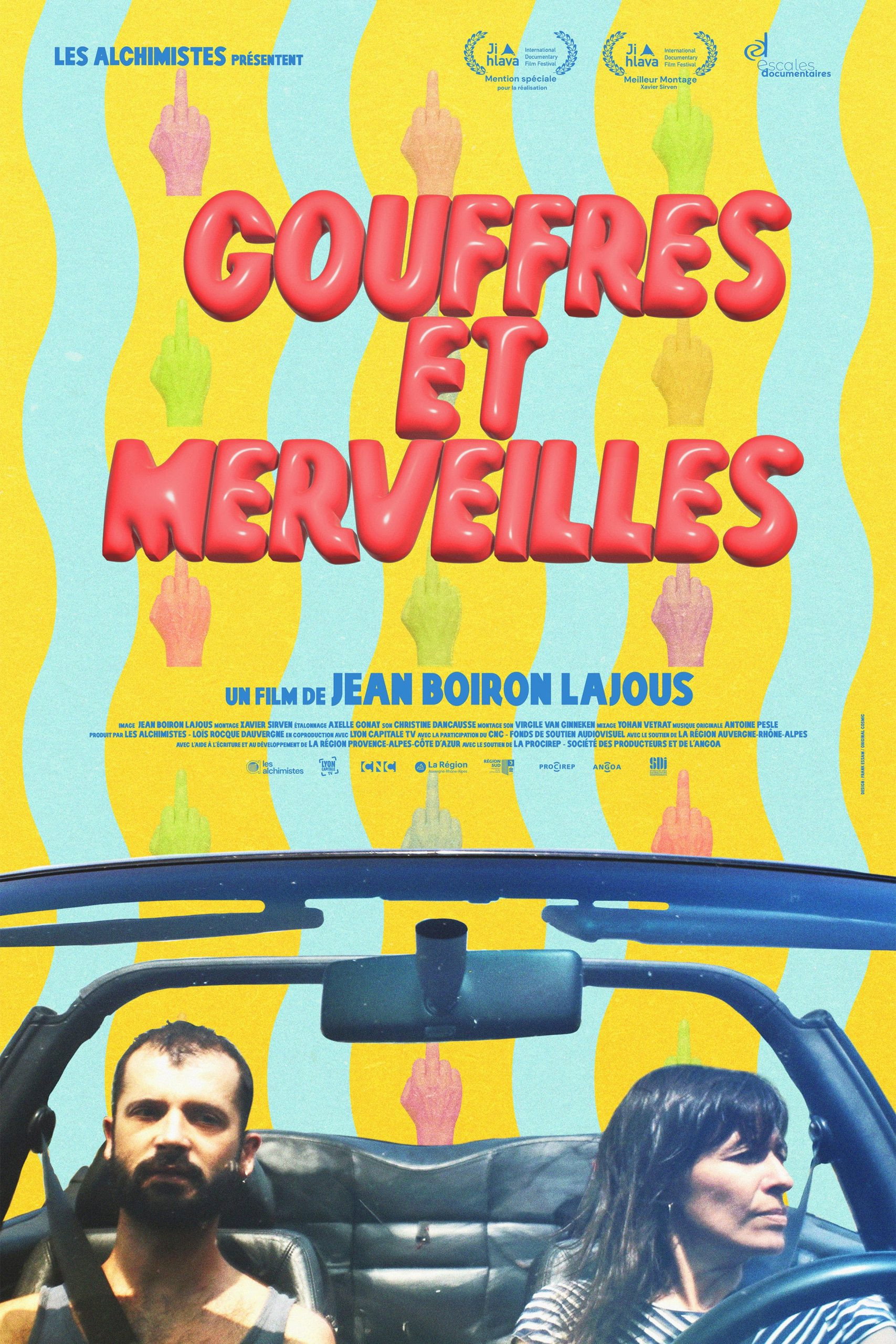
Christine’s father died when she was still a small child, and she remained in the care of her sadistic mother, who beat her and abused her psychologically. Christine is still convinced that her mother hid a farewell letter from her beloved father. Jean’s father committed suicide several years ago, and left behind a lengthy letter, but Jean never found the courage to read it. Together, Christine and Jean embark on a unique road trip across the French countryside to visit Christine’s mother, and try to confront the past.
Wolves divide and fascinate us. 150 years after they were driven to extinction in Central Europe, they are returning slowly but inexorably. Are they dangerous to humans? Is it possible to coexist? Using Switzerland as a point of departure, where wolves have returned in the very recent past, this documentary sheds light on the wolf situation in Austria, eastern Germany, Poland, Bulgaria, and even Minnesota, where freely roaming packs of wolves are more common sight.
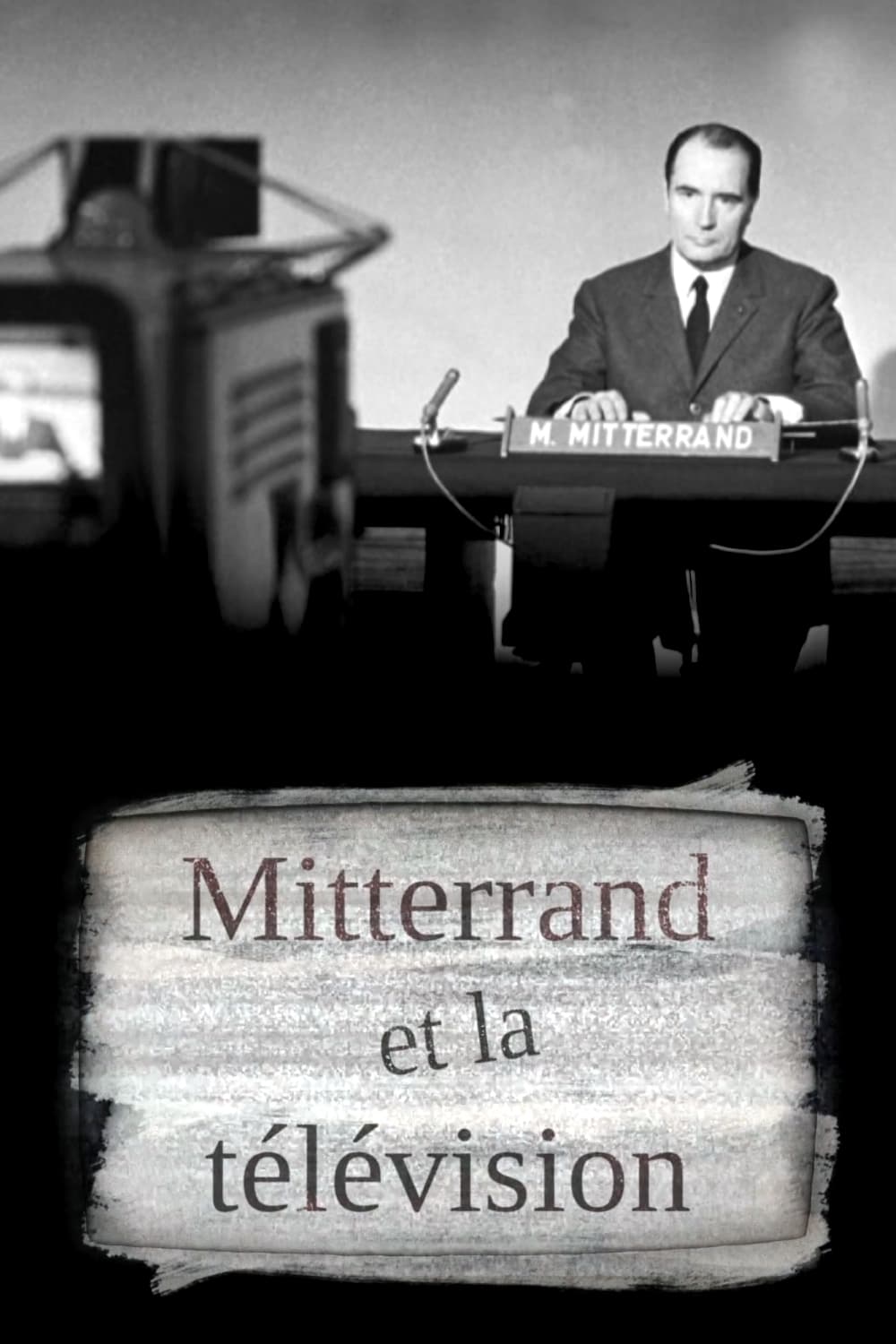
May 10th, 1981. François Mitterrand is elected President of the Republic. The “soviet tanks” supposedly coming upon the Champs-Élysées dressed in red, feared by some, did not march. Serge Moati takes a personal look at this episode, focusing on the relationship the president had with television, that he witnessed and played a role in.
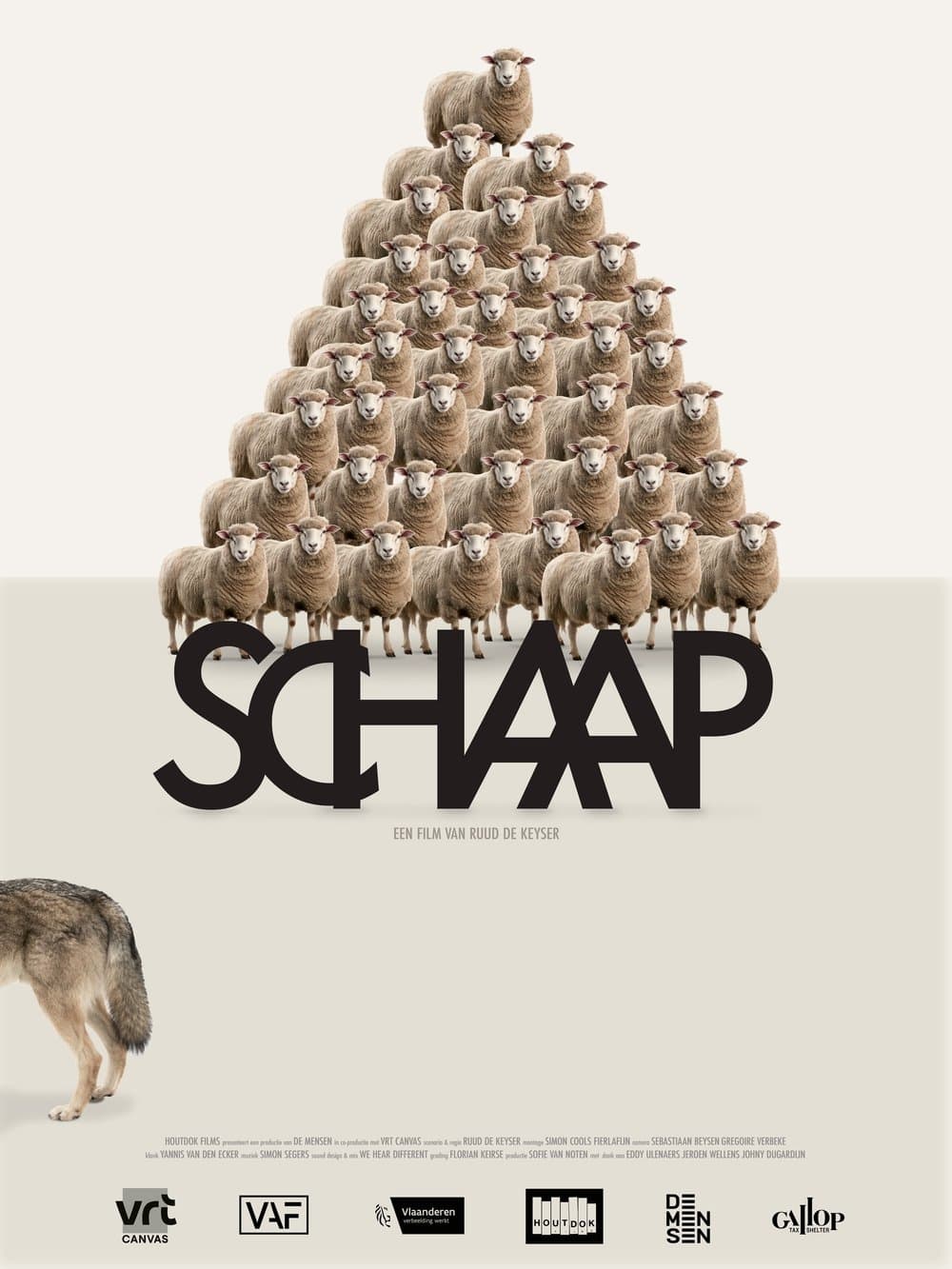
In the lush fields of northern Belgium, as winter tightens its grip, the sheep of Eddy, Jeroen, and Johny become silent witnesses of a hidden drama when a wolf is driven to the edges of human lands in search of sustenance. With the three human protagonists doing anything within their power to patronize their rights of existence, this film stands up for the least heard voice in Belgium’s brand new wolf territory: that of the bleating sheep.
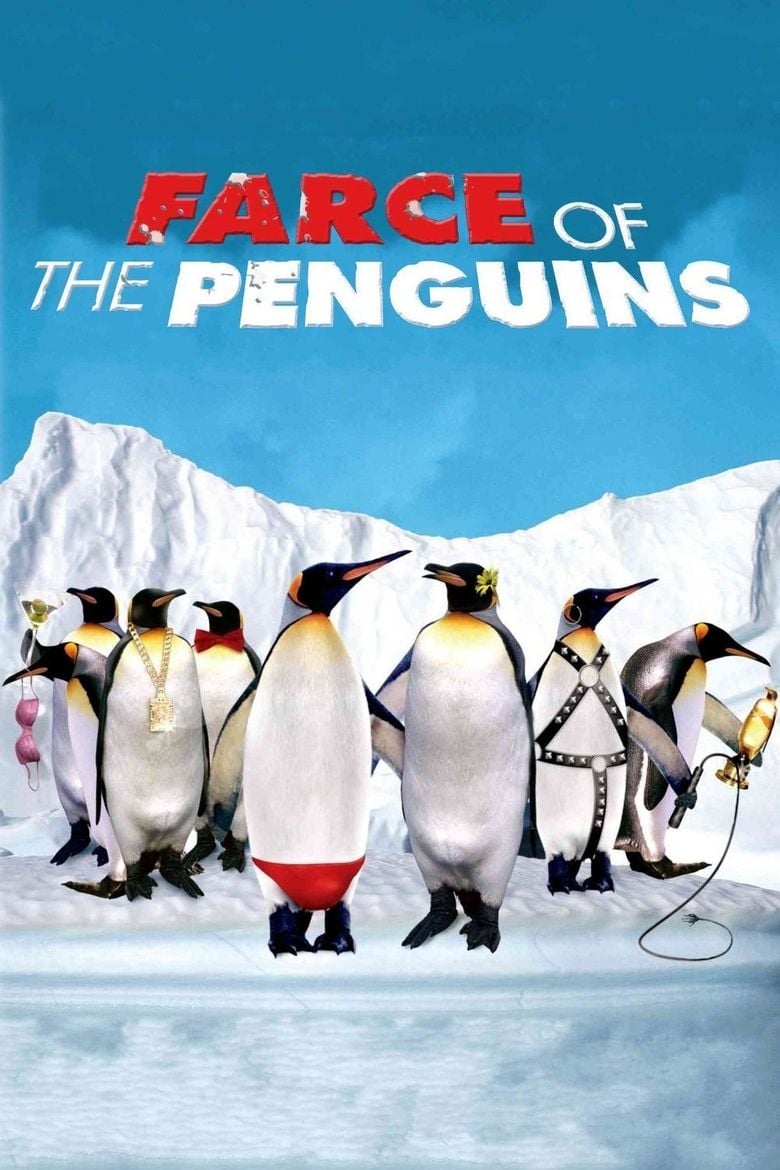
In this spoof of "March of the Penguins," nature footage of penguins near the South Pole gets a soundtrack of human voices. Carl and Jimmy, best friends, walk 70 miles to the mating grounds where the female penguins wait. The huddled masses of females - especially Melissa and Vicki - talk about males, mating, and what might happen this year. Carl, Jimmy, and the other males make the long trek talking about food, fornication and flatulence. Until this year, Carl's sex life has been dismal, but he falls hard for Melissa. She seems to like him. A crisis develops when Jimmy comes upon something soft in the dark. Can friends forgive? Does parenthood await Carl and Melissa?
Alice and Horst paints a moving portrait of two siblings from Saarbrücken whose lives were shaped by their family’s antifascist resistance. As children, Alice Hornung and Horst Bernard were forced to flee from the Nazis into exile in France, where, despite constant danger, they also experienced great solidarity. After their return they continued their parents’ political commitment: against fascism, for peace and disarmament. The film combines personal memories with rare archival footage and portrays two individuals who, well into old age, remain unwavering in their commitment to justice and remembrance.
“Let nature be nature” is the philosophy of the Bavarian Forest National Park. Despite massive resistance, this vision has become a groundbreaking showcase project. Because humans do not interfere with nature, the former commercial forests grow into a primeval forest, a unique ecosystem and a refuge for biodiversity. People from all over the world come here. They are looking for answers to the question of why we need more wild nature and what we can learn from it to preserve forests for future generations in times of climate change.
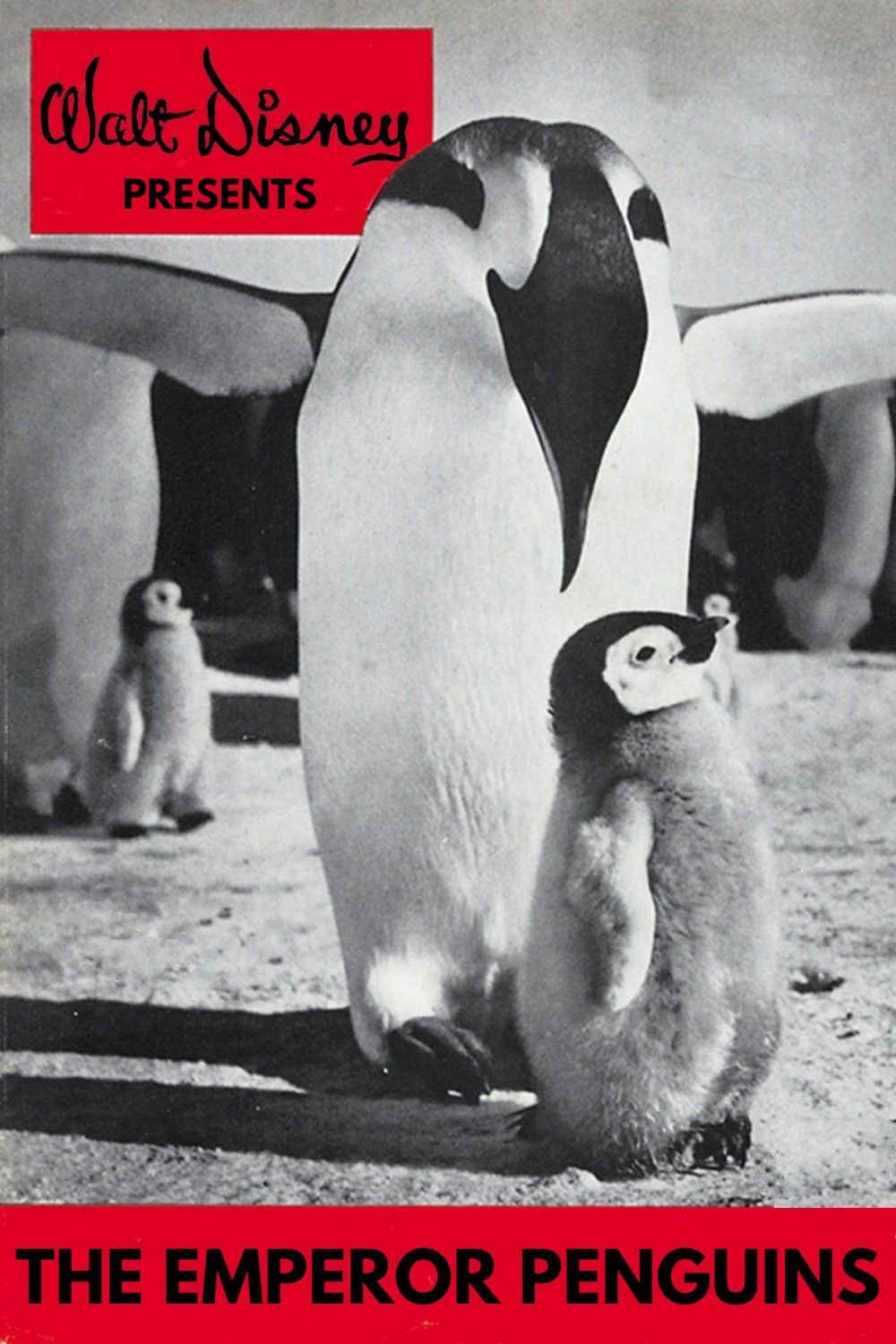
Documents the life and habits of the largest of all penguins, filmed during a French Antarctic expedition led by Paul Emile Victor.
The adventure of the minitel, a small cubic terminal with a folding keyboard that began in the 1970s in the labs of France Telecom, is closely linked to Alsace. Alsatians had then in hand the future tools of interactive communication. What remains today of all those minitel years? Like a nocturnal and intimate road-movie, this documentary went to meet the last people who are still interested in the minitel, this strange beige box of access to telematic services, corny today, but pioneers at the end of the last century.
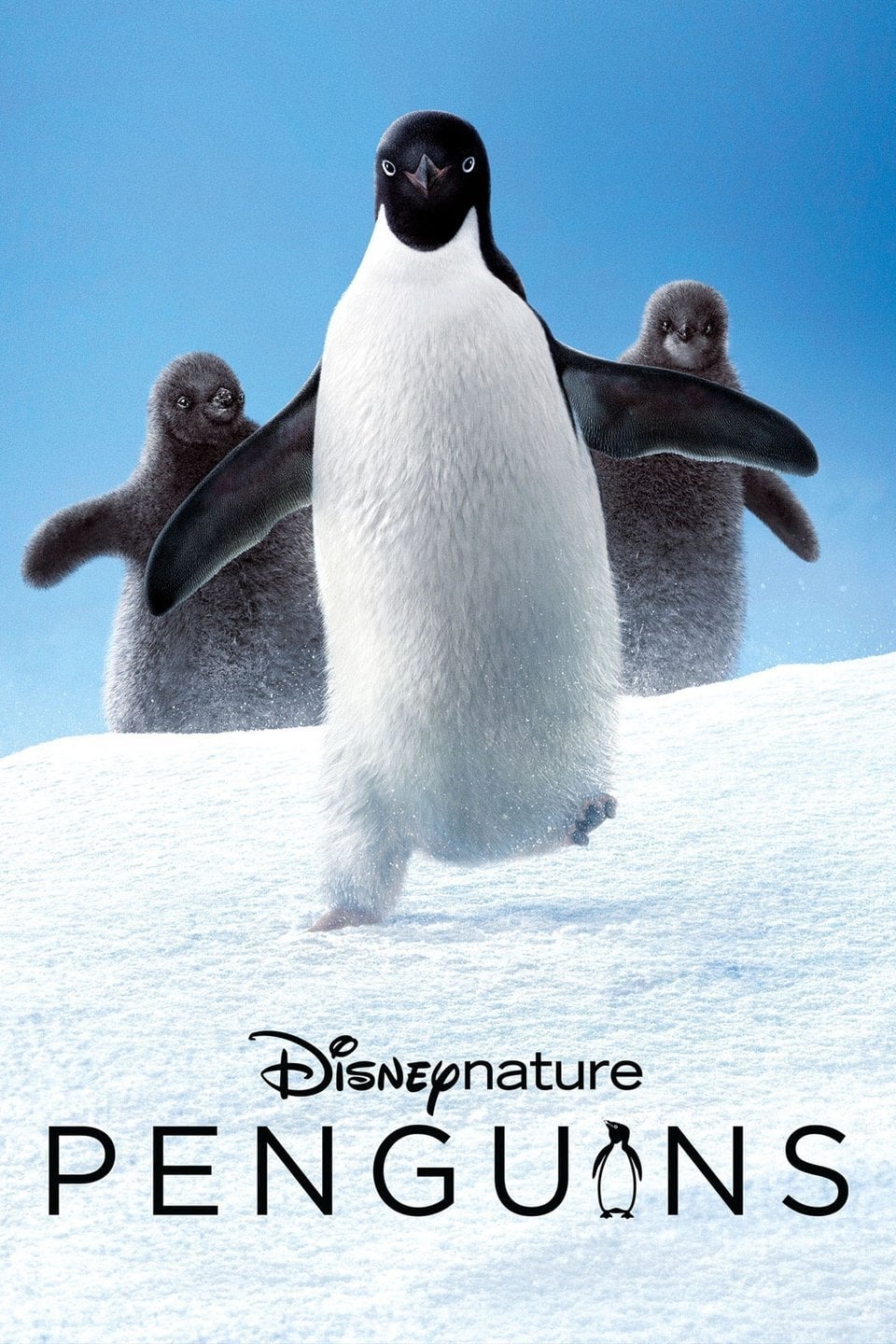
A young penguin, driven by his instinct, embarks on his first major trip to an unknown destination.
The story of Steve, an Adélie penguin, on a quest to find a life partner and start a family. When Steve meets with Wuzzo the emperor penguin they become friends. But nothing comes easy in the icy Antarctic.
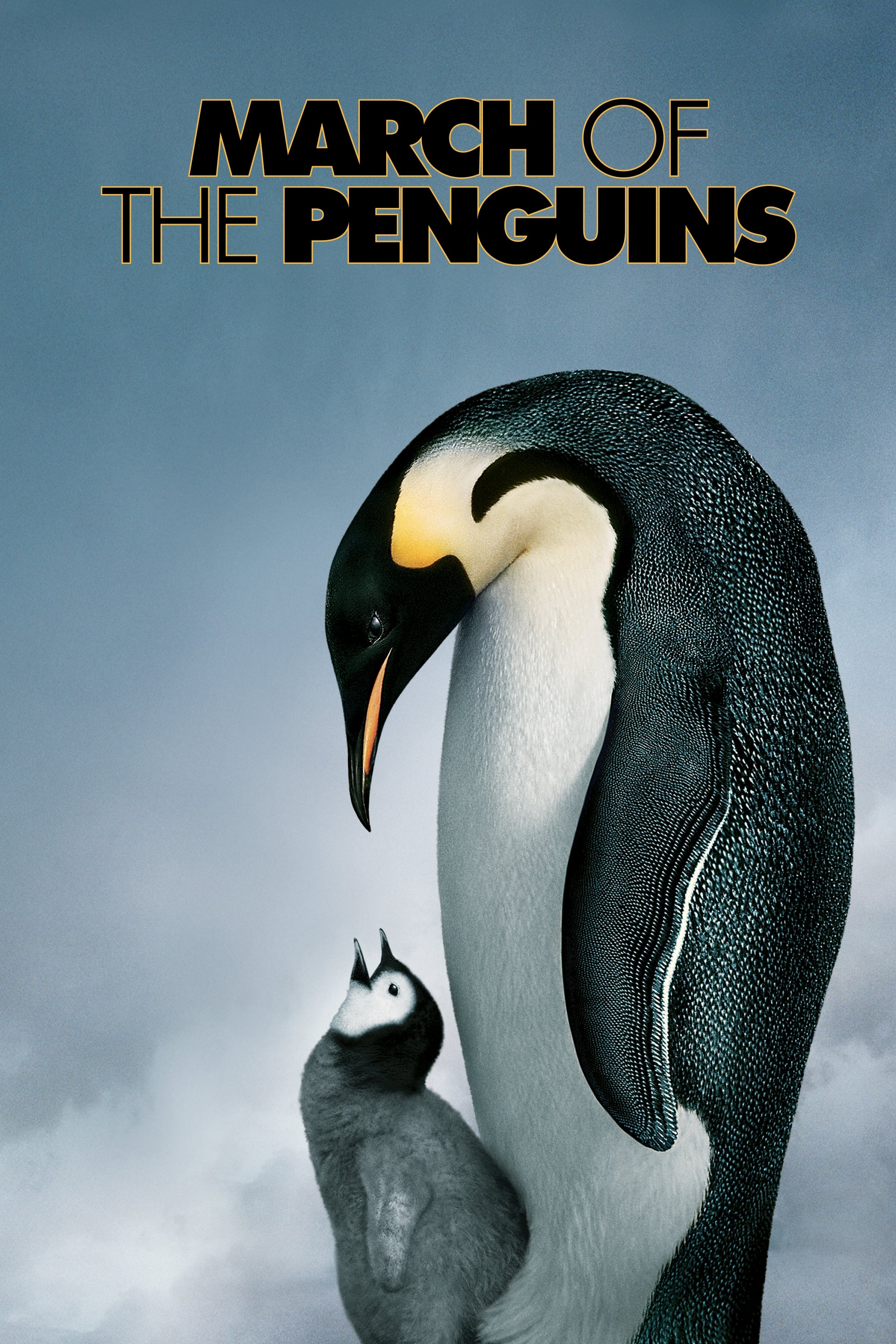
Every year, thousands of Antarctica's emperor penguins make an astonishing journey to breed their young. They walk, marching day and night in single file 70 miles into the darkest, driest and coldest continent on Earth. This amazing, true-life tale is touched with humour and alive with thrills. Breathtaking photography captures the transcendent beauty and staggering drama of devoted parent penguins who, in the fierce polar winter, take turns guarding their egg and trekking to the ocean in search of food. Predators hunt them, storms lash them. But the safety of their adorable chicks makes it all worthwhile. So follow the leader... to adventure!!
Echo is a youngster who can't quite decide if it's time to grow up and take on new responsibilities-or give in to her silly side and just have fun. Dolphin society is tricky, and the coral reef that Echo and his family call home depends on all of its inhabitants to keep it healthy. But Echo has a tough time resisting the many adventures the ocean has to offer.
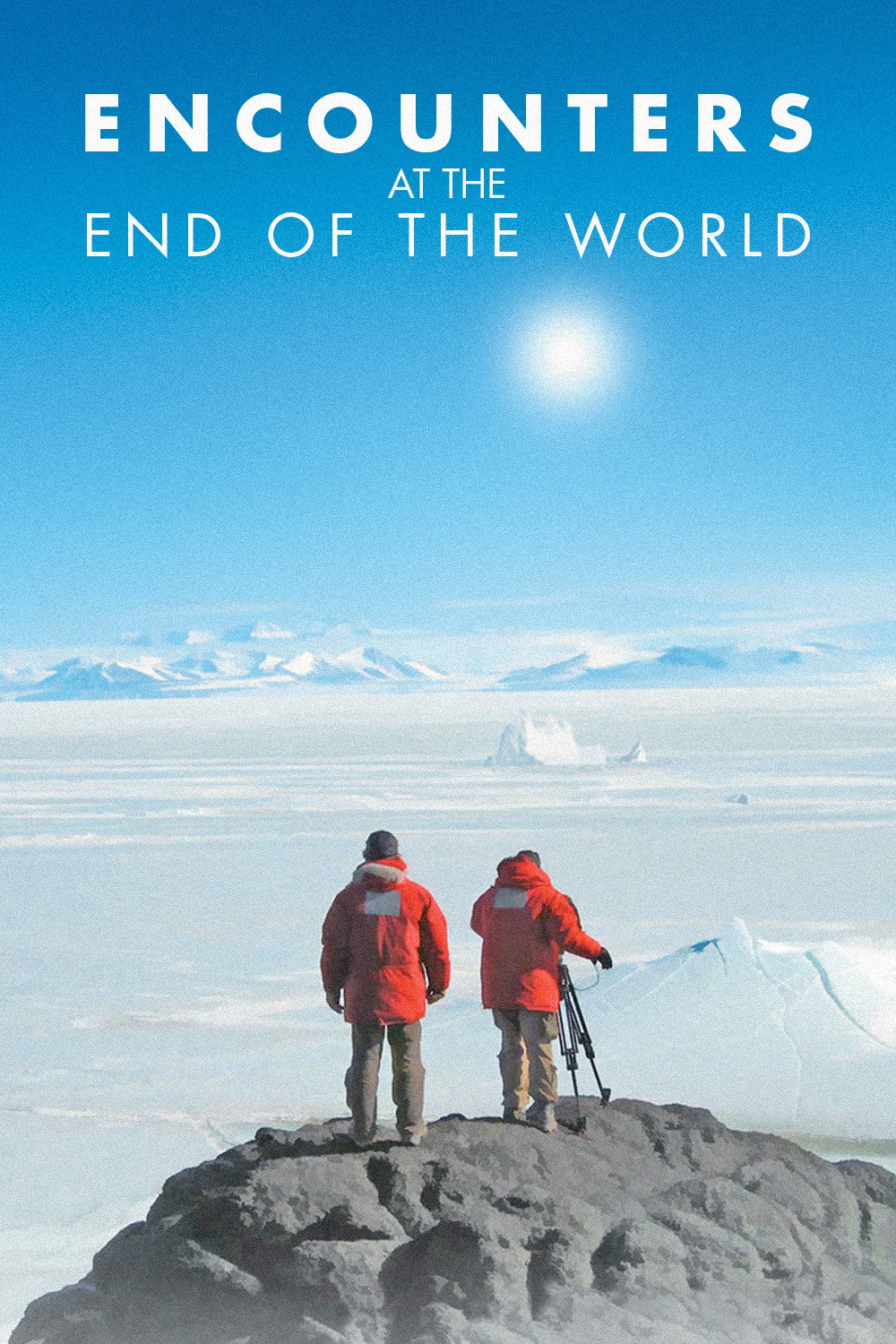
Acclaimed filmmaker Werner Herzog travels to Antarctica, where he finds a desolate, beautiful landscape, largely untouched by human hands, and a group of truly unique people who risk their lives to study it. Centered at McMurdo Station, the United States' largest Antarctic research center, Herzog explores the minds of the scientists willing to abandon civilization and endure volatile conditions to learn more about the continent's wildlife and awe-inspiring natural wonders.
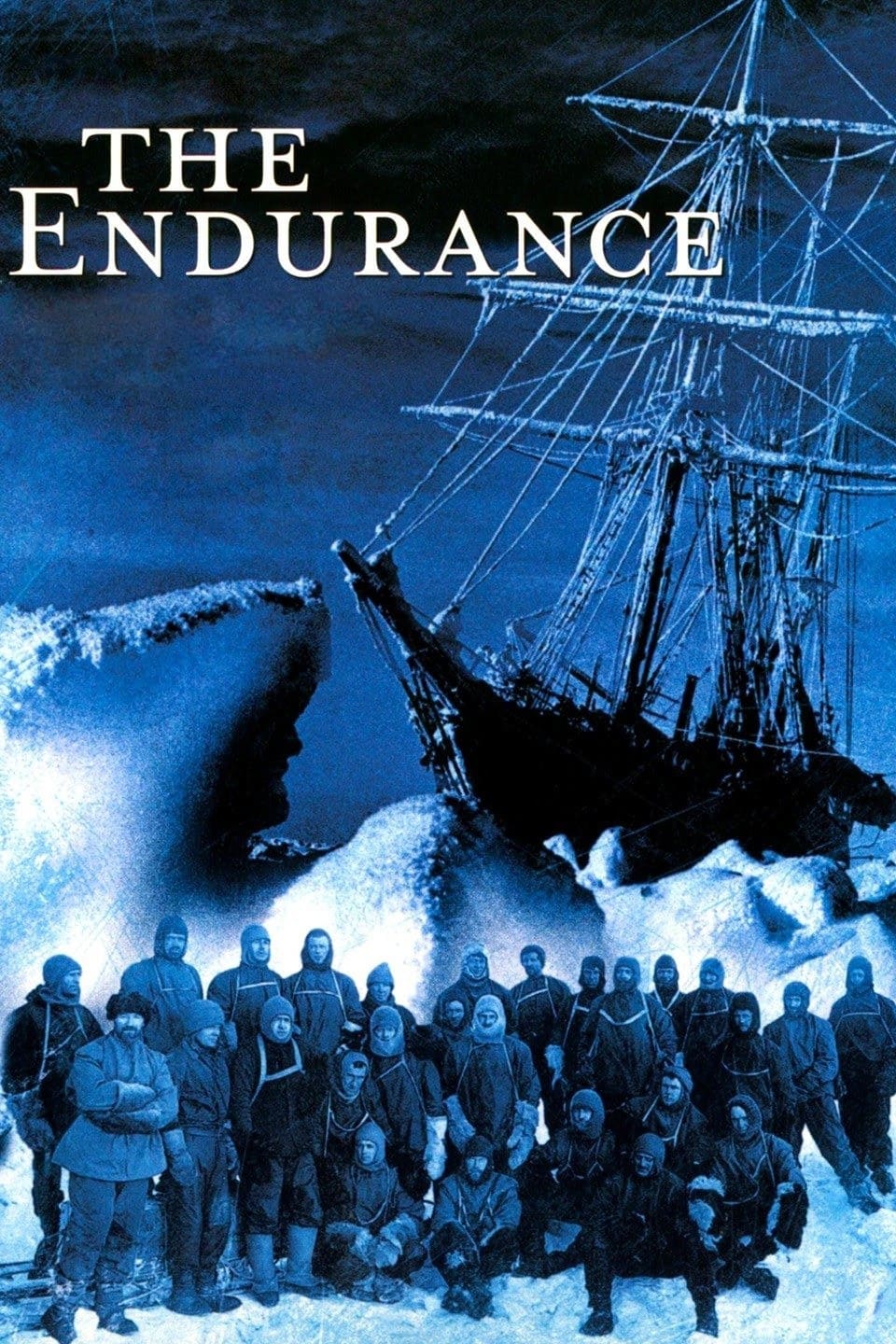
Documentary on the Shackleton Antartic expedition. A retelling of Sir Ernest Shackleton's ill-fated expedition to Antarctica in and the crew of his vessel 'The Endurance', which was trapped in the ice floes and frigid open ocean of the Antarctic in 1914. Shackleton decided, with many of his crew injured and weak from exposure and starvation, to take a team of his fittest men and attempt to find help. Setting out in appalling conditions with hopelessly inadequate equipment, they endured all weather and terrain and finally reached safety. Persuading a local team of his confidence that the abandoned team would still be alive, he set out again to find them. After almost 2 years trapped on the ice, all members of the crew were finally rescued.
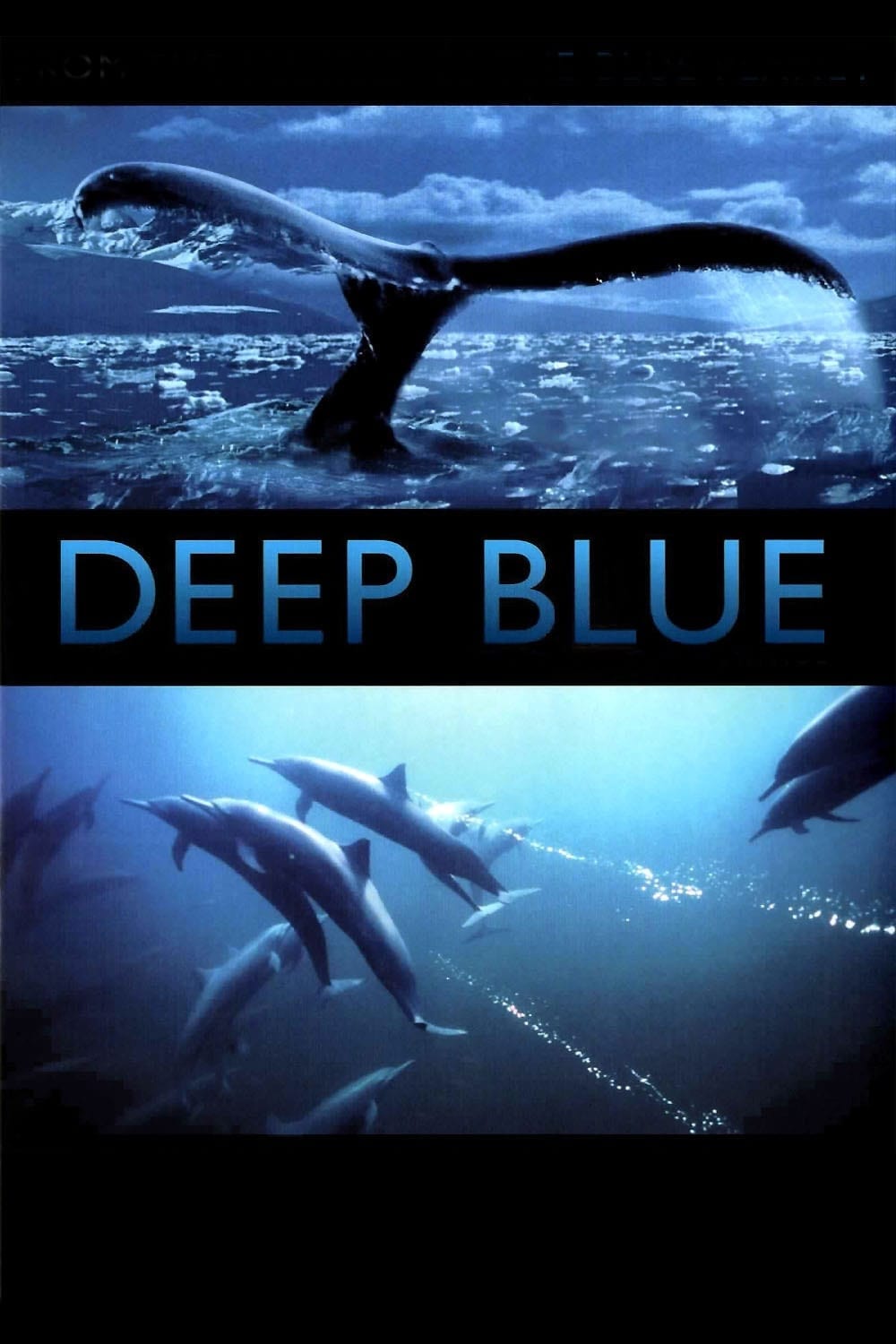
Deep Blue is a major documentary feature film shot by the BBC Natural History Unit. An epic cinematic rollercoaster ride for all ages, Deep Blue uses amazing footage to tell us the story of our oceans and the life they support.
The film follows adventurer Jeff Johnson as he retraces the epic 1968 journey of his heroes Yvon Chouinard and Doug Tompkins to Patagonia.
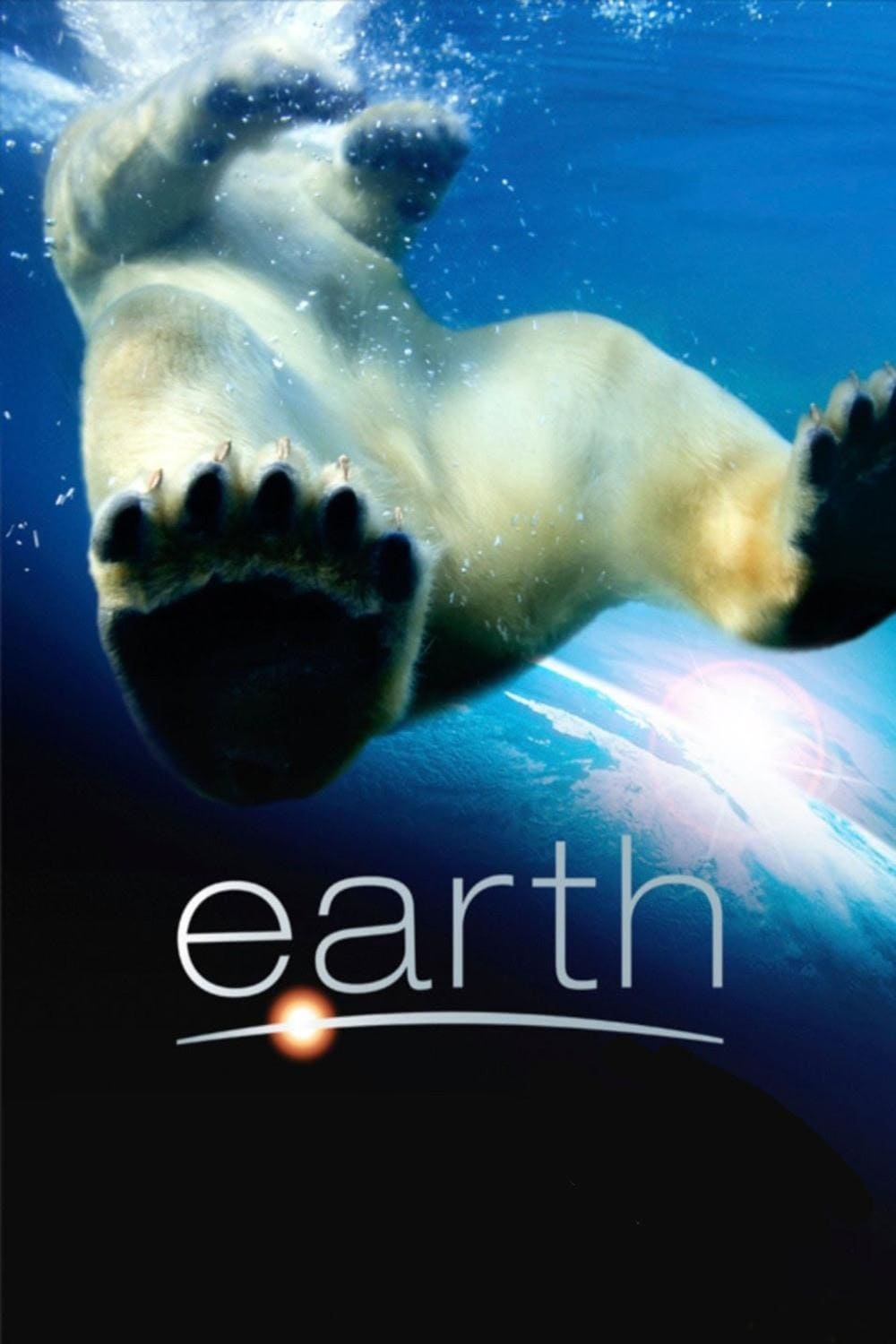
An epic story of adventure, starring some of the most magnificent and courageous creatures alive, awaits you in EARTH. Disneynature brings you a remarkable story of three animal families on a journey across our planet – polar bears, elephants and humpback whales.
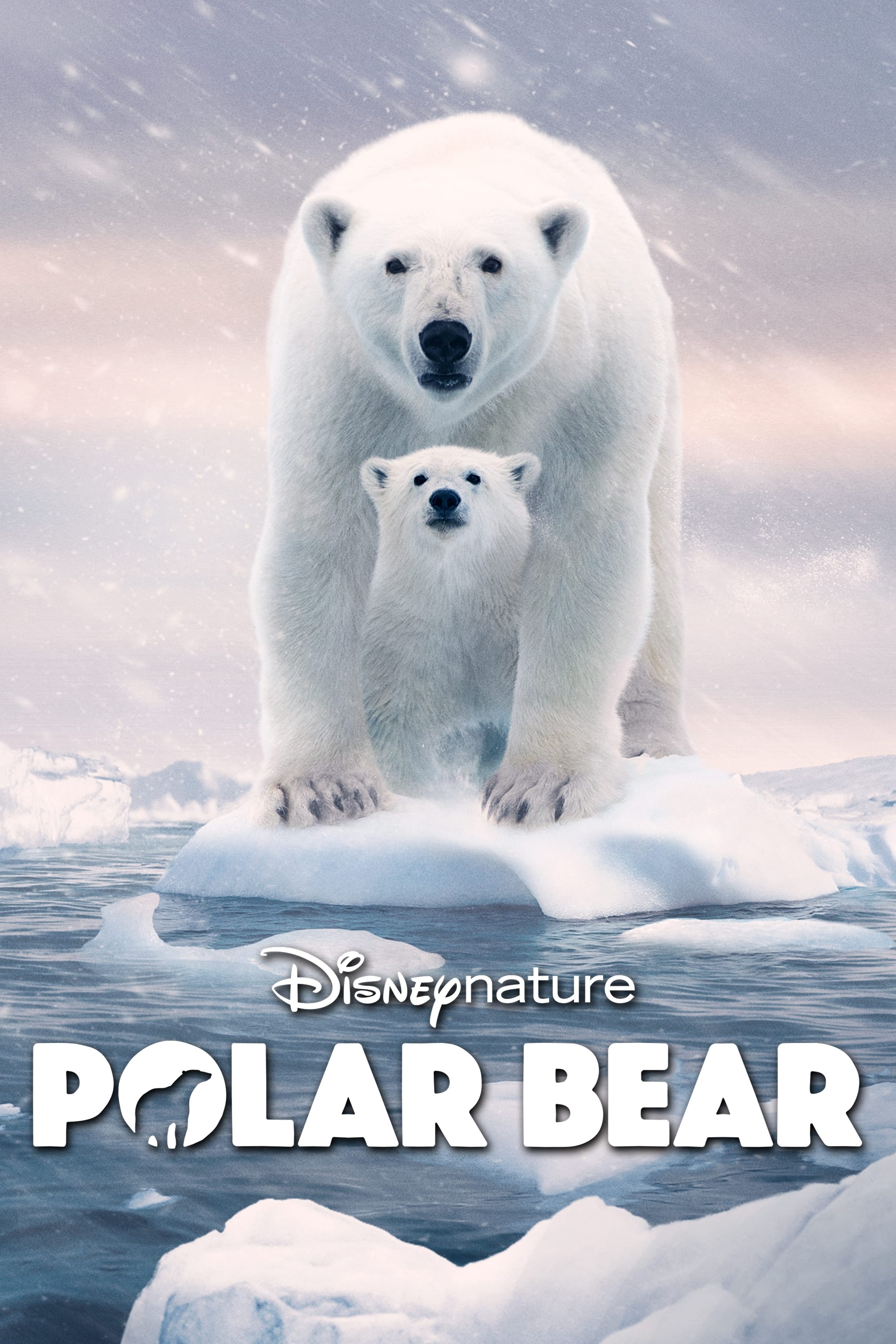
A new mother’s memories of her own youth prepare her to navigate motherhood in the increasingly challenging world that polar bears face today.
Atlantis is filmmaker Luc Besson's celebration of the beauty and wonder of the world beneath the sea, expanding upon themes touched on in his film The Big Blue. Combining stunning underwater cinematography and a hypnotic score by Eric Serra, Besson's singular vision defies dialogue or narrative structure to explore ocean life as you've never seen it before. Following the colossal success of The Big Blue, Luc Besson crisscrossed the world's seas and oceans to film the beauty and diversity of marine life: from the giant octopuses of Vancouver to the manta rays of the Pacific (New Caledonia), and the grey sharks of Tahiti. A film with no actors or sets other than the underwater world. A breathtaking view of marine species: sharks, dolphins, manatees, octopuses. An exploration of the seabed in the Bahamas, the Galapagos, Vancouver, and Tahiti.
A documentary of insect life in meadows and ponds, using incredible close-ups, slow motion, and time-lapse photography. It includes bees collecting nectar, ladybugs eating mites, snails mating, spiders wrapping their catch, a scarab beetle relentlessly pushing its ball of dung uphill, endless lines of caterpillars, an underwater spider creating an air bubble to live in, and a mosquito hatching.
After years of swimming every day in the freezing ocean at the tip of Africa, Craig Foster meets an unlikely teacher: a young octopus who displays remarkable curiosity. Visiting her den and tracking her movements for months on end he eventually wins the animal’s trust and they develop a never-before-seen bond between human and wild animal.
Grammy® winner singer-songwriter Olivia Rodrigo takes a familiar road trip from Salt Lake City, where she began writing her debut album “SOUR,” to Los Angeles. Along the way, Rodrigo recounts the memories of writing and creating her record-breaking debut album and shares her feelings as a young woman navigating a specific time in her life. Through new live arrangements of her songs, intimate interviews and never-before-seen footage from the making of the album, audiences will follow Olivia along on a cinematic journey exploring the story of “SOUR.”
This documentary follows various migratory bird species on their long journeys from their summer homes to the equator and back, covering thousands of miles and navigating by the stars. These arduous treks are crucial for survival, seeking hospitable climates and food sources. Birds face numerous challenges, including crossing oceans and evading predators, illness, and injury. Although migrations are undertaken as a community, birds disperse into family units once they reach their destinations, and every continent is affected by these migrations, hosting migratory bird species at least part of the year.
This documentary revisits the French football team's controversial 2010 World Cup and the bus strike that sparked global headlines and national outrage.
Werner Herzog gains exclusive access to film inside the Chauvet caves of Southern France, capturing the oldest known pictorial creations of humankind in their astonishing natural setting.
In 1997, Louis Theroux made a documentary about the world of male porn performers in Los Angeles. 15 years later, he returns to find a business struggling with the deluge of free porn on the internet. Louis revisits some of the original programme's contributors as well as meeting the latest crop of porn performers dreaming of porn stardom.
Dive into our planet's greatest mysteries with a team of international underwater cinematographers as they explore the breathtaking bond between humanity and the ocean.
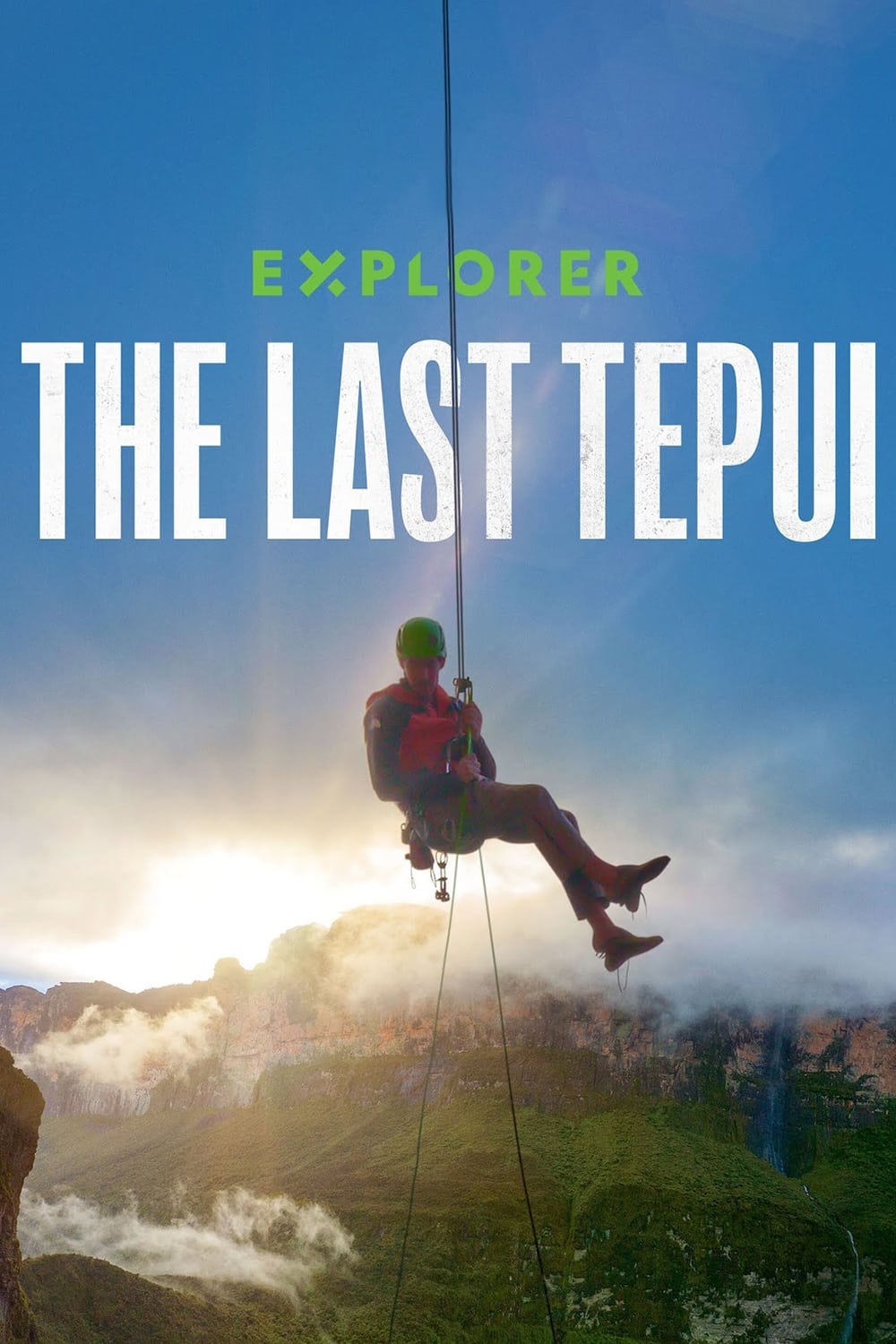
This documentary starring climber Alex Honnold and famous biologist Bruce Means document their expedition to the South American sky islands in search of new species and discoveries. Follows elite climber Alex Honnold and a world-class climbing team led by National Geographic Explorer and climber Mark Synnott on a grueling mission deep in the Amazon jungle as they attempt a first-ascent climb up a 1000 foot sheer cliff.