Social & External
This student film by the award-winning Helena Třeštíková bears many of the hallmarks of her later work. Made as a graduation piece when she was at the FAMU Film and TV Academy in Prague, we see the director developing the distinctive observational style of filmmaking that she has used so effectively throughout her career. Over the course of several months, she follows a young pregnant woman as she becomes slowly acquainted with the joys and responsibilities of motherhood.
Under the shade of a Magnolia tree, a group of pregnant women gathers weekly. Among them is Teresa, an experienced midwife who listens to them attentively. Sitting in a circle, the women reflect on the impending birth of their children and their own emerging roles as mothers.
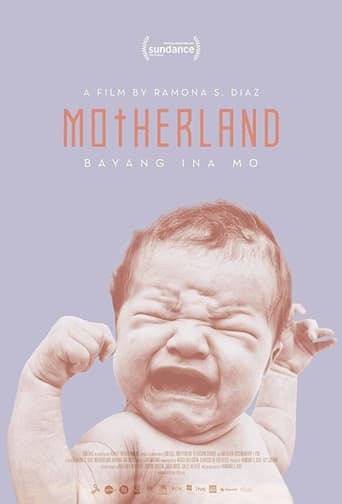
The planet’s busiest maternity hospital is located in one of its poorest and most populous countries: the Philippines. There, poor women face devastating consequences as their country struggles with reproductive health policy and the politics of conservative Catholic ideologies.
As a letter to her son, the filmmaker testifies her experience as a photographer aboard the Aquarius, a ship that rescued 29,523 people in the Mediterranean between 2016 and 2018.
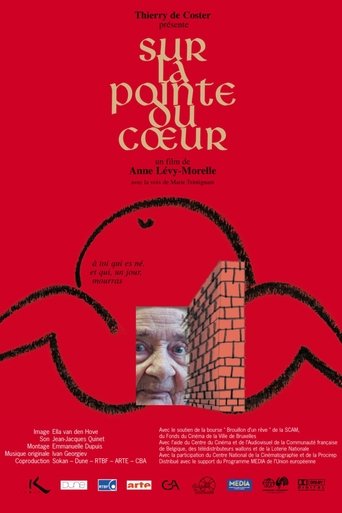
"On the Tip of the Heart" - is a documentary on the St Peter's Hospital in Brussels, structured around seven doors from the maternity to the morgue. This is an opportunity for the director to ask the audience a question, namely: what is there in common between a medieval city, human life and a hospital?
Given the fetishizing and normalizing character that is given to motherhood in patriarchy in order to perpetuate the social order, do we truly choose to be mothers? Why is care, of fundamental vital labor, presupposed as an especially appropriate task for women?
Being mother is the most natural thing in the world. Or so it seems. Yet the demands on women with children have rarely been as overloaded and contradictory as they are in today’s Western world. Promises of happiness are often followed by disadvantages, excessive demands and feelings of guilt. The mother has become an artificially glorified ideal, which nevertheless is often legitimized by the „nature of the woman“. We live in a time when three people could claim to be the same child’s mother: egg donors give their genes to beget children, surrogate mothers deliver babies which they give away immediately after birth, and men raise children by themselves – without a woman at their side. Hence the question arises: What makes a human being a real mother?
When Fernanda and Andressa received the autism diagnoses of their sons, Rafael and Martin, they faced a future marked by invasive treatments and fear. Seeking autonomy, they found in cannabis oil a key to give their children the chance to dream and fight for dignity.
Two drag queens living in a place where homophobia and transphobia are common open their hearts to the world, revealing the human being behind the makeup and wigs. They share the reality of drag as an art form and what it means to move forward as part of the LGBTTTI+ community in a Latin American context.
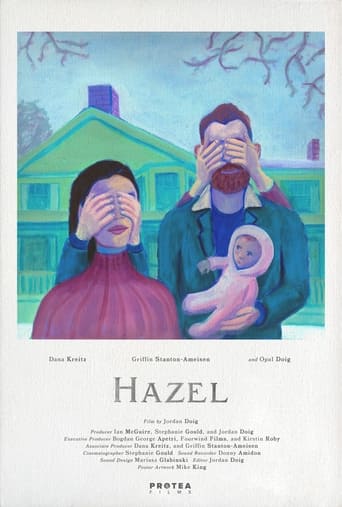
Christine is isolated at home with her newborn baby. New in the role as a mom, Christine feels the guilt from society of not connecting with her child. Only herself to blame, along with the fact that the baby doesn't like her.
Lola (40) enjoys a happy life until an unforeseen pregnancy throws her plans into disarray. Resistant to motherhood and confronted by societal expectations, Lola and her boyfriend, Bruno, deal with the situation. As Lola confronts her inner fears about the repercussions of not embracing motherhood, she embarks on a quest for answers. Unexpectedly, Bruno reveals his desire to become a father, adding further tension and complexity to Lola's search for clarity about her future amidst pressure to conform to societal norms.
By approaching the process of sexual reassignment, the work mixes data and experiences, focusing on family relationships and the nuances of the feminine.
Returning to her home town, overwhelmed by the birth of her firstborn, nineteen-year-old Chloe van Heerden tries to come to terms with motherhood. Despite the support from her own mother, Chloe struggles with the demands of caring for a newborn child. The incessant crying of her baby, the growing sense of guilt and paranoia send her into a dark depression. With a heightened urge to protect her son, she sees danger everywhere.
Julie is a new mom and children's book author, who escapes into the bright Crayola-colored world of her creation in order to leave behind the darkness caused by her post-partum depression.
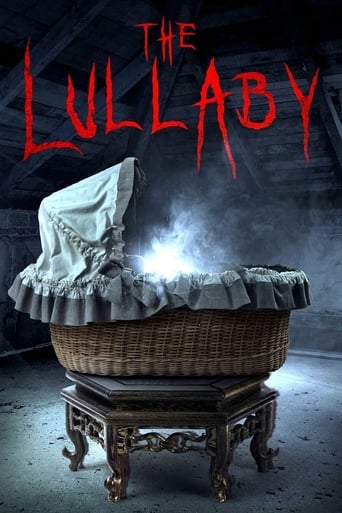
A young couple in love: Rebecca (32) and her boyfriend Julian (34) are expecting their first child and are full of pleasant expectation. As Rebecca gives birth to a healthy boy their luck seems to be perfect. But instead of the unconditional motherly love she was expecting she is thrown into an emotional turmoil. Helplessness and desperation reign and her own baby is a stranger to her. With every day that passes her inability to meet the demands of motherhood become more and more apparent. Unable to admit this to anyone, not even Julian, she falls into a deep darkness - to the point that she realises she is becoming a threat to her child. Now only unconditional love can bring her back on track…
After a sexist joke goes viral, Cédric loses his job and embarks on a therapeutic journey to free himself from sexism and misogyny. He and his girlfriend hire a mysterious and liberated babysitter to help shake things up.