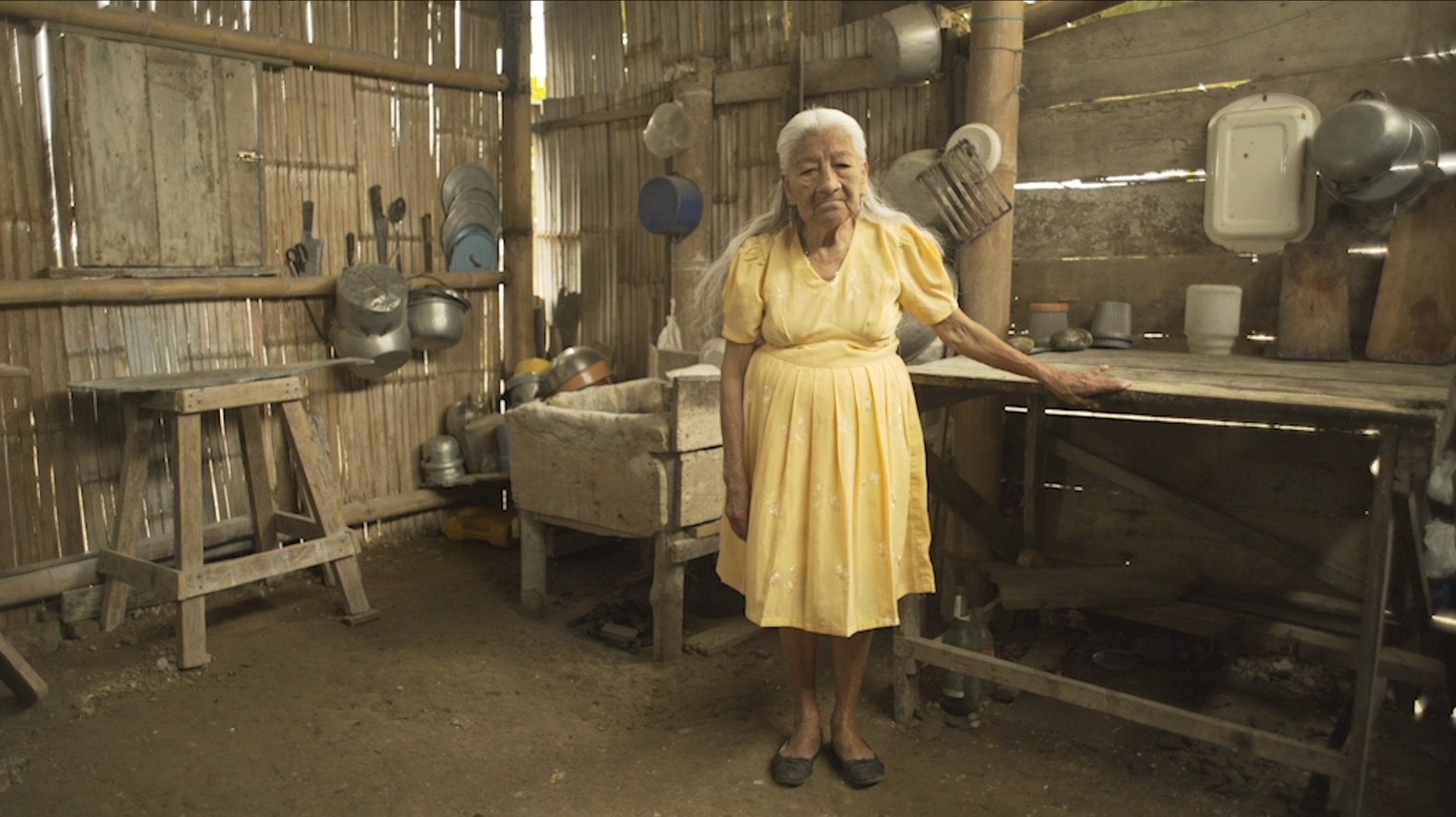
84-year-old Maura is the guardian of a very particular tradition in danger of extinction. She is a singer of amorfinos, verses full of humor that will disappear forever with her departure.
Social & External
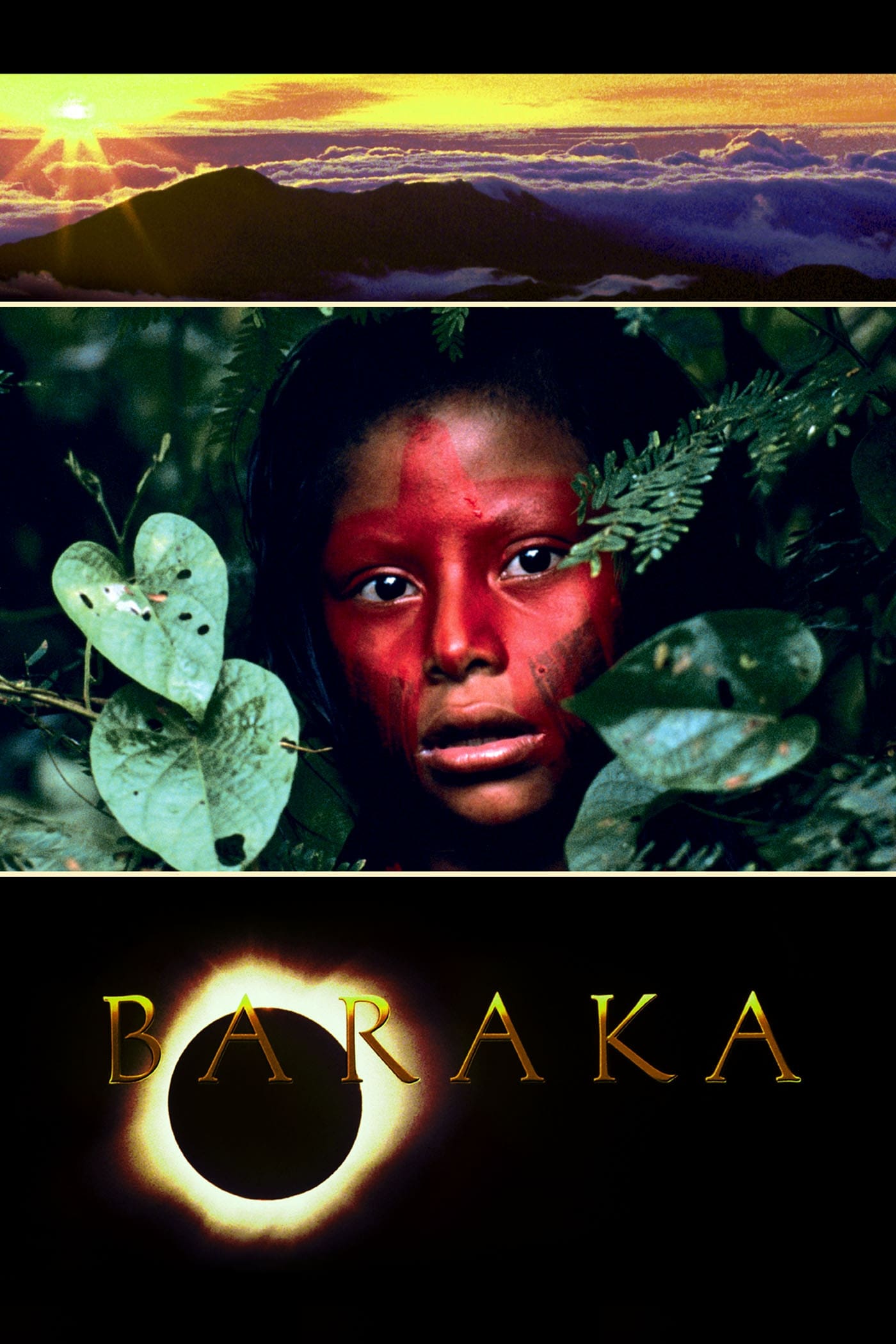
Takes us to locations all around the US and shows us the heavy toll that modern technology is having on humans and the earth. The visual tone poem contains neither dialogue nor a vocalized narration: its tone is set by the juxtaposition of images and the exceptional music by Philip Glass.
As a boy, Dawa was an illiterate Tibetan nomad whose life revolved around herding yaks. At 13, his life changed: through a series of visions, Dawa acquired the gift of telling the epic story of Tibet’s King Gesar. Now, at 35, Dawa receives a salary from the government as a guardian of national cultural heritage and is regarded as a holy man by his community. When an earthquake reduces his hometown to rubble, redevelopment of the region takes a giant leap forward. In the midst of such seismic shifts, Dawa seeks healing from King Gesar and other divine protectors of the land.
A portrait of a family living in a village in Masuria.
Director Hannah Livingston spends 6 months tracking two of America's most radical Christian hate groups - a notorious pastor from Arizona and a network of extremist preachers.
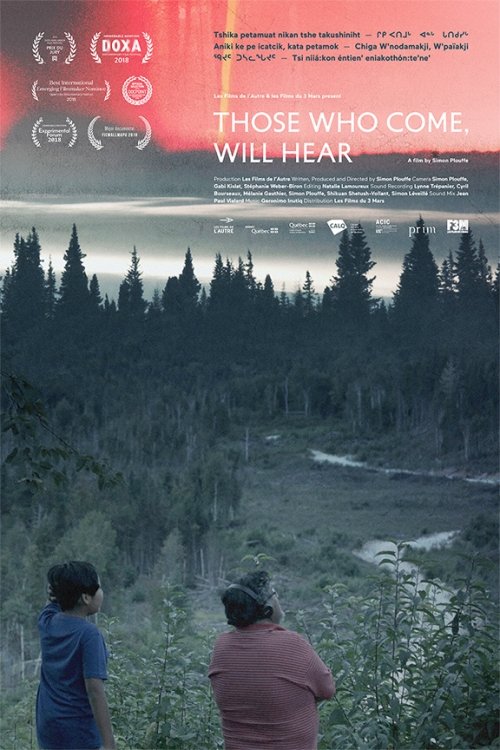
The documentary proposes a unique meeting with the speakers of several indigenous and inuit languages of Quebec – all threatened with extinction. The film starts with the discovery of these unsung tongues through listening to the daily life of those who still speak them today. Buttressed by an exploration and creation of archives, the film allows us to better understand the musicality of these languages and reveals the cultural and human importance of these venerable oral traditions by nourishing a collective reflection on the consequences of their disappearance.
Little is known about the figure of Isabel Santaló, an old artist, today fallen into oblivion. But occasionally some visitors come to her flat. Through them and the voice of Antonio López (Dream of Light, Víctor Erice), the only painter who remembers her, we shape a multifaceted film. This is a cinematic portrait, which well into the film takes a surprising turn. A film that reflects on memory and oblivion, art and the creative process; posing the question of what it means to be an artist and a woman.
A sample of the most relevant and characteristic aspects of traditional Navarran culture: carnivals, pilgrimages, crafts involving farm implements and tools, agricultural work, patron saint festivals, and other manifestations of rural society and folklore unfold over 150 minutes at the pace set by the seasons. The film is a reference document of prime importance on traditional Navarrese society, which was beginning to disappear in the years when the film was shot due to the rapid transformation of the region into an industrialized society. More than thirty years later, this process has been almost completely accomplished, giving the film a unique added historical value.
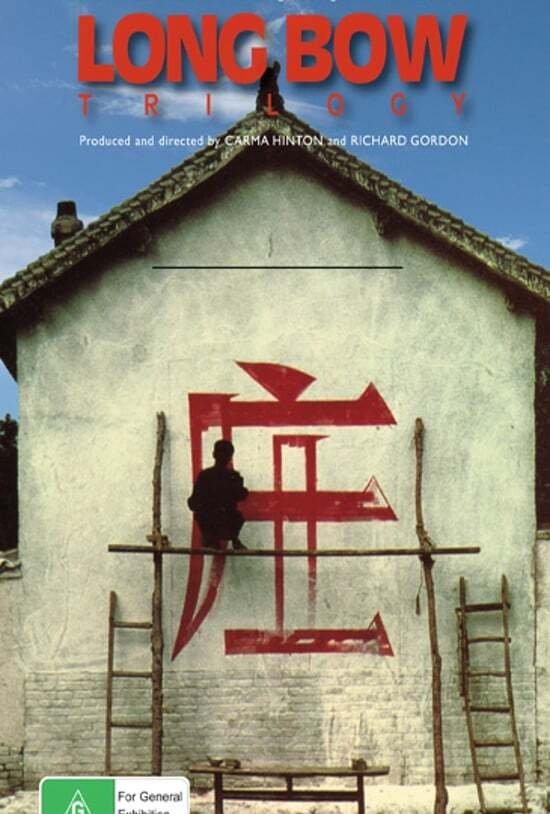
Part Two: SMALL HAPPINESS - Despite the tremendous advances women in China have made, serious problems continue. Long Bow women talk about love, marriage, work, birth control, birth customs and the now outlawed custom of foot binding. Truly moving interviews with Lingqiao and her mother-in-law draw us into their lives.
Every year since 2011, a unique beauty contest has been taking place in Haifa. The contestants are female survivors of the Holocaust. In the midst of this flashy spectacle, their personal traumas remain as deep as ever. There are many things about this contest that are controversial: it is organized by the right Zionist organization, the International Christian Embassy Jerusalem, and the dubious contest itself rises the public indignation of various speakers, including other survivors.
This film is focused on elderly women spending their last years of life in a nursing home in Krakow. The discreet heroine of the film is an elderly lady whose check-in is recorded by the camera. Thanks to this, we gain access to intimate situations, for example a sudden acceleration of the heartbeat in the middle of the night. The camera follows the women around the clock, starting from their morning prayer.
The story of community in the Deep South that is forced to deal with the struggles of ignorance, hypocrisy and oppression.
A partnership between the Government of Mali and an American agricultural investor may see 200-square kilometers of Malian land transformed into a large-scale sugar cane plantation. Land Rush documents the hopes, fears, wishes, and demands of small-scale subsistence farmers in the region who look to benefit, or lose out, from the deal.
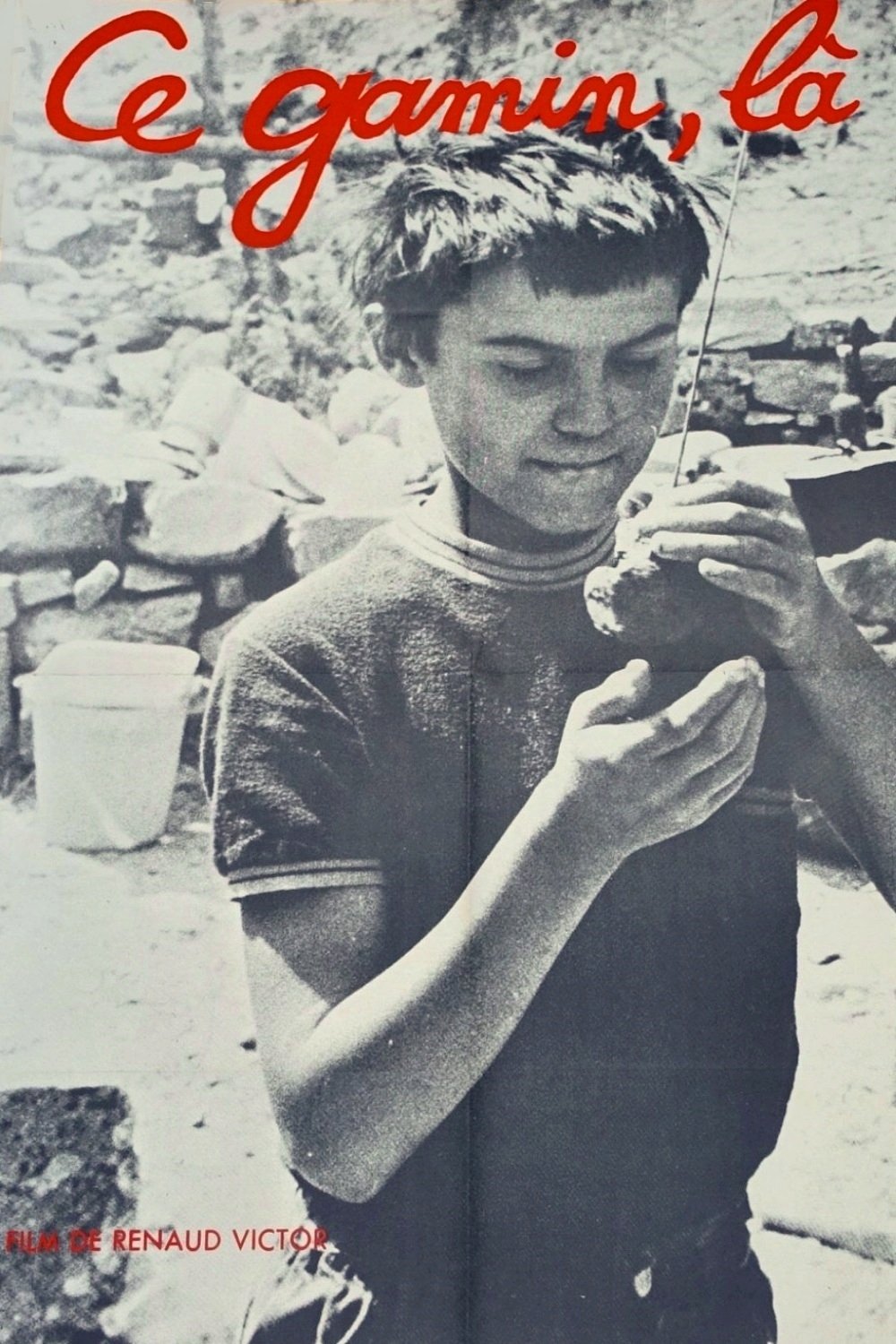
A group of educators led by Fernand Deligny are working to create contact with autistic children in a hamlet of the Cevennes.
A documentary following Zhou Yuanquiang, a cultural worker in Jingdezhen, China who makes movies with untrained local actors.
Back in the days, Choi Maggi an old lady accepted Kim Chunhee as her husband’s second wife to continue the family tree as she has lost her two sons in the past due to measles and typhoon. This story is more dramatic than any drama because even after the death of their husband they live together. The director does a good job in expressing the lives of these two old ladies without any exaggeration. The daily life and relationship of the two ladies eating, washing and working is described in a very detailed script. Through this film you will feel the eager echo of the proposition of life that exceeds the standard of happiness and misfortune. (KIM Youngjin)
Filmmaker Angelo Madsen Minax returns to his rural Michigan hometown following the death of his infant niece and the subsequent arrest of his brother-in-law as the culprit. Using the audio-visual approaches of essay film, first-person cinema vérité, staged actions, and decades of home movies, Madsen navigates a town steeped in opioid addiction, economic depression, and religious fervor, while using the act of filmmaking to rebuild familial bonds and reimagine justice. Posing empathy as a tool for creating a more just world, North By Current does not seek to investigate a crime, but creates a relentless portrait of an enduring pastoral family, poised to reframe and reimagine narratives about incarceration, addiction, trans embodiment, and ruralness.
This film is a story, testimony and documentation of the forced disappearance of 43 student teachers, which exposes the criminal complicity between the police and military authorities, between the political and economic elites and criminal organizations in Mexico, which appear to be different forces, but respond to similar interests.
About an elderly woman in a country house, spending time with her only companion, a goat.
Nando, a young horse wrangler in a rural Mexican village, has taken his own life following a disagreement with his father. Caballerango shows the boy’s family members and townspeople as they reckon with the new realities borne out of this inexplicable tragedy. Each account of Nando’s story reveals a different aspect of this rural town, which is deeply affected by modernization. The confrontation between the centuries-old ways of life and the modern-day world seems to be creating serious identity crises among the younger generation. The story is told in a patient, observational style with methodical shots of the landscape, ranches, and of the two white horses, whom Nando and his father tended to. Those horses, the last to see Nando alive, connect us to an ethereal sensation of almost otherworldly mystical beings.
The film is not constructed as a lineal story, instead, each scene works as a painter’s brush freely tracing a distinctive shape; the lifestyle of the Raramuri people, the particular way in which they relate within the family, the community and their surrounding nature. Nararachi’s warm, intimate and profoundly human insight of the indigenous lifestyle and culture is so powerful that it enables the viewer to expand her horizon.