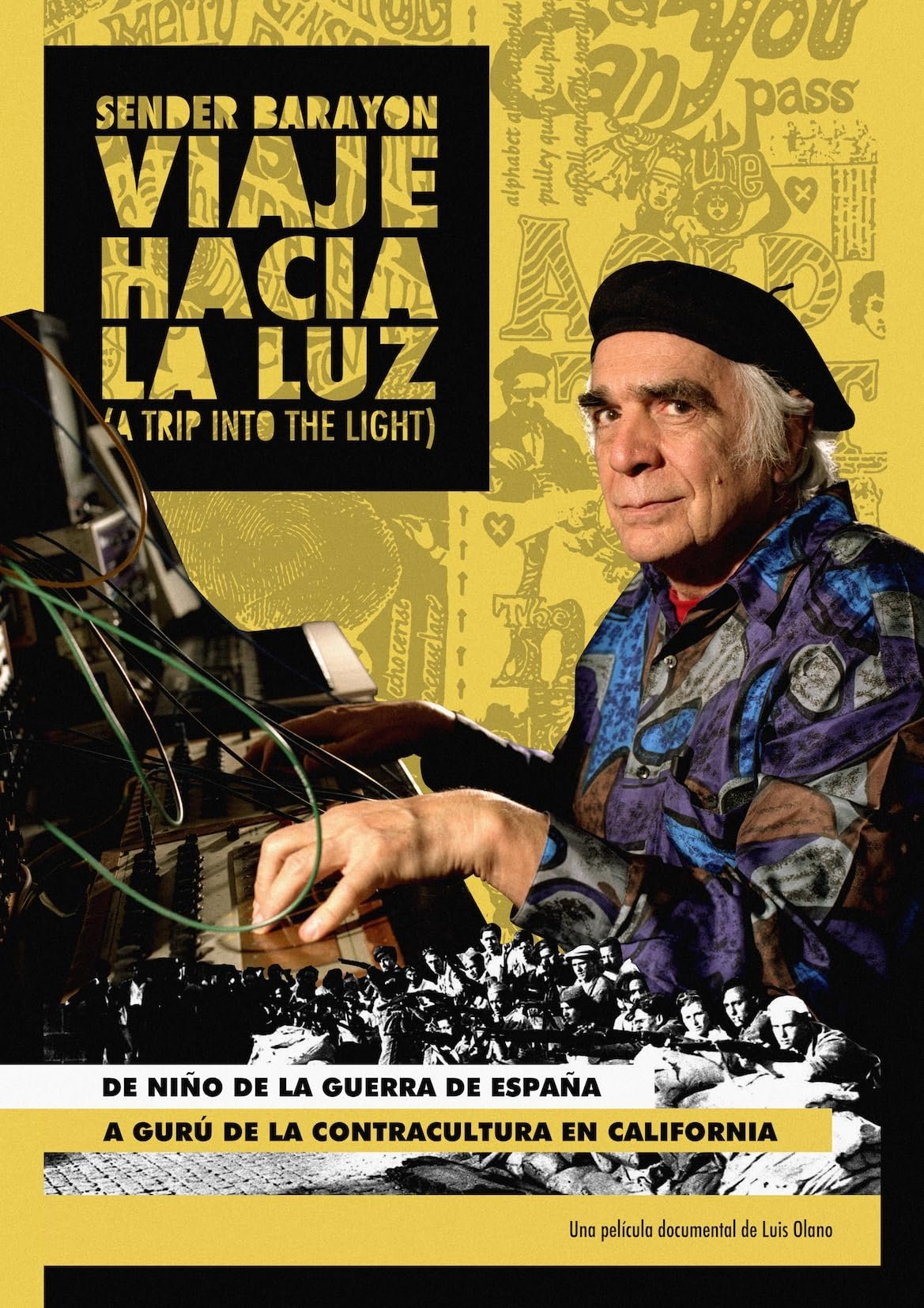
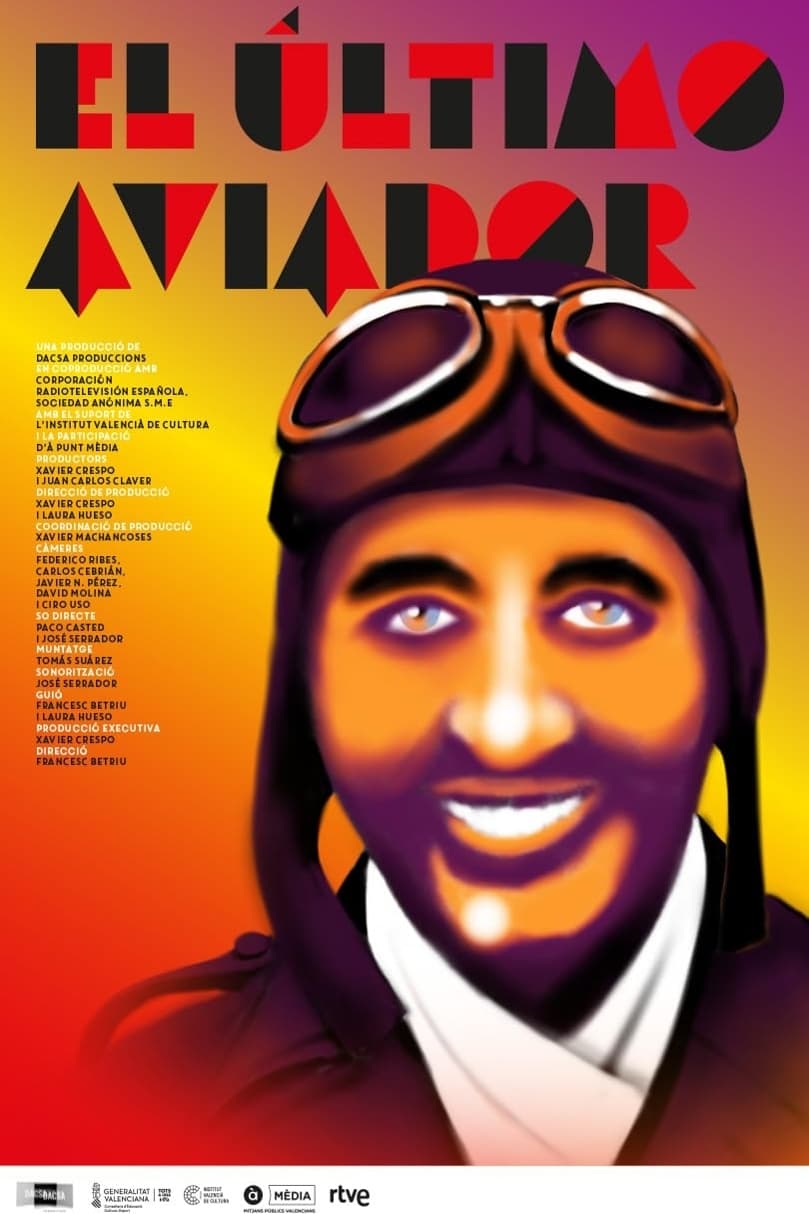
The story of the pioneering electronic composer Ramón Sender Barayón. From his escape from the Spanish Civil War to the California of psychedelia, hippies and counterculture.
Social & External
Self
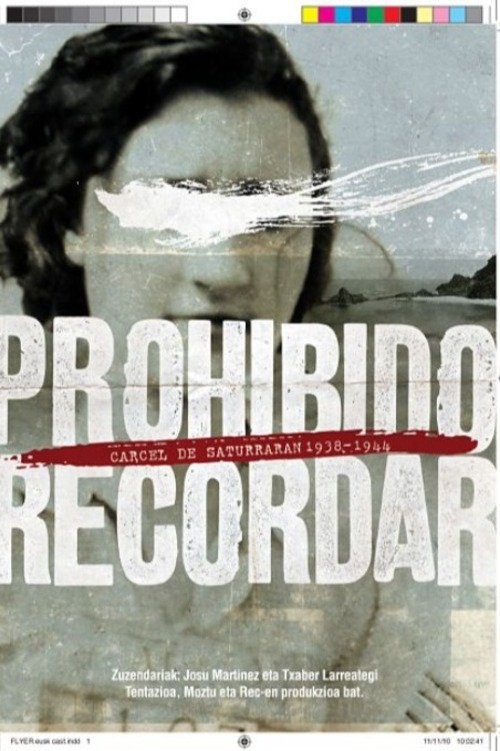
Many years have passed since Saturraran women's prison closed its doors in 1944. Thanks to the people working to recover the historical memory, numerous black points of the Civil War are gradually coming to light. Even so, the silence continues to reign. The list of forgotten names is long and there is still so much to be remembered...
A retrospective look at the anarcho-syndicalist and anarcho-communist experience in Spain from 1930 until the end of the Civil War in 1939.
Obsessively referring to the traumas and wounds that the Spanish civil war (1936-39) and Franco's dictatorship (1939-75) caused in their day no longer serves to explain the impassable abyss of incomprehension and hatred that the abject policies and radical positions adopted by both the right and the left in recent decades have opened up before the citizens of a country that is barely known beyond hackneyed cultural clichés.
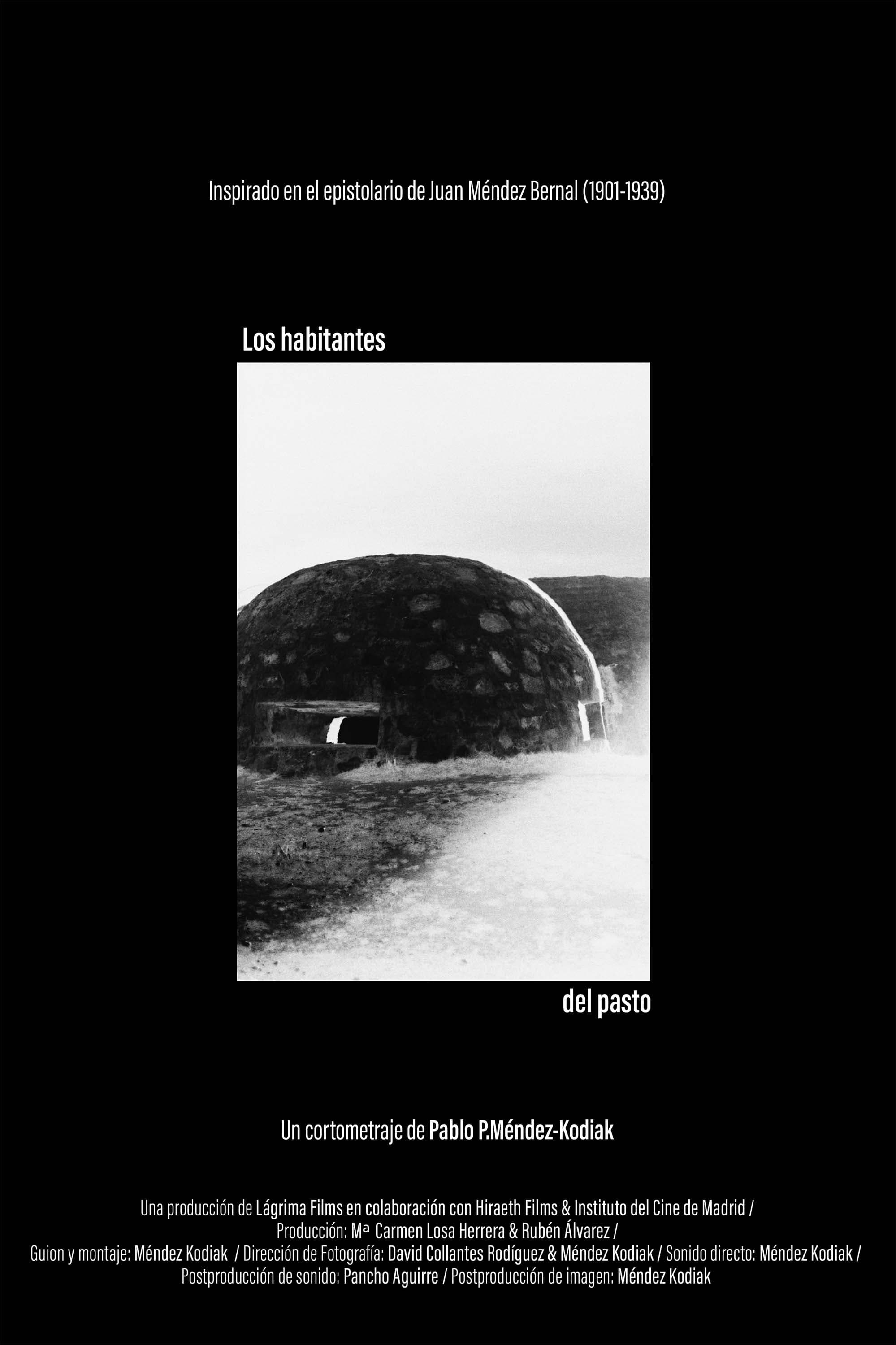
Juan Méndez Bernal leaves his house on the 9th of april of 1936 to fight in the imminent Spanish Civil War. 83 years later, his body is still one of the Grass Dwellers. The only thing that he leaves from those years on the front is a collection of 28 letters in his own writing.
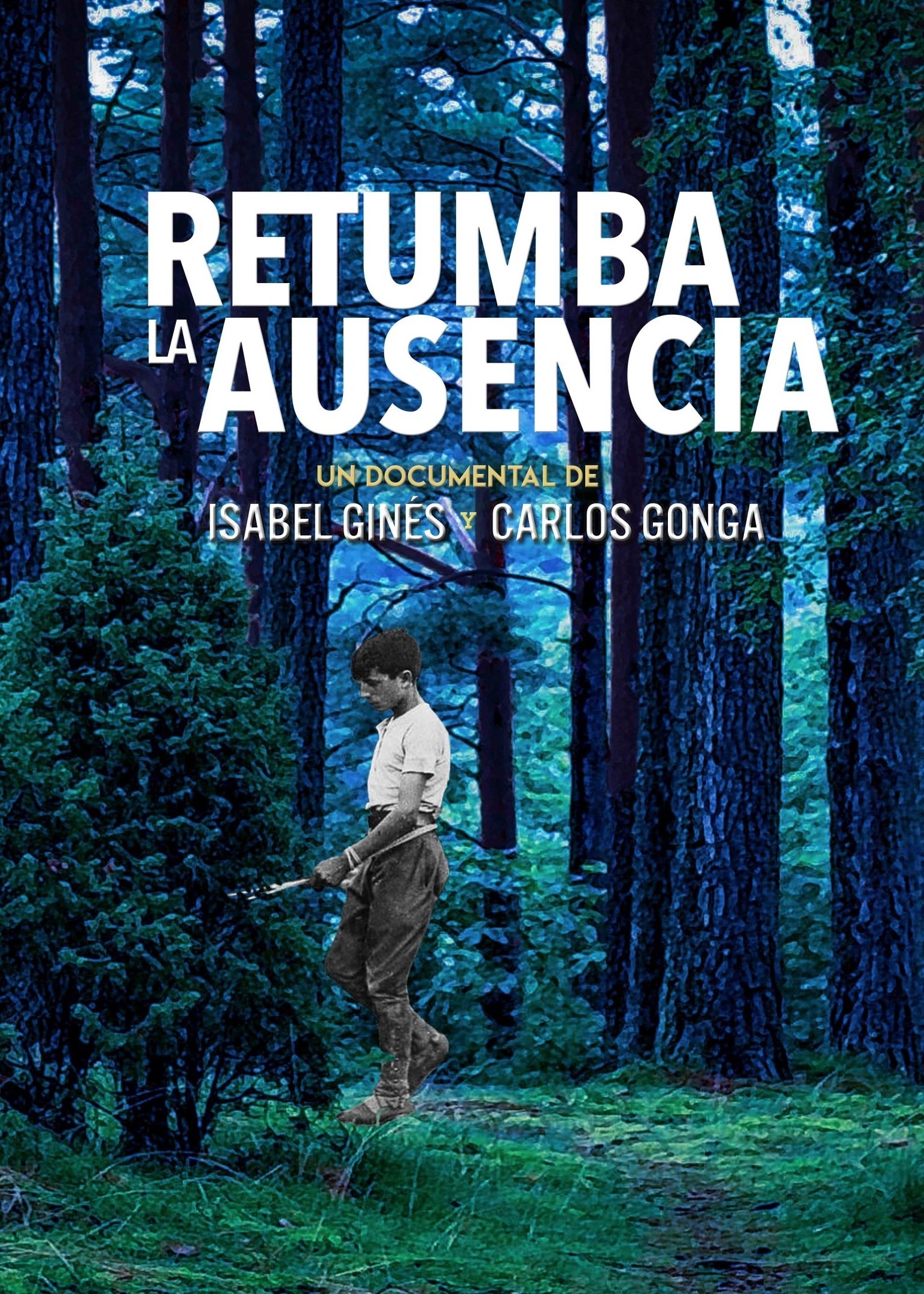
Documentary that recovers the memory of the neighbors who were victims of Franco's repression in the Tiétar Valley and the Sierra de San Vicente, in the province of Toledo, and surrounding towns. Many of them are listed as missing: they were made to disappear at dawn and their families never saw them again.
Ordered personally by Mussolini, with the expression "martellamento diluito nel tempo", the bombings were a studied way of sowing terror, massacring citizens little by little and ending their sources of livelihood. The film provides little-known data from that episode, such as official documents that show that democratic Italy continued to receive money from Spain for its participation in the war. In 2013, the Barcelona Court accepted a complaint against the Italian pilots who participated in the bombings. The victims, for their part, are still waiting for Italy to apologize for these events.
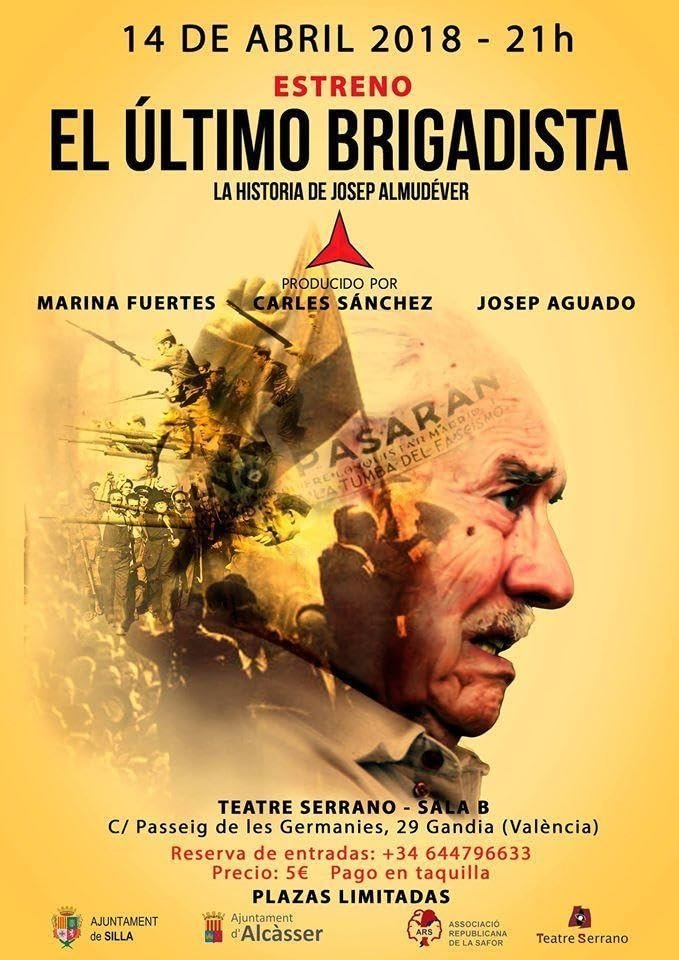
Documentary about the life of Josep Almudéver, born in Marseille (France) and raised in Alcàsser (Valencia), he is one of the international brigade members who participated in the Spanish Civil War on behalf of the Republican side, and the only one still alive today.
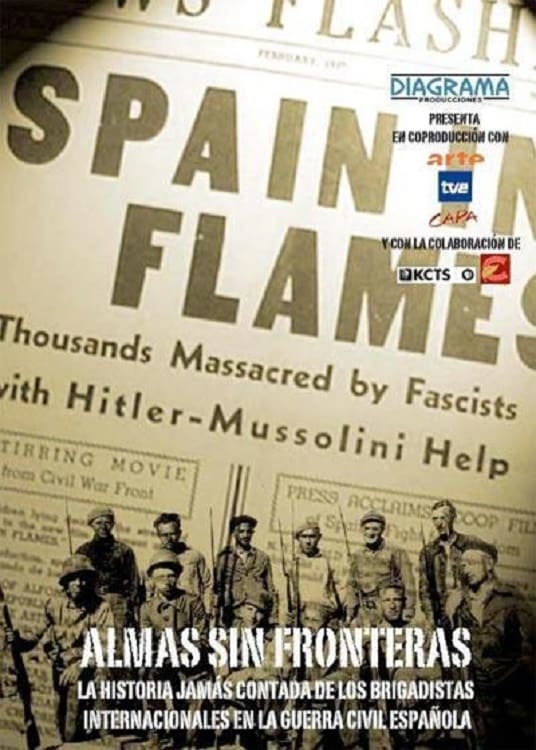
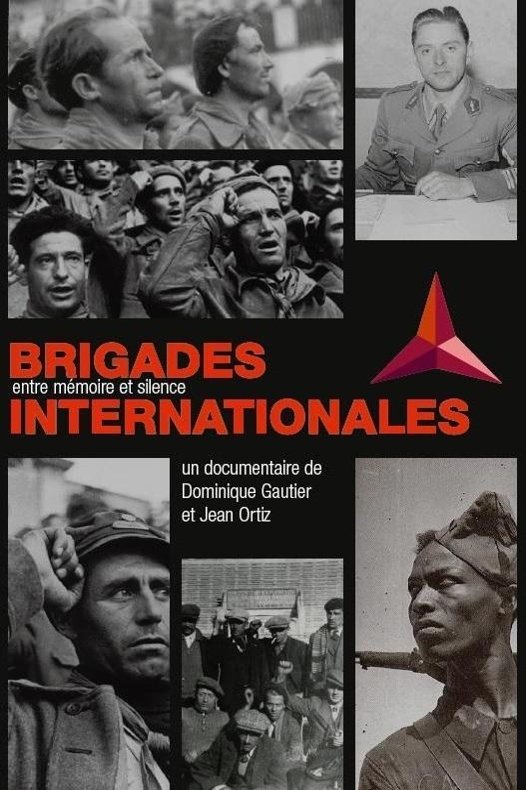
This documentary summarizes one of the most beautiful pages of contemporary history. Thousands of women and men, some "foreigners" wrote them: the page of anti-fascist solidarity with the Spanish Republic and its victorious Popular Front in February 1936 for some, and solidarity with the "revolution" for others; both causes for most of them.
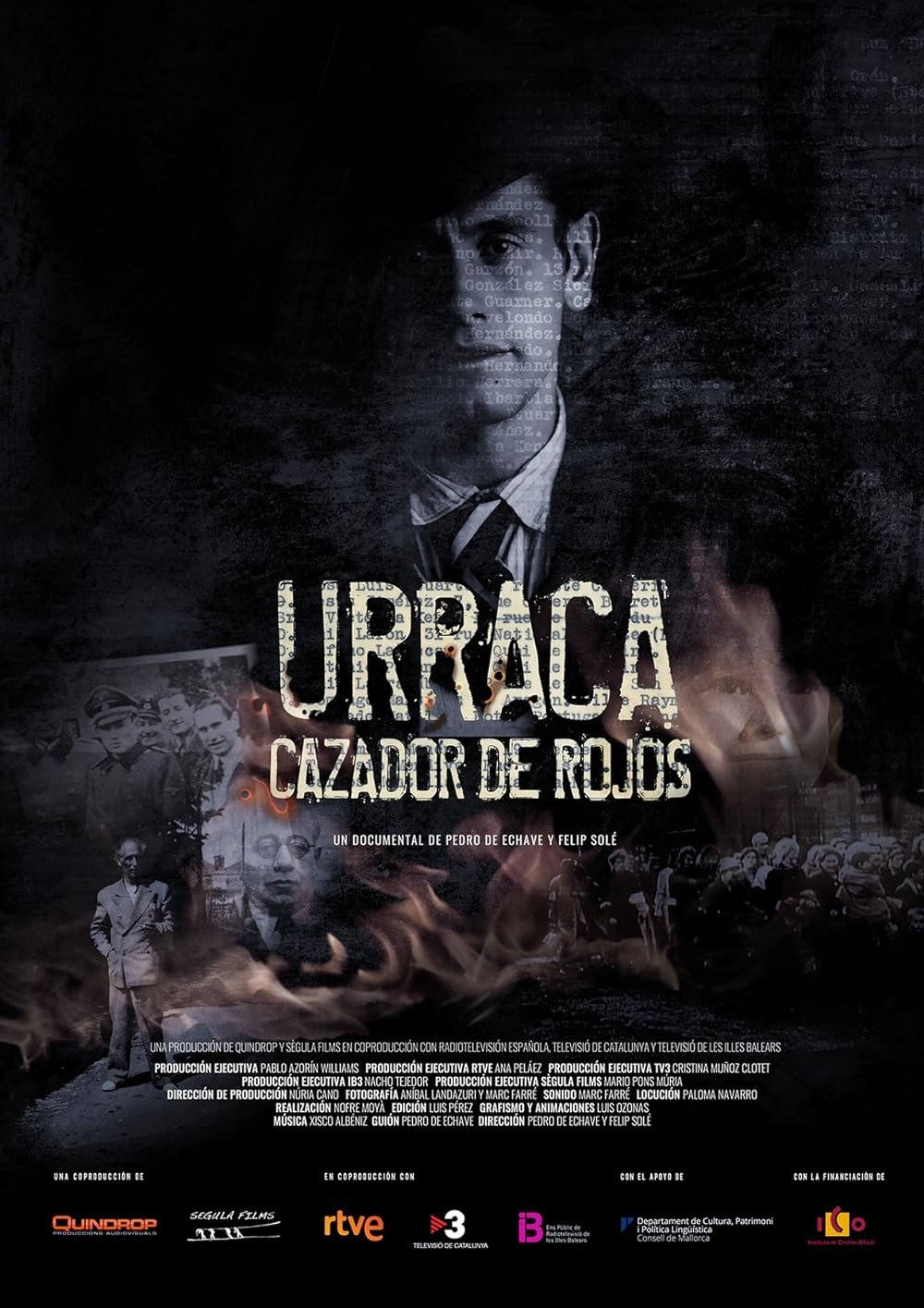
Pedro Urraca, Spanish policeman and Gestapo agent led the persecution of numerous Spanish Republican loyalists exiled in France during the Nazi occupation. The portrait of a sinister character through the testimony of his granddaughter.
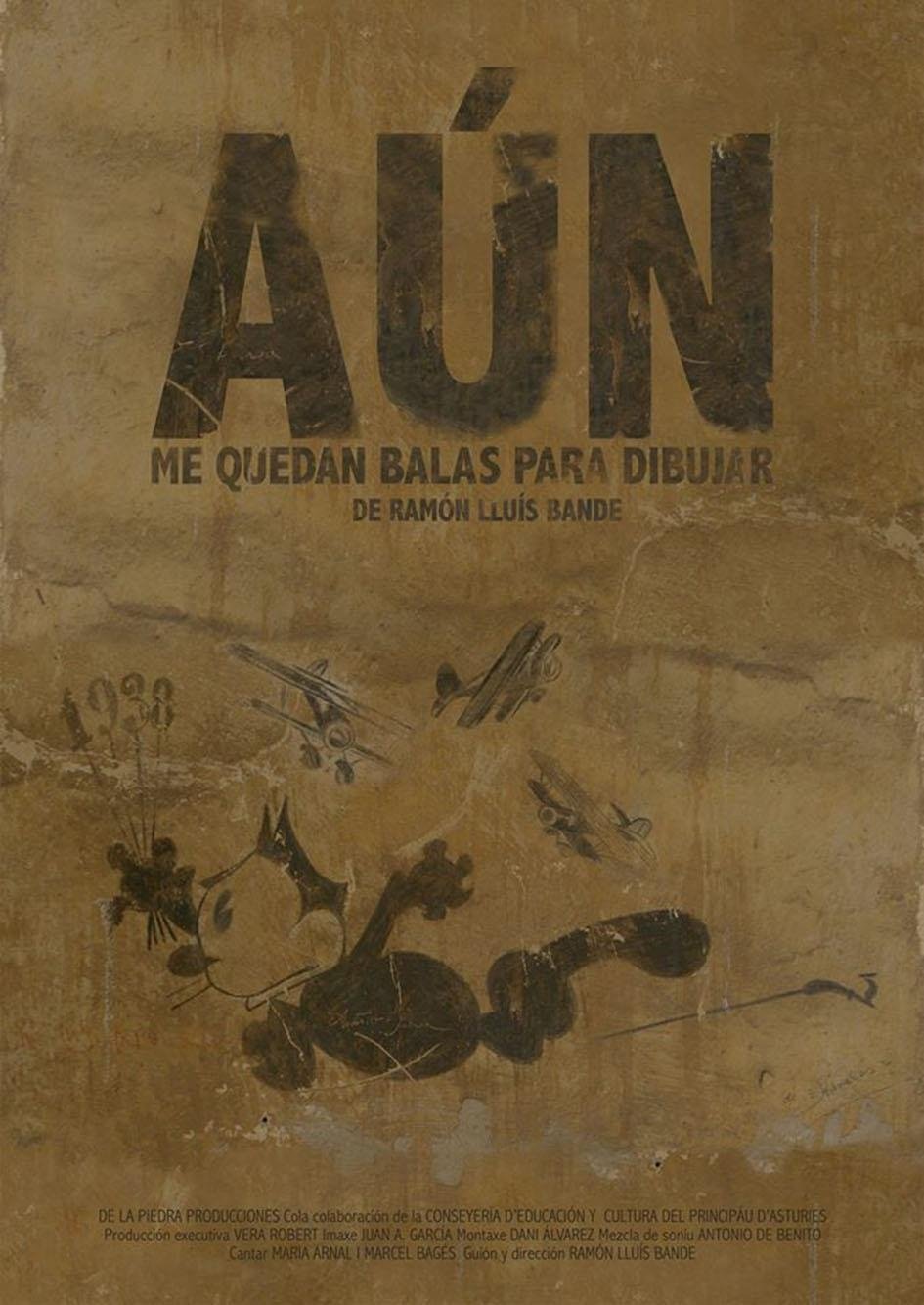
A new look at the Spanish Civil War, from the 'graffiti' drawn in the dungeons of Cangas del Narcea by political prisoners sentenced to death.
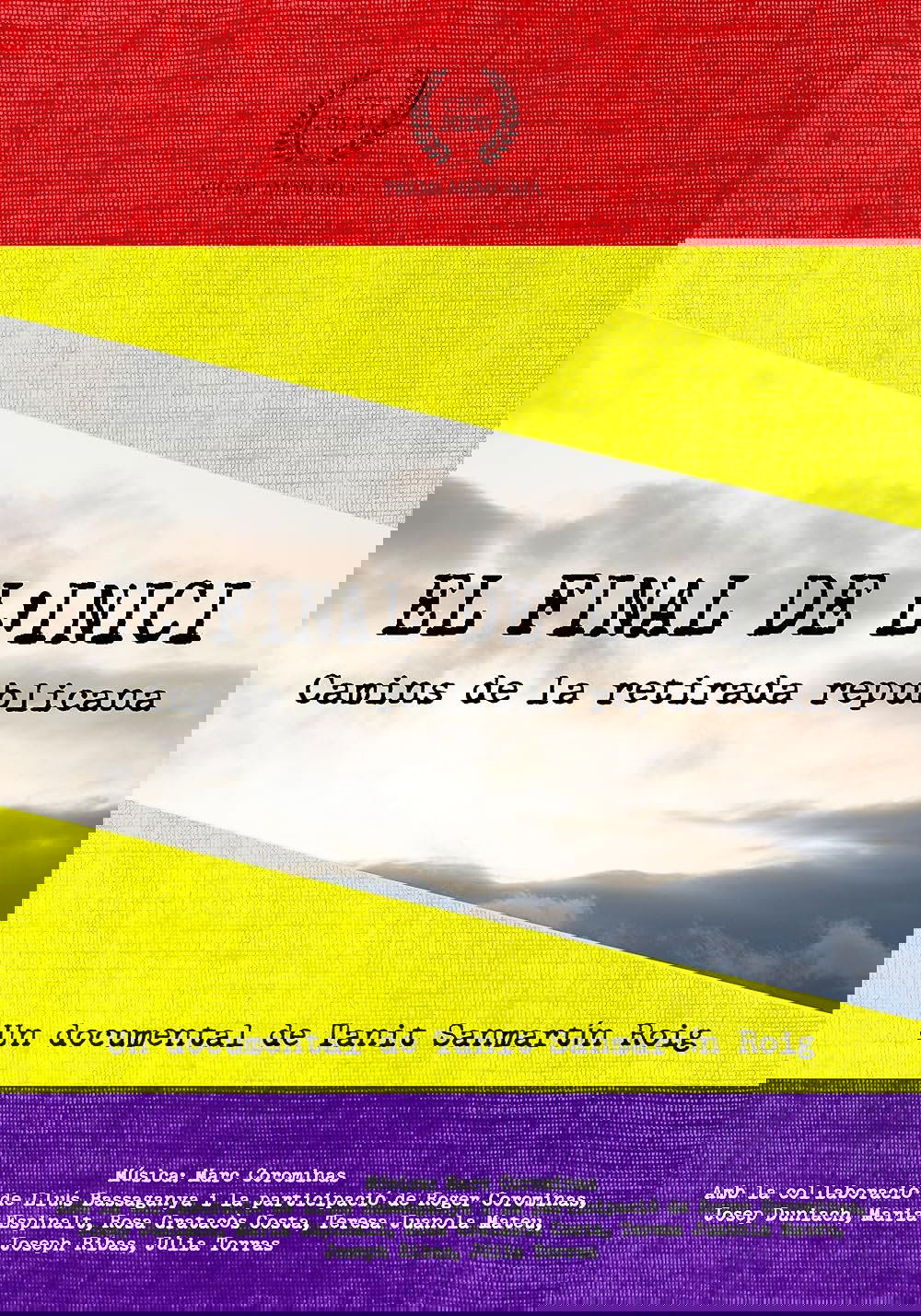
1939. Thousands of refugees were concentrated in the last republican sectors of Catalonia to cross into France. Through the Camprodon Valley, in the Pyrenean region of Ripollés, some 100,000 people crossed to the neighboring country: civilians, military, international brigades, including doctors and wounded. The war in Spain was ending, but soon another would begin. 100,000 people left their homes behind. Many would return, others would continue the fight.
After more than 75 years, Vicente Montejano tells us first-hand about his experience of more than 14 years in the Russian Gulag after the end of the Spanish Civil War.
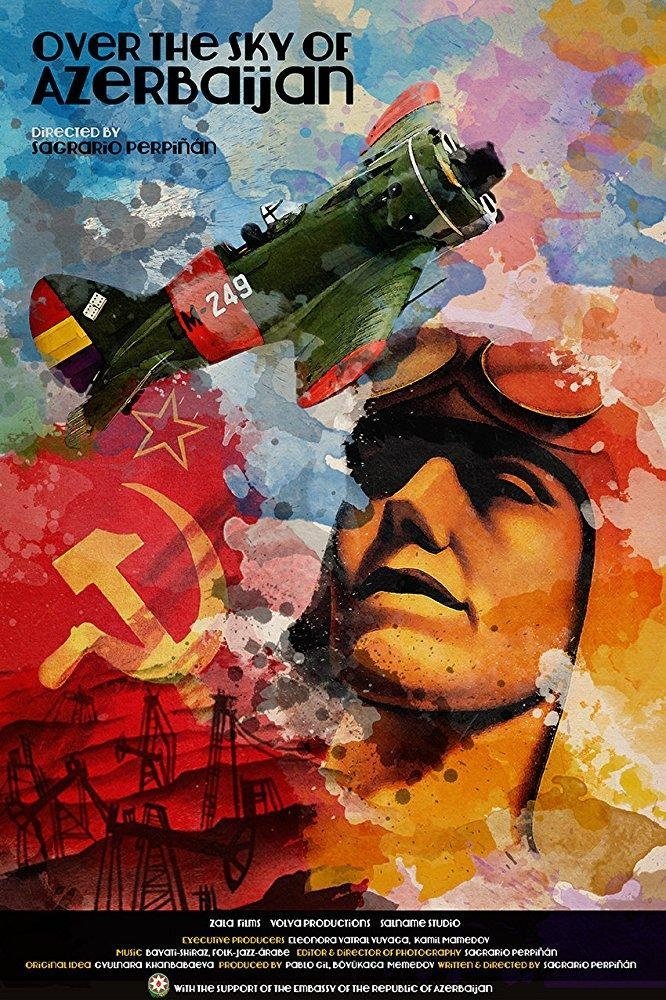
During the Spanish Civil War, more than 500 young Spanish pilots went through the Russian Aviation School in Kirovabad, former capital of the current Republic of Azerbaijan. Once the Spanish war was over, some of them remained in Soviet territory and continued their fight against Fascism on the side of the Russian army.
After the Civil War, between 20,000 and 30,000 Spaniards went into exile in Mexico. This was the country that welcomed the most exiles, after France.
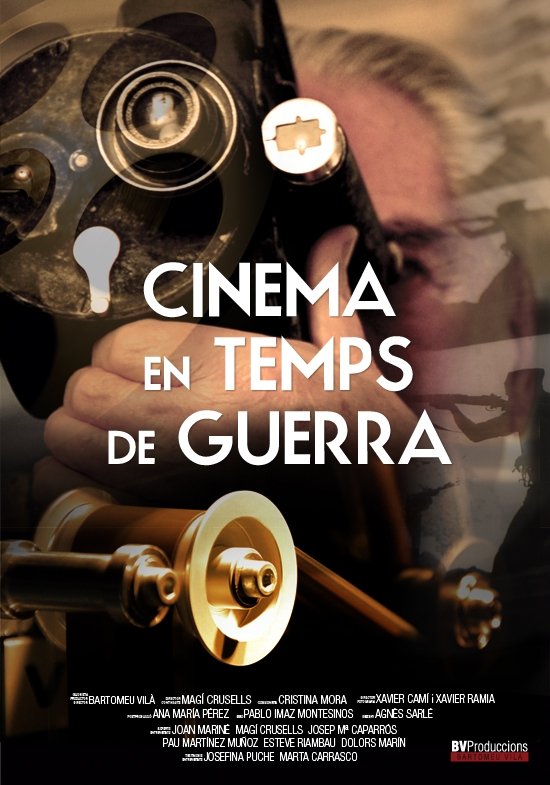
The documentary film by director Bartomeu Vilà relives the experiences of one of the last cinematographers of the Republic, Joan Mariné, exceptional witness to a moment in the history of Catalan cinema that, despite the economic precariousness, the lack of means and the difficult international circumstances, was characterized by its high production, never surpassed, and its innovation in forms and contents. Through the memories and experiences of Joan Mariné (Barcelona, 1920), the documentary takes a tour of the films he filmed during those years of contention, both with the Sindicat d'Espectacles de la CNT/FAI, and later with the production company of the Republican Generalitat, Laya Films.
The film, directed by Pedro Grimaldi, with his mother as the protagonist, narrates the events unleashed in Jerez since the occupation of the military rebels on July 19, 1936. It is a tribute to the "wounded generation", the one who lost their childhood in the context of the war and the postwar period. Girls and boys who had to mature quickly. But, above all, it is a recognition of a generation of resilient, brave and fighting women who were doubly victims: by the violence of the war itself and by their status as women.
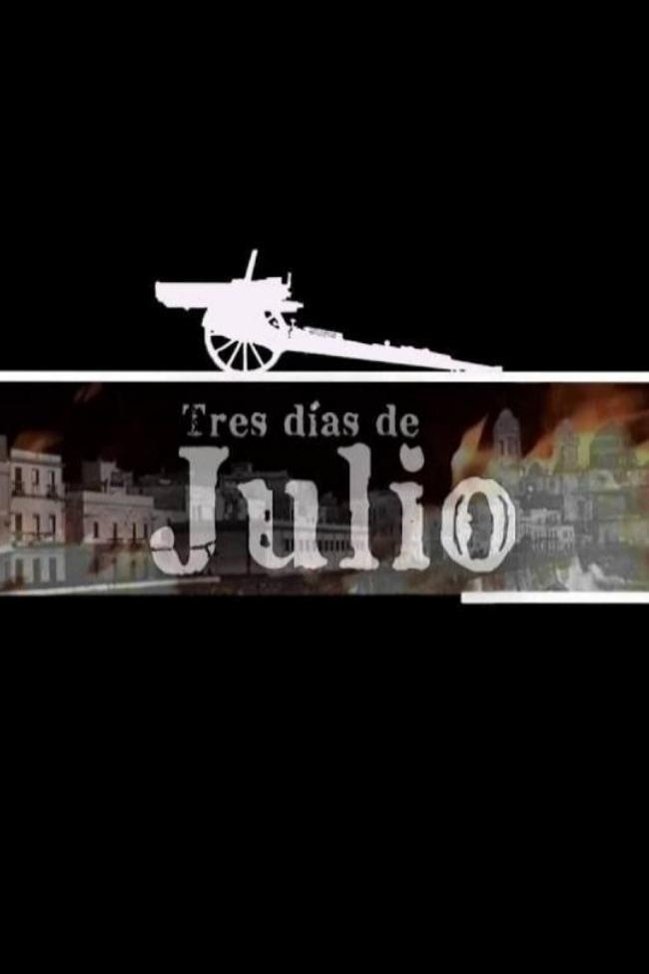
"Tres días de julio" shows what happened in the city of Cádiz in the hours prior to the coup d'état of July 18, 1936, as well as what happened until the moment the Cadiz capital succumbs to the rebels on the morning of Sunday the 19th. The documentary features the participation of historians, relatives of victims of reprisals, and even some direct testimonies of people who lived those tragic days in their youth. The city and province of Cádiz are described as a fundamental piece in the coup because, when it failed in the main cities of the country, they began to play a fundamental role in the strategy followed by the rebels in the immediate Civil War.
An account of the brief life of the writer Albert Camus (1913-1960), a Frenchman born in Algeria: his Spanish origin on the isle of Menorca, his childhood in Algiers, his literary career and his constant struggle against the pomposity of French bourgeois intellectuals, his communist commitment, his love for Spain and his opposition to the independence of Algeria, since it would cause the loss of his true home, his definitive estrangement.
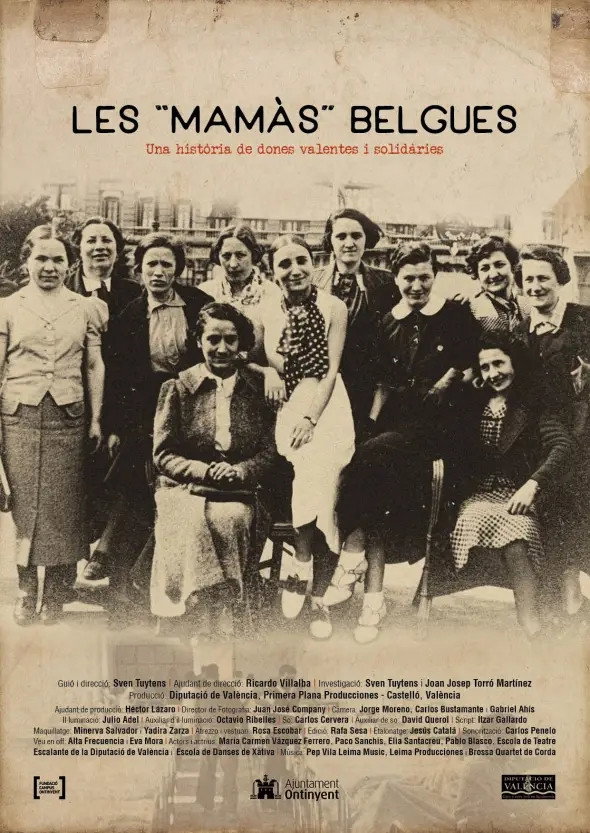
The documentary ‘Les mamàs Belgues’ directed by Sven Tuytens is the story of 21 young women from Belgium who volunteered in 1937 to work as nurses in a Valencian military hospital, looking after republican soldiers.
The film follows adventurer Jeff Johnson as he retraces the epic 1968 journey of his heroes Yvon Chouinard and Doug Tompkins to Patagonia.
The life and career of an actor, artist, and icon. His own journey through his own camera.
Behind-the-scenes documentary about how Lionel Messi succeeded in lifting the World Cup – the only trophy to have eluded him in an incredible career.
Daniel Craig candidly reflects on his 15 year adventure as James Bond. Including never-before-seen archival footage from Casino Royale to the upcoming 25th film No Time To Die, Craig shares his personal memories in conversation with 007 producers, Michael G Wilson and Barbara Broccoli.
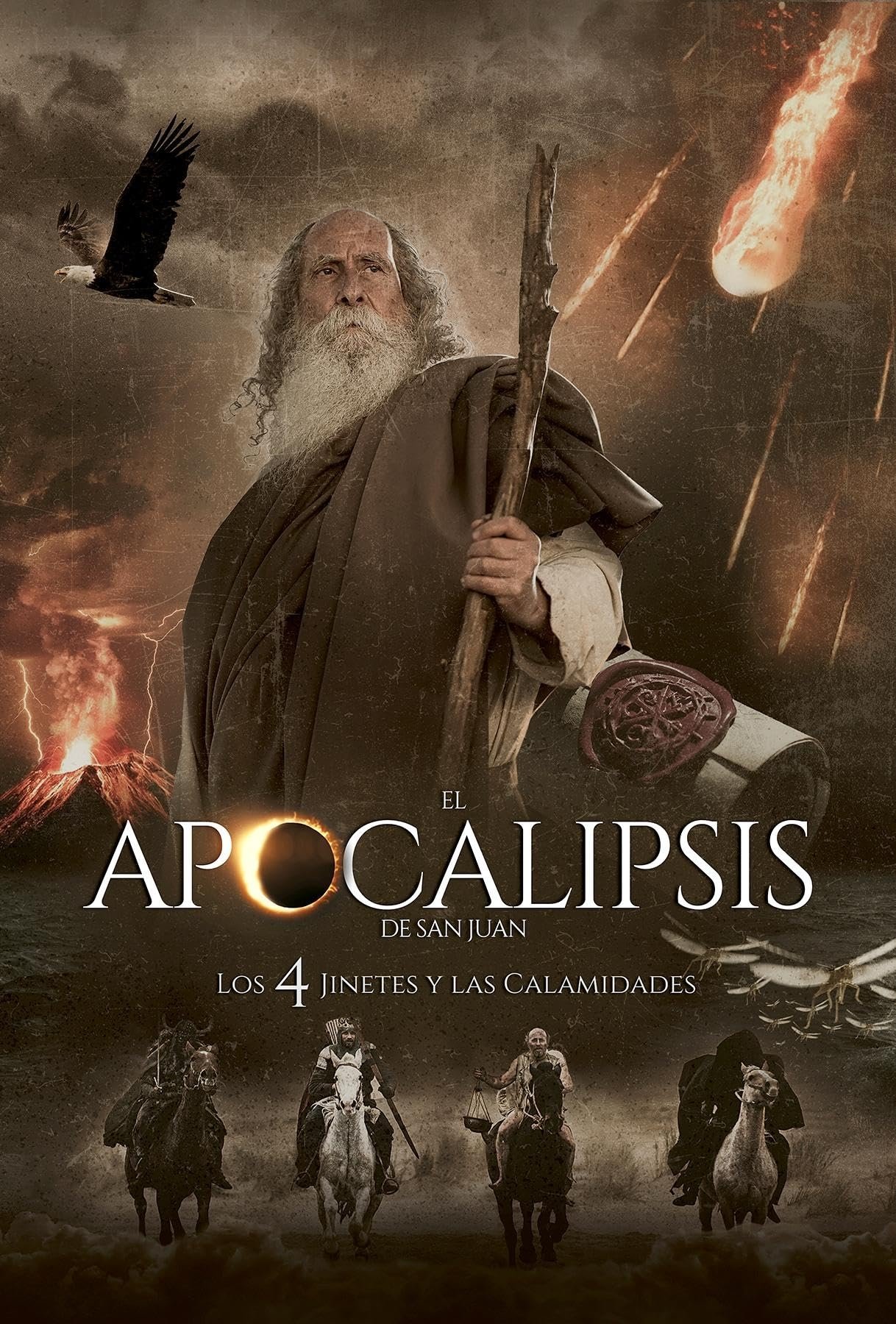
Embark on an epic journey through time and faith with 'The Apocalypse of Saint John.' Join the Apostle John in a stunning visual narrative that unravels the visions of the End Times. Experience each vision like never before, with striking visual effects and epic scenes that immerse you in the apocalyptic narrative.
The life of Mr. Spock, as well as that of Leonard Nimoy, the actor who played him for almost fifty years, written and directed by his son: Adam.
SEDUCED AND ABANDONED combines acting legend Alec Baldwin with director James Toback as they lead us on a troublesome and often hilarious journey of raising financing for their next feature film. Moving from director to financier to star actor, the two players provide us with a unique look behind the curtain at the world's biggest and most glamourous film festival, shining a light on the bitter-sweet relationship filmmakers have with Cannes and the film business. Featuring insights from directors Martin Scorsese, 'Bernando Bertolucci' and Roman Polanski; actors Ryan Gosling and Jessica Chastain and a host of film distribution luminaries.
Those who knew iconic funnyman John Candy best share his story, in their own words, through never-before-seen archival footage, imagery, and interviews.
A detailing of the rise to prominence and global sporting superstardom of six supremely talented young Manchester United football players (David Beckham, Nicky Butt, Ryan Giggs, Paul Scholes, Phil and Gary Neville). The film covers the period 1992-1999, culminating in Manchester United's European Cup triumph.
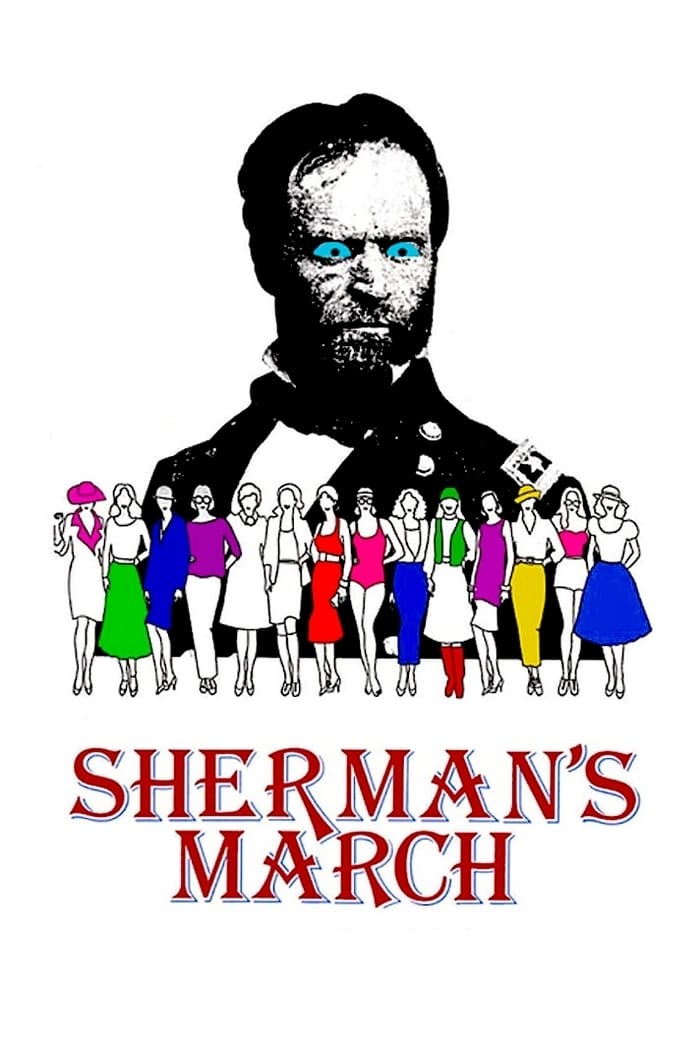
Documentarian Ross McElwee originally set out to make a travelogue of sorts tracing General William T. Sherman's infamous scorched-earth march through the Confederacy in the latter stages of the Civil War. Instead, haunted by a recent breakup with a girlfriend, McElwee ends up documenting his progress -- or lack thereof -- in starting a new relationship. His journey then becomes one of self-reflection and self-discovery rather than a historical/sociological exploration.
Alexander McQueen's rags-to-riches story is a modern-day fairy tale, laced with the gothic. Mirroring the savage beauty, boldness and vivacity of his design, this documentary is an intimate revelation of McQueen's own world, both tortured and inspired, which celebrates a radical and mesmerizing genius of profound influence.
Through deeply personal interviews with her siblings and an examination of the photographs, letters, and belongings left behind, Mariska assembles a new portrait of her mother Jayne Mansfield, an extraordinary and complex woman.
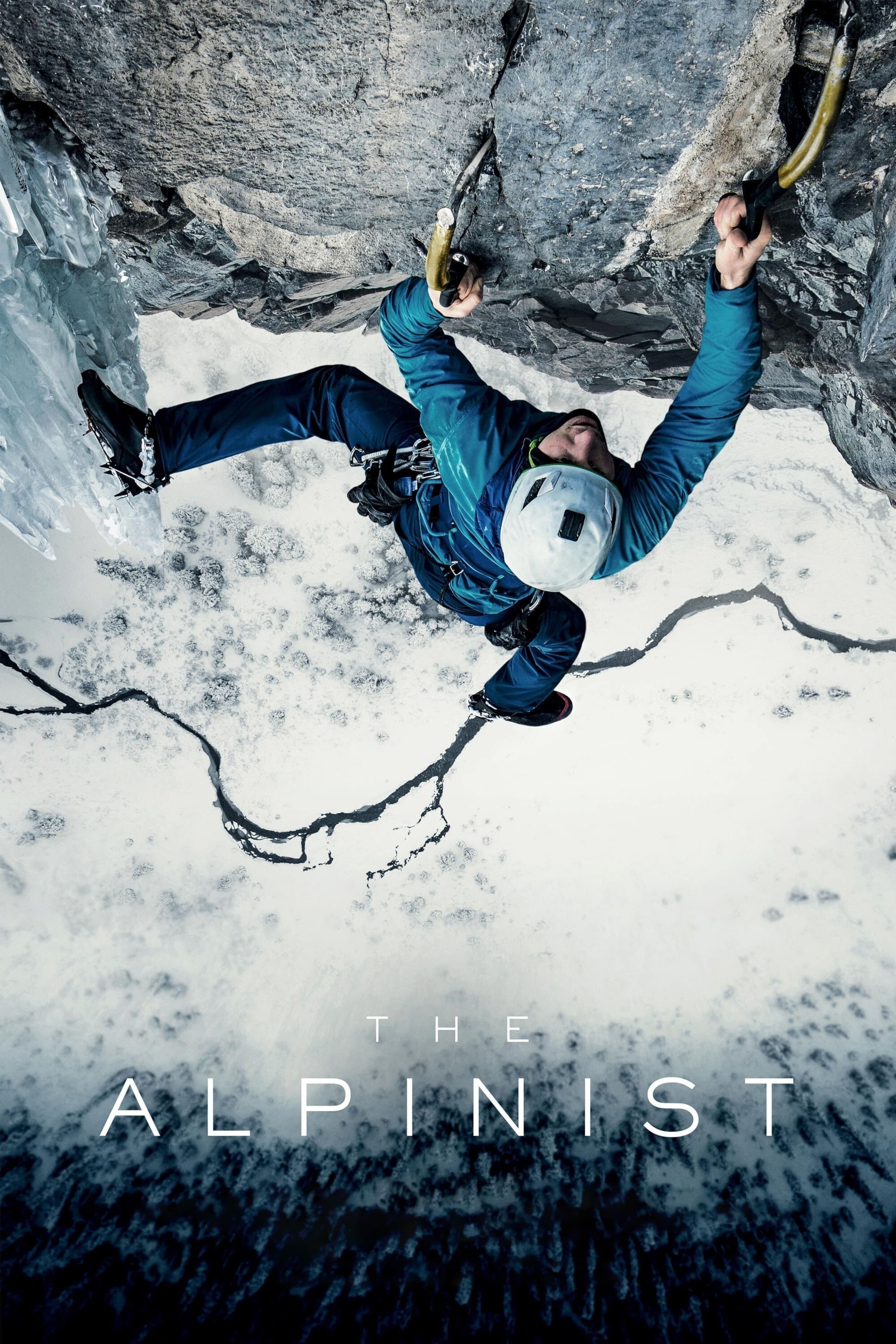
The life of Canadian mountain climber Marc-André Leclerc as he pushes the boundaries of climbing while on an expedition to Patagonia.
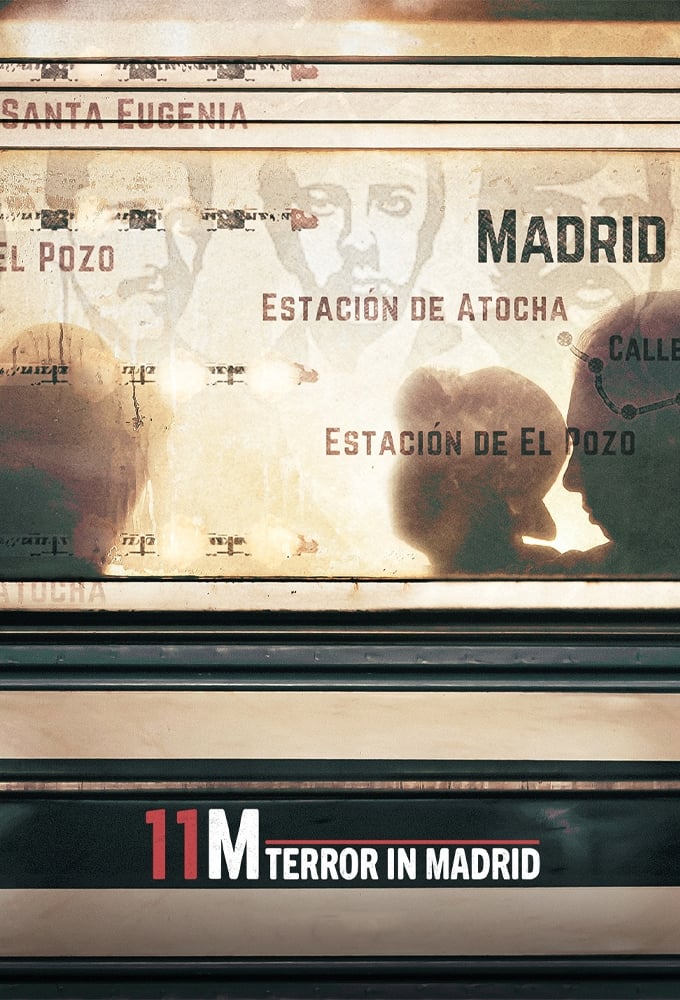
Survivors and insiders recount March 11, 2004's terrorist attack on Madrid, including the political crisis it ignited and the hunt for the perpetrators.
A documentary on why 'Money Heist' sparked a wave of enthusiasm around the world for a lovable group of thieves and their professor.
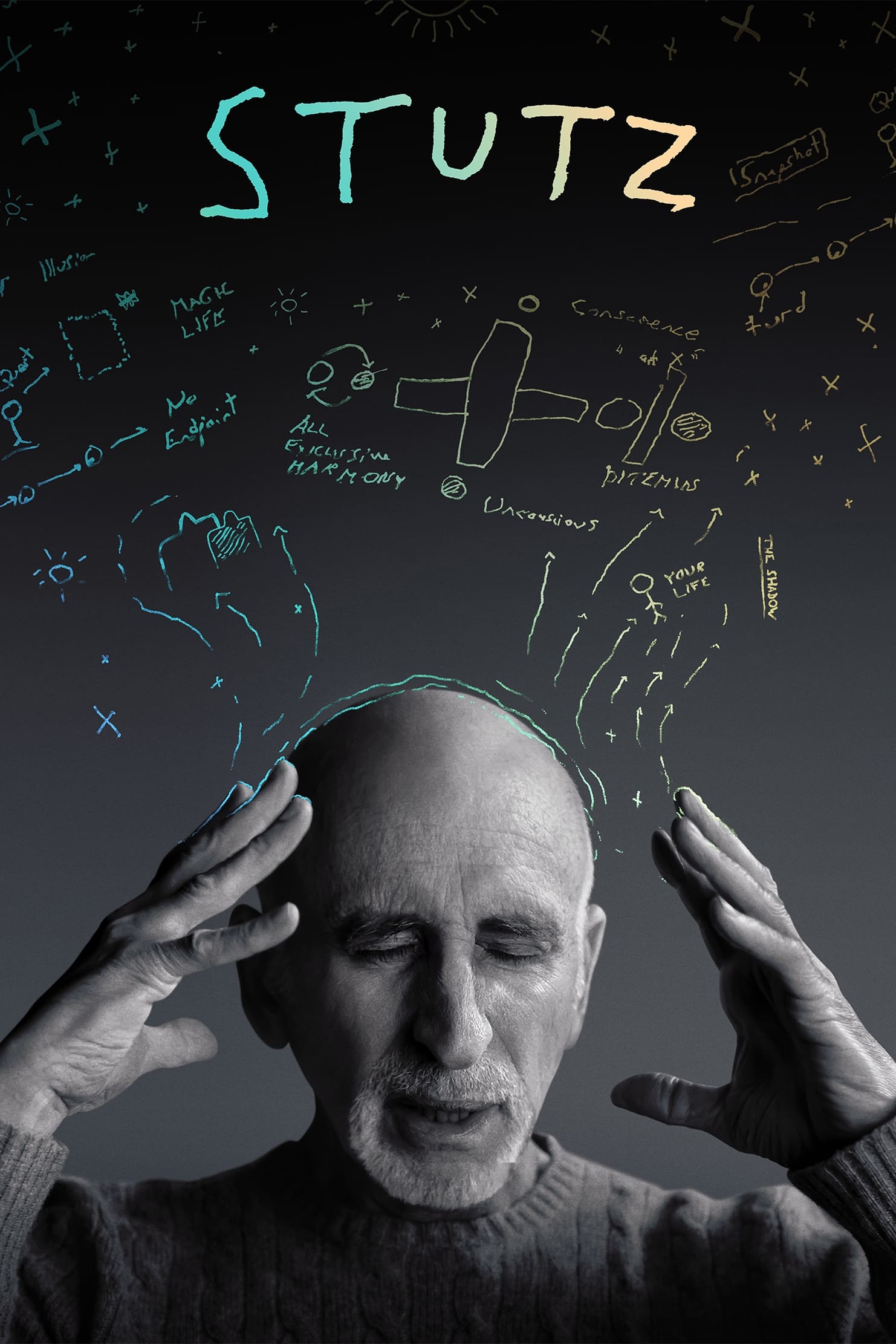
In candid conversations with actor Jonah Hill, leading psychiatrist Phil Stutz explores his early life experiences and unique, visual model of therapy.
A night of drunken chaos rocks a quiet Dutch town in this shocking documentary about a teen's birthday invite that accidentally went viral on Facebook.
A look at the origins, history and conspiracies behind the "Majestic 12", a clandestine group of military and corporate figureheads charged with reverse-engineering extraterrestrial technology.
With unprecedented access to the official archives and intimate recollections from the band, both current and past, Iron Maiden: Burning Ambition invites fans to experience one of the most iconic journeys in music history. Spanning five decades, this electrifying documentary charts the band’s rise from the pubs of East London to the world’s biggest stadiums. Featuring exclusive interviews with band members and contributors such as Javier Bardem, Lars Ulrich and Chuck D, as well as all-new animated sequences of the band's legendary mascot, Eddie, the film offers a rare and intimate look at Iron Maiden’s uncompromising vision and unwavering connection with their truly global army of fans.
The life and career of one of comedy's most inimitable modern voices, Mr. Gilbert Gottfried.