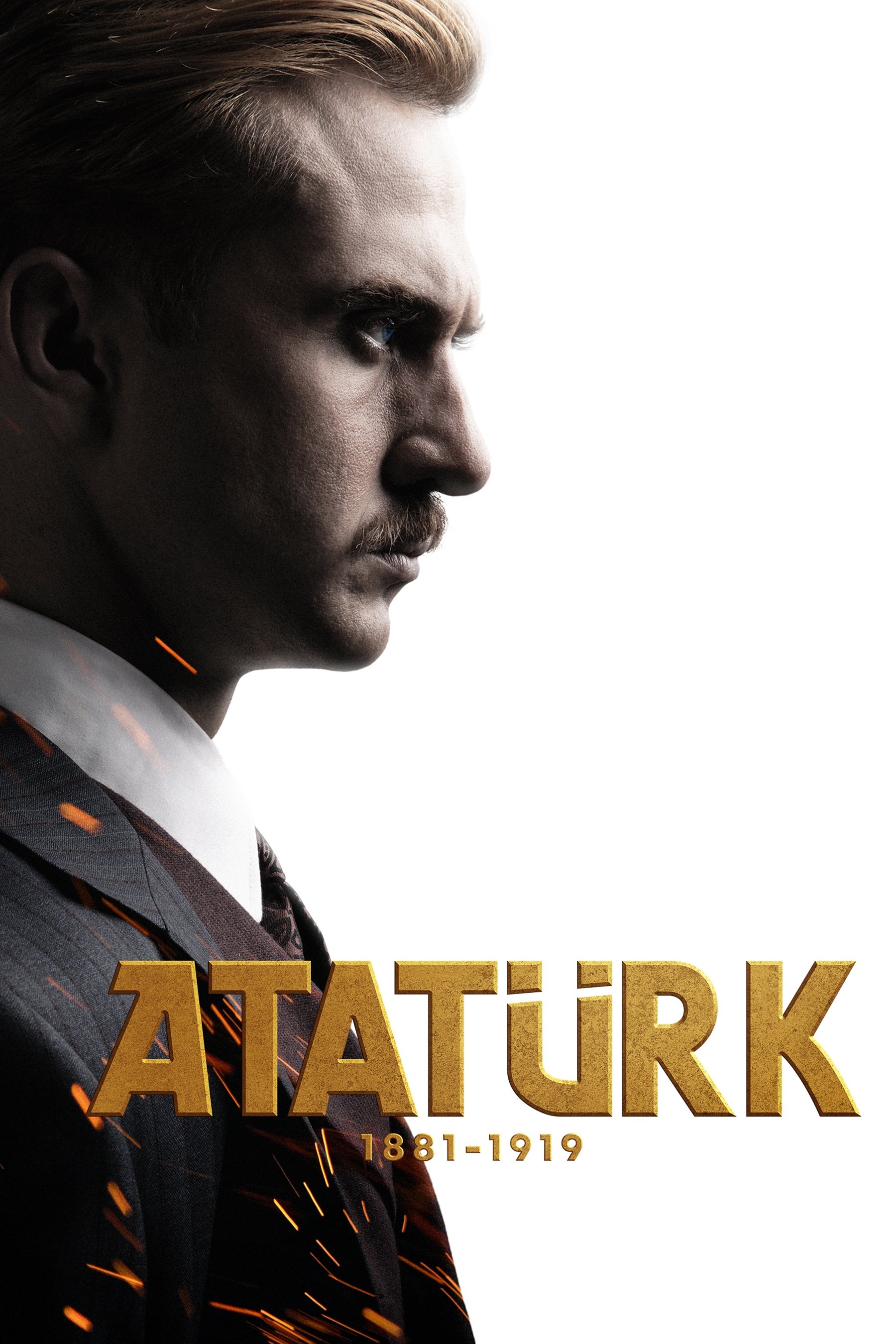
A biopic focusing on to the childhood and the early years of the military career of the founder and the first President of the Turkish Republic, Mustafa Kemal Atatürk.
Social & External
The people behind it
Aras Bulut İynemli
Mustafa Kemal Atatürk
Songül Öden
Zübeyde Hanım
Sarp Akkaya
Enver Paşa
Esra Bilgiç
Madam Corinne
Mehmet Günsür
Ali Rıza Efendi
Celile Toyon
Darko Perić
Stiliyan Kovaçev
Berk Cankat
Ali Fuat Cebesoy
John James
Emre Mete Sönmez
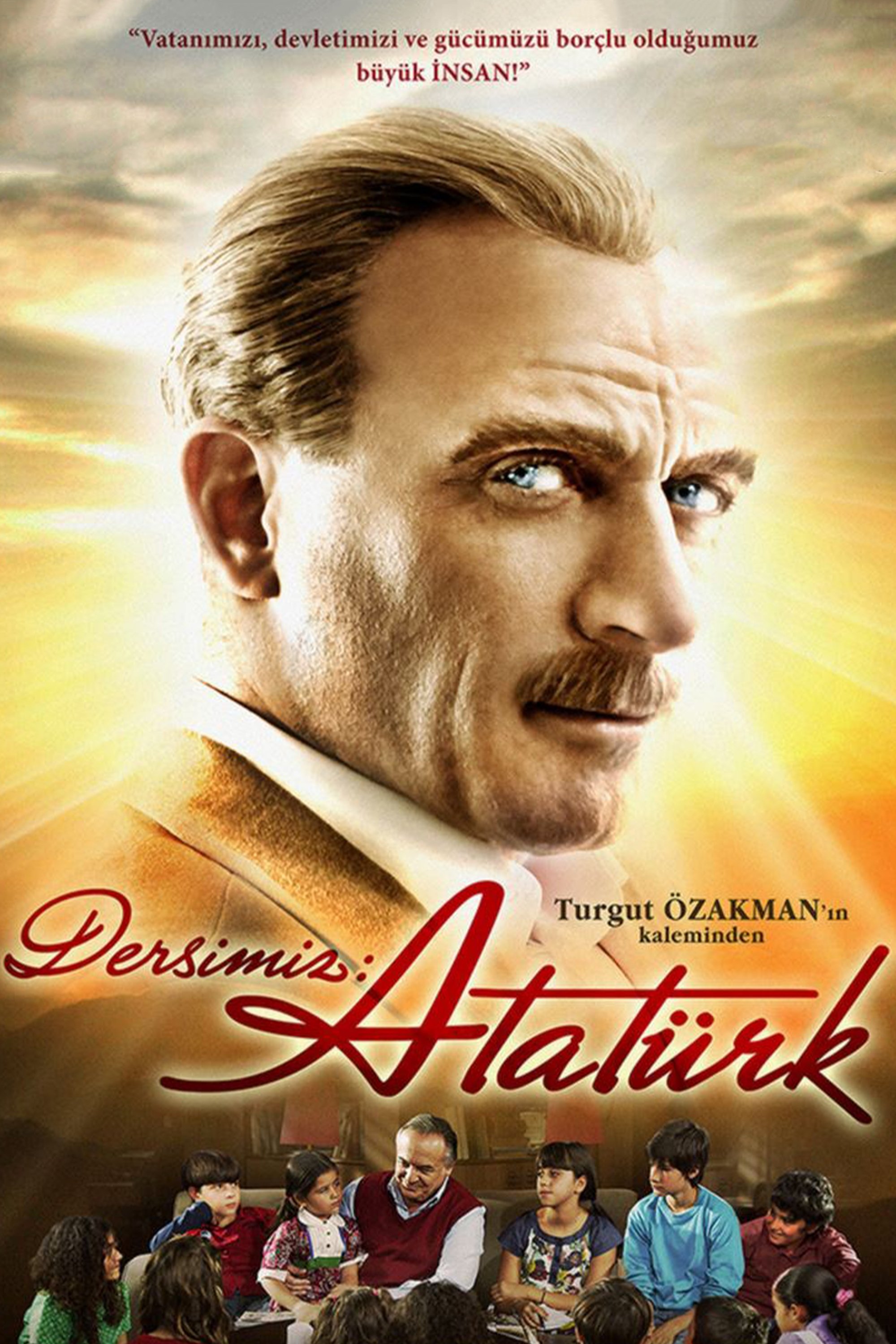
Mustafa Kemal Atatürk'ün çocukluğu
Mustafa Kemal Atatürk (1881-1938) was a Turkish field marshal, revolutionary statesman, author, and the founding father of the Republic of Turkey, serving as its first president from 1923 until his death in 1938.
The movie takes place in the kitchen of Cankaya Mansion on Sunday night, October 28, 1923, a day before the proclamation of the establishment of the Republic of Turkey and formally marking the end of the Ottoman Empire.
Mustafa Kemal had just begun his journey after proving himself in 1915 at the Gallipoli front. He would go on to face major battles on the eastern front against the Russians and later against the British in Syria, ultimately becoming the only Ottoman officer not to lose a battle during WW1. However, despite all his success, he would encounter an unexpected challenge upon his return to Istanbul.
A focus on one of Turkey’s most bloody political massacres. In 1977, two men in a hotel room over a period of two days eat, shower, watch a soccer match on TV, stare at a painting on the wall and daydream. These two men are killing time before they cause the deaths of 34 people.
Şefik, a successful soldier, is one of the leading figures of the Committee of Union and Progress. When Abdulhamid II declares a constitutional monarchy, Şefik and his friends go to Istanbul. They plan to closely monitor the events unfolding there. However, it is here that Şefik will part ways with the society.
Tarihci Dede is giving information to a couple of children about Mustafa Kemal Atatürk's success and his way to shape todays Turkey.
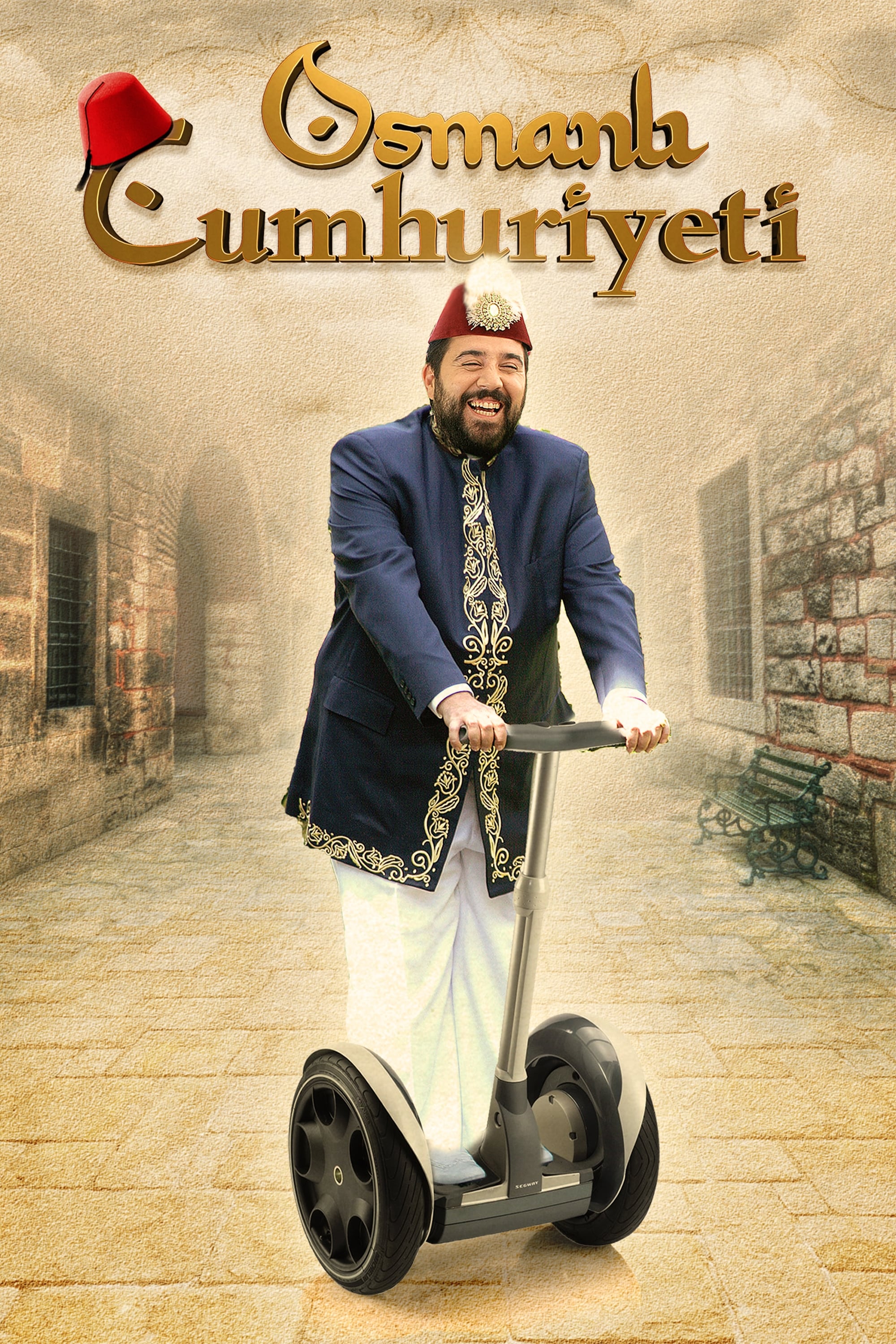
The film depicts a world in which Atatürk never became leader, the War of Independence never took place, and the Ottoman Republic continues to exist in a form adapted to the present day. The continuation of the Ottoman Republic instead of the Republic of Turkey, Ankara not being the capital, signs and license plates being in both Turkish and Arabic, and the sultan wearing a suit under his caftan are some of the tragicomic situations that make up the film's story.
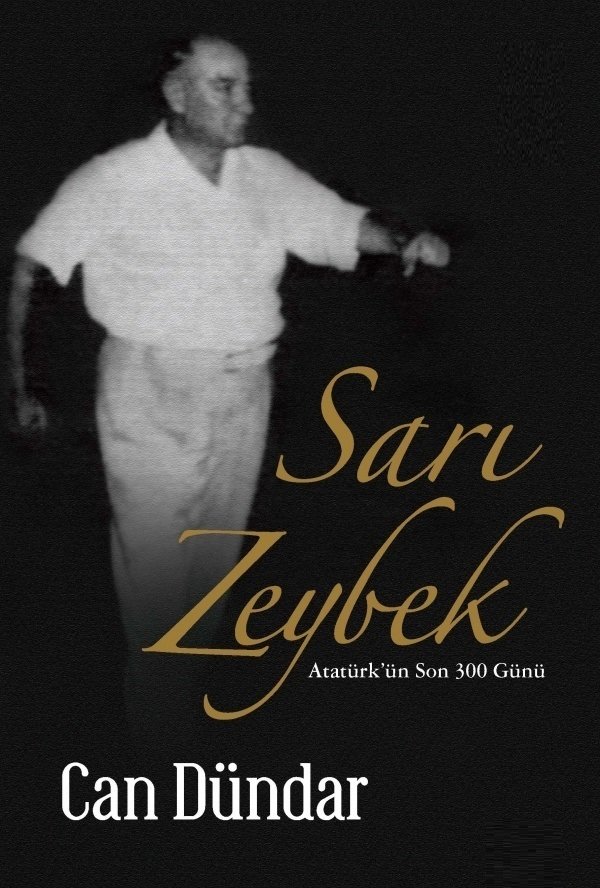
From the famous Turkish journalist, Can Dündar narrates the last 300 days of Mustafa Kemal Atatürk. The documentary features the stories and mails from the friends of Atatürk who is the founder of Turkish Republic and also led the Turkish army in the Turkish War of Independence
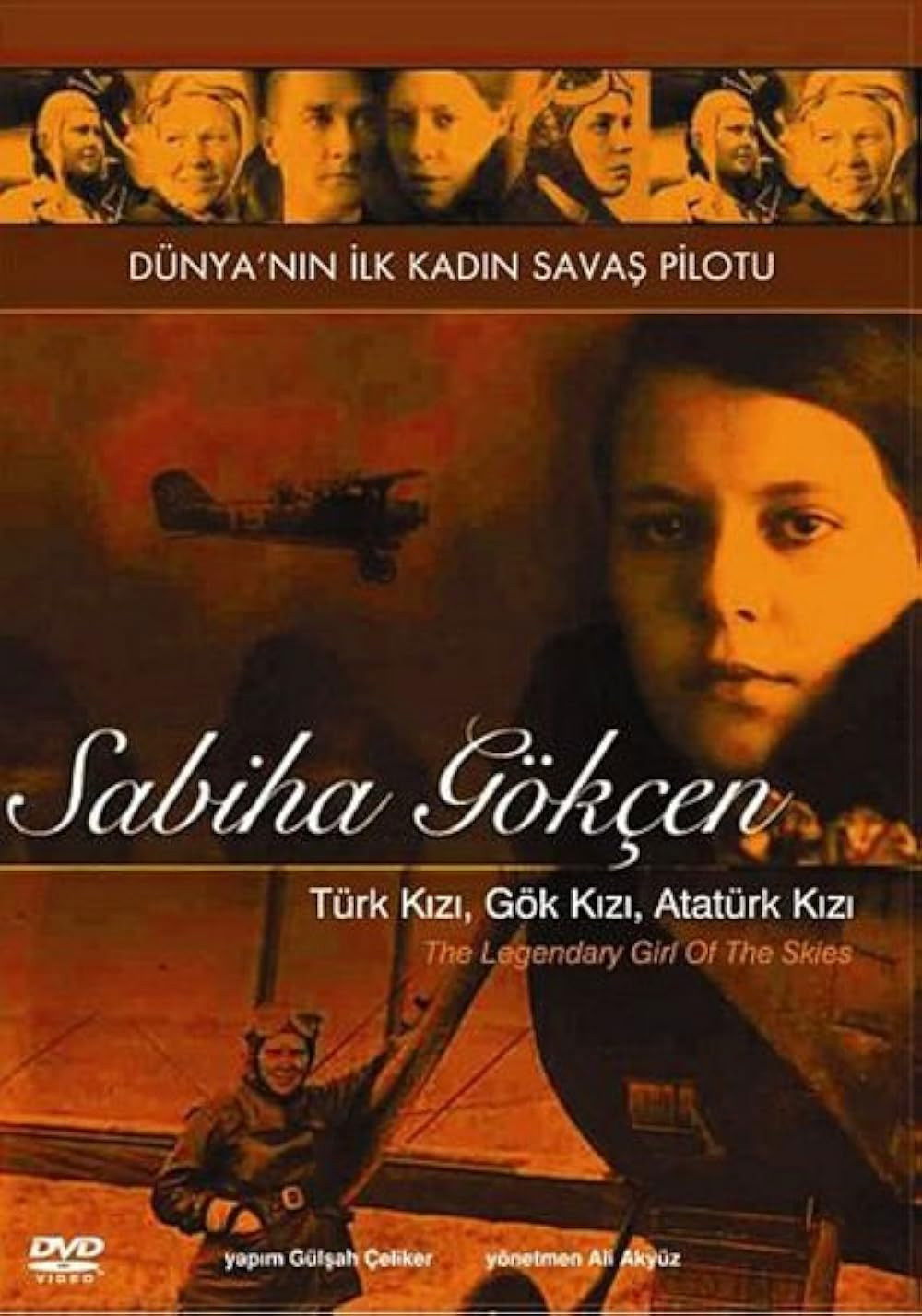
Ayse who lost her husband and child during the occupation of Izmir by Greek Army in 1919 goes to Istanbul to attend demonstrations which are arranged against the occupation of Anatolia. And then she passes to Anatolia to be a nurse and meets with Ihsan there. At that time Turkish War of Independence starts and they participate to this battle together.
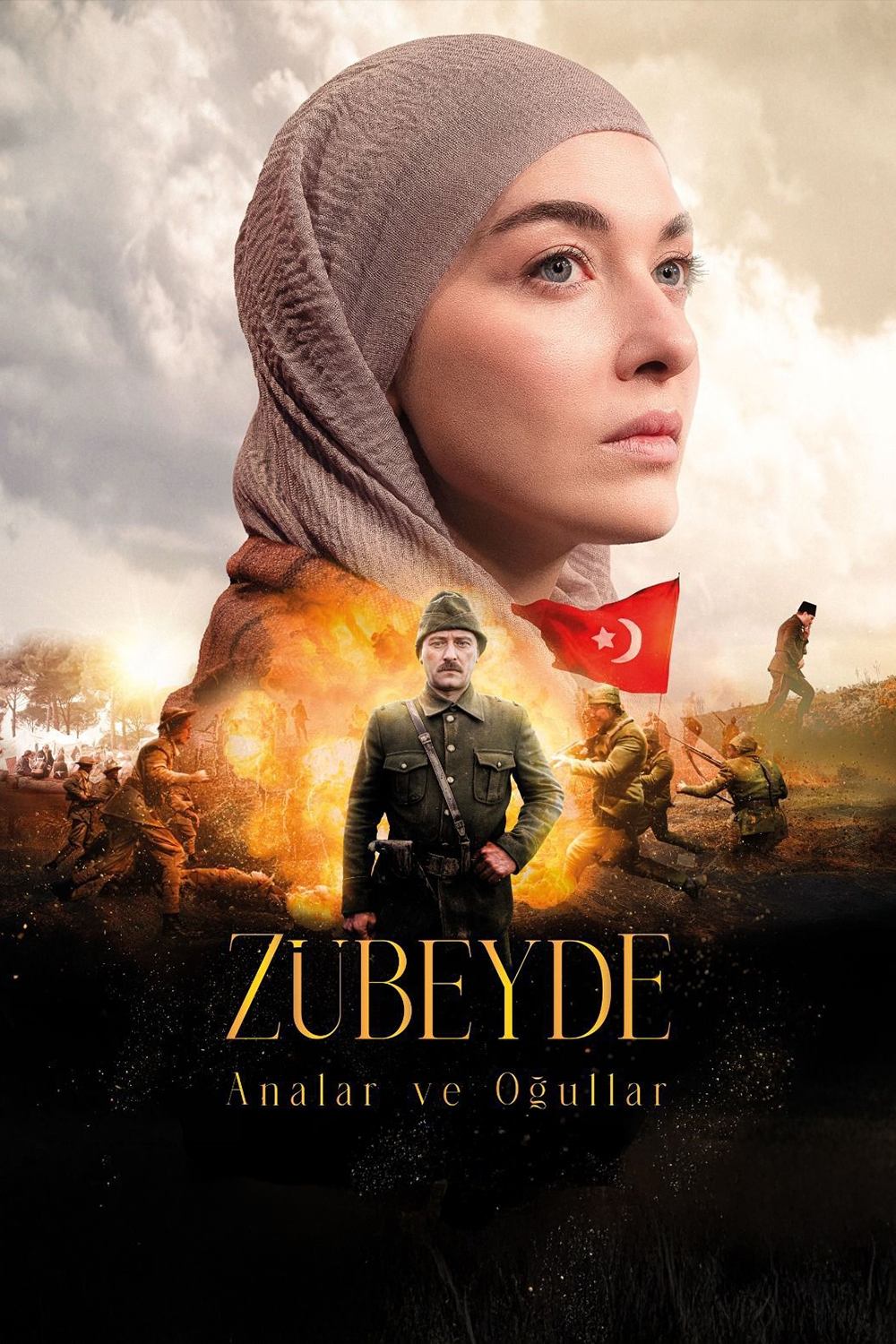
Zübeyde, Mothers and Sons, tells the life of Mustafa Kemal Atatürk's mother, Zübeyde Hanim, which begins in Thessaloniki, in the last periods of the Ottoman Empire, and reflects the period until the declaration of the Republic.
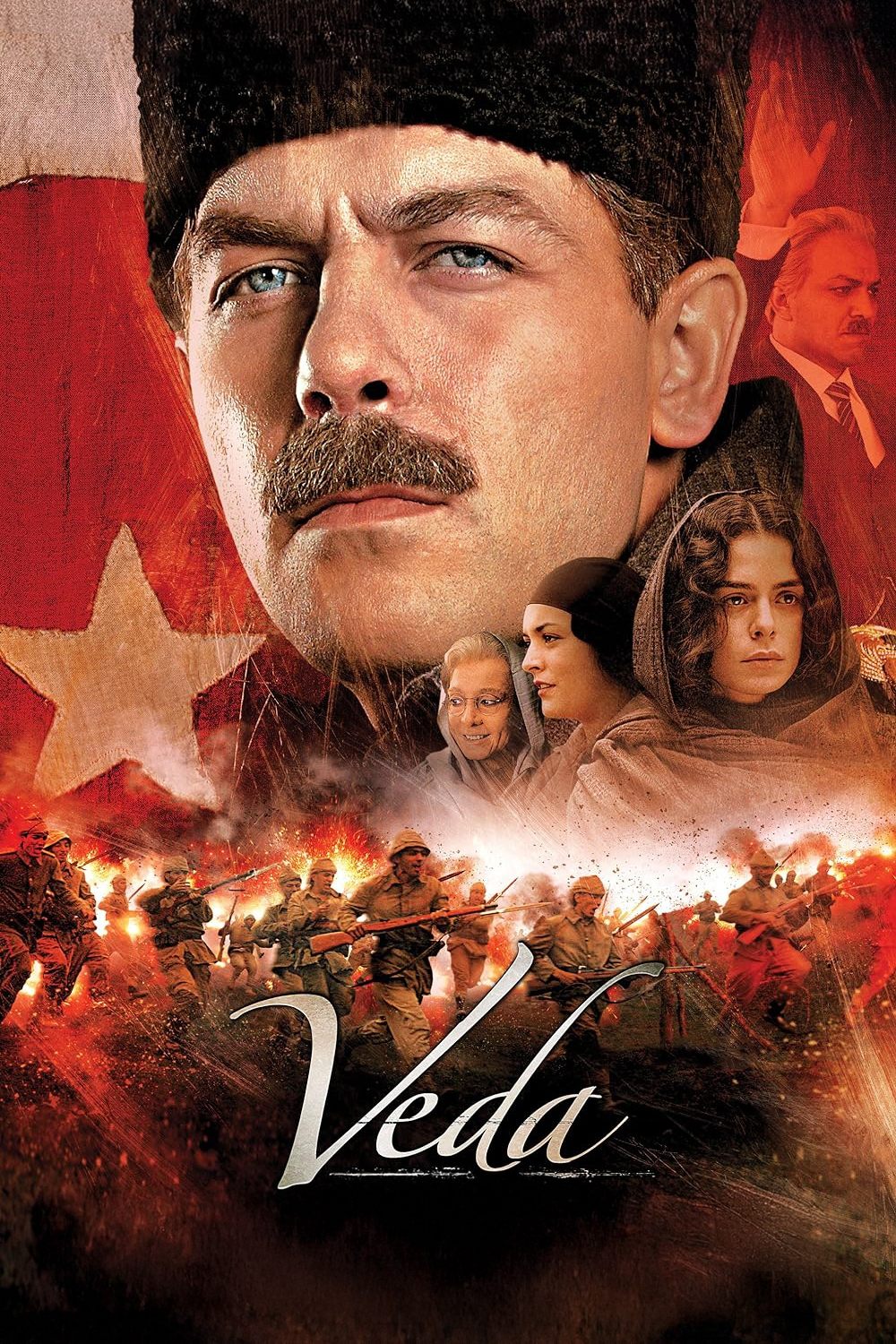
A friendship started in childhood in Thessaloniki firstly turned into being comrade in arms and then a half-century brotherhood and fraternity following the same ideals until the death upon proclamation of the Republic; Ataturk & Salih Bozok Veda Ataturk (The Farewell Ataturk) is the story of a brotherhood, portrayal of milestones in Ataturk's life and the story of a commander commanding a generation that challenged the death to save the homeland.
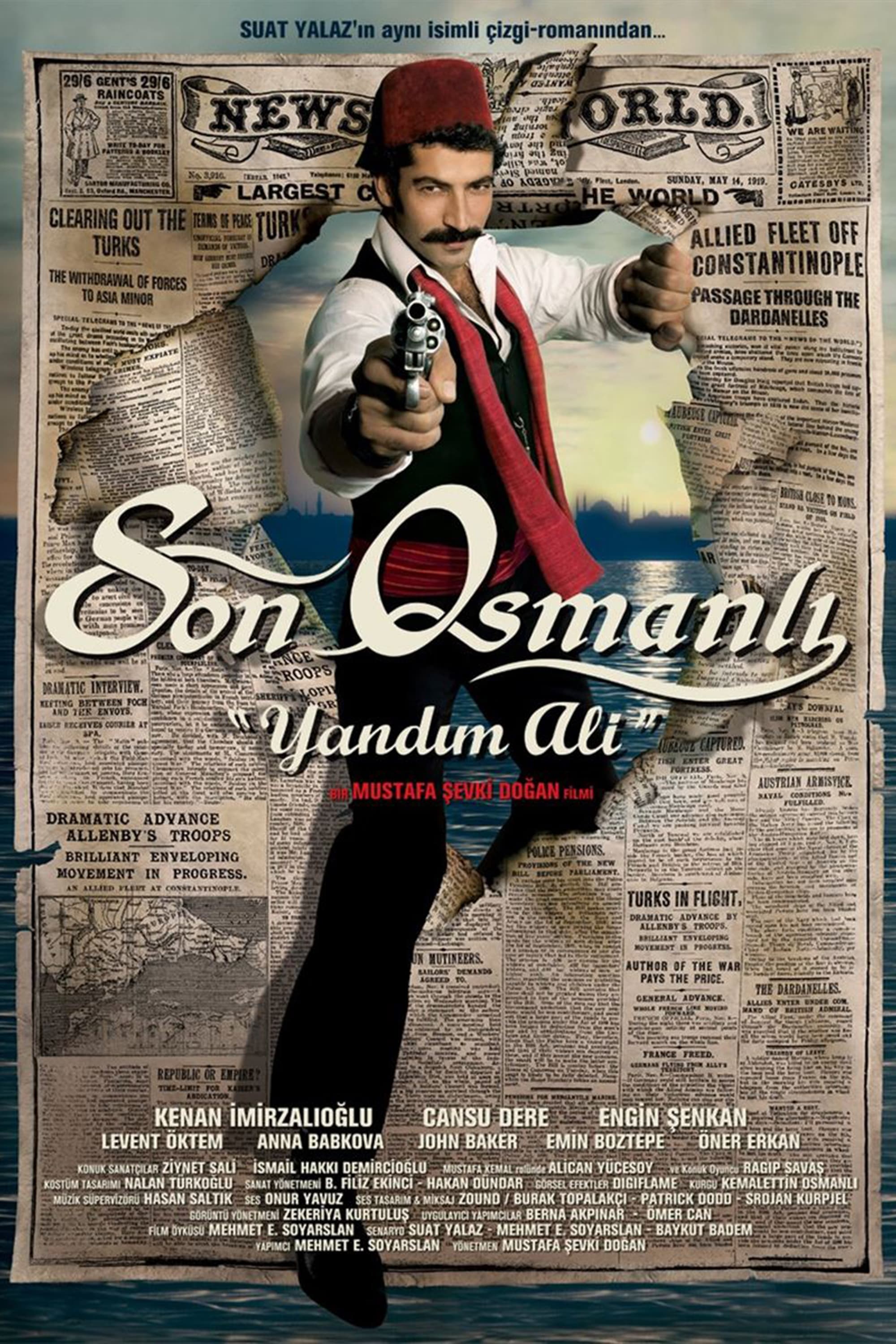
After the First World War, the Allies occupy Istanbul. The protagonist, Yandim Ali is a rogue, discharged from the navy, who doesn't believe that the country can be saved, until he meets Mustafa Kemal (Ataturk), who plans to start a resistance in Anatolia against the occupying Allies, as well as the collaborators of an Ottoman government, that exists only on paper.
On 15 July 2016, a faction within the Turkish Armed Forces, organized as the Peace at Home Council, attempted a coup d'état against state institutions, including the government and president Recep Tayyip Erdoğan. Seven female Special Forces officers were paramount in the defeat but lost their lives.
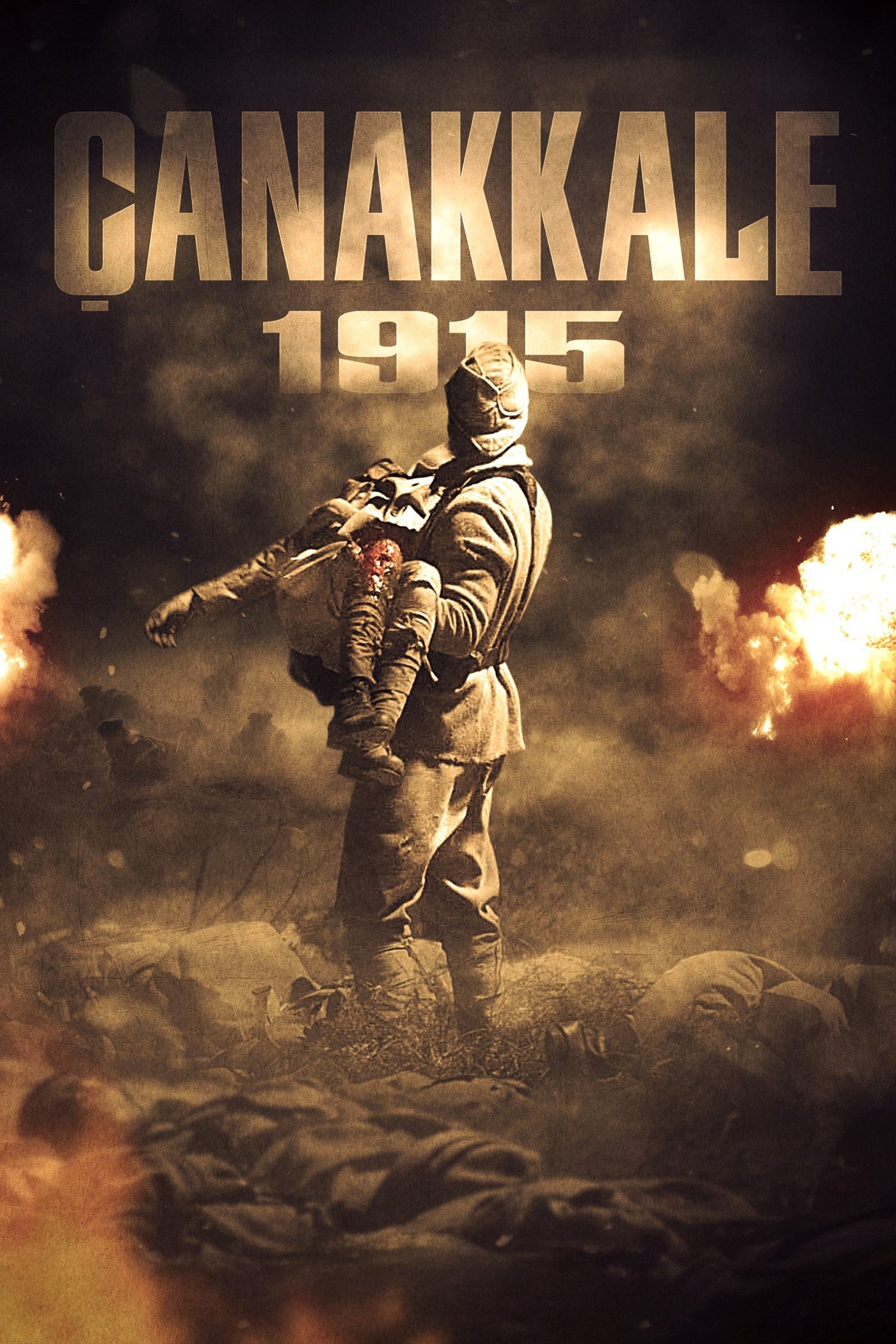
The story of the film is about the Gallipoli Campaign during World War I on the Gallipoli Peninsula in Turkey in 1915. The film covers the resurrection of Turkey following its defeat in the Balkan War, through depictions of Sergeant Mehmet Ali (Ali Ersan Duru) from Biga, Corporal Seyit and many others. To help Russia and threaten Constantinople, the Allies try to force through the Dardanelles Straight with a large fleet. Through a series of historical sketches, the film documents how they were defeated despite many difficulties and hardships.
During the Turkish artistic revolution of the 1930s, a group of pioneers staged Özsoy Opera, the first opera in the history of Turkish Republic.
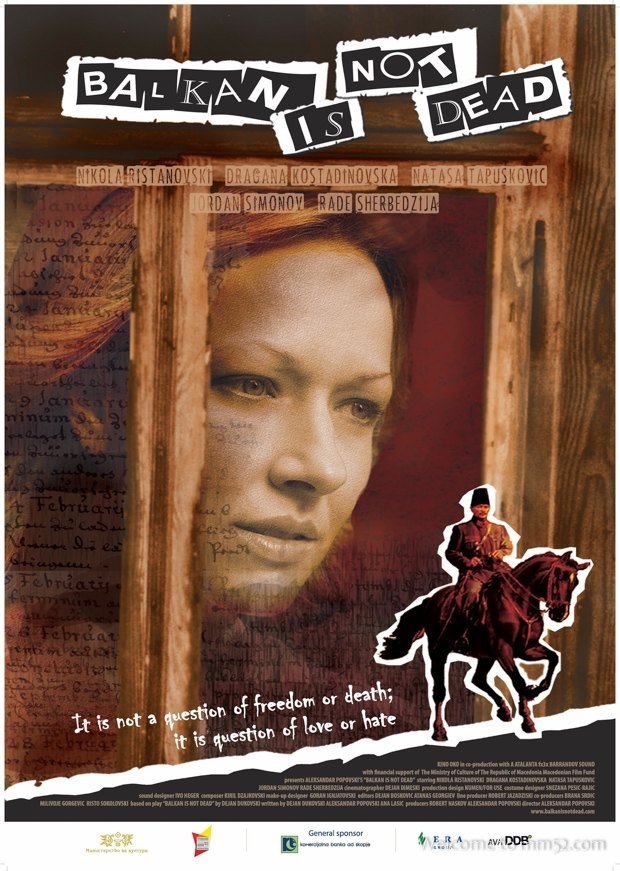
A Macedonian family from Bitola at the turn of the twentieth century tries to survive, preserve its roots and remain together.
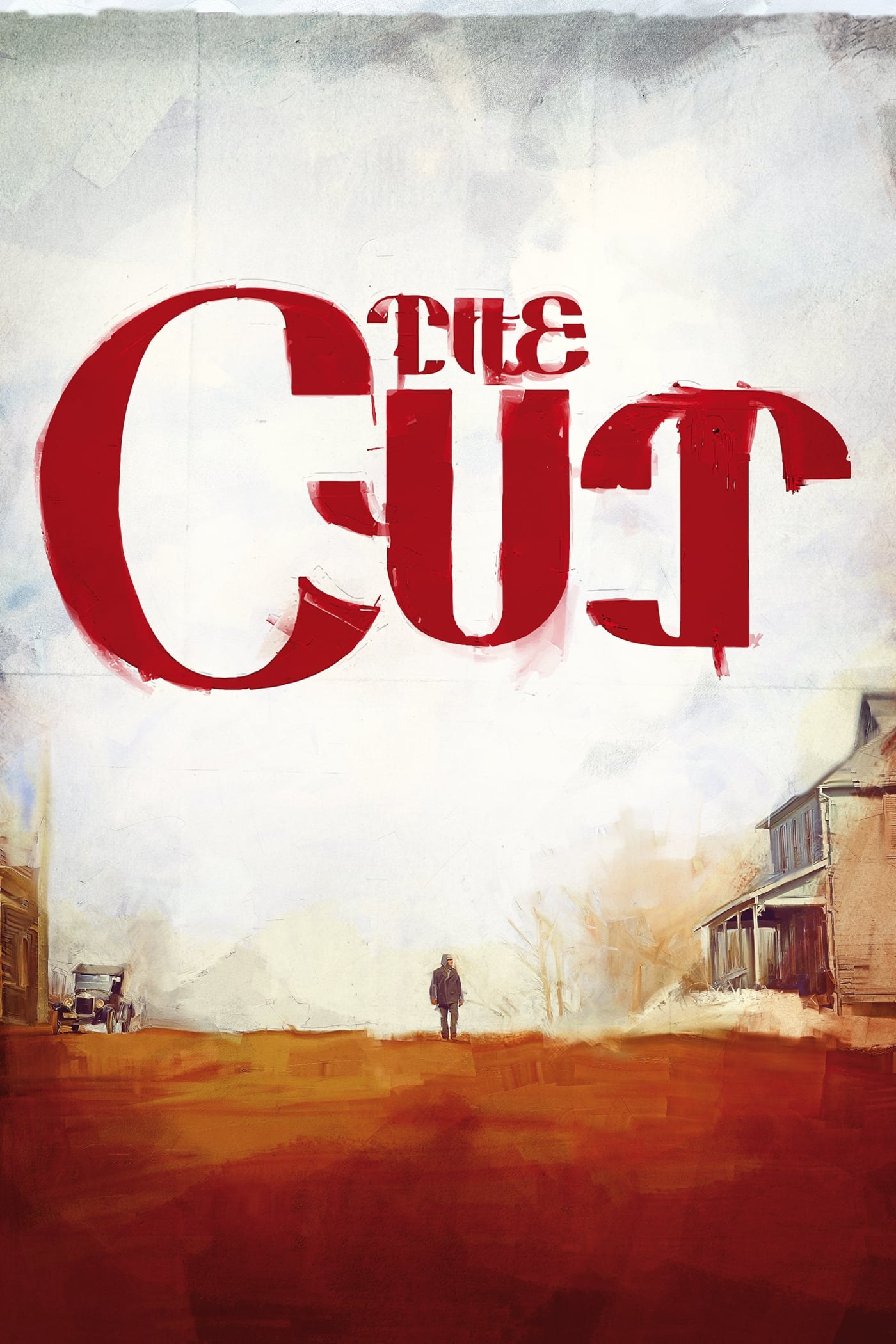
In 1915, a man survives the Armenian genocide in the Ottoman Empire, but loses his family, speech and faith. One night, he learns that his twin daughters may be alive, and goes on a quest to find them.
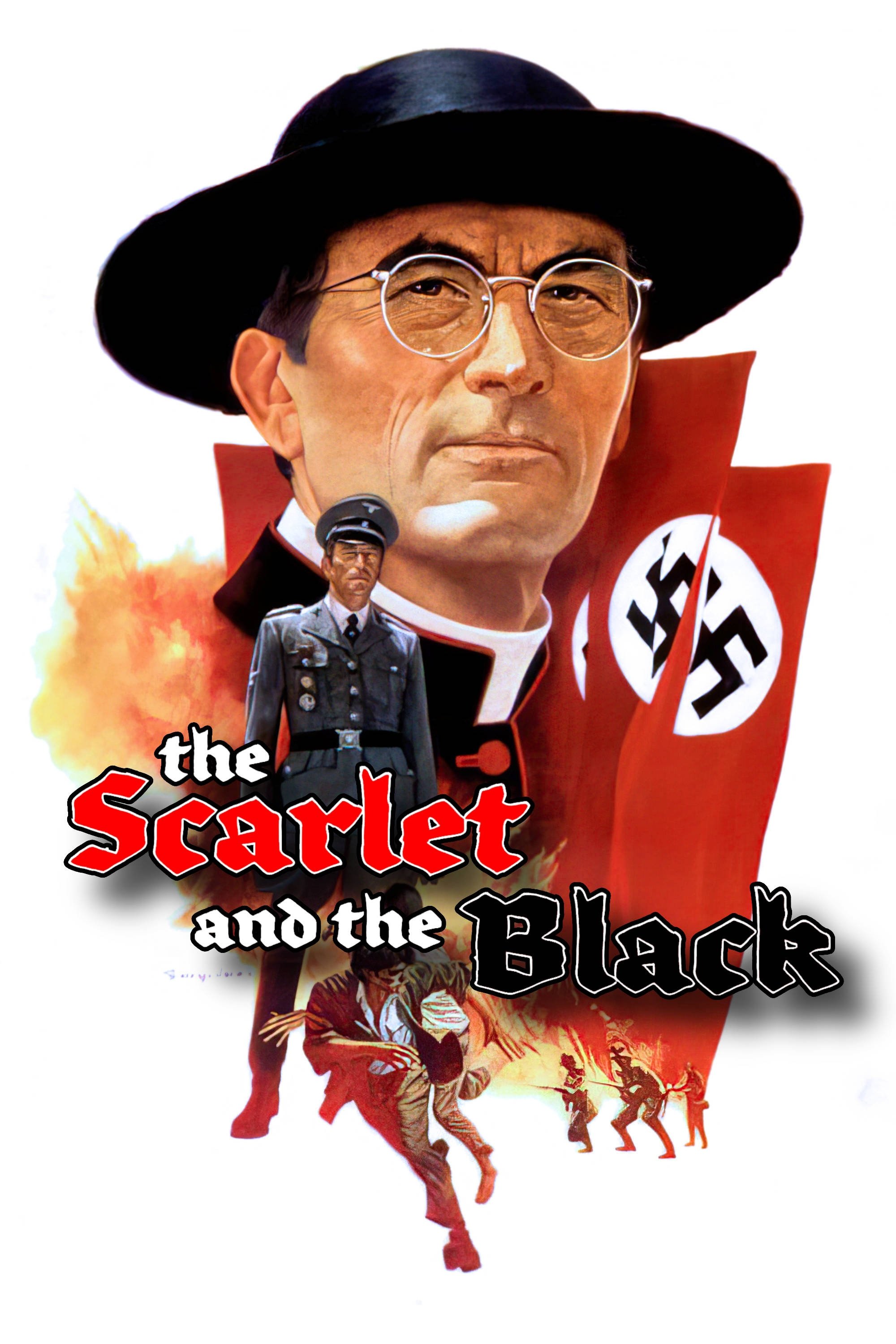
Fr. Hugh O'Flaherty is a Vatican official in 1943-45 who has been hiding downed pilots, escaped prisoners of war, and Italian resistance families. His activities become so large that the Nazis decide to assassinate him the next time he leaves the Vatican.
Eccentric British painter J.M.W. Turner lives his last 25 years with gusto and secretly becomes involved with a seaside landlady, while his faithful housekeeper bears an unrequited love for him.
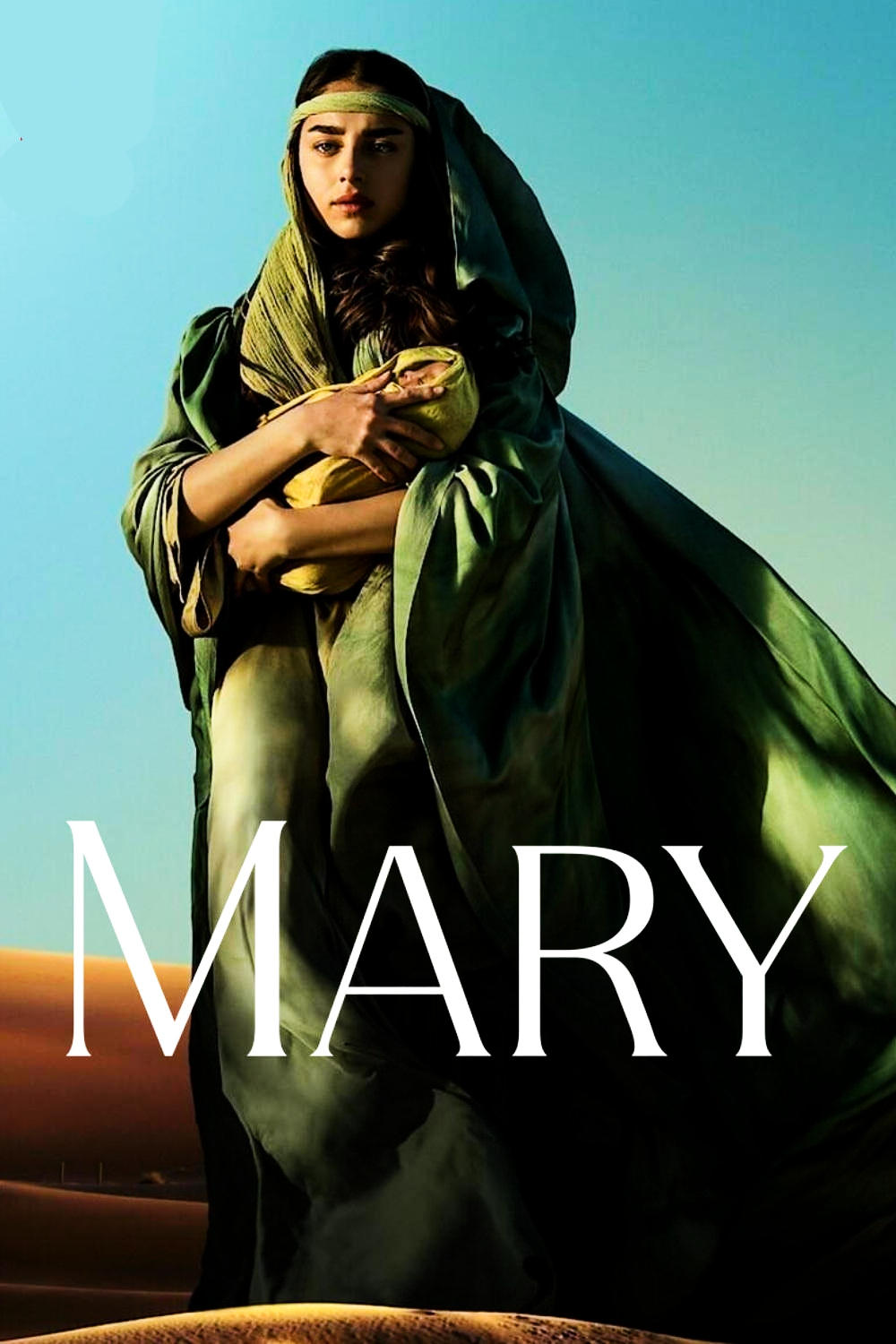
A miraculous conception. A merciless king. A murderous pursuit. Mary's journey to give birth to Jesus unfolds in this biblical coming-of-age epic.
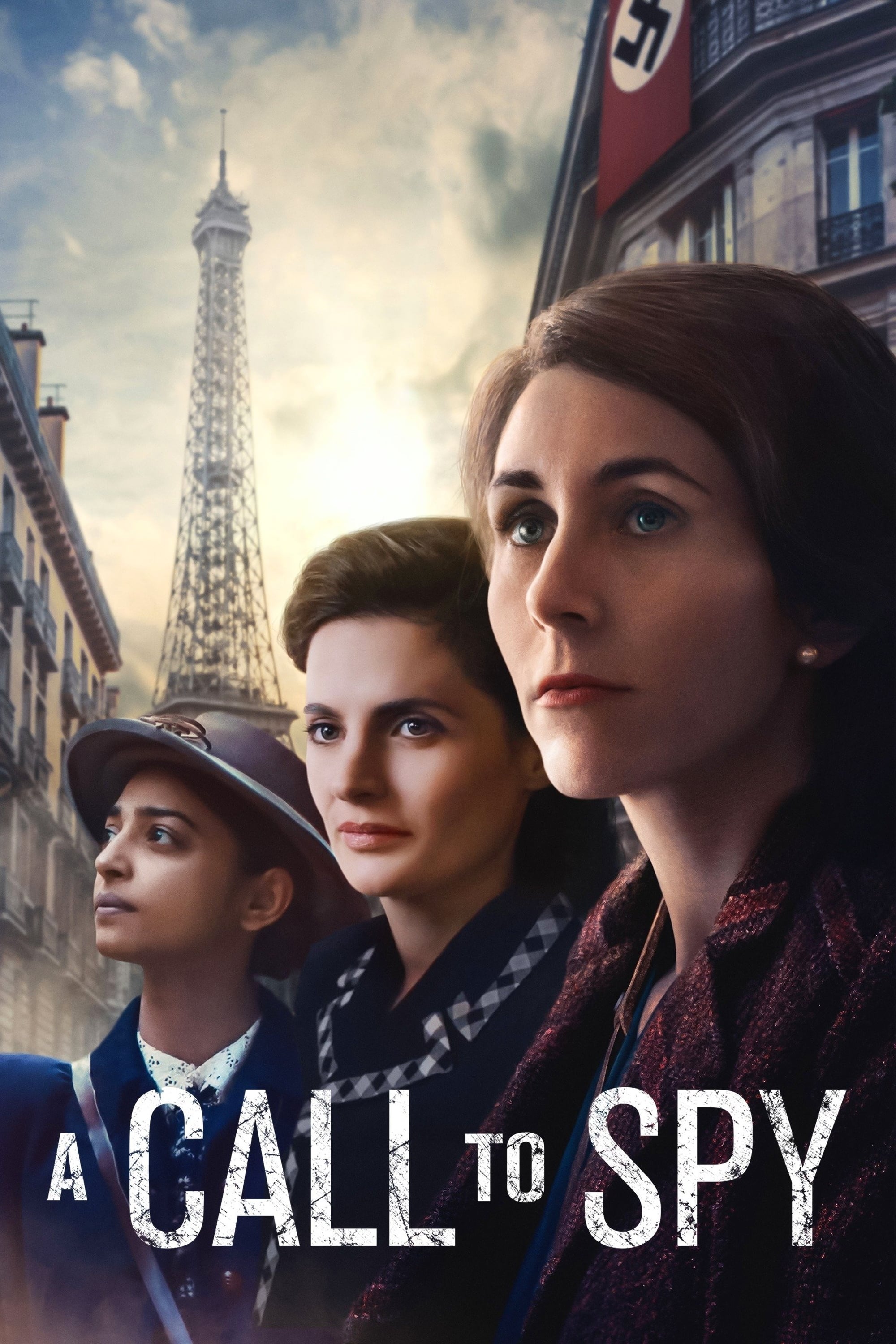
The story of Vera Atkins, a crafty spy recruiter, and two of the first women she selects for Churchill's "secret army": Virginia Hall, a daring American undaunted by a disability and Noor Inayat Khan, a pacifist. These civilian women form an unlikely sisterhood while entangled in dangerous missions to turn the tide of the war.
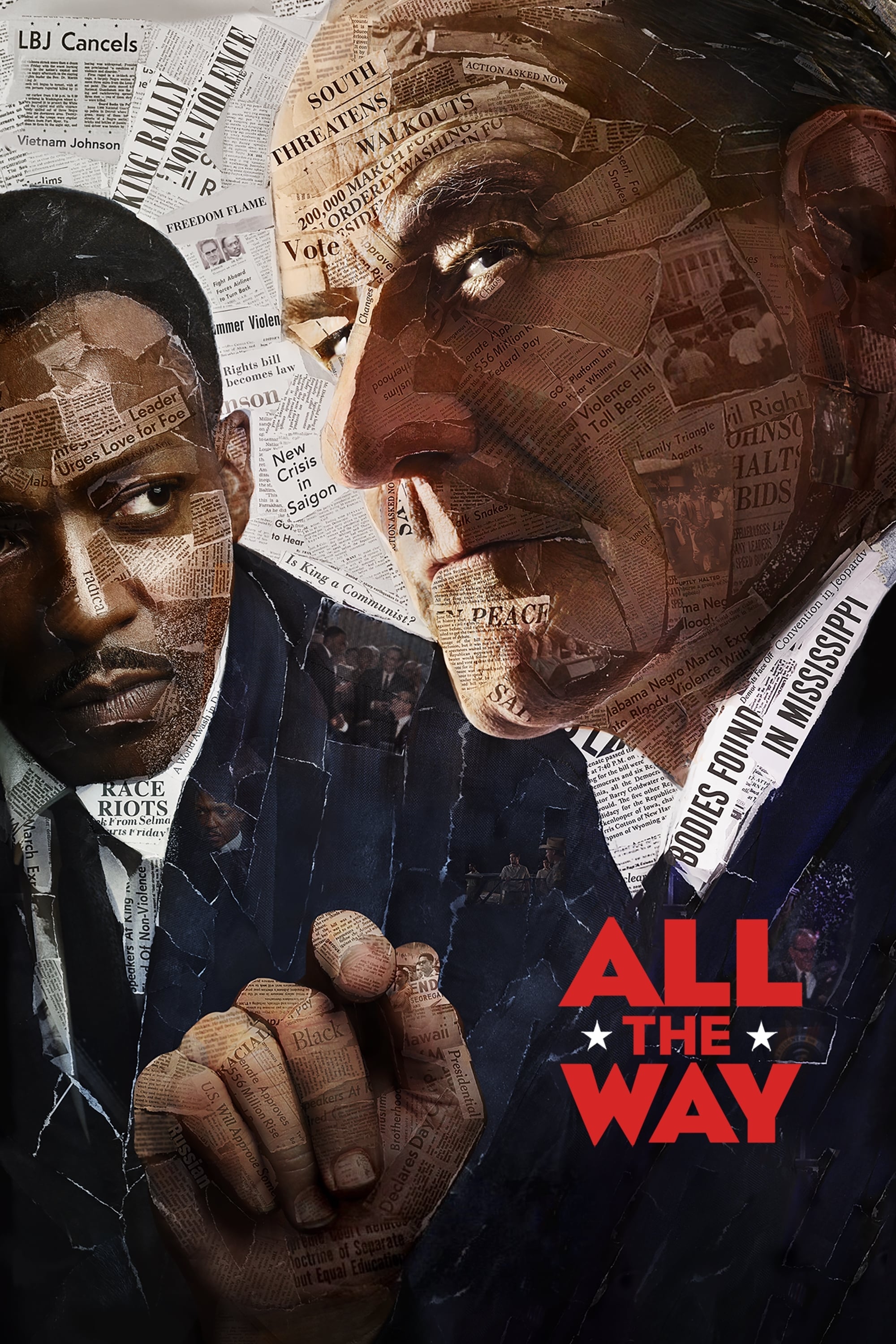
Lyndon B. Johnson's amazing 11-month journey from taking office after JFK's assassination, through the fight to pass the 1964 Civil Rights Act and his own presidential campaign, culminating on the night LBJ is actually elected to the office – no longer the 'accidental President.'
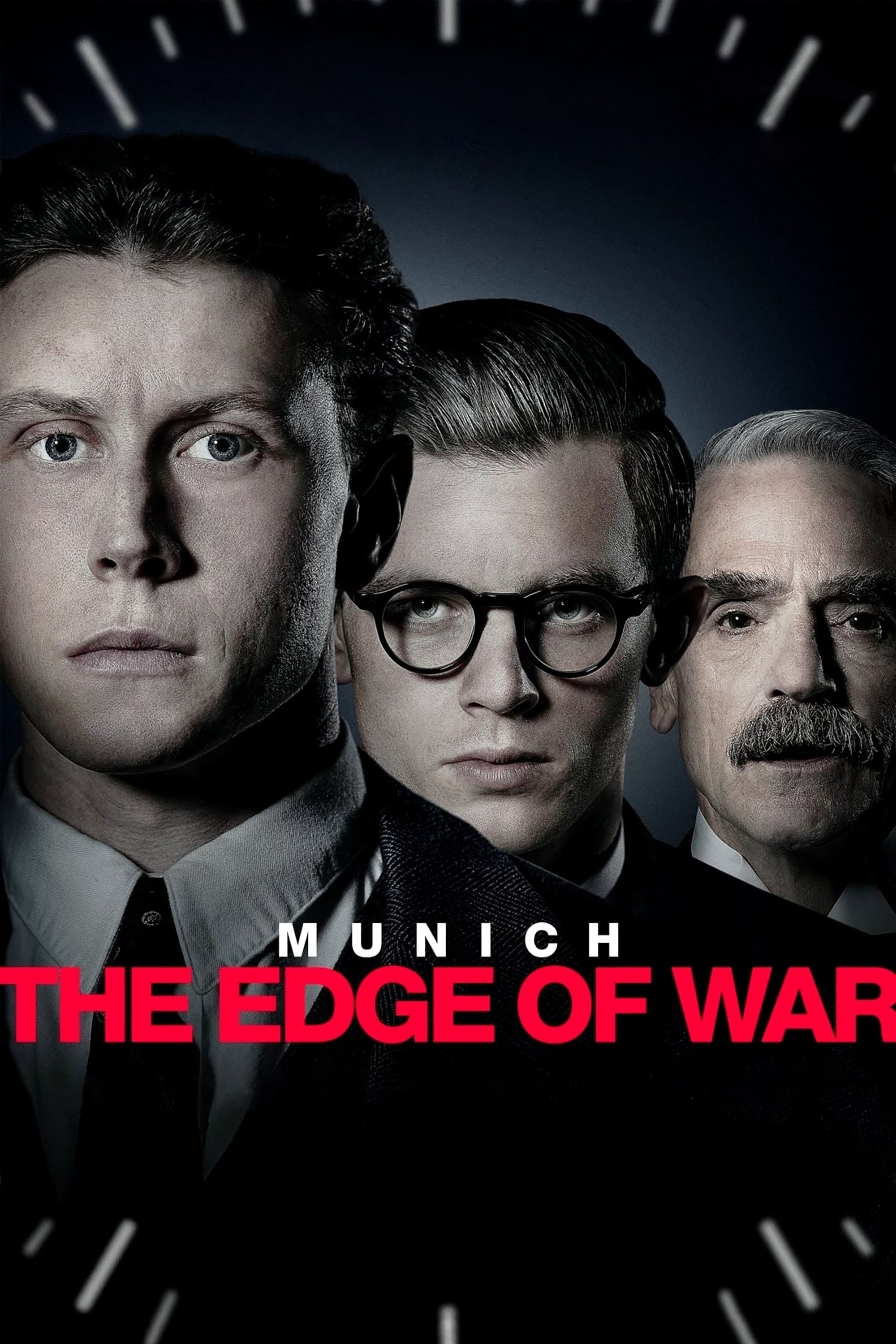
At the tense 1938 Munich Conference, former friends who now work for opposing governments become reluctant spies racing to expose a Nazi secret.
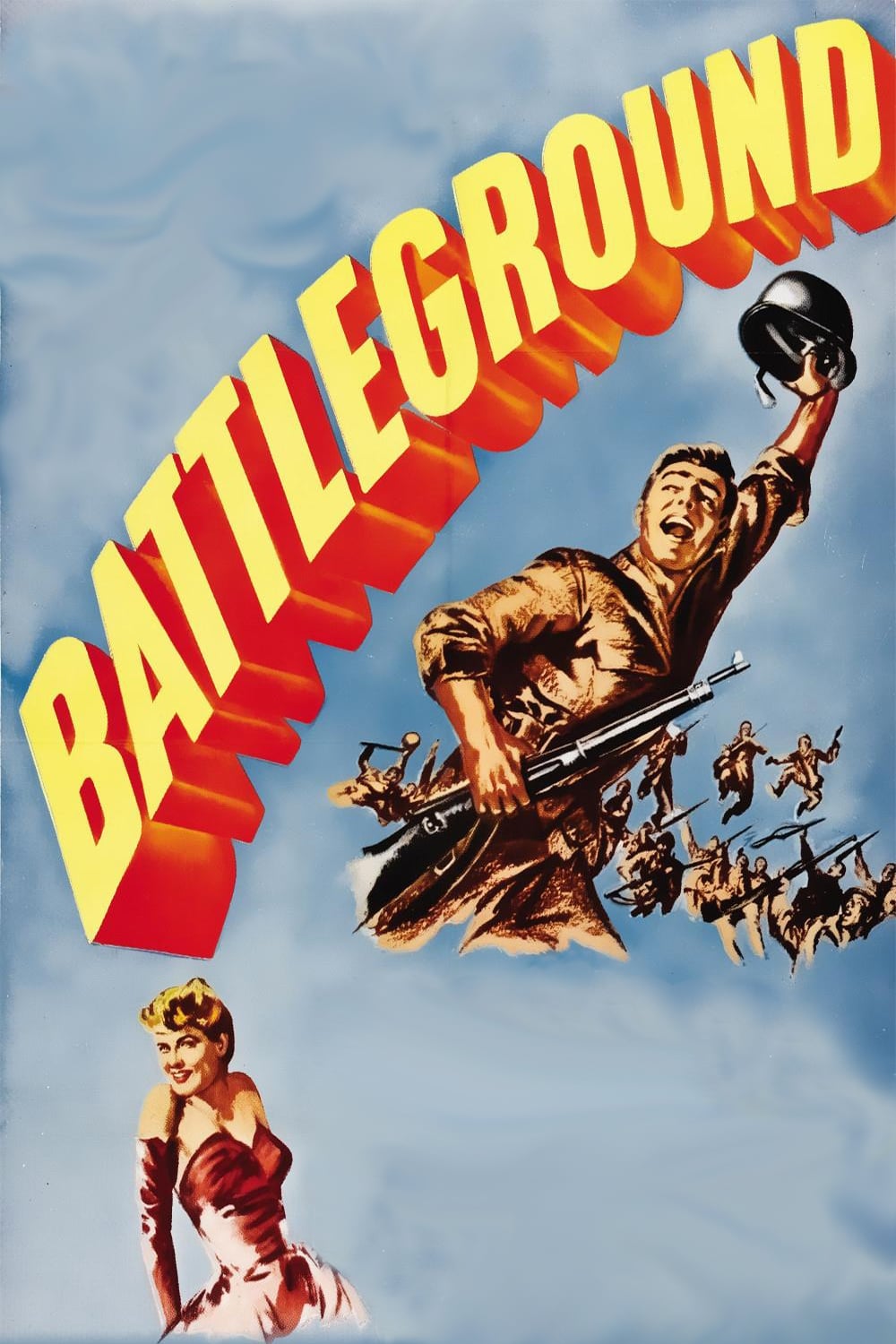
Members of the U.S. Army's 101st Airborne Division are fighting for their country amidst the rugged terrain of Bastogne, Belgium, in December 1944. Holley and his American compatriots have already seen one of their own, Roderigues, perish under enemy fire. The men try to rebuff another series of Nazi attacks, but what they really need is a change in the weather. Without clear skies, they'll never get the air support they need.
The remarkable true-life survival story of a Jewish boy hiding and being hunted in the forests of Nazi-occupied Eastern Europe, based on Maxwell Smart's memoir.
The harrowing true story of two elite US Navy fighter pilots during the Korean War. Their heroic sacrifices would ultimately make them the Navy's most celebrated wingmen.
Stephen Glass is a staff writer for the respected current events and policy magazine The New Republic and a freelance feature writer for publications such as Rolling Stone, Harper's and George. By the mid-90s, Glass' articles had turned him into one of the most sought-after young journalists in Washington, but a bizarre chain of events - chronicled in Buzz Bissinger's September 1998 Vanity Fair article - suddenly stopped his career in its tracks.
One of the most spectacular and renowned conductors of the 1930s, Wilhelm Furtwangler's reputation rivaled that of Toscanini's. After the war, he was investigated as part of the Allies' de-Nazification programme. In the bombed-out Berlin of the immediate post-war period, the Allies slowly bring law and order to bear on an occupied Germany. An American major is given the Furtwangler file, and is told to find everything he can and to prosecute the man ruthlessly. Tough and hard-nosed, Major Steve Arnold sets out to investigate a world of which he knows nothing.
In Depression-era Ireland, Jimmy Gralton returns home after ten years of exile in America. Seeing the levels of poverty and oppression, his inner activist reawakens and he looks to reopen the dance hall that led to his deportation.
In the summer of 2014, a World War II veteran sneaks out of his care home to attend the 70th anniversary commemoration of the D-Day landings in Normandy.
On the brink of the First World War, Albert's beloved horse Joey is sold to the Cavalry by his father. Against the backdrop of the Great War, Joey begins an odyssey full of danger, joy, and sorrow, and he transforms everyone he meets along the way. Meanwhile, Albert, unable to forget his equine friend, searches the battlefields of France to find Joey and bring him home.
Richard Jewell thinks quick, works fast, and saves hundreds, perhaps thousands, of lives after a domestic terrorist plants several pipe bombs and they explode during a concert, only to be falsely suspected of the crime by sloppy FBI work and sensational media coverage.
The retelling of June 6, 1944, from the perspectives of the Germans, US, British, Canadians, and the Free French. Marshall Erwin Rommel, touring the defenses being established as part of the Reich's Atlantic Wall, notes to his officers that when the Allied invasion comes they must be stopped on the beach. "For the Allies as well as the Germans, it will be the longest day"
A US Army officer, who made a "friendly fire" mistake that was covered up, has been reassigned to a desk job. He is tasked to investigate a female chopper commander's worthiness to be awarded the Medal of Honor. At first all seems in order. But then he begins to notice inconsistencies between the testimonies of the witnesses...
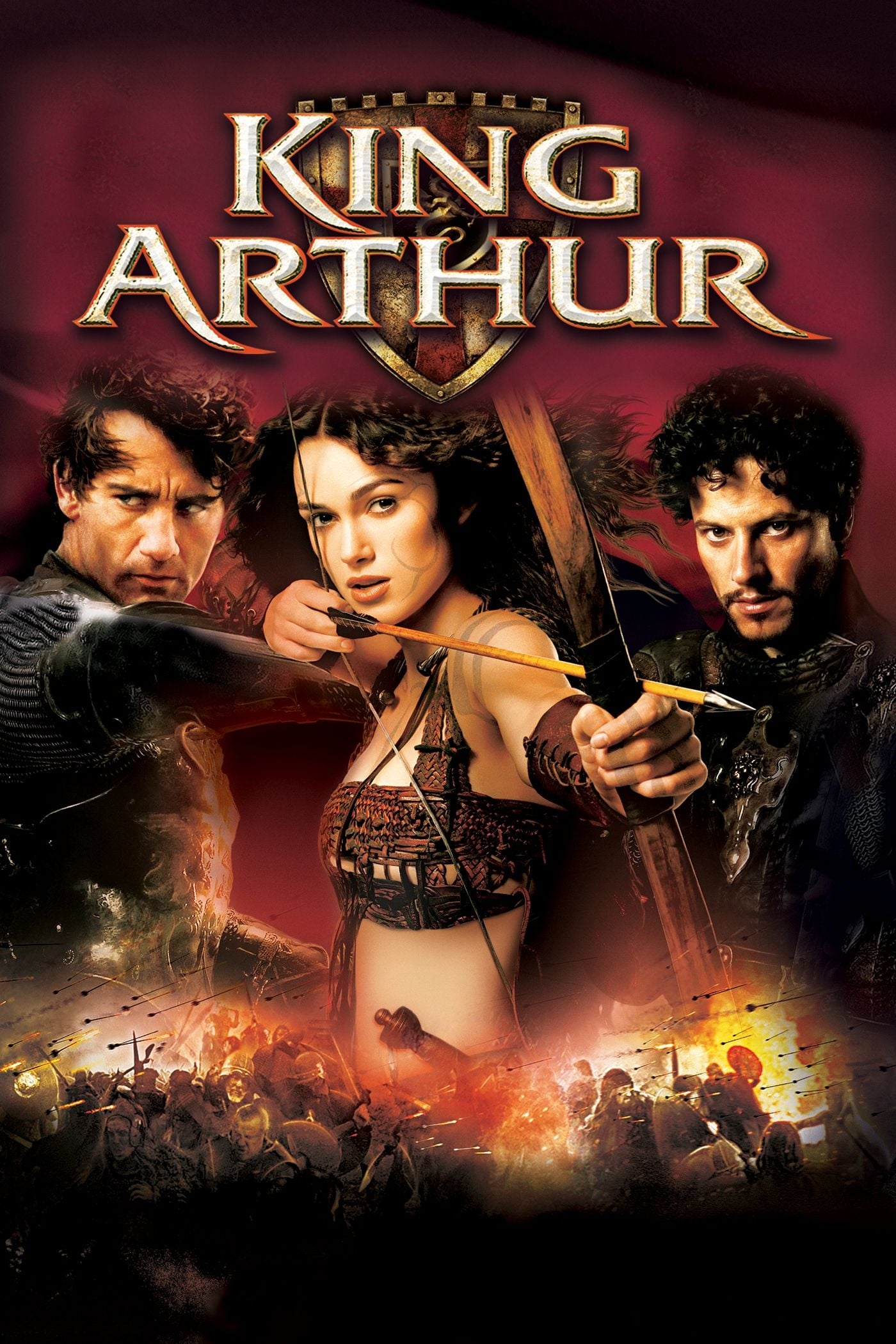
The story of the Arthurian legend, based on the 'Sarmatian hypothesis' which contends that the legend has a historical nucleus in the Sarmatian heavy cavalry troops stationed in Britain, and that the Roman-British military commander, Lucius Artorius Castus is the historical person behind the legend.
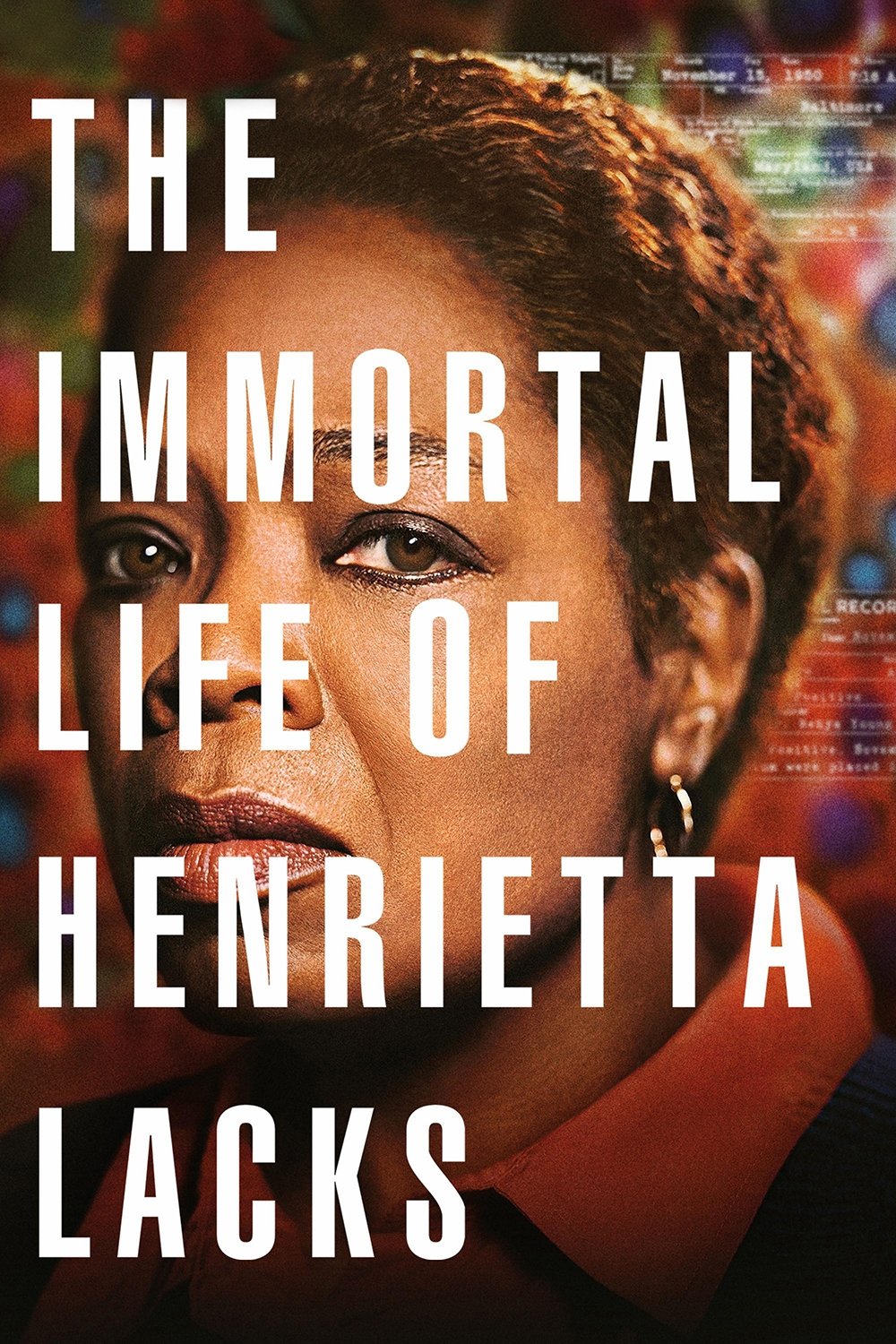
An African-American woman becomes an unwitting pioneer for medical breakthroughs when her cells are used to create the first immortal human cell line in the early 1950s.
The commandant of Auschwitz, Rudolf Höss, and his wife Hedwig, strive to build a dream life for their family in a house and garden next to the camp.