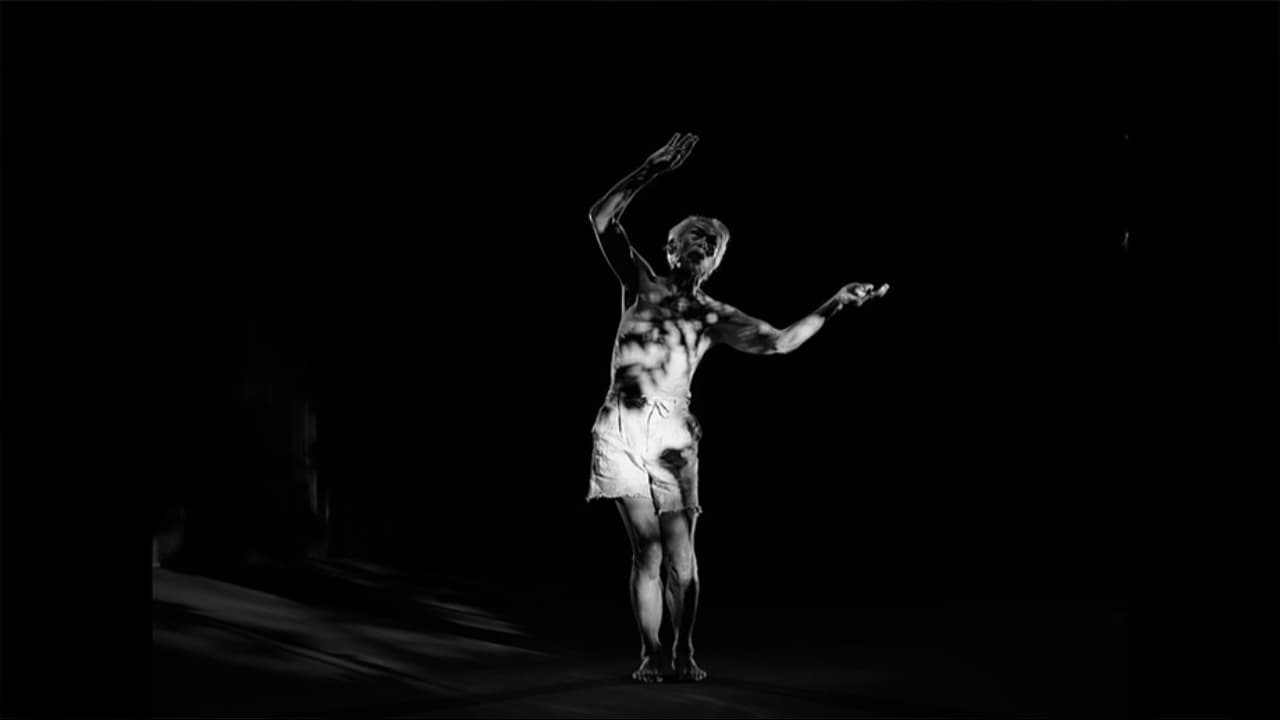
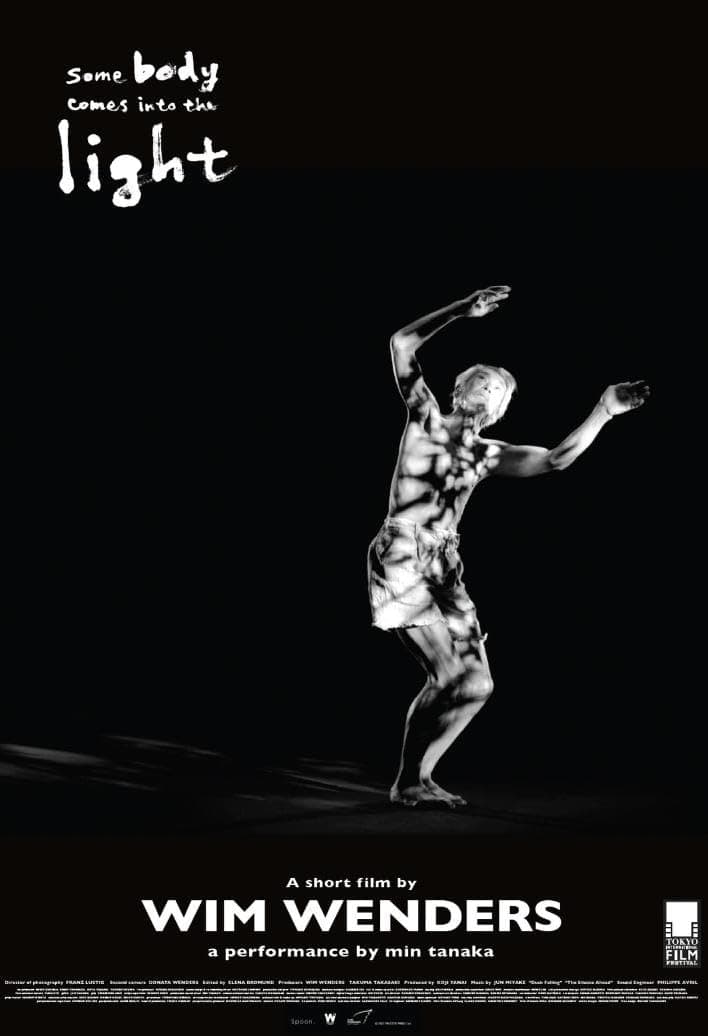
A beautiful session between dancer Tanaka Min and director Wim Wenders that illustrates something before we started speaking with words.
Social & External
Dancer
Ludruk Tobong artists are trying to maintain the arts that support their livelihood and are also trying to eliminate the negative stigma of trans women through cultural media.
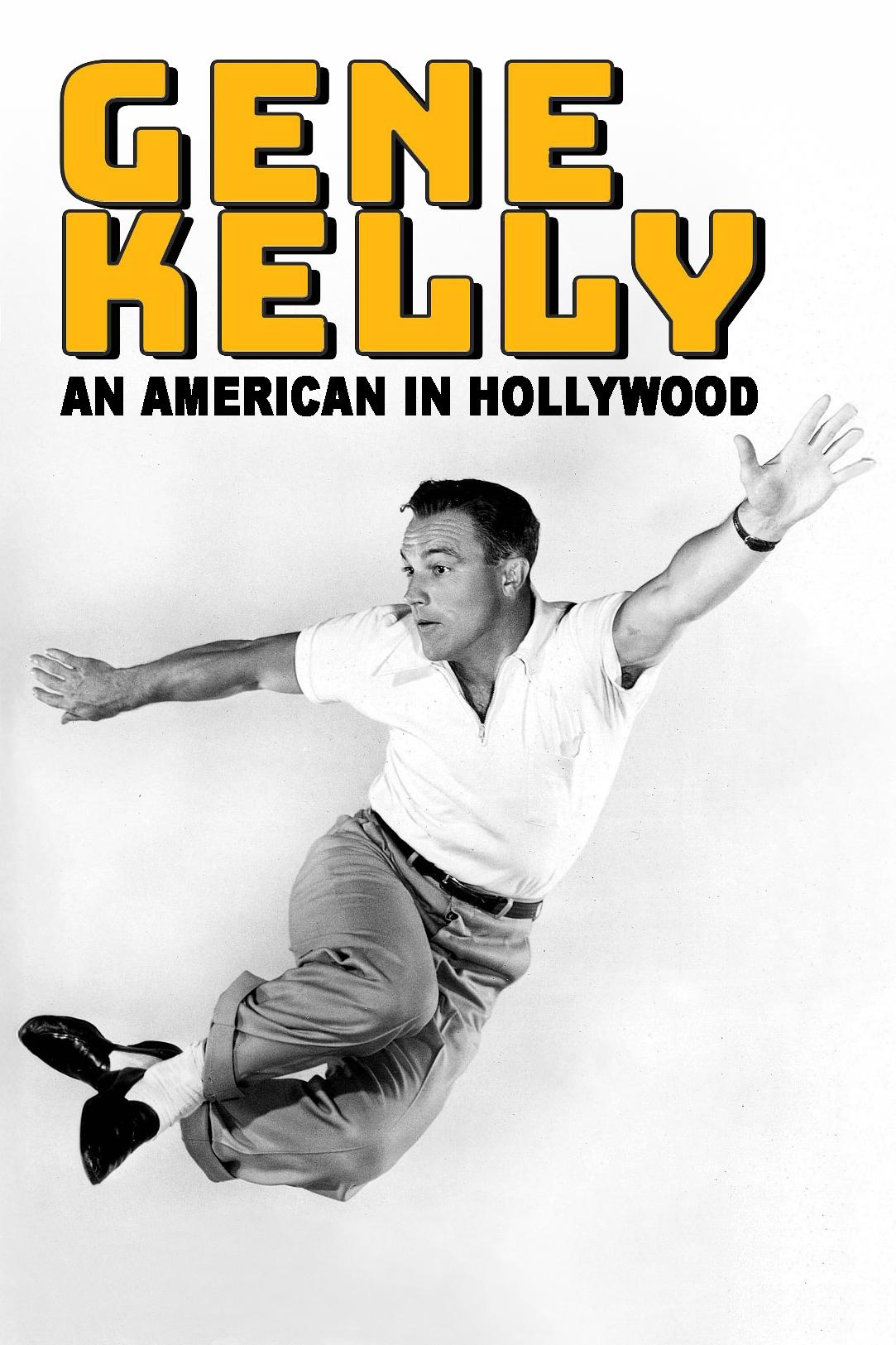
Gene Kelly is a legend of the heyday of the Hollywood musical. His name stands for masterpieces such as "Singin' in the Rain" and "An American in Paris". As a singer, dancer, actor, choreographer and director, he was a true all-round artist who revolutionized the world of dance in particular. Kelly, who loved to experiment, explored new forms of dance expression and helped a whole generation of young talents to fame. From his beginnings in cabarets and on Broadway to his recognition as a choreographer and director, the documentary shows how the good-looking star with a charming smile expanded the boundaries of dance expression: He danced in the open air in the streets of New York, with a cartoon character or his own reflection. But this dazzling entertainer image should not obscure the fact that Kelly, as a staunch supporter of the American civil rights movement, also saw dancing as a political statement.
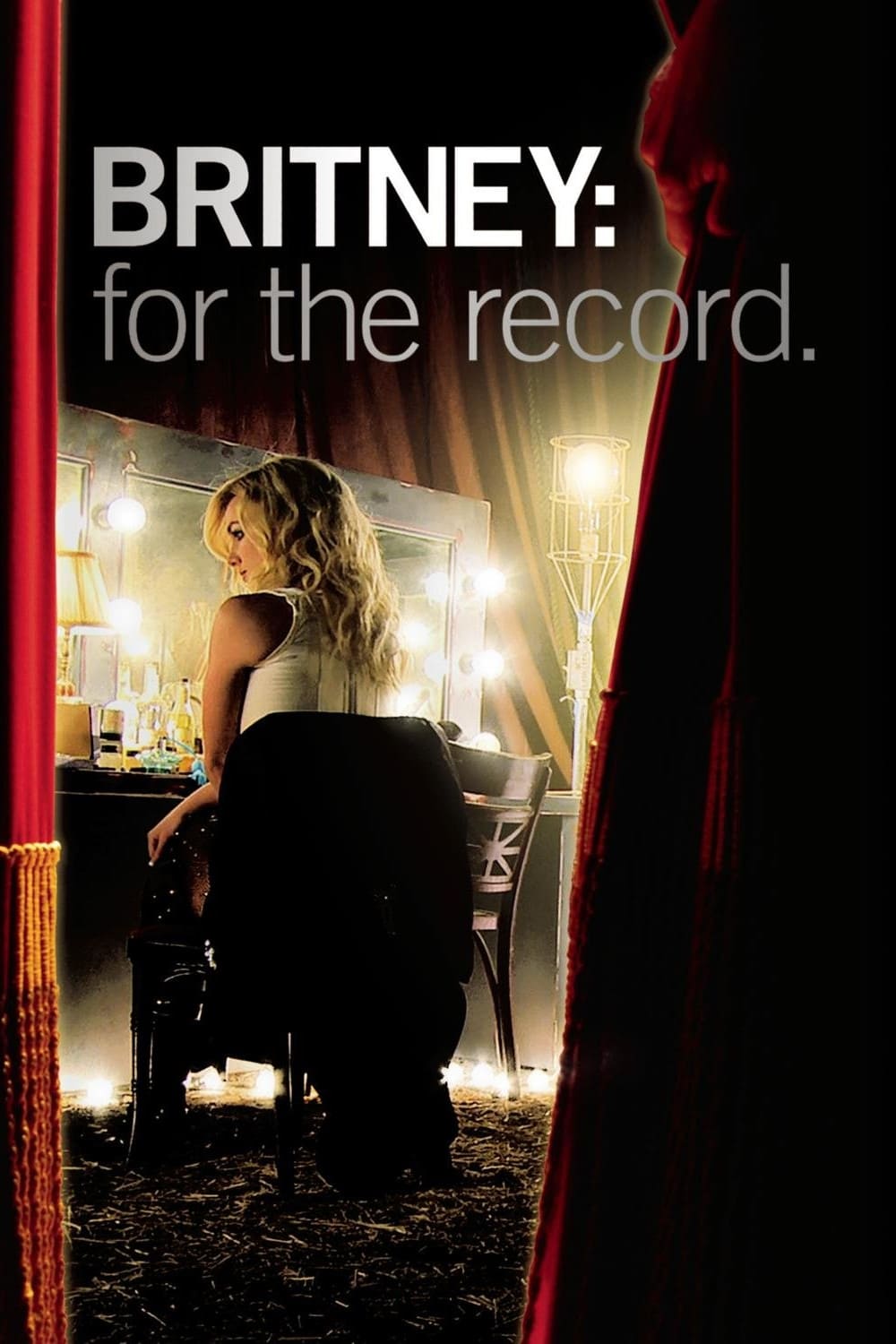
An introspective documentary which chronicles pop music queen Britney Spears' return to the spotlight after her much-publicized professional and personal struggles. Honest, raw and revealing, the one-hour special shares some of Spears' most intimate moments in the span of 60 days, and gives fans an inside look at Britney in the recording studio and on set filming the music videos for one of music's most triumphant comebacks.
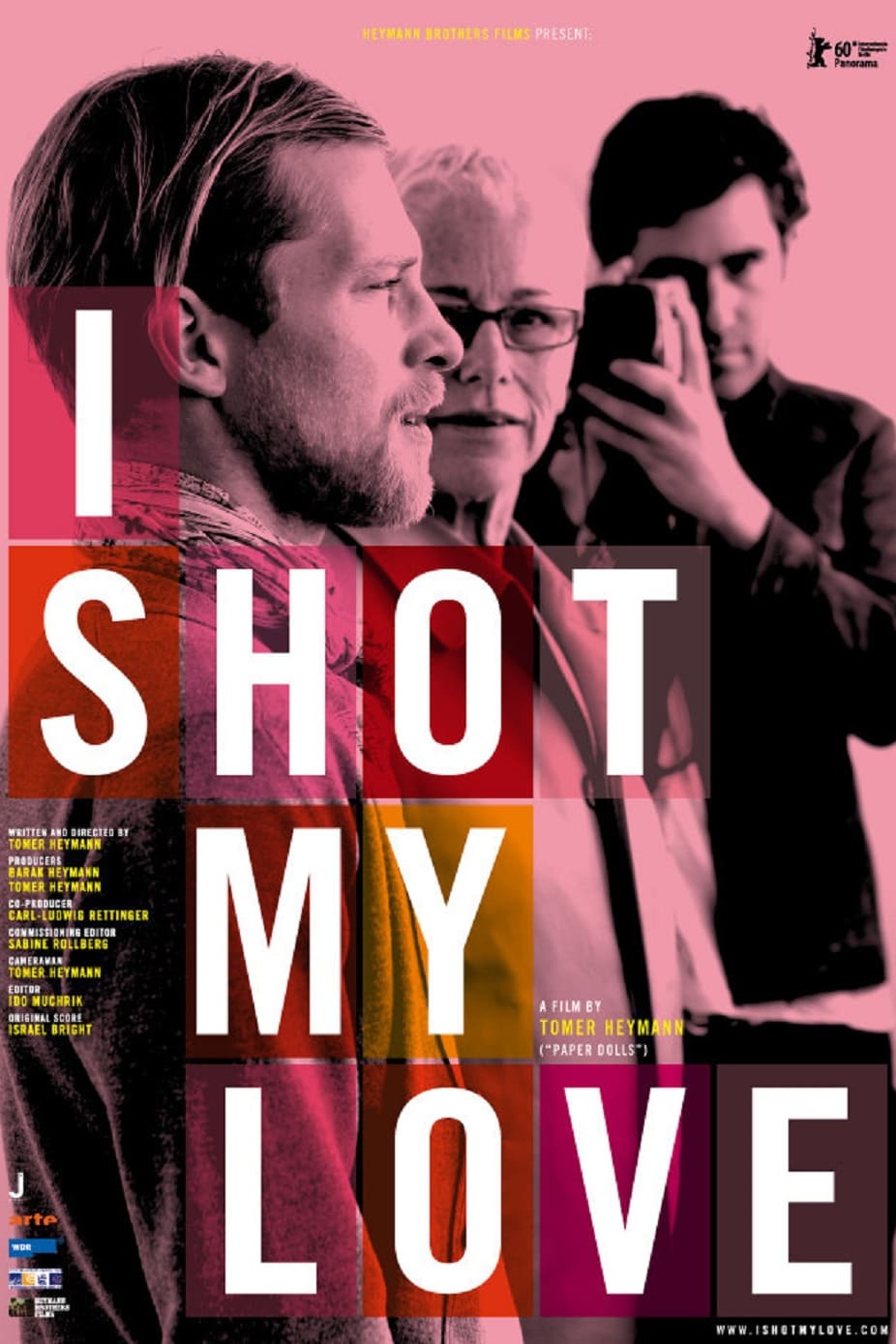
Seventy years after his grandfather escapes from Nazi Germany to Palestine, Israeli documentary director Tomer Heymann returns to the country of his ancestors to present his film "Paper Dolls" at the Berlin International Film Festival, and there meets a man who will change his life. This 48-hour love affair, originating in Berghain Panorama Bar, develops into a significant relationship between Tomer and Andreas Merk, a German dancer.
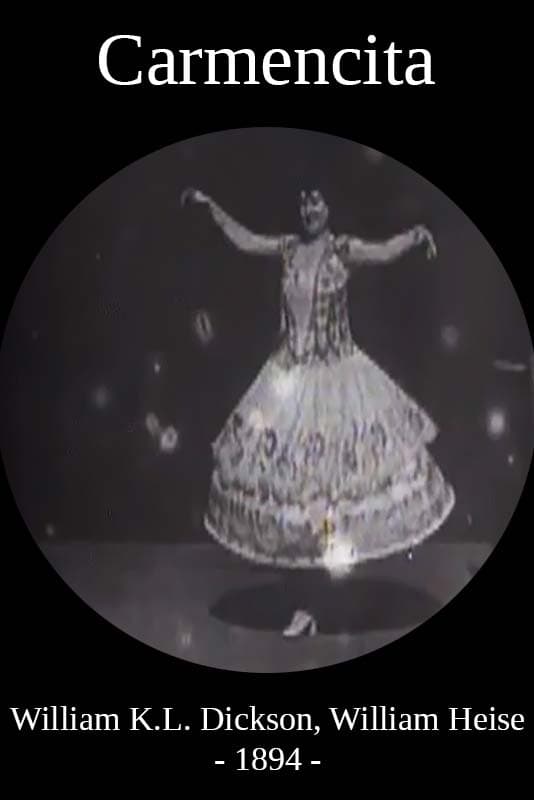
The first woman to appear in front of an Edison motion picture camera and possibly the first woman to appear in a motion picture within the United States. In the film, Carmencita is recorded going through a routine she had been performing at Koster & Bial's in New York since February 1890.
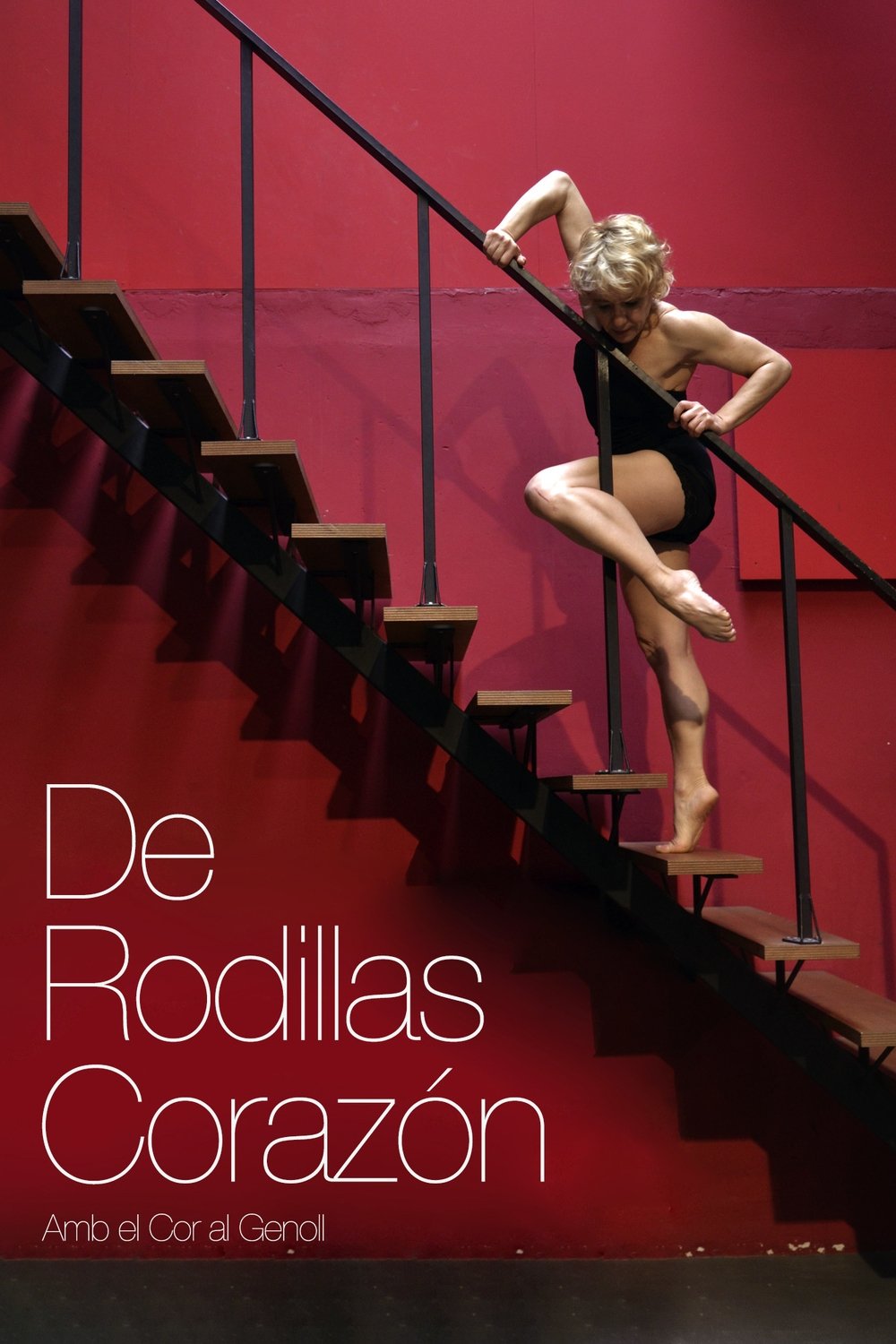
Documentary about the dancer Sol Picó. From the dancer under the spotlight to her reality behind the scenes, the documentary approaches Sol Pico’s daily life at a crucial moment in her career after winning the National Dance Award. Also it goes across Sol Picó’s artistic career, from the beginning of her performance, to the street theatre and, finally, her artistic consolidation and the creation of her own company. Her work is characterized by showing a strong and brave woman but who is not afraid of showing her weaknesses without taboos. The project also brings the artist’s more personal side closer: the difficulties of growing up as a dancer, the difficulties of creation and how to face her career after turning 50.
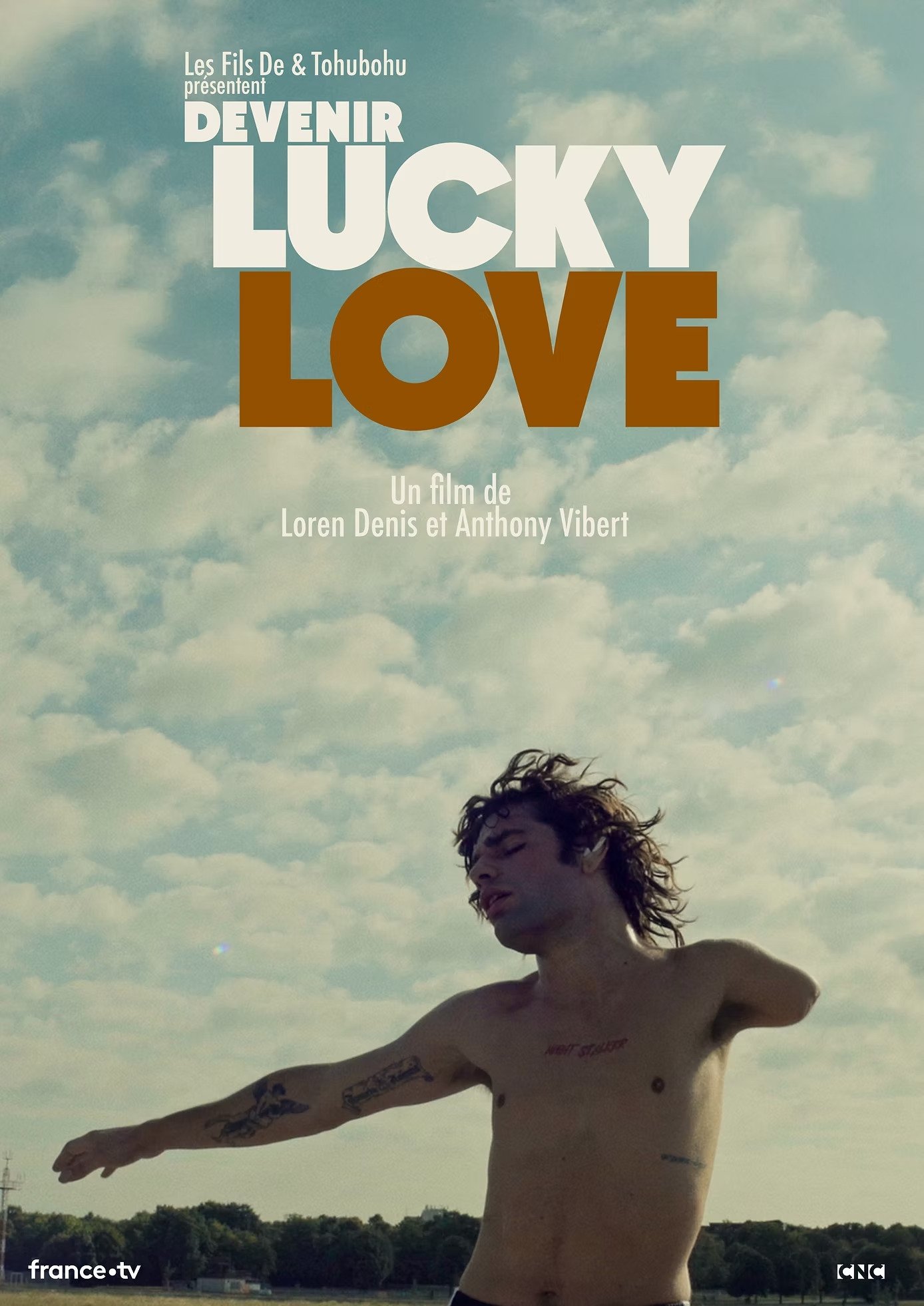
He was born different, and chose to become unique. Becoming Lucky Love follows how Luc Bruyère turned his “flaw” into strength and his life into an act of creation. Born without his left arm, he faced the violence of people’s gaze from childhood, sinking into shame and self-destruction. “I was born homosexual, without a left arm — I didn’t fit what a man was expected to be: a figure without nuance, categorical,” Luc confides. Instead of giving up, he chose to transform himself and become what he had always dreamed of: a singer and performer. With his angelic face and magnetic presence, nothing seems to resist him — yet his blazing loves and excesses marked him deeply. Now, on the verge of turning 30, he looks back without filters. Becoming Lucky Love paints the portrait of an avant-garde, captivating outsider who proves that destiny can be endlessly reinvented through strength, poetry, and self-invention.
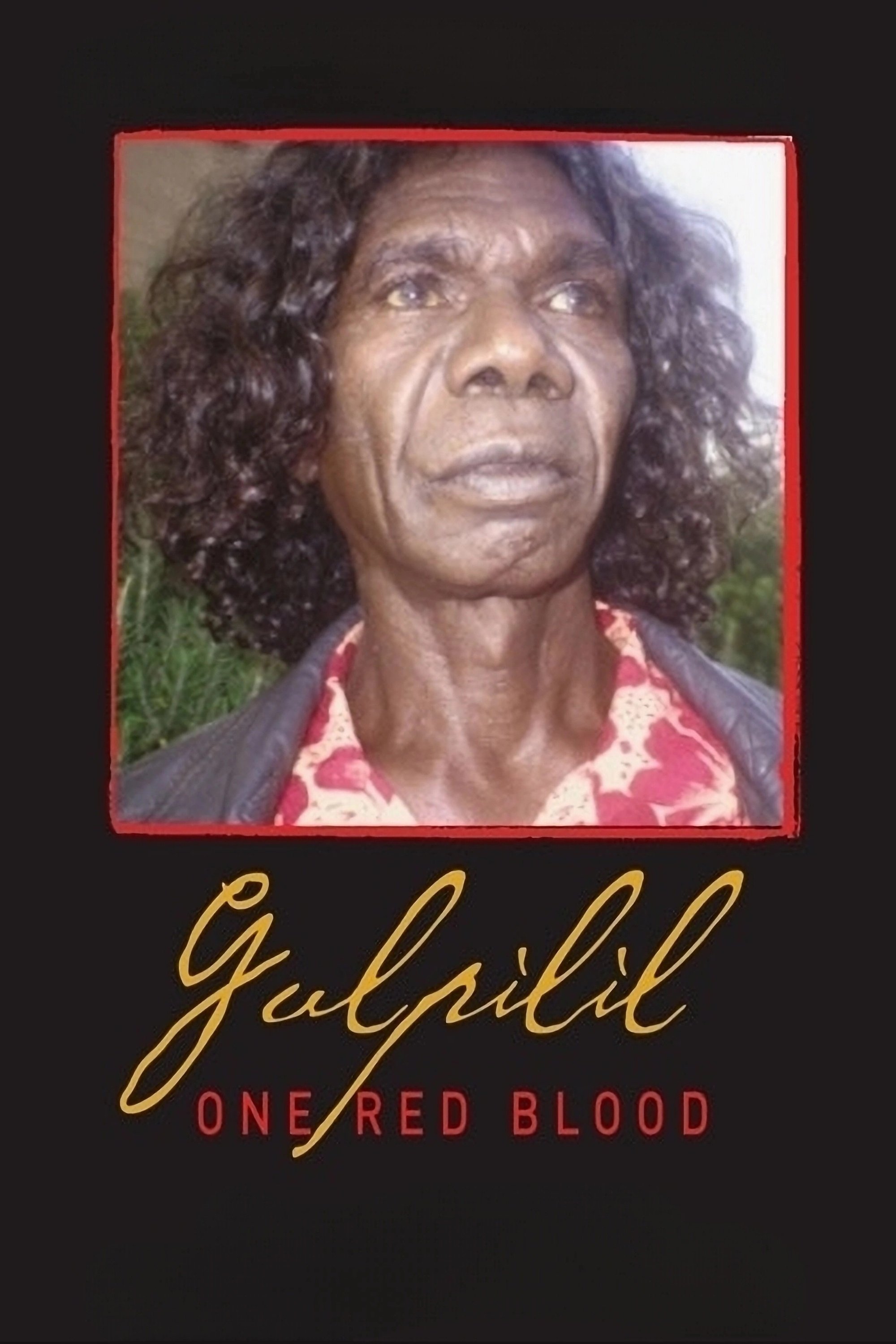
An hour-long documentary on the life and career of actor David Gulpilil.
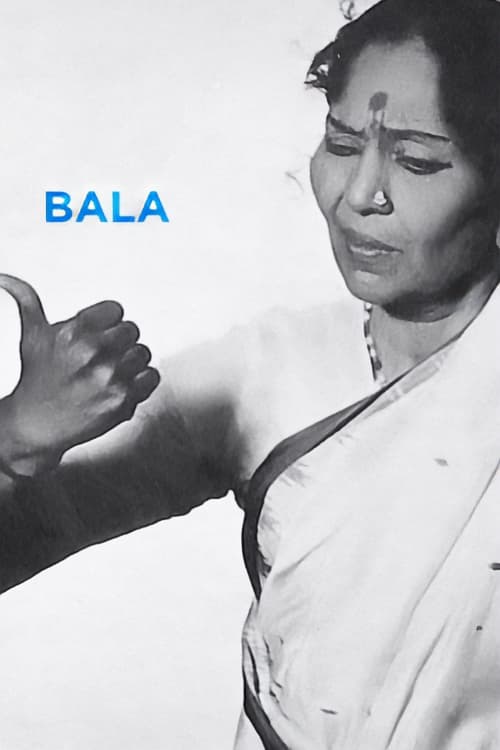
A documentary about the aging prima ballerina Balasaraswati (popularly known as "Bala"), the most famous exponent of the Bharatanatyam dance.
This ultra-kitsch documentary goes behind the scenes at Murray's Cabaret Club, where Christine Keeler was later a showgirl.
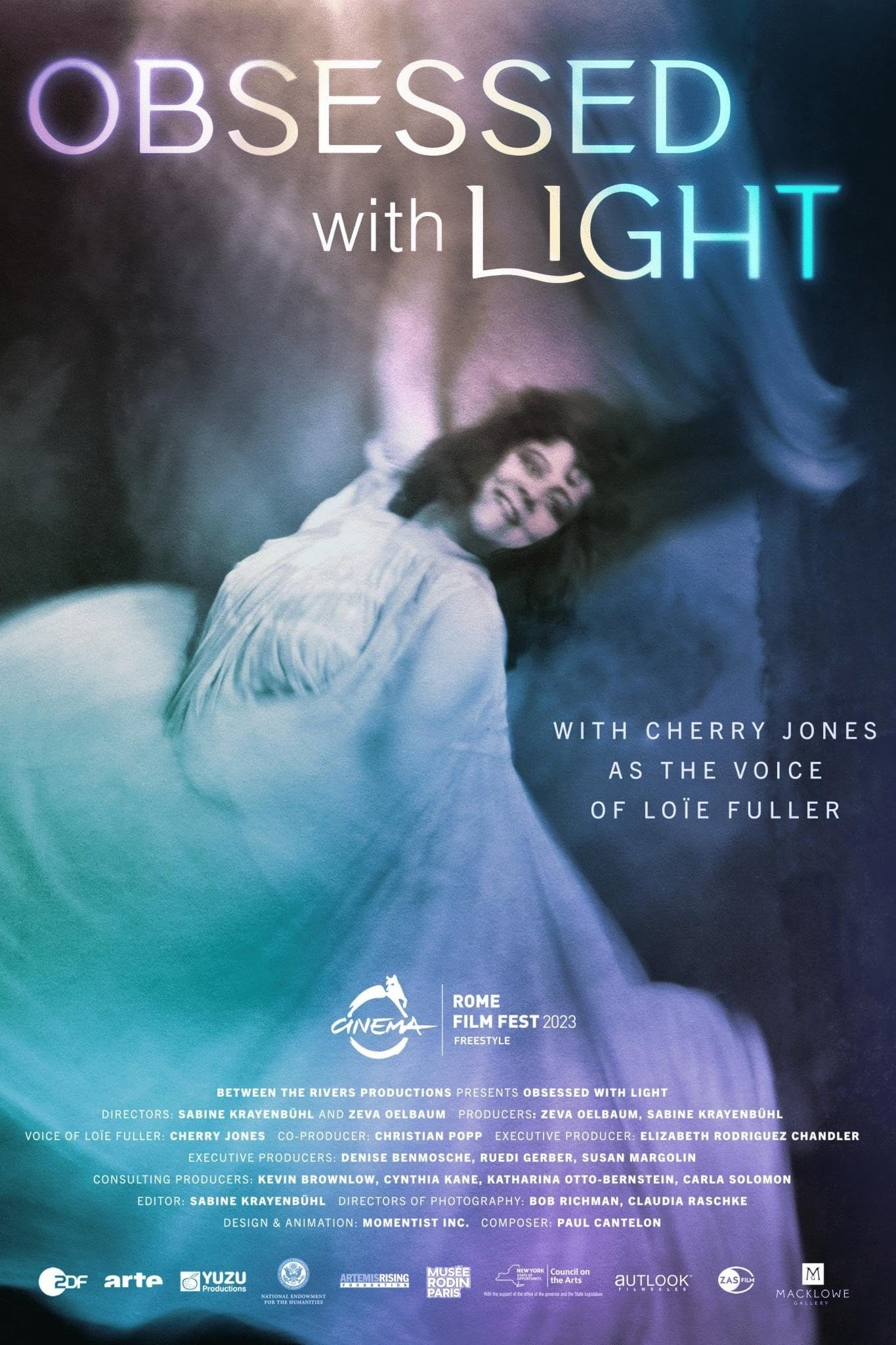
Loïe Fuller, stage name of Marie Louise Fuller: the American actress and dancer trained in burlesque, circuses and variety shows who, in the 1890s, signed by the Folies Bergère of Paris, became a star. She was portrayed by Toulouse-Lautrec, loved by the symbolists, the inspiration for Art Nouveau, in her shows she combined dance, spirals of fabric and light, reflected from behind or from below through the glass floor that she had created. She transformed into the "Fairy of Light", was taken up (especially in her Serpentine Dance) by Georges Méliès and Alice Guy and influenced René Clair's early films.
Hear the Lama band, see the sacred dances: welcome to Sikkim, in the shadow of the Himalayas.
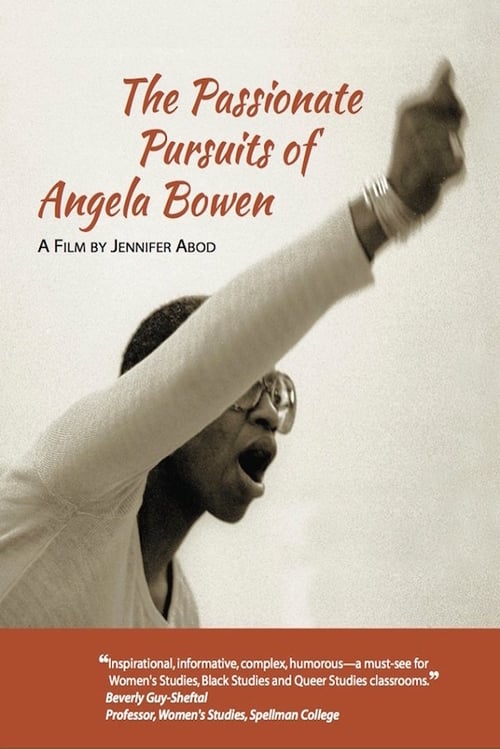
For six decades Angela Bowen, classical dancer and teacher, black lesbian feminist activist, and professor has influenced and inspired untold numbers speaking out as strongly for the Arts, Black and Women's Rights as she has for Lesbian and Gay Rights. The film depicts Bowen's life across the decades, from the early fifties, with historic footage, photographs and interviews including her dance mentor, dance partner, former husband, partner, children, activists, scholars, and dance and university students. Bowen's candid and compelling stories allow us to understand how race, class, gender, age, and sexuality played into her decisions and choices, her mission, and strategies for survival. Passionate Pursuits is intended to challenge and inspire diverse audiences to pursue their own dreams with tenacity and courage, but not for themselves alone.
Check Your Body At The Door is a documentary film about some remarkable underground house dancers in NYC during the golden decade of the 1990s. It follows master free-stylists into the clubs, their jobs, and their everyday lives. Filmed in the studio as well, the dancers’ virtuosic moves are brilliantly revealed in silhouette or light pools. In their words they describe the importance of clubbing, why they dance, how they dance, and what it means.
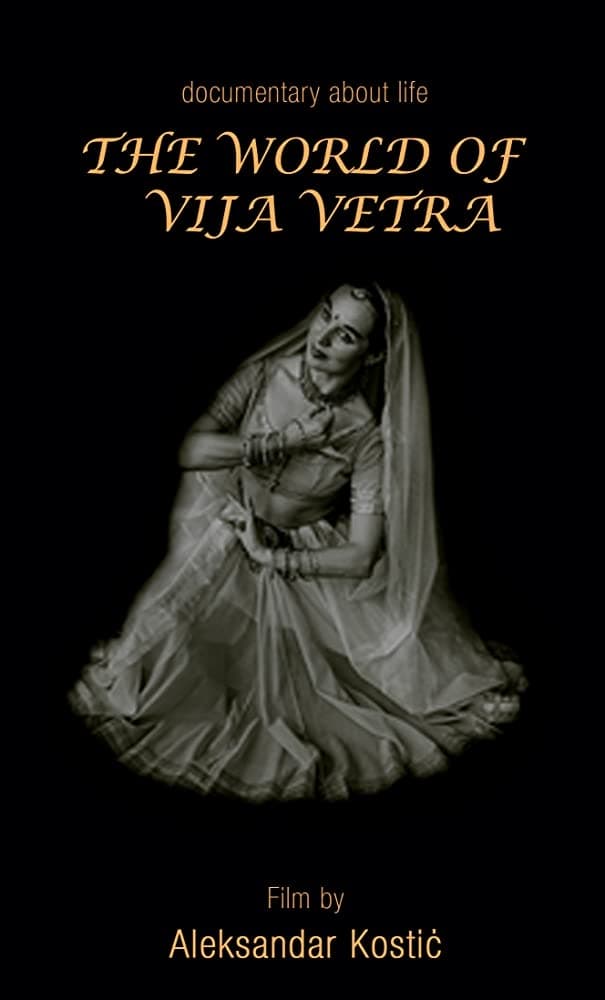
This documentary tells the fascinating story of Vija Vetra, a world-renowned Latvian dancer, choreographer and teacher. At the age of 84, Vetra remains a vital and creative force, and her tale offers inspiration for both artists and lovers of the arts. In a career spanning seven decades, she has mastered diverse styles ranging from ballet to traditional Indian dance, and her talent has won her acclaim as a 'spirit in human form' and 'the bridge between East and West.' Her life is a celebration of the power and beauty of the art of dance, but is also a powerful story of struggle, loneliness and sacrifice. Her creative , positive spirit stands alone against a materialistic world that is constantly changing. Her wise soul, her point of view and criticism towards the modern world push us to think about secret meanings, symbols and the simplicity of life.
Experience a mystical journey through nature performed by a movement artist. Felix faces the whirling challenges of his inner turbulence with an emotionally charged dynamic, delicate strength, graceful dignity, as well as ecstatic devotion. Behold the fire dancer in the night.
Palucca follows the legendary Dresden dancer and dance teacher Gret Palucca (1902–1993) as she introduces her students to dance as an art form. It also features excerpts from her solo performances, with which she significantly influenced the visual language of modern expressive dance starting in the 1920s.
The outrageous life of the American dancer of the 1920s, Isadora Duncan, whom Ken Russell described as "part genius and part charlatan".
SEDUCED AND ABANDONED combines acting legend Alec Baldwin with director James Toback as they lead us on a troublesome and often hilarious journey of raising financing for their next feature film. Moving from director to financier to star actor, the two players provide us with a unique look behind the curtain at the world's biggest and most glamourous film festival, shining a light on the bitter-sweet relationship filmmakers have with Cannes and the film business. Featuring insights from directors Martin Scorsese, 'Bernando Bertolucci' and Roman Polanski; actors Ryan Gosling and Jessica Chastain and a host of film distribution luminaries.
Al Pacino's deeply-felt rumination on Shakespeare's significance and relevance to the modern world through interviews and an in-depth analysis of "Richard III."
Behind-the-scenes documentary about how Lionel Messi succeeded in lifting the World Cup – the only trophy to have eluded him in an incredible career.
A purely observational non-fiction film that takes viewers into the ethically murky world of end-of-life decision making in a public hospital.
Amber Heard and Nicole Kidman discuss their characters Mera and Atlanna.
JB Smoove and Martin Starr host a celebration of 20 years of "Spider-Man" movies, from the Sam Raimi trilogy to Marc Webb's movies and the trio from Jon Watts.
In the Realms of the Unreal is a documentary about the reclusive Chicago-based artist Henry Darger. Henry Darger was so reclusive that when he died his neighbors were surprised to find a 15,145-page manuscript along with hundreds of paintings depicting The Story of the Vivian Girls, in What is Known as the Realms of the Unreal, of the Glodeco-Angelinnian War Storm, Cased by the Child Slave Rebellion.
Long-lost footage from Elvis Presley's legendary Las Vegas residency in the 1970s woven together with rare 16mm footage from Elvis on Tour, and 8mm from the Graceland archive, plus recordings of Elvis telling "his side of the story" rediscovered during Baz Luhrmann's research for his 2022 film, Elvis.
Through deeply personal interviews with her siblings and an examination of the photographs, letters, and belongings left behind, Mariska assembles a new portrait of her mother Jayne Mansfield, an extraordinary and complex woman.
With unprecedented access to the official archives and intimate recollections from the band, both current and past, Iron Maiden: Burning Ambition invites fans to experience one of the most iconic journeys in music history. Spanning five decades, this electrifying documentary charts the band’s rise from the pubs of East London to the world’s biggest stadiums. Featuring exclusive interviews with band members and contributors such as Javier Bardem, Lars Ulrich and Chuck D, as well as all-new animated sequences of the band's legendary mascot, Eddie, the film offers a rare and intimate look at Iron Maiden’s uncompromising vision and unwavering connection with their truly global army of fans.
The life and career of an actor, artist, and icon. His own journey through his own camera.
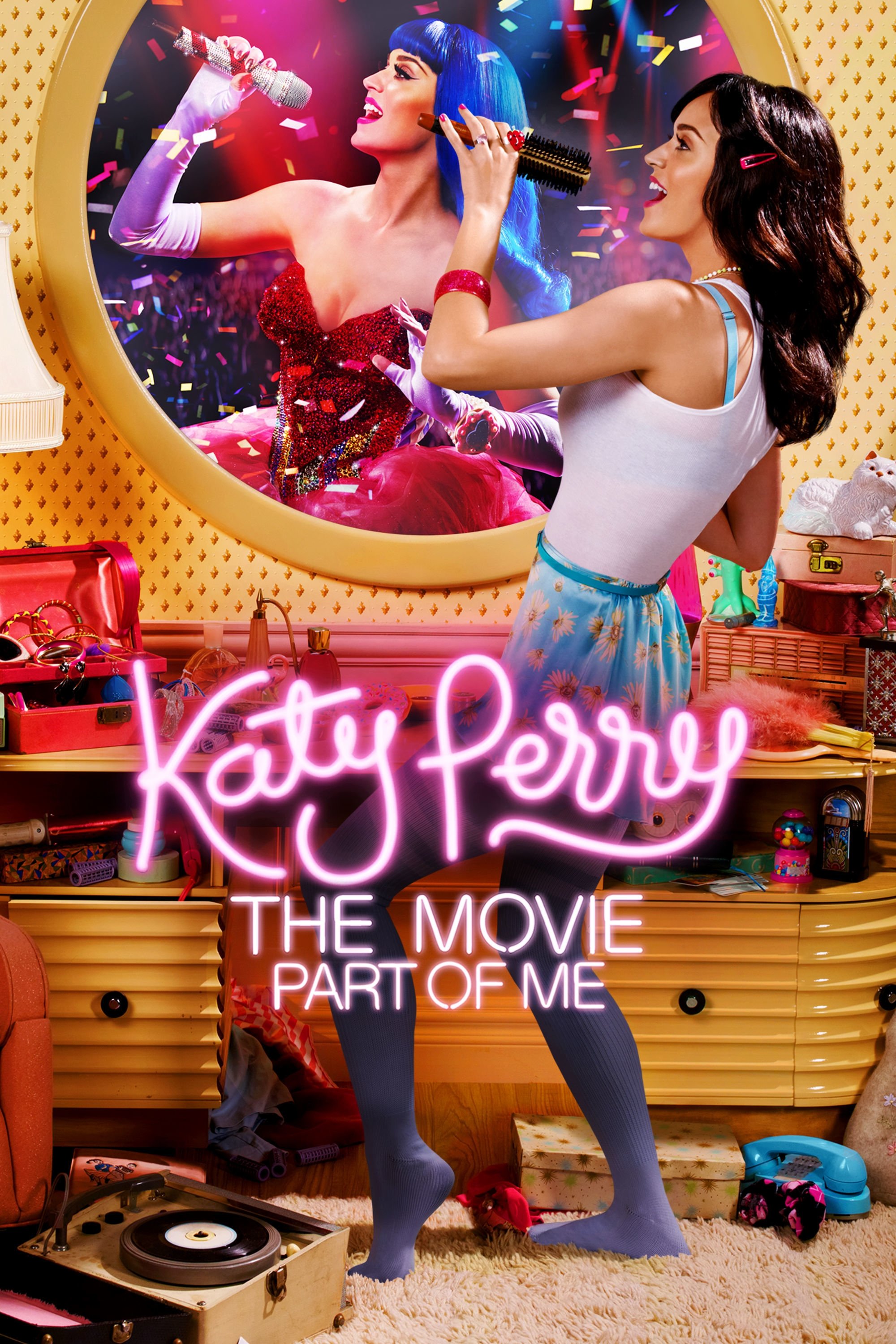
Giving fans unprecedented access to the real life of the music sensation, Katy Perry: Part of Me exposes the hard work, dedication and phenomenal talent of a girl who remained true to herself and her vision in order to achieve her dreams. Featuring rare behind-the-scenes interviews, personal moments between Katy and her friends, and all-access footage of rehearsals, choreography, Katy’s signature style and more, Katy Perry: Part of Me reveals the singer’s unwavering belief that if you can be yourself, then you can be anything.
Those who knew iconic funnyman John Candy best share his story, in their own words, through never-before-seen archival footage, imagery, and interviews.
A portrait of the day-to-day operations of the National Gallery of London, that reveals the role of the employees and the experiences of the Gallery's visitors. The film portrays the role of the curators and conservators; the education, scientific, and conservation departments; and the audience of all kinds of people who come to experience it.
This character-driven film considers the evolving sex trafficking landscape as seen by the main players: the exploited, the pimps, the johns that fuel the business, and the cops who fight to stop it.
The life of Mr. Spock, as well as that of Leonard Nimoy, the actor who played him for almost fifty years, written and directed by his son: Adam.
An inside look at one of the most anticipated movie sequels ever with James Cameron and cast.
This intimate, in-depth look at Beyoncé's celebrated 2018 Coachella performance reveals the emotional road from creative concept to cultural movement.
A detailing of the rise to prominence and global sporting superstardom of six supremely talented young Manchester United football players (David Beckham, Nicky Butt, Ryan Giggs, Paul Scholes, Phil and Gary Neville). The film covers the period 1992-1999, culminating in Manchester United's European Cup triumph.
Alexander McQueen's rags-to-riches story is a modern-day fairy tale, laced with the gothic. Mirroring the savage beauty, boldness and vivacity of his design, this documentary is an intimate revelation of McQueen's own world, both tortured and inspired, which celebrates a radical and mesmerizing genius of profound influence.