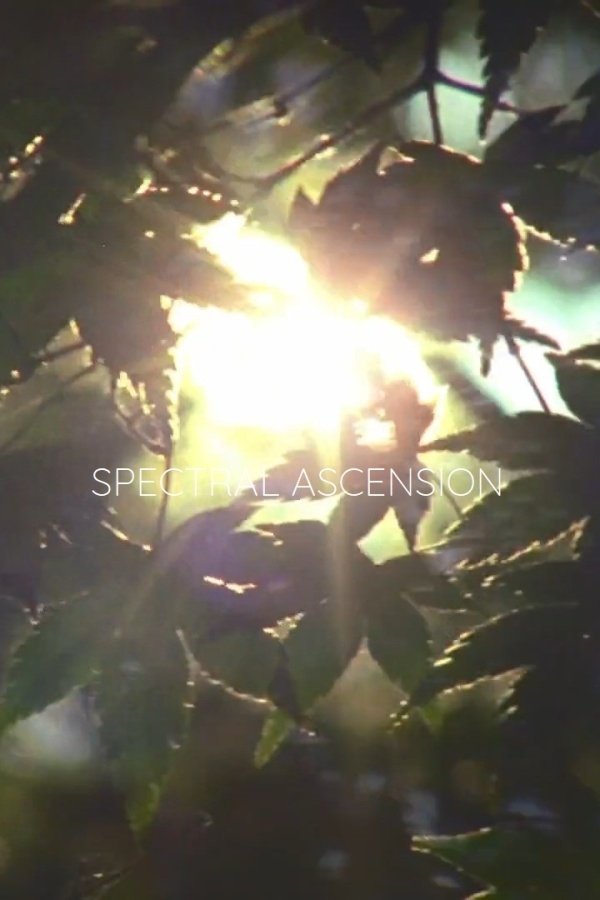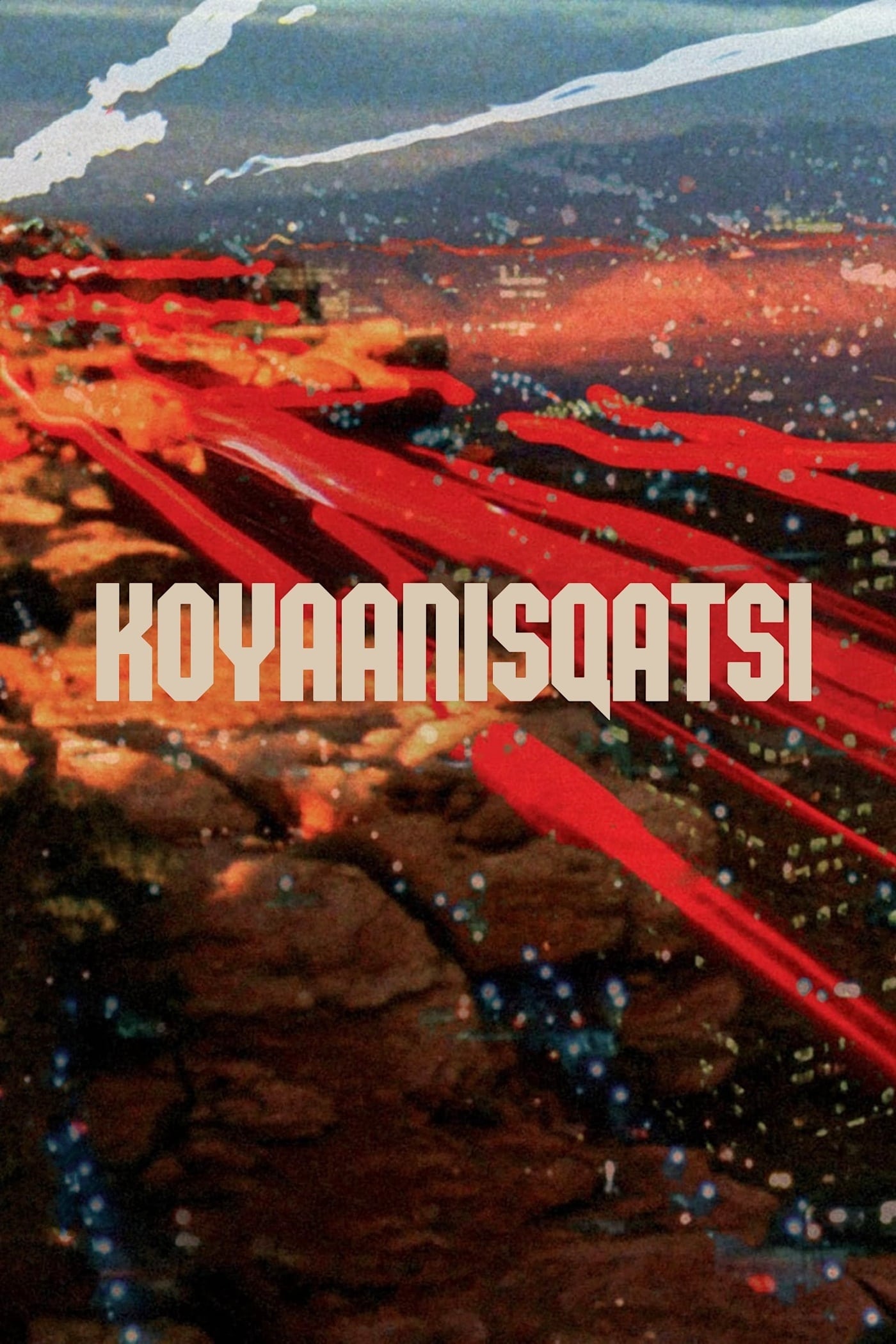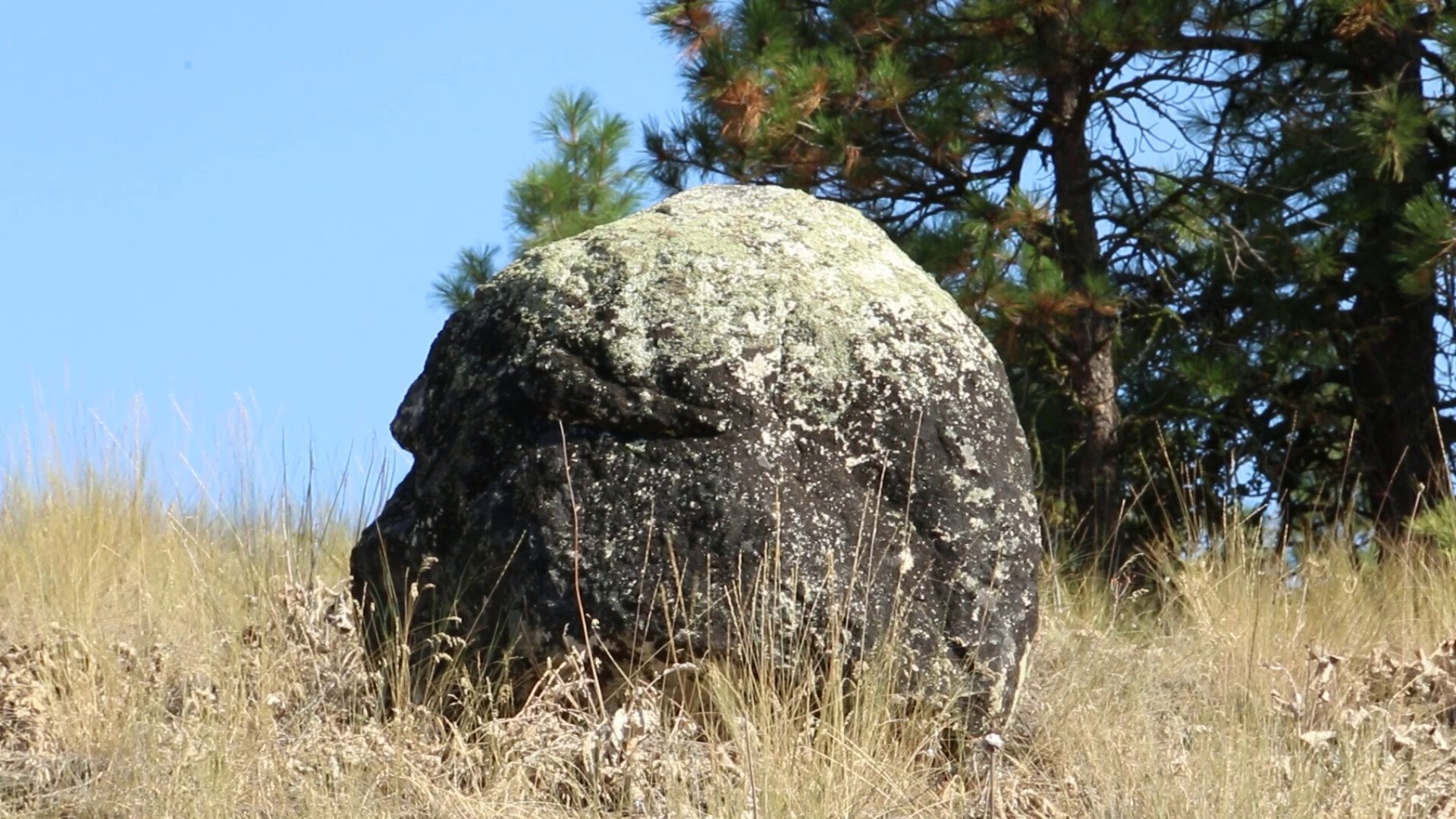
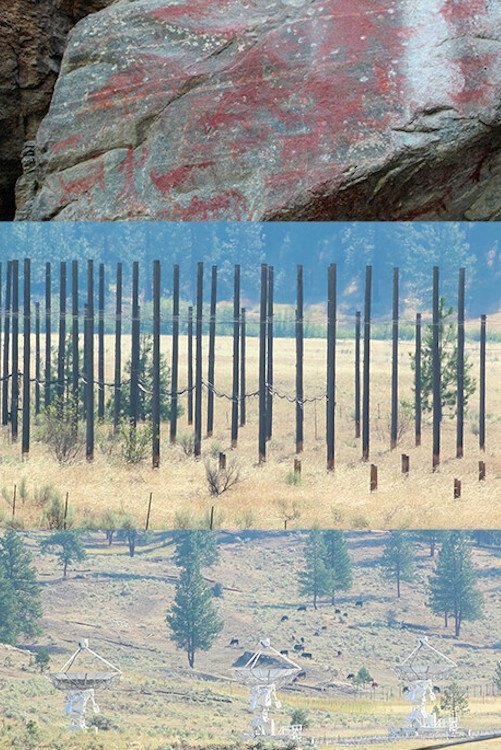
Experimental meditation on land, consciousness, and artificial intelligence. Shot in the Okanagan and West Kootenays. Original music by Jack Brintnell.
Social & External
Drawing on a wealth of unseen archival material and unpublished notebooks, the film weaves a complex and personal portrait of Margaret’s life, from the perspective of a fellow artist sensitive to the potential Margaret envisaged for film as a poetic medium.
Long before Kim Gordon was a cooler-than-thou multimedia artist in Body/Head, she was a cooler-than-thou multimedia artist in Sonic Youth. In the ’80s, Gordon and her bandmates were fixtures of New York’s downtown art and music scene; one regular haunt of theirs was legendary nightclub Danceteria, which served as the setting for a short film Gordon made sometime around 1985. Now, as Dangerous Minds points out, said video has surfaced online thanks to filmmaker/designer Chris Habib (a.k.a. Visitor Design). “Excellent video I found in my Sonic Youth archive,” Habib writes on the clip’s Vimeo page. “I digitized it for Kim during her [early 2000s] CLUB IN THE SHADOWS exhibition at Kenny Schachter’s old space in the West Village.”

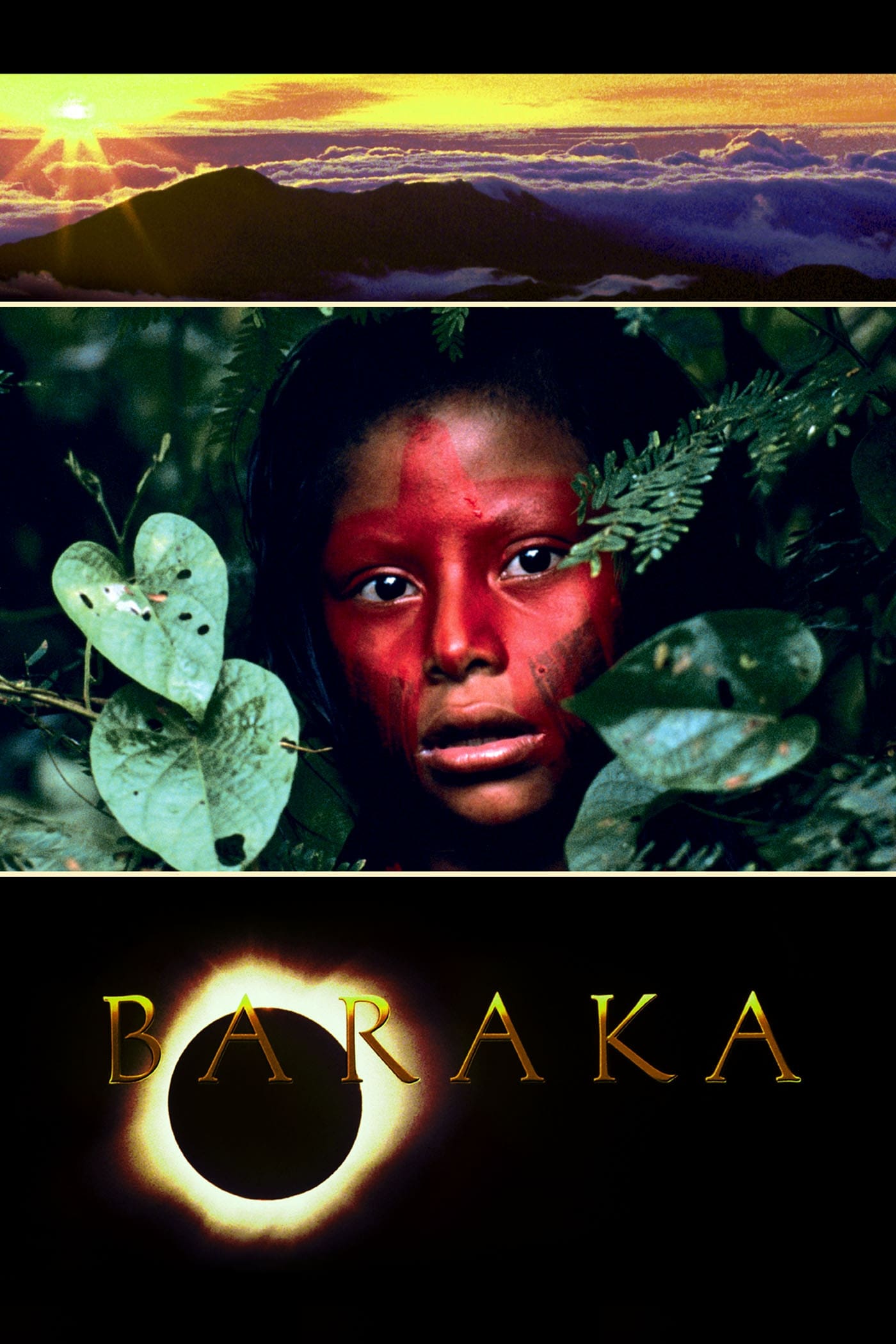
Explorer Bruce Parry visits nomadic tribes in Borneo and the Amazon in hope to better understand humanity's changing relationship with the world around us.
Hot Docs will commemorate Canada's 150th anniversary of Confederation with the commissioning of In the Name of All Canadians, a compilation of six short documentaries inspired by Canada’s Charter of Rights and Freedoms. From Indigenous rights to multiculturalism to the controversial ‘notwithstanding clause,’ participating filmmakers have each selected a specific aspect of the Charter to explore, looking at how it resonates in the stories of their fellow Canadians.
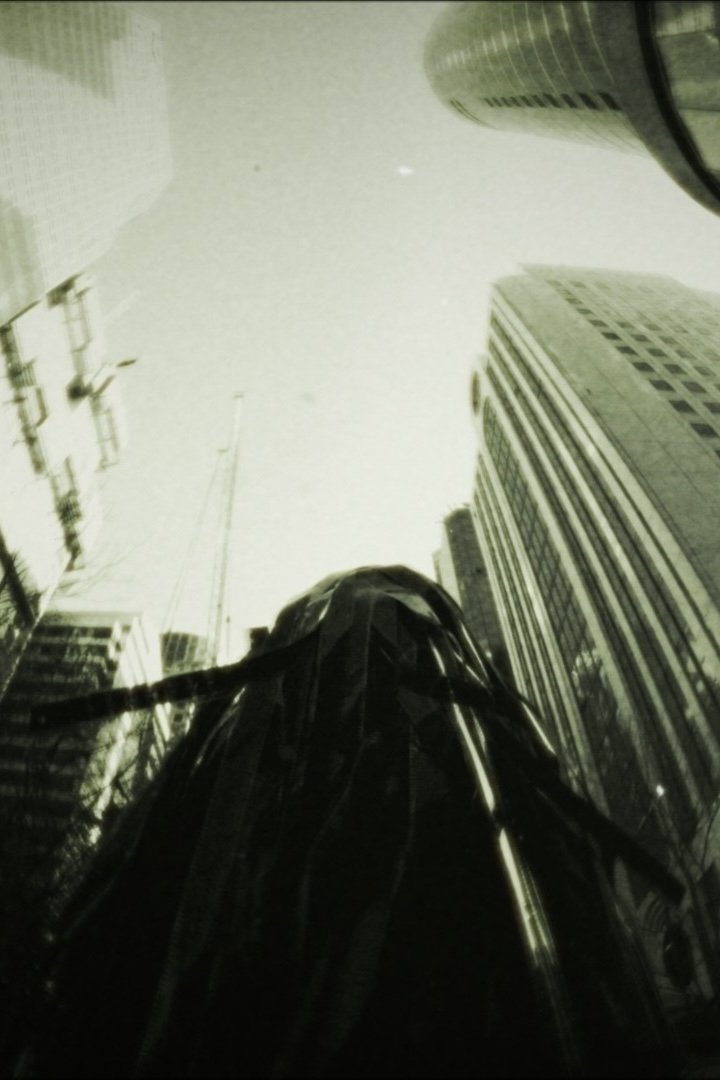
Hand processed expired Kodak 7291, Camera: Beaulieu R16, Lens: Angenieux 12-120mm with +3 Diopter, Polarising filter for the clouds. Hand processed in C-41 chem using a Lomo UPB-1A tank. Still haven't mastered removal of the rem-jet anti-halation layer (thats all the white 'static' on the film). The film expired about 40 years ago.
A field full of sheep is observed through the camera, preserving that moment in time forever.
Childhoods from different people and places collide through art.
As well as providing the subject for Luc Besson’s The Big Blue, Jacques Mayol did more than anyone to establish the sport of free diving to enormous depths without an oxygen supply. Using breathing techniques derived from yoga, he went to 50, 60, and even 100 meters—depths no one had considered to be within the bounds of human possibility. Mayol was a sportsman, a mystic, a vagabond, but above all, a man who believed in testing the limits of experience. This visually stunning tribute shows a man’s quest to be at one with the vastness of the ocean and to have no fear of the abyss within, where lurks serenity, freedom and finally, death.
In the early 1970s, a group of young volunteers, the Free Youth Clinic of Winnipeg, operated a "crisis bus" to rescue young people experiencing bad drug trips, usually from LSD.
A prisoner belonging to a void known as “Lacuna,” longs to escape their entrapment. As they search for a way out, they confront the unchecked mental illness that plagued their former life.
The Sadies Stop and Start captures a moment in time. That time was uncertain and dark. Still reeling from losing Dallas, we found out that Mike needed to have emergency wrist surgery. We needed to play these songs, not knowing if we would ever have the opportunity again. With one day's notice, documentary filmmaker Ron Mann and a stellar crew pulled together to help us capture these songs. Friends and family gathered to help out and show their support. James McKenty engineered in his mobile recording trailer, In Record Time Studio. The resulting film looked and sounded better than we could have hoped. We are thankful to share that Mike's surgery was successful and we are back out on the road and coming to a city near you.
In this 21st century, under the cloak of capitalism, governments, and other systems by which society is governed, this short film shows the true social reality of many people “on the street”.
A documentary about a person who cleans his room with a vacuum cleaner, filled with disasters and mishaps.
This is not a film about gun control. It is a film about the fearful heart and soul of the United States, and the 280 million Americans lucky enough to have the right to a constitutionally protected Uzi. From a look at the Columbine High School security camera tapes to the home of Oscar-winning NRA President Charlton Heston, from a young man who makes homemade napalm with The Anarchist's Cookbook to the murder of a six-year-old girl by another six-year-old. Bowling for Columbine is a journey through the US, through our past, hoping to discover why our pursuit of happiness is so riddled with violence.
Filmmaker Gio Petti takes an in-depth look at the city's troublesome transit system in his documentary, Dude, Where's My Bus?. His nearly 2 year-long independent investigation delves into the frustrations of daily commuters in Ottawa and more deeply explores the systemic issues plaguing OC Transpo and their effects on the community. Beginning in the South End Suburbs of Ottawa, Dude, Where's My Bus? peels back layers leading to a broader investigation into issues plaguing the once model transit system. From late buses in neglected areas of the city, sprawl and the greenbelt, to the ever more controversial Confederation Line and the P3 system that built it, Petti aims to explore the impact of policy missteps and broken promises on Ottawa's transit users, with an optimistic look to the future.
The sun is the miracle that makes everything possible - but also the greatest danger. For the first time, a feature-length documentary is dedicated to the search for the significance of our home star for mankind, science and nature. Thanks to the researchers from the American space agency NASA, who work at the Canary Islands observatories in the hottest and coldest places on the planet.
A harsh winter in Canada’s Muskoka, where players face sub-zero temperatures, contrasts with New Zealand, where hockey is just starting to take root. Yet, between these two far-apart nations, there’s one thing they share: a deep love for the game of hockey.
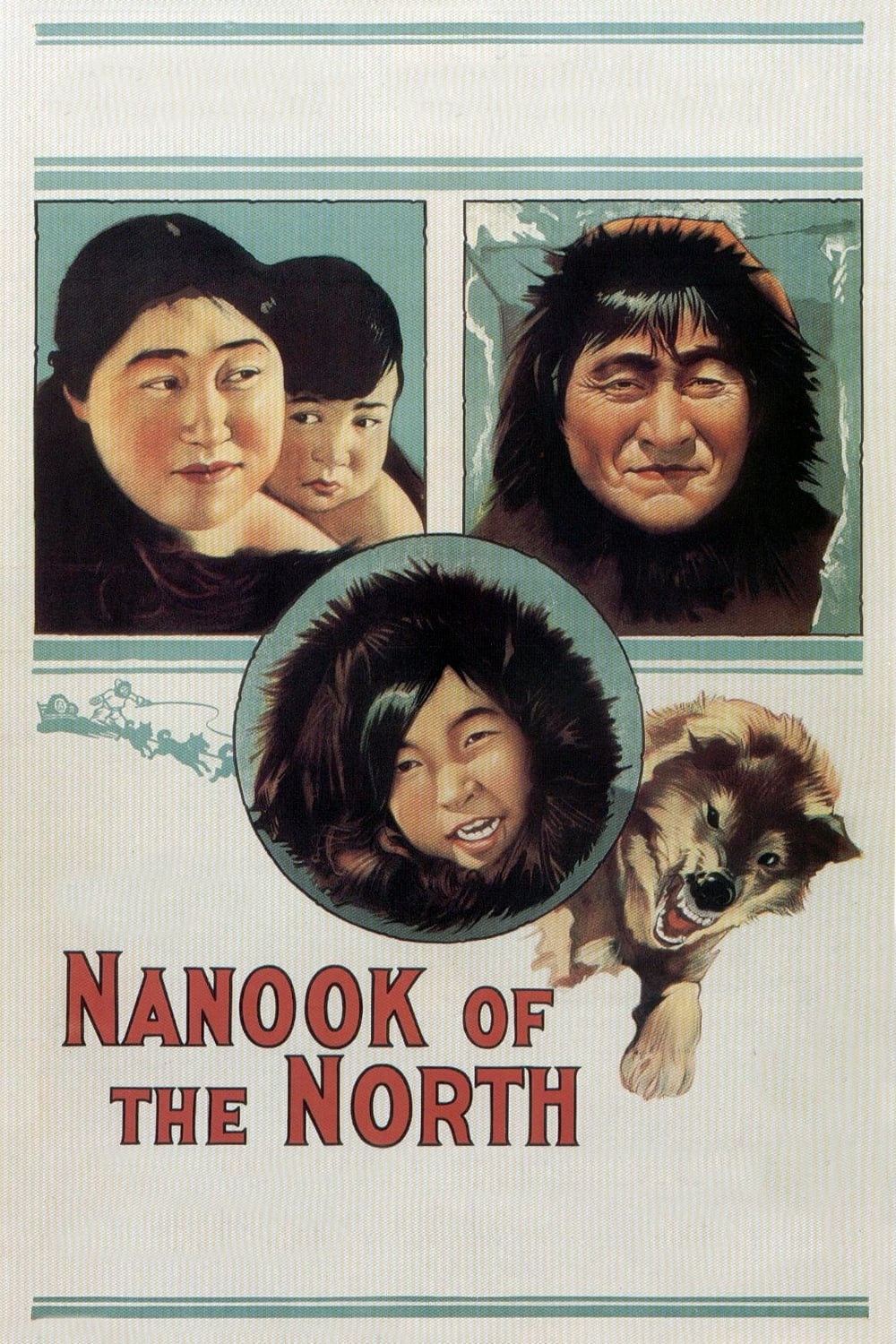
Documentary about filmmaker Bonnie Ammaaq's memories of life on Baffin Island, where her family moved for eleven years during her childhood from the hamlet of Igloolik to return to the traditional Inuit way of life.