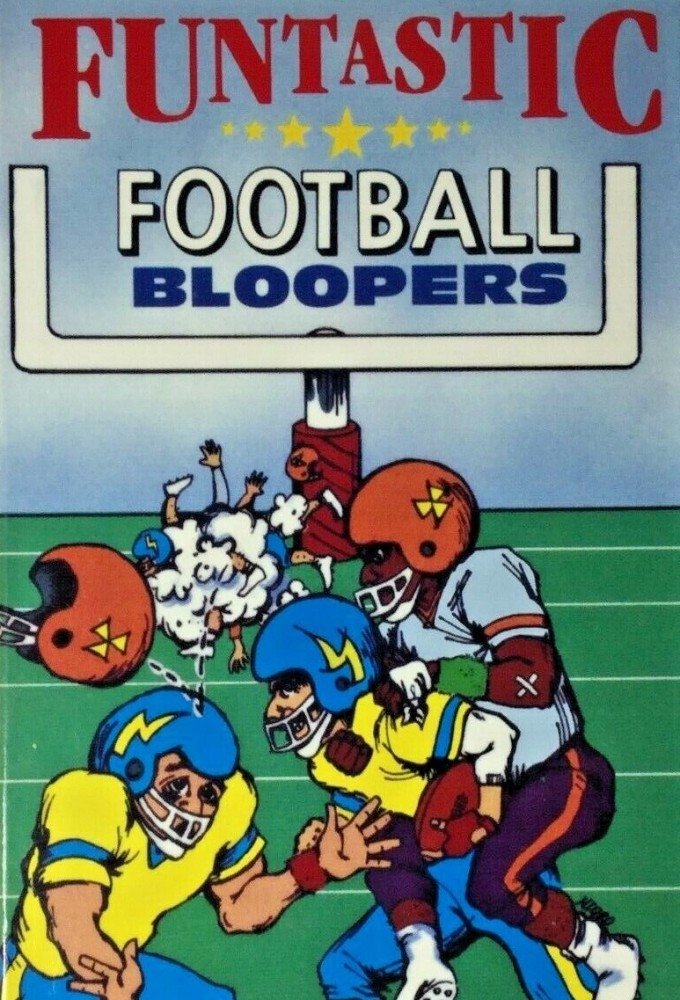
Hilarious moments from American-style football games.
Social & External
The people behind it
Steve Grad
Host
This short follows a day of work for an Everglades wildlife trapper catching animals for zoos around America. In this film, his assignment is to go out into the swamp with his Indian assistant and find a bobcat, two black bear cubs and six rattlesnakes.
Mickey comes onstage to the applause of an unseen audience and plays various classical tunes on the violin, after some minor mishaps. During a sad song, he is overcome with emotion and has to stop.
Warsaw's Central Railway Station. 'Someone has fallen asleep, someone's waiting for somebody else. Maybe they'll come, maybe they won't. The film is about people looking for something.
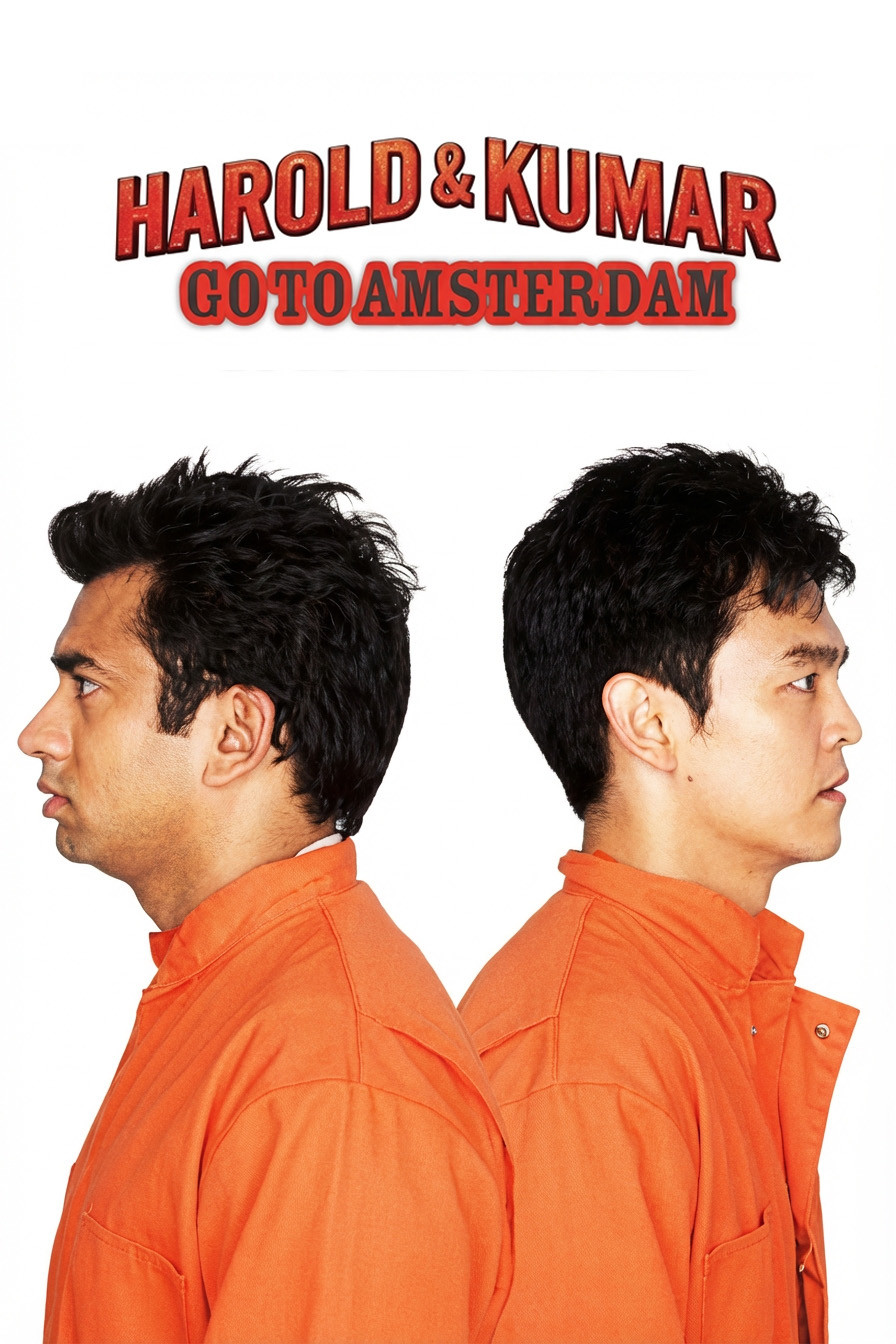
Ever wonder what would have happened if Harold & Kumar had not been sent to Guantanamo and simply made it to Amsterdam? Here's a little something director Jon Hurwitz shot guerrilla-style all over Amsterdam in 3 days.
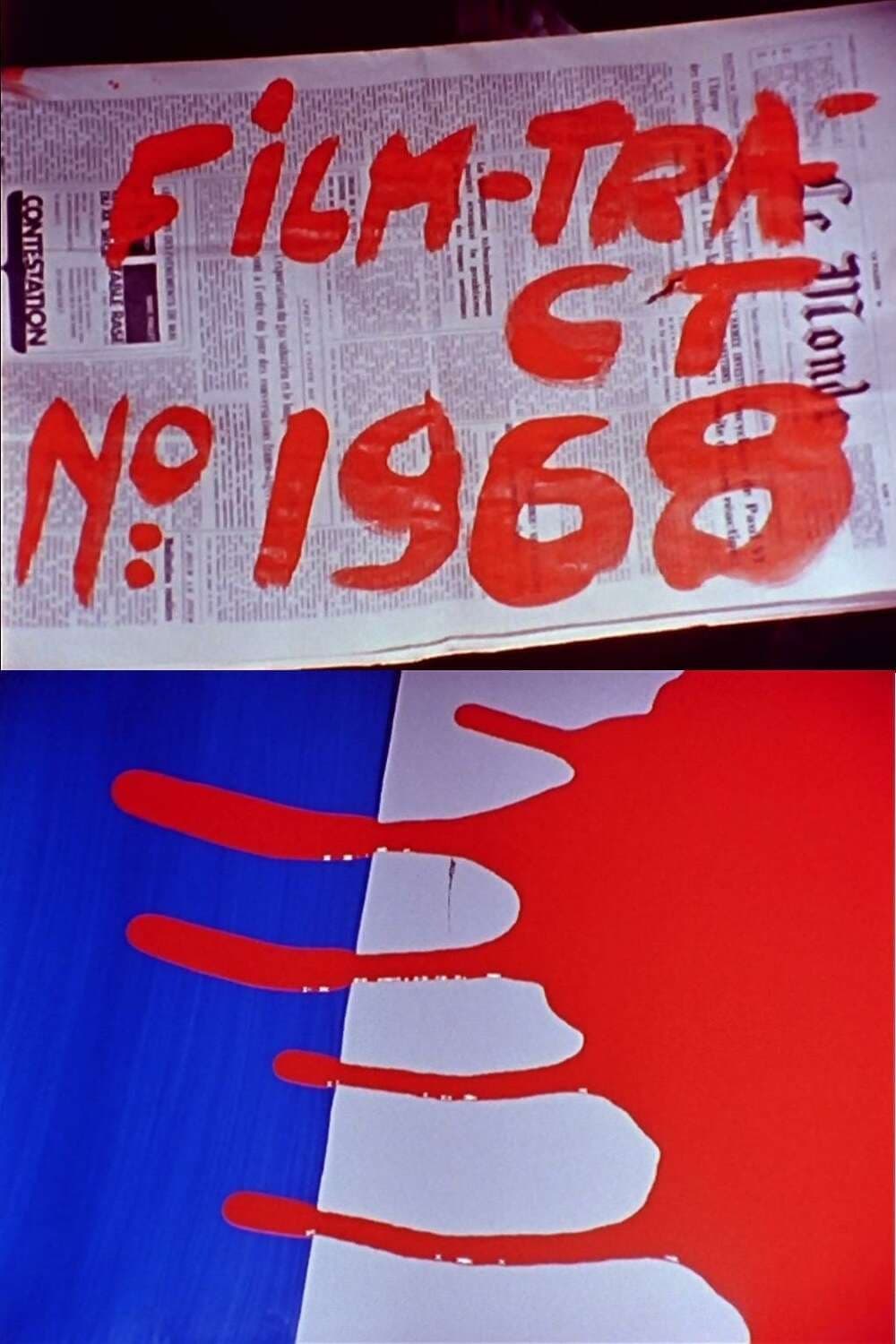
In the 1968 movement in Paris, Jean-Luc Godard made a 16mm, 3-minute long film, Film-tract No.1968, Le Rouge, in collaboration with French artist Gérard Fromanger. Starting with the shot identifying its title written in red paint on the Le Monde for 31 July 1968, the film shows the process of making Fromanger’s poster image, which is thick red paint flows over a tri-color French flag. —Hye Young Min
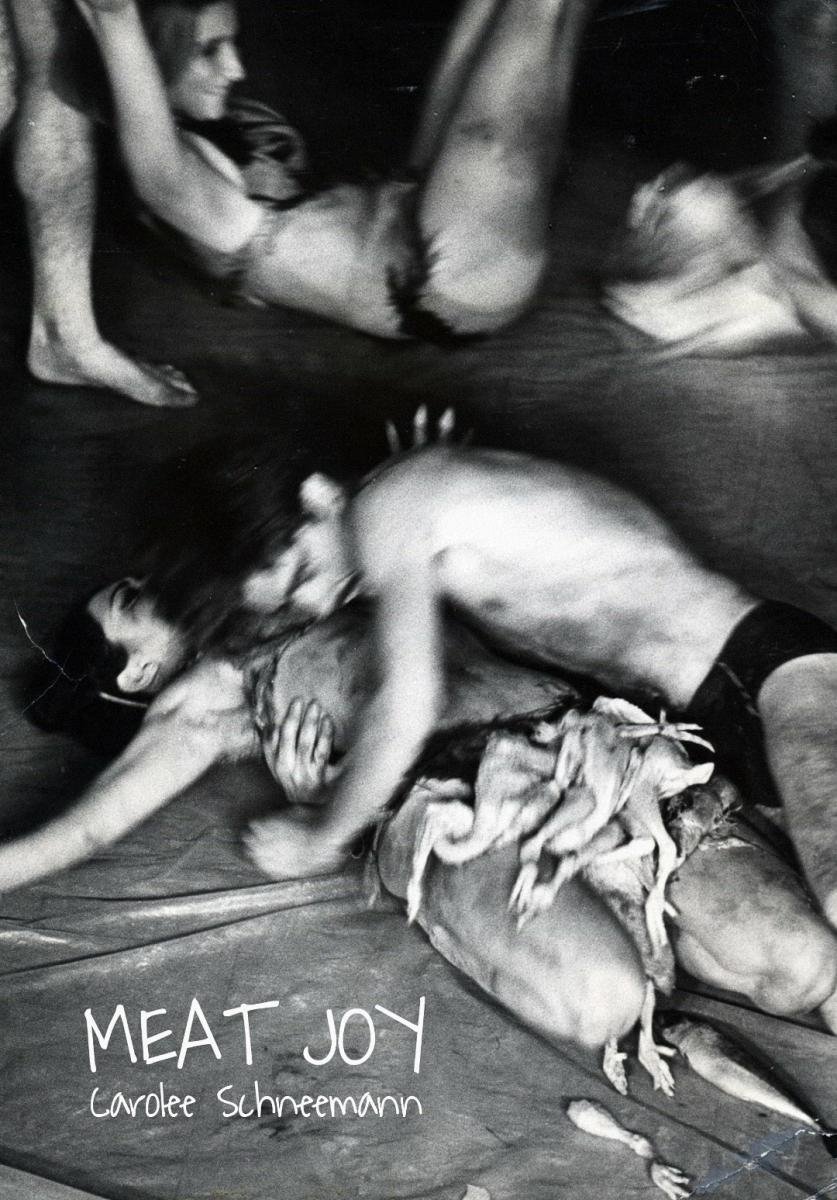
"Meat Joy is an erotic rite — excessive, indulgent, a celebration of flesh as material: raw fish, chicken, sausages, wet paint, transparent plastic, ropes, brushes, paper scrap. Its propulsion is towards the ecstatic — shifting and turning among tenderness, wildness, precision, abandon; qualities that could at any moment be sensual, comic, joyous, repellent. Physical equivalences are enacted as a psychic imagistic stream, in which the layered elements mesh and gain intensity by the energy complement of the audience. The original performances became notorious and introduced a vision of the 'sacred erotic.' This video was converted from original film footage of three 1964 performances of Meat Joy at its first staged performance at the Festival de la Libre Expression, Paris, Dennison Hall, London, and Judson Church, New York City."
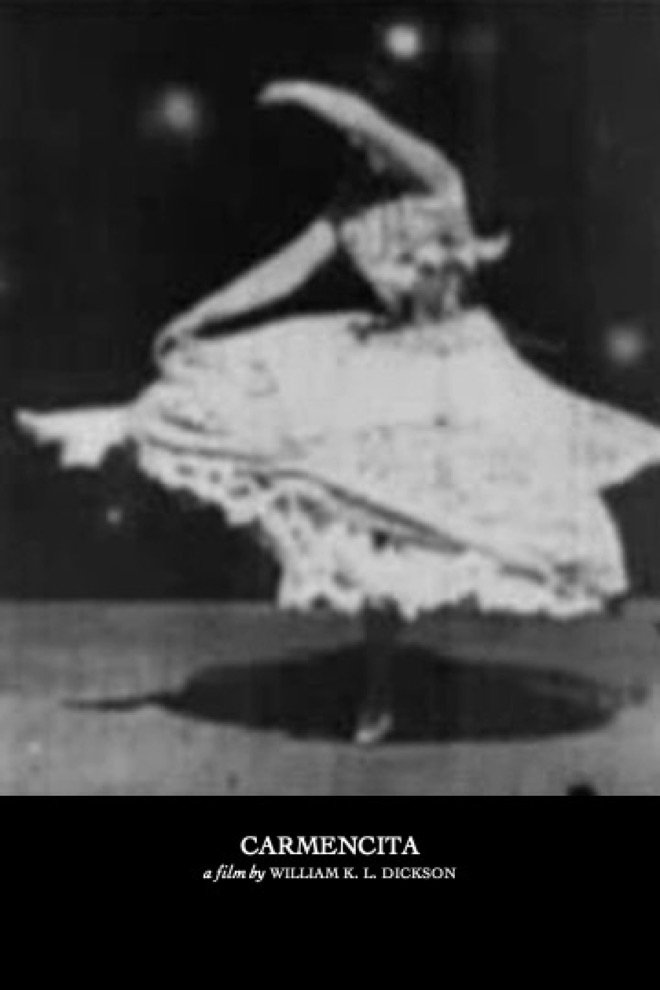
The first woman to appear in front of an Edison motion picture camera and possibly the first woman to appear in a motion picture within the United States. In the film, Carmencita is recorded going through a routine she had been performing at Koster & Bial's in New York since February 1890.
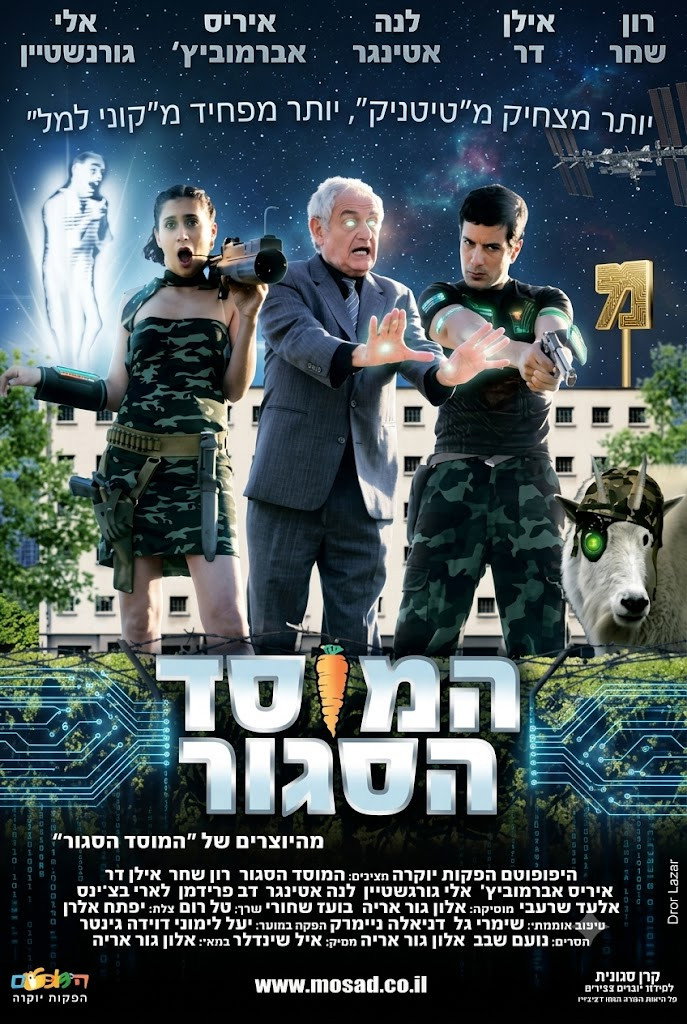
Rami Haruvi, a daring Mossad Agent, is sent to rescue the abducted US ambassador held at the state of Sugyra. If Rami fails his mission, the annual mossad vacation at "Olga Resort" will be canceled. Due to the importance of the mission, Hayim, the Head of the Mossad decides to assign Rami a new agent to his mission - the daughter of a mythological Mossad agent named Shuki, a ladies' man and Rami's role model. The two are getting into trouble both in their mission and relationship. Are the Americans good? Are the terrorist bad? Yet none of it compares to the real important question: will Hayim get his longed annual vacation at the Olga Resort?
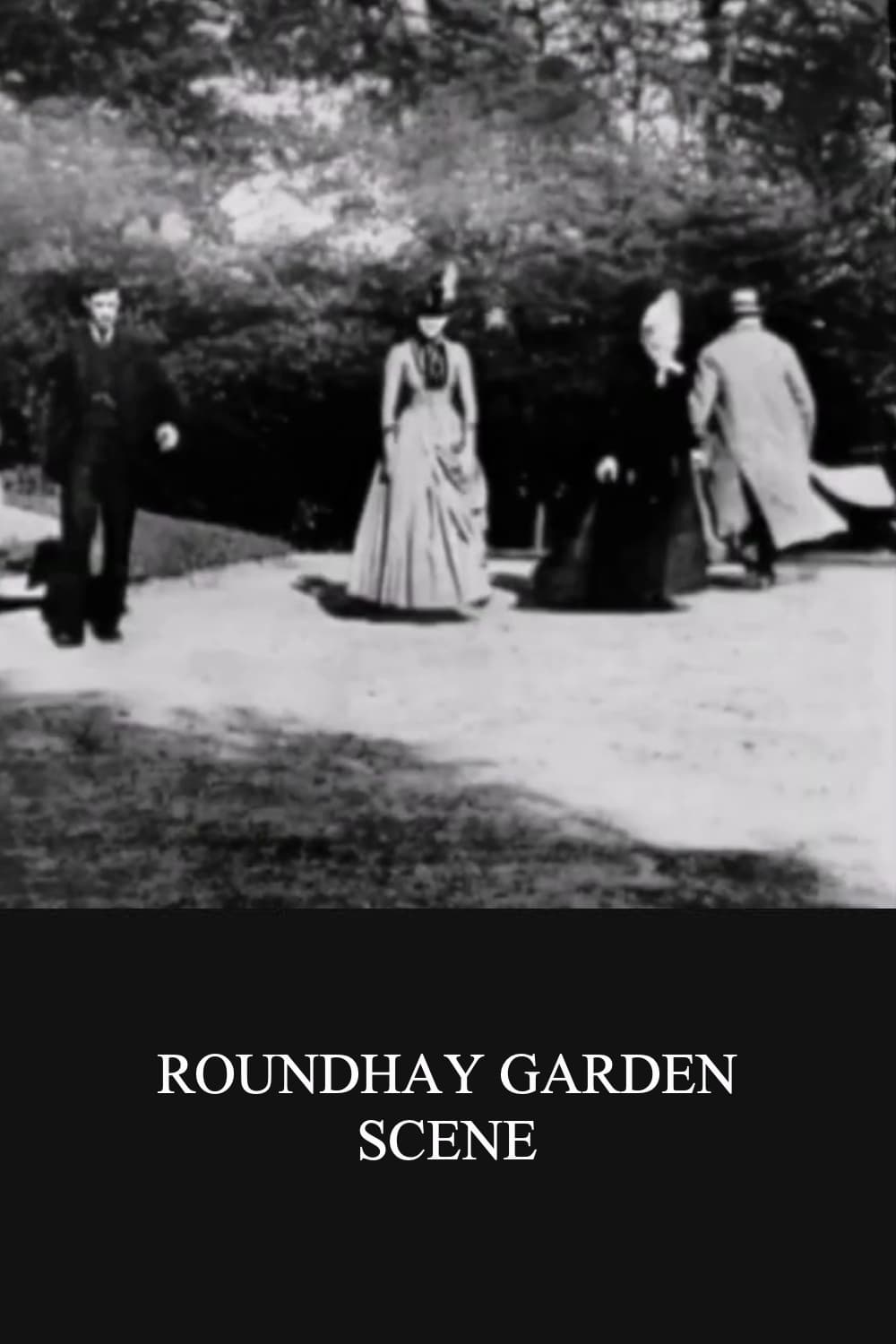
The earliest surviving motion-picture film, and believed to be one of the very first moving images ever created, was shot by Louis Aimé Augustin Le Prince using the LPCCP Type-1 MkII single-lens camera. It was taken on paper-based photographic film in the garden of Oakwood Grange, the Whitley family house in Roundhay, Leeds, West Riding of Yorkshire (UK), on 14 October 1888. The film shows Adolphe Le Prince (Le Prince’s son), Mrs. Sarah Whitley (Le Prince’s mother-in-law), Joseph Whitley, and Miss Harriet Hartley walking around in circles, laughing to themselves, and staying within the area framed by the camera. Roundhay Garden Scene is often associated with a recording speed of around 12 frames per second and runs for about 2 to 3 seconds.
Presented as if it were an archive from the beginning of the 20th century, like a Pathé newsreel, this film tells the story of the life of Etienne-Jules Marey, the 19th century pioneer of photography and cinema, famous for studying animal and human locomotion.
In the year 2150, Johnny, a lazy Space Delivery Man, must deliver a package on a planet he does not fully understand.
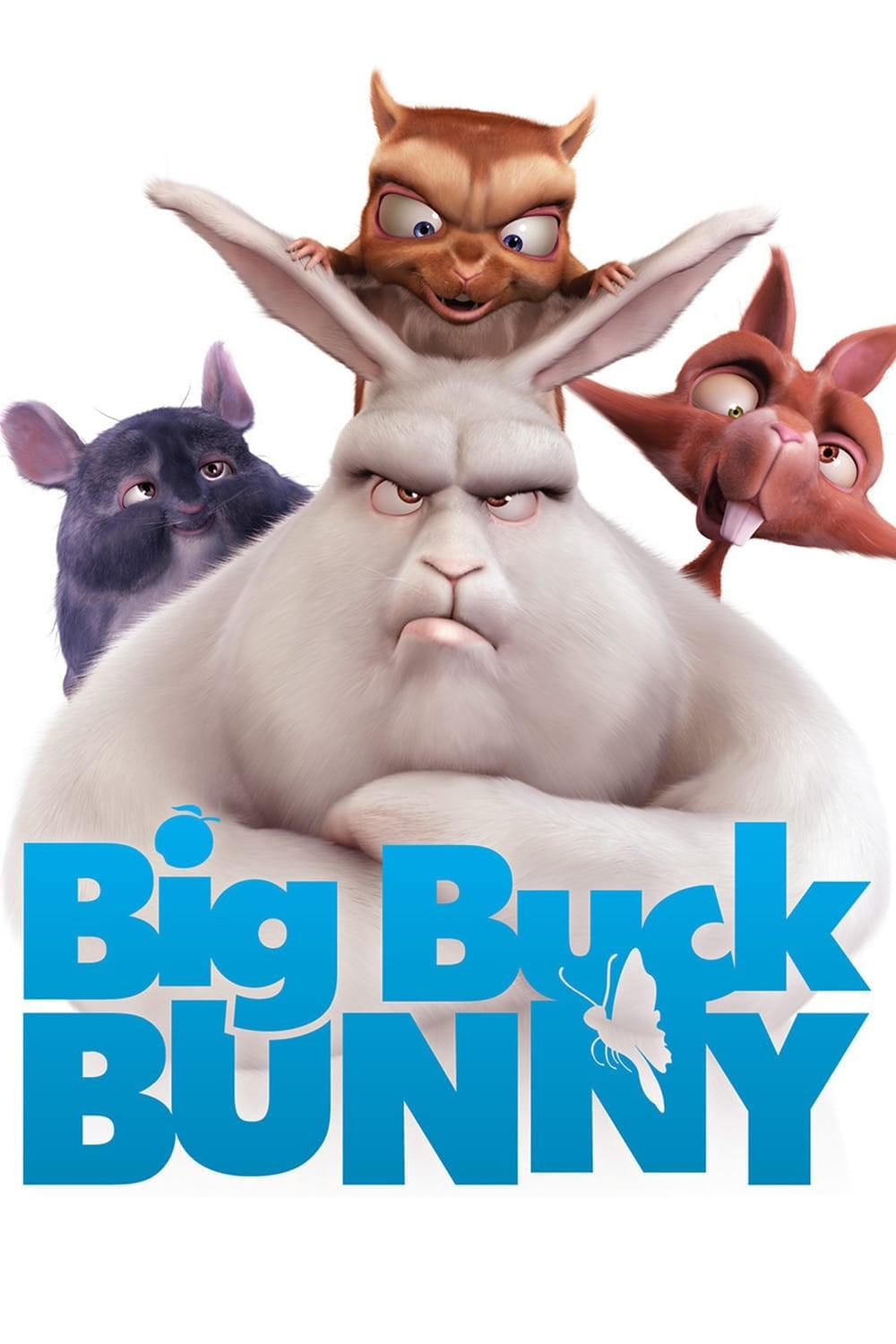
Follow a day of the life of Big Buck Bunny when he meets three bullying rodents: Frank, Rinky, and Gamera. The rodents amuse themselves by harassing helpless creatures by throwing fruits, nuts and rocks at them. After the deaths of two of Bunny's favorite butterflies, and an offensive attack on Bunny himself, Bunny sets aside his gentle nature and orchestrates a complex plan for revenge.
A medium-length film that takes the central place in the video installation "The Lady of Corinth". In both the medium-length film and the installation, Guerin delves into the relationship between cinema and painting based on Pliny the Elder's account of the invention of painting.
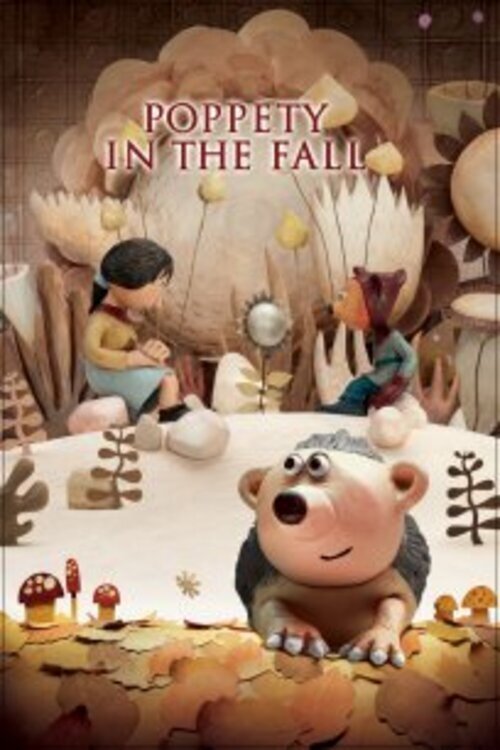
In this animated short, a terrible curse deprives Balthasar's kingdom of its stories. Taking the unicorn's horn back into The Belly of the Earth is the solution. Poppety will lead an expedition, by chance uncovering a hitherto closely guarded family secret.
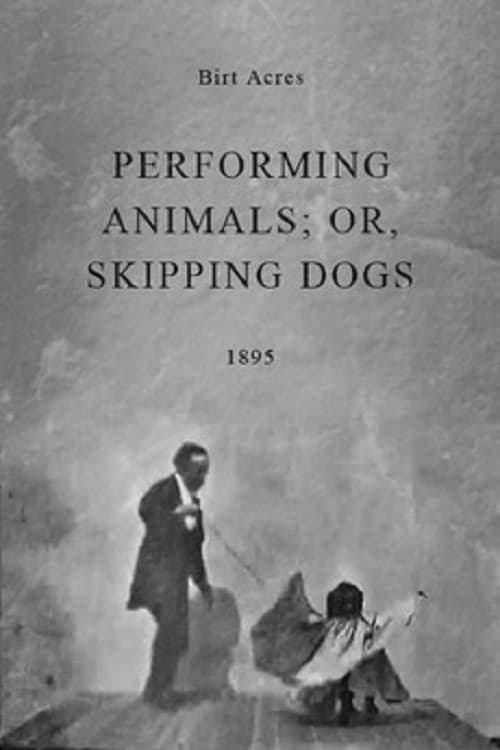
A short black-and-white silent documentary film featuring one dog jumping through hoops and another dancing in a costume, which was considered lost until footage from an 1896 Fairground Programme was identified as being from this film.
"All sounds travel in waves much the same as ripples in water." Educational film produced by Bray Studios New York, which was the dominant animation studio based in the United States in the years surrounding World War I.
Surfing at Waikiki Beach, Hawaii, on the island of Oahu. Most surfers are human, one is a dog. The educational documentary is part of the Bruce Scenic Novelties series.
An Italian referee demoted and exiled to the remote island of Sardinia finds out what it takes to handle a real match
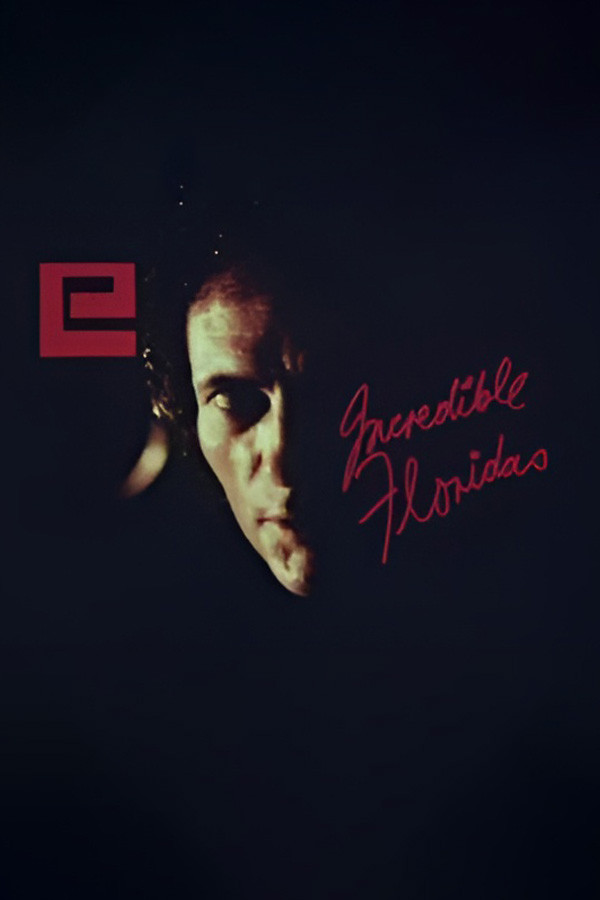
This short film documents Australian composer Richard Meale’s homage to the young French poet, Arthur Rimbaud. Meale composed a music piece for woodwind, percussion and strings which he titled “Incredible Floridas."
"Africa Light" - as white local citizens call Namibia. The name suggests romance, the beauty of nature and promises a life without any problems in a country where the difference between rich and poor could hardly be greater. Namibia does not give that impression of it. If you look at its surface it seems like Africa in its most innocent and civilized form. It is a country that is so inviting to dream by its spectacular landscape, stunning scenery and fascinating wildlife. It has a very strong tourism structure and the government gets a lot of money with its magical attraction. But despite its grandiose splendor it is an endless gray zone as well. It oscillates between tradition and modernity, between the cattle in the country and the slums in the city. It shuttles from colonial times, land property reform to minimum wage for everyone. It fluctuates between socialism and cold calculated market economy.
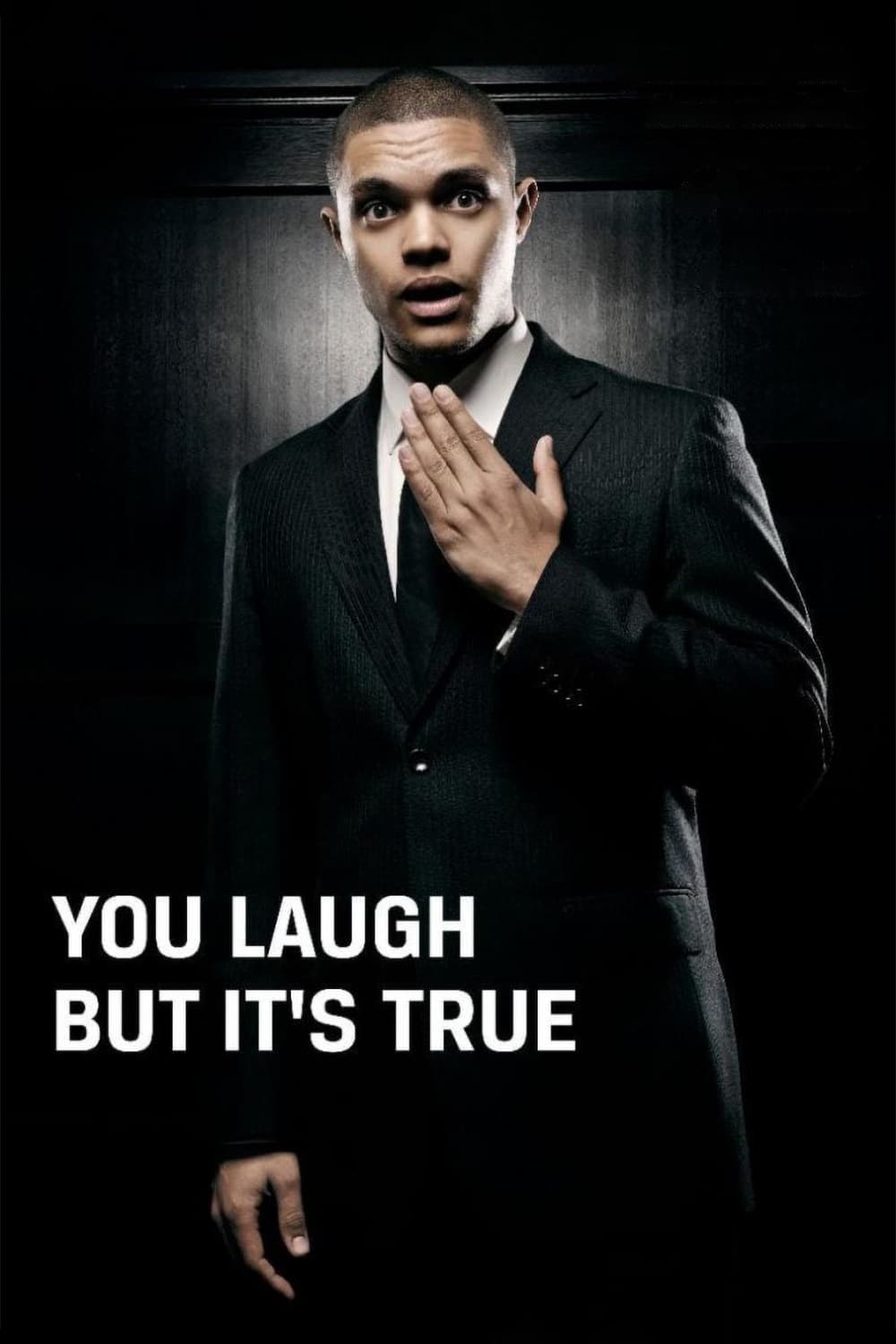
In the world of stand-up comedy in South Africa, Trevor Noah uses his childhood experiences in a biracial family during apartheid to prepare for his first one-man show.
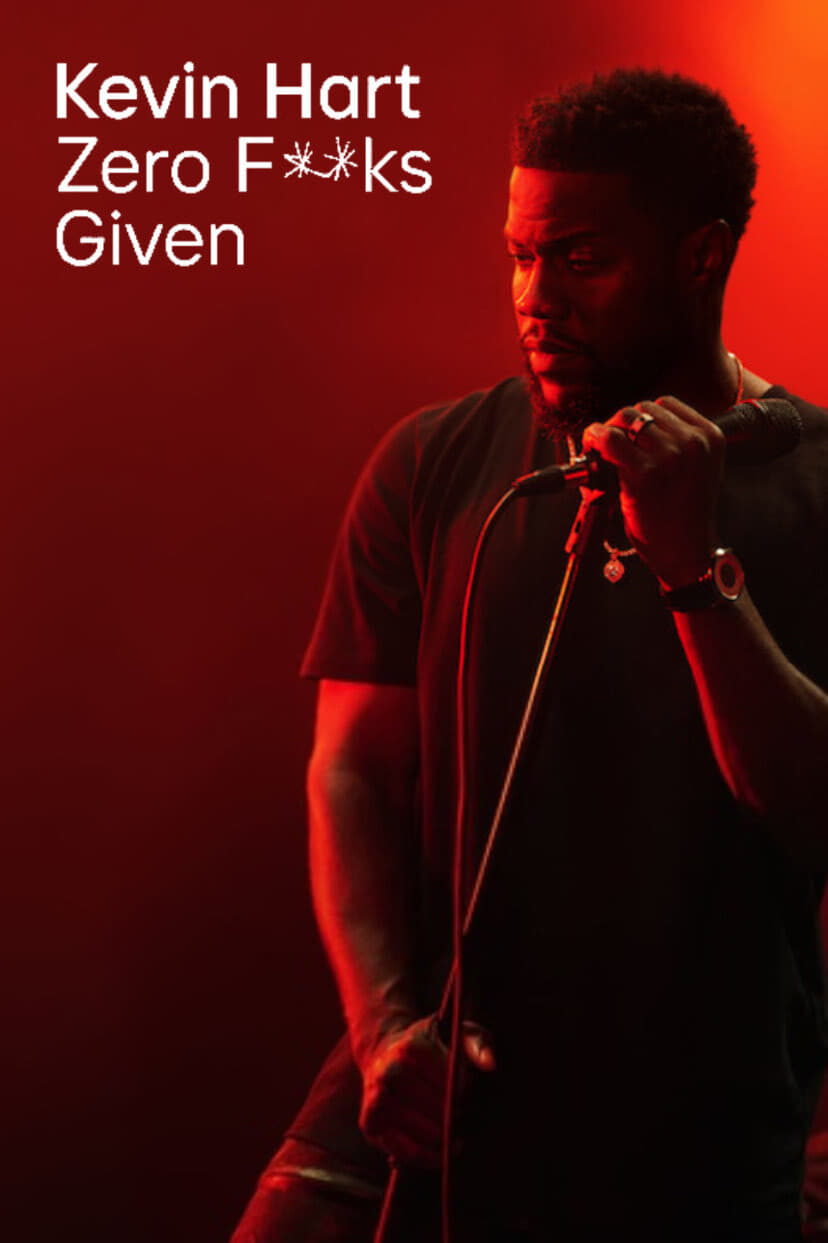
Kevin Hart serves up laughs and brick oven pizza from the comfort of his home, and dishes on male group chats, sex after 40 and life with COVID-19.
Stand-up comedian Kevin Hart talks about his family, travel and a year full of reckless behavior in front of a live sold-out crowd in London.
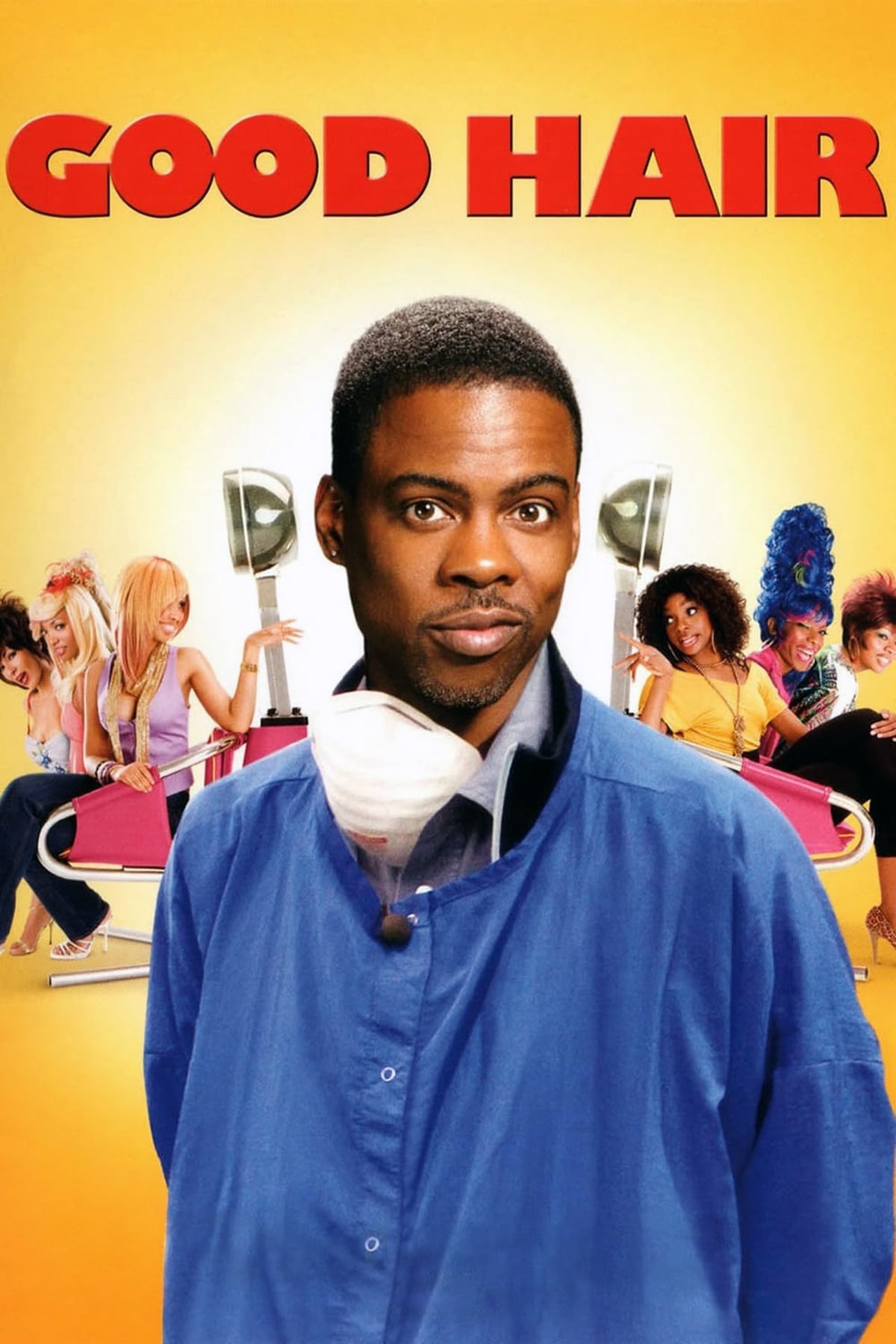
An exposé of comic proportions that only Chris Rock could pull off, GOOD HAIR visits beauty salons and hairstyling battles, scientific laboratories and Indian temples to explore the way hairstyles impact the activities, pocketbooks, sexual relationships, and self-esteem of the black community.
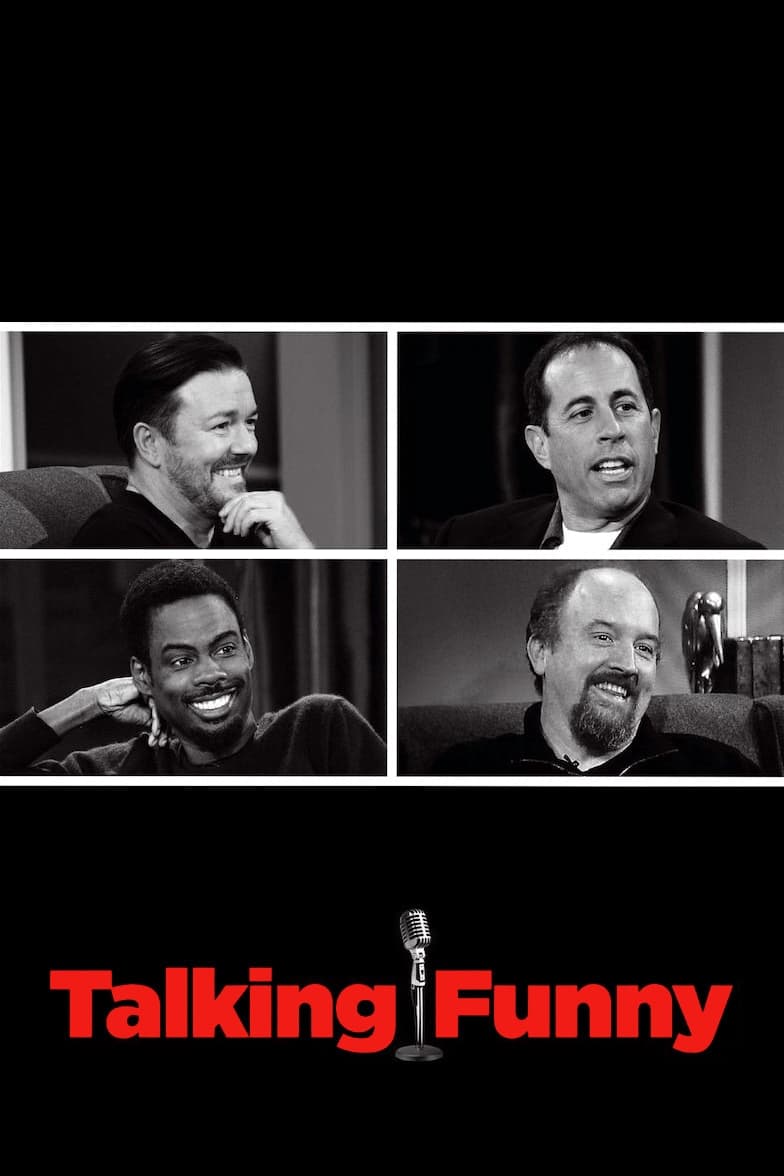
What does it mean to be a successful comedian? How far can the boundaries of taste be pushed to get a laugh? Four top comics, Ricky Gervais, Louis C.K., Jerry Seinfeld and Chris Rock, discuss and debate their craft.
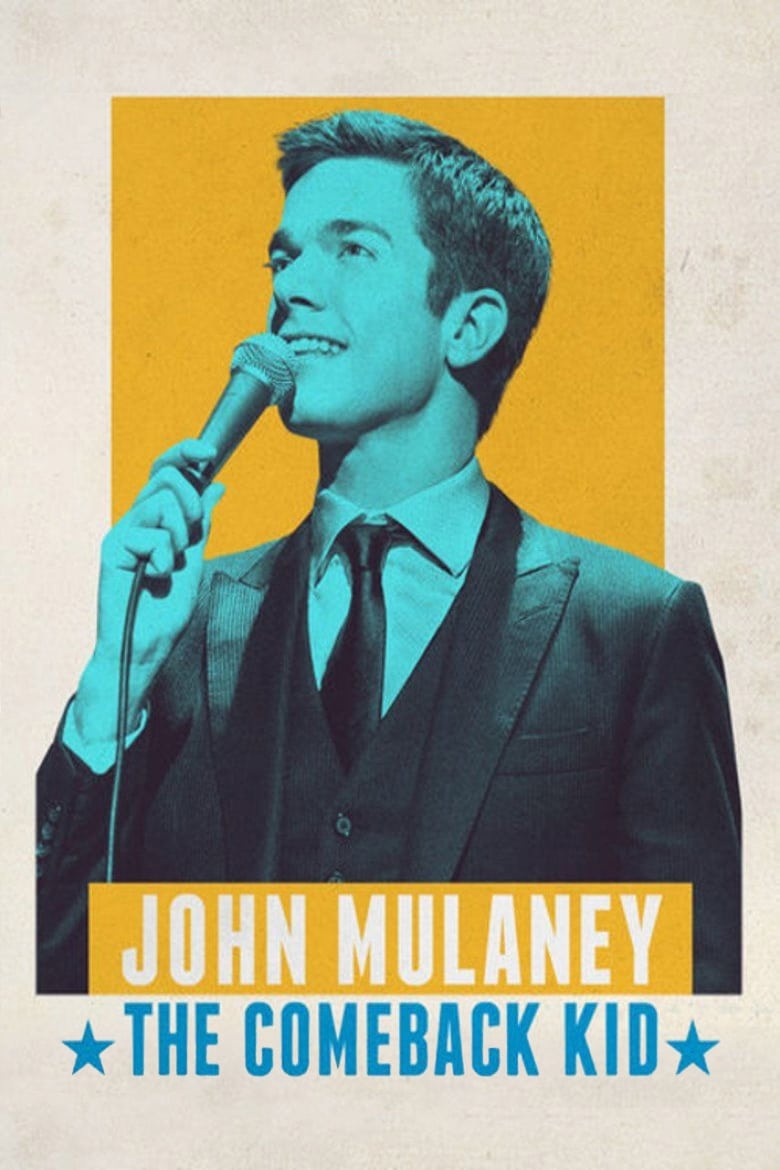
Armed with boyish charm and a sharp wit, the former "SNL" writer offers sly takes on marriage, his beef with babies and the time he met Bill Clinton.
Comedian Kevin Hart performs in front of a crowd of 50,000 people at Philadelphia's outdoor venue, Lincoln Financial Field.
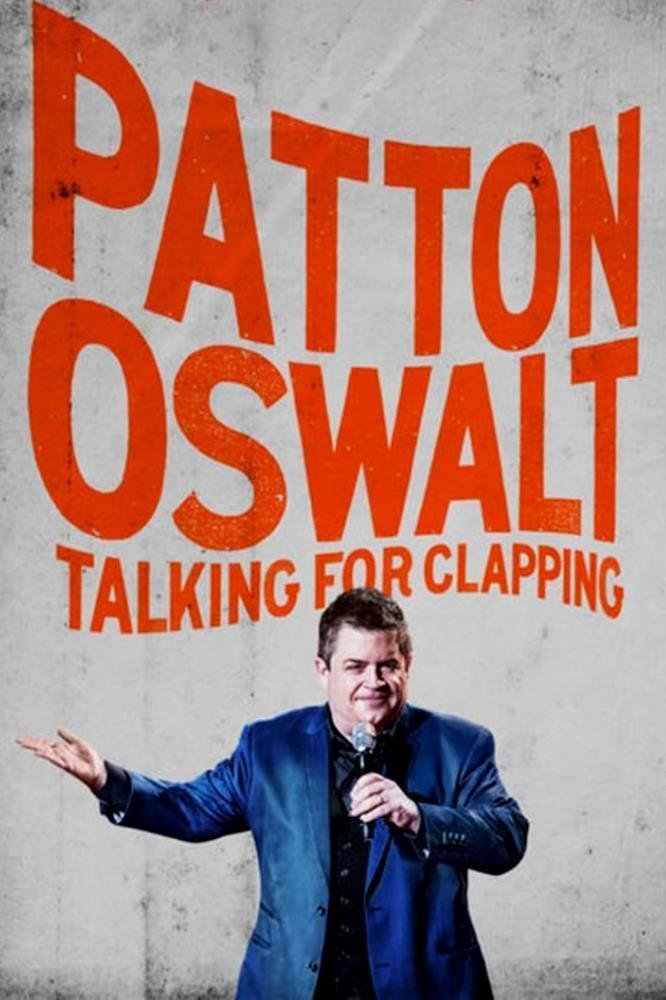
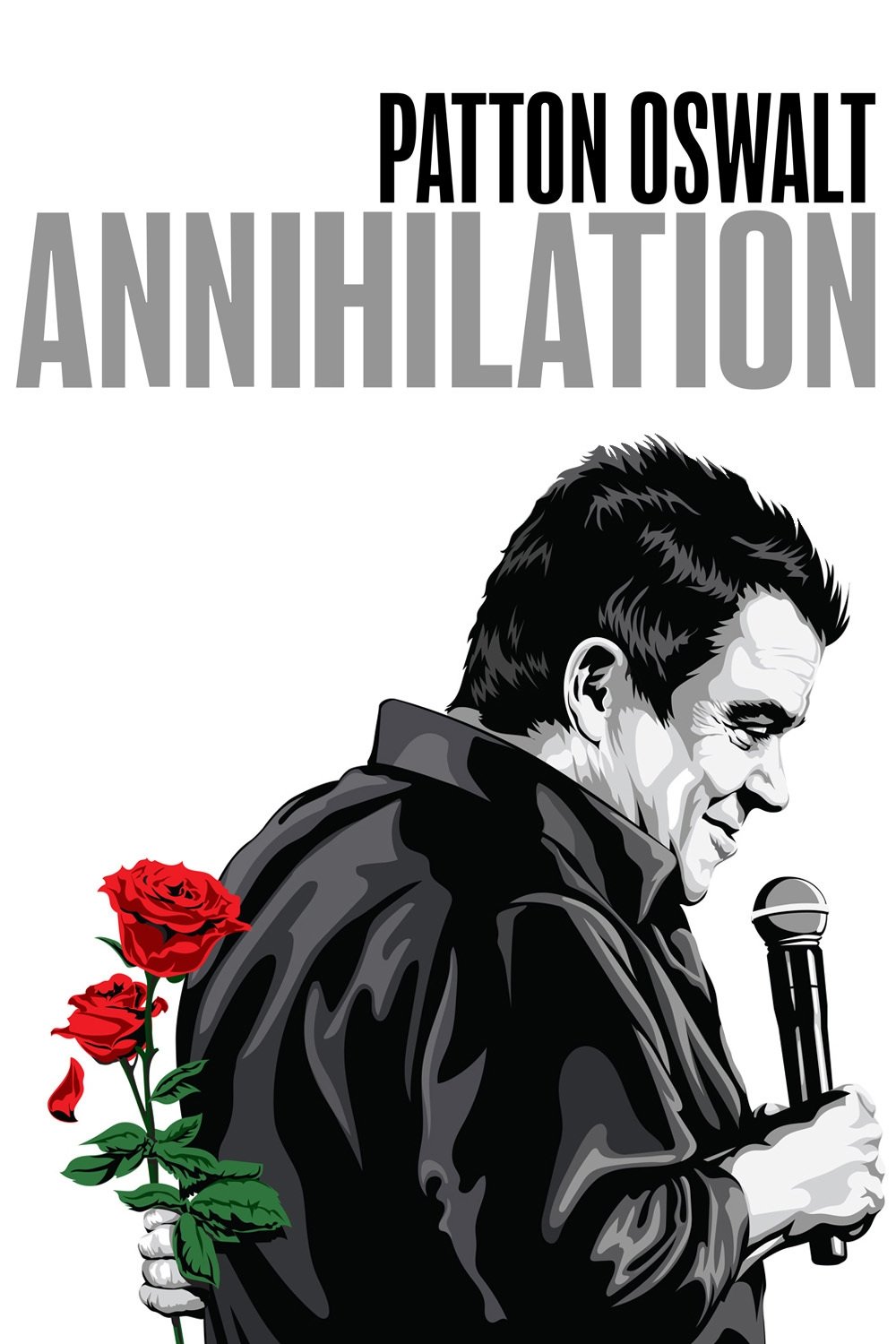
Patton Oswalt delivers a fresh hour plus of stand-up, covering everything from misery to defeat to hopelessness. It's his most upbeat special to date.
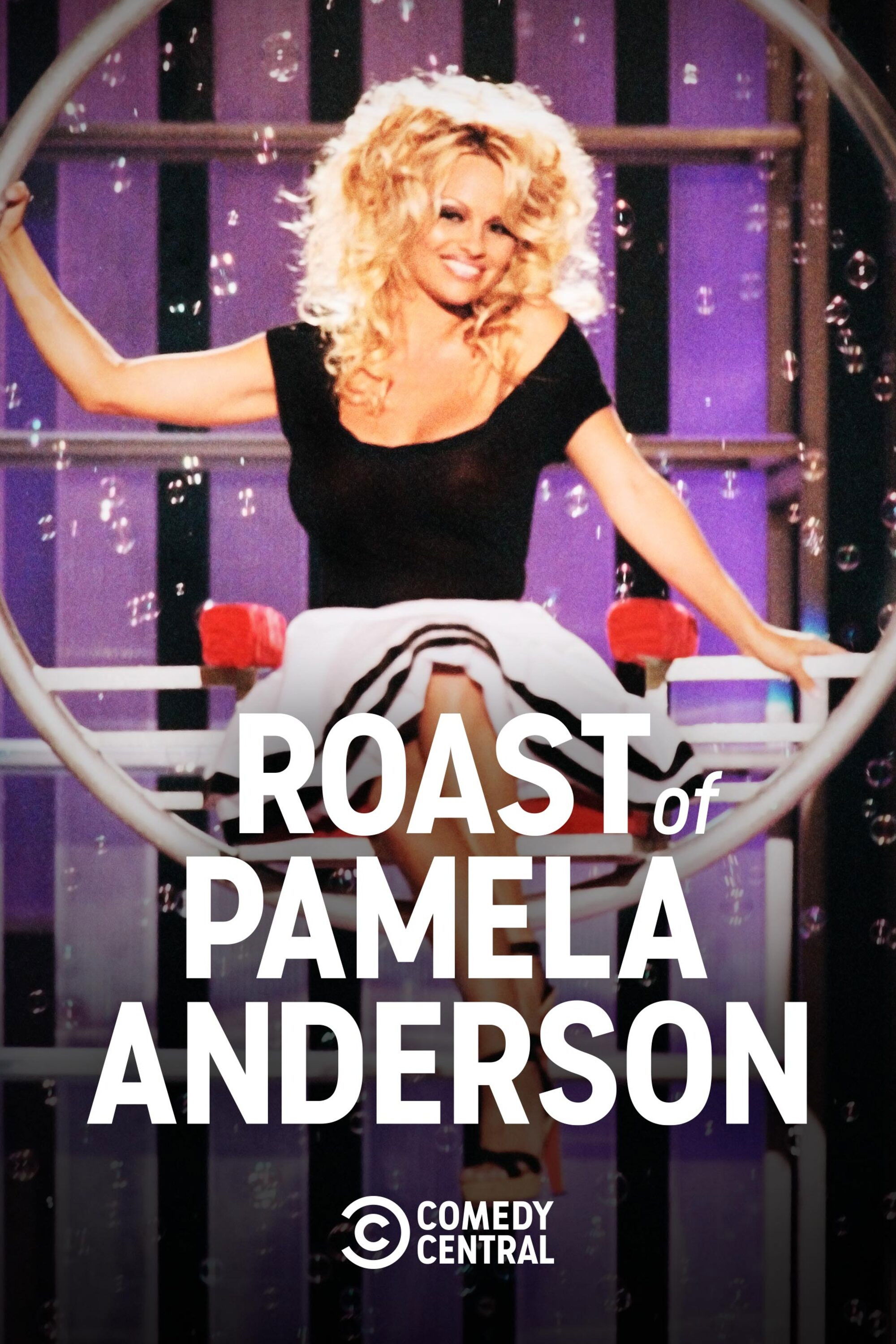
Comedy Central's best roasters and stand up comedians take a whack at actor/model Pamela Anderson.
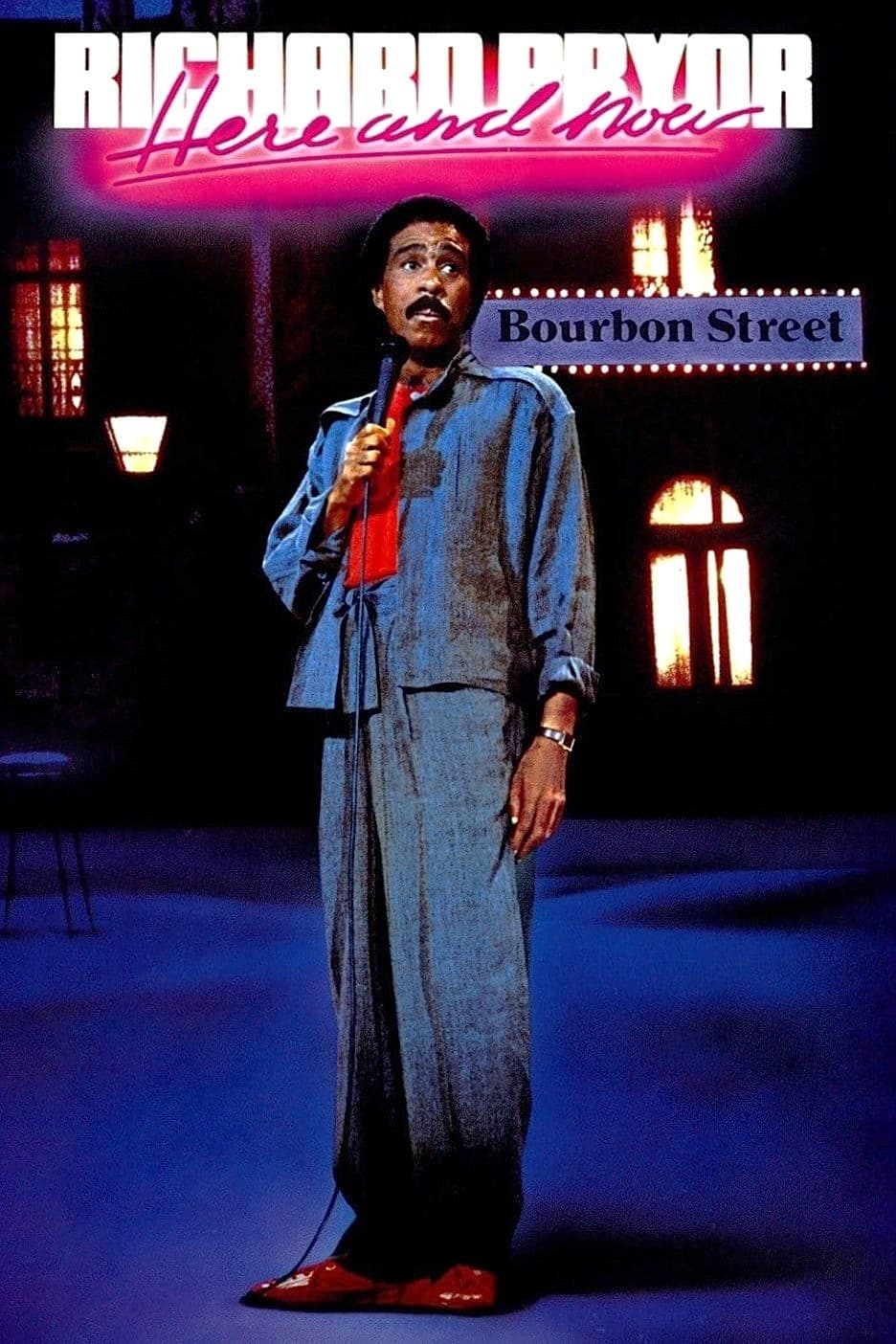
One of comedian Richard Pryor's later stand-up performances. As foul-mouthed as ever, Pryor touches on most of the same topics as in his previous live shows. Filmed at the Saenger Theatre in New Orleans.
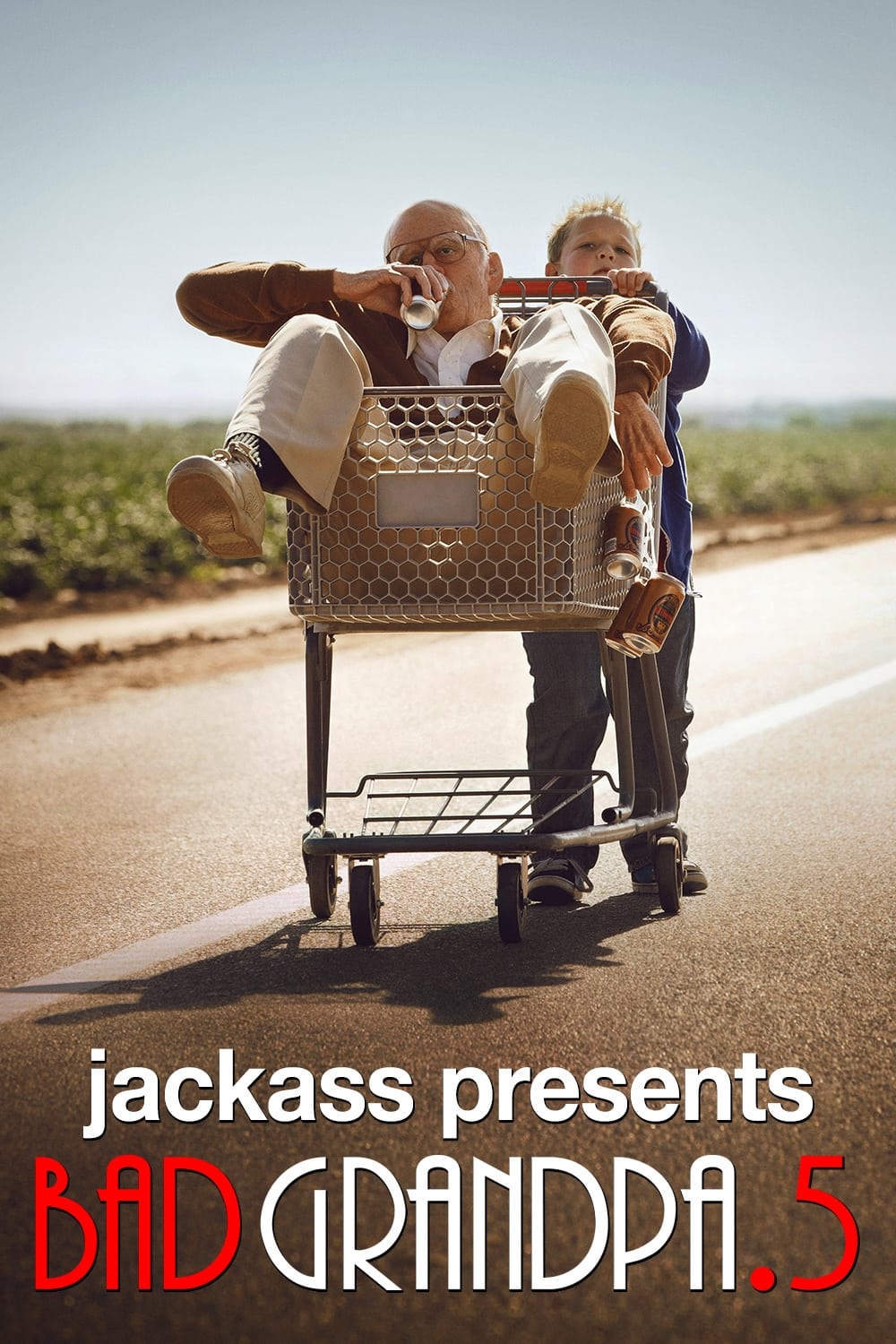
Bad Grandpa .5 gives you a whole new perspective on the world of Irving Zisman with bonus scenes and pranks also featuring Spike Jonze as "Gloria" and Catherine Keener as Irving's wife "Ellie", plus a look at the evolution of Johnny Knoxville's naughty alter-ego, the makeup effects, and a behind-the-scenes peek at the idiocy it takes to make a hidden camera movie in public.
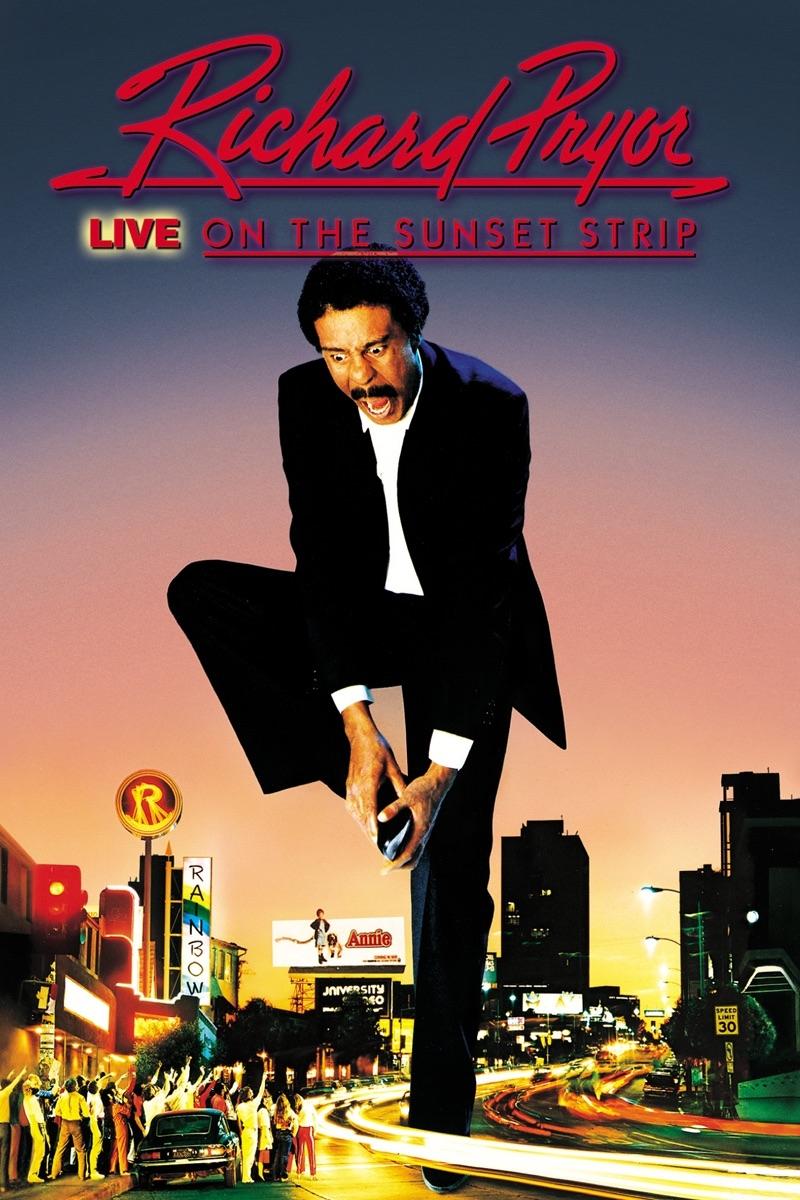
Richard Pryor's stand-up act includes his frank discussion about his freebasing addiction, as well as the infamous night on June 9, 1980 that he caught on fire.
Time to hassle the Hoff at the rudest, raunchiest television event of the year--The Comedy Central Roast of David Hasselhoff. From running in slo-mo on the beach to inspiring Germany with the power of cheesy pop--it's almost too easy.
Patton Oswalt, despite a personal tragedy, produces his best standup yet. Focusing on the tribulations of the Trump era and life after the loss of a loved one, Oswalt continues his journey to contribute joy to the world.
Jim explores multiple aspects of life including religion, marriage and his own sanity. This stand-up special was taped at Theatre Passe Muraille, Toronto, Canada, in front of a live audience.
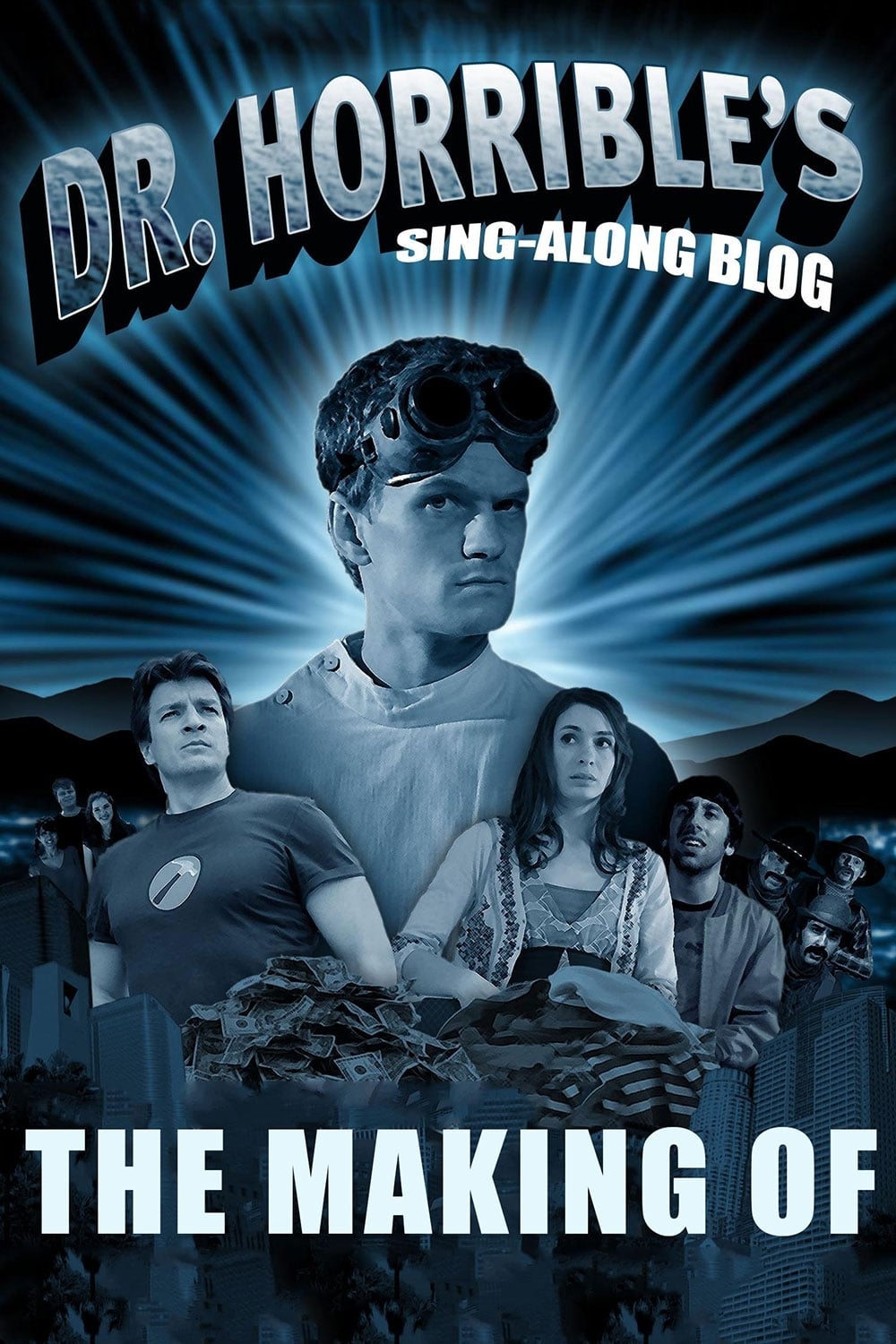
The making of 'Dr. Horrible's Sing-Along Blog'.
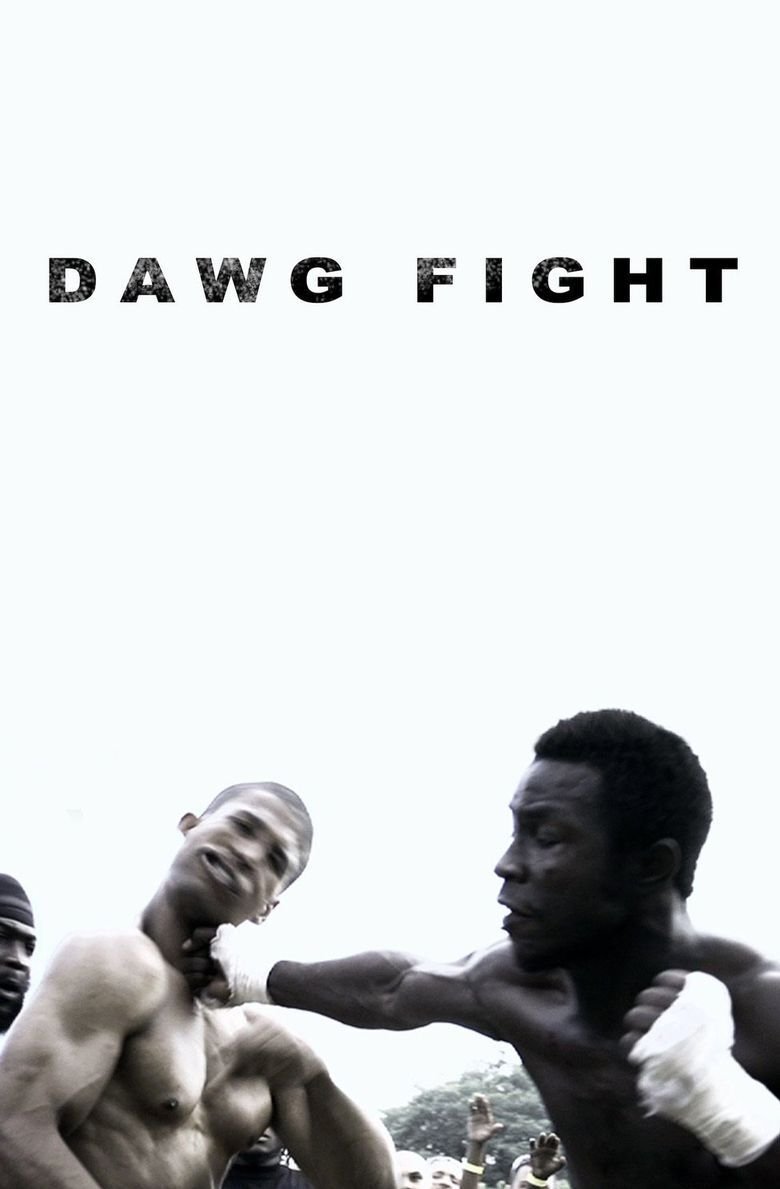
In a crime-plagued neighborhood near Miami, brutal, bare-knuckled backyard fights give young men a chance to earn money -- and self-respect.
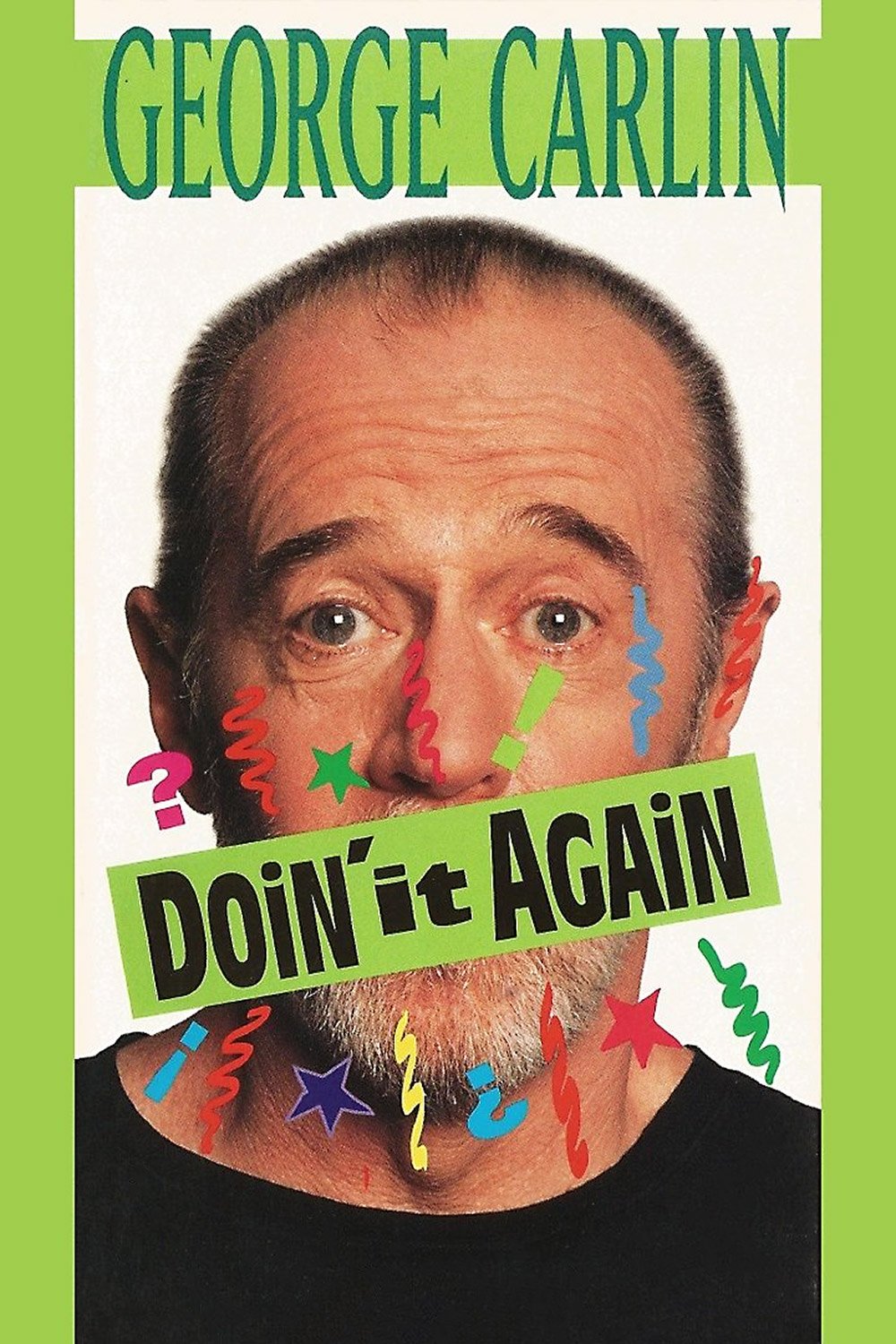
George Carlin brings his comedy back to New Jersey and this time talks about Offensive Language, Euphemisms, They're Only Words, Dogs, Things you never hear, see or wanna hear, Some people are stupid, Cancer, Feminists, Good Ideas, Rape, Life's moments, and organ donors.
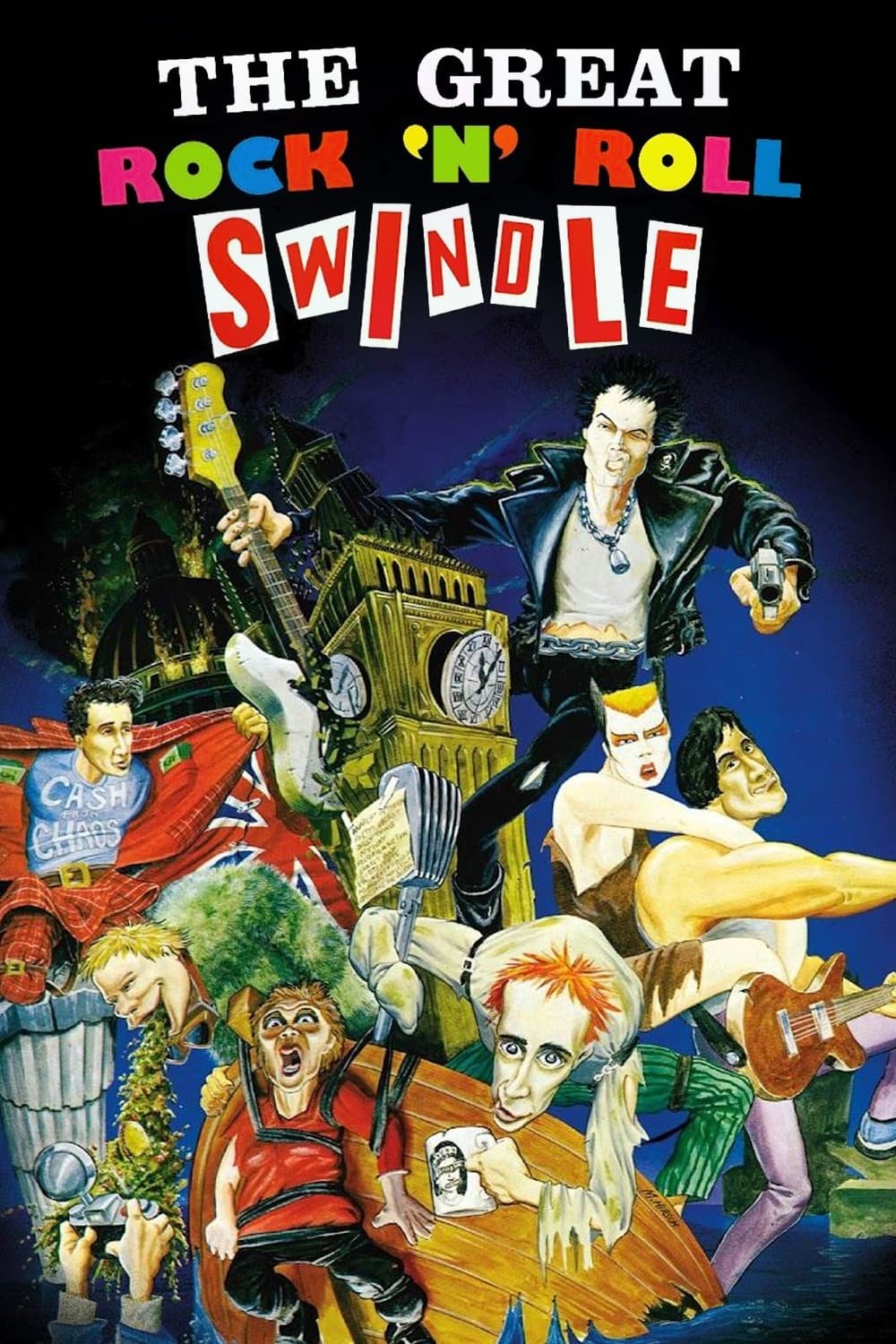
A rather incoherent post-breakup Sex Pistols "documentary", told from the point of view of Pistols manager Malcolm McLaren, whose (arguable) position is that the Sex Pistols in particular and punk rock in general were an elaborate scam perpetrated by him in order to make "a million pounds."
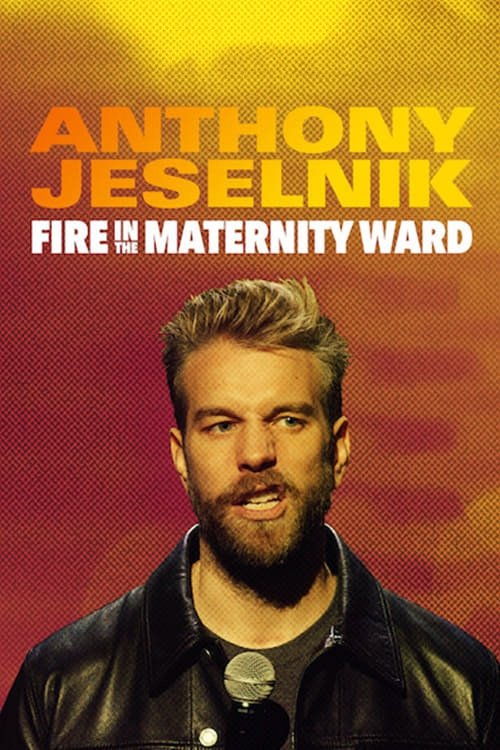
Forging his own comedic boundaries, Anthony Jeselnik revels in getting away with saying things others can't in this stand-up special shot in New York.