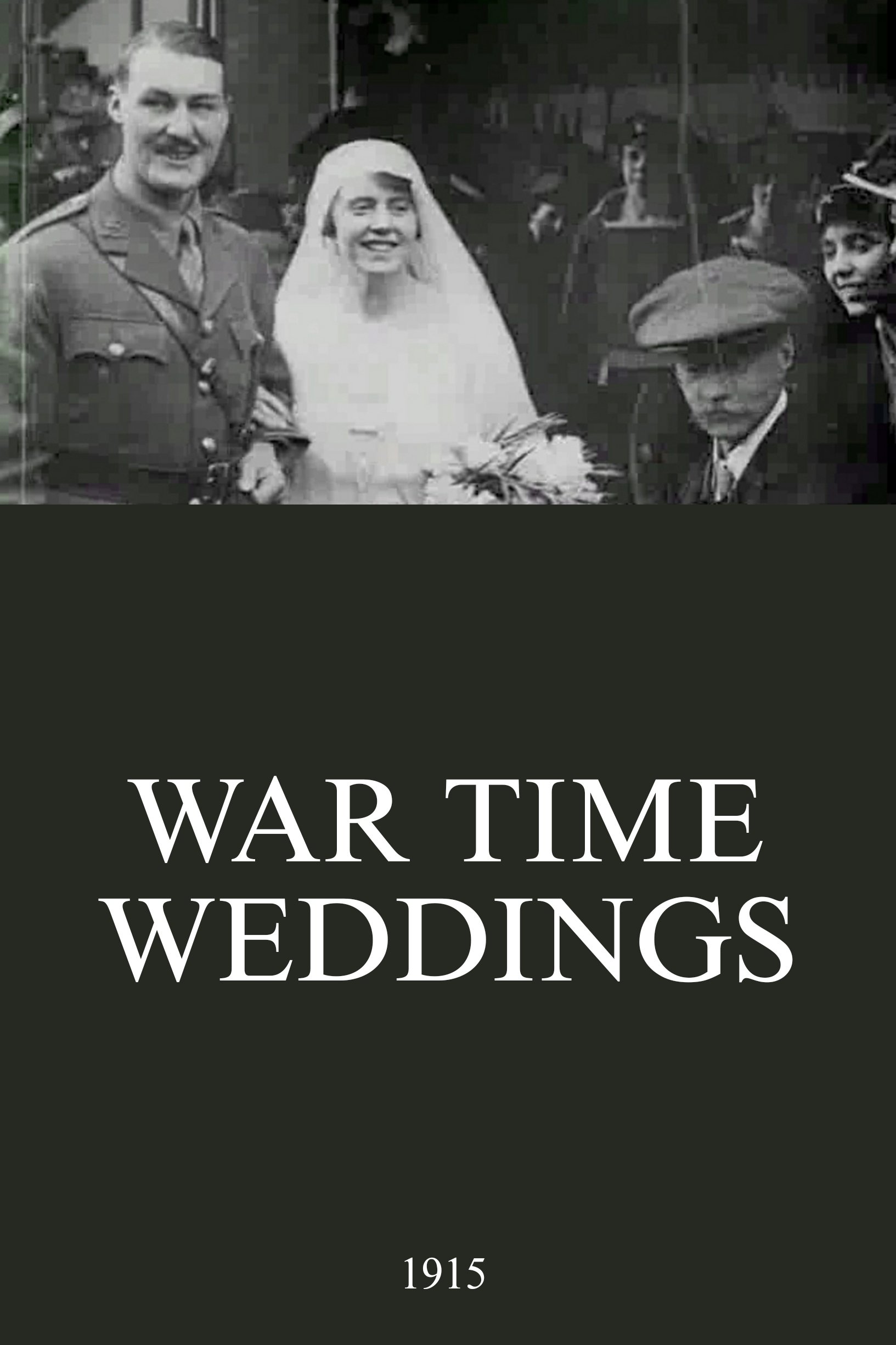
The daughter of famed actor-manager Sir Herbert Beerbohm Tree gets hitched to a military Captain during WWI.
Social & External
Canada was led to war by a bigoted, ignorant, self-obsessed Minister of Militia, who may well have been clinically insane, but the importance of Canada's contribution in that war owes a great deal to him. The man of course, was Colonel - later made Lieutenant General by his own hand - Sam Hughes. Sam's Army is a compelling portrait of a complex man and the formidable military he built. Sam Hughes was not your standard-issue military leader. Canada's World War I Minister of Militia and Defence concentrated power in his own hands, insisted that the Canadian military use the ill-conceived Ross rifle and liberally promoted his cronies. But there was no denying Hughes was a visionary. He assembled the world's largest-ever volunteer army and bucked superiors to keep his ferocious fighting force together in one Canadian Corps.
Canadian military accomplishments in the last hundred days of World War I, when the German Army was destroyed, surpassed those of any other army. The Canadian success was, in no small measure, due to Arthur Currie, whom a recent British historian describes as "the most successful Allied General and one of the least well known."
A two-hour documentary which recreates for the viewer one of the greatest battles in Canadian military history. The film was made to show that Canadian character at its best, forging an identity for a country that before the First World War had been seen only as a British colony - an identity and a character that became recognized and respected throughout Europe.
A holiday of sorts for Stockport army reserves, fitting high-jinks between drills over two weeks of summer training in South Wales.
The adventures and exploits of Jean-Baptiste Charcot (1867-1936), an intrepid scientist and explorer who laid the foundations of modern oceanography.
Documentary about the end of the regency of Kaiser Wilhelm II., Germany's last emperor.
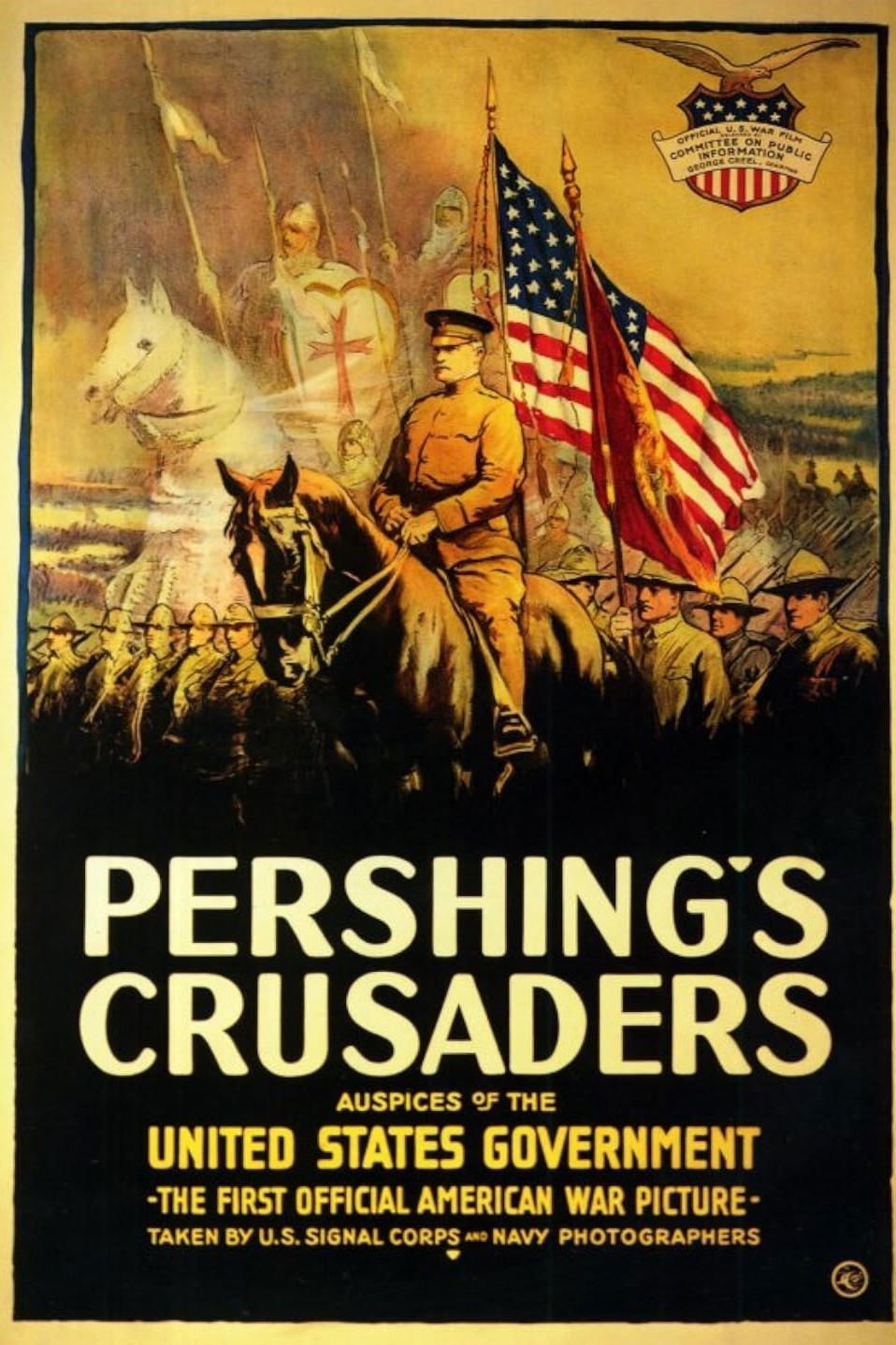
Documentary on American troops in France in the First World War.
Not everything has been told about World War One. This documentary tries to explain how tens of millions of men could have suffered the unbelievable toughness of life in trenches during the 4 year ordeal. How could they have accepted the idea of a sure death or injury while not being able to tell why they were fighting.
This program provides, through 1st hand accounts & contemporary films & photographs, a rare insight into what really happened. Together with meticulously researched stories, it provides a unique analysis of the Gallipoli campaign, including never-seen before interviews with the last 10 Gallipoli Anzacs, rare film footage showing the beach & trenches at Gallipoli.
The Gallipoli campaign of World War I was so controversial & devastating, it changed the face of battle forever. Using diaries, letters, photographs and memoirs, acclaimed director, Tolga Ornek, traces the personal journeys of Australian, New Zealand, British and Turkish soldiers, from innocence and patriotism to hardship and heartbreak.
A young woman researches the hidden story of Indian soldiers who came to fight in France and Belgium during the World War I. The presence of these 140,000 soldiers in Europe is a virtually unknown fact of history.
Produced by the Fox Movietone News arm of Fox Film Corporation and based on the book by Lawrence Stallings, this expanded newsreel, using stock-and-archive footage, tells the story of World War I from inception to conclusion. Alternating with scenes of trench warfare and intimate glimpses of European royalty at home, and scenes of conflict at sea combined with sequences of films from the secret archives of many of the involved nations.
The sinking of the German fleet interned at Scapa-Flow (Orkney Islands), June 21, 1919. We know that one of the stipulations of the armistice signed with Germany on November 11, 1918 was that that power's surface warships were to be "immediately decommissioned and interned in neutral or Allied ports, and remain there under the supervision of the Allies and the United States, guard detachments only being maintained on board". In fact, all the ships designated by the Allies - 11 battleships, 5 battlecruisers, 7 light cruisers and 50 destroyers - had, a few days after the armistice, been assembled in Scapa-Flow Bay, in the center of the Orkney archipelago, i.e. north of Scotland, and had remained there ever since, under the supervision of the English naval authorities, but under the effective authority of German Admiral von Reuter.
Between 1930 and 1945, Eastern Europe experienced mass violence on an unprecedented scale. Hitler and Stalin exploited the vast region for their respective expansionist plans. It is estimated that around 14 million civilians were murdered—primarily Jews, Poles, Balts, Belarusians, and Ukrainians.
A documentary about the First Yale Unit, a group of Yale students who trained for World War I.
Samuel Wilder King, a descendant of Scottish sailors and Hawaiian royalty, served as a distinguished Naval officer in both World Wars before becoming Governor of the Hawaii Territory. This short film delves into King’s fearless leadership—from navigating the high seas during WWI to fighting against the internment of Japanese Americans in Hawaii during WWII—ultimately championing Hawaii's path to statehood as the 50th star on the American flag.
John Henry Balch was a Pharmacist's Mate attached to the 3rd Battalion 6th Marine Regiment when his unit entered the Belleau Wood. His dedication to the Marines under his care earned him the Medal of Honor.
Bravery, compassion and the will to save lives motivated the young Nurse Helen Fairchild to leave home in Pennsylvania and embark on a journey to Europe, where she served as a surgical nurse during World War I before dying on the front lines.
The story of WWI Pilot Gervais Raoul Lufbery, a triple confirmed WWI ace, mechanic and world traveler. Explores the Lafayette Escadrille squadron, a formation of volunteer pilots serving in France on behalf of the United States whose service marked the early origins of the U.S. Air Force.
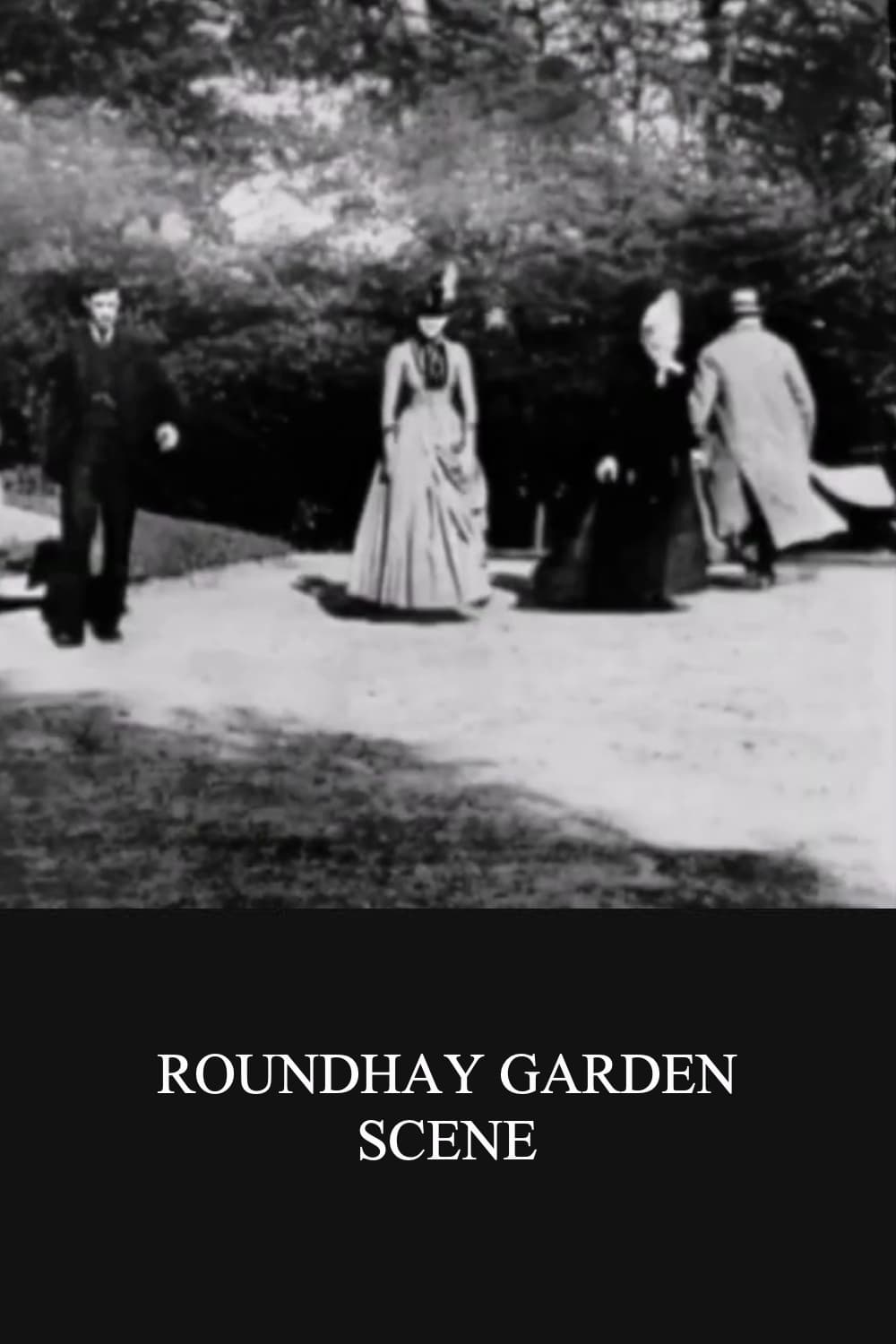
The earliest surviving motion-picture film, and believed to be one of the very first moving images ever created, was shot by Louis Aimé Augustin Le Prince using the LPCCP Type-1 MkII single-lens camera. It was taken on paper-based photographic film in the garden of Oakwood Grange, the Whitley family house in Roundhay, Leeds, West Riding of Yorkshire (UK), on 14 October 1888. The film shows Adolphe Le Prince (Le Prince’s son), Mrs. Sarah Whitley (Le Prince’s mother-in-law), Joseph Whitley, and Miss Harriet Hartley walking around in circles, laughing to themselves, and staying within the area framed by the camera. Roundhay Garden Scene is often associated with a recording speed of around 12 frames per second and runs for about 2 to 3 seconds.
A documentary about ten very different lives connected by having appeared onscreen wearing masks or helmets in Star Wars.
Explore the evolution of Buzz Lightyear from toy to human in the making of Pixar’s Lightyear. Dive into the origin and cultural impact of everyone’s favorite Space Ranger, the art of designing a new “human Buzz,” and the challenges faced by the Lightyear crew along the way.
A special celebrating the origins and legacy of Star Wars' legendary bounty hunter, Boba Fett.
A documentary about World War I with never-before-seen footage to commemorate the centennial of Armistice Day, and the end of the war.
JB Smoove and Martin Starr host a celebration of 20 years of "Spider-Man" movies, from the Sam Raimi trilogy to Marc Webb's movies and the trio from Jon Watts.
One man’s journey to find meaning in Bill Murray’s many unexpected adventures with everyday people, rare and never-before seen footage of the comedic icon participating in stories previously presumed to be urban legend.
Join director Clint Eastwood and his creative team, along with Bradley Cooper and Sienna Miller, as they overcome enormous creative and logistic obstacles to make a film that brings the truth of Navy SEAL Chris Kyle's story to the screen.
The Captains is a feature-length documentary film written and directed by William Shatner. The film follows Shatner as he interviews the other actors who have portrayed starship captains in the Star Trek franchise.
Artists in LA discover the work of forgotten Polish sculptor Stanislav Szukalski, a mad genius whose true story unfolds chapter by astounding chapter.
An inspirational story about the power of hope in the face of seemingly insurmountable odds, and an object lesson in what it really means to be a winner in life.
A compilation of over 30 years of private home movie footage shot by Lithuanian-American avant-garde director Jonas Mekas, assembled by Mekas "purely by chance", without concern for chronological order.
A documentary about the making of season five of the acclaimed AMC series Breaking Bad.
Literary icon Joan Didion reflects on her remarkable career and personal struggles in this intimate documentary directed by her nephew, Griffin Dunne.
A real-life undercover thriller about two ordinary men who embark on an outrageously dangerous ten-year mission to penetrate the world's most secretive and brutal dictatorship: North Korea.
The story of the triumphs and hurdles of brothers Barry, Maurice, and Robin Gibb, otherwise known as the Bee Gees. The iconic trio, who found early fame in the 1960s, went on to write over 1,000 songs and have 20 No. 1 hits throughout their career, transcending more than five decades of changing tastes and styles.
Prelude to War was the first film of Frank Capra's Why We Fight propaganda film series, commissioned by the Pentagon and George C. Marshall. It was made to convince American troops of the necessity of combating the Axis Powers during World War II. This film examines the differences between democratic and fascist states.
Jonas Mekas weaves an elegiac diary film from his 1971–72 return to Lithuania, chronicling a visit to his birthplace of Semeniškiai after decades in exile. Blending personal memory with documentary observation, the film becomes both a portrait of homecoming and a meditation on displacement, family, and the passage of time.
A look at the making of the film Troll 2 (1990) and its journey from being crowned the "worst film of all time" to a cherished cult classic.
The explosive trajectory and tragic demise of iconic music retailer Tower Records, and the legacy of its rebellious founder Russ Solomon. Two hundred stores in thirty countries on five continents. In 1999 it made $1 billion. In 2006 it filed for bankruptcy. What went wrong?