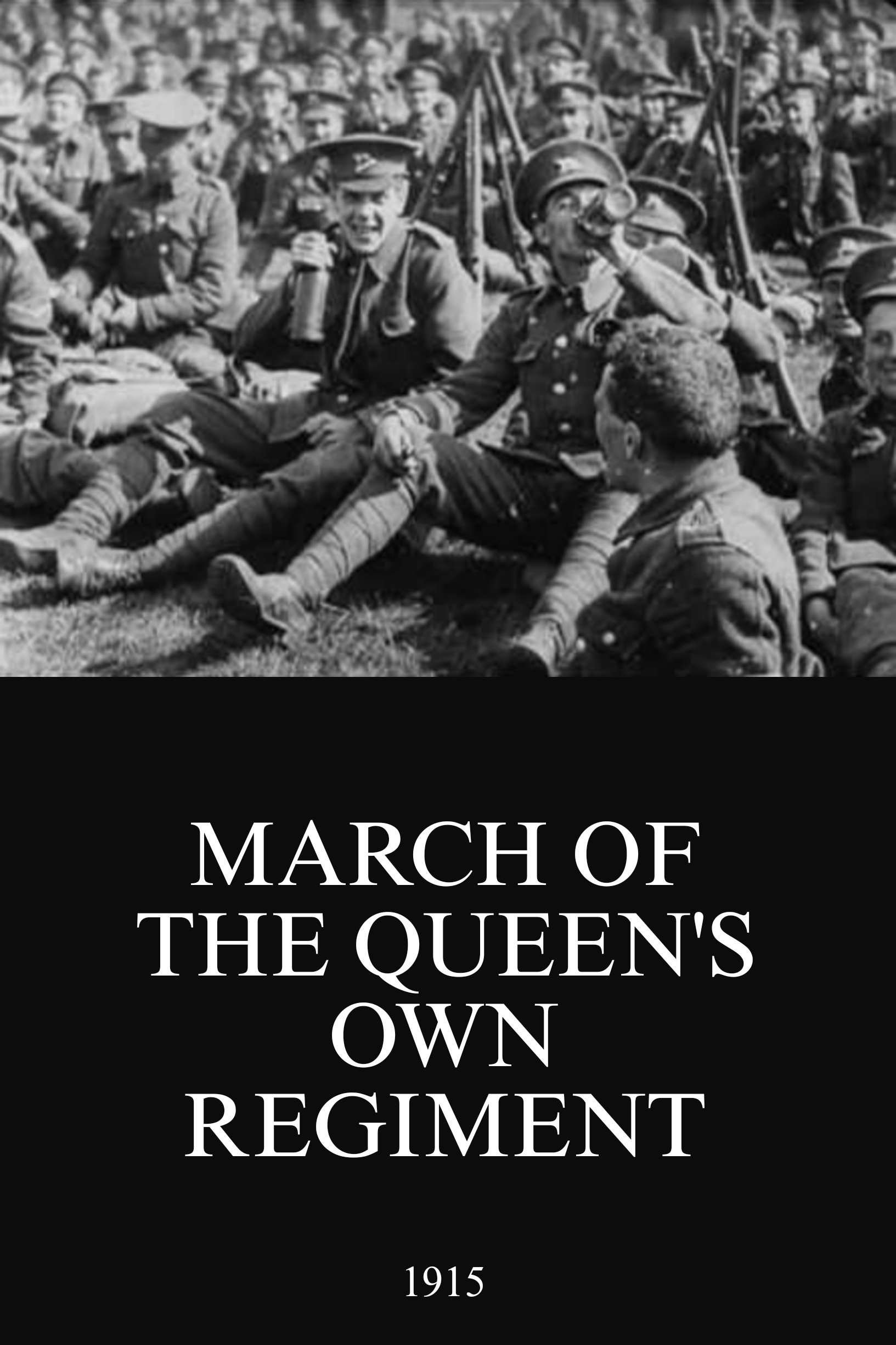
Scenes of WWI troops relaxing on Streatham Common, South London in a Topical Budget newsreel.

Social & External
As U.S. troops storm the beaches of Normandy, three brothers lie dead on the battlefield, with a fourth trapped behind enemy lines. Ranger captain John Miller and seven men are tasked with penetrating German-held territory and bringing the boy home.
An Irish rogue uses his cunning and wit to work his way up the social classes of 18th century England, transforming himself from the humble Redmond Barry into the noble Barry Lyndon.
Ypres, 1917. Two soldiers from opposing sides, one British and one German, confront one another after becoming trapped in a Belgian barn during World War I. With heavy resent and a language barrier dividing them, the two try to find common ground whilst biding their time.
Two Australian sprinters face the brutal realities of war when they are sent to fight in the Gallipoli campaign in the Ottoman Empire during World War I.
During World War II, two French civilians and a downed British Bomber Crew set out from Paris to cross the demarcation line between Nazi-occupied Northern France and the South. From there they will be able to escape to England. First, they must avoid German troops – and the consequences of their own blunders.
During the Crimean War between Britain and Russia in the 1850s, a British cavalry division, led by the overbearing Lord Cardigan, engages in an infamously reckless strategic debacle against a Russian artillery battery.
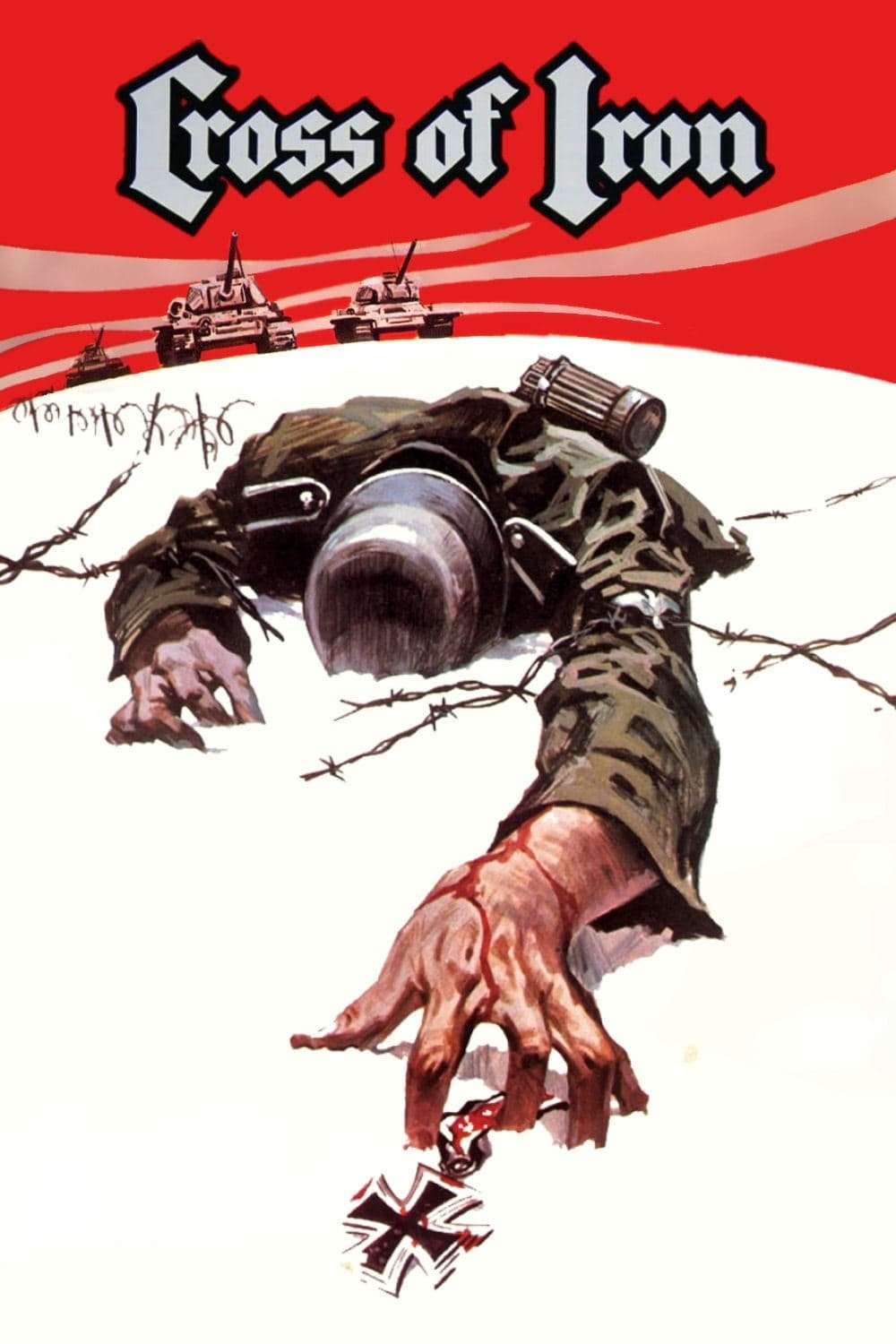
It is 1943, and the German army—ravaged and demoralised—is hastily retreating from the Russian front. In the midst of the madness, conflict brews between the aristocratic yet ultimately pusillanimous Captain Stransky and the courageous Corporal Steiner. Stransky is the only man who believes that the Third Reich is still vastly superior to the Russian army. However, within his pompous persona lies a quivering coward who longs for the Iron Cross so that he can return to Berlin a hero. Steiner, on the other hand is cynical, defiantly non-conformist and more concerned with the safety of his own men rather than the horde of military decorations offered to him by his superiors.
Starting in late May 1944, during the German retreat on the Eastern Front, Captain Stransky (Helmut Griem) orders Sergeant Steiner (Richard Burton) to blow up a railway tunnel to prevent Russian forces from using it. Steiner's platoon fails in its mission by coming up against a Russian tank. Steiner then takes a furlough to Paris just as the Allies launch their invasion of Normandy.
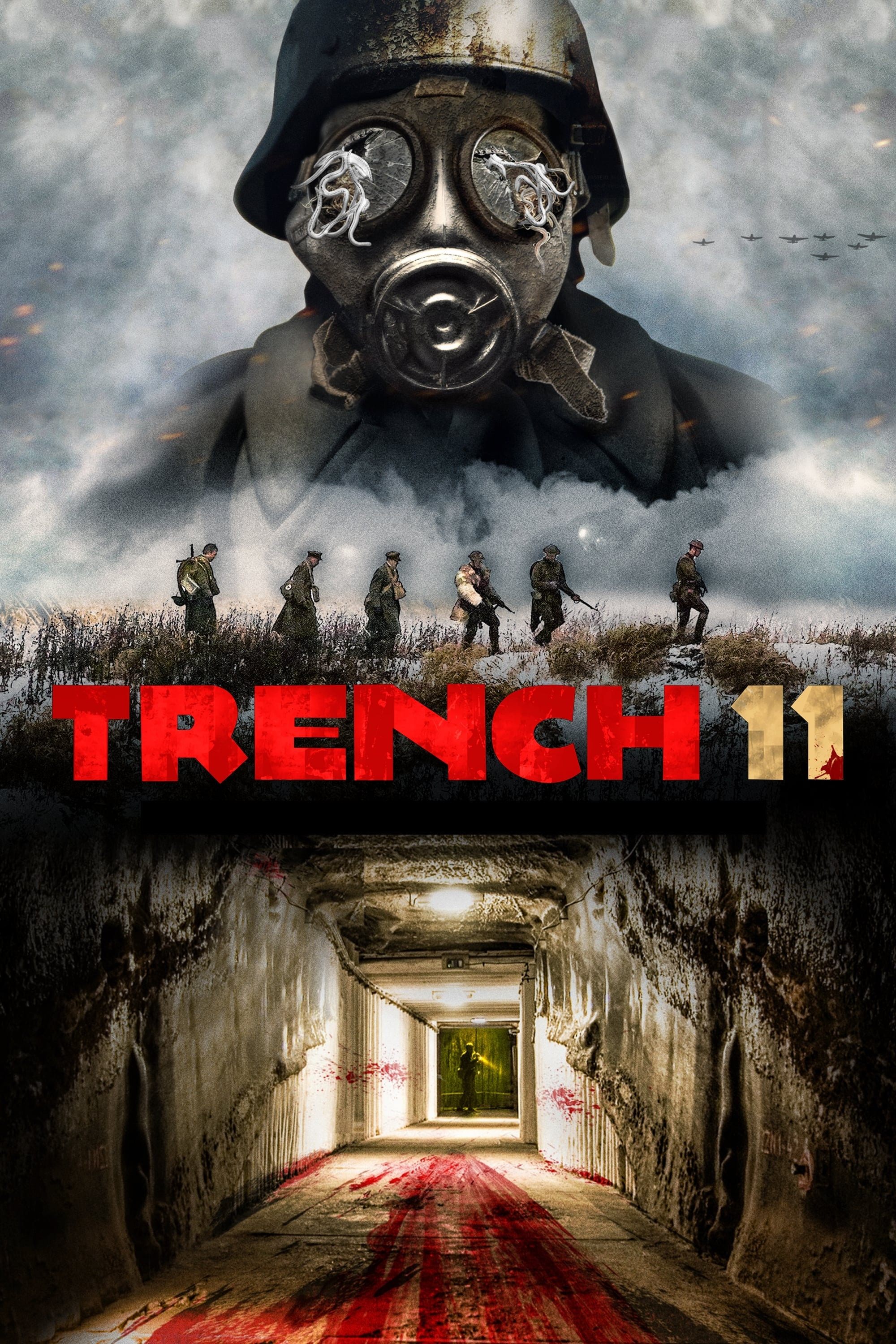
In the final days of WWI a shell-shocked soldier must lead a mission deep beneath the trenches to stop a German plot that could turn the tide of the war.
In the summer of 1863, General Robert E. Lee leads the Confederate Army of Northern Virginia into Gettysburg, Pennsylvania with the goal of marching through to Washington, D.C. The Union Army of the Potomac, under the command of General George G. Meade, forms a defensive position to confront the rebel forces in what will prove to be the decisive battle of the American Civil War.
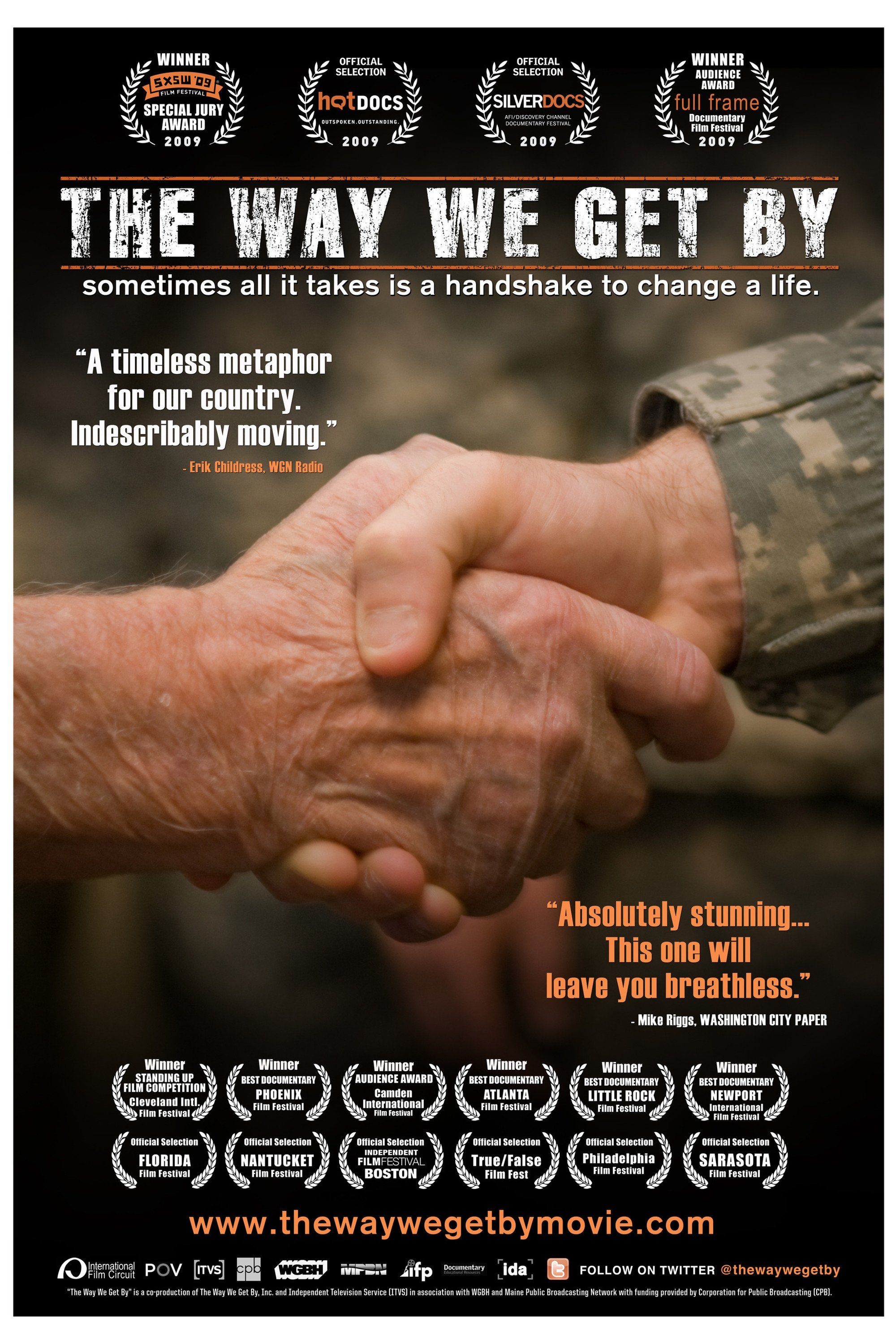
On call 24/7 for the past six years, three senior citizens have made history by greeting nearly one million U.S. troops at a tiny airport in Maine. Filled with unexpected turns, their uplifting and emotional journey demonstrates the meaning of community at a time when America needs it most.
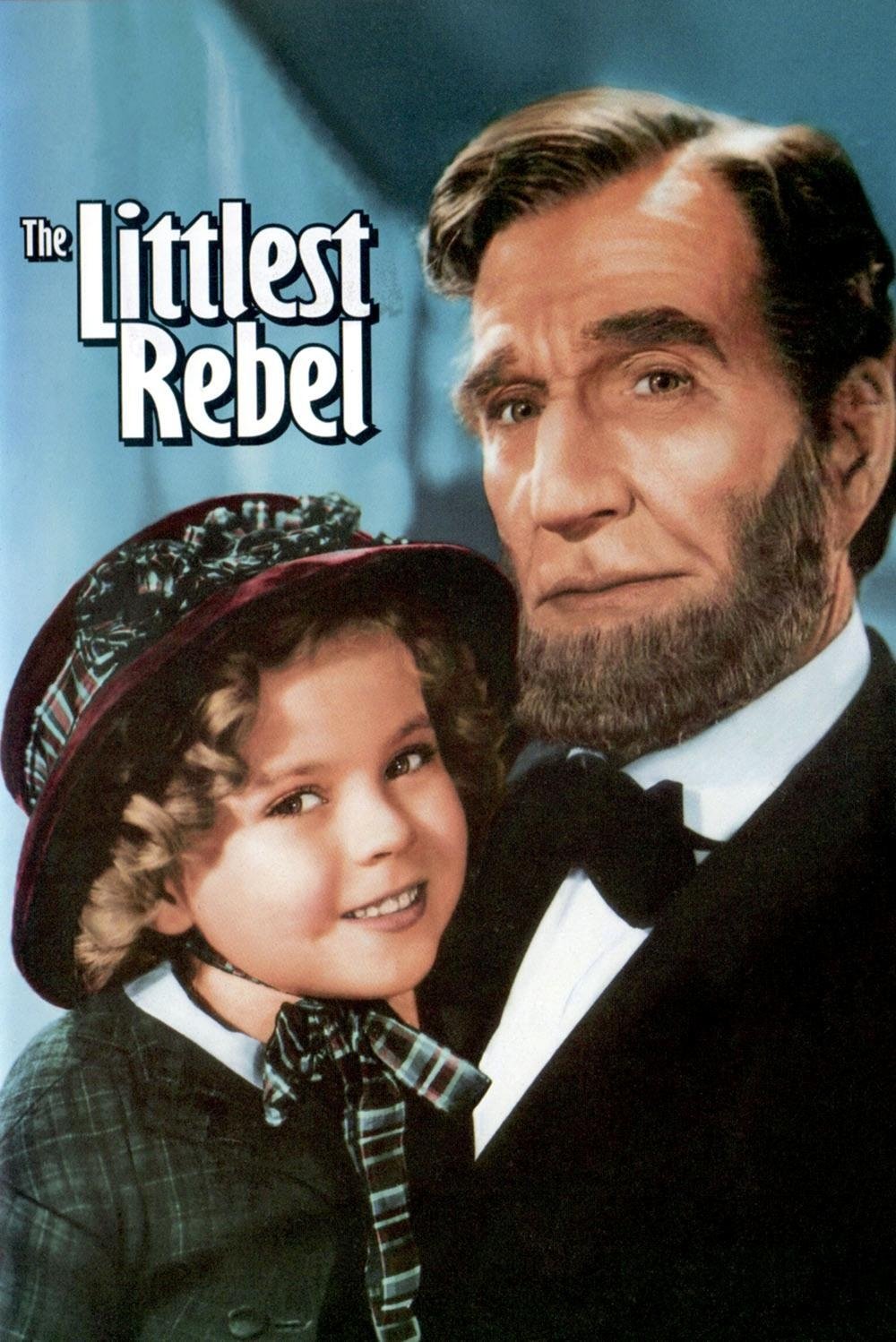
Virgie Cary's father, a rebel officer, sneaks back to his rundown plantation to see his dying wife and is arrested. A Yankee officer takes pity and sets up an escape. Everyone is captured and the officers are to be executed. Virgie and Uncle Billy beg President Lincoln to intercede.
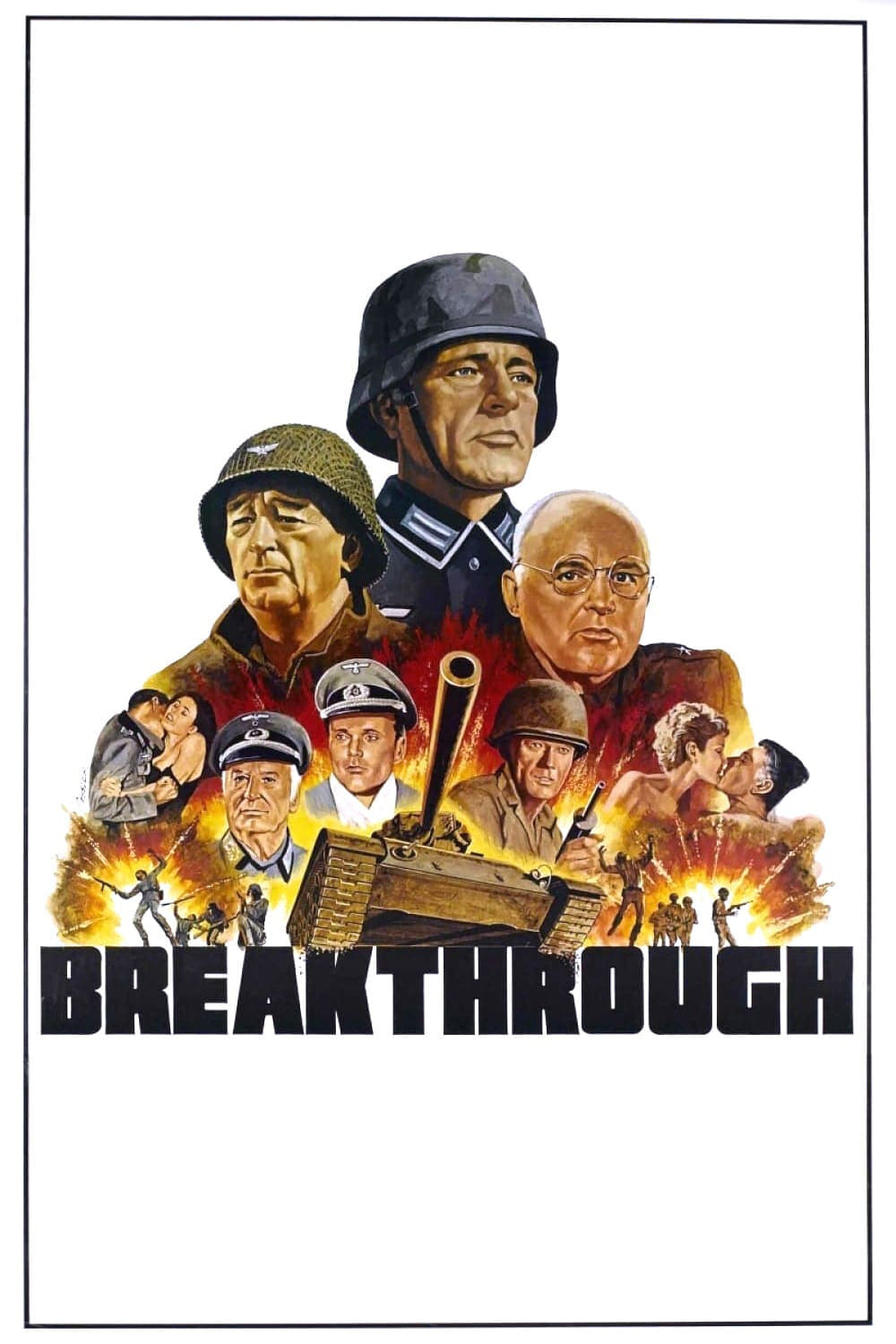
During the 1942 North African campaign, a British straggler passes as a waiter at the hotel commandeered as Erwin Rommel's headquarters. He has thoughts of assassinating Rommel but his cover may provide an even better use.
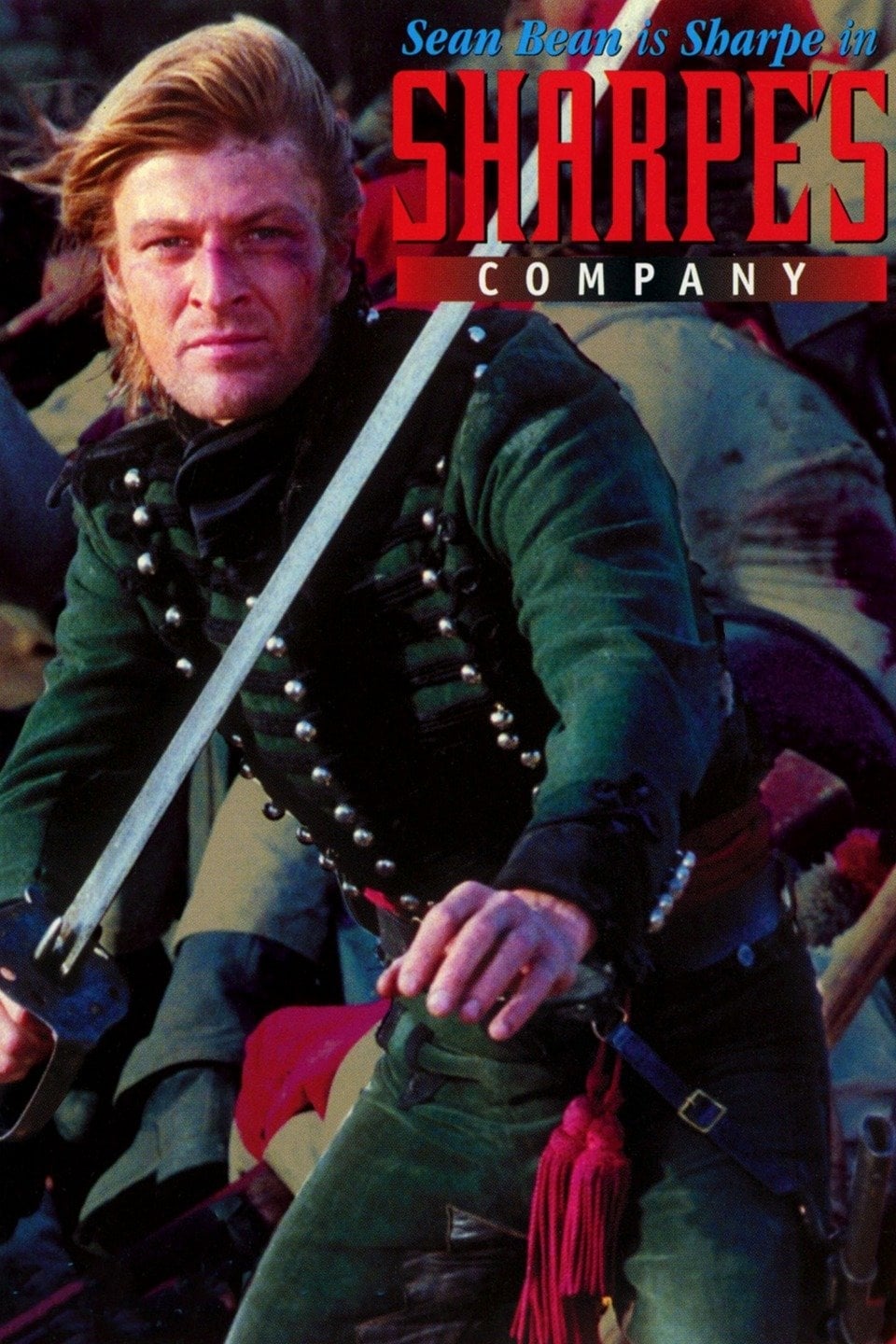
Spain, 1812. The Duke of Wellington plans to lay siege to Badajoz. A murderous figure from Sharpe's past uses a beautiful woman to revenge himself on Sharpe, now the father of her child. Sharpe has reason to be happy, he holds his daughter for the first time and is given command of the Light Company again, together with his captaincy. But will his happiness be short lived?
England, Summer 1814. Sharpe returns to England, with his reputation fully restored. He is soon ordered to the North of England to take command of a local militia force in his home town as it is troubled with unrest and machine-breakers. Sharpe finds that he is torn between two sides - that of the corrupt gentry and that of his own people, the rough, tough and spirited masses who are kept down by their superiors. He finds himself faced with one of the hardest decisions of his life.
In war-torn Jakarta 1946, a haunted violinist ordered to bomb a colonial theatre sees his plan unravel when a charismatic rebel falls for his wife—jeopardising Indonesia’s freedom and their lives.
Portugal, 1813. Action and romance follow Sharpe as his chosen men risk their lives on dangerous and heroic missions. Sharpe has to do battle with a gang of deserters led by an evil renegade, who uses hostages - including Sharpe's old flame - as innocent pawns in his wicked game to win a ransom. This is only the beginning of the problems facing Sharpe. A far greater threat is on the horizon. One where failure would mean the end of the war for the Allied armies.
Spain, 1813. Sharpe is unwittingly caught up in a French plot; he is convicted of the murder of a Spanish nobleman and sentenced to death. This time he will need more than just his legendary courage to survive. In a desperate attempt to clear his name, Sharpe is forced to venture deep into enemy territory to capture La Marquesa, a beautiful French spy, who alone can prove his innocence.
Spain, 1813. The dashing and heroic Major Richard Sharpe pits his wits against El Casco, a terrifying partisan leader who has a chilling way of dealing with his enemies. Sharpe's mission, to trade guns for deserters, is imperilled by the beautiful and desirable Ellie, who follows him into the hills where there is rumoured to be hidden Aztec gold.
Winter, 1813. Sharpe marries his sweetheart, Jane Gibbons, but has to leave her immediately to go on a dangerous mission in the Pyrenees, to capture a French fort. While Sharpe is battling with the French, his wife contracts a deadly fever which has swept through the British camp and endangers her life. Sharpe encounters his old enemy, Ducos and is compelled to stay at the fort and fight for his country, knowing that even if he survives he may never see his beloved bride again.
Prelude to War was the first film of Frank Capra's Why We Fight propaganda film series, commissioned by the Pentagon and George C. Marshall. It was made to convince American troops of the necessity of combating the Axis Powers during World War II. This film examines the differences between democratic and fascist states.

When Sgt. First Class Brian Eisch is critically wounded in Afghanistan, it sets him and his sons on a journey of love, loss, redemption and legacy.
Amid the failing counteroffensive, a journalist follows a Ukrainian platoon on their mission to traverse one mile of heavily fortified forest and liberate a strategic village from Russian occupation. But the farther they advance through their destroyed homeland, the more they realize that this war may never end.
A documentary about World War I with never-before-seen footage to commemorate the centennial of Armistice Day, and the end of the war.
Set both in Latin America and the United States, the film explores the historic and current relationship of Washington with countries such as Venezuela, Bolivia and Chile. Pilger says that the film "...tells a universal story... analysing and revealing, through vivid testimony, the story of great power behind its venerable myths. It allows us to understand the true nature of the so-called "war on terror". According to Pilger, the film’s message is that the greed and power of empire is not invincible and that people power is always the "seed beneath the snow".
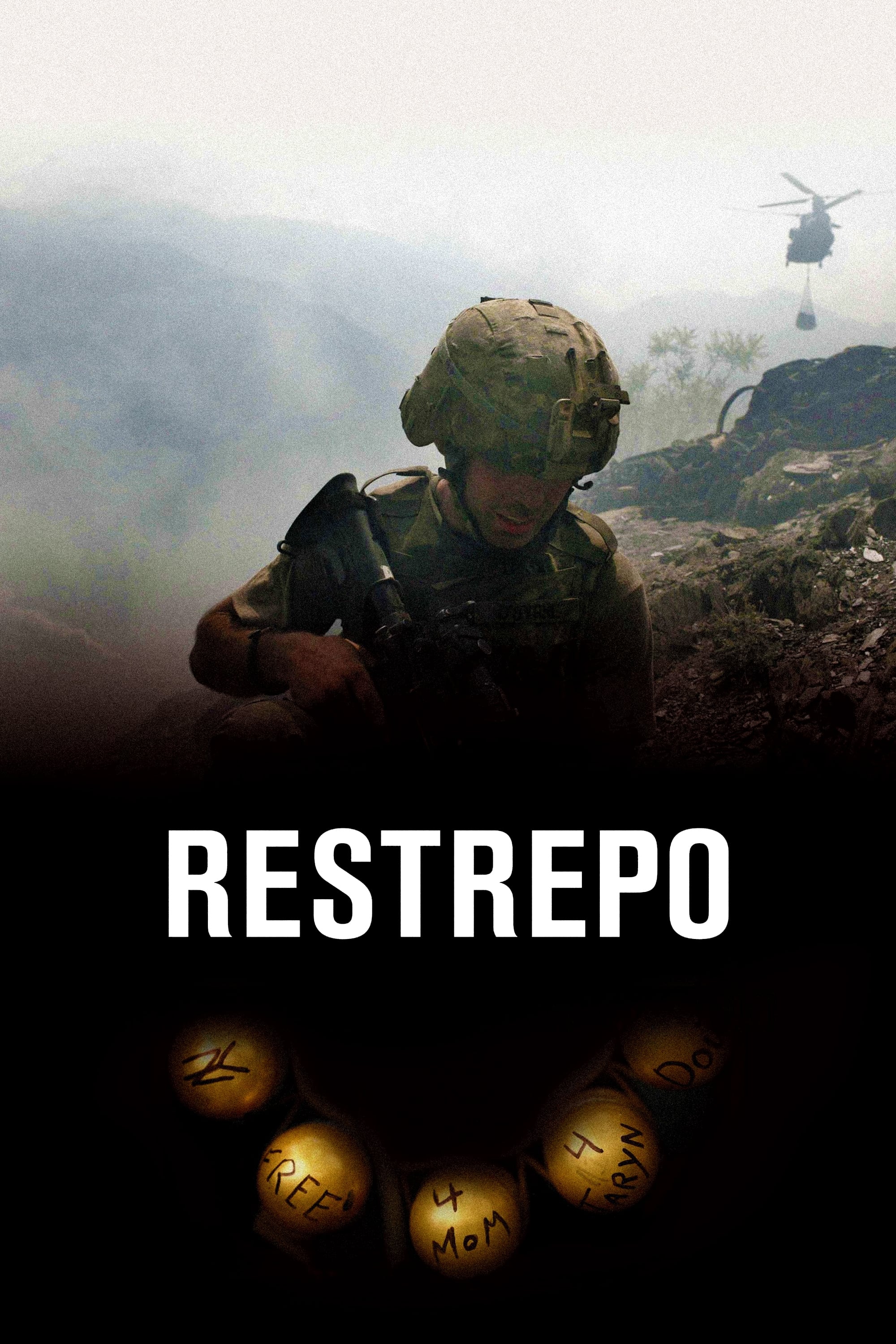
Korengal picks up where Restrepo left off; the same men, the same valley, the same commanders, but a very different look at the experience of war.
A love letter from a young mother to her daughter, the film tells the story of Waad al-Kateab’s life through five years of the uprising in Aleppo, Syria as she falls in love, gets married and gives birth to Sama, all while cataclysmic conflict rises around her. Her camera captures incredible stories of loss, laughter and survival as Waad wrestles with an impossible choice– whether or not to flee the city to protect her daughter’s life, when leaving means abandoning the struggle for freedom for which she has already sacrificed so much.
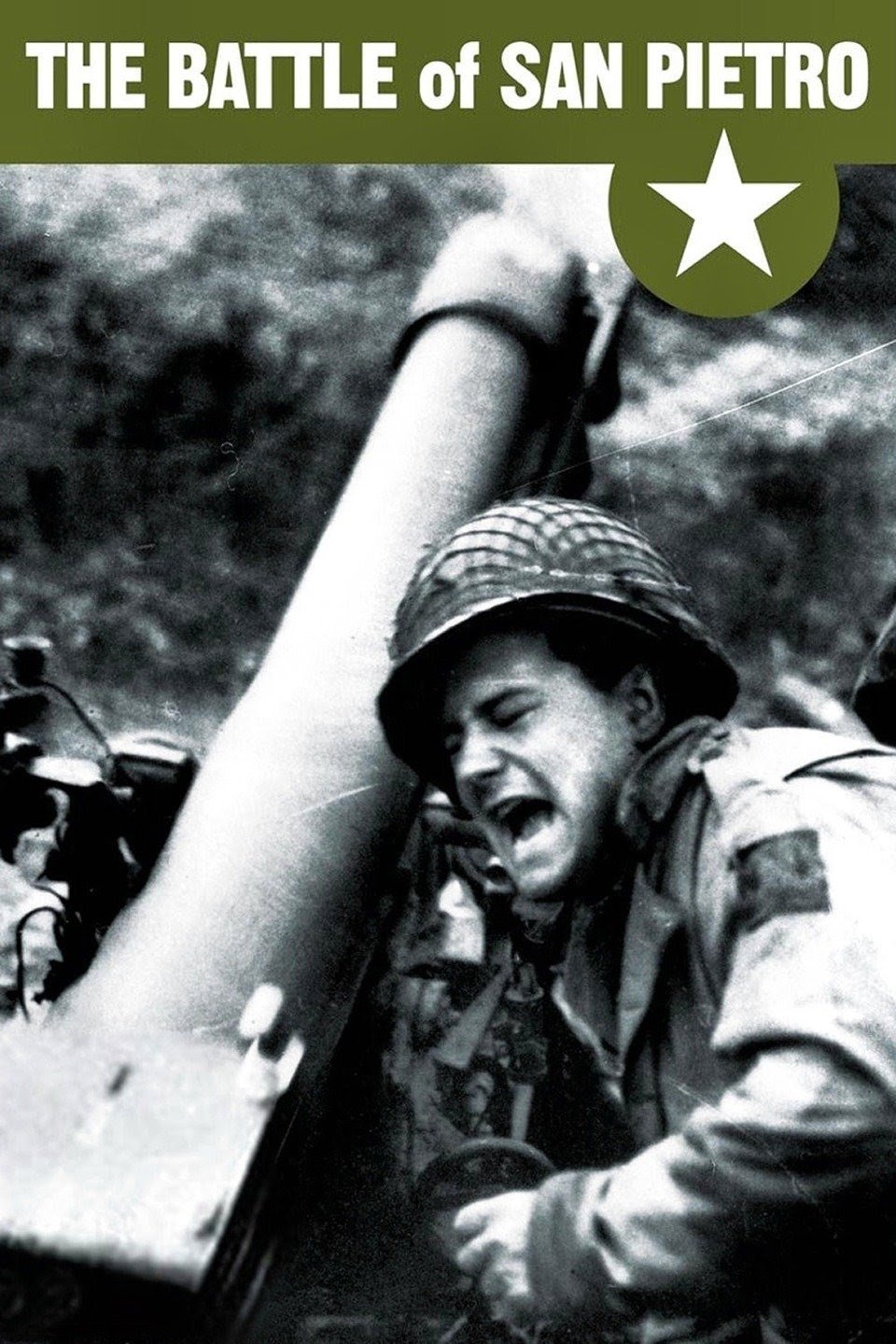
This documentary movie is about the battle of San Pietro, a small village in Italy. Over 1,100 US soldiers were killed while trying to take this location, that blocked the way for the Allied forces from the Germans. Preserved by the Academy Film Archive in 2005.
"Trinity and Beyond" is an unsettling yet visually fascinating documentary presenting the history of nuclear weapons development and testing between 1945-1963. Narrated by William Shatner and featuring an original score performed by the Moscow Symphony Orchestra, this award-winning documentary reveals previously unreleased and classified government footage from several countries.
“The Soviet Story” is a story of an Allied power, which helped the Nazis to fight Jews and which slaughtered its own people on an industrial scale. Assisted by the West, this power triumphed on May 9th, 1945. Its crimes were made taboo, and the complete story of Europe’s most murderous regime has never been told. Until now...
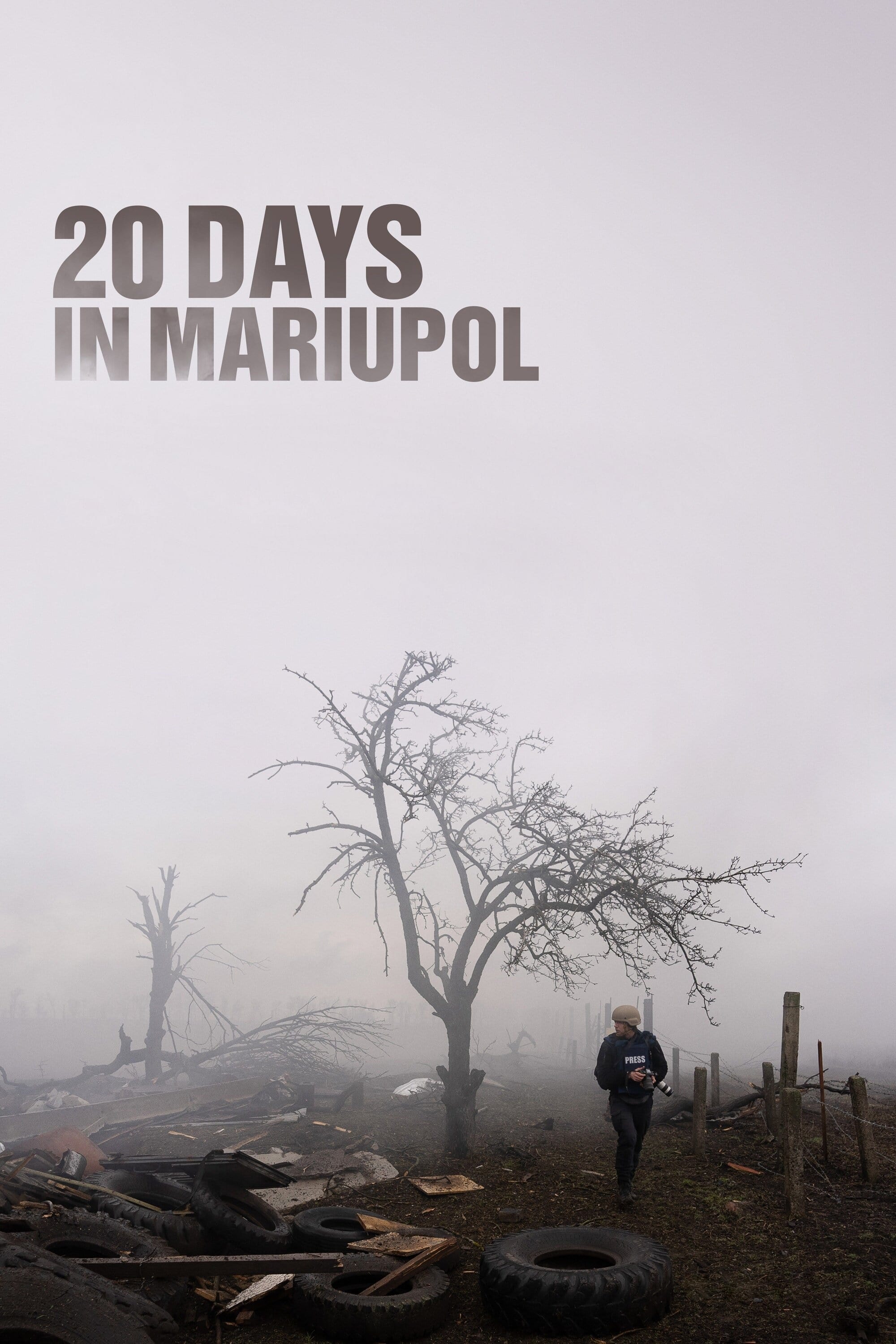
As the Russian invasion begins, a team of Ukrainian journalists trapped in the besieged city of Mariupol struggle to continue their work documenting the war's atrocities.
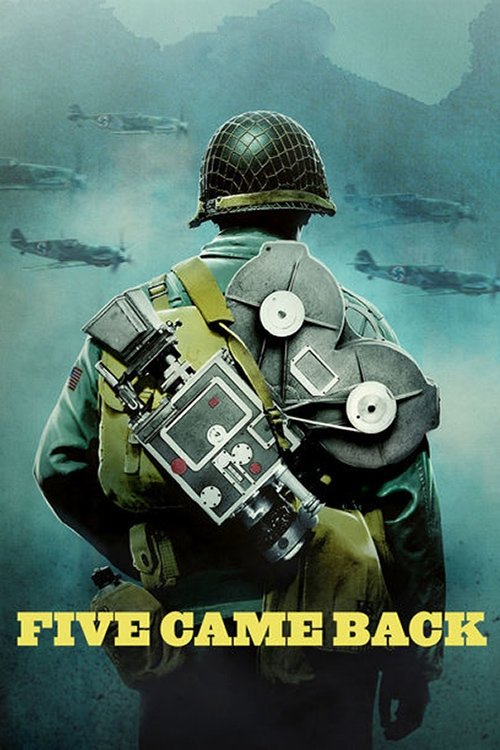
The extraordinary story of how Hollywood changed World War II – and how World War II changed Hollywood, through the interwoven experiences of five legendary filmmakers who went to war to serve their country and bring the truth to the American people: John Ford, William Wyler, John Huston, Frank Capra, and George Stevens. Based on Mark Harris’ best-selling book, “Five Came Back: A Story of Hollywood and the Second World War.”
With unprecedented access, this documentary follows the extraordinary journey of “Raqqa is Being Slaughtered Silently”—a group of anonymous citizen journalists who banded together after their homeland was overtaken by ISIS—as they risk their lives to stand up against one of the greatest evils in the world today.
Over a period of two years, Mark Cowen and his crew travelled to thirty U.S. states and ten European cities, to interview the veterans of Easy Company. The stories told by the veterans themselves, create a history of the Second World War from the point of view of this heroic company of men, made famous in the mini-series Band of Brothers.
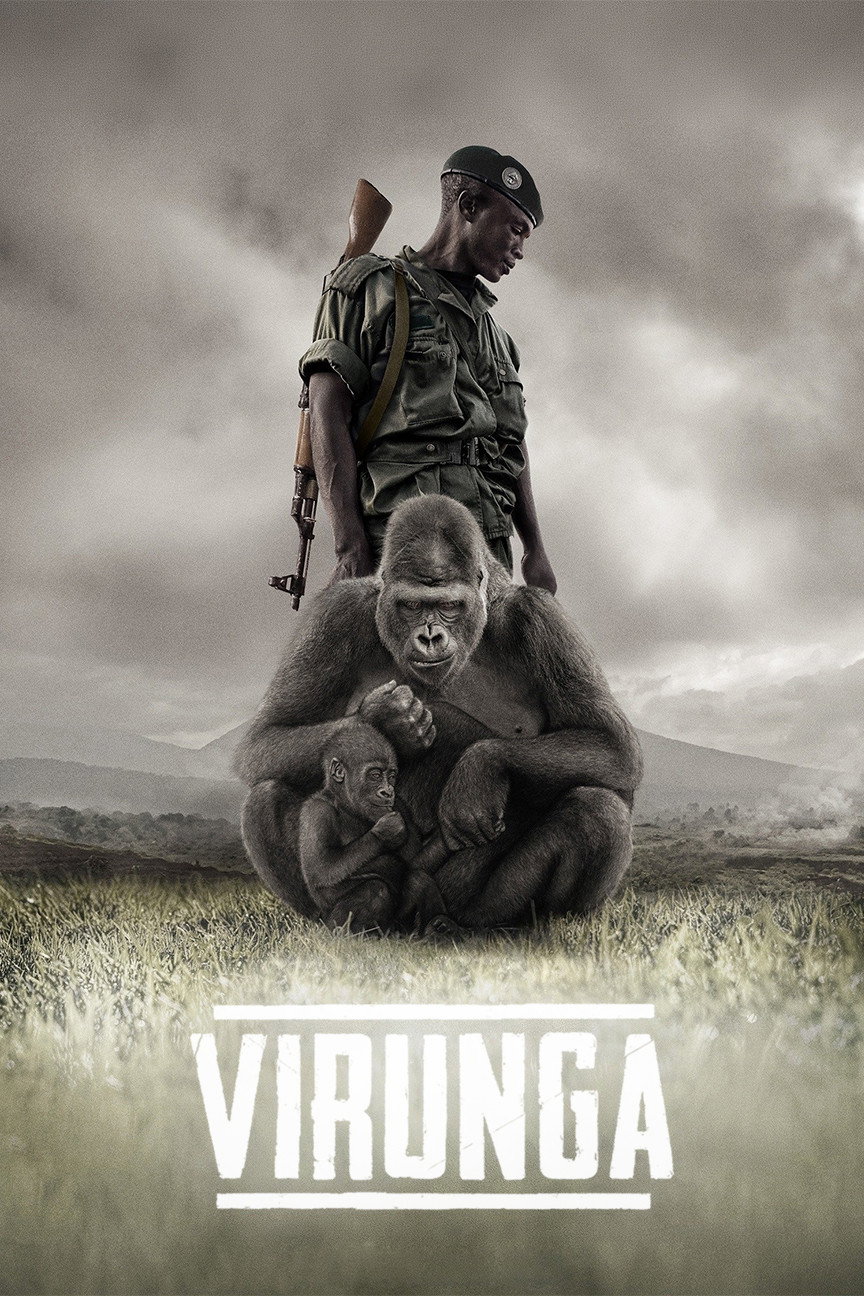
Virunga in the Democratic Republic of the Congo is Africa’s oldest national park, a UNESCO world heritage site, and a contested ground among insurgencies seeking to topple the government that see untold profits in the land. Among this ongoing power struggle, Virunga also happens to be the last natural habitat for the critically endangered mountain gorilla. The only thing standing in the way of the forces closing in around the gorillas: a handful of passionate park rangers and journalists fighting to secure the park’s borders and expose the corruption of its enemies. Filled with shocking footage, and anchored by the surprisingly deep and gentle characters of the gorillas themselves, Virunga is a galvanizing call to action around an ongoing political and environmental crisis in the Congo.
A chronicle which provides a rare window into the international perception of the Iraq War, courtesy of Al Jazeera, the Arab world's most popular news outlet. Roundly criticized by Cabinet members and Pentagon officials for reporting with a pro-Iraqi bias, and strongly condemned for frequently airing civilian causalities as well as footage of American POWs, the station has revealed (and continues to show the world) everything about the Iraq War that the Bush administration did not want it to see.
Pete Postlethwaite stars as a man living alone in the devastated future world of 2055, looking at old footage from 2008 and asking: why didn’t we stop climate change when we had the chance?
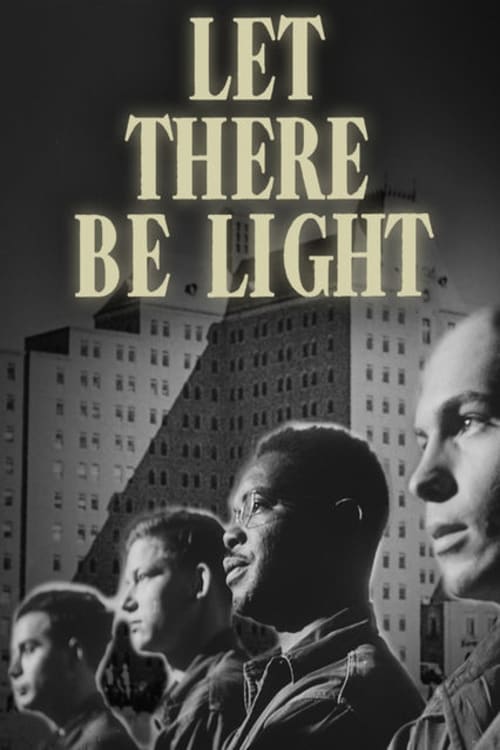
The final entry in a trilogy of films produced for the U.S. government by John Huston. Some returning combat veterans suffer scars that are more psychological than physical. This film follows patients and staff during their treatment. It deals with what would now be called PTSD, but at the time was categorised as psychoneurosis or shell-shock. Government officials deemed this 1946 film counterproductive to postwar efforts; it was not shown publicly until 1981.
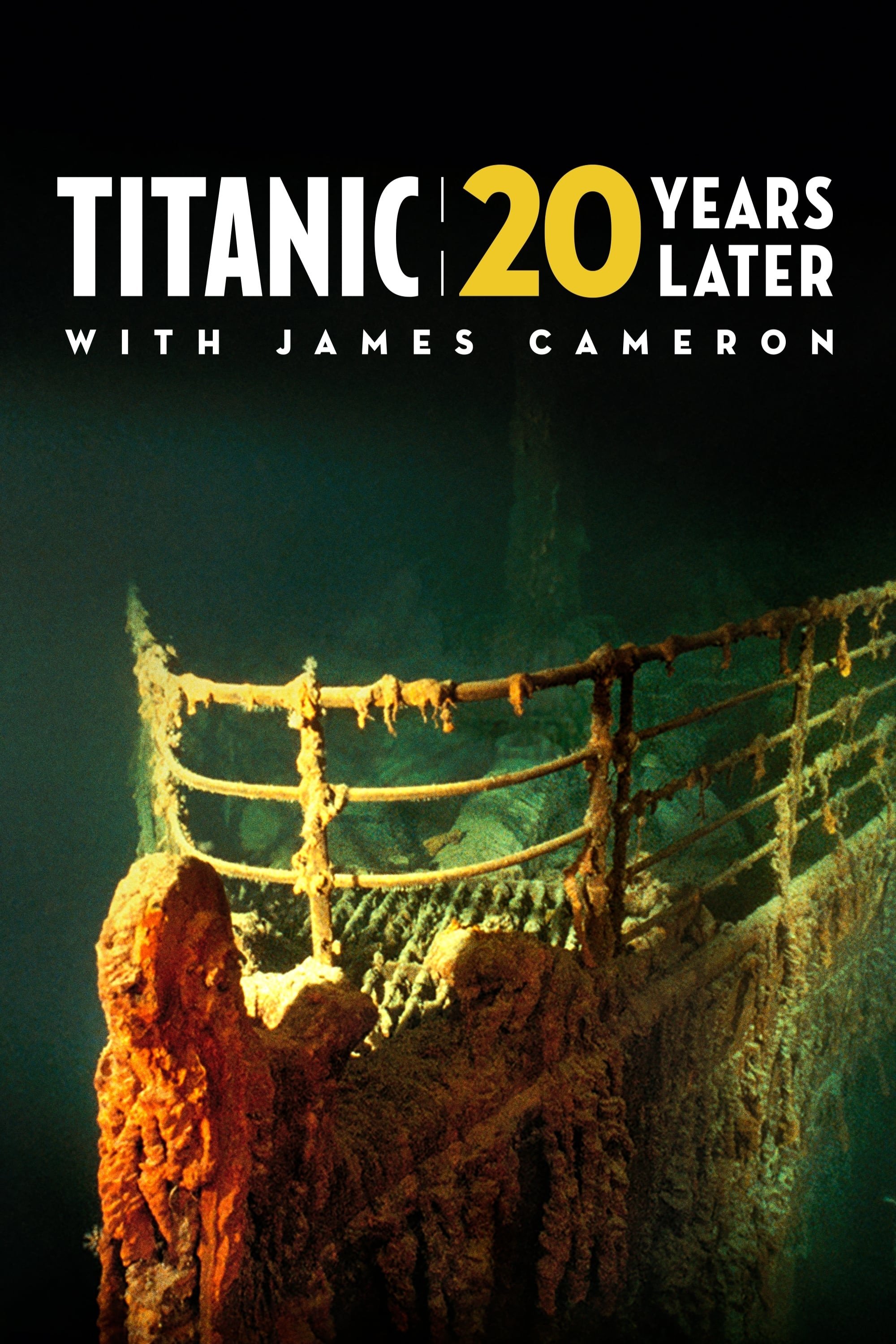
For the 20th anniversary of "Titanic," James Cameron reopens the file on the disaster.
Directors Hetherington and Junger spend a year with the 2nd Battalion of the United States Army located in one of Afghanistan's most dangerous valleys. The documentary provides insight and empathy on how to win the battle through hard work, deadly gunfights and mutual friendships while the unit must push back the Taliban.