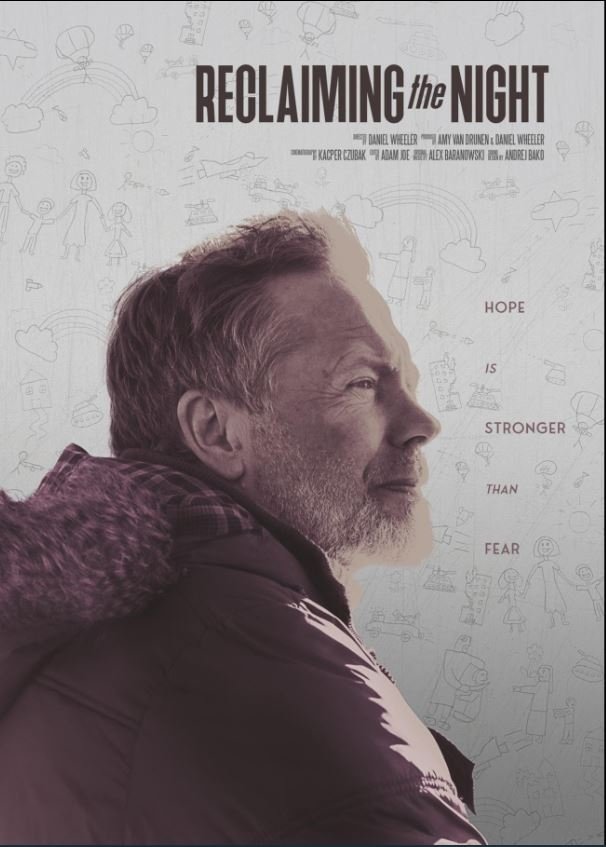
"Hope is stronger than fear"
In the aftermath of war, an extraordinary professor brings hope to children haunted by trauma-induced nightmares.
Social & External
The people behind it
Jon-Håkon Schultz
self
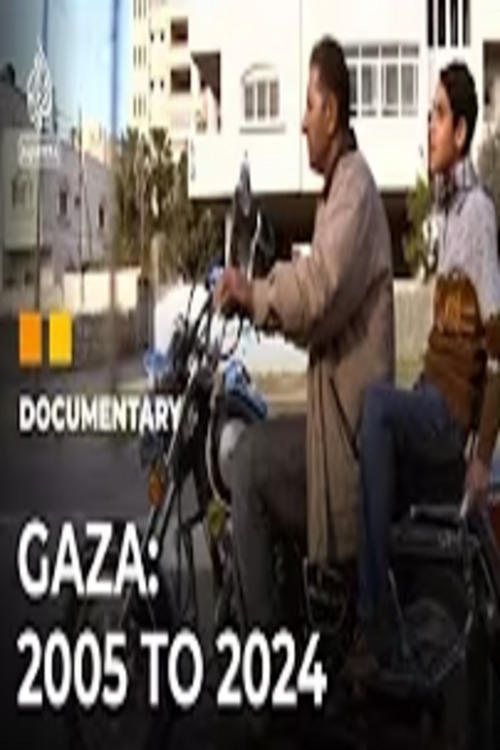
Mariam Shahin has been making films about Gaza for over thirty years. When she moved to Gaza in 2005, she felt a powerful sense of optimism following the Israeli withdrawal. But by 2009, war had badly damaged its infrastructure, neighbourhoods, businesses and communities – and that optimism had evaporated. Now, in the wake of the even more destructive war that began on 7th October 2023, Mariam seeks out the people she has met in Gaza over the years – and reflects on the wasted potential and devastated lives after sixteen years of blockade and a year of one of the most destructive wars in Middle East history.
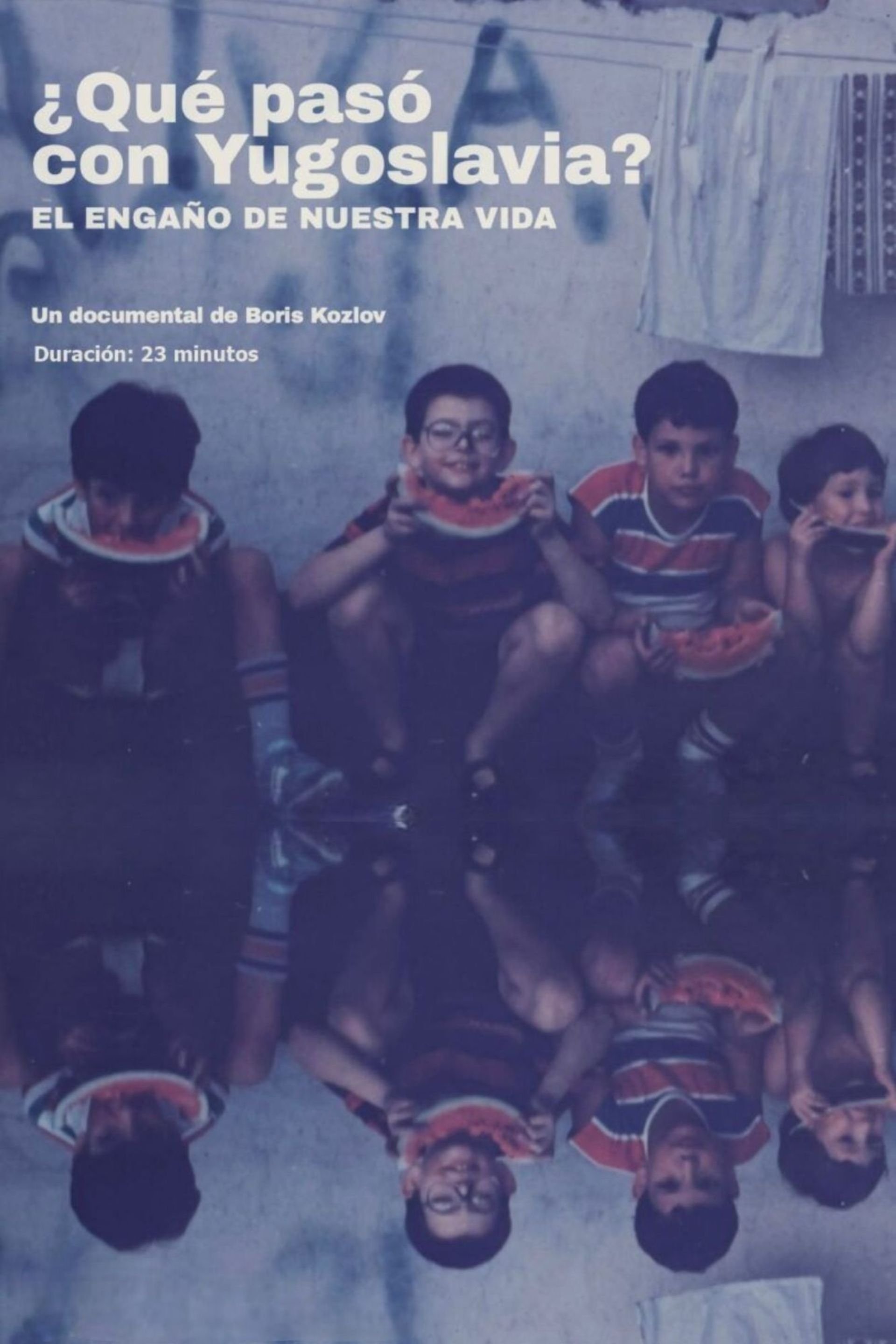
After forty years of fighting Moscow, Washington won the Cold War, and NATO found a way to expand eastward; however, there was one loose end to the problem: Yugoslavia was not a satellite of the USSR…
Overknee boots that triggered a fashion wave, a legendary shopping spree to the iconic theme song - the 1990 romantic comedy "Pretty Woman" by Garry Marshall starring Julia Roberts and Richard Gere is still the genre's biggest box office hit. The modern fairytale about a rich man who falls in love with a prostitute and rescues her made millions dream and made 22-year-old Julia Roberts famous overnight.
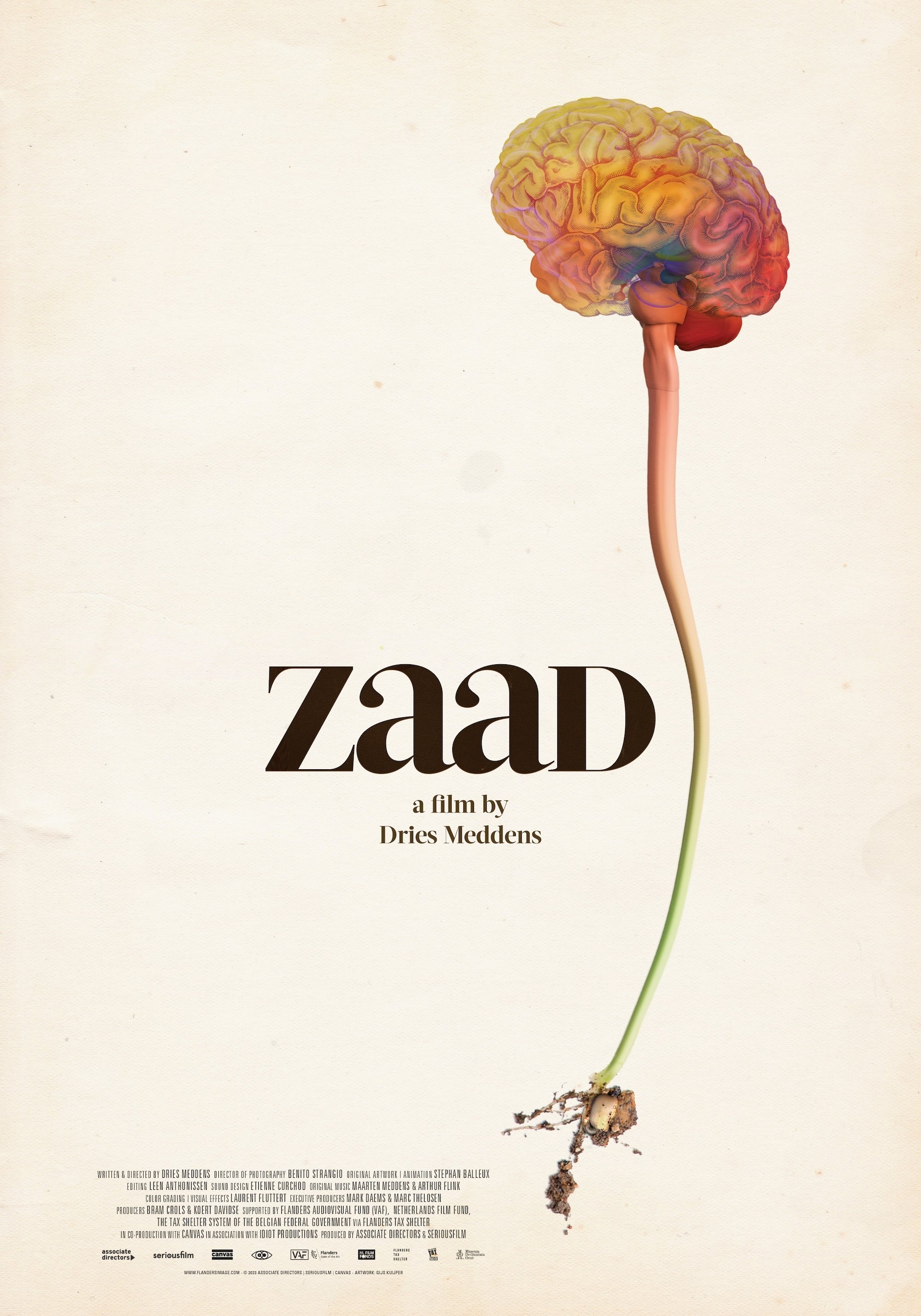
ZAAD tells the autobiographical story of Dries Meddens. After the death of his mother, the care for Dries' bipolar father falls on his plate. He discovers how crudely and ruthlessly society and psychiatry treat patients. His father eventually dies in solitary confinement. While emptying his parent’s home, Dries discovers an old letter from his grandfather. The man appears to have led a busy, productive life. He is the founder of an internationally renowned seed breeding company and still has time to paint, write diaries and conduct intensive correspondence. Dries finds similarities between his grandfather, his father and himself. Slowly the fear grows that his father's psychiatric illness might be hereditary. Strolling through the family’s film and photo archives, with dramatic and sometimes hilarious finds, Dries tries to find answers. He also consults a psychiatrist. Together the consultations and reviewing of his archival material help Dries look at bipolarity with new eyes.
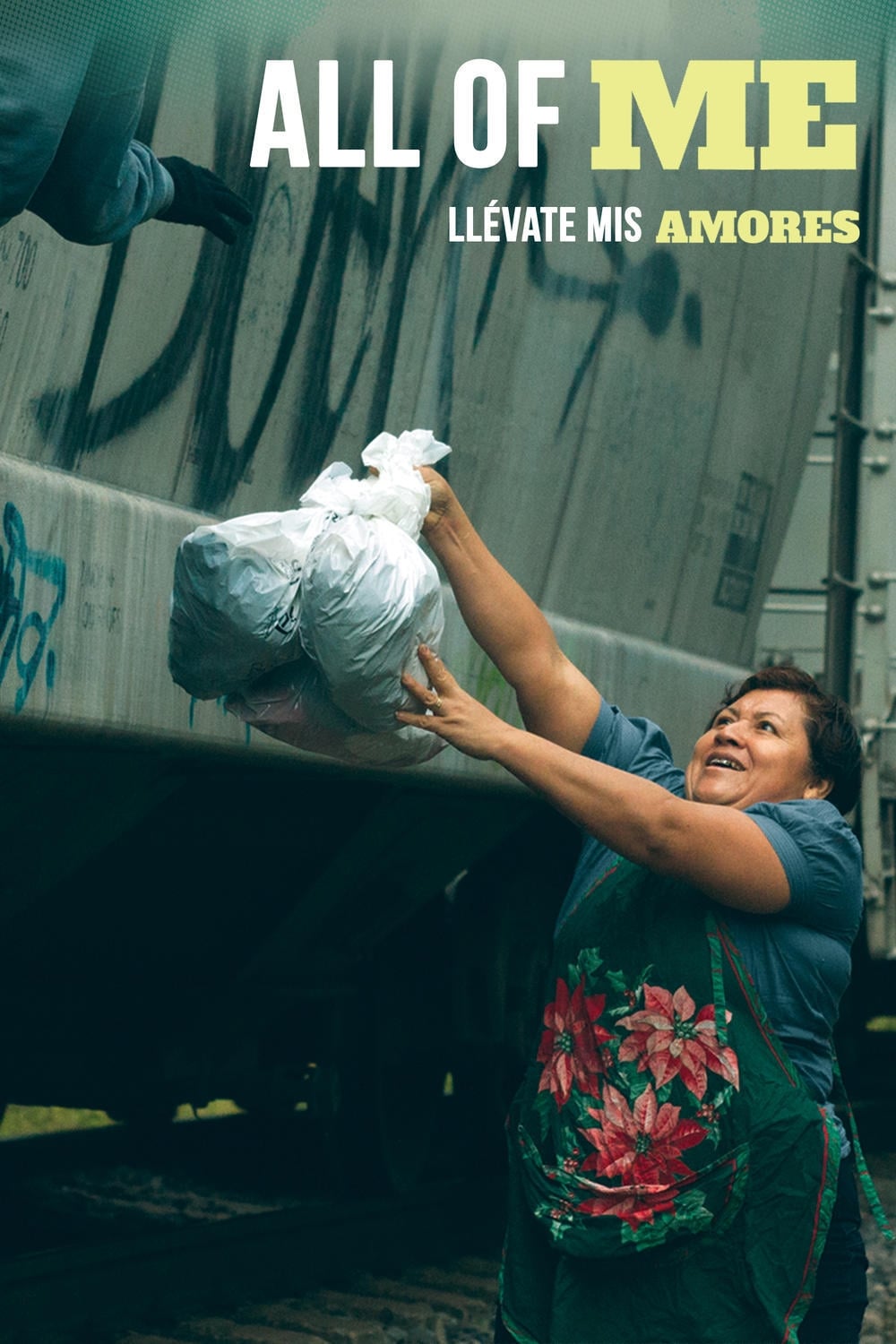
"Take my love" is a documentary film about "Las Patronas", a group of women who daily cook, pack and throw food to the migrants riding the "Beast" train.
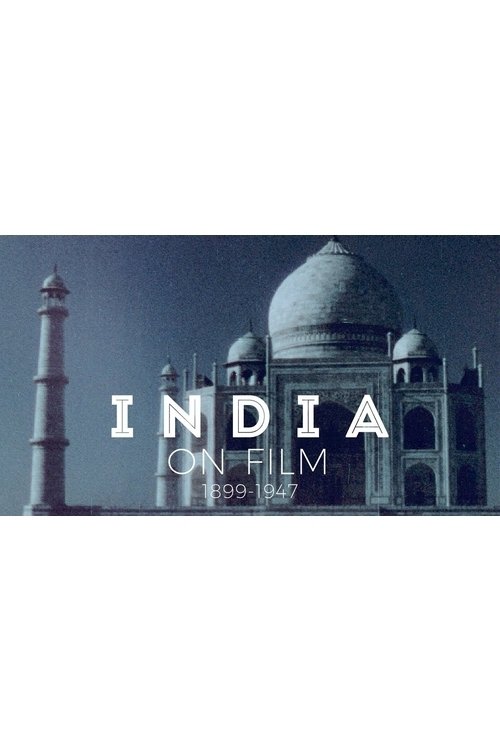
As part of the 2017 UK-India Year of Culture, the British Council and British Film Institute share a unique collection of films documenting the sights and culture of a bygone India. Filmed between 1899-1947, and preserved in the BFI National Archive since then, these rare films capture many glimpses of life in India, from dances and markets, to hunts and pageantry.
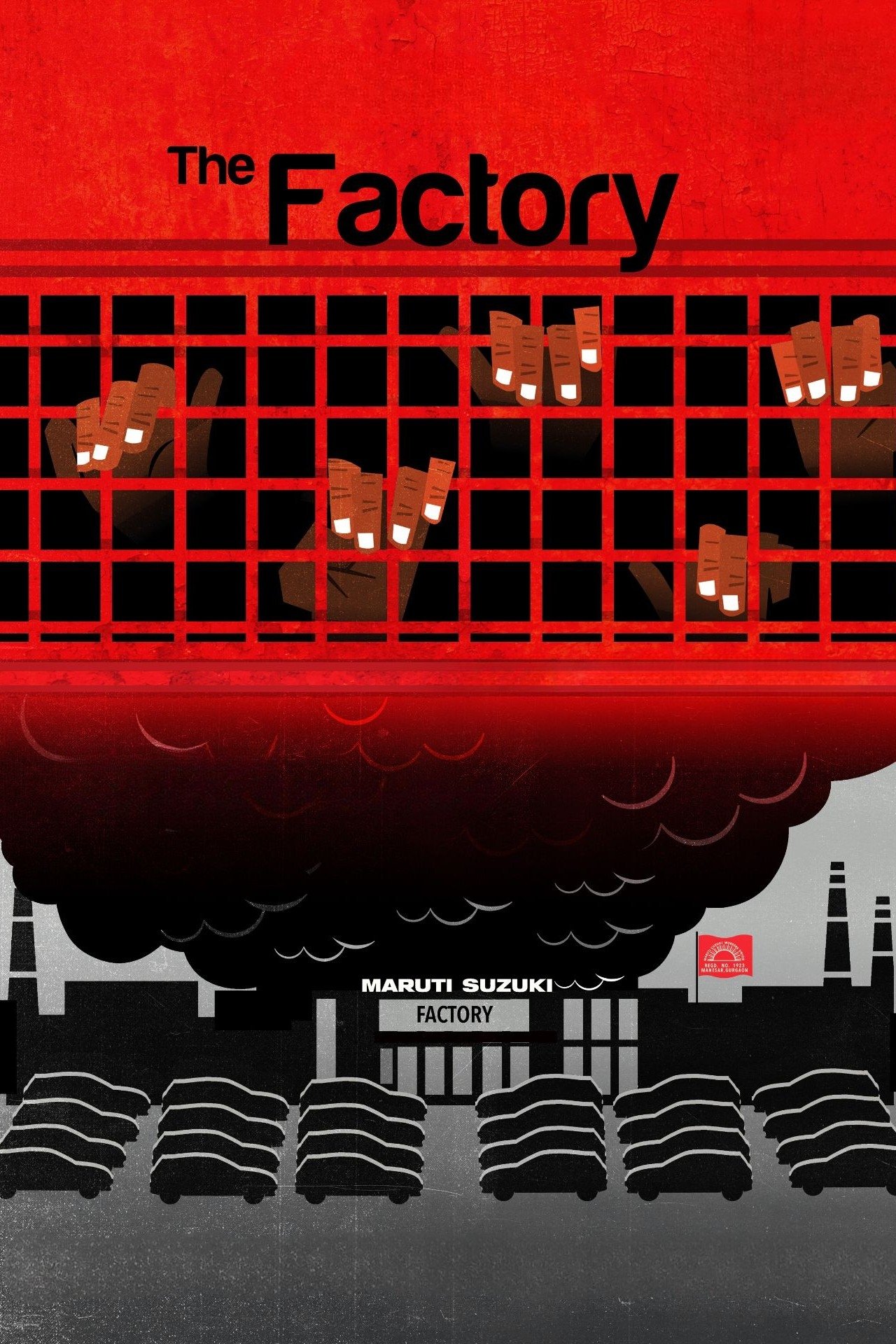
This documentary film traces the struggle of Indian auto workers of the Maruti Suzuki factory in Manesar, near Delhi, in forming a union. Investigating the underbelly of class conflict and exposing a widespread system of injustice, the film focuses on the repression faced by the workers and their criminal prosecution.
Using authentic color and black & white footage captured from the battles this explains the events, circumstances, and results of three of the most important battles of WWII -- the battles of Midway, Kursk, and Crete.
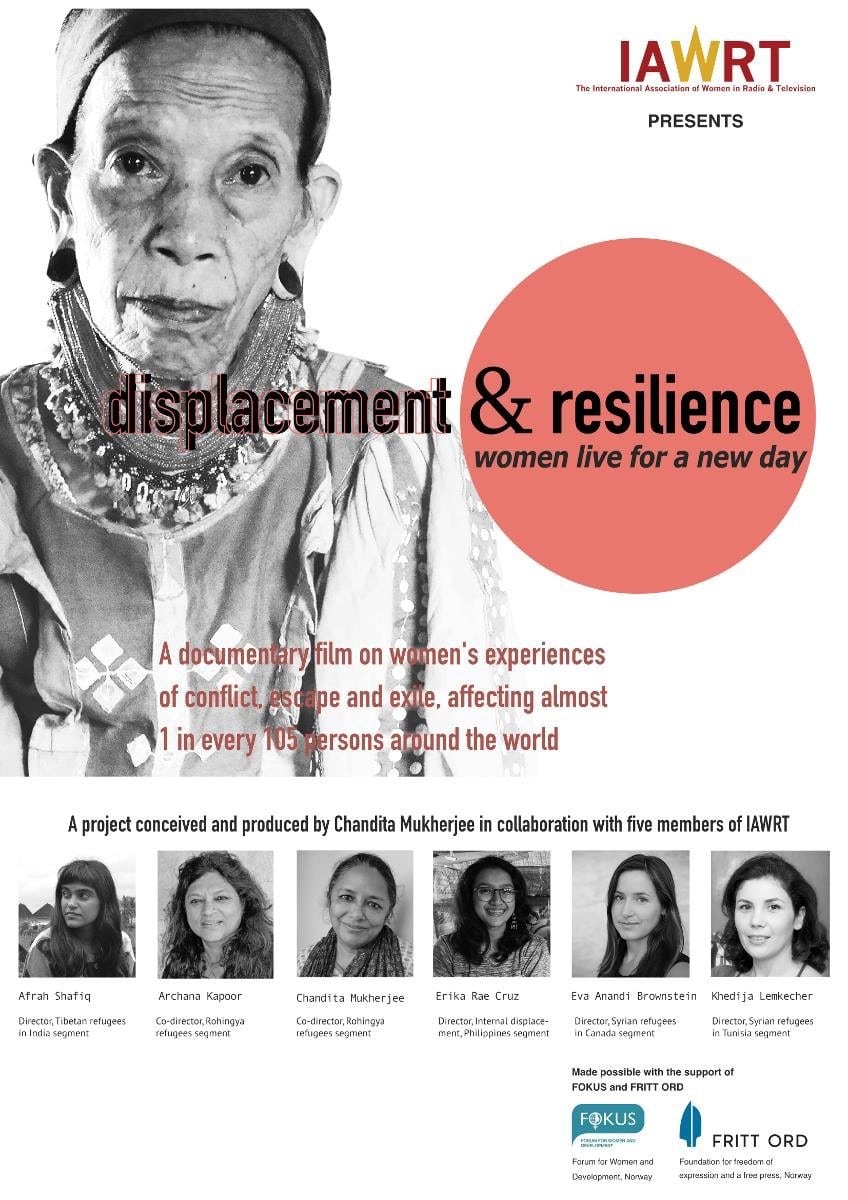
The documentary is a five country-based sequences featuring stories about conflict, migration and the experience of exile; Tibetan women refugees in Dharamshala, India, Syrian refugee family in Tunisia, evicted indigenous women in the Phlippines; Rohingya women in Haryana and Delhi, and Syrian women refugees in Canada.
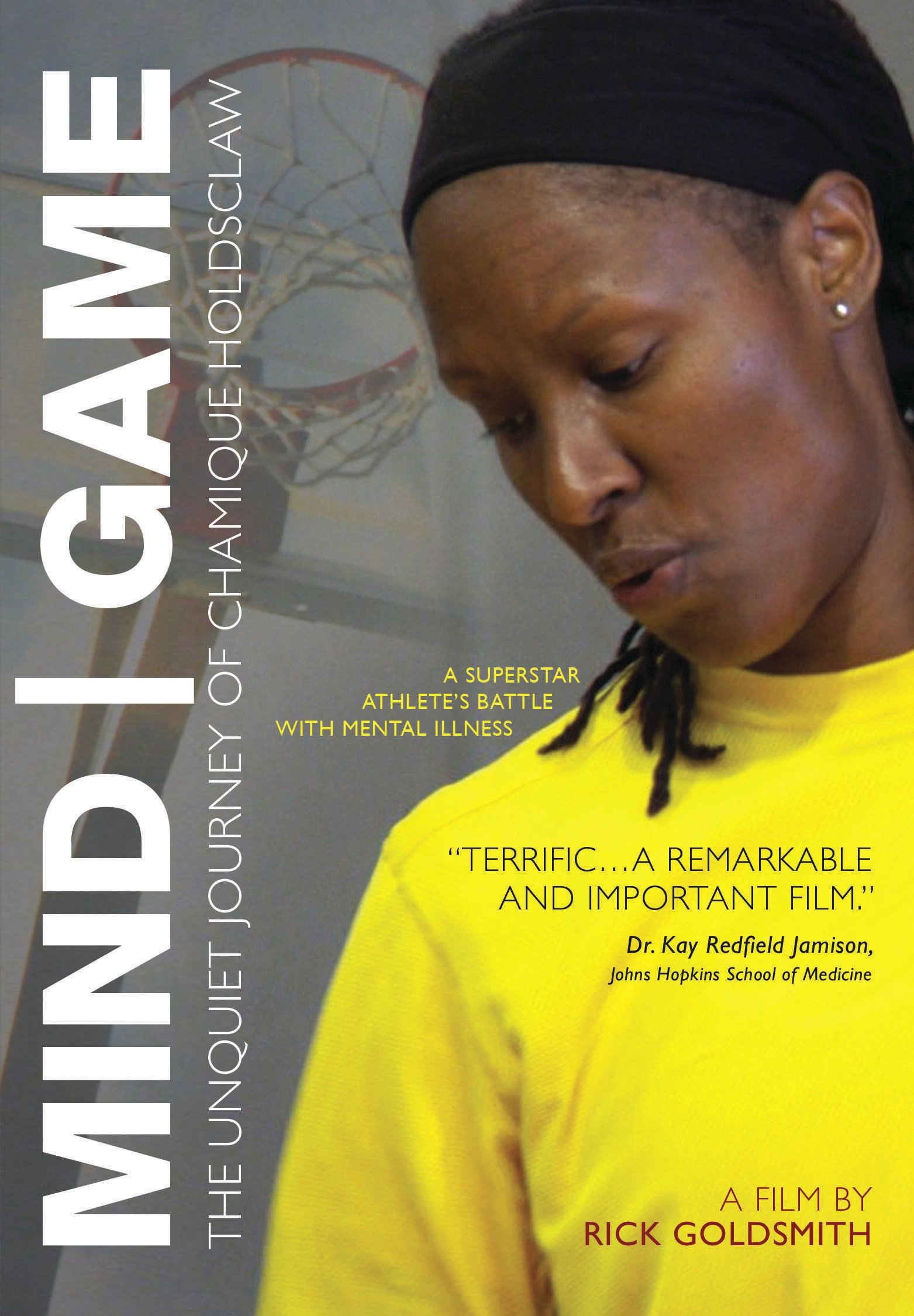
Women's college basketball player Chamique Holdsclaw battles mental illness.
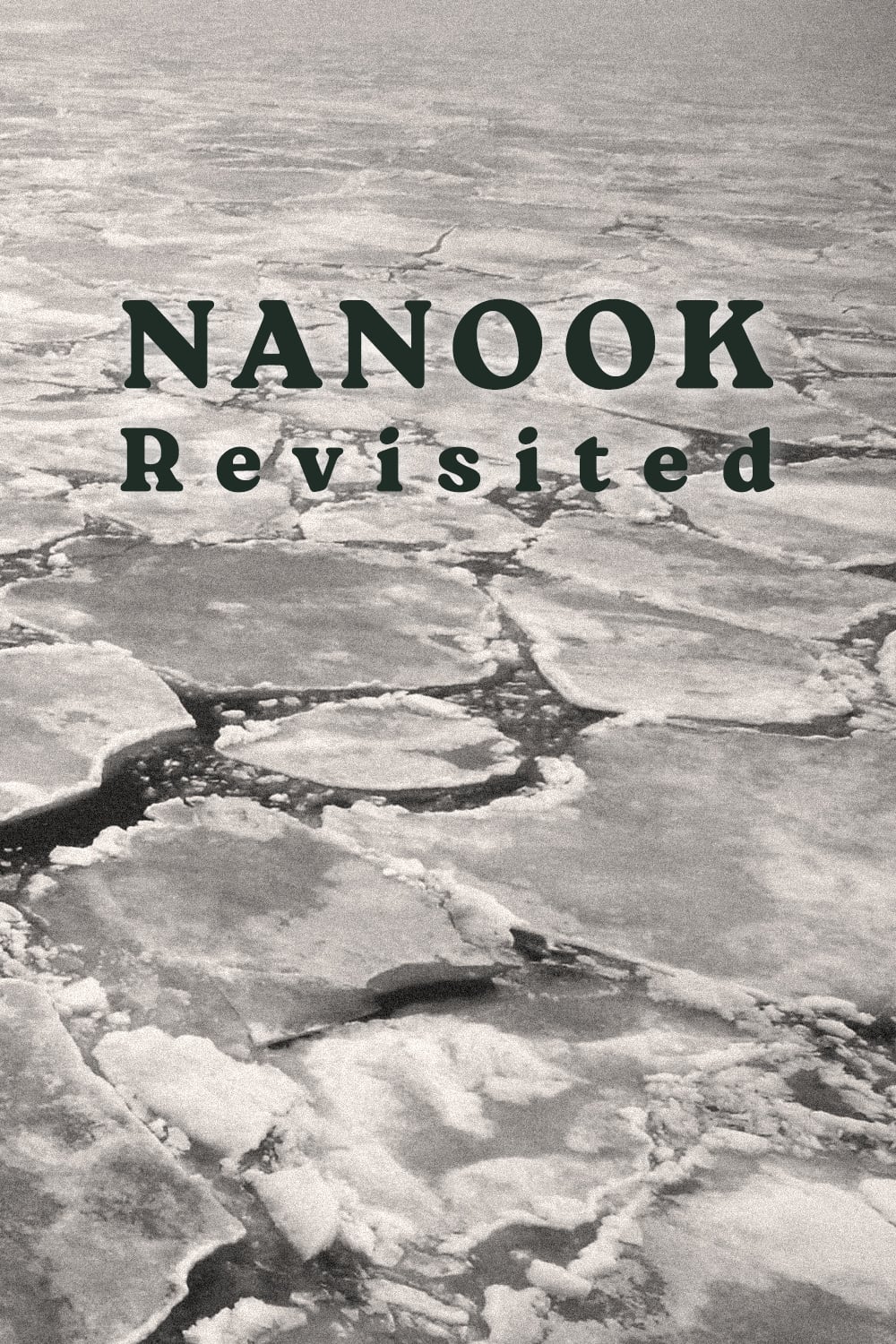
Filmmakers revisit Inukjuak, the Inuit village where Robert J. Flaherty filmed Nanook of the North in the early twentieth century, and examine the realities behind the ground-breaking documentary.
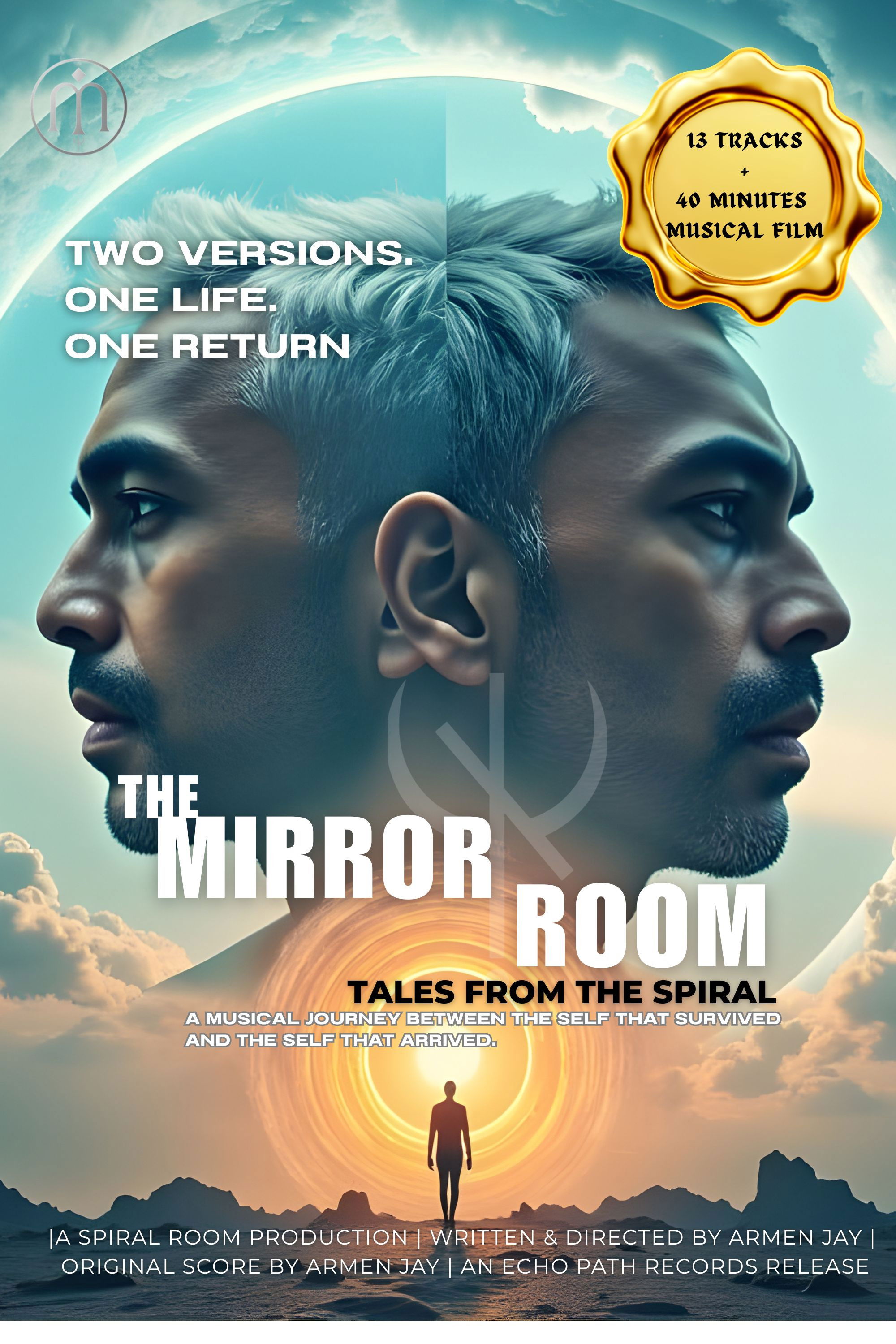
The Mirror Room is a 38-minute hybrid AI + human film by Malaysian artist Armen Jay. Part monologue, part memory ritual, this cinematic experience blends original music, archetypal AI voices, and real-life recovery to explore grief, rebirth, and identity. Premiered at Sunway University in October 2025, now available for stream + download worldwide.
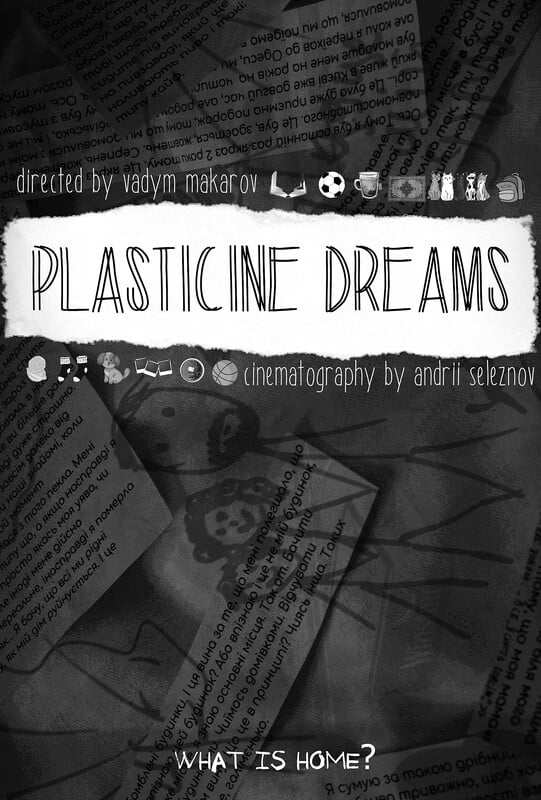
In the polyphony of voices, a search for home unfolds. What is home? What is its purpose? Is there anything bigger than home? What are the sounds, colours, and smells that let it live in our memory? The collective and the individual is expressed through the voices of those who lost it in the Russian war in Ukraine. Associations, memories, meanings: four letters, four hundred things between them — home.
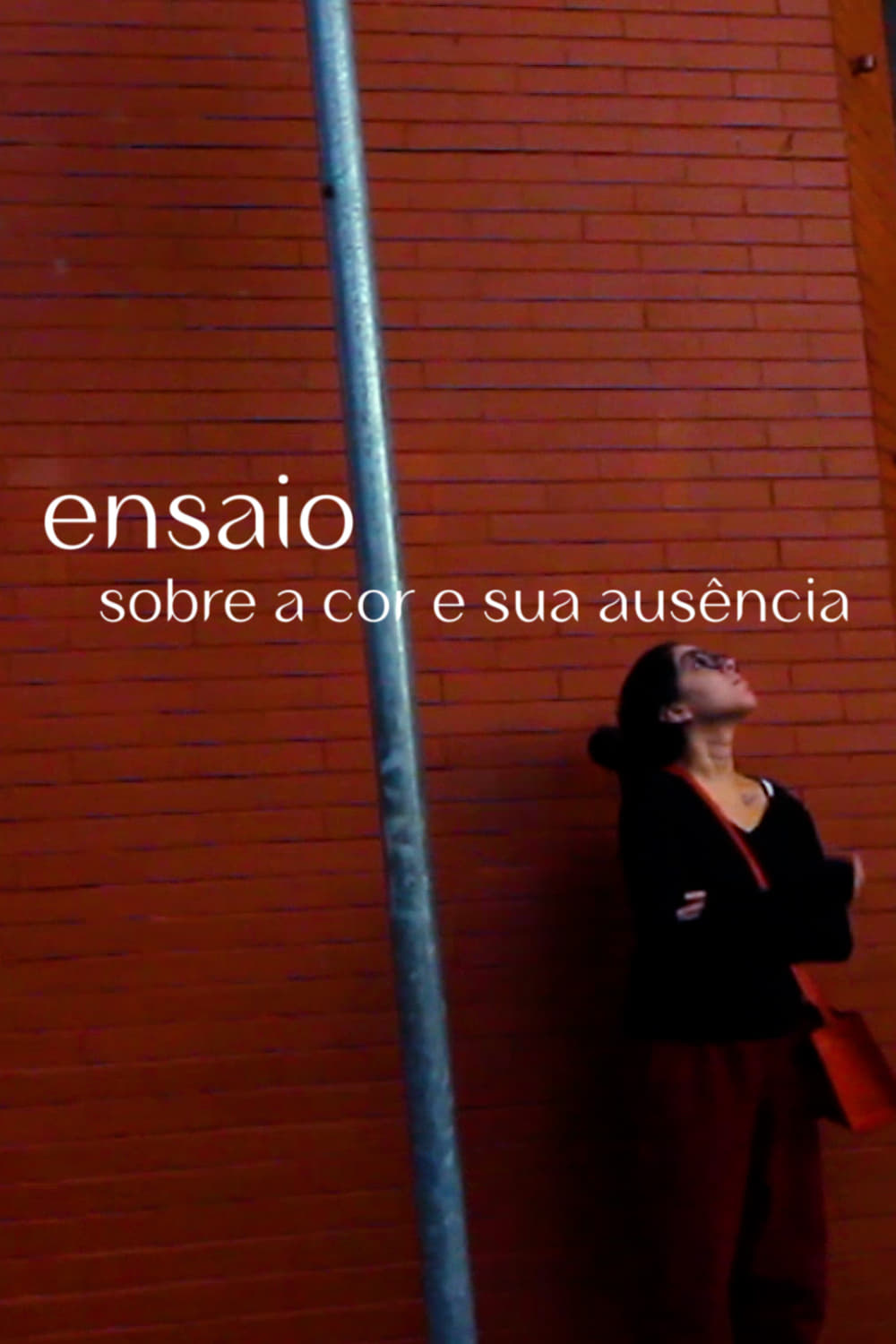
An experiment and a dialogue about recording, the act of filming and the colors available to whoever points the camera somewhere.
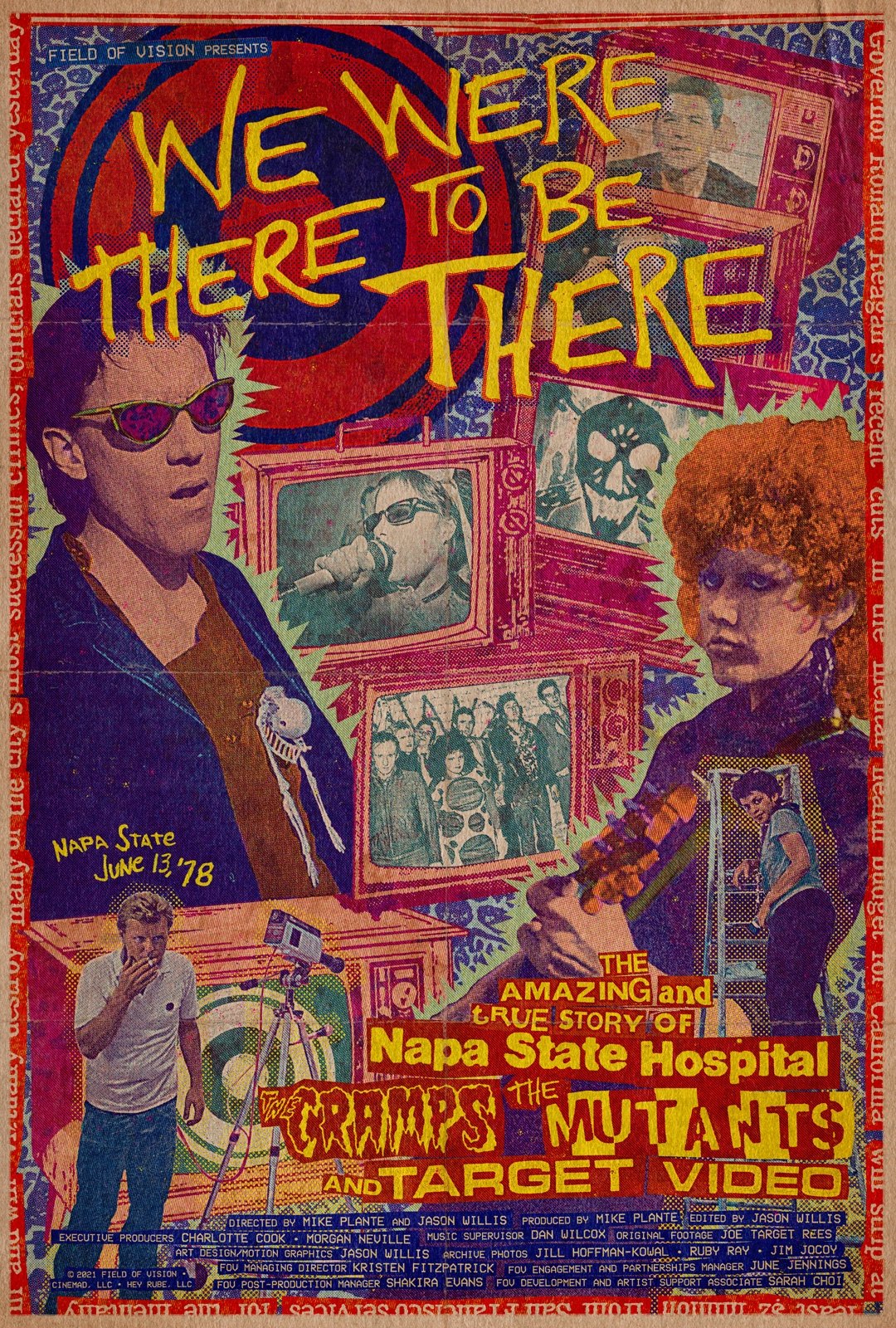
On June 13, 1978, the punk bands the Cramps and the Mutants played a free show for psychiatric patients at the Napa State Hospital in California. We Were There to Be There chronicles the people, politics, and cultural currents that led to the show and its live recording.
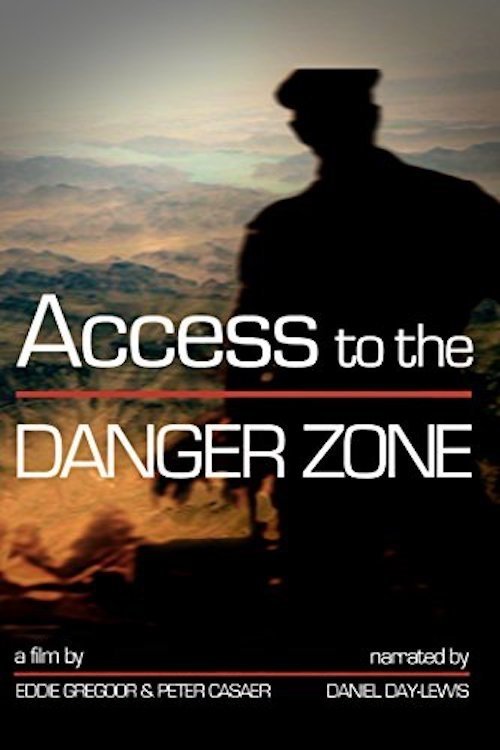
Directed by Peter Casaer and narrated by Daniel Day-Lewis, this documentary provides a harrowing look at the challenges of delivering humanitarian aid in armed conflicts. “Access to the Danger Zone” explores the strategies that Doctors Without Borders has employed to save lives in the world’s worst war zones, including Afghanistan, Somalia, and eastern Democratic Republic of Congo—strategies that are tested each and every day. Interviews with key experts from Doctors Without Borders, the International Committee of the Red Cross, and the United Nations are accompanied by dramatic footage shot in these countries in 2011 and 2012.
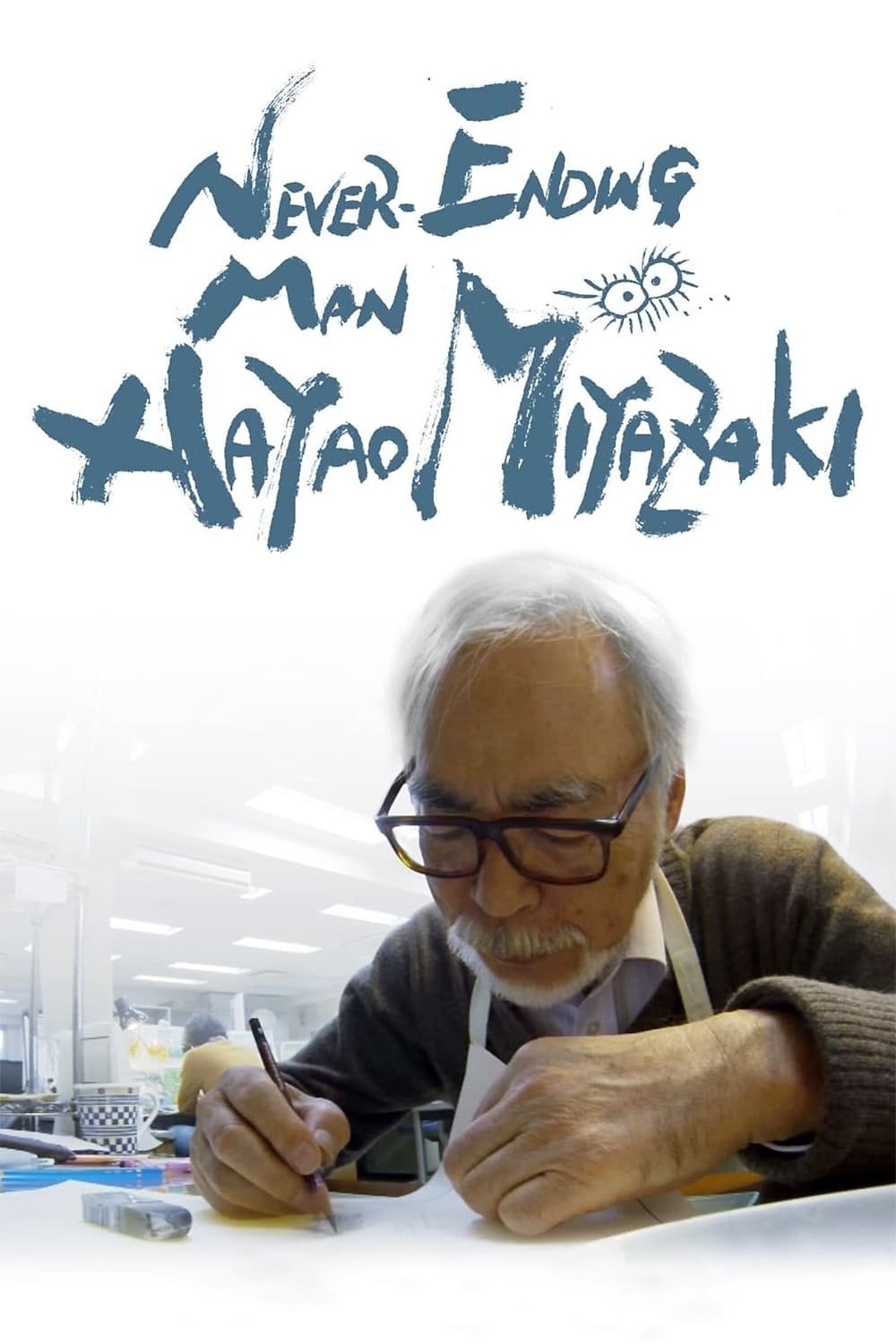
A look at legendary Japanese animator Hayao Miyazaki following his retirement in 2013.
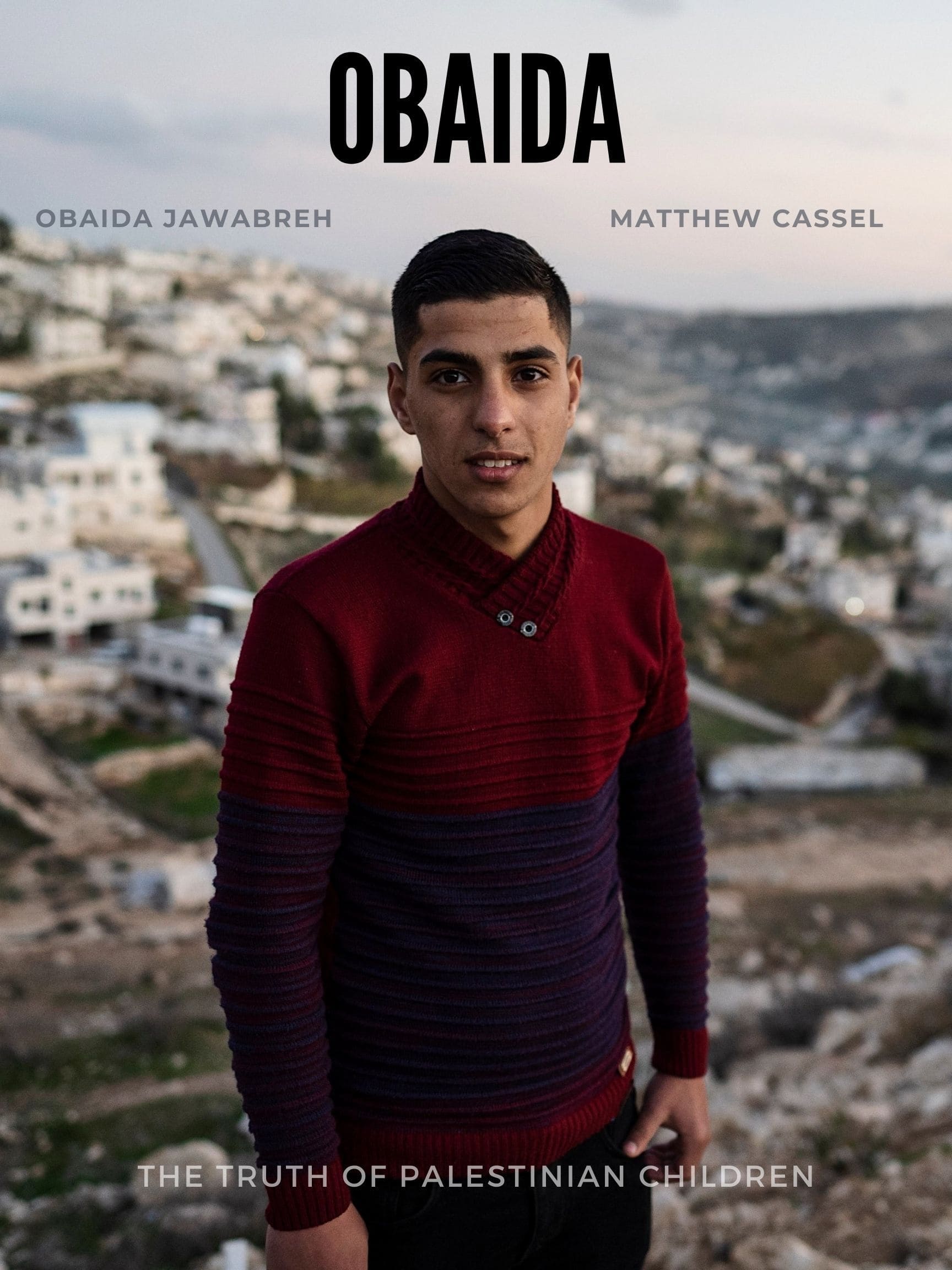
OBAIDA, a short film by Matthew Cassel, explores a Palestinian child’s experience of Israeli military arrest. Each year, some 700 Palestinian children undergo military detention in a system where ill-treatment is widespread and institutionalized. For these young detainees, few rights are guaranteed, even on paper. After release, the experience of detention continues to shape and mark former child prisoners’ path forward.
Filmed mostly on a Mini DV camera Gavin has thought of a quick way to become successful and be the master of the world but he has to wait for it all to fall into place… he has to wait for the postman to start production documenting the process of being master of the world.
Diam's, the beloved icon of French rap, gave up everything at the height of her success. The young woman experienced a real descent into hell: depression, loneliness, and disillusionment in the face of suffocating fame. On the brink of disaster, she found refuge in religion. Rare archives, memorable music videos, and previously unseen testimonials reveal the violence of her success and her vital need to disappear in order to rebuild herself, choosing the shadows after the light.
A journalist and a photographer set out to memorialize the bedrooms left behind by children killed in school shootings.
A love letter from a young mother to her daughter, the film tells the story of Waad al-Kateab’s life through five years of the uprising in Aleppo, Syria as she falls in love, gets married and gives birth to Sama, all while cataclysmic conflict rises around her. Her camera captures incredible stories of loss, laughter and survival as Waad wrestles with an impossible choice– whether or not to flee the city to protect her daughter’s life, when leaving means abandoning the struggle for freedom for which she has already sacrificed so much.
An unprecedented and intimate look at the life, work and enduring legacy of British actress Audrey Hepburn (1929-1993).
An experimental documentary that explores Saudi Arabia's relationship with the U.S. and the role this has played in the war in Afghanistan.
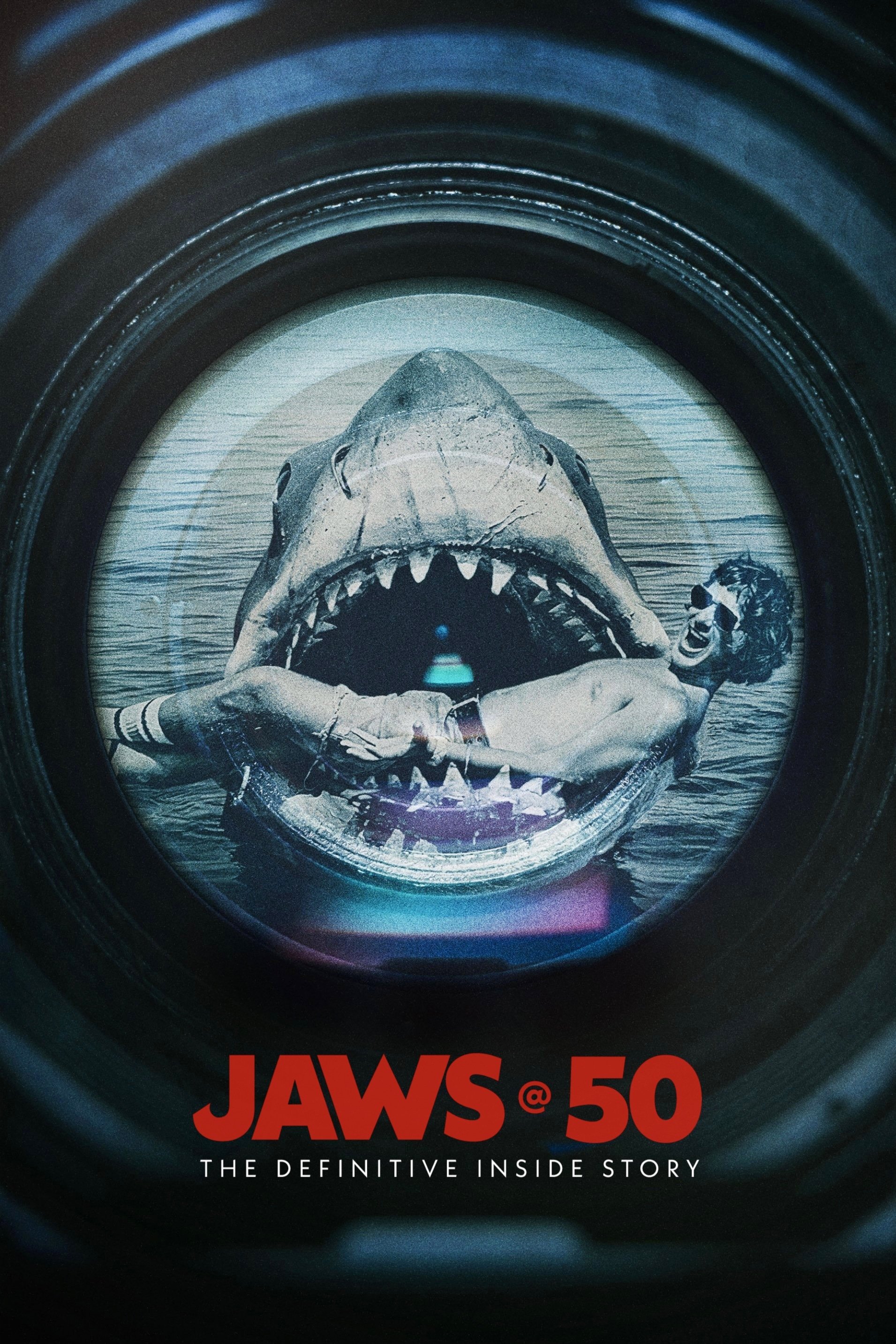
The authorized documentary celebrating the film that redefined Hollywood, 50 years after its premiere. Featuring rare archival footage and interviews with acclaimed Hollywood directors alongside Steven Spielberg, top shark scientists, and conservationists, the film uncovers the behind-the-scenes chaos and how the film launched the summer blockbuster, inspired a new wave of filmmakers, and paved the way for shark conservation that continues today.
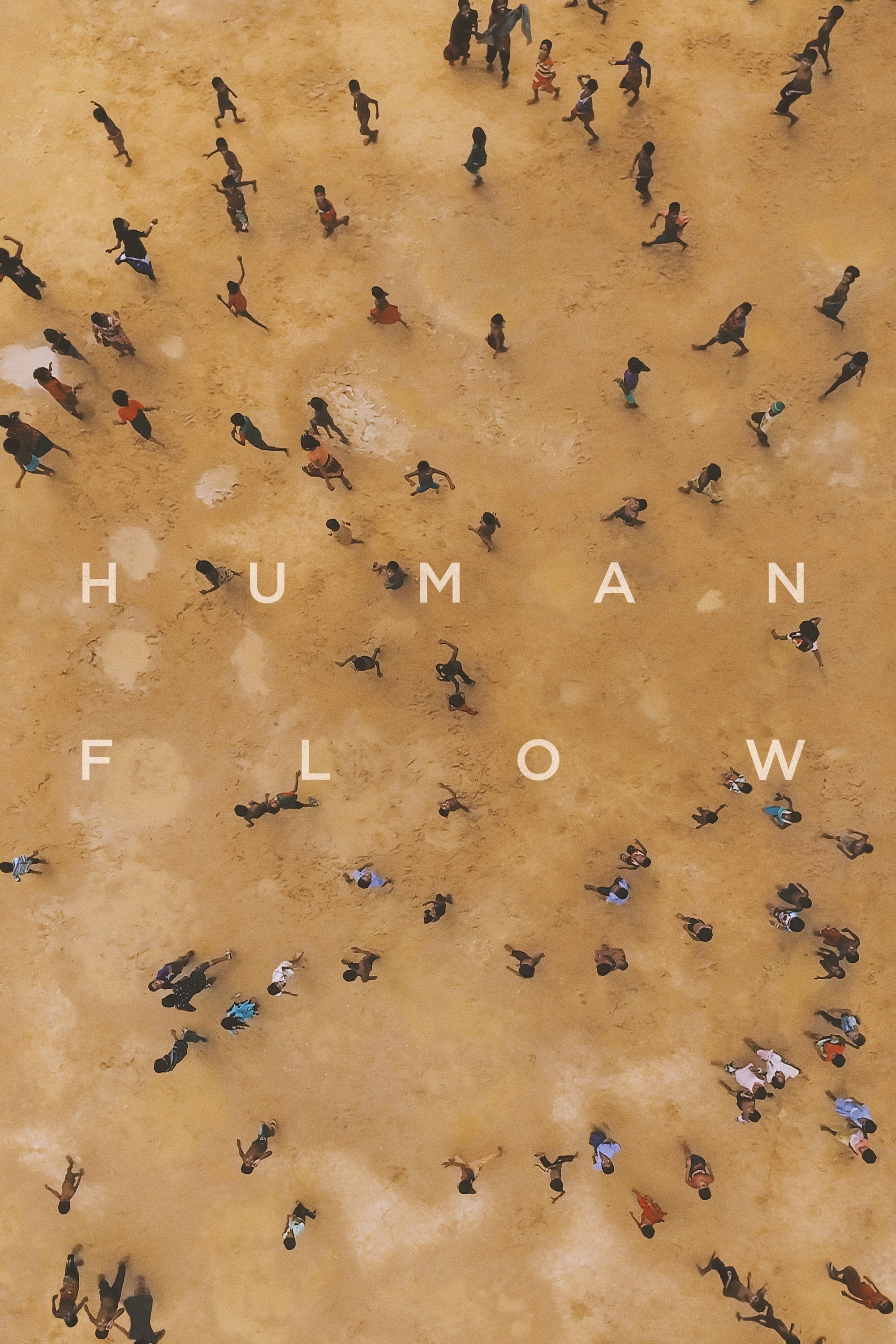
More than 65 million people around the world have been forced from their homes to escape famine, climate change and war, the greatest displacement since World War II. Filmmaker Ai Weiwei examines the staggering scale of the refugee crisis and its profoundly personal human impact. Over the course of one year in 23 countries, Weiwei follows a chain of urgent human stories that stretch across the globe, including Afghanistan, France, Greece, Germany and Iraq.
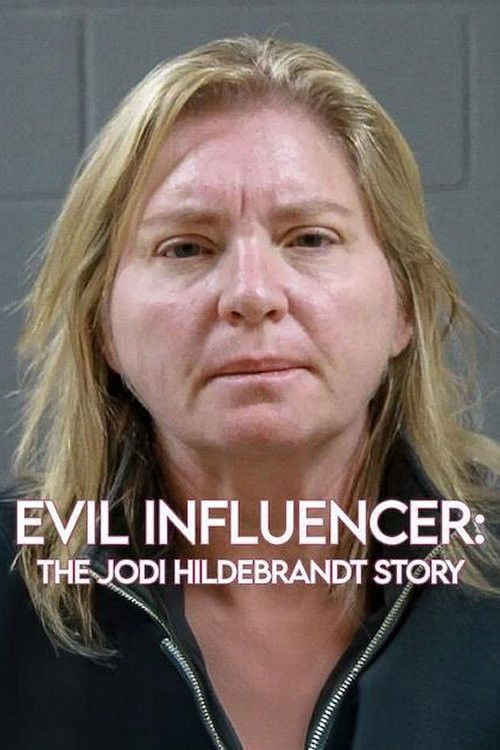
Unravel the case of Utah therapist Jodi Hildebrandt, whose child abuse arrest with parenting YouTuber Ruby Franke exposed a twisted tale of manipulation.
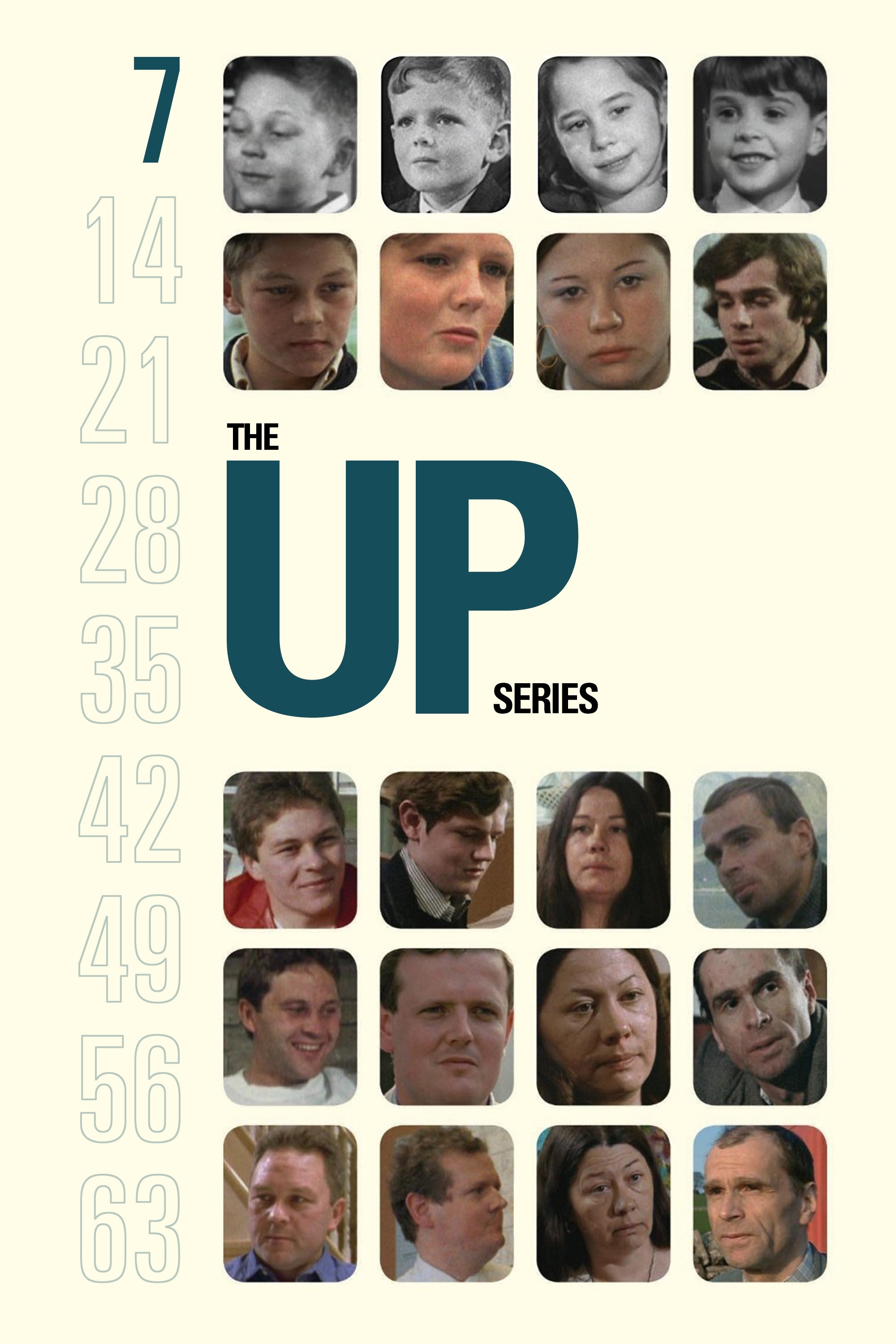
A group of British children aged 7 from widely ranging backgrounds are interviewed about a range of subjects. The filmmakers plan to re-interview them at 7 year intervals to track how their lives and attitudes change as they age.
Join the likes of Jeremy Renner, Hailee Steinfeld, Florence Pugh, and Vincent D’Onofrio as they reveal how Marvel Studios’ “Hawkeye” was conceived and created. Witness firsthand what it took to pull off the show’s pulse-pounding action set pieces, and discover how iconic characters from the pages of Marvel Comics such as Kate Bishop were adapted and brought to life for the six-episode series.
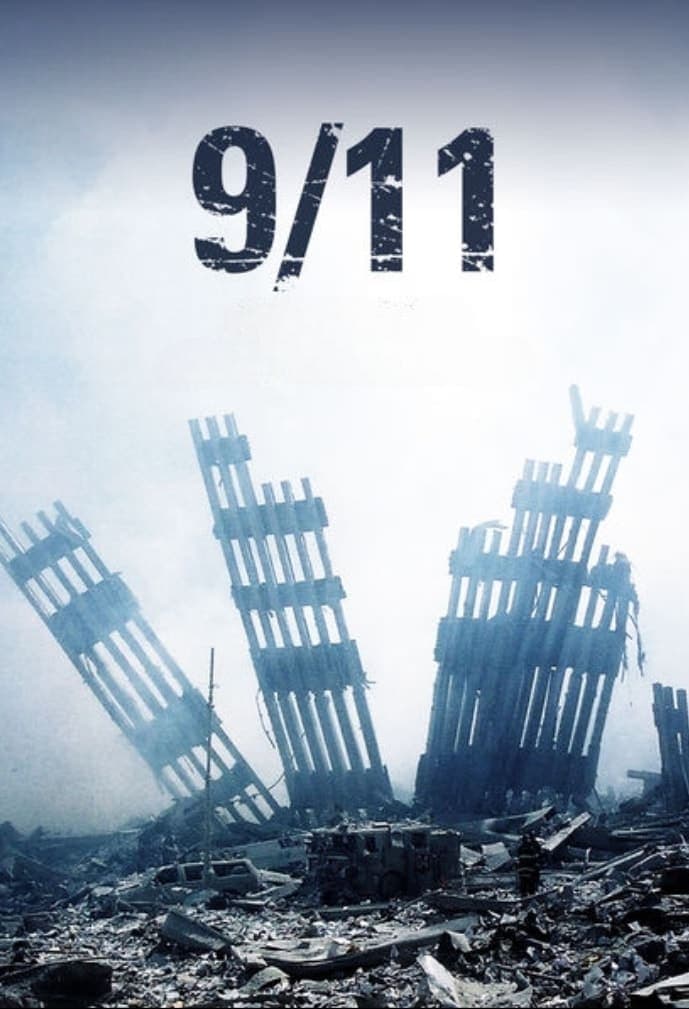
An on-the-scene documentary following the events of September 11, 2001 from an insider's view, through the lens of two French filmmakers who simply set out to make a movie about a rookie NYC fireman and ended up filming the tragic event that changed our lives forever.
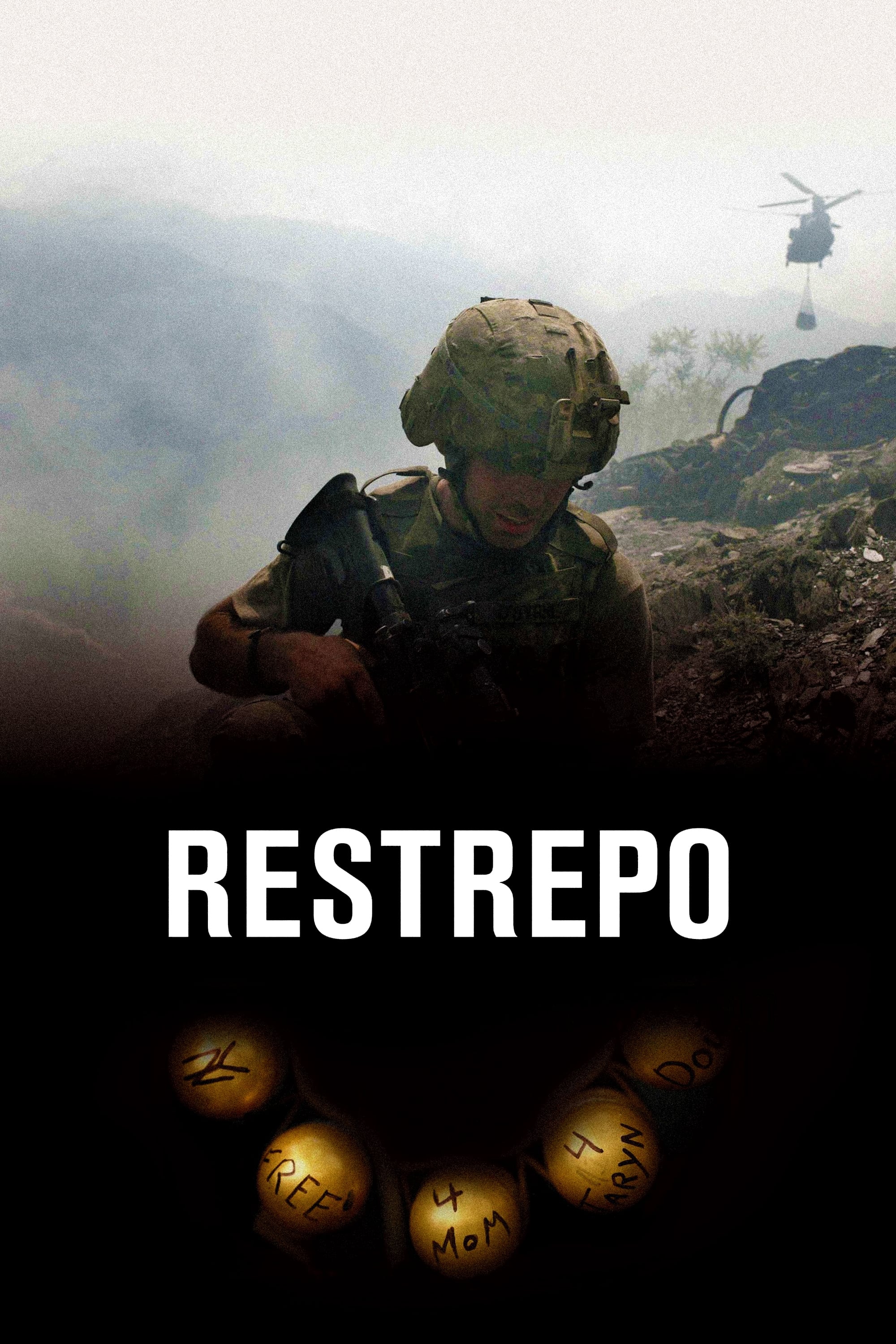
Directors Hetherington and Junger spend a year with the 2nd Battalion of the United States Army located in one of Afghanistan's most dangerous valleys. The documentary provides insight and empathy on how to win the battle through hard work, deadly gunfights and mutual friendships while the unit must push back the Taliban.
Elizabeth Smart's harrowing abduction at 14 from her family's Utah home unfolds through her own words and never-before-seen material in this documentary.
In 2019, Nepalese mountain climber Nirmal “Nims” Purja set out to do the unthinkable by climbing the world’s fourteen highest summits in less than seven months. (The previous record was eight years). He called the effort “Project Possible 14/7” and saw it as a way to inspire others to strive for greater heights in any pursuit. The film follows his team as they seek to defy naysayers and push the limits of human endurance.
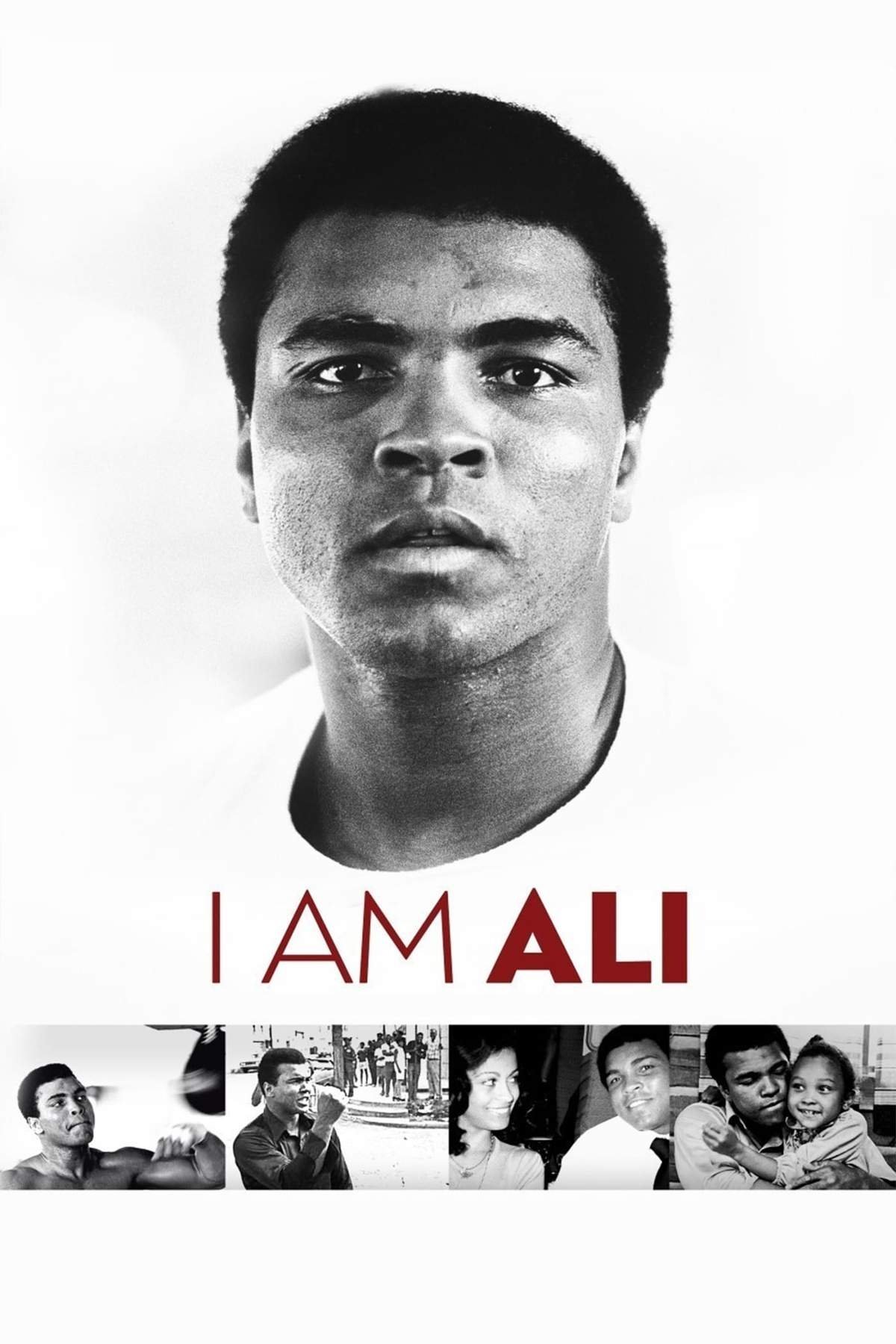
Unprecedented access to Muhammad Ali's personal archive of "audio journals" as well as interviews and testimonials from his inner circle of family and friends are used to tell the legend's life story.
This revealing documentary honors the legendary Sidney Poitier—iconic actor, filmmaker, and civil rights activist. Featuring interviews with Denzel Washington, Spike Lee, Halle Berry, and more.
Stars of "The Walking Dead," Andrew Lincoln and Danai Gurira, walk down memory lane and visit iconic locations where pivotal moments between their characters, Rick and Michonne, were filmed.
Using hidden cameras and never-before-seen footage, Earthlings chronicles the day-to-day practices of the largest industries in the world, all of which rely entirely on animals for profit.
14-year-old Laura Dekker sets out on a two-year voyage in pursuit of her dream to become the youngest person ever to sail around the world alone.
Amid the failing counteroffensive, a journalist follows a Ukrainian platoon on their mission to traverse one mile of heavily fortified forest and liberate a strategic village from Russian occupation. But the farther they advance through their destroyed homeland, the more they realize that this war may never end.
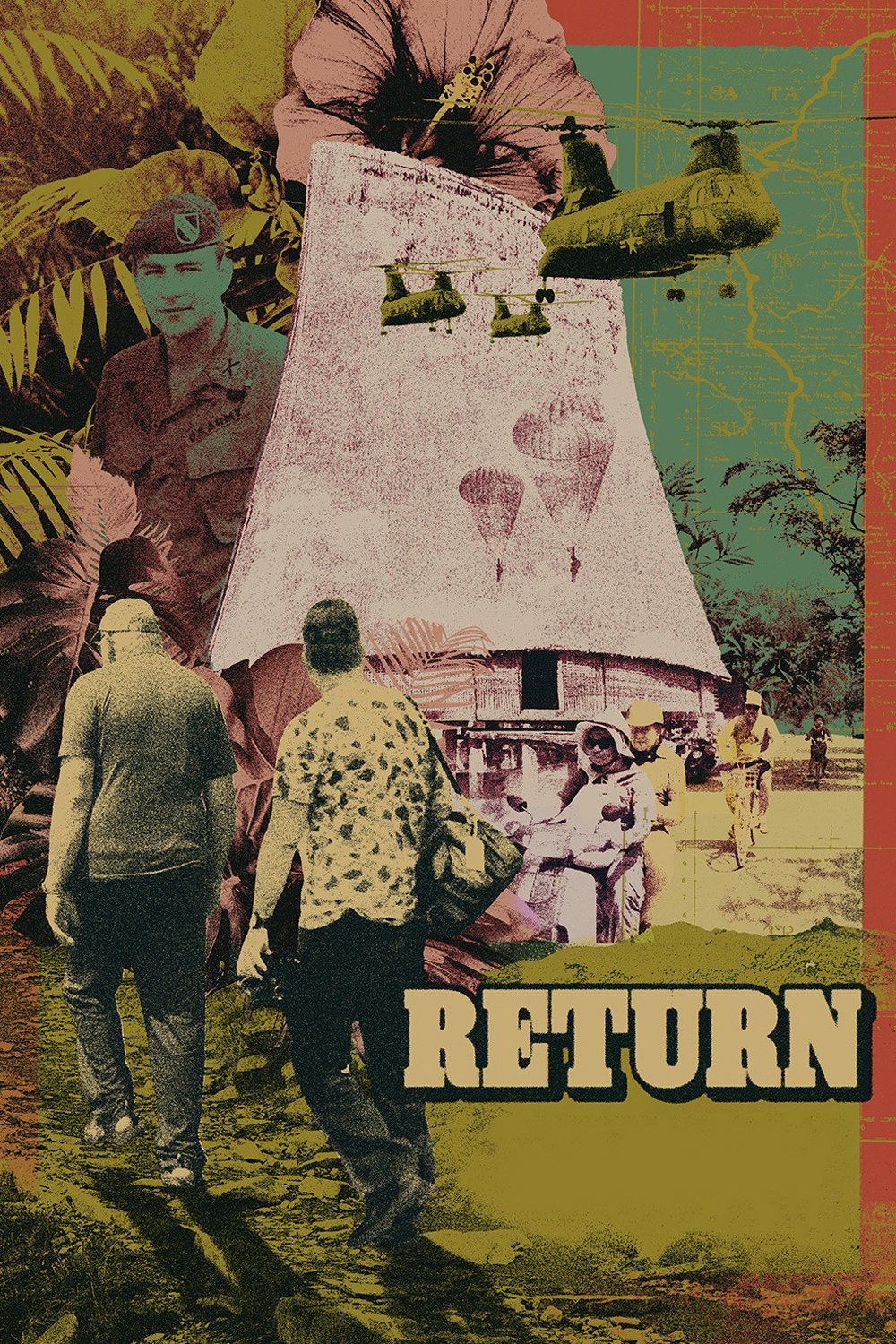
RETURN tells the story of a retired Green Beret who embarks on a healing journey from Montana to Vietnam. There he retraces his steps, shares his wartime experiences with his son, treats his Post-Traumatic Stress Disorder, and seeks out the mountain tribespeople he once lived with and fought alongside as a Special Forces officer.