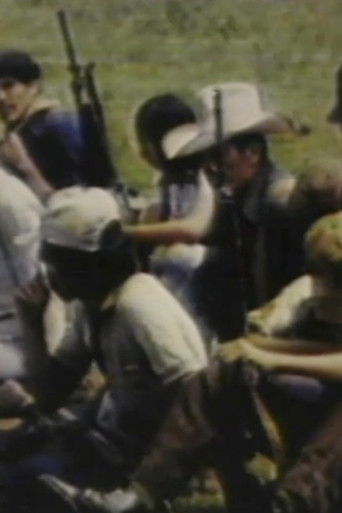
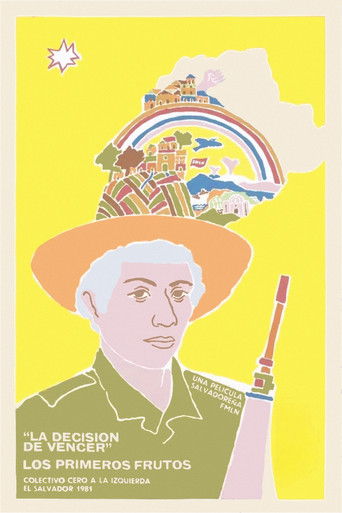
Filmed on the war fronts of Chalatenango and Guazapa, the film is based on the construction of Local Popular Powers (PPL) in areas under guerrilla control.
Social & External
This documentary juxtaposes scenes of El Salvador's opposition factions, including U.S. government advisors and government troops, and guerrillas and their sympathizers.
It is El Salvador, 1989, three years before the end of a brutal civil war that took 75,000 lives. Maria Serrano, wife, mother, and guerrilla leader is on the front lines of the battle for her people and her country. With unprecedented access to FMLN guerrilla camps, the filmmakers dramatically chronicle Maria's daily life in the war.
A documentary about the rival gangs Mara 18 and Mara Salvatrucha, originating in Los Angeles but terrorizing El Salvador. It explores their origins as possible founding myths of organized crime in a globalized world.
Years after the Salvadoran military destroyed the village of Cinquera in that country’s civil war, survivors have returned to rebuild their community. Soulful, beautifully rendered, this amazing debut is an evocative testament to place, memory and the power of life to rebound from tragedy.
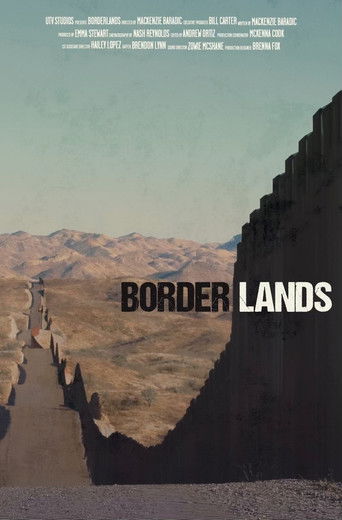
Fleeing the 1980 Civil War in El Salvador, Dora Rodriguez, among a group of twenty-five asylum seekers, were abandoned by their guide and left to fend for themselves in the relentless Sonoran desert of Arizona.
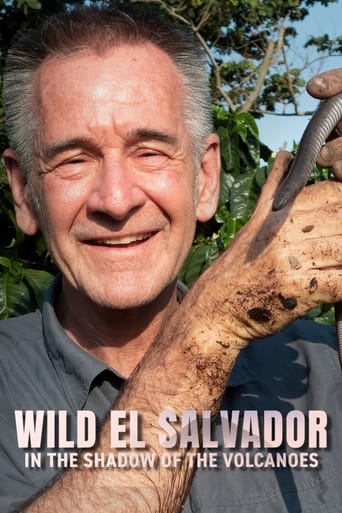
Join affable presenter Nigel Marven as he explores El Salvador, the volatile land of volcanoes with a colorful culture and natural history. Follow along as he climbs an active volcano near the capital San Salvador, comes face-to-face with a crocodile, cuddles a caecilian, fights fire with fire, dives deep into a volcanic lake, and discovers the Pompeii of Central America.
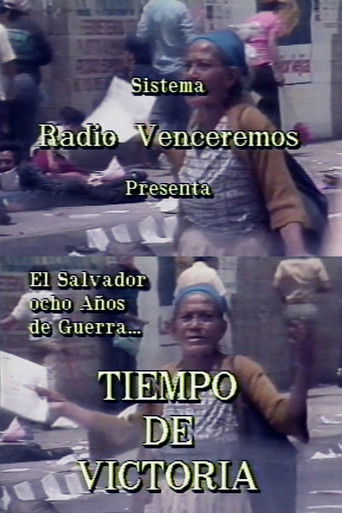
The battle of El Salvador and its revolutionary history, from the time of the Spanish conquest and colonization, to the insurgency of the 80s, approached by a Puerto Rican filmmaker immersed in the conflict. Depicts a host of F.M.L.N. guerrillas marching forth from Monte Alzaco, the spiritual home of Salvadoran resistance.
A powerful three-part documentary studying the US involvement in Guatemala, El Salvador and Nicaragua. The differing factions - Sandinista leaders, Guatemalan campesinos, CIA operatives, Contras and US government apologists - are interviewed and, in the absence of a controlling narration, the audience is encouraged to draw its own conclusions.
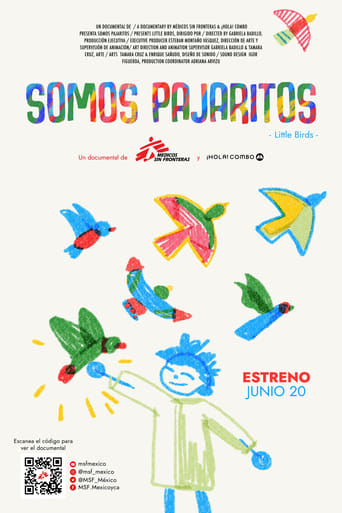
Through dances and games, migrant boys and girls who live in a shelter in Reynosa, on the US-Mexico border, shared their dreams and stories of hope with us.
In the early 1980s, at the beginning of what would become a 12-year-long civil war, El Salvador's talented football team was one national institution upon which both the left and the right could agree. When the team pulled off a stunning 1-0 upset against Mexico and qualified to compete in the 1982 World Cup, it was a high point for the tiny country's national pride. Unfortunately, the team's Cinderella story devolved into a nightmarish farce.
An experimental short film about a day in the life of a barefoot boy who sells newspapers in San Salvador.
In El Salvador, Chelino tells about the indigenous massacre of 1932, of which he survived, while he teaches the melodies of traditional Salvadoran dances.
Filmed during the Salvadoran civil war, La luz que te decía documents the struggles of the country’s labor and trade union movement amid escalating political violence. Through strike footage, congress meetings, marches, and first-person testimonies, the film portrays a society marked by state repression, workers’ mobilization, and efforts to build national and international solidarity. The documentary pays particular attention to the strike of the National Water Authority workers (ANDA), featuring members of the SETA union who describe the causes of the protest, the repression they faced, and the survival strategies adopted during the conflict. Testimonies from other unions, grassroots organizations, and international labor groups broaden the film’s perspective beyond a single labor dispute.
This documentary examines the formation of labor unions in El Salvador and the systematic violations of workers’ rights that characterized the country during the 1980s. Through testimonies and on-the-ground footage, it exposes the climate of employer authoritarianism and repression faced by workers, situating these conflicts within a broader history of social unrest that dates back to the 1930s and re-emerged with intensity in the 1980s. The film also depicts how the guerrilla movement carried out campaigns of political and labor awareness among peasants and workers, encouraging collective organization and the defense of labor rights. Ultimately, the documentary reveals the “two faces” of El Salvador: on one side, state power embodied by the army and the police; on the other, the opposition represented by guerrilla forces and grassroots popular organizations.
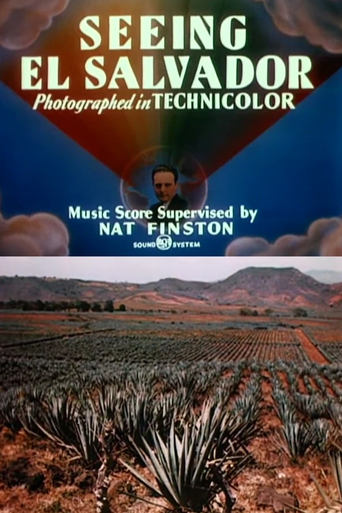
This Traveltalk series short starts in San Salvador, El Salvador's capital, emphasizing the Spanish architectural heritage. We then go to the Izalco Volcano, which was created in 1770 by an eruption of the Santa Ana Volcano. The focus then shifts to the country's agriculture. The two main products are coffee and henequen, a plant with tough, fibrous leaves used to make rope, baskets, and other products.
In late 1980, the bodies of four American women were exhumed from a crude grave in El Salvador. The women - Ita Ford and Maura Clarke, nuns of the Maryknoll Congregation in New York; Dorothy Kazel, a nun in the Ursuline Sisters of Cleveland; and Jean Donovan, a lay missionary from the Cleveland Mission - had been abducted, raped, and murdered. An investigation led to the trial and conviction of five Salvadoran National Guardsmen.
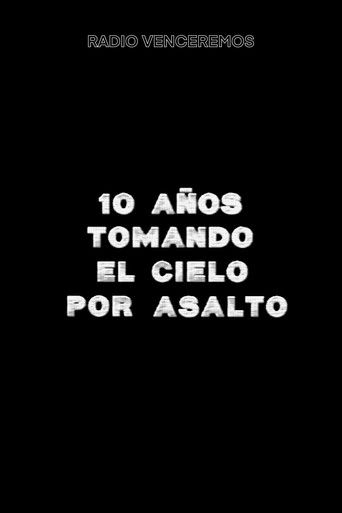
Produced by the Radio Venceremos System, chronicles the first decade of the guerrilla broadcaster that became a crucial communication tool for the FMLN during El Salvador’s civil war. Through archival footage, radio transmissions, testimonies, and scenes of daily life in liberated zones, the film traces the station’s military, political, and cultural role, from reporting on combat operations and peasant struggles to fostering literacy, music, and international solidarity. The documentary portrays Radio Venceremos not only as a strategic instrument of war, but as a symbol of resistance, collective organization, and revolutionary memory.
January 22, 1932. An unprecedented peasant uprising erupts in western El Salvador, as a group of Latino and indigenous peasants cut army supply lines, attack a military garrison, and take control over several towns. Retribution is swift. After three days, the army and militias move in and, in some villages, slaughter all males over age 12. Elsewhere, they summarily execute anyone suspected of having a link to the Communists. Over the next few weeks, 10,000 people are massacred.
A visual montage portrait of our contemporary world dominated by globalized technology and violence.
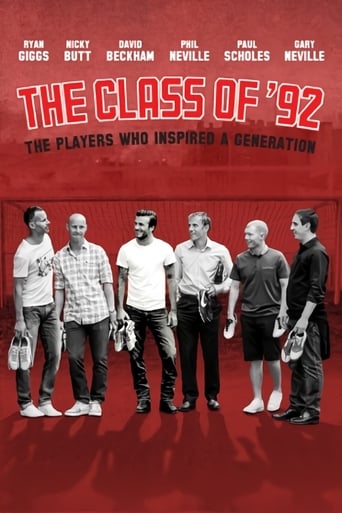
A detailing of the rise to prominence and global sporting superstardom of six supremely talented young Manchester United football players (David Beckham, Nicky Butt, Ryan Giggs, Paul Scholes, Phil and Gary Neville). The film covers the period 1992-1999, culminating in Manchester United's European Cup triumph.
A documentary on why 'Money Heist' sparked a wave of enthusiasm around the world for a lovable group of thieves and their professor.
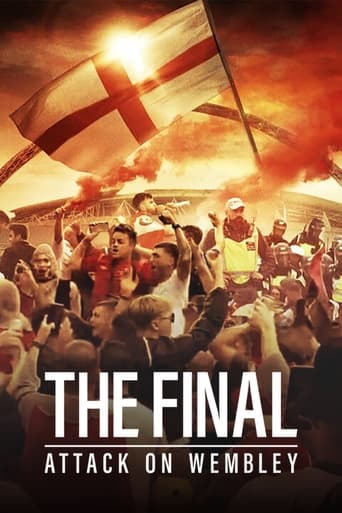
As England reach the final of the Euros at last, 6,000 ticketless football fans storm Wembley stadium, leaving destruction in their wake.
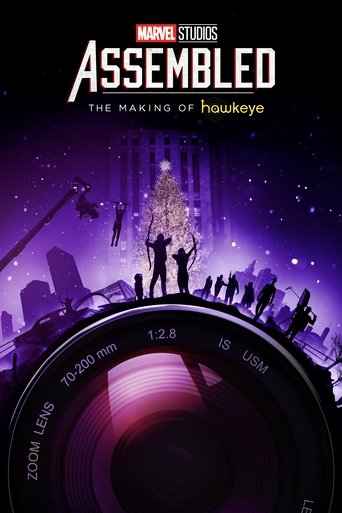
Join the likes of Jeremy Renner, Hailee Steinfeld, Florence Pugh, and Vincent D’Onofrio as they reveal how Marvel Studios’ “Hawkeye” was conceived and created. Witness firsthand what it took to pull off the show’s pulse-pounding action set pieces, and discover how iconic characters from the pages of Marvel Comics such as Kate Bishop were adapted and brought to life for the six-episode series.
The Making of the TV Series The Walking Dead.
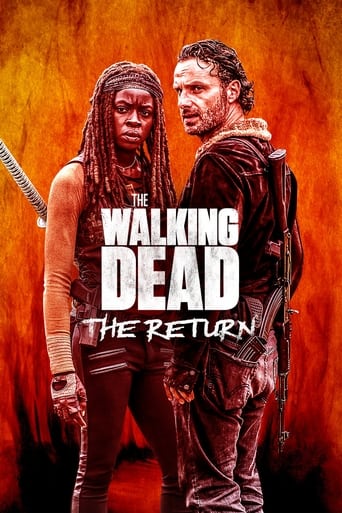
Stars of "The Walking Dead," Andrew Lincoln and Danai Gurira, walk down memory lane and visit iconic locations where pivotal moments between their characters, Rick and Michonne, were filmed.
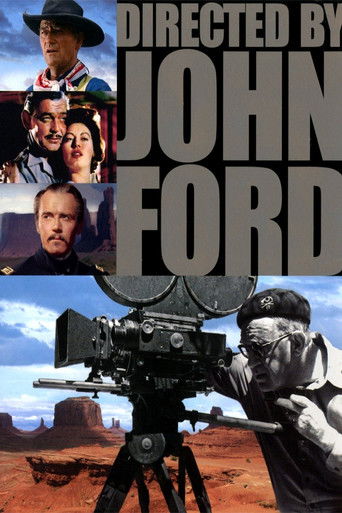
A documentary about the life and films of director John Ford.
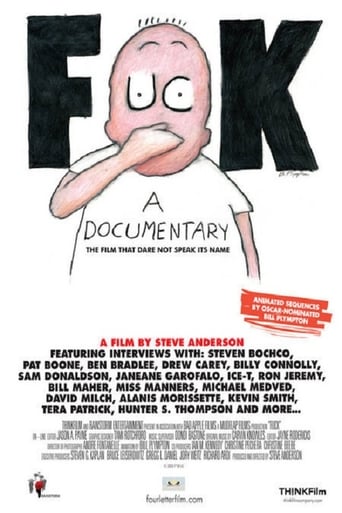
A documentary on the expletive's origin, why it offends some people so deeply, and what can be gained from its use.
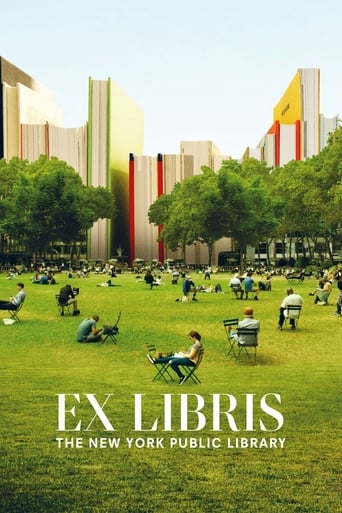
A documentary about how a dominant cultural and demographic institution both sustains their traditional activities and adapts to the digital revolution.
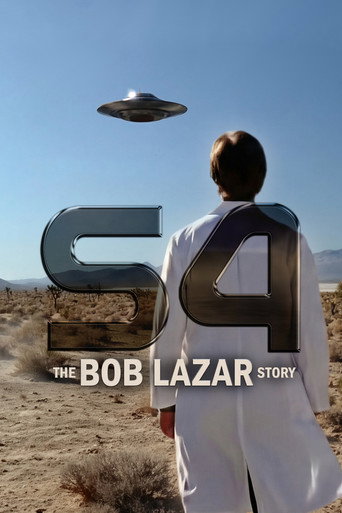
A look at the origins, history and conspiracies behind the "Majestic 12", a clandestine group of military and corporate figureheads charged with reverse-engineering extraterrestrial technology.
Brilliant, long in-the-works story of the life and art of the world's greatest comedian and the cinema's first genius, Charlie Chaplin. Produced, written and directed by renowned film critic Richard Schickel.
From the heights of her modeling fame to her tragic death, this documentary reveals Anna Nicole Smith through the eyes of the people closest to her.
Go behind the scenes and witness how the "Squid Game"-inspired reality show transformed from a scripted drama to a cutthroat, nail-biting competition.
A documentary about the sport of boxing, as seen through the eyes of champions Mike Tyson, Evander Holyfield and Bernard Hopkins.
The definitive 3½-hour documentary about the troubled creation and enduring legacy of the science fiction classic 'Blade Runner', culled from 80 interviews and hours of never-before-seen outtakes and lost footage.
JB Smoove and Martin Starr host a celebration of 20 years of "Spider-Man" movies, from the Sam Raimi trilogy to Marc Webb's movies and the trio from Jon Watts.
When Allied forces liberated the Nazi concentration camps in 1944-45, their terrible discoveries were recorded by army and newsreel cameramen, revealing for the first time the full horror of what had happened. Making use of British, Soviet and American footage, the Ministry of Information’s Sidney Bernstein (later founder of Granada Television) aimed to create a documentary that would provide lasting, undeniable evidence of the Nazis’ unspeakable crimes. He commissioned a wealth of British talent, including editor Stewart McAllister, writer and future cabinet minister Richard Crossman – and, as treatment advisor, his friend Alfred Hitchcock. Yet, despite initial support from the British and US Governments, the film was shelved, and only now, 70 years on, has it been restored and completed by Imperial War Museums under its original title "German Concentration Camps Factual Survey".
Martin Scorsese’s portrait of writer and social commentator Fran Lebowitz, celebrated for her sharp wit and observations on modern life. Filmed at New York’s Waverly Inn and intercut with archival footage and interviews, the documentary captures Lebowitz’s distinctive worldview through her spontaneous monologues and public appearances.
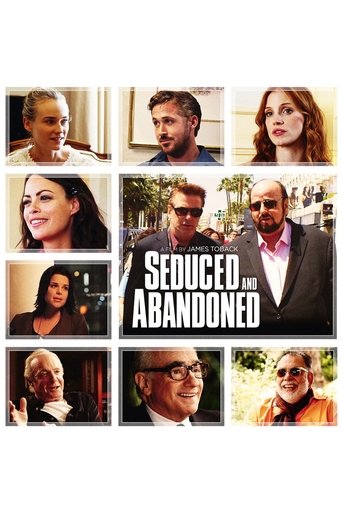
SEDUCED AND ABANDONED combines acting legend Alec Baldwin with director James Toback as they lead us on a troublesome and often hilarious journey of raising financing for their next feature film. Moving from director to financier to star actor, the two players provide us with a unique look behind the curtain at the world's biggest and most glamourous film festival, shining a light on the bitter-sweet relationship filmmakers have with Cannes and the film business. Featuring insights from directors Martin Scorsese, 'Bernando Bertolucci' and Roman Polanski; actors Ryan Gosling and Jessica Chastain and a host of film distribution luminaries.