"A hero's dichotomy"
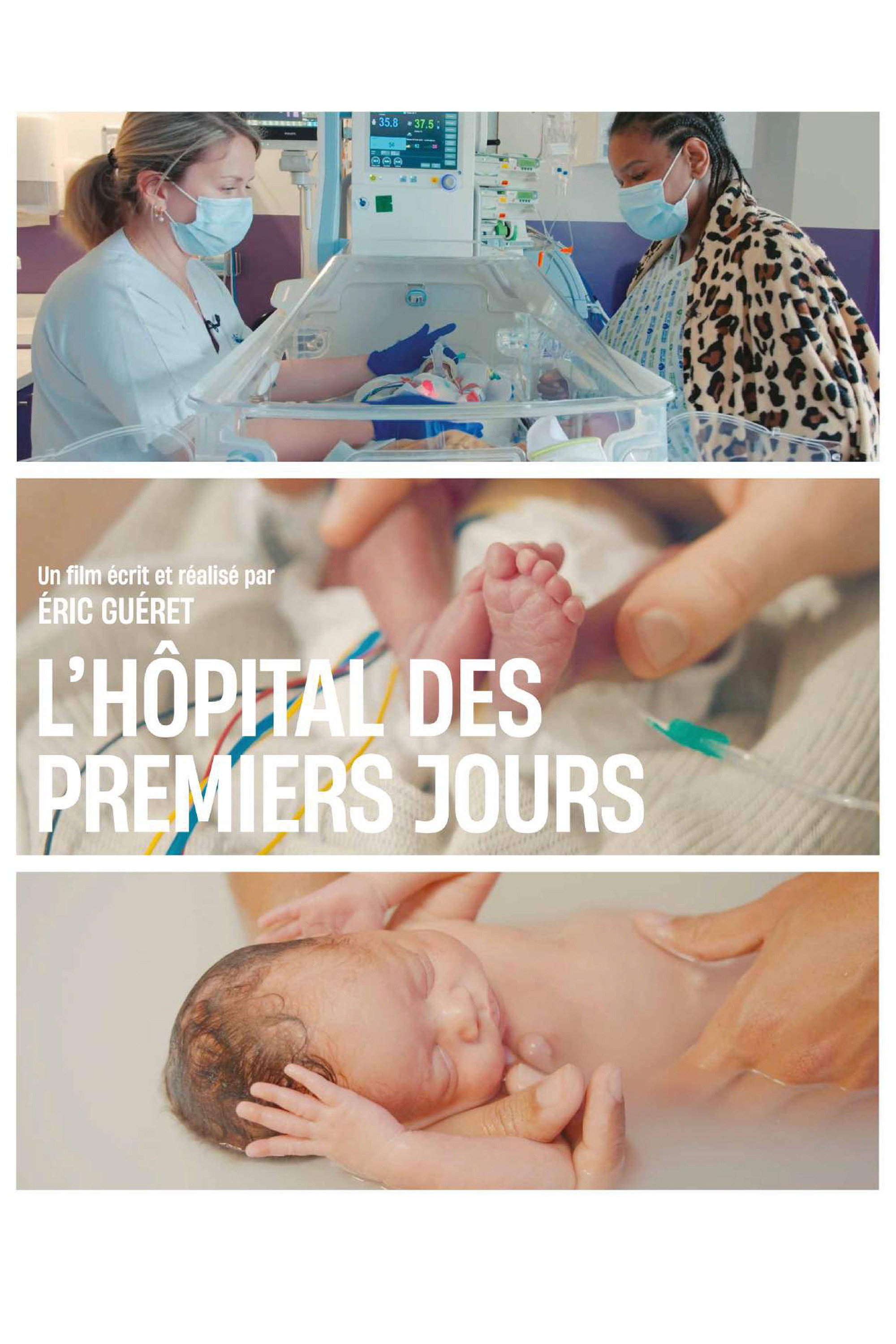
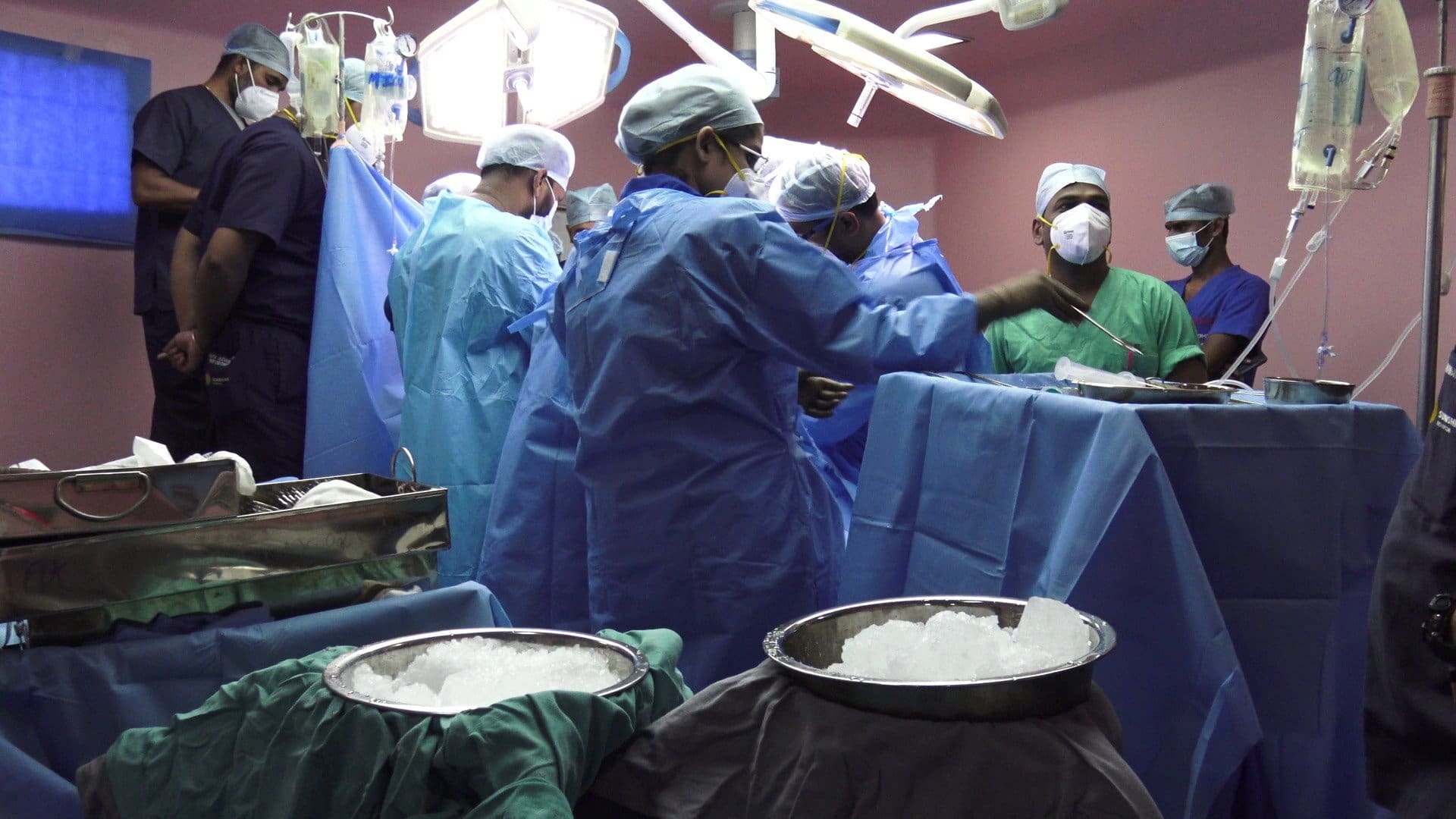
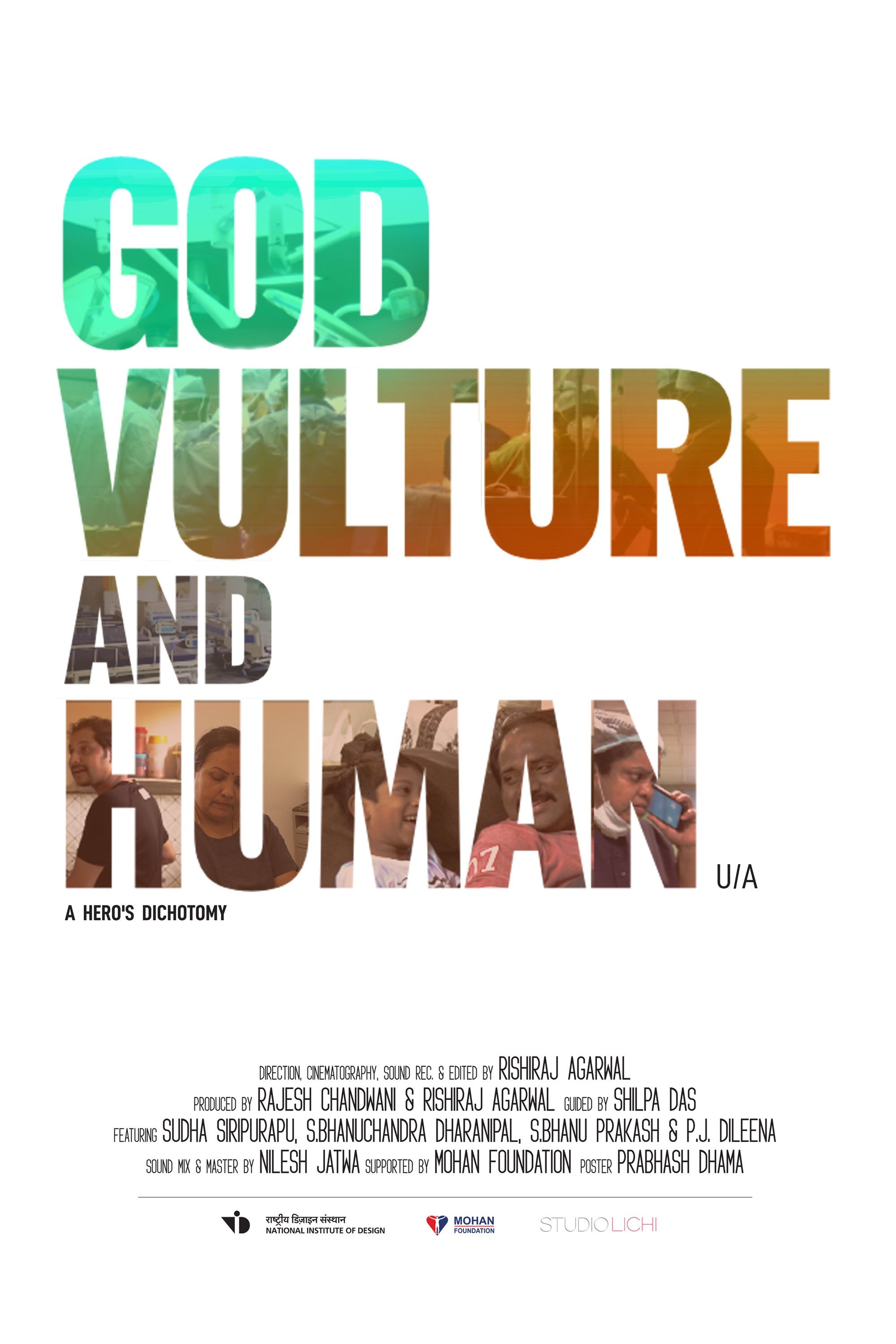
The film explores the subject of organ donation through the lens of transplant coordinators, highlighting their role in the process of organ donation, retrieval and transplantation.

Social & External
Self
Self (Voice)
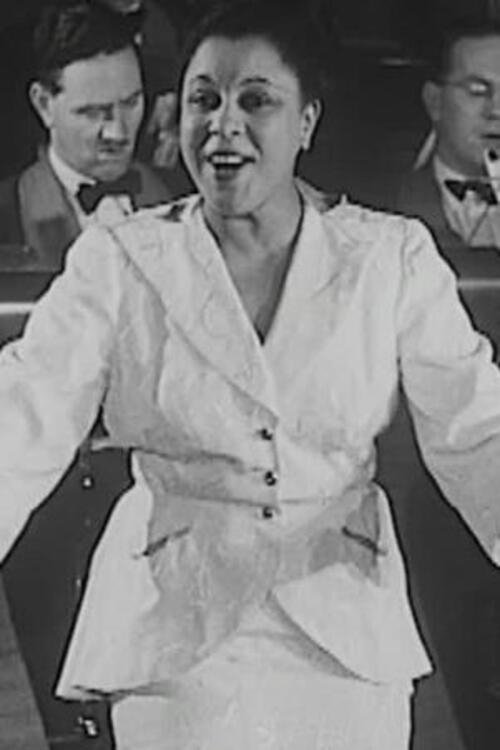
Prince George, who later became the Duke of Kent, takes in some dramatic scenes in a local steelworks, opens a trunk road, and visits the War Memorial Hospital to open a new nurses' home - where his presence is eagerly awaited by giggling nurses.
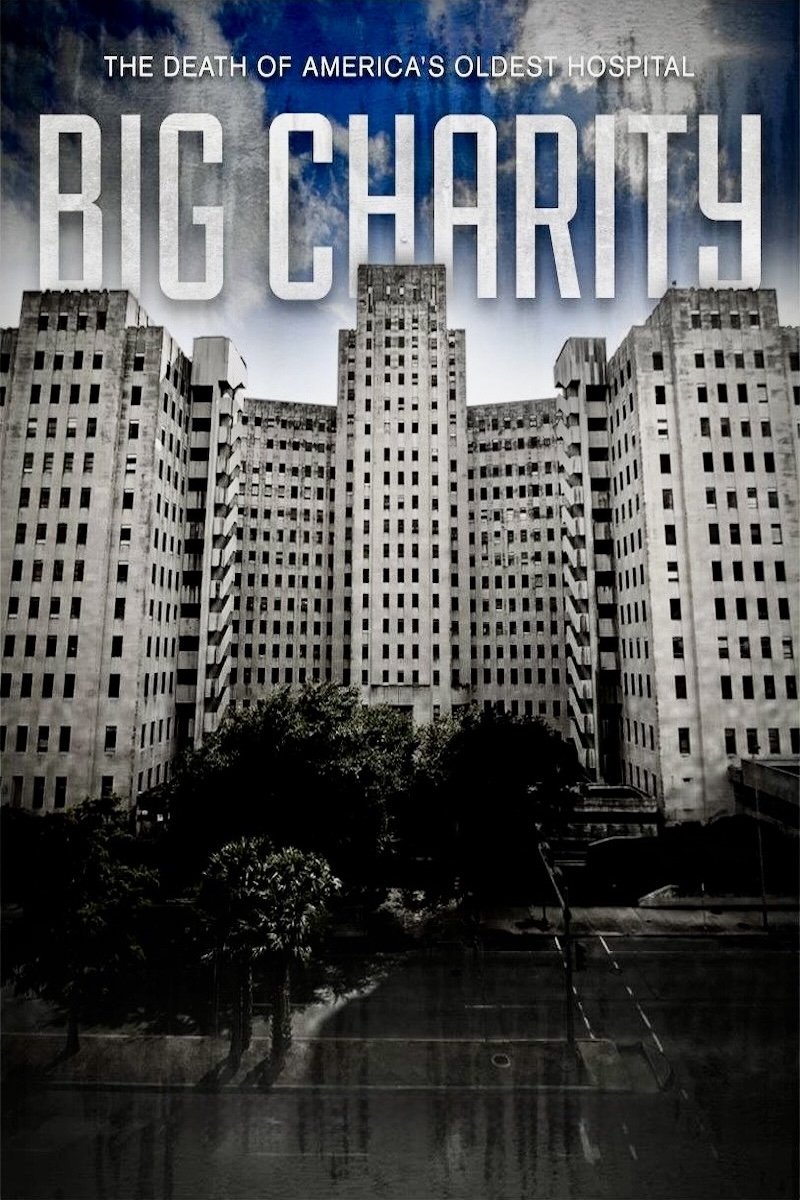
This documentary film includes never-before-seen footage and exclusive interviews to tell the story of Charity Hospital, from its roots to its controversial closing in the wake of Hurricane Katrina. From the firsthand accounts of healthcare providers and hospital employees who withstood the storm inside the hospital, to interviews with key players involved in the closing of Charity and the opening of New Orleans’ newest hospital, “Big Charity” shares the untold, true story around its closure and sheds new light on the sacrifices made for the sake of progress.
Phases of Matter follows living and inanimate residents of a teaching hospital in Istanbul, moving from the operating room to the morgue, between life and other states, the real and the virtual.
Edeltraut Hertel - a midwife caught between two worlds. She has been working as a midwife in a small village near Chemnitz for almost 20 years, supporting expectant mothers before, during and after the birth of their offspring. However, working as a midwife brings with it social problems such as a decline in birth rates and migration from the provinces. Competition for babies between birthing centers has become fierce, particularly in financial terms. Obstetrics in Tanzania, Africa, Edeltraud's second place of work, is completely different. Here, the midwife not only delivers babies, she also trains successors, carries out educational and development work and struggles with the country's cultural and social problems.
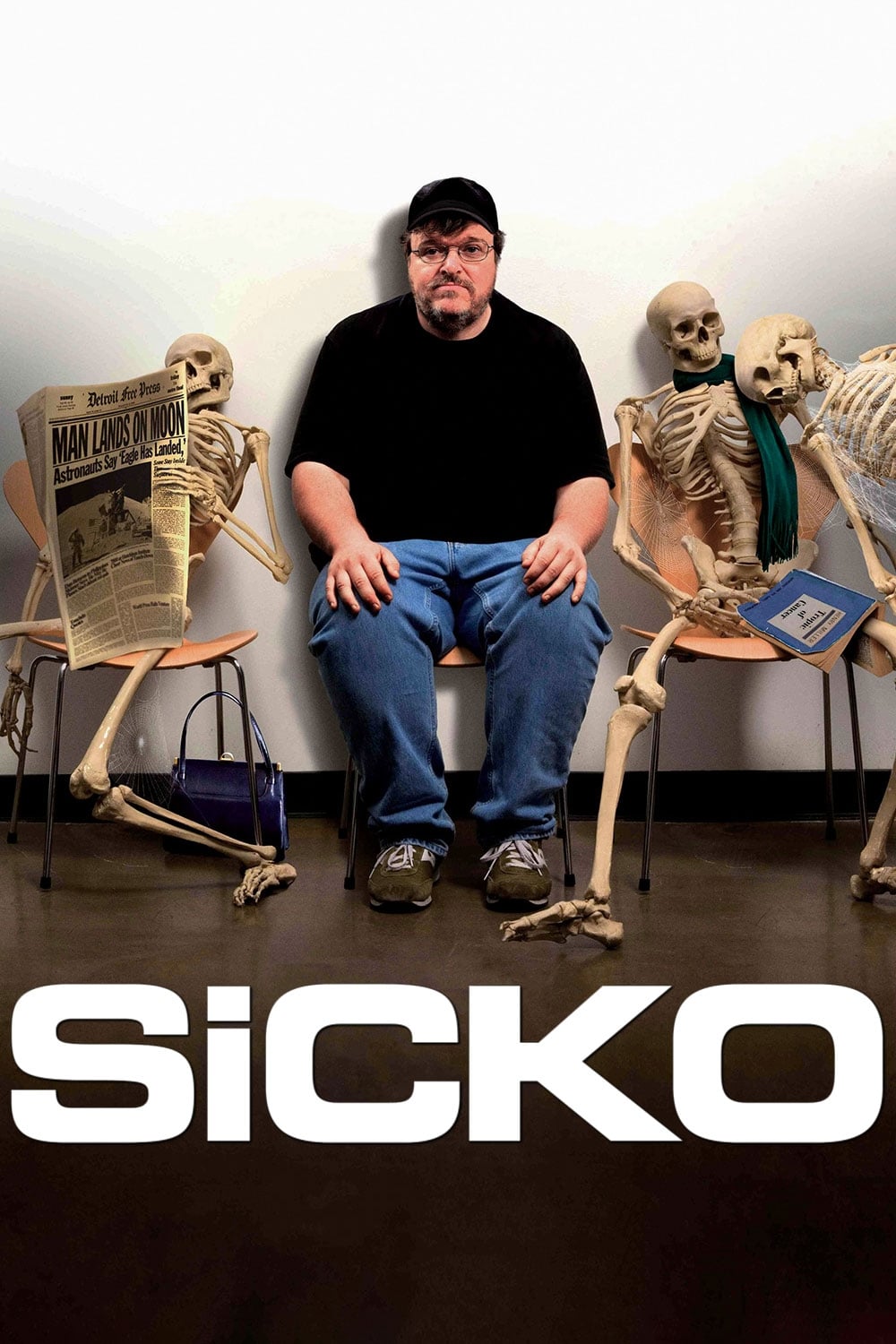
A documentary about the corrupt health care system in The United States whose main goal is to make profit even if it means losing people’s lives. "The more people you deny health insurance, the more money we make" is the business model for health care providers in America.
After a tragic series of events in his life, Rob discovers the over-the-counter drug known as codeine. The effects of the pill are so strong and addictive, that soon, Rob becomes dependant and consumes them daily. But the less he feels the more he misses, as his life degrades into a deep, dangerous, oblivion of bliss.
I started from the assumption that the discourse about the hospital could be the objective pretext for communication between two people, the link that allows them to continue writing to each other, the intermediary between two desires.
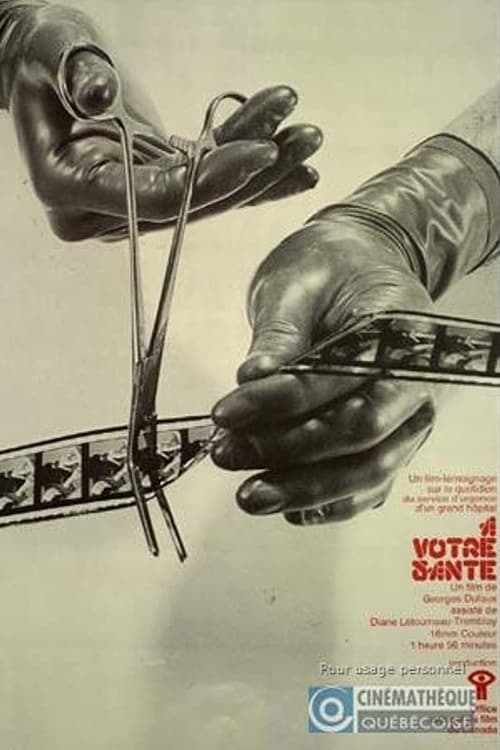
This 1959 documentary short is a frank portrait of the daily operations inside the Montreal General Hospital’s emergency ward.
Australia is well behind the Western world in organ and tissue donor rates, causing immense suffering for those awaiting organs, while donors inspire us with their gift of life.
A symmetrically divided building: on one side, an important public hospital, on the other, a bewildering ruin. On the horizon, Rio de Janeiro, public health, education and Brazil’s aged modern project. Shot entirely in the monumental and only partially occupied modernist edifice of the University Hospital of UFRJ. A material metaphor of the Brazilian public sphere and its political maze. A synthesis architecturally expressed of the modernist utopia/dystopia.
Alana and Lori were just two LGBT 20-somethings looking for love on Tinder when a casual right swipe made a match that would bind them together forever. Within a few weeks of meeting, Lori learned that Alana suffers from Lupus and has been waiting on the kidney transplant list for years. The state of New York, where Alana lives, has the lowest number of organ donors in the country, and because of her complex medical background, her chances of finding a donor match were incredibly slim. Against all odds, Lori found that she was a candidate for donation and decided to give Alana the ultimate gift. If the transplant is a success, Alana will triple her life expectancy and be freed from nightly dialysis. But if it fails, Lori will go through risky surgery and lose a healthy organ in vain. BEAN is an emotional medical journey for two families that tests the true limits of love and sacrifice.
1976: a university hospital in Brussels. Old women gather in a common room. Sick? Perhaps. Lonely, above all. The film is also the perspective of a North African woman on other women, nurses and patients. The medical staff discuss their working conditions, and the filmmaker questions, challenges and bears witness to what she sees in this ‘death ward’. Another illness. Unclassified. A very malignant tumour. A tumour that proliferates in a society ‘proud’ of its social security system but which creates a ghetto of the unproductive, the ‘left behind’, the elderly who hurt themselves by contemplating their loneliness in a hospital ward.
A historical documentary documenting the rise, function, and abandonment of a 17 story building that once housed The Rochester Psychiatric Center. This film tells the story of the building through historical footage, interviews of former staff and patients who recount their memories of the behemoth facility while also exploring the abandoned building as it is today.
Hospital staff are reporting more violence and anti-social behaviour than ever before. In 2015, 8 staff were assaulted every hour – a new record high. At The Queen Elizabeth Hospital in Birmingham – one of the UK’s biggest hospitals – they think they have the answer. Here a private security force of 46 uniformed guards, and a sophisticated CCTV system, keep staff and patients safe. A colourful mixture of characters ranging from ex-soldiers, to bouncers, to former elite sportsmen, it’s the security team’s job to keep the hospital running smoothly. With more than 2 million visitors they have to deal with all aspects of crime and anti-social behaviour. All against a back drop of life changing and life saving procedures.
Kim and Aggie travel to Ealing, West London, to look at the standards of cleanliness and issues of hygiene facing Britain's hospitals. Ealing Hospital has been publicly criticized in the past for its levels of sanitation. But during the last 18 months the hospital's Chief Executive, Fiona Wise, has worked tirelessly to raise standards of cleanliness. Over three months, the hospital opened its doors to the scrupulously clean Kim and Aggie, allowing them free rein to visit all departments to examine cleanliness levels and tackle any problems in their own unique style.
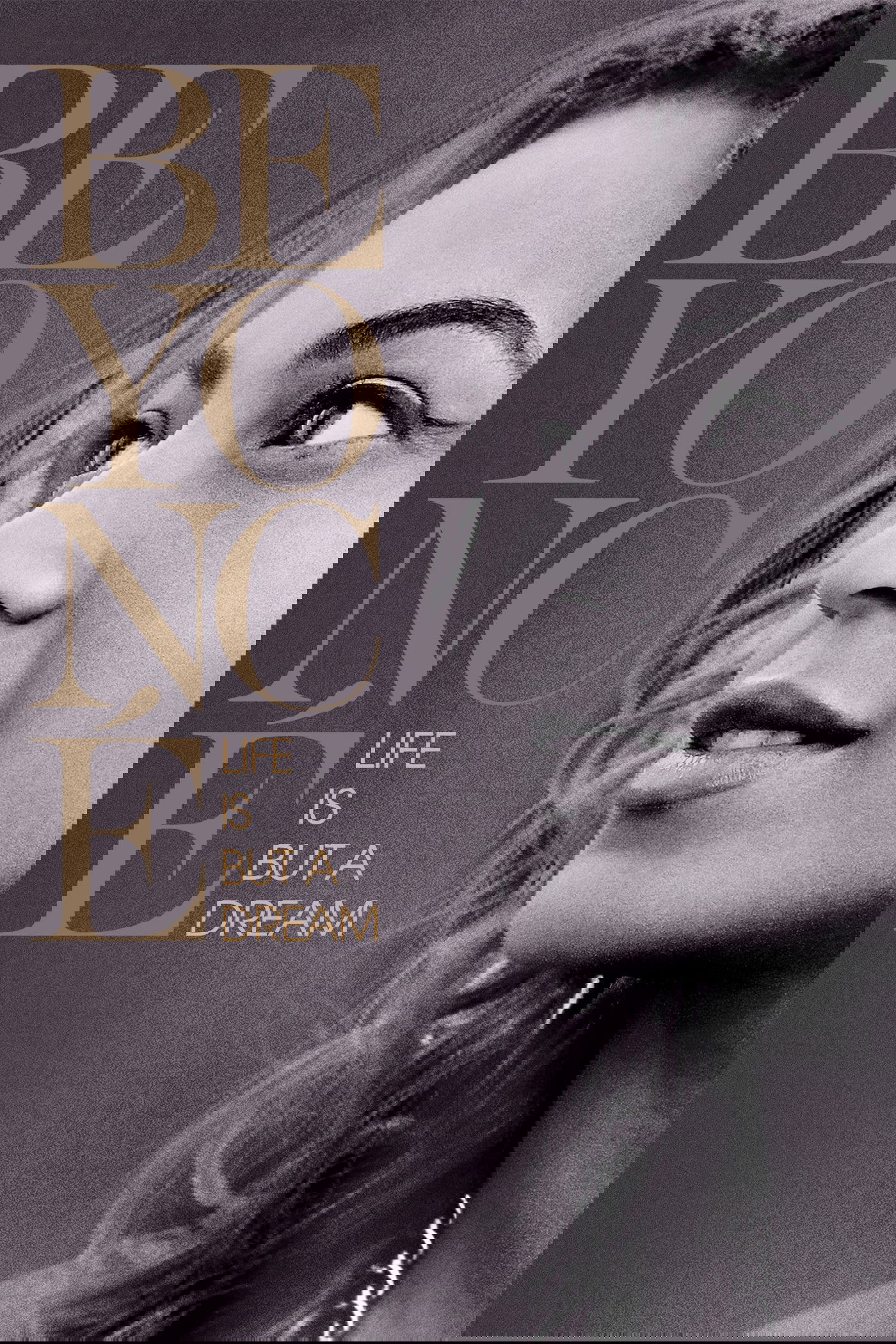

“Novanta Giorni” to make a life-changing choice. Two opposing worlds brought into dialogue in this documentary by Women from all walks of life turn to the “Cervello” Hospital in Palermo, Sicily, to terminate their pregnancies while the pro-life center ostracizes this practice and those who instead understand and help in this journey...
Things are busy at the Paris hospital where young psychiatrist Jamal and his colleagues work. The place is run down, the staff are exhausted, budgets are constantly being slashed. You know the story, but you’ve rarely seen it conveyed as engagingly as in ‘On the Edge’, which employs a handheld camera and meaningful, artistic interventions to observe the daily routine at the psychiatric ward. The deeply sympathetic Jamal is an everyday hero with an exemplary, humanistic disposition, for whom the most important prerequisites for mental health – and for a healthy society in general – are good relationships with other people. He puts his philosophy into practice by listening patiently, giving good advice and organising theatre exercises based on Molière. Realism and idealism, however, are in balance for the young doctor, at least as long as the institutional framework holds up.
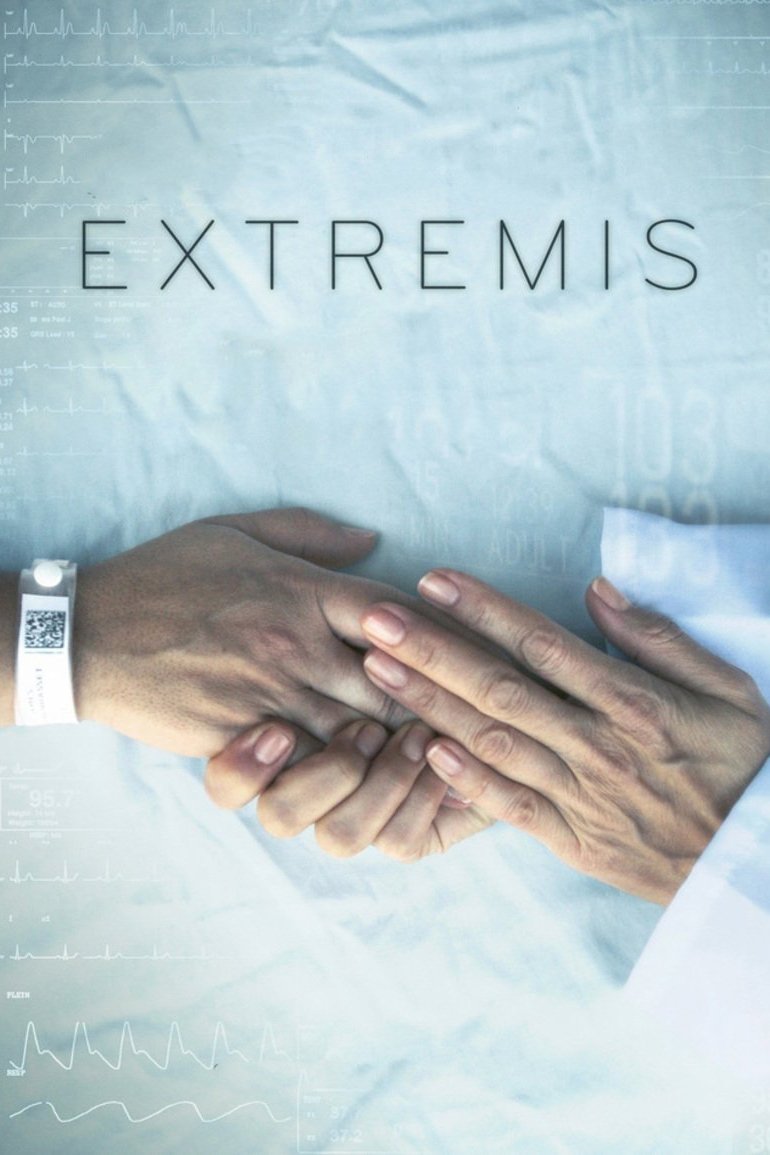
We aren't dying the way we used to. We have ventilators, dialysis machines, ICUs-technologies that can "fix" us and keep our bodies alive-which have radically changed how we make medical decisions. In our death-denying culture, no matter how sick we get, there is always "hope." Defining Hope tells the story of patients dealing with life-threatening illness as they move between ICUs, operating rooms, hospice care and home. Diane is a nurse caring for end-stage cancer patients when she is diagnosed with ovarian cancer herself. 23-year-old Alena undergoes a risky brain surgery that destroys her short-term memory. 95-year-old Berthold lives with his elderly wife who struggles to honor his wish of dying peacefully at home. Defining Hope follows these patients and others- and the nurses that guide them along the way- as they face death, embrace hope, and ultimately redefine what makes life worth living.
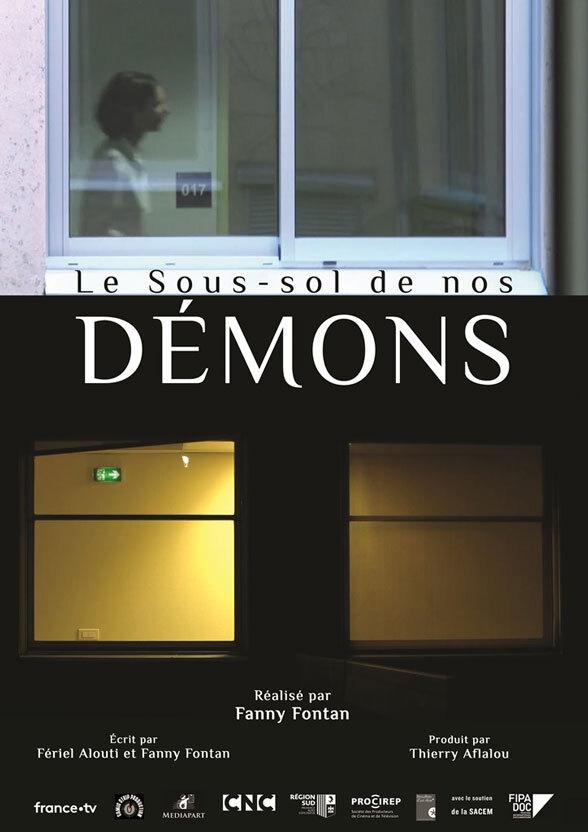
"Welcome to my life", Sylvie Hofmann repeats this sentence almost all day long. Sylvie has been a nurse for 40 years at the North Hospital of Marseille. Her life is running. Between patients, her sick mother, her husband and her daughter, she has always devoted her life to helping others. What if she decided to think a little about herself? To retire? Does she have the right, but above all, does she really want to?
People show incredible courage and cowardice in the aftermath of the Seton Hall Fire in New Jersey.