Social & External
Ali
Yema
Omar
Raphaël
Messaoud
Robinson
Mademoiselle Ceylac
Docteur Herman
Oncle Mohamed
Unknown Role
Madame Sanchez
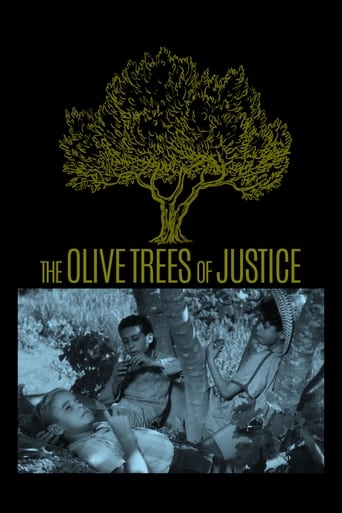
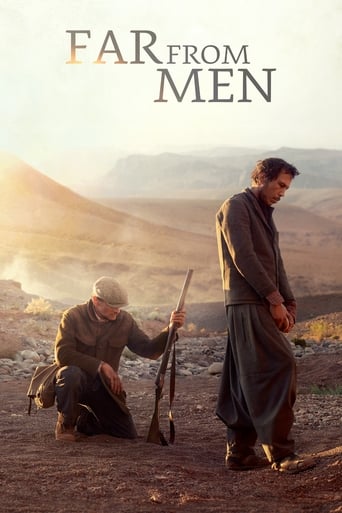
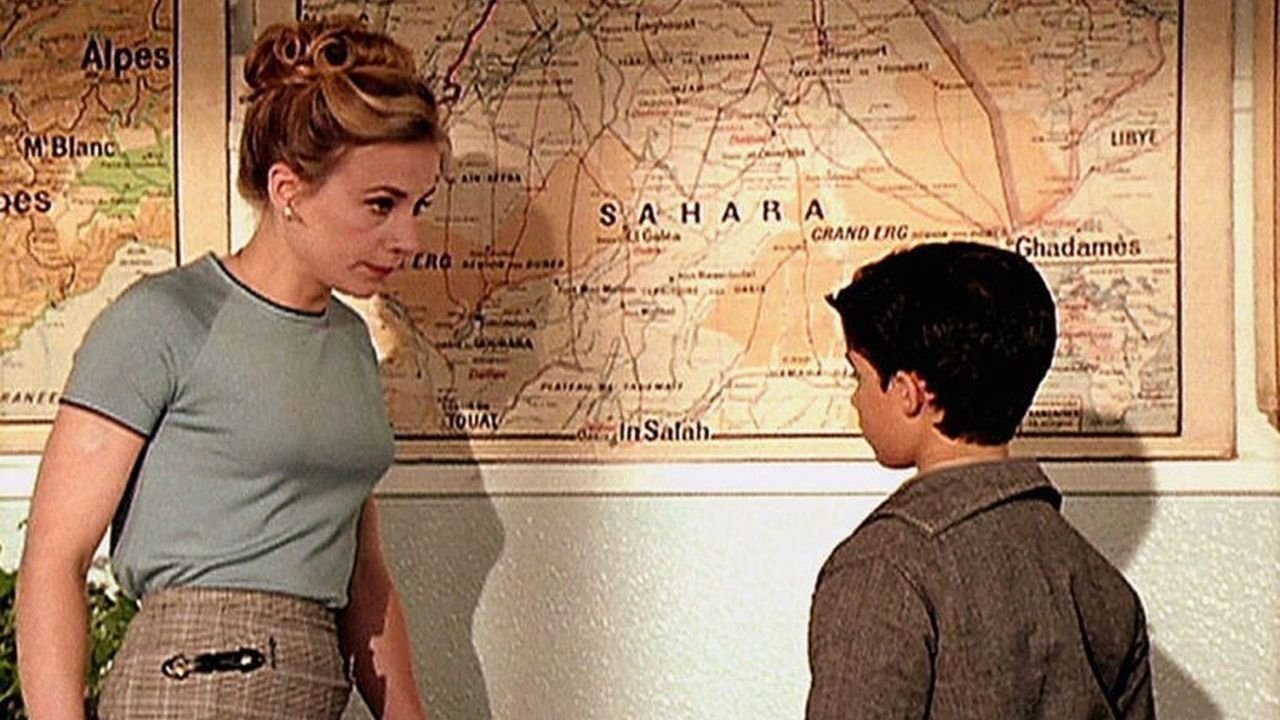
A French teacher in a small Algerian village during the Algerian War forms an unexpected bond with a dissident who is ordered to be turned in to the authorities.
Algiers, a few years after the civil war. Amal and Samir have decided to celebrate their twentieth wedding anniversary in a restaurant. While on their way, their share their views on Algeria: Amal talks about lost illusions and Samir about the necessity to cope with them. At the same time, their son Fahim and his friends Feriel and Reda are wandering about in a hostile Algiers about to steal their youth.
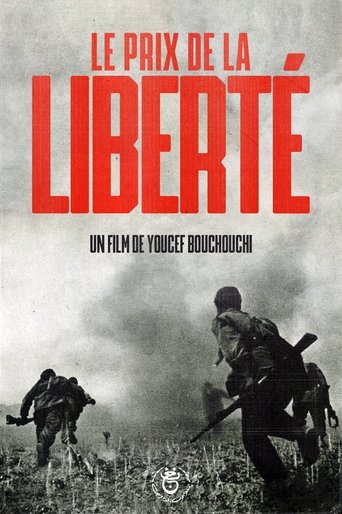
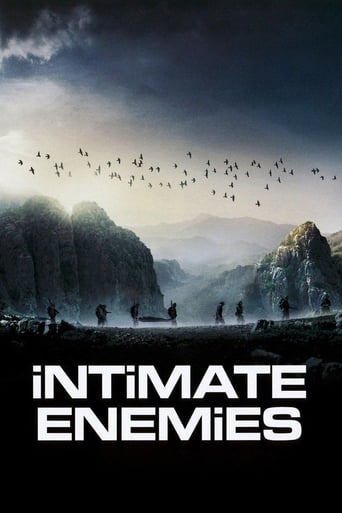
A drama following a French platoon during Algeria's war of independence.
Jacques Mesrine, a loyal son and dedicated soldier, is back home and living with his parents after serving in the Algerian War. Soon he is seduced by the neon glamour of sixties Paris and the easy money it presents. Mentored by Guido, Mesrine turns his back on middle class law-abiding and soon moves swiftly up the criminal ladder.
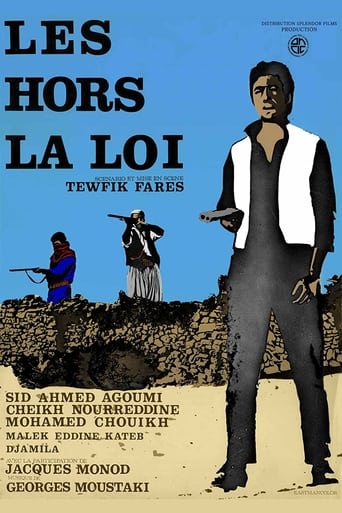
In prison in colonial Algeria, shortly after the end of the Second World War, three indigenous cellmates make out. Once free, they attack the authority represented by the triad of the boss, the gendarme and the administrator. “Living the colonial condition,” confided Tewfik Farès, “is something! It’s not sociologically or historically speaking. It’s life. And I think that’s all there in it. [...] For a hundred and thirty years, we wait. We hold back. We push back. We hope. At the same time, on different occasions, there are skirmishes, unrest.
Djamila, a young Algerian woman living with her brother Hadi and her uncle Mustafa in the Casbah district of Algiers under the French occupation of Algeria, sees the full extent of injustice, tyranny and cruelty on his compatriots by French soldiers. Jamila's nationalist spirit will be strengthened when French forces invade her university to arrest her classmate Amina who commits suicide by ingesting poison. Shortly after the prominent Algerian guerrilla leader Youssef takes refuge with her, she realizes that her uncle Mustafa is part of this network of anti-colonial rebel fighters. Her uncle linked her to the National Liberation Front (FLN). A series of events illustrate Jamila's participation in resistance operations against the occupier before she was finally captured and tortured. Finally, despite the efforts of her French lawyer, Jamila is sentenced to death...
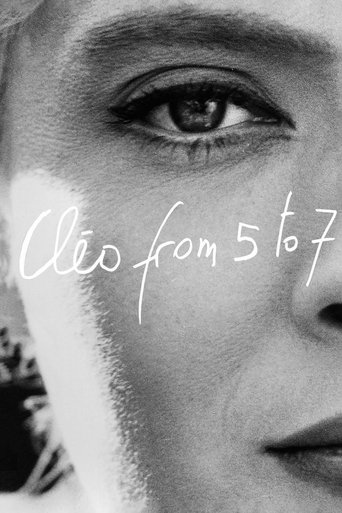
Agnès Varda eloquently captures Paris in the sixties with this real-time portrait of a singer set adrift in the city as she awaits test results of a biopsy. A chronicle of the minutes of one woman’s life, Cléo from 5 to 7 is a spirited mix of vivid vérité and melodrama, featuring a score by Michel Legrand and cameos by Jean-Luc Godard and Anna Karina.
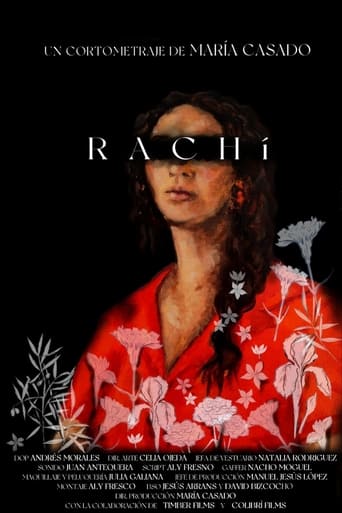
Combining modern footage with home movies and interviews, filmmaker María Casado's life is explored, focusing on themes of family, history, and belonging, with a particular emphasis on childhood experiences related to home.
During a televised debate on the Algerian war in the early 1980s, Professor Paulet denounced the methods of Captain Caron, killed in action in 1957. The widow of the captain, Patricia, decided to file a defamation suit.
Paratrooper commander Colonel Mathieu, a former French Resistance fighter during World War II, is sent to Algeria to reinforce efforts to squelch the uprisings of the Algerian War. There he faces Ali la Pointe, a former petty criminal who, as the leader of the Algerian Front de Liberation Nationale, directs terror strategies against the colonial French government occupation. As each side resorts to ever-increasing brutality, no violent act is too unthinkable.
The feature film “The seven ramparts of the citadel”, a fiction recounting the conflict between an Algerian family expropriated from its land and a bloodthirsty settler; by director Ahmed Rachedi. Adapted from the eponymous novel by Mohamed Maarafia, the film, whose plot begins in 1954, tells the story of two characters, Thebti and Lucien, “the fellaga and the colonist”, a story of crossed destinies. “After having engaged in a fight to the death, after having both traveled a long path of embers, (they) finally find themselves face to face and above all each face to themselves”.
The son of a French colonialist in Algeria returns to Algeria after learning that his father is ill. Memories from childhood return. He also must deal with some problems involving the Algerian fight for independence.
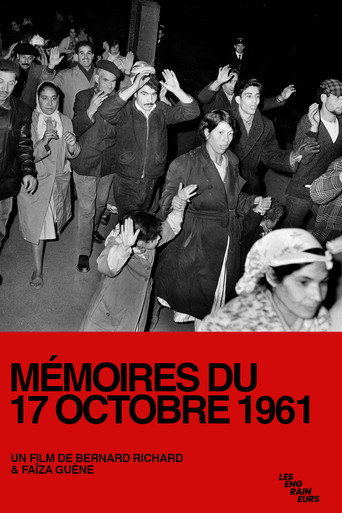
Parisian authorities clash with the Front de Libération Nationale (FLN) in director Alain Tasma’s recounting of one of the darkest moments of the Algerian War of Independence. As the war wound to a close and violence persisted in the streets of Paris, the FLN and its supporters adopted the tactic of murdering French policemen in hopes of forcing a withdrawal. When French law enforcement retaliated by brutalizing Algerians and imposing a strict curfew, the FLN organizes a peaceful demonstration that drew over 11,000 supporters, resulting in an order from the Paris police chief to take brutal countermeasures. Told through the eyes of both French policemen as well as Algerian protestors, Tasma’s film attempts to get to the root of the tragedy by presenting both sides of the story.
A group of refractory and pacifist Bretons is sent to Algeria. These beings confronted with the horrors of war gradually become killing machines. One of them did not accept it and deserted, taking with him an FLN prisoner who was to be executed the next day.
As the Algerian War draws to a close, a teenager with a girlfriend starts feeling homosexual urges for two of his classmates: a country boy, and a French-Algerian intellectual.
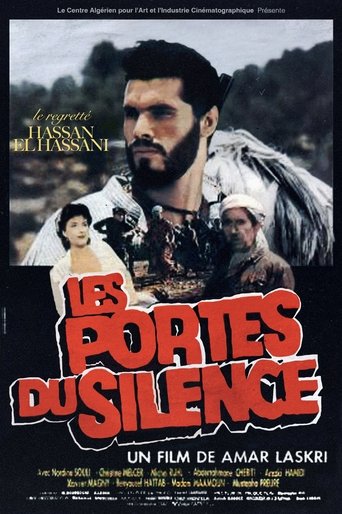
1957, the town of Mostaganem, Algeria: the country is still under French occupation, and repression of the National Liberation Front is at its height. The authorities indulge in torture, intimidation and public executions.
A filmmaker witnesses an act of racist police violence in Paris. He discusses with a friend whether and how he should make a film out of this.
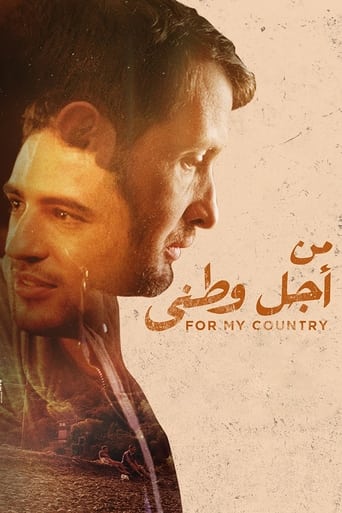
An Algerian peasant (fellah), crushed by the soldiers of the French colonial army, decides to resist. His young wife finds herself, despite herself, also enlisted in the Algerian resistance to flee the atrocities of harsh colonial persecution.
1972, in the south of France, deep in the forest, a family with meager luggage discovers the new camp where they will live. Despite the camp leader's overt paternalism, the Harkis lead a difficult life without real freedom. A life of poverty and guardianship that Leila, the Benamars' eldest daughter, rejects. She is at the age of rebellion, and also of her first love. For her, her father, Saïd, scarred by war and exile, accustomed to giving in, owes nothing to the French who enlisted him in the French army, then failed to protect them in Algeria. Thanks to her, with the help of a peasant couple, he will raise his head and the Benamars will leave the camp for a nearby farm.
Lebanon, 1982. To keep a promise made to an old friend, Georges, an idealistic theater director, travels to Beirut for a project as utopian as it is risky: to stage the play Antigone on the front line, in order to steal a moment of peace from the raging civil war. The characters will be played by actors from different political and religious camps. Lost in a city and a conflict he knows nothing about, Georges is guided by Marwan. As fighting resumes, everything is soon called into question, and Georges, who falls in love with Imane, has to face up to the reality of war.
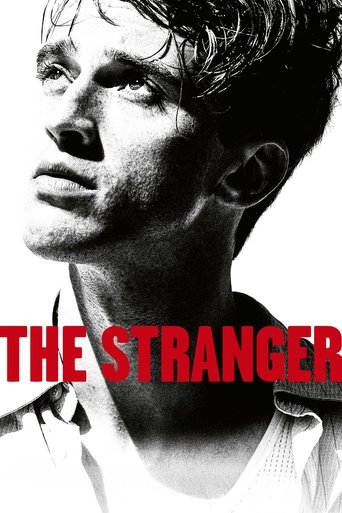
In 1930s Algeria, the daily life of an indifferent Frenchman is shaken by the death of his mother and a fateful encounter on a beach.
Anticipating eviction from her retirement home after the death of her son and sole provider, rebellious septuagenarian Émilie decides to take revenge on all those who have wronged her. During her journey of initiation, she cuts to the quick to right the wrongs and is joined by Linda, a cleaning lady with whom she has forged a close bond. She, too, has nothing left to lose and decides to wage war against those who have scorned her. Soon, these two companions are hunted down by a pair of policemen.
Pansy is a woman so full of rage that every interaction she has devolves into lashing out, whether at her utterly cowed husband and son, or random strangers who have the temerity to address her. In contrast, her younger sister Chantelle lives with her two vivacious daughters and plies a successful trade as a hairdresser, putting clients at their ease all day long. Yet beneath Pansy’s abrasive exterior are hints of a more fragile psyche, one motivated by fear and damaged by repressed pain.
After writing for Cahiers du cinéma, a young Jean-Luc Godard decides making films is the best film criticism. He convinces producer Georges de Beauregard to fund a low-budget feature, and creates a treatment with fellow New Wave filmmaker François Truffaut about a gangster couple. The result? Breathless, one of the first features of the Nouvelle Vague era of French cinema.
Raf and Julie, a couple on the verge of breaking up, find themselves in an emergency ward bordering on collapse on the evening of a Parisian Yellow Vest protest. Their encounter with Yann, an angry and injured demonstrator, will shatter each person's certainties and prejudices. Outside, the tension escalates.
Moussa has always been gentle, altruistic and present for his family. This is the opposite of his brother Ryad, a TV presenter of great notoriety who is reproached for his selfishness by his entourage. Only Moussa defends him, who has great admiration for his brother. One day Moussa falls and hits his head violently. He suffers a head injury. Unrecognizable, he now speaks without a filter and tells his relatives the truth. He ends up falling out with everyone except Ryad.
Passionate about sailing, Jean-Paul is going through a rough patch. Up to his ears in debts, he pulls away from his family. Determined to take his life back in hand, he signs up for Virtual Regatta, the online version of Vendée Globe boat race. To enhance his impression of being a “real” skipper, Jean-Paul holes up for 3 months on his boat in his garden. His voyage, unlike any other, will allow him to reconnect with his family and, even more, with himself.
Four siblings' lives change drastically when their ailing mother takes a turn for the worse over the holiday season.
After the death of their father, two half-brothers find themselves on opposite sides of an escalating conflict with tragic consequences.
In eastern France, two teenage cousins have the summer of their lives when they paddle a purloined canoe to the far shore of a lake.
United by the unexpected inheritance of a house in Normandy, four estranged cousins discover their family history by retracing their ancestor's steps.
One summer, a French teenager who has been living with his mother in the city moves in with his estranged father’s family in the countryside, where he clashes with his stepmother.
An unexpected road trip brings a dysfunctional family together for one last journey with their elder, sparking moments of connection, joy, and reconciliation.
An executive manager, his wife and his family, at the point when his professional choices are about to overturn all their lives. Philippe Lemesle and his wife are separating, their love irretrievably damaged by pressures of work. A successful executive in industrial conglomerate, Philippe no longer knows how to respond to the contradictory demands of his bosses. Yesterday they wanted a manager, today an enforcer. Now he must decide what his life really means.
Jérémie returns to his hometown for the funeral of his former boss, the village baker. He decides to stay for a few days with Martine, the man's widow. A mysterious disappearance, a threatening neighbor and a priest with strange intentions make Jérémie's short stay in the village take an unexpected turn.
Aissa, a young officer of Algerian origin, tragically loses his life during a fresher initiation ritual at the prestigious French military academy of Saint-Cyr. As the death tears through his family, controversy arises over Aissa’s funeral plans when the Army refuses to take responsibility. Ismael, his older, rebellious brother, tries to keep the family united as they fight to win justice for Aissa.
A woman has a close bond with her beloved Algeriann grandfather, who protected her from a toxic home life as a child; his death triggers a deep identity crisis as tensions between her extended family members escalate, revealing new depths of resentment and bitterness.
While throwing a "Christmas Around the World" party at her family's inn, an event planner discovers Christmas magic with a charming father-son duo whose presence brings about tension and joy.
Eric returns home for a short visit and finds himself caught between reuniting with his sisters and chasing a victory with his old poker group. As the trip extends, Eric finds it increasingly difficult to avoid confrontations and revelations as his carefully constructed façade of his adulthood gives way to old childhood conflicts.