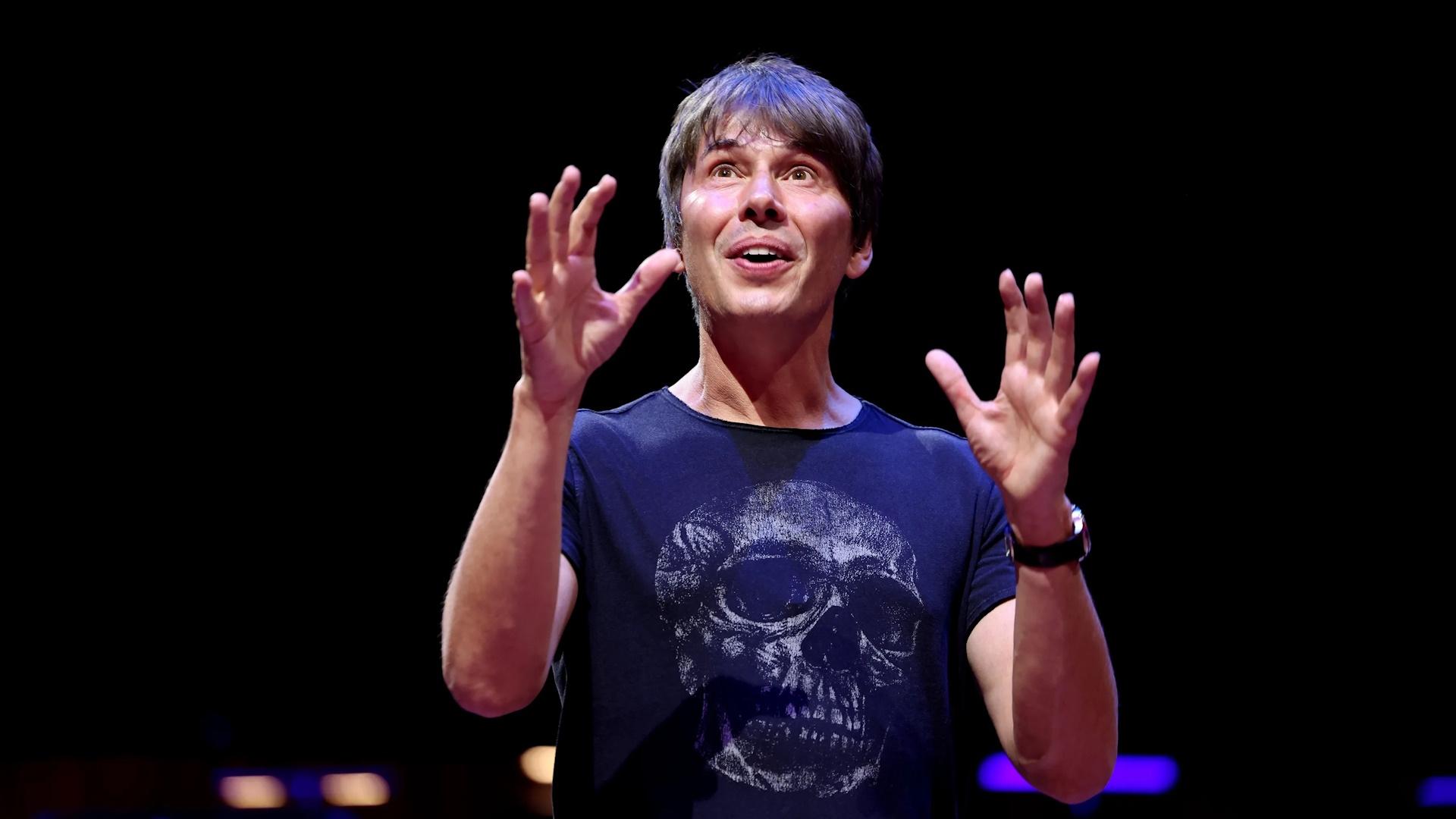
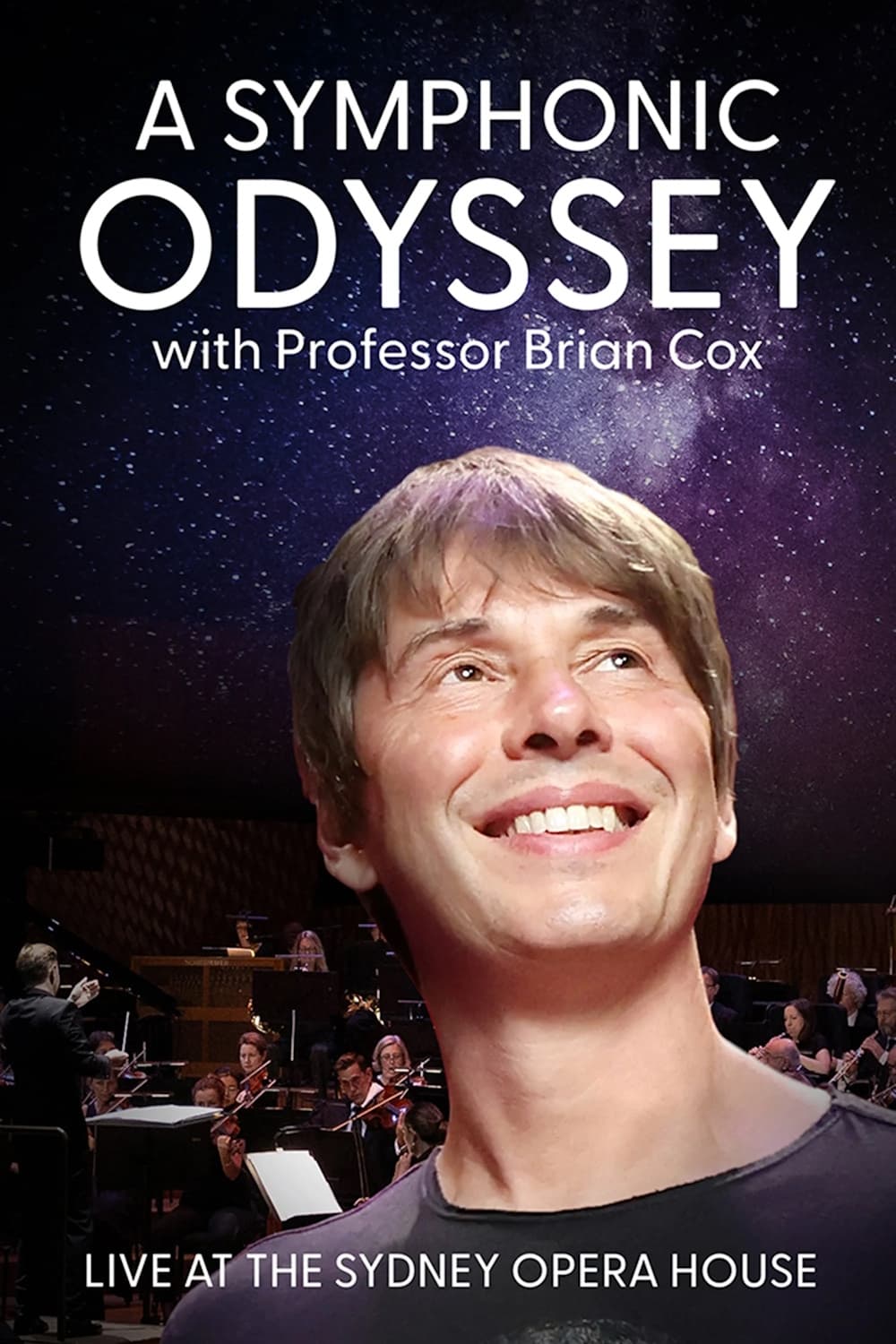
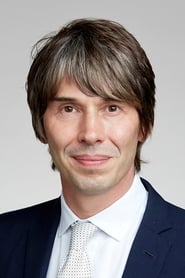
Explore the secrets of the universe with Professor Brian Cox in this special event that combines ground-breaking science with the power of the Sydney Symphony Orchestra.
Social & External
The people behind it
Brian Cox
Self - Presenter
Benjamin Northey
Self - Conductor
Jess Hitchcock
Self - Soprano
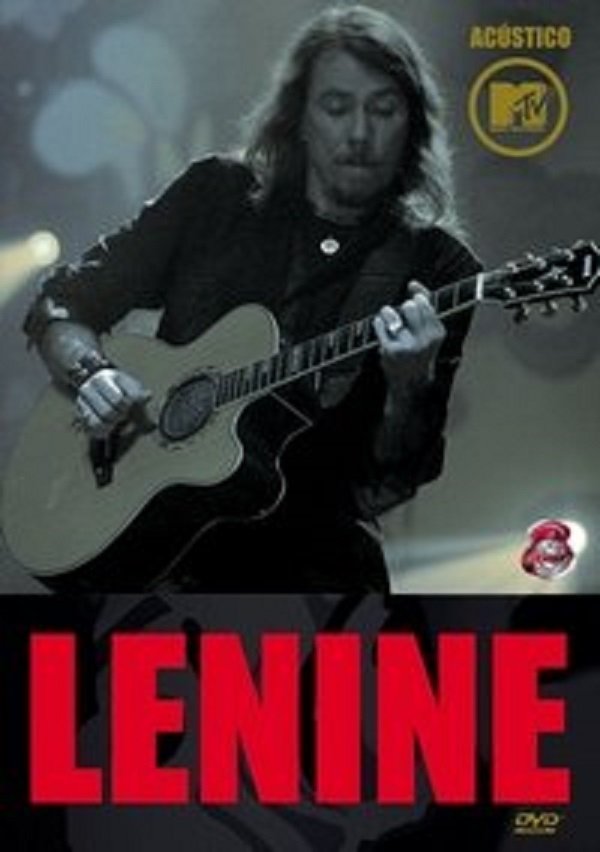
Recorded at Auditório Ibirapuera in Sao Paulo , on 24 and 25 June 2006 , the album features the biggest hits singer-songwriter Lenine's career such as "Paciência" (Patience), "Jack Soul Brasileiro" (Since I am Brazilian), "Na Pressão" (On The Pressure), "A Rede" (The Net), "Hoje Eu Quero Sair Só" (I Want Go Out Alone, Today) and "A Medida da Paixão" (The Measure of Passion), plus new songs like "Tudo Por Acaso" (All By Chance). The album features special participations from musicians such as the Chilean Victor Astorga (the first English horn soloist with the Brazilian Symphony Orchestra), Cameroonian bassist and singer Richard Bona, Mexican singer Julieta Venegas, harpist Cristina Braga, the rapper Gog, and drummer Iggor Cavalera (ex-member of Sepultura). The DVD includes bonus material, plus making-of scenes, reviews, testimonials about the project, the guests and also footage of the 2006 World Cup, since the performance was recorded concurrently with it.
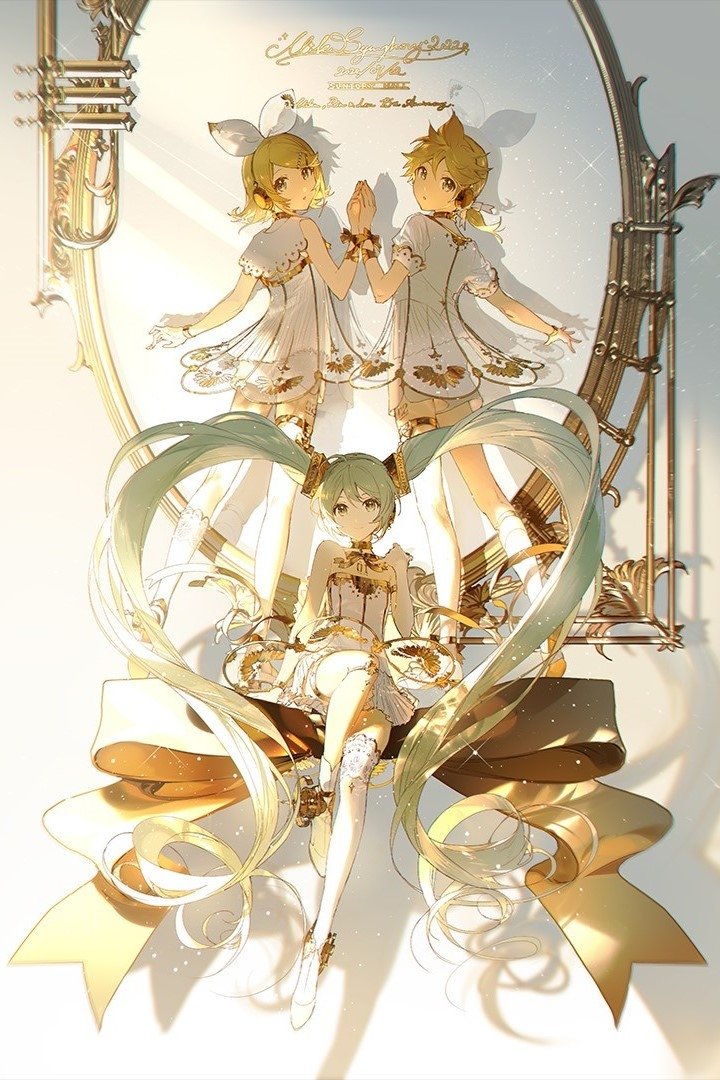
"Hatsune Miku Symphony" is a concert that performs VOCALOID songs centered on Hatsune Miku with a gorgeous full orchestra. The contents of the recording are the Pacifico Yokohama performance on Sunday, September 25, 2022.
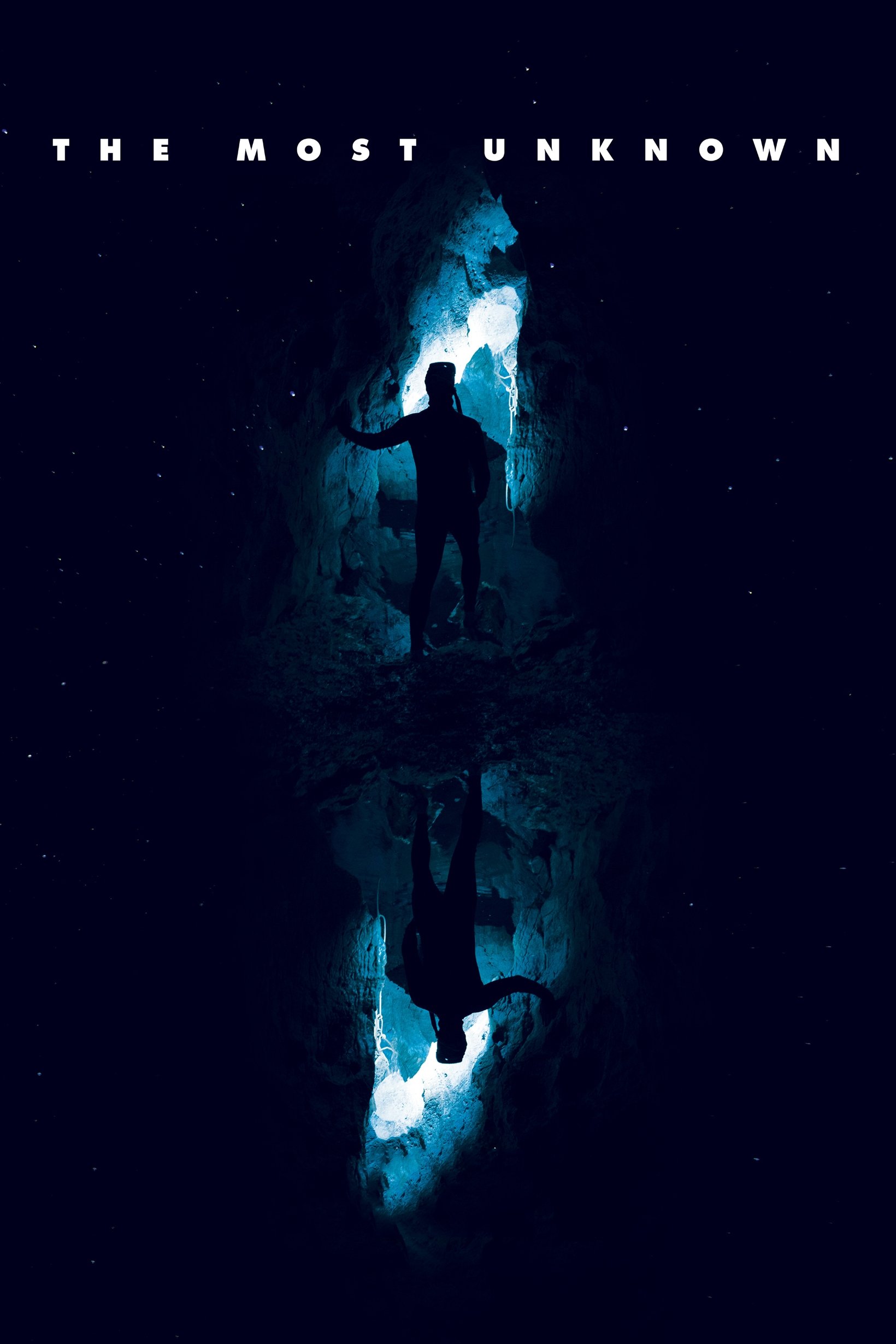
An epic documentary film that sends nine scientists to extraordinary parts of the world to uncover unexpected answers to some of humanity’s biggest questions. How did life begin? What is time? What is consciousness? How much do we really know? By introducing researchers from diverse backgrounds for the first time, then dropping them into new, immersive field work they previously hadn’t tackled, the film pushes the boundaries of how science storytelling is approached. What emerges is a deeply human trip to the foundations of discovery and a powerful reminder that the unanswered questions are the most crucial ones to pose. Directed by Emmy-nominated and Peabody Award-winning filmmaker Ian Cheney and advised by world-renowned filmmaker Werner Herzog, The Most Unknown is an ambitious look at a side of science never before shown on screen.
Mexico, San Cristobal de Las Casas, 1982. Ana Olalde replaces the city, science, and pollution with people, art, and nature.
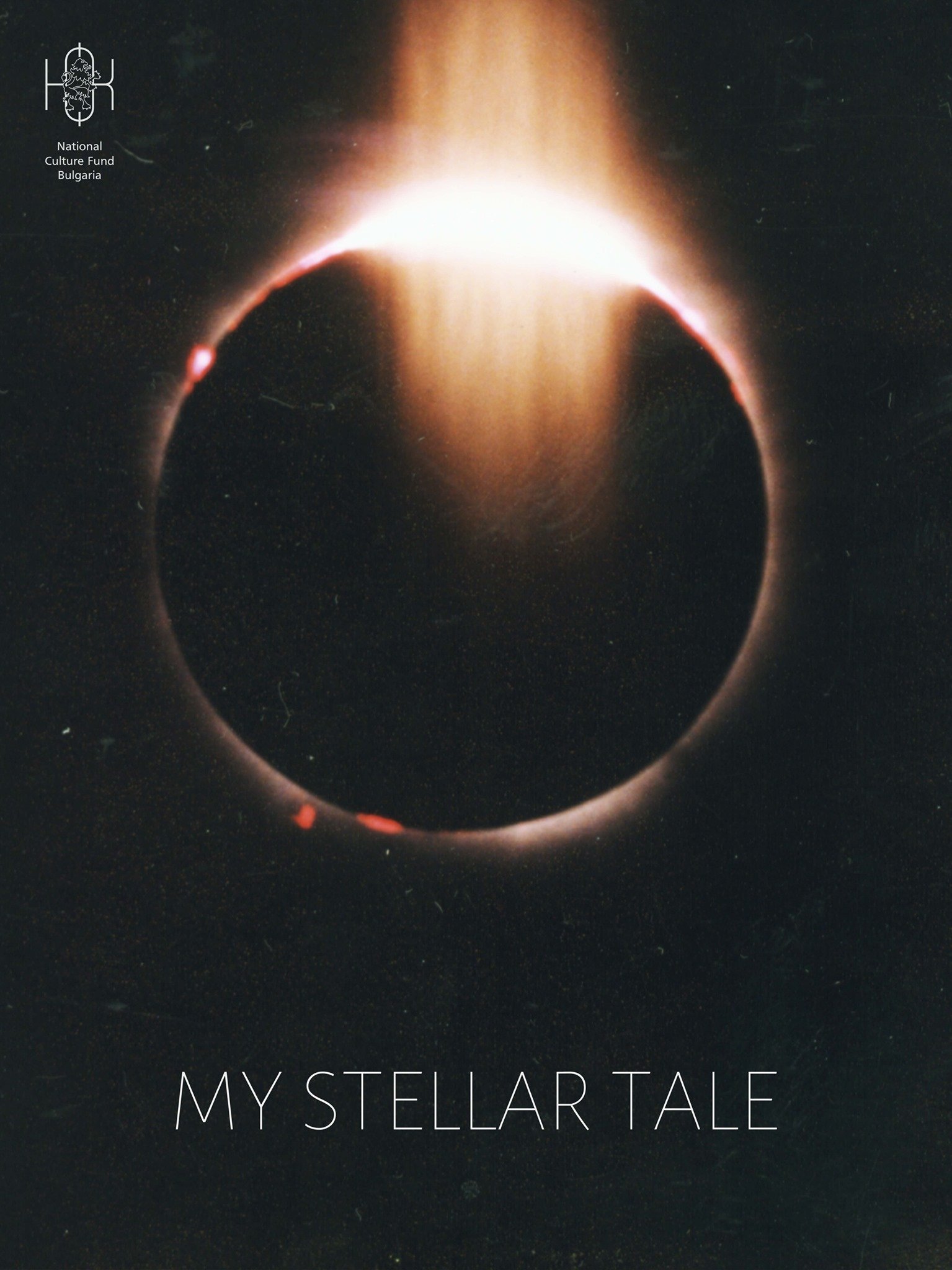
My Stellar Tale is a short-documentary about the biggest Planetarium in Bulgaria. A story about the night sky, the transience of Life and the relationship between man and machine.
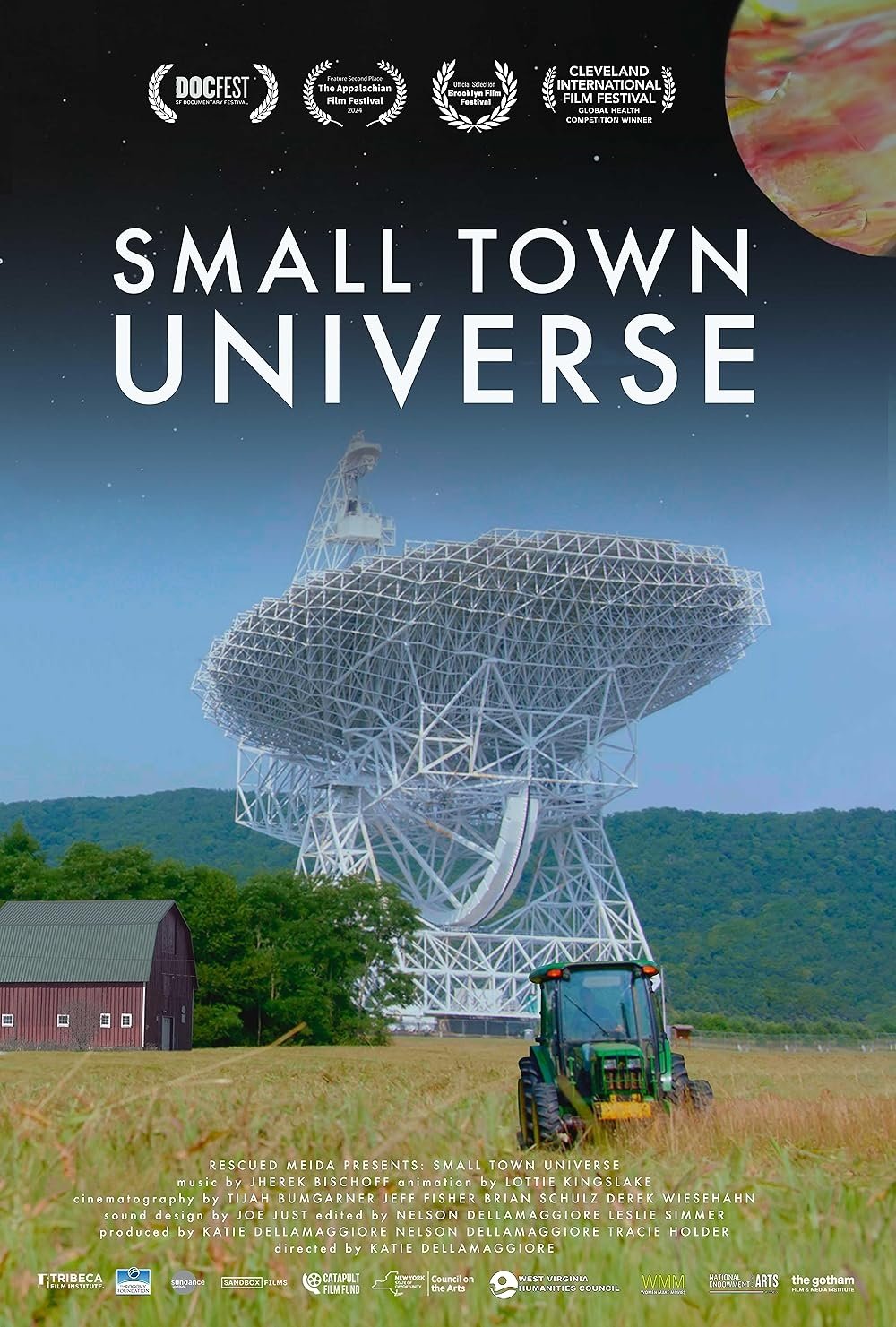
An intimate portrait of life in Green Bank, West Virginia, home to the world's most sensitive radio telescope and the only U.S. town where Wi-Fi and cell phones are banned. In this radio-quiet community, scientists search for signs of extraterrestrial life while residents share everyday moments of joy and loss. But when government defunding threatens the telescope's future, the town must consider which connections matter most.
When therapy and medication fail to provide any relief for severe depression, electroconvulsive therapy (ECT) – better known as electroshock therapy – can offer a solution. Mie and Tine have been struggling with depression for years. Their hopes are now pinned on ECT. How are they experiencing their treatment? Are they gradually regaining their old selves? And how are they coping with the fog that remains after an ECT session?
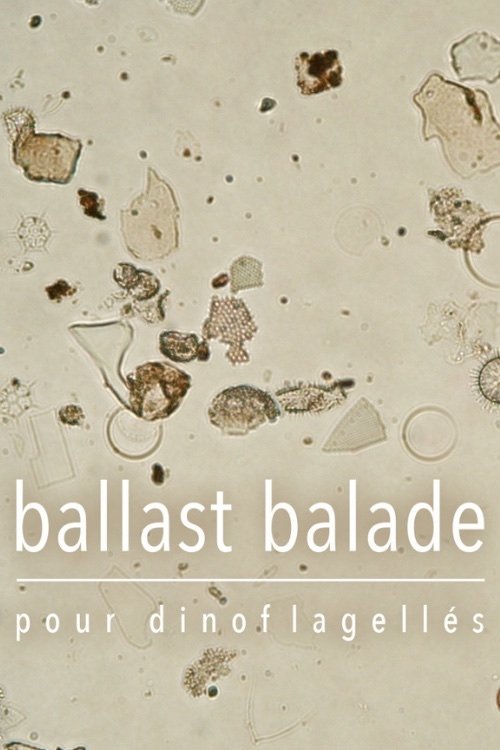
In his laboratory, an oceanographer conducts temperature and salinity tests to determine the necessary conditions for the micro-algae Protoceratium reticulatum to survive in the Saint Lawrence Estuary. The filmmaker, moving between the seen and the unseen, follows the scientist as he studies the dinoflagellate, an amazing microscopic monster organism responsible for red tides and other phenomena.
The phenomenal German trumpeter Reinhold Friedrich and the Janáček Philharmonic Orchestra Ostrava conducted by H. M. Förster. Renowned German trumpeter Reinhold Friedrich, honorary professor at London's Royal Academy of Music, who has collaborated with the Bamberg Symphony Orchestra and the Orchestre Philharmonique de la Radio France, among others, has now joined forces with the Janáček Philharmonic Orchestra Ostrava, conducted by its chief conductor H. M. Förster, for his solo project. Their performance in Ostrava included Ernest Bloch's Proclamation for Trumpet and Orchestra and Tomasi's Concerto for Trumpet and Orchestra. Performers: Reinhold Friedrich, Janáček Philharmonic Orchestra Ostrava.
Seven of today's top scientist/researchers are the subject of this humourous exploration of real people behind the white lab coats; more about what makes the tick than what they have per-se accomplished. Chosen because the subjects are the very best in their particular fields, featured are Gertrude Elion, Ashok Gadgil, Michio Kaku, Maja Materic, Steven Pinker, Karol Sikora and Patricia C. Wright. Written by Len Massaar
It is the birth of neutrino astronomy. For the first time, astrophysicists can detect extra-terrestrial neutrinos in ice on the South Pole. The fundamental questions of science remain unanswered., how did the universe come to be? What keeps our world together? The newly discovered extra-galactic neutrinos may hold the keys to answering these questions.
World première recording of Hannibal Lokumbe's 'spritatorio' Can You Hear God Crying, which combines jazz, gospel and chamber music with West African prayers and songs. The piece, commissioned by Philadelphia philanthropist Carole Haas Gravagno, is about the composer's great-great-grandfather, who was born in the Sahara, kidnapped and enslaved in Liberia, and sold at auction in Charleston, S.C. He escaped to Texas, where he bought land and had a family.
They have no roots, no seeds, no flowers, but mosses show immense survival capacities and can suspend their biological activity for long periods. Today, researchers are exploring the exceptional resistance of these archaic organisms. British ecologists have even resurrected a "zombie" moss that has been trapped in the permafrost for 1,500 years. Associated with decay and disliked in Europe, mosses are deified in Japan. With 25,000 species worldwide, bryophytes - their scientific name - are the seat of real ecosystems, and can develop in inhospitable landscapes, through an extravagant reproduction cycle.
A backstage and on-stage look at Justin Bieber during his rise to super stardom.
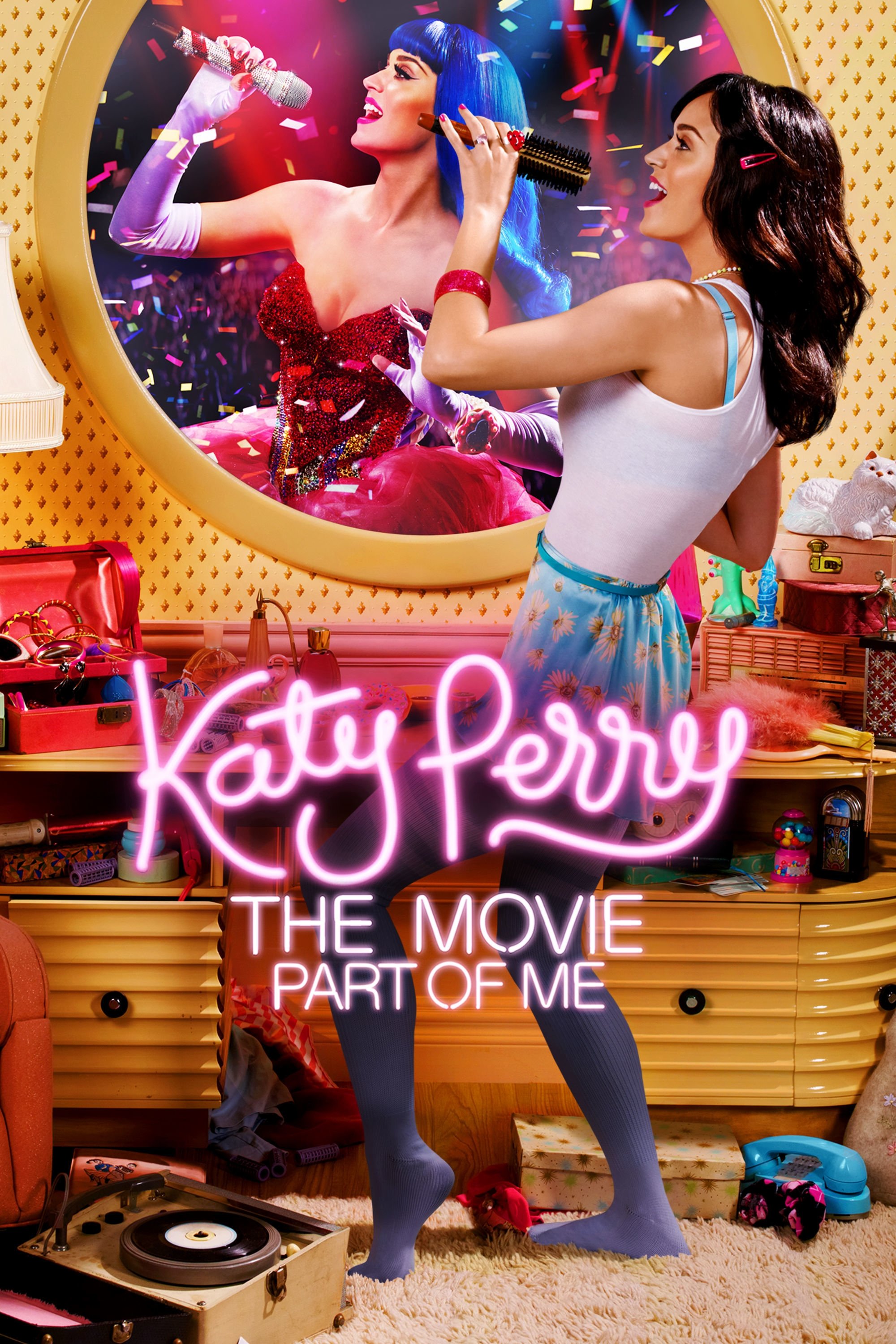
Giving fans unprecedented access to the real life of the music sensation, Katy Perry: Part of Me exposes the hard work, dedication and phenomenal talent of a girl who remained true to herself and her vision in order to achieve her dreams. Featuring rare behind-the-scenes interviews, personal moments between Katy and her friends, and all-access footage of rehearsals, choreography, Katy’s signature style and more, Katy Perry: Part of Me reveals the singer’s unwavering belief that if you can be yourself, then you can be anything.
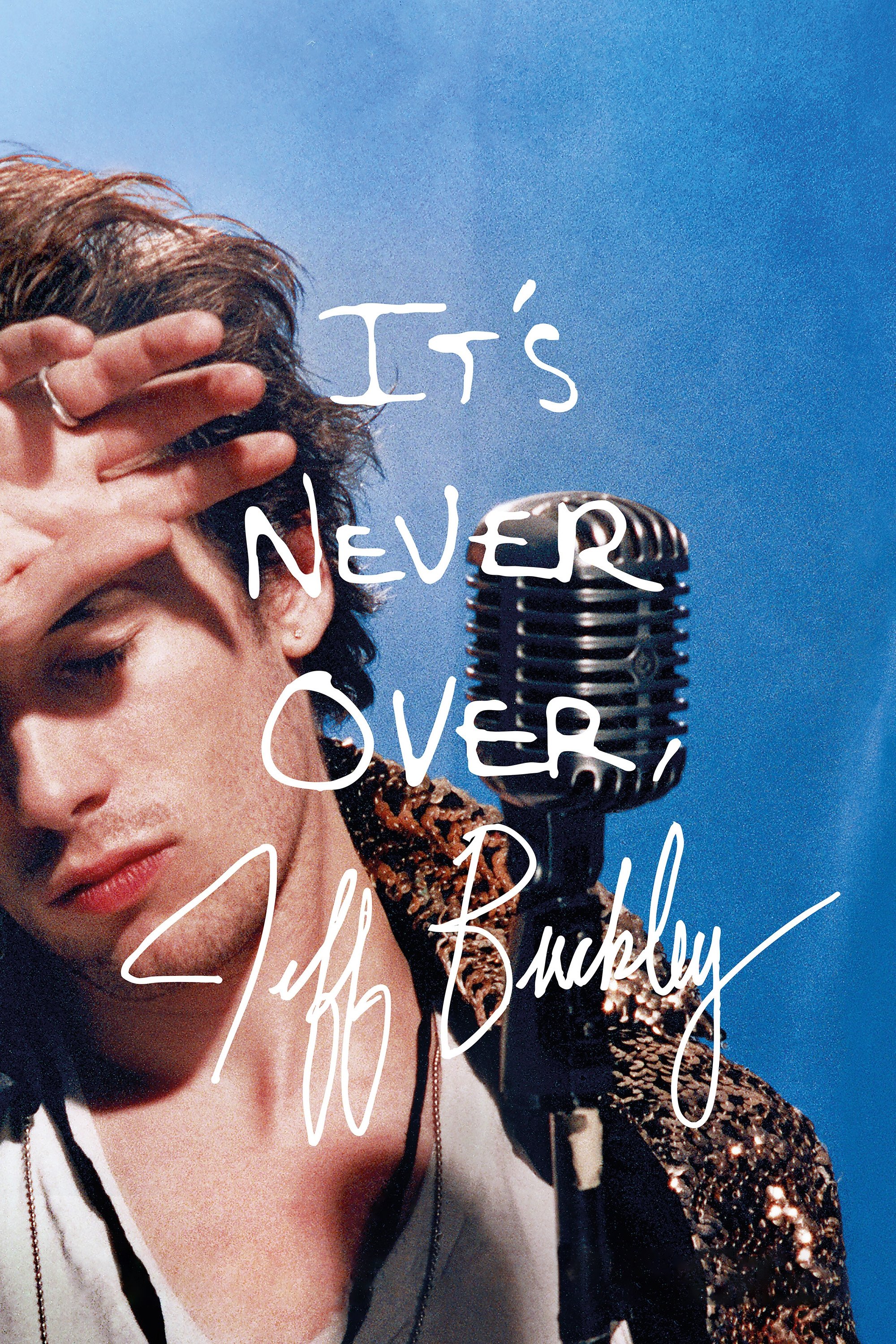
Rising musician Jeff Buckley had only released one album when he died suddenly in 1997. Now, never-before-seen footage, exclusive voice messages, and accounts from those closest to him offer a portrait of the captivating singer.
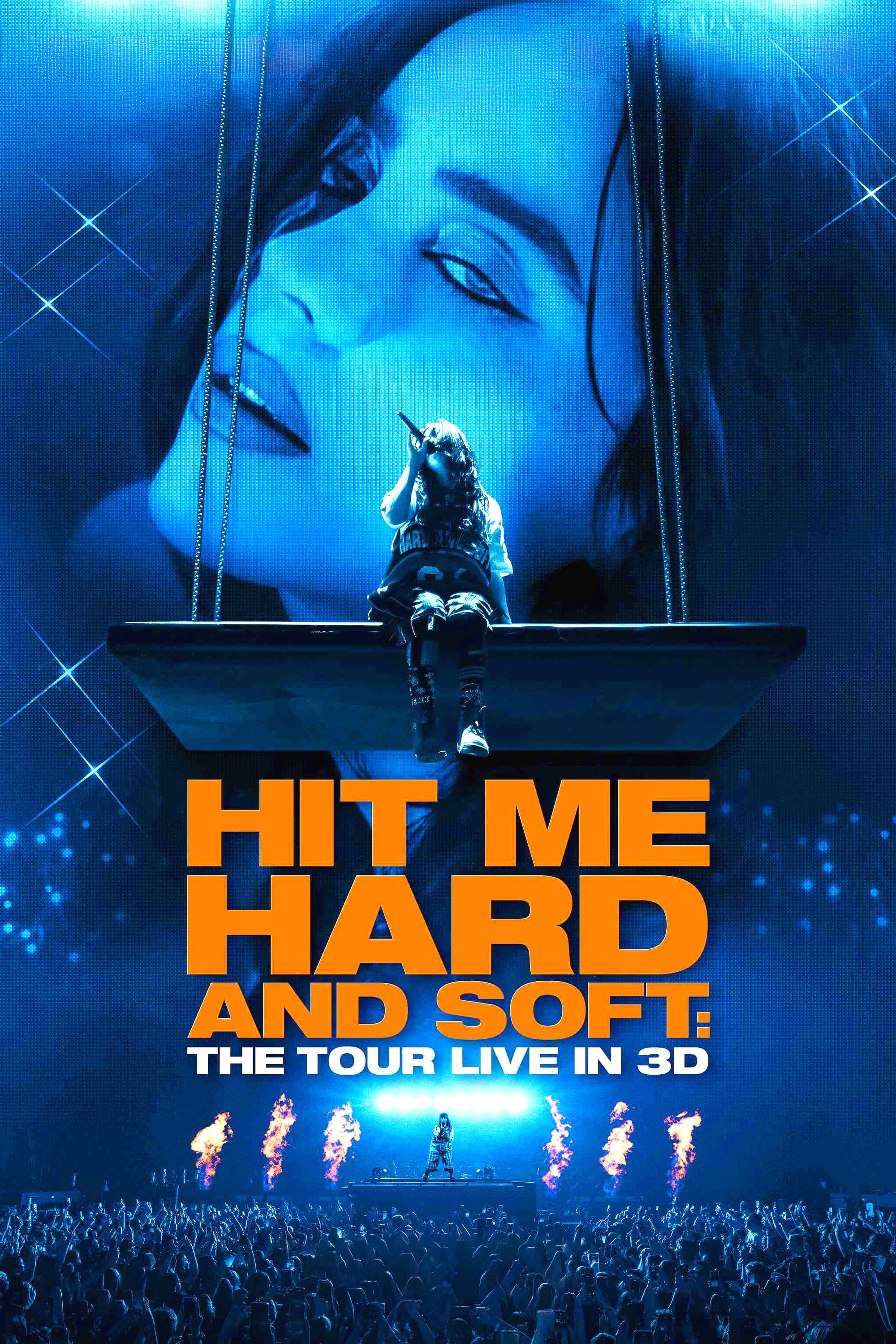
Captured during Billie Eilish's sold-out world tour, a concert experience from one of the most celebrated and successful artists of her generation, presented in immersive 3D.
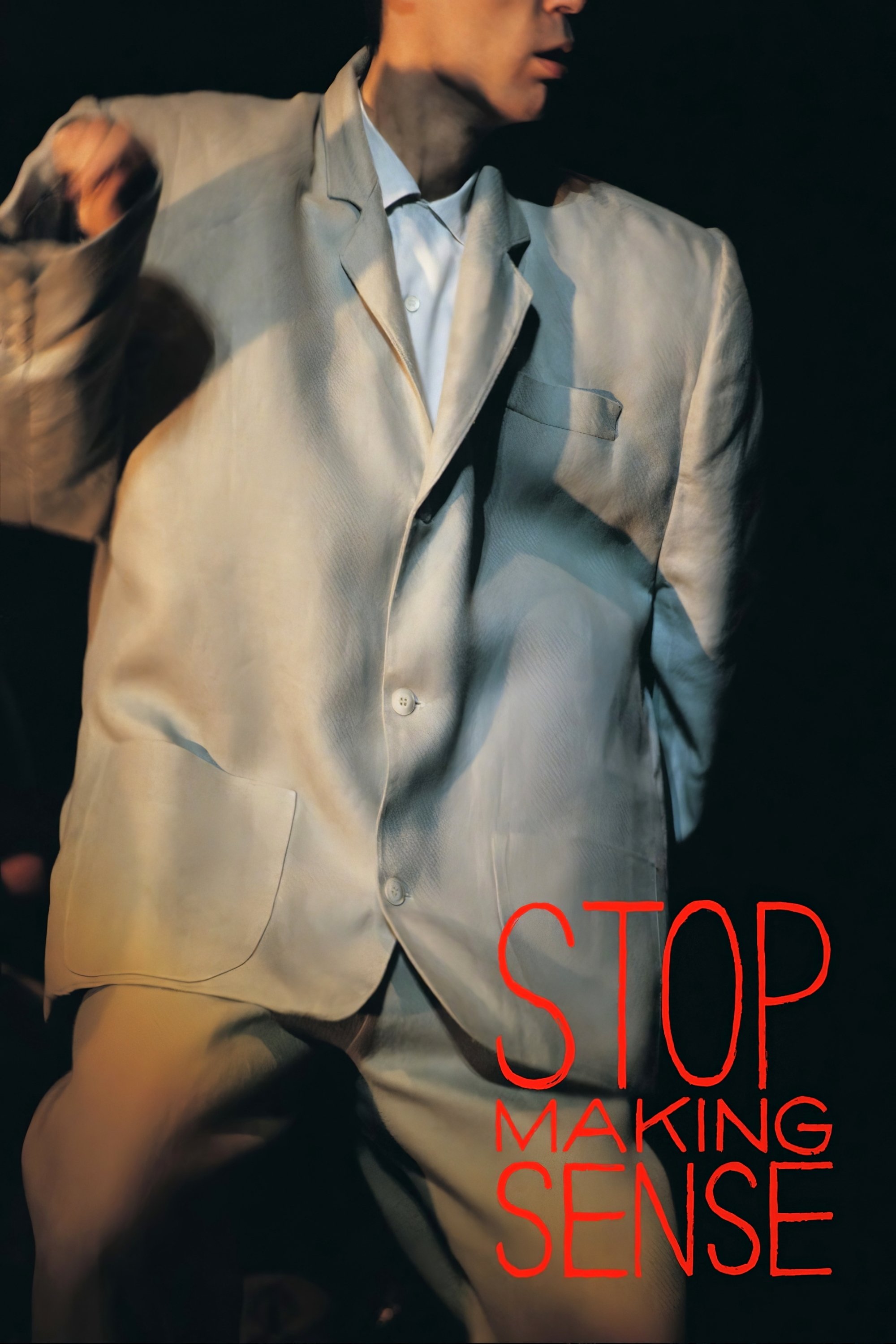
A concert film documenting Talking Heads at the height of their popularity, on tour for their 1983 album "Speaking in Tongues." The band takes the stage one by one and is joined by a cadre of guest musicians for a career-spanning and cinematic performance that features creative choreography and visuals.
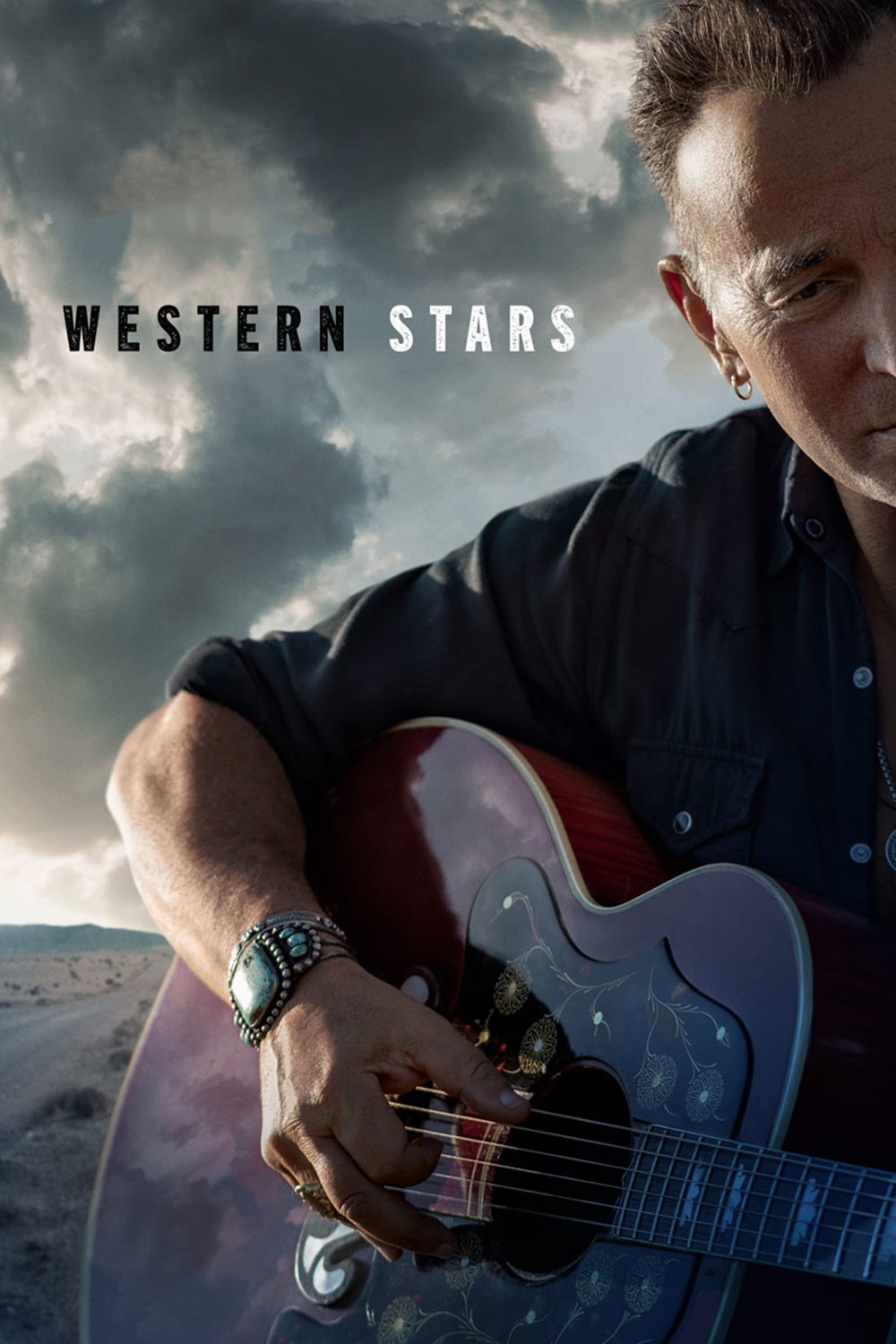
The incomparable Bruce Springsteen performs his critically acclaimed latest album and muses on life, rock, and the American dream, in this intimate and personal concert film co-directed by Thom Zimny and Springsteen himself.
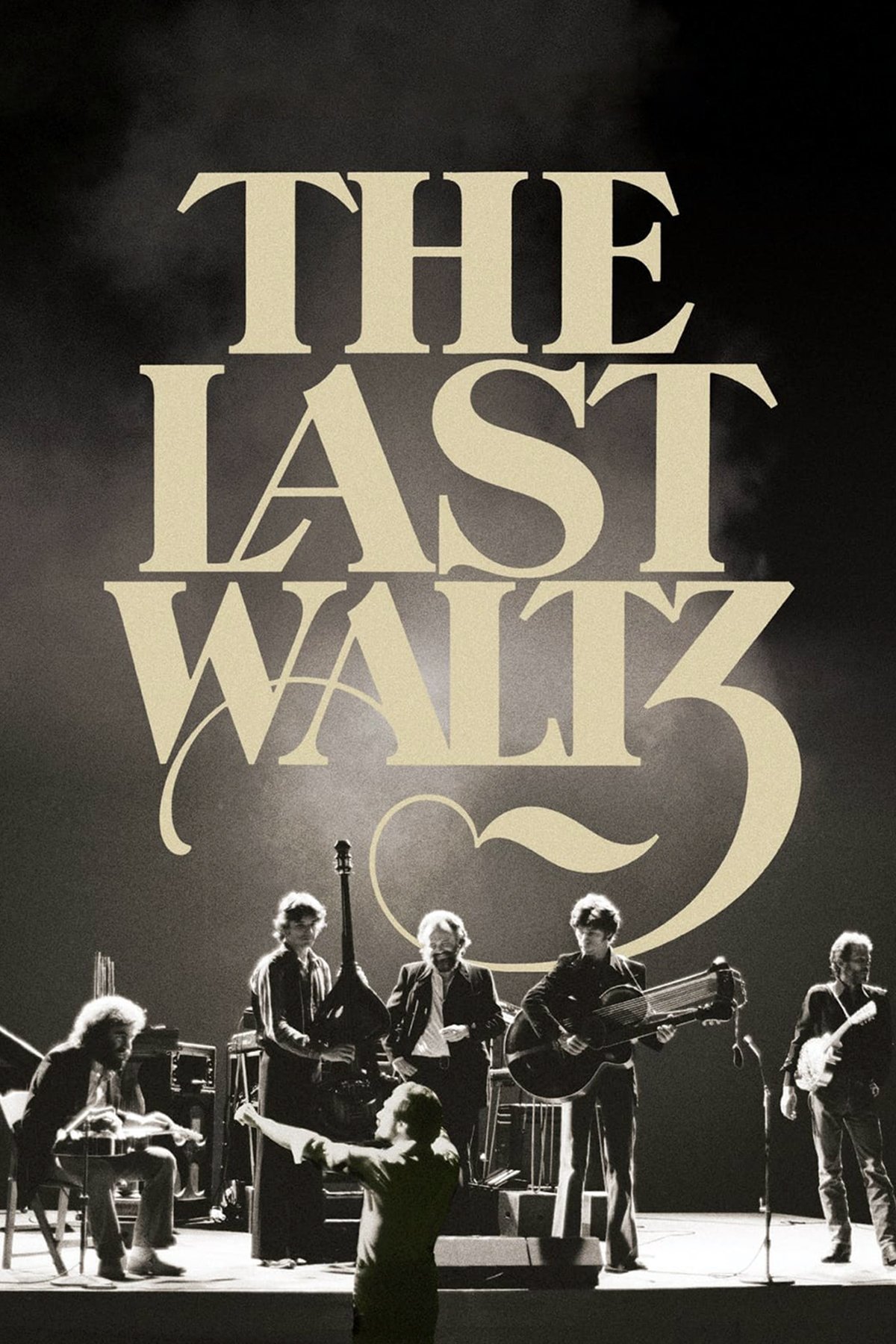
Martin Scorsese's documentary intertwines footage from The Band's incredible farewell tour with probing backstage interviews and featured performances by Eric Clapton, Bob Dylan, Joni Mitchell, Van Morrison, and other rock legends.
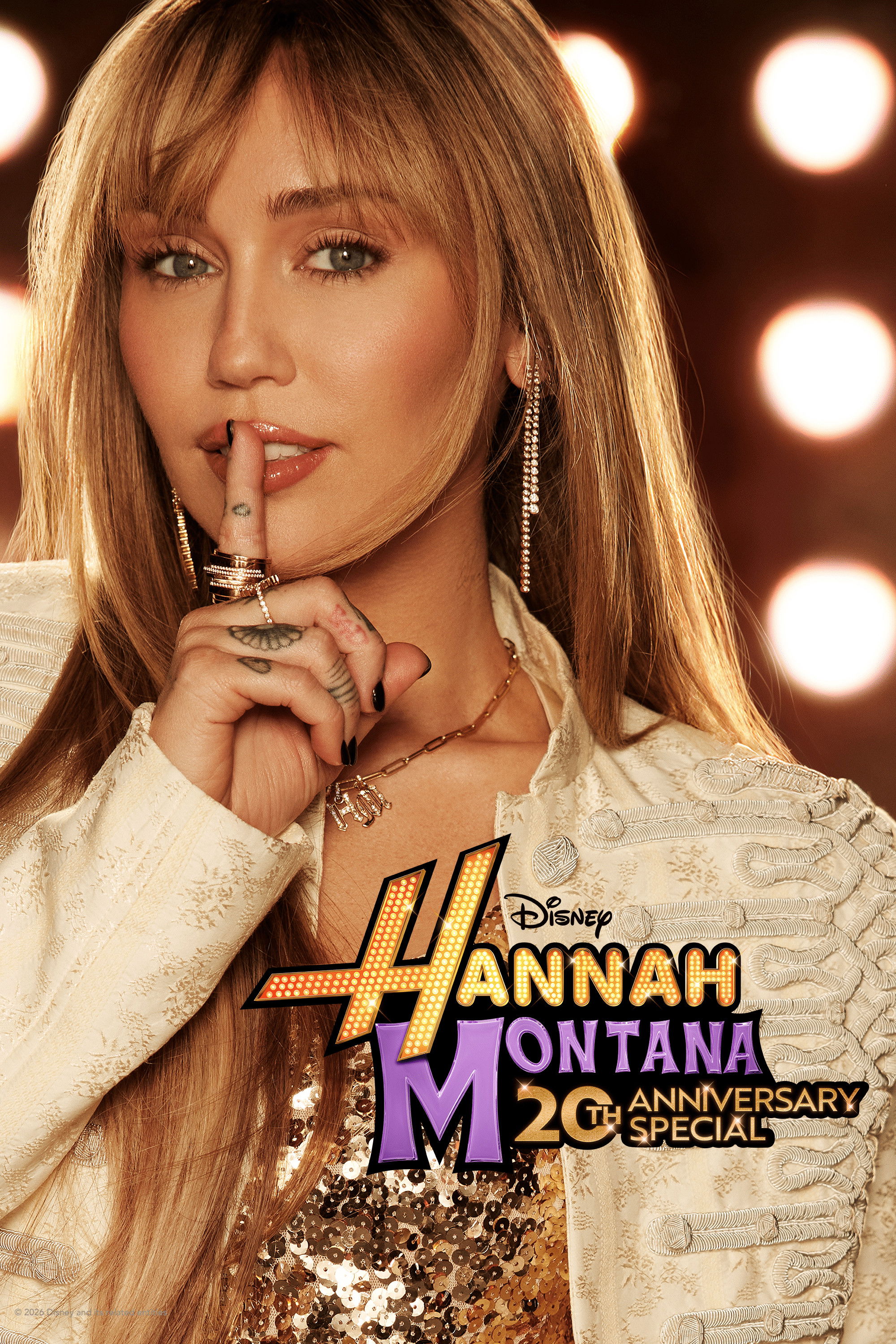
Filmed in front of a live studio audience and hosted by Alex Cooper of 'Call Her Daddy' fame, Miley Cyrus reflects on the creation and impact of the series with never-before-seen archival footage, all the while interacting and reminiscing on some of the show's most memorable sets 'brought back to life' — including the Stewart family living room and the legendary Hannah Montana closet.
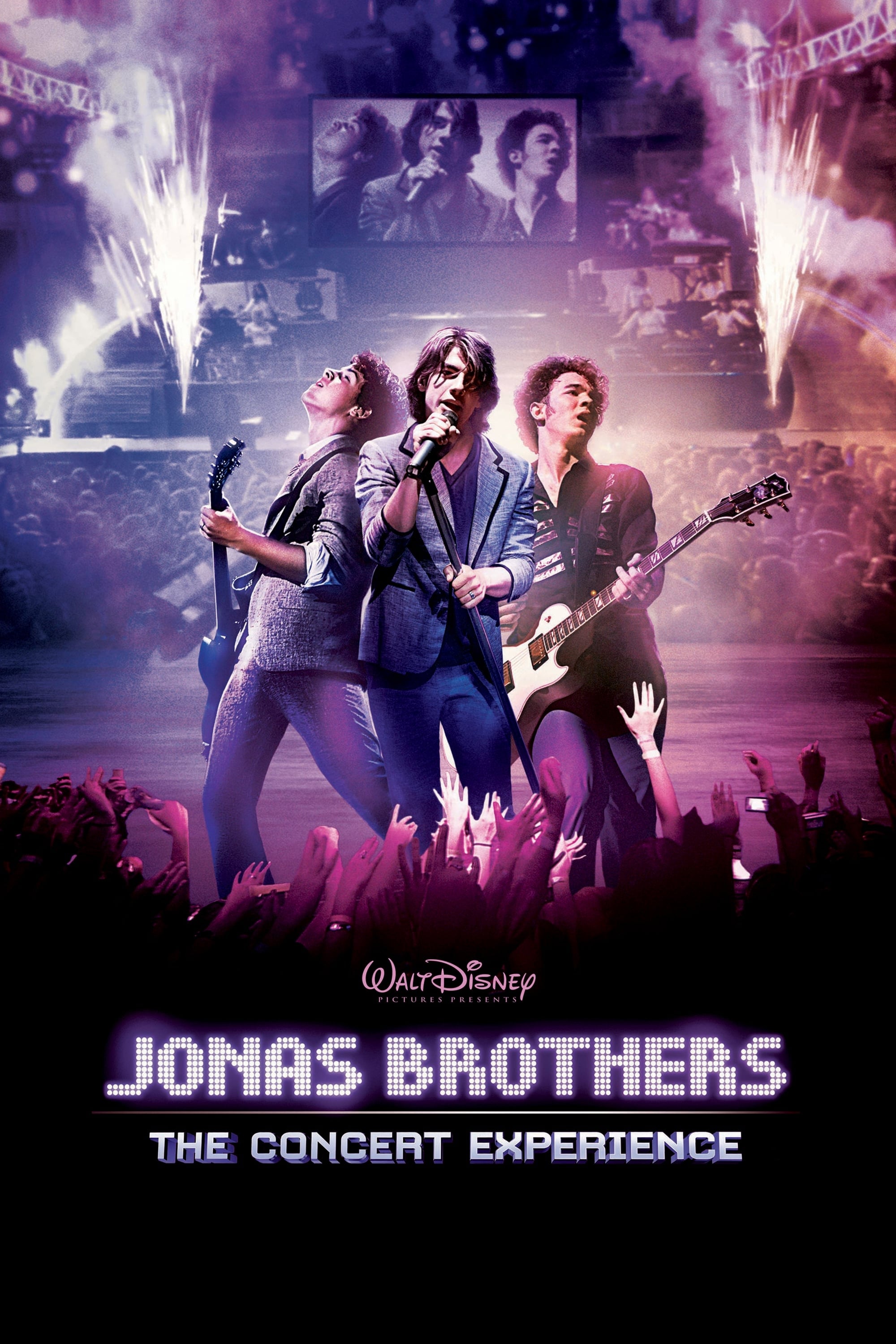
Grab a backstage pass to the Jonas Brothers' motion picture debut! Kevin, Joe and Nick are "Burning Up" the stage and inviting you inside their personal world for the adventure of a lifetime. This colossal movie event launches the world's hottest band straight into your living room – and includes guest appearances by chart-topping artists Demi Lovato and Taylor Swift! Secure your VIP pass to a once-in-a-lifetime experience with the Jonas Brothers. Get ready to hang out with this multitalented trio, and take an intimate look at what their lives are like offstage and behind the scenes. It's the music-filled movie event perfect for the whole family!
Forty years after the release of Michael Jackson’s ‘Thriller,’ the best-selling album of all-time, director Nelson George takes fans back in time to the making of a pop masterpiece, featuring never-before-seen footage and candid interviews.
Backup singers live in a world that lies just beyond the spotlight. Their voices bring harmony to the biggest bands in popular music, but we've had no idea who these singers are or what lives they lead, until now.
Step into Casa Madrigal for a special concert spectacular as the original voice cast of Disney Animation's Oscar®-winning "Encanto," Stephanie Beatriz, Adassa, Carolina Gaitán, Jessica Darrow, Diane Guerrero, Mauro Castillo, Angie Cepeda and Olga Merediz, along with special guests including Colombian superstar Carlos Vives, reunites for "Encanto at the Hollywood Bowl." This unprecedented concert experience gives you a front-row seat to the musical extravaganza celebrating the global phenomenon.
Live Aid was held on 13 July 1985, simultaneously in Wembley Stadium in London, England, and the John F. Kennedy Stadium in Philadelphia, United States. It was one of the largest scale satellite link-ups and television broadcasts of all time: watched live by an estimated global audience of 1.9 billion, across 150 nations. "It's twelve noon in London, seven AM in Philadelphia, and around the world it's time for Live Aid...!"
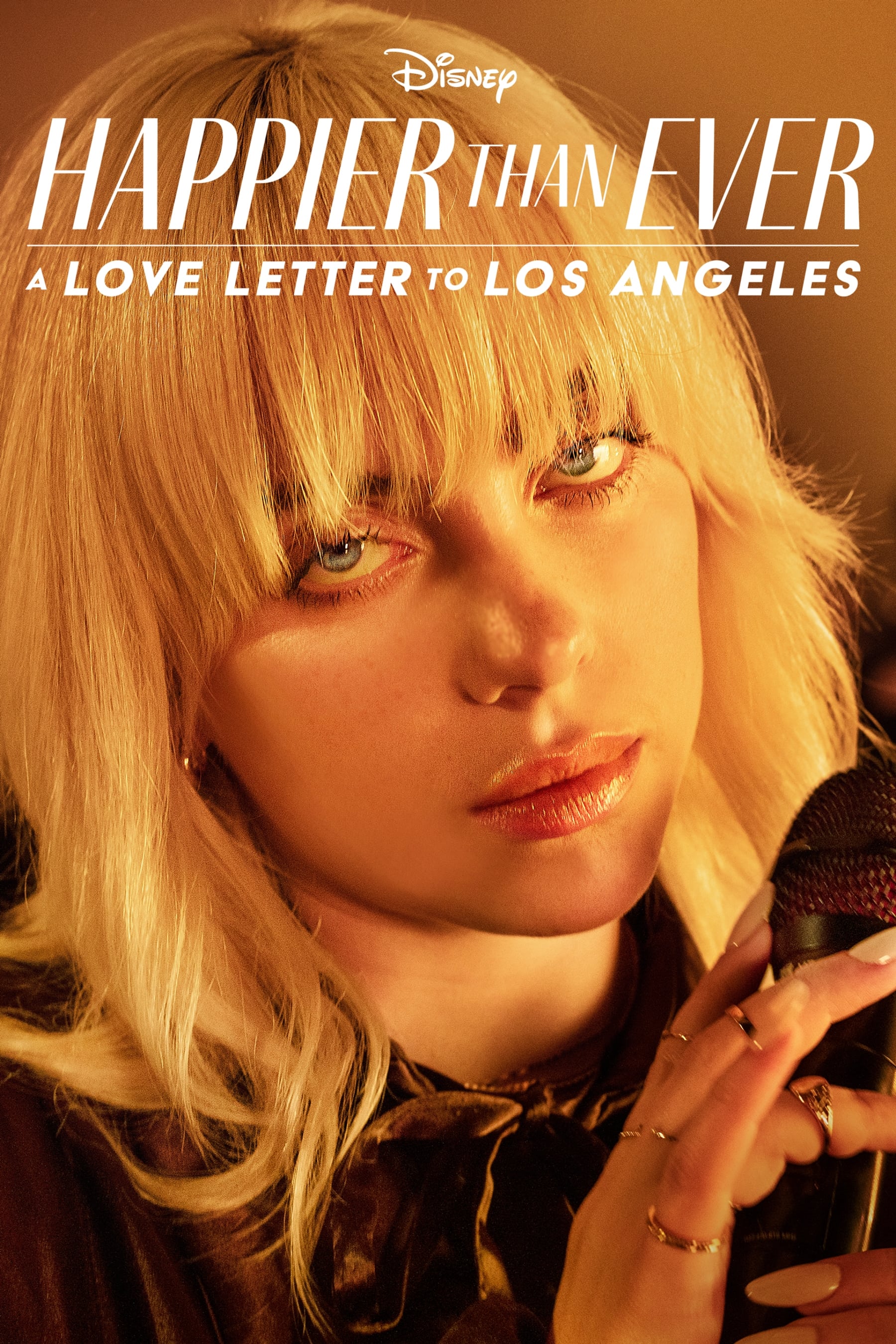
Fresh off the heels of her brand-new album, "Happier Than Ever," this cinematic concert experience features an intimate performance of every song in the album's sequential order – for the first and only time – from the stage of the legendary Hollywood Bowl.
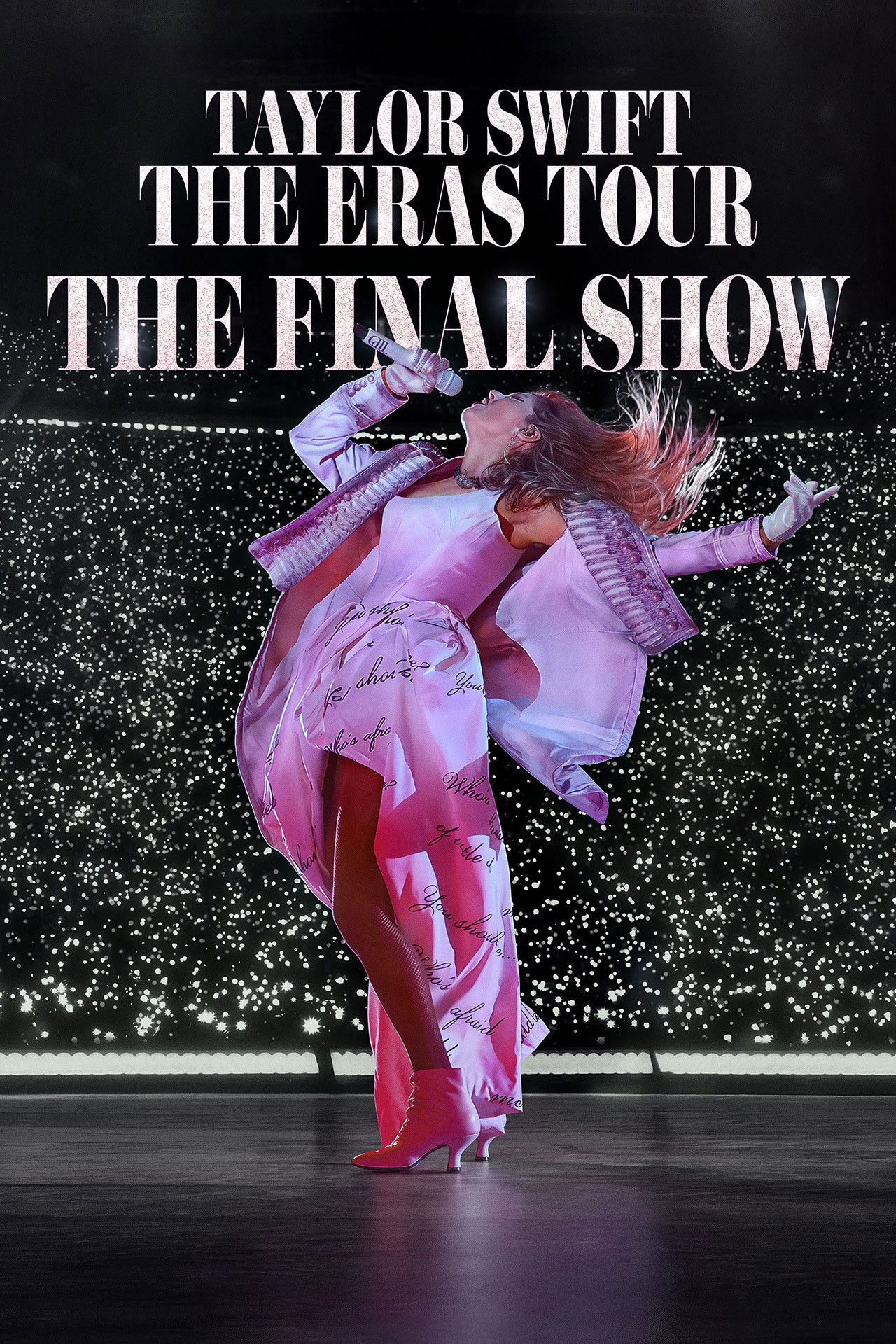
Filmed at the end of Taylor Swift's record-breaking Eras Tour in Vancouver, B.C., this complete, in-depth 45-song concert includes the complete 'The Tortured Poets Department' set and special mashups.
A unique cinematic experience that invites audiences on a vibrant journey through the life of cultural icon Pharrell Williams. Told through the lens of LEGO® animation, turn up the volume on your imagination and witness the evolution of one of music's most innovative minds.
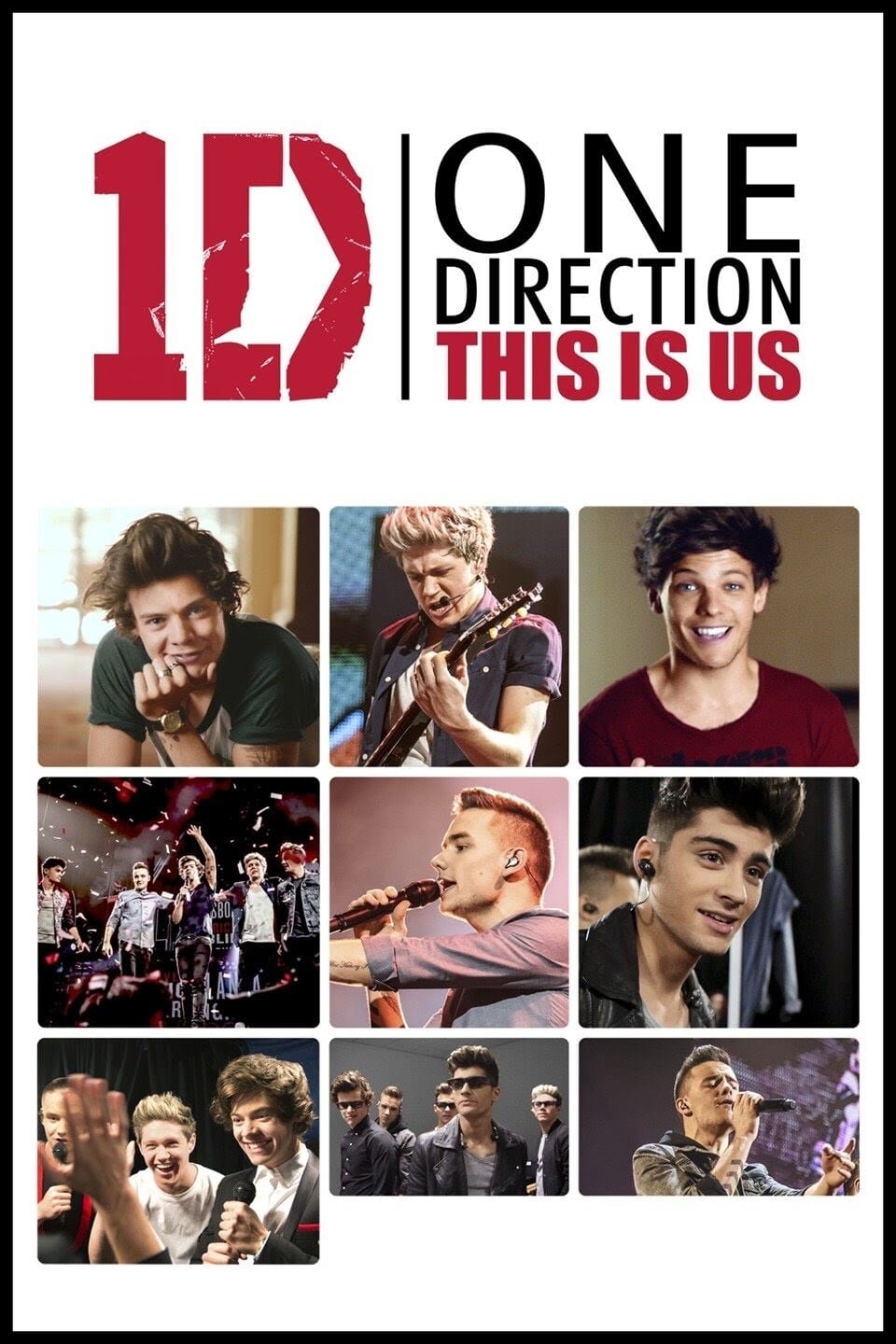
"One Direction: This Is Us" is a captivating and intimate all-access look at life on the road for the global music phenomenon. Weaved with stunning live concert footage, this inspiring feature film tells the remarkable story of Niall, Zayn, Liam, Harry and Louis' meteoric rise to fame, from their humble hometown beginnings and competing on the X-Factor, to conquering the world and performing at London’s famed O2 Arena. Hear it from the boys themselves and see through their own eyes what it's really like to be One Direction.
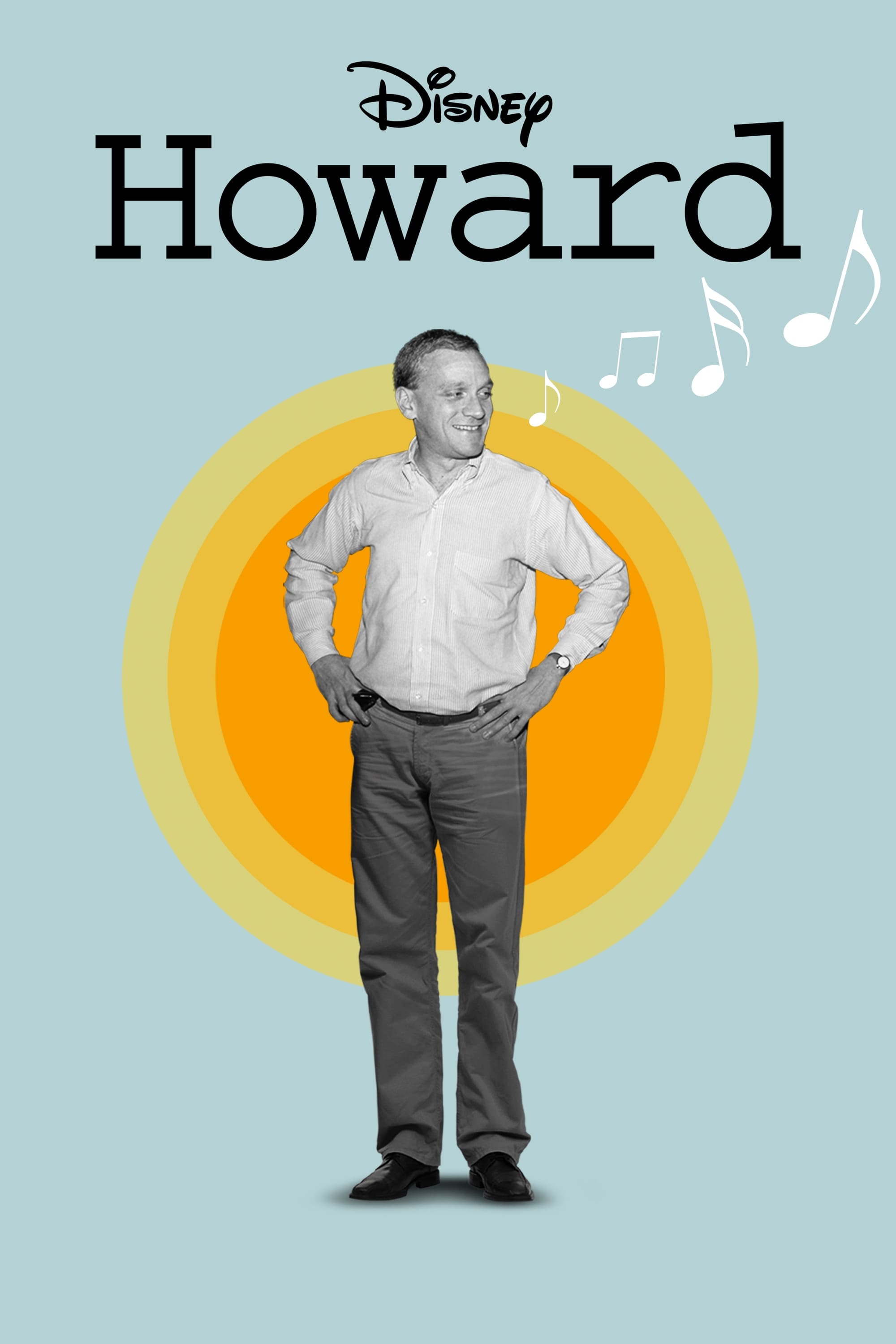
Though legendary lyricist Howard Ashman died far too young, his impact on Broadway, movies, and the culture at large were incalculable. Told entirely through rare archival footage and interviews with Ashman’s family, friends, associates, and longtime partner Bill Lauch, Howard is an intimate tribute to a once-in-a-generation talent and a rousing celebration of musical storytelling itself.
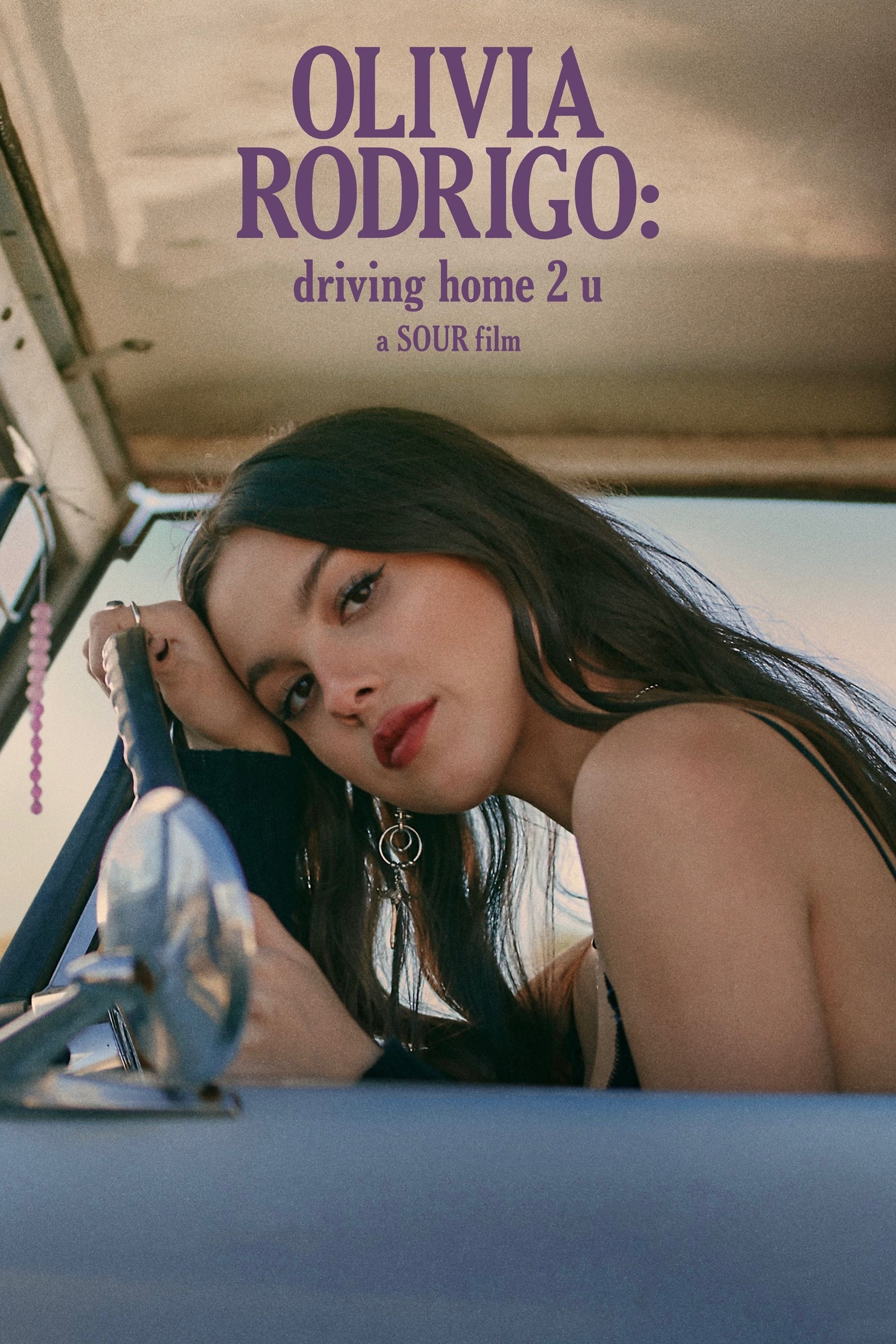
Grammy® winner singer-songwriter Olivia Rodrigo takes a familiar road trip from Salt Lake City, where she began writing her debut album “SOUR,” to Los Angeles. Along the way, Rodrigo recounts the memories of writing and creating her record-breaking debut album and shares her feelings as a young woman navigating a specific time in her life. Through new live arrangements of her songs, intimate interviews and never-before-seen footage from the making of the album, audiences will follow Olivia along on a cinematic journey exploring the story of “SOUR.”
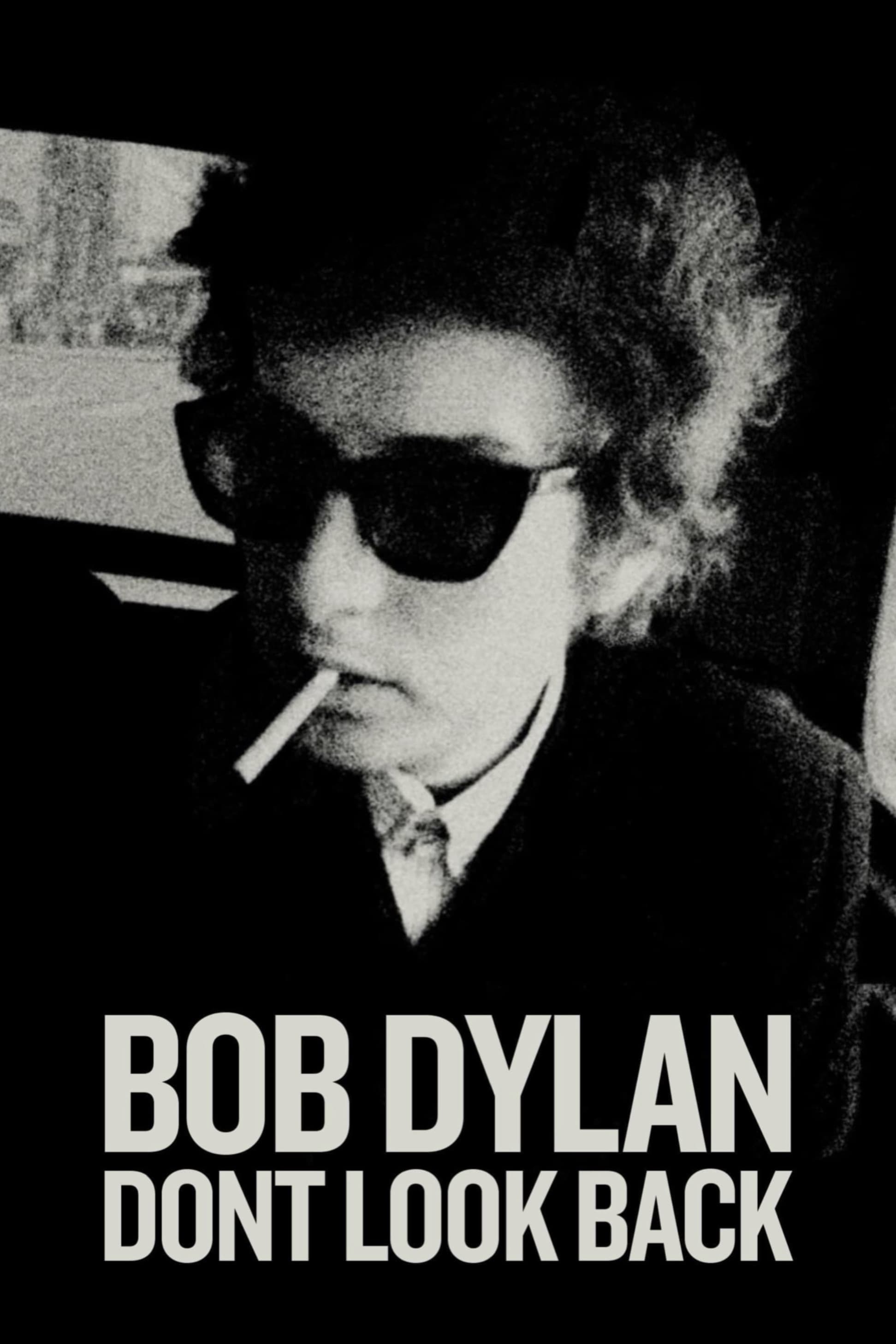
In this wildly entertaining vision of one of the twentieth century’s greatest artists, Bob Dylan is surrounded by teen fans, gets into heated philosophical jousts with journalists, and kicks back with fellow musicians Joan Baez, Donovan, and Alan Price.