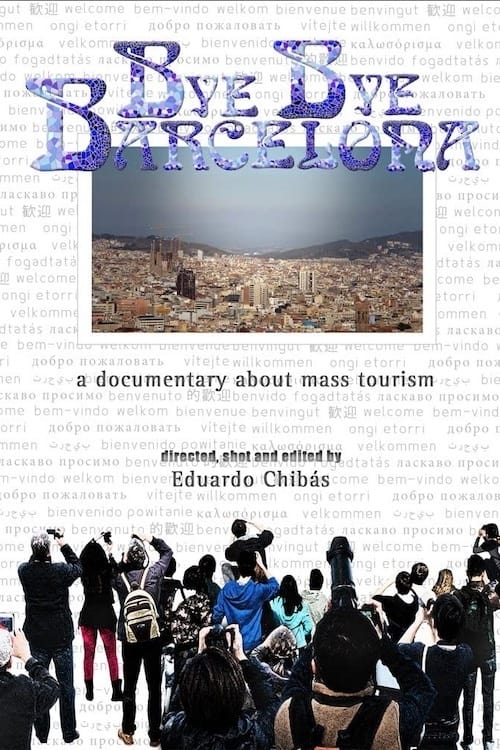
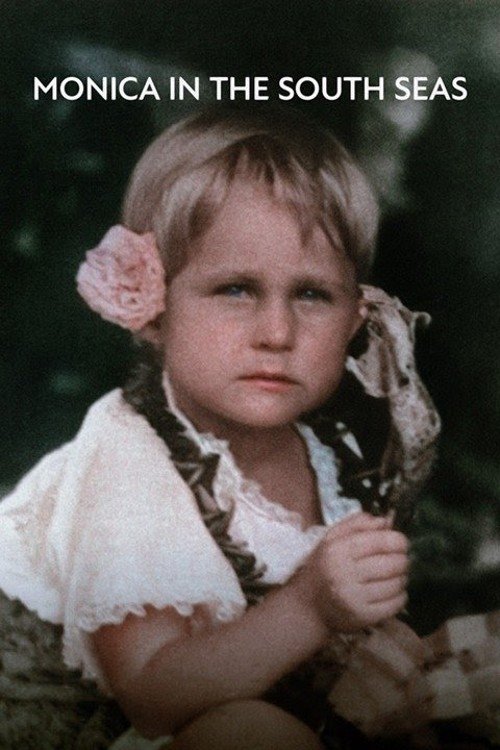
An overview of the people, lifestyle, and traditions of Samoa, as well tourism and other economic changes on the Samoan islands.
Social & External
Narrator
The Living Sea celebrates the beauty and power of the ocean as it explores our relationship with this complex and fragile environment. Using beautiful images of unspoiled healthy waters, The Living Sea offers hope for recovery engendered by productive scientific efforts. Oceanographers studying humpback whales, jellyfish, and deep-sea life show us that the more we understand the ocean and its inhabitants, the more we will know how to protect them. The film also highlights the Central Pacific islands of Palau, one of the most spectacular underwater habitats in the world, to show the beauty and potential of a healthy ocean.
A provocative and poetic exploration of how the British people have seen their own land through more than a century of cinema. A hallucinated journey of immense beauty and brutality. A kaleidoscopic essay on how magic and madness have linked human beings to nature since the beginning of time.
For centuries, rice farmers on the island of Bali have taken great care not to offend Dewi Danu, the water goddess who dwells in the crater lake near the peak of Batur volcano. Through an analysis of ritual, resource management practices (planting schedules, irrigation vs. conservation, etc) and social organization, anthropologist Steve Lansing and ecologist James Kremer discover the intricacy and sustainability of this ancient water management agricultural system.
A documentary about German tourists on vacation in Italy and various activities at their Italian vacation destination.
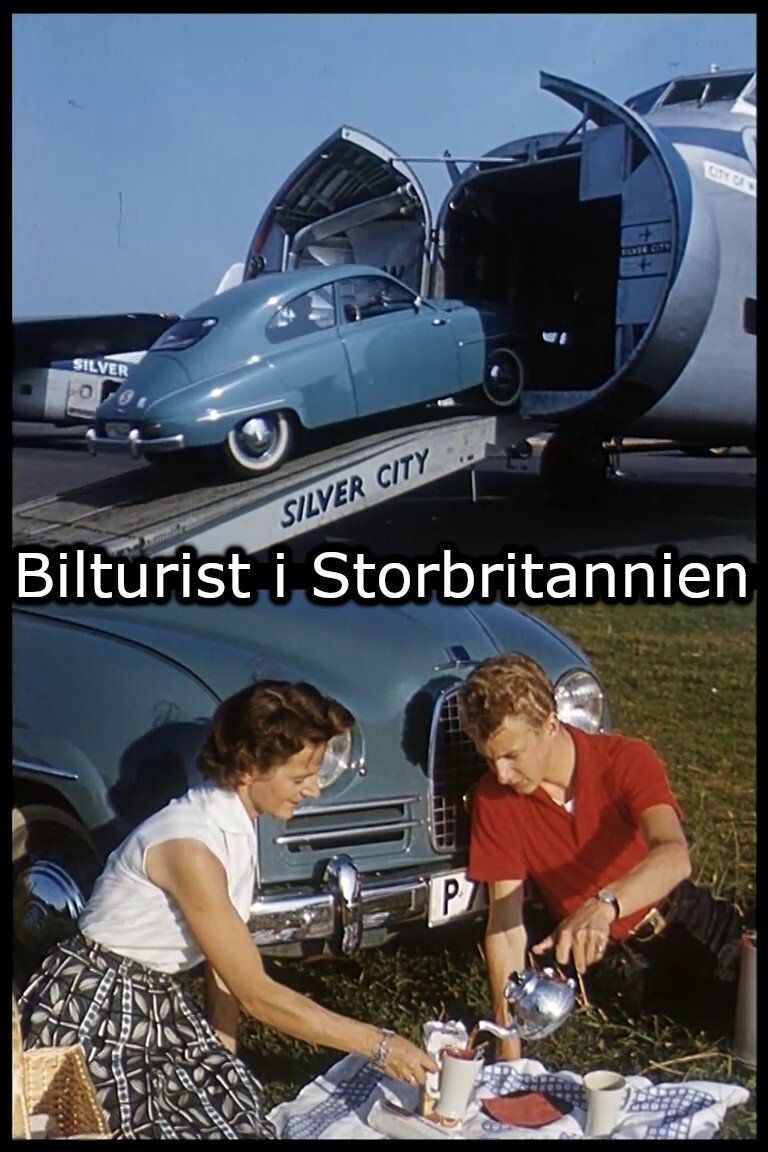
A documentary covering Charles de Jaeger and Wynford Vaughan-Thomas's eight-day journey around the world. Travelling solely by British airlines, Jaeger and Thomas visit Rome, Karachi, Singapore, Fiji and Vancouver, amongst other places.
Since the 1970s, lesbians from around the world have been drawn to the island of Lesvos, the birthplace of the ancient Greek poet Sappho. When they find paradise in a local village and carve out their own queer lesbian community, tensions simmer with the local residents. With both groups claiming ownership of lesbian identity, filmmaker Tzeli Hadjidimitriou—a native and lesbian herself—is caught in the middle and chronicles 40+ years of love, community, conflict, and what it means to feel accepted.
Altötting in Bavaria, around 120 km from Regensburg, is a much-visited pilgrimage site. Numerous Catholic pilgrims come here every year. The photographs show various groups of pilgrims in search of extraordinary and spiritual experiences, which are contrasted with the ordinariness of village life. The secular-commercial organization of the pilgrimage site and the marketing of the miracle do not always make it easy to distinguish between pilgrims and tourists, pilgrimage and spectacle, faith and madness.
Shot during three seasons, Kenuajuak's documentary tenderly portrays village life and the elements that forge the character of his people: their history, the great open spaces and their unflagging humour. Though Kenuajuak appreciates the amenities of southern civilization that have made their way north, he remains attached to the traditional way of life and the land: its vast tundra, the sea teeming with Arctic char, the sky full of Canada geese. My Village in Nunavik is an unsentimental film by a young Inuk who is open to the outside world but clearly loves his village. With subtitles.
Visit Pitlochry, a “busy, bustling town” in the heart of the Scottish Highlands featuring boozing stags, ladies lunching, tweed and whisky galore!
Bournemouth offers a variety of sports, pastimes, steamer trips, and fine dining for holidaymakers, competing with cheaper foreign holidays and offering a variety of transportation options.
A girl celebrates her 16th birthday with a Umhlonyane.
Documentary about the foreign tourism in Rocinha, the biggest Latin America's favela, which receives about 3.000 foreign tourists per month. They come to Rocinha looking for the most varied aspects, from the poorness to the violence, from the geography to the architecture, from the viewing to the atmosphere, from the curiosity to the welfarism.
Are tourists destroying the planet-or saving it? How do travelers change the remote places they visit, and how are they changed? From the Bolivian jungle to the party beaches of Thailand, and from the deserts of Timbuktu, Mali to the breathtaking beauty of Bhutan, GRINGO TRAILS traces stories over 30 years to show the dramatic long-term impact of tourism on cultures, economies, and the environment.
A look at the everyday life of Tahitian natives.
Part of a series of films produced by Vme TV that features aerial videography shot from a helicopter of points of interest. This film in particular features points of interest in Puerto Rico.
Shipibo healer Ricardo Amaringo describes how he prepares, teaches, and shares the plant medicine ayahuasca. Olivia and Julian Arévalo sing examples of icaros (healing songs) in the Shipibo language.
For thirty years in the late-twentieth century, the people of Tahiti survived dozens of offshore nuclear tests by the French government. Since the country was colonized in 1880, the blasts left Tahitians picking through the remnants of their islands and culture in an effort to keep indigenous knowledges alive. The film offers a poetic glimpse into contemporary Tahiti, and the colonial struggles its people still face as they strive to sustain their way of life.
As if they were showing their film to a few friends in their home, the Johnsons describe their trip across the world, which begins in the South Pacific islands of Hawaii, Samoa, Australia, the Solomons (where they seek and find cannibals), and New Hebrides. Thence on to Africa via the Indian Ocean, Suez Canal, North Africa, and the Nile River to lion country in Tanganyika. (They are briefly joined in Khartum by George Eastman and Dr. Al Kayser.) Taking a safari in the Congo, the Johnsons see animals and pygmies, and travel back to Uganda, British East Africa, and Kenya.