Social & External
The people behind it
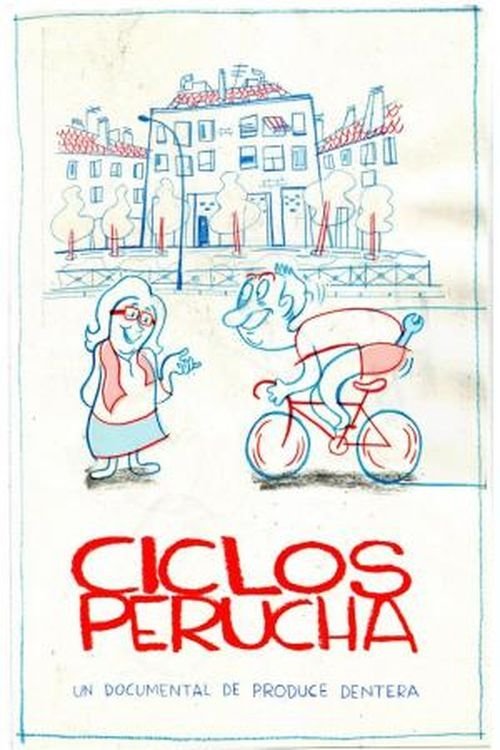
Higinio Domingo Perucha
Él mismo
Madrid, Spain, 1949. The Circo Americano arrives in the city. While the big top is pitched in a vacant lot, the troupe parades through the grand avenues: the band, a witty impersonator, the Balodys, acrobats, jugglers, acrobatic skaters, clowns and… Buffallo Bill.
Famous Spanish film critic Alfonso Sánchez talks about his personal life, his work and Anouk Aimée. A sentimental tribute to one of the most relevant figures on the Spanish film scene.
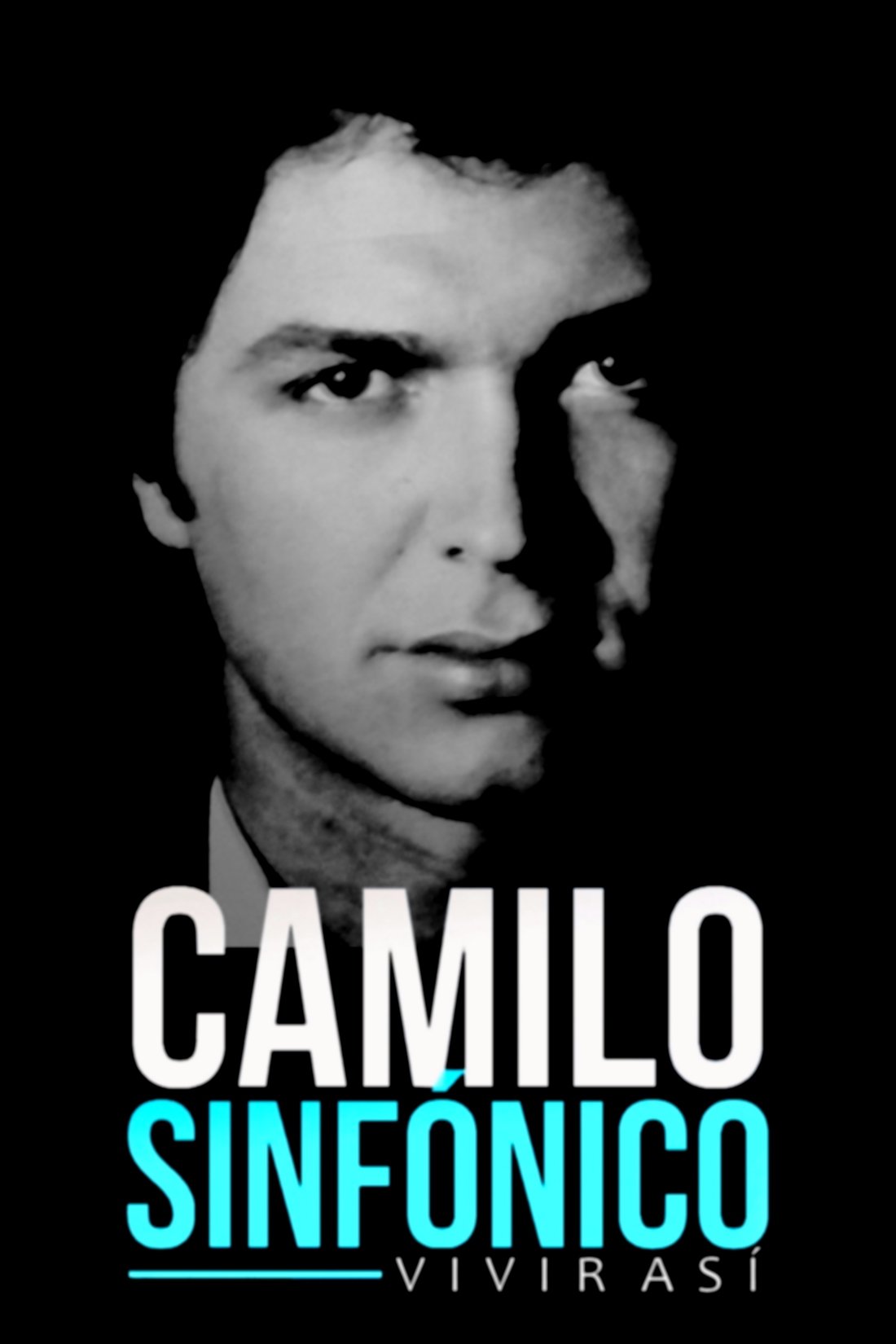
An account of the successful life and work of Spanish singer and actor Camilo Sesto (1946-2019), the portentous, almost miraculous, voice of Spanish pop music for decades, through his own point of view, told during his last interview and in many others, and through the words of those creators whose own work has been strongly influenced both by his art and his magnetic personality.
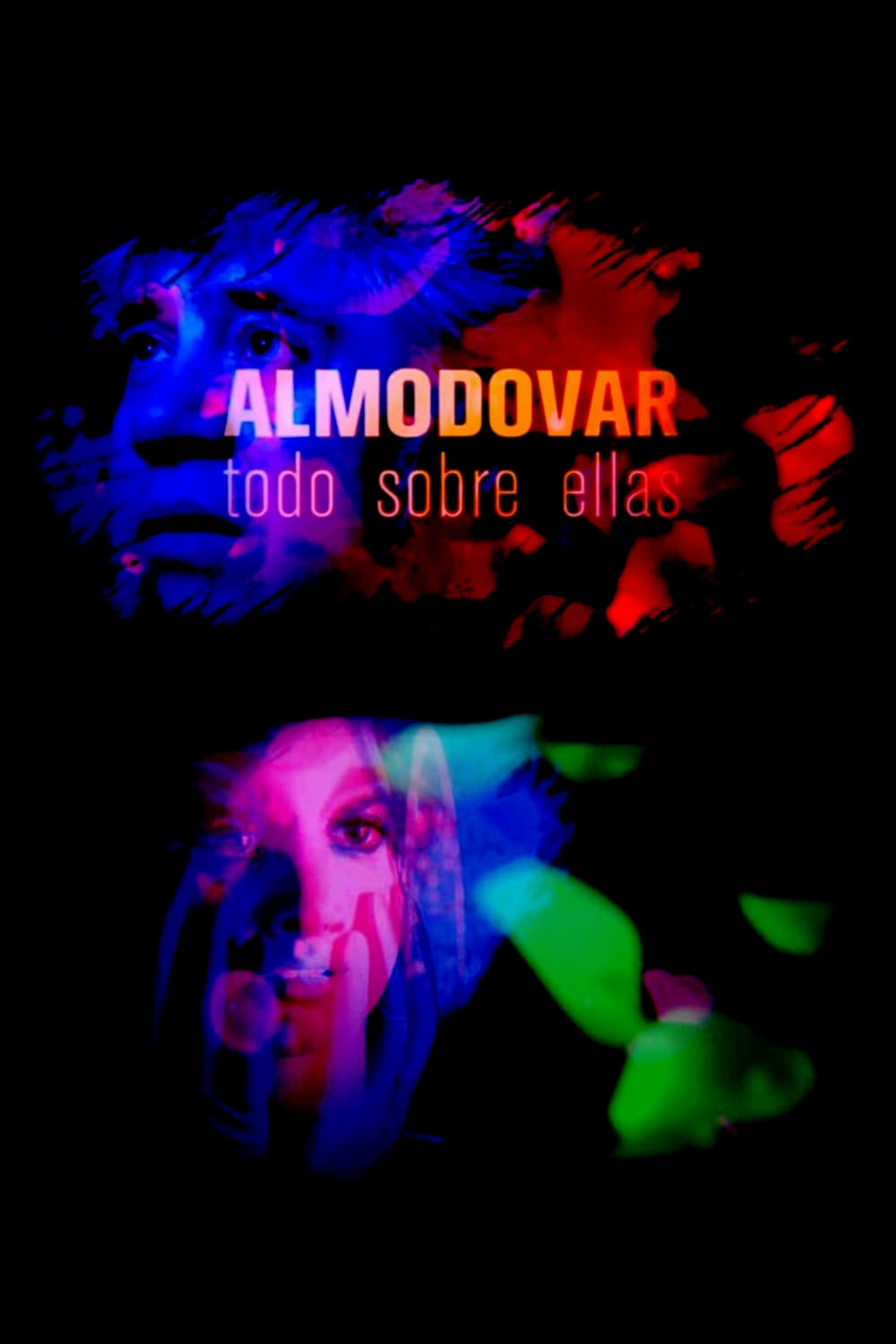
When looking at Pedro Almodóvar’s filmography, it becomes evident that women are everywhere; in fact, his work revolves around them. His divas are the best to create a real portrait of Almodóvar and evoke the emotional power of his films. These women are the ideal observers of a cinematic career that, from La Mancha to Hollywood, has changed the image of Spain in the world.
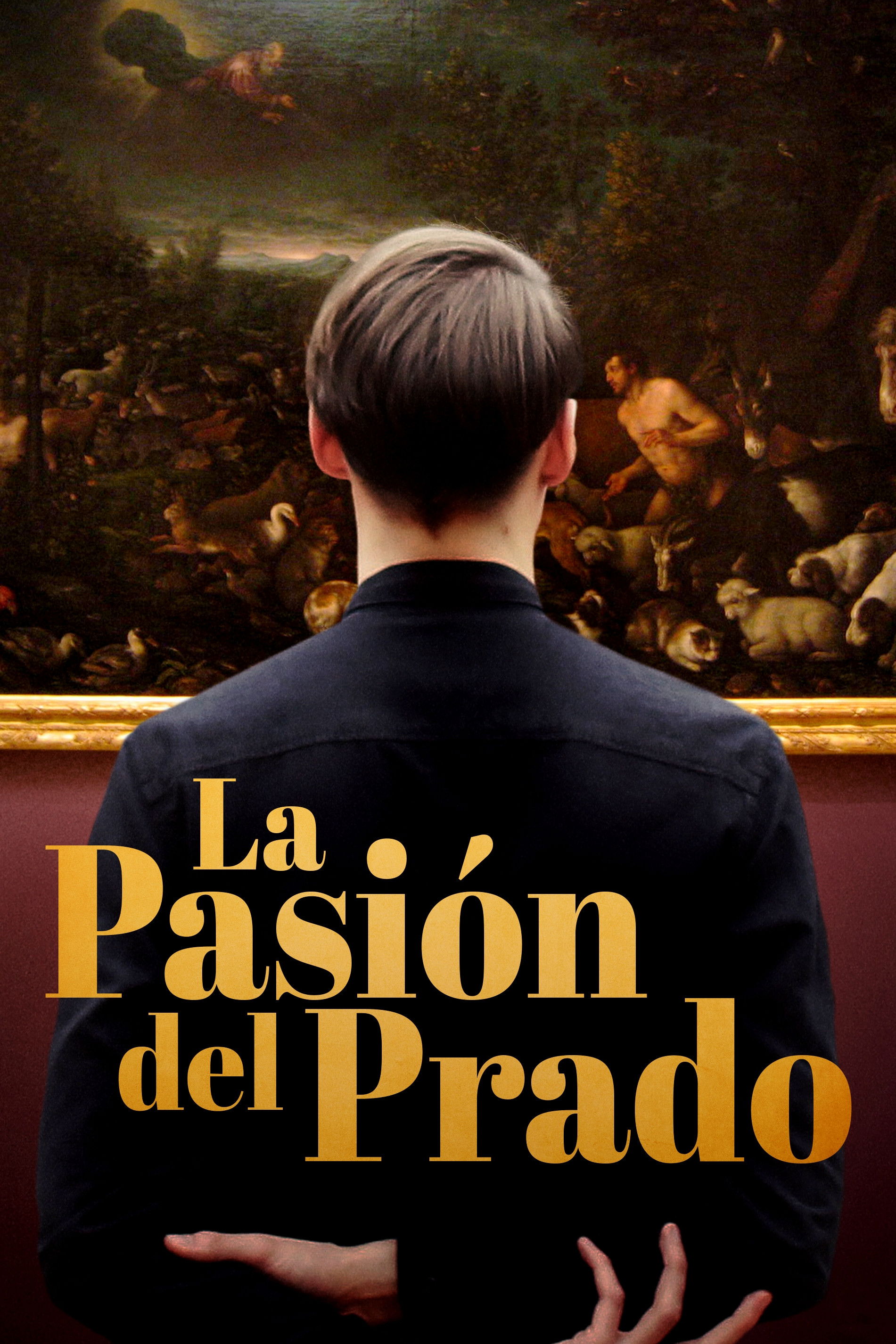
A journey through four hundred paintings, all masterpieces, among the more than nine thousand treasured in the Prado Museum, Madrid, Spain.
Six elderly retired women, two from Buenos Aires, Argentina; two from Montevideo, Uruguay; and two from Madrid, Spain, have something in common, despite their different interests and lives: they go to the movies almost every day.
The chronicle of the process, ten long years, that led to the end of ETA (Euskadi Ta Askatasuna), a Basque terrorist gang that perpetrated robberies, kidnappings and murders in Spain and the French Basque Country for more than fifty years. Almost 1,000 people died, but others are still alive to tell the story of how the nightmare finally ended.
The city of Madrid as it appears in the Spanish films of the 1950s. A small tribute to all those who filmed and portrayed Madrid despite the dictatorship, censorship and the critical situation of industry and society.
Spain, 1968. An analysis of the political and social situation of the country, suffocated by the boot of General Franco's tyrannical regime. (Filmed clandestinely in Madrid and Barcelona during the spring of 1968.)
Born in Campo de Criptana, a small village in the Spanish region of La Mancha, Sara Montiel (1928-2013) conquered Mexico, Hollywood, and the hearts of people. The recognition of an unparalleled professional career, an intimate dialogue with a tireless worker who took the stage at the age of twelve and never got off. A movie star who seduced millions of viewers around the world, a singer who reinvented a musical genre, a woman who broke the mold…
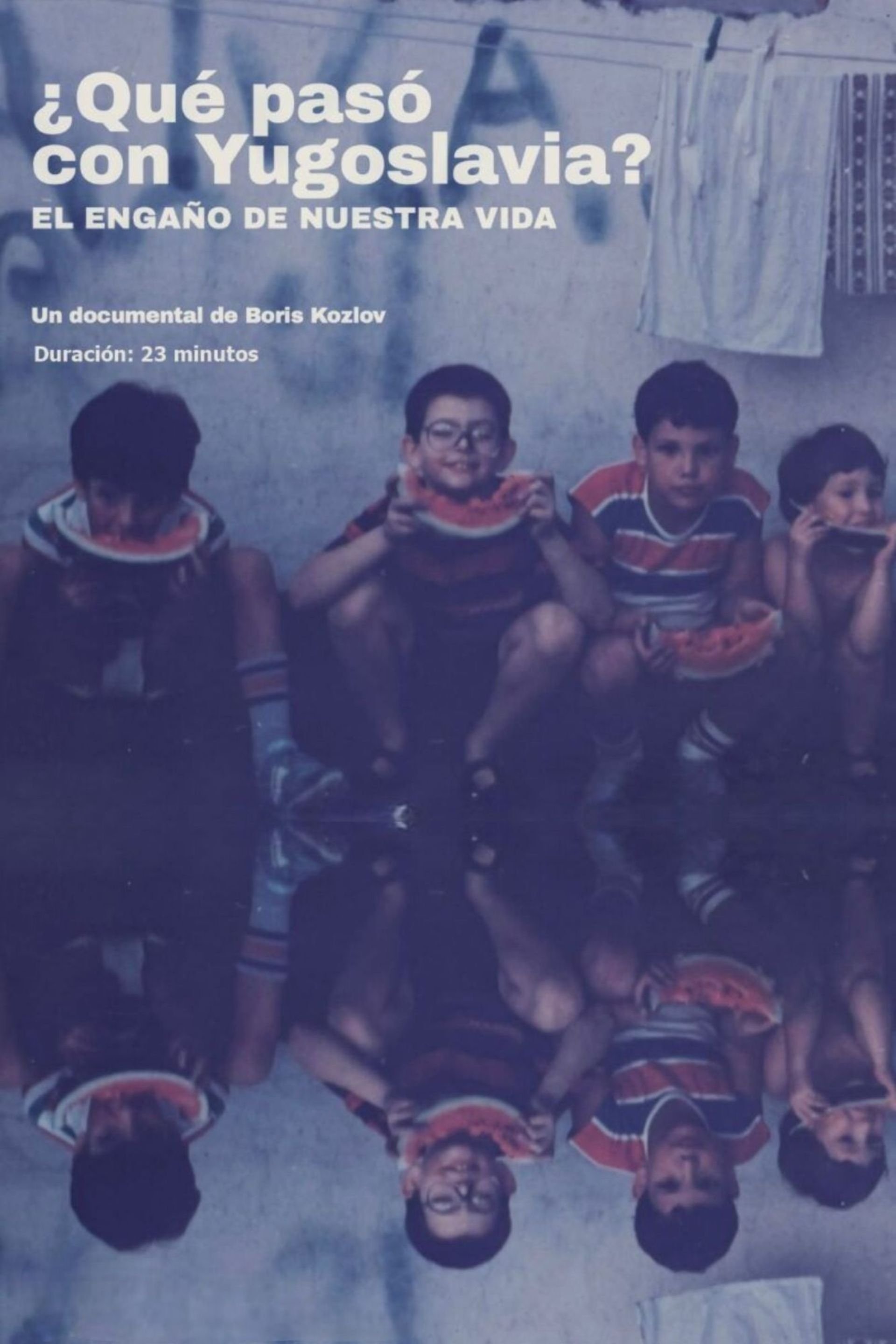
After forty years of fighting Moscow, Washington won the Cold War, and NATO found a way to expand eastward; however, there was one loose end to the problem: Yugoslavia was not a satellite of the USSR…
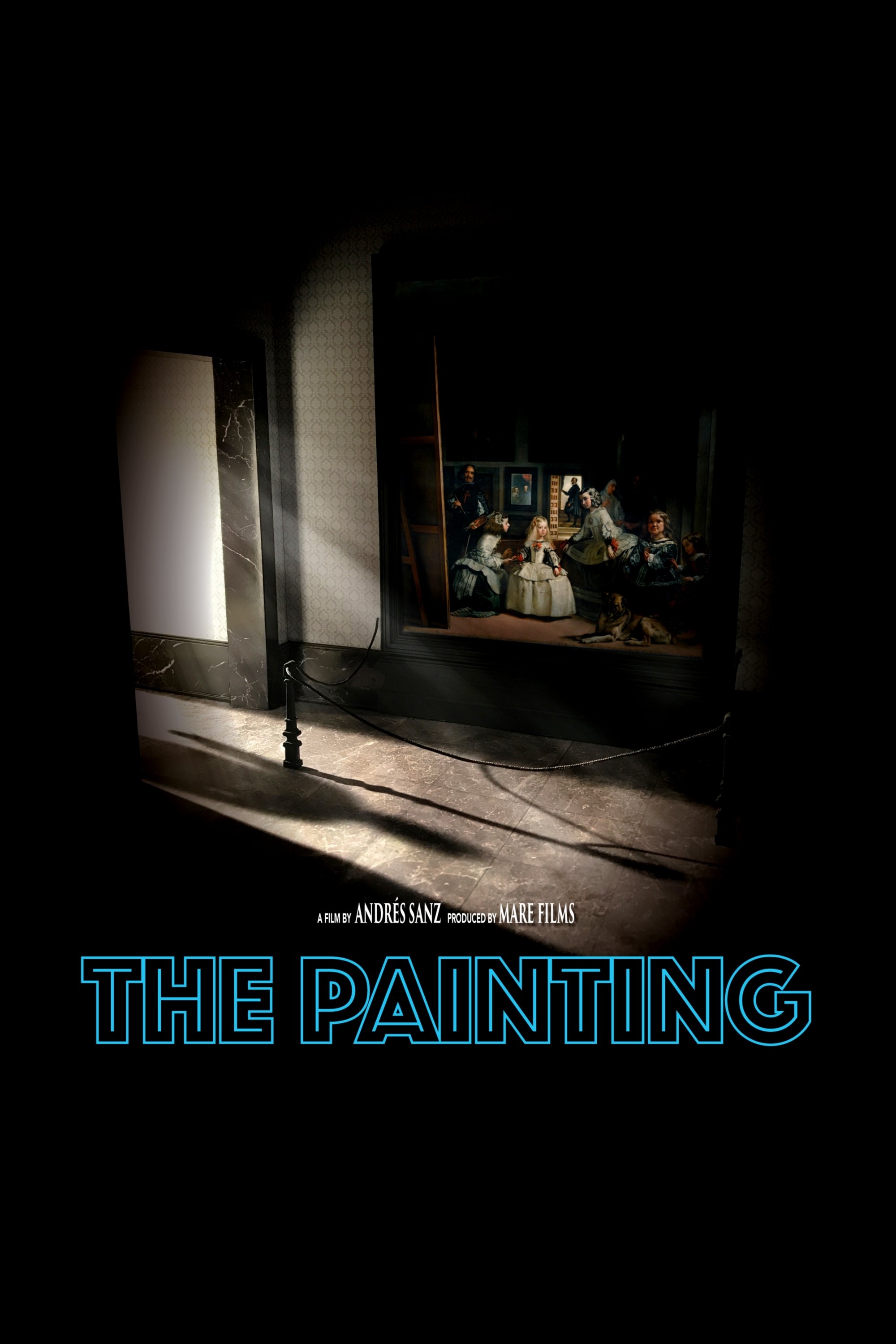
For three and a half centuries, from the same day that Diego Velázquez (1599-1660) applied his last brushstroke to the canvas, the enigma of “Las meninas, o La familia de Felipe IV” (1656) has not been deciphered. The secret story of a painting unveiled as if it was the resolution of a perfect crime.
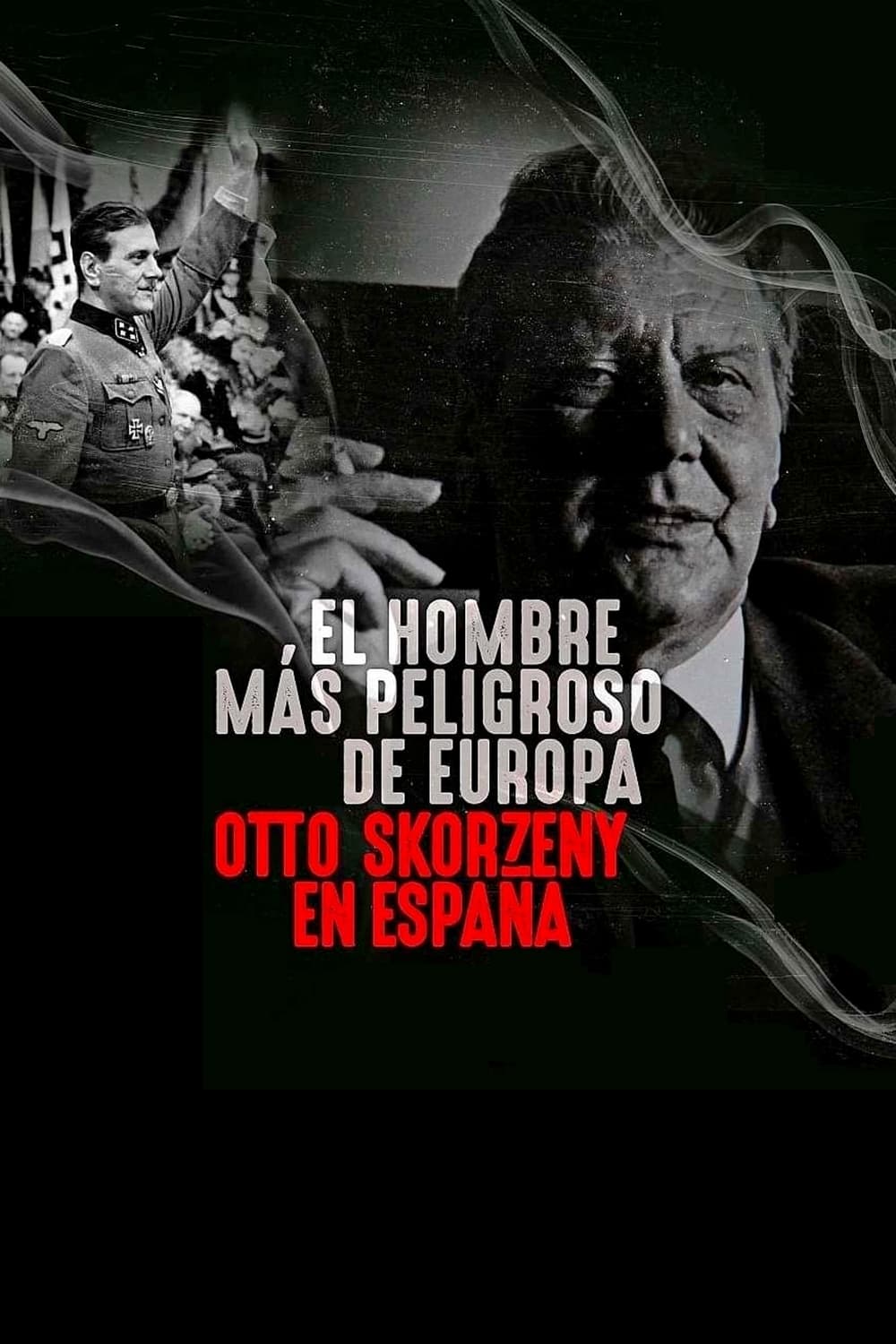
Waffen-SS officer Otto Skorzeny (1908-75) became famous for his participation in daring military actions during World War II. In 1947 he was judged and imprisoned, but he escaped less than a year later and found a safe haven in Spain, ruled with an iron hand by General Francisco Franco. What did he do during the many years he spent there?
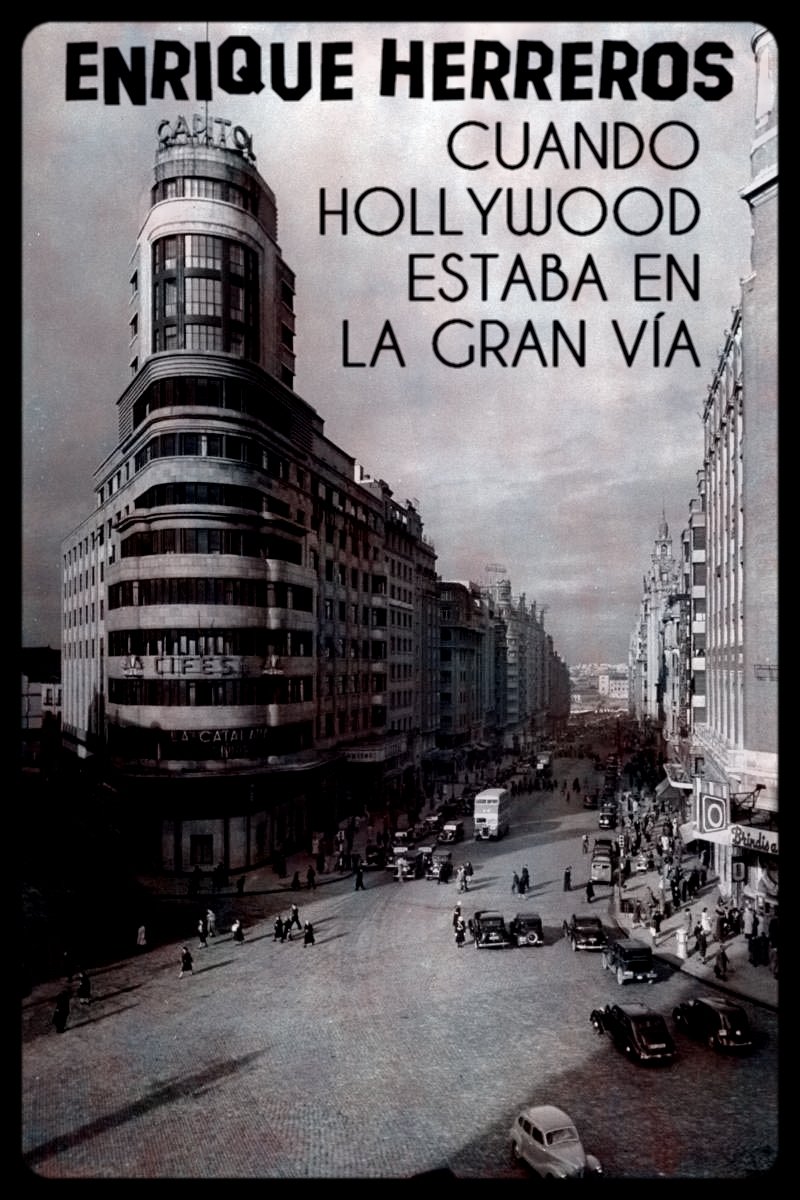
The story of Enrique Herreros (1903-1977), cartoonist, advertiser, poster designer, talent manager, actor, producer and filmmaker, and the most daring of mountaineers; the man who, along with his companions from the so-called “other Generation of '27,” brought Hollywood to Madrid's Gran Vía, turning a grey and sinister post-war city into the capital of an incipient and ambitious cultural industry.
14-year-old Laura Dekker sets out on a two-year voyage in pursuit of her dream to become the youngest person ever to sail around the world alone.
An inside look at one of the most anticipated movie sequels ever with James Cameron and cast.
The film follows adventurer Jeff Johnson as he retraces the epic 1968 journey of his heroes Yvon Chouinard and Doug Tompkins to Patagonia.
In an intimate and joyful story of love in the face of loss, celebrated poets Andrea Gibson and Megan Falley find strength—and unexpected hilarity—in what might be their final year together.
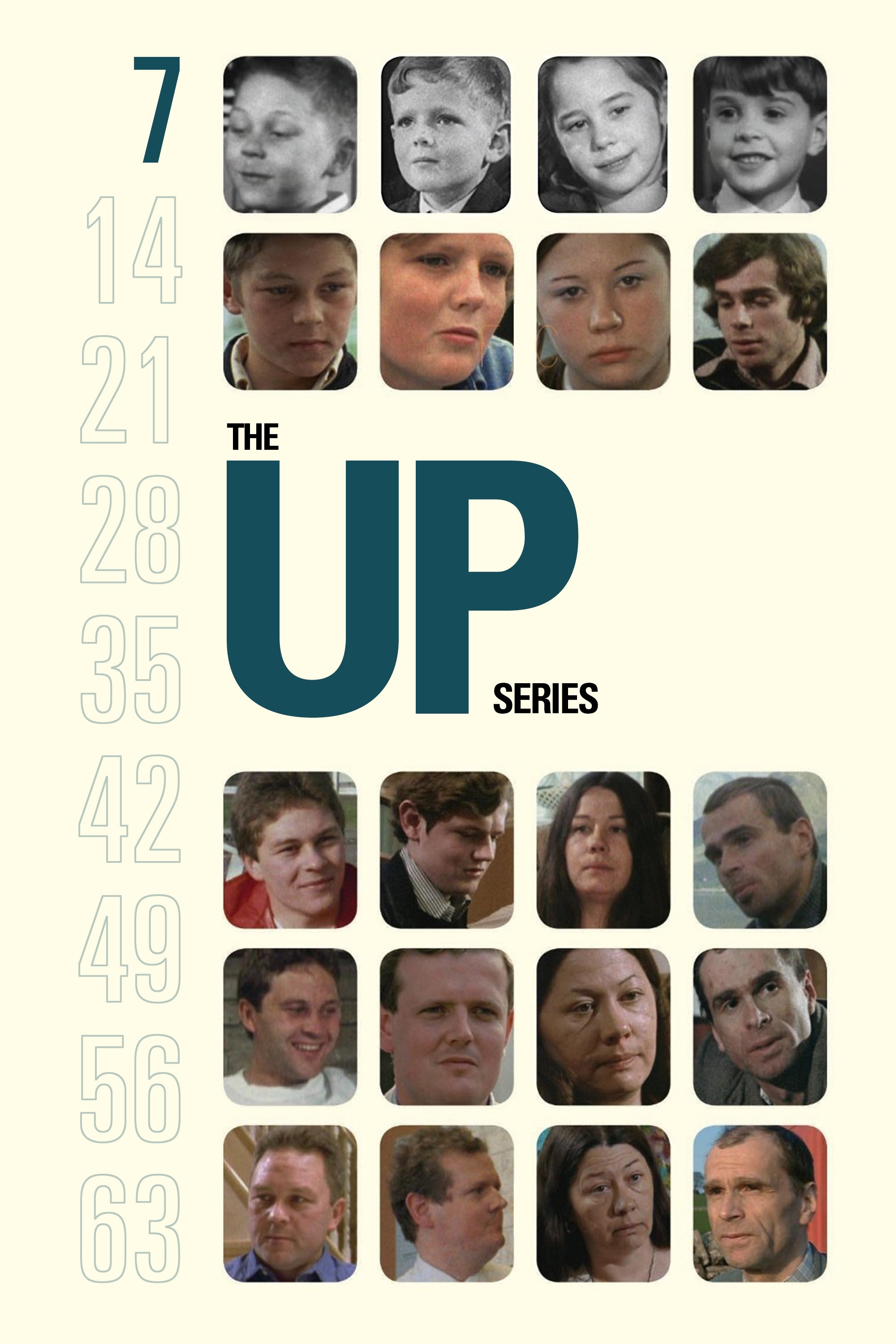
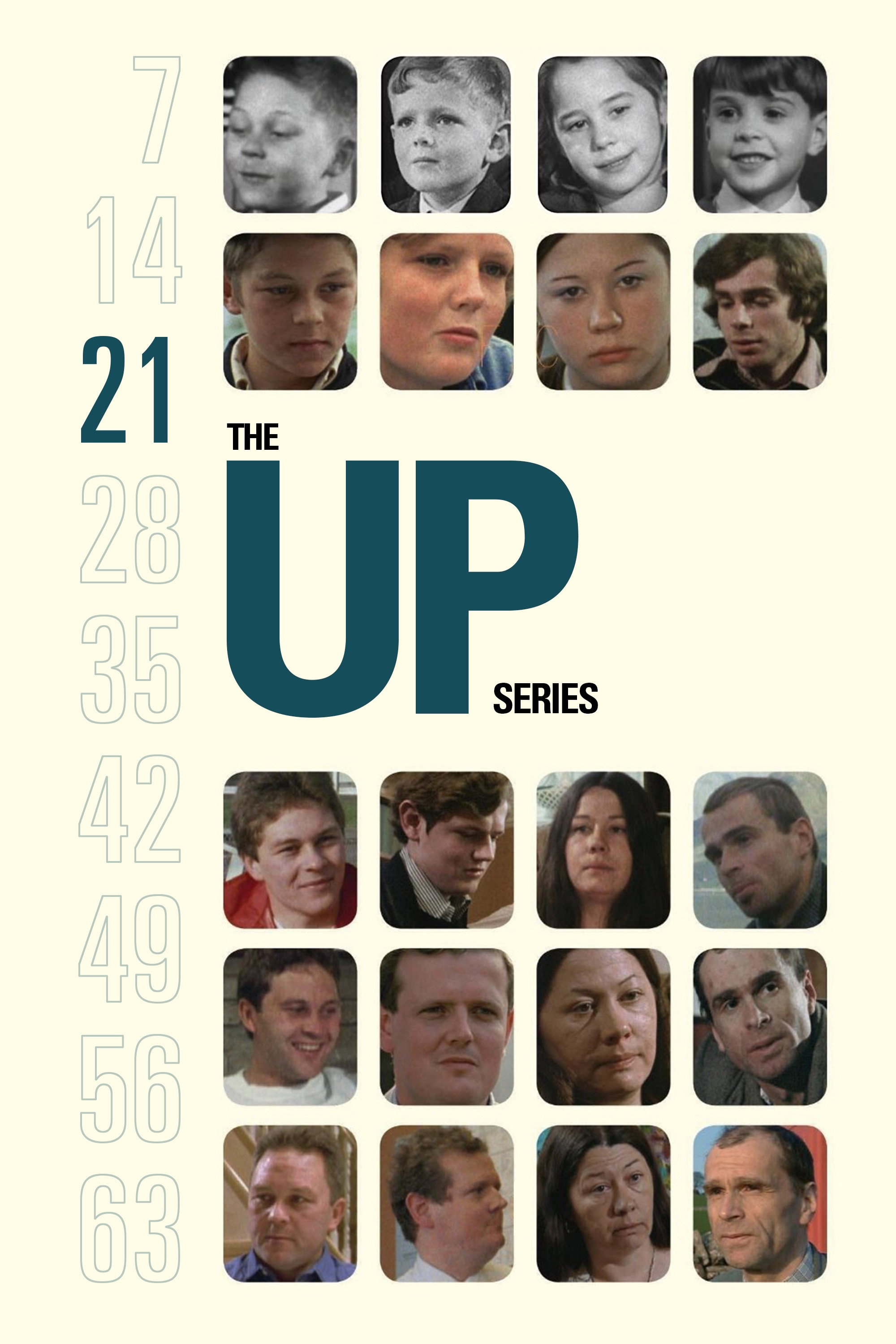
A group of British children aged 7 from widely ranging backgrounds are interviewed about a range of subjects. The filmmakers plan to re-interview them at 7 year intervals to track how their lives and attitudes change as they age.
A comedic, brutally honest documentary following self-destructive TV writer Dan Harmon as he takes his live podcast on a national tour.
Vulgar, taunting texts blow up the phones of a teen and her boyfriend. Who's sending them — and why? This twisty documentary reveals the shocking answer.
A string of threatening emails escalates into a revenge plot involving a newly married US marshal and his ex-girlfriend.
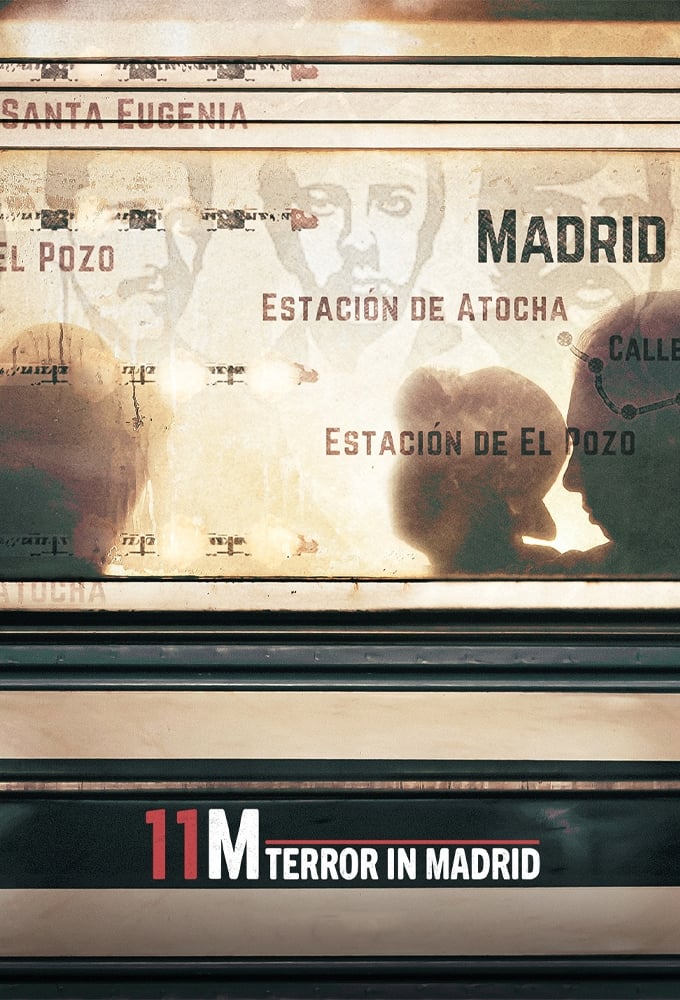
Survivors and insiders recount March 11, 2004's terrorist attack on Madrid, including the political crisis it ignited and the hunt for the perpetrators.
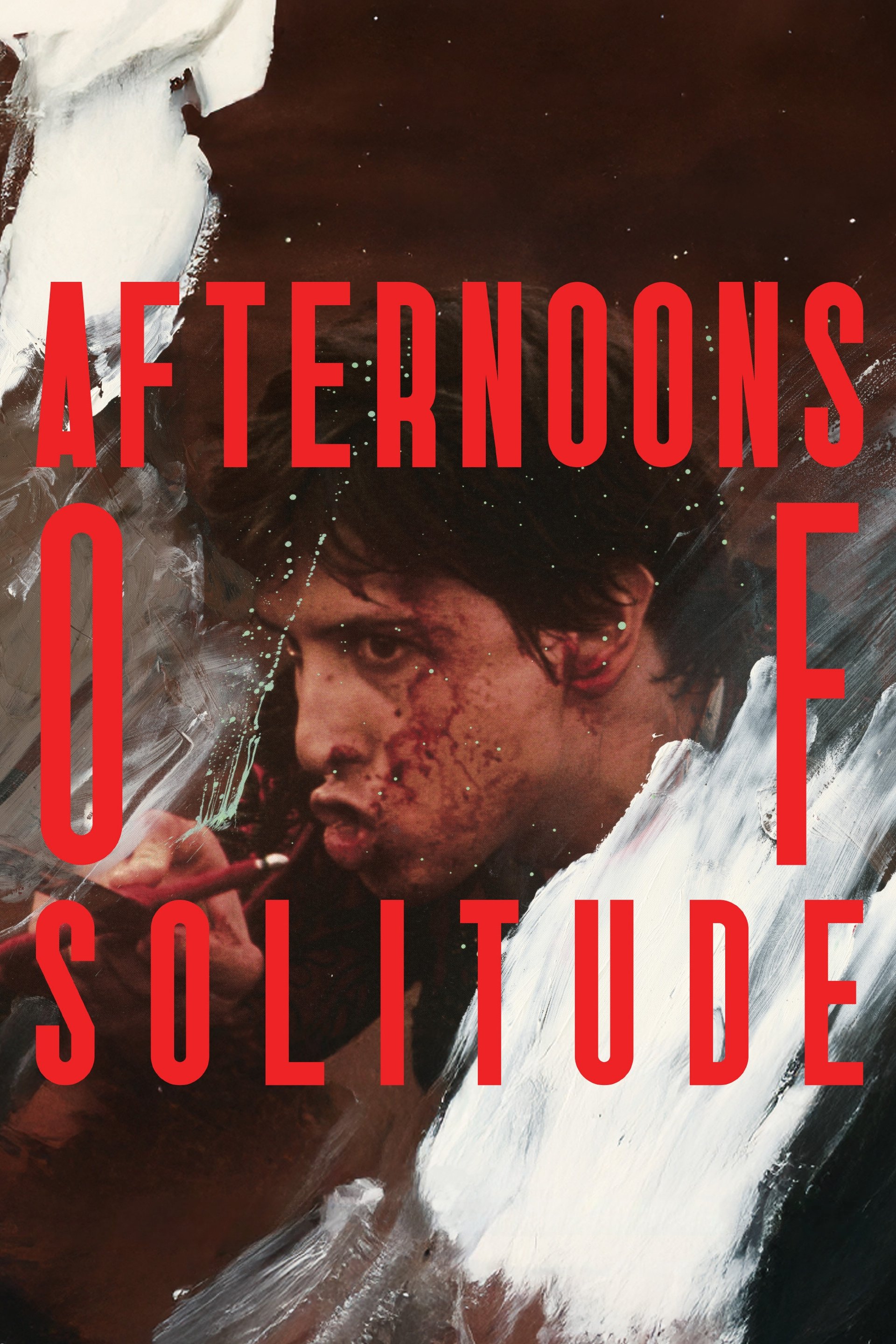
The life of the bullfighter Andrés Roca Rey during a day of bullfighting, from the moment he dresses up to the moment he undresses.
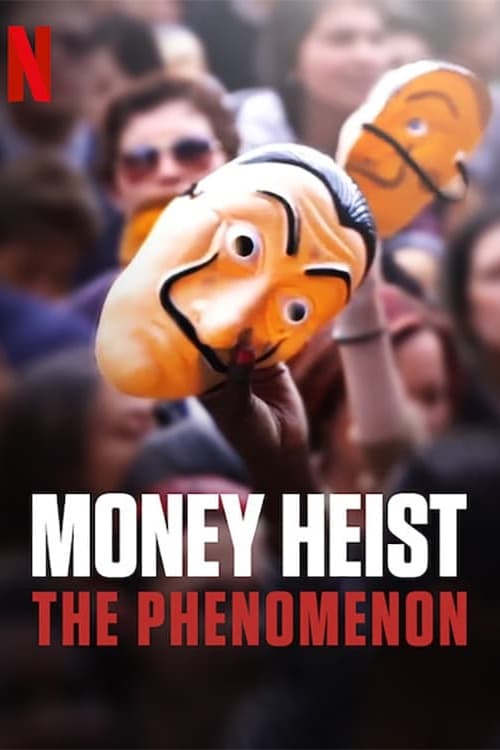
A documentary on why 'Money Heist' sparked a wave of enthusiasm around the world for a lovable group of thieves and their professor.
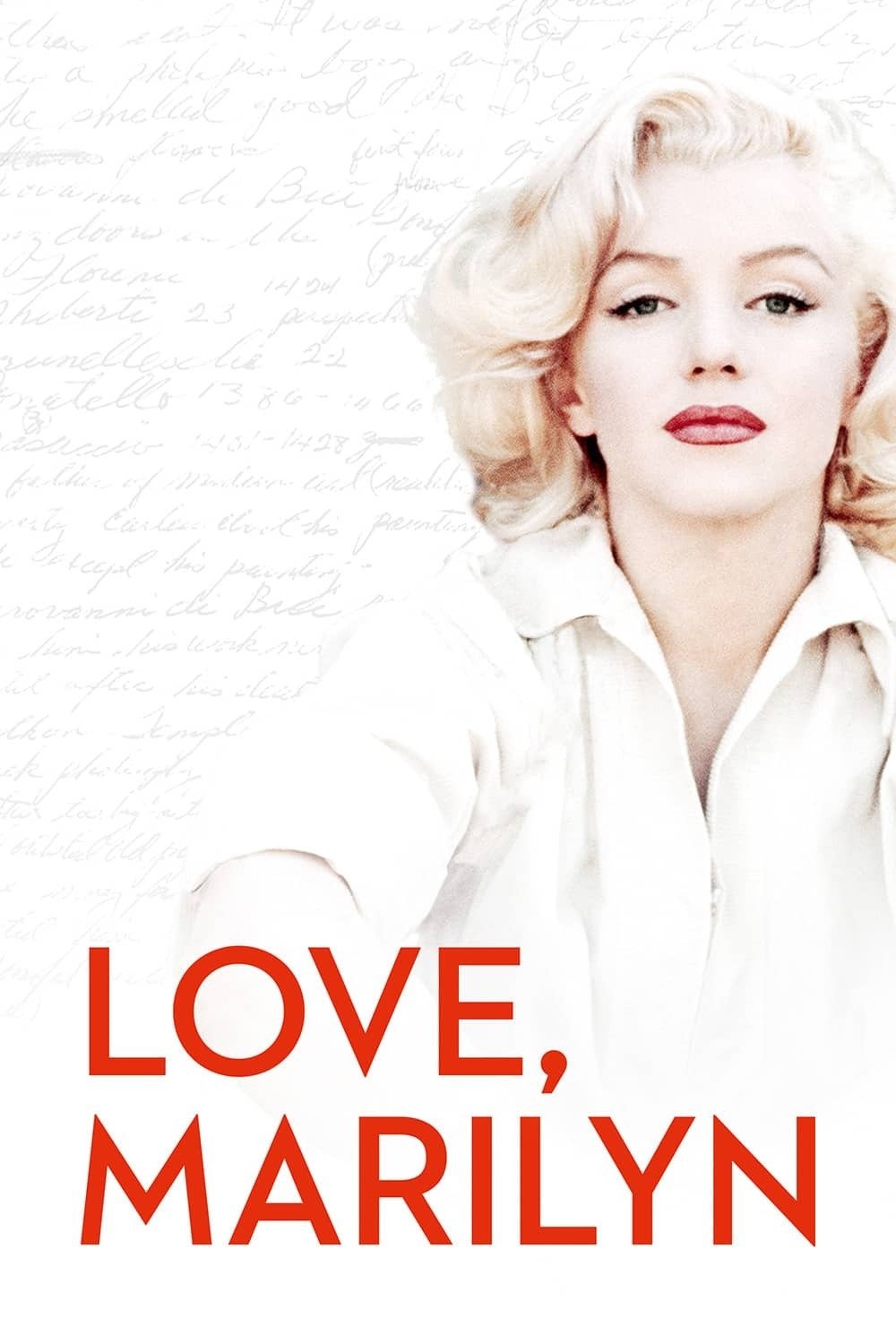
Using the book 'Fragments', which collects Marilyn Monroe's poems, notes and letters, and with participation from the Arthur Miller and Truman Capote estates who have contributed more material, each of the actresses will embody the legend at various stages in her life.
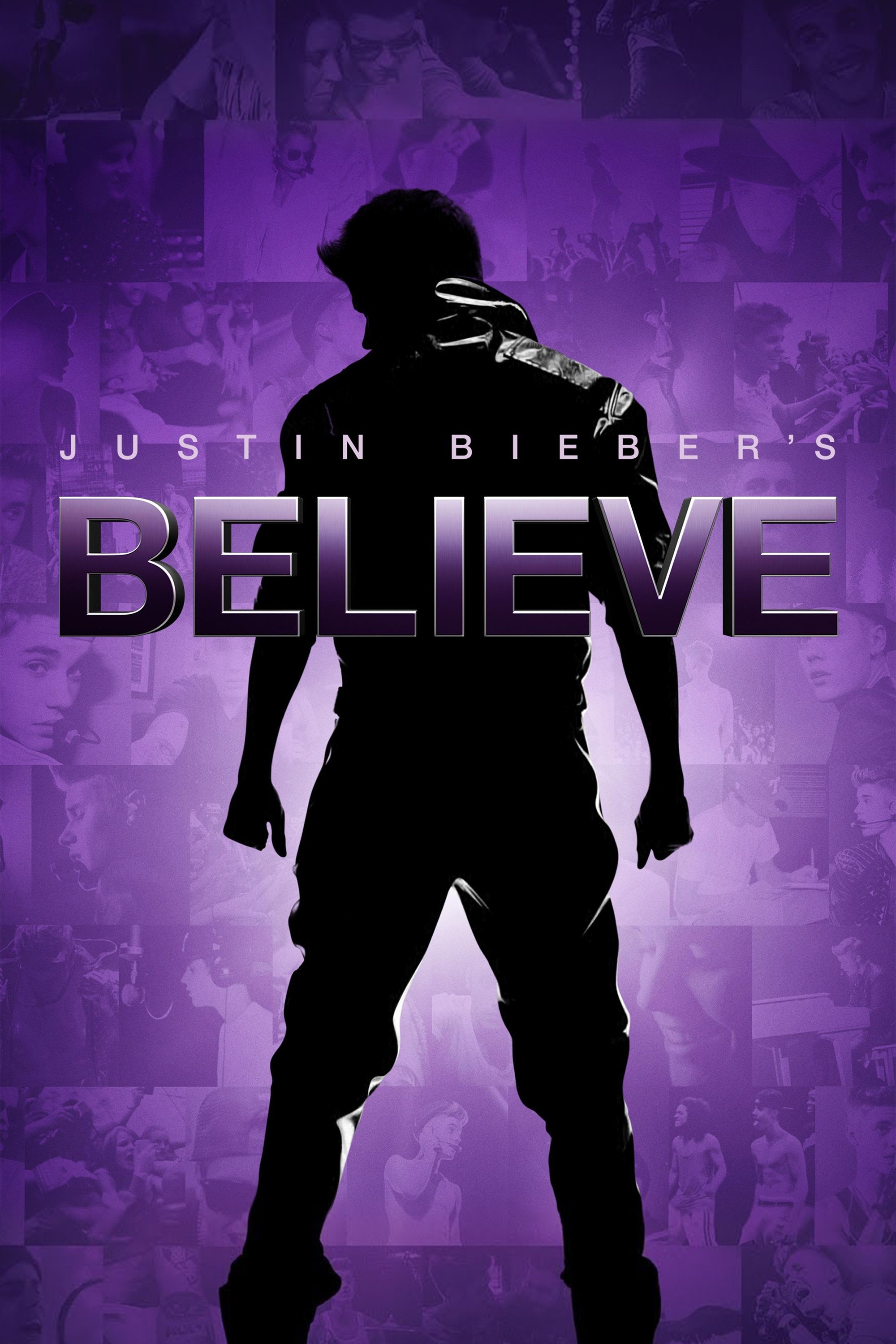
A backstage and on-stage look at Justin Bieber during his rise to super stardom.
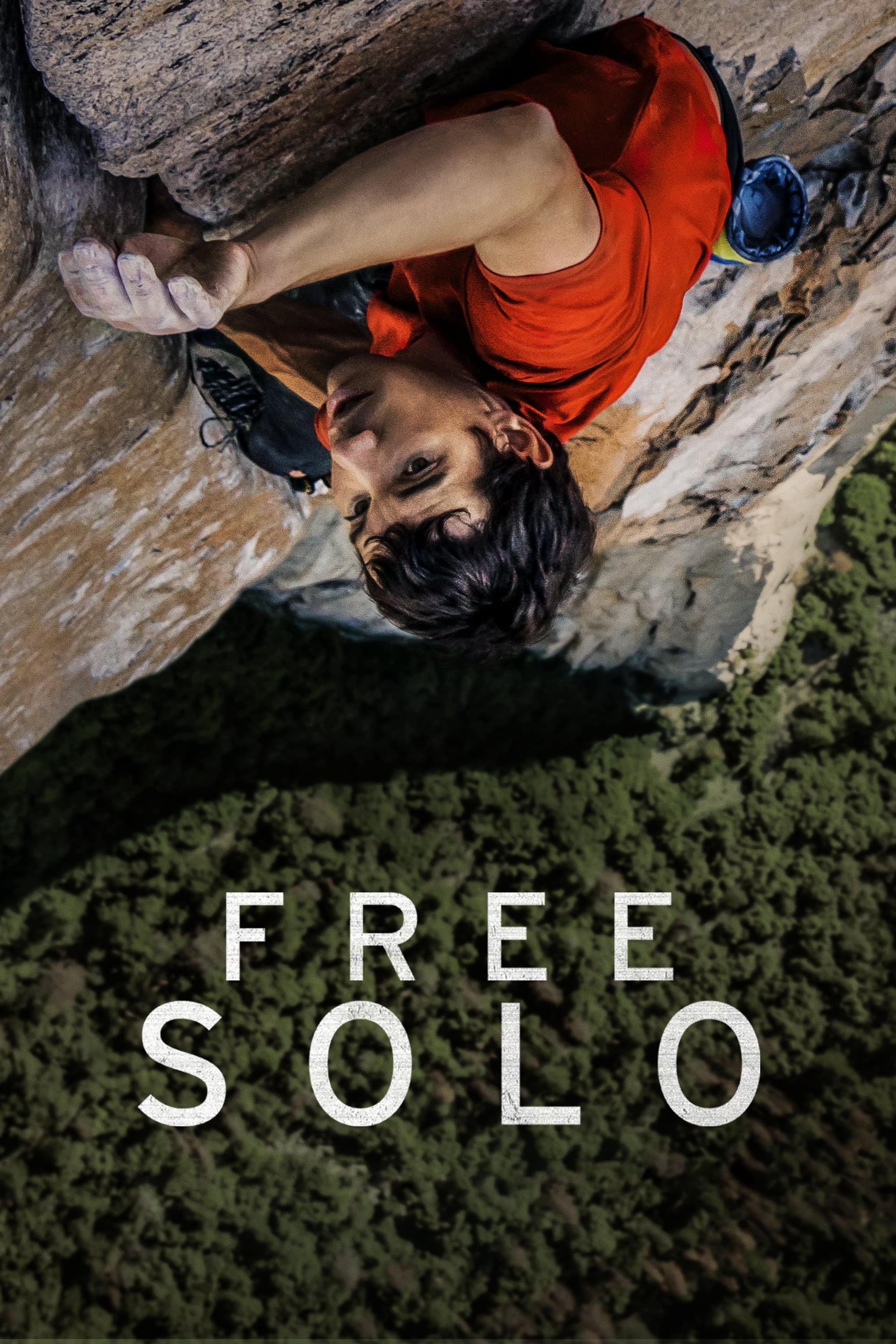
Follow Alex Honnold as he attempts to become the first person to ever free solo climb Yosemite's 3,000 foot high El Capitan wall. With no ropes or safety gear, this would arguably be the greatest feat in rock climbing history.
This revealing documentary honors the legendary Sidney Poitier—iconic actor, filmmaker, and civil rights activist. Featuring interviews with Denzel Washington, Spike Lee, Halle Berry, and more.
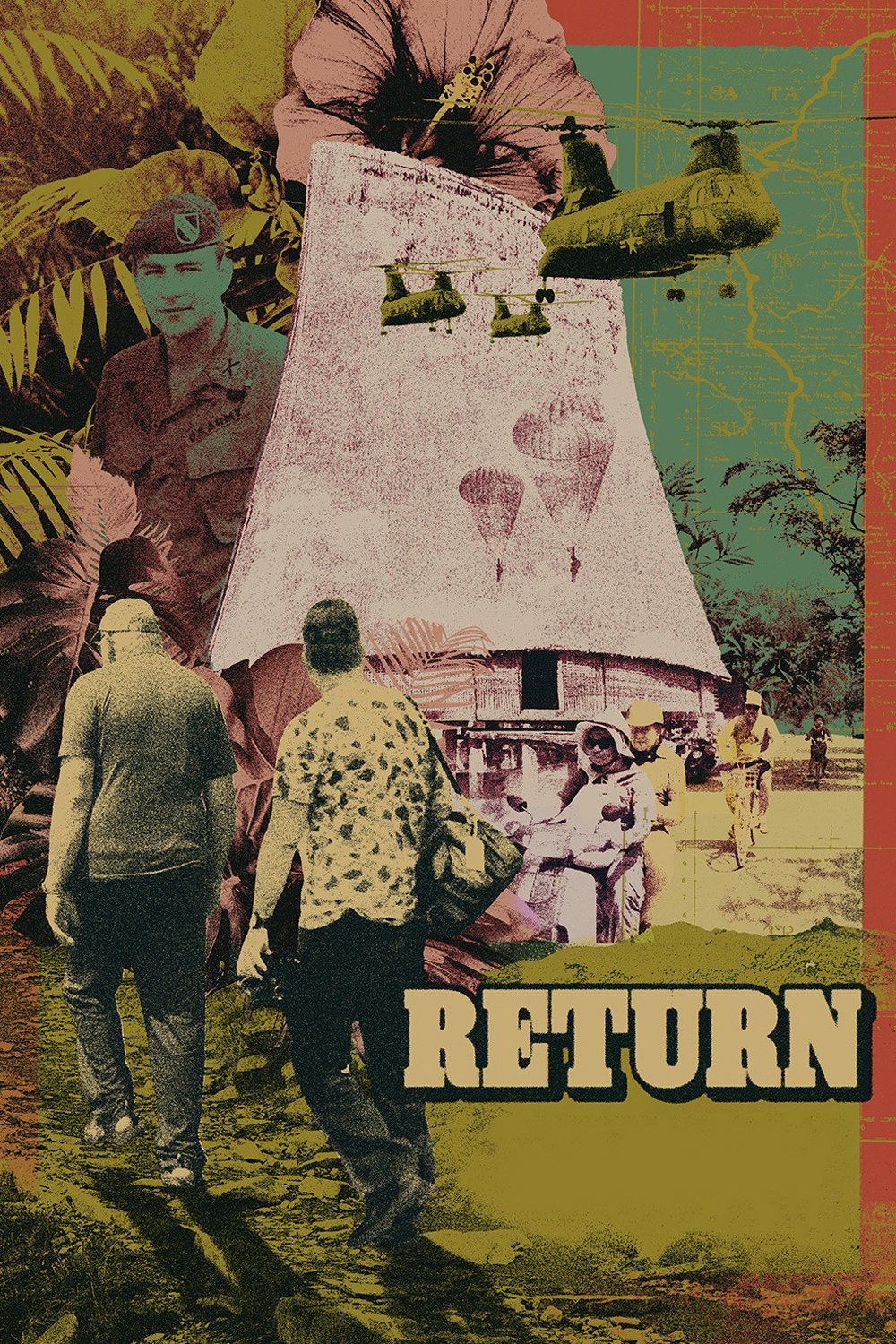
RETURN tells the story of a retired Green Beret who embarks on a healing journey from Montana to Vietnam. There he retraces his steps, shares his wartime experiences with his son, treats his Post-Traumatic Stress Disorder, and seeks out the mountain tribespeople he once lived with and fought alongside as a Special Forces officer.
In 2019, Nepalese mountain climber Nirmal “Nims” Purja set out to do the unthinkable by climbing the world’s fourteen highest summits in less than seven months. (The previous record was eight years). He called the effort “Project Possible 14/7” and saw it as a way to inspire others to strive for greater heights in any pursuit. The film follows his team as they seek to defy naysayers and push the limits of human endurance.
Through deeply personal interviews with her siblings and an examination of the photographs, letters, and belongings left behind, Mariska assembles a new portrait of her mother Jayne Mansfield, an extraordinary and complex woman.
Al Pacino's deeply-felt rumination on Shakespeare's significance and relevance to the modern world through interviews and an in-depth analysis of "Richard III."
After another 7 year wait, director Michael Apted revisits the same group of British-born children from Seven Up! and 7 Plus Seven. The subjects are interviewed as to the changes that have occurred in their lives during the last seven years.