Sean McAllister's bleak, extraordinarily intimate film offers an insight into the lives of 35 year old Kevin, who hasn't worked in 18 years, and his 19 year old girlfriend Robbie, who earns 70 pounds a week as a seamstress.
Social & External
Himself
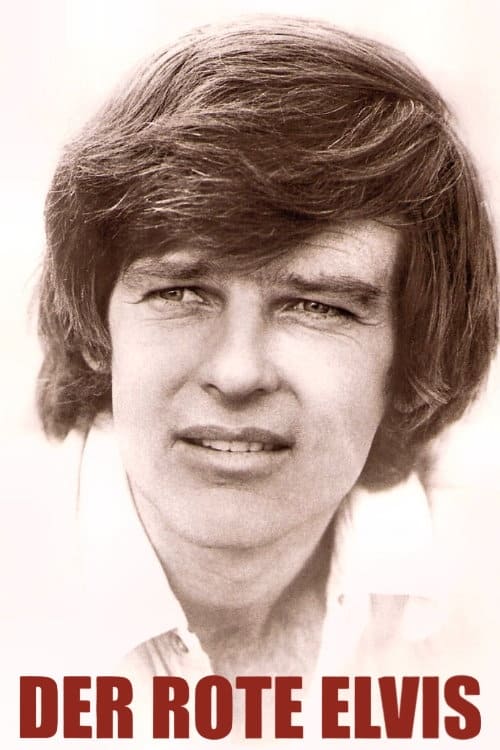
A documentary on the late American entertainer Dean Reed, who became a huge star in East Germany after settling there in 1973.
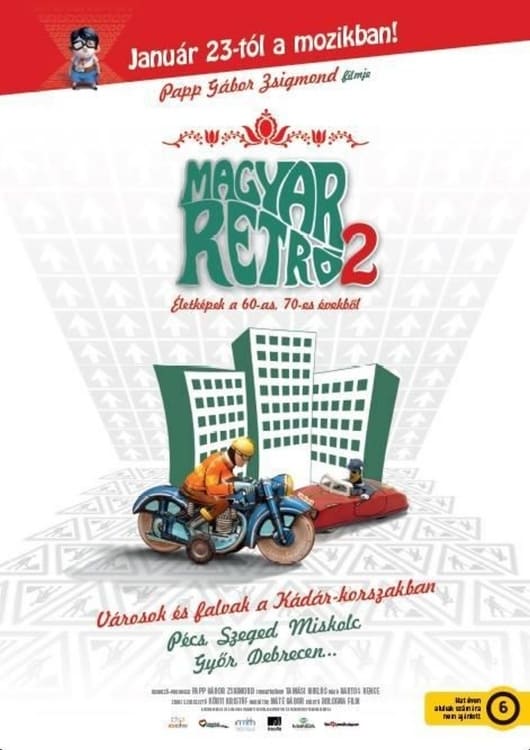
A feature length, lively - montage style - documentary, capturing the essence of what life was like in socialist Hungary - dubbed the "The most cheerful barrack" back then - using contemporary music, interviews, adverts and news footages.
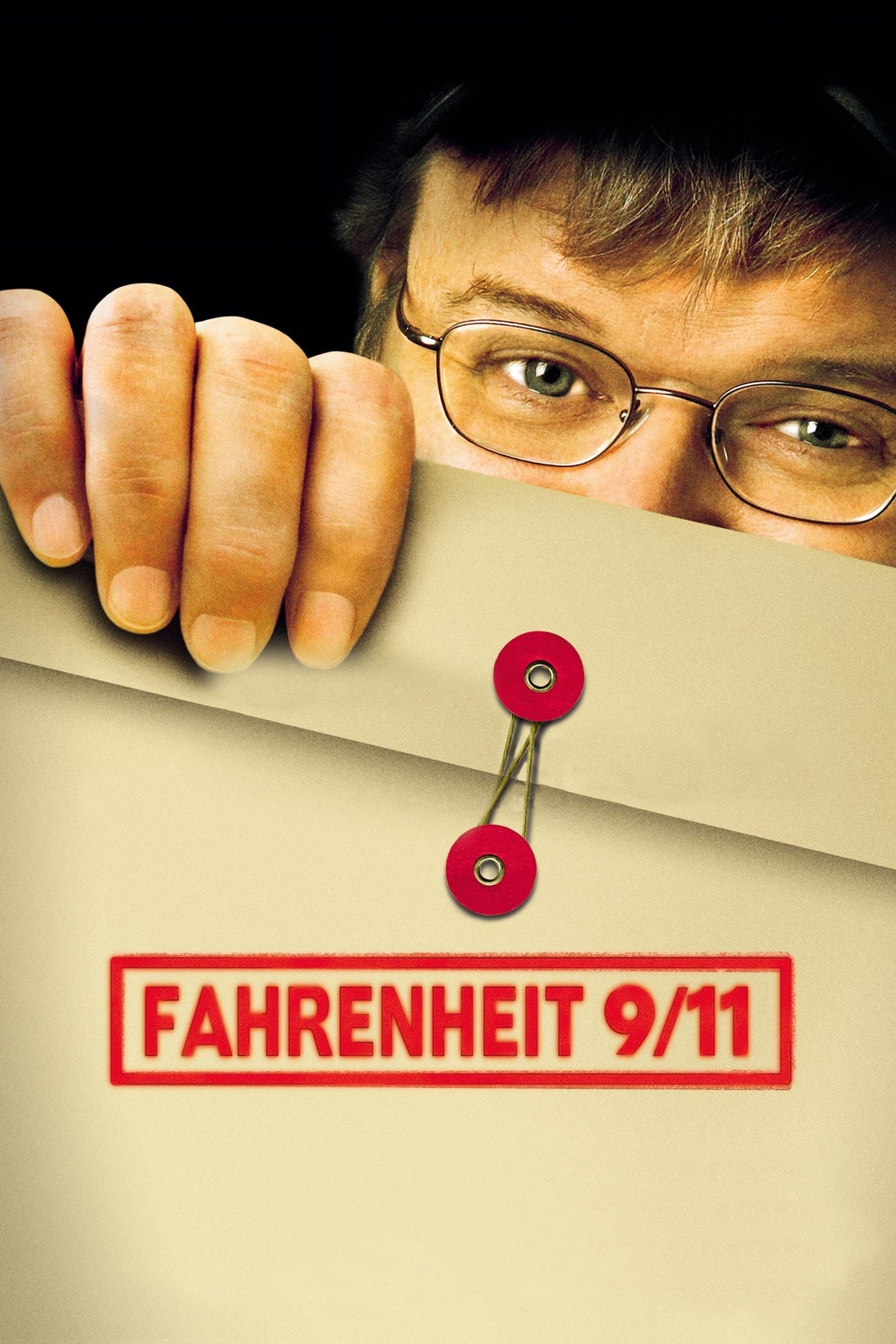
Michael Moore's view on how the Bush administration allegedly used the tragic events on 9/11 to push forward its agenda for unjust wars in Afghanistan and Iraq.
A documentary about the closure of General Motors' plant at Flint, Michigan, which resulted in the loss of 30,000 jobs. Details the attempts of filmmaker Michael Moore to get an interview with GM CEO Roger Smith.
History is Marching is a feature length documentary analysing the rise in tensions between major powers across the globe over the course of 2018. The film follows western history from 1945 to the present day, before looking at how capitalist society is today breaking down into the largest crisis in its history. Socialism or extinction?
There was also flower power under socialism. From the late 1960s to the late 1980s, hippies from East Berlin, Warsaw, Prague and Budapest dreamed of conquering a world that was actually closed to them. They wore long hair, beards and parkas, squatted houses, lived in communes, listened to blues and rock 'n' roll - music was their philosophy and world view. The documentary looks back at the flower children of the East, for whom Woodstock was further away than the moon.
A portrait of the leading female Bolshevik (and later Worker’s Opposition) revolutionary leader Alexandra Kollontai using her own words.
The early struggles of the working class are placed under a microscope in Plutocracy III: Class War, the latest chapter in an exceptionally well produced series which explores the origins of America's growing economic divide.
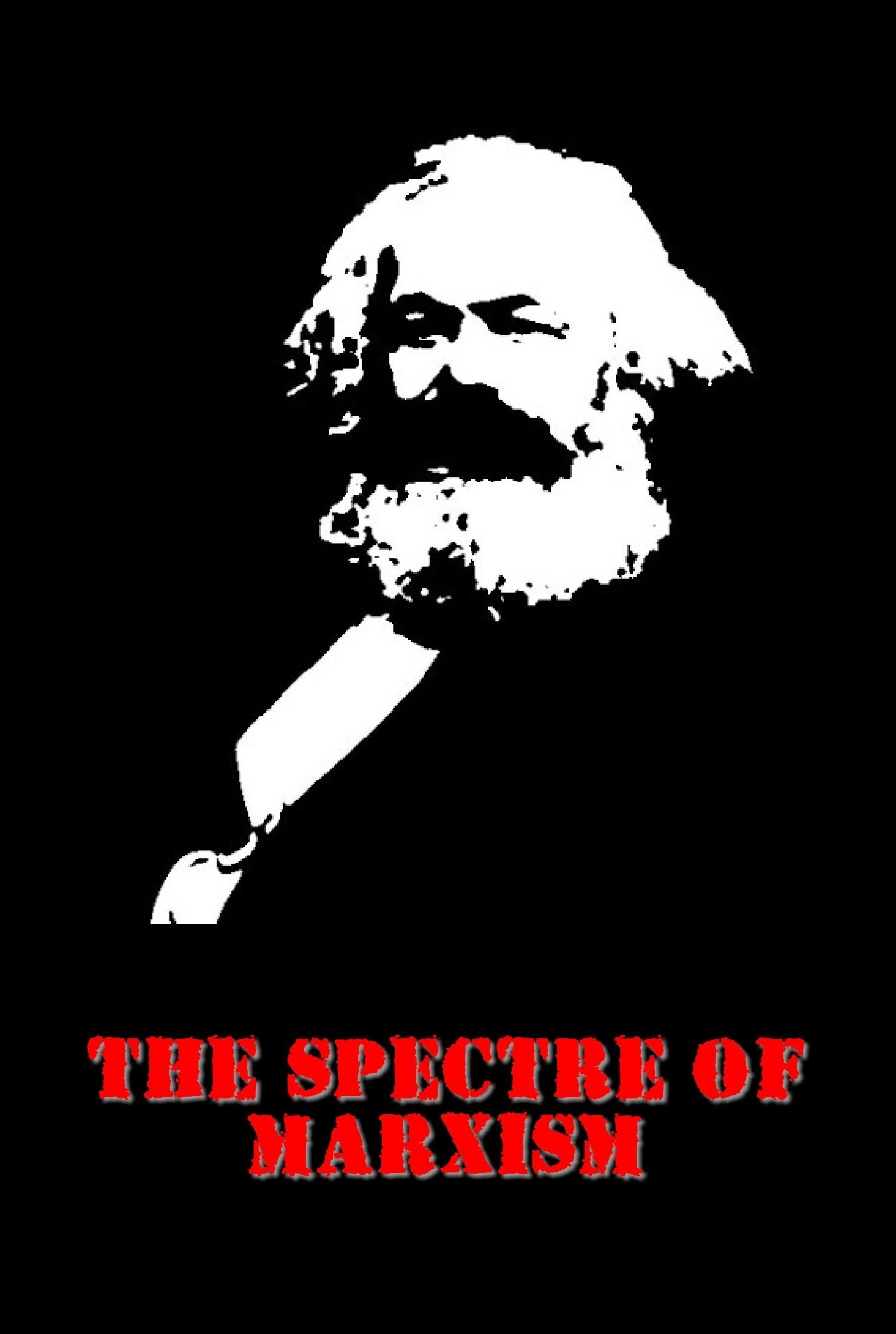
The impact of Marx on the 20th century has been all-pervasive and world-wide. This program looks at the man, at the roots of his philosophy, at the causes and explanations of his philosophical development, and at its most direct outcome: the failed Soviet Union.
A homeless man living in a encampment in Minneapolis tells his perspective on the ongoing crisis of homelessness.
We live in a world dominated by crisis, imperialist war and exploitation. We're told there is no alternative to cuts, privatisation, hunger and homelessness. The Bolivarian Revolution illustrates what can be achieved when governments and people working together, put human need before capitalist profits. Despite Chavez's death in 2013, the process is being built every day by President Maduro and millions of Venezuelans working to create a society built on collective socialist organisation and production. Venezuela provides an inspiring example of how the fight against austerity can develop into a fight for socialism. This film takes you on that journey through the barrios, universities and workplaces to meet the political activists, students and workers who are changing their future. Alongside the achievements of socialist Cuba, Venezuela shows that not only is another world possible, but this world is being built today in Latin America.
Climate change is among the world’s greatest challenges. As a small Caribbean island, Cuba is disproportionately affected by climate change through extreme weather events. Up to 10% of Cuban territory could be submerged by the end of the century, wiping out coastal towns, polluting water supplies, destroying agricultural lands and forcing one million people to relocate. Finding solutions is now essential. In this documentary, Dr Helen Yaffe goes to Cuba to find out about ‘Tarea Vida’ (Life Task), a long-term state plan to protect the population, environment and the economy from climate change. The Cuban approach combines environmental science, natural solutions and community participation in strategies for adaptation and mitigation. Produced by DaniFilms with Dr Helen Yaffe from the University of Glasgow for the COP26 conference in Glasgow.
"Jeunesse Rouge" is a documentary exploring young French Communist revolutionaries fighting for a just and equal society. The film follows their organizing and mobilizing, while delving into the history of the Communist movement in France. Archival footage and interviews with activists show their passionate commitment, from protests and strikes to political education. It highlights the power of youth activism and their potential to bring about change in the face of systemic inequality.
Taking the demise of a textile factory in Austria’s Waldviertel region as its starting point, with the antiquated manufacturing plant initially shown in full operation, this film poses the question of what work means for people’s self-image and character. After the factory goes bankrupt and closes, the filmmaker accompanies some of its employees as they continue to make their way, questioning them about their daily routines, the circumstances in which they live, about looking for work or the new jobs they find. One woman’s situation is precarious, but that doesn’t prevent her from bringing up her grandchildren. Another woman works here and there, flexible and resourceful. One man blossoms visibly in his newly unemployed state. Bit by bit, different aspects of their private lives and personal misfortunes emerge.

They're young, unemployed and on the march - from Glasgow, Liverpool and Swansea to London.
Leon Trotsky is considered one of the most controversial revolutionary figures of his time. Was he a practical revolutionary or a naive idealist? On the practical side, he was the mastermind behind the Bolshevik seizure of power in 1917, and was totally ruthless during the ensuing Civil War. As an idealist, he was committed to the pursuit of international revolution, but created many political enemies. After Lenin's death, Trotsky lost in a power struggle with Stalin, and later was expelled from the Communist Party. Trotsky was exiled from the Soviet Union, eventually finding refuge in Mexico. In 1940, Stalin ordered his assassination, and Trotsky died after being struck in the head with an ice-pick. History records that Trotsky was a master theoretician, a skillful propagandist and a brilliant orator.
This film examines Trotsky, the revolutionary; venerated and reviled, loved, hated, feared. Archive material compiled from all over the world, citations and new shoots create an electrifying proximity to the historical person and to the man Leo Trotsky. Stages in his life and eventual flight are carefully examined, from St. Petersburg, to Mexico City. This is the riveting political biography of the Revolution's onetime hero.
With the energy of the dying, those in power apply themselves to reasserting the value of work – with force, if need be. But more and more workers have understood that, to truly value their work, they have to do without it. They also have to get rid of the society of consumption that goes along with it. It may not be easy, but it is certainly amusing. We present a panorama of a mass desertion destined to spread.
Composed of stills by renowned Magnum photographer Susan Meiselas taken in 1978 and 1979 during the overthrow of the fifty-year dictatorship of the Somoza family. Written in the form of a letter from Meiselas to Karlin, it is a ruminative and often profound exploration of the ethics of witnessing, the responsibilities of war photography and the politics of the still image.