Social & External
The people behind it
Together, the three Bertrand brothers work their farm in a small Savoyard village. In 1972, they took the enormous risk to invest in the construction of an ultra modern stable for 82 milk cows. With modern organisation, they hoped to lead a better life. Almost 30 years later, the farm is successful. Their work is meticulous and the milk is graded top quality. The human cost is much more sombre. Indeed these thirty years can be summarised in one word : work. The brothers are bachelors and – each one now over sixty years old – a bitterness when they recall their past. The younger brother says it himself: "It's an economic success, but it's a human failure...".
As the international consumption of quinoa rises. The Mother Grain looks at how this increasing demand is affecting quinoa farmers. Bear Witness Pictures traveled to the Bolivian quinoa-growing communities surrounding the world's largest salt flat, the Salar de Uyuni, witnessing their lives first-hand to tell the story of quinoa from the perspective of the farmers themselves.
The Danube Delta in Romania - the 'Last European Sanctuary’ - is a UNESCO World Heritage Site. While major efforts are made to protect biodiversity, the plight of local communities is largely overlooked. Social scientists claim that the traumatic nature of the swamp bears heavy on the villagers' lives. But is Nature really to blame? Swamp Dialogues is based on an extensive field-research in the Danube Delta Biosphere Reserve. Through a careful ‘argument montage’ built entirely on cinematic language the film represents an anthropological analysis formulated in image and sound.
Documentary on the revitalization of a housing complex in a working class neighborhood of Montreal. Modern housing has now replaced the old, sagging and overcrowded houses. There is fresh air, light and hope. Habitations Jeanne-Mance, a bold way to renovate a city: a perfect example of the collaboration that can exist at the federal, provincial and municipal levels.
In 1959 New York City announced a "slum clearance plan" by Robert Moses that would displace 2,400 working class and immigrant families, and dozens of businesses, from the Cooper Square section of Manhattan's Lower East Side. Guided by the belief that urban renewal should benefit - not displace - residents, Frances Goldin and her neighbors formed the Cooper Square Committee and launched a campaign to save the neighborhood. Over five decades they fought politicians, developers, white flight, government abandonment, blight, violence, arson, drugs, and gentrification - cyclical forces that have destroyed so many working class neighborhoods across the US. Through tenacious organizing and hundreds of community meetings, they not only held their ground but also developed a vision of community control. Fifty three years later, they established the state's first community land trust - a diverse, permanently affordable neighborhood in the heart of the "real estate capital of the world."
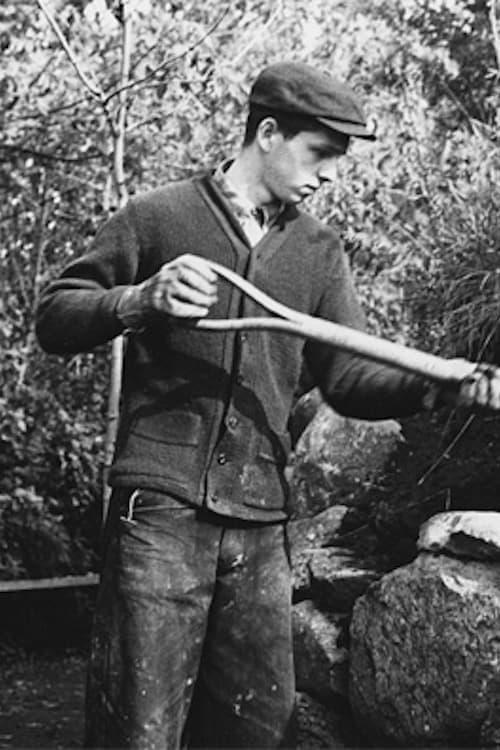
A film about life in the Czech borderlands after the expulsion of the Sudeten Germans.
A story about the environmental conflict between GM soy growers and Maya Beekeepers in the Yucatán Peninsula of Mexico. It reflects on what the environment and economy could look like if bee health was considered as a criterion of sustainable development. The film explores the pre-colonial and ongoing relationship between Maya people and their environment, in particular the milpa agricultural system (and its main crop, maize), sacred sinkholes (called cenotes), and sacred stingless bees, the Melipona.
Through the six major categories of Chinese tea, the film traces the historical origins of famous tea-producing regions and explores the lives of generations who have lived with and for tea. It celebrates craftsmanship, explores lesser-known tea-making techniques, and honors the wisdom, dedication, and philosophy of Chinese tea artisans — revealing a deep respect for nature and an unwavering commitment to cultural heritage.
This short film traces the journey of the first Ukrainian settlers in Canada. Seeking freedom and opportunity, they came here and became instrumental in helping to open the Canadian West. Though they had little in the way of money or machinery, they had courage and faith in the future and were willing to put in the hard work. Every member of the family helped in the struggle, and in time, their efforts paid off.
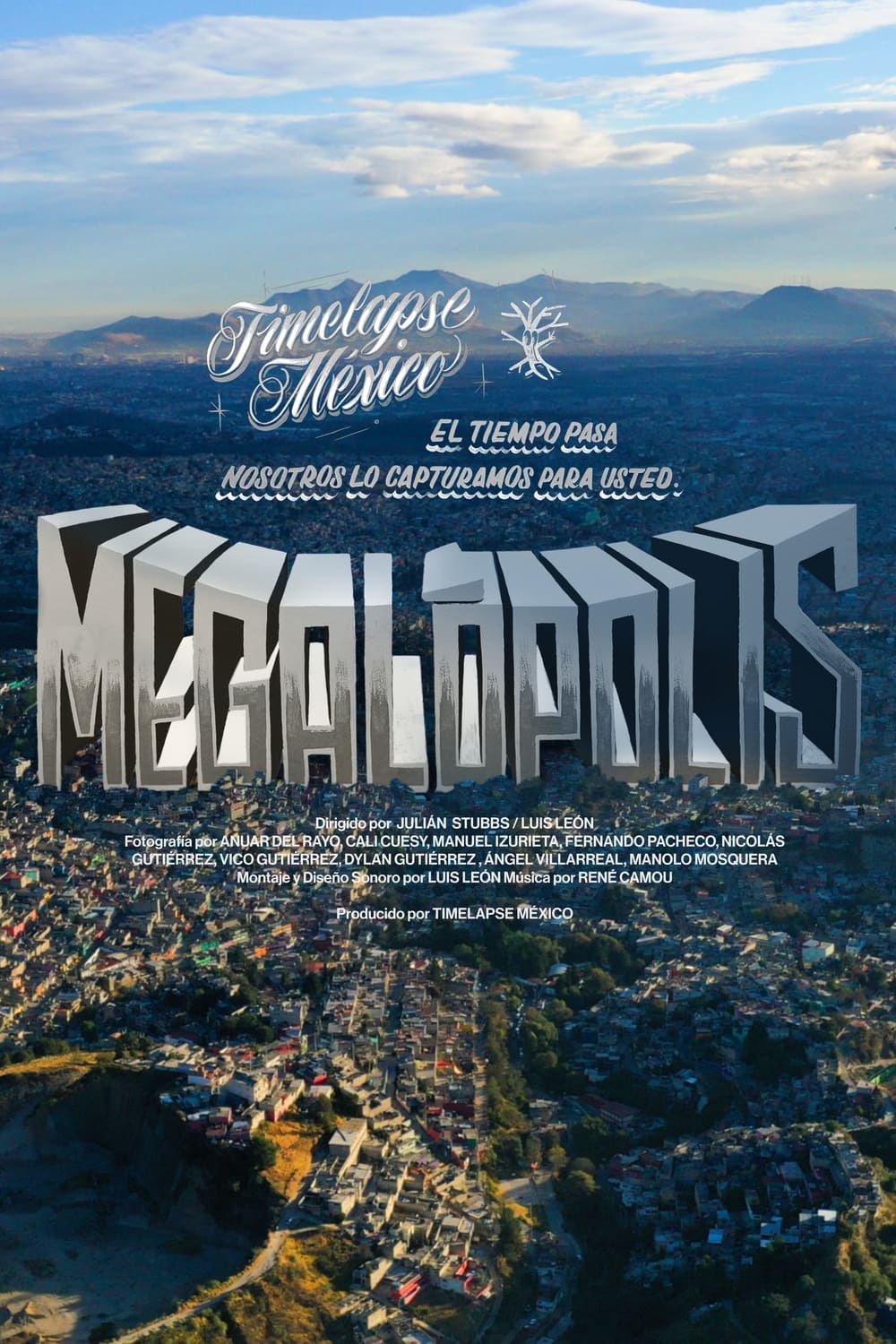
Exploration of the territory in a delirious time-space journey through the largest Megalopolis in America.
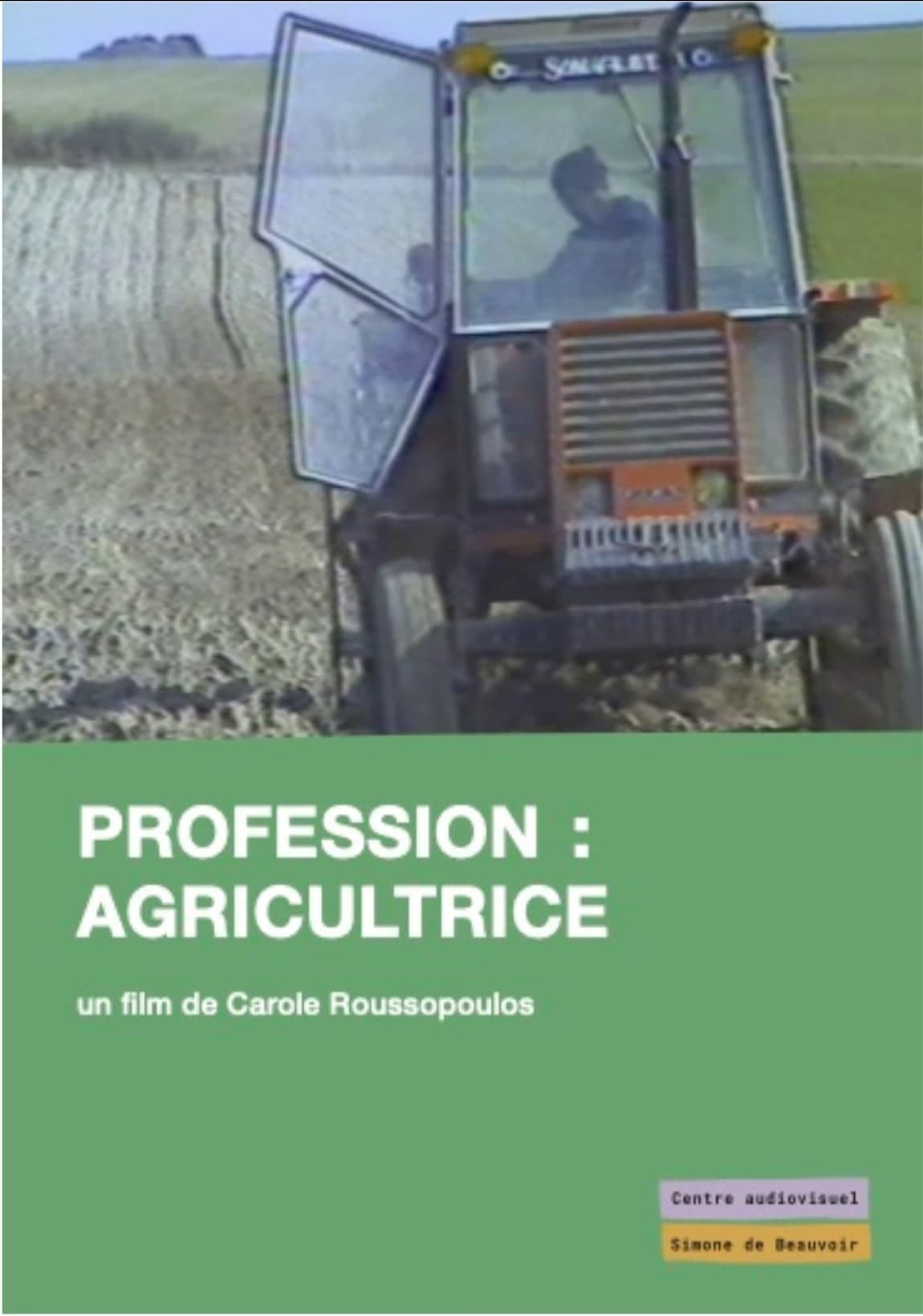
Four women farmers working in the Champagne-Ardennes region talk about their working conditions, the part they play in running the farm, the distribution of jobs between husband and wife and the lack of status of their work... They emphasise how denial of the essential role they play in running the farm has led them to demand specific recognition of their job. Presentation of the Women's Association for Agricultural Development (AFDA).
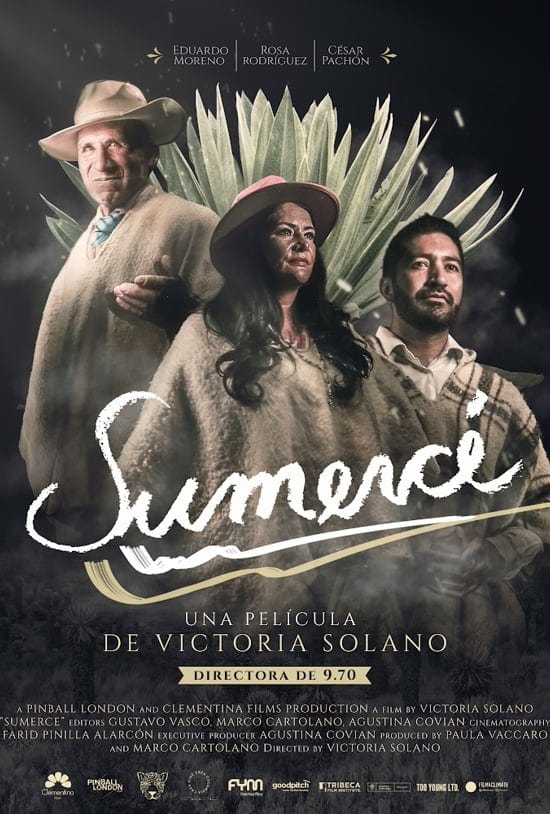
Sumercé follows veteran activist Don Eduardo, rising political leader César Pachón and agricultural educator Rosita as they fight their government’s decision to allow companies to carve up the campesinos birthright in rural Colombia and the country's access to fresh water.
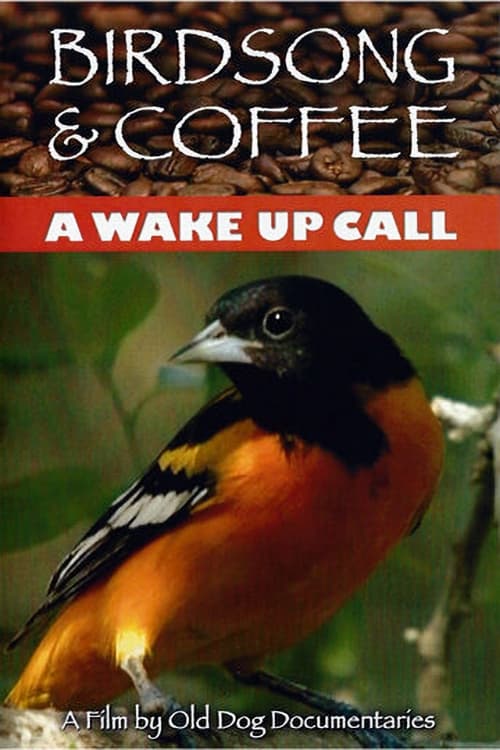
Documentary exploring economic and environmental connections between farmers in Latin America, coffee drinkers in the U.S., and the fate of migratory songbirds throughout the Americas. Illustrates how coffee drinkers in this and other developed countries hold in their hands the fate of farm families, farming communities, and entire ecosystems in coffee-growing regions worldwide.
ARC OF JUSTICE traces the remarkable journey of New Communities, Inc. and the struggle for racial justice and economic empowerment among African Americans in southwest Georgia.
A string of threatening emails escalates into a revenge plot involving a newly married US marshal and his ex-girlfriend.
In an intimate and joyful story of love in the face of loss, celebrated poets Andrea Gibson and Megan Falley find strength—and unexpected hilarity—in what might be their final year together.
Ranjit, a farmer in India, takes on the fight of his life when he demands justice for his 13-year-old daughter, the victim of a brutal gang rape. His decision to support his daughter is virtually unheard of, and his journey unprecedented.
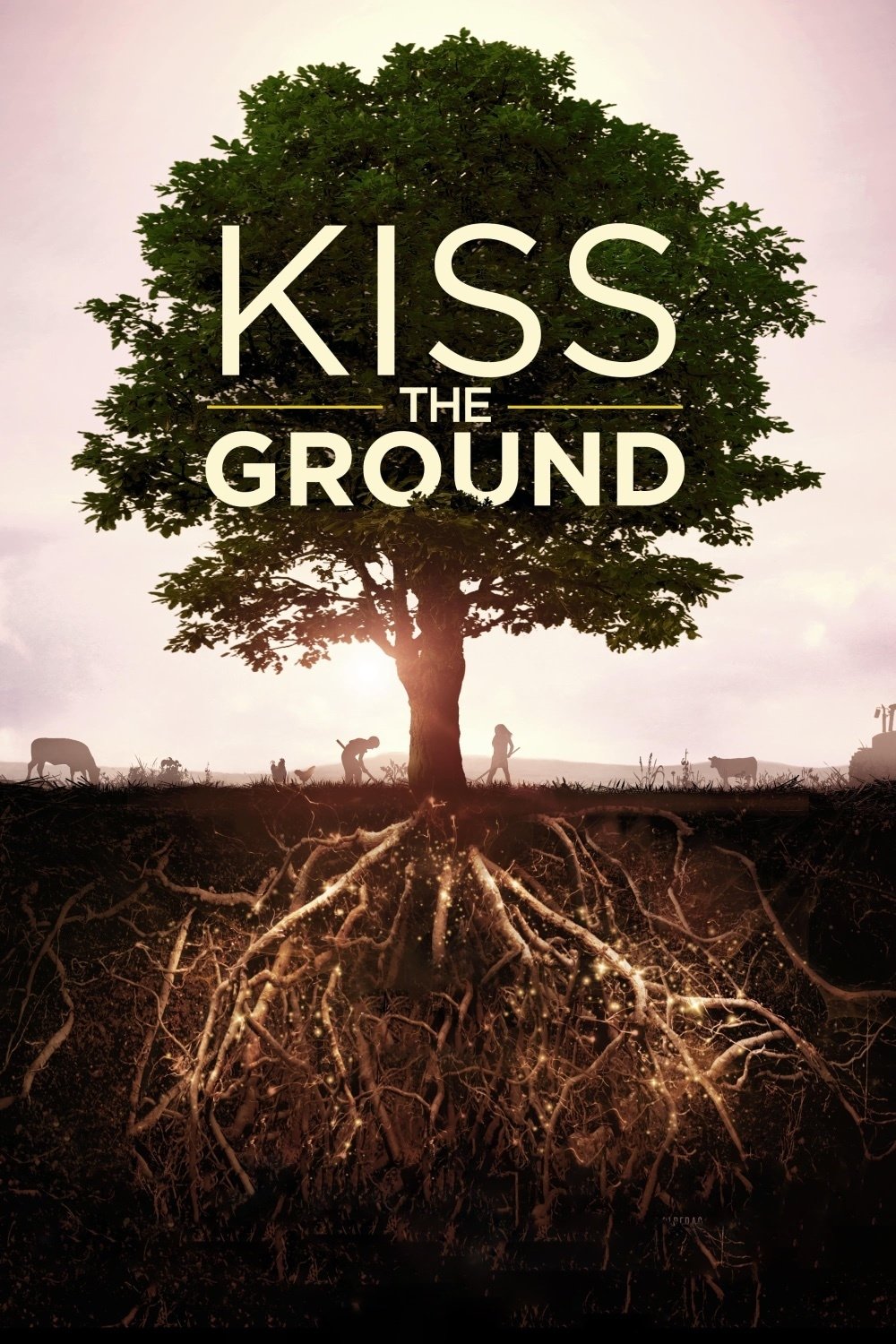
Sheds light on an alternative approach to farming called “regenerative agriculture” that could balance our climate, replenish our vast water supplies, and feed the world.
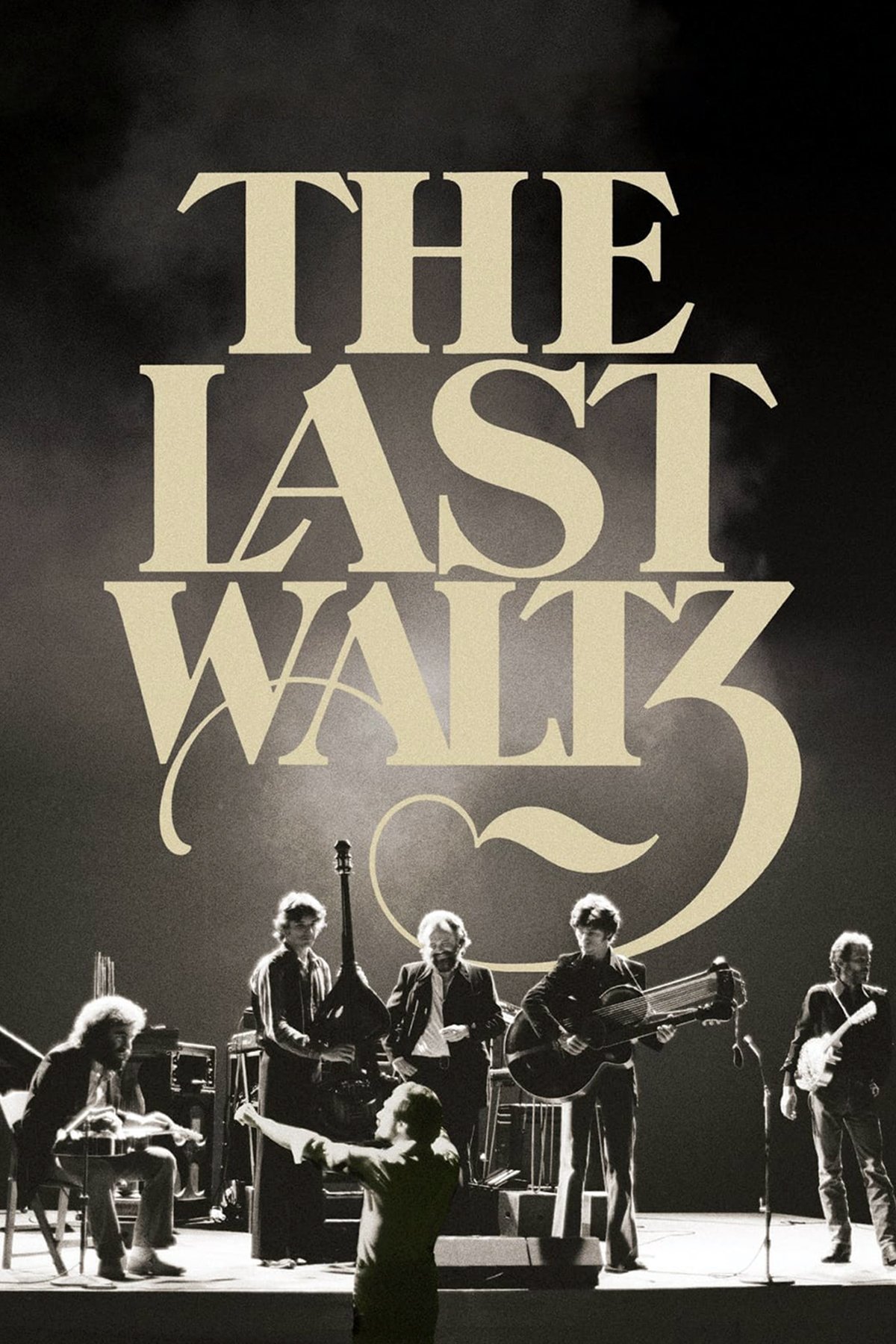
Martin Scorsese's documentary intertwines footage from The Band's incredible farewell tour with probing backstage interviews and featured performances by Eric Clapton, Bob Dylan, Joni Mitchell, Van Morrison, and other rock legends.
The film follows adventurer Jeff Johnson as he retraces the epic 1968 journey of his heroes Yvon Chouinard and Doug Tompkins to Patagonia.
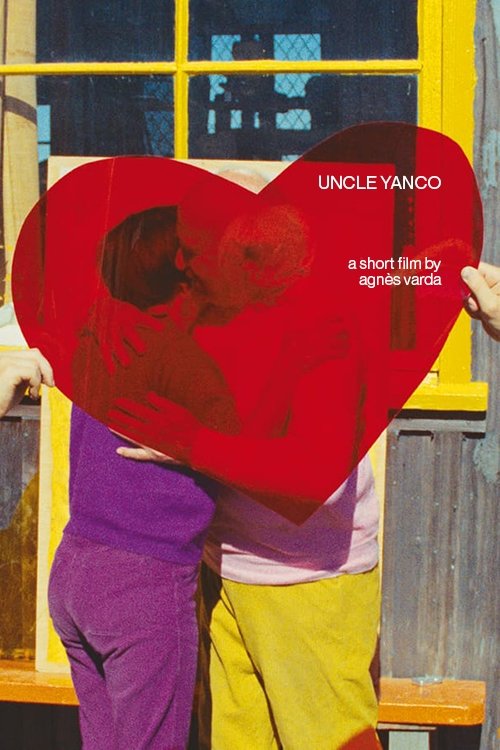
While in San Francisco for the promotion of her last film in October 1967, Agnès Varda, tipped by her friend Tom Luddy, gets to know a relative she had never heard of before, Jean Varda, nicknamed "Yanco". This hitherto unknown uncle lives on a boat in Sausalito, is a painter, has adopted a hippie lifestyle and loves life. The meeting is a very happy one.
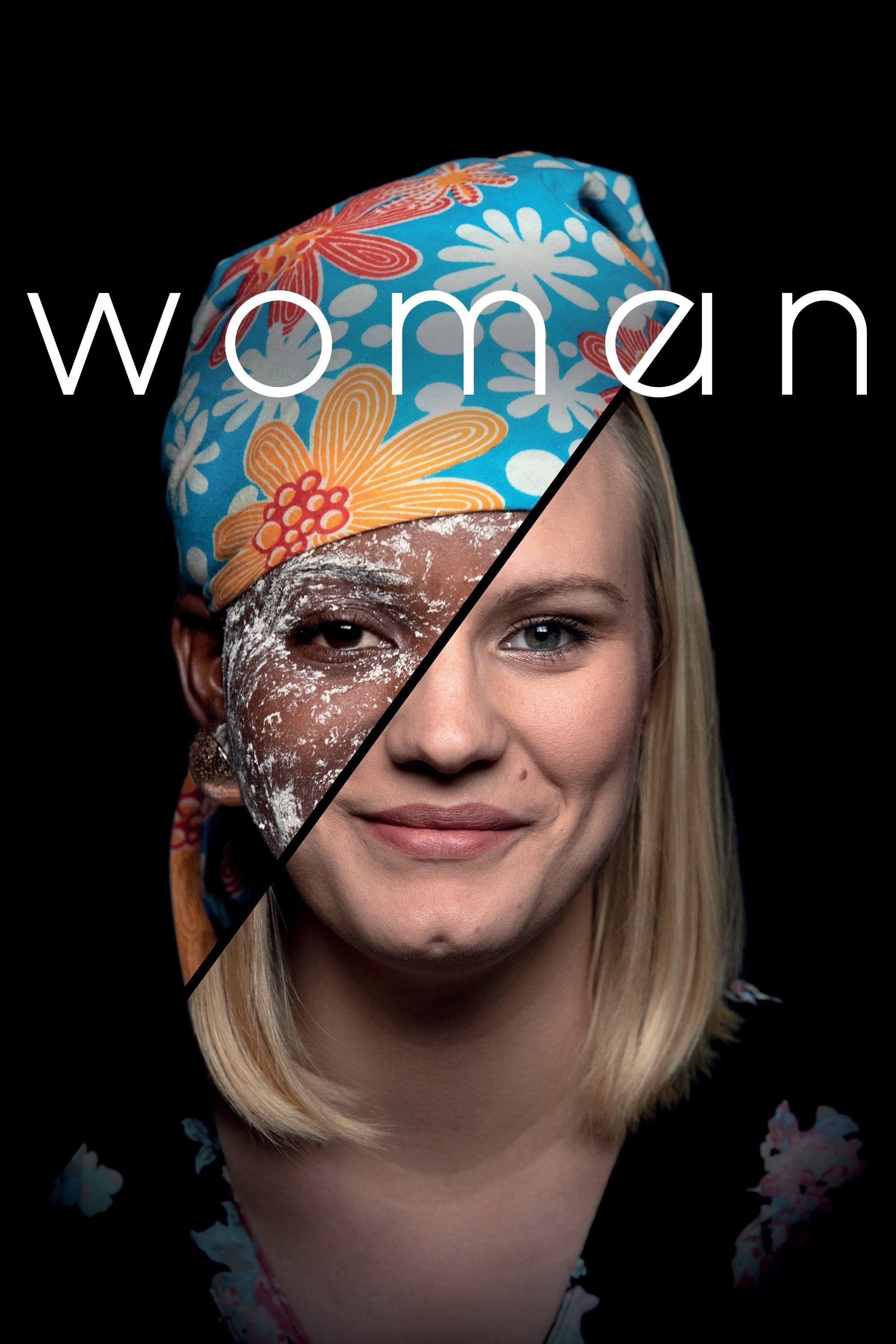
The film is based on interviews with 2,000 women from 50 countries, and covers the status of women all over the world. The topics covered include forced marriages, sexual assault, female genital mutilation, acid attacks, motherhood, sexuality, menstruation, education and the professional success of women.
A woman narrates the thoughts of a world traveler, meditations on time and memory expressed in words and images from places as far-flung as Japan, Guinea-Bissau, Iceland, and San Francisco.
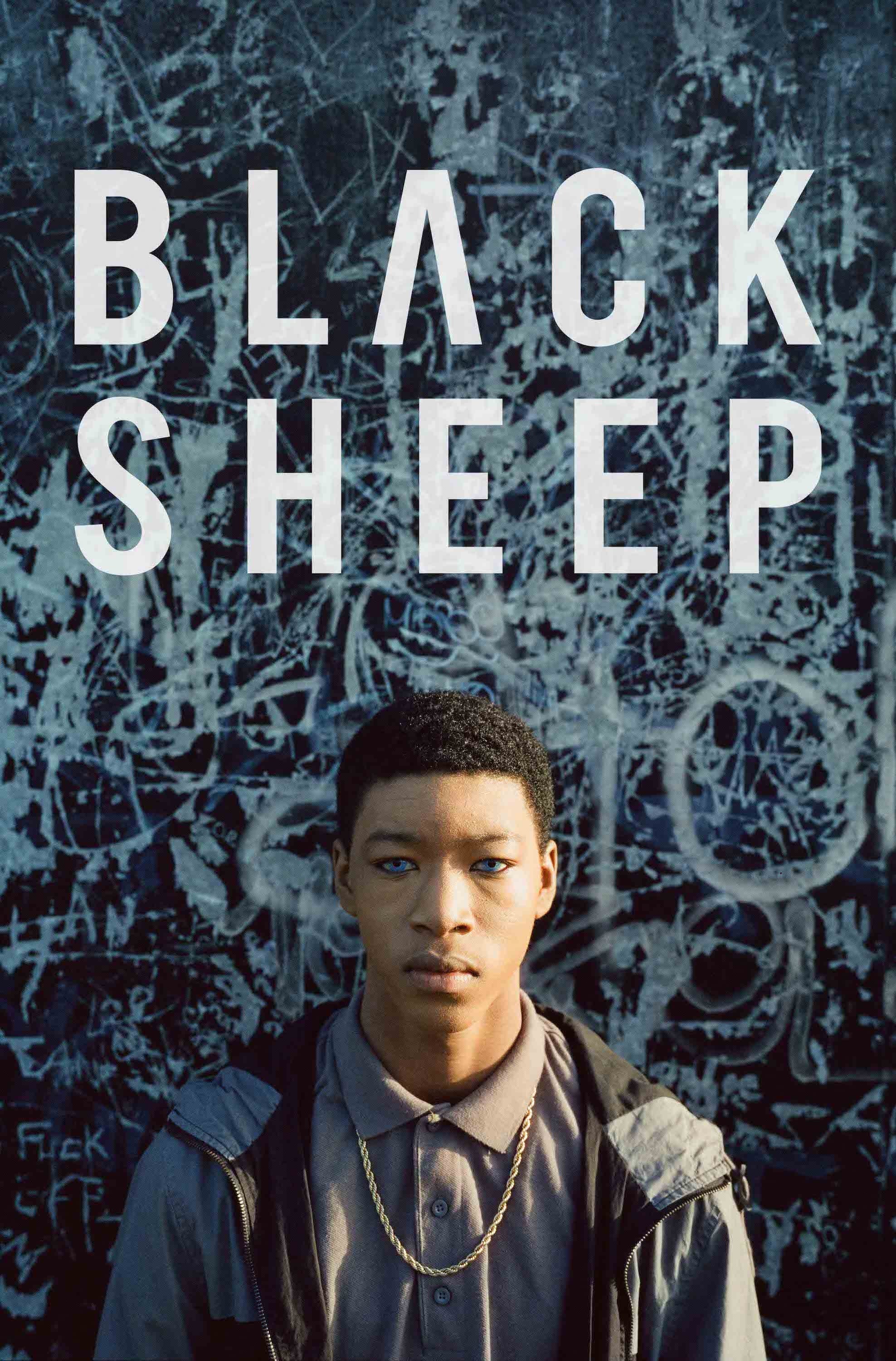
After the high-profile killing of Damilola Taylor, Cornelius' family move out of London. But when they discover their new town is run by racists, Cornelius takes a drastic step to survive.
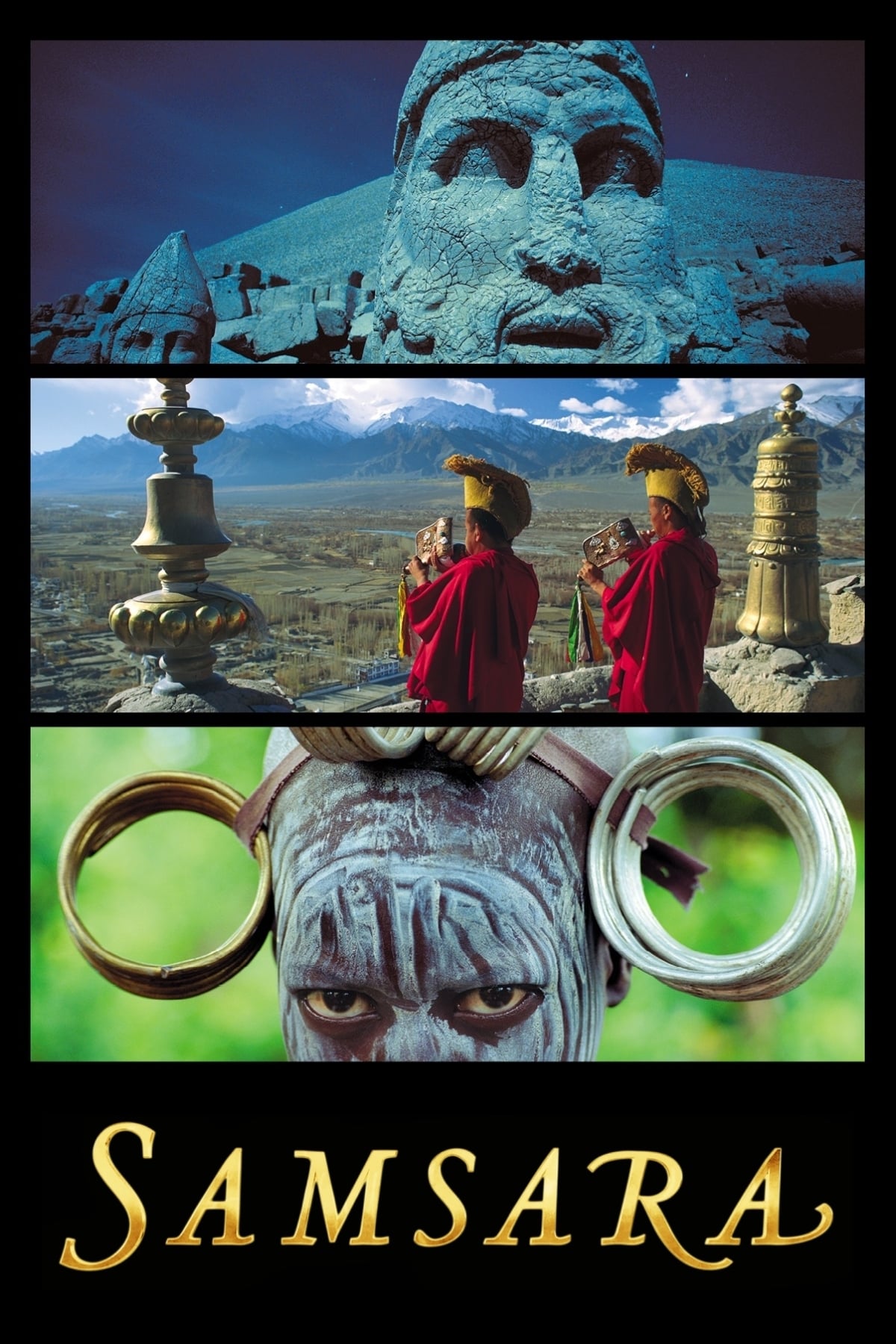
Filmed over nearly five years in twenty-five countries on five continents, and shot on seventy-millimetre film, Samsara transports us to the varied worlds of sacred grounds, disaster zones, industrial complexes, and natural wonders.
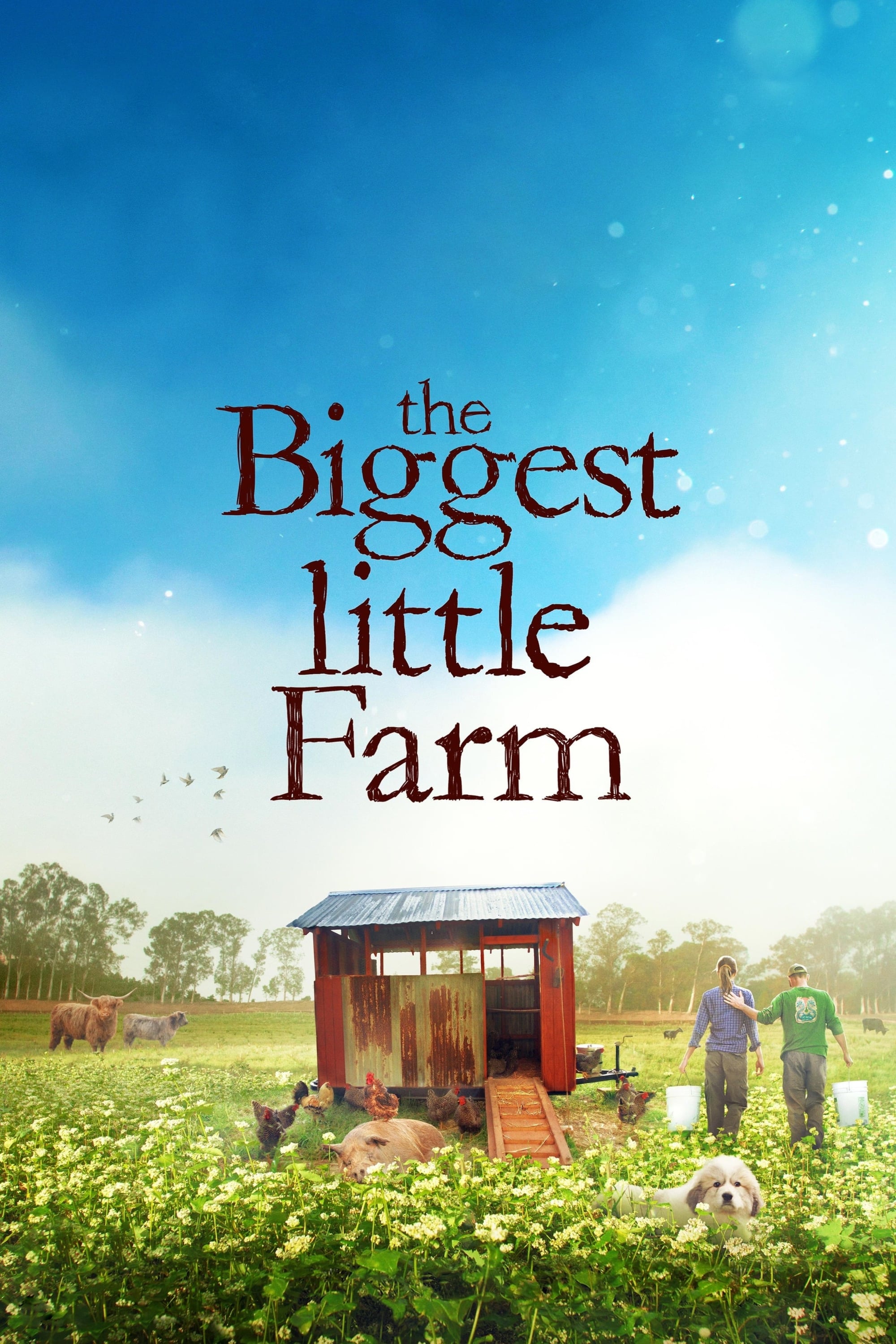
The successes and failures of a couple determined to live in harmony with nature on a farm outside of Los Angeles are lovingly chronicled by filmmaking farmer John Chester, in this inspiring documentary.
14-year-old Laura Dekker sets out on a two-year voyage in pursuit of her dream to become the youngest person ever to sail around the world alone.
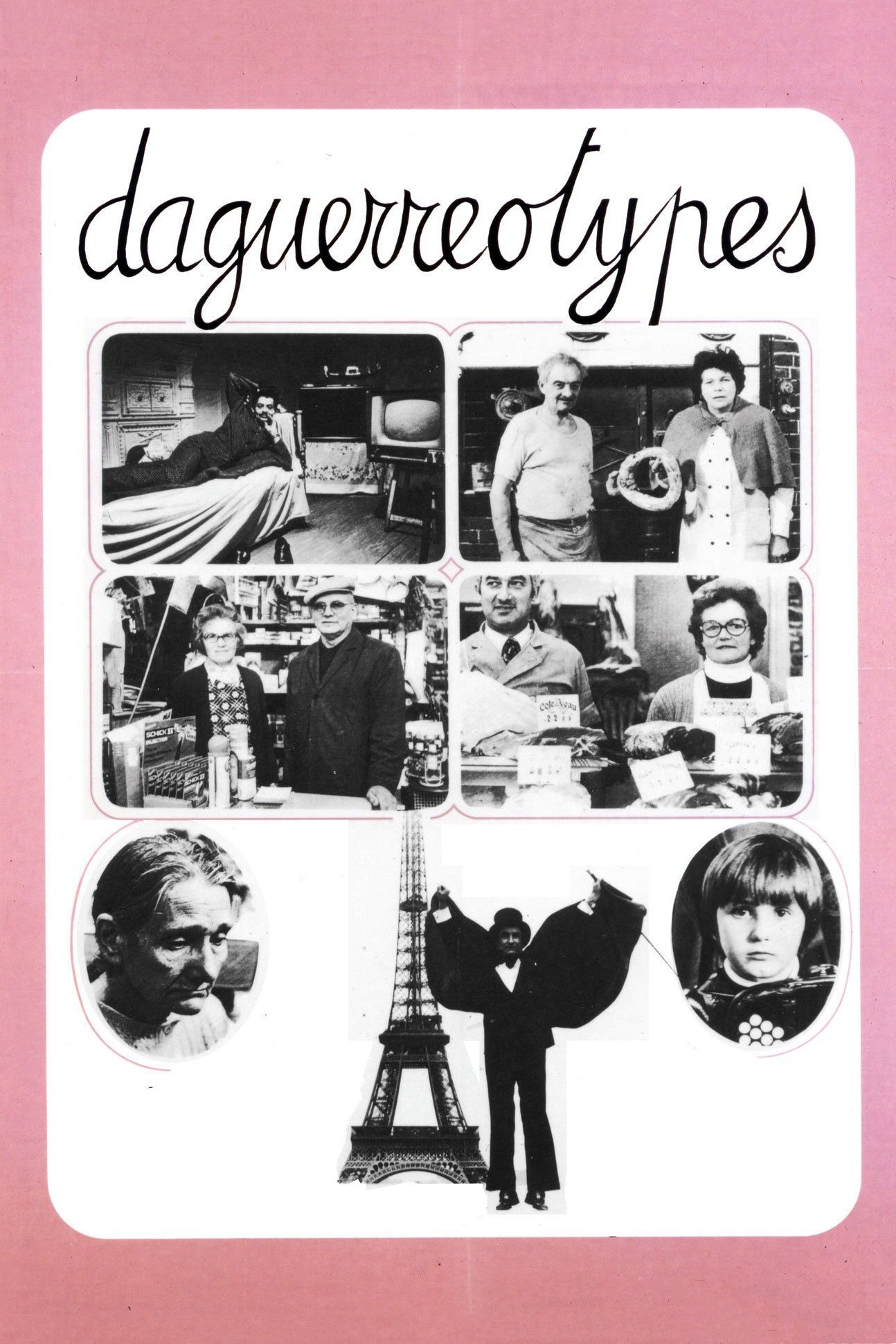
An intimate portrait of the small shops and shopkeepers of the Rue Daguerre in Paris, a picturesque street that has been the filmmaker’s home for more than 50 years.
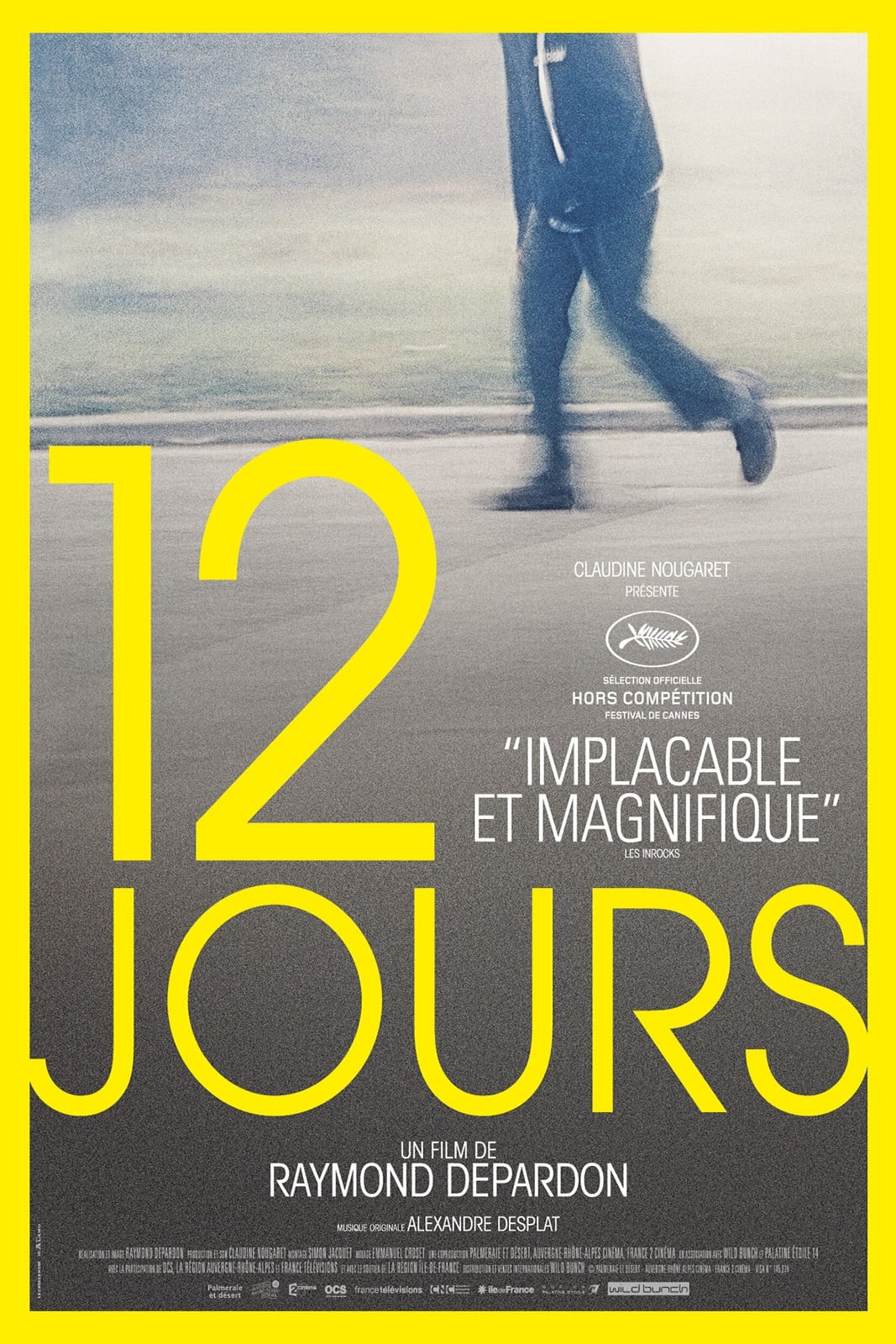
A new documentary by filmmaker-photographer Raymond Depardon – where justice and psychiatry meet.
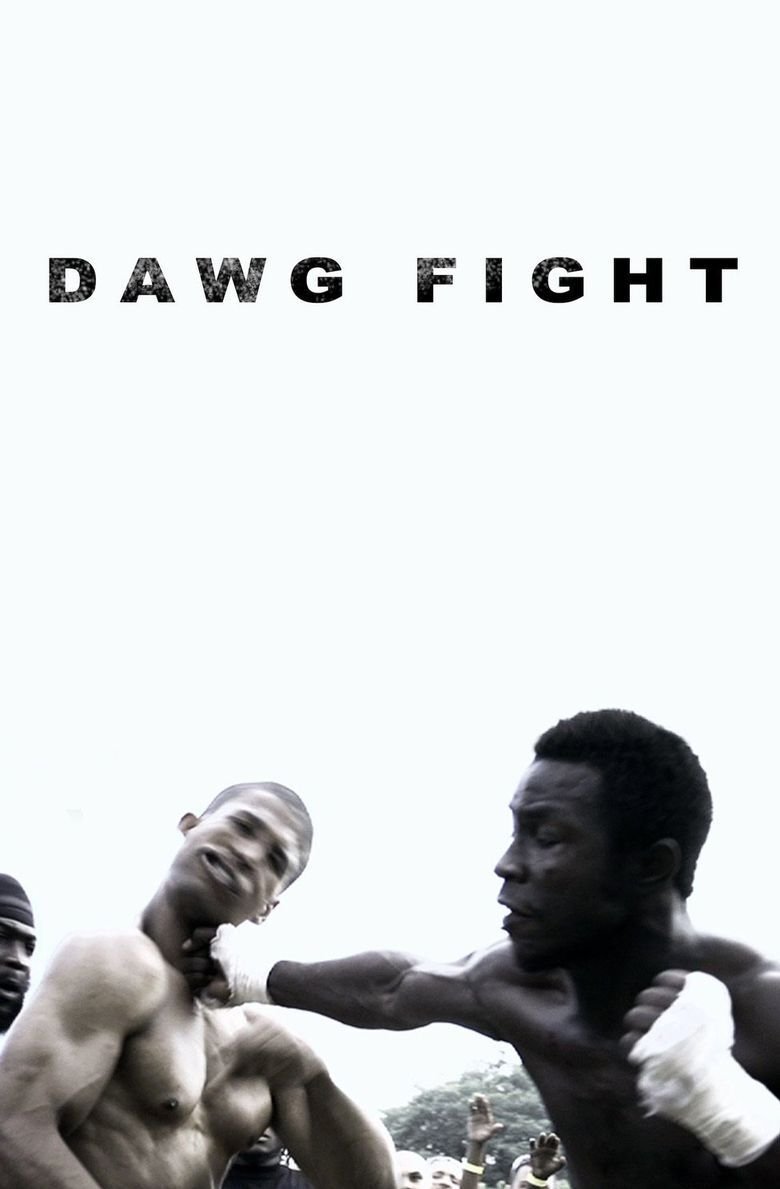
In a crime-plagued neighborhood near Miami, brutal, bare-knuckled backyard fights give young men a chance to earn money -- and self-respect.
Through deeply personal interviews with her siblings and an examination of the photographs, letters, and belongings left behind, Mariska assembles a new portrait of her mother Jayne Mansfield, an extraordinary and complex woman.
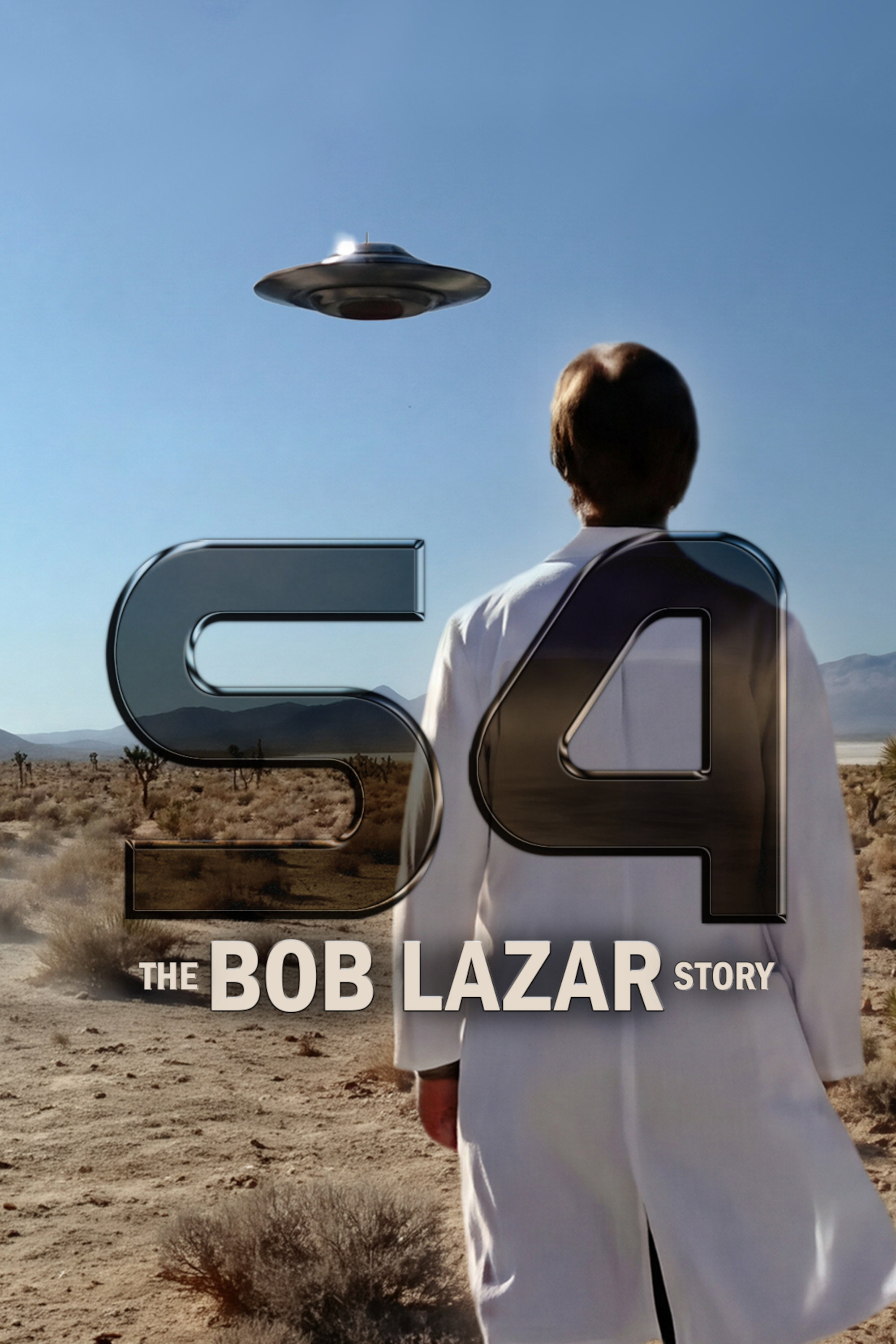
Over 35 years after Bob Lazar's revelations, this documentary exposes secrets of a facility the government still denies. Featuring Lazar's testimony, recreations, and new evidence, it reopens a case that continues to spark global curiosity
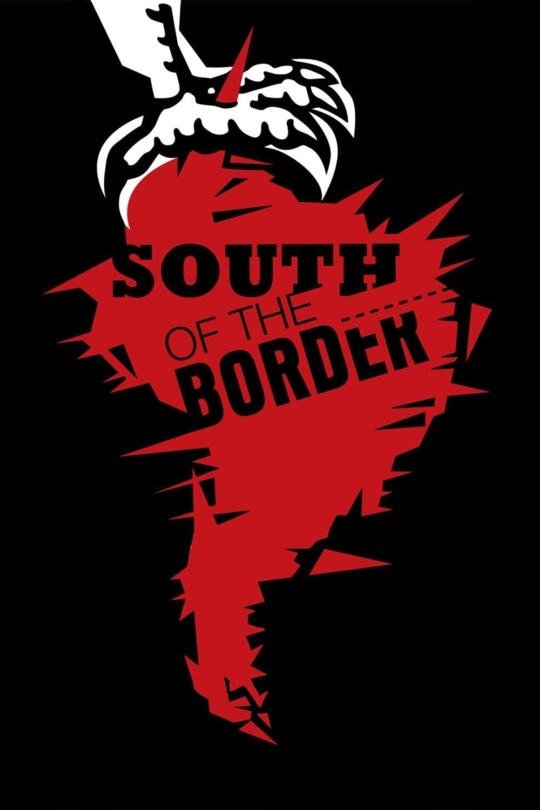
A road trip across five countries to explore the social and political movements as well as the mainstream media's misperception of South America while interviewing seven of its elected presidents.
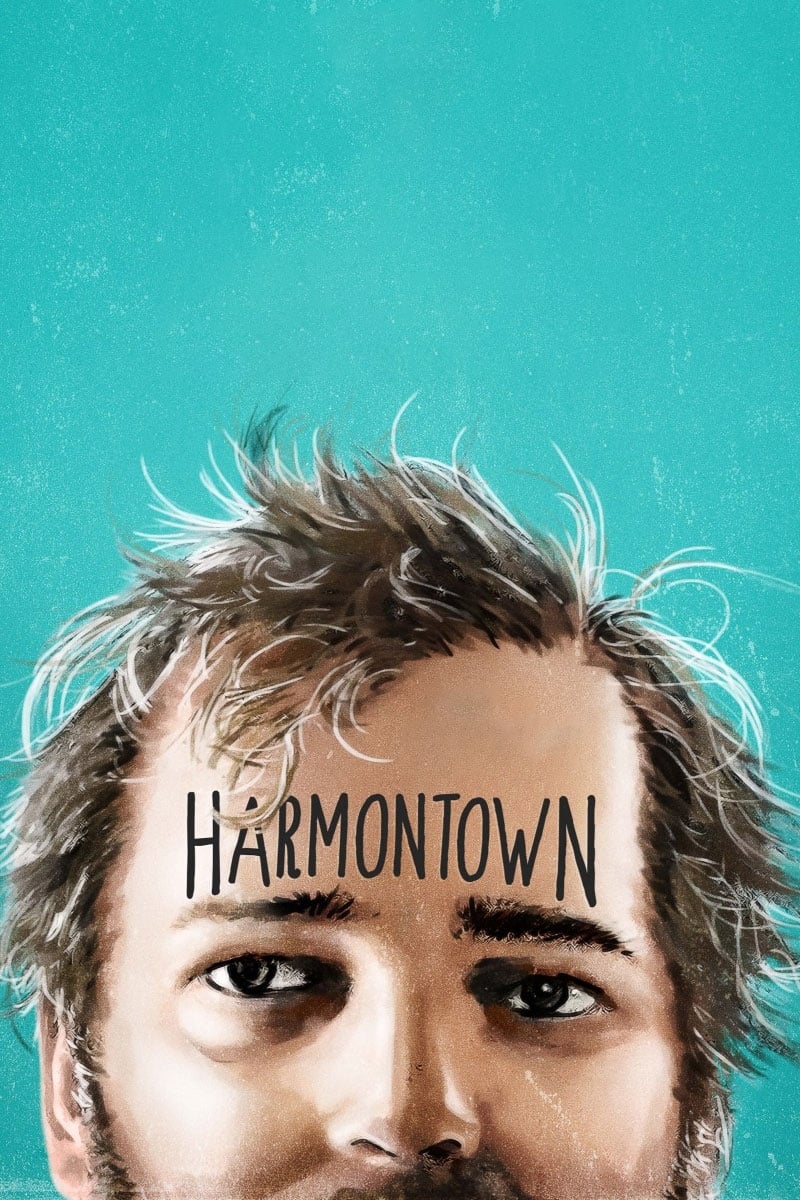
A comedic, brutally honest documentary following self-destructive TV writer Dan Harmon as he takes his live podcast on a national tour.