Social & External
Through key testimonies, this documentary looks at a gang rape that took place during the 2016 San Fermín festival and sparked protests worldwide.
Children play amidst cycles of thunder and violence.
Inspired by the transformation of the sex-trafficking survivors whose lives she follows, the filmmaker finds the courage to break the silence about sexual abuse in her own life.
Kibera is the largest slum area in Nairobi, and the largest urban slum in Africa. This documentary depicts three important problems; violence, drugs (miraa) and albinos killing.The 2009 Kenya Population and Housing Census reports Kibera's population as 170,070, contrary to previous estimates of one or two million people .Most of Kibera slum residents live in extreme poverty, earning less than $1.00 per day. Unemployment rates are high. Persons living with HIV in the slum are many, as are AIDS cases. Cases of assault and rape are common. There are few schools, and most people cannot afford education for their children. Clean water is scarce. Diseases caused by poor hygiene are prevalent.
The end of World War II brings Europe a new political system, reshapes national and personal identities. Three women from Milan, Paris and Berlin report on the days of liberation in their diaries. Their personal stories expand the historical picture and make LIBERATION DIARIES a chronicle of female self-empowerment, resistance and resilience.
A startling expose of rape crimes on US campuses, their institutional cover-ups, and the devastating toll they take on students and their families. The film follows the lives of several undergraduate assault survivors as they attempt to pursue—despite incredible push back, harassment and traumatic aftermath—both their education and justice.
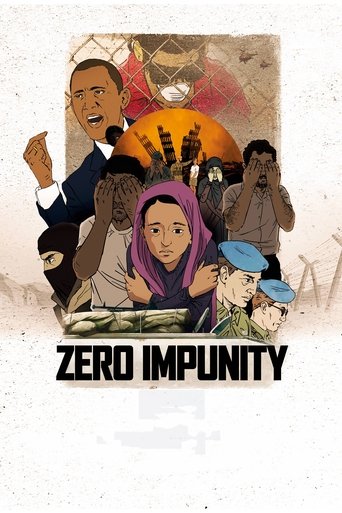
An artistic hybrid documentary, ZERO IMPUNITY is the centerpiece of an ambitious global transmedia project. ZERO IMPUNITY sheds a powerful spotlight on the seemingly total Impunity for the use of sexual violence in armed conflicts worldwide. ZERO IMPUNITY is an important and necessary eye opening Scream, raising awareness and outrage.
Women’s voices rise to deliver testimonies of victims of sexual violence. By reconstructing a story with these fragments of experience, a societal portrait is painted throughout the documentary. Like a mosaic, the pieces stick together to build a unique story that could belong to any human.
Centered on the testimonies of students who were victims of harassment or sexist and sexual violence. The objective is to make people aware of the reality and mechanisms of this violence, as well as their seriousness, so that the university community as a whole is mobilizing against harassment and gender-based and sexual violence.
For the past year or so, brothers Jim and Steve Peters, both ordained ministers, have been traveling around the nation on a mission from God. Convinced that rock and roll is "one of the largest satanic forces in the country," they have been exhorting American kids to build bonfires of albums in public places.
Rumba Rules, New Genealogies offers an enjoyable, rough-edged glimpse into the music scene of Kinshasa, with impromptu shots drawing the viewer into jam sessions on plastic chairs, and the quest for perfection at the studio.
An exploration of the interconnected experiences of queerness and illness, this film navigates personal and collective journeys through medical spaces, sexual violence, and survival, displays the profound impact on body and identity.
Danielle Sturk tackles the thorny issue of sexual violence against teens by boldly asking: Why? Young men, witnesses to the prevailing culture, and young women survivors of sexual assault share their personal reflections in the hopes of sparking the dialogue needed to end gender-based violence. Because things only change when people start talking and taking action.
Journalist Shiori Ito embarks on a courageous investigation of her own sexual assault in an improbable attempt to prosecute her high-profile offender. Her quest becomes a landmark case in Japan, exposing the country's outdated judicial and societal systems.
Of the 250,000 victims of rape or attempted rape in France every year, only 16,000 ever make it to a police station. Between overcrowded courts and tenacious prejudice, this documentary shows the painful journey of four rape victims to make their voices heard. An unvarnished look at an archaic process.
A documentary about street-involved women sex workers in San Diego, California who were murdered in the 1980s and 1990s. The documentary highlights police negligence and outright abuse.
The trembling starts in his neck when Markus gets closer to the images that have chased him for 49 years. Now he steers his motor home south, as far away from his past as possible.
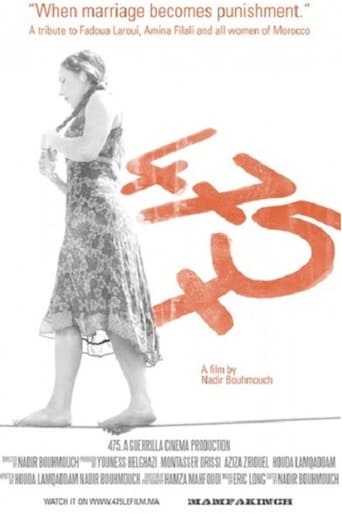
Amina Filali is a 16-year old Moroccan girl who committed suicide after being forced to marry her alleged rapist. Her tragic death dominated Moroccan and international media in March 2012. Amina had accused a young man in her village of rape, but because authorities failed to properly investigate her accusations, she was married to her rapist following a citation from article 475 of the Moroccan penal code. This article dismisses a rapist of his charges as long as he marries his victim. A year after her marriage, Amina swallowed rat poison, walked into the village market, and died. Through this horrifying affair, the film explores the legal, political, religious and social issues that plague Moroccan women - chipping away at the facade of equality that disguises a deep-seated patriarchal system.