Social & External
The people behind it
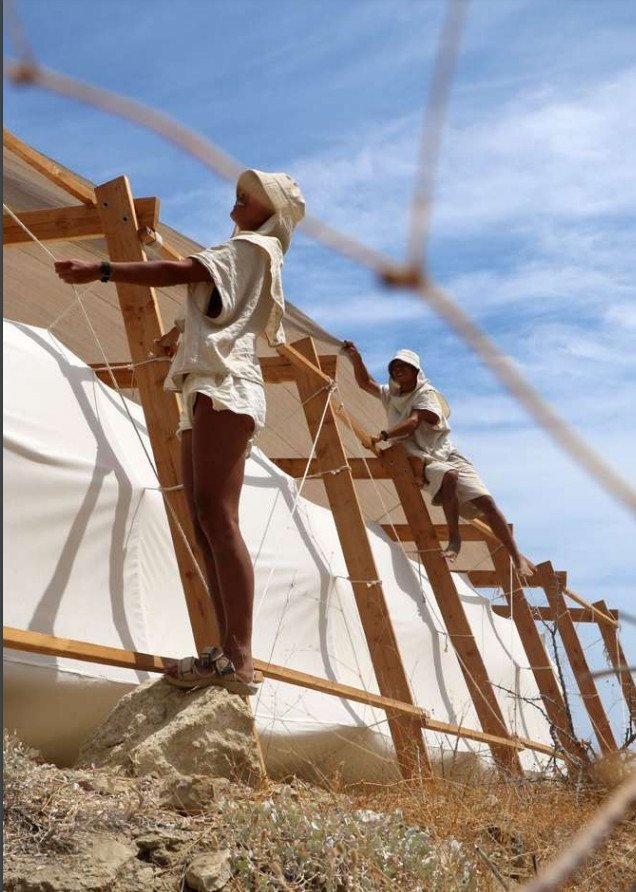
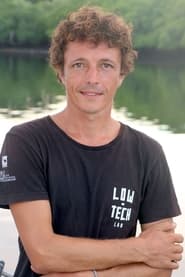
Corentin de Chatelperron
Caroline Pultz
The film Desert View is dedicated to the study of building and living in the semi - built satellite city Madinaty, located in the desert east of Cairo. The movie was made during a four-week residency experiment, to which the filmmakers had invited the three-generation Barakat family from ashweyat (informal residential district) Bashtil as a sort of cinematic diary. The temporary residents of Madinaty, filmmaker and Barakat family, captured their observations and experiences of architecture and their use from their respective perspectives and cameras. Two external perspectives on the desert dreams of the Egyptian middle and upper classes.
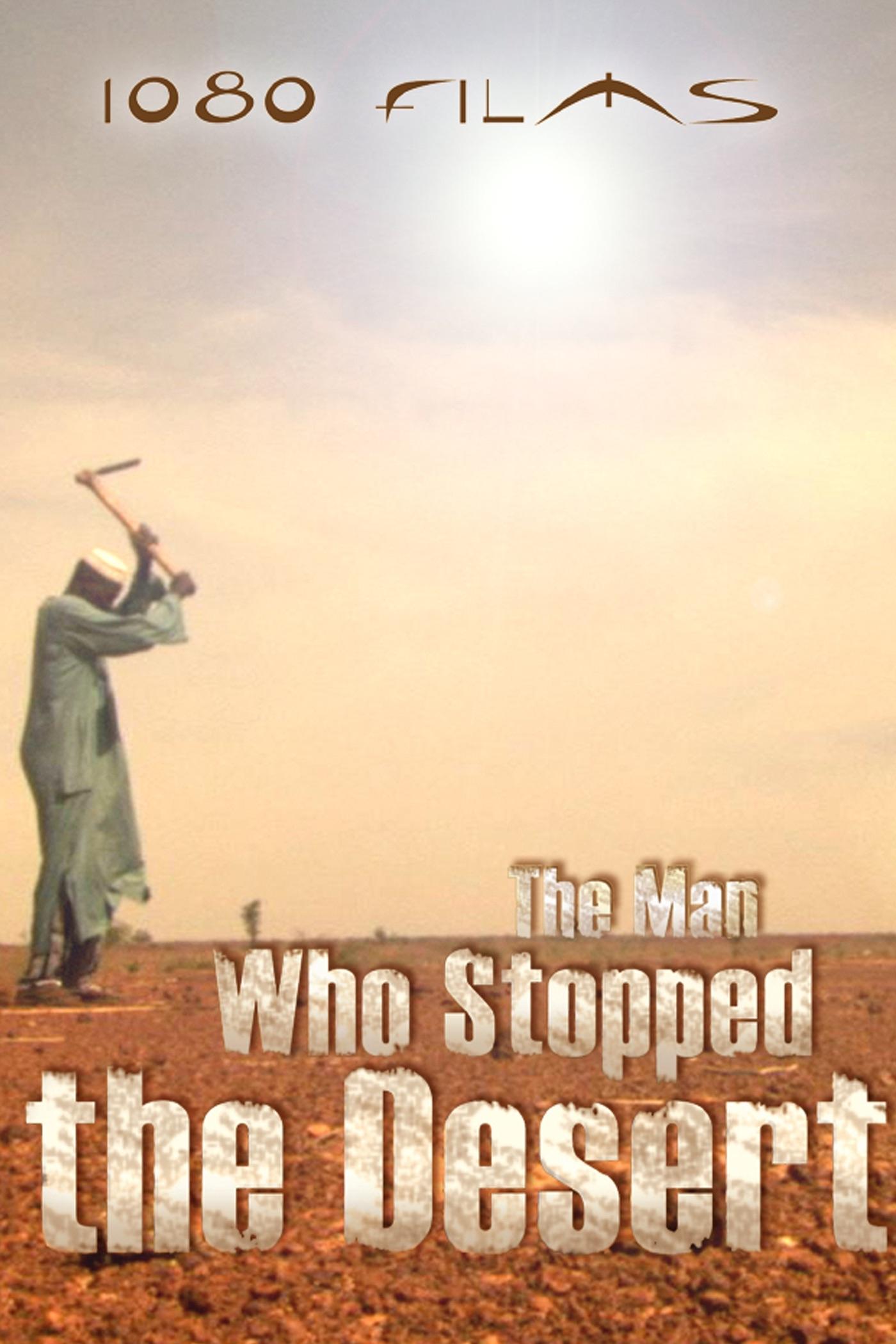
As a child in Burkina Faso, Yacouba was sent away from home to study the Qur'an, where he and his classmates were almost starving. The young boys would trek across miles of wilderness, only to fall and beg at a straw hut for meagre rations. It is from this harsh background that the young farmer became determined to develop techniques that would bring exhausted soil back into production. His efforts have outdone the work of the world's leading scientists and technological advances costing millions of pounds. They may also yet prove crucial to the future of the world's rapidly growing population and global food demands.
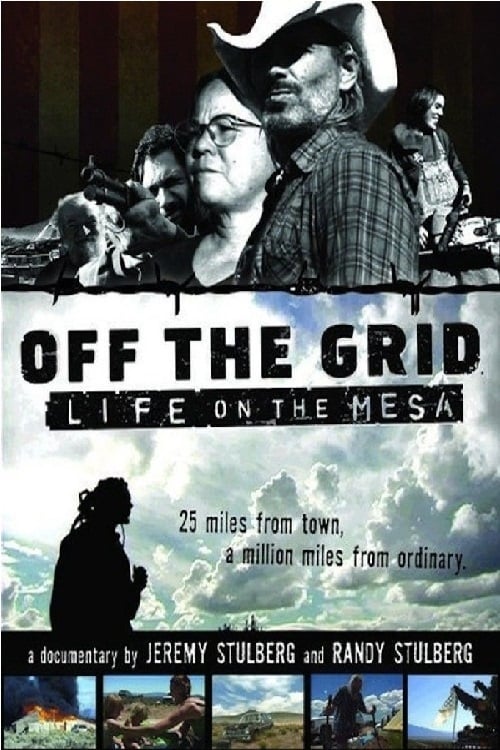
Twenty-Five miles from town, a million miles from mainstream society, a loose-knit community of eco-pioneers, teenage runaways, war veterans and drop-outs, live on the fringe and off the grid, struggling to survive with little food, less water and no electricity, as they cling to their unique vision of the American dream.
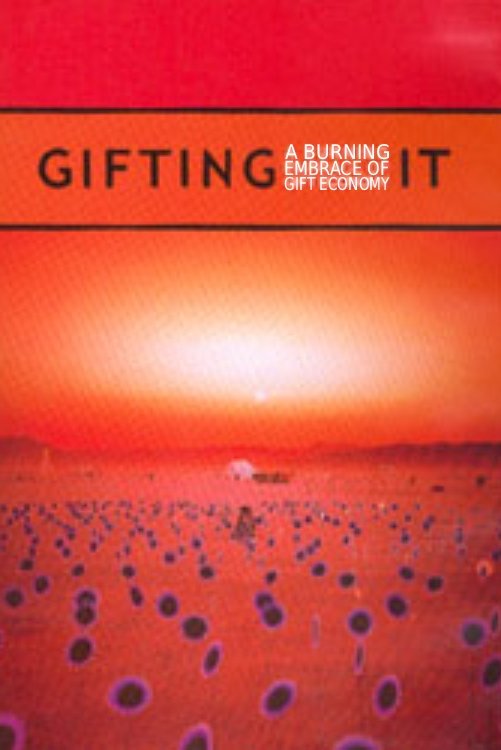
If you think Burning Man is all about naked dancers tripping on substances, think again. This debut documentary by Renea Roberts takes an intelligent and thoughtful look at how the promotion of a gift economy ethic influences a host of social elements. The focus is on community and the power of gifting.
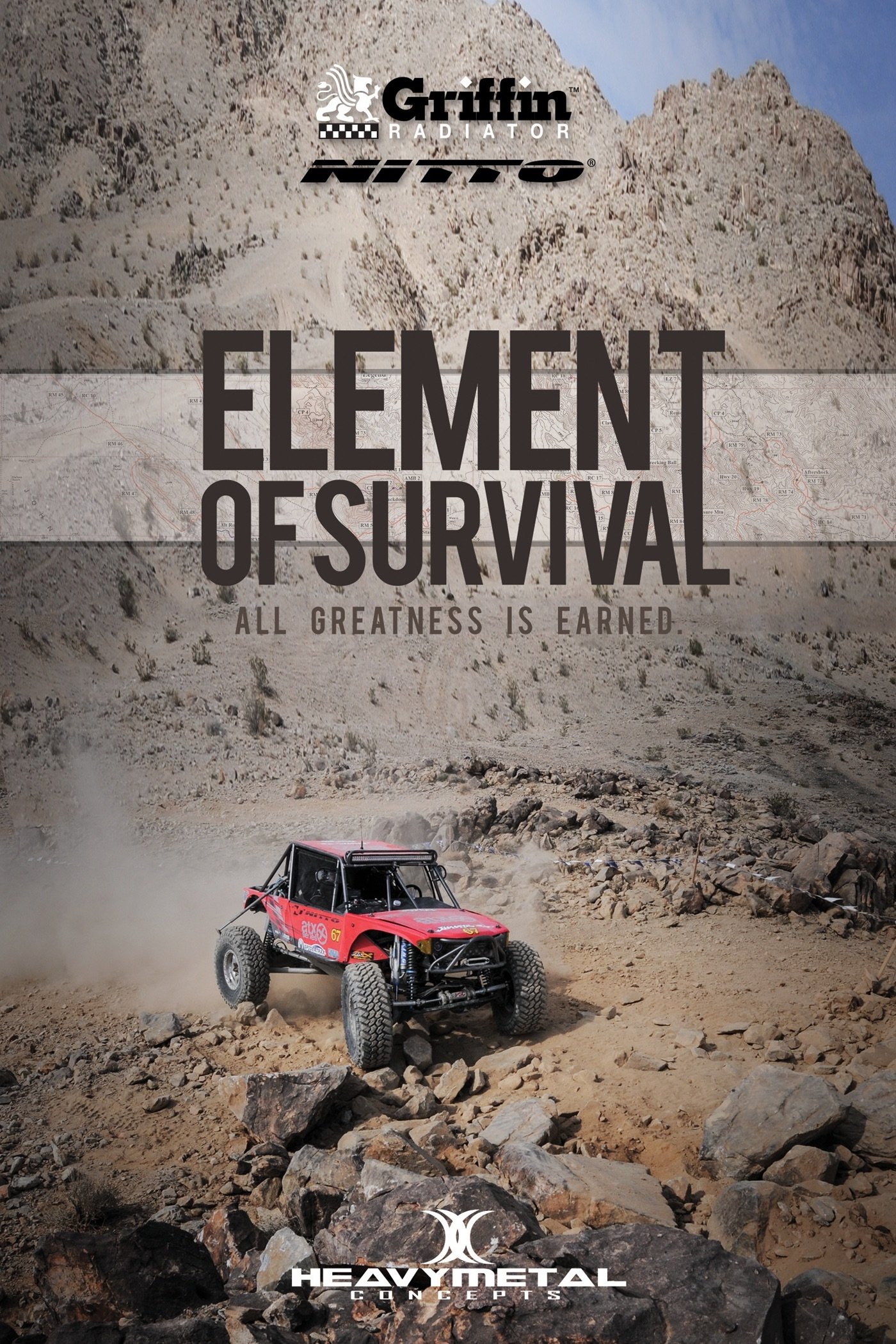
Beyond the sprawl of the urban jungle, 150 race teams meet to do battle in the heart of the Mojave Desert in southern California. The format is "run what ya brung" Unlimited 4 Wheel Drive Racing, and the stakes are higher than ever. Only 20% of the teams that take the green flag will make it to the end, the remainder being left strewn across the desert floor in the wake of one of the hardest off road races on the planet, the King of the Hammers. Follow teams in 'Element of Survival' as they set out to conquer harsh desert at speeds in excess of 100mph, as well as some of the hardest rock crawling North America has to offer, all in an effort to be crowned "King" at the setting of the sun.
Out of State is the unlikely story of native Hawaiians men discovering their native culture as prisoners in the desert of Arizona, 3,000 miles, and across the ocean, from their island home.
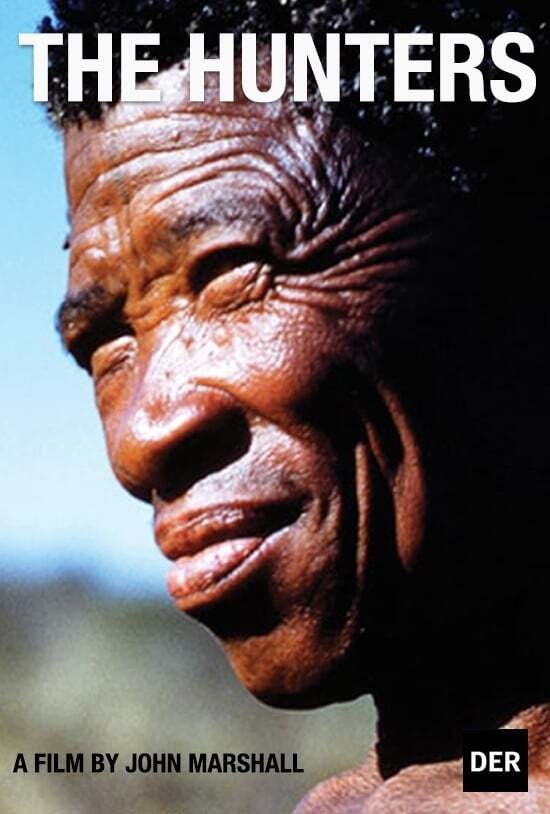
An ethnographic documentary following four Ju/’hoansi (!Kung) men during a multi-day giraffe hunt in the Kalahari Desert, filmed during the Smithsonian–Harvard Peabody expedition of 1952–53.
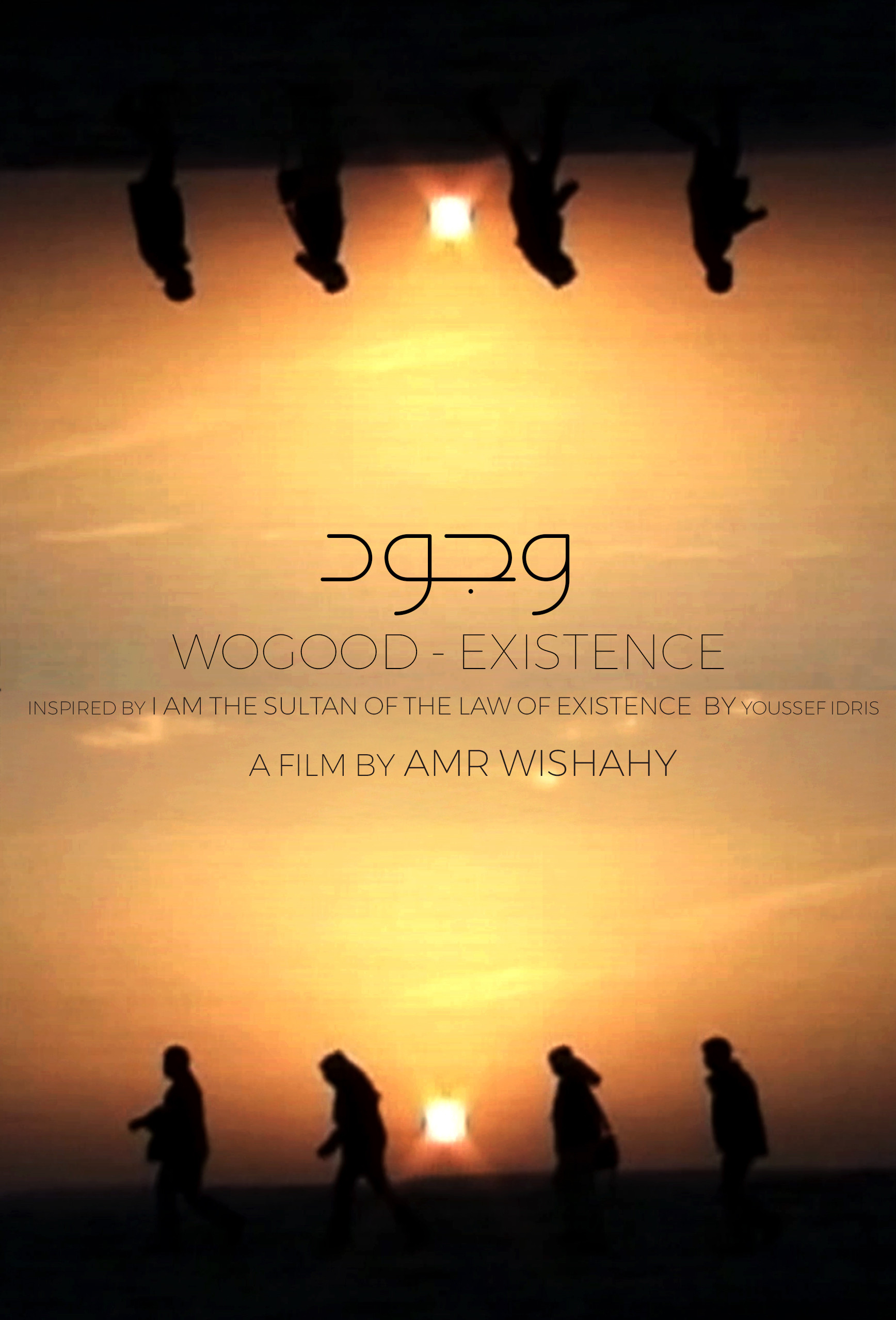
After reading I Am the Sultan of the Law of Existence by Youssef Idris, a five-day journey through Egypt’s Western Desert, traveling from north to south., covering 2,800 km and shooting for 35 hours, the expedition became both physical and existential. The desert’s vastness and silence echo the text’s meditation on the relationship between man, nature and the universe, transforming the landscape into an active force that reshapes perception and confronts the nature of existence.
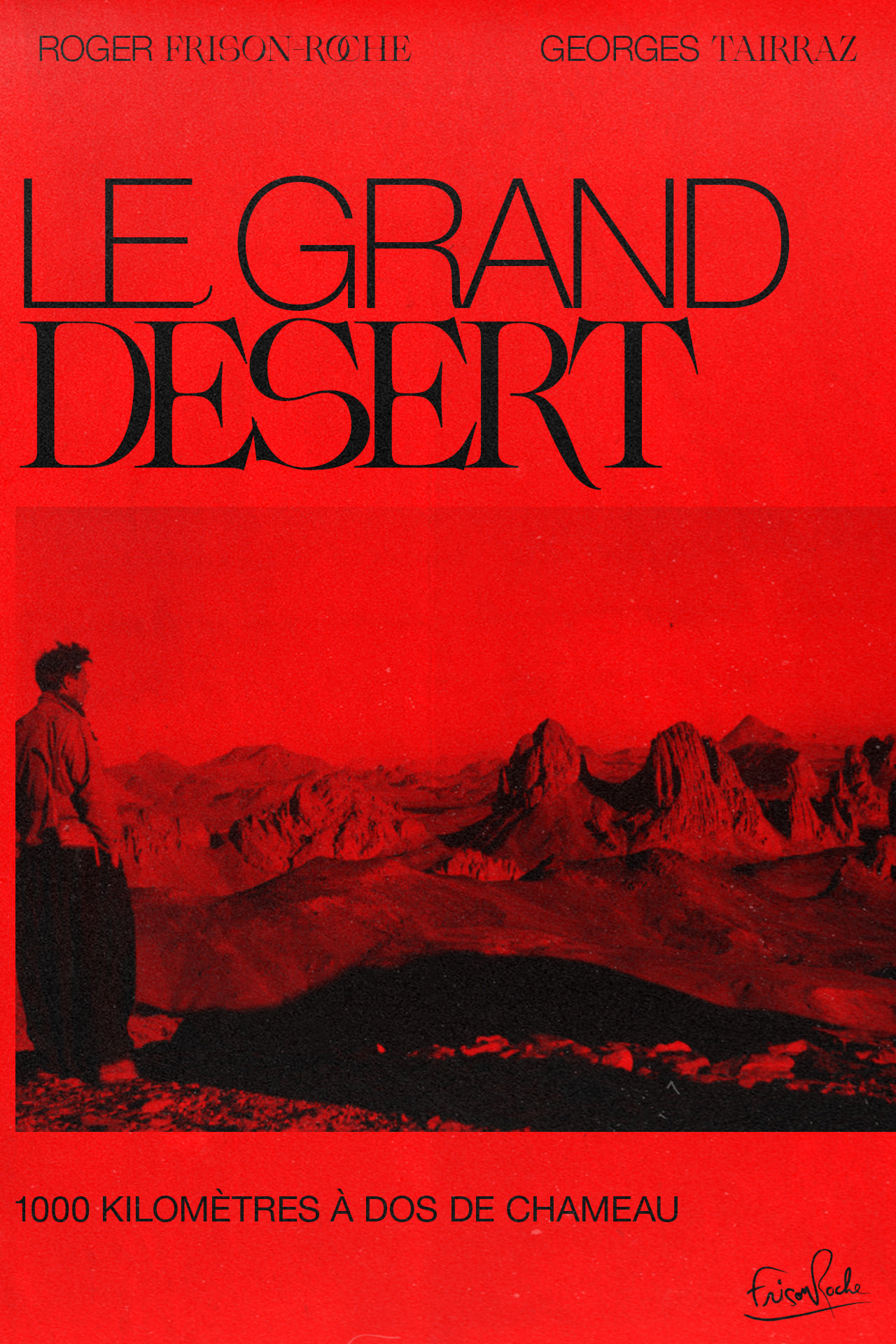
In 1950, the explorer Roger Frison-Roche made a crossing of more than a thousand kilometers on the back of a camel with the photographer Georges Tairraz II, in the heart of the Sahara, from Hoggar then Djanet in Algeria to Ghat in Libya. From their journey they brought back a large number of color films and documents. Among thousands of photos, they selected 47 images which reflect the various aspects of these immense spaces which occupy a third of Africa in the book "The Great Desert". “The Great Desert, 1000 kilometers on camelback” is the eponymous 85-minute documentary of this epic, released in 1950.
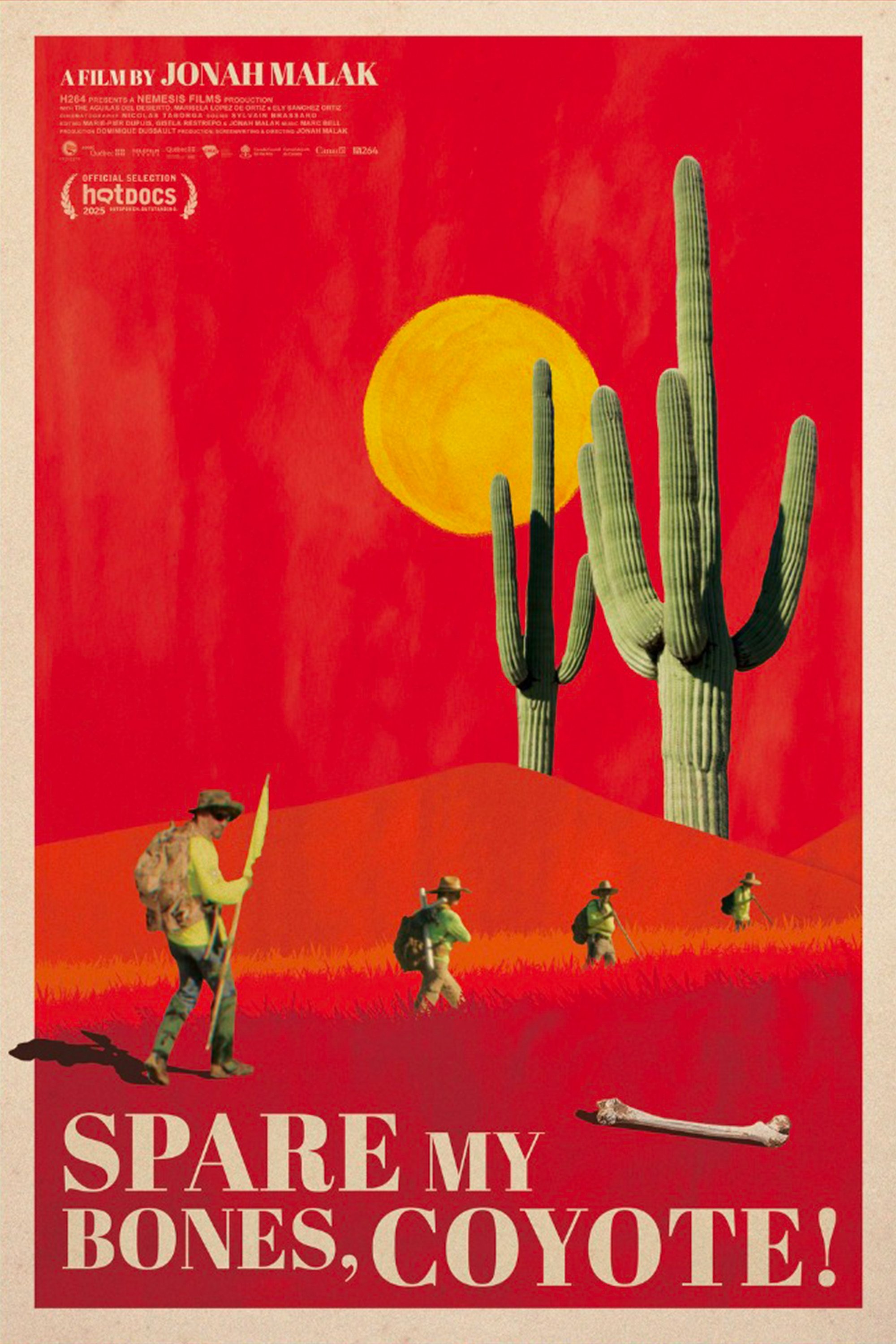
For the last twelve years, Marisela and Ely, along with the volunteer group The Águilas del Desierto have roamed the US-Mexico desert. Their goal: to seek, find and return to their families the bodies of migrants who died while crossing on foot. This all-consuming calling takes a crushing toll on them, but how could they stop? Spare My Bones, Coyote! follows their work, dedication, and difficult lives they have chosen to live.
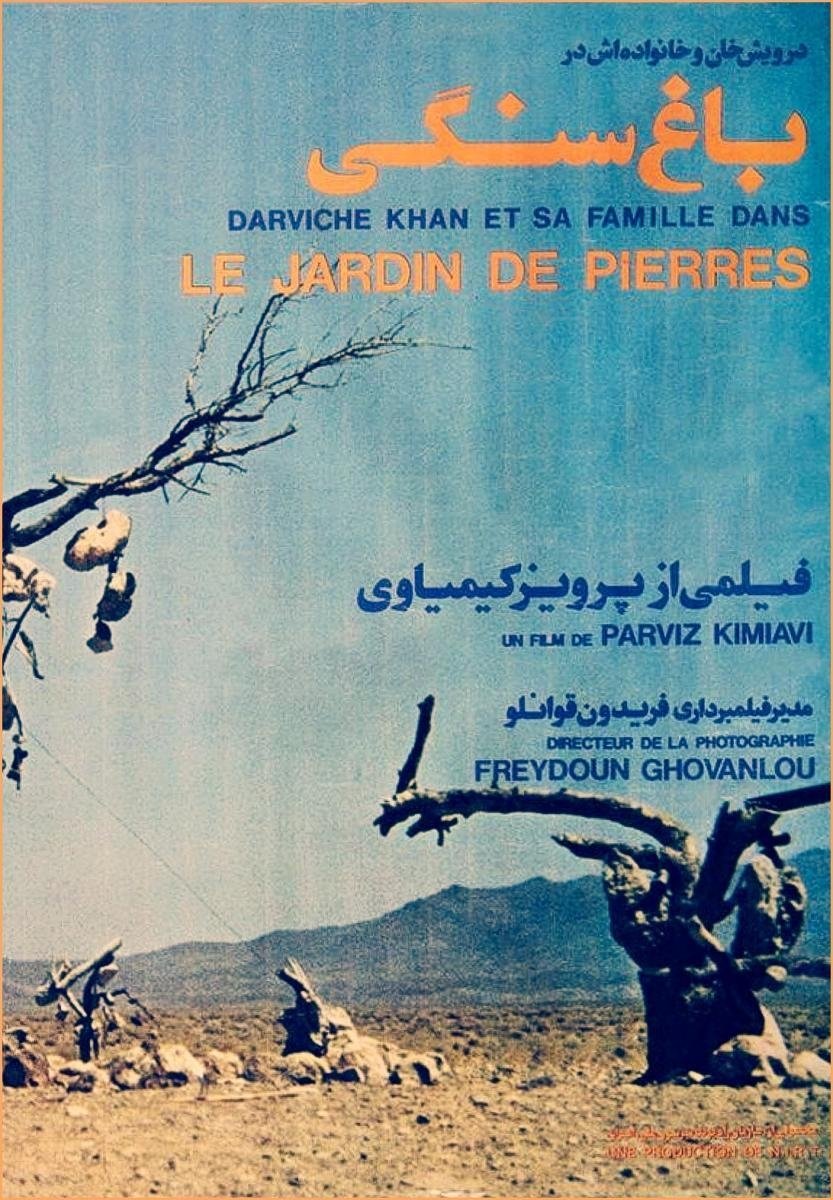
Secrets and mysteries lose power when they are spread too widely. This is what the villagers discover when they invade an old man's vision-inspired shrine to the namelessly holy.
In late August 2016, the band of Floating Points travelled to the Mojave desert to rehearse and record before their tour of the Southern states of America. Whilst visiting Joshua Tree national park, they were struck not only by its physical beauty, but also of the sonic reflections from the rock formations. A unique sound of reverb, echo and phase shifting modulating the sound from its surroundings.They took advantage of this environment to write and record some new music at the base of some of these natural sculptures which was documented in this short film.
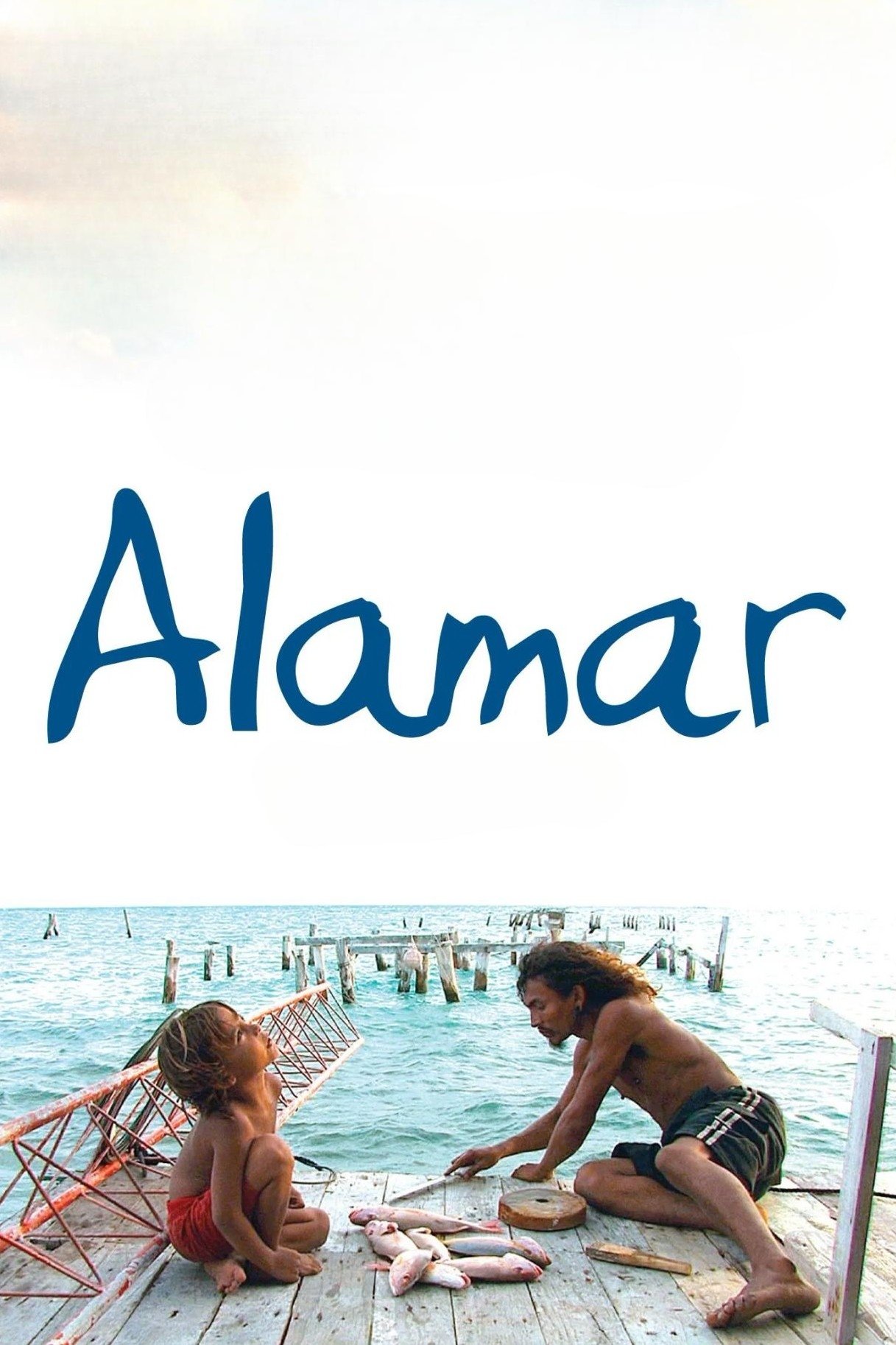
Before leaving for Rome with his mother, five year old Natan is taken by his father, Jorge, on an epic journey to the pristine Chinchorro reef off the coast of Mexico. As they fish, swim, and sail the turquoise waters of the open sea, Natan discovers the beauty of his Mayan heritage and learns to live in harmony with life above and below the surface, as the bond between father and son grows stronger before their inevitable farewell.
Survival! is a 22-minute, Alan Madison-directed instructional wilderness survival film focusing on safety techniques. It is often described as a surprisingly cinematic, educational piece. Four scenarios depict the dangers of hyperthermia and hypothermia and how common sense, being prepared and following a few important tips can save your life: Scenario 1: A fisherman falls in icy water and suffers from hypothermia. Scenario 2: An unprepared family hikes into the mountains and is surprised by a sudden change in the weather. Scenario 3: A couple guys make multiple mistakes in the desert and experience the consequences. Scenario 4: A hunter gets lost in the forest during a winter storm.
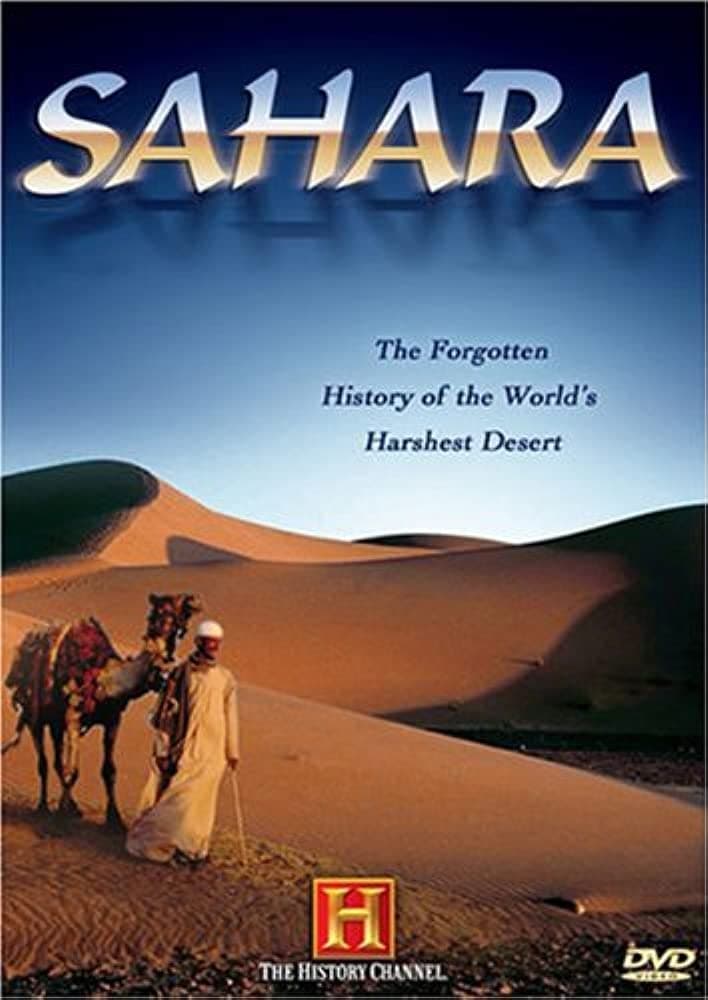
At once a vast expanse of mesmerizing desolation and the crucible of human history, the Sahara Desert has been both the battlefield of empires and the haunted wilderness at the margins of the known world for thousands of years. Shot on location, this exhilarating documentary brings to life the Sahara’s cruel history and the conflicts that still plague its people. THE SAHARA recounts the story of kings who once led caravans of 30,000 people across the desert, bearing riches beyond imagination. It tells of Roman death squads that exterminated the citizens of the Empire’s most bitter rival and how the Foreign Legion crafted a legend out of last stands and lost causes. From the fabled metropolis of Timbuktu to the shores of Tripoli, THE SAHARA is an illuminating exploration of this unforgiving and remote land of myth and mirage.
A mechanic discovers the fossil of a huge carnivorous dinosaur, unleashing a war between scientists, mayors and neighboring towns to keep “the biggest dinosaur in the world.” Among bone thefts, replicas and a mayor obsessed with creating Dinolandia, anything goes when it comes to surviving.
An undercover documentary film produced and directed by British filmmaker Dominic Brown, about the struggle of the indigenous Sahrawi people of Western Sahara. The documentary covers the current human rights and political situation of the Sahrawi. There are several interviews recorded with human rights victims including an elderly lady who had been attacked in her home the previous day by Moroccan security forces. There is also a focus given to the alleged vested interests of countries in the region, particularly France. The film states that the French Government's close relationship with Morocco, their trade deals and their use of veto over the terms of the UN mission in Western Sahara are major factors.
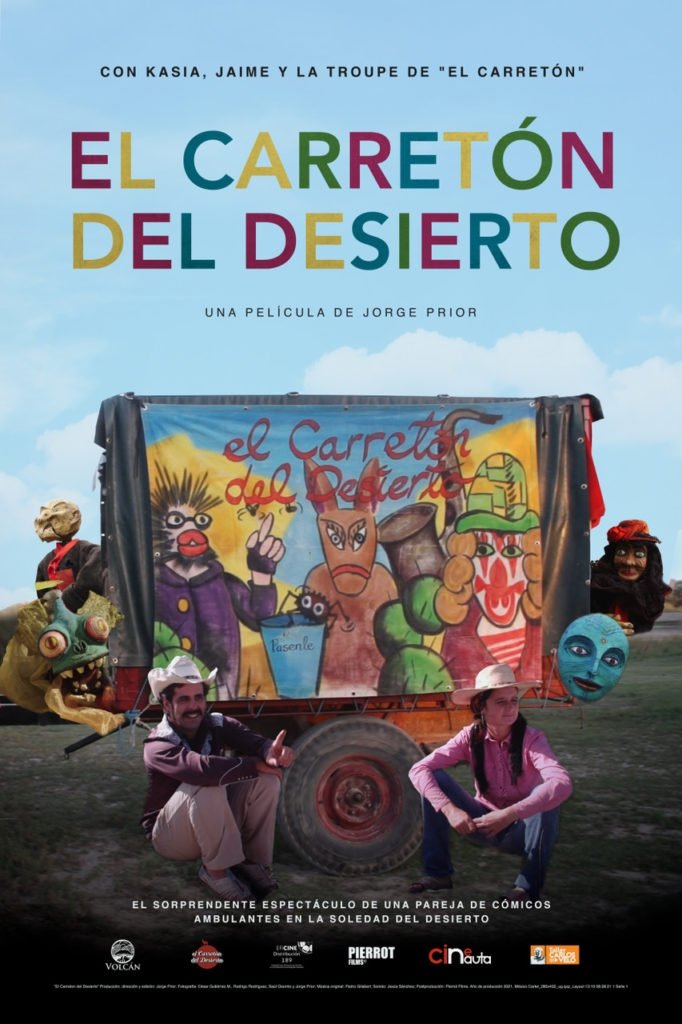
A couple of artists travels through the Mexico desert to present their puppet show.
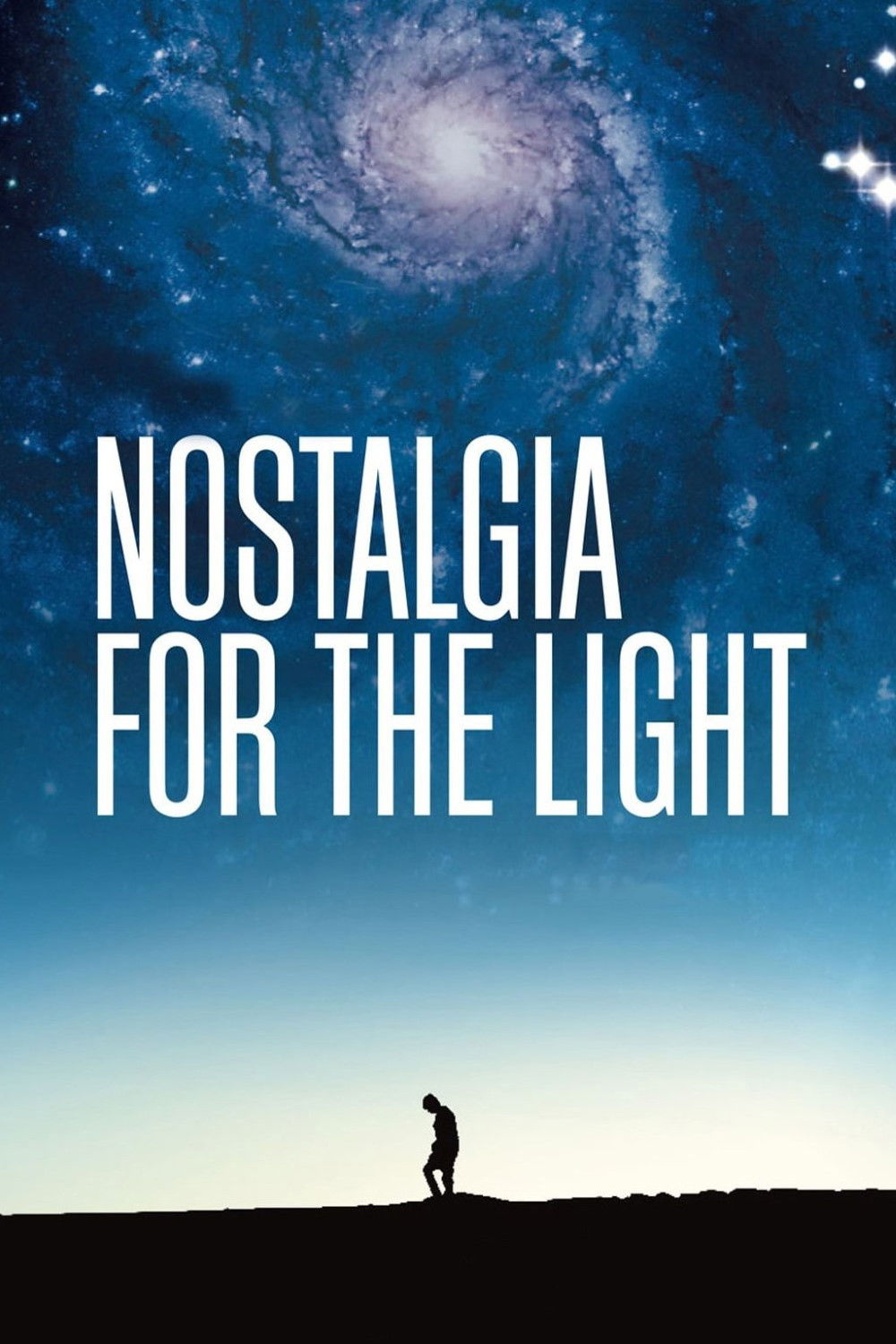
In Chile's Atacama Desert, astronomers peer deep into the cosmos in search for answers concerning the origins of life. Nearby, a group of women sift through the sand searching for body parts of loved ones, dumped unceremoniously by Pinochet's regime.
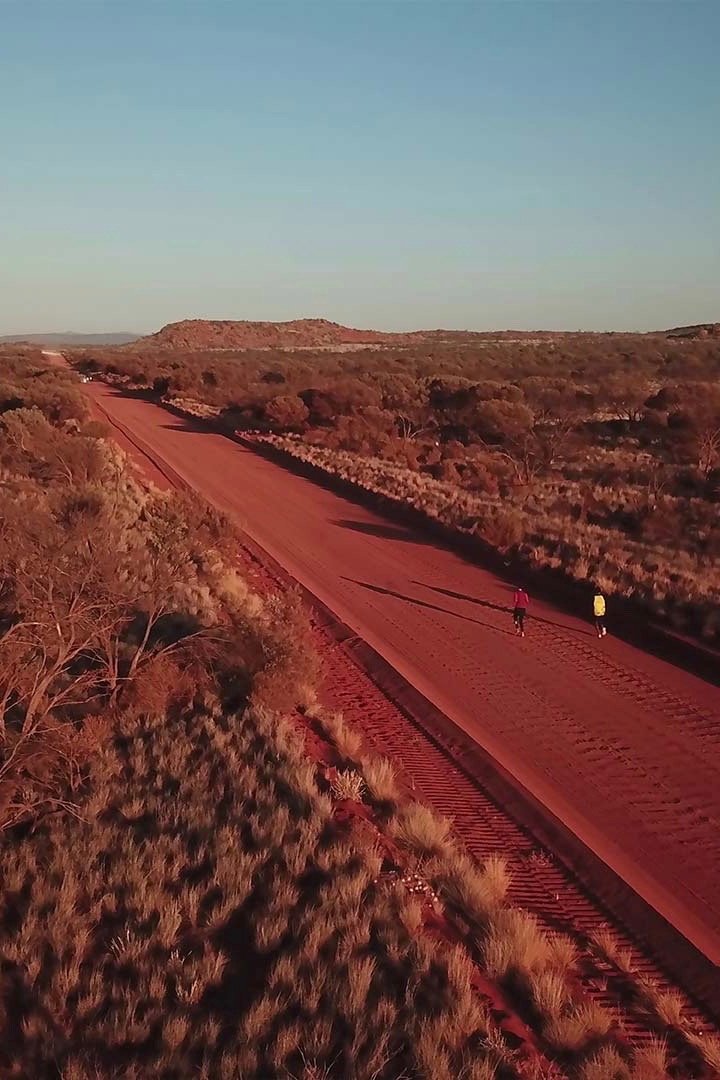
Zibeon Fielding, Aboriginal TSI man and long distance runner is preparing to run a crazy 62 kilometres. Driven by passion to help those he loves, Zibeon will run further than he ever has before in the heart of Australian desert.
In an intimate and joyful story of love in the face of loss, celebrated poets Andrea Gibson and Megan Falley find strength—and unexpected hilarity—in what might be their final year together.
Brilliant, long in-the-works story of the life and art of the world's greatest comedian and the cinema's first genius, Charlie Chaplin. Produced, written and directed by renowned film critic Richard Schickel.
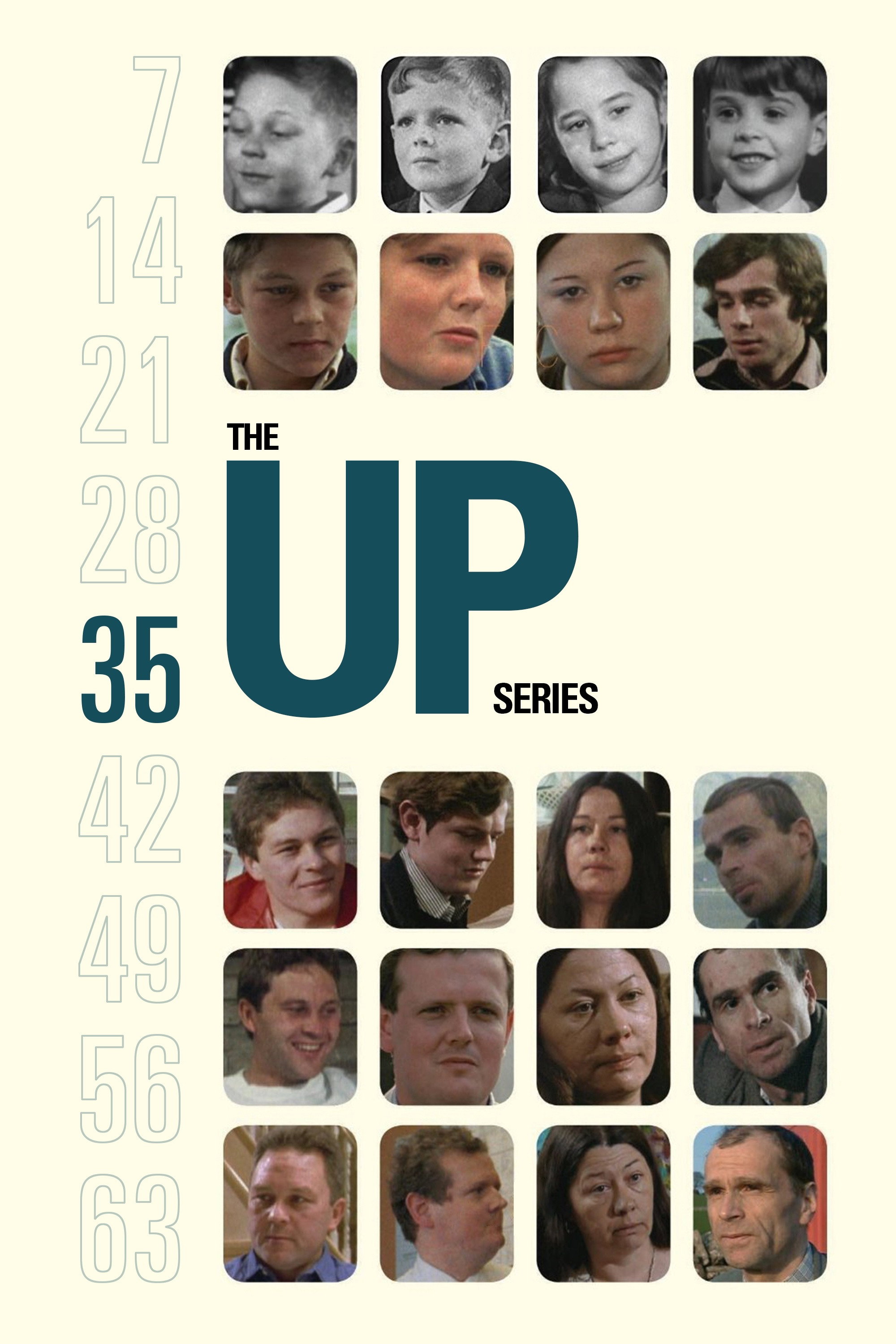
Director Michael Apted revisits the same group of British-born adults after a 7 year wait. The subjects are interviewed as to the changes that have occurred in their lives during the last seven years.
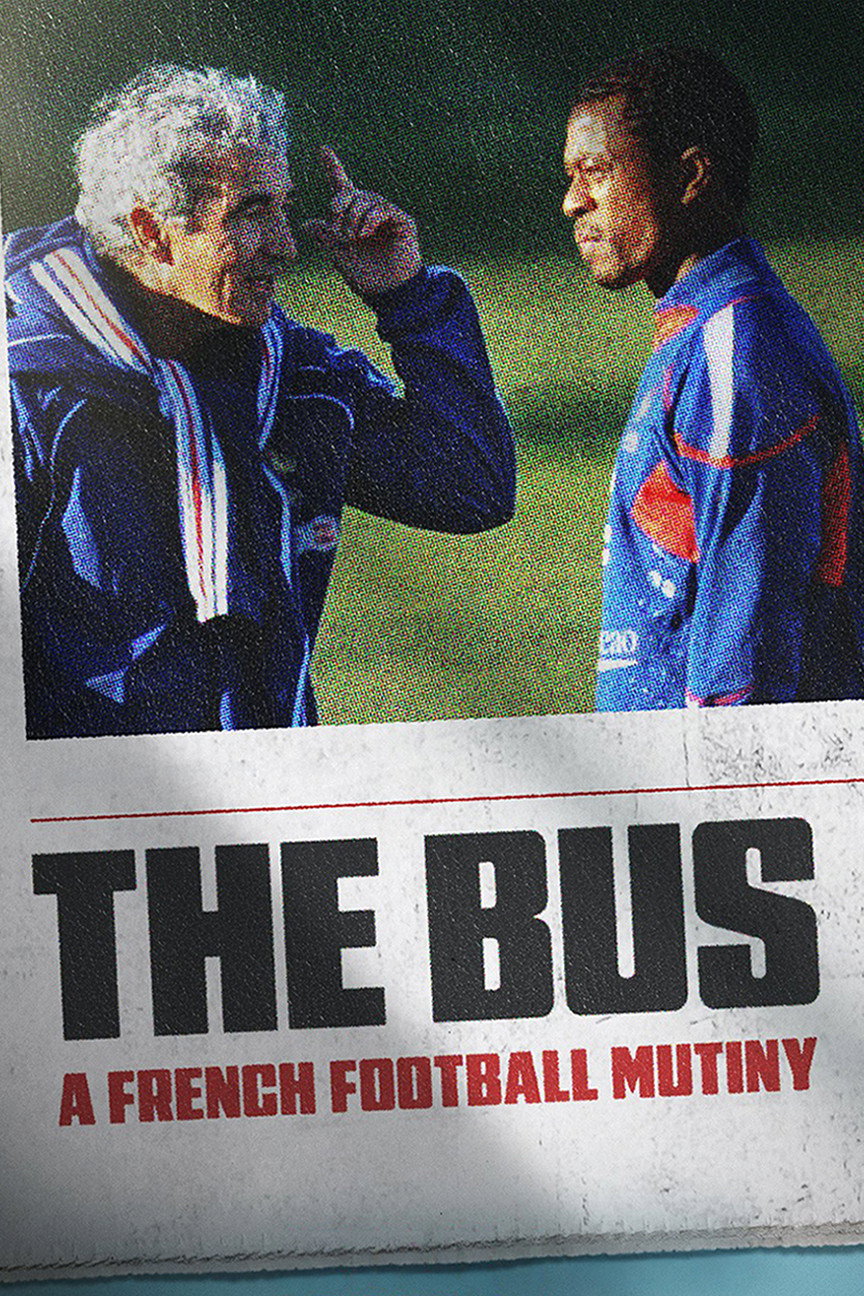
This documentary revisits the French football team's controversial 2010 World Cup and the bus strike that sparked global headlines and national outrage.
In a crime-plagued neighborhood near Miami, brutal, bare-knuckled backyard fights give young men a chance to earn money -- and self-respect.
Behind-the-scenes documentary about how Lionel Messi succeeded in lifting the World Cup – the only trophy to have eluded him in an incredible career.
Although first glance reveals little more than stones and sand, the desert is alive. Witness moving rocks, spitting mud pots, gorgeous flowers and the never-ending battle for survival between desert creatures of every shape, size and description.
A visual montage portrait of our contemporary world dominated by globalized technology and violence.
A documentary about the life and films of director John Ford.
A multi-part documentary about the making of the Jurassic Park trilogy. Each part walks through the making of part of one of the films, including the hurricane during the shooting of the first film, and how advances in CGI for Jurassic Park helped change the world of special effects forever. All interviews for these retrospective documentaries come with comments from Spielberg, Johnston, Neill, Dern, Goldblum, the effects crews, the child actors, and Peter Stormare. This documentary is broken into six parts: Dawn of a New Era (25 min), Making Prehistory (20 min), The Next Step in Evolution (15 min), Finding the Lost World (28 min), Something Survived (16 min), and The Third Adventure (25 min).
Over 35 years after Bob Lazar's revelations, this documentary exposes secrets of a facility the government still denies. Featuring Lazar's testimony, recreations, and new evidence, it reopens a case that continues to spark global curiosity
The life and career of one of comedy's most inimitable modern voices, Mr. Gilbert Gottfried.
In this wildlife drama, a worsening dry season in the Kalahari Desert leaves prides, packs and herds to rely on the power of family to survive.
The life and career of an actor, artist, and icon. His own journey through his own camera.
Daniel Craig candidly reflects on his 15 year adventure as James Bond. Including never-before-seen archival footage from Casino Royale to the upcoming 25th film No Time To Die, Craig shares his personal memories in conversation with 007 producers, Michael G Wilson and Barbara Broccoli.
Al Pacino's deeply-felt rumination on Shakespeare's significance and relevance to the modern world through interviews and an in-depth analysis of "Richard III."
A close look at the assassin's lifestyle in the film.
The film is based on interviews with 2,000 women from 50 countries, and covers the status of women all over the world. The topics covered include forced marriages, sexual assault, female genital mutilation, acid attacks, motherhood, sexuality, menstruation, education and the professional success of women.
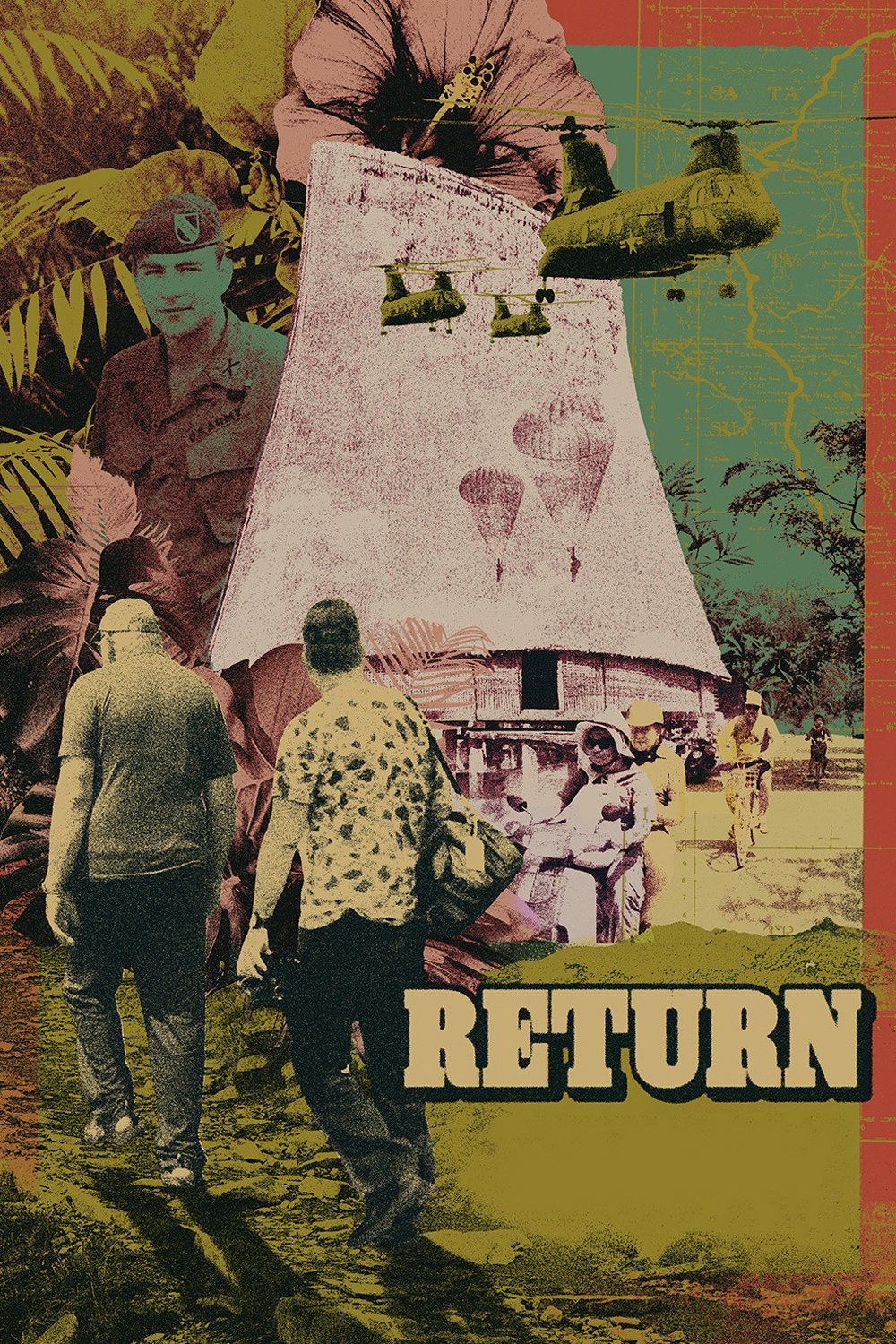
RETURN tells the story of a retired Green Beret who embarks on a healing journey from Montana to Vietnam. There he retraces his steps, shares his wartime experiences with his son, treats his Post-Traumatic Stress Disorder, and seeks out the mountain tribespeople he once lived with and fought alongside as a Special Forces officer.
Through deeply personal interviews with her siblings and an examination of the photographs, letters, and belongings left behind, Mariska assembles a new portrait of her mother Jayne Mansfield, an extraordinary and complex woman.