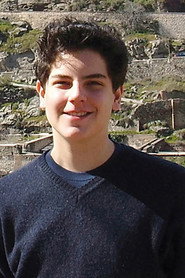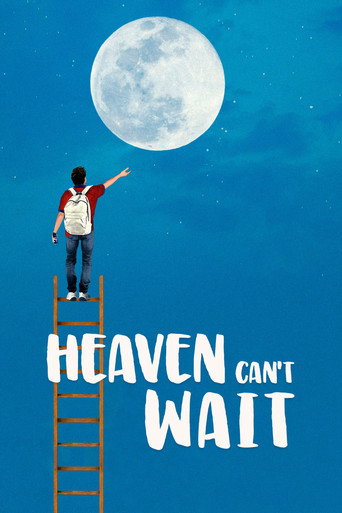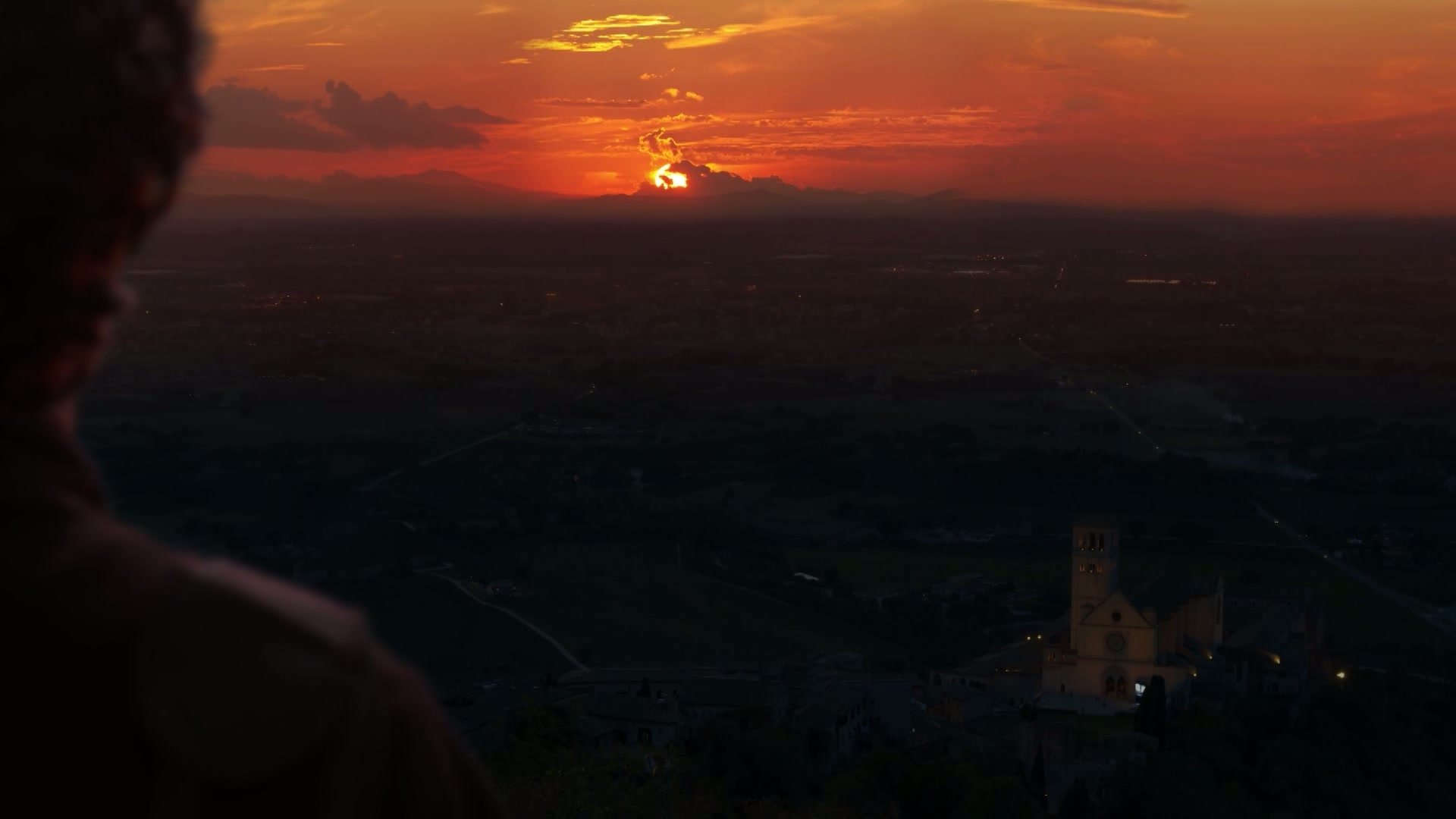
Filmed on location in Italy, this EWTN original documentary chronicles the life and witness of Blessed Carlo Acutis. It features photos, interviews, and recollections with family, friends, and others who knew him.
Social & External
Self
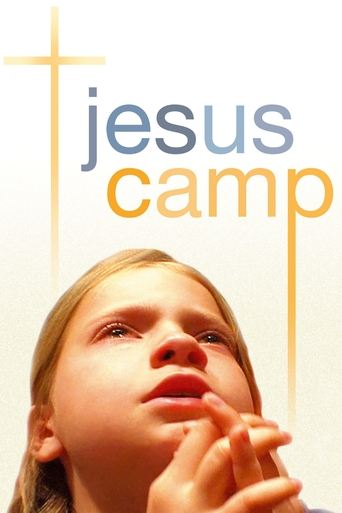
Jesus Camp is a Christian summer camp where children hone their "prophetic gifts" and are schooled in how to "take back America for Christ". The film is a first-ever look into an intense training ground that recruits born-again Christian children to become an active part of America's political future.
Every summer on Palermo's Mondello beach, over 1,000 cabins are built in preparation of the Ferragosto holiday. Centered around a family who goes into debt, three women holding onto the feeling of youth, and a politician seeking votes -- a vanity fair of beachgoers hiding behind the memory of a social status that the economic crisis of recent years has compromised.
He walked a hard path of addiction and trouble, until a moment of faith sparked a profound change. This is the raw story a working man's unconventional road to redemption and purpose.
In his lifetime, Thomas Merton was hailed as a prophet and censured for his outspoken social criticism. For nearly 27 years he was a monk of the austere Trappist order, where he became an eloquent spiritual writer and mystic as well as an anti-war advocate and witness to peace. Merton: A Film Biography provides the first comprehensive look at this remarkable 20th century religious philosopher who wrote, in addition to his immensely popular autobiography The Seven Storey Mountain, over 60 books on some of the most pressing social issues of our time, some of which are excerpted here. Merton offers an engaging profile of a man whose presence in the world touched millions of people and whose words and thoughts continue to have a profound impact and relevance today.
Having survived 24 arduous years imprisoned in a camp in Russia -- without hope of freedom, either physical or religious -- Father Walter Ciszek receives his just due as a hero and inspiration in this documentary. Soon after his tale of courage and conviction was finally brought to light, this legendary priest helped reignite the Catholic movement in Russia, as evidenced by the faithful followers profiled in this moving film.
After the World War I, Mussolini's perspective on life is severely altered; once a willful socialist reformer, now obsessed with the idea of power, he founds the National Fascist Party in 1921 and assumes political power in 1922, becoming the Duce, dictator of Italy. His success encourages Hitler to take power in Germany in 1933, opening the dark road to World War II. (Originally released as a two-part miniseries. Includes colorized archival footage.)
Is My Living in Vain is a meditation on the continuing history and emancipatory potential of the Black church as a space of belonging, affirmation and community organising. Combining shot footage, oral histories and archive material from both sides of the Atlantic, the film follows a tangled thread of personal and collective memories to interrogate the church’s contribution to a Black radical tradition.
A documentary that uncovers the careers of a population of entertainers never heard from before: Black actors in Italian cinema. With modern day interviews and archival footage, the documentary discloses the personal struggles and triumphs that classic Afro-Italian, African-American and Afro-descendant actors faced in the Italian film industry, while mirroring their struggles with those of contemporary actors who are working diligently to find respectable, significant, and non-stereotypical roles, but are often unable to do so. Blaxploitalian is more than an unveiling of a troubled history; it is a call-to-action for increased diversity in international cinema through the stories of these artists in an effort to reflect the modern and racially diverse Italy.
An intimate portrayal of the everyday lives of Carthusian monks of the Grande Chartreuse, high in the French Alps (Chartreuse Mountains). The idea for the film was proposed to the monks in 1984, but the Carthusians said they wanted time to think about it. The Carthusians finally contacted Gröning 16 years later to say they were now willing to permit Gröning to shoot the movie, if he was still interested.
What are we talking about when we talk about negotiations? About the state's concessions to the Mafia in exchange for ending the massacres? About who assassinated Falcone and Borsellino? Of the eternal coexistence between the Mafia and politics? Between the mafia and the church? Between the Mafia and law enforcement? Or is there more? A group of actors enacts the most relevant episodes of the affair known as the Mafia-state negotiation, impersonating mobsters, secret service agents, high officials, magistrates, victims and murderers, Freemasons, honest and courageous people, and courageous people up to a point. Thus one of the most intricate events in our history becomes an exciting tale.
In Made in Italy, the young filmmaker Fabio Wuytack discovers an old film which was shot more than 100 years ago in Carrara, Italy, by the inventors of cinema, the Lumière brothers. Fabio decides to bring the film back to the charming little marble city where even Michelangelo came to select marble for his sculptures. With the help of a sinister cinema owner, some rough mineworkers, an enthusiast old priest and other fascinating characters, he tries to find the mythical location where the Lumière brothers filmed. The result is an Italian journey full of commedia del'arte that brings Fabio closer to his roots than he could ever have imagined
A Swedish short film taking us inside Värmdö church for the Christmas holiday.
A 71 minute look into the wacky world of religion. Targeting groups from Catholics to Baptists, this movie exposes the idiocy that is associated to religion in general. This is the fourth film release from B.A. Brooks and is quickly causing quite a stir in religious communities across the globe, while also hailing acclaim as a very entertaining, and insightful film experience.
Sir John Betjeman visits and explains the architecture of various churches in the Diocese of Norwich. Among those visited: Sandringham church on the Queen's private estate, the Holy House of Our Lady of Walsingham and Norwich Cathedral.
Making Dust is an essay film, a portrait of the demolition of Ireland's second largest Catholic Church, the Church of the Annunciation in Finglas West, Dublin. Understanding this moment as a 'rupture', the film maps an essay by architectural historian Ellen Rowley on to documentation of the building's dismantling. Featuring oral interviews recorded at the site of the demolition and in a nearby hairdressers, the film invites viewers to pause and reflect on this ending alongside the community of the building. The film is informed by Ultimology, and invites its audience to think about the life cycles of buildings and materials, how we mourn, what is sacred, how we gather, what we value and issues of sustainability in architecture.
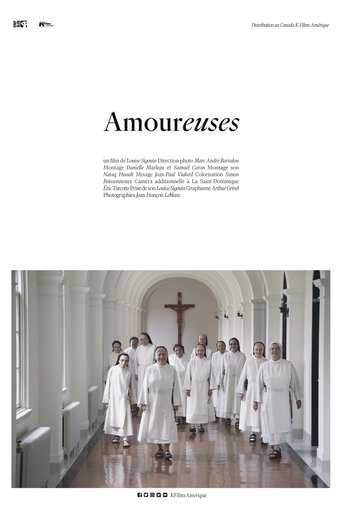
The history of nuns mirrors the history of all women -- in what we are taught about the past, women are almost invisible. Although today's one million nuns outnumber priests two to one, they must struggle to be heard by the all-male Roman Catholic hierarchy from which they are excluded. Behind the Veil: Nuns is the first film ever to record from a global perspective the turbulent history and remarkable achievements of women in religion, from pre-Christian Celtic communities to the radical sisters of the 1980s. Contemporary nuns of strength, dignity and commitment speak of their lives and of their predecessors.
Pope Francis responds to questions from around the world, discussing topics including ecology, immigration, consumerism and social justice.
Beautifully made and historically important pipe organs are being scrapped in their hundreds. Once at the centre of British culture pipe organs are now neglected and unloved.
Imagine Dragons’ Mormon frontman Dan Reynolds is taking on a new mission to explore how the church treats its LGBTQ members. With the rising suicide rate amongst teens in the state of Utah, his concern with the church’s policies sends him on an unexpected path for acceptance and change.
For most of America's history, sacred buildings represented our greatest feats of innovative engineering and artistic design. Unlock the elements of design that make these structures so fascinating and unveil the meaning in religious architecture, ranging from grand cathedrals and simple country churches to synagogues and mosques.